
Maximizing Efficiency And Freshness: The Power Of Pallet Racking In Produce Packing
By Tom Seest
At RackingWorld, we help guide you through selecting warehouse storage systems and racking.
Be sure to read our other related stories at RackingWorld to learn more about warehouse storage systems.
How Do Produce Packing Houses Leverage Pallet Racking?
In the gritty, no-nonsense world of produce packing houses, pallet racking isn’t just some fancy storage system—it’s the backbone that keeps everything moving smoothly from the field to the fork. Think about it: every crate of apples, every box of greens, each bundle of carrots relies on being stacked, stored, and accessed quickly without a wreck. Pallet racking makes that happen with a reliability you can count on.
When you walk into one of these facilities, you see more than just rows of metal shelves; you see a well-oiled machine engineered by experience and necessity. There’s a rhythm to how pallets are loaded and unloaded, and pallet racking provides the framework that lets workers do their jobs with speed and care. It protects the produce from the bruises and damage that cost money and waste good food. It’s a simple system that earns respect because it keeps things organized, safe, and efficient. That kind of order matters when you’re racing against the clock to get perishable goods out the door.
It’s not just about stacking boxes high; it’s about doing right by both the product and the people handling it. Knowing that pallet racking supports safe practices in a busy packing house means fewer injuries, less stress, and a workplace where teams can lean on each other instead of worrying about a rogue pallet toppling over. Ethical responsibility means respecting everyone’s hard work and investing in solutions that protect livelihoods as much as produce.
Beyond the floor, pallet racking stands as a silent testament to industry wisdom. It’s a technology born from hard lessons and hands-on trials, backed by engineering that handles weight, space, and flow without fuss. It’s a system trusted by countless packing houses because it works consistently—not just in theory, but in the long, tiring hours when patience runs thin, and every inch of space counts.
At the end of the day, using pallet racking is about pride and practicality. It’s about showing respect to the growers, the workers, and the customers who count on fresh produce every day. It’s the difference between chaos and control, between waste and worth. For produce packing houses, pallet racking is where common sense meets commitment, holding up the heavy load so the whole operation can stand tall.

How Do Produce Packing Houses Leverage Pallet Racking?
How Do Produce Packing Houses Leverage Pallet Racking?
- Pallet racking is essential in produce packing houses, enabling quick, reliable stacking and access to crates and boxes without damage.
- It creates an efficient workflow by providing a structured framework that allows workers to load and unload pallets with speed and care.
- Protects produce from bruising and damage, reducing waste and financial loss.
- Supports workplace safety, reducing injuries and stress by preventing accidents like pallet toppling.
- Reflects ethical responsibility by valuing workers’ safety and protecting livelihoods alongside the product.
- Represents industry wisdom and engineering expertise, trusted for managing weight, space, and operational flow effectively.
- Symbolizes pride and practicality, maintaining order and respect for growers, workers, and customers while preventing chaos and waste.
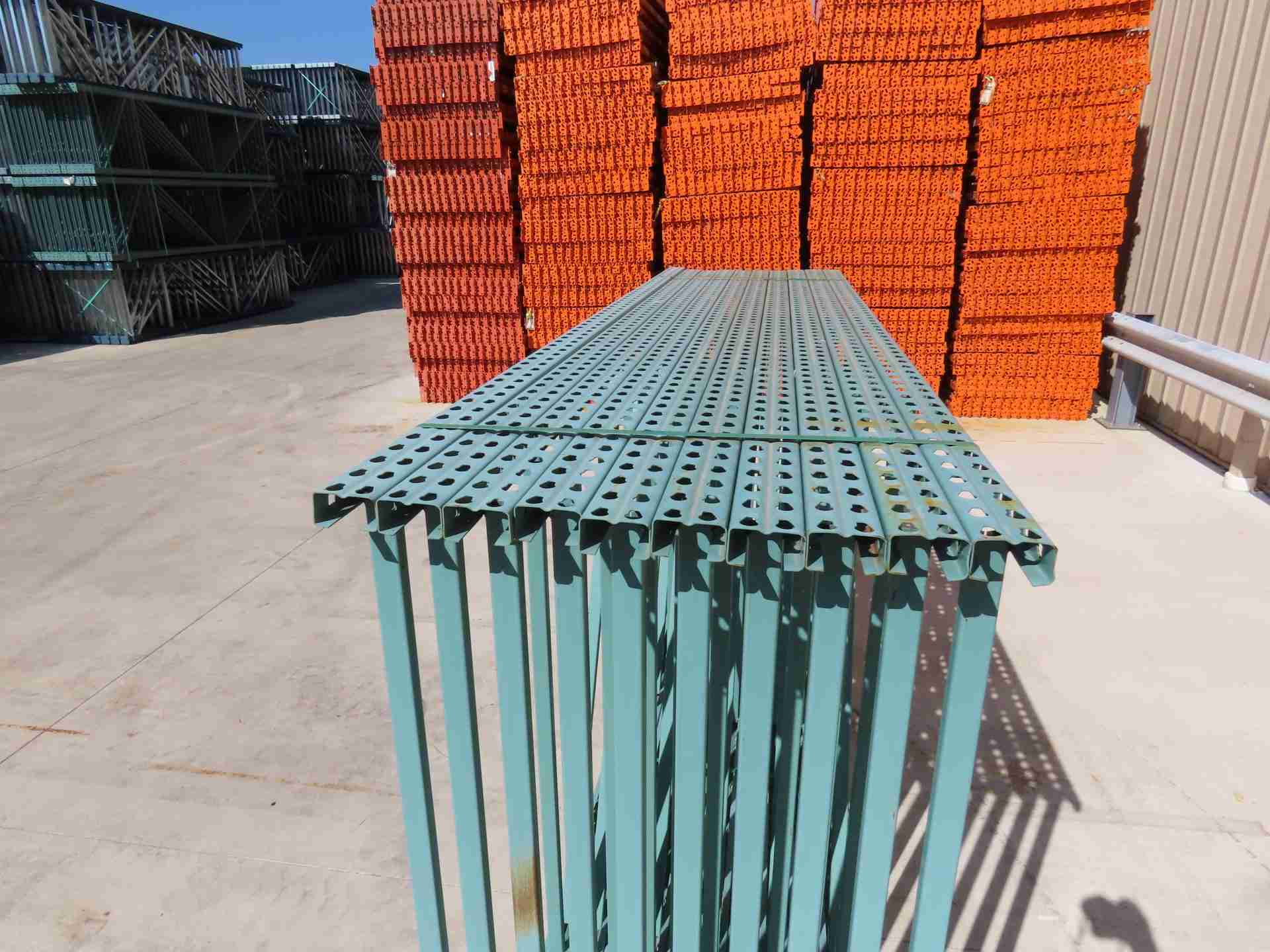
How Do Produce Packing Houses Leverage Pallet Racking?
Table Of Contents
- How Do Produce Packing Houses Leverage Pallet Racking?
- How Does Pallet Racking Improve Space In Packing Houses?
- What Safety Benefits Does Pallet Racking Offer Packing Staff?
- How Does Efficient Racking Reduce Product Damage In Packing?
- What Cost Savings Come From Optimized Pallet Racking Layouts?
- How Does Pallet Racking Support Faster Packing and Shipping?
- Can Racking Systems Adapt to Different Produce Sizes and Weights?
- Conclusion
- Other Resources
- Glossary Of Terms
- Other Questions
- Checklist
How Does Pallet Racking Improve Space In Packing Houses?
Look, anyone who’s spent time in a packing house knows the chaos that can pile up faster than a stack of empty crates. You need room not just to store goods, but to move, work, and breathe without tripping over your own feet. That’s where pallet racking comes in — it’s not some fancy gadget; it’s the backbone that turns a cluttered disaster into a smooth, flowing operation. When you set up pallet racking right, you unlock vertical space you didn’t even realize you had, stacking pallets high without losing stability or safety. It’s like turning your floor into a two-story warehouse without adding a single inch of real estate.
Emotionally, it’s a relief — less stress about cramped aisles, less fumbling around in dim corners searching for what you need. You start your day feeling a little lighter because everything’s got its spot, and no one’s worried about careless messes causing accidents. There’s a trust that the system holds firm, backing you up as you hustle through the day. Rationally, the math is simple: more pallets stored means less wasted space and fewer trips, which saves time and cuts down costs. Efficiency isn’t just a buzzword here; it hits your bottom line directly, making the whole business stronger.
There’s also an ethical angle. When your warehouse is organized with dependable pallet racking, your team works safer. You’re not stacking boxes like a risky game of Jenga; you’re creating a sturdy, reliable setup that protects folks from injury. That sense of looking out for your crew builds loyalty and respect — you show you care not just about product, but people. The authority of pallet racking comes from decades of proven use across industries. It’s a tried-and-true solution that’s stood the test of sweaty hands and heavy loads, not something dreamed up in an office somewhere. It’s practical, honest, and it works.
Story-wise, every packing house with pallet racking knows the shift — the change from cluttered chaos to organized calm is like night and day. Workers feel the difference, and productivity follows suit. Socially, it signals seriousness; a clean, well-racked warehouse sends a message to customers and partners that you mean business and respect your craft. In a world where margins are tight and speed is king, pallet racking isn’t just storage — it’s peace of mind, muscle, and pride all rolled into one sturdy frame.
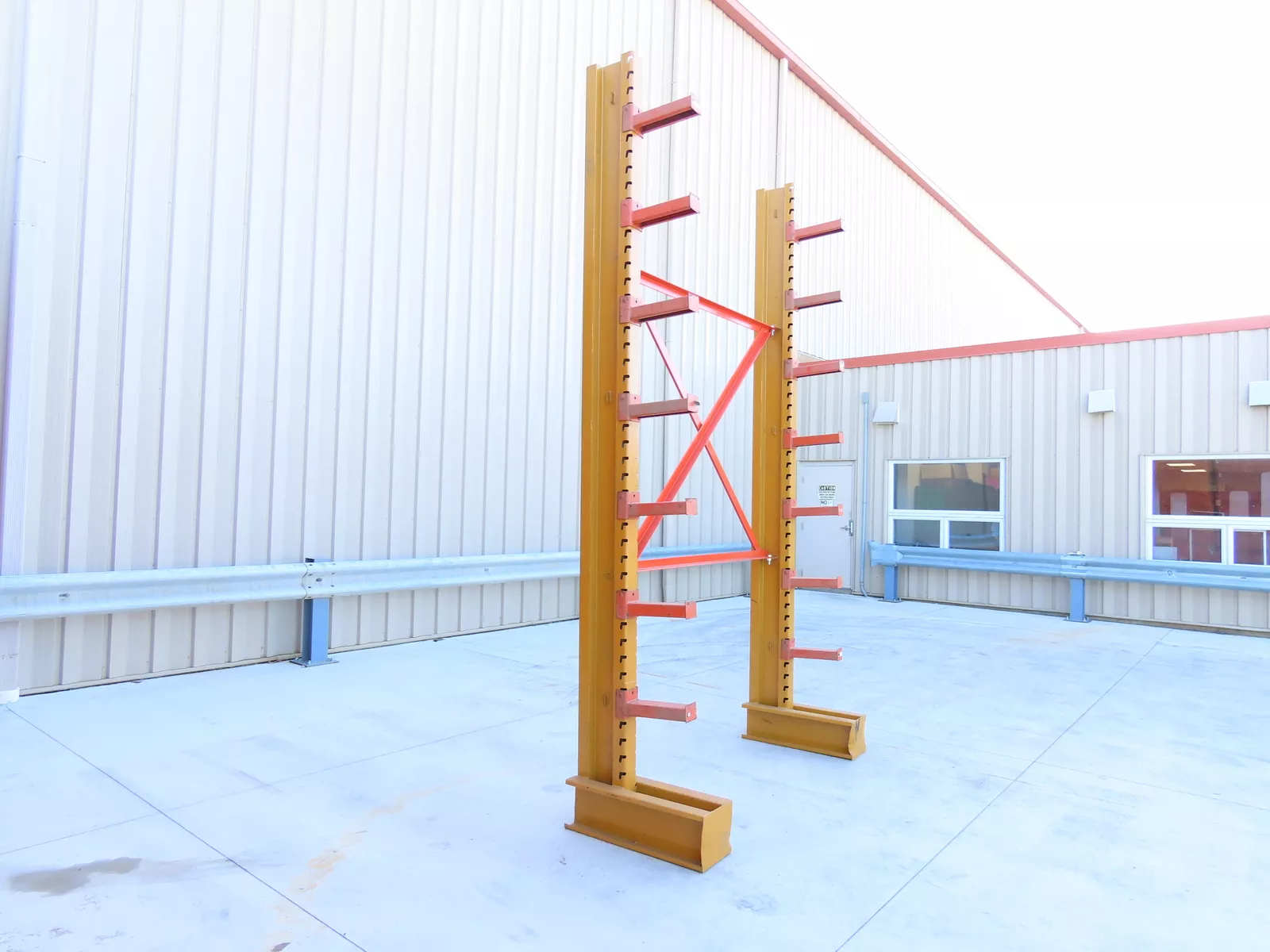
How Does Pallet Racking Improve Space In Packing Houses?
How Does Pallet Racking Improve Space In Packing Houses?
- Pallet racking transforms chaotic packing houses into smooth, efficient operations by utilizing vertical space without expanding the footprint.
- Properly set up pallet racking reduces stress and accidents by organizing aisles and giving every item a designated spot.
- Increased storage capacity leads to fewer trips, saving time and cutting costs, directly improving business efficiency.
- Pallet racking promotes workplace safety, protecting employees and fostering loyalty and respect by showing care for the team.
- Its reliability is proven through decades of use, making it a practical and trusted solution across various industries.
- The shift from clutter to order improves worker morale and boosts productivity significantly.
- A well-organized warehouse signals professionalism and seriousness to customers and partners, enhancing the business’s reputation.
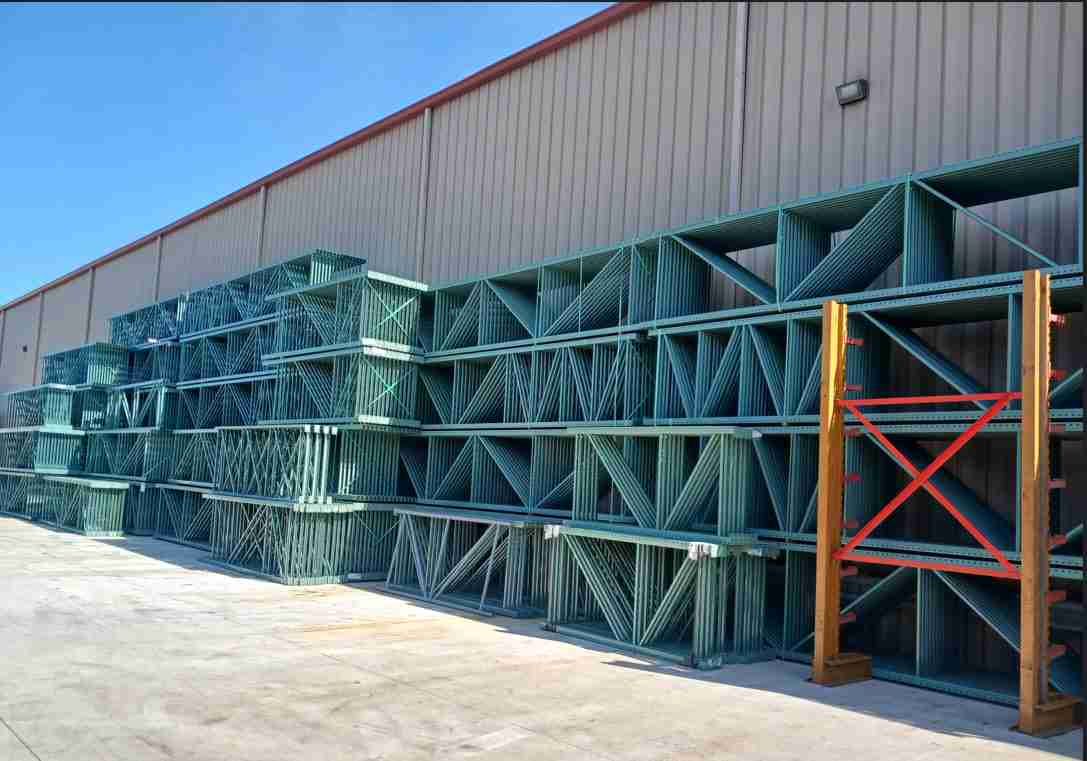
How Does Pallet Racking Improve Space In Packing Houses?
What Safety Benefits Does Pallet Racking Offer Packing Staff?
When you work a packing job day in and day out, safety isn’t just a policy on paper—it’s the thing that keeps you walking out the door at the end of your shift. Pallet Racking offers a solid, no-nonsense way to keep that safety in check. You might not think about it while stacking boxes or moving pallets, but having a reliable racking system underneath your work makes a world of difference.
First off, Pallet Racking helps keep the warehouse organized and clutter-free. You don’t have to worry about tripping over stray boxes or dodging pallets left in walkways. That’s not just convenience—it’s a big deal when you’re hauling heavy loads or maneuvering forklifts. Clear spaces mean fewer accidents, which means fewer trips to the nurse or worse. It’s the kind of peace of mind every packing staff deserves, grounded in plain common sense.
Then there’s the strength and stability Pallet Racking brings to the table. When pallets are stacked the right way—secure, steady, and within reach—it cuts down on the brainwork and guesswork. You avoid those scary moments trying to balance a load that’s about to tip over. This stuff is tested, built to hold up under pressure, so you know it’s not going to give way halfway through your shift. That’s an ethical responsibility every employer should honor—making sure the gear isn’t just functional but trustworthy.
Plus, it’s not just about avoiding injuries; it’s about respect. Respect for the people doing the hard work, the folks who keep the supply chain moving. Pallet Racking shows you care by investing in systems that protect them from preventable harms. That connection between workers and management, when it’s built on safety, becomes a foundation of trust that makes the workday less grinding and more straightforward.
Stories from the floor tell the same thing: packing staff feel safer when Pallet Racking is part of their workspace. It’s the difference between dreading the unpredictable and facing the day confident that the environment has your back. Keeping your team safe isn’t just a checkbox—it’s the no-frills, honest way to respect the sweat and effort poured into every product packed and shipped. Trust in a system that protects hands, backs, and lives—because that’s the kind of safety every pallet tells a story about.
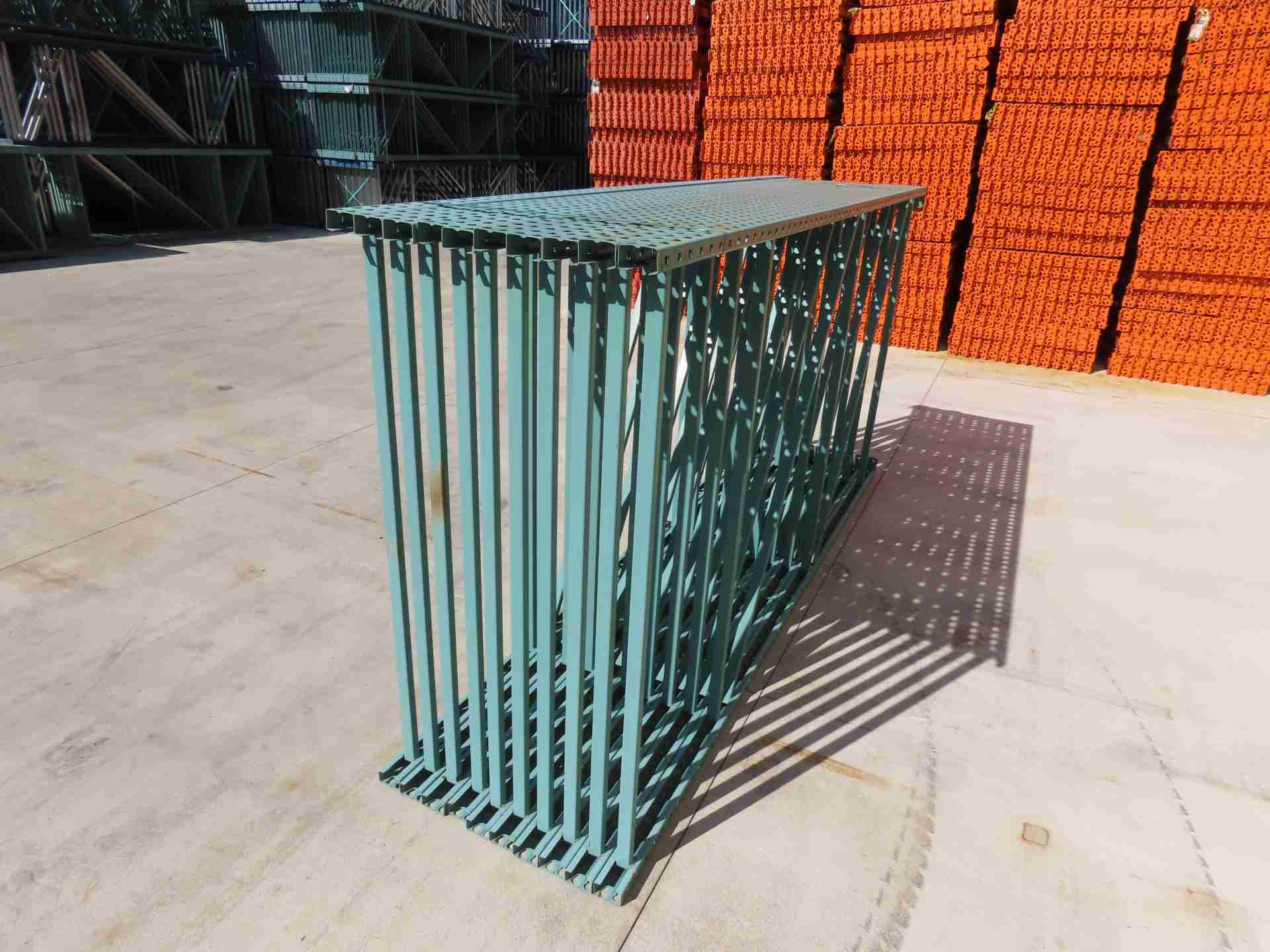
What Safety Benefits Does Pallet Racking Offer Packing Staff?
What Safety Benefits Does Pallet Racking Offer Packing Staff?
- Pallet Racking is essential for maintaining safety in packing jobs, ensuring workers leave at the end of their shifts unharmed.
- It keeps warehouses organized and clutter-free, reducing accidents caused by tripping over stray boxes or pallets.
- Clear spaces created by proper racking facilitate safer movement of heavy loads and forklifts.
- The strength and stability of Pallet Racking secure pallets properly, preventing dangerous tipping and balancing hazards.
- Employers have an ethical responsibility to provide trustworthy and functional racking systems.
- Pallet Racking reflects respect for workers by investing in their safety, fostering trust between staff and management.
- Workers feel safer and more confident with Pallet Racking in place, making the work environment less stressful and more reliable.
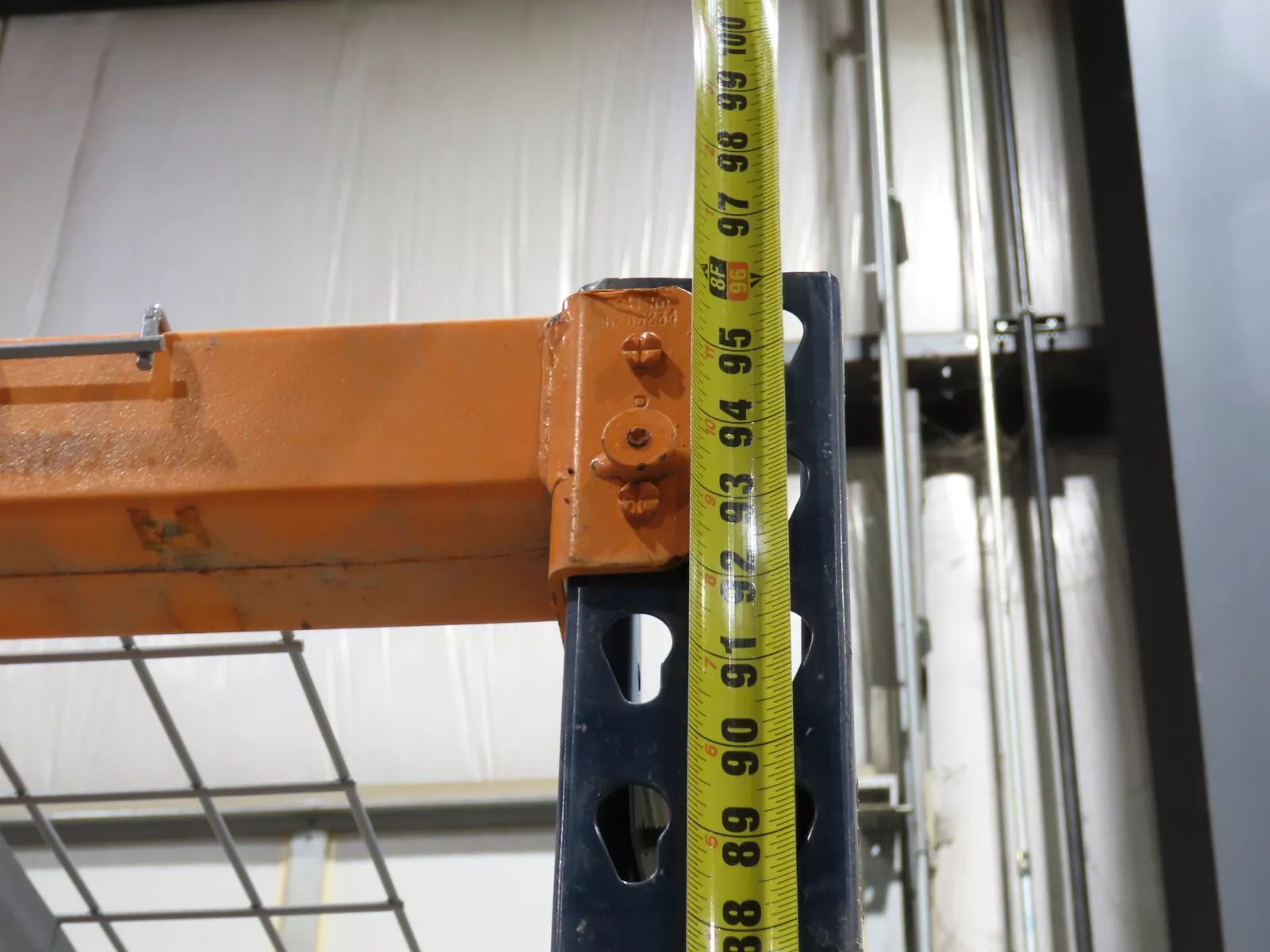
What Safety Benefits Does Pallet Racking Offer Packing Staff?
How Does Efficient Racking Reduce Product Damage In Packing?
Look, anyone who’s spent time in a warehouse knows the heartbreak of seeing a perfectly good product smashed or scratched before it even leaves the building. It’s not just about lost money—it’s about pride in your work and respect for what you’re handling. Efficient pallet racking is the unsung hero in this story. When done right, it’s like giving your goods a sturdy home, a place where they’re safe from bumps, bruises, and careless handling. That’s not just good for the bottom line; it’s good for keeping your crew’s heads clear and your customers happy.
From the head-down, practical side, pallet racking optimized for packing cuts down on chaos. Instead of piling boxes haphazardly or stacking them in a way that invites collapse, racks organize everything neatly and predictably. With this kind of setup, workers don’t have to guess or take extra steps that lead to dropped items or crushed packaging. It’s common sense: less scrambling means less damage. When the right racks are used, the products sit tight, easy to reach but secure, reducing the chance of accidents and wasted time.
There’s also an ethical punch to it. Every item that breaks means wasted materials, wasted labor, and often, waste that ends up in a landfill. Efficient pallet racking isn’t just about saving money—it’s about being responsible stewards of resources. When you protect your products by storing them correctly, you’re doing right by everyone involved: the workers who pack with care, the customers counting on what you deliver, and the planet that takes the hit when waste piles up.
Listen to the folks on the floor with years under their belts. The stores that invest in smart pallet racking find fewer headaches at the loading dock. It’s a trust-builder. When packing teams know their workspace is designed to minimize damage, they move with more confidence and less anxiety. That trust in your system spreads like wildfire, making everyone more invested in doing a solid job.
At its heart, efficient pallet racking is simple: it’s about respecting the goods and the people who handle them. It’s like giving your products a rugged, reliable friend to lean on while they wait their turn to hit the road. That’s the kind of system that changes how a warehouse feels—less stress, fewer ruined products, and a tighter-knit crew that knows their work means something solid. If you want less waste and more pride, efficient pallet racking is the answer you’ve been overlooking.
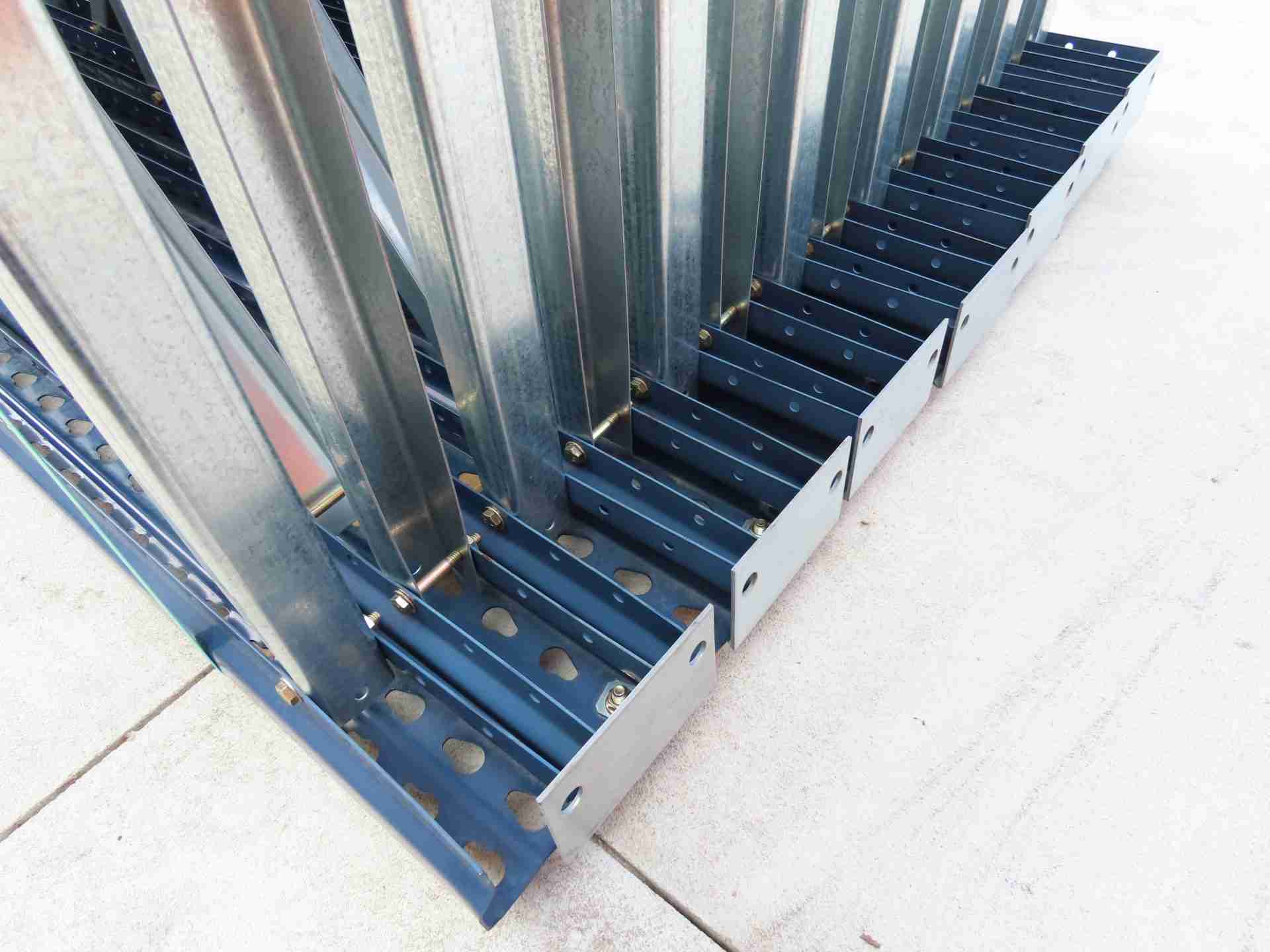
How Does Efficient Racking Reduce Product Damage In Packing?
How Does Efficient Racking Reduce Product Damage In Packing?
- Efficient pallet racking protects products from damage, preserving both financial value and worker pride.
- Organized racks reduce chaos, minimize accidents, and prevent crushed packaging by providing secure, accessible storage.
- Proper pallet racking reduces wasted materials, labor, and landfill waste, supporting responsible resource management.
- Investing in smart pallet racking builds trust among packing teams, boosting confidence and reducing anxiety on the job.
- Well-designed storage systems promote a safer, more efficient workspace that lowers damage rates and saves time.
- Efficient pallet racking fosters a sense of respect for goods and workers, enhancing team cohesion and job satisfaction.
- Overall, effective pallet racking decreases waste, improves workplace morale, and supports consistent delivery quality.
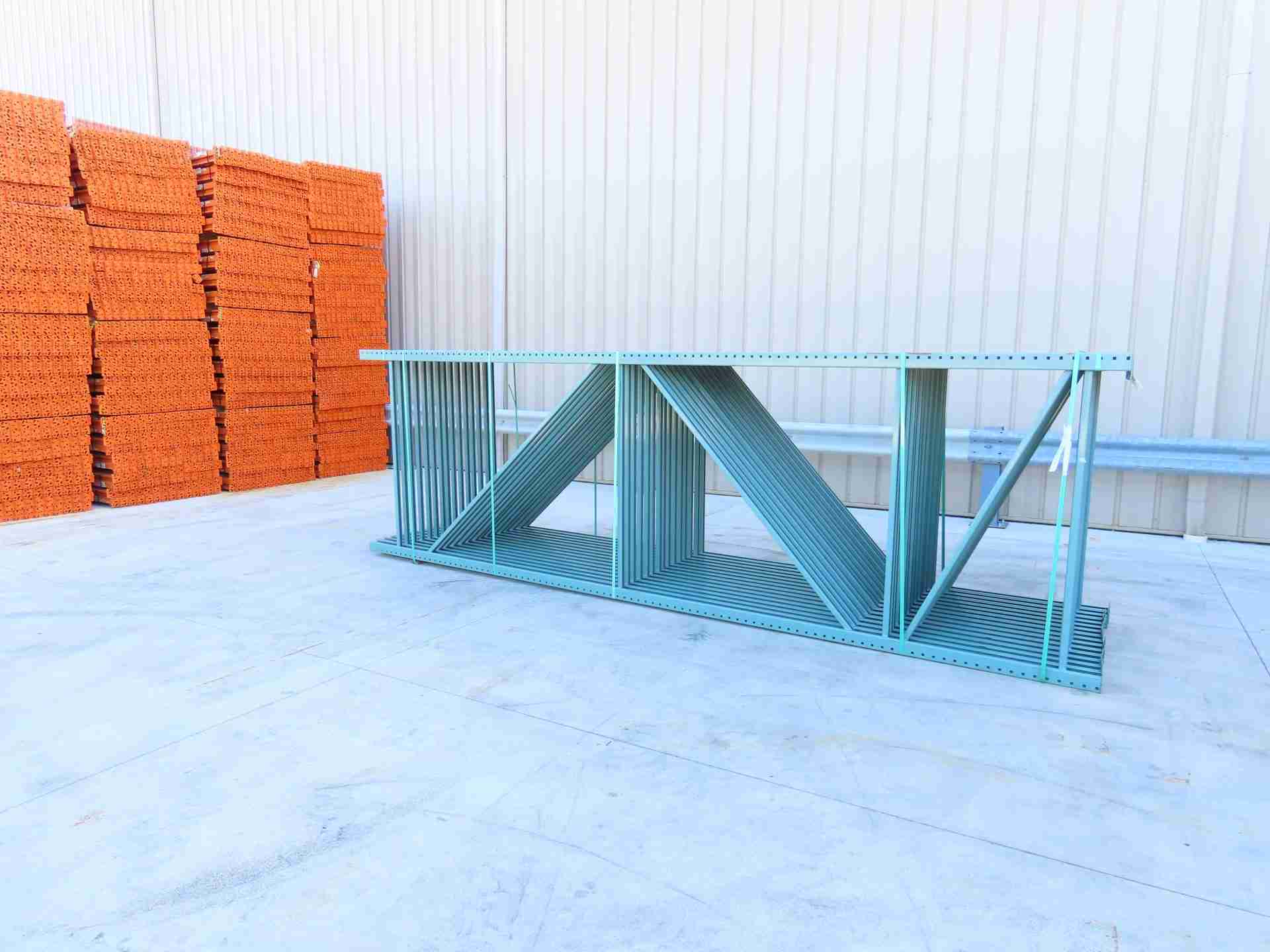
How Does Efficient Racking Reduce Product Damage In Packing?
What Cost Savings Come From Optimized Pallet Racking Layouts?
You ever walk into a warehouse where everything’s stacked haphazard like a bad Jenga game? It’s frustrating, wastes time, and more importantly—it costs money. Pallet racking isn’t just about stacking goods; it’s about doing it smart. When you optimize your pallet racking layout, you’re not just rearranging metal beams—you’re shaking loose those hidden cost leaks that drain your bottom line.
First off, an efficient pallet racking setup squeezes every inch of space out of your warehouse. Space costs money. Rent, lighting, heating, cooling—those bills add up no matter how crammed your shelves are. But when your racks are optimized, you’re packing more inventory without expanding your footprint. That means fewer square feet to maintain and lower overhead. You’re not just saving space; you’re saving cash.
Then there’s time—pure gold in any operation. When workers can find and move pallets without playing hide and seek, that’s hours shaved off daily. That adds up to higher productivity and fewer overtime hours. With a clear, logical pallet racking layout designed around workflow, the forklifts don’t circle like buzzards, and those long days become manageable. It’s the difference between a smooth-running job and burnout on both the crew and the budget.
There’s an ethical angle too. A cluttered, unsafe warehouse risks injuries, which are costly beyond money—people get hurt, families stressed, reputations dented. Optimized pallet racking means safer aisles, better visibility, and less strain on your team. Taking care of your crew isn’t just good sense—it’s the right thing to do. It builds trust inside your walls and out in the business world.
On the authority front, companies that nail down their pallet racking layouts aren’t just lucky. They’ve done the grunt work: measuring, planning, tweaking. They understand their operations inside and out. It’s a quiet kind of discipline that pays dividends—less damage to goods, fewer misplaced shipments, lower insurance premiums. That kind of expertise earns respect from suppliers, clients, and employees alike.
Think of the stories behind every pallet racking decision. Each upright shelf represents a solution born from trial and error, sweat, and real-world lessons. It’s about respecting the value of what you handle, honoring the hands that manage it, and trusting that smart layout choices make the whole process leaner, safer, and stronger.
Optimizing your pallet racking isn’t just a line item on a balance sheet. It’s an investment in your team’s wellbeing, your operation’s efficiency, and your company’s future. When done right, the savings aren’t just numbers—they’re the foundation for growth and pride in a job well done.
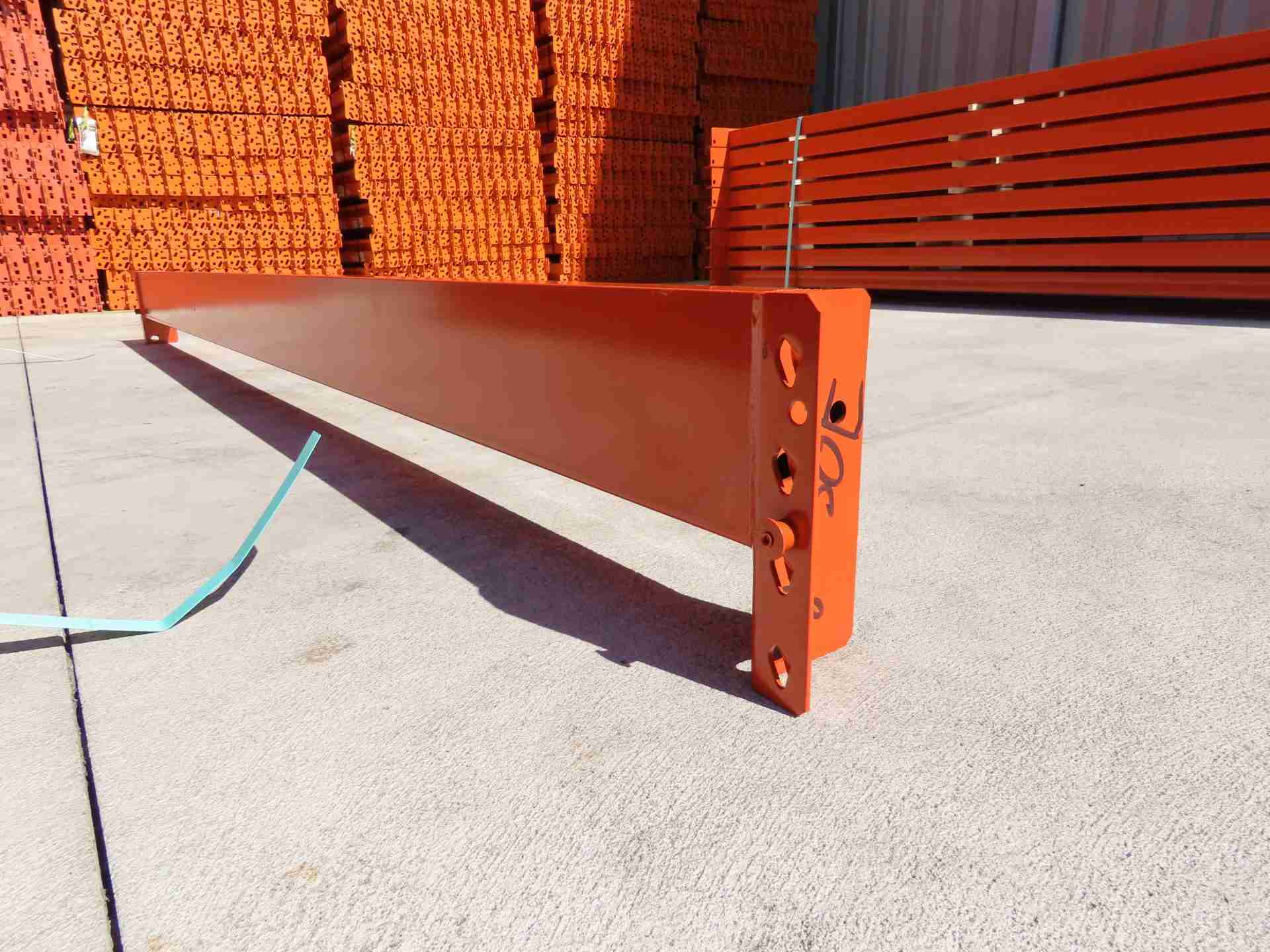
What Cost Savings Come From Optimized Pallet Racking Layouts?
What Cost Savings Come From Optimized Pallet Racking Layouts?
- Optimizing pallet racking eliminates hidden cost leaks by arranging storage efficiently rather than stacking haphazardly.
- An efficient layout maximizes warehouse space, reducing rent, lighting, heating, and cooling expenses without expanding the footprint.
- Saves time by enabling workers to quickly find and move pallets, increasing productivity and reducing overtime.
- Improves safety by creating clear aisles and better visibility, lowering injury risks and building trust within the team and with stakeholders.
- Companies that optimize pallet racking demonstrate discipline through measuring, planning, and tweaking, which lowers damage, misplacements, and insurance costs.
- Each pallet racking decision reflects real-world learning and respect for the value of goods and workforce efficiency.
- Optimizing pallet racking is an investment in operational efficiency, team wellbeing, and company growth beyond just cost savings.

What Cost Savings Come From Optimized Pallet Racking Layouts?
How Does Pallet Racking Support Faster Packing and Shipping?
There’s nothing fancy about a good pallet racking system, but that’s exactly what makes it a powerhouse in any warehouse or shipping floor. Imagine a busy day when every minute counts, orders piling up, deadlines breathing down your neck. Pallet racking steps in like the reliable workhorse it is—holding your goods neatly, clearly, and within easy reach so you can grab what you need without hunting or hassle.
When you think about it, speeding up packing and shipping isn’t just about rushing; it’s about smart organizing. Pallet racking turns cluttered chaos into straightforward logic. Each pallet has its place, stacked in rows that don’t waste space or time. This means the team spends less time digging through piles and more time loading trucks and locking down schedules. It’s a simple setup that respects the grind and the honest hustle behind every package sent out the door.
There’s a real ethical backbone here, too. A well-designed pallet racking system keeps products safe and workers safer. Stock is stable, accidents drop, and everyone can do their job without second-guessing if a load will slip or a shelf might collapse. That kind of reliability breeds quiet confidence on the floor—knowing the gear works as hard as you do, no shortcuts taken, no corners cut.
Picture the daily rhythm—the sound of forklifts humming, hands sorting boxes, eyes scanning for the next item. Pallet racking keeps that rhythm smooth, steady, and efficient. It’s not flashy, but it’s trusted. It connects the whole crew: packers, loaders, drivers, all depending on a system that respects their time and sweat. When the work lines up right, the day flows, deadlines meet, and customers get their orders without drama.
Bottom line: pallet racking isn’t just metal beams and wood boards. It’s the backbone that holds your hard work together, turning effort into results. It’s common sense on a big scale—keeping everything accessible, organized, and moving fast so you don’t just hustle harder, you hustle smarter. Every business aiming to ship quicker and pack better owes it to their crew and customers to get this part right.
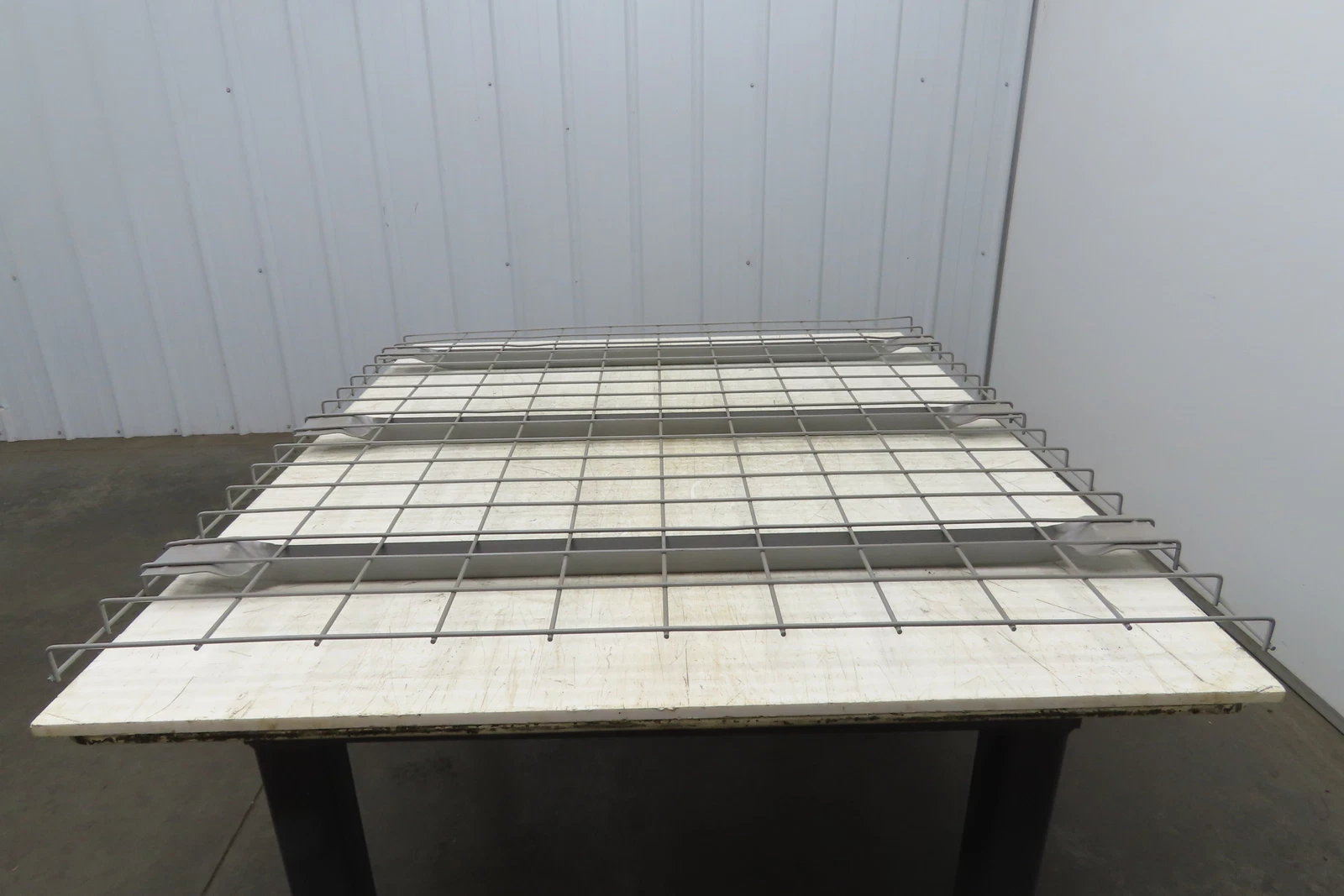
How Does Pallet Racking Support Faster Packing and Shipping?
How Does Pallet Racking Support Faster Packing and Shipping?
- Pallet racking is a simple yet essential system that organizes goods neatly and keeps them within easy reach, improving efficiency in busy warehouse environments.
- It transforms cluttered storage into organized rows, reducing the time workers spend searching for items and increasing time spent on loading and meeting schedules.
- A well-designed pallet racking system enhances safety by stabilizing stock and reducing accidents, allowing workers to perform their tasks confidently.
- The system supports a smooth workflow, connecting packers, loaders, and drivers by respecting their time and effort.
- Pallet racking provides reliable, no-shortcut storage that contributes to steady operations and on-time order fulfillment.
- It acts as the backbone of warehouse operations, turning hard work into measurable results through smart organization.
- Businesses focused on faster shipping and better packing benefit greatly from implementing effective pallet racking systems for their teams and customers.

How Does Pallet Racking Support Faster Packing and Shipping?
Can Racking Systems Adapt to Different Produce Sizes and Weights?
When you’re stacking crates full of fresh produce, one size doesn’t fit all. That’s a fact folks in warehouses and farms live by. Pallet racking systems have come a long way from the clunky, one-trick shelves of old. Now, they’re built with the kind of flexibility that makes your job easier and your produce safer. The heart of the matter is simple: your racking needs to handle the weight and shape of what you’re storing without turning into a safety hazard or a logistical nightmare.
It’s not just about holding stuff up. It’s about respect for the fruits of hard labor and the quality that customers expect. A box of apples doesn’t weigh the same as a crate of watermelons, and a pallet of pears can’t just be stacked the same way as oranges. Pallet racking systems designed with adjustable beams, modular components, and customizable shelving mean you don’t have to force square pegs into round holes. That kind of engineering wisdom shows respect for the produce, the workers, and anyone who touches the supply chain down the line.
From a logical standpoint, these adaptable systems save a ton of headaches. Think about the time you lose trying to rejigger your storage space when you get a different order. Or the stretch of muscle it takes to manually move heavy crates because the racks won’t fit them right. A system that flexes with your needs boosts efficiency and cuts downtime. It also means fewer accidents, less breakage, and easier inventory management. Trust comes from seeing your racking take that punch and still stand straight and strong, day after day.
On the ethical front, there’s a bigger story here about waste. If your racking system can’t handle what you need, that produce risks spoiling before it ever reaches a shelf. That’s not just lost money—it’s wasted food and resources. Choosing pallet racking that adapts to different sizes and weights isn’t just smart; it’s doing your part to honor what nature and human hands have worked hard to provide.
The best systems are the ones you can depend on without second-guessing. They fit with the rhythm of the work and with the unpredictability that comes when dealing with Mother Nature’s bounty. Pallet racking that moves with you means peace of mind and respect for every level—from the grower to the packer to the customer. It’s not just steel and bolts; it’s the backbone of good sense and good stewardship.

Can Racking Systems Adapt to Different Produce Sizes and Weights?
Can Racking Systems Adapt to Different Produce Sizes and Weights?
- Pallet racking systems have evolved to be flexible, accommodating varying weights and shapes of produce safely and efficiently.
- Adjustable beams, modular components, and customizable shelving prevent improper stacking and respect the quality of different produce types.
- Adaptable racks reduce labor, minimize downtime, prevent accidents, and simplify inventory management.
- Proper racking reduces waste by preventing spoilage and honoring the effort behind the produce.
- These systems enhance trust through durability and reliability in daily warehouse and farm operations.
- Pallet racking systems support the entire supply chain from growers to customers by adapting to changing needs.
- They represent a blend of practicality and stewardship, serving as a foundational element in produce handling.
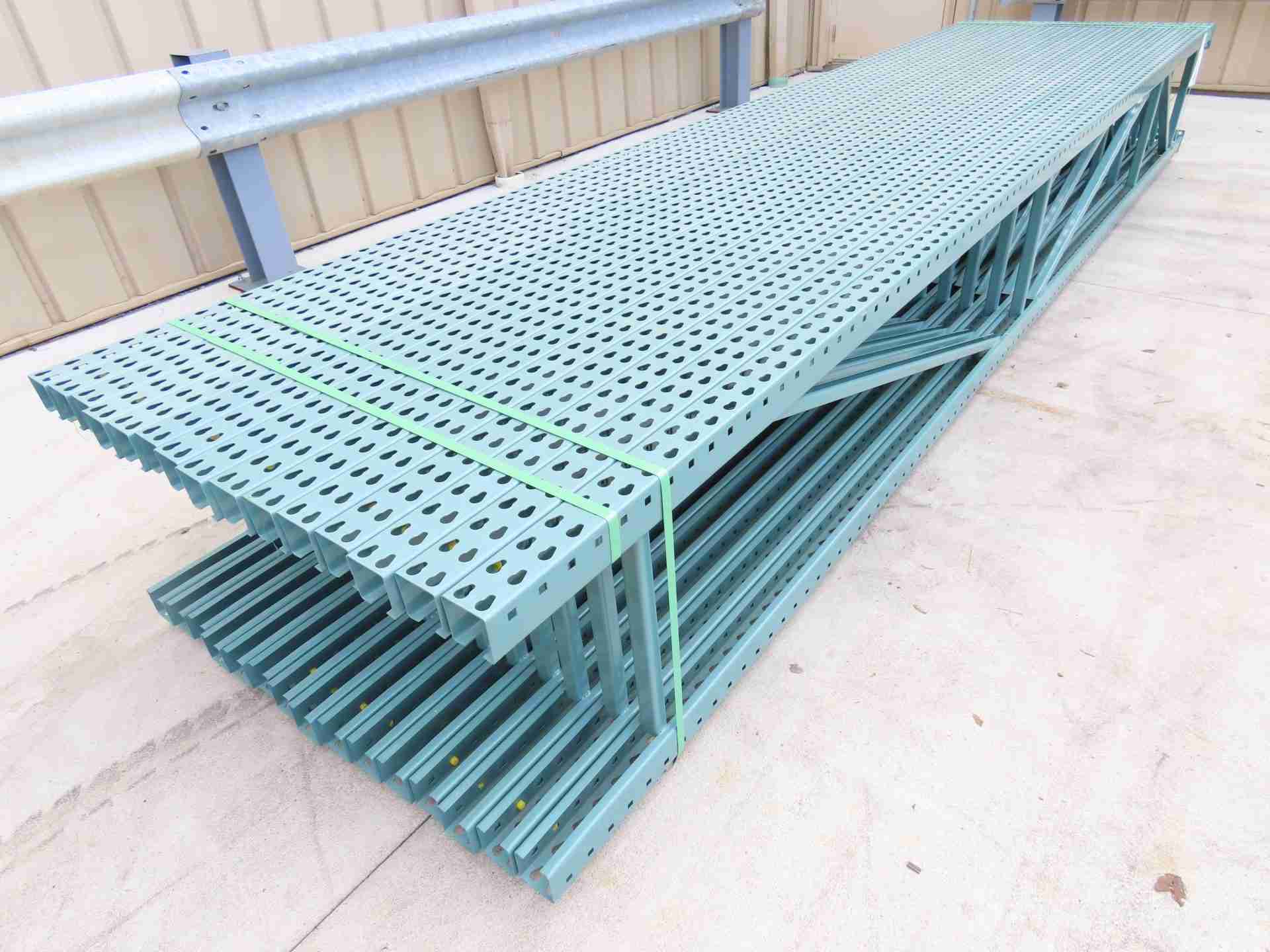
Can Racking Systems Adapt to Different Produce Sizes and Weights?
Conclusion
In the gritty world of produce packing houses, pallet racking isn’t just a storage tool—it’s the unsung hero that keeps the whole operation standing tall. It turns chaotic piles of crates and boxes into an organized, efficient flow, making sure fresh goods get from field to fork without bruises or breakage. This isn’t about fancy gadgets or flashy tech; it’s about solid common sense and respect—a respect for the product, the people moving it, and the customers waiting for it.
Pallet racking unlocks hidden vertical space, transforming crowded warehouses into orderly powerhouses. That extra room isn’t just convenience; it’s a lifeline that cuts down stress, keeps aisles clear, and prevents costly accidents. When workers don’t have to play forklift hide-and-seek or risk tripping over stray pallets, the whole job feels lighter. The system’s strength and steadiness guard against those nerve-wracking moments when a load leans too far or shifts unexpectedly, honoring the hard work of everyone involved by keeping them safe.
Damage is the enemy in this line of work. Efficient pallet racking is like giving each product a protective home, keeping it safe from bruises and mishaps that waste money and morale. When goods are stacked just right—secure, accessible, predictable—it means fewer ruined crates and less frustration down the line. Protecting the product also means protecting the planet, cutting down waste, and showing real responsibility from grower to buyer.
On the financial side, smart pallet racking holds back hidden cost leaks. It stretches every square foot and every second, squeezing more inventory into the same spot and speeding up work without adding overtime or hazards. That’s dollars saved in rent, utilities, labor, and insurance—money that can go back into the business or the people who keep it running. And behind all this is a quiet authority: decades of real-world experience have turned pallet racking into a trusted solution, tested by sweat, trial, and the constant demands of a tough job.
Flexibility is key, too. Produce comes in all shapes and weights, and pallet racking systems that adjust and adapt make all the difference. They keep things stable and manageable, cutting downtime and preventing the kind of waste that comes from using one-size-fits-all solutions on nature’s unpredictable bounty. Such adaptability isn’t just practical; it’s ethical. It honors the work of everyone from the field hands to the packers, respecting both human effort and natural resources.
At the end of the day, pallet racking shows up quietly, steady and reliable. It’s the backbone that turns hard work into results, chaos into order, and everyday hustle into real pride. It’s about doing right by the produce, the people, and the planet—all held up on strong steel and common sense that never quit.
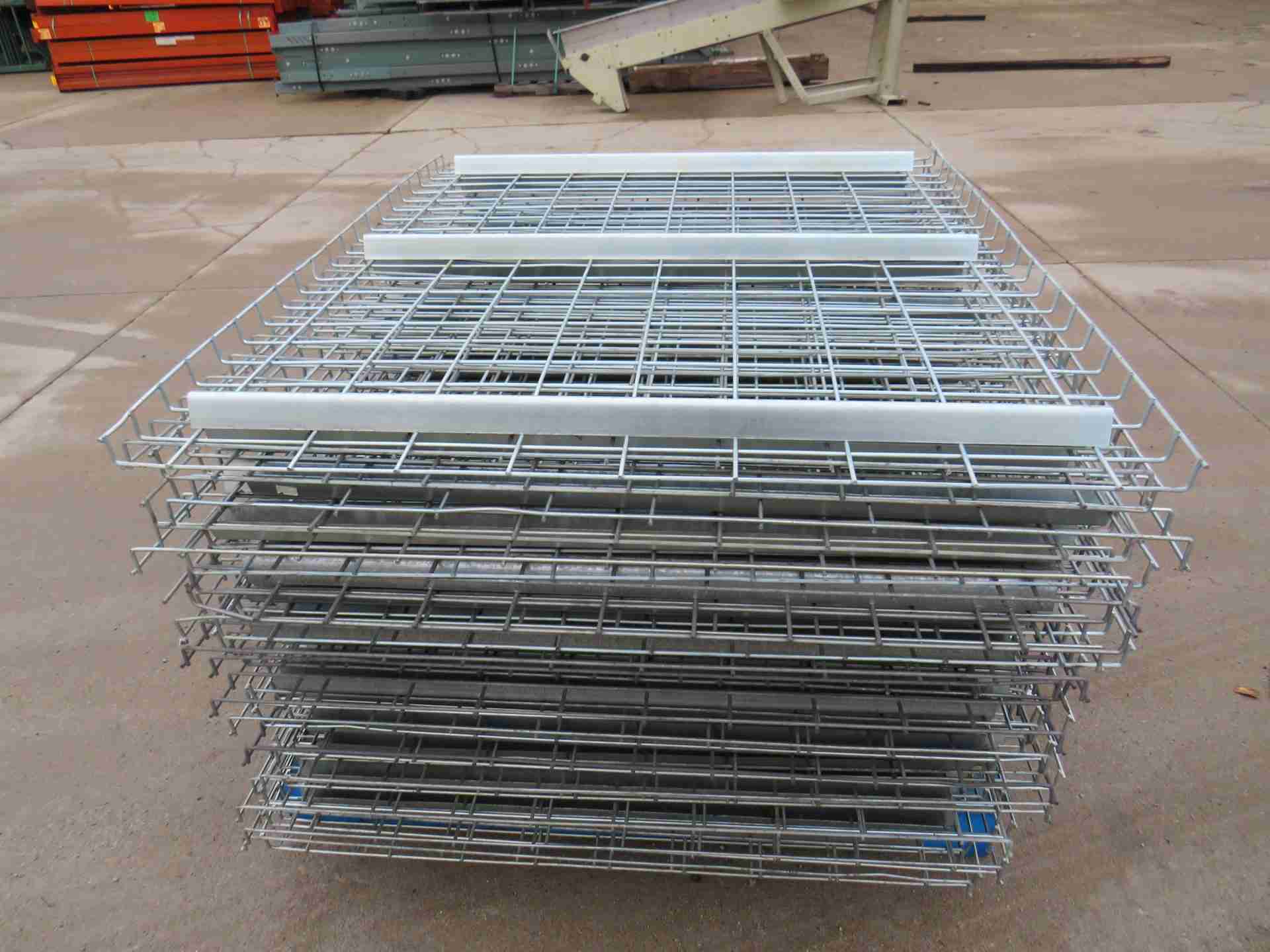
Conclusion
Conclusion:
- Pallet racking organizes produce packing houses by turning chaotic storage into an efficient flow, protecting fresh goods from damage.
- It maximizes vertical space, reducing stress, keeping aisles clear, and preventing accidents in warehouses.
- Proper pallet racking protects products from bruises and waste, supporting both financial efficiency and environmental responsibility.
- It reduces hidden costs by optimizing space and speeding up work without increasing labor or hazards.
- Decades of experience have made pallet racking a trusted, reliable solution in demanding work environments.
- Flexible systems adapt to varying produce sizes and weights, minimizing downtime and waste.
- Pallet racking provides a steady, reliable backbone that converts hard work into organized results, honoring the product, people, and the planet.
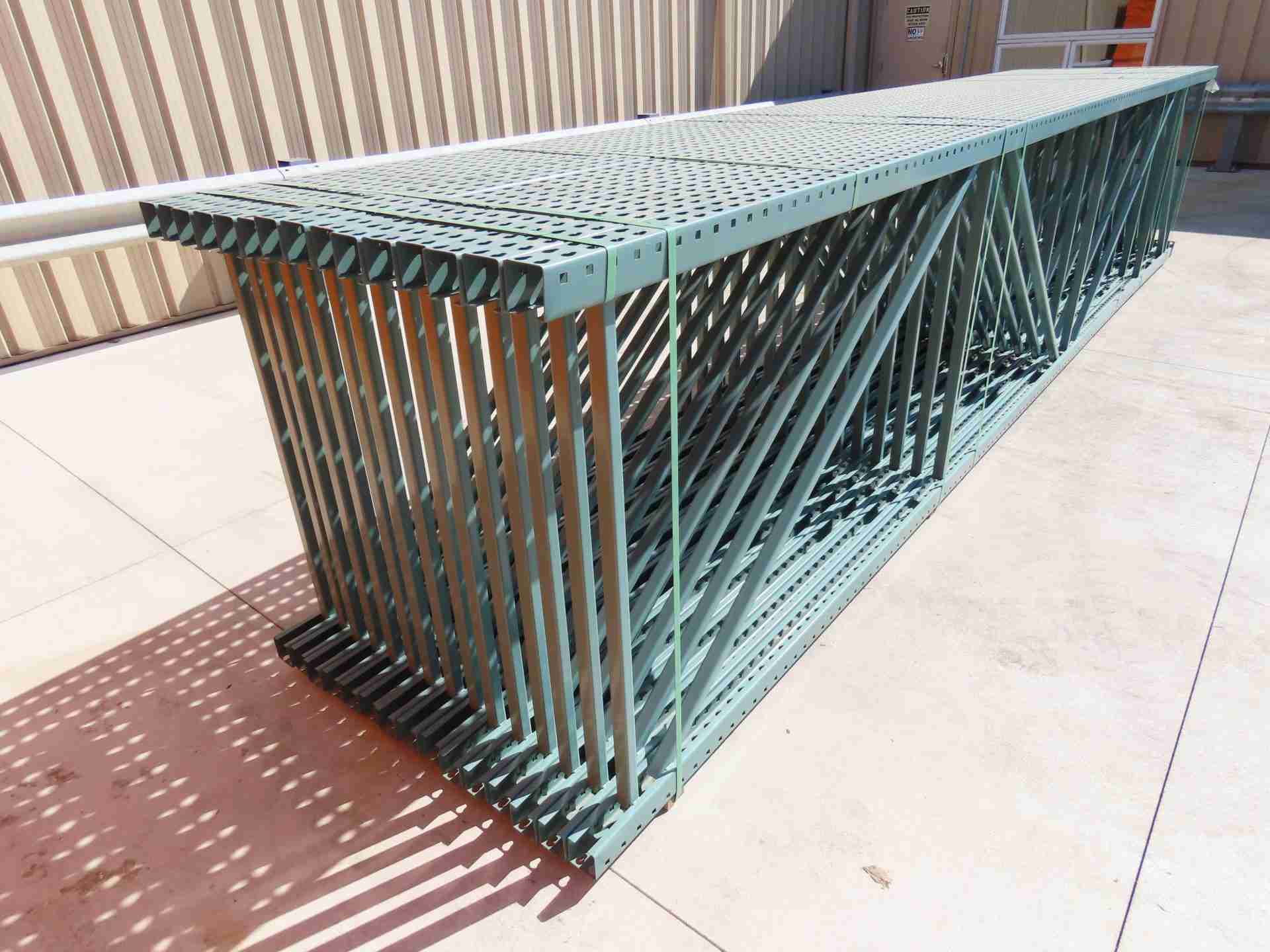
Conclusion
Other Resources
Other Resources
Here is a list of other resources you can review online to learn more:
- Cantilever Rack Guide: Ordering Cantilever Racking
- Pallet Racking systems in Illinois, Great Lakes
- Teardrop Industrial Shelving Rack
- Warehouse Racking Layout: The Ultimate Guide – Conger
- New Cantilever Racks and Racking Kits
- Selective Racking
- Material Handling Industry
- Heavy-Duty Cantilever Storage Racks
- Storage Equipment Manufacturers’ Association
- Material Handling Safety
- Pallet Racking systems in Illinois and Great Lakes
- Chicago Pallet Racking
- Arrow Industrial Sales
- What is Cantilever Racking? – AK Material Handling Systems
- Storage Equipment Manufacturers Association
- Crane Manufacturers Association Of America Inc.
- Shipping Boxes, Packaging Materials, Pallet Racking
- The Complete Pallet Rack Guide – Simply Rack
- Overhead Lifting
- Logic Material Handling
Use This Prompt To Get More Resources With Your Favorite Online AI Tool: Please provide me with a list of online articles with their URLs in a bulleted list that I can read regarding How Do Produce Packing Houses Leverage Pallet Racking?

Other Resources
Glossary Terms
How Do Produce Packing Houses Leverage Pallet Racking? – Glossary Of Terms
1. Pallet Racking: A storage system designed to hold materials on pallets in horizontal rows with multiple levels.
2. Produce Packing House: A facility where fresh fruits and vegetables are washed, sorted, packed, and prepared for distribution.
3. Pallet: A flat transport structure that supports goods in a stable manner while being lifted by forklifts.
4. Stacking: The process of placing goods or pallets one above another to maximize vertical space use.
5. Space Optimization: Efficient use of available storage area to maximize capacity and accessibility.
6. Forklift: A powered industrial truck used to lift and move pallets within packing houses.
7. Load Capacity: The maximum weight a pallet racking system can safely support.
8. Inventory Management: Tracking and controlling goods stored within packing houses.
9. Accessibility: The ease with which workers can retrieve or store pallets within the racking system.
10. First-In, First-Out (FIFO): An inventory method ensuring the oldest stock is used or shipped first.
11. Just-In-Time Storage: Coordinating storage so produce is kept only as long as necessary before shipment.
12. Cold Storage Integration: Combining pallet racking with refrigerated environments to keep produce fresh.
13. Height Utilization: Maximizing vertical storage space through multi-level racking.
14. Aisle Width: The space between rows of racks, critical for forklift maneuvering.
15. Load Stability: Ensuring pallets remain secure on racks during storage and retrieval.
16. Automated Storage and Retrieval Systems (ASRS): Technology-enabled systems for automatic handling of pallet storage.
17. Inventory Turnover: The rate at which stored produce is used or shipped out.
18. Space Efficiency: Using pallet racking to reduce unused storage area.
19. Cross-Docking: Transferring goods directly from inbound to outbound transport with minimal storage.
20. Ergonomics: Designing racking systems for safe and efficient worker operation.
21. Slotting: Assigning specific locations within racks for different produce types.
22. Material Handling Equipment: Tools like forklifts and pallet jacks used within packing houses.
23. Load Distribution: Even spread of weight to prevent racking damage.
24. Modular Racking: Adjustable rack components that can be reconfigured based on storage needs.
25. Picking Efficiency: Speed and accuracy in selecting produce from pallets.
26. Damage Reduction: Minimizing harm to produce through secure and appropriate racking.
27. Warehouse Management System (WMS): Software that tracks pallet locations and inventory status.
28. Seasonal Storage: Accommodating fluctuations in produce volume using flexible racking.
29. Quality Control: Ensuring produce maintains freshness and integrity while in storage.
30. Sustainability: Utilizing pallet racking to reduce waste and optimize resource use in packing houses.

Glossary Of Terms
Other Questions
How Do Produce Packing Houses Leverage Pallet Racking? – Other Questions
If you wish to explore and discover more, consider looking for answers to these questions:
- What specific types of pallet racking (selective, drive‑in, push‑back, pallet‑flow, cantilever) are best for different kinds of produce?
- How do you choose between FIFO and LIFO racking strategies for perishable goods?
- What are the recommended load capacities and safety margins for racking used with produce pallets?
- How should racking be specified for cold storage and refrigerated packing areas?
- What materials, coatings, or finishes (galvanized, stainless steel, powder coat) work best in humid or washdown environments?
- How do pallet racking layouts affect airflow, temperature control, and cold‑chain integrity?
- What sanitation and cleaning protocols apply to racking, and how is racking designed for easy cleaning?
- How often should racking be inspected, tested, and maintained, and what does a maintenance checklist look like?
- What rack protection options (column guards, end stops, bollards) reduce forklift impact and damage?
- How can racking be adjusted to accommodate mixed pallet sizes, weights, and nonstandard crates?
- What pallet types and specifications (GMA, euro, plastic, returnable) are optimal for racked storage?
- How do racking choices influence product damage rates and what best practices minimize bruising and spoilage?
- How should aisles and rack heights be designed for forklift access, safety, and throughput?
- How do you integrate pallet racking with WMS, barcode/RFID, and inventory tracking systems?
- What are the compatibility considerations for racking with forklifts, reach trucks, AGVs, or conveyor systems?
- Can pallet racking support automation (AS/RS, robotic pickers) and what modifications are required?
- How do racking layouts impact packing and shipping cycle times and labor productivity metrics?
- What KPIs and benchmarks should packing houses use to measure racking performance (turnover, order accuracy, damage rates)?
- How much does installation typically cost per bay or per pallet position, and what are common budget ranges?
- What is the typical ROI or payback period after installing optimized pallet racking?
- Are there financing, leasing, or tax incentives available for racking investments?
- How disruptive is installation or retrofitting—what downtime and staging should be planned?
- What steps are required to retrofit existing facilities with new racking systems safely and efficiently?
- What regulatory and safety standards apply (OSHA, local building codes, seismic requirements)?
- How should racking be engineered for seismic or high‑wind regions?
- What training and competency programs are recommended for staff working with racked produce?
- How does optimized racking affect insurance premiums, liability, and compliance inspections?
- What common layout mistakes or design pitfalls drive up costs or reduce safety?
- How do you design racking for seasonal surges, peak harvests, and scalability?
- What are the lead times for custom racking orders and how do supply‑chain issues affect delivery?
- How do you select a racking supplier or installer—what certifications, warranties, and references matter?
- How are returns, damaged goods, and quarantine stock managed within a racked system?
- How can racking be configured to support traceability and lot rotation requirements?
- What environmental and sustainability considerations apply to racking materials and lifecycle management?
- How do you incorporate sensors, temperature/humidity monitors, and IoT devices into racking for real‑time monitoring?
- What emergency and evacuation considerations relate to high‑density racking in packing houses?
- How do racking decisions interact with packaging choices and palletizing practices to reduce damage?
Other Questions
Checklist
How Do Produce Packing Houses Leverage Pallet Racking? – A Checklist
Planning and Objectives
✅______ Goals defined: capacity, throughput, damage reduction, safety, labor savings
✅______ Current and peak-season volumes quantified
✅______ SKU profile analyzed by size, weight, and turnover (ABC classification)
Building and Floor Readiness
✅______ Floor slab capacity verified; levelness surveyed
✅______ Seismic and wind requirements assessed and engineered
✅______ Fire protection reviewed for racking height and storage density
Layout and Material Flow
✅______ Aisle widths matched to equipment (counterbalance, reach, or turret)
✅______ One-way traffic and pedestrian lanes marked
✅______ Inbound, QA, rework, and outbound staging zones defined
✅______ Cross-dock and buffer areas sized for peak volumes
✅______ Clear longitudinal and transverse flue spaces maintained
Rack System Specification
✅______ System type selected by need: selective, double-deep, drive-in, push-back, pallet flow, or carton flow
✅______ FIFO or LIFO requirements matched to system choice
✅______ Beam elevations adjustable; uplift locks installed on all beams
✅______ Load ratings per level and per bay documented and posted
✅______ Corrosion-resistant finishes for washdown and cold rooms
✅______ Row spacers, wall ties, backstops, and end-of-aisle guards specified
✅______ Wire decking or mesh for mixed cases and ventilation
Produce-Specific Considerations
✅______ Airflow clearance around pallets (top, sides, and rear) maintained
✅______ Ventilated pallets compatible with the cooling strategy
✅______ Heavier SKUs (e.g., melons) verified against beam and upright capacities
✅______ Mixed crate sizes accommodated without overhang
✅______ FIFO supported for freshness-critical SKUs
Temperature, Hygiene, and Sanitation
✅______ Racking rated for cooler and freezer temperatures
✅______ Easy-to-clean surfaces; avoid prohibited materials in food zones
✅______ Drainage and drip management above product
✅______ Pest and debris exclusion measures in place
Safety and Compliance
✅______ PE-stamped drawings and calculations on file
✅______ Anchors installed and torque-checked to specification
✅______ Load plaques visible at aisle ends
✅______ Pedestrian guarding, bollards, and mirrors at blind spots
✅______ Housekeeping standards: clear aisles, no pallet overhang
✅______ Egress routes and fire code clearances maintained
✅______ Rack inspection program: daily visual, periodic formal, and annual third-party
✅______ Tag-out procedure for damaged components and expedited repair
Equipment and Pallet Standards
✅______ Lift equipment height and weight compatibility confirmed
✅______ Battery charging and propane areas isolated from food zones
✅______ Pallet specifications defined; damaged pallets quarantined
✅______ Pallet flow lanes tested for speed, brakes, and separators
✅______ Stop beams and backstops installed where required
Operations and Process Control
✅______ Standard work for putaway, retrieval, and replenishment documented
✅______ Fast-pick and replenishment zones defined for high-velocity SKUs
✅______ Inbound QC and rework processes mapped to locations
✅______ Staging lanes labeled for loads and routes
✅______ Cycle counting by location class implemented
Identification and Systems
✅______ Location schema finalized (aisle/bay/level/position)
✅______ Durable labels and placards installed and scannable
✅______ WMS/ERP updated with locations and constraints
✅______ Handhelds and scanners tested for read range in cold rooms
Training and Culture
✅______ Operator training on load placement, height limits, and flue spaces
✅______ Lift operator certifications current and documented
✅______ Toolbox talks include rack damage recognition and reporting
✅______ Near-miss and incident feedback loop active
Cost, Maintenance, and ROI
✅______ Baseline KPIs captured: picks per hour, pallets per hour, damage rate, labor per pallet, utilization
✅______ Space utilization measured: pallet positions per square foot
✅______ Maintenance plan in place; spare parts (beams, uprights, protectors) stocked
✅______ Insurance and claims trends monitored post-implementation
Adaptability and Growth
✅______ Modular design supports seasonal spikes and SKU changes
✅______ Quick-adjust tools and procedures for beam moves available
✅______ Test bay reserved for new packaging or pallet types
✅______ Plan for future automation (AGVs, conveyors, or shuttles) considered
Sustainability and Waste Reduction
✅______ Damage and shrink targets set and reviewed monthly
✅______ Reusable packaging compatibility verified
✅______ Travel distances in cold rooms minimized to save energy
✅______ Rack component recycling and reuse plan in place
Go-Live and Continuous Improvement
✅______ Final safety, operations, and maintenance walk-through completed
✅______ Representative load tests passed and documented
✅______ Emergency and evacuation drills validated with new layout
✅______ 30/60/90-day reviews scheduled with corrective action tracking

Checklist
At RackingWorld, we help guide you through selecting warehouse storage systems and racking.
Be sure to read our other related stories at RackingWorld to learn more about warehouse storage systems.
0 Comments