
Unlock Efficiency, Safety, And Growth In Frozen Meal Storage Solutions
By Tom Seest
At RackingWorld, we help guide you through selecting warehouse storage systems and racking.
Be sure to read our other related stories at RackingWorld to learn more about warehouse storage systems.
How Do Prepared Frozen Meals Producers Leverage Pallet Racking?
In the world of prepared frozen meals, every minute and every inch of space counts. Pallet racking is the unsung hero here, the backbone of how producers keep their operations humming without missing a beat. It’s not fancy talk or high-tech wizardry—just solid, dependable steel shelves that turn chaotic warehouses into well-oiled machines.
Producers aren’t just stacking boxes; they’re orchestrating a ballet of efficiency and care. Pallet racking lets them squeeze every bit of space out of a warehouse, stacking product safely and accessibly. It means the frozen meals you rely on — the late-night dinners after long shifts or the busy family dinners where time’s short — get to you fresh and on time. It’s a quiet promise from the warehouse floor to your table.
Beyond just space-saving, pallet racking keeps the entire process honest and straightforward. You can see what’s there, what’s coming, what needs moving. It stops mistakes and waste — two things no producer can afford when customer trust is on the line. Every pallet stacked correctly is a nod to doing things right, respecting the food and the folks who’ll eat it.
This system is built on years of trial and error, sweat, and straightforward problem-solving. Warehouse teams lean on pallet racking like it’s a trusted tool in their kit, one that makes heavy lifting smoother and less risky. The racks carry weight, sure, but they also carry confidence — that what’s inside those frozen pallets won’t be crushed, overlooked, or forgotten.
The story behind it is simple: when producers invest in pallet racking, they invest in consistency. It’s not just about storage; it’s about creating a reliable, safe environment where quality is protected and every worker can trust their job’s done right. That’s what turns a shelf full of frozen meals into a lifeline for real people, feeding families and fueling busy lives everywhere.
So when you next pull a frozen meal from your freezer, remember the quiet strength of pallet racking. It’s the humble foundation that holds it all together, working behind the scenes so the food on your plate never skips a beat.

How Do Prepared Frozen Meals Producers Leverage Pallet Racking?
How Do Prepared Frozen Meals Producers Leverage Pallet Racking?
- Pallet racking is essential in frozen meal production, maximizing warehouse space and maintaining efficient operations.
- It enables safe, accessible stacking of products, ensuring meals reach consumers fresh and on time.
- The system provides clear visibility of inventory, reducing mistakes and waste to protect customer trust.
- Built from years of practical experience, pallet racking supports warehouse teams by making heavy lifting safer and easier.
- Pallet racks protect product integrity, preventing damage or neglect of frozen goods.
- Investing in pallet racking means investing in consistency, safety, and quality assurance in storage processes.
- It serves as the reliable foundation behind the scenes, ensuring frozen meals are ready to support busy lives everywhere.
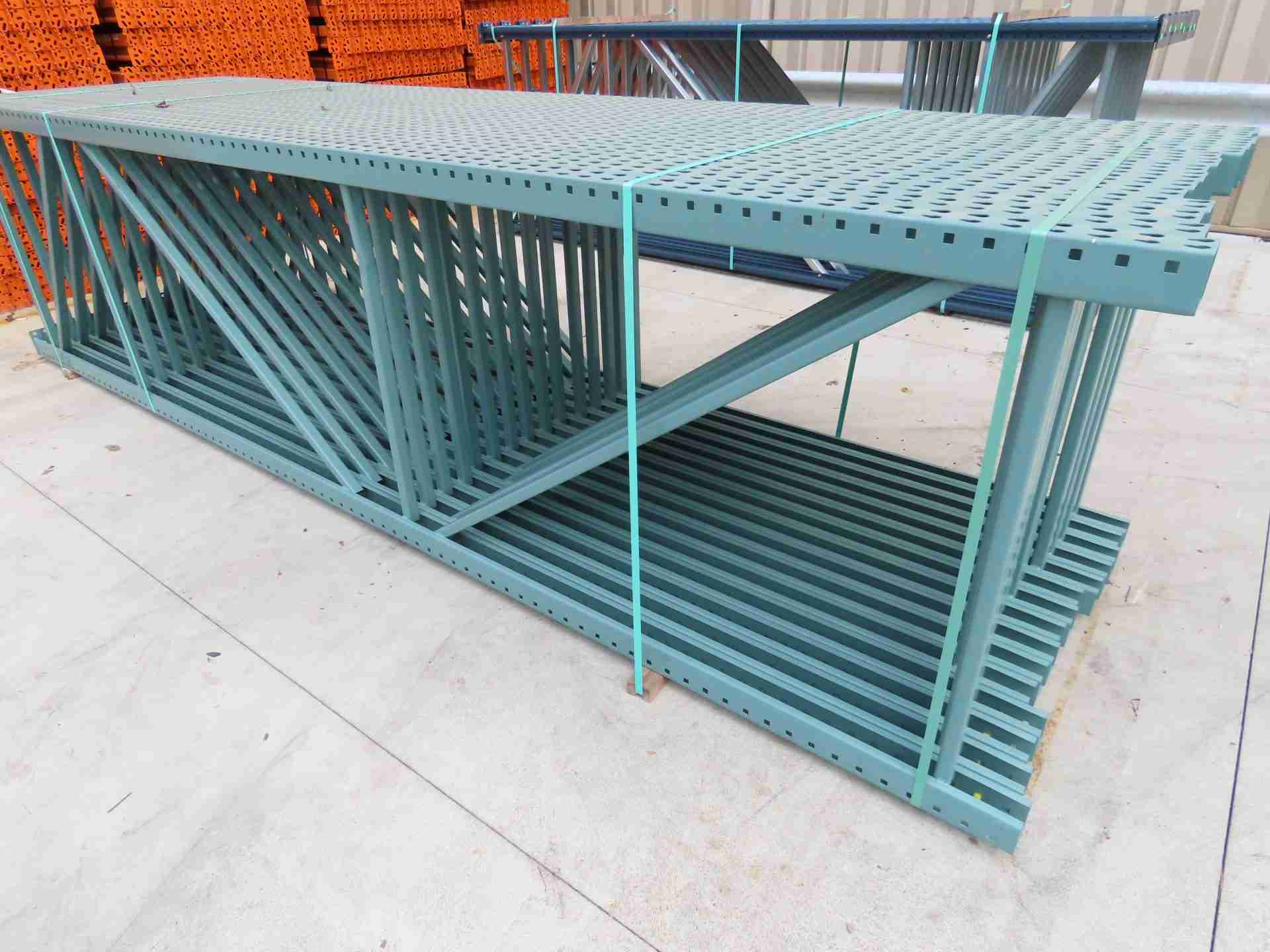
How Do Prepared Frozen Meals Producers Leverage Pallet Racking?
Table Of Contents
- How Do Prepared Frozen Meals Producers Leverage Pallet Racking?
- How Does Pallet Racking Improve Frozen Meal Storage Efficiency?
- What Impact Does Pallet Racking Have on Product Freshness?
- How Can Pallet Racking Reduce Frozen Meal Handling Errors?
- Does Pallet Racking Enhance Warehouse Safety for Frozen Meals?
- How Do Producers Optimize Space with Pallet Racking?
- Can Pallet Racking Lower Operational Costs In Frozen Meal Production?
- Conclusion
- Other Resources
- Glossary Of Terms
- Other Questions
- Checklist
How Does Pallet Racking Improve Frozen Meal Storage Efficiency?
When you’re dealing with frozen meals, every inch of space and every minute saved counts. Pallet racking isn’t just some fancy storage trick; it’s the backbone of running a kitchen or warehouse that’s sprinting instead of crawling. It’s like having your tools lined up the way they ought to be—neat, steady, and right where you need them.
Think about those times when you’ve had to hunt down a specific frozen meal in a jumbled mess of boxes stacked any which way. Time wasted, product wasted, frustration building. Pallet racking flips that script. It organizes your inventory vertically and horizontally, making the most out of every cubic foot. That means more meals stored safely in the same space, easy to reach without risking a collapse or a frostbite injury from scrambling around in the cold. It’s common sense—if you can see and get to what you need fast, you get things done faster.
But it’s more than just saving time and space. It’s also about doing right by the food and the folks who eat it. When frozen meals sit improperly or cluttered, they’re prone to damage, spoilage, or uneven freezing. Pallet racking keeps everything stable, air flowing properly, and temperatures consistent. That’s ethical storage in action—preserving quality, reducing waste, and showing respect for the effort that went into making those meals. You’re not just stacking boxes; you’re safeguarding the food that feeds families, workers, and kids after a long day.
There’s a quiet confidence that comes with walking into a tidy, efficient storage area. It says you know what you’re doing. It sets the tone for your crew and anyone who tours your space. Pallet racking isn’t just metal shelves; it’s a symbol of professionalism and pride. You’re standing on decades of proven design—simple, tough, built to last and adapted by folks who’ve been in the trenches. It’s the difference between winging it and working it.
At the end of the day, pallet racking connects the dots between sweat, skills, and success. It’s about making a tough job a little easier and more reliable. When you invest in that kind of organization, you’re not just stacking frozen meals—you’re stacking the odds in your favor. And that’s the kind of system you want backing your operation, right where it belongs.

How Does Pallet Racking Improve Frozen Meal Storage Efficiency?
How Does Pallet Racking Improve Frozen Meal Storage Efficiency?
- Pallet racking maximizes space and time efficiency in kitchens and warehouses handling frozen meals.
- It organizes inventory vertically and horizontally, increasing storage capacity and accessibility.
- Proper pallet racking reduces risks of collapse and injuries while preventing product damage.
- Maintains food quality by ensuring stability, proper airflow, and consistent temperatures.
- Reflects professionalism and pride, creating an orderly and efficient storage environment.
- Based on proven, durable designs developed by experienced professionals.
- Investing in pallet racking improves reliability, reduces waste, and supports operational success.
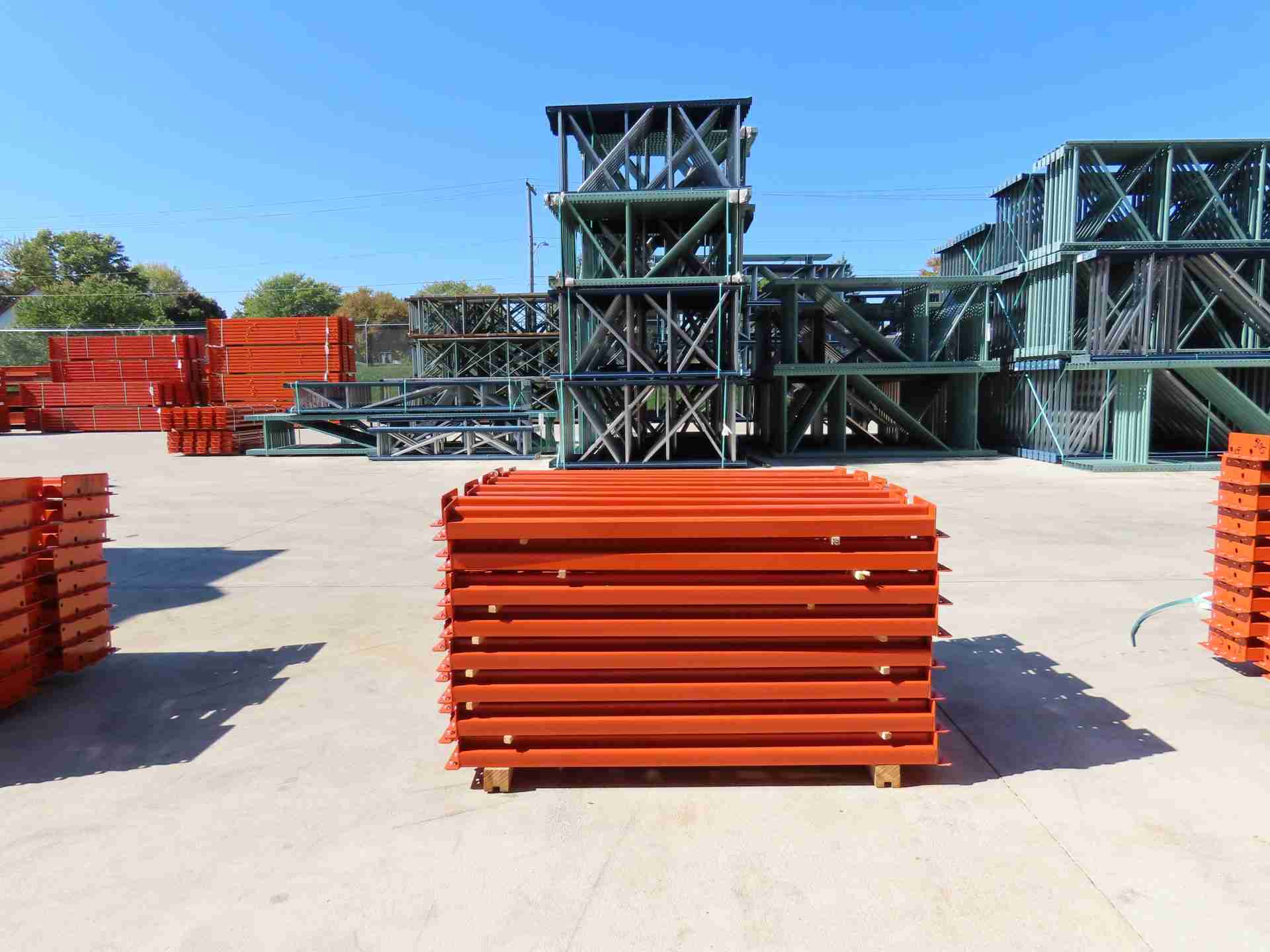
How Does Pallet Racking Improve Frozen Meal Storage Efficiency?
What Impact Does Pallet Racking Have on Product Freshness?
Pallet racking might not sound like the hero of fresh food, but trust me, it’s the unsung backbone holding up the whole operation. When you stack boxes and crates just anywhere, you’re asking for trouble—crushed goods, bruised fruit, spoiled produce. Pallet racking keeps everything off the floor, separated, and primed for proper airflow. That’s not just good sense; it’s the difference between a fresh delivery and a wasted load.
Think about it. When stuff’s laid out sloppy or piled high without care, air can’t circulate. That trapped heat and moisture? It’s the fast lane to rot and rancidity. Pallet racking gives every pallet room to breathe. This means what’s getting shipped out looks, smells, and tastes like it just came off the farm, not like it’s been rattling around in a hot, damp warehouse for days.
Now, there’s the ethical side of it. We’re not just talking dollars here, though cost savings show up when product lasts longer and fewer goods end up tossed. It’s about respect. Respect for the hands that picked the produce, for the folks buying it, and for the planet by cutting down on waste. Using pallet racking smartly isn’t just the right call—it’s the only call if you want to run a business with integrity.
I’ve seen plenty of warehouses where they scrimp on proper shelving, thinking it’s a quick save. But hands down, those spots deal with complaints, returns, and guess what? Degrading customer trust. Pallet racking brings order and reliability—both essential for anyone serious about delivering quality every single time. It’s that firm foundation under your product, making sure it arrives fresh, ready to please.
So, if you care about your product, your reputation, and the people relying on you, pallet racking isn’t just equipment. It’s a statement. It tells everyone you mean business when it comes to freshness. Because at the end of the day, fresh product isn’t just about looking good on a store shelf—it’s about delivering a promise. And pallet racking helps keep that promise solid.
What Impact Does Pallet Racking Have on Product Freshness?
What Impact Does Pallet Racking Have on Product Freshness?
- Pallet racking prevents crushed goods and spoiled produce by keeping items off the floor and properly separated.
- It allows adequate airflow, reducing heat and moisture buildup that causes rot and rancidity.
- Using pallet racking ensures produce arrives fresh, maintaining appearance, smell, and taste.
- It promotes ethical business practices by respecting labor, customers, and reducing waste.
- Skipping proper shelving leads to complaints, returns, and damaged customer trust.
- Pallet racking provides order and reliability critical for consistently delivering quality products.
- It symbolizes a commitment to freshness and fulfilling promises to customers and stakeholders.
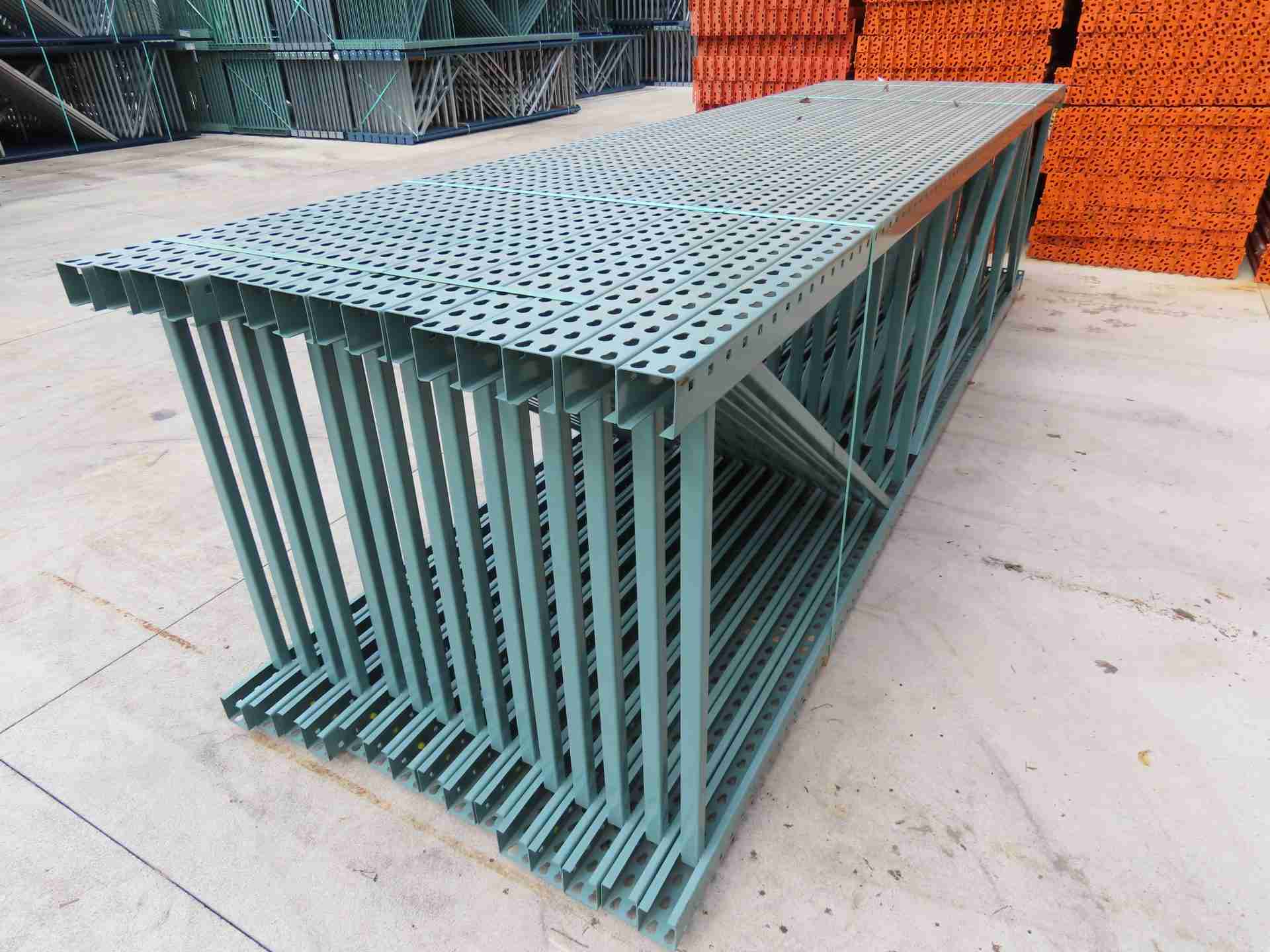
What Impact Does Pallet Racking Have on Product Freshness?
How Can Pallet Racking Reduce Frozen Meal Handling Errors?
You ever worked a warehouse where frozen meals get tossed around like hot potatoes? The cold temps make everything slippery, and one wrong move can turn a perfectly good meal into a soggy mess—waste piling up, customers disappointed, bosses losing patience. That’s where pallet racking steps in, not just as fancy storage but as the unsung hero in cutting down handling errors that cost time, money, and pride.
When you stack frozen meals on pallet racking, you’re giving every box its place. No more leaning piles, no more hunting for that one carton buried in the back. It makes it dead simple for folks on the floor to grab exactly what they need, right when they need it. The fewer steps and less fumbling around, the less chance something gets dropped or mixed up. That means fewer accidents, fewer mistakes, and less heartbreak come delivery day.
Think about the people behind the scenes—the warehouse crew grinding through cold aisles, muscles tense from lifting and bending. Pallet racking respects their work by making it safer and more organized, cutting down on unnecessary strain and confusion. When workers feel confident their tools and setup won’t trip them up, they work smarter, faster, and with pride. It’s not just about efficiency; it’s about dignity in the grind.
There’s also an ethical angle here. Frozen meals often feed families counting on a hot dinner after a hard day. Every mistake in handling risks letting those meals fail when it matters most. Pallet racking isn’t just about stacking boxes; it’s about responsibility—doing right by the folks who rely on that food, and by the team who puts it there. It’s about standing behind your work and delivering on promises.
From a hard-nosed, boots-on-the-ground perspective, pallet racking establishes order in the chaos. It commands respect in the warehouse as much as any seasoned foreman. The system’s simplicity fosters teamwork, where everyone knows the drill and pulls together. When each pallet is accounted for and easily accessible, errors drop off like bad habits fading with practice.
So, if you want to tighten up frozen meal handling, get ahead of the game, and build a smoother operation everyone can trust, pallet racking is the backbone you need. It’s a straightforward fix that tackles problems head-on, boosts morale, and cuts the kind of mistakes that gnaw at you long after the shift ends. That’s common sense you can act on.

How Can Pallet Racking Reduce Frozen Meal Handling Errors?
How Can Pallet Racking Reduce Frozen Meal Handling Errors?
- Pallet racking reduces handling errors in cold warehouse environments, preventing wasted frozen meals and customer dissatisfaction.
- It organizes frozen meals by giving each box a designated place, simplifying retrieval and minimizing accidents and mix-ups.
- The system improves worker safety and efficiency by reducing strain and confusion, enhancing pride and productivity.
- Pallet racking carries an ethical responsibility to ensure reliable delivery of meals to families depending on them.
- It brings order and respect to the warehouse environment, fostering teamwork and accountability.
- Easy access to pallets decreases errors and supports consistent, smooth operations.
- Pallet racking is a practical solution that boosts morale, reduces costly mistakes, and strengthens overall workflow.

How Can Pallet Racking Reduce Frozen Meal Handling Errors?
Does Pallet Racking Enhance Warehouse Safety for Frozen Meals?
When you’re working in a warehouse that handles frozen meals, safety isn’t just a box to check—it’s the lifeline that keeps the whole operation running smooth and steady. Pallet racking, plain and simple, plays a big role here. It’s not just about cramming as many pallets into a space as possible; it’s about doing it right so nobody gets hurt, and products stay solid as a rock.
Think about the last time you stumbled over a loose pallet or watched a stack wobble like a Jenga tower about to collapse. That’s where pallet racking steps in—bringing order where chaos likes to sneak in. It’s designed to hold those heavy loads steady, giving everyone from forklift drivers to inventory managers a sense of real security. You’re not just dealing with frozen meals; you’re handling food that needs to stay frozen and untouched, which means dropping a pallet could be more than just costly—it could be downright dangerous.
Using pallet racking isn’t a flashy fix; it’s good, honest common sense backed up by years of warehouse wisdom and cold, hard data. Studies show that properly installed pallet racking leads to fewer accidents, less product damage, and a clearer, more organized workspace. Employees move with confidence because they know the racks aren’t just made of flimsy metal but engineered to hold up day after day, even in the coldest conditions. When workers aren’t worried about unstable stacks or slippery floors cluttered with stray pallets, they can focus on the job safely and efficiently.
There’s also the ethical side of the story—it’s about respect. Respect for the people clocking in day after day, coming home safe to their families, and respect for the customers who expect frozen meals to arrive just right. Good pallet racking shows you care, that you’re not cutting corners on safety or quality. It’s a silent pledge that nobody will get a raw deal—especially when dealing with food that needs careful handling and storage.
At the end of the day, pallet racking is the backbone holding up a culture of safety in frozen meal warehouses. It fosters teamwork and trust, giving everyone a common ground to stand on—literally. When the racks are solid, the message is clear: we’ve got your back. And in a tough job like this, that’s the kind of certainty that makes all the difference.

Does Pallet Racking Enhance Warehouse Safety for Frozen Meals?
Does Pallet Racking Enhance Warehouse Safety for Frozen Meals?
- Safety in frozen meal warehouses is essential and pallet racking plays a crucial role in maintaining it.
- Pallet racking organizes heavy loads securely, preventing accidents and product damage from unstable pallets.
- Properly installed pallet racking is supported by data, reducing workplace accidents and improving organization.
- Workers gain confidence moving safely when racks are stable and the environment is clear of hazards.
- Pallet racking reflects respect for employees’ safety and customers’ expectations for food quality.
- It prevents costly and dangerous incidents by ensuring frozen meals remain properly stored and untouched.
- Pallet racking fosters teamwork, trust, and a strong safety culture vital to warehouse operations.
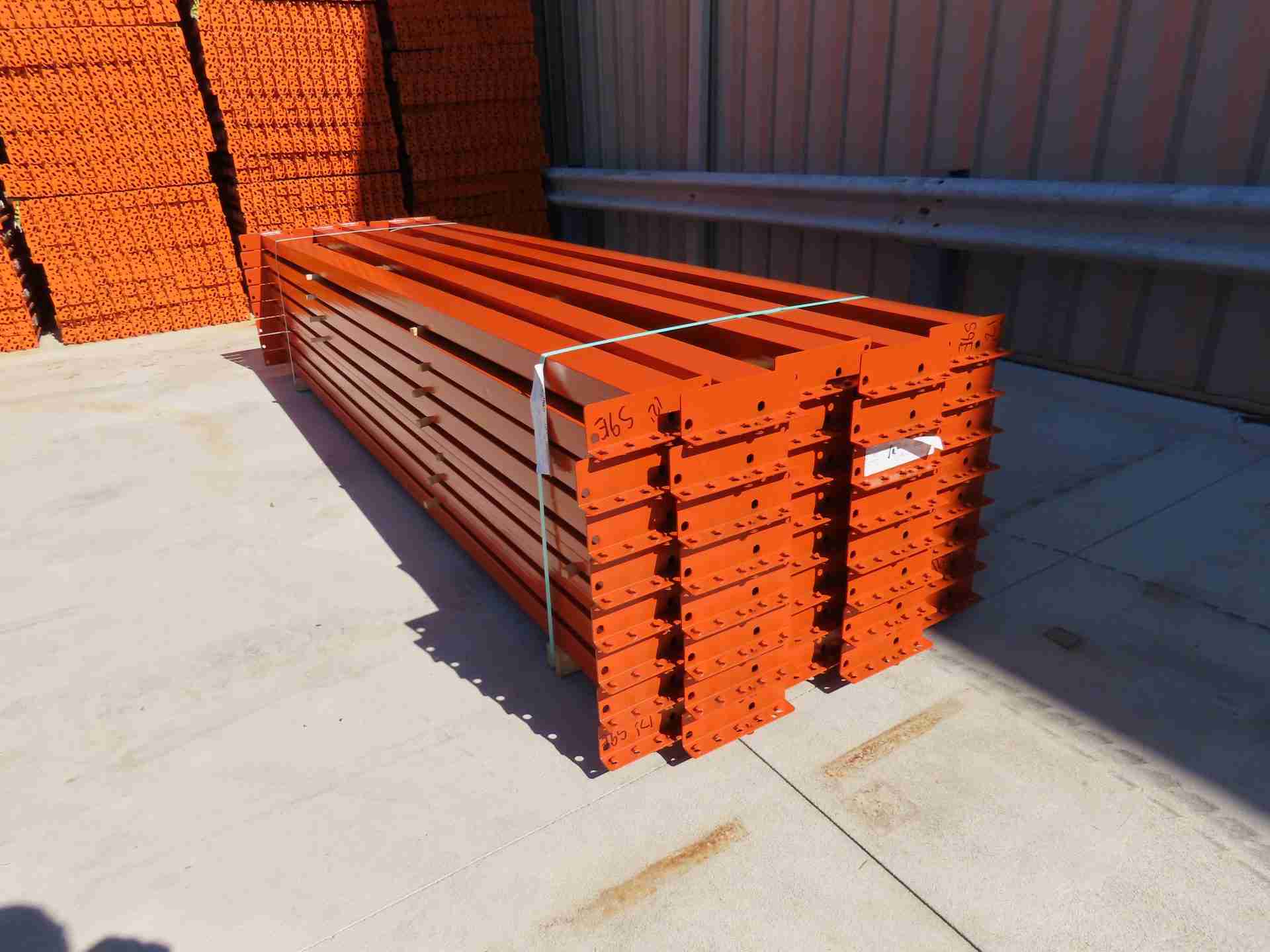
Does Pallet Racking Enhance Warehouse Safety for Frozen Meals?
How Do Producers Optimize Space with Pallet Racking?
When it comes to getting the most out of every square foot in a warehouse or storage space, pallet racking isn’t just a nice-to-have—it’s the backbone of efficiency. Anyone who’s spent time elbow-deep in shipping knows that clutter and wasted space aren’t just annoying; they cost money, slow down work, and wear down the folks who have to fish products out of the chaos. Pallet racking changes the game by turning what seems like a tangled mess into a well-oiled machine.
The beauty of pallet racking lies in its simplicity paired with rugged reliability. It’s not rocket science—steel beams, adjustable levels, and a layout that fits your operation’s rhythm. But in practice, these racks transform a cramped room into a high-capacity powerhouse. You get vertical storage that leverages every inch upward instead of just sprawling outward like a runaway garden hose. That’s rational, economical use of space right there: stack smart, keep it accessible.
But it’s more than just space saved; it’s about respect for your people and your product. When everything has its place and can be reached without risking a pulled back or a dropped box, you’re caring for the team. A well-organized space reduces frustration and fatigue on the job. It’s ethical in the sense that it protects workers’ well-being and keeps operations running smooth without unnecessary stress. Plus, a neat rack layout grabs the attention of inspectors, partners, and anyone visiting, showing that you run a tight ship. That builds authority—people know you’re serious and capable because your warehouse speaks volumes before you do.
Take a moment imagining a day where orders fly out efficiently, forklifts glide through clear lanes, and inventory checks are a breeze instead of a headache. Pallet racking makes that happen. It’s practical, reliable, and frankly, a bit satisfying to see. It’s the quiet hero of the storage world—not flashy, but dependable as hell. When producers optimize space with pallet racking, they’re not just stacking boxes; they’re stacking the odds in their favor for smoother operations, happier workers, and a bottom line that shows the results.
If you’ve ever wrestled with a jumbled storage room, you know endless frustration eats away at your time and patience. Pallet racking fixes that. It’s an investment, sure, but the return comes in sanity, safety, and speed. The kind of return that every hard-working producer can get behind.
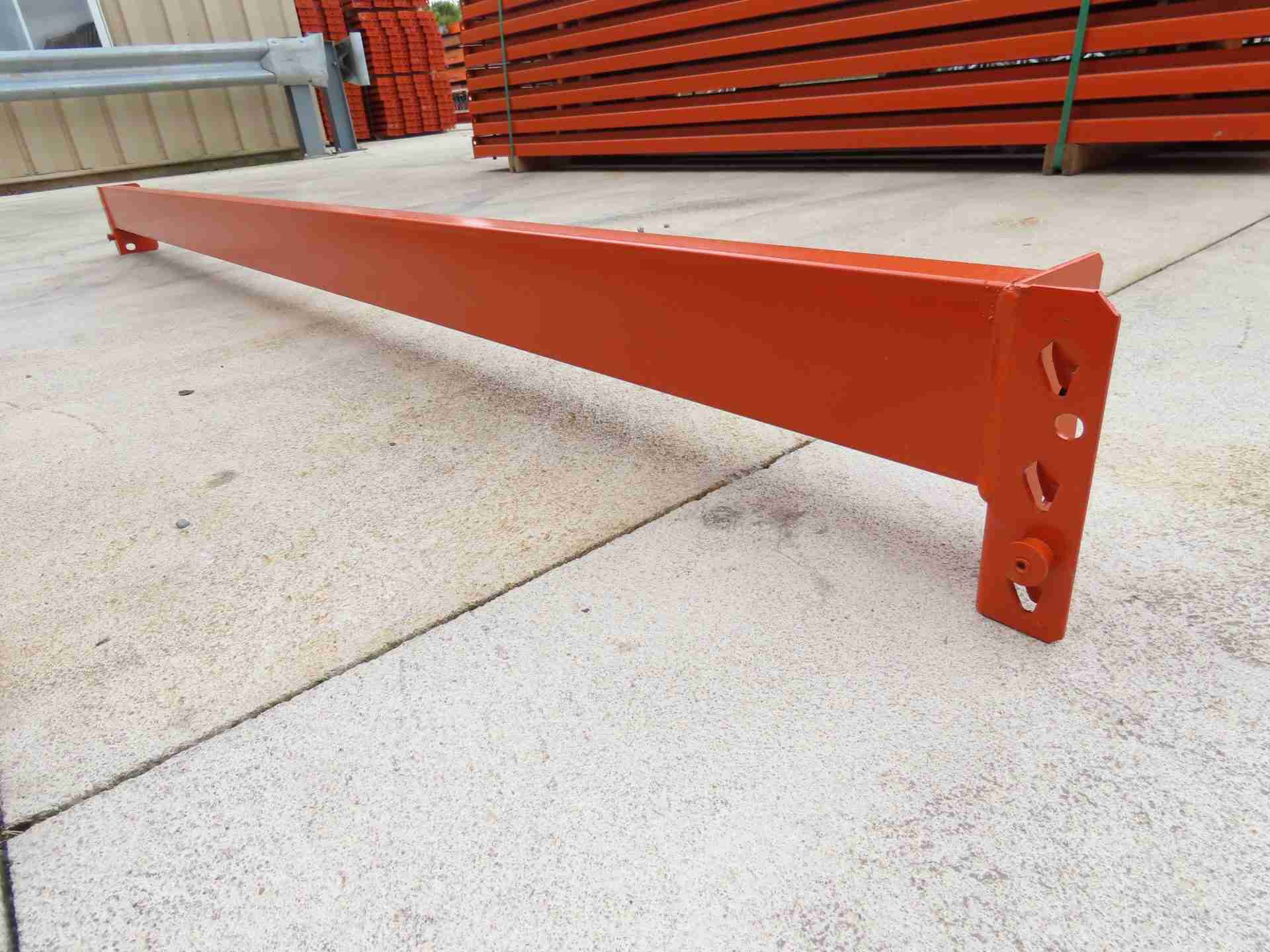
How Do Producers Optimize Space with Pallet Racking?
How Do Producers Optimize Space with Pallet Racking?
- Pallet racking maximizes warehouse space, turning cluttered areas into efficient, organized storage.
- Its simple design—steel beams and adjustable levels—creates vertical storage that optimizes space use.
- Well-organized racks improve worker safety and reduce fatigue by making items easily accessible.
- A neat warehouse layout reflects professionalism and builds authority with visitors and inspectors.
- Pallet racking enables faster order fulfillment, clear forklift lanes, and easier inventory management.
- It is a reliable, practical solution that improves operations, worker satisfaction, and financial outcomes.
- Investing in pallet racking delivers returns in safety, efficiency, and reduced frustration for warehouse teams.
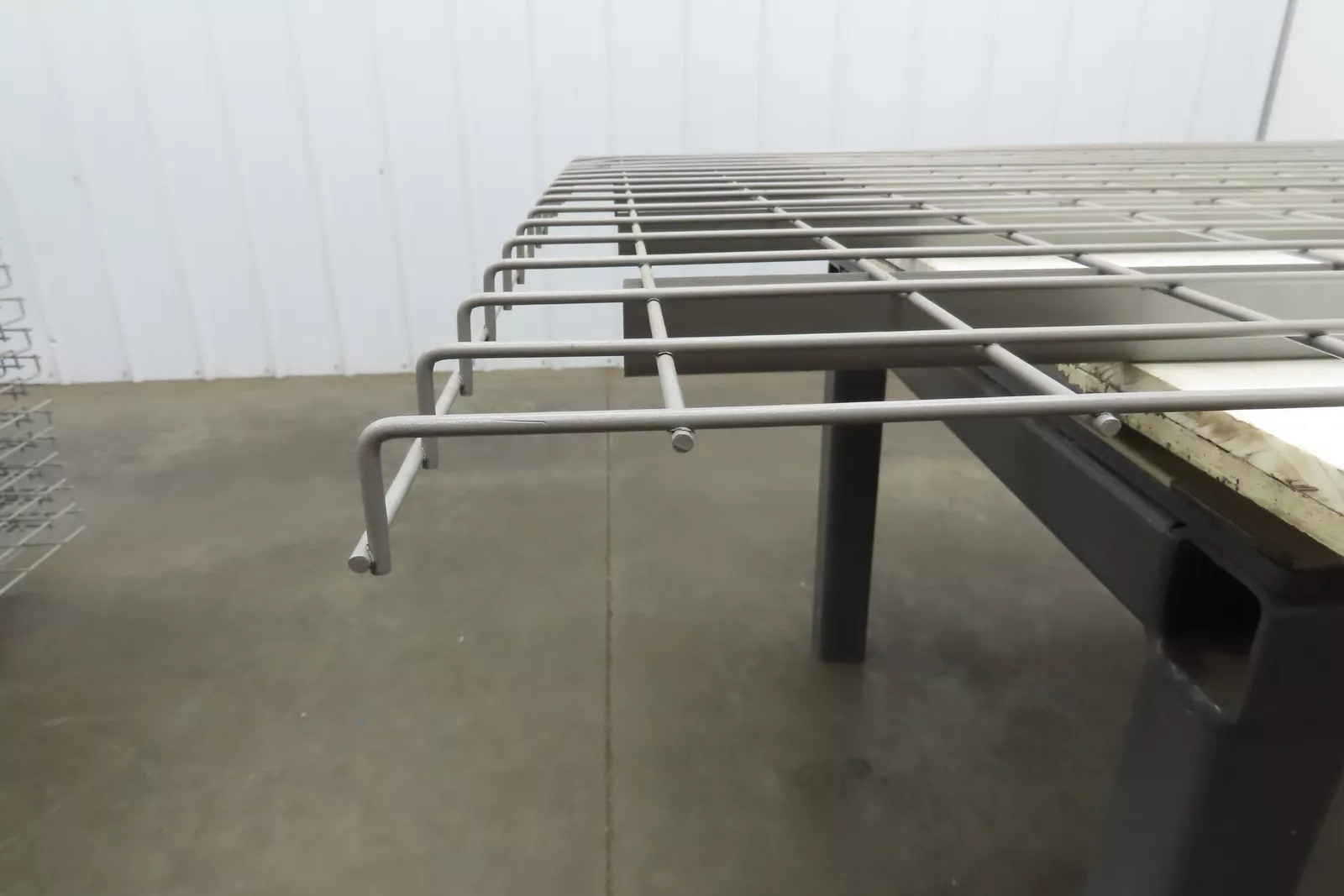
How Do Producers Optimize Space with Pallet Racking?
Can Pallet Racking Lower Operational Costs In Frozen Meal Production?
You’ve been in the thick of frozen meal production long enough to know it’s no place for wasted time or space. Every second lost grabbing and stowing eats into your bottom line, and every inch unused feels like money slipping through your fingers. That’s where pallet racking steps in—not just as a fancy storage solution but as the muscle that keeps the whole operation humming smooth and tight.
Think about it: cramped, cluttered freezers filled haphazardly with pallets make the simplest task a headache. Workers scramble around, hunting for that one batch of meals, and the clock keeps ticking. Pallet racking organizes all that frozen stock in neat rows, easy to see and reach. It’s like turning chaos into a well-oiled machine. The time saved on retrieval cuts down labor costs sharply, letting your crew focus on what really matters—keeping order and quality high. Fewer wasted steps mean tasks get done faster, loading docks clear quicker, and orders ship out without the usual last-minute scramble.
There’s more to it than just speed. Pallet racking protects your product from damage, too—a crucial factor when your goods face the brutal conditions of freezing temps. Less damage means fewer returns, less waste, and a happier customer reputation. It’s an ethical win that respects the work pouring into every meal and the folks on the other end who rely on quality and consistency. When you invest in smart storage, you’re not just cutting costs; you’re showing you care about everyone from the line workers to the families that put their trust in your food.
On the shop floor, pallet racking isn’t just another expense—it’s a proven investment. Those who’ve rolled up their sleeves know the difference it makes, and the numbers back it up. Improved inventory control reduces spoilage, optimizes space, and lowers the need for costly expansions. It lifts the whole workflow, which means less stress, fewer injuries, and a more confident team ready to tackle the day.
At the end of the shift, pallet racking is more than steel and bolts—it’s a partner in getting the job done smarter and safer. It respects the sweat and grit you put in, gives the business room to breathe, and keeps the doors open for good meals reaching the table. That’s ballast you can depend on when every penny counts and your reputation rides on consistency.
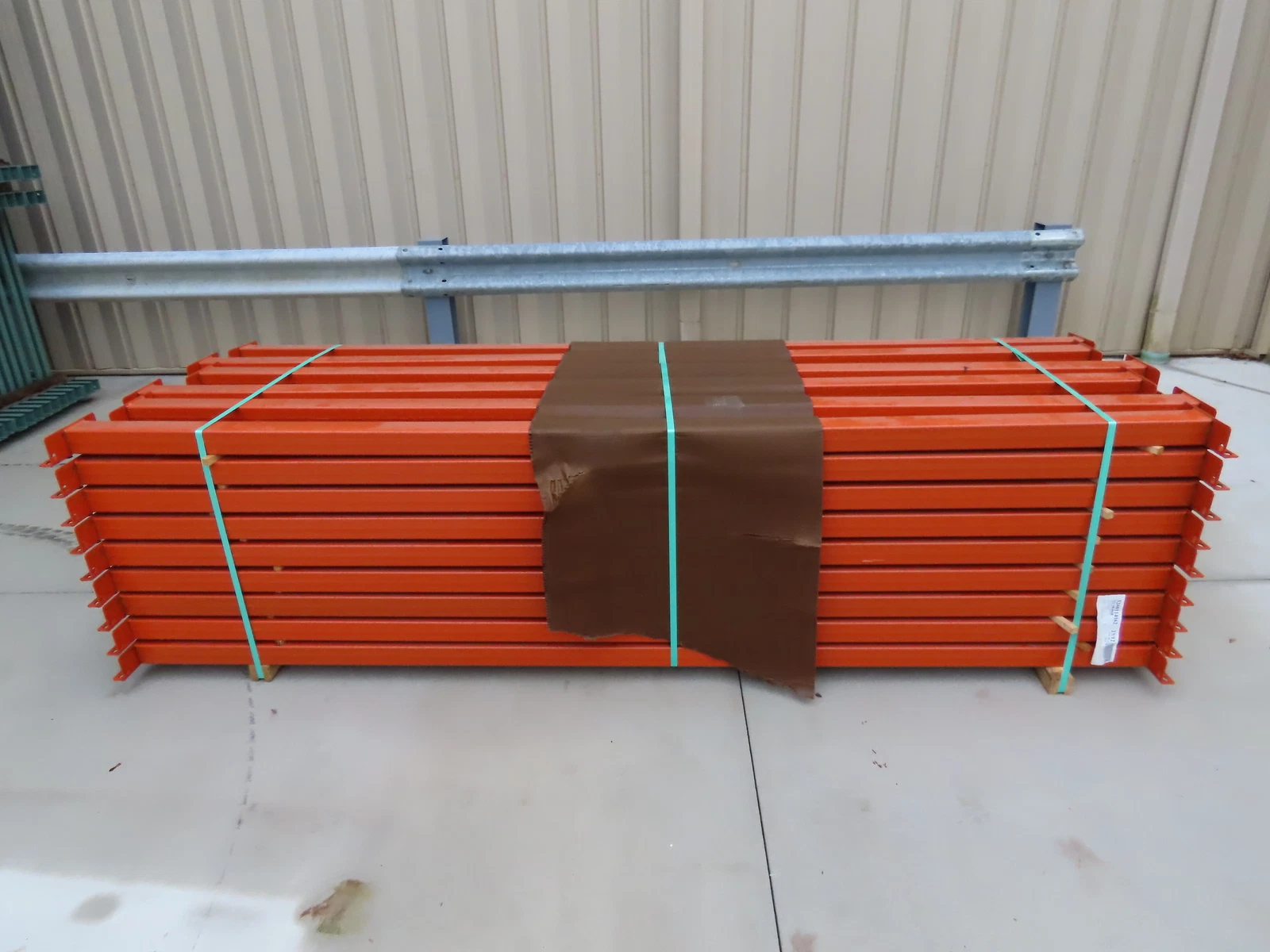
Can Pallet Racking Lower Operational Costs In Frozen Meal Production?
Can Pallet Racking Lower Operational Costs In Frozen Meal Production?
- Pallet racking eliminates wasted time and space in frozen meal production by organizing storage efficiently.
- It transforms cluttered freezers into neat, accessible rows, reducing worker search time and lowering labor costs.
- Improved retrieval speeds up tasks, clears loading docks faster, and ensures timely order shipments.
- Pallet racking protects products from damage in freezing conditions, reducing returns, waste, and enhancing customer trust.
- Investing in pallet racking demonstrates care for workers and customers by maintaining quality and consistency.
- It improves inventory control, reduces spoilage, optimizes space, and decreases the need for costly facility expansions.
- Pallet racking enhances workflow by reducing stress and injuries, supporting a safer, more confident workforce.
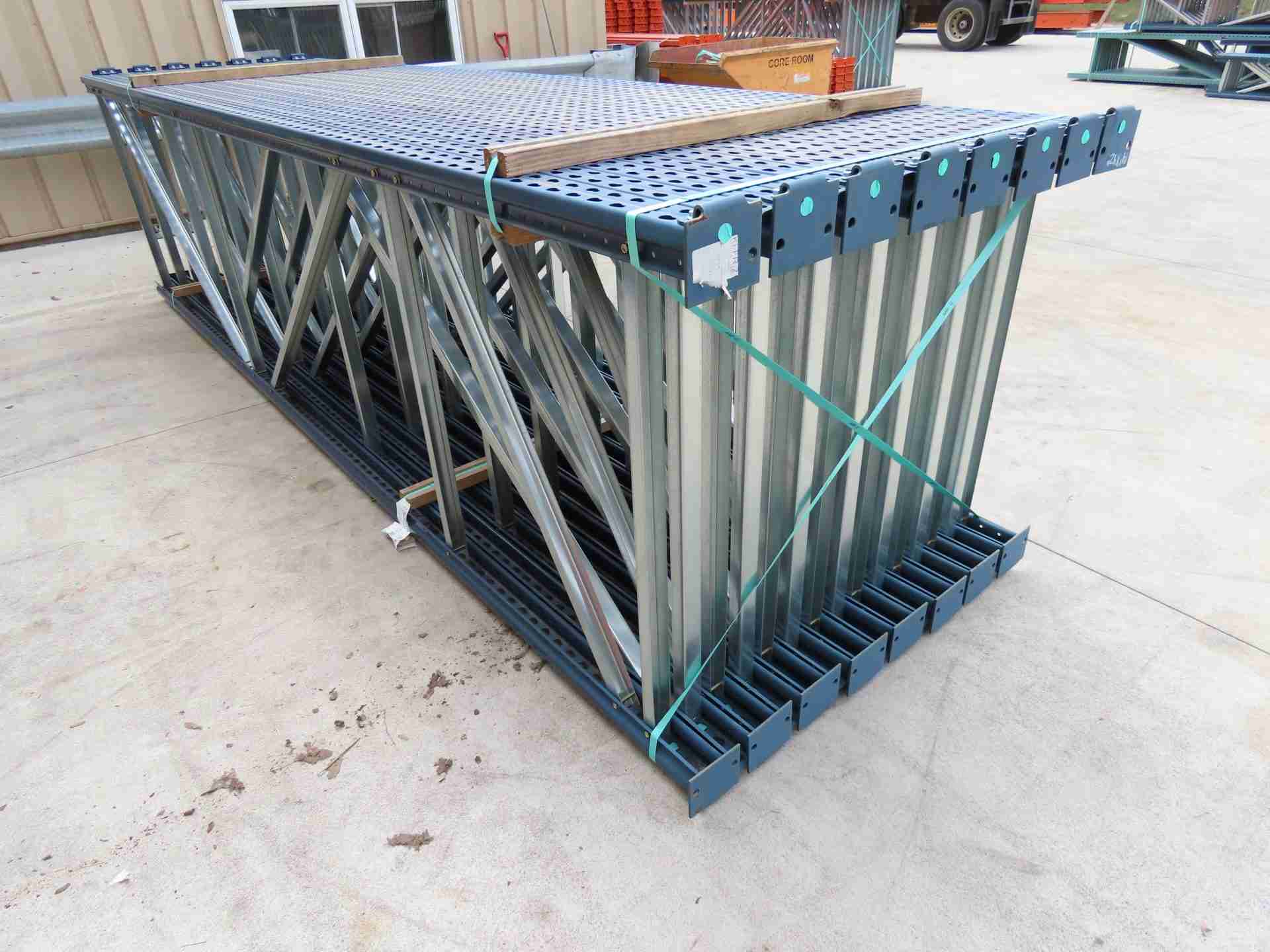
Can Pallet Racking Lower Operational Costs In Frozen Meal Production?
Conclusion
When you strip it down, pallet racking in frozen meal production is the quiet workhorse that keeps everything running straight and steady. It’s not glamour or tech flash—it’s good, honest steel shelving that turns storage chaos into controlled, reliable order. For producers sweating through tight deadlines and cold warehouses, these racks are the difference between wasted time and smooth flow, crushed pallets and fresh meals, frustrated workers and confident crews.
Space is king in this game, and pallet racking lets operators stretch every square foot skyward instead of sprawling out, packing frozen meals neat and safe without playing a risky game of Jenga. That neatness isn’t just about pretty aisles—it means faster grabs, clearer inventories, less fumbling in the cold, and fewer costly mistakes. It’s respect for the process, the product, and the people who move these meals from floor to freezer door without breaking a sweat.
Freshness, the backbone of trust with every family counting on a decent dinner, rides on pallet racking’s ability to keep pallets off the floor and well spaced for steady airflow and steady temps. When frozen goods can breathe easy, there’s less spoilage, less waste, and more smiles on delivery day. It’s an ethical stand: honoring the hands behind the food and the folks waiting on the other end. Skimp on good storage, and you’re risking more than inventory—you’re risking reputation and respect.
Handling errors in a chilly warehouse can snowball fast. Pallet racking carves out order from the frostbitten chaos, giving every box its spot and workers a safer, simpler way to find and move product. That cuts down bruised meals, muscle strain, and those sinking feelings that come with letting a job slide. It’s dignity on the line—the kind that comes from knowing your tools and setup won’t let you down when the pressure’s on.
Safety isn’t just a slogan here—it’s a lifeline. Solid pallet racking holds weight without wobble, keeps lanes clear, and sends everyone home in one piece at day’s end. It says loud and clear: “We care about the team and the product.” In a job tough enough without sloppy, unsafe storage, those racks are a foundation for trust and teamwork that fuels productivity and peace of mind.
Beyond all that, pallet racking pays off in dollars and sense. Cut wasted space, speed up picking, and avoid product damage—those all add up to leaner operations and a steadier bottom line. When you invest in smart shelving, you’re not just buying steel; you’re building a smoother, safer, more trustworthy business that honors the people putting in the work and the families relying on what comes out. It’s common sense wrapped in steel, proving every day that a straightforward solution can be the strongest backbone in frozen meal production.

Conclusion
Conclusion:
- Pallet racking is a reliable, sturdy shelving system essential for maintaining order and efficiency in frozen meal production warehouses.
- It maximizes storage space by utilizing vertical height, enabling neat, safe packing and reducing errors and delays.
- Proper pallet racking supports product freshness by keeping pallets off the floor and ensuring adequate airflow and temperature control.
- The system organizes inventory and simplifies handling, reducing damaged goods, worker strain, and operational mistakes.
- Safety is a key benefit, with strong racks preventing accidents, maintaining clear lanes, and protecting workers and products.
- Investing in pallet racking improves operational efficiency, cuts waste, and strengthens overall business reliability and reputation.
- This straightforward, cost-effective solution forms the backbone of smooth, productive frozen meal storage and distribution.
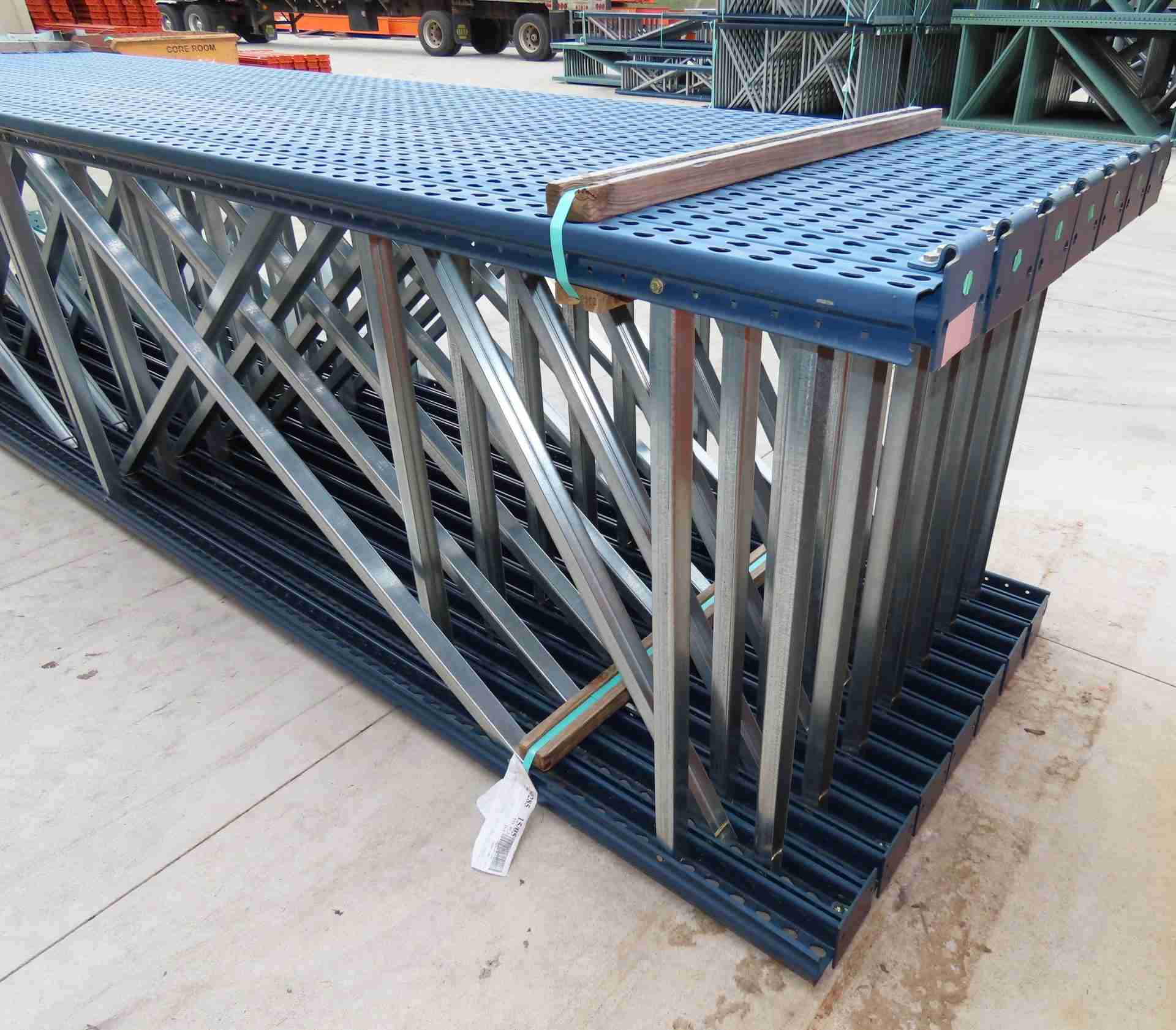
Conclusion
Other Resources
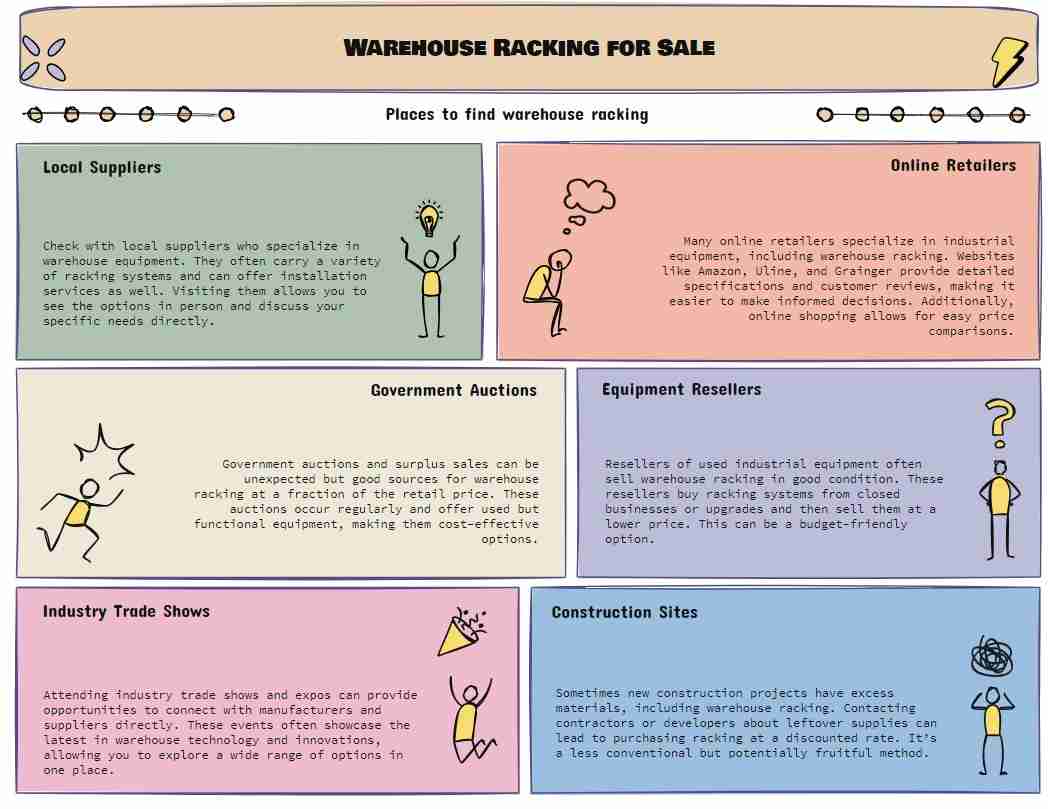
Other Resources
Here is a list of other resources you can review online to learn more:
- Teardrop Industrial Shelving Rack
- Teardrop Pallet Rack – Ridg-U-Rak
- Bradford Systems
- Warehouse Racking Layout: The Ultimate Guide – Conger
- Mustang Material Handling
- Cantilever Rack Guide: Ordering Cantilever Racking
- Material Handling Safety
- New Cantilever Racks and Racking Kits
- BMH Equipment LLC
- RMI
- CA Wire
- Cantilever Racks Chicago
- NSC
- Warehousing and Fulfillment
- Illinois Pallet Racking – Storage Solutions
- Warehouse Racking System: Powerful Guide to Optimise, 2024
- Arrow Industrial Sales
- Wolter
- Teardrop Industrial Shelving Rack
- MHI
Use This Prompt To Get More Resources With Your Favorite Online AI Tool: Please provide me with a list of online articles with their URLs in a bulleted list that I can read regarding How Do Prepared Frozen Meals Producers Leverage Pallet Racking?

Other Resources
Glossary Terms
How Do Prepared Frozen Meals Producers Leverage Pallet Racking? – Glossary Of Terms
1. Pallet Racking: A storage system designed to hold materials on pallets in horizontal rows with multiple levels.
2. Prepared Frozen Meals: Pre-cooked meals that are frozen and stored for later consumption.
3. Inventory Management: The process of ordering, storing, and using a company’s goods.
4. Space Optimization: Using available storage area efficiently to maximize capacity.
5. Load Capacity: The maximum weight that a pallet rack or pallet can safely support.
6. FIFO (First In, First Out): An inventory method where the oldest stock is used first.
7. LIFO (Last In, First Out): An inventory method where the most recently stocked items are used first.
8. Pallet: A flat transport structure supporting goods in a stable manner while being lifted by forklifts.
9. Forklift: A powered industrial truck used to lift and move materials over short distances.
10. Picking Efficiency: The speed and accuracy in retrieving products from storage.
11. Cold Storage: Refrigerated space used to maintain frozen or chilled products.
12. Racking System Configuration: The layout and design of pallet racks specific to warehouse needs.
13. Load Stability: The secure placement of products on pallets and racks to prevent shifting or falling.
14. Warehouse Throughput: The speed at which goods move through a warehouse system.
15. Space Utilization: Percentage of warehouse volume effectively used for storage.
16. Slotting: The process of organizing inventory by placing items in optimal locations.
17. Cross-Docking: Moving products directly from receiving to shipping without long-term storage.
18. Barcode Scanning: Using barcodes and scanners to track inventory movement.
19. Automation Integration: Incorporating automated systems for storage and retrieval.
20. Safety Compliance: Adhering to regulations to ensure warehouse safety.
21. Load Distribution: Evenly spreading weight across pallet racks to prevent damage.
22. Product Rotation: Moving older stock first to reduce waste.
23. Storage Density: The amount of product stored within a given space.
24. Rack Protection: Guarding pallet racks against damage from equipment or impact.
25. Modular Racking: Adjustable pallet racking systems that can be expanded or reconfigured.
26. Picking Methods: Techniques used to select items from storage for order fulfillment.
27. Lead Time: The duration from ordering to receiving goods.
28. Temperature Control: Maintaining specific temperatures for frozen meal quality.
29. Supply Chain Efficiency: Optimizing the flow of goods from production to customer.
30. Quality Assurance: Processes ensuring product integrity during storage and handling.

Glossary Of Terms
Other Questions
How Do Prepared Frozen Meals Producers Leverage Pallet Racking? – Other Questions
If you wish to explore and discover more, consider looking for answers to these questions:
- What types of pallet racking systems (selective, drive-in, push-back, pallet flow, cantilever) work best for frozen meal storage?
- How do different racking systems affect cold-chain integrity and airflow?
- What are the recommended load capacities and safety factors for racks in subzero environments?
- How should pallet racking be configured to support FIFO or LIFO inventory strategies for frozen meals?
- What considerations are needed for racking in blast freezers versus long-term frozen storage?
- How does pallet racking impact energy efficiency and refrigeration costs?
- What materials and coatings resist corrosion and cold-induced brittleness best in frozen warehouses?
- How often should pallet racking be inspected and what are typical inspection checklists?
- What maintenance and repair protocols are recommended for racking in cold, wet conditions?
- How do you prevent condensation, ice build-up, and frost damage around racks?
- Which pallet dimensions and pallet types are optimal for racking in frozen meal operations?
- How should aisle widths and rack heights be chosen to balance storage density and forklift access?
- What training and certification should forklift drivers and warehouse staff have for safe rack operation in cold rooms?
- What guardrails, column protectors, and safety accessories are essential to reduce rack damage and accidents?
- How can racking be integrated with warehouse management systems (WMS) and automated picking/ASRS?
- What are the upfront costs and expected ROI timeline for installing pallet racking versus expanding freezer space?
- How should racking be planned to accommodate seasonal demand fluctuations and product mix changes?
- What regulatory, food safety, and sanitary standards (HACCP, FDA, local codes) affect racking design and placement?
- How do you design racking layouts to facilitate cleaning, pest control, and sanitation audits?
- What protocols exist for safely storing and retrieving fragile or irregularly shaped frozen meal pallets?
- How does racking influence order-picking efficiency and labor requirements for frozen meal fulfillment?
- What are best practices for retrofitting existing warehouses with pallet racking for frozen storage?
- How do seismic, wind, or other structural codes influence racking selection and anchoring?
- What warranty, certification, or manufacturer standards should buyers demand from racking suppliers?
- How does pallet racking interact with refrigeration equipment, doors, and dock operations?
- What environmental and sustainability considerations relate to racking materials and lifecycle management?
- How can sensors, IoT, and temperature monitoring be deployed on racks to improve traceability and safety?
- What case studies or real-world examples show measurable benefits of racking in frozen meal production?
- What contingency plans or emergency procedures should be in place if racks collapse or refrigeration fails?
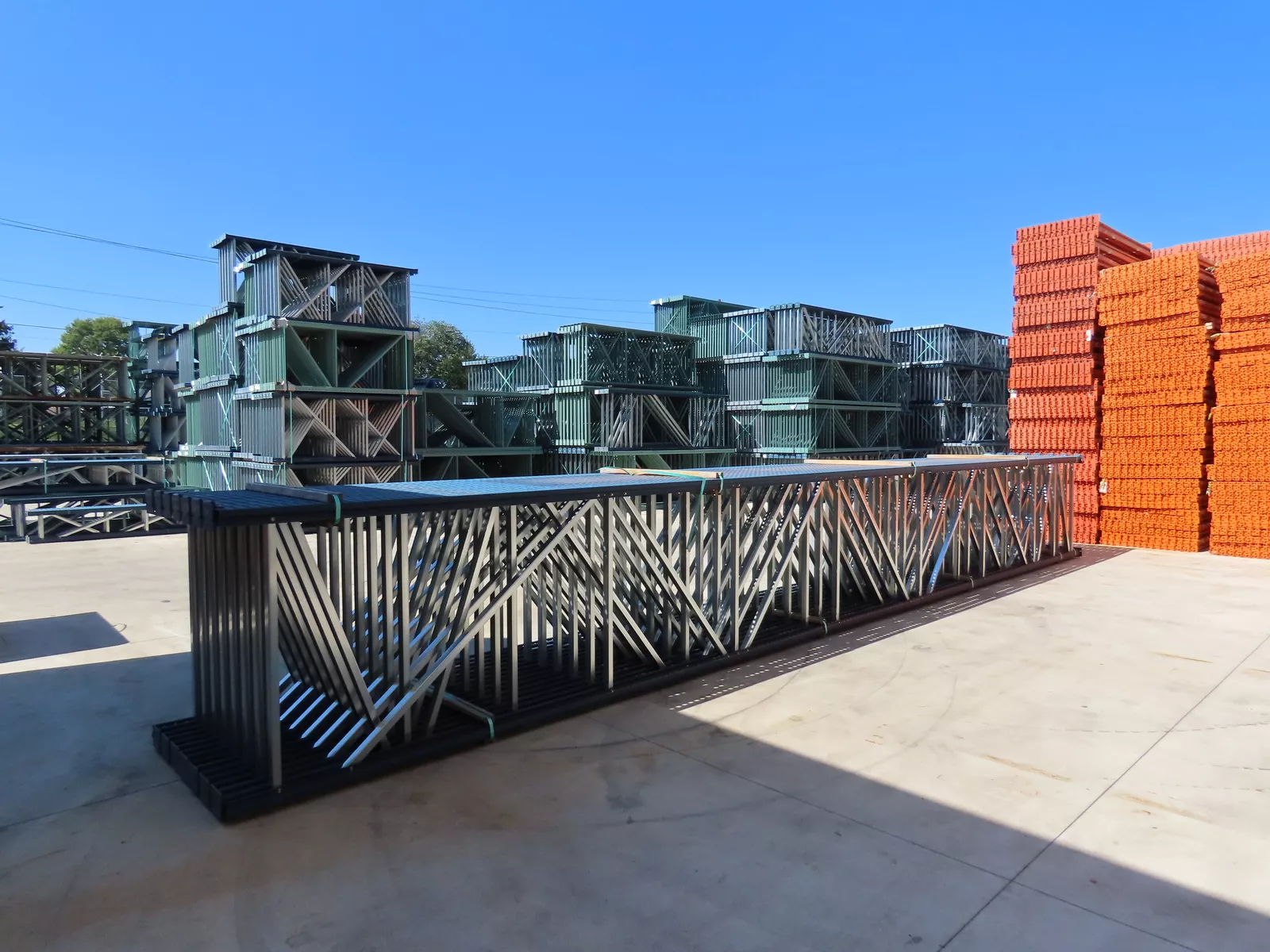
Other Questions
Checklist
How Do Prepared Frozen Meals Producers Leverage Pallet Racking? – A Checklist
Strategy and Layout
✅______ Racking system type matches SKU mix and access needs (selective, double-deep, drive-in/drive-through, push-back, pallet flow, mobile).
✅______ Aisle widths match truck type and turning radius (reach, turret, pallet jack), with clear travel lanes.
✅______ Dedicated pick faces for case pick; separate reserve storage; marked staging lanes at docks.
✅______ Vertical space utilized safely—beam elevations set to lift reach, with required sprinkler and ceiling clearances.
✅______ Clear, logical location numbering schema and aisle signage map posted.
Product Integrity and Freshness
✅______ FEFO/lot/date rotation enforced (via WMS and/or pallet flow lanes).
✅______ Pallets kept off the floor; no product overhang that disrupts airflow.
✅______ Longitudinal and transverse flue spaces maintained; flue keepers or spacers installed where needed.
✅______ Temperature monitored at multiple rack levels with active alarms; probe placement verified.
✅______ No ice or frost buildup on racks obstructing airflow or labels.
Error Reduction and Efficiency
✅______ All locations labeled and barcode/RFID readable at low temperatures; scan verification at putaway and pick.
✅______ Standardized SOPs for putaway, retrieval, and replenishment minimize touches.
✅______ Slotting aligns with velocity and product families; periodic re-slot schedule defined.
✅______ Cycle counting program achieves ≥99% inventory accuracy.
✅______ Visual rack maps and color-coding reduce search time and mispicks.
Safety and Compliance
✅______ Racks rated and labeled with load capacities per level and bay; load plaques posted.
✅______ Cold-storage-suitable materials/coatings (galvanized or treated) specified to resist corrosion.
✅______ Racks plumb/level within RMI tolerances; documented monthly inspections and annual expert audits.
✅______ Columns anchored per spec; row spacers and tie-backs installed; seismic bracing where required.
✅______ End-of-aisle guards, column protectors, guardrails, and bollards in high-impact zones.
✅______ Pallet stops or backer angles prevent push-through into flues or travel aisles.
✅______ Housekeeping controls for ice and water; anti-slip floor treatments and prompt cleanup.
✅______ Forklift traffic plan with speed limits, mirrors, and right-of-way rules posted.
✅______ Fire protection meets code (NFPA 13): proper commodity classification, flue management, in-rack/ESFR compatibility, and clearances around heads.
✅______ No-climb/no-alter signage and damage tag-out procedures in place.
Space Optimization
✅______ Storage density balanced with accessibility based on demand profile.
✅______ Top-of-load to sprinkler and ceiling clearances optimized for extra beam levels where safe.
✅______ Narrow-aisle or deep-lane solutions used strategically for slow movers.
✅______ Cross-dock or fast-mover zones near docks to cut travel.
Cost and Throughput
✅______ KPIs tracked: picks/hour, dock-to-stock time, space utilization %, damage rate, order accuracy, and labor per case.
✅______ Congestion heat mapping completed; one-way aisles or scheduling used to reduce bottlenecks.
✅______ Energy-saving practices at rack interfaces (high-speed doors, strip curtains where applicable).
✅______ Documented ROI for racking upgrades/changes with target payback.
Pallet and Unit Load Quality
✅______ Pallet specification defined (size, grade, CHEP, iGPS, GMA) with reject criteria; routine inbound inspections.
✅______ Consistent unitization: wrap/banding spec, corner boards, and slip sheets as needed for stability.
✅______ Load weight and height within rack and beam limits; heaviest loads stored at lower levels.
✅______ No broken boards, protruding nails, or film tails blocking flue spaces.
Maintenance and Repairs
✅______ Formal rack damage reporting and red/yellow tag system; unload rules for compromised bays.
✅______ Certified rack repair vendor and documented repair procedures; component traceability.
✅______ Preventive maintenance schedule for lift trucks; charger and traffic zones kept clear of racks.
Training and Culture
✅______ Operator certifications current; rack-specific and freezer safety training completed.
✅______ New-hire and refresher training covers FEFO, scanning, load limits, and ice hazards.
✅______ Daily startup checklist: rack damage scan, flue space check, ice/obstruction check, signage and egress review.
Documentation and Change Control
✅______ As-built rack drawings, engineering calculations, and approvals on file and accessible.
✅______ Controlled process for changing beam elevations or configurations; updates reflected in WMS and maps.
✅______ Vendor manuals, parts lists, and inspection logs maintained.
Implementation Roadmap
✅______ Prioritized improvement list with owners, timelines, and budgets.
✅______ Quarterly review of results vs. KPIs; adjust plan based on performance.
Checklist
At RackingWorld, we help guide you through selecting warehouse storage systems and racking.
Be sure to read our other related stories at RackingWorld to learn more about warehouse storage systems.
0 Comments