
Maximizing Efficiency And Safety: The Smart Choice For Component Storage
By Tom Seest
At RackingWorld, we help guide you through selecting warehouse storage systems and racking.
Be sure to read our other related stories at RackingWorld to learn more about warehouse storage systems.
How Do Prefabricated Building Component Storage Leverage Cantilever Racking?
When you’re dealing with prefabricated building components, storage isn’t just some afterthought—it’s the backbone that keeps everything running smooth and on time. That’s where cantilever racking steps in, proving it’s more than just metal beams piled high; it’s a smart, reliable solution built for the real world where size, shape, and weight make traditional pallet racking fall short.
Picture this: long, bulky pieces of wood, metal, or pipe showing up daily, and you need a place to stack them that doesn’t turn your warehouse into a maze of clutter. Cantilever racking handles these awkward sizes with ease. No boxing in, no forcing parts to fit where they don’t. The arms extend out, supporting heavy loads with a simple, open-front design that lets you slide things on and off without wrestling or risking damage. That’s confidence, plain and simple.
There’s a gut-level satisfaction knowing that when you grab a beam or panel from these racks, it’s secure and right where it’s supposed to be. This isn’t just organization; it’s peace of mind. No wasted time searching or forklift accidents, just straight-up efficiency. When a job site calls, you’re ready to go because the parts stored on a cantilever system aren’t just physical stock—they’re part of a promise to deliver quality on time.
Ethically, it’s about respecting both your team and your materials. Proper storage with cantilever racking minimizes damage and injury, showing you value the hands that build and the materials they use. It isn’t just smart—it’s the right thing to do. You’re invested not just in the bottom line but in doing the job well, safely, and dependably.
Experience beats theory: hands-on crews swear by cantilever racking because it cuts the hassle, saves space, and adapts to changing needs. Unlike pallet racking, which excels at boxed goods but struggles with long loads, cantilever systems keep components clear and accessible. This isn’t guesswork; it’s proven on countless job sites that demand nothing less than trust and toughness.
At the end of the day, cantilever racking makes storage a straightforward part of the build, not a headache. It’s about showing respect for your materials, your team, and your timeline. If you’re handling prefabricated components, leaning on cantilever racking isn’t just a choice—it’s a lifeline that keeps your operation running lean, mean, and steady.

How Do Prefabricated Building Component Storage Leverage Cantilever Racking?
How Do Prefabricated Building Component Storage Leverage Cantilever Racking?
- Cantilever racking provides a smart, reliable storage solution for prefabricated building components that traditional pallet racking cannot handle due to size, shape, and weight constraints.
- Its open-front design with extending arms supports long, bulky materials like wood, metal, or pipe, allowing easy loading and unloading without damage or clutter.
- It ensures secure, organized storage that enhances efficiency by reducing search time and minimizing forklift accidents.
- Proper use of cantilever racking shows ethical consideration by minimizing damage to materials and risk of injury to workers.
- Experienced crews prefer cantilever racking for its ability to save space, reduce hassle, and adapt to changing storage needs.
- Unlike pallet racking, cantilever systems are proven effective on job sites requiring reliable, tough storage for long loads.
- Cantilever racking supports smooth operations by respecting materials, workers, and project timelines, making it essential for prefabricated component storage.

How Do Prefabricated Building Component Storage Leverage Cantilever Racking?
Table Of Contents
- How Do Prefabricated Building Component Storage Leverage Cantilever Racking?
- What Emotional Benefits Does Cantilever Racking Offer?
- How Does Cantilever Racking Improve Storage Efficiency?
- How Does Authority Endorse Cantilever Racking Solutions?
- Can Cantilever Racking Reduce Damage to Prefabricated Components?
- What Stories Highlight Successful Cantilever Racking Use?
- How Does Cantilever Racking Address Space Limitations?
- Conclusion
- Other Resources
- Glossary Of Terms
- Other Questions
- Checklist
What Emotional Benefits Does Cantilever Racking Offer?
When you’re knee-deep in organizing a warehouse or workshop, the way you stack and store your gear isn’t just about space—it’s about peace of mind. Cantilever racking steps in like the reliable workhorse you need, giving you a system that feels built tough and built right. Unlike your standard pallet racking, which can feel like squeezing boxes into a rigid grid, this setup is flexible and straightforward, catering to long, bulky, or awkward items without fuss. That freedom alone can lift a weight off your chest, knowing your stuff isn’t just shoved wherever it fits.
There’s a kind of quiet confidence that comes from knowing your materials are accessible and secure. No more scrambling or wasting time hunting for lumber, pipes, or sheet metal. Cantilever racks make it obvious where every piece should go, cutting down chaos and cutting in productivity. It’s not just convenience; it’s the kind of order that lets you focus, do the job right, and finish quicker. This sort of straightforward efficiency taps into the core of common sense; if something works smarter, not harder, it earns respect on the floor.
Beyond the nuts and bolts, there’s an ethical factor here—safety. When your storage solutions are rock solid and designed to prevent accidents or damage, you’re looking out for your crew. Everyone wants to go home in one piece at the end of the day. Cantilever racking’s design reduces risks inherent in storing heavy, awkward items on those typical pallet racks, which weren’t made for the stuff that doesn’t stack neat. That kind of built-in care builds trust in your workplace, letting everyone feel confident that the systems in play have their backs.
People who’ve been around the block recognize the value here. There’s a story in every stack, and the best racking solutions become part of your day-to-day rhythm. This isn’t just about lifting material—it’s about lifting the whole job, making every task less of a chore and more of a craft. For those who roll up their sleeves, cantilever racking is more than metal and bolts; it’s a partner in getting the job done right, keeping your space organized, your team safe, and your mind at ease. It’s the kind of practical solution that earns your trust the same way a solid handshake does.
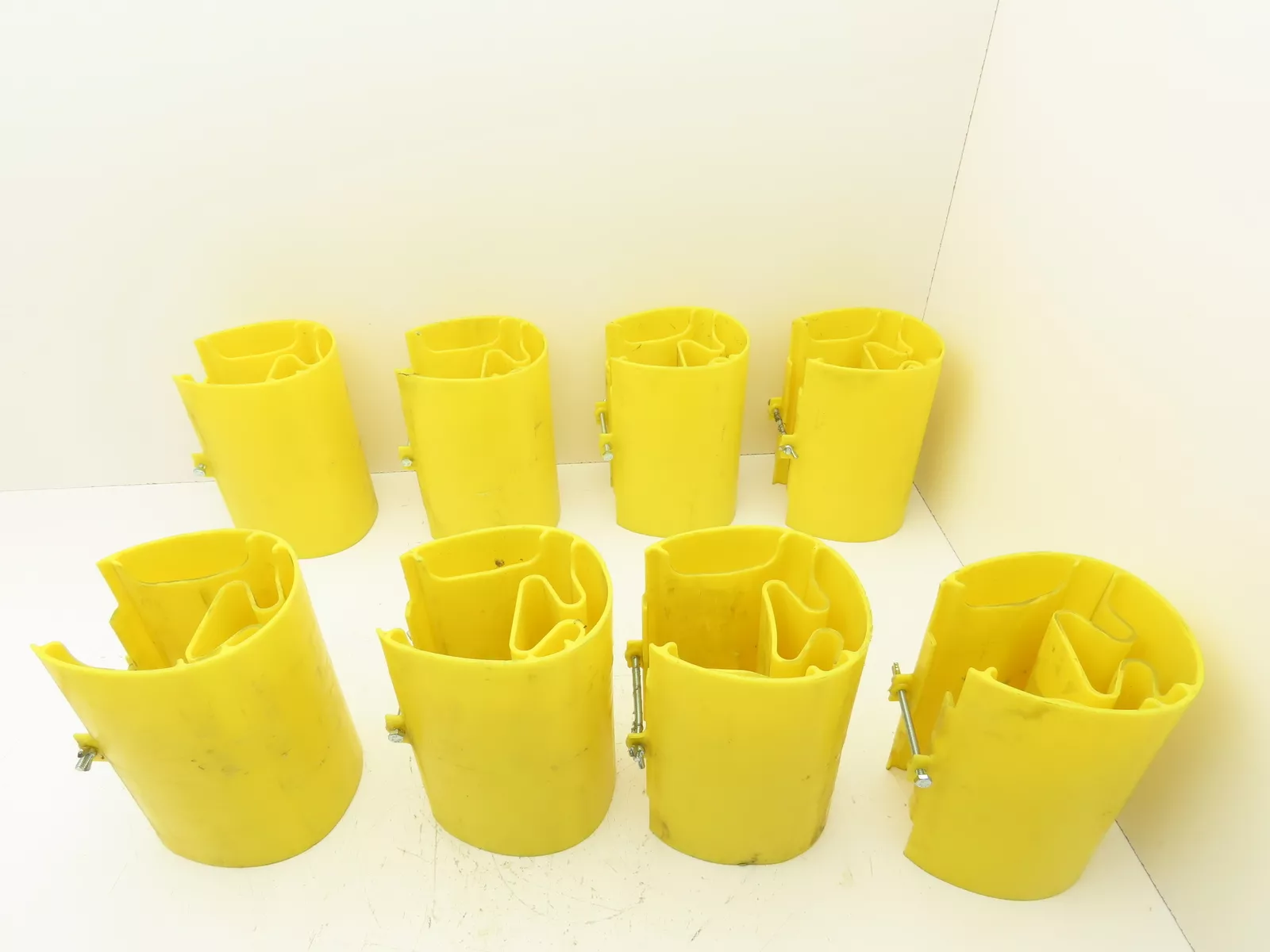
What Emotional Benefits Does Cantilever Racking Offer?
What Emotional Benefits Does Cantilever Racking Offer?
- Cantilever racking offers a flexible, tough storage system ideal for long, bulky, or awkward items, unlike rigid pallet racking.
- It provides easy access and organization, reducing time wasted searching for materials like lumber, pipes, or sheet metal.
- Enhances productivity by creating clear, efficient storage that supports focused and faster work.
- Improves safety by reducing risks associated with storing heavy or irregular items on standard pallet racks.
- Built-in safety features promote workplace trust and confidence among the team.
- Experienced users value cantilever racking as part of their daily workflow, making tasks less burdensome and more craftlike.
- Functions as a reliable partner in maintaining an organized, safe workspace and providing peace of mind.
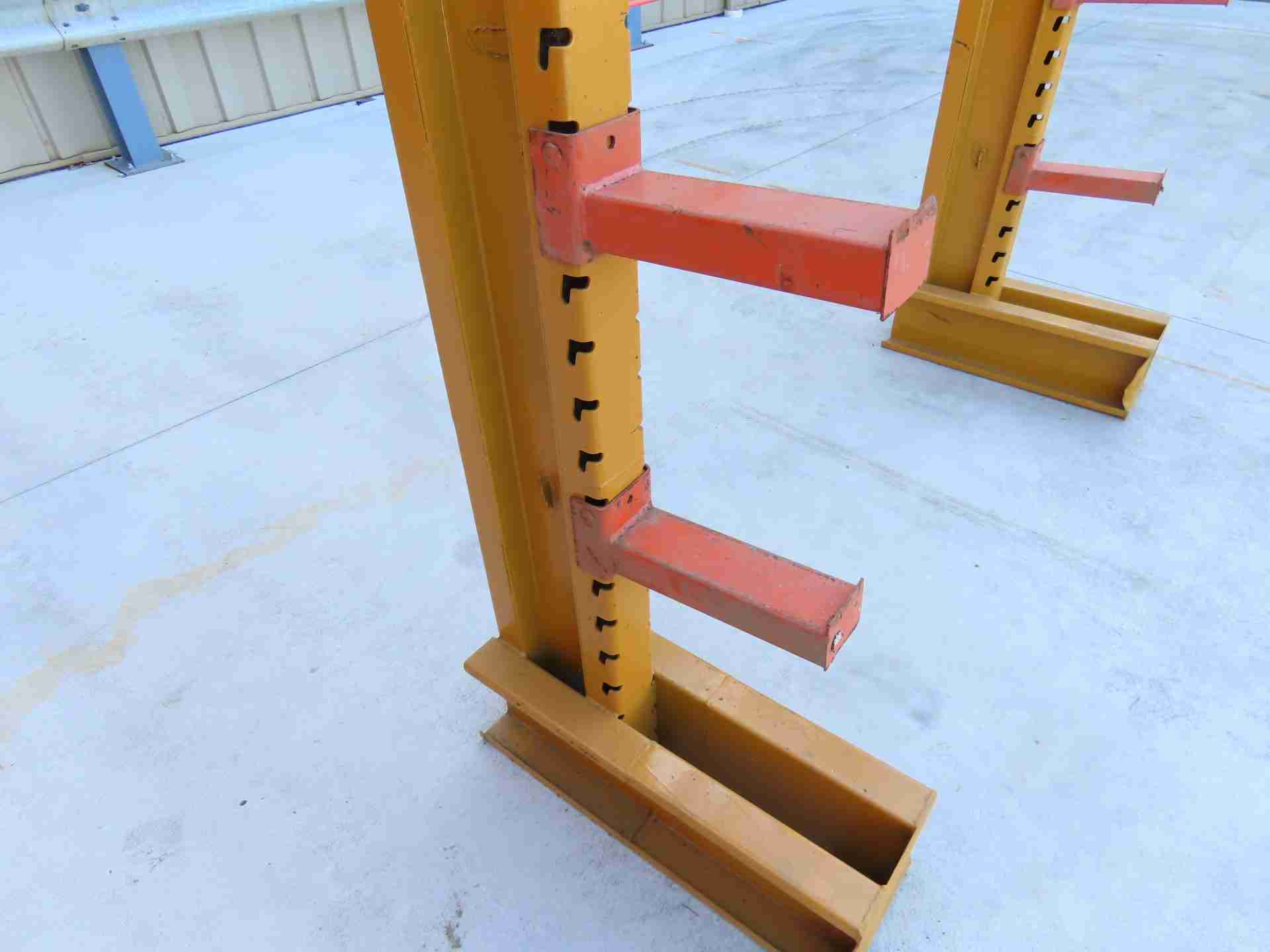
What Emotional Benefits Does Cantilever Racking Offer?
How Does Cantilever Racking Improve Storage Efficiency?
You know, when it comes to stacking and storing heavy, awkward, or long stuff, the usual pallet racking can feel like trying to fit a square peg in a round hole. That’s where cantilever racking steps up—not just as a second choice, but as the workhorse that actually makes a difference in how efficiently a space gets used. It’s the kind of practical solution that respects the sweat and grit invested in a job, showing up when you need room to breathe and work with confidence.
Think about a warehouse or workshop where lumber, pipes, or steel lengths pile up. Pallet racking often falls short because it’s made for boxed, uniform loads. Cantilever racking, though? It throws open its arms, offering an open-front design that lets you slide in long, bulky materials without wrestling to make them fit. This isn’t just about saving space—it’s about saving time, muscle, and preventing the aching back that comes from awkward lifting.
From a practical standpoint, cantilever racks are a godsend. They optimize vertical space in ways pallet racking can’t, so you’re not spreading out across the floor like you’re clearing snow during a blizzard. You get straight access, no wasted inches, and a place for every length and size, creating a neat, organized setup that makes finding what you need quick and painless. This kind of order doesn’t just make you look sharp; it makes the whole operation hum smoother, boosting productivity and cutting down on costly mistakes.
Here’s where the ethical angle comes in: safety. You don’t have to be an expert to know that heavy stuff stacked improperly is a recipe for disaster. Cantilever racking is built tough, designed to hold weight safely where you can see it and grab it securely. Providing a safer workplace means looking out for the folks on the floor—the same folks counting on reliable gear to get their job done day in, day out. That responsible choice isn’t just good sense; it’s good character.
In the real world, businesses that switch to cantilever racking often tell the same story: a cluttered mess turns into a streamlined setup. The kind where you don’t hesitate, where the gear works with you, not against you. It’s the kind of change that inspires pride because it respects the know-how and hard work of the people who make things happen.
So when efficiency, safety, and straightforward daily use come together, cantilever racking isn’t just a storage option—it’s a smart partner on the job. It’s the kind of upgrade that earns trust from day one, because it’s built on common sense and real-world results, cutting through the clutter so you can get the work done right. Pallet racking has its place, but when you need flexible, durable, and reliable storage that treats your materials and your crew with respect, cantilever racking proves it’s worth the switch.

How Does Cantilever Racking Improve Storage Efficiency?
How Does Cantilever Racking Improve Storage Efficiency?
- Cantilever racking is ideal for stacking heavy, awkward, or long items where pallet racking falls short.
- Its open-front design allows easy access for lumber, pipes, steel lengths, and bulky materials, saving time and effort.
- Optimizes vertical space efficiently, preventing clutter and enabling a neat, organized storage setup.
- Enhances productivity by providing quick access and reducing costly mistakes in operations.
- Built tough for safety, cantilever racking securely holds heavy loads, protecting workers and promoting a safe workplace.
- Businesses switching to cantilever racking experience streamlined setups that respect the skill and effort of their teams.
- Combining efficiency, safety, and ease of use, cantilever racking is a reliable, flexible storage solution that outperforms pallet racking for certain needs.

How Does Cantilever Racking Improve Storage Efficiency?
How Does Authority Endorse Cantilever Racking Solutions?
When it comes to storing long, bulky, or oddly shaped items, cantilever racking isn’t just some fancy idea dreamed up in an office—it’s earned the stamp of approval from the folks who know the ropes. Experts, engineers, and inspectors who’ve spent decades walking warehouses and yards have put their weight behind cantilever racking because it stands up to real-world demands. This isn’t about flashy marketing; it’s about proven strength, dependable function, and sensible design.
From the moment you see how cantilever arms hold pipes, lumber, and steel bars with no wasted space or awkward stacking issues, it’s clear why industry authorities recommend it. They recognize the bottom line—you want storage that’s easy to load and unload, something that doesn’t slow down the crew or put anyone in harm’s way. Cantilever racking meets those practical needs head-on, earning respect because it’s built with both safety and efficiency in mind.
There’s something reassuring in knowing your gear is backed by standards and codes written by the folks who’ve been knee-deep in pallet racking problems for years. These aren’t just rules on paper—they reflect real lessons learned from workplaces around the globe. Authorities handle inspections with an eye toward preventing the kind of accidents that can shake a business to its core. Cantilever racking passes these tests because it was designed from the ground up to hold its own while keeping people safe.
Ethics play their part, too. Choosing cantilever racking shows you’re not cutting corners. It says you respect your team’s wellbeing and care about building something that lasts. There’s a pride in that—it’s about more than just stacking materials; it’s about crafting a workspace that values diligence and common sense over shortcuts.
Farmers, fabricators, builders—people who get their hands dirty day in and day out—know that when something’s endorsed by authorities who’ve actually seen the wear and tear, it’s not just talk. It means the product works. It means it’s reliable under pressure. It means investing in cantilever racking is investing in a future where your equipment stays organized, your crew stays safe, and your business keeps rolling. That kind of endorsement doesn’t come lightly, and it makes all the difference when the chips are down and the work never slows.

How Does Authority Endorse Cantilever Racking Solutions?
How Does Authority Endorse Cantilever Racking Solutions?
- Cantilever racking is endorsed by experts, engineers, and inspectors for its proven strength, dependable function, and sensible design in storing long, bulky, or oddly shaped items.
- It efficiently holds items like pipes, lumber, and steel bars without wasted space or awkward stacking, making loading and unloading easier and safer.
- Standards and codes supporting cantilever racking are based on real-world lessons from global workplaces, emphasizing safety and accident prevention.
- Choosing cantilever racking reflects ethical commitment to team safety, durability, and avoiding shortcuts in workspace design.
- It is trusted by farmers, fabricators, and builders who rely on its reliability under heavy use and pressure.
- Investing in cantilever racking promotes organized equipment storage, crew safety, and continuous business operation.
- Endorsement from industry authorities highlights cantilever racking’s practical value and long-term performance in demanding environments.

How Does Authority Endorse Cantilever Racking Solutions?
Can Cantilever Racking Reduce Damage to Prefabricated Components?
When you’ve spent time, sweat, and brainpower putting together prefabricated components, the last thing you want is to see them come back all bent, scratched, or worse. It’s frustrating, expensive, and downright discouraging. Here’s where cantilever racking steps up like the unsung hero in a dusty warehouse. Unlike traditional pallet racking that can box you in with bulky frames and tight spaces, cantilever racks offer an open, flexible solution that hugs your components gently without squeezing them into a bad deal.
Think about it—those long, awkward pieces sitting on standard pallet racking often get jostled or knocked. It’s like trying to park a pickup in a compact spot; you’re asking for a ding or two. Cantilever racks, on the other hand, let you store lengths of wood, metal, or pipe horizontally with arms that reach out and support each piece evenly. That balance means less pressure points, fewer scrapes, and a lot less heartbreak at the receiving dock. It’s a simple idea, but one that shows serious respect for your work and your bottom line.
Put it plainly: damaged components don’t just cost money, they cost trust. In any trade or build, people rely on the integrity of what’s delivered to keep projects moving smoothly. When your materials come in right the first time, it saves everyone headaches, boosts your reputation, and cuts down on waste—and that’s not just good business, it’s the right way to handle things. There’s a quiet pride in knowing you’ve done your part to protect what matters, from start to finish.
From a practical standpoint, the authority of cantilever racking is proven in thousands of warehouses where durability meets design. The open structure doesn’t trap dust or moisture, keeping components cleaner and drier. Loading and unloading is easier on backs and forklifts alike, which means fewer accidents and delays. It’s the kind of sensible upgrade that pays dividends in reliability and peace of mind every single day.
So, if you’re wrestling with damaged pieces on those standard pallet racking setups, it’s time to rethink your approach. Cantilever racking isn’t just a neat tool—it’s a smart shield for your gear, protecting your hard work with sturdy arms and common sense. It’s about honoring the craft, respecting your materials, and making sure that every project gets the solid start it deserves.

Can Cantilever Racking Reduce Damage to Prefabricated Components?
Can Cantilever Racking Reduce Damage to Prefabricated Components?
- Cantilever racking prevents damage to prefabricated components by providing an open, flexible storage solution that avoids tight spaces and bulky frames common in traditional pallet racking.
- It supports long, awkward pieces like wood, metal, or pipe horizontally with evenly distributed arms, reducing pressure points and minimizing scrapes and dents.
- Protecting components from damage saves money and maintains trust, ensuring smooth project progress and reducing waste.
- Cantilever racking enhances reputation by delivering intact materials that meet professional standards.
- The open structure of cantilever racks prevents accumulation of dust and moisture, keeping components cleaner and drier.
- Loading and unloading are easier and safer, reducing strain on workers and equipment, which decreases accidents and delays.
- Cantilever racking is a durable, practical upgrade widely proven in warehouses, offering reliability and peace of mind for protecting valuable materials and supporting efficient workflows.

Can Cantilever Racking Reduce Damage to Prefabricated Components?
What Stories Highlight Successful Cantilever Racking Use?
When a job calls for handling long, awkward loads—think lumber, pipes, or steel beams—their story is pretty simple: cantilever racking gets the job done where pallet racking just can’t hack it. You’ve seen the chaos when workers try squeezing those bulky items onto standard pallet racking. It’s like stuffing a square peg in a round hole. Cantilever racks put an end to that mess. They’re made for easy access, no hassle, no wrestling with unwieldy stock. That means less sweat, fewer accidents, and a lot more done by quitting time.
One warehouse started using cantilever racking after battling damaged goods piling up from trying to cram heavy, unwieldy materials onto pallet racking. Switching to cantilever didn’t just reduce those costs—it reshaped their workflow. Loads slid on and off smooth as butter. Forklifts stopped getting jammed in tight spots. Workers joked more, joked less about the bruised knuckles and backs. It wasn’t some fancy tech upgrade; it was common-sense gear that respected the work and the workers doing it. That kind of practical respect breeds loyalty, trust, and pride in the job.
On the business side, the numbers back it up too. Cantilever racking frees up floor space by stacking long items vertically and out of the way, which means you can store more without building out. More storage, fewer headaches, and a workspace that flows with the rhythm of real work. It’s a smart investment, plain and simple, backing up the stories of businesses that kept their bottom line dry through lean times because they made their warehouse a better place to work. And that’s no small thing.
There’s an ethical angle here too. Giving workers the right tools shows you care about their well-being and safety. Risking injury by forcing awkward loads onto pallet racking isn’t just bad business—it’s bad faith. Cantilever racking says you get it. You respect the grind, you value the people, and you want the job done right, the right way.
Those aren’t just stories—they’re proven, practical lessons from the warehouses that know what’s on the line. You don’t need shiny promises or complicated systems to see how cantilever racking can turn your space and your workday around. The proof’s in the hands-on experience and the quiet confidence of those who’ve been around the block and gotten it right. When you do it smart, you win the long haul.
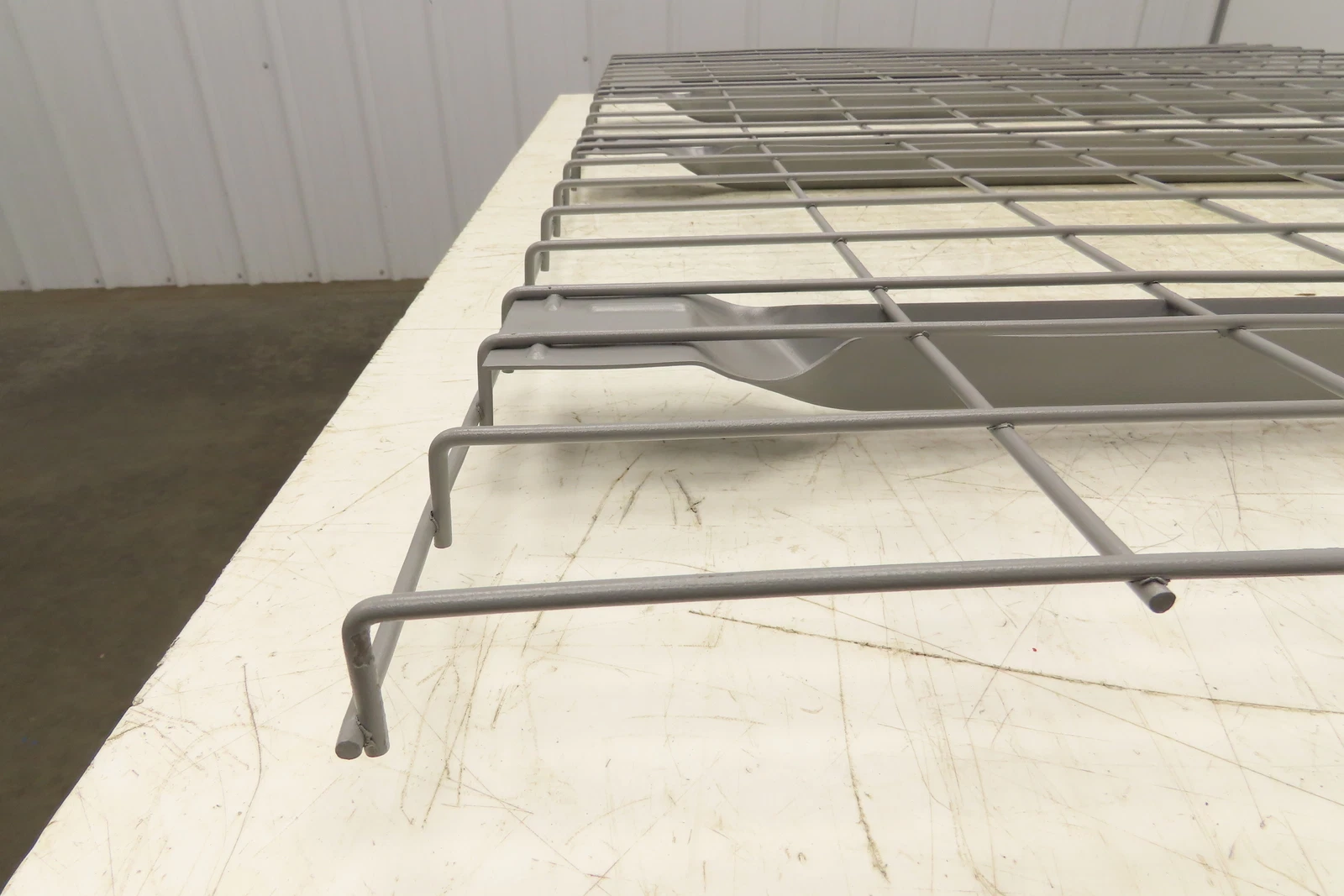
What Stories Highlight Successful Cantilever Racking Use?
What Stories Highlight Successful Cantilever Racking Use?
- Cantilever racking is designed for handling long, awkward loads like lumber, pipes, and steel beams, succeeding where pallet racking fails.
- It offers easy access, reduces physical strain, decreases accidents, and improves overall efficiency for workers.
- Warehouses switching to cantilever racking experience fewer damaged goods, smoother workflows, and less equipment congestion.
- This solution fosters employee loyalty, trust, and pride by respecting worker safety and comfort.
- Cantilever racking optimizes floor space by stacking items vertically, increasing storage capacity without expanding facilities.
- It represents a smart business investment that supports productivity and resilience during economic challenges.
- The use of cantilever racking reflects ethical commitment to worker well-being and operational integrity, proven by practical industry experience.

What Stories Highlight Successful Cantilever Racking Use?
How Does Cantilever Racking Address Space Limitations?
When you’re staring down the relentless squeeze of space in your warehouse or workshop, it hits home fast—the walls closing in, the aisles clogging up, and everyone tiptoeing around crates and boxes. That’s where cantilever racking steps up like a workhorse you want in your corner. It’s not just another “storage solution” pitched with fancy brochures; it’s straightforward, tough, and built for the kind of real-world problems you face every day.
Unlike pallet racking that crowds your floor with beams and bulky blocks, cantilever racking gives you wide-open arms to stack long, awkward stuff—pipes, lumber, steel bars—without bending over backward or playing Tetris every time you need to grab something. It’s the kind of setup that respects your space and your sanity, letting you use vertical room where you’d otherwise just pile junk on the floor, creating a maze nobody wants to navigate after a long shift.
This method isn’t just about cramming more into a smaller footprint; it’s about making your space work smarter, not harder. It turns disorder into order with clean lines and easy access, meaning less time hunting inventory and more time getting the job done. You feel that? That’s confidence—not having to guess where your next piece is or worry about safety hazards because everything’s stacked neat and stable where it belongs.
There’s an honest, no-nonsense edge to cantilever racking. It’s made to last, usually forged from heavy-duty steel crafted to handle weighty goods without bending or buckling under pressure. It’s about keeping your operation ethical too—safe for your crew and respectful of your workspace without cutting corners or risking damage to materials.
Folks who’ve wrestled with cluttered floors know that finding a storage system that fits like a glove means fewer headaches, less stress, and more pride in your place. Cantilever racking feels like it was built by someone who’s spent their days in the dirt, learning what works and what doesn’t. It’s a practical, reliable backbone for any setup tight on room but big on getting things done—bringing order to chaos with grit and common sense. When space is tight, this is what you want holding your load.

How Does Cantilever Racking Address Space Limitations?
How Does Cantilever Racking Address Space Limitations?
- Cantilever racking addresses space constraints in warehouses and workshops by providing a tough, straightforward storage solution for real-world problems.
- Unlike pallet racking, it offers open arms to store long, awkward items like pipes, lumber, and steel bars without crowding the floor or causing clutter.
- It utilizes vertical space efficiently, preventing floor piles and creating safer, easier access to materials.
- Designed to improve organization, it reduces inventory search time and enhances workplace confidence and safety.
- Made from heavy-duty steel, cantilever racking is durable and capable of handling heavy loads without bending or buckling.
- It promotes ethical operation by ensuring safety for workers and preventing damage to stored materials.
- Recognized for its practical, reliable design, cantilever racking is ideal for tight spaces and helps transform disorder into order with common sense and durability.
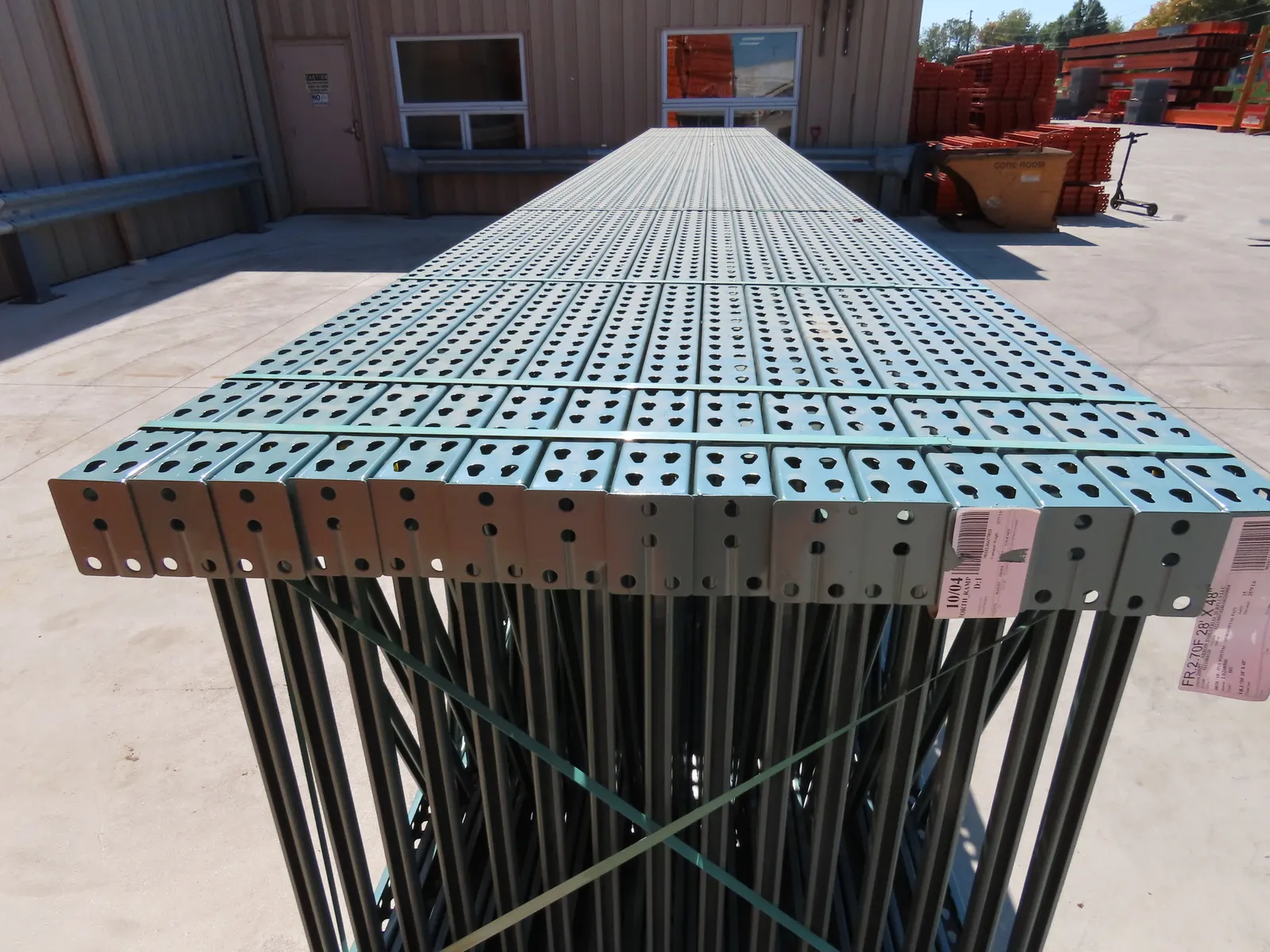
How Does Cantilever Racking Address Space Limitations?
Conclusion
When it comes to storing prefabricated building components—the long, bulky stuff that doesn’t fit neatly into boxes—cantilever racking isn’t just a nice-to-have; it’s the backbone that keeps the whole operation running without headaches. It handles awkward shapes and heavy loads with an open-front design that feels like the difference between wrestling a stubborn mule and sliding a well-oiled tool into place. There’s a down-to-earth satisfaction in knowing your beams, pipes, and panels sit secure and easy to grab, no fumbling, no damage, no time wasted hunting through chaos. That’s not just convenience—that’s peace of mind after a day spent sweating through a job.
This system respects the sweat and muscle of the crew. It safeguards your gear and backs, cutting down on injury risks and material damage—an ethical choice made simple. You’re not just stacking parts; you’re showing respect for the hands that build and the materials that matter. It’s about doing the job right, honoring the craft, and keeping promises made on tight schedules and tough sites. Cantilever racking doesn’t just organize your space; it builds trust, raises safety standards, and keeps the flow steady when the pressure’s on.
Efficiency-wise, cantilever racking maximizes every inch, filling vertical space where pallet racks falter. Instead of spreading out across the floor like snowdrifts, lumber and steel stack clean and accessible, cutting clutter and sore backs. That kind of order boosts productivity, cuts costly mistakes, and lets the job hum along without stalls. You’re not fighting your storage; it’s working with you, like a reliable teammate who knows the ropes and keeps things moving.
The real-world credibility of cantilever racking is backed by hard-earned respect from experts and inspectors who’ve seen the costly fallout of poor storage. Their nod means this isn’t guesswork; it’s proven sense built on safety codes and practical design, tested under the grind of daily use. Choosing cantilever means you’re not cutting corners—you’re investing in a safe, durable setup that stands up to the demands of real work and respects the people doing it.
And here’s the kicker: by protecting materials from damage with balanced, easy access, it saves money and frustration. No more bent boards or scratched steel that’s gotta be replaced or held back. That reliability keeps projects on track and jobs moving smooth from start to finish—a quiet but powerful kind of pride that comes with knowing you’ve done right by your team and your trade.
Stories from the field bear it out. Warehouse crews switch to cantilever and suddenly the workflow clicks—forklifts stop jamming, backs stop aching, and morale lifts. More space opens up without costly expansions. The place feels less like a cage and more like a well-run machine. It’s not rocket science—just common sense, built tough to handle the long haul.
When space gets tight and loads get unwieldy, cantilever racking is the no-nonsense answer. It respects your yard, your crew, and your schedule with a sturdy, flexible design built by folks who’ve been where you are. No fuss, no frills—just a solid solution that puts order in the chaos, keeps your gear safe, and helps you get the job done right, every time. That’s the kind of storage you can stake your reputation on.
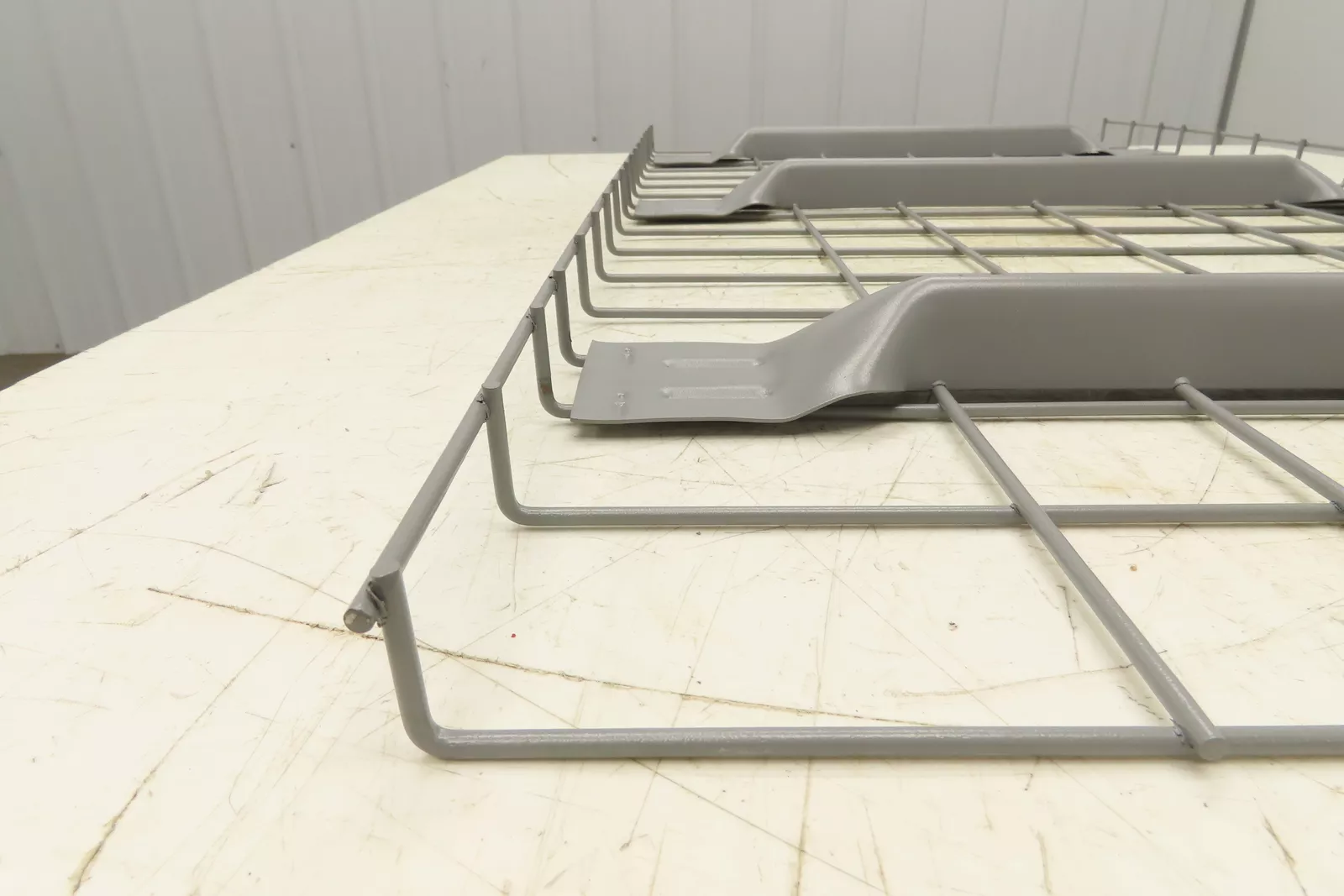
Conclusion
Conclusion:
- Cantilever racking efficiently stores long, bulky building components with an open-front design for easy access and damage prevention.
- It supports worker safety by reducing injury risks and material damage, demonstrating respect for both labor and materials.
- Maximizes vertical storage space, reducing floor clutter and improving productivity by keeping materials organized and accessible.
- Widely respected by experts and inspectors for its compliance with safety standards and durability under daily use.
- Protects materials from damage, saving money by minimizing replacements and ensuring smooth project progress.
- Improves workflow and morale in warehouses by freeing space, easing material handling, and creating a more efficient environment.
- Offers a reliable, straightforward storage solution that balances flexibility, sturdiness, and practical design for demanding job sites.

Conclusion
Other Resources

Other Resources
Here is a list of other resources you can review online to learn more:
- Mustang Material Handling
- Cantilever Racks Chicago
- Selective Pallet Racking Systems – Container Systems
- WERC
- Selective Rack – Raymond West
- What is Selective Racking: Understanding Benefits & Options
- Teardrop Industrial Shelving Rack
- Rack Manufacturers Institute
- Storage Equipment Manufacturers Association
- Shipping Boxes, Packaging Materials, Pallet Racking
- Pallet Rack Systems – New and Used Pallet Racking and Shelving Experts
- Overhead Lifting
- Selective Racking
- Pallet Racking systems in Illinois and Great Lakes
- Intro to Warehouse Racks & Warehouse Racking Systems – ShipBob
- CMMA
- Pallet Racking 101: A Comprehensive Guide & Options Explained
- Teardrop Racks – Pallet Rack World
- Warehouse Racking Systems: Beginner’s Guide to Rack Systems
- Logic Material Handling
Use This Prompt To Get More Resources With Your Favorite Online AI Tool: Please provide me with a list of online articles with their URLs in a bulleted list that I can read regarding How Do Prefabricated Building Component Storage Leverage Cantilever Racking?

Other Resources
Glossary Terms
How Do Prefabricated Building Component Storage Leverage Cantilever Racking? – Glossary Of Terms
1. Prefabricated Building Component: A building element manufactured off-site for later assembly on-site.
2. Storage: The act of keeping materials or products in a designated space until needed.
3. Cantilever Racking: A storage system with arms projecting from a central column to hold long or bulky items.
4. Load Capacity: The maximum weight a racking system can safely support.
5. Arm: The horizontal support extending from the cantilever column that holds the stored items.
6. Column: The vertical support structure in a cantilever racking system.
7. Base: The foundation or lower part of a cantilever rack that stabilizes the system.
8. Long Loads: Items such as beams, pipes, or panels that exceed typical shelf sizes and require specialized storage.
9. Accessibility: The ease with which stored components can be retrieved or stored.
10. Space Utilization: Efficient use of available storage area minimized by clutter or wasted space.
11. Vertical Storage: Storing items upward to maximize floor space usage.
12. Overhanging Load: A load that extends beyond the support arm of the cantilever rack.
13. Load Distribution: Even spreading of weight across support structures to maintain stability.
14. Modular Design: A racking system made of interchangeable parts for flexibility in configuration.
15. Material Handling: The movement, protection, storage, and control of materials during manufacturing or distribution.
16. Structural Integrity: The ability of the racking system to maintain its form and support loads without failure.
17. Heavy-Duty Racking: Racking designed to support very high weights typical of large building components.
18. Assembly Efficiency: The ability to quickly and easily put together the racking system.
19. Off-Site Storage: Keeping building components at a separate location from the final construction site.
20. Protection: Safeguarding components from damage during storage.
21. Inventory Management: Tracking and controlling stored items to meet project demands.
22. Safety Features: Design elements that reduce risk of accidents in storage.
23. Accessibility Aisle: The space between rows of racks for movement and retrieval.
24. Adjustable Arms: Cantilever rack arms that can be repositioned to accommodate different load sizes.
25. Forklift Access: Design considerations that allow forklifts to place or retrieve loaded components.
26. Weather Resistance: The capacity of storage systems or components to withstand environmental exposure.
27. Space Optimization: Strategies to maximize usable storage volume relative to floor area.
28. Load Stability: The prevention of stored items shifting or falling from the racks.
29. Prefabrication Workflow: The sequence of steps related to producing, storing, and installing prefabricated parts.
30. Customized Racking: Tailoring cantilever racking systems to meet specific storage needs of unique components.
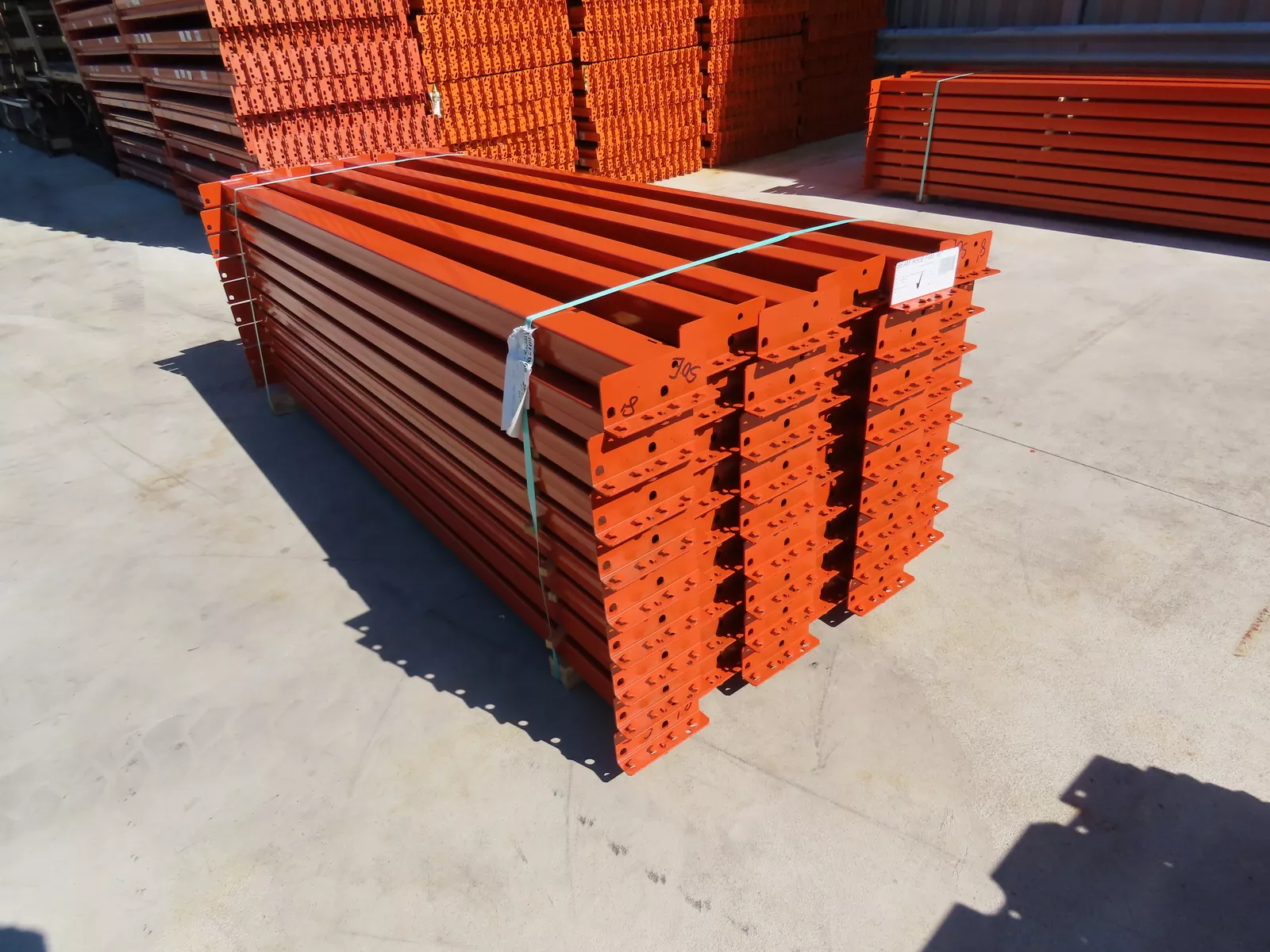
Glossary Of Terms
Other Questions
How Do Prefabricated Building Component Storage Leverage Cantilever Racking? – Other Questions
If you wish to explore and discover more, consider looking for answers to these questions:
- What types of prefabricated components are best suited for cantilever racking?
- Can cantilever racking support very heavy loads such as precast concrete or large steel beams?
- How do I determine the required load capacity per arm and per bay?
- How does cantilever racking compare to pallet racking in upfront cost and long-term ROI?
- What are typical installation and ongoing maintenance costs?
- How much floor and vertical space can I realistically save by switching to cantilever racking?
- Are cantilever racks available in standard sizes or do they need to be customized for specific components?
- What materials are cantilever racks made from, and which are best for indoor vs. outdoor use?
- How are cantilever racks anchored to the floor and what foundation requirements exist?
- Can in-house staff assemble and install cantilever racking, or is professional installation recommended?
- What seismic, wind, or other bracing requirements are needed in high-risk regions?
- Which safety standards, codes, and inspections apply (e.g., OSHA, local building codes)?
- How often should cantilever racking be inspected, and what should inspections include?
- What worker training or certification is required for safe loading and unloading of long components?
- Which forklift types and attachments are compatible with cantilever-stored loads?
- What accessories (end stops, dividers, protective sleeves) improve safety and protect materials?
- How can cantilever racking help reduce damage to components, and what best practices minimize scrapes and warping?
- Is cantilever racking suitable for outdoor storage or corrosive environments, and what corrosion protection options exist?
- How does cantilever racking handle mixed lengths, mixed profiles, or irregularly shaped prefabricated pieces?
- Are there load testing procedures and certification services to validate rack capacity?
- What are common failure modes (overloading, arm damage, base movement) and how are they mitigated?
- How modular and scalable are cantilever systems for growing operations?
- How easy is it to reconfigure cantilever layouts as inventory or product mix changes?
- What are recommended stacking heights and spacing to maintain stability and safety?
- How should heavy or long items be stored to avoid warping, moisture damage, or internal stresses?
- What are floor-loading limits and how do I assess whether my building can support heavy cantilever installations?
- Are there insurance implications or requirements when switching from pallet to cantilever racking?
- What is the expected service life of cantilever racking, and which factors most affect longevity?
- Do manufacturers offer warranties, and what typical warranty terms cover structural failures?
- How does cantilever racking impact operational workflow, picking times, and overall productivity?
- Can cantilever storage be integrated with inventory management systems, labeling, and barcoding?
- Are there documented case studies or performance metrics from businesses using cantilever racking for prefabricated components?
- What criteria should I use to evaluate and select reputable cantilever rack suppliers or installers?
- What permit or approval processes are required for installing heavy racking systems in commercial or industrial spaces?
- How do environmental and sustainability factors (recyclability, material sourcing) influence rack selection?
- How are damaged or deformed components handled in a cantilever system to prevent contamination or safety hazards?
- What ergonomic practices reduce worker strain when loading and unloading long, heavy items from cantilever racks?

Other Questions
Checklist
How Do Prefabricated Building Component Storage Leverage Cantilever Racking? – A Checklist
Inventory and Load Profile
✅______ Catalog all component types (lumber, panels, pipe, steel)
✅______ Record maximum and minimum lengths, depths, and diameters
✅______ Record individual piece weights and typical bundle weights
✅______ Determine handling method (forklift, side loader, crane, manual)
✅______ Define turnover frequency and access needs (fast movers vs. slow movers)
✅______ Identify items requiring special support (flexible, easily marred, tapered)
Facility and Floor Readiness
✅______ Verify slab capacity and thickness; obtain stamped floor data if needed
✅______ Confirm flatness and levelness tolerances for racking alignment
✅______ Map columns, doors, sprinklers, drains, and obstructions
✅______ Validate clear egress routes and emergency access
✅______ Check lighting adequacy at pick faces and aisles
✅______ Assess environmental conditions (moisture, corrosion, temperature)
Safety and Compliance
✅______ Reference applicable standards (RMI/ANSI, FEM, local codes)
✅______ Confirm seismic and wind design requirements
✅______ Ensure fire code compliance (sprinkler clearance, commodity classification)
✅______ Plan guarding (column protectors, end-of-aisle barriers)
✅______ Define safe working loads with visible capacity labels per level and bay
✅______ Incorporate end stops and load retainers where needed
System Design and Specification
✅______ Choose single- or double-sided columns based on access and space
✅______ Size column height for vertical utilization and equipment reach
✅______ Select base length for stability and load projection
✅______ Specify arm length, pitch, and adjustability for all SKUs
✅______ Set arm capacity and deflection criteria with safety factor
✅______ Consider decking, saddles, pipe cradles, or dividers if applicable
✅______ Plan for modular expansion (add bays and levels as needs change)
✅______ Specify finish or coating for the environment (galvanized, powder coat)
Layout and Flow
✅______ Define aisle widths for chosen equipment and load lengths
✅______ Separate loading and picking faces if traffic is heavy
✅______ Zone by length and weight to minimize travel and rehandling
✅______ Establish clear staging areas for inbound and outbound
✅______ Provide turning radii and safe approach angles for long loads
✅______ Mark floor lines and rack bays with durable signage
Handling Equipment and Access
✅______ Match forklift class and attachments to load lengths and weights
✅______ Verify mast height and free lift for top levels
✅______ Provide fork extensions or spreader bars where required
✅______ Confirm side loader or crane access for extra-long stock
✅______ Check battery charging or fuel logistics to support flow
Protection of Materials
✅______ Use dunnage, padding, or sleeves for mar-prone surfaces
✅______ Store by length to prevent overhang and pressure points
✅______ Keep bundles banded or strapped per manufacturer guidance
✅______ Implement first-in/first-out lanes for time-sensitive materials
✅______ Control dust and moisture; use covers where needed
Installation and Commissioning
✅______ Obtain permits and inspections as required
✅______ Use certified installers; follow manufacturer torque and anchor specifications
✅______ Verify plumb and level, and arm pitch, after installation
✅______ Load-test initial bays per supplier guidance
✅______ Document as-built drawings and capacity plaques
Operations and Training
✅______ Train operators on cantilever-specific handling and approach angles
✅______ Define loading patterns (heaviest loads on lowest arms; even distribution)
✅______ Implement speed limits and traffic rules in aisles
✅______ Standardize putaway and retrieval locations by SKU
✅______ Enforce clear line of sight and spotter use for long loads
Inspection and Maintenance
✅______ Set weekly visual checks for arms, columns, bases, and anchors
✅______ Schedule quarterly formal inspections with documented findings
✅______ Tag and quarantine damaged components immediately
✅______ Maintain hardware torque logs and repair records
✅______ Re-verify capacities after any reconfiguration
Labeling and Inventory Control
✅______ Label bays, levels, and arms with durable IDs
✅______ Post maximum arm load and bay load at eye level
✅______ Integrate locations with WMS/ERP for traceability
✅______ Use length and diameter color codes for fast identification
✅______ Audit inventory accuracy routinely
Performance and Continuous Improvement
✅______ Track picking time, putaway time, and travel distance
✅______ Monitor damage rates and near-miss incidents
✅______ Measure space utilization (vertical and floor)
✅______ Review SKU slotting quarterly; adjust as demand shifts
✅______ Collect operator feedback for layout tweaks
Vendor and Documentation
✅______ Vet suppliers for certifications and references
✅______ Obtain stamped calculations and drawings
✅______ Keep manuals, parts lists, and warranty records accessible
✅______ Plan spare parts kit (arms, pins, stops, anchors)
Culture and Wellbeing
✅______ Reinforce housekeeping standards (clear aisles, no floor piles)
✅______ Celebrate reductions in damage and incidents
✅______ Encourage stop-work authority for unsafe conditions
✅______ Post simple visual work instructions at each zone
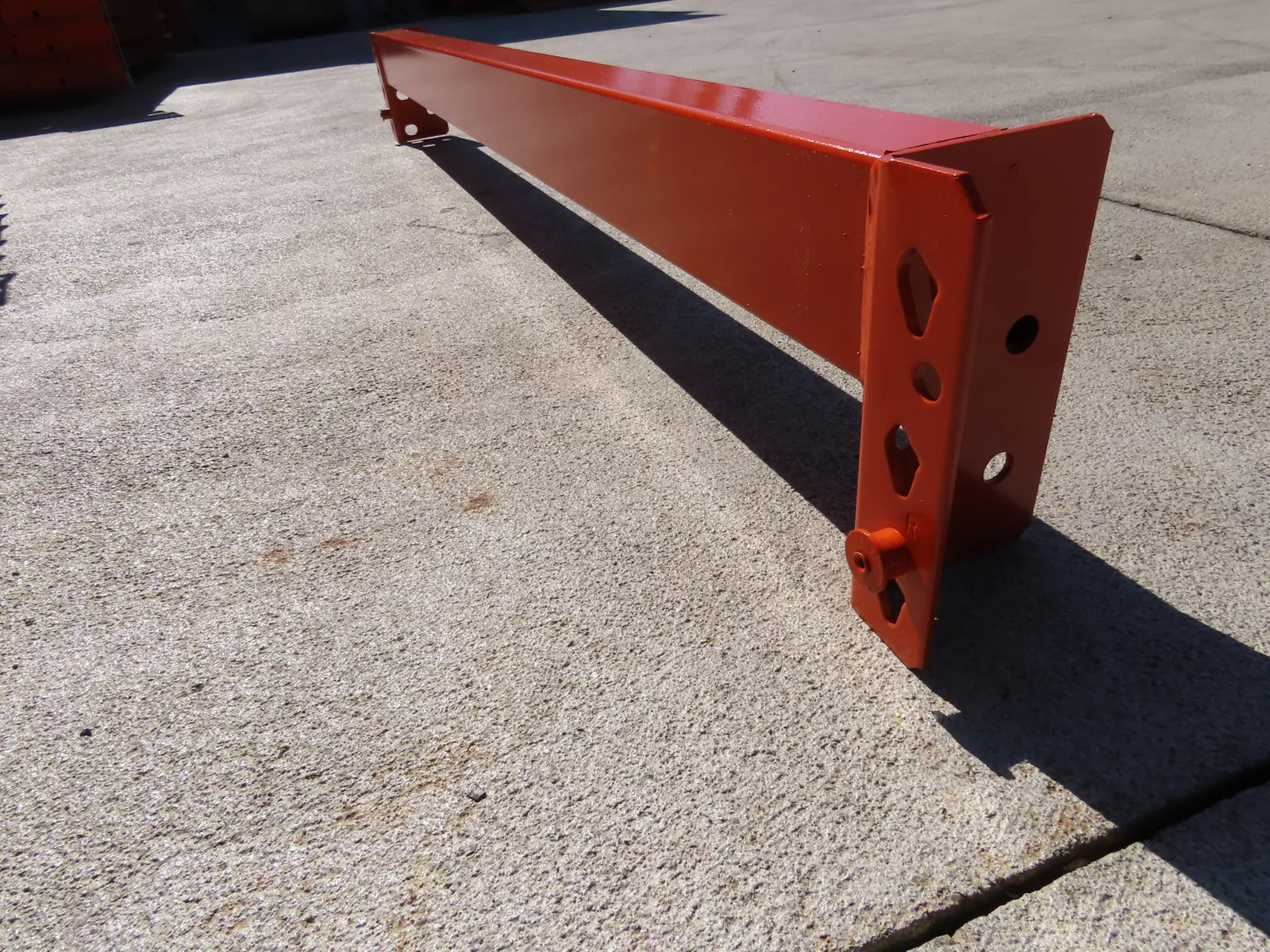
Checklist
At RackingWorld, we help guide you through selecting warehouse storage systems and racking.
Be sure to read our other related stories at RackingWorld to learn more about warehouse storage systems.
0 Comments