
Maximizing Space And Efficiency: Unlocking Growth With Cantilever Racking
By Tom Seest
At RackingWorld, we help guide you through selecting warehouse storage systems and racking.
Be sure to read our other related stories at RackingWorld to learn more about warehouse storage systems.
How Do Plywood and Panel Distributors Leverage Cantilever Racking?
When plywood and panel distributors step into their warehouses, they’re not just stacking wood; they’re running a finely tuned operation that keeps contractors, builders, and do-it-yourselfers moving forward. Cantilever racking is at the heart of that operation, quietly doing the heavy lifting in a way that makes sense both for the business and the folks on the floor. It’s no secret that lumber and panels come in awkward sizes and weights—long, heavy, and tough to handle without the right setup. That’s where cantilever racking shines. Unlike traditional pallet racking that boxes you in, cantilever gives distributors the freedom to store long pieces neatly and reach them without gymnastics, saving time and sweat.
For those hands who’ve spent years lugging plywood sheets, the difference isn’t just in storage space; it’s in the spirit. When a system is designed with their real-world grind in mind, it tells every worker they matter. It boosts morale because everyone can get their job done without twisting, bending, or risking damage—not just to the wood but to their backs. Those warehouse managers aren’t just chilling on some abstract logistics ideal; they’re thinking about the people they rely on, day in and day out. That’s ethical business in action: valuing the team while protecting the precious stock.
From a practical, hard-nosed perspective, cantilever racks slam down on inefficiency. You cut the time trying to squeeze sheets onto pallets that barely fit, stop worrying about damaged corners, and maximize floor space so you can keep more product on hand without that cluttered mess. Not only does it keep orders flowing faster, but it also helps avoid costly mistakes and shrinkage, which in this business, hits the bottom line hard. The ripple effect is clear: confident buyers, repeat customers, and smoother runs through the supply chain.
Distributors who embrace cantilever racking aren’t just following a trend; they’re standing on the shoulders of proven authority in materials handling. They’re tapping into decades of savvy design and real-world feedback that keep the business running lean and mean. In an industry where precision counts, that edge adds up—earning respect from peers and boosting reputation.
At the end of the day, using cantilever isn’t just about racks or panels—it’s about building trust with every shipment. It’s about telling every customer, “We get it. We’ve worked in these boots. We’ve handled these sheets. And we’re set up to make this easy for you.” That’s a connection that no spreadsheet can capture but every wise distributor knows is worth more than gold. Pallet racking has its place, but when it comes to plywood and panels, cantilever’s the clear call to work smarter, safer, and stronger.
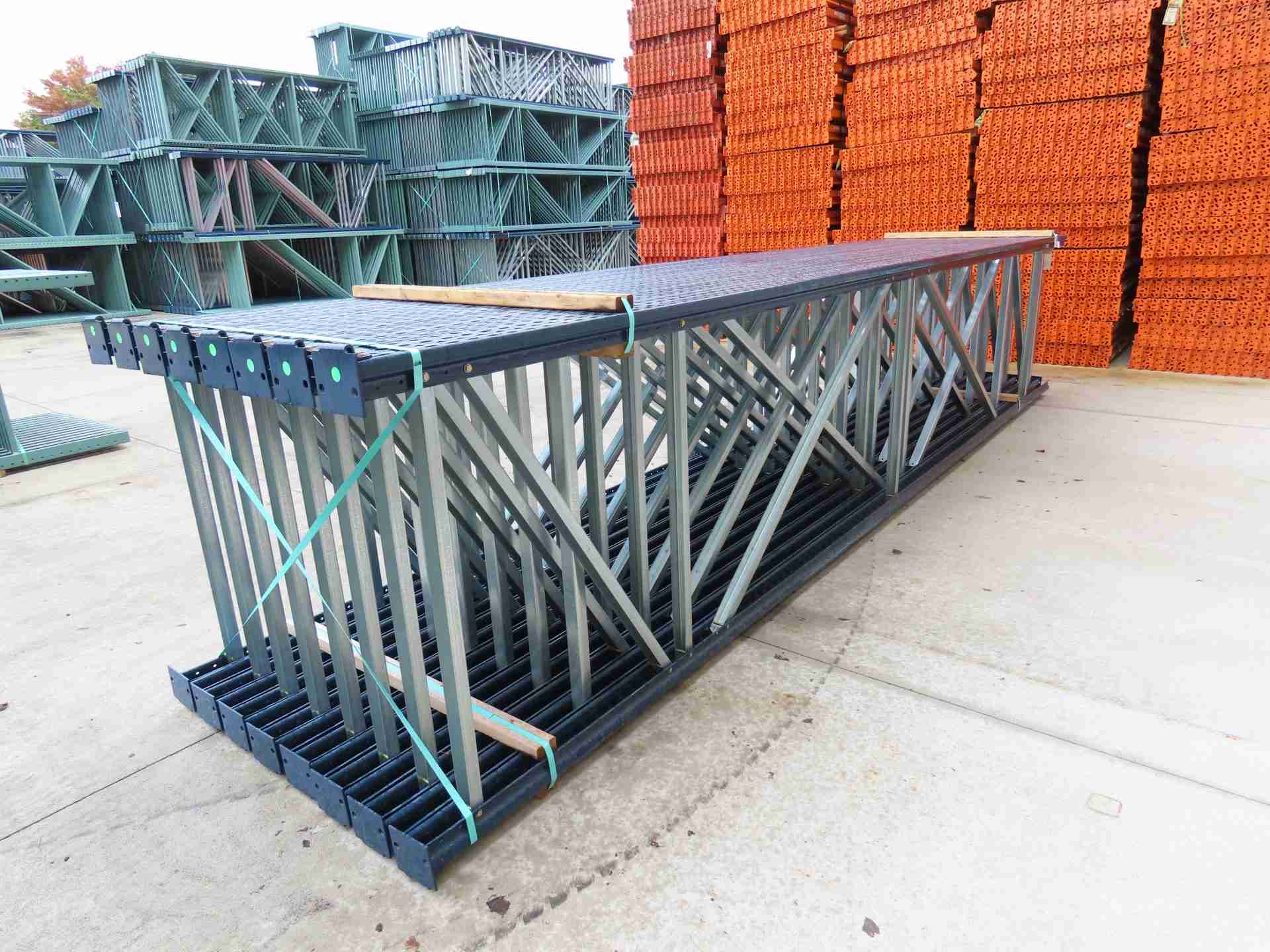
How Do Plywood and Panel Distributors Leverage Cantilever Racking?
How Do Plywood and Panel Distributors Leverage Cantilever Racking?
- Cantilever racking optimizes storage for long, heavy plywood and panels, outperforming traditional pallet racking by allowing easier access and saving time.
- Designed with workers in mind, cantilever racks reduce physical strain, boost morale, and promote ethical business by valuing employee well-being and product protection.
- It improves efficiency by minimizing damaged goods, maximizing floor space, and speeding up order fulfillment, which lowers costs and shrinkage.
- Using cantilever racks enhances supply chain reliability, contributing to confident buyers, repeat customers, and smoother operations.
- Distributors benefit from decades of proven materials handling expertise embedded in cantilever racking designs, gaining a competitive edge and industry respect.
- The system fosters trust with customers by demonstrating practical experience and a commitment to making handling plywood and panels easier.
- Cantilever racking is the preferred solution for plywood and panel storage, enabling smarter, safer, and stronger warehouse management compared to pallet racking.
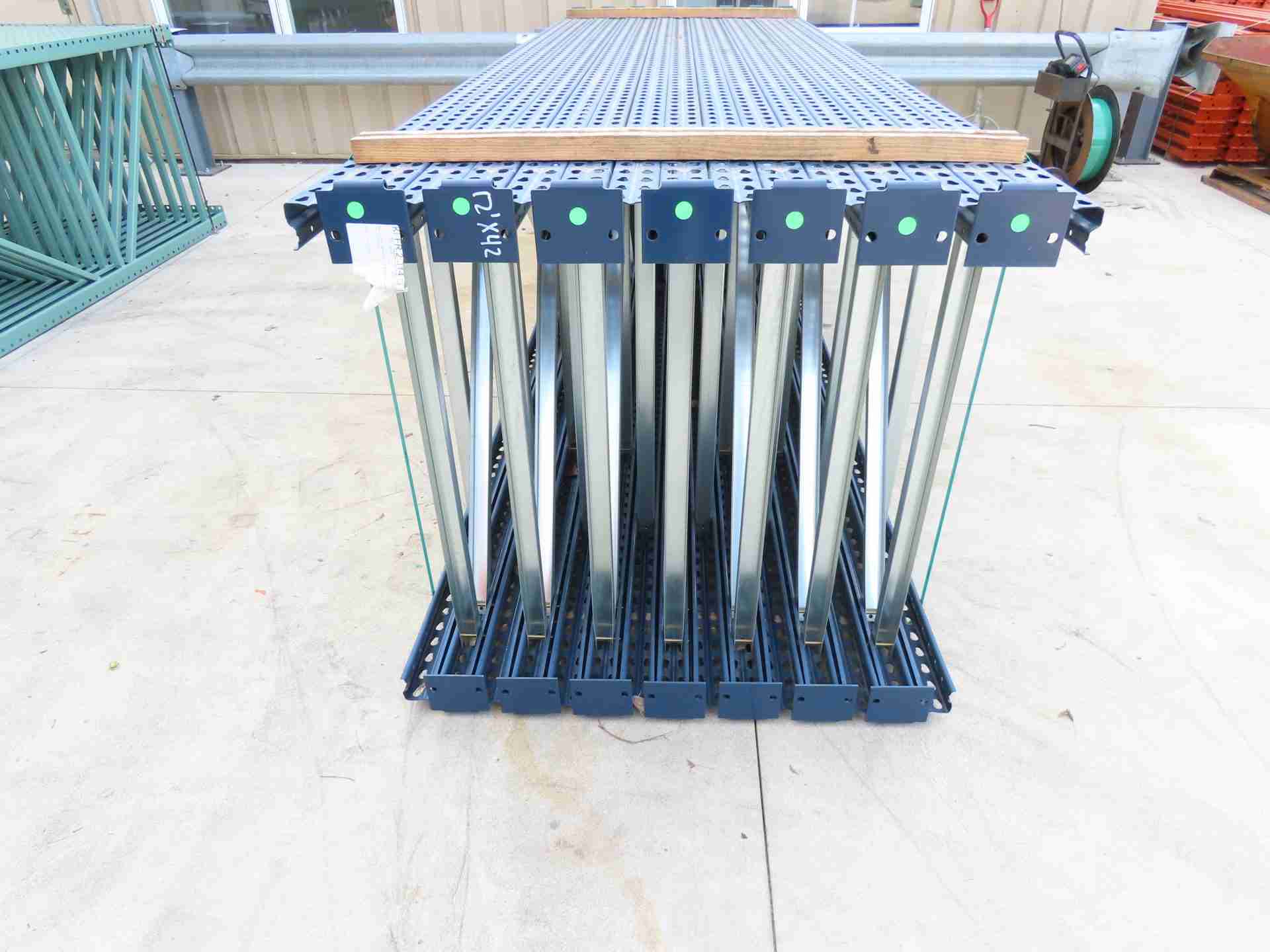
How Do Plywood and Panel Distributors Leverage Cantilever Racking?
Table Of Contents
- How Do Plywood and Panel Distributors Leverage Cantilever Racking?
- Why Choose Cantilever Racking for Plywood Storage?
- How Does Cantilever Racking Maximize Space Efficiency?
- What Safety Benefits Does Cantilever Racking Provide?
- Can Cantilever Racking Reduce Product Damage During Storage?
- How Does Cantilever Racking Improve Loading and Unloading Speed?
- What Cost Savings Come From Using Cantilever Racking?
- Conclusion
- Other Resources
- Glossary Of Terms
- Other Questions
- Checklist
Why Choose Cantilever Racking for Plywood Storage?
When it comes to storing plywood, you want a system that’s as tough and no-nonsense as the wood itself. That’s where cantilever racking steps in—no fancy bells or whistles, just straightforward, dependable storage that gets the job done. Think of it like the trusty pickup truck of storage solutions: solid, practical, and built to handle heavy loads without fuss. Unlike pallet racking, which can feel like trying to fit a square peg in a round hole when dealing with oversized sheets, cantilever racks give you open arms to spread plywood flat and keep it safe from warping or damage.
You know the drill—plywood isn’t just another box on a pallet; it’s a big, unwieldy beast that needs room and respect. Cantilever racking respects that space, letting you slide those hefty sheets on and off with ease. This isn’t just convenience; it’s the kind of thoughtful setup that keeps your team safe, your workflow smooth, and your material in prime shape. The last thing you want is plywood that’s bent or broken because your storage is cut from the wrong cloth.
Choosing cantilever isn’t just about being practical—it’s about working smarter and showing you care. When your warehouse is organized with racks designed for the job, you’re making a statement: quality matters here. You’re not just stacking wood; you’re building trust with every order that rolls out, proving you respect your tools, your team, and your craft. A tidy, efficient workspace feels good on the gut—it’s the kind of thing that makes the day easier and your work shine a little brighter.
And let’s not forget the environment you’re creating. Reliable storage like this builds morale and pride—it’s a foundation you can lean on. That’s authority speaking from experience: when your plywood sits safely and accessibly on cantilever racks, your operation runs smoother, your crew works safer, and your bottom line stays stronger. If you’ve ever wrestled with pallet racking that just doesn’t fit the bill, you know the relief when something finally works the way it should.
In short, cantilever racking is the straightforward, solid choice for plywood storage because it combines common sense, respect for materials, and plain old hard-earned wisdom. It’s the kind of investment that pays off in safety, efficiency, and peace of mind—making your storage not just a place to stash wood, but a backbone for better work every day.
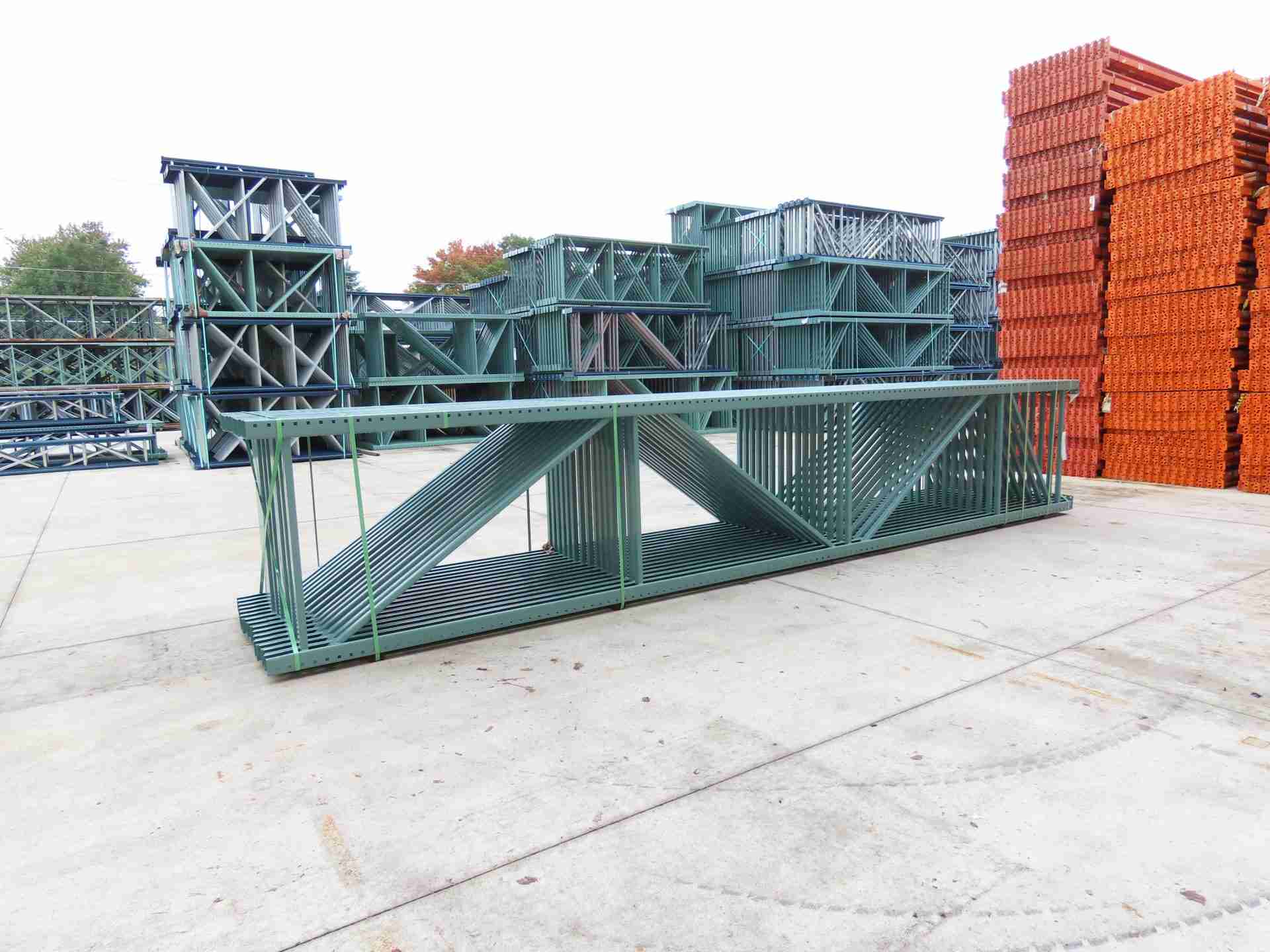
Why Choose Cantilever Racking for Plywood Storage?
Why Choose Cantilever Racking for Plywood Storage?
- Cantilever racking offers tough, no-nonsense, and dependable storage ideal for plywood.
- Unlike pallet racking, it allows plywood sheets to be stored flat, preventing warping and damage.
- Designed to accommodate the size and shape of plywood, it provides easy loading and unloading.
- This storage system enhances safety, workflow efficiency, and material integrity.
- Choosing cantilever racks reflects a commitment to quality, organization, and respect for tools and team.
- Reliable plywood storage boosts morale, pride, and operational smoothness in the workplace.
- Cantilever racking is a practical investment that improves safety, efficiency, and overall work quality.
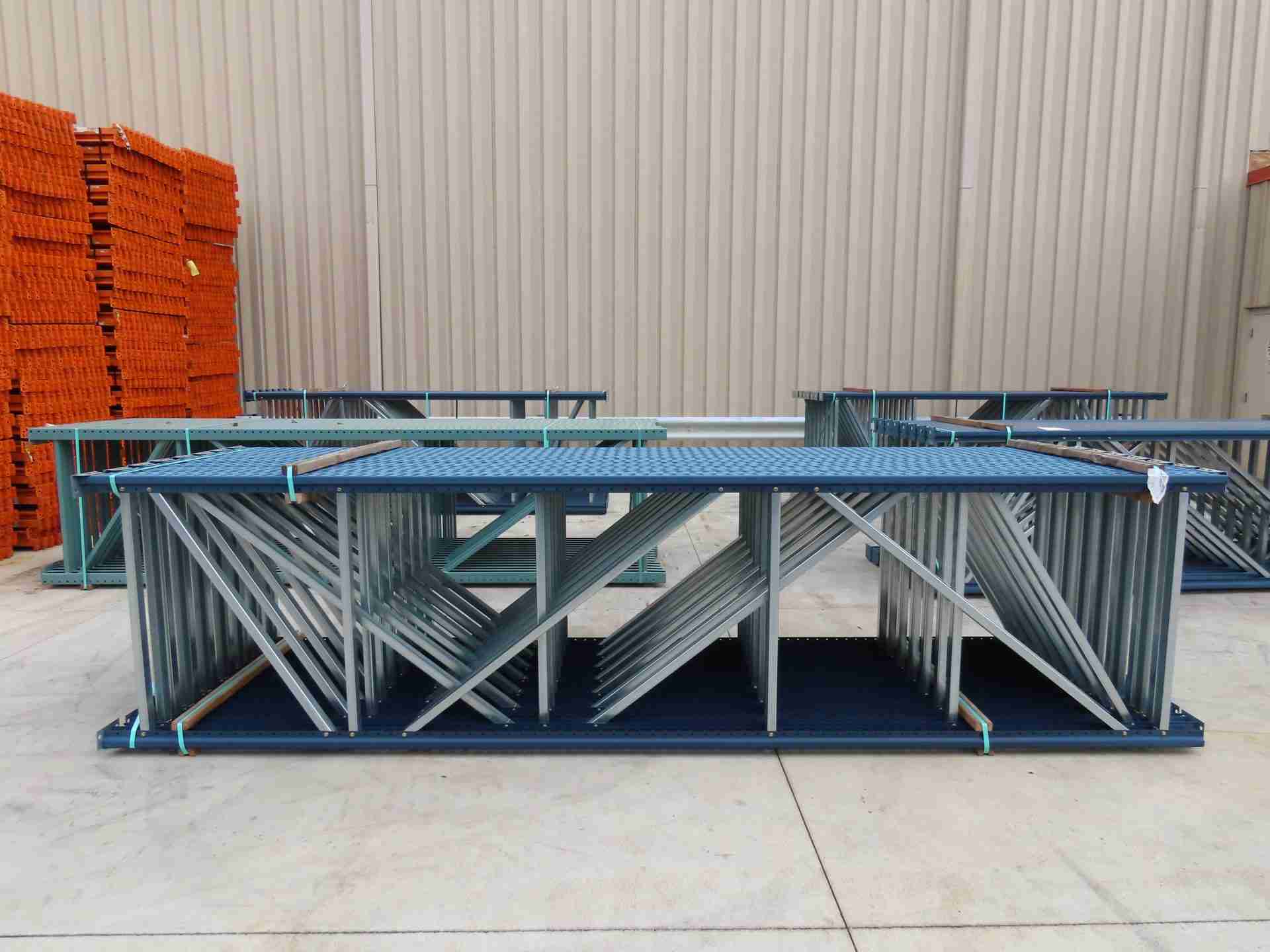
Why Choose Cantilever Racking for Plywood Storage?
How Does Cantilever Racking Maximize Space Efficiency?
You roll into a warehouse, and what hits you first is the jumbled mess of racks and boxes scattered wherever there’s room. It’s a frustration that anyone who’s ever dealt with storage knows too well—wasted space, difficult-to-reach goods, and a general sense that things could be simpler. That’s where cantilever racking steps in, doing the heavy lifting to make space work smarter, not harder.
Think about pallet racking—the backbone of many warehouses—but sometimes, those traditional racks box you in, literally. Cantilever racking tosses out the front arms and flat shelves in favor of open, sturdy arms that stick out like a helping hand. This design turns bulky, awkward items—like lumber, pipes, and steel bars—from a storage nightmare into an organized lineup. By freeing up front access without vertical supports in the way, it grabs space that pallet racking just can’t claim.
There’s something satisfying about walking through a tidy aisle where every long piece is at your fingertips, not piled in a heap or stacked haphazardly. That hands-on practicality is pure common sense. You’re not just saving floor space; you’re saving sweat and time, trimming down the hours spent hunting or shifting stock. Efficiency isn’t just a buzzword—it’s the bread and butter of running a smooth operation where every square foot counts.
Ethically, it’s about respect: respect for your team’s effort, respect for your materials, and respect for the environment by optimizing what you already use instead of endlessly buying bigger warehouses or new storage gear. Cantilever racking lets you honor that by squeezing every last inch out of your current space, making your site leaner and greener.
From a social standpoint, when your warehouse runs like a well-oiled machine, it makes your whole crew’s job easier and safer. That kind of trust builds morale, cuts down on accidents, and lets people take pride in their work. Leadership isn’t just a title—it lives in these smarter choices that show you care about both people and product.
Cantilever racking isn’t just a shelf. It’s a tool that invites control over chaos, turning a cluttered bulk into streamlined order. If you’re serious about making space work for you—not the other way around—this isn’t just smart. It’s downright essential. The kind of no-nonsense, get-the-job-done solution that hands-on folks have been counting on long before fancy tech came along. That’s real-world efficiency you can trust.

How Does Cantilever Racking Maximize Space Efficiency?
How Does Cantilever Racking Maximize Space Efficiency?
- Cantilever racking solves common warehouse storage frustrations by optimizing space and improving accessibility.
- Unlike traditional pallet racking, cantilever racks use open, sturdy arms without front vertical supports, ideal for bulky items like lumber, pipes, and steel bars.
- It creates tidy aisles where long items are easily accessible, saving floor space, time, and labor effort.
- Ethically, it respects the workforce, materials, and environment by maximizing existing space rather than expanding storage facilities.
- Socially, efficient warehouse design with cantilever racking enhances safety, morale, and pride among workers.
- Cantilever racking transforms disorganized bulk storage into streamlined order, offering practical control over chaos.
- It provides a reliable, essential, no-nonsense solution trusted for real-world warehouse efficiency.

How Does Cantilever Racking Maximize Space Efficiency?
What Safety Benefits Does Cantilever Racking Provide?
When you’ve spent years in warehouses, on loading docks, or running a shop floor, you learn that safety isn’t just about rules — it’s about keeping folks whole and work moving without a hitch. Cantilever racking, unlike your standard pallet racking, brings a heap of safety benefits straight to the job site. It’s not fancy, just smart, sturdy, and built with a kind of workman’s respect for heavy, awkward loads that won’t fit neatly on pallets or in tight spaces.
First off, cantilever racks make it easier to stack and store long, bulky items like pipes, wood planks, or steel bars where traditional pallet racking would turn your back and say “not today.” This means fewer loads hanging in limbo on forklifts or jammed into unsafe spots. When materials sit right where they belong, secured lengthwise and open on one side, the chances of accidents drop like a bad habit. Fewer spills, less jibbing forklifts trying to wrestle those odd-sized pieces, and a workspace where your crew moves confidently without dodging surprises.
There’s a level of trust that builds with good cantilever racking. It’s designed with robust arms and solid bases that don’t just hold gear — they hold the line on chaos. Forklift drivers and warehouse hands know what to expect: no “shape-shifting” stacks or weird twists to navigate. That predictability means less guesswork, which cuts down stress and mistakes. You end the day with everyone’s bones where they started, and that’s the kind of peace of mind every foreman fights to give and every worker hopes to have.
Ethically, investing in cantilever racking is a no-brainer. You’re not just saving on damage to materials, you’re actively preventing injuries. When employees see their safety taken seriously, it builds a bond of respect and reliability. Workers aren’t just numbers or gear movers—they’re the heart of the operation. Protecting them with the right gear isn’t charity; it’s smart business and solid character.
From the way these racks stand up tall and firm, you get a clear message: safety matters here. It’s about knowing your stuff and standing behind it, a physical promise that says, “We care enough to do this right.” That kind of commitment trickles down, making safer habits the norm, not the exception.
In short, cantilever racking is the quiet workhorse that takes the strain off your crew and your conscience. It transforms awkward, troublesome loads into manageable, safe arrangements—and that saves time, money, and perhaps most importantly, bodies. If safety, common sense, and dependable gear matter to you, cantilever racking isn’t just an option—it’s the backbone of a safer, smarter storage solution.
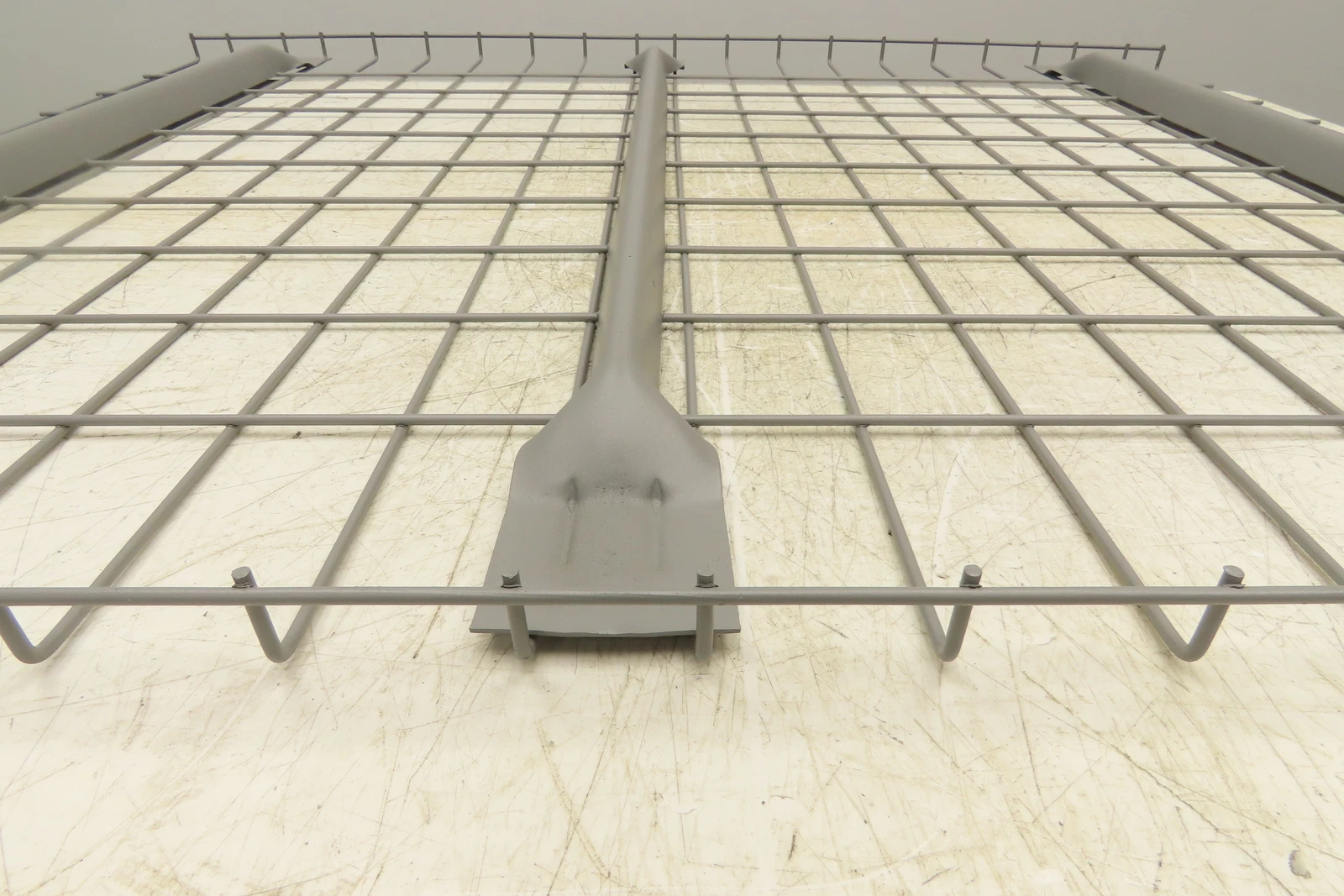
What Safety Benefits Does Cantilever Racking Provide?
What Safety Benefits Does Cantilever Racking Provide?
- Cantilever racking offers significant safety advantages for storing long, bulky items that don’t fit well on traditional pallet racks.
- It reduces accidents by securing awkward loads lengthwise and providing open access, minimizing spills and forklift maneuvering hazards.
- Designed with sturdy arms and solid bases, cantilever racks create predictability, reducing stress and errors among warehouse workers.
- Investing in cantilever racking prevents injuries and material damage, fostering respect and reliability between employers and employees.
- The physical presence of cantilever racks demonstrates a commitment to safety, encouraging safer workplace habits.
- They transform difficult-to-handle loads into organized, safe storage solutions, improving workflow and protecting workers.
- Cantilever racking is essential equipment for a safer, more efficient, and ethically responsible warehousing environment.

What Safety Benefits Does Cantilever Racking Provide?
Can Cantilever Racking Reduce Product Damage During Storage?
When it comes to storing bulky, awkward, or long items, cantilever racking is like the unsung hero in the warehouse world. You’ve probably seen those heavy steel arms jutting out, holding lumber, pipes, or even furniture, but what you might not have noticed is how they quietly save products from getting banged up. Unlike pallet racking, which stacks goods on pallets one on top of the other, cantilever racks give items room to breathe and stretch out flat, reducing the chance of dents, scratches, and bruises that happen when stuff gets shoved or squished. It’s not fancy, but it’s solid and practical — and that counts for a lot when you’re juggling tight spaces and tight deadlines.
Think back to the last time you had a shipment of vinyl tubing or steel rods that came in looking like a pretzel. If you’d stored that on pallet racking, you’d have spent hours sorting and restacking just to prevent damage—and your customers would probably have noticed the dents and bends, too. With cantilever, the design encourages proper support along the length of each product, meaning you get fewer broken pieces and less waste. That’s not just good business sense; it’s the kind of care that earns respect and repeat customers. The people handling that inventory aren’t just saving money—they’re doing their part to keep products intact and businesses running smoothly.
Ethically, choosing cantilever racking is a nod to doing the job right. Warehouses that use blunt force or overloaded storage end up wasting resources and frustrating workers who know their job’s quality matters. It’s about pride in craftsmanship and respect for what you handle every day. When you invest in storage that protects your stuff, you demonstrate you’re not cutting corners. You’re standing behind your work and your goods—plain and simple.
Industry experts back this up, too. Cantilever racking’s flexibility and durability make it the go-to for specific items that just won’t work on standard pallet racking. It’s a proven method, trusted across countless warehouses and job sites where real people deal with real products every day. No fancy jargon—just steel, sweat, and straightforward design built to handle the job properly.
So, if your goal is to reduce product damage while keeping things easy to manage, cantilever racking offers a no-nonsense solution. It respects the gear, the workers, and the wallet. It’s the right tool for the job, made to keep your business running without hiccups from crushed or mangled materials. That’s storage you can bank on.

Can Cantilever Racking Reduce Product Damage During Storage?
Can Cantilever Racking Reduce Product Damage During Storage?
- Cantilever racking is ideal for storing bulky, awkward, or long items like lumber, pipes, and furniture, providing support that prevents damage.
- Unlike pallet racking, it allows items to lay flat and breathe, reducing dents, scratches, and bruises from stacking or squishing.
- Its design supports products along their length, minimizing broken pieces, waste, and the need for time-consuming restacking.
- Choosing cantilever racks reflects ethical storage practices that protect products, save resources, and respect workers’ craftsmanship.
- Industry experts endorse cantilever racking for its flexibility, durability, and suitability for items unsuited to standard pallet racks.
- The straightforward, robust design is trusted in many warehouses and job sites for effectively managing and protecting inventory.
- Cantilever racking reduces product damage, simplifies management, and supports smooth business operations by safeguarding goods and workers’ efforts.

Can Cantilever Racking Reduce Product Damage During Storage?
How Does Cantilever Racking Improve Loading and Unloading Speed?
When you’re knee-deep in the daily grind of loading and unloading, every minute saved feels like hard-earned cash in your pocket. Cantilever racking isn’t just another piece of warehouse furniture—it’s a game-changer that gets the job done faster and with less hassle. Unlike traditional Pallet Racking that boxes you into tight spots and awkward lifts, cantilever arms reach out like a trusted buddy, giving you clear, open access to long, bulky, or oddly-shaped items without dancing around support beams. That means no fumbling, less strain on your back, and a smoother workflow that keeps the pace moving.
Think about the last time you battled with stacked boards or bundles of pipe, trying to find that one piece without knocking over the whole pile. Cantilever racking cuts through that mess by putting your inventory right in front of you—easy to spot, easy to grab. When you’re not wrestling with pallets or squeezing past uprights, loading and unloading times drop. The rhythm of your work picks up, and what used to be a chore suddenly feels like a rhythm you’re in control of, not defeated by.
There’s also something ethical about doing the job right—making sure your team goes home safe and sound, not beat up from wrestling awkward loads or straining in unnatural positions. With cantilever racking, you’re not just improving speed but also investing in well-being. It’s a practical way to respect the muscle and sweat your workers put in every day, which in turn boosts morale and trust. When folks see management picking systems that protect them and make life easier, it builds loyalty. Workers stick around because they feel cared for, and that’s a cornerstone of a solid operation.
From a common-sense perspective, cantilever racking lets you organize your space smarter. It’s lean, flexible, and adapts to what you’re stacking—no more forcing odd shapes into boxes they don’t belong in, like you would with traditional Pallet Racking. This adaptability means fewer mistakes, less damage, and more reliable stock checks. It’s not just about speed; it’s about running a clean, efficient crew that knows exactly where everything is and can get it moving in and out without the usual headaches.
If you want to take your loading and unloading game seriously, cantilever racking is the tool that respects your time, your team, and your bottom line. It’s the kind of straightforward upgrade that pays back every damn day by shaving off the nonsense and letting you focus on what matters—getting the job done right and getting on with your day.
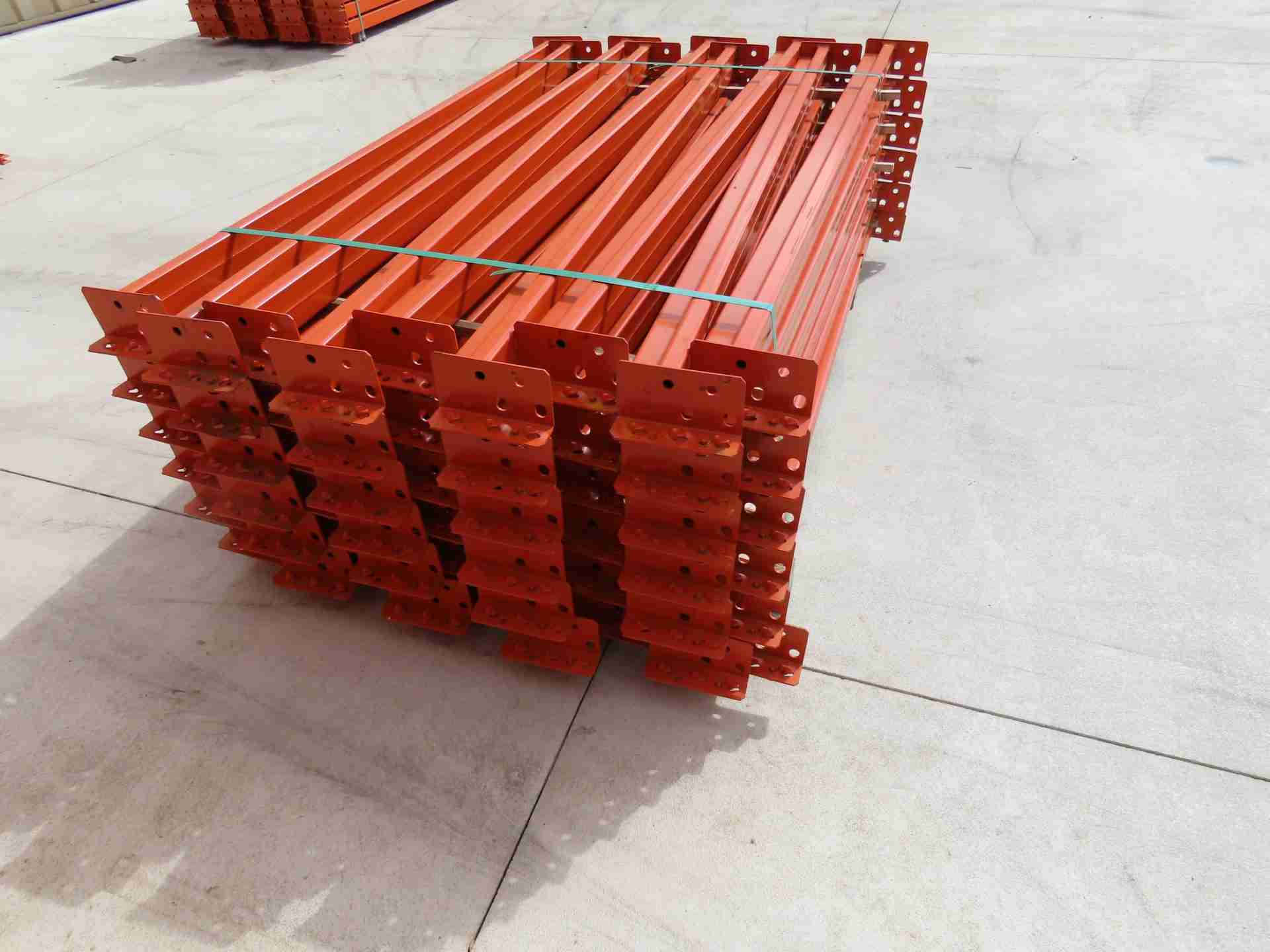
How Does Cantilever Racking Improve Loading and Unloading Speed?
How Does Cantilever Racking Improve Loading and Unloading Speed?
- Cantilever racking speeds up loading and unloading by providing clear, open access to long, bulky, or oddly-shaped items.
- Unlike traditional Pallet Racking, it eliminates awkward lifts and tight spaces, reducing strain and improving workflow.
- It places inventory in plain sight, making items easy to spot and grab, which decreases handling time and errors.
- Improves worker safety and well-being by minimizing physical strain and promoting safer handling of awkward loads.
- Boosts employee morale and loyalty by demonstrating management’s commitment to worker care and efficiency.
- Offers flexible, smart organization by adapting to varying item shapes, reducing damage and simplifying stock management.
- Provides a practical, cost-effective upgrade that enhances productivity and respects both time and resources.
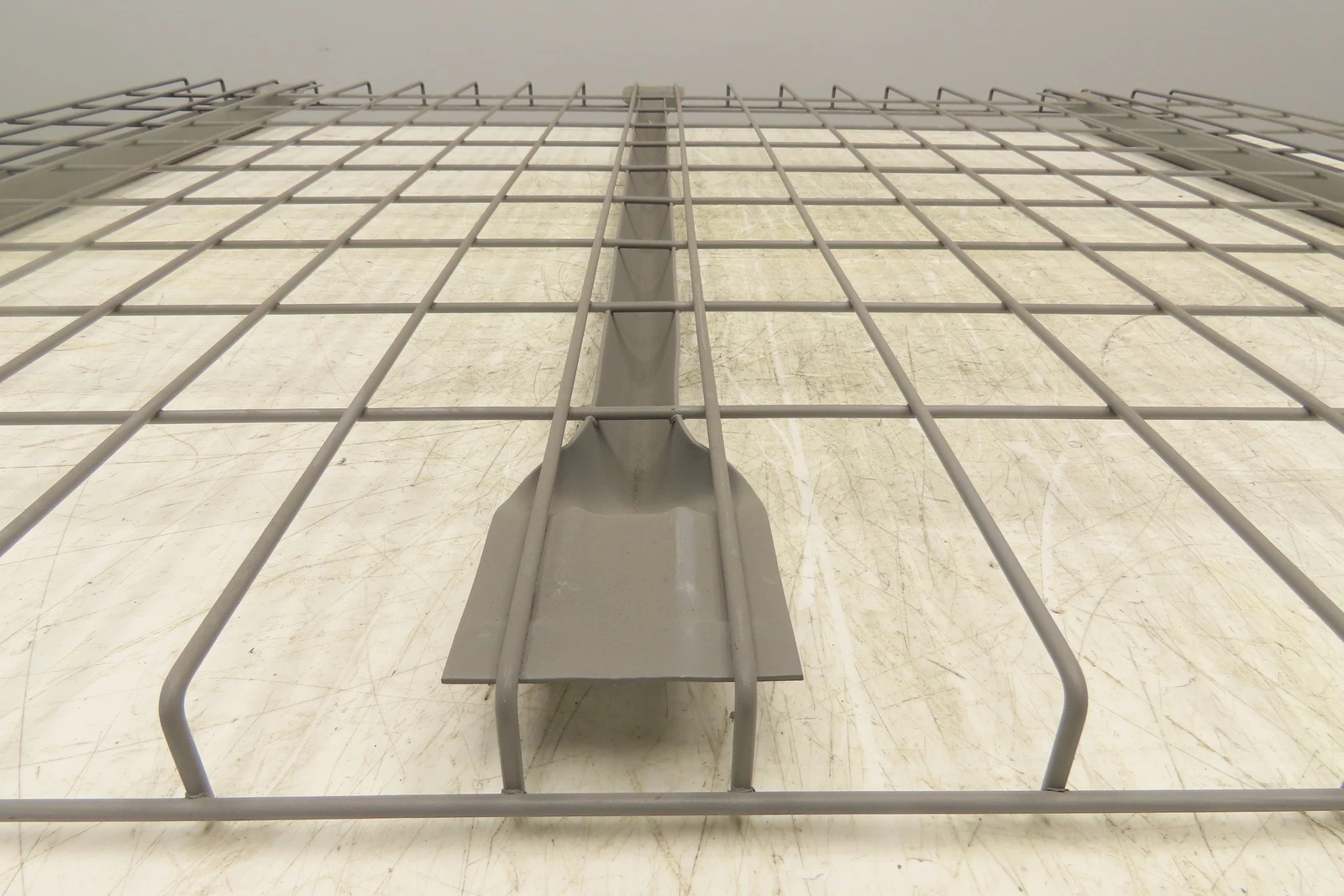
How Does Cantilever Racking Improve Loading and Unloading Speed?
What Cost Savings Come From Using Cantilever Racking?
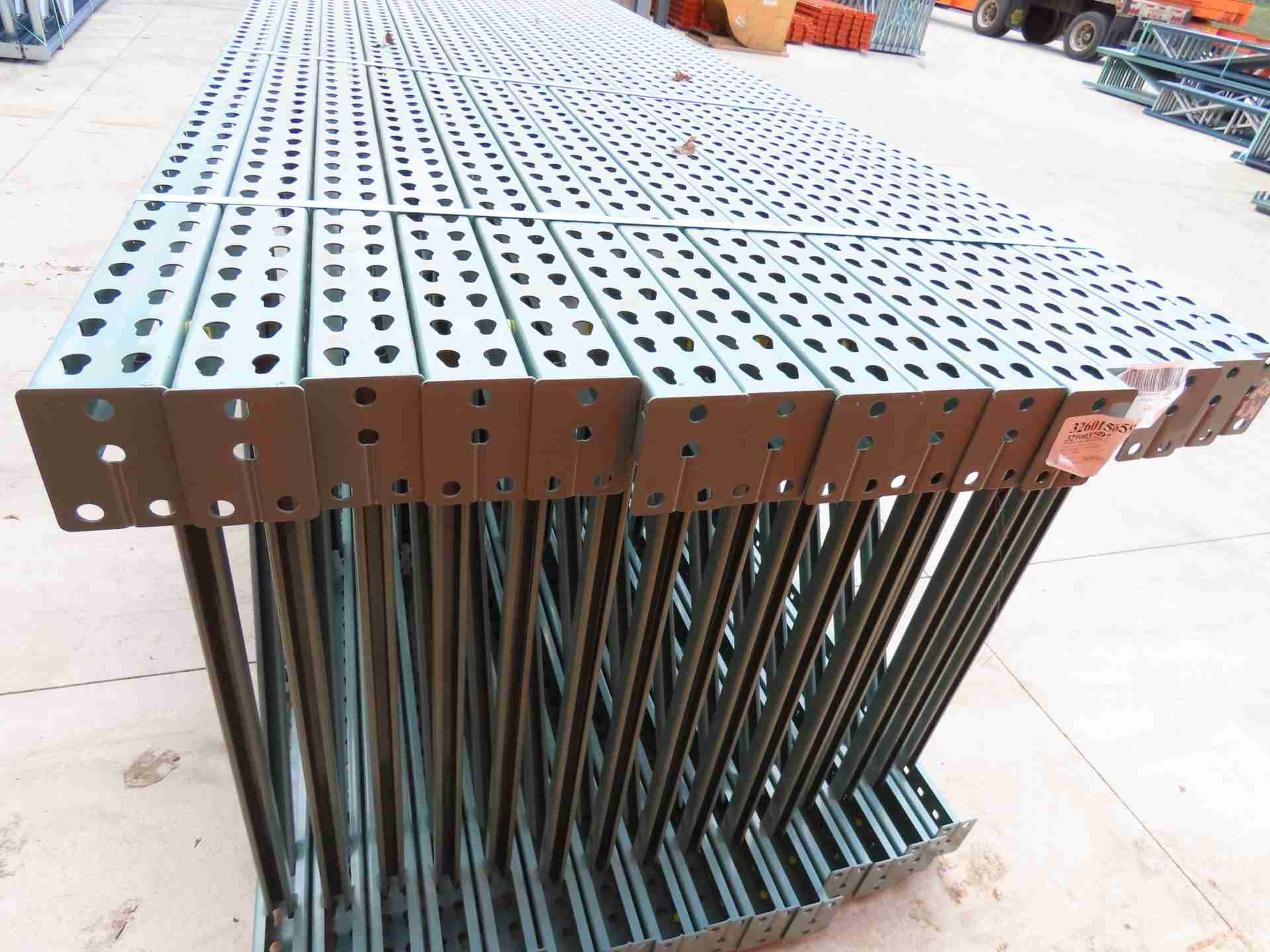
When you roll up your sleeves and look at the nuts and bolts of saving money in a warehouse or workshop, cantilever racking stands out as a smart move. Unlike your typical pallet racking, cantilever systems are built for those long, bulky items that don’t fit neatly on traditional shelves. Think lumber, pipes, or steel bars—things that challenge the ordinary. Choosing cantilever racking straight-up slashes costs because it’s designed to handle those awkward loads without wasting a single inch of space. That means you get more room to work, store, and move, all without having to rent or build extra square footage.
Now, from a practical standpoint, less clutter and better organization come with fewer accidents and less downtime. When everything’s stacked right where it should be, you’re not hunting around or bumping into stuff every five minutes. That’s a lot less frustration for the crew and a lot more hours getting things done. It’s not just about money saved on repairs or lost time; it’s about building a smoother, safer operation that your people can trust. When the gear fits your workflow like a glove, you’re not just saving dollars—you’re saving peace of mind.
Beyond the dollars and cents, there’s something solid and straightforward about paying for equipment that lasts and pulls its weight. Cantilever racking is tough as nails, built from heavy-duty steel, and demands less fiddling and maintenance than weaker alternatives. That’s ethical business: investing in quality that doesn’t quit on you, instead of buying cheap stuff you’ll replace over and over. You’re setting your operation up for long-term success, not short-lived fixes.
You’ve probably seen the difference at places where cantilever racking has been put to work right—visualize clean aisles, easy access, and gear stored high and low without the headache. That’s the kind of setup that makes workers head home proud instead of beat. It’s about respect, for the job and the folks doing it. When your setup earns that kind of respect, it boosts morale and productivity, which only tightens the bottom line more.
In the grind of running a business, every dollar counts. Cantilever racking cuts through clutter and waste, turning storage into streamlined, cost-saving muscle. Go for it, and you’re not just storing stuff—you’re investing in a smarter, safer, and more efficient way forward. Pallet racking has its place, but for those tough, unwieldy items? Cantilever’s where the real savings stack up.
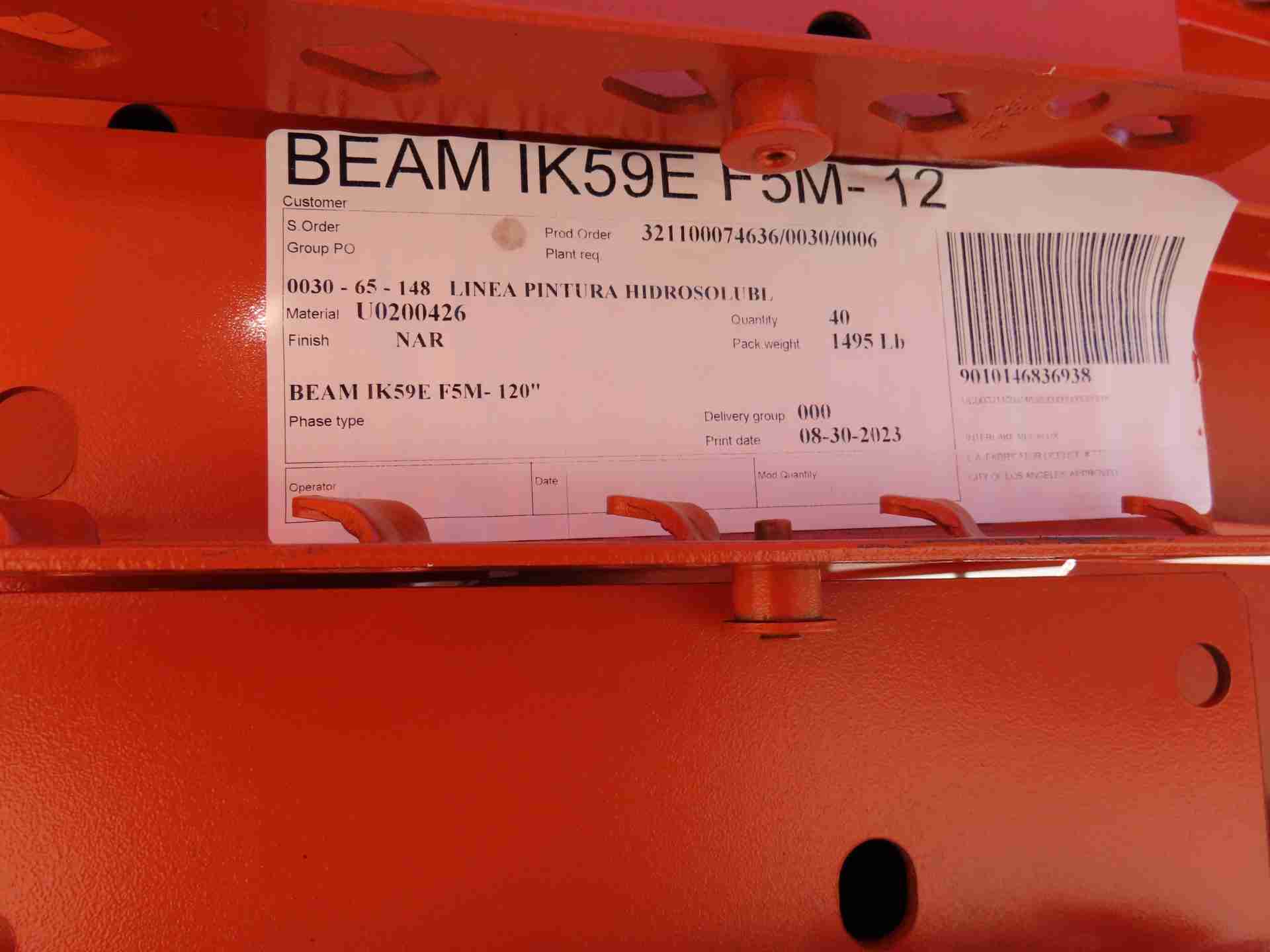
What Cost Savings Come From Using Cantilever Racking?
What Cost Savings Come From Using Cantilever Racking?
- Cantilever racking is ideal for long, bulky items like lumber, pipes, and steel bars that don’t fit on traditional pallet racking.
- It maximizes space efficiency, reducing the need for extra square footage and lowering storage costs.
- Improved organization with cantilever racking leads to fewer accidents, less downtime, and higher productivity.
- Heavy-duty steel construction ensures durability, low maintenance, and long-term cost savings compared to cheaper alternatives.
- A well-organized setup with cantilever racking promotes worker pride, respect, and morale.
- Cantilever racking supports a safer, smoother workflow, contributing to overall operational peace of mind.
- It provides a smarter, more efficient storage solution that delivers real savings for tough, awkward items compared to traditional pallet racking.
What Cost Savings Come From Using Cantilever Racking?
Conclusion
Cantilever racking isn’t just another piece of warehouse gear—it’s the unsung hero that turns a brutal storage challenge into a practical, efficient, and safer daily grind. Plywood and panel distributors know that stacking long, heavy sheets is no simple matter. Those awkward sizes don’t fit nicely on pallets or in cramped spaces, but cantilever racks open up the game by giving these bulky materials room to breathe and easy access. This isn’t about fancy gadgets; it’s about straightforward, no-nonsense design that respects the wood, the workers, and the work.
When you’ve spent hours wrestling plywood or lumber, you feel the difference a system built for the job makes. Cantilever racking reduces the backbreaking bending, twisting, and fumbling that come with traditional pallet racks. Workers get their job done quicker, safer, and with less wear on their bodies—and that kind of respect goes a long way toward morale and pride on the floor. Warehouse managers aren’t just spinning logistics—they’re protecting their team while keeping the product in prime shape. That’s ethical business in practice, not just theory.
On the practical side, cantilever racks make the most of every inch of floor space, trimming clutter and letting you keep more stock on hand without the usual mess. This isn’t just tidy; it’s smart money. Faster loading and unloading means fewer bottlenecks and mistakes. Damaged sheets become a thing of the past because cantilever racks support those long panels the way they need—flat and steady—saving product and profit. It’s a solution built from decades of hands-on experience, trusted by those who’ve walked warehouse aisles long enough to know what really works.
Beyond the dollars and scuffed knuckles, this system builds trust—with your crew, your customers, and your bottom line. It says, “We get it. We’ve been there. We’ve designed this to make your work easier and your materials safer.” That kind of straightforward honesty boosts reputation and keeps buyers coming back. In a business where every mistake or injury hits hard, cantilever racking is the silent partner that keeps the whole operation running lean, safe, and steady.
Pallet racking has its place, but when it comes to plywood and panels—those long, awkward beasts—cantilever is the smarter, tougher, cleaner choice. It’s tough as you are, shaped by real grit and common sense, built to handle the job right, day in and day out. Using it isn’t just a storage upgrade; it’s a pledge to work smarter, safer, and stronger.

Conclusion
Conclusion:
- Cantilever racking effectively solves the challenge of storing long, heavy plywood and panels by providing easy access and adequate space.
- Its straightforward design reduces physical strain on workers, improving safety, efficiency, and morale.
- The system helps warehouse managers protect both their teams and products, promoting ethical business practices.
- Cantilever racks maximize floor space, reduce clutter, and allow for increased stock without mess or bottlenecks.
- The racks support long sheets flat and steady, minimizing damage and preserving product quality and profit.
- This storage solution builds trust with employees, customers, and supports a strong business reputation.
- Compared to pallet racking, cantilever racking is the smarter, tougher, and cleaner choice for storing plywood and panels, enabling smarter and safer work.

Conclusion
Other Resources
Other Resources
Here is a list of other resources you can review online to learn more:
- Pallet Racking systems in Illinois and Great Lakes
- Rack Manufacturers Institute
- Chicago Pallet Racking
- Storage Equipment Manufacturers’ Association
- Warehouse Racking Systems: Beginner’s Guide to Rack Systems
- Intro to Warehouse Racks & Warehouse Racking Systems – ShipBob
- Overhead Lifting
- CA Wire
- BMH Equipment LLC
- Warehouse Racking Chicago, IL
- ASSP
- Crane Manufacturers Association Of America Inc.
- Pallet Racking systems in Illinois, Great Lakes
- Warehousing and Fulfillment
- Racking World
- Warehouse Racking Layout: The Ultimate Guide – Conger
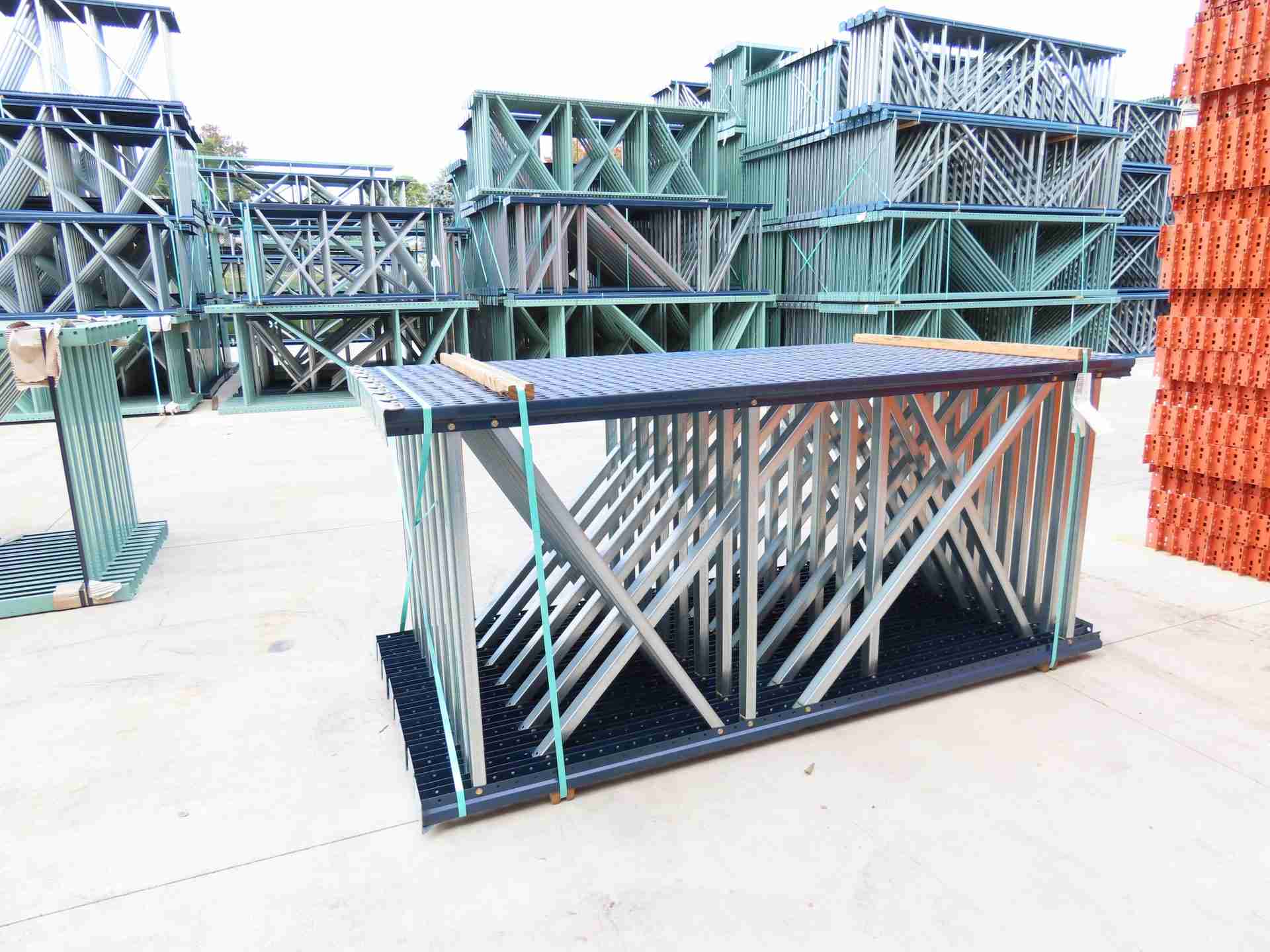
- New Cantilever Racks and Racking Kits
- Heavy-Duty Cantilever Storage Racks
- Teardrop Industrial Shelving Rack
Use This Prompt To Get More Resources With Your Favorite Online AI Tool: Please provide me with a list of online articles with their URLs in a bulleted list that I can read regarding How Do Plywood and Panel Distributors Leverage Cantilever Racking?

Other Resources
Glossary Terms
How Do Plywood and Panel Distributors Leverage Cantilever Racking? – Glossary Of Terms
1. Cantilever Racking: A storage system with horizontal arms extending from vertical columns used to store long, bulky items like plywood sheets.
2. Plywood: Engineered wood made by gluing together thin layers of wood veneer, commonly stored using cantilever racking.
3. Panel Distributor: A business that stocks and supplies plywood, MDF, particle board, and other sheet materials.
4. Load Capacity: The maximum weight a cantilever rack arm or column can safely support.
5. Upright Column: The vertical support structure of a cantilever racking system.
6. Arm: The horizontal beam on a cantilever rack where panels and sheets are placed.
7. Bay: A section of cantilever racking consisting of a number of arms attached to uprights.
8. Storage Efficiency: The ability to maximize space and organize inventory effectively.
9. Accessibility: Ease with which materials can be loaded or retrieved from racking.
10. Vertical Space Utilization: Using the height of a warehouse to increase storage capacity.
11. Sheet Goods: Flat panels such as plywood, MDF, and particle board stored in cantilever racks.
12. Inventory Management: Tracking and controlling stock levels and movement of plywood and panels.
13. Forklift Accessibility: The ability for forklifts to easily reach and handle materials on cantilever racks.
14. Weight Distribution: The even spreading of weight across cantilever arms to maintain stability.
15. Adjustable Arms: Arms on cantilever racks that can be moved to accommodate different panel sizes.
16. Space Optimization: Arranging storage to use warehouse volume effectively.
17. Material Handling: Processes and equipment involved in moving and storing plywood and panels.
18. Customization: Tailoring cantilever racking dimensions to suit specific panel sizes and weights.
19. Safety Standards: Regulations governing the installation and use of cantilever racking to prevent accidents.
20. Load Stability: The security of stored panels to prevent shifting or falling.
21. Pallet Alternative: Cantilever racking as an option instead of traditional pallet racking for sheet goods.
22. Warehouse Layout: The physical arrangement of storage systems within a distribution center.
23. Bulk Storage: Storing large quantities of plywood and panels stacked on cantilever racks.
24. Seamless Retrieval: Efficient removal of panels without disrupting other inventory.
25. Damage Reduction: Minimizing panel damage by using tailored racking solutions.
26. Lead Time Reduction: Speeding up order fulfillment through organized storage and quick access.
27. Scalability: The ability to expand or modify cantilever racking as inventory needs grow.
28. Load Arms Height: The vertical distance at which arms of the cantilever rack are placed.
29. Material Type Segregation: Organizing different panel types separately in cantilever racks.
30. Ergonomics: Designing racking systems to reduce physical strain during loading and unloading.

Glossary Of Terms
Other Questions
How Do Plywood and Panel Distributors Leverage Cantilever Racking? – Other Questions
If you wish to explore and discover more, consider looking for answers to these questions:
- What are the load capacities and weight limits per arm and per column for cantilever racking?
- How do I calculate required arm length and spacing for different plywood and panel sizes?
- Should I choose single-sided or double-sided cantilever racks for my warehouse layout?
- What foundation or floor reinforcement is needed to support cantilever racking?
- How are cantilever racks anchored for seismic or high-wind zones?
- What are the typical material and finish options (paint, galvanizing) and how do they affect durability?
- How do cantilever racks handle different materials such as plywood, MDF, OSB, particleboard, and metal sheets?
- What forklift types and attachments are best suited for loading and unloading from cantilever racks?
- How do cantilever racks integrate with existing pallet racking or other storage systems?
- What safety features should be included (arm locks, end caps, protective barriers) and are they required by code?
- What are the recommended inspection and maintenance schedules for cantilever racking?
- How do I train staff on safe loading, unloading, and stacking practices specific to cantilever systems?
- What are the typical failure modes and signs of wear to watch for in cantilever racking?
- How much floor space and aisle width should I allocate for optimal flow and forklift maneuverability?
- What are the upfront costs versus long-term ROI for installing cantilever racking compared with pallet racking?
- Can cantilever racking be retrofitted into an existing facility, and what is the usual installation timeline?
- Are there modular or adjustable cantilever designs to accommodate changing inventory sizes?
- What are the warranty terms and expected service life for commercial cantilever racking systems?
- How does cantilever racking impact inventory accuracy and picking speed in practice?
- Are there industry standards or certifications (e.g., RMI, local building codes) that apply to cantilever racking?
- How do cantilever racks affect insurance, liability, or compliance requirements for a distribution operation?
- What protective measures prevent product damage from contact with steel arms (padding, timber load supports)?
- How do environmental factors (humidity, temperature) influence storage recommendations for wood products on cantilever racks?
- What pest control or fire-safety considerations change when storing large quantities of wood on cantilever systems?
- How do I plan for staging, picking, and replenishment workflows around cantilever racking?
- What accessories and add-ons (shelves, dividers, labels, stops) are commonly used with cantilever racks?
- Is used or refurbished cantilever racking a cost-effective option, and what should I inspect before buying used?
- How do load distribution and stacking patterns affect rack stability and product safety?
- What are best practices for securing long loads during storage and transport within the warehouse?
- How do I measure and demonstrate the productivity gains and cost savings after installing cantilever racking?
- What lead times and supply-chain considerations should I expect when ordering custom cantilever systems?
- How compatible are cantilever racks with automation (AGVs, conveyors, automated picking) and future upgrades?
- Which manufacturers and suppliers have proven experience with plywood and panel distribution applications?
- How do return, damage, and shrinkage rates compare between operations using cantilever versus pallet racking?
Other Questions
Checklist
How Do Plywood and Panel Distributors Leverage Cantilever Racking? – A Checklist
Fit-for-Purpose Assessment
✅______ Profile SKUs by length, thickness, grade, bundle weight, and handling frequency
✅______ Confirm cantilever vs. pallet racking by product family (sheets, moulding, long trim)
✅______ Choose single- or double-sided racks based on aisle constraints and throughput
✅______ Map current floor space and clear height; identify dead zones and congestion points
✅______ Define end-to-end material flow from receiving to staging to shipping
Design & Specification
✅______ Size arm length to the largest sheet depth, including dunnage and straps
✅______ Set arm spacing to prevent sheet sag or warping across full lengths
✅______ Specify arm lips or stops for bundles to prevent roll-off
✅______ Determine number of levels to forklift mast height and sprinkler clearance
✅______ Verify upright, arm, and base capacities exceed maximum bay and point loads
✅______ Select decking (plywood or mesh) for offcuts or small panels if required
✅______ Define aisle width for equipment (counterbalance, reach truck, or side loader)
✅______ Choose finish or corrosion protection appropriate to the environment
Site & Structural Checks
✅______ Confirm slab thickness and point-load capacity at base plates
✅______ Account for seismic and wind loads and local code requirements
✅______ Lay out anchors clear of slab joints and embedded utilities
✅______ Validate sprinkler coverage and required vertical and horizontal clearances
✅______ Obtain permits and engineer-stamped drawings where required
Installation & Commissioning
✅______ Install uprights plumb and level; torque anchors per specification
✅______ Fit arm stops, end guards, and row spacers as designed
✅______ Post visible load-rating signage at each bay and aisle
✅______ Conduct first-article load verification before full stocking
✅______ Barcode or label every bay, level, and arm position for the WMS
Space Efficiency & Slotting
✅______ Slot high-velocity SKUs at waist-to-chest height
✅______ Group by length, thickness, and grade to minimize travel and rehandles
✅______ Standardize arm pitch and maximize vertical cube
✅______ Reserve top levels for slow movers and overstock
✅______ Provide dedicated bundle-break and cut-to-size areas
Handling Speed
✅______ Define inbound and outbound lanes and one-way traffic flow
✅______ Pre-stage fast movers near docks or cross-dock zones
✅______ Specify needed attachments (sheet handlers, booms, clamps)
✅______ Use large, aisle-readable location signage and pick paths
✅______ Time-study load and unload cycles and eliminate bottlenecks
Product Protection
✅______ Match dunnage spacing to arm spacing for full-length support
✅______ Store sheets flat with no overhang beyond arm tips
✅______ Use edge protectors and proper strapping on bundles
✅______ Maintain clearance under sprinklers and roof elements
✅______ Quarantine and record damaged stock with root-cause tags
Safety & Ergonomics
✅______ Mark pedestrian lanes; keep aisles free of debris
✅______ Set speed limits and intersection protocols for forklifts
✅______ Train operators on approach angles and arm clearance
✅______ Schedule routine inspections; tag and repair damaged components promptly
✅______ Maintain documented loading and unloading SOPs for long goods
Maintenance & Reconfiguration
✅______ Inspect arms, bases, anchors, and bolts quarterly; re-torque as needed
✅______ Replace bent or cracked parts with OEM components only
✅______ Keep spare arms and stops on hand for quick swaps
✅______ Re-slot and adjust levels for seasonal or mix changes
✅______ Clean bases and arms regularly to prevent slip and impact hazards
Metrics & ROI
✅______ Track picks per hour and load and unload cycle times
✅______ Monitor damage and shrink rates by SKU and location
✅______ Measure space utilization (floor and vertical cube)
✅______ Compare labor hours per order before vs. after implementation
✅______ Model payback including reduced damage, faster turns, and labor savings
Culture & Communication
✅______ Explain layout and standards to the team; capture feedback after go-live
✅______ Recognize safety and productivity improvements
✅______ Use color codes for thickness and grade and clear visual standards
✅______ Update SOPs and training with photos of correct setups
✅______ Audit compliance monthly and share results with the crew
Checklist
At RackingWorld, we help guide you through selecting warehouse storage systems and racking.
Be sure to read our other related stories at RackingWorld to learn more about warehouse storage systems.
0 Comments