
Maximizing Efficiency And Trust: The Smart Warehouse Racking Advantage
By Tom Seest
At RackingWorld, we help guide you through selecting warehouse storage systems and racking.
Be sure to read our other related stories at RackingWorld to learn more about warehouse storage systems.
How Do Plumbing Supply Warehouses Leverage Pallet Racking?
When you walk into a plumbing supply warehouse, what you’re really seeing is more than just shelves stacked with pipes, fittings, and tools. You’re looking at the backbone of a well-oiled machine—the kind of place where Pallet Racking isn’t just storage; it’s a lifeline. This is where organization meets muscle, where every pallet is placed with purpose, and every inch of space counts.
Pallet Racking in these warehouses is the silent partner that keeps the show running. It’s not glamorous, but it’s reliable. These racks hold thousands of pounds of heavy goods day in, day out, without a fuss. And when you’re talking plumbing supplies—bulky copper coils, stacks of PVC, and boxes of fixtures—having a system that holds up under pressure isn’t just practical, it’s essential. No wonder these warehouses lean on Pallet Racking like their best friend.
There’s a certain pride in running a tight ship. When pallets are neatly aligned, accessible, and safe, it sends a message beyond just efficiency—it tells every customer and worker that this place respects the work, respects the gear, and respects the people who rely on getting the right parts at the right time. It’s hands-on, common-sense stuff. If your gear falls or you can’t find what you need, someone pays for that delay. Pallet Racking keeps that from happening.
And it’s ethical too. A well-organized warehouse means less waste. Supplies aren’t left to rot or get damaged because they’re shoved into some corner. It’s about stewardship—taking care of stock so it takes care of you back. For communities depending on quick repairs and installation, that reliability means homes stay warm, pipes stay dry, and business keeps humming. That’s a responsibility no one takes lightly.
Most importantly, Pallet Racking fosters trust. It’s not just about products on shelves; it’s about promises kept. When orders fly out clean and on time, contractors and homeowners alike feel that steady pull of dependability. It’s the kind of trust built from the ground up, rack by rack. And in a blue-collar world, that’s worth more than gold.

How Do Plumbing Supply Warehouses Leverage Pallet Racking?
How Do Plumbing Supply Warehouses Leverage Pallet Racking?
- Pallet Racking in plumbing supply warehouses is essential, serving as the backbone for organization and space efficiency.
- These racks reliably hold heavy plumbing supplies like copper coils, PVC, and fixtures day after day without fail.
- Neatly aligned and accessible pallets demonstrate respect for the work, materials, and the people relying on timely supply.
- Pallet Racking prevents delays and accidents by keeping gear securely stored and easy to find.
- Well-organized storage reduces waste and damage, promoting ethical stewardship of supplies.
- Reliable warehouse operations support communities by enabling quick repairs and installations essential for daily life.
- Pallet Racking builds trust through consistent, on-time order fulfillment, reinforcing dependability in a blue-collar industry.
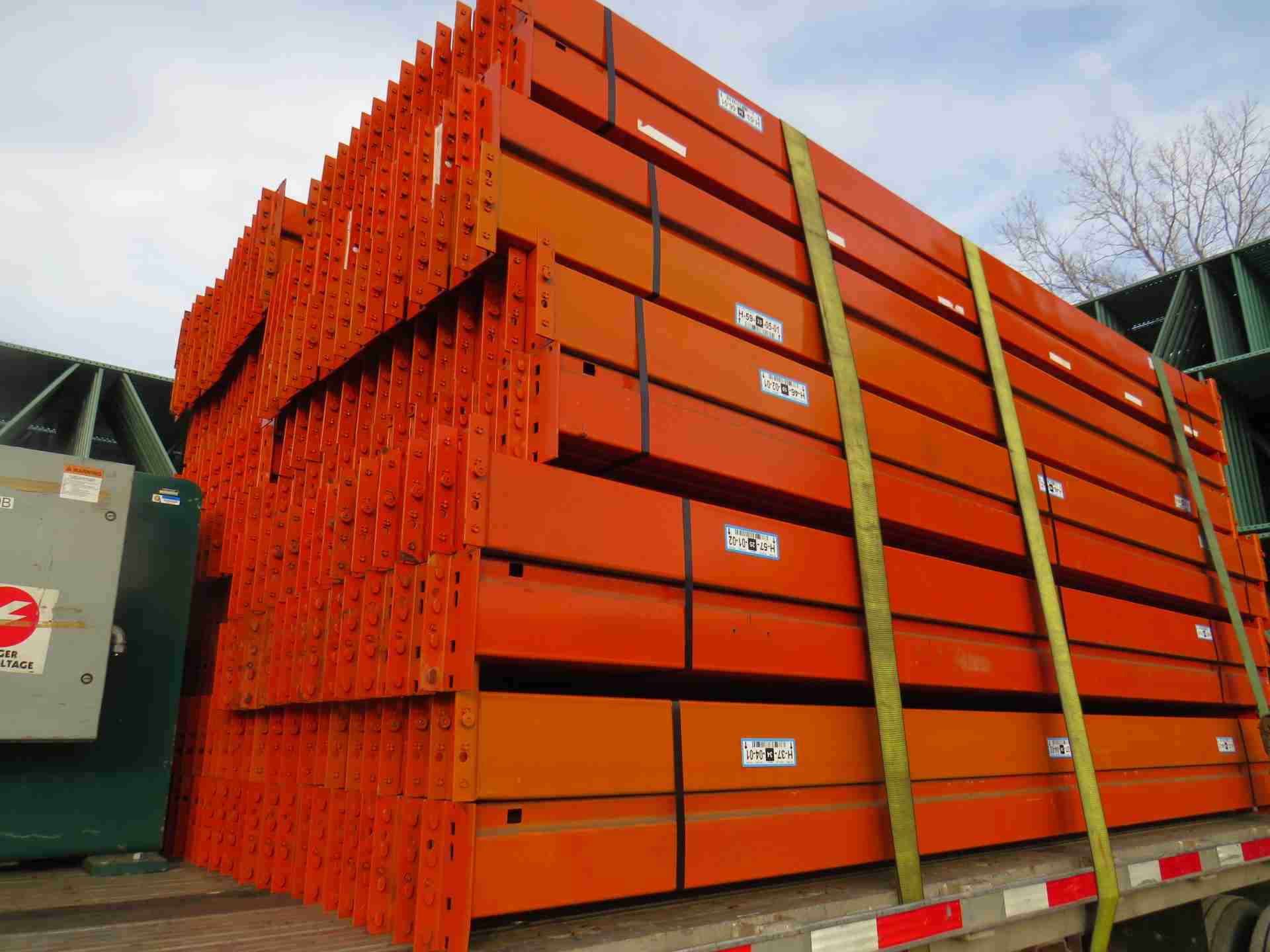
How Do Plumbing Supply Warehouses Leverage Pallet Racking?
Table Of Contents
- How Do Plumbing Supply Warehouses Leverage Pallet Racking?
- How Does Pallet Racking Improve Warehouse Efficiency?
- How Can Pallet Racking Reduce Plumbing Supply Damage?
- What Cost Savings Come From Using Pallet Racking?
- How Does Pallet Racking Impact Order Fulfillment Speed?
- Why Is Safety Improved with Proper Pallet Racking?
- How Does Pallet Racking Optimize Space In Plumbing Warehouses?
- Conclusion
- Other Resources
- Glossary Of Terms
- Other Questions
- Checklist
How Does Pallet Racking Improve Warehouse Efficiency?
Look, running a warehouse isn’t just stacking boxes—it’s about making every square foot count and keeping the whole operation humming without a hitch. Pallet Racking is the backbone that holds it all together. When you’ve got a system that’s solid, organized, and built to last, everything runs smoother. You don’t have to waste time hunting for stuff or moving piles around like a kid playing Tetris. Instead, your crew can grab what they need, load it up, and keep things moving like a well-oiled machine.
There’s something real satisfying about walking into a warehouse where every pallet has its place. It’s not just about looking tidy — it’s about respect for the work and the people doing it. When you give folks a space designed for efficiency, they’re less frustrated and more confident. They know they can rely on the setup to get the job done right. That trust builds a kind of quiet pride in the place and the people who keep it running, day in and day out. Ethical responsibility kicks in, too. Safe, sturdy rack systems protect workers from accidents that come with cluttered or unstable storage. It’s a simple way to look out for everyone, without fuss.
From a practical standpoint, pallet racking stretches your storage capacity skyward instead of outwards. That means you can squeeze more stock into the same footprint, cutting costs on rent or expansions. You’re not just shoving pallets anywhere — you’re organizing inventory smartly, saving time on loading and unloading. The numbers stack up: less downtime, better workflow, and a warehouse that’s more than just a room full of boxes.
The folks who’ve turned warehouses around with pallet racking? They’ll tell you it’s not magic—it’s about common sense and solid planning. When your storage system is built around how people actually work, not some fancy theory, efficiency and safety come naturally. Getting this right isn’t rocket science—it’s about respect for the job, care for your crew, and making your operation something you can count on every day.
So, pallet racking isn’t just a setup; it’s the bedrock of a warehouse that works hard and works right. It’s about giving your people the tools they need to do a good job and knowing the business can keep rolling no matter what. That’s how you build confidence—in your crew, your space, and your future.
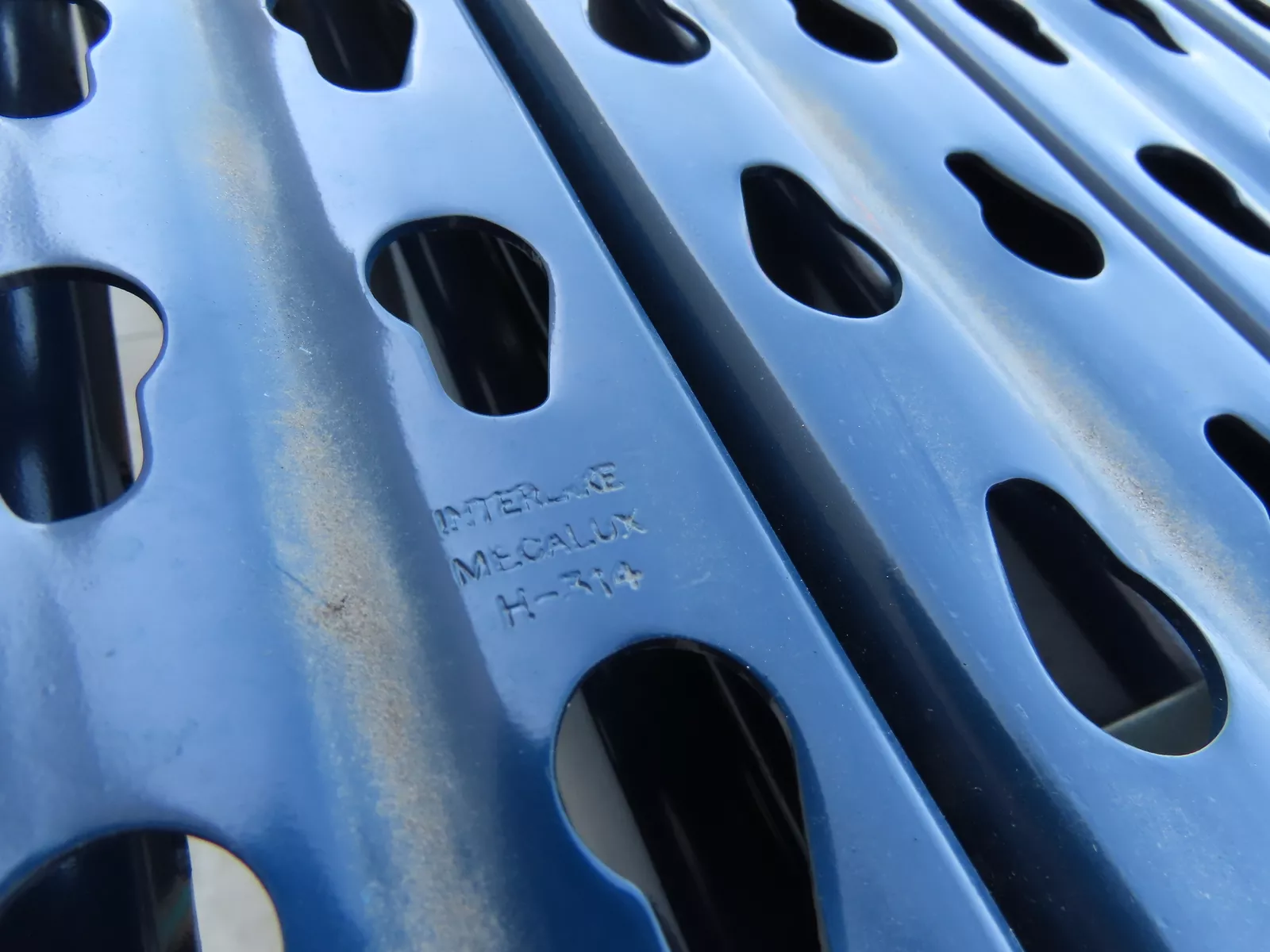
How Does Pallet Racking Improve Warehouse Efficiency?
How Does Pallet Racking Improve Warehouse Efficiency?
- Pallet racking is essential for efficient warehouse operation, maximizing space and ensuring smooth workflow.
- A solid, organized racking system reduces time wasted searching for items and simplifies loading processes.
- Well-arranged pallets promote respect for workers and build pride and confidence within the team.
- Safe and sturdy racks protect workers by reducing accidents related to clutter and unstable storage.
- Pallet racking increases storage capacity vertically, saving costs on rent and expansions.
- Effective racking relies on practical planning based on actual work processes, enhancing efficiency and safety.
- Pallet racking provides the foundation for a reliable warehouse operation, supporting both the workforce and long-term business success.
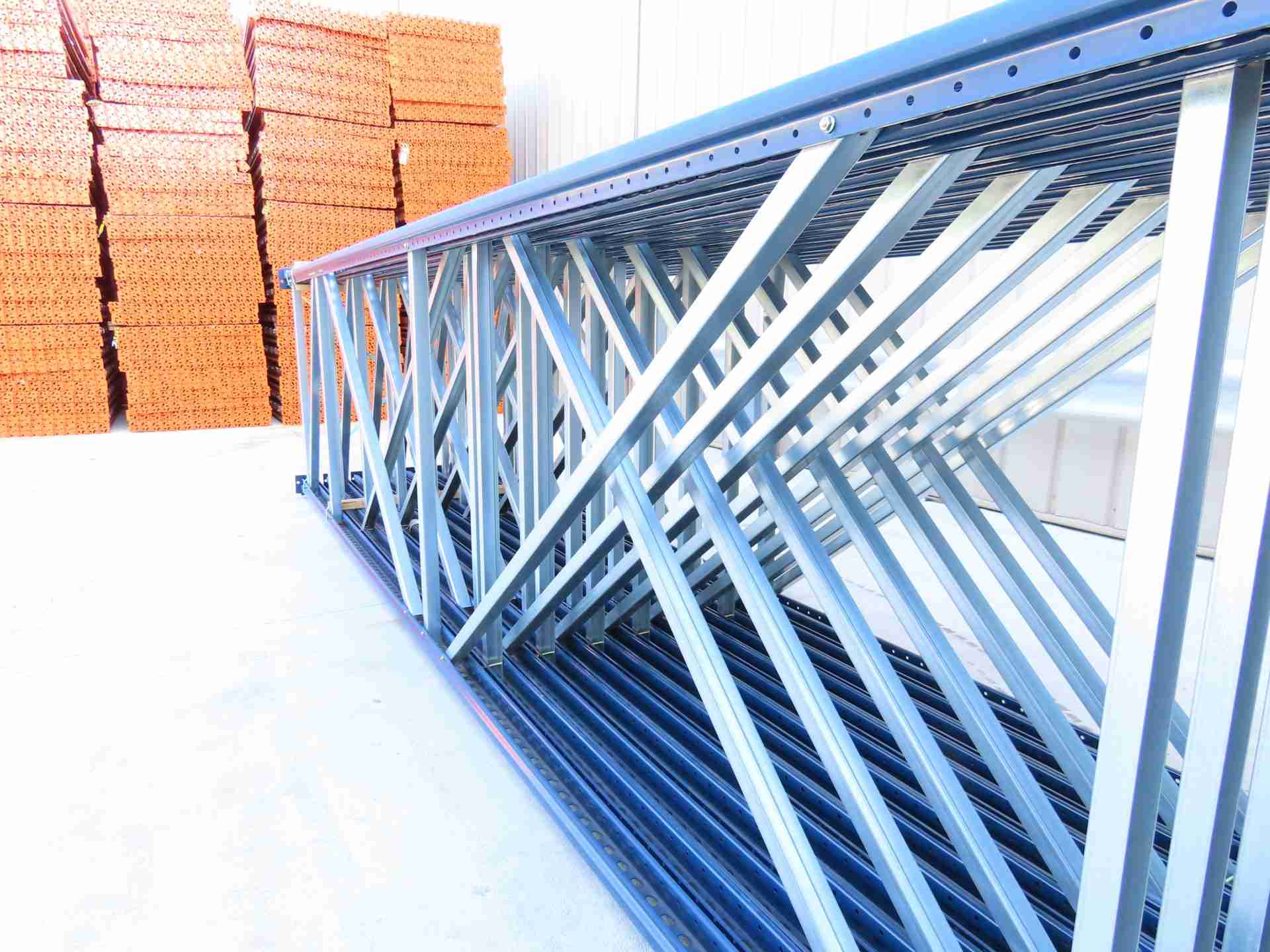
How Does Pallet Racking Improve Warehouse Efficiency?
How Can Pallet Racking Reduce Plumbing Supply Damage?
When you’ve got a pile of plumbing supplies—and I mean pipes, fittings, valves—stacked haphazardly, it won’t be long before something bends, cracks, or just plain gives out. That’s where Pallet Racking steps in like the unsung hero of the warehouse, quietly protecting your investment and saving you from headaches that run deeper than a clogged drain.
Think about it: plumbing parts aren’t exactly built for roughhousing. They need respect and a solid place to rest. Pallet Racking provides that reliable structure, keeping everything off the floor and away from accidental kicks, spills, or forklifts mowing down your stock. It’s like giving your supplies their own little VIP section—safe, organized, and easy to get at when you need to tackle the next job.
From a practical point of view, Pallet Racking streamlines your workflow. When every pipe and fitting has its spot, your team stops wasting time fishing through chaotic piles or dealing with damaged goods that need replacing. That means jobs get done faster and customers get happy calls instead of “Sorry, we’re out.” There’s a smart business reason behind keeping your inventory tidy and protected: it saves real cash and keeps operations running smooth as a well-oiled valve.
Ethically, treating your materials right isn’t just good trade—it shows respect for the work you do and the people counting on you. When you invest in something like Pallet Racking, you’re sending a message that you care about quality, that you respect the craft, and that you want everyone on your team working with tools and supplies that aren’t half-busted. It fosters pride in the work and builds trust with your crew and customers alike.
I’ve seen it time and again: a dusty back corner with piles of bent pipes turning into a sleek row of Pallet Racking loaded neatly with everything in its place. The difference isn’t just visual—it’s about peace of mind, a sense of control over your day, and knowing you’re running a team that respects the job. When the right gear is stored right, damage rates go down, morale goes up, and those plumbing supplies you counted on don’t let you down when the clock’s ticking and the pressure’s on.

How Can Pallet Racking Reduce Plumbing Supply Damage?
How Can Pallet Racking Reduce Plumbing Supply Damage?
- Pallet Racking protects plumbing supplies from bending, cracking, and damage by providing organized, secure storage.
- It keeps parts off the floor, preventing accidental kicks, spills, and forklift damage.
- Organized storage streamlines workflow, reduces time wasted searching for parts, and minimizes damaged inventory.
- Maintaining tidy inventory saves money and ensures smooth, efficient operations.
- Investing in Pallet Racking demonstrates respect for quality work and the people relying on the supplies.
- Proper storage fosters pride, trust, higher morale, and professionalism within the team.
- Using Pallet Racking transforms chaotic storage spaces into neat, manageable areas, reducing damage and improving reliability under pressure.
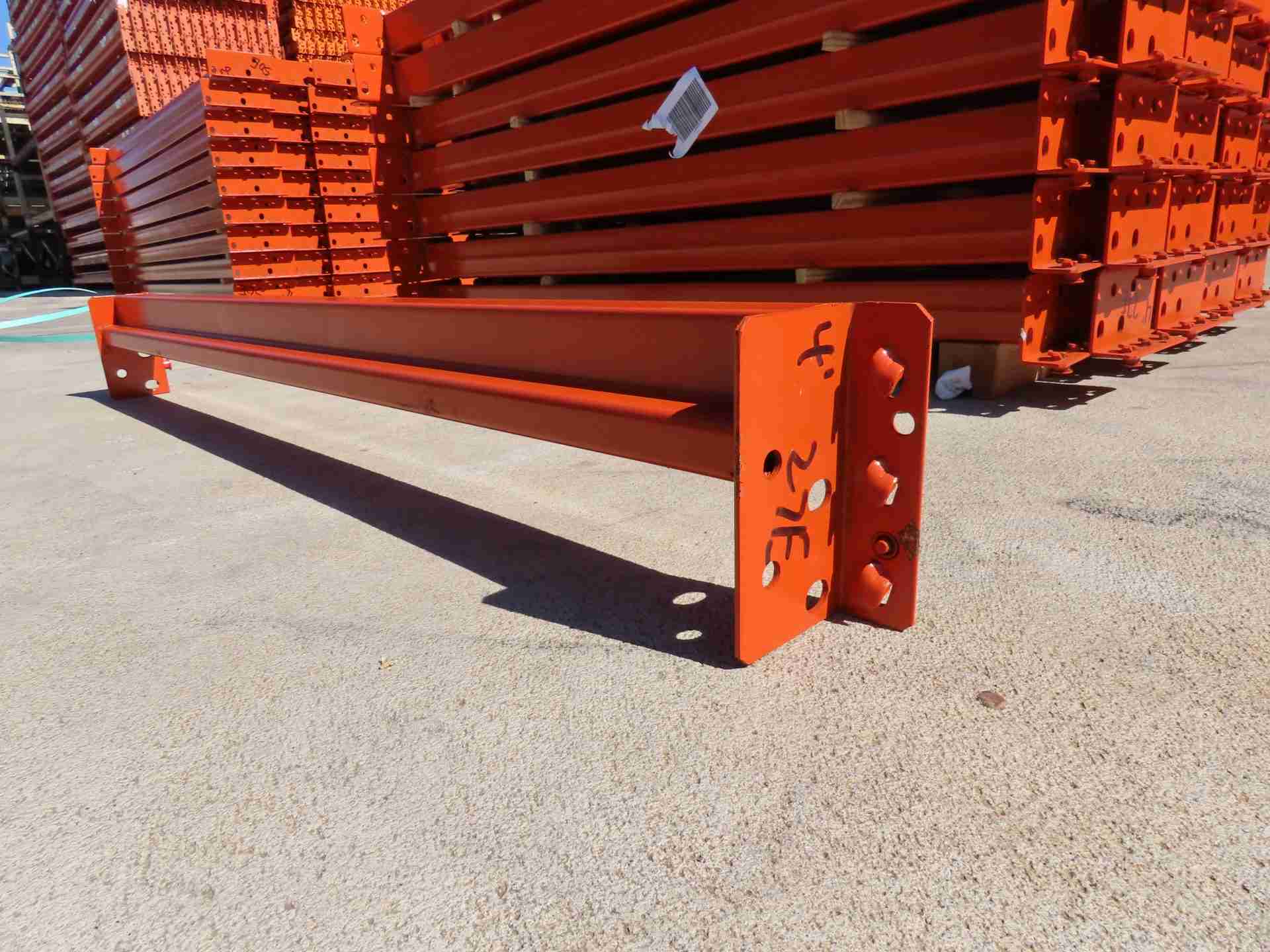
How Can Pallet Racking Reduce Plumbing Supply Damage?
What Cost Savings Come From Using Pallet Racking?
Look, when your warehouse floor’s cluttered and you’re tripping over boxes, you’re losing money. Pallet Racking isn’t just some fancy setup—it’s a lifeline for your bottom line. First off, it squeezes more storage out of the same space. Instead of spreading pallets across the floor like a bad game of Tetris, you stack vertically, using every inch of height you’ve got. That means fewer trips to rent extra space, fewer pesky moves, and more room for what actually matters.
Now, the dollars saved here aren’t just about rent. They’re about manpower. When your goods are organized on sturdy Pallet Racking, folks find what they need quicker – and that means less time wasted wandering around. Your crew isn’t frustrated, and frustration means mistakes. Fewer mistakes mean less damaged product and happier customers. That’s real money— ones you can count and feel good about.
Ethically, it hits on respect, too. You’re not just tossing stuff anywhere and hoping it sticks. You’re treating your team and your stock with care. Safety isn’t a bonus; it’s part of the deal. Pallet Racking helps keep things stable, cutting down on injuries and costly shutdowns. People go home safe. That’s a win that puts a weight on your chest and eases it off too.
If you talk shop with those who’ve walked the warehouse floor, you’ll hear the same story: a well-planned Pallet Racking system is an investment that pays dividends. It’s not some fly-by-night gimmick—it’s proven, solid, backed by good old-fashioned engineering and years of hard knocks. It’s the backbone for companies that want to stay sharp and competitive.
So when you think about cost savings, don’t just eyeball the price tag on the racks themselves. Think about the hours saved, the injuries avoided, the smooth flow of goods out the door. It’s a move that makes your whole operation breathe easier. You’re not just buying metal; you’re buying peace of mind, efficiency, and respect for the grind that keeps your business running. PPallet Racking earns its keep, and then some.
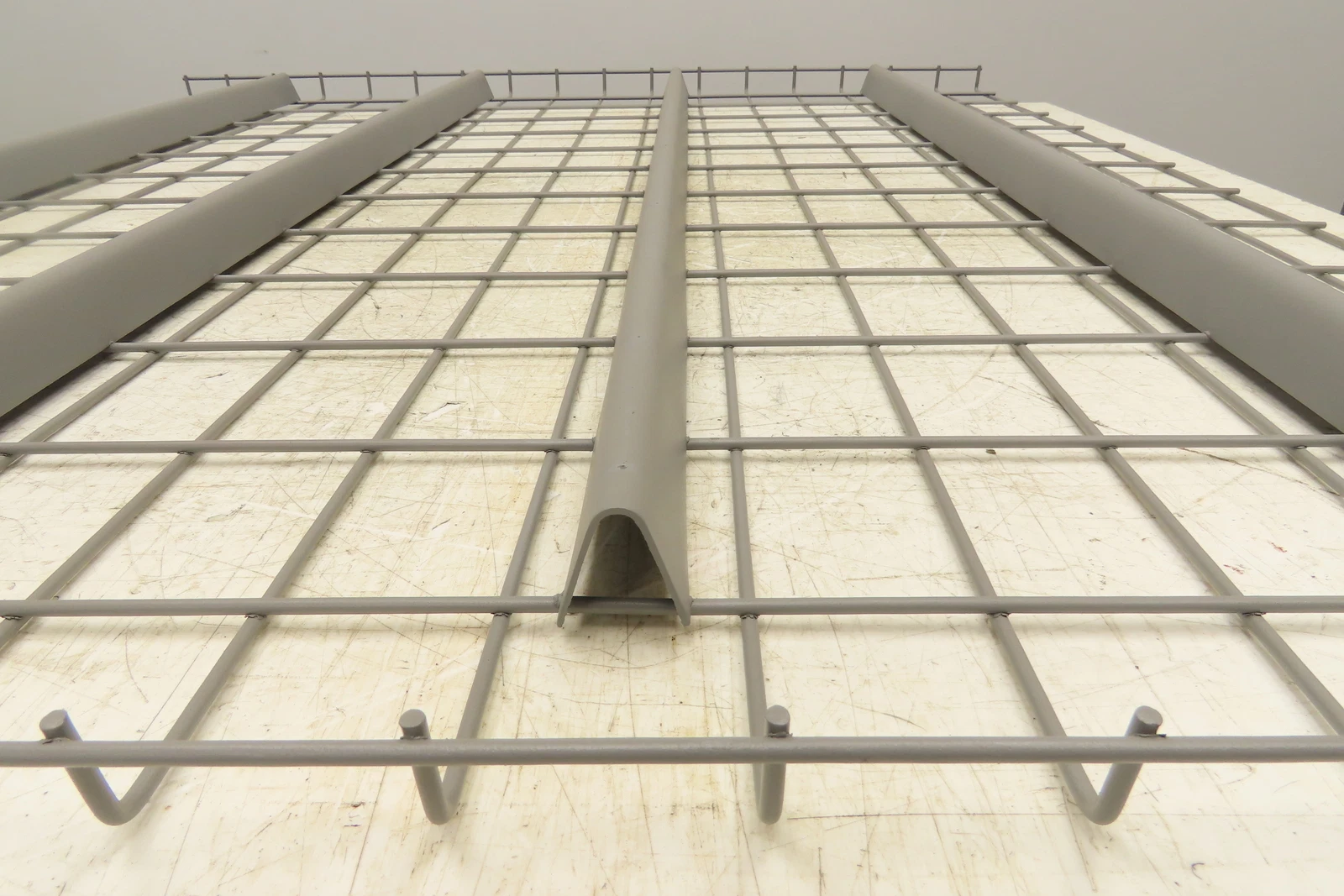
What Cost Savings Come From Using Pallet Racking?
What Cost Savings Come From Using Pallet Racking?
- Pallet Racking maximizes storage space by stacking pallets vertically, reducing the need for extra rental space and unnecessary moves.
- Organized storage on Pallet Racking improves efficiency, enabling workers to find items quickly and reducing wasted time.
- Reduced frustration among employees leads to fewer mistakes and less damaged product, increasing customer satisfaction and saving money.
- Pallet Racking promotes safety by keeping goods stable, minimizing injuries and costly operational shutdowns.
- A well-designed Pallet Racking system is a proven investment backed by engineering and practical experience, supporting competitive business operations.
- Cost savings extend beyond the initial rack price to include labor hours saved, injury prevention, and smoother goods flow.
- Investing in Pallet Racking provides peace of mind, operational efficiency, and respect for both the workforce and inventory management.

What Cost Savings Come From Using Pallet Racking?
How Does Pallet Racking Impact Order Fulfillment Speed?
You ever been in a warehouse where everything feels like a mess, boxes piled up like a game of Jenga, and orders get lost in the shuffle? That’s the kind of place where the clock’s always against you, and the stress weighs heavy on the whole crew. Pallet Racking changes that game. It’s not just steel beams and shelves—it’s the backbone that keeps the whole operation moving fast and smooth.
When pallets have a proper home, you cut down on the time people spend hunting for stuff. Imagine walking into a tidy, well-organized space where every item’s exactly where it’s supposed to be. No more scrambling or double-checking. That’s a real boost for order fulfillment speed. It’s about stripping away the chaos so the folks on the floor can work smarter, not harder. You move goods quickly because you see what you’ve got, where it is, and get it headed out the door with less hassle.
There’s more to it than just speed, though. Everyone deserves a workspace that doesn’t make them feel like they’re drowning in clutter. Pallet Racking brings order that respects the people doing the heavy lifting. When workers know their tools and stock are right where they need them, it builds trust—and you bet that trust shows up in the quality of work. Feeling confident in your space means fewer mistakes and smoother days.
From a business standpoint, it makes cold, hard sense. Faster order fulfillment means happier customers. And happier customers are what keep the lights on and the business growing. Pallet Racking helps make your promises real. It’s a simple investment that pays for itself in efficiency and reliability, the kind every company needs to stay competitive.
If you’ve ever had a day when nothing seemed to move right and orders piled up, you know the kind of frustration that comes with bad storage. Pallet Racking isn’t just a fix; it’s a solid foundation. It’s about building a system that respects the sweat and savvy of every worker on the floor and honors the trust customers place in you. When the shelves are set up right, everything flows better—and that’s a win everyone can feel.

How Does Pallet Racking Impact Order Fulfillment Speed?
How Does Pallet Racking Impact Order Fulfillment Speed?
- Pallet Racking transforms chaotic warehouses into organized, efficient spaces, reducing stress and time wasted searching for items.
- Properly stored pallets improve order fulfillment speed by ensuring every item is easy to locate and access.
- It creates a cleaner, safer workspace that respects workers, boosting their confidence and reducing errors.
- Organized storage fosters trust among employees, positively impacting the quality of their work.
- Faster fulfillment leads to higher customer satisfaction, essential for business growth and competitiveness.
- Investing in Pallet Racking enhances operational efficiency and reliability, paying for itself over time.
- Pallet Racking serves as a strong foundation that supports both workforce productivity and customer trust.
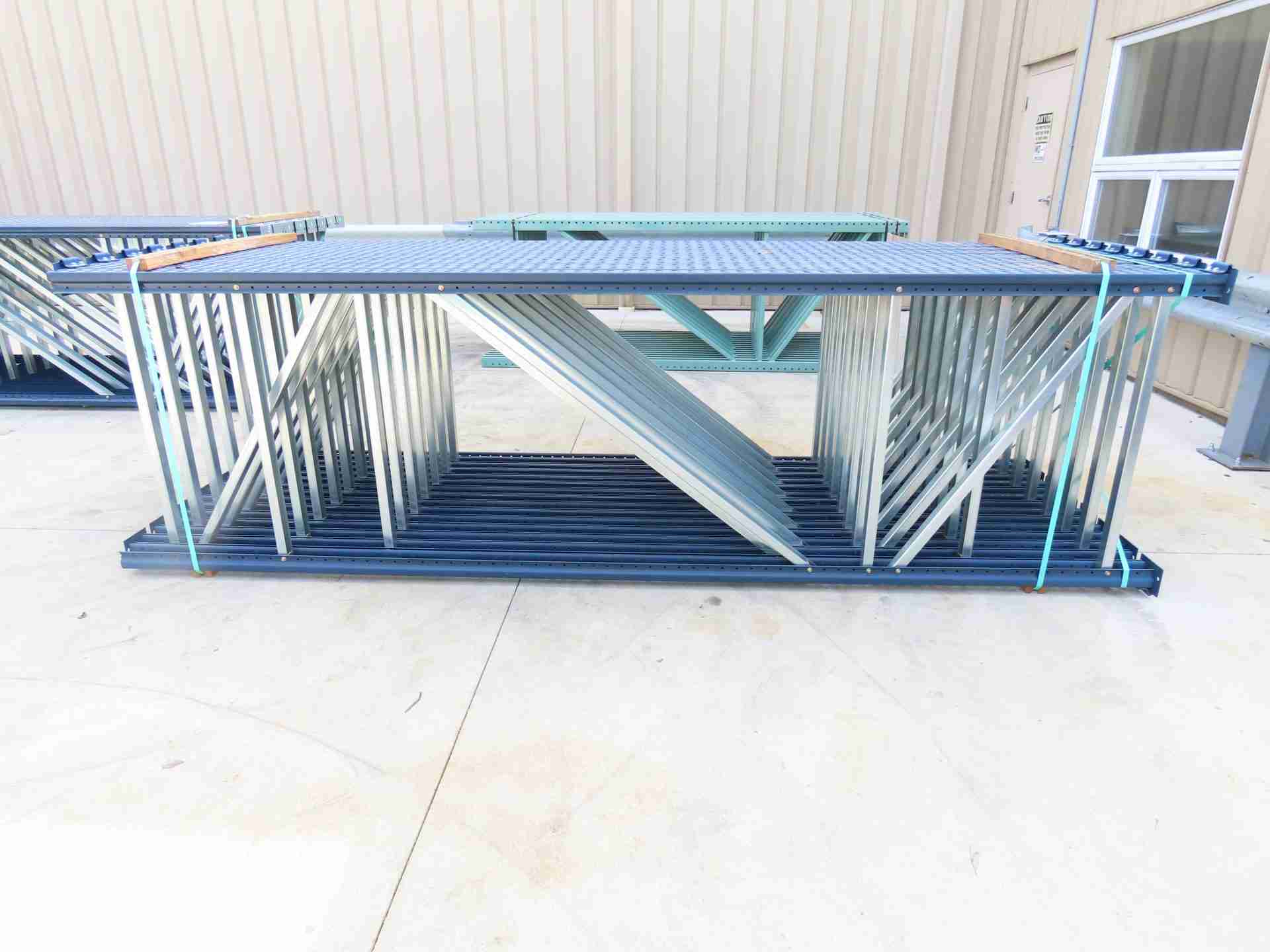
How Does Pallet Racking Impact Order Fulfillment Speed?
Why Is Safety Improved with Proper Pallet Racking?
You walk into a warehouse, and what do you see? Rows of pallet racking standing firm like the backbone of the whole operation. It’s no accident that safety improves when proper pallet racking is in place—because these racks don’t just hold goods, they hold the well-being of every worker hustling through the day.
From hands-on experience, you know a crooked stack or shaky shelf isn’t just an eyesore—it’s a hazard waiting to happen. Proper pallet racking isn’t about flash; it’s about solid, no-nonsense design that keeps heavy loads where they belong, off the floor and out of harm’s way. When racks are installed and maintained right, they prevent falls and collapses that can mess up more than just the day’s schedule—they can hurt real people. There’s something deeply ethical about that. Protecting workers isn’t just good business, it’s doing the right thing.
Take a step back and think about the stories of warehouses where poor racking led to accidents—those are tales no one wants to share. But the ones who invest in proper pallet racking? They tell a different story, one where order and stability let everyone focus on the job without the gnawing gut feeling that something might come crashing down. It’s about trust—trust that the system won’t fail, that the people inside won’t get hurt, and that the workday will end with everyone safe.
There’s authority behind these racks too. Standards and codes exist because decades of experience show what works and what doesn’t. When a warehouse respects those guidelines, it’s not just crossing off a checklist—it’s standing on the shoulders of collective know-how. That’s how you build confidence; by leaning on proven methods, not shortcuts or guesswork.
At the end of the day, proper pallet racking turns a chaotic pile of goods into an organized, reliable environment. It invites workers to take pride and ownership because safety isn’t just a policy pinned to the wall—it’s part of the everyday rhythm. And when something’s done right, it feels good. You feel it in your gut. That’s why safety is improved with proper pallet racking—it’s basic, it’s real, and it’s about looking out for each other, one heavy load at a time.
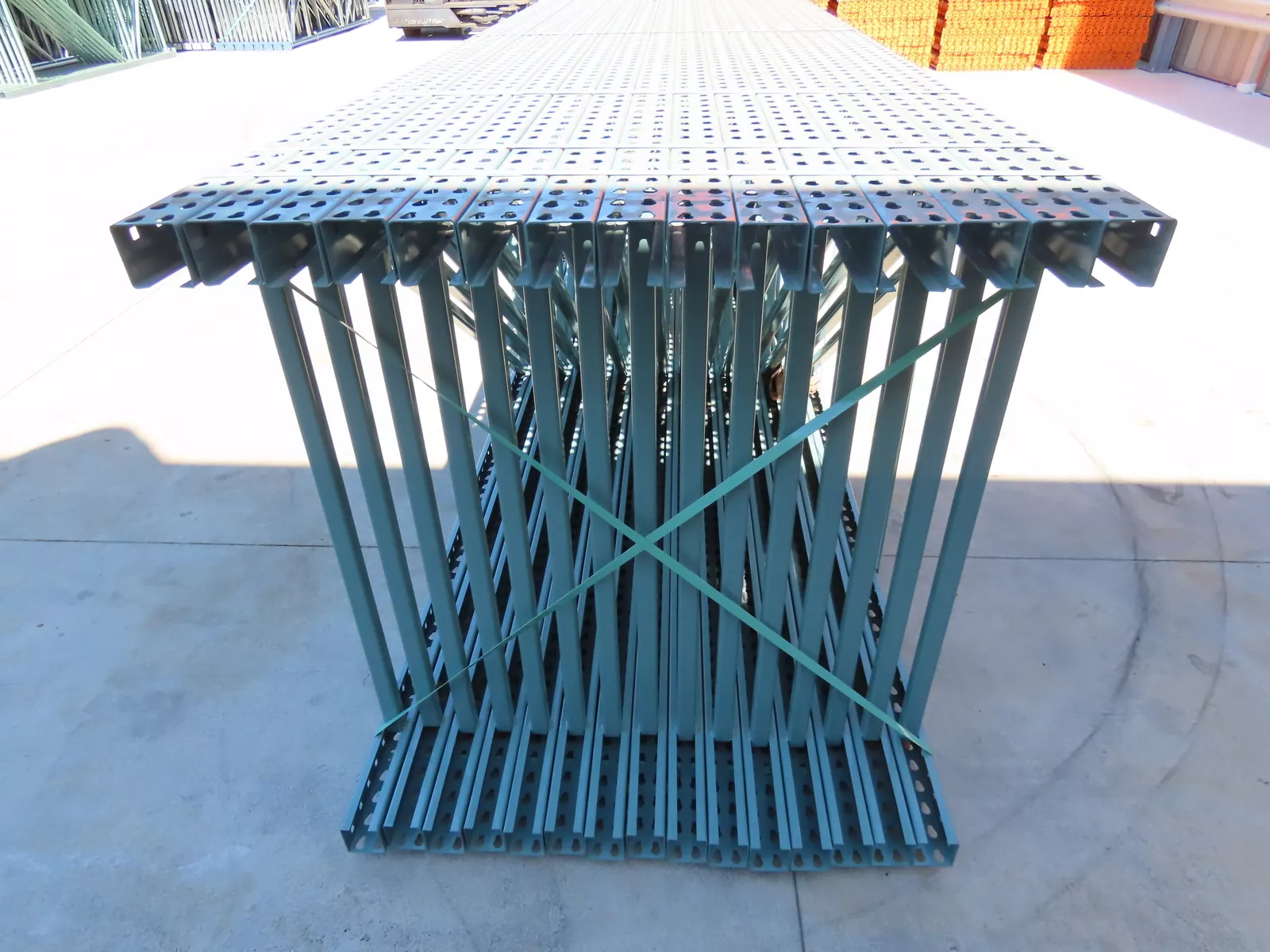
Why Is Safety Improved with Proper Pallet Racking?
Why Is Safety Improved with Proper Pallet Racking?
- Proper pallet racking acts as the backbone of warehouse operations, enhancing overall safety.
- Crooked or shaky racks are hazards, while solid, well-designed racks keep heavy loads securely off the floor.
- Correct installation and maintenance prevent accidents like falls and collapses, protecting workers.
- Investing in proper racking fosters trust and stability, allowing workers to focus without fear of failure.
- Standards and codes, built on decades of experience, guide safe rack design and use.
- Following guidelines builds confidence by relying on proven methods rather than shortcuts.
- Proper racking transforms disorder into an organized environment, making safety a consistent part of the workday culture.
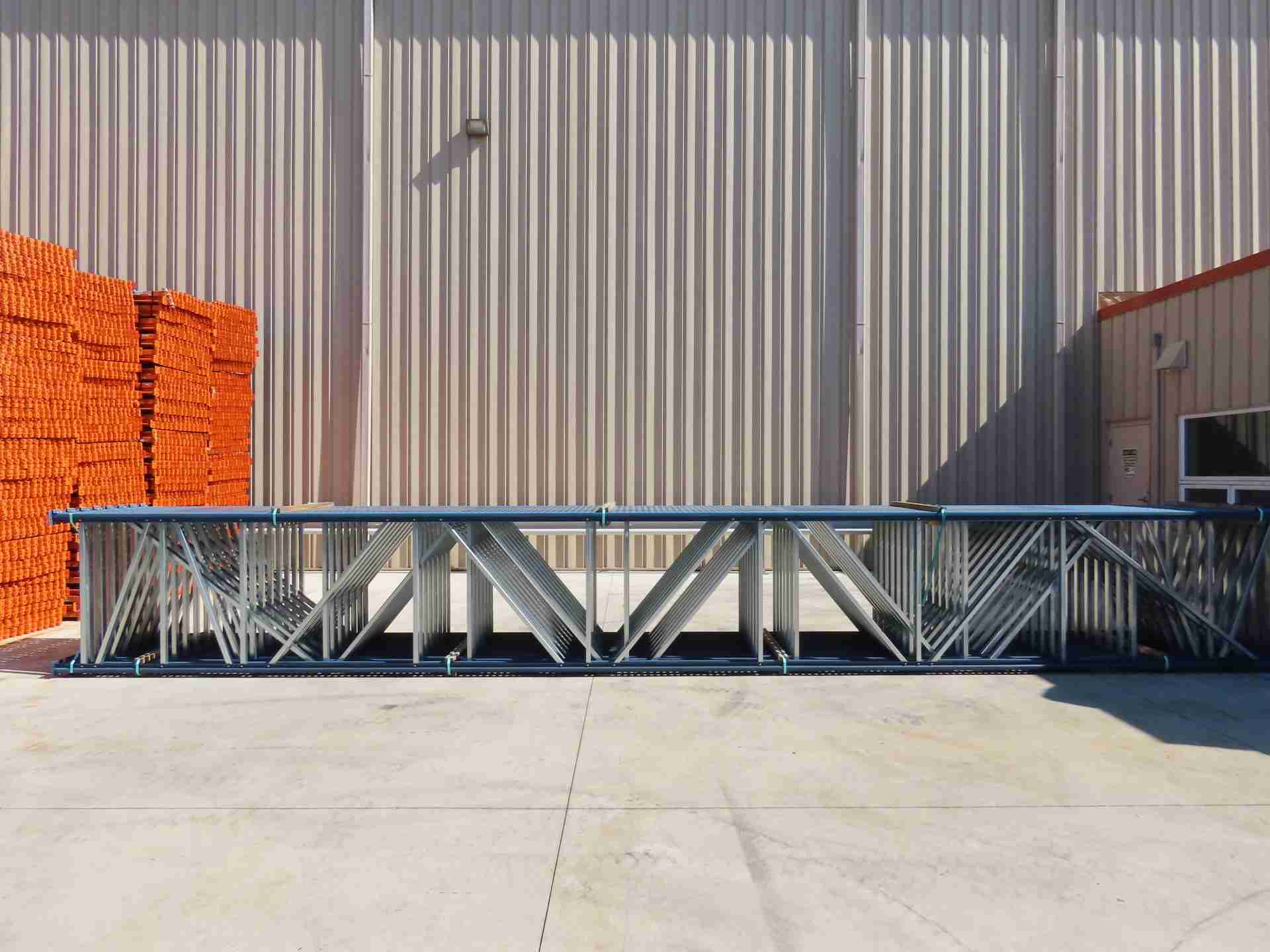
Why Is Safety Improved with Proper Pallet Racking?
How Does Pallet Racking Optimize Space In Plumbing Warehouses?
You ever walk into a plumbing warehouse where pipes, fittings, tanks, and all sorts of gear are just stacked willy-nilly, and think, “There’s gotta be a better way”? That’s where pallet racking steps in like a trusty workhorse. It’s not flashy, but it’s steady, reliable, and it gets the job done—saving space and saving your sanity.
At its core, pallet racking is about respect for space. Plumbing supplies aren’t just little odds and ends; they’re heavy, bulky, and come in awkward shapes. Tossing them on random shelves or the floor wastes valuable real estate that you could use to hold twice as much inventory. Pallet racking gives you vertical power. You start stacking smarter, not just piling up, and suddenly your warehouse feels twice as big without adding a single square foot. That’s cold, hard efficiency—a real gut check for any warehouse owner who’s ever stared at a crowded floor and wished for breathing room.
But it’s not just about cramming more stuff in there. Pallet racking brings order to chaos. Each rack and pallet slot is like a chapter in a book, telling its part of the story so workers can find what they need without wasting time. When you’ve got a team running contracts and tight deadlines, every second counting, knowing exactly where that special valve or heavy-duty wrench lives builds trust. It’s about doing your part right, so the whole crew can do theirs better. You feel that reliability in every rack load.
Ethically, pallet racking makes sense, too. A clean, organized warehouse signals respect for the workers who spend their days lifting, moving, and making sure the plumbing business keeps running. It reduces accidents, cuts down on wasted labor, and shows you care about doing things properly—not just fast and messy. That’s a value every blue-collar hand can stand behind.
Pallet racking isn’t just steel and bolts; it’s the backbone of a warehouse that works harder and smarter. It’s about making space where there was none, about building a workplace that’s safer and more efficient. For anyone who’s ever busted their back trying to find a part beneath a pile or cursed the clutter, pallet racking feels like the quiet hero getting the job done, every day. It’s no-nonsense, practical, and built around the kind of common-sense thinking that turns a good warehouse into a great one.
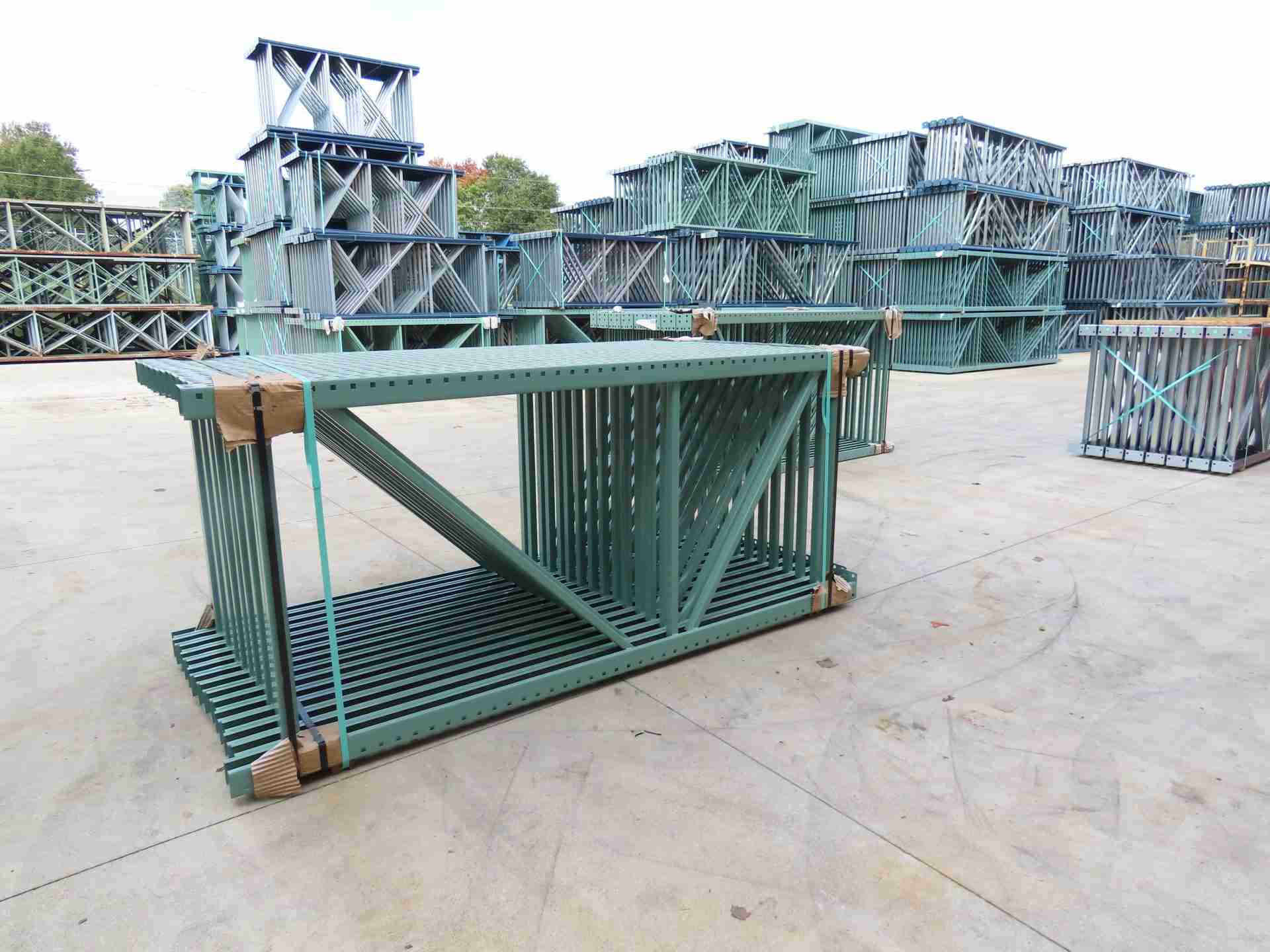
How Does Pallet Racking Optimize Space In Plumbing Warehouses?
How Does Pallet Racking Optimize Space In Plumbing Warehouses?
- Pallet racking organizes plumbing supplies that are heavy, bulky, and awkwardly shaped, saving space and improving warehouse efficiency.
- It maximizes vertical storage, effectively doubling warehouse capacity without expanding the footprint.
- Pallet racking brings order to cluttered spaces, enabling workers to find items quickly, which is crucial for tight deadlines.
- It fosters trust and reliability among warehouse teams by clearly designating storage locations for tools and parts.
- Maintains ethical standards by creating a clean, organized, and safer work environment, reducing accidents and wasted labor.
- Pallet racking supports a more efficient and respectful workplace for blue-collar workers.
- Acts as the practical backbone of a well-functioning warehouse, turning chaotic spaces into orderly, high-performing operations.
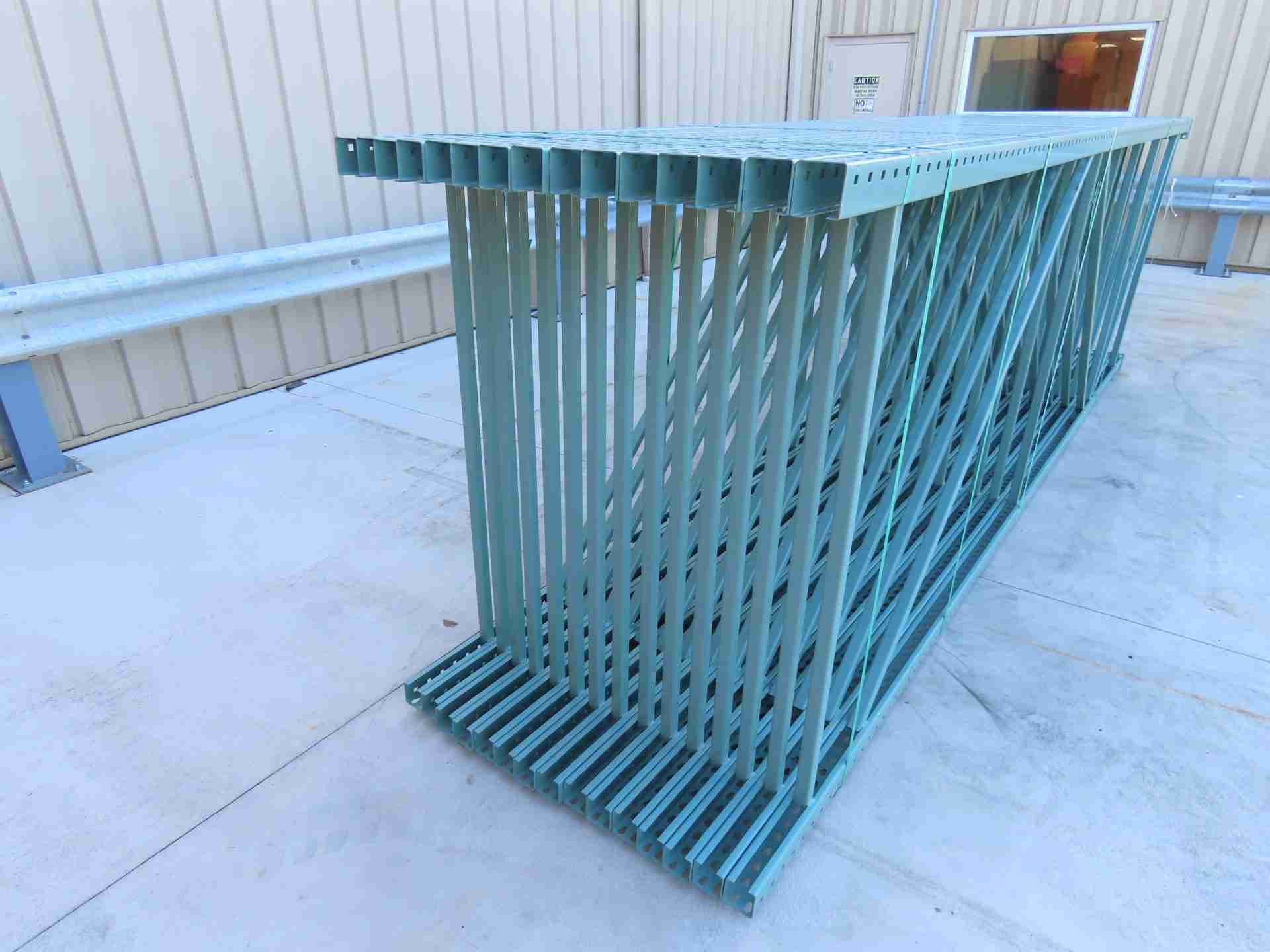
How Does Pallet Racking Optimize Space In Plumbing Warehouses?
Conclusion
Pallet racking in plumbing supply warehouses isn’t just about stacking shelves; it’s the unsung backbone that keeps everything running smooth and steady. These racks hold heavy, awkward plumbing gear day in and day out, turning chaos into order and space into a well-used asset. They respect the work, the workers, and the customers by making sure every pipe, fitting, or fixture stays safe, accessible, and ready to go. It’s a system built on common sense and hands-on experience, not fancy fluff.
When you see neat rows of pallets properly racked, you’re looking at more than efficiency — you’re seeing reliability and pride. This isn’t just about keeping a warehouse tidy; it’s about respect. Respect for the tools that keep homes warm and businesses humming, respect for the crew who bust their backs moving heavy loads, and respect for every customer counting on those parts to show up right and on time. Pallet racking cuts down on wasted time, damaged goods, and unsafe working conditions. It’s an ethical choice that protects people and product alike.
From a purely practical standpoint, pallet racking squeezes more storage into the same footprint by going vertical instead of sprawling. That saves rent, cuts down on costly moves, and keeps the workflow flowing without the usual headaches of lost or damaged inventory. Workers find what they need fast, and that speed doesn’t just help get orders out the door — it builds trust between warehouse, contractors, and homeowners. When everyone knows the gear is right where it should be, it boosts confidence and cuts mistakes.
Safety improves because these racks aren’t some flimsy idea—they’re engineered with hard-earned know-how to hold heavy loads steady and prevent dangerous falls and collapses. That means workers go home whole and warehouses avoid costly shutdowns. The right pallet racking setup turns a pile of odds and ends into a reliable environment where order and hard work meet. It’s a clear message: this place cares about its people and its work.
At the end of the day, pallet racking isn’t just steel on steel. It’s peace of mind, a tool for respect, and a backbone that makes the whole operation work. For anyone in the trenches of a plumbing supply warehouse, it’s the difference between struggling through a mess and running a tight ship that earns its keep every single day.
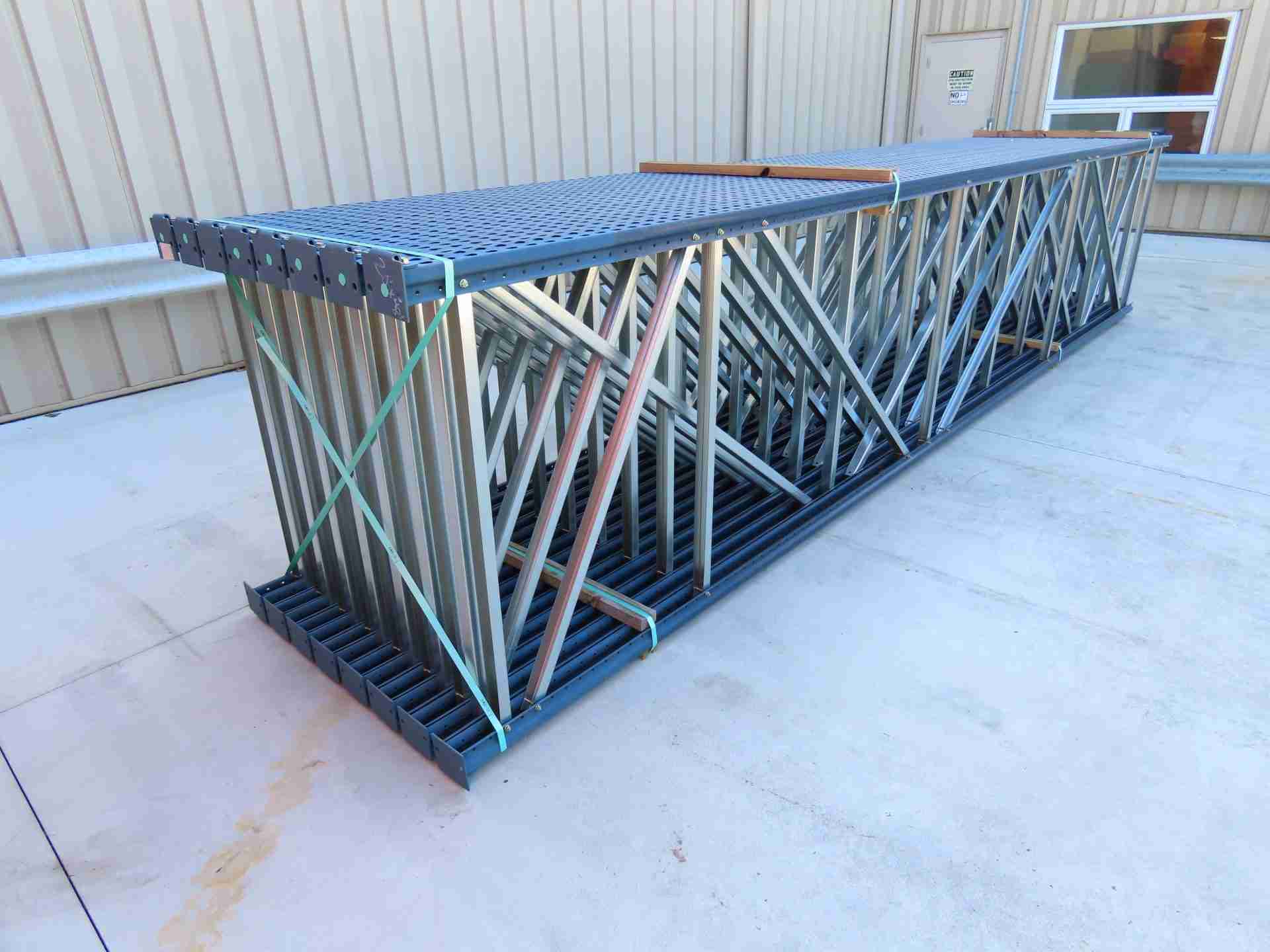
Conclusion
Conclusion:
- Pallet racking in plumbing supply warehouses organizes heavy, awkward plumbing gear to maximize space and maintain order.
- These racks ensure safety, accessibility, and readiness of pipes, fittings, and fixtures, reflecting respect for workers and customers.
- Neat pallet racking symbolizes reliability, pride, and respect for tools, crew efforts, and customer expectations.
- Pallet racking reduces wasted time, damaged goods, and unsafe conditions, serving as an ethical choice that protects people and products.
- The system optimizes storage by using vertical space, saving costs on rent and moves while enhancing workflow and inventory accuracy.
- Engineered for strength and stability, pallet racks improve safety by preventing falls and collapses, ensuring workers return home safely.
- Pallet racking provides peace of mind and operational efficiency, turning a chaotic warehouse into a well-run, trustworthy environment.
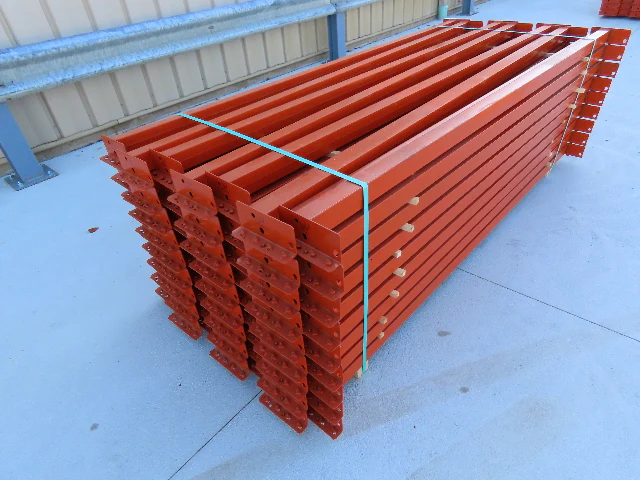
Conclusion
Other Resources
Other Resources
Here is a list of other resources you can review online to learn more:
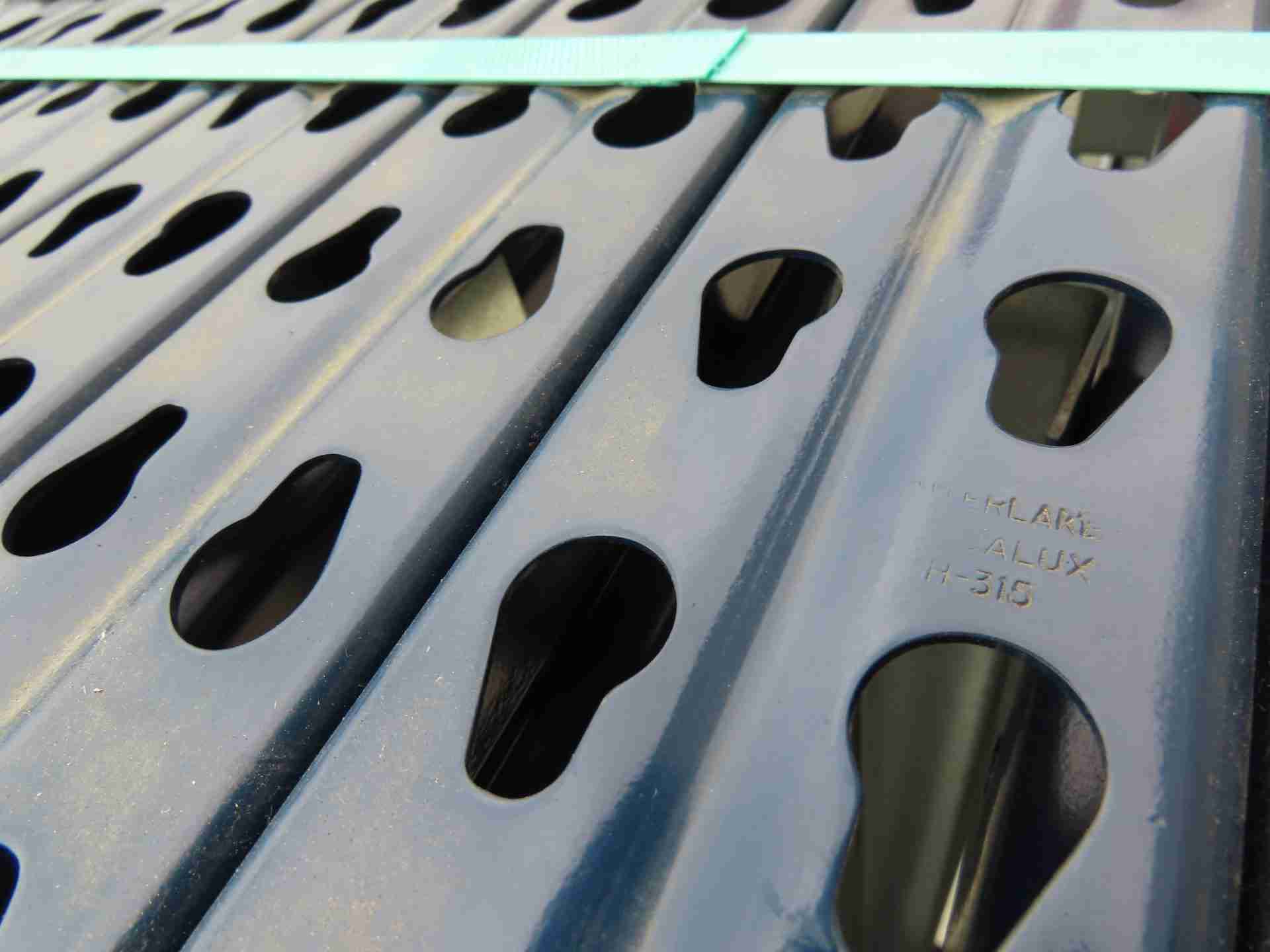
- Teardrop Uprights
- Used Pallet Rack for Sale in Illinois – American Surplus
- Teardrop Industrial Shelving Rack
- BMH
- Material Handling Industry
- Cantilever Rack Guide: Ordering Cantilever Racking
- American Surplus
- Shipping Boxes, Packaging Materials, Pallet Racking
- Pallet Racking systems in Illinois, Great Lakes
- IIWS Inc. Rack Installation Illinois & Rack Repairs Illinois
- Teardrop Industrial Shelving Rack
- Warehouse Racking Systems: Beginner’s Guide to Rack Systems
- The Complete Pallet Rack Guide – Simply Rack
- Storage Equipment Manufacturers’ Association
- Storage Equipment Manufacturers Association
- Pallet Racking systems in Illinois and Great Lakes
- Teardrop Pallet Rack – Ridg-U-Rak
- Teardrop Racks – Pallet Rack World
- Interlake
- Pallet Racks, Pallet Racking, Pallet Shelves in Stock – ULINE
Use This Prompt To Get More Resources With Your Favorite Online AI Tool: Please provide me with a list of online articles with their URLs in a bulleted list that I can read regarding How Do Plumbing Supply Warehouses Leverage Pallet Racking?
Other Resources
Glossary Terms
How Do Plumbing Supply Warehouses Leverage Pallet Racking? – Glossary Of Terms
1. Pallet Racking: A storage system designed to hold materials on pallets to maximize warehouse space and improve organization.
2. Plumbing Supply Warehouse: A facility that stores and distributes plumbing materials and equipment.
3. Inventory Management: The process of ordering, storing, tracking, and controlling goods within a warehouse.
4. Loading Dock: The area where goods are received or shipped from a warehouse.
5. Forklift: A powered industrial truck used to lift and move pallets within the warehouse.
6. SKU (Stock Keeping Unit): A unique identifier for each product stored in the warehouse.
7. Space Utilization: Efficient use of warehouse storage capacity to maximize available space.
8. Accessibility: The ease with which warehouse staff can reach stored items.
9. Vertical Storage: Using height in a warehouse to store products in racks to save floor space.
10. Pallet: A flat transport structure used to support goods in a stable manner while being lifted.
11. Load Capacity: The maximum weight that a pallet rack or shelf can safely hold.
12. Warehouse Layout: The physical arrangement of storage and work areas within the warehouse.
13. Picking Efficiency: The speed and accuracy with which items are selected from storage for orders.
14. Stock Rotation: The process of organizing stock so older inventory is used before newer deliveries.
15. Bulk Storage: Storing large quantities of similar items together, often on pallets.
16. Safety Standards: Regulations and practices ensuring safe operation around pallet racks.
17. Rack Configuration: The specific design and arrangement of racks in a warehouse.
18. Load Beam: The horizontal bars in pallet racks that support pallets.
19. Upright Frame: The vertical components of pallet racks that hold load beams.
20. Cross Bracing: Structural supports providing stability to the rack system.
21. Warehouse Automation: Technology systems that improve storage and retrieval processes.
22. Picking Route: The path warehouse workers follow to collect items from racks.
23. Stock Replenishment: The process of restocking items on pallets and racks.
24. Offloading: Removing pallets or goods from delivery vehicles into the warehouse.
25. On-Site Storage: Keeping inventory directly at the warehouse premises.
26. Load Distribution: Even spreading of weight across racks to prevent damage.
27. Maintenance Checks: Regular inspections ensuring pallet racks remain safe and functional.
28. Order Fulfillment: Completing customer orders by picking and dispatching products.
29. Material Handling Equipment: Tools and machines used to move and store palletized goods.
30. Warehouse Throughput: The volume of goods processed through the warehouse over time.
Glossary Of Terms
Other Questions
How Do Plumbing Supply Warehouses Leverage Pallet Racking? – Other Questions
If you wish to explore and discover more, consider looking for answers to these questions:
- What types of pallet racking systems are best suited for plumbing supply warehouses (e.g., selective, drive-in, cantilever)?
- How do I determine the correct load capacity and weight ratings for racks storing pipes, coils, and fixtures?
- How much does purchasing and installing pallet racking typically cost?
- What is the typical ROI or payback period after installing pallet racking?
- How can pallet racking be configured to store long or awkward items like copper tubing and PVC pipes?
- Which rack accessories (wire decking, column guards, pallet supports) most effectively reduce product damage?
- What safety standards, codes, and certifications apply to pallet racking in my region?
- How often should pallet racking be inspected, and what does a proper inspection checklist include?
- What maintenance and repair routines are required to keep racking safe and functional?
- How do different racking layouts (narrow aisle, double-deep, drive-through) affect storage density and picking speed?
- How does pallet racking integrate with warehouse management systems, barcoding, and inventory software?
- What training do workers need to safely and efficiently pick and store items from pallet racks?
- How does pallet racking influence forklift selection, aisle width, and traffic flow?
- What slotting and organization strategies maximize picking efficiency for plumbing parts?
- How can pallet racking help implement FIFO, LIFO, or other inventory rotation methods?
- What are common installation mistakes or design pitfalls to avoid?
- Can pallet racking be added or reconfigured with minimal downtime during expansion?
- How do pallet racks perform in seismic zones or areas with special anchoring requirements?
- What measures reduce theft, loss, or misplacement of high-value plumbing items on racks?
- How do pallet racking choices affect insurance, liability, and worker compensation costs?
- How is order fulfillment speed measured before and after racking improvements?
- What rack styles or storage solutions are better for small, loose plumbing parts versus palletized goods?
- How do you protect racking and inventory from forklift impacts and on-floor accidents?
- What are the lifecycle and long-term costs of pallet racking, including replacement parts?
- How do environmental factors (humidity, chemicals) influence rack material and coatings?
- How scalable are racking systems for seasonal peaks or business growth?
- What financing or leasing options exist for purchasing pallet racking?
- Which manufacturers or installers have the best track record for plumbing-supply-specific racking?
- Are there case studies or before-and-after examples that quantify benefits (space saved, damage reduced, speed increased)?
Other Questions
Checklist
How Do Plumbing Supply Warehouses Leverage Pallet Racking? – A Checklist
Goals
✅______ Define targets: faster picks, fewer damages, higher accuracy, safer workspace
✅______ Align racking plan with trust-building: on-time, in-full, reliable fulfillment
✅______ Commit to stewardship: reduce waste, protect inventory, respect the crew
Planning and Compliance
✅______ Measure building clear height, column spacing, and floor load capacity
✅______ Confirm local code, fire, and seismic requirements (including permits and engineering as needed)
✅______ Maintain sprinkler and ceiling clearances and required flue spaces
✅______ Set standard aisle widths to match lift equipment and turns
✅______ Specify beam-level and bay load capacities with clear labels
✅______ Anchor racks per spec; verify slab condition and anchor torque
Rack Design and Components
✅______ Use heavy-duty selective pallet racking for mixed plumbing SKUs
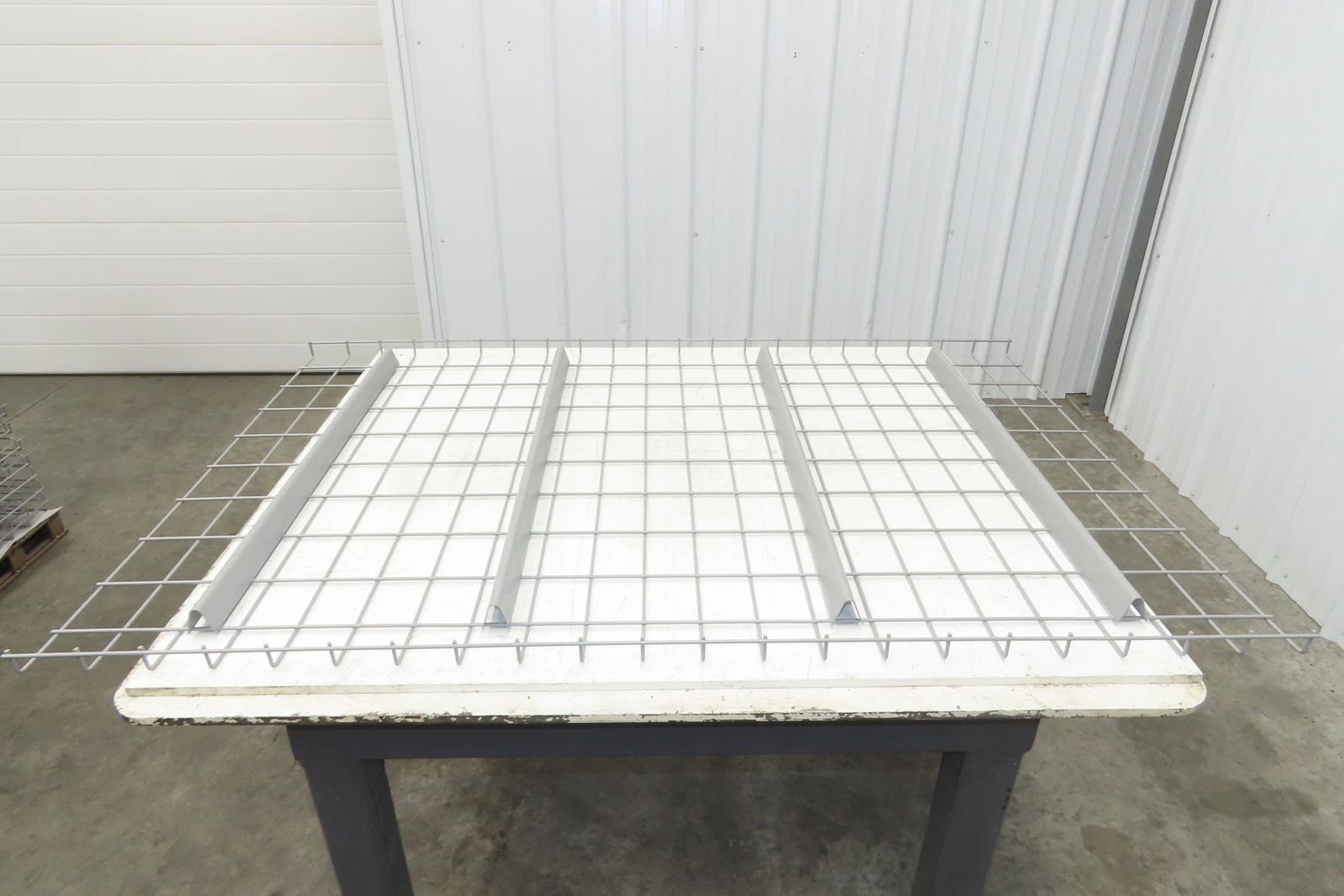
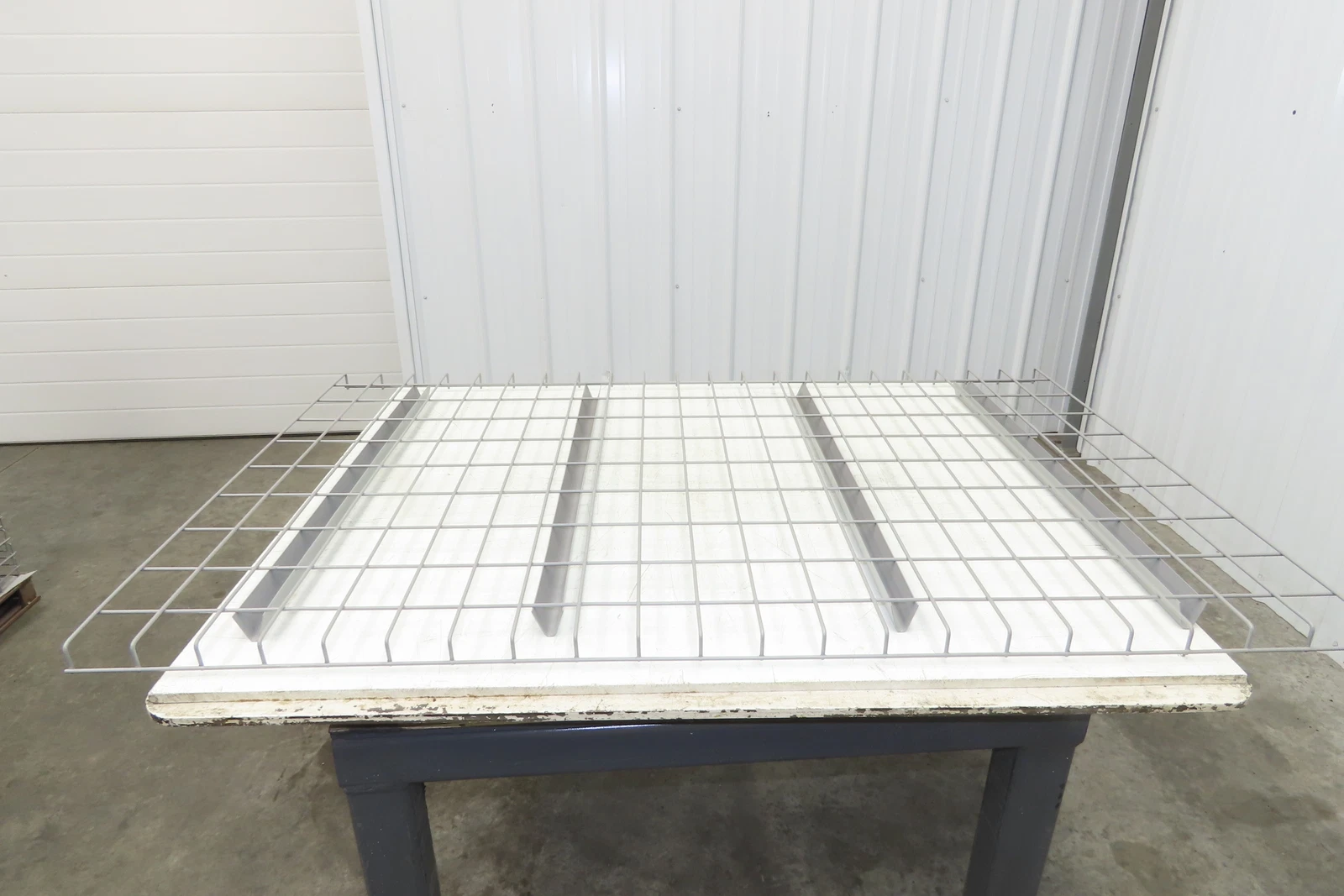
✅______ Add wire decking for boxes and small cartons; add support bars for heavy loads
✅______ Use dividers, cradles, or saddles for pipes, copper coils, and long goods on pallets
✅______ Install pallet load stops, safety bars, and spill-through protection where needed
✅______ Fit column guards, end-of-aisle protectors, and row spacers
✅______ Standardize pallet sizes and weight limits; control overhang
Space and Layout
✅______ Slot fast movers near shipping and at lower, waist-height levels
✅______ Reserve top levels for overstock and slow movers
✅______ Design clear pick paths and two-way traffic rules where required
✅______ Provide inbound dock-to-stock staging and outbound consolidation zones
✅______ Use vertical space fully without violating clearances
✅______ Keep floor storage to a minimum; no dead corners
Inventory Organization and Labeling
✅______ Assign fixed bay and level locations; label bays, levels, and aisles visibly
✅______ Use barcode locations; scan at put-away and pick
✅______ Group by product family (PVC, copper, brass, valves, fixtures, tools)
✅______ Separate materials that can damage each other; protect edges and finishes
✅______ Apply ABC velocity slotting and review quarterly
✅______ Enforce FIFO/FEFO where corrosion or packaging age matters
Damage Prevention
✅______ Inspect pallets before use; remove broken boards or weak stringers
✅______ Band, wrap, and corner-protect pipe bundles and fixture boxes
✅______ Evenly distribute loads across beams; avoid point loading on open decking
✅______ Prohibit floor stacking that crushes lower items or blocks aisles
✅______ Quarantine returns and damaged goods away from active pick faces
✅______ Track damage by cause and location; fix the source
Order Fulfillment Flow
✅______ Use clear pick tickets with bay and level addresses
✅______ Batch picks for common SKUs; sequence picks by aisle to reduce travel
✅______ Stage outbound orders by route and time; mark complete vs. partials
✅______ Schedule replenishment during low-traffic windows
✅______ Provide dedicated packing and check stations near shipping
✅______ Monitor pick rate, order cycle time, and accuracy daily
Safety Practices
✅______ Train operators on rack loads, lift operation, and safe placement
✅______ Post beam-level and bay load plaques at eye level
✅______ Keep flue spaces clear; no overhanging or tilted pallets
✅______ Maintain housekeeping: clear aisles, no debris, no blocked exits
✅______ Lock out and tag damaged rack components immediately; do not use until repaired
✅______ Provide PPE; enforce speed limits and horn use at intersections
Maintenance and Inspections
✅______ Daily visual walk-through for impacts, bent uprights, and loose beams
✅______ Monthly checklist (anchors, guards, labels, decking, beam locks)
✅______ Annual third-party rack audit and torque verification
✅______ Document all repairs with dates and parts replaced
✅______ Service lift trucks on schedule; check brakes, forks, and mast play
✅______ Refresh paint and labels; replace worn signage
Cost and Performance Tracking
✅______ Track damages per 1,000 lines and cost of write-offs
✅______ Measure labor hours per order and per line picked
✅______ Monitor space utilization (cubic feet, not just square feet)
✅______ Compare dock-to-stock time before and after racking changes
✅______ Record injury rates and near misses; verify reductions
✅______ Review OTIF (On-Time, In-Full) and customer credits and returns
Team Culture and Trust Signals
✅______ Post simple visual standards (photos of correct load placement)
✅______ Run weekly 5S audits and share results with the team
✅______ Recognize zero-damage weeks and safety milestones
✅______ Keep a clean, well-lit, clearly marked warehouse
✅______ Close the loop on employee hazard reports within 48 hours
✅______ Share KPI wins with customers to reinforce dependability
Checklist
At RackingWorld, we help guide you through selecting warehouse storage systems and racking.
Be sure to read our other related stories at RackingWorld to learn more about warehouse storage systems.
0 Comments