
Unlock Efficiency, Safety, And Growth: The Cantilever Racking Advantage
By Tom Seest
At RackingWorld, we help guide you through selecting warehouse storage systems and racking.
Be sure to read our other related stories at RackingWorld to learn more about warehouse storage systems.
How Do Pipe and Tubing Distributors Leverage Cantilever Racking?
When you’re running a pipe and tubing distribution outfit, efficiency isn’t just a buzzword—it’s the backbone of keeping things moving without losing your mind or your margins. Cantilever racking steps in like that reliable coworker who’s got your back, especially when Pallet Racking just won’t cut it for those long, awkward bundles of pipe and tubing. Unlike the standard racks that work great for boxes stacked neat and square, cantilever racking gives you the open arms you need to store and access long materials without fighting with forklifts or spending half your day shuffling stuff around.
From the heart of the warehouse floor, you feel the difference. It’s not just about storage; it’s about respect for the gear and the people handling it. No more wrestling with pipe that’s prone to rolling off or digging through piles hoping to find the right size. Cantilever racks lay everything out clearly and safely, making every load lighter—not just physically, but mentally. That peace of mind, knowing the inventory’s organized and accessible, translates into fewer mistakes, fewer injuries, and most importantly, faster turnaround times.
On a rational level, the math adds up too. Better space utilization means squeezing more into the same footprint, which keeps rent costs down and profits up. There’s less waste, less damage, and the workflow smooths out like clockwork. Distributors can serve their customers quicker and more reliably, making them the go-to in a gritty, competitive market. It’s a smart investment that pays for itself in saved hours and happy clients.
Ethically, it’s about doing right by your crew. When you provide a setup that’s built for the job, safety isn’t an afterthought. Cantilever racking cuts down strain and risk, showing you respect the folks hauling heavy pipe day in and day out. That respect fosters loyalty and pride, turning a job into a craft rather than a grind.
There’s a certain authority in knowing your operation is running as it should be—and that your rigging is supported by a system proven over decades in similar industries. You see it in the steady flow of orders filled on time, the rattling trucks departing fuller and faster. It’s a quiet confidence that spreads through your team and your customers alike.
For every distributor who’s battled cluttered yards and twisted pipe piles, cantilever racking is a game changer. It’s the simple solution with no-nonsense results, grounded in hard work and plain fact. When your storage works as hard as you do, it’s easier to stand tall at the end of the day.

How Do Pipe and Tubing Distributors Leverage Cantilever Racking?
How Do Pipe and Tubing Distributors Leverage Cantilever Racking?
- Cantilever racking provides an efficient storage solution for long, awkward bundles of pipe and tubing, outperforming standard pallet racks.
- It improves warehouse organization and accessibility, reducing physical strain and mental stress for workers.
- Organized storage leads to fewer mistakes, injuries, and faster turnaround times.
- Better space utilization lowers rent costs and increases profits by optimizing the storage footprint.
- Cantilever racking enhances workflow efficiency, reducing waste and damage, and improves customer service reliability.
- It prioritizes worker safety, reducing strain and risk, thereby fostering loyalty and pride among employees.
- The system’s proven reliability supports steady operations, timely orders, and boosts confidence among the team and customers.
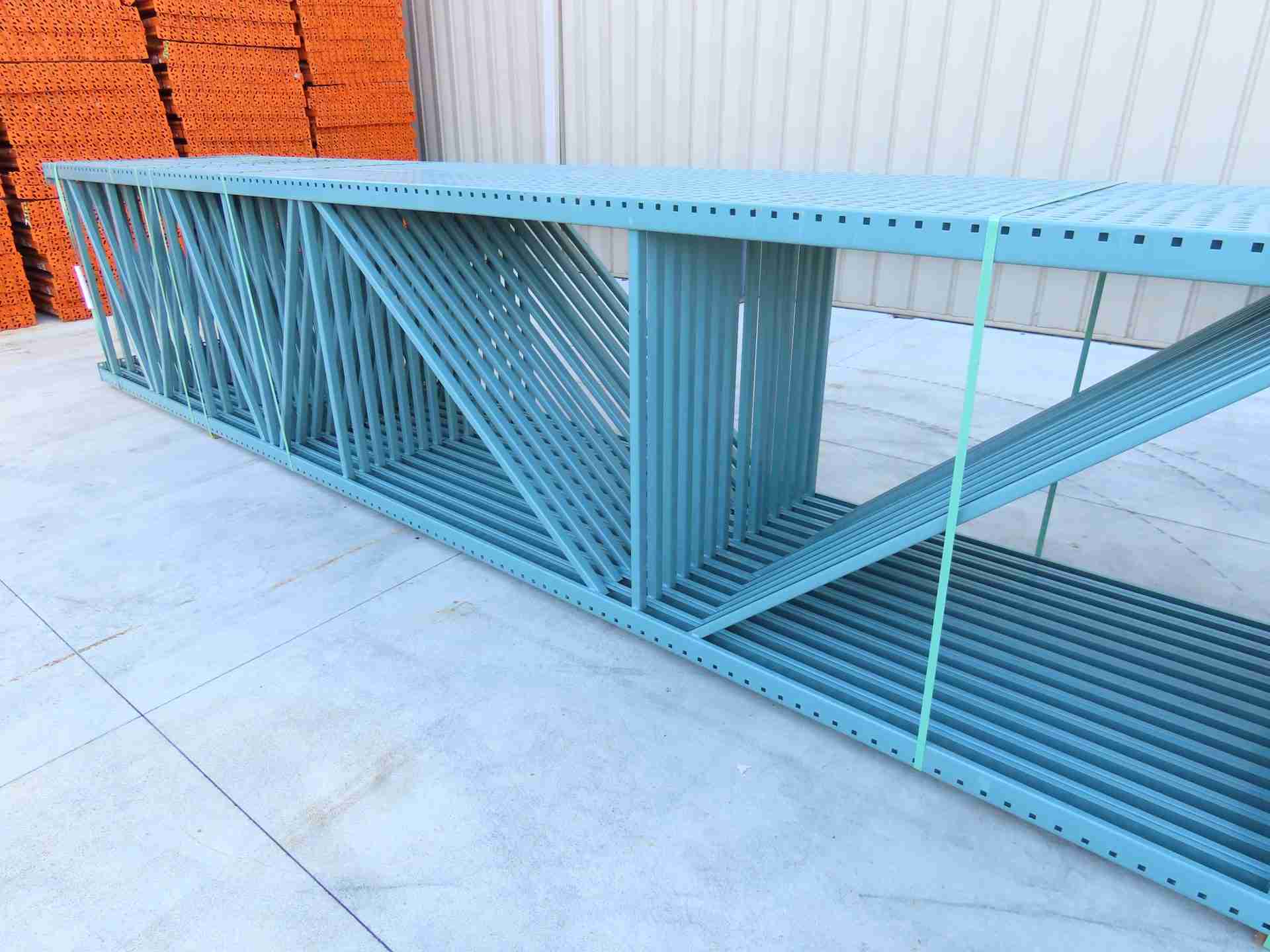
How Do Pipe and Tubing Distributors Leverage Cantilever Racking?
Table Of Contents
- How Do Pipe and Tubing Distributors Leverage Cantilever Racking?
- How Does Cantilever Racking Improve Warehouse Efficiency?
- What Are the Key Benefits Of Using Cantilever Racks?
- How Can Cantilever Racking Reduce Storage Costs?
- Why Is Cantilever Racking Ideal for Pipe and Tubing Storage?
- How Does Cantilever Racking Support Heavy Load Management?
- What Safety Advantages Does Cantilever Racking Offer?
- Conclusion
- Other Resources
- Glossary Of Terms
- Other Questions
- Checklist
How Does Cantilever Racking Improve Warehouse Efficiency?
You know the feeling when you walk into a warehouse packed up tight, every inch of space used just right, and everything’s easy to get to without doing a dozen backflips? That’s where cantilever racking comes in, and it’s a game-changer for anyone who’s ever wrestled with bulky, awkward loads. Unlike standard pallet racking, which handles boxy stuff just fine but gets clunky with long or heavy items, cantilever racks are designed with open arms—literally—that make storing pipes, lumber, or steel beams not just possible but downright simple.
This isn’t just about saving a few inches here and there. It’s about rethinking how your warehouse breathes, how it moves. The freedom that cantilever racks offer means your crew doesn’t have to crawl into tight spots or play Tetris with heavy loads. When you can grab what you need in less time, with less trouble, that’s efficiency you feel in your bones. It’s a smart move that respects the sweat and grind of the folks on the floor, making their day smoother, safer, and lighter.
From a straight-up business standpoint, using cantilever racking maximizes vertical and horizontal space. You stack longer goods neatly, keep aisles clear, and reduce clutter that can slow everything down or turn into a hazard. That translates directly into faster turnarounds, better inventory management, and a warehouse that doesn’t just store goods but moves with purpose. It’s the kind of improvement that boosts your bottom line without cutting corners or cutting safety.
Being the backbone of your warehouse means making choices that last. Cantilever racks hold up strong under real-world conditions; they’re tough, reliable, and built to take a beating day after day. Choosing them shows you respect your gear, your people, and your customers. It’s the quiet kind of leadership that trusts hard work and solid planning over shortcuts and fancy fixes.
When you walk through a space that’s been set up right—with cantilever racking doing the heavy lifting—you feel it. Confidence. Pride. A sense that every piece, every move, fits together and pulls its weight. That’s warehouse efficiency not just spoken about but lived. It’s a straightforward fix with a powerful payoff, one that earns trust and keeps your operation humming. It’s about making your space work as hard as the people who fill it. With cantilever racking, that’s exactly what you get.

How Does Cantilever Racking Improve Warehouse Efficiency?
How Does Cantilever Racking Improve Warehouse Efficiency?
- Cantilever racking offers an efficient solution for storing bulky, long, or awkward items like pipes, lumber, and steel beams, unlike standard pallet racking.
- This system enhances warehouse workflow by providing easy access, reducing the need to maneuver around tight spaces or heavy loads.
- It maximizes vertical and horizontal space, keeping aisles clear and reducing clutter that can hinder operations or create hazards.
- Using cantilever racks improves inventory management, speeds up turnaround times, and creates a more purposeful warehouse layout.
- Cantilever racks are durable and reliable, built to withstand daily wear and tear, supporting long-term warehouse operations.
- Choosing cantilever racking reflects respect for equipment, workers, and customers through smart, well-planned infrastructure.
- A well-organized warehouse with cantilever racks fosters confidence, pride, and operational efficiency that benefits the entire business.
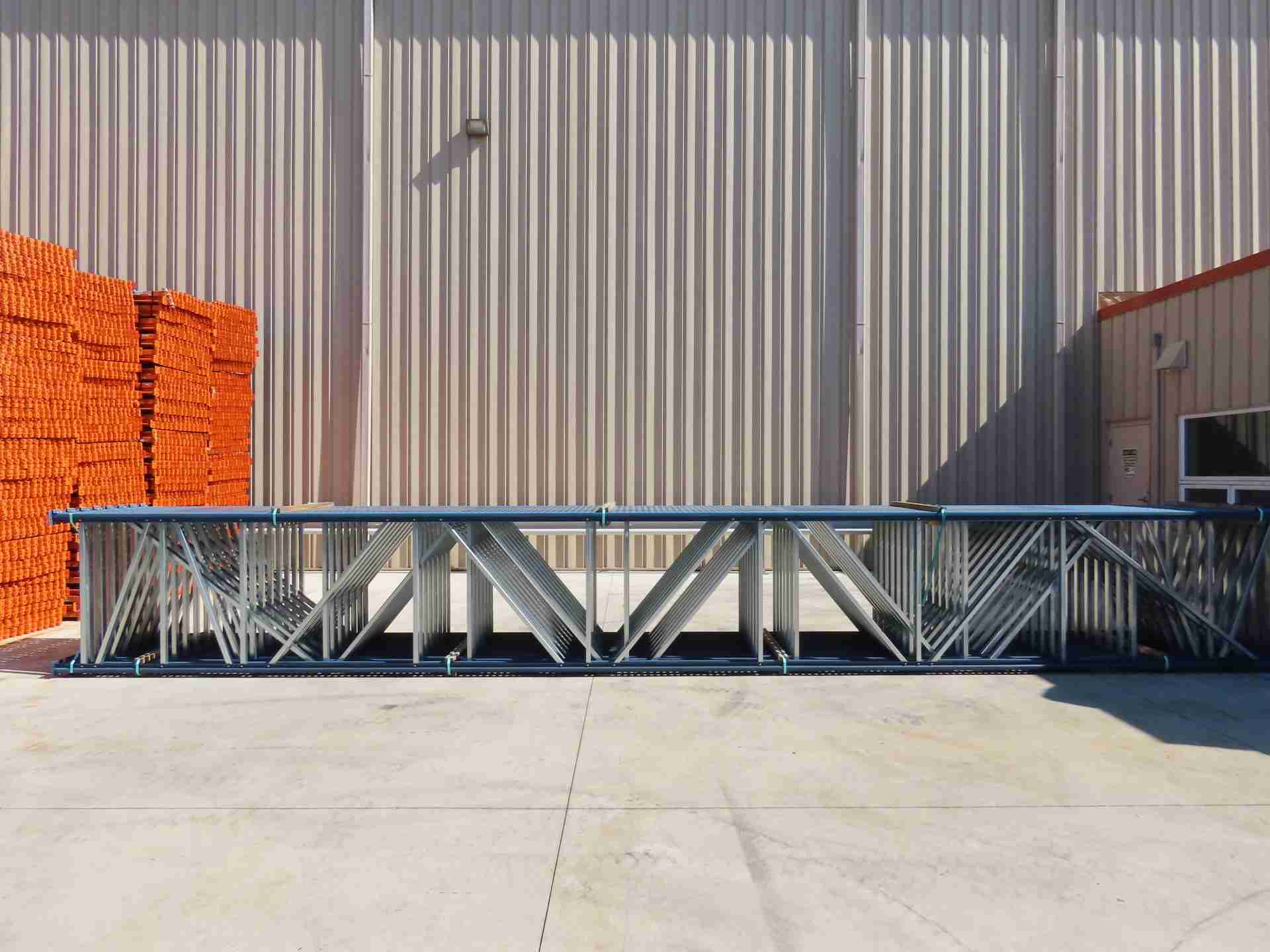
How Does Cantilever Racking Improve Warehouse Efficiency?
What Are the Key Benefits Of Using Cantilever Racks?
You’ve been around long enough to know how clutter chokes a workspace. Cantilever racks aren’t just another fancy storage gizmo—they’re the hard hats and steel-toed boots of organization. When you stack up long, awkward stuff like pipes, lumber, or racks that don’t fit the usual Pallet Racking mold, cantilever racks step in and get the job done with a no-nonsense, sturdy grip. There’s no wrestling with mismatched shelves or bending over backwards trying to fit stuff where it just won’t go.
Emotionally, they give you that peace of mind knowing your materials are safely off the floor, out of harm’s way, and ready to grab when you need them—instead of buried under a pile of chaos. You avoid the daily grind stress of tripping hazards and last-minute scramble o’clock. That’s not just a win; it’s respect for your crew, your work, and the sweat that goes into every project.
On the head side, cantilever racks make complete sense. They take up less floor space than Pallet Racking, but hold more awkward gear sideways in plain sight, saving you time and effort. Their open design means you don’t have to play hide-and-seek with your inventory. Plus, they’re built tough. Thick steel arms and heavy-duty uprights mean they’re ready for the long haul, weathering whatever weight or wear you throw at them. Investing in cantilever racks means fewer replacements, less downtime, and a smooth-running job site that doesn’t stall when a shipment arrives.
Ethically, it’s about responsibility. Keeping a tidy, safe work area isn’t just good manners—it’s protecting your team’s backs and bones. Cantilever racks encourage safer stacking and handling, cutting down accidents and injuries. When you choose them, it tells your crew you’re serious about their welfare, not just the bottom line.
Behind every solid warehouse or shop with cantilever racks is a story of smarter work, less mess, and a team that can focus on what really matters: getting the job done right. They’re a practical solution you can trust because they’ve been tested in sweat and dust, not just boardrooms. If you want your stuff easy to reach, your crew safe, and your workflow steady, cantilever racks are the quiet hero you didn’t know you needed.
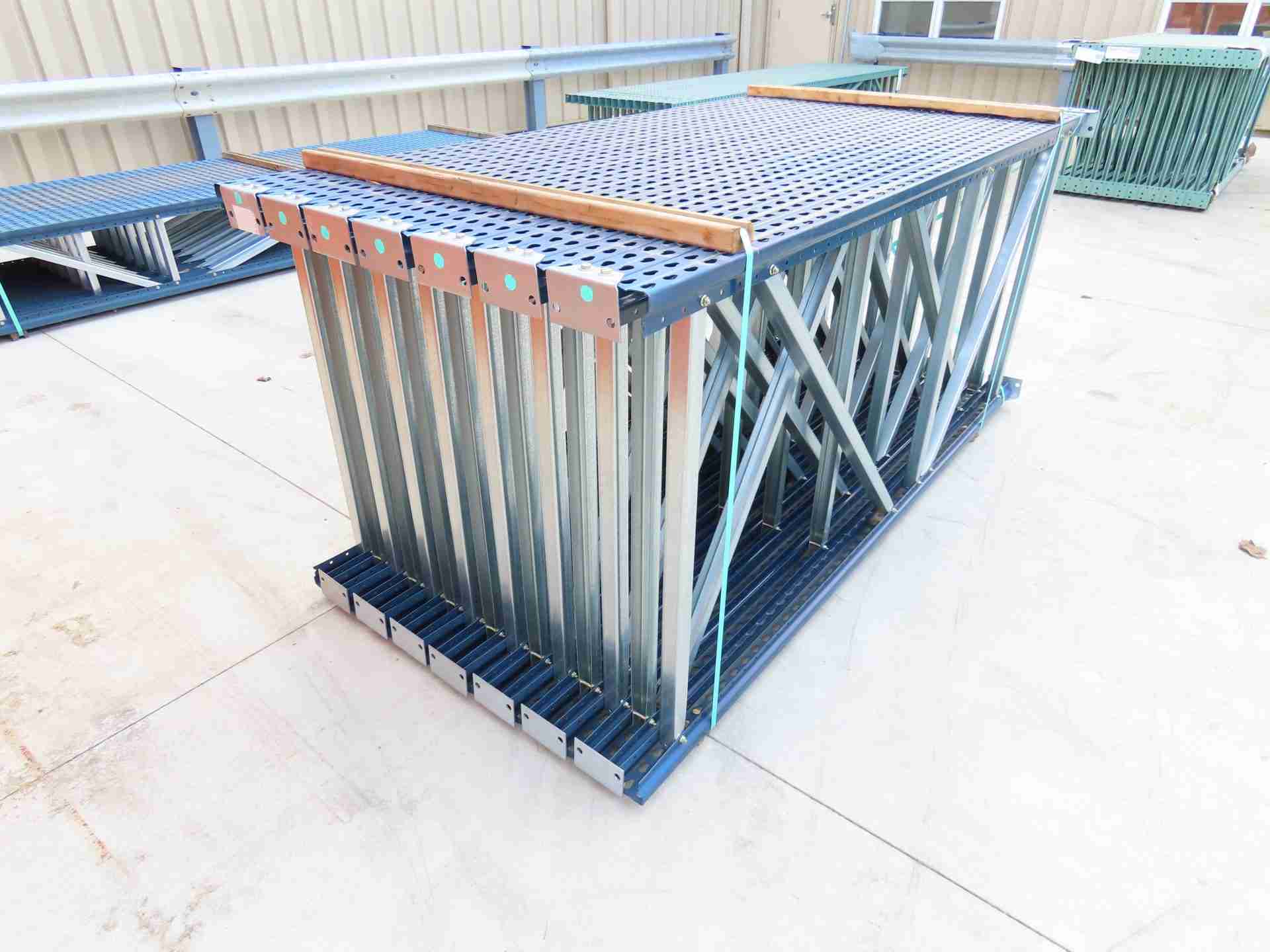
What Are the Key Benefits Of Using Cantilever Racks?
What Are the Key Benefits Of Using Cantilever Racks?
- Cantilever racks efficiently store long, awkward items like pipes and lumber that don’t fit typical pallet racks.
- They keep materials off the floor, reducing clutter and minimizing tripping hazards for a safer workspace.
- These racks save floor space while holding more awkward gear in plain sight, improving inventory access.
- Built with thick steel arms and heavy-duty uprights, cantilever racks are durable and withstand heavy use.
- Investing in cantilever racks reduces replacements, downtime, and streamlines workflow during shipments.
- They promote workplace safety and show commitment to the well-being of the crew by encouraging proper stacking and handling.
- Cantilever racks represent a practical, tested solution that supports productivity and organization on job sites and warehouses.

What Are the Key Benefits Of Using Cantilever Racks?
How Can Cantilever Racking Reduce Storage Costs?
Look, when you’re running a warehouse or any sort of storage setup, every square foot counts. You can’t just throw stuff anywhere and hope for the best—that’s a quick ticket to wasted space and, worse, wasted money. That’s where cantilever racking comes in, shining like a no-nonsense workhorse in a world full of overcomplicated options. Unlike traditional pallet racking that boxes you in, cantilever racking gives you the freedom to store long, bulky, awkward pieces without wrestling them into tight shelves or stacking them dangerous-high.
Picture this: you’ve got lumber, pipes, or steel bars that don’t fit the shape of your average pallet rack. Forcing those items into pallet racking setups means cutting corners or losing space. Cantilever racks are designed with open arms—literally—so you can slide these long goods in easily, removing the hassle and time it usually takes to arrange and rearrange. Time saved means labor costs go down, and when labor costs dip, your whole operation feels the relief.
Now, from a dollars-and-cents standpoint, this isn’t just about saving on space—it’s about reducing damage and downtime. When materials aren’t squeezed into ill-fitting spots, they stay intact, and you’re not shelling out for replacements or dealing with production delays because of busted items. That’s ethical business, treating your workers and your stock with respect. You keep the operation running smooth and honest, without cutting corners that lead to headaches later.
There’s also a trust factor. Cantilever racking is built tough, meant to handle weighty materials without wobbling or fuss. It’s been the backbone for countless businesses that needed reliable storage solutions—no flash or fancy tech, just plain, durable design that does exactly what it says on the tin. When you rely on a system like this, you get peace of mind. Your materials have a safe spot, and your team knows their work environment isn’t a hazard zone.
One more thing is social. When your workspace is clean, accessible, and organized, it’s easier to keep morale high. Folks don’t like to work in a cluttered maze or a place where they’re constantly fighting for room. Cantilever racking cuts that chaos out and brings order that everyone can appreciate—whether it’s the guy stacking beams or the manager looking at costs at month-end. Saving money and making life easier isn’t just a bonus; it’s a shared win that everyone in your business can nod at and respect.
So yeah, cantilever racking pays for itself by making storage better, smarter, and less stressful. It’s a simple solution that fills a complicated need, putting you back in control of your space, your budget, and your peace of mind—all without cutting corners on quality or safety. That’s how it gets done.
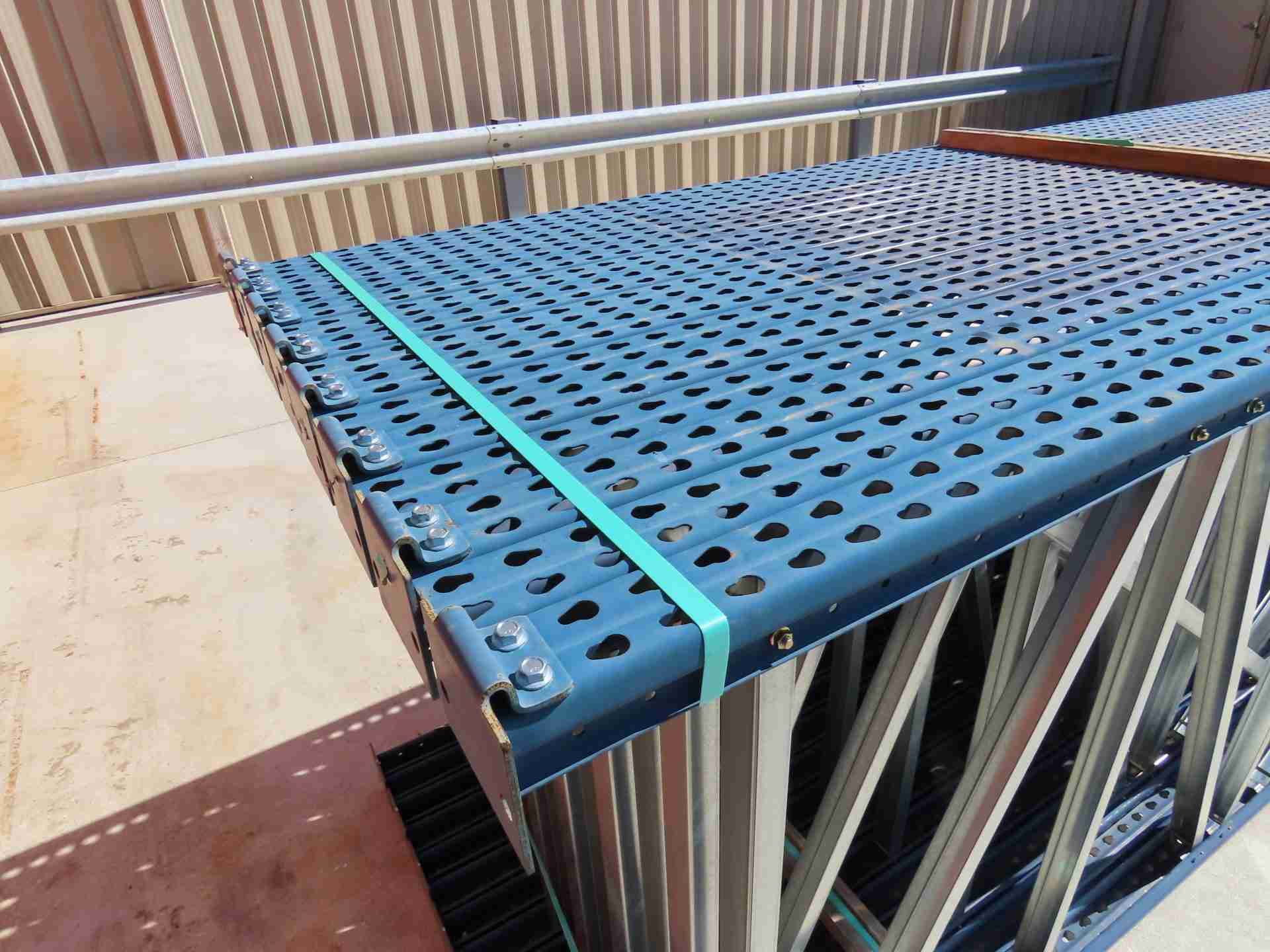
How Can Cantilever Racking Reduce Storage Costs?
How Can Cantilever Racking Reduce Storage Costs?
- Cantilever racking optimizes warehouse space by allowing storage of long, bulky items that don’t fit traditional pallet racks.
- Its open-arm design simplifies loading and unloading, reducing labor time and associated costs.
- Prevents damage and downtime by avoiding forced storage of awkward materials, protecting inventory and maintaining smooth operations.
- Constructed for durability and stability, providing reliable, safe storage without complicated technology.
- Enhances workplace safety and peace of mind by reducing hazards related to improper storage.
- Improves workspace organization, boosting employee morale by eliminating clutter and creating easier access.
- Overall, cantilever racking offers a cost-effective, practical storage solution that supports efficient, ethical, and safe business practices.

How Can Cantilever Racking Reduce Storage Costs?
Why Is Cantilever Racking Ideal for Pipe and Tubing Storage?
When it comes to storing pipes and tubing, you don’t want to mess around with just any old setup. Cantilever racking is the real workhorse in the warehouse, the kind of solution that feels like it was made by folks who’ve been in the trenches and know the score. It’s not just metal on metal; it’s designed to handle the long, awkward shapes of pipes and tubing with a steady hand, unlike pallet racking that often falls short for this job.
There’s something honest about cantilever racking—open arms stretching out to hold your inventory without fuss or frills. It’s built tough, strong enough to take the weight, yet flexible enough so you can stack varying lengths and diameters without turning your storage area into a jumbled mess. The way it keeps things off the ground and easy to access means fewer bruises and scrapes for the guys handling the materials, and less downtime hunting for the right piece.
Look, the business is hard enough without wasting time or risking injuries from awkward storage setups. Using cantilever racking sends the message that you value efficiency and safety—that you’re looking out for the crew as much as the bottom line. That’s not just good business; it’s ethical. Knowing your gear is stashed in a system that respects the shape and size of what you’re storing shows you’ve got a handle on what’s what—no cutting corners, no improvising with pallet racking that wasn’t made for pipes.
When you walk into a shop or warehouse where cantilever racking is front and center, you see a company that cares about the nitty-gritty. It’s a nod to craftsmanship—everyone from the warehouse floor to the office understands that proper storage isn’t a luxury, it’s a foundation. And that builds trust. It tells suppliers and clients you’re serious, steady, and prepared.
So, if you’re storing pipes and tubing, think about what you really want: a system that respects the work those materials will go into, protects the folks handling them, and makes everyday life smoother. That’s the kind of no-nonsense, dependable solution cantilever racking offers—something that’s practical, proven, and ready to roll with you. Pallet racking might hold boxes and crates, but when it comes to pipes and tubing, cantilever is the backbone you’ve been looking for.

Why Is Cantilever Racking Ideal for Pipe and Tubing Storage?
Why Is Cantilever Racking Ideal for Pipe and Tubing Storage?
- Cantilever racking is the ideal storage solution for pipes and tubing, designed by experienced professionals to handle their long, awkward shapes effectively.
- It is strong and flexible, accommodating varying lengths and diameters without creating clutter or disorganization in the storage area.
- By keeping materials off the ground and easily accessible, it reduces injuries and downtime associated with handling and searching for inventory.
- Using cantilever racking demonstrates a commitment to efficiency, safety, and ethical business practices by protecting both workers and inventory.
- It signals professionalism and care, fostering trust among warehouse staff, office personnel, suppliers, and clients.
- Cantilever racking serves as a practical, dependable foundation for proper storage, emphasizing craftsmanship and operational readiness.
- Compared to pallet racking, which suits boxes and crates, cantilever racking is specifically built to support pipes and tubing, making it the preferred backbone solution.
Why Is Cantilever Racking Ideal for Pipe and Tubing Storage?
How Does Cantilever Racking Support Heavy Load Management?
When you’ve spent your life hauling, stacking, and storing heavy gear, you soon learn that not all storage systems pull their weight. Cantilever racking stands out in the dirt, sweat, and clatter of the warehouse because it’s built the way real work demands—solid, simple, and smart. Unlike your typical pallet racking that boxes things in, cantilever racking throws open its arms and flexes with long, strong arms that hold bulky, uneven loads without fuss. It’s like having a trusty old workhorse that doesn’t quit, no matter how heavy or awkward your materials are.
From a practical standpoint, this isn’t just about brute strength but about how the design spreads the load, keeping everything steady and safe. The cantilever arms extend out without vertical obstructions blocking the way, making lifting and loading easier for the people on the ground. That means less wasted motion, fewer scraped knuckles, and faster workdays—common-sense benefits any crew will appreciate. It handles long lengths of pipe, lumber, steel bars, or sheets with a steady, balanced grip that keeps the whole operation running smooth and steady.
Ethically, choosing cantilever racking shows you care about the folks doing the heavy lifting, putting safety first without cutting corners. When the right gear is there to do the job, you reduce the chances of accidents and injuries, and that hits close to home beyond just numbers on a balance sheet. Heavy load management isn’t just about moving stuff; it’s about respecting the hands and backs behind the work. The social trust that comes with reliable storage means the whole team feels confident and valued—as they should.
Folks who’ve worked warehouses or yards for decades know that under the hood, quality counts more than bells and whistles. Cantilever racking isn’t a fancy gimmick; it’s proven tech that’s stood the test of mud, rust, and years of pounding. It’s the kind of gear that earns trust by never letting you down when the load is on. In choosing this approach over standard pallet racking, you’re opting for a solution grounded in honesty, durability, and practical wisdom. So if you’re serious about heavy load management, cantilever racking offers a straightforward answer that doesn’t just support your materials but backs your whole team.
How Does Cantilever Racking Support Heavy Load Management?
How Does Cantilever Racking Support Heavy Load Management?
- Cantilever racking is designed to handle heavy, bulky, and uneven loads with strong, open arms, unlike typical pallet racking that confines items.
- The design spreads weight evenly and eliminates vertical obstructions, making lifting and loading safer and more efficient.
- It reduces wasted motion, injuries, and increases productivity by providing easier access to long materials like pipes, lumber, and steel bars.
- Choosing cantilever racking reflects a commitment to worker safety and respect for the physical demands on laborers.
- Reliable storage builds social trust, ensuring the team feels confident and valued in their work environment.
- Proven through years of tough use, cantilever racking offers durability and practical functionality without unnecessary features.
- It provides an honest, sturdy solution for heavy load management that supports both materials and the workforce.
How Does Cantilever Racking Support Heavy Load Management?
What Safety Advantages Does Cantilever Racking Offer?
In any warehouse or workshop where heavy loads are part of the daily grind, safety isn’t just a box to check — it’s the backbone that keeps everyone going home in one piece. Cantilever racking stands out in this regard, especially when compared to the traditional Pallet Racking setups many have grown used to. It’s not just a piece of equipment; it’s a rugged partner designed to protect both the goods and the folks handling them.
First off, the straightforward, open-arm design of cantilever racking means there are no bulky front columns getting in the way. This isn’t just about convenience; it reduces the risk of forklifts or workers bumping into structural elements and causing collapses or spills. Unlike Pallet Racking, which can be a maze of tight aisles and beams, cantilever racks offer clear sightlines and easier maneuverability. When you can see better and move more freely, accidents get a whole lot less likely. Safety here isn’t an afterthought; it’s baked right into the design.
Now, let’s talk about the strength of these systems — they’re made to handle long, awkward loads that Pallet Racking just can’t grip safely. Think lumber, pipes, or steel bars. With cantilever, those materials aren’t forced into cramped spaces but lie securely on wide, sturdy arms, reducing the chance of slipping or tipping. This not only protects the inventory but keeps workers safer from shifting loads that could otherwise cause serious injuries. It’s a lesson in common sense: secure storage is safer storage.
The ethical side of using cantilever racking is just as strong. Investing in safer storage isn’t just about dollar signs; it’s about doing right by the people who show up day after day. It shows a commitment to protecting the most valuable asset any operation has — the workforce. A safer warehouse means less downtime from injuries and a culture where safety is a team effort, not a box they check when someone’s looking.
From a social standpoint, upgrades to cantilever racking can raise the whole team’s confidence. When workers feel protected by their environment, they’re sharper, more focused, and likely to pass on that care to others. It builds trust, respect, and a sense of pride. These racks aren’t just metal arms holding up goods; they’re silent allies in the daily hustle, cutting down risk while keeping productivity moving.
At the end of the day, cantilever racking offers a smart, no-nonsense safety boost that’s easy to see and feel. It guards goods, workers, and peace of mind—making warehouses safer places where everyone can get the job done without second-guessing if they’ll get out the door in one piece. And that’s worth hanging your hat on.
What Safety Advantages Does Cantilever Racking Offer?
What Safety Advantages Does Cantilever Racking Offer?
- Cantilever racking enhances warehouse safety by protecting both goods and workers, serving as a reliable alternative to traditional Pallet Racking.
- Its open-arm design eliminates bulky front columns, reducing collision risks and improving forklift and worker maneuverability.
- Cantilever racks provide clear sightlines and more space, decreasing the likelihood of accidents compared to tight aisles in Pallet Racking.
- Designed to securely hold long, awkward loads like lumber, pipes, or steel bars, cantilever racking minimizes slipping or tipping hazards.
- Investing in safer storage reflects a commitment to worker protection, reducing injury-related downtime and fostering a safety-focused culture.
- Upgrading to cantilever racking boosts team confidence, sharpness, trust, respect, and pride through a safer work environment.
- Cantilever racking delivers a dependable safety improvement that protects inventory, workers, and peace of mind, ensuring efficient, hazard-free operations.

What Safety Advantages Does Cantilever Racking Offer?
Conclusion
Running a pipe and tubing distribution yard isn’t for the faint of heart. It’s tough work involving long, heavy, awkward materials that don’t fit neatly on just any shelf. That’s where cantilever racking proves its worth—it’s the unsung hero that turns warehouse chaos into order without fuss or frills. Unlike the standard pallet racks that box you in, cantilever racks open their arms wide, giving you easy access and safe storage for pipes, tubing, lumber, and steel. This straightforward design makes a world of difference, cutting down on the wrestling matches with heavy loads and the hunt for the right size. When everything’s laid out clearly and can be grabbed without a hassle, the workday feels lighter—not just on the body, but on the mind.
It’s not just about convenience; it’s about respect. Respect for the gear that holds up a job, and for the crew whose hands brace those loads day in and day out. With cantilever racks, safety steps up naturally. The open design avoids the tight squeezes and blind spots of pallet racking, reducing accidents and injuries. You’re not just trimming downtime—you’re looking out for the folks who make your operation tick. That kind of ethical mindset pays dividends in loyalty and pride, making work feel less like a grind and more like a craft.
From a practical standpoint, the numbers speak loud and clear. Cantilever racking maximizes the space you’ve got, fitting more into the same footprint while keeping aisles clear and clutter to a minimum. That means faster turnaround times, less damage to materials, and fewer headaches from misplaced inventory. It’s a straightforward investment with a bottom-line payoff: you save on labor costs, reduce waste, and keep your operation humming like a well-oiled machine. There’s authority in knowing that your storage system won’t crack under pressure because it’s built tough, designed for this exact kind of heavy, awkward load. It’s been proven in the trenches, not just on paper.
Beyond efficiency and safety, there’s a social side too. A tidy, accessible workspace lifts morale and builds trust. When workers don’t have to navigate a maze of clutter or dodge hazards, they’re sharper and more confident. Customers notice too—the smooth flow of orders out the door says you run a serious, reliable operation that knows its business inside and out.
At the end of a hard day, when the dust settles, having cantilever racking in your corner means your materials are stored right, your crew is looked after, and your business runs smarter. It’s the kind of no-nonsense, durable solution that respects the sweat of the job and the people behind it, giving every pipe, tube, and bar a proper place—and every worker a safer, easier day. That’s how you keep your edge, stay ahead, and stand tall in a tough game.
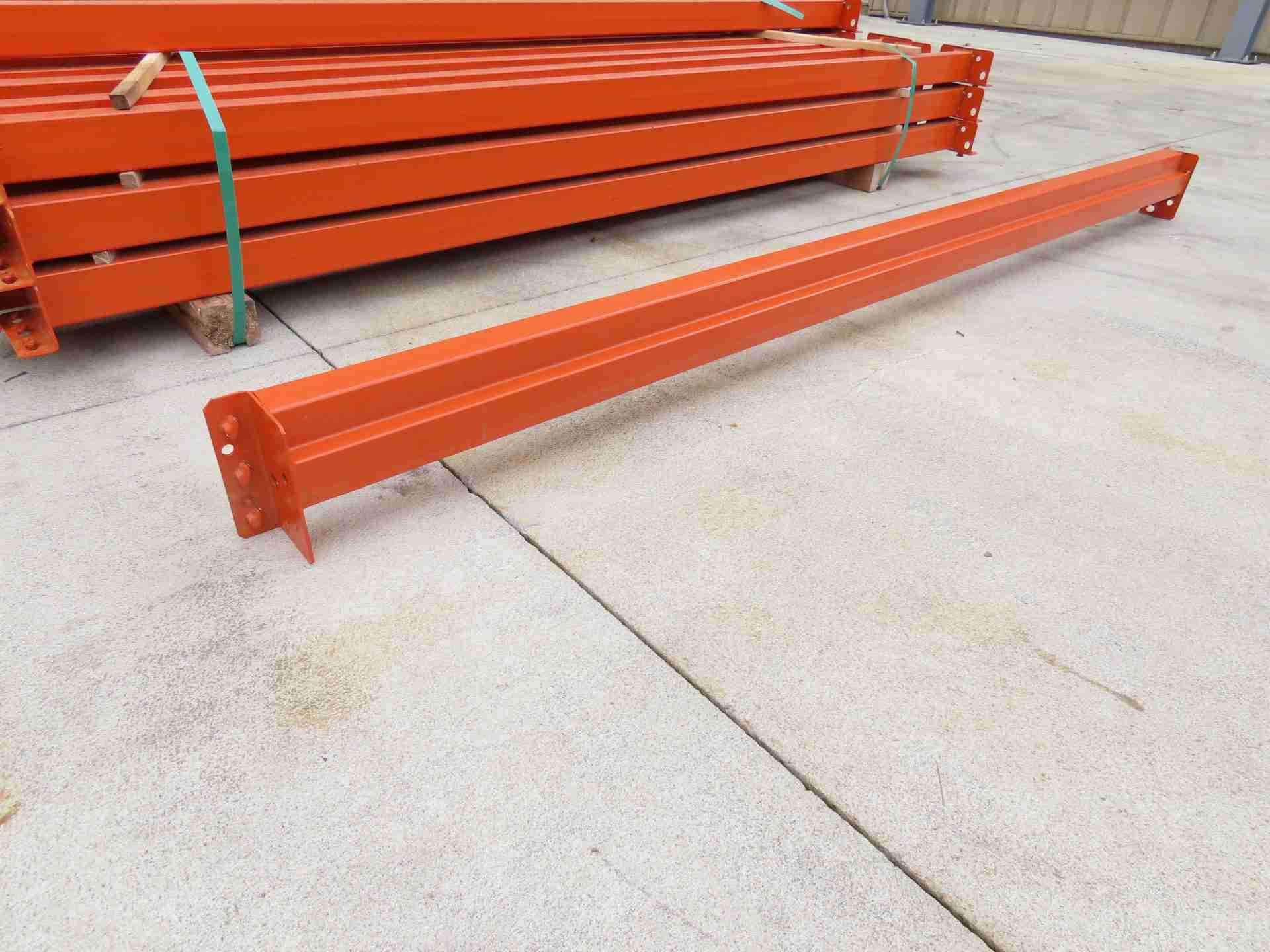
Conclusion
Conclusion:
- Cantilever racking provides easy access and safe storage for long, heavy, and awkward materials like pipes, tubing, lumber, and steel.
- Its open design reduces physical strain and simplifies the process of finding and handling the right size materials.
- Safety is enhanced by eliminating tight spaces and blind spots common with standard pallet racks, reducing accidents and injuries.
- Cantilever racks optimize space utilization, allowing more materials to be stored while keeping aisles clear and inventory organized.
- This system leads to faster turnaround times, less material damage, and lower labor costs, improving overall operational efficiency.
- A clean and accessible workspace boosts worker morale, confidence, and trust, contributing to a more productive environment.
- Having cantilever racking supports a safer, more efficient business operation that respects both the materials and the workers involved.
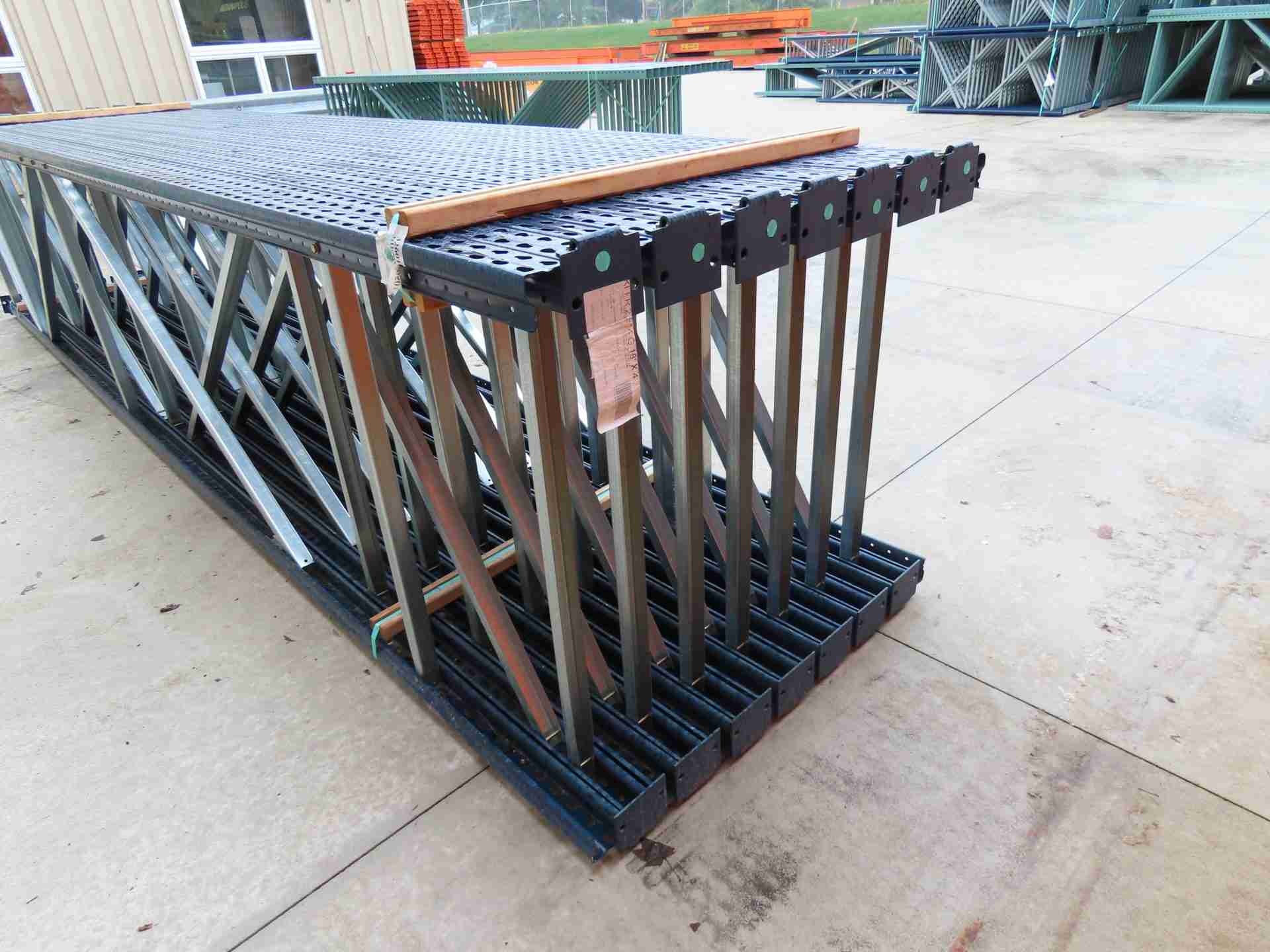
Conclusion
Other Resources

Other Resources
Here is a list of other resources you can review online to learn more:
- Bradford Systems
- Cantilever Rack Configuration & Installation: A Comprehensive Guide – BMH
- Cantilever Racks Chicago
- Total Warehouse
- Pallet Rack Systems – New and Used Pallet Racking and Shelving Experts
- Illinois Pallet Racking – WPRP
- Logic Material Handling
- Used Teardrop Pallet Rack – American Surplus
- Teardrop Uprights
- Crane Manufacturers Association Of America Inc.
- Rack Manufacturers Institute
- Warehouse Storage Racks
- Warehouse Racks, Warehouse Racking in Stock – ULINE
- Chicago Pallet Racking
- Iowa Illinois Warehouse Racking
- American Society of Safety Professionals
- Teardrop Racks – Pallet Rack World
- National Safety Council
- Storage Equipment Manufacturers Association
Use This Prompt To Get More Resources With Your Favorite Online AI Tool: Please provide me with a list of online articles with their URLs in a bulleted list that I can read regarding How Do Pipe and Tubing Distributors Leverage Cantilever Racking?
Other Resources
Glossary Terms
How Do Pipe and Tubing Distributors Leverage Cantilever Racking? – Glossary Of Terms
1. Cantilever Racking: A storage system designed to hold long, bulky items such as pipes and tubing using horizontal arms extending from a vertical frame.
2. Pipe Distributor: A business or individual that supplies pipes to various industries and customers.
3. Tubing Distributor: A supplier specializing in selling tubing products for industrial or commercial use.
4. Storage Efficiency: The optimization of available storage space to maximize capacity and accessibility.
5. Vertical Frame: The upright structural component of cantilever racking that supports the arms.
6. Horizontal Arms: The projecting supports on a cantilever rack that hold pipes and tubing horizontally.
7. Load Capacity: The maximum weight that a racking system can safely support.
8. Space Utilization: The effective use of available warehouse or storage space.
9. Inventory Management: The process of tracking and controlling stored goods to meet demand efficiently.
10. Accessibility: Ease of reaching or retrieving stored items from the racking system.
11. Bulk Storage: Storing large quantities of goods, often in large or heavy units.
12. Longitudinal Storage: Storing items aligned lengthwise to optimize space and handling.
13. Material Handling: The movement, protection, storage, and control of materials throughout manufacturing and distribution.
14. Forklift Compatibility: The ability of storage systems to be accessed and operated with forklifts.
15. Load Arm Length: The size of the cantilever arms determining the length of items that can be stored.
16. Adjustable Arms: Cantilever rack arms that can be moved to accommodate various pipe lengths and diameters.
17. SKU (Stock Keeping Unit): A unique identifier for each product or item in inventory.
18. Safe Load Distribution: Even spreading of stored weight to prevent structural failure.
19. Warehouse Optimization: Enhancing layout and systems to improve productivity and storage capabilities.
20. End Loading: Placing products into storage racks from the front or rear end.
21. Cross-sectional Clearance: Space between stored items to allow for safe handling and retrieval.
22. Corrosion Resistance: Ability of rack materials to withstand degradation from environmental factors.
23. Load Securing: Methods used to prevent stored pipes or tubing from shifting or falling.
24. Structural Stability: The strength and rigidity of the racking system under load conditions.
25. Custom Fabrication: Designing racking systems tailored for specific pipe or tubing sizes.
26. Modular Design: Construction of racks from interchangeable components for flexible configurations.
27. Lead Time Reduction: Shortening the time between order placement and product availability.
28. Product Visibility: The ease of identifying and locating items stored on racks.
29. Damage Prevention: Measures to protect pipes and tubing from dents, scratches, or deformation.
30. Cost Efficiency: Minimizing storage and handling expenses while maintaining service quality.

Glossary Of Terms
Other Questions
How Do Pipe and Tubing Distributors Leverage Cantilever Racking? – Other Questions
If you wish to explore and discover more, consider looking for answers to these questions:
- What are the upfront costs of cantilever racking and the expected ROI timeframe?
- How do I calculate required rack capacity, arm spacing, and bay configuration for my pipe and tubing sizes?
- What are typical load ratings per arm, per level, and per bay?
- How are cantilever racks anchored to the floor and what concrete specifications or tolerances are required?
- What are recommended aisle widths and forklift clearances for safe operation?
- Can cantilever racking be retrofitted into an existing pallet-racking layout or used in hybrid systems?
- How does cantilever racking perform outdoors or in corrosive, wet, or extreme temperature environments?
- What finishes and coatings (galvanized, powder coat, etc.) are available and how do they affect durability and maintenance?
- Which safety standards, codes, and regulations apply (OSHA, local building codes, fire codes)?
- Are seismic, wind, or other lateral load considerations necessary and how are racks braced for those forces?
- How often should cantilever racks be inspected and what should a standard inspection checklist include?
- What training do warehouse staff and forklift operators need to safely load, unload, and work around cantilever racking?
- Can cantilever racking be integrated with automated retrieval systems, conveyors, or narrow-aisle forklifts?
- How much damage reduction to materials and working time can you expect versus pallet racking—are there measurable metrics?
- What are the typical installation timelines, labor requirements, and site preparation steps?
- Are there customizable options for arm length, arm capacity, bay height, and column spacing to fit varied inventory?
- What are the ongoing maintenance requirements and the typical service life of a cantilever system?
- What limitations or drawbacks should be considered when choosing cantilever racking?
- How will installing cantilever racks affect insurance, liability, and workplace safety reporting?
- Are there case studies, customer testimonials, or performance data from pipe and tubing distributors who’ve implemented cantilever racking?
- How should warehouse layout and flow be planned to maximize space utilization and picking efficiency with cantilever racks?
- What accessories are available (dividers, cradles, end-stops, labeling systems) and when are they recommended?
- How do you calculate storage cost per square foot or per linear foot when using cantilever racking?
- How well do cantilever racks handle mixed inventories (different lengths, diameters, and materials) in the same bay?
- Can cantilever systems be stacked or tiered for multi-level storage, and what are the safety implications?
- What recommended safety features should be added (column guards, arm locks, signage, load placards)?
- How does cantilever racking interact with fire protection systems and sprinkler head clearance requirements?
- What are best practices to prevent rolling, shifting, or collapse of cylindrical stock like pipe and tubing?
- How easy is it to reconfigure, relocate, or expand cantilever racking as inventory or business needs change?
- What impact does cantilever racking have on picking times, order accuracy, and overall fulfillment workflows?
- What anchor bolt types, sizes, and torque specs are typically used, and what floor load tolerances must be observed?
- Are there specialized cantilever designs or reinforcements for extremely heavy, long, or irregularly shaped loads?
- How do you integrate inventory management systems, barcoding, or RFID tracking with cantilever-stored items?
- What warranties, service plans, and post-sale support do manufacturers and installers offer?
- What are common failure modes for cantilever racking and what are the repair or replacement options for damaged components?
- How do environmental and sustainability factors (material recyclability, lifecycle impact) compare across different racking options?
- How should suppliers and installers be evaluated—what certifications, references, or performance metrics matter most?
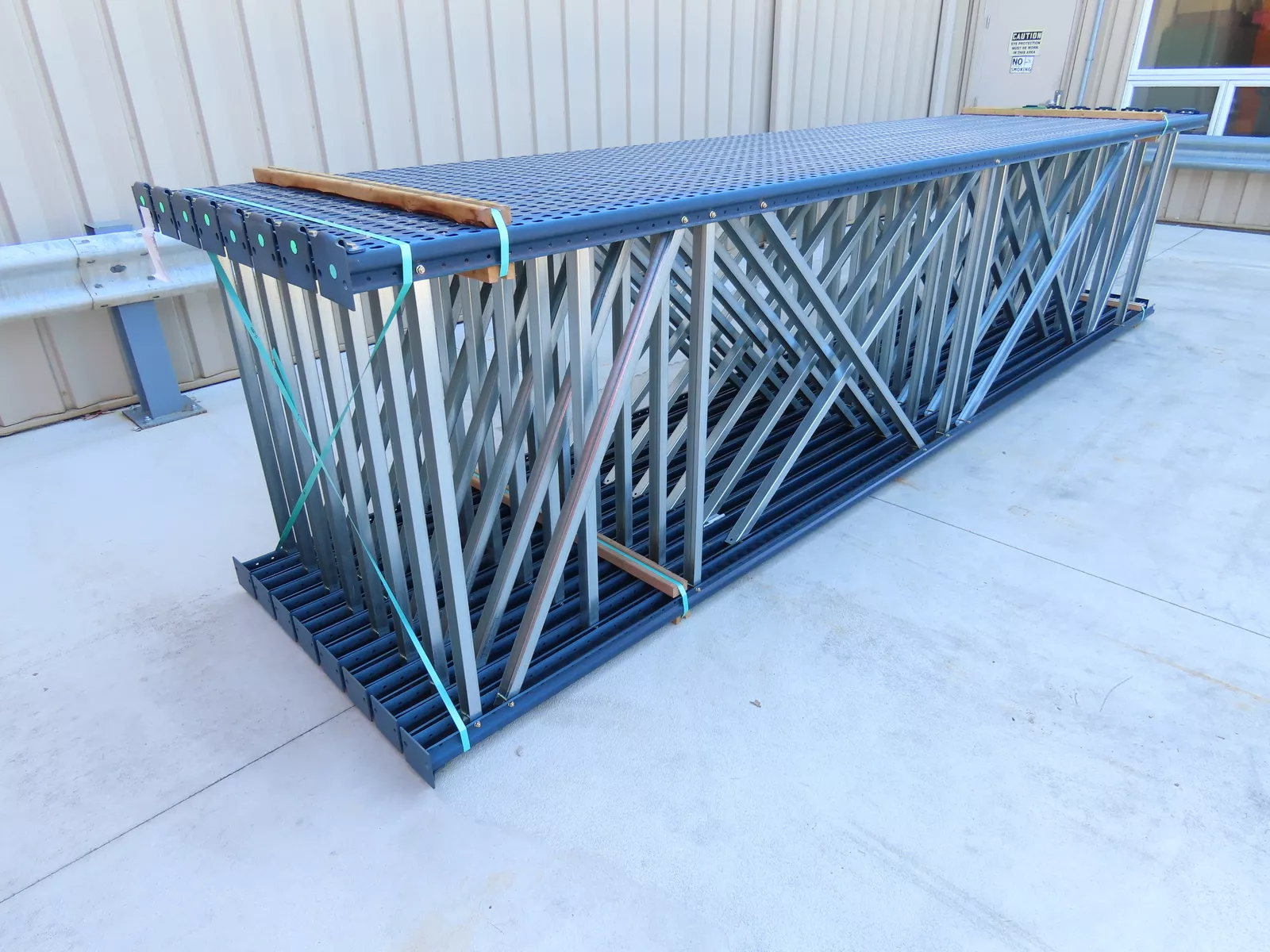
Other Questions
Checklist
How Do Pipe and Tubing Distributors Leverage Cantilever Racking? – A Checklist
Fit and Justification
✅______ Current inventory includes long items (pipe, tubing, bar, beams, lumber) that do not fit standard pallet racking efficiently
✅______ Documented issues with damage, rehandling, or slow picking due to unsuitable storage
✅______ Space analysis shows potential to increase capacity and accessibility with cantilever racking
✅______ Throughput requires faster, direct access to specific lengths and diameters
Design and Specification
✅______ Measured typical and maximum lengths, diameters, bundle weights, and variances
✅______ Selected single- or double-sided configuration based on flow and footprint
✅______ Defined arm length, spacing, and vertical pitch to suit SKUs
✅______ Verified arm, upright, and base capacities exceed maximum load scenarios
✅______ Chosen arm lips, stops, saddles, or cradles to prevent rolling
✅______ Planned decking solutions for small-diameter or mixed bundles if needed
✅______ Set aisle widths for forklifts, side-loaders, or cranes used
✅______ Maximized vertical clear height while preserving safe lift clearances
✅______ Specified corrosion protection (galvanized or powder coat) for yard or humid areas
✅______ Confirmed seismic and wind load requirements and anchoring per local codes
✅______ Included modular expansion options for future growth
Material Flow and Inventory
✅______ Logical slotting by diameter, material grade, length, and demand velocity
✅______ Clear, durable labeling on bays, arms, and bundle tags
✅______ FIFO or LIFO method defined where applicable
✅______ Staging and returns zones mapped to reduce double handling
✅______ Barcoding and RFID locations integrated with WMS for real-time visibility
Handling Equipment and Methods
✅______ Selected lift equipment suited to long loads (side-loader, forklift with boom or pole, overhead or jib crane)
✅______ Approved attachments documented and operators certified
✅______ Travel paths and turning radii confirmed free of obstructions
✅______ Standardized load securing (straps, banding, dunnage) before movement
✅______ Documented loading and unloading sequence to minimize rehandling and time
Safety Practices
✅______ Load ratings posted on each upright and arm
✅______ Arm stops or end caps installed where rolling risk exists
✅______ Edge protection or restraints used for round stock
✅______ Speed limits, spotter policies, and long-load rules enforced
✅______ Housekeeping standards keep aisles and bases clear
✅______ PPE requirements defined and enforced
✅______ Emergency egress and fire access maintained
✅______ Operator training on long-load hazards and pinch points completed
✅______ Regular safety talks include racking use and incident lessons learned
Inspection and Maintenance
✅______ Pre-shift visual checks for bent arms or uprights, loose anchors, and impact damage
✅______ Monthly documented inspections with photos and measurements
✅______ Impact protection (column or base guards) installed at high-risk points
✅______ Anchor bolt torque check schedule in place
✅______ Corrosion inspection and touch-up or repair plan established
✅______ Tag-out procedure for damaged components and prompt replacement process
Cost, Performance, and ROI
✅______ Baseline metrics recorded (pick time per order, damage rate, injury incidents, throughput, and space utilization)
✅______ Target improvements set for speed, accuracy, and inventory accessibility
✅______ Labor hours saved modeled from reduced rehandling and faster access
✅______ Damage and replacement cost reduction estimated
✅______ Payback period and total cost of ownership calculated
✅______ Post-implementation audit scheduled to confirm savings
Implementation Plan
✅______ Phased installation to maintain operations and flow
✅______ Pilot bay tested with representative SKUs before full rollout
✅______ Operating procedures updated and communicated
✅______ Staff training completed for equipment, SOPs, and safety
✅______ Go-live checklist and contingency plan prepared
✅______ Post-launch review after 30, 60, and 90 days with corrective actions
Compliance and Documentation
✅______ Manufacturer drawings, calculations, and engineer stamps on file
✅______ Load charts and SOPs accessible at point of use
✅______ Inspection logs, training records, and incident reports maintained
✅______ Local permitting and inspections passed and documented
Outdoor and Yard Considerations (if applicable)
✅______ Concrete pad condition and drainage verified; bases kept dry
✅______ Wind and seismic loads addressed; tie-downs and bracing specified
✅______ Snow and ice removal plan to protect arms and access
✅______ UV- and corrosion-resistant finishes selected; periodic washdown plan
✅______ Lighting and line marking adequate for long-load visibility
Team and Culture
✅______ Purpose communicated: efficiency, safety, and respect for the crew
✅______ Feedback loop for operators to report issues and suggest improvements
✅______ Recognition program for safe handling and housekeeping compliance
Optional Enhancements
✅______ Integrated roof or canopies for outdoor protection
✅______ Mobile cantilever bases evaluated for high-density needs
✅______ End-of-aisle mirrors or cameras and lighting upgrades for visibility
✅______ Digital pick and put indicators for high-volume operations
Checklist
At RackingWorld, we help guide you through selecting warehouse storage systems and racking.
Be sure to read our other related stories at RackingWorld to learn more about warehouse storage systems.
0 Comments