
Maximizing Efficiency, Safety, And Trust In Pharmacy Warehouse Storage
By Tom Seest
At RackingWorld, we help guide you through selecting warehouse storage systems and racking.
Be sure to read our other related stories at RackingWorld to learn more about warehouse storage systems.
How Do Pharmacy Chain Warehouses Leverage Pallet Racking?
Look, when you step into a pharmacy chain warehouse, what you don’t see is as important as what you do. Behind those gleaming shelves and neat aisles lies a sprawling maze of pallet racking—those sturdy, metal racks stacked high with pallets of medicines, supplies, and essentials. It’s the backbone that keeps everything flowing without a hitch. Without pallet racking, this place would be chaos. Imagine trying to find a critical batch of flu meds in a pile of boxes scattered on the floor—no thanks.
Pallet racking isn’t just about cramming as many boxes as possible into a space. It’s a finely tuned system born from hard-earned experience and common sense, balancing safety, speed, and order. When a pallet goes onto one of those racks, it’s placed with care, knowing that pharmacies depend on these supplies to reach patients on time, sometimes in life-or-death situations. That awareness breeds respect for the system and the people who operate it.
Every day, warehouse workers rely on pallet racking to keep things moving smoothly. These racks help streamline picking and stocking, which cuts down mistakes and delays. It’s no accident the racks are built tough—metal beams bolted together to hold thousands of pounds without flinching—because in this line of work, failure isn’t an option. From cold storage vaccines to everyday pain relievers, pallet racking ensures everything has a proper place, ready when the pharmacists need it.
More than just metal and bolts, pallet racking embodies a commitment to responsibility. It helps warehouses uphold strict safety and regulatory standards so customers can trust that the meds they get are stored right. That’s a quiet kind of ethics, but it’s just as real as any promise the pharmacy makes to its community.
If you think about it, pallet racking keeps more than inventory organized—it also holds together countless stories of teamwork, care, and reliability. Warehouse crews count on it, pharmacies rely on it, and ultimately, patients depend on it. It makes you appreciate the unsung work happening behind the scenes every single day, grounding high-stakes healthcare in solid, practical solutions.
That’s why pallet racking is worth every bit of attention it gets. It’s the humble hero that gets the job done, day in and day out, earning trust with every pallet it holds.
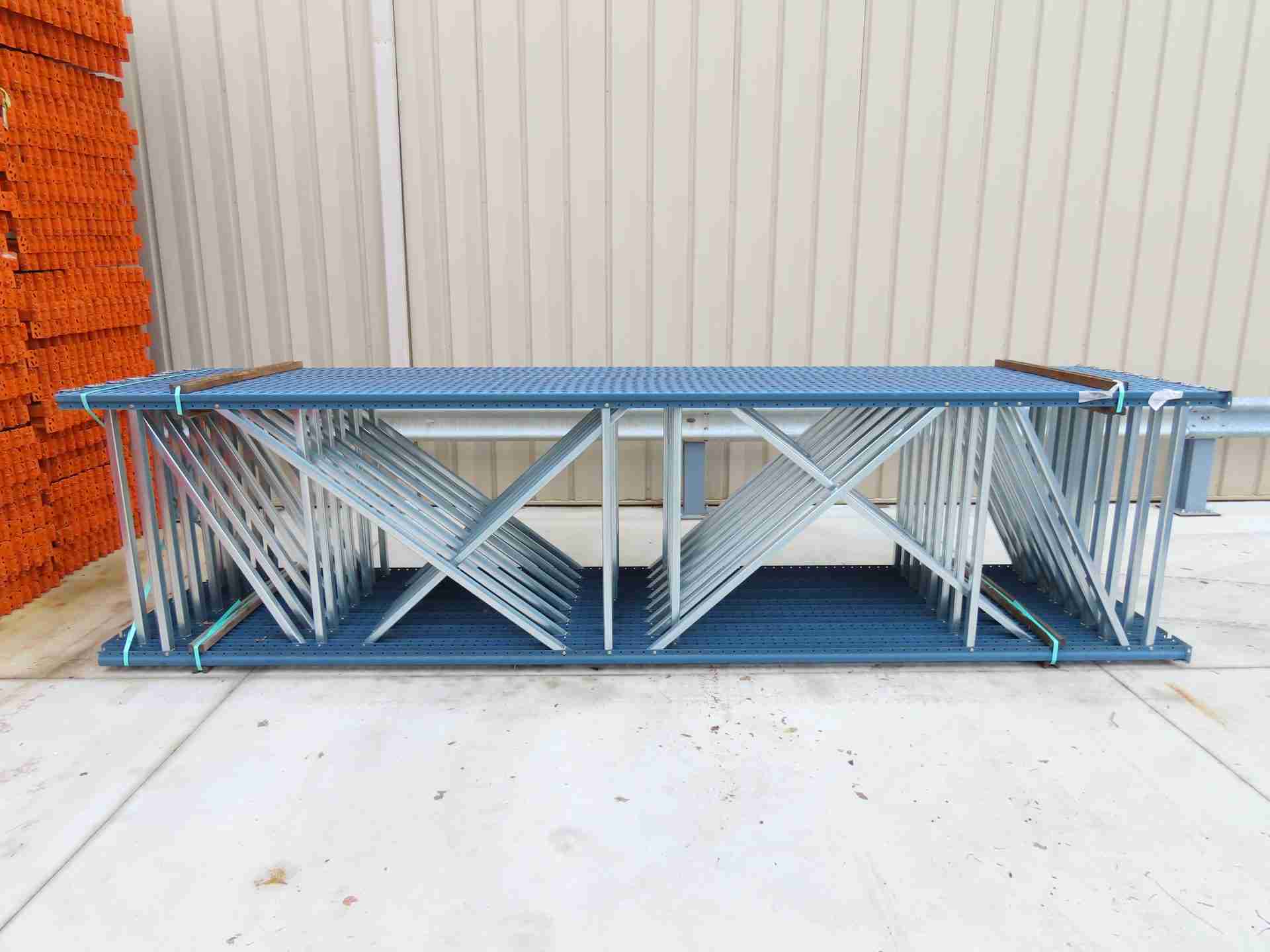
How Do Pharmacy Chain Warehouses Leverage Pallet Racking?
How Do Pharmacy Chain Warehouses Leverage Pallet Racking?
- Pallet racking is a crucial, sturdy metal system that organizes medicines and supplies in pharmacy warehouses, preventing chaos.
- It is designed with a balance of safety, speed, and order, ensuring pallets are placed carefully to meet critical healthcare needs.
- Warehouse workers depend on pallet racking daily to streamline picking and stocking, reducing mistakes and delays.
- These racks are built to hold thousands of pounds, supporting a range of products from vaccines to pain relievers reliably.
- Pallet racking supports strict safety and regulatory standards, ensuring medicines are stored properly and ethically.
- Beyond organization, pallet racking symbolizes teamwork, care, and reliability among warehouse crews, pharmacies, and patients.
- It is a fundamental but often unseen element that maintains the flow of high-stakes healthcare operations consistently.

How Do Pharmacy Chain Warehouses Leverage Pallet Racking?
Table Of Contents
- How Do Pharmacy Chain Warehouses Leverage Pallet Racking?
- How Does Pallet Racking Improve Warehouse Efficiency?
- Can Pallet Racking Reduce Pharmacy Stock Errors?
- What Safety Measures Does Pallet Racking Provide?
- How Does Pallet Racking Save Warehouse Space?
- Can Pallet Racking Speed Up Order Fulfillment?
- How Do Pharmacy Chains Maintain Inventory Accuracy?
- Conclusion
- Other Resources
- Glossary Of Terms
- Other Questions
- Checklist
How Does Pallet Racking Improve Warehouse Efficiency?
When you walk into a warehouse without pallet racking, it’s like trying to park your truck in a muddy field—chaotic, slow, and frustrating. Pallet racking changes that picture completely. It’s not just steel beams bolted together; it’s a game-changer for anyone who’s ever had to hunt down a pallet buried under a mountain of goods or wasted half a day moving stuff around. Pallet racking puts order where there was chaos, and that order means getting the job done faster and smarter.
From the gut, you feel the difference the moment you step on the floor. There’s less clutter, more breathing room, and the pallets are stacked where you can actually reach them. No more backaches trying to wrestle heavy boxes from the floor or dangerous balancing acts on makeshift shelves. Pallet racking respects the muscle and sweat that go into warehouse work by making storage straightforward and accessible. When the job feels easier, confidence builds, and every worker knows they aren’t just shuffling goods; they’re running a tight ship.
On the head side of things, pallet racking is pure common sense. It maximizes vertical space, turning wasted air into productive storage. That means you can pack more products in the same square footage without turning your warehouse into a safety nightmare. It streamlines inventory management, cutting down the time spent searching for items and reducing costly mistakes. Efficiency here isn’t just a buzzword; it’s measurable productivity gains—fewer trips, faster picking, better organization—all backed by hard facts and solid engineering.
The ethical and social appeal ties into respect—respect for workers, inventory, and the business. Pallet racking creates a safer environment by keeping aisles clear and materials stable. It shows you care about the folks who keep the wheels turning day in and day out, preventing injuries and saving time. It also signals to customers and partners that you run a professional, reliable operation. Trust doesn’t come from fancy titles but from doing the basic things right.
Every crew that’s embraced pallet racking has a story: how chaos gave way to order, how overtime hours shrank, and how morale lifted when workers realized their job didn’t have to be a grind. It’s not just storage; it’s peace of mind. Pallet racking isn’t a flashy fix—it’s pragmatic. It’s the backbone of warehouse efficiency, the quiet hero turning work into something a bit easier and a lot more dependable. When the racks go up, the whole place hums with purpose.
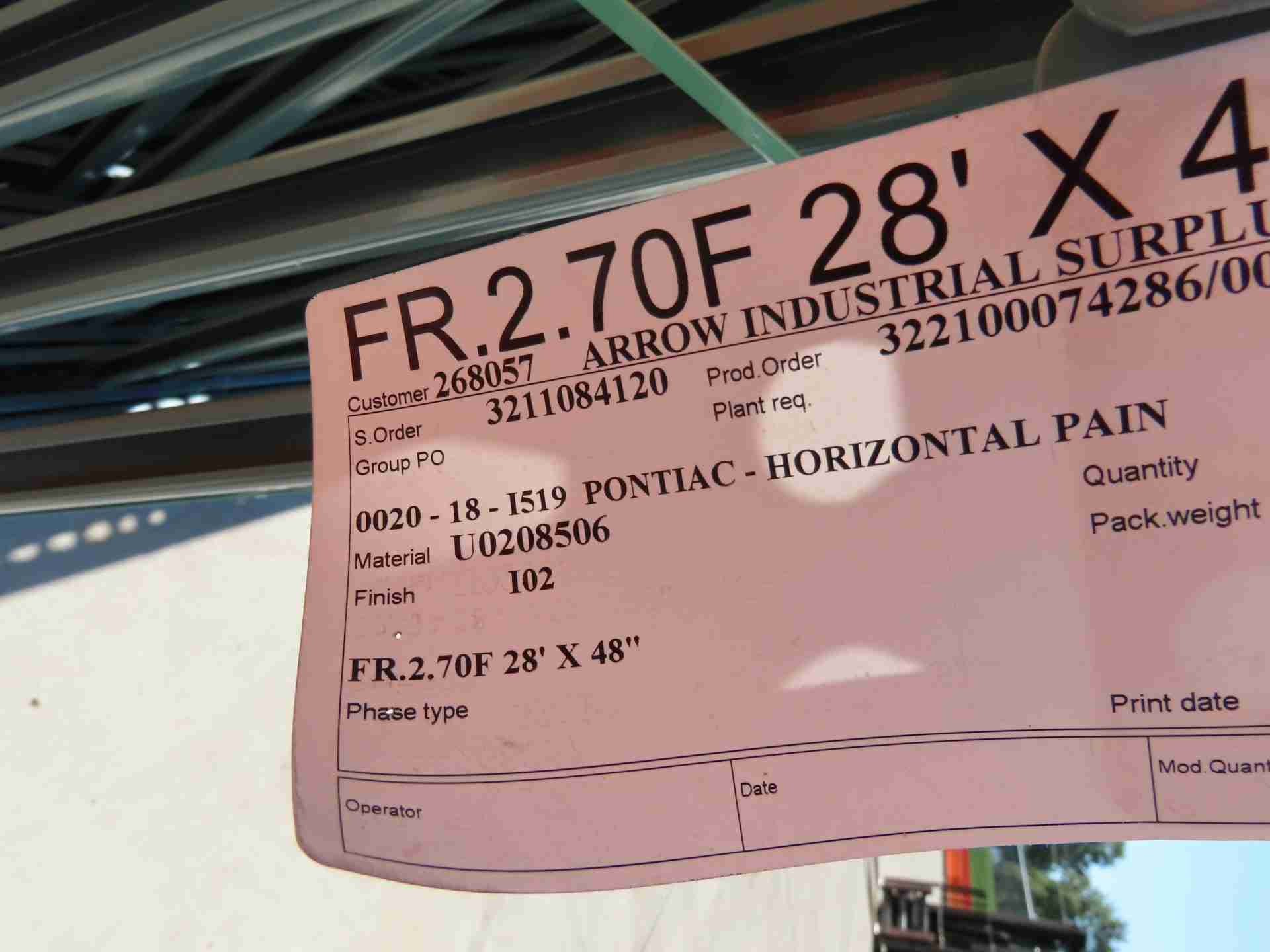
How Does Pallet Racking Improve Warehouse Efficiency?
How Does Pallet Racking Improve Warehouse Efficiency?
- Pallet racking transforms chaotic, inefficient warehouses into organized, efficient spaces, making work faster and smarter.
- It reduces clutter, improves accessibility, and prevents physical strain by keeping pallets within easy reach.
- Maximizes vertical space, increasing storage capacity without compromising safety.
- Streamlines inventory management, reducing time spent searching for items and minimizing costly errors.
- Enhances workplace safety by keeping aisles clear and materials stable, showing respect for workers and inventory.
- Improves worker morale and reduces overtime by turning chaotic conditions into orderly operations.
- Serves as a practical, reliable foundation for warehouse efficiency, signaling professionalism and trustworthiness.

How Does Pallet Racking Improve Warehouse Efficiency?
Can Pallet Racking Reduce Pharmacy Stock Errors?
When it comes to running a pharmacy, every little detail counts. One mix-up, one misplaced bottle, and it’s not just an inconvenience—it’s a matter of trust, health, and safety. Pallet racking isn’t just some fancy warehouse gear; it’s a straight-shooter in cutting down stock errors, and here’s why that matters.
Think about the daily grind in a busy pharmacy. Boxes and bottles moving fast, shelves crammed tight, time ticking away. Pallet racking steps in like a reliable workhorse. It keeps everything organized and easy to find, so when someone reaches for a medication, there’s no second-guessing or hunting around. That’s not just convenience—that’s reducing the chance of grabbing the wrong stock, the wrong dosage, or even the wrong treatment altogether.
From a practical standpoint, pallet racking gives you clear sightlines and straightforward access. You can assign spots for each batch and track expiration dates without burying things in a mess. With everything laid out smart and simple, mistakes just don’t have room to creep in. That’s not new-school tech jargon; it’s good, old-fashioned orderliness that makes frontline workers’ lives easier and safer every day.
There’s an ethical angle here too. Every pharmacy’s duty goes beyond business—it’s about care and responsibility. Using pallet racking shows you don’t cut corners when it comes to patients’ wellbeing. It’s a physical sign that you respect the lives those labels represent and that you’re serious about accuracy and reliability. That kind of integrity earns trust not just from customers, but from your team too. They know the system’s got their back.
Look at it from a story standpoint: a pharmacy that switched to pallet racking saw fewer mix-ups, less stress, and a smoother workflow. Staff felt more confident knowing the right meds were right there in their place, ready to go. No more frantic searches or “Could this be expired?” doubts. That peace of mind rippled out to the patients who count on precise, timely care.
So yes, pallet racking isn’t just about stacking stuff better; it’s about building a stronger, safer pharmacy from the ground up. It’s common sense with muscle behind it—helping cut errors, build confidence, and keep things honest. When you get down to it, that’s what good healthcare shelves should do.
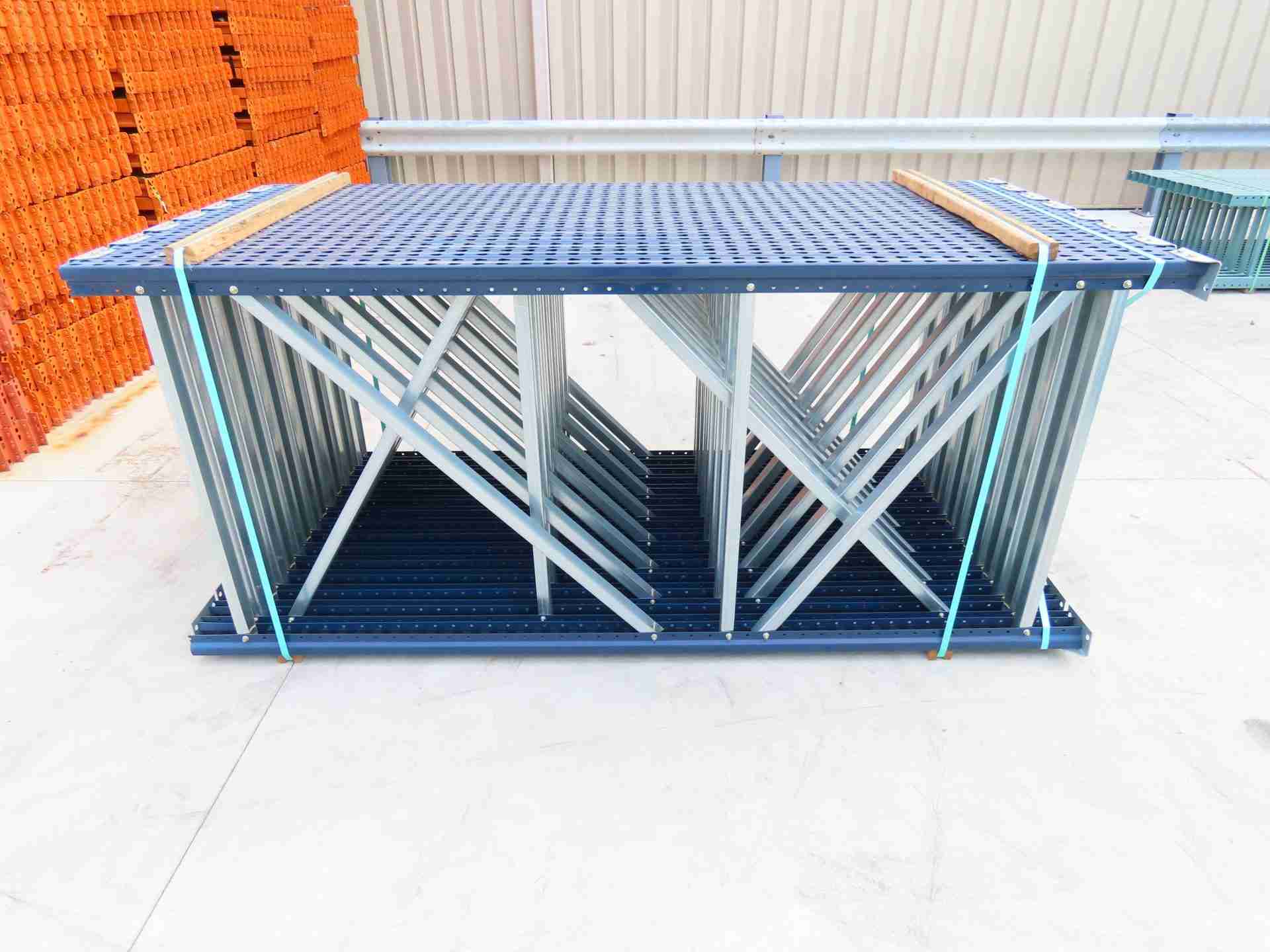
Can Pallet Racking Reduce Pharmacy Stock Errors?
Can Pallet Racking Reduce Pharmacy Stock Errors?
- Pallet racking is essential in pharmacies for reducing stock errors and ensuring trust, health, and safety.
- It organizes fast-moving boxes and bottles, making medications easy to find and minimizing mistakes like wrong stock or dosages.
- Provides clear sightlines and access, allowing batch assignments and expiration tracking without clutter.
- Promotes orderliness that simplifies work for frontline staff and enhances daily safety.
- Reflects ethical responsibility by showing commitment to patient care, accuracy, and reliability.
- Pharmacies using pallet racking report fewer mix-ups, less stress, and smoother workflows, boosting staff confidence.
- Overall, pallet racking strengthens pharmacy operations by preventing errors, building trust, and supporting reliable healthcare delivery.
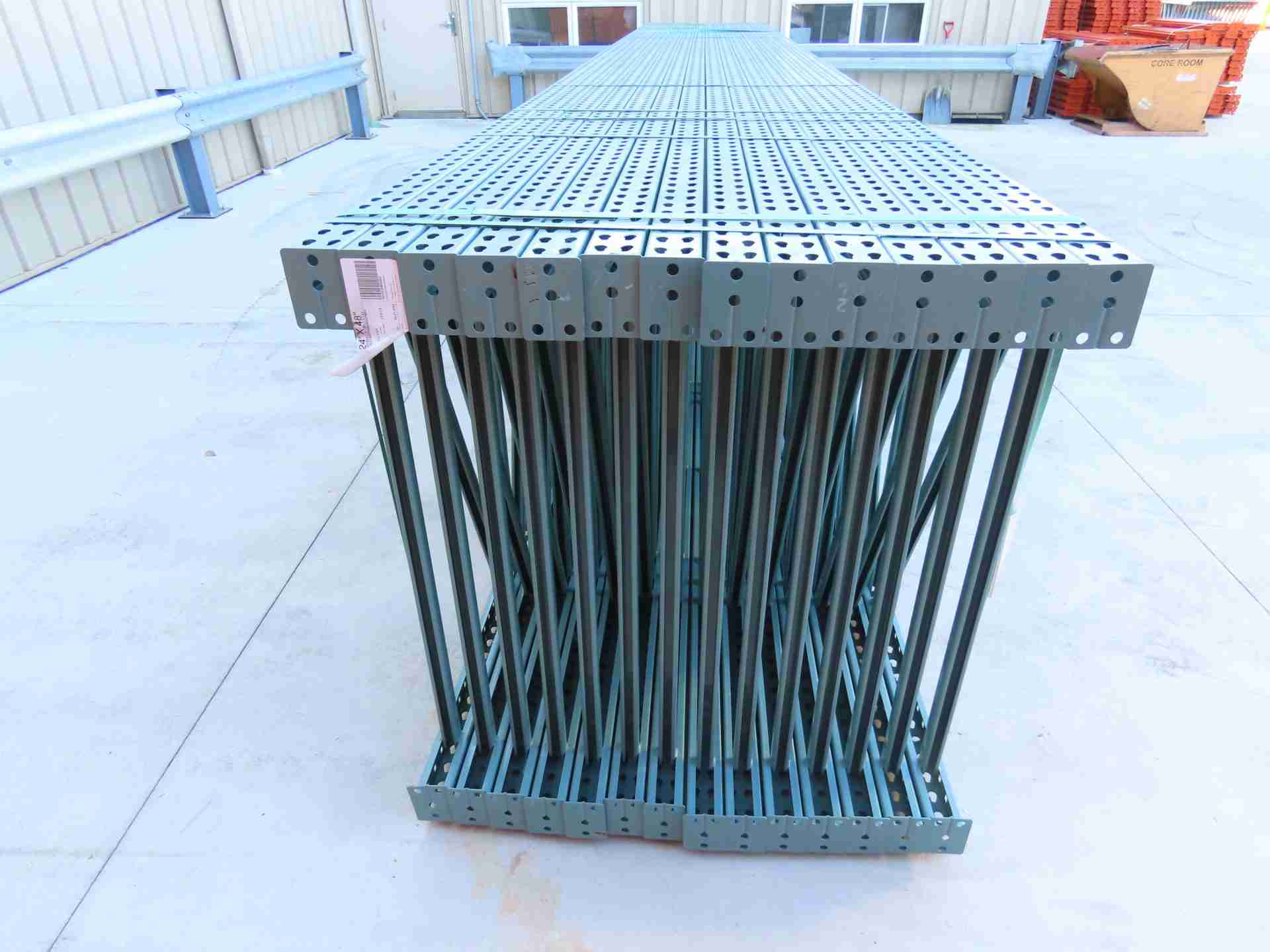
Can Pallet Racking Reduce Pharmacy Stock Errors?
What Safety Measures Does Pallet Racking Provide?
When it comes to working around heavy loads and towering stacks of materials, there’s no room for guesswork or flimsy setups. Pallet racking is the backbone of any serious warehouse or workshop, and its safety features aren’t just nice-to-haves—they’re lifesavers, plain and simple. You don’t just want your goods to stay put; you want everyone on the floor to get home without a scratch. That’s what pallet racking delivers, every day.
Think about it. Without sturdy pallet racking, boxes and pallets pile up like a game of Jenga gone wrong—one wrong move and everything comes crashing down. These racks hold weight where it belongs, keeping heavy pallets locked in place rather than leaning dangerously or toppling over. That stability means fewer accidents, less downtime, and on a gut level, peace of mind. You look at those rows of steel and you know the job’s built on something solid. It’s not just about meeting some checkbox on a safety audit; it’s about knowing the rig can bear the load when the pressure’s on.
On the ethical front, pallet racking sets a standard that respects the folks who bust their backs loading and unloading. Investing in good racks says loud and clear: your safety isn’t negotiable. That’s not just management talk—that’s a real handshake with the people who make the place run. And when everyone feels valued by having safety gear that’s up to snuff, you get better teamwork and fewer worries about what could go sideways.
This isn’t theory—it’s proven, practical engineering honed over decades. The design accounts for shocks and shifts during loading, keeping pallets firmly supported even when forklifts are making tight turns and quick stops. It’s a mechanical promise that keeps everything balanced, so the people doing the heavy lifting can focus on their work without second-guessing the racks holding it all up.
Socially, pallet racking ties the whole workforce together. When safety’s in place, you’re not just avoiding injuries—you’re fostering an environment where trust is built brick by brick, beam by beam. Knowing that your workplace takes safety seriously makes everyone more confident and connected. It’s the quiet backbone under all the hustle, the unsung hero making hard work feel a little safer and a lot surer.
Pallet racking isn’t just metal shelves—it’s a commitment to holding up more than materials. It holds up people, trust, and the very heart of hard-earned labor, so every shift ends the way it should: strong, secure, and ready for whatever comes next.

What Safety Measures Does Pallet Racking Provide?
What Safety Measures Does Pallet Racking Provide?
- Pallet racking is essential for safely handling heavy loads and towering material stacks in warehouses and workshops.
- It prevents accidents by securely holding pallets in place, reducing risks of collapse and downtime.
- Its safety features ensure the well-being of workers, making sure everyone goes home without injury.
- Investing in quality pallet racking demonstrates a strong ethical commitment to employee safety and respect.
- Designed with decades of engineering, it absorbs shocks and maintains stability even during forklift maneuvers.
- Pallet racking fosters trust and teamwork by creating a safe, confident work environment.
- It represents more than just storage—it supports people, trust, and the core values of hard work.

What Safety Measures Does Pallet Racking Provide?
How Does Pallet Racking Save Warehouse Space?
You walk into a warehouse without pallet racking, and it’s like stepping into a jungle—boxes sprawled everywhere, aisles barely wide enough for a cart, and every square inch begging for order. Pallet racking isn’t just about stacking stuff up; it’s about making sense of the chaos and giving your space a clear, honest chance to shine. When you start using pallet racking, suddenly that cramped, cluttered floor transforms. Pallets go vertical, not just horizontal, which means you’re using the space above your head and freeing up the ground for walking, loading, or whatever else needs doing. It’s a simple idea, really, but the kind of simple that hits home when you’ve wrestled with tight deadlines and tight spaces alike.
From a practical standpoint, pallet racking squeezes more storage out of the same square footage, which naturally saves money. When every inch counts, stacking pallets high and neat keeps your inventory accessible without turning the whole warehouse into a giant puzzle every time you need something. You’re not just piling boxes; you’re organizing with purpose, so someone on the forklift doesn’t spend precious minutes hunting down what they need. That efficiency isn’t just good for the business—it cuts down the wear and tear on workers, protects goods, and keeps the workflow smooth. It’s the kind of sensible solution that’s tough to argue with.
On the ethical side, pallet racking shows you care about your team’s safety and well-being. Nobody wants to climb over messy piles or risk forklifts tipping because things aren’t stacked right. A well-structured pallet rack system is like goodwill built into your building, making sure everyone goes home in one piece and morale stays solid. It’s respect, plain and simple—a humble but crucial foundation of any good operation.
Down in the trenches, every warehouse worker knows the value of trust and reliability. Pallet racking stands as a quiet testament to common sense and hard work, giving you confidence that the system won’t let you down when the pressure mounts. It’s the backbone of order, the sturdy frame that holds more than just products—it holds your entire operation together. And when you’ve got that kind of backbone, you don’t just save space. You save time, money, and peace of mind, and that’s worth more than its weight in steel.

How Does Pallet Racking Save Warehouse Space?
How Does Pallet Racking Save Warehouse Space?
- A warehouse without pallet racking is chaotic, with cluttered boxes and narrow aisles demanding organization.
- Pallet racking transforms cluttered floors by stacking pallets vertically, freeing ground space for movement and operations.
- It maximizes storage within the same area, improving inventory accessibility and saving money.
- Organized pallet racking reduces time spent searching for items and improves workflow efficiency.
- It enhances worker safety by preventing unstable stacks and forklift hazards, showing care for team well-being.
- Pallet racking builds trust and reliability, serving as the backbone of warehouse operations under pressure.
- Overall, it saves space, time, money, and supports smooth, safe warehouse management.
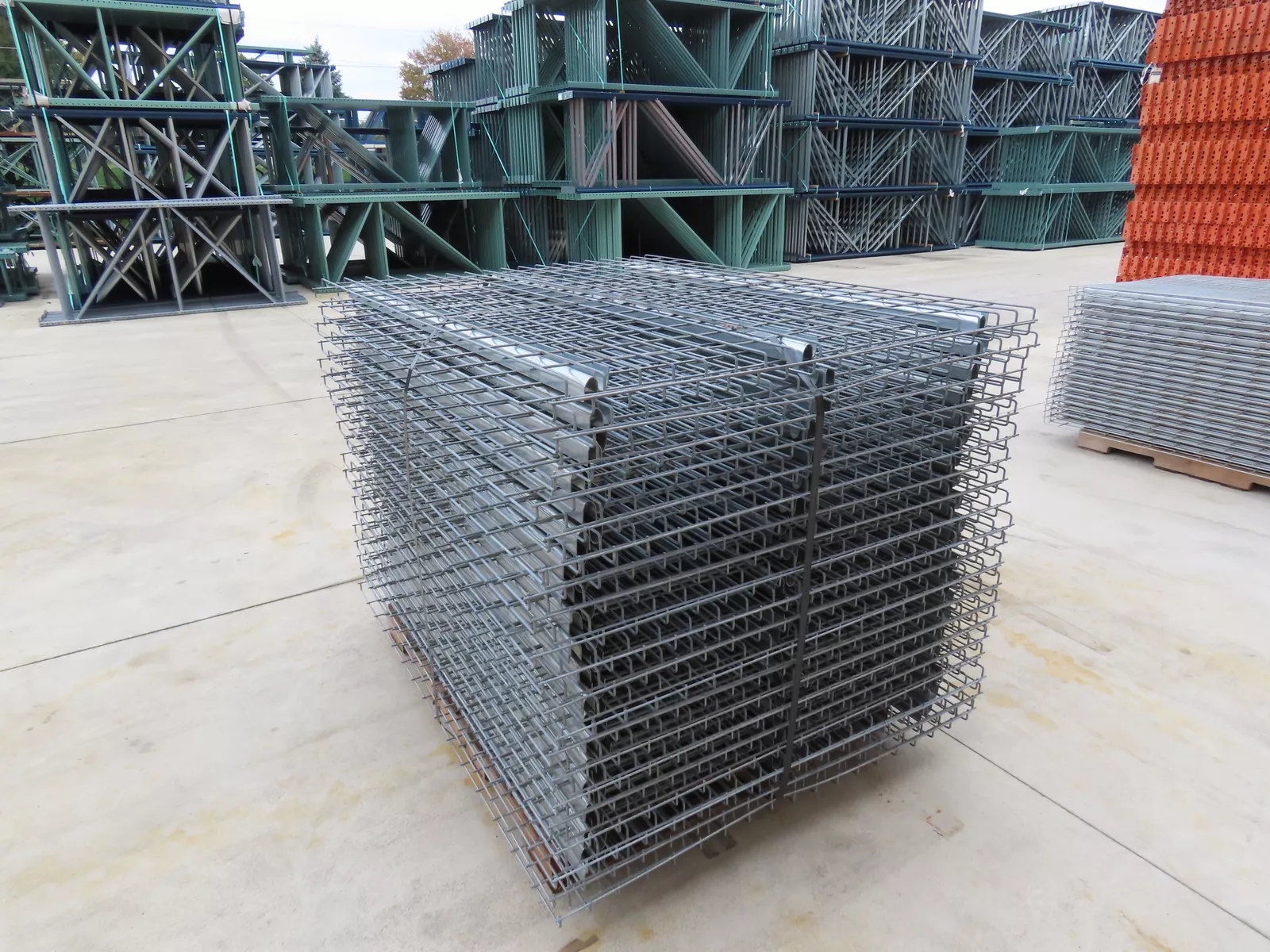
How Does Pallet Racking Save Warehouse Space?
Can Pallet Racking Speed Up Order Fulfillment?
When you’ve been in the trenches of a busy warehouse, you know time isn’t just money—it’s everything. Pallet racking isn’t some fancy gadget; it’s a proven, no-nonsense way to get orders out the door faster. Think about the last time you had to dig through piles of stock just to find one item. Frustrating, right? Pallet racking cuts through that mess, giving everything a spot and making it easy to grab what you need, when you need it. That kind of efficiency doesn’t just speed things up; it saves your back, your patience, and your reputation.
There’s a practical beauty to pallet racking. It uses vertical space, turning what used to be wasted air into valuable storage. This means you can keep more products within arm’s reach instead of scattered all over the floor, reducing steps and time. Studies and industry experts back this up: when your warehouse is organized with pallet racking, order fulfillment times can improve dramatically. It’s straightforward math—less chaos, quicker picks, smoother shipping. The customers get their orders on time, and you earn their loyalty. That’s the kind of trust that keeps a business steady through thick and thin.
It’s not just about speed, though. There’s an ethical angle to consider too. When your team isn’t scrambling and straining to meet deadlines because the storage system is a mess, it creates a safer, less stressful workplace. People work better when their tools make sense. Pallet racking respects that by simplifying workflows and protecting stock from damage and mishandling. That matters to those boots-on-the-ground folks who keep the operation humming day in and day out—they deserve systems that work as hard as they do.
Socially, there’s a kind of teamwork boost that comes with a well-organized space. When everyone knows where things go and how to find them, it cuts down on wasted arguments or finger-pointing. You build a culture of responsibility and pride around a pallet racking system that works. Sharing the load, knowing you’re not fighting your own setup, makes it easier to stay motivated and get through the day. Pallet racking is more than metal beams and shelves—it’s a backbone for order fulfillment that keeps the whole operation moving, steady and strong.

Can Pallet Racking Speed Up Order Fulfillment?
Can Pallet Racking Speed Up Order Fulfillment?
- Pallet racking improves warehouse efficiency by organizing stock, reducing search time, and speeding up order fulfillment.
- It maximizes vertical space, turning unused air into valuable storage and reducing unnecessary movement.
- Organized warehouses with pallet racking see significantly faster order fulfillment, enhancing customer trust and loyalty.
- Pallet racking creates a safer, less stressful work environment by simplifying workflows and protecting stock from damage.
- It supports the physical well-being and productivity of warehouse workers by making tasks easier and more manageable.
- A well-organized space fosters teamwork, reduces conflicts, and builds a culture of responsibility and pride.
- Pallet racking serves as the backbone of smooth, reliable order fulfillment, maintaining steady operation and business stability.

Can Pallet Racking Speed Up Order Fulfillment?
How Do Pharmacy Chains Maintain Inventory Accuracy?
When you walk into a pharmacy chain, you see rows of shelves stocked just right, but what you don’t see is the behind-the-scenes hustle that keeps that inventory spot-on day after day. Keeping those shelves filled with the right meds, without running short or piling on extras no one needs, is a grind. It’s about trust—trust that the pharmacy has exactly what you need, exactly when you need it.
Here’s the down-to-earth truth: it starts with good old-fashioned attention to detail, backed by savvy systems. Sure, there’s technology humming away — computers track everything from when a shipment arrives to the exact pill count in a box — but the real muscle is in how people use that tech. The folks who unload the trucks and stack the shelves know their craft. Pallet racking isn’t just some fancy warehouse setup; it’s a carefully planned puzzle that keeps everything organized like a well-oiled machine. Each pallet, each box, has its place, making it easy to pull exactly what’s needed without guessing or scrambling.
It’s more than just a process, it’s a responsibility. These chains aren’t just selling products; they’re dealing in health and safety. Every miscount, every missed refill, can ripple out and affect someone’s well-being. That ethical weight drives careful cross-checking—counting twice, checking against orders, making sure expiration dates are fresh. No cutting corners, no shortcuts. Honesty and accuracy in inventory aren’t optional; they’re what people’s lives depend on.
Imagine the relief of someone whose prescription is there on time, every time. Behind that moment is a story of cashiers, stock clerks, and managers quietly doing their part. It’s teamwork that ties the whole operation together and keeps the trust flowing. When every link in the chain understands the stakes and treats inventory like the lifeline it is, mistakes drop and confidence builds.
So, next time you pick up that medicine off a neatly stacked shelf, think about the quiet craft, the everyday grit, and the exacting care that made it possible—pallet racking aligned just so, hands steady, and a shared commitment to getting it right. That’s how pharmacy chains maintain inventory accuracy, with heart and hustle fueling every step.

How Do Pharmacy Chains Maintain Inventory Accuracy?
How Do Pharmacy Chains Maintain Inventory Accuracy?
- Pharmacy shelves appear perfectly stocked, but maintaining accurate inventory requires constant behind-the-scenes effort.
- Trust in having the right medication at the right time depends on precise inventory management.
- Effective inventory relies on attention to detail and technology, but human expertise in using these systems is crucial.
- Pallet racking is a key organizational strategy, ensuring each product has a designated place for efficient retrieval.
- Inventory accuracy is a serious responsibility tied to health and safety, requiring meticulous checks and no shortcuts.
- Teamwork among cashiers, stock clerks, and managers is essential to maintaining smooth operations and customer trust.
- Behind every neatly stocked shelf is dedicated effort, careful planning, and a shared commitment to reliable inventory management.

How Do Pharmacy Chains Maintain Inventory Accuracy?
Conclusion
Pallet racking is the silent workhorse holding together pharmacy chain warehouses, turning what could be a chaotic mess into a well-oiled machine. It’s not just about stacking boxes high; it’s about respect—for the medicines, for the workers, and for the people depending on those meds to stay healthy. When you step inside one of these warehouses, the racks might seem like nothing more than metal beams, but those beams carry a weight far beyond their steel. They carry responsibility, trust, and the steady rhythm of a team that knows the stakes are real.
At its core, pallet racking is common sense made solid. It uses vertical space to keep aisles clear, pallets reachable, and inventory organized, cutting down wasted time and preventing costly errors. It’s built tough—for good reason—because this isn’t just about efficiency; it’s about safety. Workers count on these racks to keep heavy loads stable and secure, so they don’t have to second-guess their footing or risk injury when grabbing supplies. That safety isn’t some checkbox on a list—it’s a promise to every person who steps on that warehouse floor that their well-being matters.
Beyond the nuts and bolts, pallet racking does a quiet kind of ethical heavy lifting. It shows a pharmacy’s commitment to accuracy and care. In an industry where one mistake can mean compromised patient health, having every bottle and batch in its rightful place isn’t just smart—it’s a moral duty. This system reduces mix-ups, speeds up order fulfillment, and builds the kind of reliability that earns community trust. When workers know their tools are up to the task, morale lifts, stress fades, and the whole operation hums with purpose.
There’s a story behind every pallet on those racks—a story of teamwork, grit, and steady hands that keep the supply chain moving. The racks save space, sure, but more importantly, they save time, energy, and peace of mind. They transform a cramped, chaotic warehouse into a place where work flows, mistakes shrink, and patients get what they need without delay.
In the end, pallet racking isn’t flashy or glamorous. It’s just plain good sense built into steel—an unsung hero that makes a complex, high-stakes job simple enough to trust and tough enough to rely on. It’s the backbone holding up not just the inventory, but the very heart of pharmacy care, one pallet at a time.

Conclusion
Conclusion:
- Pallet racking is essential in pharmacy warehouses, organizing space and ensuring smooth operations.
- It respects the importance of medicines, workers, and patients depending on accurate medication delivery.
- Designed for efficiency and safety, it maximizes vertical space, keeps aisles clear, and secures heavy loads.
- The system supports worker safety by providing stable, reliable storage, reducing injury risks.
- Pallet racking reflects a pharmacy’s ethical commitment to accuracy, reducing errors and speeding order fulfillment.
- It boosts worker morale and operational reliability, fostering a stress-reduced work environment.
- Ultimately, pallet racking is a practical, dependable backbone supporting pharmacy care and inventory management.

Conclusion
Other Resources
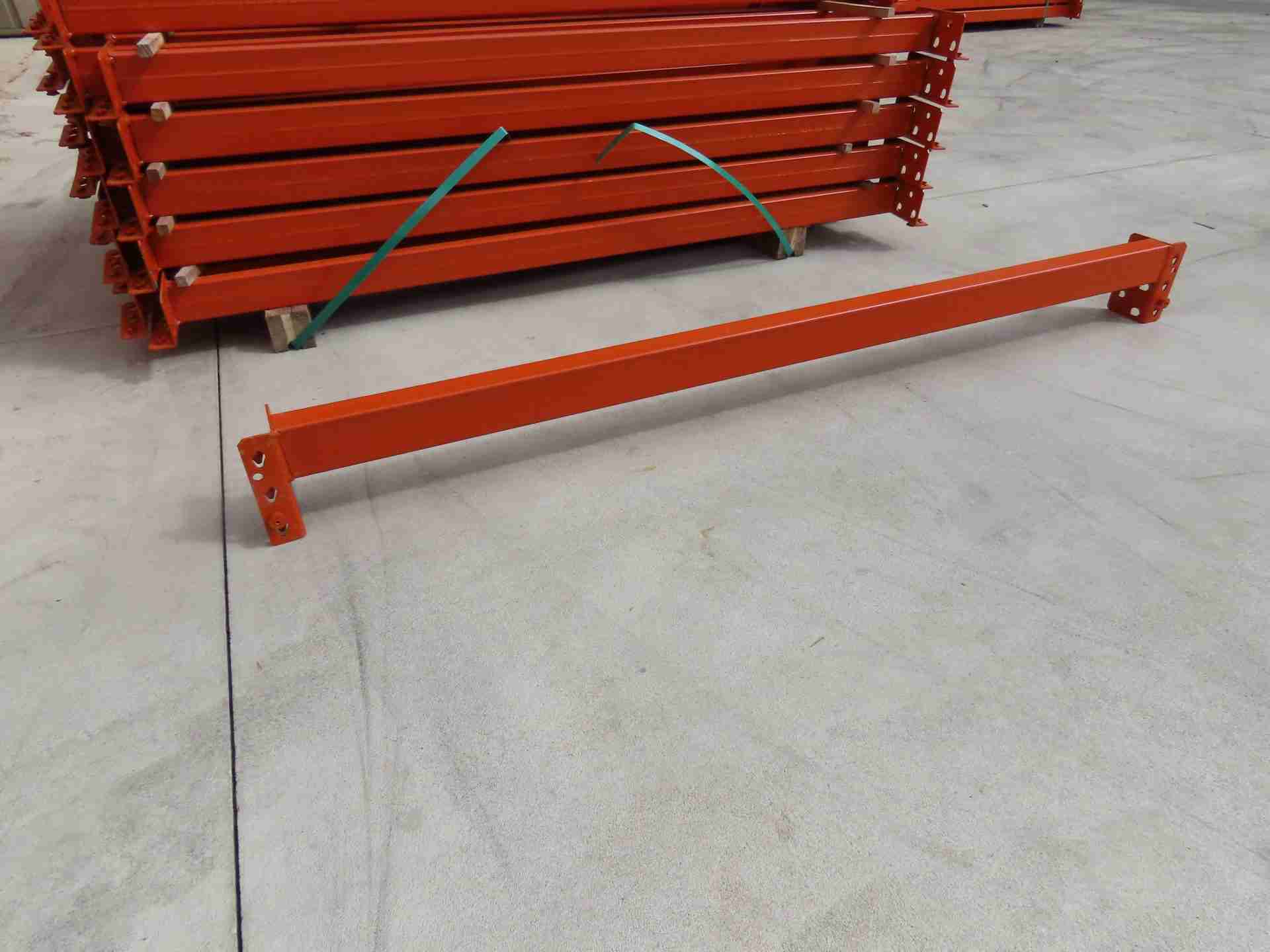
Other Resources
Here is a list of other resources you can review online to learn more:
- National Safety Council
- Arrow Industrial Sales
- Storage Equipment Manufacturers’ Association
- Intro to Warehouse Racks & Warehouse Racking Systems – ShipBob
- American Society of Safety Professionals
- IIWS Inc. Rack Installation Illinois & Rack Repairs Illinois
- IWLA
- Interlake Mecalux
- Selective Pallet Racking Systems
- Interlake Mecalux
- Wolter
- Teardrop Uprights
- International Warehouse Logistics Association
- BMH Equipment LLC
- Shipping Boxes, Packaging Materials, Pallet Racking
- Pallet Racking systems in Illinois, Great Lakes
- Interlake
- The Complete Pallet Rack Guide – Simply Rack
- WERC
- Material Handling Industry
Use This Prompt To Get More Resources With Your Favorite Online AI Tool: Please provide me with a list of online articles with their URLs in a bulleted list that I can read regarding How Do Pharmacy Chain Warehouses Leverage Pallet Racking?
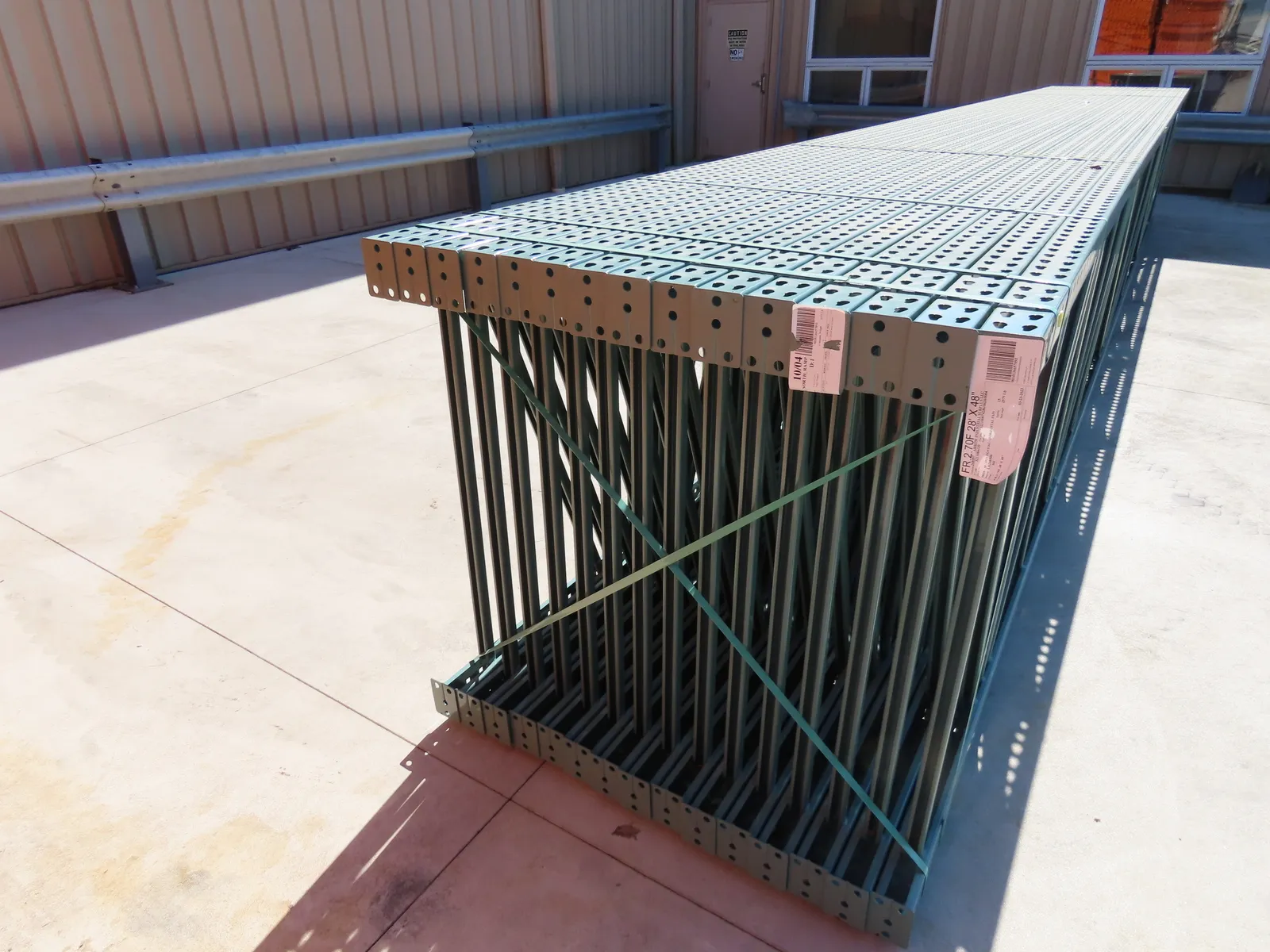
Other Resources
Glossary Terms
How Do Pharmacy Chain Warehouses Leverage Pallet Racking? – Glossary Of Terms
1. Pallet Racking: A storage system designed to hold materials on pallets in horizontal rows with multiple levels.
2. Warehouse Optimization: The process of organizing warehouse space to maximize efficiency and storage capacity.
3. Inventory Management: The supervision of non-capitalized assets and stock items, ensuring availability and accuracy.
4. Load Capacity: The maximum weight a pallet rack or shelf can safely support.
5. SKU (Stock Keeping Unit): A unique identifier for each distinct product or item in inventory.
6. FIFO (First In, First Out): Inventory management method where the oldest stock is used or sold first.
7. LIFO (Last In, First Out): Inventory method where the most recently received stock is used or sold first.
8. Automation: Use of technology and machinery to operate storage and retrieval systems with minimal human intervention.
9. Space Utilization: Efficient use of available warehouse space to increase storage density.
10. Safety Compliance: Adhering to regulations and standards to ensure safe operation of pallet racking systems.
11. Loading Bay: Designated area in a warehouse for receiving and dispatching goods.
12. Material Handling Equipment: Tools and machines used to move, store, and control materials in a warehouse.
13. Pallet Jack: A manual or electric tool used to lift and move pallets within the warehouse.
14. Rack Beam: Horizontal component of pallet racking that supports the pallets.
15. Upright Frame: Vertical structure in a pallet racking system that supports beams and loads.
16. Selective Racking: A pallet rack system that allows direct access to each pallet.
17. Double-Deep Racking: Storage system where pallets are stored two deep, increasing density but reducing access.
18. Drive-In Racking: A high-density pallet storage system where forklifts drive directly into the rack structure.
19. Picking Efficiency: The speed and accuracy with which items are retrieved from storage.
20. Distribution Center: A warehouse facility focused on the receipt and redistribution of goods.
21. Load Verification: Process of confirming that the weight and contents of stored goods comply with system limits.
22. Cross-Docking: A logistics procedure where incoming shipments are directly transferred to outbound shipping with minimal storage time.
23. Velocity Slotting: Allocating high-movement items in easily accessible pallet rack locations.
24. Rack Protection: Measures such as guards and barriers to prevent damage to racking structures.
25. Barcode Scanning: Technology used to track inventory by reading barcode labels.
26. Inventory Turnover: The rate at which inventory is sold and replaced over a period.
27. Stock Rotation: Managing inventory to ensure older stock is used before newer stock.
28. Forklift Accessibility: The ability of forklifts to navigate warehouse aisles for pallet handling.
29. Load Stability: Assurance that loads are securely placed on pallets to prevent shifting or falling.
30. Batch Picking: Grouping multiple orders together for item retrieval to improve efficiency.

Glossary Of Terms
Other Questions
How Do Pharmacy Chain Warehouses Leverage Pallet Racking? – Other Questions
If you wish to explore and discover more, consider looking for answers to these questions:
- What types of pallet racking systems are best suited for pharmacy chain warehouses (selective, drive-in, push-back, pallet flow, etc.)?
- How do pharmacy warehouses decide between FIFO and LIFO storage strategies for medications?
- How is cold chain / refrigerated storage integrated with pallet racking for vaccines and temperature-sensitive drugs?
- What labeling, barcoding, and location-slotting practices improve picking accuracy on pallet racking?
- How do warehouses handle expiration date management and lot tracking on pallet racks?
- What software or WMS features are most important for managing pallet-racked inventory in pharmacies?
- How does pallet racking integrate with automated systems (conveyors, AS/RS, pick-to-light, robotics)?
- What are the load capacity and engineering considerations for racks storing heavy pharmaceutical pallets?
- What safety accessories and protections are recommended (end-of-aisle guards, column protectors, netting, pallet stops)?
- How often should pallet racking be inspected, and what does a compliant inspection program look like?
- What regulatory standards and guidelines (OSHA, ANSI, FDA, DEA, local codes) apply to pallet racking in pharmacy warehouses?
- How are controlled substances and high-value meds secured on pallet racks to prevent theft or diversion?
- What fire protection and sprinkler-clearance requirements must be considered with high rack storage?
- How do pallet racking layouts affect forklift traffic flow, safety, and picking efficiency?
- What training do warehouse staff need to safely operate around pallet racking and lift equipment?
- How does pallet racking support rapid recall or quarantine procedures for defective or expired batches?
- What is the expected ROI and payback period when investing in pallet racking for a pharmacy chain?
- How do you plan rack density versus aisle width for an optimal balance of storage capacity and accessibility?
- What maintenance tasks and lifecycle costs are associated with pallet racking (repairs, replacements, coatings)?
- How are seismic, wind, and other structural risks addressed in racking design for different regions?
- What are best practices for retrofitting existing warehouses with new pallet racking systems?
- How do pallet racking choices affect insurance, liability, and compliance audits?
- What metrics and KPIs (picks per hour, order accuracy, space utilization) should be tracked after racking installation?
- How do seasonal demand peaks and promotional cycles influence racking and slotting strategies?
- What options exist for movable or modular racking to support future growth or layout changes?
- How are contamination control and cleaning managed around pallet racking to protect pharmaceutical integrity?
- What supplier selection criteria and vendor certifications matter when buying pallet racking for pharmacies?
- How do pharmacies manage mixed-use storage on racks (non-pharma supplies alongside medications) safely?
- What common failure modes or accidents occur with pallet racking, and how are they prevented or mitigated?
- How long does it typically take to design, order, and install a pallet racking system for a mid-size pharmacy warehouse?

Other Questions
Checklist
How Do Pharmacy Chain Warehouses Leverage Pallet Racking? – A Checklist
Strategy & Layout
✅______ Storage method matches SKU mix and order profile (selective, double-deep, drive-in, pallet flow)
✅______ ABC velocity mapped; A items placed at ground-level pick faces near shipping
✅______ Aisle widths verified for lift equipment turning radius and mast height
✅______ Standardized pallet size, maximum height, and weight defined and posted
✅______ Dedicated locations for quarantine, damages, recalls, and returns
Rack Design & Installation
✅______ Engineering sign-off on rack load capacities; load plaques posted at aisle ends
✅______ All uprights anchored; beam locking pins/clips installed
✅______ Flue spaces maintained; sprinkler and fire code clearances respected
✅______ End-of-aisle guards, row spacers, and column protectors installed
✅______ Backstops or anti-collapse mesh where racks face walkways or conveyors
Cold Chain & Sensitive Items
✅______ Refrigerated/frozen racks segregated; temperature mapping and airflow validated
✅______ Continuous temperature logging with alerts; backup power tested
✅______ FEFO enforced; short-dated stock flagged
✅______ Light/humidity-sensitive items stored per manufacturer specifications
Controlled Substances & Security
✅______ Secure, access-controlled cage/area for controlled substances with audit trail
✅______ Chain-of-custody documented for all movements
✅______ CCTV coverage for high-risk zones and docks
Inventory Accuracy & Error Reduction
✅______ Location addresses clearly labeled and scannable
✅______ Every move scanned: receipt, putaway, pick, transfer, adjustment
✅______ Lot/serial numbers and expiration captured at receipt; FEFO validated at pick
✅______ Cycle counting by ABC class; discrepancies investigated and corrected
✅______ Visual labels (bin cards, shelf tags) synchronized with WMS
Order Fulfillment Speed
✅______ Fast movers slotted at ergonomic heights; reserve stock stored above pick faces
✅______ Replenishment thresholds set with automated triggers
✅______ Clear pick paths; minimal cross-traffic between picking and putaway
✅______ Outbound staging lanes labeled by wave/route
✅______ Carton/flow rack used for split-case where appropriate
Space Optimization
✅______ Beam elevations set to pallet height plus safety clearance
✅______ Vertical cube maximized within lift reach and fire code limits
✅______ Dead locations eliminated; partial pallets consolidated routinely
✅______ Pallet overhang rules defined; no protrusions into aisles
✅______ Mezzanine/extra levels verified for load capacity before use
Safety Practices
✅______ Daily pre-shift walk; rack damage and obstructions tagged and escalated
✅______ Formal rack inspections monthly/quarterly by qualified personnel
✅______ Damaged components removed from service until repaired/replaced
✅______ Pallet quality standards enforced; damaged pallets rejected
✅______ Certified lift training current; speed limits and horn/visibility rules posted
✅______ Housekeeping maintained: aisles clear, spill kits stocked, waste removed promptly
Compliance & Documentation
✅______ SOPs current for receiving, putaway, picking, replenishment, and returns
✅______ Recall/hold procedures tested; mock recall at least annually
✅______ SDS available where applicable; spill response defined
✅______ Audit logs retained per policy; system access rights reviewed regularly
Team & Culture
✅______ Training covers rack safety, scanning discipline, and FEFO
✅______ Performance boards show accuracy, fill rate, cycle count results
✅______ Near-miss reporting active; corrective actions tracked to closure
Maintenance & Continuous Improvement
✅______ Scheduled checks of anchors (torque) and rack hardware
✅______ Lift equipment maintained per OEM schedule
✅______ KPIs tracked: pick rate, order cycle time, inventory accuracy, space utilization, damages
✅______ Slotting/layout reviewed quarterly to reflect demand changes

Checklist
At RackingWorld, we help guide you through selecting warehouse storage systems and racking.
Be sure to read our other related stories at RackingWorld to learn more about warehouse storage systems.
0 Comments