
Optimizing Safety, Efficiency, And Trust In Pharma And Healthcare Storage
By Tom Seest
At RackingWorld, we help guide you through selecting warehouse storage systems and racking.
Be sure to read our other related stories at RackingWorld to learn more about warehouse storage systems.
How Do Pharmaceuticals and Healthcare Companies Leverage Pallet Racking?
When you step into a pharmaceutical or healthcare warehouse, you might not see the hero behind the scenes, but Pallet Racking is working overtime. It’s the unsung backbone holding up everything—from life-saving medications to critical medical supplies—organized, accessible, and safe. These companies don’t just store stuff; they store trust, hope, and sometimes, even lives. Pallet Racking isn’t flashy, but it’s reliable, sturdy, and built for the job. It’s like the seasoned hands of a factory floor, steady and uncomplaining, keeping order when chaos could easily take over.
Think about the responsibility resting on pallet racks in a medical supply chain. Every box stacked and rack loaded represents someone counting on those supplies to be there when needed—whether it’s a nurse rushing for gloves during a hectic shift, or a pharmacist filling a prescription for an anxious parent. The stakes are high. That’s why healthcare and pharmaceutical companies lean on Pallet Racking systems that give them more than just storage—they get precision, efficiency, and safety built into their workflow. This isn’t about just saving space; it’s about saving time, reducing errors, and ultimately saving lives.
From the ground up, Pallet Racking meets the ethical demands of healthcare storage. It ensures products are kept intact and clean, away from damage or contamination, making compliance with strict regulations not just a hassle to manage, but a seamless part of daily operations. These racks stand there, day in and day out, enabling workers to do their jobs with confidence. When what’s stored is mission-critical, you don’t gamble on flimsy solutions. You use gear as tough and dependable as the people who depend on it.
There’s a sense of pride in getting this right, too. Warehouses humming smoothly with properly managed Pallet Racking tell a story of teams who care deeply about their work and the people their work ultimately affects. It’s more than logistics—it’s a shared duty. So next time you think of healthcare or pharmaceuticals, picture those sturdy racks bearing the weight of trust and responsibility—quiet, solid, and ready for whatever comes next. That’s where common sense meets commitment, all wrapped up in steel beams and wooden pallets.
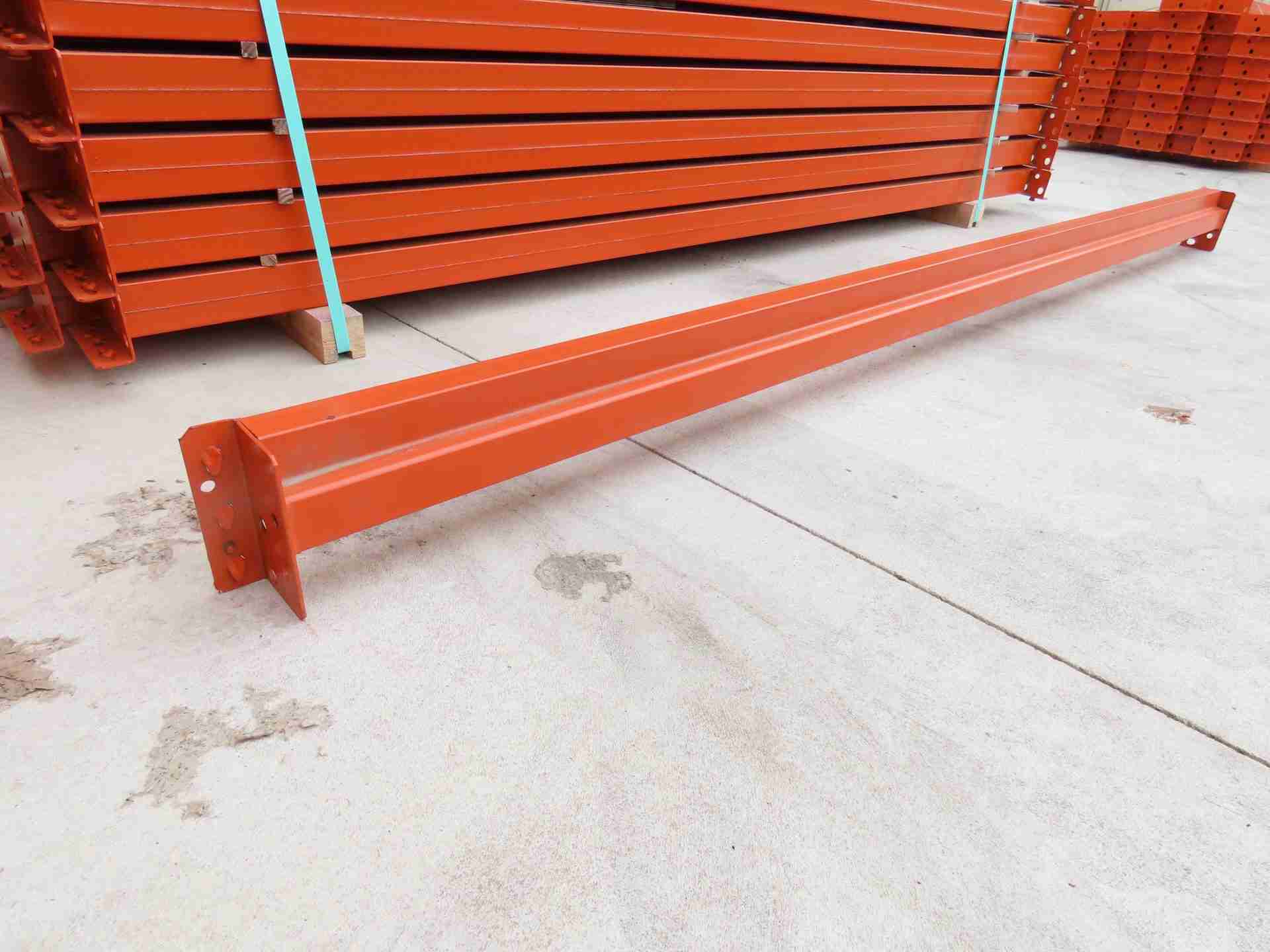
How Do Pharmaceuticals and Healthcare Companies Leverage Pallet Racking?
How Do Pharmaceuticals and Healthcare Companies Leverage Pallet Racking?
- Pallet Racking is the essential, reliable structure supporting the storage of life-saving medications and medical supplies in healthcare warehouses.
- It ensures organization, accessibility, safety, and upholds the trust placed in medical supply chains.
- Healthcare companies depend on Pallet Racking systems for precision, efficiency, and reducing errors, which contributes to saving lives.
- Pallet Racking maintains the integrity and cleanliness of products, meeting strict healthcare storage regulations seamlessly.
- These racks provide steady, durable support crucial for mission-critical healthcare operations.
- Properly managed Pallet Racking reflects the dedication and care of teams responsible for delivering essential medical supplies.
- Pallet Racking symbolizes a blend of practical reliability and committed responsibility in pharmaceutical and healthcare logistics.
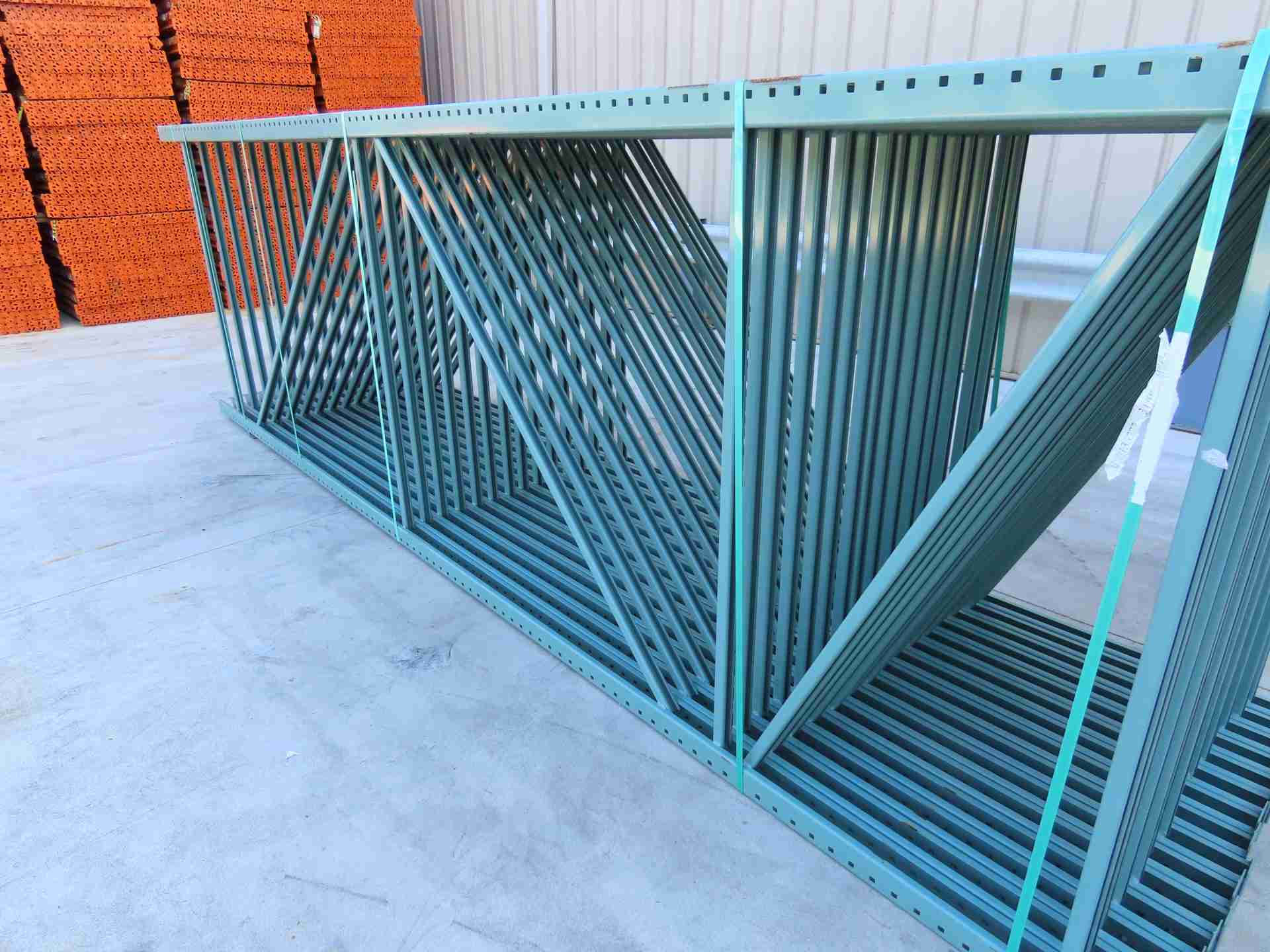
How Do Pharmaceuticals and Healthcare Companies Leverage Pallet Racking?
Table Of Contents
- How Do Pharmaceuticals and Healthcare Companies Leverage Pallet Racking?
- How Does Pallet Racking Improve Pharmaceutical Storage Efficiency?
- What Safety Standards Govern Pallet Racking In Healthcare?
- How Can Pallet Racking Reduce Product Damage Risks?
- Why Is Inventory Accuracy Vital In Healthcare Supply Chains?
- How Does Pallet Racking Support Regulatory Compliance?
- What Role Does Pallet Racking Play In Cold Storage Management?
- Conclusion
- Other Resources
- Glossary Of Terms
- Other Questions
- Checklist
How Does Pallet Racking Improve Pharmaceutical Storage Efficiency?
Look, when you’re dealing with pharmaceuticals, it’s not just about stacking boxes and hoping for the best. Time, space, and accuracy matter. Pallet racking steps up like the unsung hero of storage, turning what could be a cluttered mess into a streamlined operation that works like clockwork. It’s not some fancy notion pulled out of thin air—it’s grounded in plain old common sense and proven hands-on results.
Using pallet racking, you get a system that’s built for efficiency from the ground up. Instead of spreading products willy-nilly across a floor or cramped shelf, everything has its right place. That’s a game-changer because when you’re handling medicines, every second counts. You tighten up the workflow, reduce wasted steps, and make sure the right products are accessible, not hidden behind a stack of boxes. This means fewer mistakes, quicker pick times, and ultimately, the folks counting on those meds get what they need without delay.
There’s also a safety angle that’s hard to overlook. Tight, messy storage doesn’t just slow things down—it invites accidents and contamination risks. Pallet racking keeps everything off the floor, sturdy, and organized so nobody’s tripping over deliveries or fumbling with unstable stacks. For a warehouse that holds critical pharmaceuticals, that reliability isn’t just good practice—it’s an ethical must. You’re safeguarding health by protecting what you store, plain and simple.
From an authority standpoint, pallet racking is the proven method trusted by warehouses nationwide. This isn’t just fancy talk, it’s an everyday reality in thousands of facilities where the stakes are just as high as yours. Investing in this kind of system shows you mean business, that you respect the products and the people who rely on them. It fosters a culture of professionalism and accountability.
At the end of the day, pallet racking is more than metal beams and shelves—it’s about respect for the craft, the product, and the people who depend on timely access to life-saving medicines. It binds the whole operation together like a well-oiled machine, turning raw inventory into a trustworthy, organized force that keeps the pharmaceutical world turning. If you’ve ever been in a pinch hunting down critical stock, you’ll appreciate the quiet confidence that pallet racking delivers—the kind that lets you focus on what really matters, without the clutter getting in your way.

How Does Pallet Racking Improve Pharmaceutical Storage Efficiency?
How Does Pallet Racking Improve Pharmaceutical Storage Efficiency?
- Pallet racking transforms pharmaceutical storage from cluttered chaos into an efficient, organized system.
- It optimizes time, space, and accuracy, ensuring each product has a designated place for quick access.
- Improved workflow reduces mistakes and speeds up picking, delivering medicines without delay.
- Pallet racking enhances safety by keeping items off the floor and preventing accidents and contamination.
- This storage method is widely trusted across warehouses nationwide, reflecting professionalism and accountability.
- It protects both the stored products and the health of those depending on timely pharmaceutical access.
- Pallet racking fosters a reliable operation that supports the critical demands of the pharmaceutical industry.

How Does Pallet Racking Improve Pharmaceutical Storage Efficiency?
What Safety Standards Govern Pallet Racking In Healthcare?
When it comes to pallet racking in healthcare, the rules aren’t just about ticking boxes—they’re about keeping people safe. We’re talking about places where lives depend on things running right: hospitals, clinics, storage rooms packed with critical supplies. Pallet racking isn’t some backroom afterthought; it’s the backbone holding everything up, literally, and a failure here means more than spilled boxes—it could mean a patient’s treatment is delayed or workers get hurt. That’s why safety standards aren’t just guidelines—they’re the law of the land everyone respects and trusts.
The standards governing pallet racking in healthcare come from a mix of good old-fashioned common sense and hard-earned lessons learned on the job. These include strict rules about load capacity, how racks are anchored, aisle space, and inspections that keep things from tipping or collapsing under pressure. The reason these standards exist isn’t just paperwork—it’s to make absolutely sure the stuff on those pallets stays put, safe from toppling, which protects everyone from injury and keeps vital supplies exactly where they need to be.
Ethically, healthcare facilities carry a responsibility heavier than any pallet stacked high in a warehouse. It’s about duty—to the patients counting on quick access to life-saving gear, and to the staff moving those pallets every day, working long hours with their boots on the ground. Pallet racking that meets safety standards isn’t just good business; it’s the right thing to do. No shortcuts. No excuses. When your shelves hold wheelchairs, medicines, or sterile tools, there’s no room for failure.
Authority on this comes from national and industry-specific regulations designed to handle the unique challenges healthcare settings present. It’s a set of rules honed by engineers, safety experts, and frontline workers who know the stakes. They demand nothing less than robust construction, routine inspections, and immediate fixes when something shows wear. These standards make the invisible visible: the stress on beams, the risk of corrosion, the danger of improper stacking. Reading those manuals and following those guidelines builds trust—trust in the system, in the people running it, and in the mission to keep healthcare running without a hitch.
Pallet racking safety standards in healthcare are about more than metal and measurements. They’re about people—saving time, sparing pain, preventing accidents. They remind us that every box stacked is part of a bigger story, one where everyone has a role in playing it safe. When the standards are met and respected, it’s a quiet kind of heroism that keeps hospitals humming and hearts beating steady, every day.
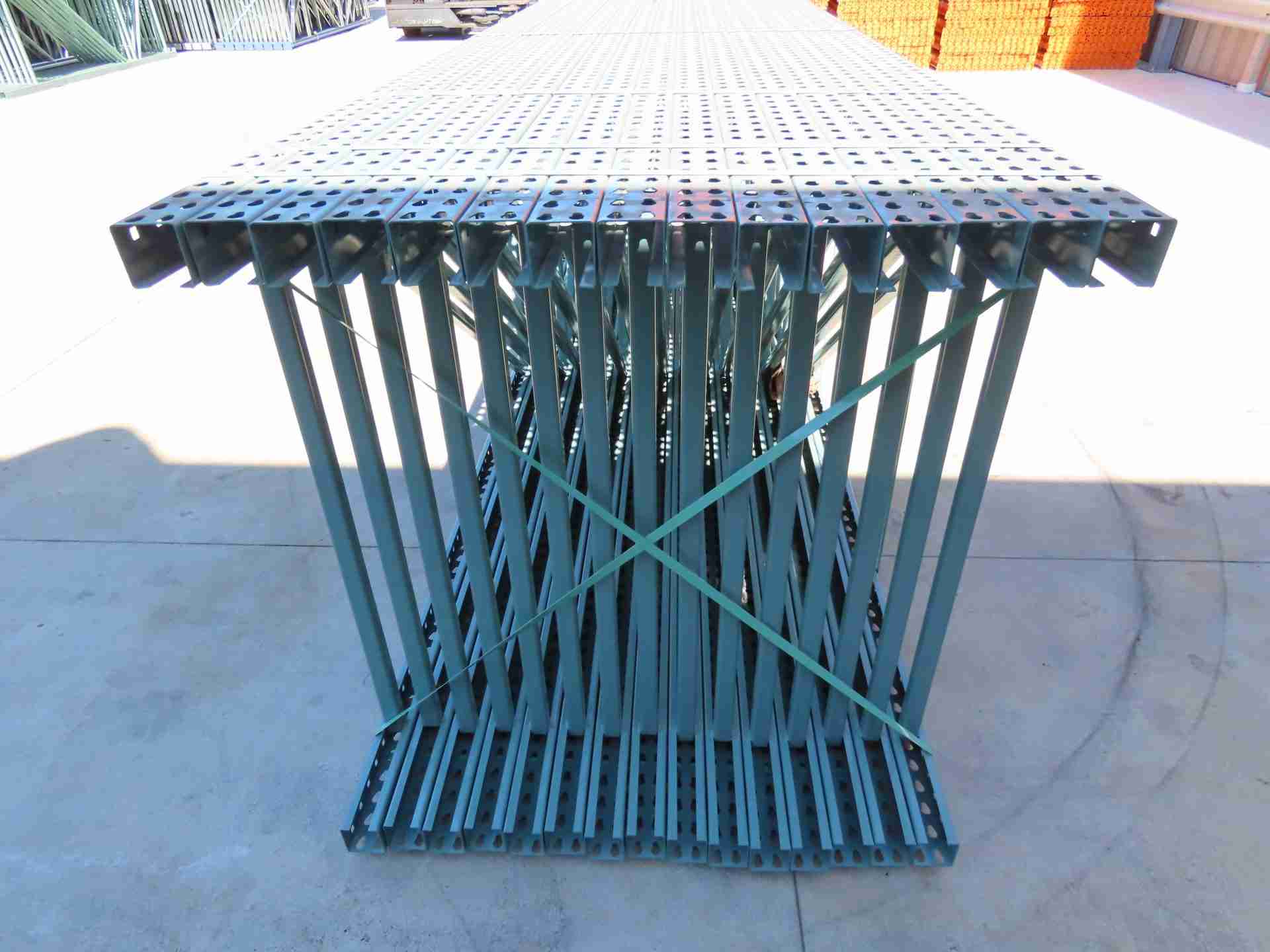
What Safety Standards Govern Pallet Racking In Healthcare?
What Safety Standards Govern Pallet Racking In Healthcare?
- Pallet racking in healthcare is critical for safety, supporting hospitals, clinics, and storage rooms filled with essential supplies.
- Safety standards for pallet racking go beyond guidelines and are legal requirements designed to prevent delays in patient care and worker injuries.
- Standards include strict rules on load capacity, rack anchoring, aisle spacing, and regular inspections to prevent tipping or collapsing.
- Healthcare facilities have an ethical duty to maintain safe pallet racking to ensure quick access to vital medical equipment and protect staff.
- National and industry-specific regulations, developed by experts and frontline workers, mandate robust construction and immediate repairs of pallet racks.
- Standards reveal hidden risks like stress on beams, corrosion, and improper stacking, fostering trust in healthcare operations.
- Maintaining pallet racking safety is essential to saving time, preventing accidents, and ensuring healthcare systems function smoothly every day.

What Safety Standards Govern Pallet Racking In Healthcare?
How Can Pallet Racking Reduce Product Damage Risks?
Look, everyone who’s ever worked a warehouse or run a shop floor knows product damage ain’t just a line item on the budget—it’s real money walking out the door. Pallet racking isn’t just some fancy storage setup; it’s the backbone that keeps your goods safe and sound. When stacked right, it’s like giving your stock a sturdy home where there’s less chance of boxes shifting, falling, or getting crushed. That means fewer headaches, fewer broken pieces, and a lot less time spent picking up the pieces—literally.
From the ground up, pallet racking is about control. Instead of heaving pallets onto dusty floors where they sit all wrong and lean against each other like a bad game of Jenga, these racks keep them locked in place. The structure holds weight evenly, spreads the load, and keeps everything orderly—like a well-oiled machine. Any seasoned warehouse hand will tell you that better organization leads straight to fewer damaged goods. When everything has a spot, there’s less scrambling, less bumping, and less careless handling.
There’s also something to be said about the pride and responsibility that comes with investing in good pallet racking. It sends a message to your team: we care about what we store. When workers feel that ownership, they treat products with respect. This isn’t just about protecting stuff—it’s about protecting the hard work and sweat behind it. Ethical business means doing right by your customers and your crew, and pallet racking is a simple but powerful way to show that commitment. It’s practical, sure, but it’s also a quiet promise that you’re in this for the long haul.
And let’s not forget the expertise behind choosing the right system. Pallet racking doesn’t come off an assembly line as a one-size-fits-all deal. It’s tailored to the weight, size, and type of your products. That’s where experience comes in—knowing what holds up under pressure, what keeps fragile items safe, and what stands the test of everyday knocks and bumps. When designed and used correctly, pallet racking is more than shelves—it’s peace of mind. You spend less time worrying about damage, more time getting things out the door, and build a reputation for reliability that sticks.
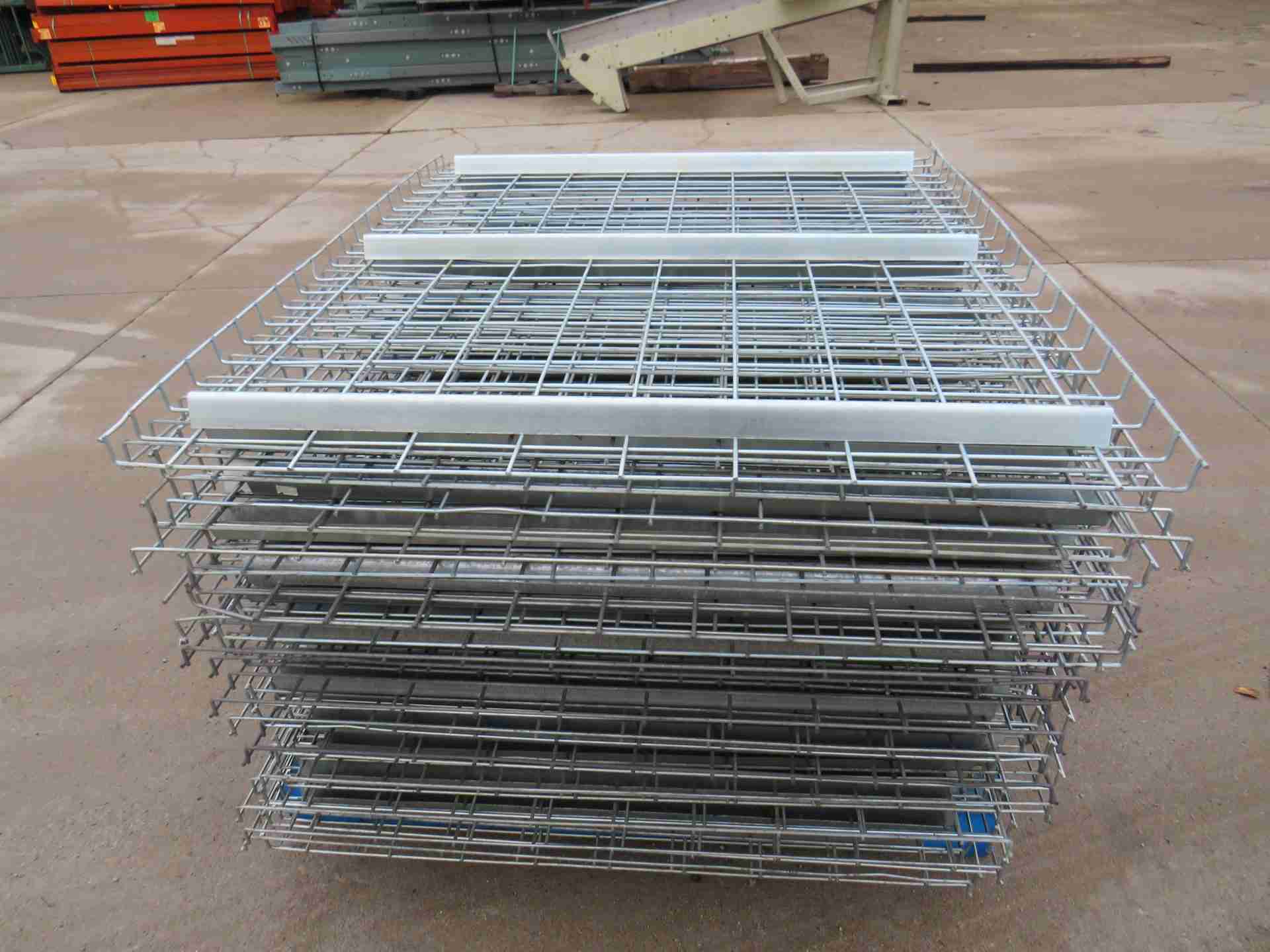
How Can Pallet Racking Reduce Product Damage Risks?
How Can Pallet Racking Reduce Product Damage Risks?
- Product damage in warehouses leads to significant financial losses beyond just budget line items.
- Pallet racking provides a sturdy, organized storage system that reduces the risk of boxes shifting, falling, or getting crushed.
- Proper pallet racking evenly distributes weight and keeps pallets securely in place, preventing disorganization and damage.
- Well-organized storage reduces careless handling, scrambling, and bumping, resulting in fewer damaged goods.
- Investing in quality pallet racking fosters pride and responsibility among workers, encouraging careful treatment of products.
- Choosing the right pallet racking system requires expertise to match the weight, size, and type of products for optimal protection.
- Correctly designed and used pallet racking provides peace of mind, reduces damage-related concerns, and builds a reputation for reliability.

How Can Pallet Racking Reduce Product Damage Risks?
Why Is Inventory Accuracy Vital In Healthcare Supply Chains?
Picture this: a nurse in the middle of a hectic shift, reaching for a life-saving medication or a crucial medical tool, only to find the supply room bare or the wrong item on the shelf. That moment isn’t just frustrating—it can cost lives. Inventory accuracy in healthcare isn’t just about numbers on a spreadsheet; it’s about real people depending on real things being exactly where they’re supposed to be, every single time. It’s the difference between saving a life and losing one.
From the head’s perspective, accuracy drives efficiency. When you know exactly what’s in stock, where it’s stored—maybe tucked neatly on a pallet racking system that’s organized like clockwork—you cut down on wasted time and money. No more frantic searches or emergency orders that break the budget and slow down care. You reduce spoilage, avoid overstock, and make every dollar count in a world where resources are tight and demands are high. Accuracy here isn’t optional; it’s the backbone of a supply chain that runs lean and stays reliable.
Ethically, it’s about responsibility. Every misplaced box or missing syringe is a failure—not just of logistics, but of trust. Patients expect that when they’re vulnerable, the system that supports their care isn’t fumbling around with guesswork. Healthcare workers need to feel confident that the supplies they reach for exist and are safe to use. That confidence doesn’t come from wishful thinking; it comes from honest, accurate data and smart systems built on grounded common sense.
If you’ve ever worked a warehouse or set up pallet racking yourself, you know this: it’s painstaking work. But that effort pays off in smoother operations and fewer headaches. It is practical, straightforward, and proven. The stories from hospitals where accurate inventory saved the day are countless—where a well-oiled supply chain meant a kid got a vaccine on time or a life-support machine didn’t miss a beat.
Inventory accuracy in healthcare supply chains is more than a back-office chore. It’s the quiet pledge of everyone involved—from the stockroom floor to the nurse’s station—that patients get what they need, when they need it. It’s about doing the right thing, showing up every day ready to keep that promise. That’s a kind of trust you can’t just buy; it’s earned through diligence, humility, and respect for the lifesaving work those supplies make possible.

Why Is Inventory Accuracy Vital In Healthcare Supply Chains?
Why Is Inventory Accuracy Vital In Healthcare Supply Chains?
- Inventory accuracy in healthcare is critical for patient safety, ensuring essential supplies are available when needed.
- Accurate inventory management increases efficiency by reducing wasted time, emergency orders, spoilage, and overstock.
- It supports financial responsibility by optimizing resource use in tight and high-demand environments.
- Maintaining inventory accuracy is an ethical obligation, fostering trust between patients, healthcare workers, and the system.
- Confidence in supply availability and safety relies on honest data and well-designed systems.
- Effective inventory organization, such as pallet racking, requires meticulous effort but yields smoother operations and reliability.
- Accurate inventory management is a shared commitment across all levels of healthcare, reflecting respect for lifesaving work and patient care.

Why Is Inventory Accuracy Vital In Healthcare Supply Chains?
How Does Pallet Racking Support Regulatory Compliance?
You ever walk into a warehouse and feel that mix of relief and respect when you see those sturdy rows of pallet racking standing tall, neat as a well-kept garden? That’s not just about looking good—those racks carry more weight than just boxes. They carry the responsibility of keeping things safe, sound, and up to code. When it comes to regulatory compliance, pallet racking isn’t just equipment; it’s a frontline defender of safety and order.
From years of elbow grease on the floor, it’s clear: you can’t just slap any old shelving together and call it done. Pallet racking systems are designed with rules in mind because regulations are the backbone of keeping workers safe and warehouses running smooth. Think about it—each rack holds pallets that weigh hundreds, even thousands of pounds. If those racks aren’t built and maintained to code, it’s not just about fines on paper; it’s about the real risk of things crashing down, hurting folks, and bringing operations to a halt. The law says handle this right, and pallet racking helps carry that load.
But there’s more than just avoiding trouble. Ethical responsibility kicks in here. If you’re managing a warehouse, you’ve got a duty to your crew to give them a workspace where they can clock in without battling broken racks or hazardous chaos. Using proper pallet racking systems respects that duty. It’s a way of saying, “We care enough to do this right.” That kind of respect builds trust among workers and supervisors, turning lines of shelves into lines of confidence in the company’s commitment.
Authority in this game comes from knowing and following standards set by industry leaders and safety boards—standards pallet racking systems are built to meet. Stick with proven designs, regular inspections, and maintenance schedules, and you’re not just hoping for compliance, you’re demonstrating it. This isn’t theory; it’s hands-in-the-dirt practice that protects lives and livelihoods.
The stories from the floor back it up. Folks who’ve taken shortcuts with pallet racking end up paying a steep price—not just in emergency repairs or fines but in the morale hit after a preventable incident. On the flip side, warehouses where pallet racking is respected and checked regularly tend to run cleaner, safer, and smoother. That’s a simple truth anyone who’s spent time in the trenches knows well.
So whether you’re a warehouse owner, a floor manager, or just a worker who depends on solid gear, pallet racking isn’t just metal and bolts—it’s the unsung hero of regulatory compliance. It’s what helps keep everyone going home safe at the end of the day, on the right side of the rules, and with the quiet satisfaction of a job done right.

How Does Pallet Racking Support Regulatory Compliance?
How Does Pallet Racking Support Regulatory Compliance?
- Pallet racking in warehouses serves as a critical safety and compliance structure, holding heavy loads securely and maintaining order.
- These systems are designed and maintained according to strict regulations to prevent accidents, injuries, and operational disruptions.
- Proper pallet racking reflects an ethical responsibility to provide a safe working environment for employees.
- Using compliant pallet racking builds trust between workers and management, demonstrating a commitment to safety and care.
- Adherence to industry standards, regular inspections, and maintenance are essential practices to ensure pallet rack reliability.
- Neglecting pallet rack safety leads to costly repairs, fines, and damaged morale, while well-maintained racks improve warehouse efficiency and safety.
- Pallet racking is a fundamental element of regulatory compliance, protecting lives, livelihoods, and supporting smooth warehouse operations.

How Does Pallet Racking Support Regulatory Compliance?
What Role Does Pallet Racking Play In Cold Storage Management?
Pallet racking isn’t just some metal framework sitting quietly in the corner of a cold storage warehouse. It’s the backbone holding everything together—the difference between chaos and order when temps drop and time’s tight. You ever walk into a cold room and see piles of goods stacked like there’s no tomorrow? That’s no way to run a clean, safe operation. Pallet racking steps in like a workhorse, organizing all those crates, boxes, and frozen goodies so they don’t turn into a tangled mess or waste precious space.
Here’s the thing: cold storage isn’t your average warehouse gig. The environment’s brutal. It’s not just about keeping things cold; it’s about keeping things accessible, fresh, and damage-free. Pallet racking provides a system that’s sturdy enough to handle heavy loads, stable enough to withstand the chills, and efficient enough to maximize every cubic inch. When you get down to it, that means businesses save money by storing more in less space and waste less product by protecting it better.
Beyond the hard numbers, there’s an ethical side to all this. When you’re storing food, medicine, or any perishable goods, you’re dealing with people’s health and well-being. A solid pallet racking system reduces the chances of spoilage or accidents, which means goods reach consumers in top condition, not a soggy mess or ruined batch. It’s about integrity in your operation—doing right by your customers and community. That responsibility can’t be taken lightly.
Experienced operators know that hands-on, no-nonsense approach—pallet racking keeps things moving smoothly so the crew doesn’t have to fight against a pile of pallets stacked willy-nilly. There’s pride in that neatness, in knowing the system you rely on won’t let you down when it comes to deadlines or inspections. It’s a trust built over years, with every screw tightened and every beam placed just so.
At the end of the day, pallet racking in cold storage is the unsung hero making sure the whole business runs like clockwork. It’s not flashy, but it’s essential. It saves time, money, and stress. And in this line of work, those are the things that earn respect—one organized pallet at a time.
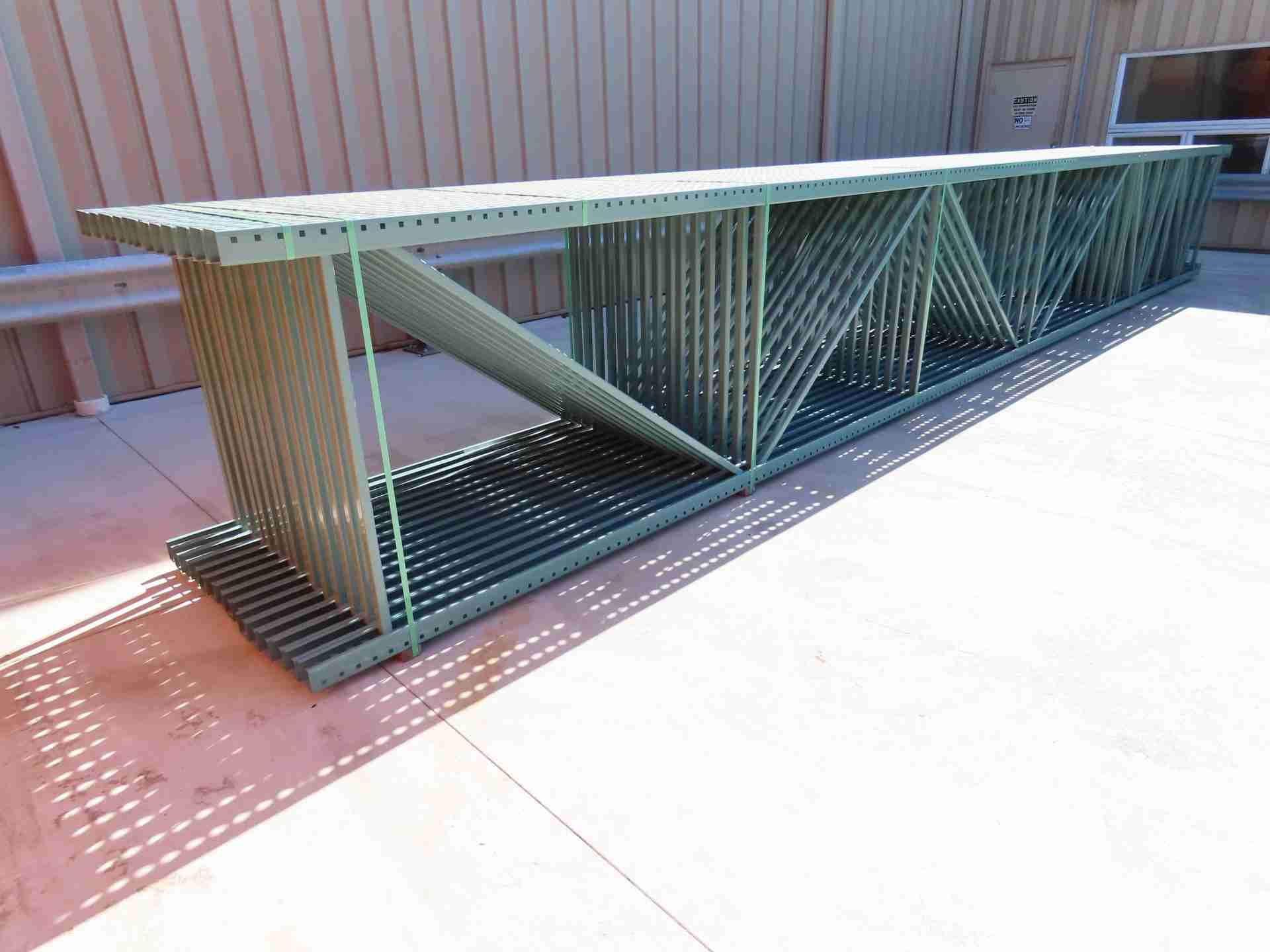
What Role Does Pallet Racking Play In Cold Storage Management?
What Role Does Pallet Racking Play In Cold Storage Management?
- Pallet racking is essential in cold storage, transforming disorderly piles into organized, space-efficient storage.
- Cold storage environments are harsh, requiring pallet racking systems that are strong, stable, and efficient.
- Effective pallet racking helps businesses save money by maximizing storage space and reducing product waste.
- Proper storage systems protect perishable goods like food and medicine, ensuring they remain fresh and safe for consumers.
- Using pallet racking reflects operational integrity and responsibility toward customers and the community.
- Experienced operators value pallet racking for maintaining smooth workflow and meeting deadlines and inspections reliably.
- Pallet racking is a critical yet unrecognized component that saves time, money, and stress in cold storage operations.
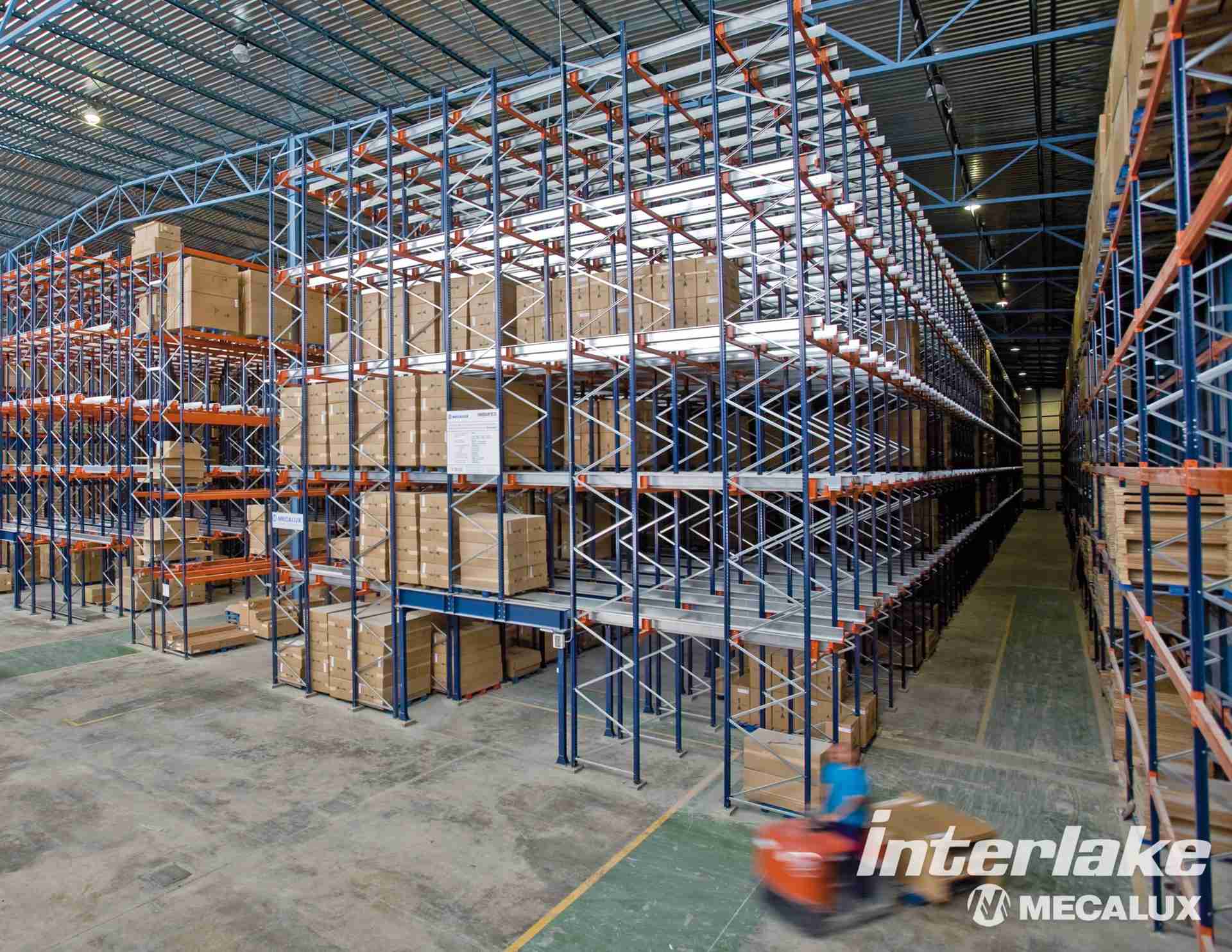
What Role Does Pallet Racking Play In Cold Storage Management?
Conclusion
When it comes down to it, pallet racking is the quiet backbone of pharmaceutical and healthcare storage—steady, no-nonsense, and built to hold more than just boxes. It’s the kind of gear you don’t notice until it’s not doing its job right. These racks are the trusted workhorses that keep life-saving medicines and critical supplies organized, protected, and ready at a moment’s notice. Behind every well-stocked shelf and smoothly running warehouse, there’s a system that saves time, reduces errors, and most importantly, supports the people who depend on those supplies—the nurses, the pharmacists, the patients.
This isn’t some fancy, highfalutin tech; it’s solid, practical engineering grounded in real-world needs and common sense. Pallet racking systems are more than metal beams—they’re the moving parts in a delicate machine where precision can mean the difference between smooth care and costly delays. By keeping goods off the floor and stacked just right, they cut down on accidents, avoid costly damage, and make sure the right products are accessible without the scramble and guesswork.
Safety isn’t just a checkbox here; it’s a hard-earned commitment. The rules governing pallet racking in healthcare exist because mistakes cost lives and injuries, not just paperwork fines. These systems stand firm under heavy loads, stay steady through inspections, and get fixed up the moment wear shows. That discipline builds trust, respecting both the workers who handle those racks day in and day out and the patients relying on fast, dependable care.
Damage prevention is another front where pallet racking shines. When boxes sit scattered or lean dangerously, you’re asking for problems—broken goods, wasted money, and frustrated teams. Proper racks say you care enough to do right by your stock and the people behind it. Putting pallets in their place isn’t just a handy trick; it’s a promise that the hard work, the sweat, and the stakes behind every product count.
Inventory accuracy, too, hinges on this organized setup. When supplies are exactly where they’re supposed to be, nurses don’t waste a second hunting for that crucial medication. Hospitals don’t bleed budgets on emergency reorders. The supply chain hums along lean, efficient, and reliable, built on honest, careful record-keeping that’s more than just admin—it’s respect for the mission.
Cold storage adds another layer of challenge, and pallet racking steps up there as well. It fights the brutal conditions, keeps products fresh and accessible, and shrinks waste in tight, chilly spaces. In these moments, the racks aren’t just holding goods—they’re holding a company’s integrity, making sure what reaches the patient is safe and sound.
At the end of the day, pallet racking is the unsung hero that blends common sense with care. It’s the steel and wood that turn chaos into trust, clutter into clarity. It lets everyone involved—from warehouse hands to healthcare workers—focus on what truly matters without the distraction of disorder. That’s the kind of reliable grit that keeps the whole operation running, quietly bearing the weight of responsibility and helping save lives, one organized pallet at a time.

Conclusion
Conclusion:
- Pallet racking is essential for organizing, protecting, and readying life-saving medicines and critical supplies in pharmaceutical and healthcare storage.
- These systems rely on practical engineering to keep goods off the floor, reduce accidents, prevent damage, and ensure easy access without guesswork.
- Safety is a core priority, with racks designed to handle heavy loads, withstand inspections, and receive timely maintenance to protect workers and patients.
- Proper pallet racking prevents damage, saves money, and shows commitment to maintaining the integrity of stock and the people depending on it.
- Inventory accuracy is improved by organized setups, enabling quick access to supplies, reducing emergency reorders, and supporting efficient supply chains.
- Pallet racking is effective in cold storage environments, preserving product freshness, accessibility, and minimizing waste.
- Overall, pallet racking transforms disorder into trust and clarity, enabling healthcare operations to run smoothly and support patient care reliably.

Conclusion
Other Resources
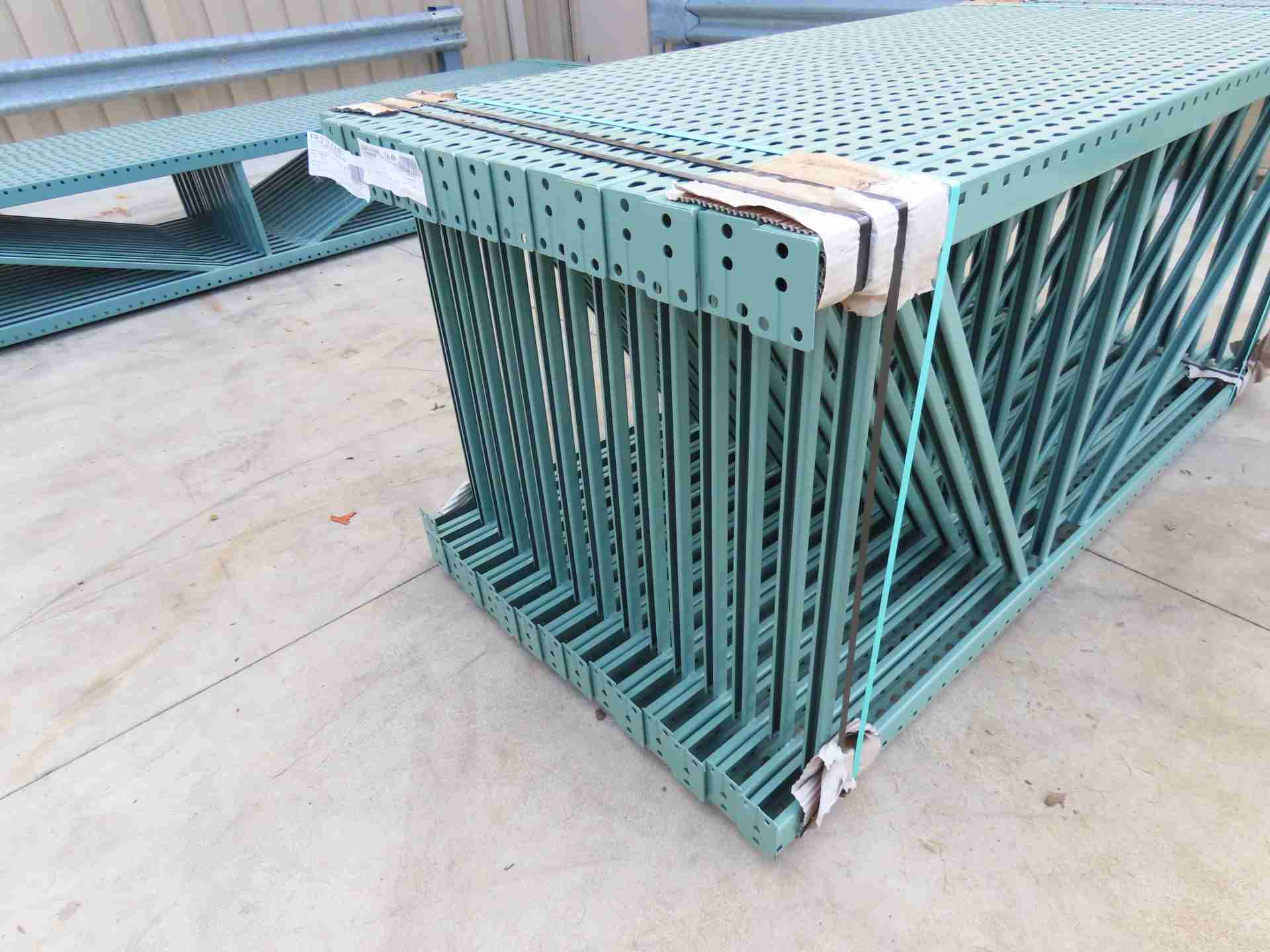
Other Resources
Here is a list of other resources you can review online to learn more:
- Logic Material Handling
- Pallet Racking 101: A Comprehensive Guide & Options Explained
- Teardrop Industrial Shelving Rack
- Overhead Lifting
- Warehouse Storage Racking in Illinois
- Interlake Mecalux
- The Complete Pallet Rack Guide – Simply Rack
- Arrow Industrial Sales
- IWLA
- Warehouse Racks, Warehouse Racking in Stock – ULINE
- Cantilever Rack Configuration & Installation: A Comprehensive Guide – BMH
- Chicago Pallet Racking
- Pallet Racking systems in Illinois, Great Lakes
- Used Pallet Rack for Sale in Illinois – American Surplus
- Rack Manufacturers Institute
- Bradford Systems
- NSC
- WERC
- International Warehouse Logistics Association
- Illinois
Use This Prompt To Get More Resources With Your Favorite Online AI Tool: Please provide me with a list of online articles with their URLs in a bulleted list that I can read regarding How Do Pharmaceuticals and Healthcare Companies Leverage Pallet Racking?

Other Resources
Glossary Terms
How Do Pharmaceuticals and Healthcare Companies Leverage Pallet Racking? – Glossary Of Terms
1. Pallet Racking: A storage system designed to hold palletized goods in warehouses for efficient space utilization.
2. Warehouse Optimization: Strategies to improve storage and handling efficiency in warehouses.
3. Inventory Management: The process of ordering, storing, and using a company’s inventory.
4. Load Capacity: The maximum weight a pallet rack can safely support.
5. Picking Efficiency: The speed and accuracy of retrieving products from storage.
6. Space Utilization: The effective use of available storage area to maximize capacity.
7. Material Handling: The movement, protection, storage, and control of materials throughout manufacturing and distribution.
8. Compliance: Adherence to regulatory standards in storing pharmaceutical products.
9. Cold Storage Racking: Specialized pallet racking designed for refrigerated environments.
10. Safety Standards: Regulations ensuring the safety of warehouse storage systems.
11. Mezzanine Racking: Elevated platforms combined with racking to increase storage space vertically.
12. Automated Storage and Retrieval System (ASRS): Automated technology for placing and retrieving pallets.
13. FIFO (First In, First Out): Inventory method ensuring the oldest stock is used first.
14. LIFO (Last In, First Out): Inventory method prioritizing the newest stock usage first.
15. Cleanroom Storage: Storage systems designed to maintain sterile environments for pharmaceuticals.
16. Traceability: The ability to track products through the supply chain for quality control.
17. Cross-Docking: Distribution process to transfer products directly from inbound to outbound transportation.
18. Warehouse Management System (WMS): Software that controls warehouse operations and inventory.
19. Ergonomics: Design considerations for user comfort and safety in material handling.
20. Load Stability: Ensuring products remain secure and stable on pallets during storage and transport.
21. Hazardous Materials Storage: Specialized storage techniques for dangerous pharmaceutical substances.
22. Space Density: Measurement of how much inventory can be stored per square foot of warehouse.
23. Slotting: Strategic placement of products within pallet racks for optimal picking.
24. Modular Racking: Pallet racks that can be reconfigured or expanded as needed.
25. Health and Safety Regulations: Rules governing workplace safety in warehousing environments.
26. Rack Damage Prevention: Measures to avoid structural damage during loading or handling.
27. Just-In-Time Inventory: Minimizing stock levels by scheduling deliveries closely aligned with demand.
28. Load Sequencing: Organizing pallet placement to optimize retrieval order.
29. Asset Management: Tracking and managing warehouse equipment, including pallet racks.
30. Cold Chain Logistics: Temperature-controlled supply chain processes for pharmaceuticals requiring refrigeration.

Glossary Of Terms
Other Questions
How Do Pharmaceuticals and Healthcare Companies Leverage Pallet Racking? – Other Questions
If you wish to explore and discover more, consider looking for answers to these questions:
- What types of pallet racking systems are best suited for pharmaceutical and healthcare storage?
- How do you choose between selective, drive‑in, push‑back, pallet flow, and shuttle systems for specific use cases?
- What are the load capacity, weight distribution, and pallet size considerations when specifying racks?
- Which regulatory bodies and standards specifically apply to pallet racking in pharma and healthcare (FDA, OSHA, NFPA, ISO, WHO, local codes)?
- How often should pallet racking be inspected, who should perform inspections, and what should the inspection checklist include?
- What are common signs of rack damage or fatigue, and when should racks be repaired versus replaced?
- What anchoring, bracing, and seismic design requirements apply in earthquake‑prone regions?
- How do pallet racking systems integrate with warehouse management systems (WMS), inventory control, and track‑and‑trace solutions?
- How can racking layouts and configurations support FIFO/LIFO, expiry management, and batch segregation?
- What validation and qualification steps are needed to meet GMP or cleanroom requirements for racked storage areas?
- What cleaning, sanitation, and contamination‑control protocols apply to pallet racking in pharmaceutical environments?
- How do cold storage racking requirements differ (materials, coatings, condensation control, defrost cycles)?
- How should temperature and humidity monitoring be implemented around racked inventory for cold chain compliance?
- What staff training and certification are required for safe rack use, pallet handling, and forklift/AGV interaction?
- How does racking design affect forklift traffic patterns, aisle width, and automated guided vehicle (AGV) operations?
- What rack protection measures (column guards, rack protectors, bollards) are recommended to reduce collision damage?
- How should controlled substances, high‑value, or temperature‑sensitive items be secured within pallet racking?
- What documentation, recordkeeping, and traceability are expected during regulatory audits of storage areas?
- How do you calculate the return on investment (ROI) and total cost of ownership for pallet racking systems?
- What routine maintenance schedules and lifecycle costs should facilities budget for?
- How are hazardous or biohazardous materials handled and segregated on pallet racking to meet safety standards?
- What are best practices for labeling, signage, and barcode/location coding on racks to improve accuracy?
- How should racking layout be designed to optimize picking efficiency, throughput, and ergonomics?
- How can facilities design racking for future scalability, reconfiguration, or integration with robotics and automation?
- What are the most common implementation mistakes and how can they be avoided?
- How should emergency access to critical supplies be planned within racked storage areas?
- What insurance, liability, and compliance implications arise from rack failures or inventory loss?
- Are there specific material compatibility concerns for rack finishes when exposed to cleaning agents or disinfectants?
- What standards and procedures support cold chain validation, and how does racking contribute to those processes?
- Can existing racking be retrofitted to meet updated regulatory or operational requirements, and what does that entail?
- How is load testing performed, and when is proof‑load certification required?
- What sustainability options exist for racking systems (recycled materials, remanufacturing, end‑of‑life recycling)?
- Are there case studies or performance benchmarks showing measurable improvements after pallet racking upgrades?

Other Questions
Checklist
How Do Pharmaceuticals and Healthcare Companies Leverage Pallet Racking? – A Checklist
Planning & Design
✅______ Storage strategy defined by product type, risk, temperature, and velocity
✅______ Rack type selected to match load and throughput (selective, flow, push-back, or drive-in)
✅______ Aisle width matches material handling equipment requirements
✅______ Floor capacity and seismic requirements verified
✅______ Longitudinal and transverse flue spaces maintained
✅______ Zones defined for quarantine, returns, and rework
✅______ Segregation for temperature-sensitive and high-risk items
Safety & Structural Integrity
✅______ Load capacity signs posted on each bay
✅______ Racks anchored per manufacturer specifications
✅______ Beam locks or clips installed on all beams
✅______ Column protectors and end-of-aisle guards in place
✅______ Row spacers or wall ties used where required
✅______ Back mesh or pallet stops installed where fall protection is needed
✅______ Only compliant, undamaged pallets used
✅______ Loads evenly distributed with no excessive overhang
✅______ Aisles and egress routes unobstructed
Regulatory Compliance
✅______ GMP and quality system requirements mapped to storage practices
✅______ Environmental monitoring (temperature and humidity) where required
✅______ Change control process for racking layout or capacity changes
✅______ OSHA and local fire code requirements met
✅______ Vendor documentation (drawings, calculations, certificates) on file
✅______ Qualification and validation performed for critical storage areas, as applicable
Workflow & Efficiency
✅______ Standardized, labeled, and scannable location schema
✅______ Fast movers positioned for minimal travel time
✅______ Defined inbound and outbound staging zones
✅______ Clear pick paths and traffic flow rules established
✅______ Visual status indicators for quarantine, released, and cold chain
Inventory Accuracy
✅______ FEFO/FIFO rules documented and enforced
✅______ Lot and expiry tracked at pallet and case level
✅______ Risk-based cycle counting schedule active
✅______ Barcode or RFID scanning at each movement
✅______ Exceptions and recounts resolved the same day
Product Protection & Damage Prevention
✅______ Corner and edge protection used for fragile goods
✅______ Stacking limits enforced per pallet and rack ratings
✅______ Dunnage or slip sheets used where needed
✅______ Load dimensions and weights verified before putaway
✅______ Impact reporting process for any rack strikes
✅______ Dock-to-stock handling minimizes touches and transfers
Cleanliness & Contamination Control
✅______ Product stored off the floor, with bottom beam height supporting cleaning
✅______ Routine cleaning schedule for racks and aisles
✅______ Dust and spill control measures implemented
✅______ Sterile and clean supplies segregated from non-sterile
✅______ Active pest control with no harborage points
Cold Storage Management
✅______ Racking materials and finishes rated for low temperatures
✅______ Airflow maintained, with evaporators and flues not blocked
✅______ Ice and condensation controls in place (defrost and door discipline)
✅______ FEFO strictly enforced for perishables
✅______ Material handling equipment (MHE) and batteries rated for cold-room operation
✅______ Beam and floor deflection checked under cold conditions
Training & Operations
✅______ Operators trained on rack limits and safe use
✅______ New hire and periodic refresher training scheduled
✅______ Standard work for putaway, picking, and replenishment
✅______ Defined process for handling damaged pallets and products
✅______ Access controls for sensitive or high-risk zones
Inspection, Maintenance & Incident Response
✅______ Pre-shift visual checks of critical rack components
✅______ Formal rack inspections on a defined cadence by qualified personnel
✅______ Post-impact inspections with immediate tag-out if damaged
✅______ Preventive maintenance records maintained
✅______ Spare parts and repair plan established
✅______ Root cause analysis performed for recurring issues
Documentation & Audit Readiness
✅______ Current layout drawings and capacity calculations on file
✅______ Documented change history for modifications
✅______ Temperature logs and excursion investigations retained
✅______ Deviation and corrective and preventive action (CAPA) records linked to storage incidents
✅______ Vendor qualifications and service records available
✅______ Complete audit trail for inventory movements maintained
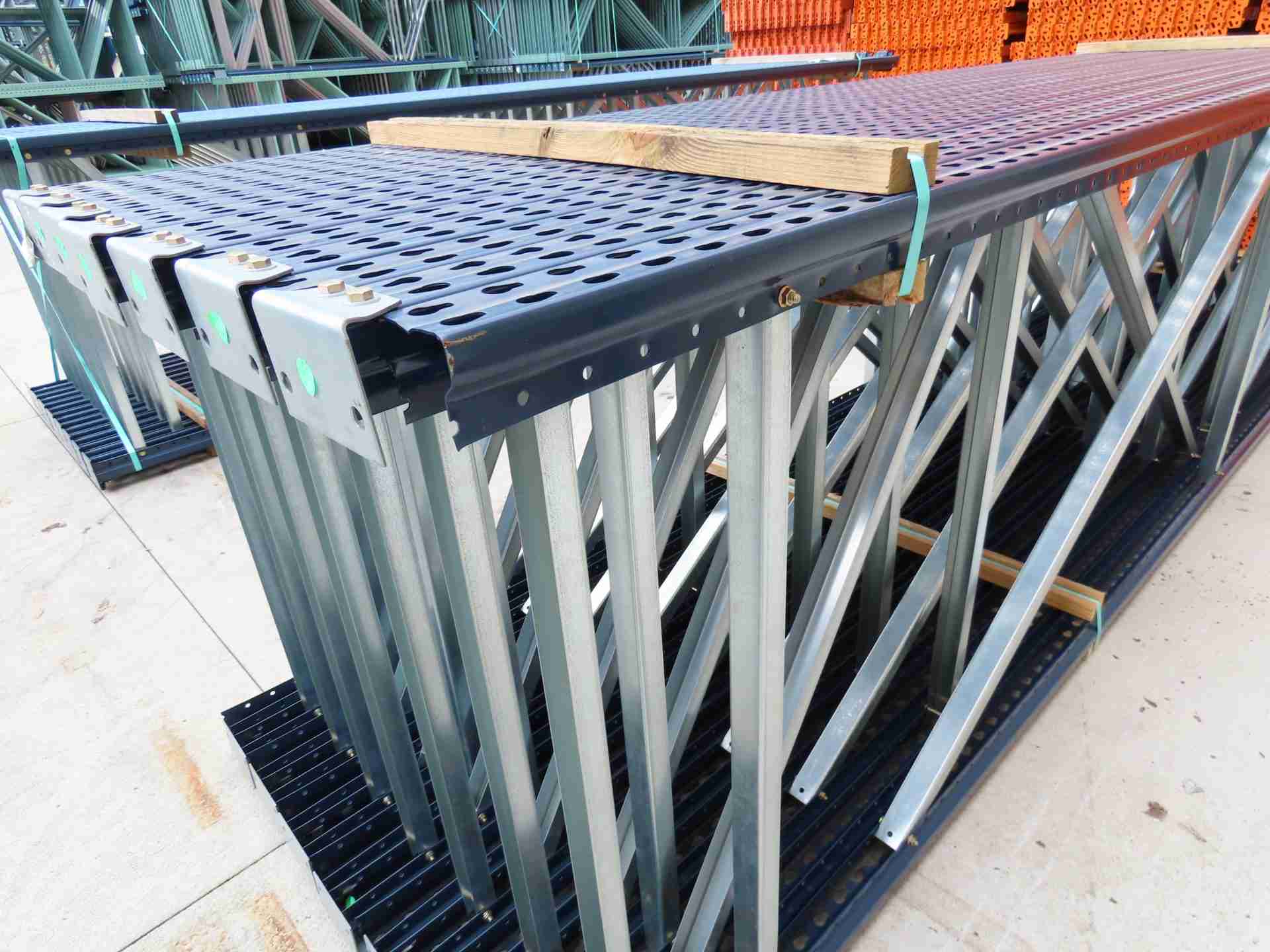
Checklist
At RackingWorld, we help guide you through selecting warehouse storage systems and racking.
Be sure to read our other related stories at RackingWorld to learn more about warehouse storage systems.
0 Comments