
Streamlining Lifesaving Drugs: Efficiency, Safety, And Trust In Every Shelf
By Tom Seest
At RackingWorld, we help guide you through selecting warehouse storage systems and racking.
Be sure to read our other related stories at RackingWorld to learn more about warehouse storage systems.
How Do Pharmaceutical Distribution Centers Leverage Pallet Racking?
In the world of pharmaceutical distribution centers, pallet racking isn’t just metal and beams—it’s the backbone of keeping lifesaving medicines moving smoothly and safely. When you walk through one of these warehouses, you see row after row of neatly stacked pallets, each holding bottles, vials, and boxes that could mean the difference between sickness and health for real people. Behind that order is pallet racking, doing its quiet, steady job.
These racks are like the unsung heroes of storage. Without them, the center would be chaos—boxes piled haphazardly, workers wasting time digging through piles, and worst of all, the risk of damage that could compromise safety or delay urgent shipments. Pallet racking lets these places maximize every square foot, stacking goods smart and strong, so they’re not just stored—they’re protected and easy to find. That matters because pharmaceuticals are sensitive; a dropped box or a wrong shipment isn’t just a mistake, it’s a failure to help someone in need.
There’s a real ethical weight carried here. Every pallet on those racks is part of a chain that supports hospitals, pharmacies, and patients. Using pallet racking systems ensures that medicines aren’t lost to waste or delay, honoring the hard work of everyone in the supply chain. It’s a commitment to responsibility and care, showing respect for both products and people. For folks working there, it’s more than a job—it’s knowing they’re part of something bigger, and pallet racking is their tool to get it right every time.
From a practical side, pallet racking drives efficiency. Workers can grab the right pallet with minimal fuss, orders ship faster, and inventory checks go without a hitch. This reduces stress, saves money, and keeps the whole operation humming, letting those centers handle the huge demand without breaking a sweat.
If you’ve stood in a busy warehouse, you get it—the sound of forklifts humming, staff moving with purpose, and racks standing firm like a well-oiled machine. That’s pallet racking working with quiet reliability, making sure life-saving medicines get the respect and treatment they deserve. It’s a smart, straightforward solution that keeps everything stacked high and running right.

How Do Pharmaceutical Distribution Centers Leverage Pallet Racking?
How Do Pharmaceutical Distribution Centers Leverage Pallet Racking?
- Pallet racking is the essential structure enabling smooth, safe distribution of lifesaving medicines in pharmaceutical warehouses.
- These racks prevent chaos by organizing pallets efficiently, protecting sensitive pharmaceuticals from damage and errors.
- Pallet racking maximizes storage space, ensuring goods are stacked securely and easy to locate.
- There is an ethical responsibility tied to pallet racking, as it supports the entire supply chain from manufacturers to patients.
- Using pallet racking reduces waste and delays, respecting both the products and the people relying on them.
- It enhances operational efficiency by simplifying pallet retrieval, speeding shipment, and facilitating inventory management.
- In busy warehouses, pallet racking operates reliably and quietly, enabling the continuous flow of medicines that save lives.

How Do Pharmaceutical Distribution Centers Leverage Pallet Racking?
Table Of Contents
- How Do Pharmaceutical Distribution Centers Leverage Pallet Racking?
- How Does Pallet Racking Improve Pharmaceutical Storage Efficiency?
- What Safety Standards Must Pallet Racking Meet In Pharma Centers?
- How Does Pallet Racking Protect Sensitive Medical Products?
- Can Pallet Racking Reduce Operational Costs In Distribution?
- How Do Regulations Impact Pallet Racking Choices In Pharma?
- What Risks Do Inadequate Racking Systems Pose to Drug Safety?
- Conclusion
- Other Resources
- Glossary Of Terms
- Other Questions
- Checklist
How Does Pallet Racking Improve Pharmaceutical Storage Efficiency?
When it comes to pharmaceutical storage, every second counts and every inch of space matters. Pallet racking isn’t just some fancy shelving system—it’s the backbone that keeps things running smooth when lives literally depend on it. You see, in this line of work, you can’t afford chaos. Missed inventory or damaged supplies don’t just cost money; they cost trust and sometimes even health. Pallet racking brings order to the madness, giving you a system built on common sense and solid, no-nonsense reliability.
From a practical standpoint, pallet racking maximizes storage capacity by stacking goods vertically and keeping them well organized. It’s like getting several floors of storage in one room. When you have shelves that use every bit of height and depth logically, you free up space for more critical operations or new stock, which helps keep the pharmacy stocked and ready. And that orderliness? It means you’re not digging through boxes or wasting time tracking down the right batch—vital when those medicines have strict expiration dates and handling needs.
Trust comes with knowing that the equipment holding these essential products is sturdy and dependable. Pallet racking systems are built tough, designed for the kind of wear and tear that a busy warehouse or storage area can throw at them every day. That strength is not just a selling point; it’s a promise that your supplies are safe from damage and contamination. When you rely on pallet racking, you’re leaning on a system that’s been tested and proven across industries to keep things organized, accessible, and secure.
Now, think about the people behind the scenes—the warehouse workers, the pharmacists, the delivery folks—all hustling to make sure these vital medicines reach the people who need them. Pallet racking simplifies their work. By cutting down on unnecessary steps and physical strain, it helps reduce errors and keeps morale up. It fosters a culture where everyone feels like they’re part of something bigger, something responsible.
At its core, pallet racking isn’t just about storing stuff—it’s about respecting what that stuff means. It’s about doing right by the people who depend on those medicines every day. When you invest in a solid pallet racking system, you’re investing in efficiency, safety, and, ultimately, trust. And that’s a foundation any pharmaceutical operation should stand on.

How Does Pallet Racking Improve Pharmaceutical Storage Efficiency?
How Does Pallet Racking Improve Pharmaceutical Storage Efficiency?
- Pallet racking is essential in pharmaceutical storage, ensuring smooth operations where lives depend on it by preventing chaos, missed inventory, and damaged supplies.
- It maximizes storage capacity by stacking goods vertically and organizing them efficiently, effectively creating multiple storage floors in one room.
- Efficient use of space frees up room for critical operations and new stock, helping maintain a well-stocked pharmacy.
- The system is sturdy and durable, protecting supplies from damage and contamination in busy storage environments.
- Pallet racking is a proven, reliable solution that keeps products organized, accessible, and secure across industries.
- It simplifies work for warehouse staff, pharmacists, and delivery personnel, reducing errors, physical strain, and improving morale.
- Investing in pallet racking supports efficiency, safety, and trust, reflecting respect for the medicines and the people who depend on them.

How Does Pallet Racking Improve Pharmaceutical Storage Efficiency?
What Safety Standards Must Pallet Racking Meet In Pharma Centers?
You don’t just slap some metal beams together and call it a day when it comes to pallet racking in pharma centers. These places carry serious weight—not just physically, but morally. Every box resting on those racks holds medicine meant to heal, sometimes lives hinging on every single dose. That kind of responsibility doesn’t allow for cutting corners or guessing games.
Pallet racking here isn’t about convenience. It’s about precision, reliability, and safety rooted in solid standards that have been hard-earned through experience and hard knocks. First off, the racks have to meet strict building codes and industry regulations tailored to the pharmaceutical world. This means they have to withstand specific load capacities without wavering, because a collapse anywhere in that chain isn’t just a mess—it’s a potential disaster affecting health outcomes and trust.
Think of it like the backbone of the whole operation. If the pallet racking isn’t up to snuff, you risk damaged goods, delayed shipments, or worse, contamination. The pharma industry is held to a higher ethical bar, demanding clean, secure, and accessible storage areas. The racks need to fit into that ethos without adding risk—meaning materials used must resist corrosion, and designs must factor in easy cleaning and pest control. It’s all about protecting what’s inside.
From a gut-level standpoint, you want to walk into a pharma warehouse knowing what holds those critical medicines is built tough and smart. No wobbling, no creaky signs. Just solid, dependable engineering that mirrors the seriousness of the work behind those walls. You’re trusting the pallets above your head literally not to fail.
Socially, safety standards build community trust. Workers rely on the sturdiness of pallet racking to feel secure on the job, and customers depend on the integrity of the system that delivers their medicines. It’s a relationship built on the solid foundation of careful standards—because at the end of the day, lives and livelihoods both hang on it.
In plain terms, pallet racking in pharma centers has to be a well-oiled safety machine: engineered to carry weight, built to last, easy to inspect, and compliant with laws that protect everyone involved. It’s the humble unsung hero, holding together a process bigger than any one of us, but dependent on each part doing its job right.

What Safety Standards Must Pallet Racking Meet In Pharma Centers?
What Safety Standards Must Pallet Racking Meet In Pharma Centers?
- Pallet racking in pharma centers must meet strict building codes and industry regulations to ensure safety and load capacity.
- Racks support critical medicines, requiring precision, reliability, and adherence to high ethical and safety standards.
- Materials used must resist corrosion and enable easy cleaning and pest control to prevent contamination.
- Properly engineered racks prevent damage, shipment delays, and maintain product integrity throughout the supply chain.
- Sturdy pallet racking fosters worker safety and builds trust among customers relying on medicine delivery.
- The system acts as a vital, dependable backbone holding the entire pharmaceutical storage and distribution process together.
- Pallet racking must be durable, easy to inspect, and fully compliant with laws protecting everyone involved in the pharma supply chain.

What Safety Standards Must Pallet Racking Meet In Pharma Centers?
How Does Pallet Racking Protect Sensitive Medical Products?
When it comes to storing sensitive medical products, you can’t just slap them on any old shelf and hope for the best. That’s where pallet racking steps in like the reliable workhorse it is. It’s not fancy or flashy, but it’s built for a purpose—to keep precious, fragile stuff safe from the moment it hits the warehouse until it’s needed on the front lines of care. This isn’t just about stacking boxes; it’s about safeguarding lives.
Pallet racking is the backbone of organized storage. It holds pallets steady and secure, keeping medical products off the floor and away from dirt, moisture, and accidental bumps. You can’t underestimate the peace of mind that comes with knowing each box of vaccines, IV fluids, or surgical tools stays exactly where it belongs. When you’re dealing with medicine that could mean the difference between healing and harm, that kind of protection isn’t negotiable—it’s a commitment to quality and reliability.
Behind every shelf is a design crafted by experience and necessity. Pallet racking is engineered to withstand everyday knocks and to distribute weight evenly, reducing the risk of damage. It gives warehouse workers solid footing for their forklifts and clear aisles to move quickly, which speeds up the delivery chain without cutting corners. It’s practical, efficient, and straight-up tough, standing tall against the chaos that can creep into any busy storage facility.
There’s a quiet ethics to pallet racking, too. In healthcare, mistakes aren’t just costly—they’re consequential. When products get crushed, contaminated, or misplaced, people suffer. Using pallet racking isn’t just about ticking boxes on a safety checklist; it’s about showing respect for patients and pros alike who rely on the system every day. It’s a nod to the idea that we all deserve care that’s both smart and trustworthy.
Trust in pallet racking comes from seeing it in action—sturdy beams holding shelves loaded with life-saving goods, organized so nothing gets left behind or forgotten. It’s about steady hands, level heads, and a shared commitment to doing right by people who depend on this system to work perfectly. When your medical supplies are on pallet racking, you know they’re not just stored; they’re protected, respected, and ready when the moment calls for them.

How Does Pallet Racking Protect Sensitive Medical Products?
How Does Pallet Racking Protect Sensitive Medical Products?
- Pallet racking provides secure, purpose-built storage to protect sensitive medical products from warehouse arrival to use in care settings.
- It keeps pallets stable and off the floor, preventing damage from dirt, moisture, and accidents, ensuring each medical item stays where it belongs.
- Designed for durability, pallet racking evenly distributes weight and withstands daily impacts, aiding efficient and safe warehouse operations.
- It facilitates smooth workflow by providing stable surfaces for forklifts and clear aisles, speeding up delivery without compromising safety.
- Using pallet racking reflects a commitment to healthcare ethics, reducing risks of product damage, contamination, or misplacement that could harm patients.
- Trust in pallet racking comes from its proven reliability in securely holding life-saving medical supplies, ensuring nothing is lost or overlooked.
- Medical supplies stored on pallet racking are protected, respected, and readily accessible when needed, supporting quality patient care.

How Does Pallet Racking Protect Sensitive Medical Products?
Can Pallet Racking Reduce Operational Costs In Distribution?
When it comes to running a distribution center, every penny counts and every minute on the clock matters. Pallet racking isn’t just some fancy shelf system—it’s the backbone that keeps things moving without a hitch. Think about the warehouse floor as a big, bustling machine. Without a solid pallet racking setup, that machine’s parts get jammed up, slowed down, and costs quietly creep in.
At its core, pallet racking gives you more space to work with. It stacks inventory smartly, so you aren’t wasting square footage or resorting to chaotic piles on the floor. That means fewer safety issues, less product damage, and smoother forklift runs. You don’t need to hire extra bodies just to dig through stacks of goods or shuffle pallets around like a frantic deck of cards. When workers aren’t fighting clutter, they can actually get stuff done—and that saves real money. Not just on labor, but on headaches, overtime, and those pesky unexpected delays.
There’s a fairness to it, too. You’re treating your team better by giving them a safer, more organized place to work. People notice that, and even if it sounds small, it builds respect—you don’t want your best folks burned out or hurt because equipment or inventory is poorly managed. Using pallet racking shows you care about the whole operation, not just profits on a spreadsheet.
From a practical standpoint, pallet racking opens the door to better inventory control and faster order picking. More accuracy means fewer errors, which means no costly returns or unhappy customers. Behind every smooth shipment is a system that knows where everything is at a glance—saving time and money for everyone involved. It’s straightforward: efficiency drives savings.
Look at it this way: setting up good pallet racking is like building a tradition of dependability. It might not be flashy, but it’s proven over and over again to cut costs, boost productivity, and keep everything rolling. You don’t need fancy tricks—just a solid, well-maintained racking system and a crew that trusts the setup can handle the work without hassle.
If you want your distribution center to climb out of the daily grind and step into steady, reliable operation, pallet racking is the kind of tool you want right there in the mix—earning back its cost week after week, long after the installation crews have gone home.

Can Pallet Racking Reduce Operational Costs In Distribution?
Can Pallet Racking Reduce Operational Costs In Distribution?
- Pallet racking is essential for efficient distribution center operations, preventing delays and hidden costs.
- It maximizes warehouse space by stacking inventory neatly, reducing safety hazards and product damage.
- Organized racking minimizes labor needs, overtime, and unexpected delays by streamlining forklift operations and inventory access.
- Provides a safer, more respectful working environment, reducing employee burnout and injuries.
- Improves inventory control and speeds up order picking, lowering errors and customer dissatisfaction.
- Establishes a reliable system that consistently cuts costs and boosts productivity without complex solutions.
- Offers long-term value by maintaining steady, dependable warehouse operations that repay the investment continuously.

Can Pallet Racking Reduce Operational Costs In Distribution?
How Do Regulations Impact Pallet Racking Choices In Pharma?
When it comes to pallet racking in the pharmaceutical world, regulations aren’t just red tape—they’re the guardrails keeping everything safe, sound, and above board. You can’t afford to cut corners here. Patients’ lives depend on what happens inside those warehouses just as much as the folks working around the clock to keep things running. Pallet racking choices aren’t made on a whim; they’re built on a foundation of trust, responsibility, and a clear-eyed respect for the rules that govern this space.
Look, everyone who’s been in the trenches will tell you: a crooked pallet rack isn’t just an eyesore—it’s a ticking time bomb. The regs demand precision because they know the cost of failure isn’t just money, it’s human lives and reputations on the line. These guidelines make you think twice before taking shortcuts. Your pallet racking system has to hold more than weight — it holds your credibility, your clients’ faith, and the welfare of whoever leans on your care. When the inspector walks in, it’s not just compliance they’re looking for — it’s peace of mind that every box, vial, and batch is exactly where it should be, safe from damage or contamination.
There’s an ethical muscle behind these rules too. We aren’t just stacking goods; we’re stacking trust. Choosing pallet racking based on solid, tested guidelines tells everyone out there that you respect what you handle and who you serve. It says you understand that your work ripples beyond the warehouse walls and into hospitals, clinics, and homes. Cutting corners on safety isn’t just dumb; it’s disrespectful to every hand that touches those products down the line.
And here’s the kicker—navigating these regulations sharpens your reputation. It shows you’re a straight shooter who plays by the book and values every detail, no matter how small. With pallet racking designed and installed to code, you’re not just meeting standards—you’re setting a benchmark. Others will notice, trust will build, and business grows on that foundation.
Pallet racking in pharma isn’t about racks and beams; it’s about building a fortress that protects health, upholds integrity, and honors the sweat of every worker behind the scenes. When regulations guide your choices, you’re choosing more than metal and space—you’re choosing responsibility. And that makes all the difference.

How Do Regulations Impact Pallet Racking Choices In Pharma?
How Do Regulations Impact Pallet Racking Choices In Pharma?
- Pharmaceutical pallet racking regulations ensure safety, reliability, and compliance, protecting patients and workers alike.
- Precision in pallet racking is critical; crooked or poorly installed racks pose serious risks beyond mere aesthetics.
- Compliance is about more than weight capacity—it safeguards credibility, customer trust, and product integrity.
- Ethical responsibility underpins regulations, emphasizing respect for the products and people involved in the supply chain.
- Adhering to regulations demonstrates commitment to quality, strengthening reputation and fostering trust with clients and inspectors.
- Meeting and exceeding standards sets industry benchmarks, driving business growth and professional respect.
- Pallet racking in pharma embodies a commitment to health protection, integrity, and responsibility beyond just physical infrastructure.

How Do Regulations Impact Pallet Racking Choices In Pharma?
What Risks Do Inadequate Racking Systems Pose to Drug Safety?
Imagine walking into a warehouse stacked high with boxes marked “medicine.” Each pallet is a promise—people’s lives hanging on proper storage, careful handling, and flawless timing. Now picture those pallets perched on rickety, poorly designed racks that wobble with every nudge. That’s not just a warehouse issue; it’s a danger that creeps all the way to the pharmacy shelf, where trust is supposed to be as solid as steel.
Pallet racking might sound like boring warehouse talk, but it’s the backbone holding up drug safety. When those racks are inadequate, it puts the whole chain in jeopardy. Boxes can fall, crush, or get damaged—chemicals can leak, labels can smudge, expiration dates overlooked. Suddenly, a simple pallet shift isn’t just lost inventory; it’s a potential health hazard. You risk medications losing potency or getting contaminated, and that’s a gamble nobody—especially patients—should have to take.
From experience, you learn that corners saved on racking systems don’t just cut costs—they cut into the very essence of reliability. When a racking system isn’t built for the weight, size, and handling frequency of pharmaceutical pallets, the whole setup is an accident waiting to happen. Forklifts bump shelves, racks collapse, and medications get compromised. At that point, it’s not just bad business, it’s a breach of ethical responsibility. People rely on that medicine to heal, not to cause harm.
The truth is, drug storage isn’t just about stacking boxes high; it’s about precision, trust, and respect for the chain that protects lives. An industry with authority on quality control knows this—because their reputation and the public’s health hang in the balance. You want to be part of that standard, not the weak link.
At the end of the day, the social cost of inadequate pallet racking is real. It’s about neighbors getting the right prescription, kids receiving safe vaccines, and the elderly trusting their meds won’t fail them. Investing in solid, proper racking systems isn’t just smart—it’s about standing behind what you deliver like you mean it. Because when the racks hold strong, so do the promises made, and that’s a story worth stacking on.

What Risks Do Inadequate Racking Systems Pose to Drug Safety?
What Risks Do Inadequate Racking Systems Pose to Drug Safety?
- Proper pallet racking is crucial for drug safety, ensuring medicines are stored securely and handled carefully.
- Inadequate or poorly designed racks risk damage, contamination, and loss of medication potency, posing serious health hazards.
- Cost-cutting on racking compromises reliability, increasing the likelihood of accidents like collapsing racks and damaged products.
- The pharmaceutical supply chain depends on precision, trust, and respect to protect public health and maintain quality standards.
- Inadequate storage leads to ethical breaches, as compromised medicines can harm patients instead of healing them.
- Quality control and strong storage systems uphold the industry’s reputation and the public’s health.
- Investing in solid racking systems supports reliable delivery of safe medications, protecting communities and fulfilling promises.

What Risks Do Inadequate Racking Systems Pose to Drug Safety?
Conclusion
Pallet racking in pharmaceutical distribution centers is far more than just metal shelves—it’s the silent workhorse that keeps lifesaving medicines safe, accessible, and moving without a hitch. Picture a warehouse packed with boxes of vaccines, pills, and critical supplies; without sturdy, orderly racks, that place would be a mess of piled-up pallets, wasted space, and riskier mistakes. Pallet racking is where common sense meets responsibility—stacking products smartly to protect them from damage while giving workers a straightforward way to find the right stuff quick. When lives depend on this chain of care, every step counts.
These racks aren’t just built tough to survive daily wear and tear—they’re crafted to meet strict industry regulations and safety standards, because a failure here isn’t just a headache; it can mean harm to patients and loss of trust for everyone involved. Clean, corrosion-resistant materials, precise engineering, and easy-to-inspect designs make sure that what’s stored stays uncontaminated and in perfect shape. The stakes are high, and pallet racking shoulders that burden with quiet dependability.
Efficiency goes hand in hand with safety. With pallet racking, warehouse workers can move faster and more confidently, cutting down errors and physical strain. Inventory checks become less of a scramble, shipments leave on time, and the whole operation hums along without the chaos of misplaced or damaged products. This isn’t about fancy tech or gimmicks; it’s about straightforward, proven organization that respects the hard work and seriousness of the mission. When the equipment works, the people working with it can do their jobs right—and feel part of something bigger.
On the money side, pallet racking saves serious cash. More space means fewer costly expansions or extra hires. Fewer mistakes mean less waste. Faster workflows mean less overtime. It all adds up, proving that good infrastructure pays dividends. Beyond dollars, it shows care for the workforce, creating safer, more respectful workplaces where people aren’t constantly battling clutter or risk.
Cutting corners on racking isn’t just penny wise and pound foolish—it’s playing with lives. A shaky shelf or a poorly designed system puts pharmaceuticals at risk of damage, contamination, or loss. Each failure can ripple beyond the warehouse walls to hurt patients and thin trust in the entire healthcare chain. Compliance with regulations isn’t red tape; it’s the backbone of responsibility, reflecting respect for both product and people.
In the end, pallet racking in pharma distribution isn’t just about racks and beams; it’s about building a fortress of trust, safety, and reliability. It’s the backbone holding up a system bigger than any one person—one that delivers hope, health, and healing on time, every time. When your stacks stand strong, so do the promises made to every patient waiting on the other end.

Conclusion
Conclusion:
- Pallet racking is essential in pharmaceutical distribution centers for keeping medicines safe, organized, and easily accessible.
- It prevents disorder and risks by providing sturdy, orderly shelving for vaccines, pills, and critical supplies.
- Racks are designed to meet strict industry regulations and safety standards, ensuring product integrity and patient safety.
- Durable, corrosion-resistant materials and precise engineering protect stored products from contamination and damage.
- Pallet racking improves efficiency by reducing errors, speeding up inventory checks, and supporting timely shipments.
- It offers significant cost savings by maximizing space, minimizing waste, and reducing overtime expenses.
- Reliable pallet racking builds trust and safety in the pharmaceutical supply chain, supporting its critical mission to deliver health and healing.
Conclusion
Other Resources
Other Resources
Here is a list of other resources you can review online to learn more:
- Warehouse Racks, Warehouse Racking in Stock – ULINE
- Intro to Warehouse Racks & Warehouse Racking Systems – ShipBob
- International Warehouse Logistics Association
- IIWS Inc. Rack Installation Illinois & Rack Repairs Illinois
- Interlake Mecalux
- CMMA
- Racking World
- Selective Pallet Racking Systems
- Mustang Material Handling
- SEMA
- Illinois Pallet Racking – WPRP
- Pallet Racking systems in Illinois and Great Lakes
- What is Selective Racking: Understanding Benefits & Options
- Rack Manufacturers Institute
- Teardrop Pallet Rack – Ridg-U-Rak
- Chicago Pallet Racking
- Material Handling Industry
- Material Handling Safety
- Teardrop Uprights
Use This Prompt To Get More Resources With Your Favorite Online AI Tool: Please provide me with a list of online articles with their URLs in a bulleted list that I can read regarding How Do Pharmaceutical Distribution Centers Leverage Pallet Racking?

Other Resources
Glossary Terms
How Do Pharmaceutical Distribution Centers Leverage Pallet Racking? – Glossary Of Terms
1. Pallet Racking: A storage system designed to hold materials on pallets in horizontal rows with multiple levels.
2. Pharmaceutical Distribution Center: A facility where pharmaceutical products are received, stored, and shipped to various locations.
3. Inventory Management: The process of ordering, storing, and using a company’s inventory efficiently.
4. Load Capacity: The maximum weight a pallet rack can safely hold.
5. Selective Racking: A common type of pallet racking allowing direct access to each pallet.
6. Drive-In Racking: A high-density storage system where forklifts drive directly into the rack’s bays.
7. FIFO (First In, First Out): An inventory method ensuring the oldest stock is used first.
8. LIFO (Last In, First Out): An inventory method where the most recently stored items are used first.
9. Pick Slotting: Organizing products in accessible locations to optimize picking efficiency.
10. Warehouse Automation: Use of automated systems to manage storage and retrieval.
11. Cold Storage: Controlled temperature storage essential for certain pharmaceuticals.
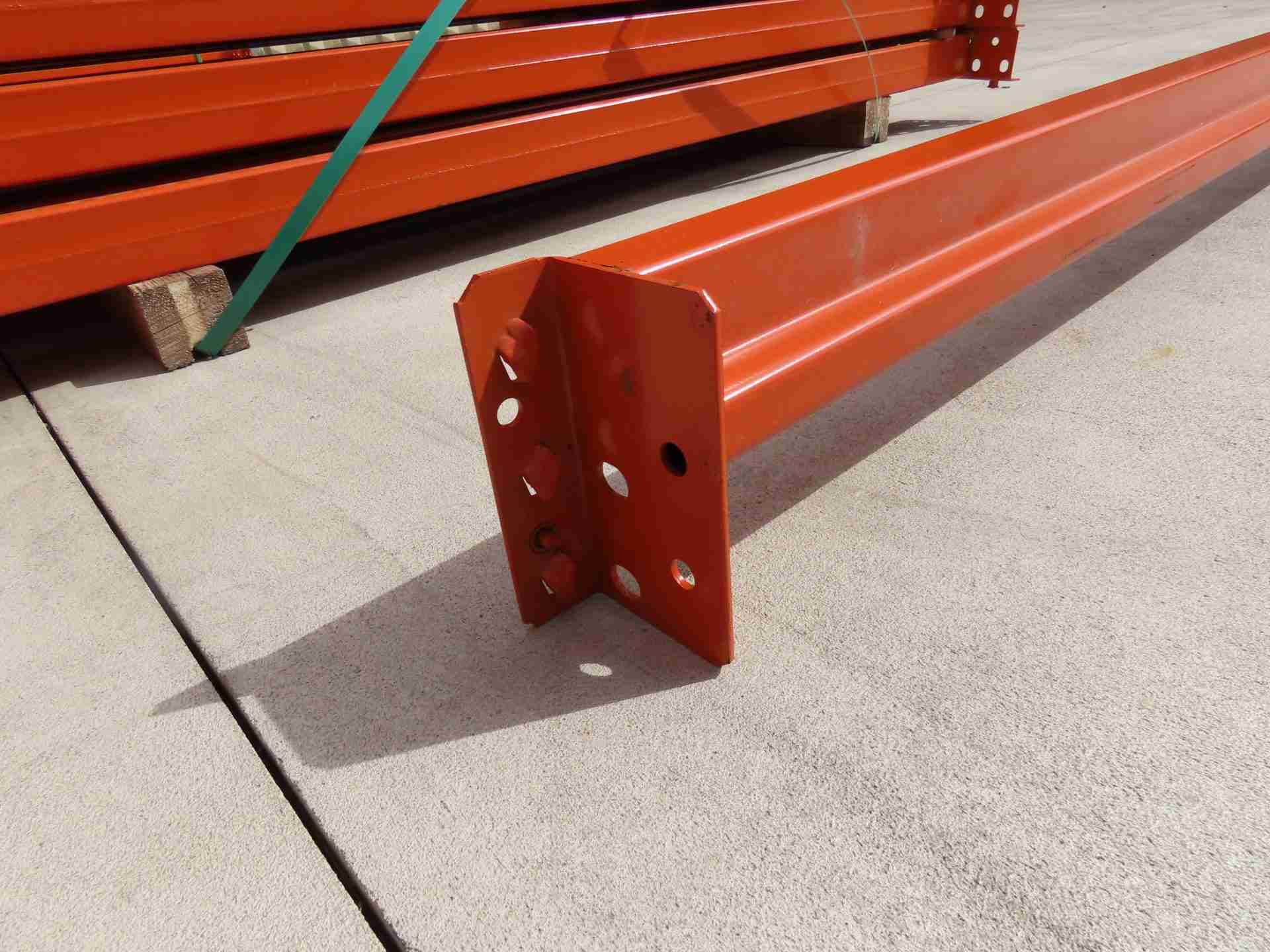
12. Load Beam: Horizontal support bars on pallet racks that hold pallets.
13. Upright Frame: Vertical component of pallet racks providing structural support.
14. Safety Clips: Components securing load beams to upright frames to prevent accidental dislodgement.
15. Cross Bracing: Structural elements that provide stability to pallet racks.
16. Rack Protection: Devices installed to prevent damage to racks from forklifts or equipment.
17. SKU (Stock Keeping Unit): A unique identifier for each distinct product.
18. Order Picking: The process of retrieving specific items from storage to fulfill orders.
19. Pallet Jack: Manual or powered equipment used to move pallets within the warehouse.
20. Forklift: Motorized vehicle used to lift and transport pallets.
21. Space Optimization: Maximizing storage capacity while maintaining accessibility.
22. Load Stability: Ensuring pallets are securely placed to prevent shifting or collapse.
23. Compliance Standards: Regulations governing storage and handling of pharmaceuticals.
24. Traceability: Ability to track product movement and history throughout the supply chain.
25. Cycle Counting: Periodic counting of inventory to maintain accuracy.
26. Lead Time: Time between ordering and receiving inventory.
27. Batch Picking: Gathering items for multiple orders simultaneously to improve efficiency.
28. Hazardous Material Handling: Procedures for safely storing and distributing sensitive substances.
29. Temperature Control: Maintaining specific environmental conditions to preserve pharmaceutical quality.
30. Distribution Network: The interconnected system of locations and processes involved in delivering products.

Glossary Of Terms
Other Questions
How Do Pharmaceutical Distribution Centers Leverage Pallet Racking? – Other Questions
If you wish to explore and discover more, consider looking for answers to these questions:
- What specific pallet racking types are best suited for pharmaceutical distribution centers (selective, drive-in, push-back, cantilever, ASRS)?
- How do pallet racking systems integrate with cold chain storage and refrigerated rooms?
- What temperature and humidity control requirements affect racking material and design?
- How do racking systems support FIFO, FEFO, or other inventory rotation strategies for expiration-sensitive products?
- What measures ensure segregation of batches, lot numbers, and recalled or quarantined products on racks?
- How does pallet racking support serialization, barcoding, and track-and-trace systems required by regulators?
- What are the load capacity calculations and safety factors used to size racks for pharmaceutical pallets?
- How often should racking be inspected, tested (e.g., load testing), and certified in a pharma facility?
- What inspection checklists and documentation are required for regulatory audits (FDA, EMA, GDP, GMP)?
- Which industry standards and regulations apply to pallet racking in pharma (e.g., OSHA, local building codes, ISO, Good Distribution Practice)?
- How should racks be anchored and braced for seismic zones or high-wind regions?
- What corrosion-resistant materials or coatings are recommended for racking in pharma environments?
- How is cleaning, sanitation, and pest control conducted around pallet racking without compromising stored products?
- What clearances and aisle widths are required for safe forklift operation and emergency egress?
- How do racking layouts impact order picking methods (batch, zone, wave) and picking efficiency?
- What are best practices for rack protection (column guards, row end protectors) and collision mitigation?
- How can automated storage and retrieval systems (ASRS) or robotics be retrofitted into existing racking?
- What IT integrations (WMS, ERP, real-time monitoring) are needed to maximize racking utility?
- How are environmental sensors (temperature, humidity, door status) mounted or integrated with racking infrastructure?
- What procedures exist for handling damaged pallets or product spills on racking without cross-contaminating stock?
- How are controlled substances and high-value drugs secured within racking systems (access control, cages, CCTV)?
- What training and certification do forklift operators and warehouse staff need to work safely around racking?
- How do racking choices affect insurance, liability, and product recall risk?
- What is the expected lifecycle, maintenance schedule, and replacement plan for racking components?
- How do retrofit vs. new-install racking decisions affect downtime, cost, and compliance?
- How is load signage, labeling, and rack identification standardized for ease of use and audits?
- What KPIs should managers track to measure racking performance (space utilization, pick rates, damage incidents)?
- How are pallet dimensions, load patterns, and pallet quality accounted for in racking design?
- What emergency response and business continuity plans involve racking (collapse scenarios, power loss in cold rooms)?
- How do you evaluate and select racking vendors and installers for pharmaceutical compliance and quality?
- What warranties, spare-part provisions, and service agreements should be negotiated with racking suppliers?
- How do lighting, signage, and ergonomics near racks improve worker safety and picking accuracy?
- What common failure modes occur in pharma racking, and what mitigation strategies exist?
- Are there case studies or benchmark examples showing ROI and operational gains from specific racking implementations?
- How do cross-docking and high-throughput operations influence pallet racking layout and design?
- What documentation and evidence should be prepared for regulators to demonstrate racking compliance during inspections?

Other Questions
Checklist
How Do Pharmaceutical Distribution Centers Leverage Pallet Racking? – A Checklist
Strategy and Scope
✅______ Defined storage goals (throughput, capacity, service levels) aligned to demand
✅______ Documented product profiles (sizes, weights, sensitivities, hazardous/temperature-controlled)
✅______ FEFO/FIFO strategy selected and mapped to rack types and pick methods
✅______ Clear segregation plan for quarantine, returns, damages, and recall-ready zones
✅______ WMS capable of driving location control, FEFO, and traceability
Racking Design and Engineering
✅______ Load calculations stamped by a qualified engineer for each bay and level
✅______ Rack type selected for use case (selective, double-deep, drive-in, pushback, pallet flow, mezzanine/ASRS)
✅______ Beam levels, bay widths/depths, and upright heights sized to pallet dimensions and load
✅______ Aisle widths matched to material handling equipment (counterbalance, reach, VNA/turret)
✅______ Anchoring, base plates, and row spacers specified per slab thickness and seismic needs
✅______ Design complies with ANSI/RMI MH16.1, IBC, and ASCE 7 (including seismic category)
Materials, Cleanability, and Durability
✅______ Corrosion-resistant finishes (galvanized or approved coatings) for chilled/wet areas
✅______ Smooth, cleanable surfaces; no flaking paint; minimal horizontal dust-collecting ledges
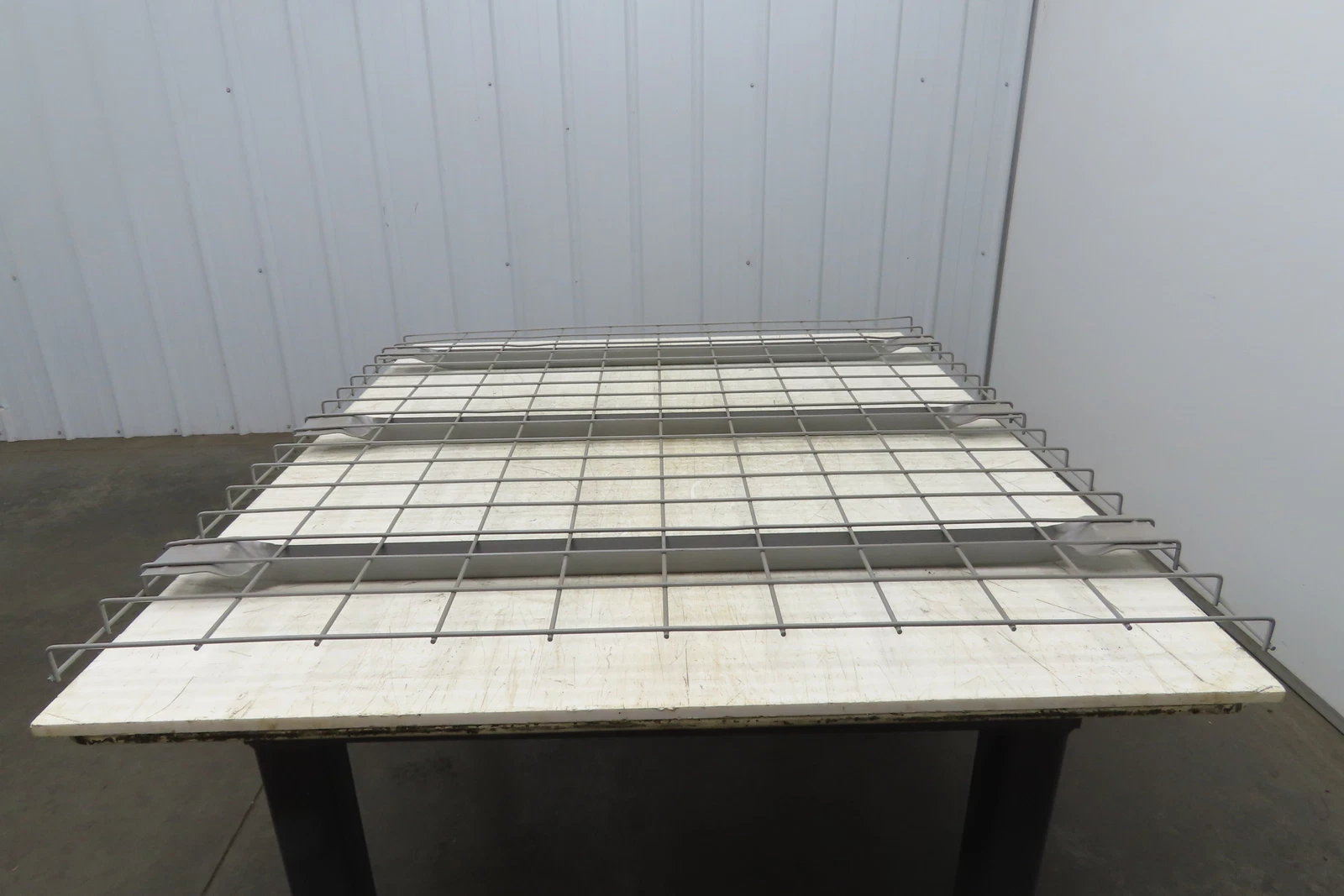
✅______ Wire decking or solid decking specified to product risk and fire code
✅______ Pallet standards defined (condition, overhang, stringer orientation)
Environmental Controls and Cold Chain
✅______ Racking compatible with temperature/humidity zones (ambient, cool, cold, frozen)
✅______ Temperature mapping completed; monitoring and alarms installed for each zone
✅______ Condensation control for cold rooms (drip management, anti-corrosion)
✅______ Backup power for monitoring and critical storage
✅______ Airflow maintained around loads; no blocking of vents or sensors
Fire Protection and Egress
✅______ Commodity classification assessed; protection scheme selected with fire authority
✅______ Sprinkler design coordinated with rack type and decking (in-rack if required)
✅______ Longitudinal and transverse flue spaces preserved; pallet overhang controlled
✅______ Clear, signed egress routes; emergency lighting unobstructed
✅______ Compliance with NFPA 13 (or local fire code) verified
Regulatory and Standards Alignment
✅______ cGMP/GDP-aligned storage practices (21 CFR Part 211; EU GDP) implemented
✅______ USP <1079> good storage/distribution considerations addressed
✅______ DSCSA serialization/traceability supported (US); equivalent local laws mapped
✅______ DEA/controlled substance security requirements addressed (CFR 1301 cages, access)
✅______ OSHA 1910 general safety considerations integrated
✅______ Local building permits and inspections completed; approvals on file
Inventory Control and Traceability
✅______ Location schema standardized and labeled (aisle-bay-level; human- and machine-readable)
✅______ Barcode/RFID scannability validated at all pick/replen positions
✅______ Lot/batch, expiry, and serialization captured at receipt, movement, and ship
✅______ FEFO rules enforced in WMS and process SOPs
✅______ Cycle counting program defined for high-risk SKUs and locations
Layout, Aisles, and Equipment Interface
✅______ Aisle zoning for receiving, put-away, picks, replen, and staging
✅______ End-of-aisle clearances for turns and staging maintained
✅______ Guarded intersections; mirrors or sensors at blind spots
✅______ Charger areas, PPE stations, and battery handling isolated and vented
✅______ Floor markings and signage installed and visible
Safety Devices and Damage Prevention
✅______ Load plaques posted on each rack row (bay/beam capacities and heights)
✅______ End-of-aisle rack guards, column protectors, and guide rails installed where needed
✅______ Pallet backstops/anti-fall mesh for elevated loads near walkways
✅______ Beam safety locks/clip integrity verified
✅______ Strapping/wrapping standards defined to prevent load shift
Operations and Picking
✅______ Slotting aligns heavy/bulky items to lower levels; high-velocity SKUs to optimal zones
✅______ Defined pick methods (case, pallet, piece) with ergonomic reach limits
✅______ Replenishment triggers and windows set to avoid stockouts and congestion
✅______ Staging lanes labeled and capacity-limited to avoid blocking aisles
✅______ KPI dashboards for picks/hour, replen lead time, and location utilization
Security and Controlled Substances
✅______ Secure cages or vault racks for controlled substances; limited, logged access
✅______ CCTV coverage for high-risk zones; tamper-evident seals in process
✅______ Visitor control and escort policy enforced in warehouse areas
✅______ Alarmed doors/gates for secured bays
Housekeeping and Contamination Control
✅______ 5S program implemented; no storage on floors under racks
✅______ Scheduled cleaning for rack beams, decks, and flue spaces
✅______ Pest prevention program active; no gaps or harborage near racks
✅______ Spill kits accessible; hazardous spill SOPs posted
Training and Competency
✅______ Operator training for equipment type and aisle class (VNA/reach/counterbalance)
✅______ Rack awareness training (capacity, damage reporting, no unauthorized changes)
✅______ FEFO/traceability handling and scanning competency verified
✅______ Annual refreshers and new-rack change training completed
Inspection, Maintenance, and Repairs
✅______ Pre-go-live rack acceptance checklist completed with as-builts
✅______ Routine visual inspections (daily/weekly) and formal audits (monthly/quarterly)
✅______ Damage criteria defined (upright/beam tolerances, deflection limits)
✅______ Tagged-out process for damaged bays; engineered repair program in place
✅______ Torque checks for anchors/bolts; corrosion checks in cold/wet zones
✅______ Records retained for inspections, repairs, and modifications
Documentation and Change Control
✅______ Current drawings, load calculations, permits, and approvals on file and accessible
✅______ SOPs for receiving, put-away, picking, replen, cleaning, and recalls
✅______ Management of change for re-slotting, reconfig, or capacity changes
✅______ Deviation/CAPA process linked to audits and incident findings
Performance and Cost KPIs
✅______ Space utilization (% cube and % locations used) tracked
✅______ Damage rate (product and rack) and corrective actions monitored
✅______ Labor productivity (picks/replens per hour) and overtime trend reviewed
✅______ Inventory accuracy and expiry scrap rate measured
✅______ Cost-to-serve and ROI on racking investment reviewed quarterly
Go-Live Validation and Continuous Improvement
✅______ Stress test with peak volumes and emergency recall drill completed
✅______ Temperature excursion drill in cold zones executed
✅______ Inspector/authority walk-through issues closed
✅______ Continuous improvement backlog logged with owners and dates

Checklist
At RackingWorld, we help guide you through selecting warehouse storage systems and racking.
Be sure to read our other related stories at RackingWorld to learn more about warehouse storage systems.
0 Comments