
Maximizing Efficiency And Care: Inside Pet Food Storage Solutions
By Tom Seest
At RackingWorld, we help guide you through selecting warehouse storage systems and racking.
Be sure to read our other related stories at RackingWorld to learn more about warehouse storage systems.
How Do Pet Food Manufacturers Leverage Pallet Racking?
There’s a story behind every bag of pet food that lands on a store shelf, and pallet racking plays a quiet but mighty role in that story. Think about it: pet food manufacturers aren’t just feeding animals, they’re feeding families’ best friends. And that responsibility means every step in the process has to be smart, steady, and reliable. That’s where pallet racking comes in, like the unsung hero holding it all together.
Picture a busy warehouse where tons of pet food are coming in, getting sorted, and being shipped out. Without pallet racking, that place would be a chaotic mess—stacks of heavy bags strewn everywhere, slow to find what’s needed, cramped walkways, and worn-out floors. Pallet racking organizes all that weight and space, giving manufacturers the power to work faster and safer. It’s like having a solid backbone, supporting everything so the team can focus on the job—making sure pet food is ready to go fresh and intact.
There’s a practical kind of pride that comes from knowing your pallet racking isn’t just holding boxes but safeguarding quality. When the racks are sturdy and well-planned, it protects those heavy pallets from getting crushed or damaged. And in the pet food world, every crumb counts. That’s not just about dollars; it’s about keeping the trust of pet owners who expect nothing less than the best for their animals. Behind every pallet racked safely is an ethical promise fulfilled—a commitment to good handling and responsible storage.
On top of that, pallet racking helps reduce waste and loss, keeps things clean and orderly, and makes inventory tracking as simple as a quick glance. It’s not just about dumping pallets somewhere; it’s about working smarter, respecting resources, and respecting the people who rely on this food. That kind of system builds confidence—not just for the manufacturers but for the whole chain, all the way to the pet eating the final meal.
When you break it down, pallet racking isn’t some fancy gadget; it’s common sense with muscle. It’s how pet food manufacturers meet demands without shortcuts, roll up their sleeves, and get the job done right every single day. That kind of grit and care? It’s what turns a warehouse full of pallets into a promise kept, bowl after bowl.
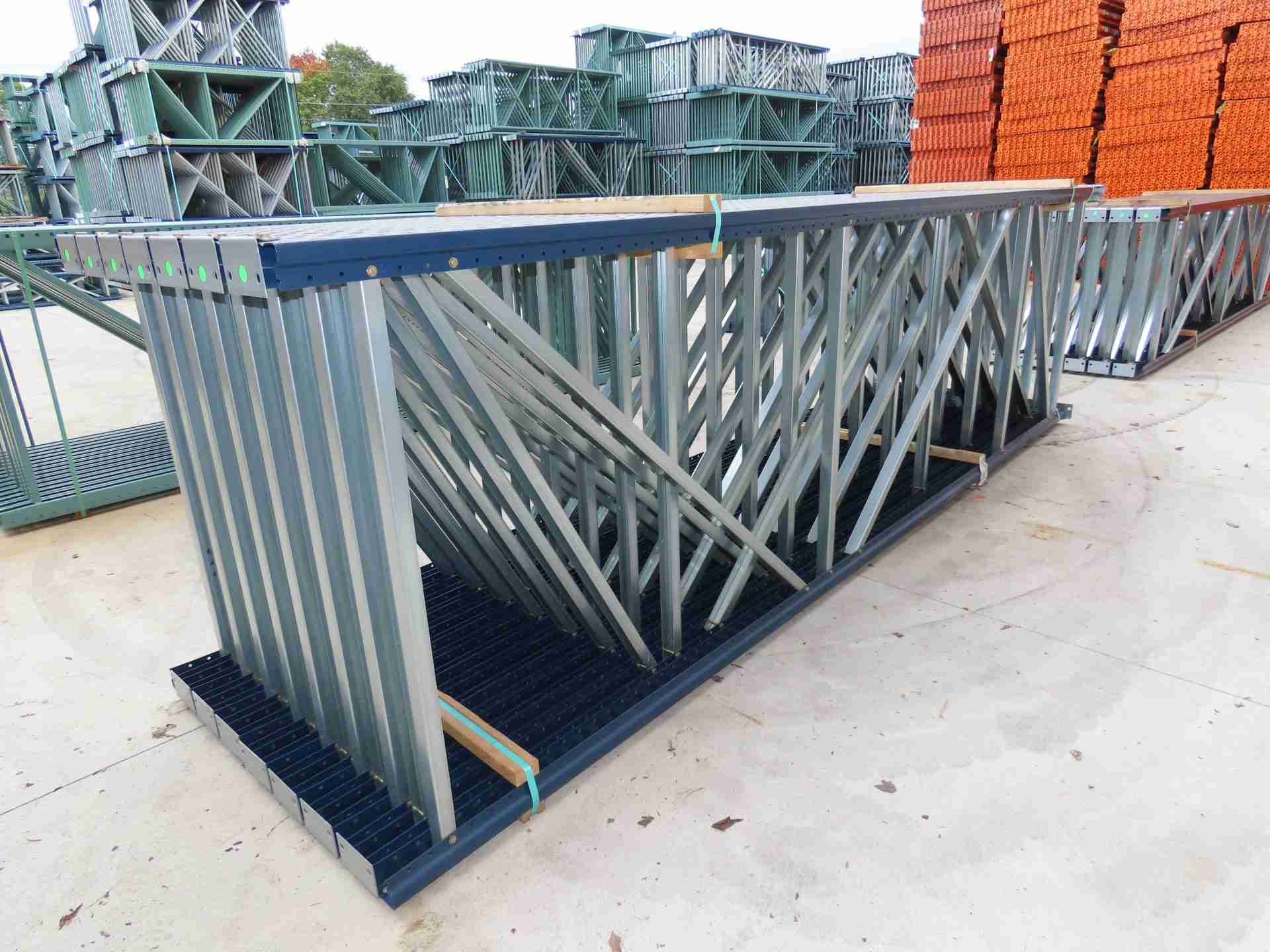
How Do Pet Food Manufacturers Leverage Pallet Racking?
How Do Pet Food Manufacturers Leverage Pallet Racking?
- Pallet racking is essential in pet food manufacturing, supporting the process of feeding families’ best friends with smart, steady, and reliable handling.
- In busy warehouses, pallet racking organizes heavy pet food bags, preventing chaos, improving speed, safety, and maintaining clear walkways.
- Sturdy and well-planned racks protect pet food pallets from damage, safeguarding quality and maintaining trust with pet owners.
- Pallet racking fulfills an ethical commitment to good handling and responsible storage practices in the pet food industry.
- It reduces waste and loss, keeps storage areas clean and orderly, and simplifies inventory tracking for manufacturers.
- The system respects resources and people relying on the food, building confidence throughout the supply chain to the final pet meal.
- Pallet racking represents practical, strong, and common-sense infrastructure enabling manufacturers to meet demands with care and reliability every day.
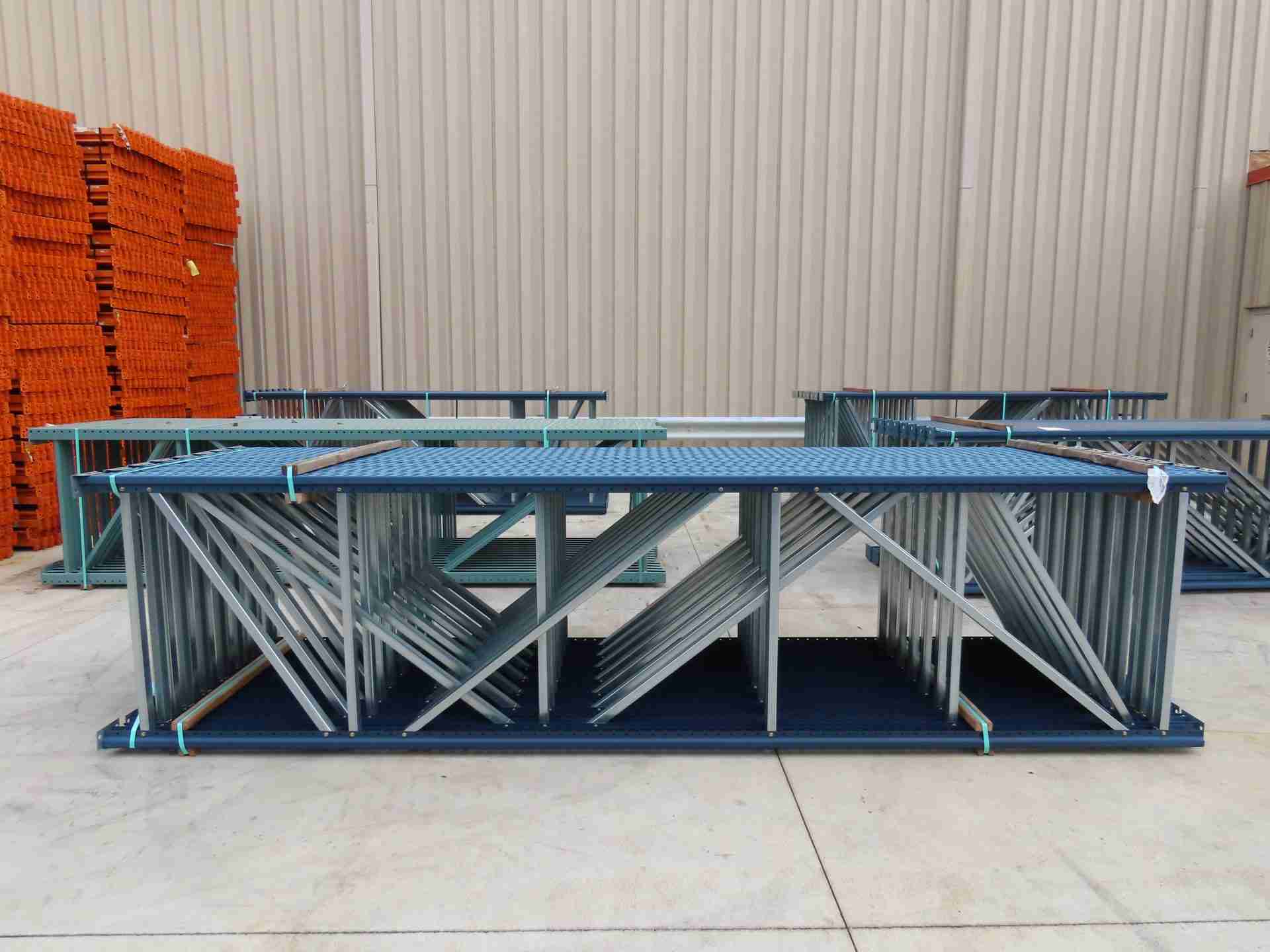
How Do Pet Food Manufacturers Leverage Pallet Racking?
Table Of Contents
- How Do Pet Food Manufacturers Leverage Pallet Racking?
- How Does Pallet Racking Improve Pet Food Storage Efficiency?
- What Safety Standards Must Pallet Racking Meet In Pet Food Plants?
- How Does Pallet Racking Reduce Product Damage During Storage?
- Can Pallet Racking Support Rapid Order Fulfillment In Pet Food?
- How Does Improved Storage Impact Pet Food Quality Control?
- What Cost Savings Result From Optimized Pallet Racking Use?
- Conclusion
- Other Resources
- Glossary Of Terms
- Other Questions
- Checklist
How Does Pallet Racking Improve Pet Food Storage Efficiency?
When you think about storing pet food, it’s not just bags on shelves—it’s about keeping those little lives fed, healthy, and happy. Pallet racking isn’t just fancy warehouse talk; it’s the backbone of making that happen. From the outside, it looks like a simple metal frame, but put it to use, and it’s a game-changer for anyone serious about running a smart, efficient operation that cares.
Here’s the deal: pet food storage needs order. Without it, you’re wrestling with clutter, lost packages, and spoiled stock. Pallet racking clears the chaos, letting you stack bags high and tight without crushing anything or making a mess. That means less time hunting for the right batch and more time focusing on the animals who depend on that food. It’s a straightforward, honest solution that respects the product—and the people handling it.
It’s not just about efficiency either; it’s about doing right by your customers and pet owners. When you know where everything is, first-in, first-out becomes easier, which means fresher food reaches those wagging tails and purring pals. That’s a trust that builds quietly but firmly. People depend on you, and pallet racking helps you deliver on that promise every day. When your storage works like a well-oiled machine, everyone feels it—from the warehouse crew to the pets at home.
And here’s something experience teaches: pallet racking saves backs and time. Instead of awkward lifting and stacking piles on the floor, workers can load and unload pallets up high or down low safely and swiftly. That not only cuts down injuries but keeps spirits higher. When the job’s easier, folks stick around longer and work better. It’s a ripple effect—a simple change that lifts a whole operation.
At the end of the day, whether you’re running a small supply depot or a bigger warehouse, pallet racking stands as a no-nonsense, reliable solution. It’s not flashy, but it’s solid. It’s what turns a pile of pet food into a system that protects quality, boosts productivity, and honors everyone involved. All of that adds up—to pets fed on time, staff who feel respected, and a business built on common sense and care. If you want pet food storage to work right, pallet racking’s not just an option—it’s the foundation.
How Does Pallet Racking Improve Pet Food Storage Efficiency?
How Does Pallet Racking Improve Pet Food Storage Efficiency?
- Pallet racking is essential for efficient, organized pet food storage, supporting healthy and happy pets.
- It prevents clutter, lost packages, and spoiled stock by allowing secure stacking without damage.
- Improves inventory management with easier first-in, first-out processes, ensuring fresher food reaches pets.
- Builds customer trust by reliably delivering quality products on time.
- Enhances workplace safety and efficiency by reducing awkward lifting and lowering injury risks.
- Boosts employee morale and retention by making the job easier and safer.
- A dependable, no-nonsense solution that protects product quality, increases productivity, and respects staff and pets alike.
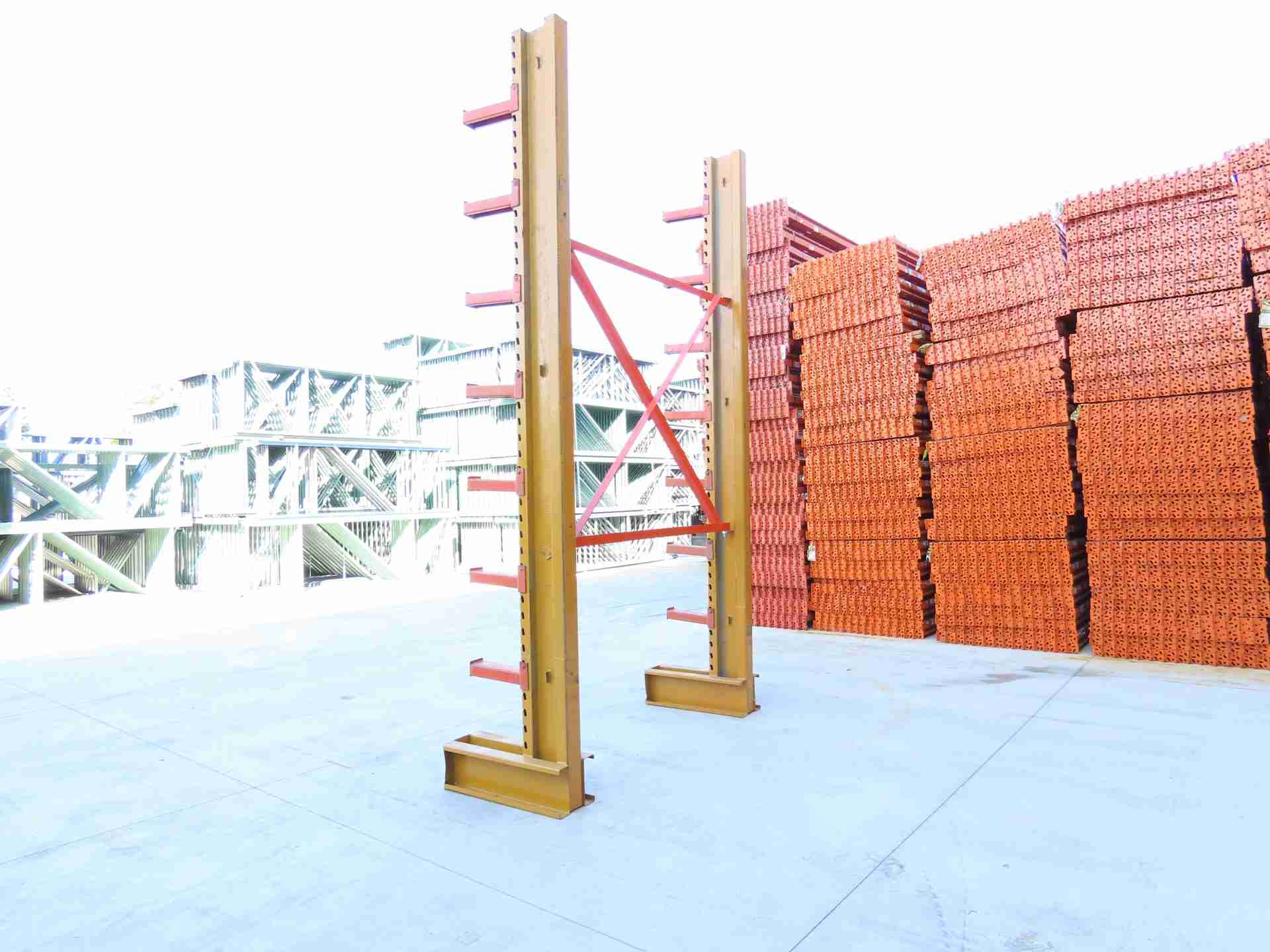
How Does Pallet Racking Improve Pet Food Storage Efficiency?
What Safety Standards Must Pallet Racking Meet In Pet Food Plants?
Working in a pet food plant, you quickly learn that safety isn’t just a box to check—it’s what keeps everyone going home to their families at the end of the day. When it comes to pallet racking, the backbone of your storage system, meeting the right safety standards isn’t about fancy rules; it’s about protecting people, products, and the pride in your work.
Pallet racking in these plants must stand up to more than just weight. It’s a system that holds the lifeline of your operation—raw ingredients, finished goods, and everything in between. If that rack fails, it’s not just a mess on the floor; it’s a potential disaster waiting to happen. The standards set aren’t arbitrary—they’re grounded in hard-learned lessons from the floor. Load capacities must be strictly followed, and racks should be regularly inspected for bends, cracks, or any sign of wear. These aren’t suggestions—they’re armor against accidents that could harm coworkers or compromise pet food safety.
Ethically, we owe it to every single person walking those aisles to provide a workspace that’s more than “just good enough.” A safe pallet racking system speaks volumes about a company that values its team and the customers trusting them to feed pets. It’s about showing respect—not just for OSHA rules—but for the sweat and care poured into every bag of pet food that leaves the plant. When you handle pallet racking carefully and keep it up to code, you’re part of a bigger story where safety and quality go hand in hand.
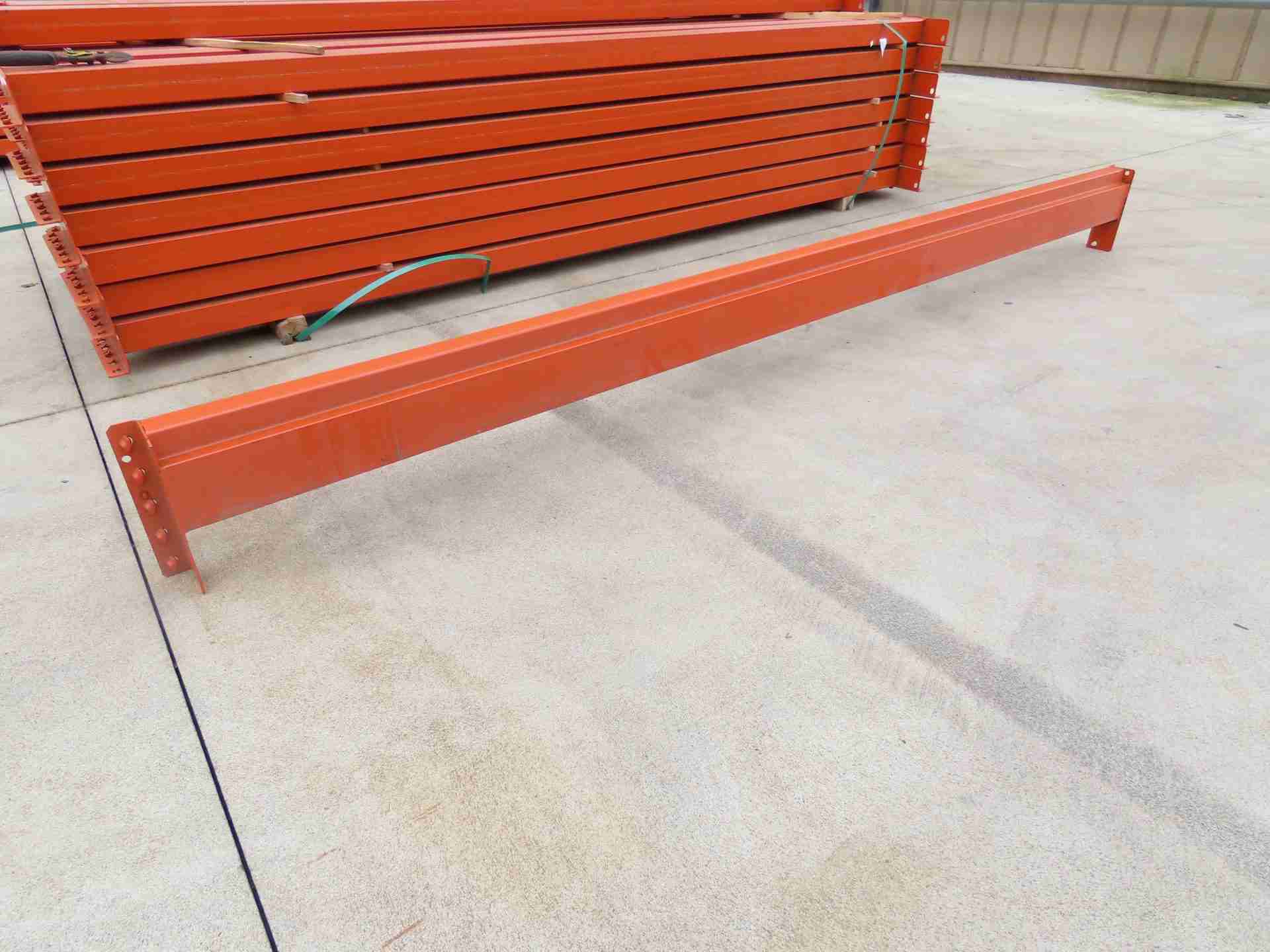
From a practical standpoint, the standards cover everything from the thickness of steel beams to the anchoring methods in place. Each bolt tightened, each beam aligned correctly, isn’t just a detail but a lifeline. These guidelines help avoid those gut-wrenching moments when a stack topples or a beam gives way. It’s the kind of behind-the-scenes work that might not get a nod, but it’s what keeps the facility humming and hands steady.
Think about the crews who’ve come through these doors, learned the ropes, and built the plant’s reputation. Trust grows when everyone sees how seriously pallet racking safety is treated—not just because it’s the rule, but because failing here affects real lives and pets counting on the product. That shared responsibility, that tacit agreement to look out for one another, is what makes safety standards more than a mandate—they become the backbone of a workplace built on trust, respect, and plain old common sense.

What Safety Standards Must Pallet Racking Meet In Pet Food Plants?
What Safety Standards Must Pallet Racking Meet In Pet Food Plants?
- Safety in a pet food plant is essential to protect people, products, and workplace pride, not just a formality.
- Pallet racking supports critical inventory and must meet strict safety standards to prevent potentially dangerous failures.
- Load capacities must be adhered to, and regular inspections for damage are mandatory to prevent accidents and ensure food safety.
- Providing a safe workspace reflects a company’s respect for employees and customers relying on quality pet food.
- Safety standards include technical details like steel beam thickness and proper anchoring, crucial for preventing structural failures.
- Proper maintenance and careful handling of pallet racking keep the facility operational and workers safe.
- Commitment to pallet racking safety fosters trust, mutual responsibility, and a workplace culture based on respect and common sense.
What Safety Standards Must Pallet Racking Meet In Pet Food Plants?
How Does Pallet Racking Reduce Product Damage During Storage?
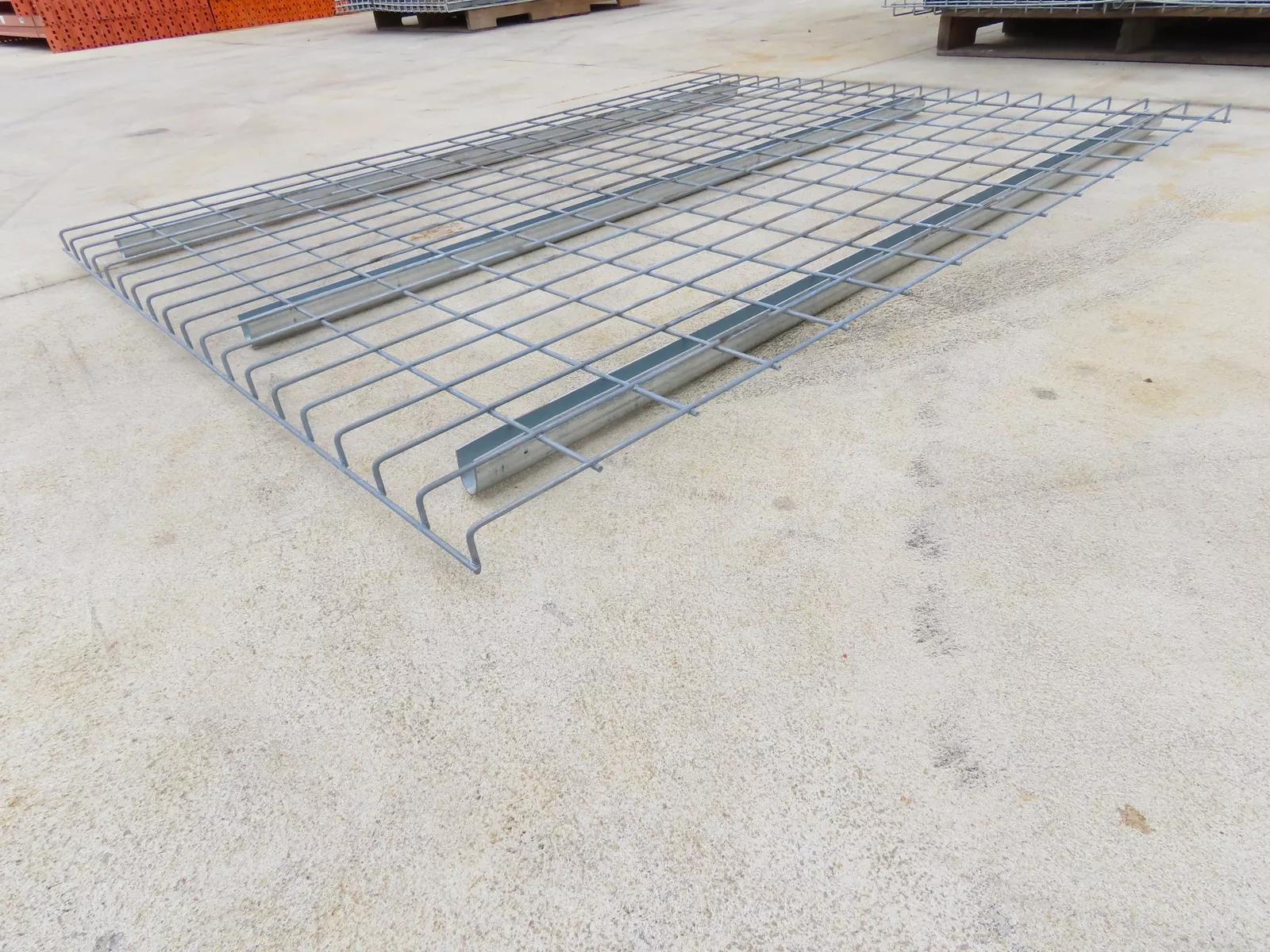
When it comes to keeping products safe in storage, Pallet Racking isn’t just some fancy talk from a salesman—it’s the backbone that keeps your operation running smooth and your goods intact. Anyone who’s spent time in a warehouse knows the gut punch of seeing a pallet full of goods smashed or busted, a hard lesson in what poor storage can cost you—not just in dollars, but in reputation and trust. Pallet Racking stands as a straightforward, tried-and-true solution that reduces product damage by giving each pallet a proper, sturdy home off the ground and out of harm’s way.
Think about it: a pile of pallets tossed on concrete or stacked without rhyme or reason is a disaster waiting to happen. Without Pallet Racking, products get crushed, tipped, or scraped, resulting in losses that bleed your bottom line slowly but surely. Pallet Racking organizes your inventory into neat, accessible rows, making sure every load sits stable and secure. That stability reduces accidents caused by shifting loads or buckets of product crashing unexpectedly, and that’s real peace of mind that every warehouse worker deserves.
There’s something almost ethical in doing right by your products and your people. When you use Pallet Racking, you’re not just protecting equipment—you’re respecting the hard work that went into manufacturing those goods and honoring the effort every hand put into getting them to your dock. It’s about accountability and doing the job well, so others don’t have to pick up the pieces because of carelessness in storage. That sense of pride in running an orderly space crunches down on the chaos and builds a safer, more trustworthy workplace from the ground up.
From a practical standpoint, Pallet Racking also streamlines operations—less time hunting for damaged goods or scrambling to rearrange fallen stock means more productivity and less frustration. Workers feel safer, motivated, and more confident, knowing the equipment around them is solid. Plus, efficient storage frees up space and keeps the warehouse clean, which only helps morale and lowers the odds of mistakes or injuries.
Stories swap quick on the floor about places where poor storage led to write-offs, missed deadlines, or worse, injuries. Folks who swear by Pallet Racking do so because it works—it’s not some gimmick, but a proven method that stands the test of daily grind and heavy lifting. Every rack set up right is a promise kept: That your products will stay safe, your team will stay confident, and your business won’t bleed unnecessary losses. If you want a storage system that pulls its weight day in and day out, Pallet Racking is the way to go—no frills, just solid, dependable results.
How Does Pallet Racking Reduce Product Damage During Storage?
How Does Pallet Racking Reduce Product Damage During Storage?
- Pallet Racking is essential for protecting products in storage, preventing damage and preserving reputation.
- Proper use of Pallet Racking prevents pallets from being crushed, tipped, or scraped, reducing financial losses.
- It organizes inventory into stable, accessible rows, minimizing accidents from shifting loads.
- Using Pallet Racking reflects accountability and respect for the effort involved in producing and handling goods.
- It streamlines operations by reducing time spent managing damaged or fallen stock, increasing productivity.
- Efficient storage improves worker safety, morale, and warehouse cleanliness, lowering errors and injuries.
- Pallet Racking is a proven, reliable system that maintains product safety, boosts team confidence, and protects business assets.

How Does Pallet Racking Reduce Product Damage During Storage?
Can Pallet Racking Support Rapid Order Fulfillment In Pet Food?
When it comes to moving pet food fast and right, pallet racking isn’t just some fancy warehouse gadget—it’s the backbone that keeps things rolling. Picture this: pallets stacked neat and strong, rows upon rows where every bag, every box is exactly where it ought to be, easy to grab and ship out quick. That’s not just convenience—that’s making sure hungry pets get their meals without delay, every time. There’s a real peace of mind in knowing your setup won’t let you down, and pallet racking delivers that kind of steady, no-nonsense reliability.
Now, the head knows what it’s about too. Pallet racking brings order to what could otherwise be chaos. With a smart setup, your team isn’t wasting steps hunting down stock or juggling pallets like circus performers. You get better space use, faster picking, fewer mistakes—and every minute saved stacks up to dollars earned. The math’s simple: a well-designed pallet racking system means you handle bigger volumes, keep better inventory control, and meet those tight deadlines that customers expect. It works because it’s built around how people actually move through a warehouse, not some pie-in-the-sky idea.
There’s something honest and straightforward about pallet racking. It’s designed with safe, solid steel beams that hold up under heavy loads. That’s ethics in motion—making sure your workers aren’t taking unnecessary risks and your products stay undamaged. For a pet food business, that means you’re protecting more than just goods on a shelf; you’re guarding the health of the pets who count on you every day. It’s a responsibility warehouse managers don’t take lightly, and pallet racking lets them carry that weight without breaking a sweat.
If you’ve been around warehouses long enough, you know it’s the small, consistent wins that keep things humming along—the smooth glide of a forklift, the easy reach to a stacked pallet, the confidence that comes with a system you can rely on. Pallet racking makes rapid order fulfillment feel less like a sprint and more like a well-oiled machine—steady, efficient, dependable. For pet food, that means happy animals, grateful customers, and a business that runs on tough, practical solutions, not fancy talk. It’s the kind of setup that stands the test of time and the daily grind, ready for whatever the busy day throws your way.

Can Pallet Racking Support Rapid Order Fulfillment In Pet Food?
Can Pallet Racking Support Rapid Order Fulfillment In Pet Food?
- Pallet racking serves as the essential backbone for efficient pet food storage and fast order fulfillment.
- Neatly stacked pallets enable quick access and shipment, ensuring timely delivery to pets.
- A well-designed pallet racking system brings order, optimizes space, speeds up picking, and reduces errors.
- It enhances inventory control and helps meet tight customer deadlines by aligning with warehouse workflow.
- Constructed from safe, solid steel, pallet racking protects workers and prevents product damage.
- The system supports warehouse managers in handling responsibilities without added stress.
- Pallet racking creates a steady, dependable operation that sustains long-term business success and customer satisfaction.
Can Pallet Racking Support Rapid Order Fulfillment In Pet Food?
How Does Improved Storage Impact Pet Food Quality Control?
When you think about the food that ends up feeding your four-legged buddies, it’s easy to overlook what happens before it hits the bowl. But here’s the thing: how pet food is stored makes a world of difference in keeping that chow safe, fresh, and packed with the good stuff they need. It’s not just about piling bags in a corner or on random shelves. It’s about respect for what goes into those bags and trust that every bite will keep tails wagging and whiskers twitching.
Take something as straightforward as Pallet Racking. Sounds plain, maybe even boring, but it’s the backbone of good storage. When bags or containers sit on pallets, safely nestled in racks off the floor, you’re cutting down on a boatload of hazards—mice, moisture, mold—all nasty culprits that sneak in when storage isn’t up to snuff. It’s like giving each bag a clean, safe home where it can stay just as fresh as the day it was packed. This hands-on approach to storage isn’t just about keeping things tidy; it’s about actively protecting quality through a reliable system. That’s the kind of back-to-basics method that pays off, keeps inspectors happy, and most importantly, keeps pets healthy.
There’s pride in knowing you’re handling pet food with care, like you would for your own kin or that neighbor’s dog you watch after. When every bag is stored properly, managers and workers alike can sleep a little easier. Fewer spoiled batches means less waste and more confidence that what’s on the shelf meets strict quality standards. This isn’t just a checkbox on a compliance sheet—it’s a commitment to doing right by the animals depending on that food. The folks who work these warehouses get it: their attention to detail is part of a bigger promise, and they take that seriously.
On a bigger scale, improved storage isn’t just about the food itself; it’s about the whole supply chain doing its part honestly and well. You build trust with customers and communities when you show you care about every detail, down to how you stack and store those pallets. That trust means everything—the kind that gets customers coming back, not just for one bag, but for years to come. When the storage is solid, the foundation for consistent quality is rock-steady. And at the end of the day, that’s what keeps tails wagging and folks feeling good about what they’re feeding their best friends.
How Does Improved Storage Impact Pet Food Quality Control?
How Does Improved Storage Impact Pet Food Quality Control?
- Proper pet food storage is crucial for keeping food safe, fresh, and nutritious for pets.
- Pallet racking is a fundamental storage method that protects bags from hazards like mice, moisture, and mold.
- Storing bags off the floor in racks maintains freshness and prevents contamination.
- Careful storage reduces spoilage, waste, and ensures compliance with quality standards.
- Warehouse workers take pride in handling pet food responsibly, reflecting a commitment to animal well-being.
- Effective storage practices strengthen trust with customers and communities by ensuring consistent quality.
- Reliable storage provides a solid foundation for long-term customer loyalty and healthy pets.

How Does Improved Storage Impact Pet Food Quality Control?
What Cost Savings Result From Optimized Pallet Racking Use?
When you get your pallet racking right, it’s like fixing a leaky pipe or tuning up an old pickup—small changes end up saving you a heap more than you might expect. You start seeing real savings that hit your bottom line in ways that make sense. First off, optimized pallet racking means squeezing more out of the same space. That’s not just numbers on a spreadsheet; it’s real elbow room gained, cutting down on costly warehouse expansions or the need to rent extra storage. More stored goods in less space means fewer trips back and forth, less forklift wear and tear, and fewer headaches chasing inventory.
Think about the guys and gals on the floor. When pallet racking is set up smart and sturdy, they move faster, safer, and there’s less chance of accidents. That’s a win everybody can get behind, because no one wants to mess with injuries or downtime. Keeping workers safe isn’t just an ethical choice—it saves on insurance, workers’ comp, and those endless paperwork headaches. Plus, smoother flow means orders get out faster, boosting your rep with customers and keeping business steady. That’s trust you can bank on.
On the money side, better pallet racking setups help cut inventory loss. You’ll lose fewer items to damage or misplacement when things are organized and easy to access. This cuts down on wasted cash and replacements, which adds up over time. It also means less product sitting around gathering dust, freeing up cash flow instead of tying it to forgotten stock. From a pure cost-management view, every pallet properly placed is money not wasted.
We’ve seen warehouses where a tiny rework on pallet racking turned a cluttered mess into a lean, mean operation. The folks running the place said it was like giving their entire business a fresh set of lungs. It’s common sense: take care of your space and gear, and those benefits ripple through every corner—from the workers on the floor to the folks balancing the books upstairs.
Optimized pallet racking isn’t just about saving a few bucks. It’s about working smarter, safer, and kinder to your business and the people who make it run. That kind of practical, honest improvement is the kind that sticks and grows.
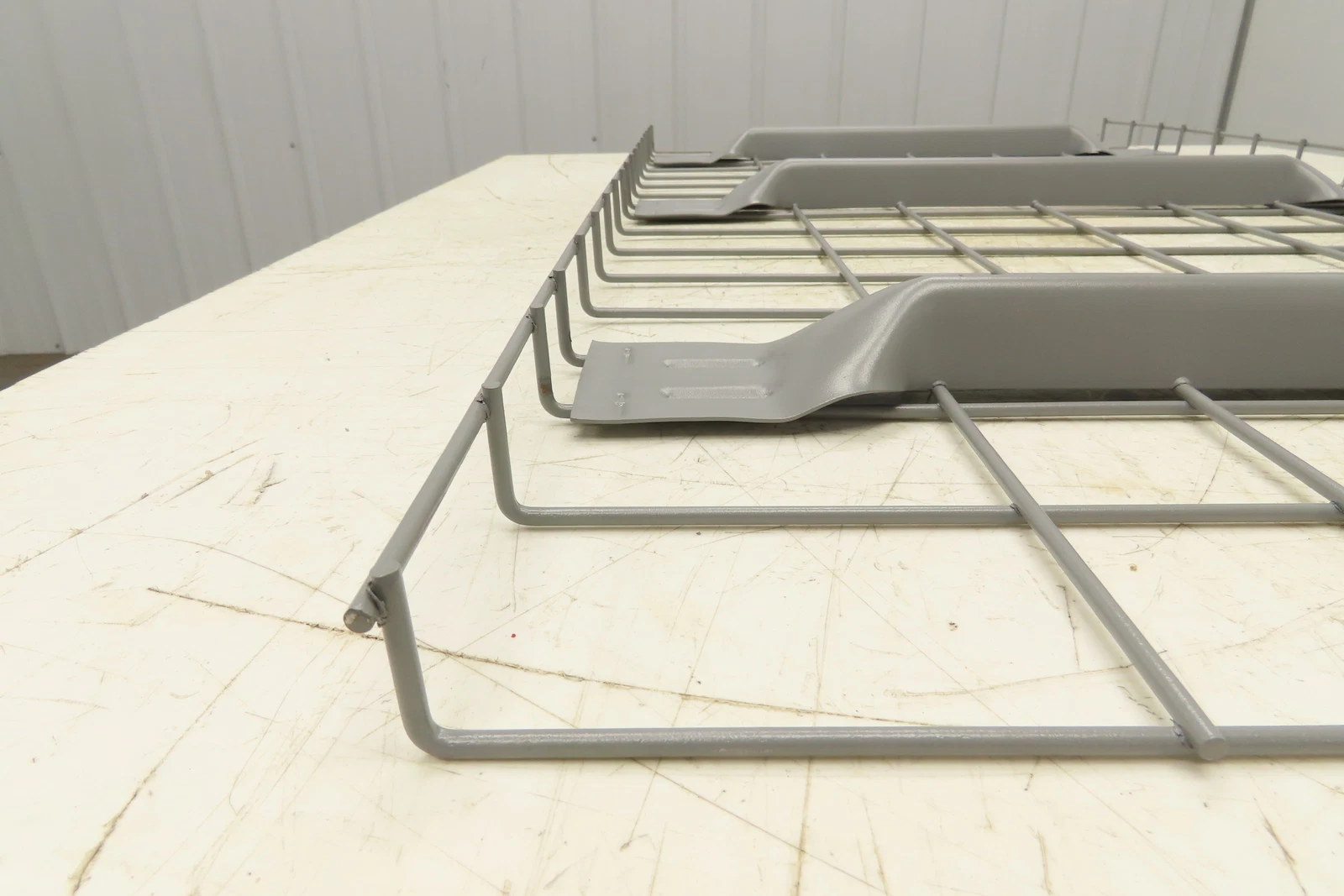
What Cost Savings Result From Optimized Pallet Racking Use?
What Cost Savings Result From Optimized Pallet Racking Use?
- Optimized pallet racking maximizes storage space, reducing the need for warehouse expansion or additional storage rentals.
- Efficient layout decreases forklift trips, reduces wear and tear, and minimizes inventory management issues.
- Smart, sturdy pallet racks enable faster, safer worker movement, lowering accident risks and associated costs.
- Improved safety decreases insurance expenses, workers’ compensation claims, and administrative burdens.
- Better organization cuts inventory loss from damage or misplacement, saving money on replacements and unused stock.
- Small adjustments in pallet racking can transform inefficient warehouses into streamlined operations, benefiting all levels of the business.
- Optimized pallet racking supports smarter, safer, and more sustainable business practices, enhancing overall efficiency and profitability.

What Cost Savings Result From Optimized Pallet Racking Use?
Conclusion
At the heart of every bag of pet food lies a story of care, grit, and solid common sense, with pallet racking quietly bearing the weight—literally and figuratively—of that mission. It’s not just metal shelving; it’s the backbone that keeps the whole operation moving, safe, and reliable. In warehouses where chaos would otherwise reign, pallet racking brings order, protecting products from damage and workers from injury, while respecting the trust pet owners place in every meal that reaches their furry companions. This isn’t about flash or gimmicks but about doing the job right, day in and day out, with the humility of hands-on experience.
Efficiency is key in pet food storage, and pallet racking delivers by squeezing more out of limited space without risking quality. It reduces the headache of lost or spoiled stock, makes first-in, first-out inventory flows straightforward, and lets workers handle pallets with less strain and fewer accidents. That efficiency translates into fresher food for pets, smoother workflows, and a workplace where folks feel safer and more respected. It’s a ripple effect—clear racks mean clean operations, cleaner operations mean better business, and better business means happy customers and wagging tails.
Safety standards around pallet racking are more than red tape; they’re the mortar holding this entire structure of responsibility together. Meeting them isn’t optional—it’s an ethical commitment to keep every employee and every bag of food safe from avoidable disaster. Proper inspections, load limits, and sturdy installations build a culture where respect for people and product coexists. When you tighten every bolt and follow every guideline, you’re not just ticking boxes—you’re honoring the sweat and care poured into each pallet and every meal that depends on it.
By reducing product damage, pallet racking shields pet food from crushing, moisture, and pests, preserving quality and protecting the reputation manufacturers work hard to build. It’s an honest approach that values every pallet, every ingredient, and every hand involved. Efficient, damage-free storage frees up space and cuts downtime, turning warehouses into well-oiled machines where mistakes are fewer and morale runs higher. The folks on the floor know this kind of solid setup keeps their work meaningful and their spaces safer.
When rapid order fulfillment matters most, pallet racking transforms a potentially frantic scramble into a steady, confident rhythm. Clear, accessible rows mean trucks get loaded fast, pets get fed on time, and businesses keep their promises without firefighting. It’s straightforward reliability that respects both the workers’ muscle and the customers’ trust.
All told, optimizing pallet racking saves money through better use of space, less product loss, fewer injuries, and faster operations. It’s like tuning up an engine—small, smart changes that keep the whole operation humming longer and stronger. This practical, no-nonsense investment honors the people working the warehouse, the pets counting on quality food, and the business that serves them both. Pallet racking isn’t just storage; it’s the sturdy spine behind every satisfied customer and every wagging tail.
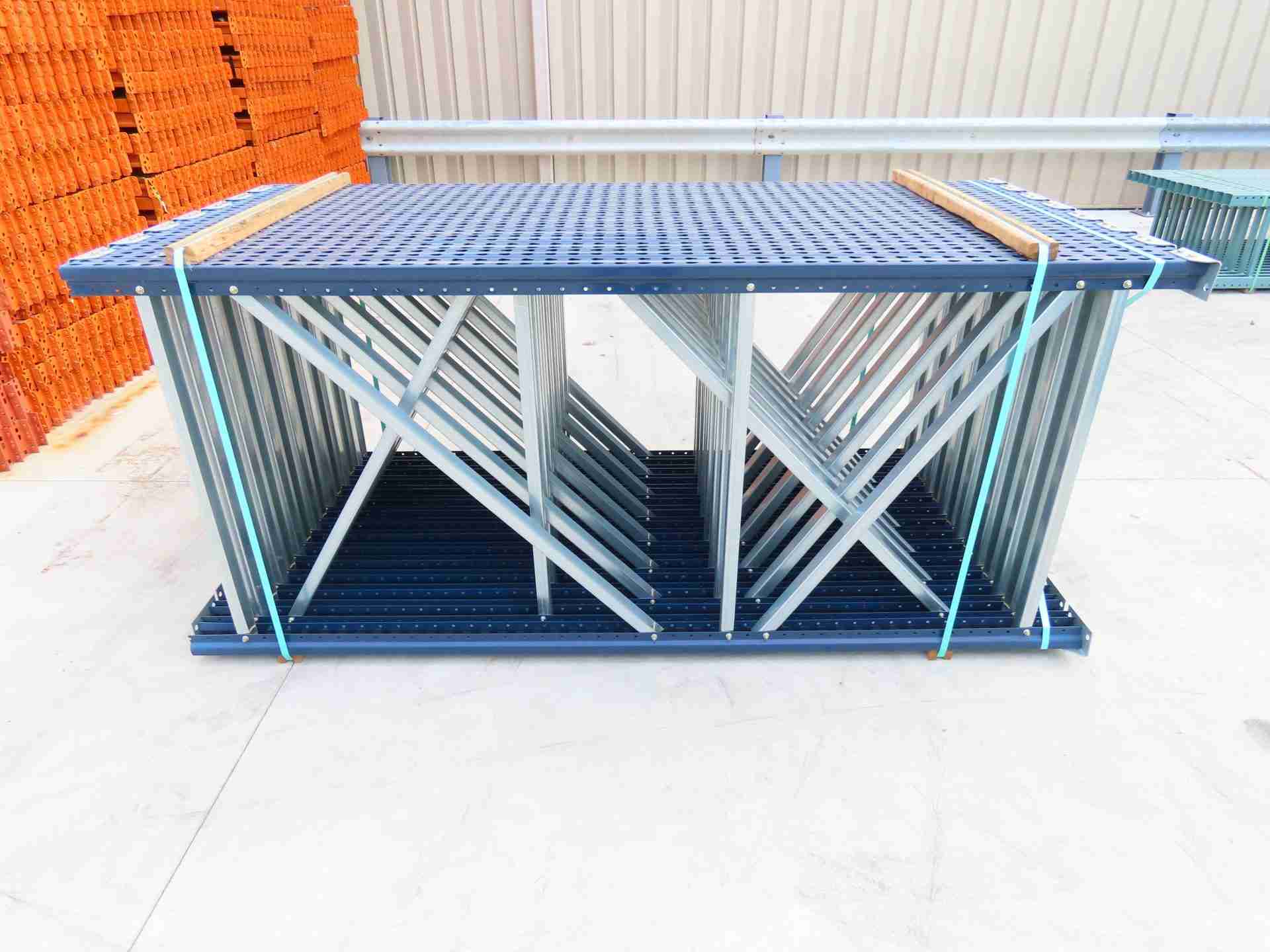
Conclusion
Conclusion:
- Pallet racking is the essential backbone of pet food storage, providing order, safety, and reliability in warehouse operations.
- It maximizes limited space efficiently, supports first-in, first-out inventory management, and reduces strain and accidents for workers.
- Adhering to safety standards is an ethical commitment that ensures employee protection and product integrity.
- Pallet racking prevents product damage from crushing, moisture, and pests, preserving food quality and manufacturer reputation.
- It enables faster, more reliable order fulfillment, ensuring timely delivery and maintaining customer trust.
- Optimized pallet racking saves money by reducing product loss, injuries, and operational delays.
- This practical investment supports warehouse workers, protects pet food quality, and sustains business success.
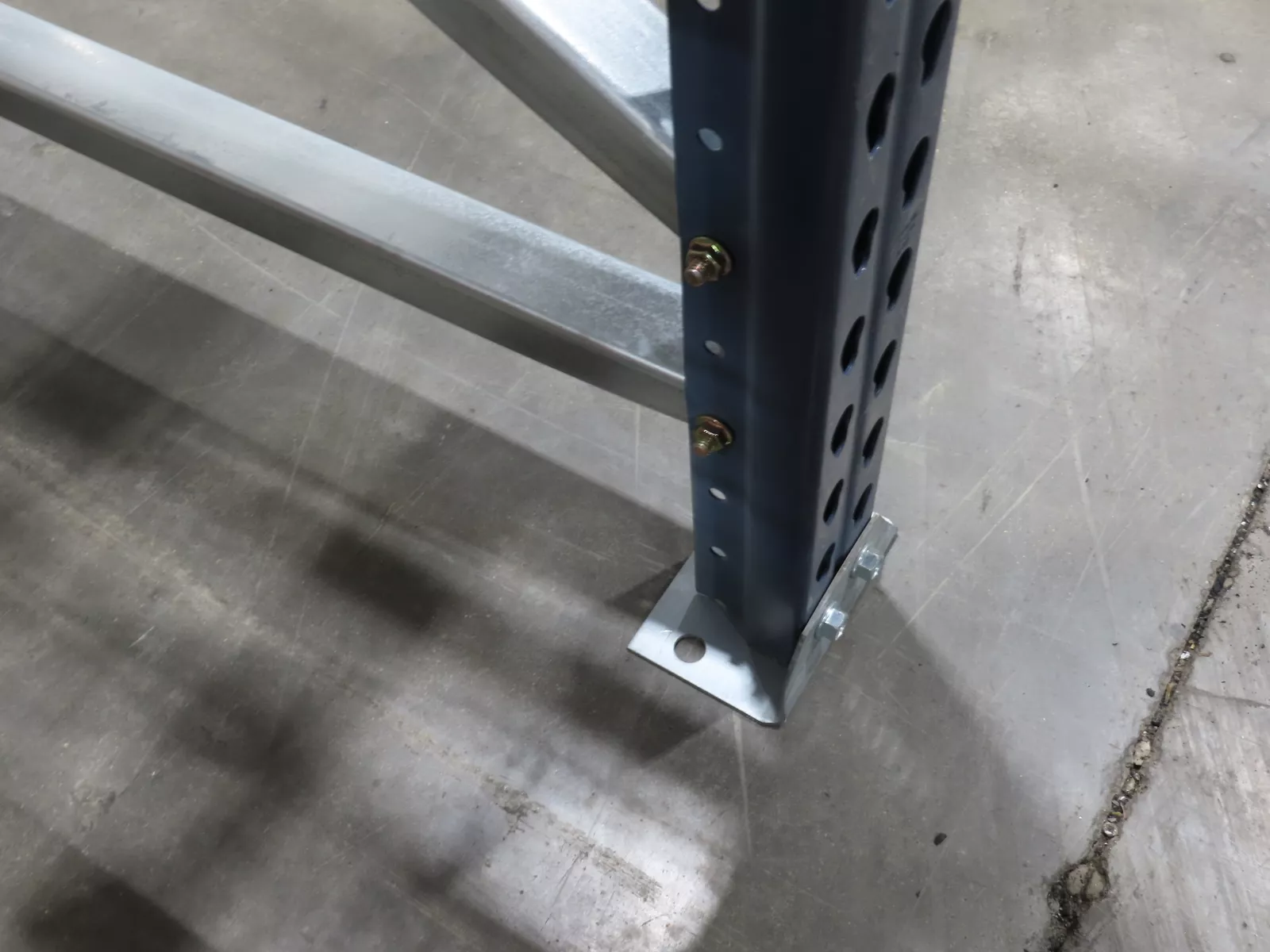
Conclusion
Other Resources

Other Resources
Here is a list of other resources you can review online to learn more:
- Used Pallet Rack for Sale in Illinois – American Surplus
- NSC
- Chicago Pallet Racking
- Warehouse Storage Racks
- Cantilever Rack Configuration & Installation: A Comprehensive Guide – BMH
- Warehouse Racking Layout: The Ultimate Guide – Conger
- Heavy-Duty Cantilever Storage Racks
- CMMA
- Interlake Mecalux
- Material Handling Safety
- BMH
- International Warehouse Logistics Association
- The Complete Pallet Rack Guide – Simply Rack
- Pallet Racking systems in Illinois, Great Lakes
- National Safety Council
- Teardrop Pallet Rack – Ridg-U-Rak
- Warehousing and Fulfillment
- Pallet Rack Systems – New and Used Pallet Racking and Shelving Experts
- WERC
Use This Prompt To Get More Resources With Your Favorite Online AI Tool: Please provide me with a list of online articles with their URLs in a bulleted list that I can read regarding How Do Pet Food Manufacturers Leverage Pallet Racking?
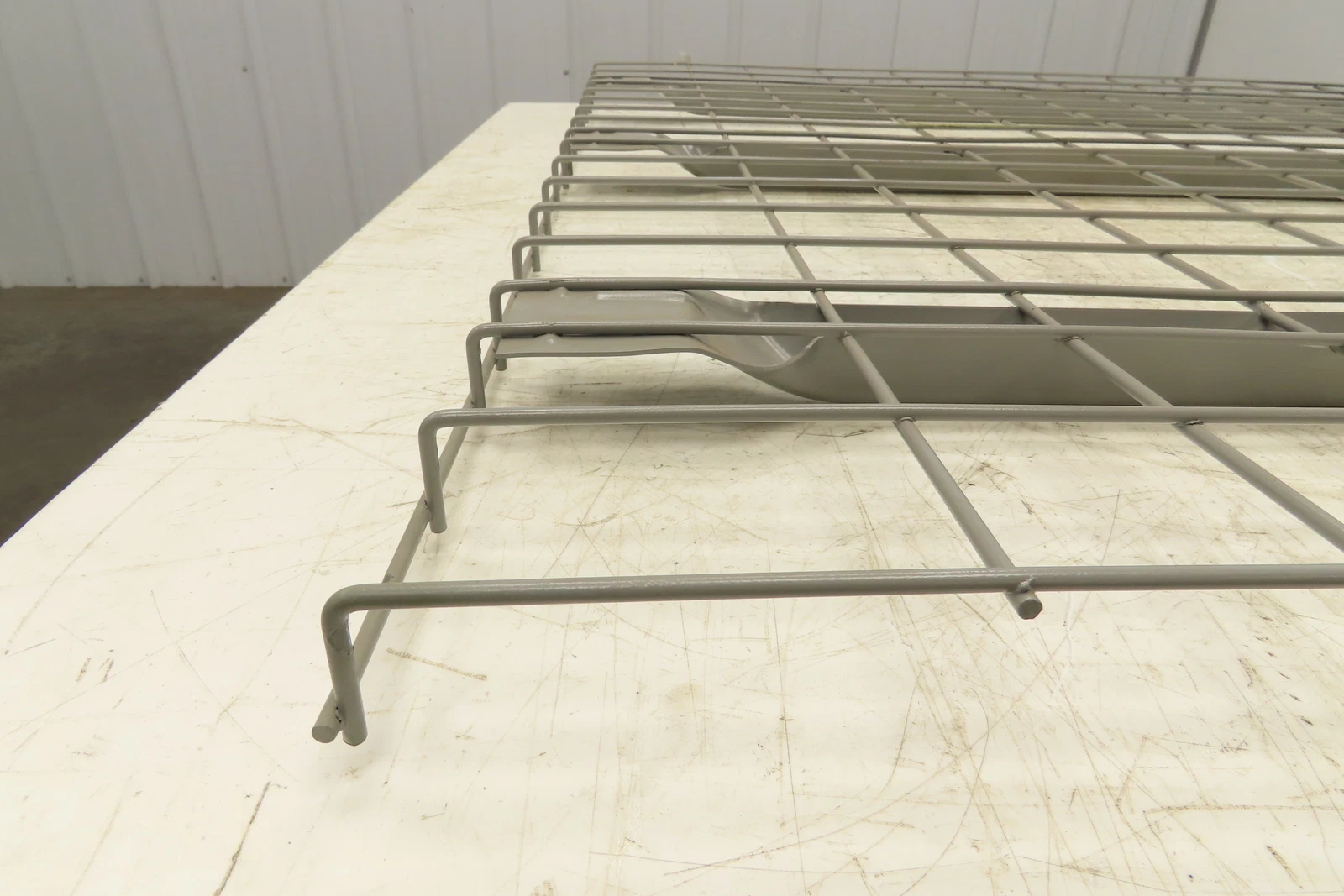
Other Resources
Glossary Terms
How Do Pet Food Manufacturers Leverage Pallet Racking? – Glossary Of Terms
Pallet Racking: A storage system used to store materials on pallets in horizontal rows with multiple levels.
Inventory Management: The process of ordering, storing, and using a company’s inventory.
Space Optimization: Efficient use of warehouse space to maximize storage capacity.
Load Capacity: The maximum weight a pallet racking system can safely hold.
Pallet: A flat transport structure that supports goods in a stable manner.
Vertical Storage: Storing goods in stacked levels to utilize warehouse height.
Accessibility: Ease of reaching stored goods within the pallet racking system.
Warehouse Efficiency: The effectiveness of warehouse operations, including storage and retrieval.
Material Handling: Movement, protection, storage, and control of materials and products.
Goods Rotation: The practice of moving older products for sale before newer items.
First-In, First-Out (FIFO): Inventory method ensuring the oldest stock is used first.
Stackability: The ability of goods or pallets to be stacked safely and securely.
Load Stability: The security and steadiness of goods on pallets.
Racking Configuration: The design layout of pallet racks in a warehouse.
Safety Compliance: Adhering to regulations and standards for safe storage practices.
Picking Efficiency: Speed and accuracy in selecting products for orders.
Automation Integration: Incorporating automated systems with pallet racking for efficiency.
Forklift Access: Space and design considerations for forklift movement around racks.
Storage Density: Amount of product stored in a given warehouse area.
Turnover Rate: The frequency at which inventory is replaced or sold.
Shrinkage Reduction: Minimizing loss of inventory due to damage, theft, or error.
Load Distribution: Even spread of weight across the pallet racking system.
Cross-Docking: Quickly transferring products from inbound to outbound shipping without storage.
Supply Chain Management: Coordination of production, shipment, and delivery of goods.
Batch Picking: Collecting multiple orders in a single picking cycle.
Warehouse Layout: Physical organization of storage and operational areas.
Inventory Tracking: Monitoring stock levels and location in real-time or periodically.
Cold Storage Compatibility: Adaptation of pallet racking for refrigerated or frozen goods.
Modular Design: Racking system components designed for flexibility and scalability.
Operational Cost Reduction: Decreasing expenses related to storage and handling operations.

Glossary Of Terms
Other Questions
How Do Pet Food Manufacturers Leverage Pallet Racking? – Other Questions
If you wish to explore and discover more, consider looking for answers to these questions:
- What types of pallet racking are best suited for pet food warehouses (selective, drive-in, push-back, flow, mezzanine)?
- How do you choose the right pallet racking system based on warehouse layout and throughput?
- What are the typical load capacities for different racking systems and how are they calculated?
- How do pallet racking options differ for ambient storage versus refrigerated or frozen storage?
- How does pallet racking integrate with warehouse management systems (WMS), barcoding, and RFID?
- What racking configurations best support FIFO and FEFO (first-expire, first-out) inventory rotation?
- How does pallet racking affect order picking strategies and labor productivity?
- What aisle width and forklift types are optimal for various racking systems and throughput goals?
- How does rack design impact worker ergonomics and injury risk?
- What safety features and accessories should be used (column guards, row spacers, beam locks, wire decking)?
- How often should racking be inspected and what should inspections include?
- What are the common causes of rack failure and how can they be prevented?
- How do local building codes, seismic standards, and OSHA regulations influence racking design?
- How should racking be anchored to different floor types and what floor load limits must be considered?
- How do pallet quality and handling practices affect racking performance and product safety?
- What fire protection and sprinkler system considerations apply to high-density racking?
- How can racking layout support traceability, recalls, and batch segregation?
- What pest control and sanitation practices should be combined with racking to protect pet food?
- How is cross-contamination prevented between raw ingredients and finished products using racking?
- How does temperature and humidity control interact with racking placement and design?
- What are best practices for cleaning and sanitizing racking and pallets?
- How do manufacturers manage damaged or returned product within a racked storage system?
- What are the capital and operational cost differences between racking types and their ROI timelines?
- What are the considerations for retrofitting existing warehouses with new racking systems?
- How does racking affect warehouse scalability and seasonal demand flexibility?
- What maintenance routines and parts replacement schedules do racking systems require?
- How do insurance requirements and premiums change with upgraded racking safety measures?
- What training do workers need for safe operations around pallet racking?
- How do racking systems accommodate mixed pallet sizes, odd-shaped loads, or bagged products?
- What are the pros and cons of automated storage and retrieval systems (ASRS) versus conventional racking?
- How can racking support rapid order fulfillment for e-commerce and retail distribution channels?
- How do you plan for emergency access, evacuation routes, and spill containment in racked areas?
- What labeling and signage practices improve inventory accuracy and picking speed in racked warehouses?
- How do sustainability and recyclability considerations influence racking material choices?
- What role do third-party logistics providers (3PLs) play in racking choices and warehouse design?
- How should racking be adapted for specialty product lines (sensitive diets, supplements, medicated feed)?
- What warranties and service agreements should you seek from racking suppliers?
- How do you evaluate and select racking vendors and installers?
- What metrics should you track to measure the performance impact of a racking upgrade?

Other Questions
Checklist
How Do Pet Food Manufacturers Leverage Pallet Racking? – A Checklist
Layout & Capacity
✅______ Current and projected SKU mix and volumes mapped
✅______ Aisle widths matched to equipment (forklifts, reach trucks)
✅______ Vertical clearance verified (sprinklers, lights, HVAC)
✅______ Flue spaces maintained (longitudinal and transverse)
✅______ Slotting plan supports FIFO/FEFO by lot/expiration
✅______ Staging areas marked for inbound, outbound, and returns
✅______ Cube utilization reviewed; reserve vs. forward pick zones defined
Racking Hardware & Setup
✅______ Rack type fits use case (selective, double-deep, push-back, pallet flow, drive-in)
✅______ Uprights anchored per spec; anchors torqued and intact
✅______ Beam locks/connector clips installed and secure
✅______ Load plaques posted with maximum beam/upright capacities
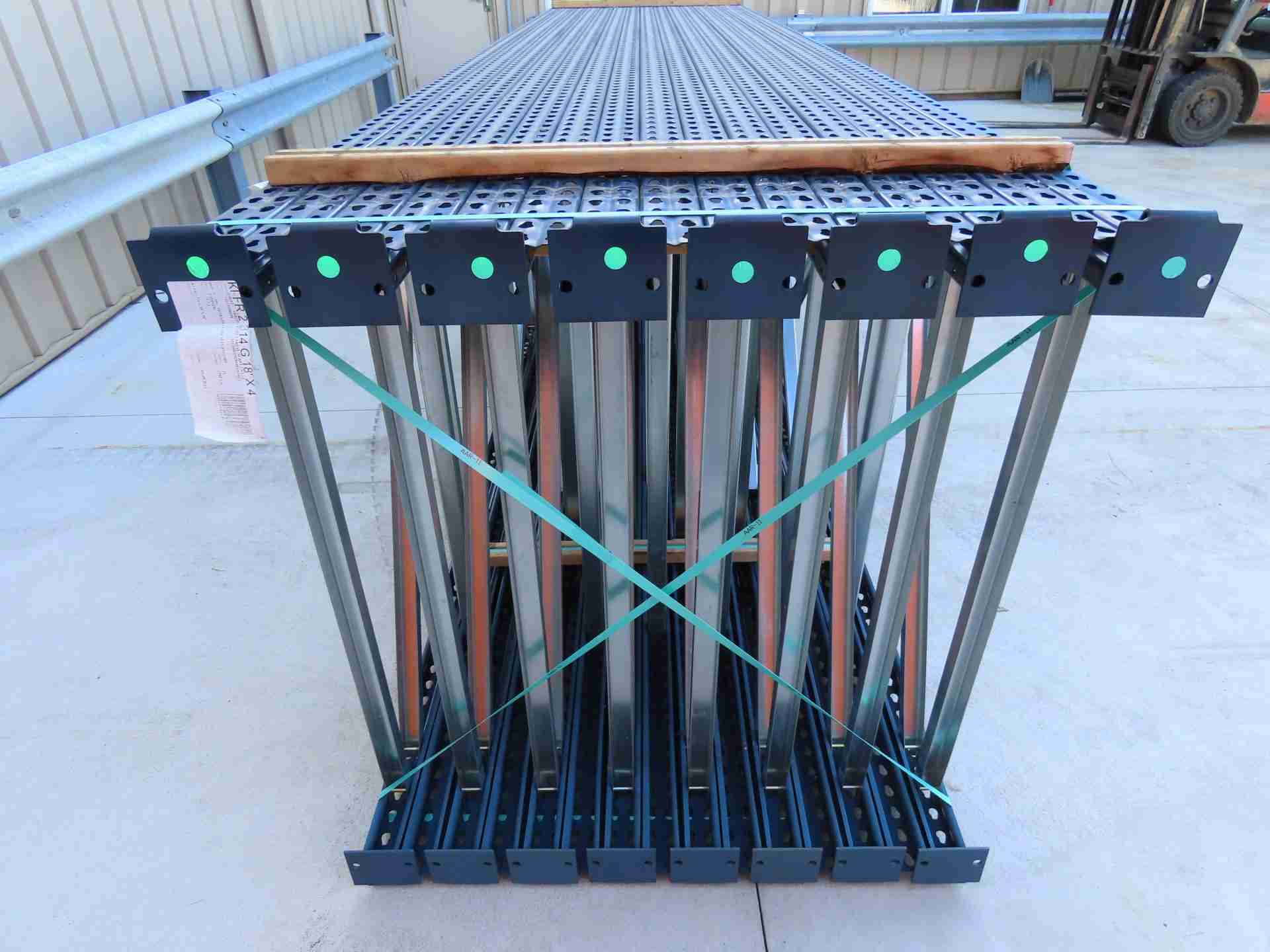
✅______ Decking appropriate (wire mesh or solid where required)
✅______ Row spacers, wall ties, and top ties installed where needed
✅______ Guarding in place (end-of-aisle, column/post protectors, rack netting near walkways)
Safety & Compliance
✅______ Compliance with applicable OSHA/ANSI/RMI codes verified
✅______ Seismic requirements addressed (design, anchors, restraints)
✅______ Sprinkler clearance maintained; no obstructions
✅______ Walkways and emergency exits clear and marked
✅______ Speed limits and traffic flow posted and enforced
✅______ Lighting adequate at all rack levels; damaged fixtures repaired
✅______ Documented rack inspection program (daily/weekly operator checks and formal periodic audits)
Inventory Control & Flow
✅______ Location IDs and beam-level labels visible and consistent
✅______ Barcode/RFID scanning at receive, move, pick, and ship
✅______ FIFO/FEFO executed in WMS and on the floor
✅______ Replenishment triggers and min/max levels set
✅______ Fast-mover SKUs slotted at ergonomic levels
✅______ Cross-dock or flow lanes defined for high-velocity items
✅______ Dedicated quarantine/hold and returns locations
Damage Prevention
✅______ Pallet quality standard enforced (no broken boards, correct stringer orientation)
✅______ No product overhang beyond pallet or beam/deck edges
✅______ Loads unitized with proper wrap/strapping; containment verified
✅______ Beam spacing and deck capacity match load geometry/weight
✅______ Forklift mast, fork, and attachment condition verified
✅______ Speed/turning controls in rack aisles; no impacts observed
✅______ Corner/edge protection used for vulnerable packaging
Quality & Hygiene (Pet Food–Specific)
✅______ Product stored off floor; bottom beam height supports cleaning
✅______ Pest control program active; no evidence of infestation
✅______ Moisture control in place; humidity/temperature monitored as required
✅______ Allergen and species segregation defined and labeled
✅______ Spill kits available; cleanup SOPs posted and followed
✅______ Dust control and routine sanitation schedule executed
✅______ Lot/expiration clearly visible from aisle; no expired stock in pick faces
Order Fulfillment Readiness
✅______ Forward pick faces sized for demand; reserve slots feed picks smoothly
✅______ Pallet flow or gravity lanes used where FIFO speed is critical
✅______ Pick paths optimized to reduce travel and congestion
✅______ Dedicated, labeled outbound staging lanes by route/carrier
✅______ Scan verification and weight checks reduce pick/ship errors
✅______ Dock appointments and wave/release logic aligned with capacity
Maintenance & Repairs
✅______ Documented process to tag, unload, and isolate damaged racks
✅______ Only qualified personnel or vendors perform rack repairs
✅______ Corrosion, bent uprights, cracked welds, or missing hardware corrected promptly
✅______ Floor condition maintained (no spalls at anchors; debris-free)
✅______ Preventive maintenance schedule for MHE and attachments
✅______ Annual professional rack inspection on file
Training & Signage
✅______ Operators trained on rack loading limits and safe handling
✅______ New-hire and refresher training completed and recorded
✅______ Signage posted: capacities, traffic rules, PPE, emergency info
✅______ Supervisors audit for compliance and coach to standard
✅______ Incident/near-miss reporting active; corrective actions tracked
Cost & KPI Tracking
✅______ Space utilization (cube and floor) measured and trended
✅______ Labor productivity (lines/picks/pallets per hour) tracked
✅______ Damage/write-off rate monitored and reduced quarter over quarter
✅______ Inventory accuracy and cycle count results within target
✅______ Order cycle time and on-time ship rate meet service goals
✅______ Maintenance and repair costs reviewed against budget
Environmental & Sustainability
✅______ Stretch wrap and cardboard recycling in place
✅______ Energy-efficient lighting with sensors in rack aisles
✅______ Ventilation adequate; condensation prevented near racks
✅______ Noise and emissions controls for indoor MHE where applicable
Emergency & Contingency
✅______ Earthquake/impact restraints and protocols in seismic regions
✅______ Spill/contamination isolation procedure tested
✅______ Evacuation routes posted and drills conducted
✅______ Business continuity plan for surges, recalls, or supply disruptions
Sign-Off
✅______ All findings documented with owners and due dates
✅______ Highest-risk items addressed immediately
✅______ Next improvement sprint defined (top 3 actions)
Checklist
At RackingWorld, we help guide you through selecting warehouse storage systems and racking.
Be sure to read our other related stories at RackingWorld to learn more about warehouse storage systems.
0 Comments