
Maximizing Safety, Efficiency, And Sustainability In Chemical Storage Solutions
By Tom Seest
At RackingWorld, we help guide you through selecting warehouse storage systems and racking.
Be sure to read our other related stories at RackingWorld to learn more about warehouse storage systems.
How Do Pesticide and Herbicide Warehouses Leverage Pallet Racking?
When you step into a pesticide or herbicide warehouse, you’re not just seeing stacks of boxes; you’re looking at a carefully choreographed dance of efficiency, safety, and responsibility. Pallet racking isn’t just metal beams bolted to the floor—it’s the backbone that holds the whole operation together, the silent workhorse keeping products organized, accessible, and secure. These warehouses handle products that affect more than just the bottom line; they impact crops, ecosystems, and communities. That’s why every square foot, every pallet spot, demands careful thought.
From a practical standpoint, pallet racking lets warehouses make the most of their limited space. These products often come in bulky containers that can’t be tossed haphazardly on the floor or crammed into tight corners. With sturdy pallet racking systems, they stack high and straight, maximizing vertical space without risking the stability of items below. It’s smart storage that saves money and time—because when you need that batch of herbicide yesterday, you grab it fast, no digging through a mess.
But it’s not just about efficiency. These chemicals require respect. Pallet racking helps keep everything off the ground, away from moisture and potential spills, reducing the chance of contamination or accidents. That’s an ethical line warehouses can’t cross. When you’re dealing with substances that demand careful handling, the right storage isn’t a luxury—it’s a responsibility to workers and the surrounding environment.
Trust grows in these warehouses because the layout and racks say, “We’ve done this before, and we take it seriously.” It’s not just about passing inspections, but about protecting the folks walking the aisles and the farmers relying on these products to nurture their land. A neatly arranged pallet racking system reflects a warehouse that doesn’t cut corners—one proud of its role in a bigger story. That kind of care speaks volumes, building confidence that the product you’re getting is handled right.
At the end of the day, pallet racking in these warehouses isn’t just metal and wood; it’s about making a complex, risky business manageable and safe. It’s about the people behind the scenes who want their work to matter, the farmers counting on results, and the earth hoping for care. That’s why when you see those racks lined up, loaded just so, you’re looking at more than storage—you’re seeing a commitment that runs deep, steady, and true.

How Do Pesticide and Herbicide Warehouses Leverage Pallet Racking?
How Do Pesticide and Herbicide Warehouses Leverage Pallet Racking?
- Pallet racking is essential in pesticide and herbicide warehouses, ensuring organized, accessible, and secure storage.
- These systems maximize limited space by allowing bulky containers to be stacked high and stable, saving time and money.
- Pallet racks keep products off the ground, protecting them from moisture, spills, and contamination risks.
- Proper storage reflects the warehouse’s responsibility to workers, the environment, and the communities affected by these chemicals.
- A well-arranged layout builds trust by showing the warehouse’s commitment to safety and careful handling beyond regulatory compliance.
- Pallet racking transforms a complex, risky operation into a manageable, safe process, supporting farmers and environmental care.
- The storage system symbolizes a deep, steady commitment by those behind the scenes to quality and responsibility.
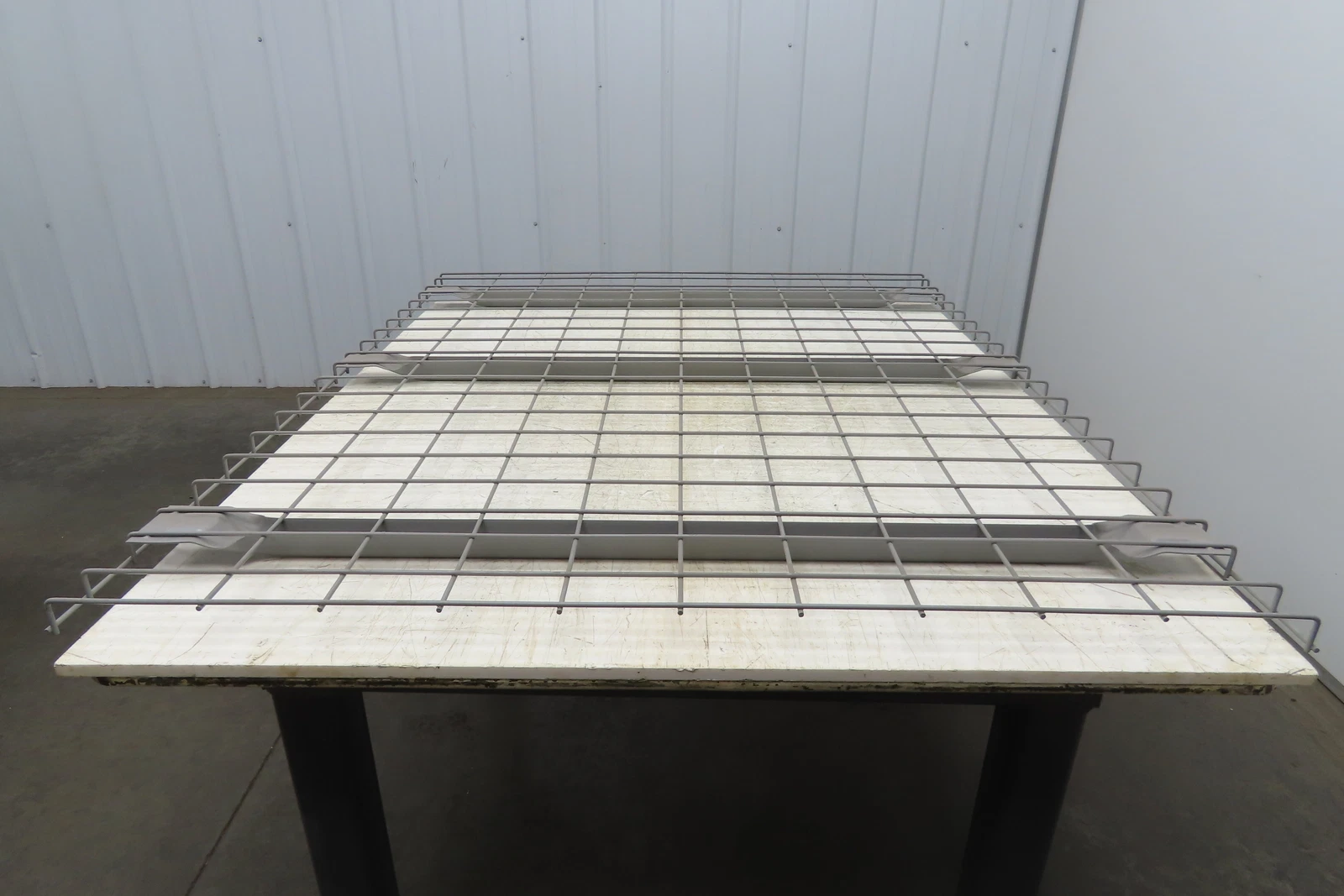
How Do Pesticide and Herbicide Warehouses Leverage Pallet Racking?
Table Of Contents
- How Do Pesticide and Herbicide Warehouses Leverage Pallet Racking?
- How Does Pallet Racking Improve Warehouse Safety?
- Can Pallet Racking Optimize Storage Space Effectively?
- What Ethical Standards Apply to Storing Pesticides Safely?
- How Do Regulations Affect Pallet Racking In Chemical Storage?
- Can Pallet Racking Reduce Product Damage In Warehouses?
- How Does Organization Impact Pesticide Warehouse Efficiency?
- Conclusion
- Other Resources
- Glossary Of Terms
- Other Questions
- Checklist
How Does Pallet Racking Improve Warehouse Safety?
When you walk into a cluttered warehouse, you see more than just boxes and crates—you see potential hazards waiting to happen. Pallet racking isn’t just some fancy storage system; it’s the difference between a day running smooth and a day that could end with someone hurting themselves. From the ground up, pallet racking keeps things orderly, making sure heavy loads aren’t just tossed wherever they fit but stacked solid and secure. It’s like giving everything its proper place, cutting down on the chaos that makes accidents sneak up on you.
Picture a warehouse without pallet racking—forklifts squeezing through tight spots, workers ducking under hanging materials, and loads teetering dangerously. It’s a pressure cooker for mistakes. Pallet racking takes that pressure off. It organizes space so every pallet sits tight and stable, reducing the chance of something toppling over. That’s good for the guys and gals on the floor who know that one wrong move behind a forklift isn’t worth the risk.
There’s an ethical side here, too. When a boss invests in pallet racking, they’re saying loud and clear: we care about everyone who walks through that door. It’s not about checking a box or piling up gear; it’s about protecting people. That kind of commitment builds trust, lets workers feel safer, and shows respect for their hard work. It turns a warehouse from just a place to store stuff into a place where people are protected.
Experience teaches that pallet racking also speeds up workflows. When everything’s stashed neatly, your crew spends less time hunting for materials and more time moving forward. Safer environments often mean fewer accidents, and fewer accidents mean less downtime and lost days. You’re not just protecting folks—you’re protecting the bottom line, too.
At the end of the day, pallet racking isn’t just a rack or a shelf—it’s a shield. It holds the weight of responsibility, pulling together safety, efficiency, and respect under one sturdy roof. When you walk through a warehouse equipped right, you feel it: a little less worry, a little more confidence, and the quiet knowledge that everybody’s looking out for each other. That’s real safety. That’s common sense doing the heavy lifting.

How Does Pallet Racking Improve Warehouse Safety?
How Does Pallet Racking Improve Warehouse Safety?
- Pallet racking transforms cluttered warehouses into organized, safer environments by securely stacking heavy loads and reducing chaos.
- Without pallet racking, warehouses become hazardous with tight forklift navigation, unstable loads, and increased accident risks.
- Investing in pallet racking demonstrates an employer’s commitment to worker safety, trust, and respect.
- Proper storage with pallet racking speeds up workflows by minimizing time spent searching for materials.
- Safer warehouse setups reduce accidents, downtime, and lost workdays, protecting both employees and business operations.
- Pallet racking serves as a protective system integrating safety, efficiency, and respect under one structured framework.
- A well-equipped warehouse with pallet racking instills confidence and a sense of mutual care among workers.

How Does Pallet Racking Improve Warehouse Safety?
Can Pallet Racking Optimize Storage Space Effectively?
Look, when you’re running a warehouse, workshop, or just trying to keep a garage from looking like a tornado hit it, space is king. Pallet racking isn’t some fancy gizmo—it’s the backbone that holds everything together when you’re dealing with piles of gear, boxes, or raw materials. It’s not just about stacking stuff high; it’s about using every inch smartly, cutting down on clutter, and saving your back from needless heavy lifting. When you install pallet racking, you’re basically giving your space a brain—organizing, sorting, and keeping things accessible so you don’t waste minutes or hours digging through chaos.
Here’s where the gut comes in: there’s a kind of peace knowing your inventory is stacked tidy and safe. It sparks confidence in the folks on the floor—you can trust what’s on those racks won’t come crashing down or turn your workspace into a headache factory. It’s respect for the labor and sweat that built your operation. Pallet racking shows you value order and safety, which isn’t just a nice idea—it’s an ethical nod to everyone’s well-being in the trenches.
The head nods because pallet racking solves hard problems. It’s tested and proven, not a pie-in-the-sky idea. This isn’t some off-the-wall solution; it’s the tried-and-true method used by warehouses everywhere. It maximizes vertical space, frees up floor area for machines or movement, and reduces downtime spent hunting for odds and ends. That efficiency means better productivity and more profit without needing to build a bigger building or hire more hands.
Chances are, you’ve been knee-deep in the mess, cursing the lack of order. Pallet racking cuts through that frustration with straightforward, hands-on effectiveness. It’s simple: you invest in a system that pays you back many times over in saved space and saved hassle. When everyone shares that same system in your community, it creates a common language—like a handshake that says, “We run things right here.” That social proof builds trust among suppliers, customers, and your crew.
In short, pallet racking isn’t just about shelves; it’s about building confidence, respect, and better days at work. It’s the unglamorous hero turning chaos into calm, one pallet at a time. If you want space that works as hard as you do, this is the way forward.

Can Pallet Racking Optimize Storage Space Effectively?
Can Pallet Racking Optimize Storage Space Effectively?
- Pallet racking is essential for maximizing space in warehouses, workshops, and garages by organizing gear, boxes, and raw materials efficiently.
- It helps reduce clutter, minimizes heavy lifting, and keeps items accessible, saving time and effort when searching for inventory.
- The system promotes safety and order, protecting workers and showing respect for their labor and well-being.
- Pallet racking is a proven, practical solution used widely in warehouses, optimizing vertical space and freeing up floor area.
- It increases productivity and profitability without the need for expanding facilities or hiring more staff.
- The system creates a shared organizational standard that builds trust among suppliers, customers, and employees.
- Pallet racking transforms chaotic workspaces into organized, efficient environments, fostering confidence and better workdays.

Can Pallet Racking Optimize Storage Space Effectively?
What Ethical Standards Apply to Storing Pesticides Safely?
When you’re dealing with pesticides, it’s not just about locking up chemicals and checking a box. There’s a real weight behind those containers—what’s inside can protect your crops or poison your soil, water, and even your family if handled wrong. You don’t have to be an expert to know that storing pesticides right isn’t just legal—it’s a matter of doing what’s right. You owe it to your neighbors, your crew, and yourself to treat these substances with the respect they demand.
Start with the basics: keeping pesticides secure on proper pallet racking, away from the reach of kids and animals. It’s not just about following rules; it’s about honoring the trust you’ve been given. Those racks hold more than just boxes—they hold responsibility. Slapping pallets on the floor or stacking them crooked hardly inspires confidence, and it makes accidents waiting to happen. Straight, sturdy pallet racking keeps everything orderly, easy to find, and reduces spills or tricky handling, which can mean the difference between a small mistake and a major disaster.
Ethically, it’s about foresight and respect—the same ethic you’d want if the tables were turned. Imagine the ripple effect if a careless storage decision led to contamination or an injury. You can’t undo harm, but you can prevent it. It’s not just about ticking off paperwork; it’s about living with the knowledge that your actions either protect or endanger lives and the land. Your hands do the work, and your conscience carries the weight.
There’s also an unseen network of trust threading through rural communities, farms, and businesses. When you store pesticides properly, you’re nodding to this sense of shared duty. It says you’re not cutting corners. It means your neighbors can breathe easier, knowing you treat hazardous materials with the care they deserve. That builds respect and earns the kind of reputation money can’t buy.
Ethics in pesticide storage boil down to using your head, your heart, and your gut—practical smarts, concern for people, and a clear sense of right and wrong. When you rack those pallets carefully and follow through on the details, you’re not just stacking boxes—you’re stacking trust, safety, and a future free from regret.

What Ethical Standards Apply to Storing Pesticides Safely?
What Ethical Standards Apply to Storing Pesticides Safely?
- Pesticide storage is crucial for protecting crops and preventing harm to soil, water, and people.
- Proper storage involves securing pesticides on sturdy pallet racking away from children and animals.
- Disorganized or careless storage increases the risk of accidents and contamination.
- Ethical pesticide storage reflects foresight, respect, and responsibility toward others.
- Improper storage can cause irreversible harm, while proper handling prevents risks.
- Storing pesticides correctly supports a network of trust within rural communities and farms.
- Ethics in storage combine practical knowledge, concern for safety, and moral responsibility.

What Ethical Standards Apply to Storing Pesticides Safely?
How Do Regulations Affect Pallet Racking In Chemical Storage?
When it comes to pallet racking in chemical storage, regulations aren’t just a bunch of red tape—they’re the backbone that keeps folks safe and businesses running smooth. You’re stacking heavy, sometimes volatile, stuff, and if you cut corners, it’s not just your bottom line that takes a hit. It’s lives and livelihoods. Those rules on pallet racking? They’re there because someone, somewhere, learned the hard way what happens when you don’t respect weight limits, material compatibility, or proper spacing.
Think about it like this: pallet racking isn’t just metal beams holding crates. It’s a carefully planned system designed to prevent calamity—a fire, a spill, a collapse. The regulations lay out the how-to’s, but behind each clause is a story of what went wrong when someone overlooked basics. The emotional weight here is real—no one wants to be the person who ignored a safety checklist and ended up causing a workplace injury or worse. That sunk feeling sticks with you, like a bad day on the job you never forget.
Rationally, following these rules makes solid business sense. It’s about efficiency and preventing downtime. When pallet racking meets regulatory standards, inspections go smoother, insurance claims don’t spiral, and workers feel confident handling materials because the environment is predictable. It’s not just about avoiding fines; it’s about building a reliable operation that others trust to get the job done right without cutting corners.
Ethically, it’s a no-brainer. Chemicals can be unpredictable, and storing them improperly is asking for trouble. A company that respects these regulations shows it values its workforce and community. That kind of respect builds reputation and loyalty, two things you can’t fake. If your employees know the place has their back, they’ll show up ready to work smart and safe—that’s the kind of social proof that keeps business humming.
At the end of the day, pallet racking regulations wrap together hard-earned authority and practical wisdom. They remind everyone that safety isn’t a checkbox—it’s a mindset, and it’s backed up by rules born from experience. Ignoring them might save time or cash right now, but it invites chaos. Stick to the regs, take the time to do it right, and you’re not just storing materials—you’re protecting lives and building a legacy of dependability. That’s blue-collar common sense nobody can argue with.

How Do Regulations Affect Pallet Racking In Chemical Storage?
How Do Regulations Affect Pallet Racking In Chemical Storage?
- Pallet racking regulations in chemical storage are essential for safety and smooth business operations, preventing harm to lives and livelihoods.
- These rules exist due to past incidents involving ignoring weight limits, material compatibility, or spacing, emphasizing their importance.
- Pallet racking is a carefully designed system to prevent disasters like fires, spills, or collapses, not just a structure holding crates.
- Following regulations improves business efficiency, reduces downtime, facilitates inspections, and fosters worker confidence.
- Adhering to these rules demonstrates ethical responsibility, valuing employees and the community while building reputation and loyalty.
- Safety is a mindset supported by experience-based rules, not merely a checklist to be ignored for short-term gains.
- Complying with pallet racking regulations protects lives, ensures reliability, and establishes a lasting legacy of dependability.

How Do Regulations Affect Pallet Racking In Chemical Storage?
Can Pallet Racking Reduce Product Damage In Warehouses?
You know the kind of frustration that hits when you walk into a warehouse and see goods smashed, leaning, or worse—lost in the chaos? That’s not just a hit to the bottom line, it’s a gut-punch to everyone who’s put in hours loading, unloading, and managing inventory. Pallet racking isn’t just fancy shelving; it’s the backbone that keeps everything in line, giving worn hands a fighting chance to protect the products they move day in and day out.
When pallets are stacked haphazardly on the floor or piled too high without a proper system, the risk of damage skyrockets. But with pallet racking, each load has a proper spot designed to cradle it securely. It’s not just about saving space—it’s about saving what matters inside those boxes. The racking system holds up the product, keeps it off damp floors, and blocks it from random bumps from forklifts or slipping hazards. It’s rational, straightforward, and it works—protecting both the goods and the people handling them.
Beyond just the nuts and bolts, there’s an ethical angle, too. Warehouses are hubs of trust—trust that the goods shipped out are intact, that customers get what they paid for, and that workers aren’t left picking up the pieces of careless storage. Using pallet racking shows respect for everyone involved: for the laborers who stash and fetch those goods, the drivers who deliver them, and the customers who rely on their safe arrival. It’s a common-sense step that says, “We care enough to do this right.”
Experience teaches this lesson: warehouses that invest in solid pallet racking don’t just cut down product damage, they build a quieter, safer rhythm of work. Forklift drivers glide through aisles with confidence knowing loads won’t topple. Inventory managers keep better tabs when pallets are neatly lined up one by one. That kind of order breeds pride and cuts stress—something no excel sheet can truly quantify.
So if you’re standing in a cluttered warehouse, seeing dents and spills, ask yourself if the current setup respects the sweat and effort poured in every day. Pallet racking isn’t a luxury—it’s a practical, proven way to protect products, respect workers, and keep the whole operation running smooth. It’s the solid foundation every warehouse deserves.

Can Pallet Racking Reduce Product Damage In Warehouses?
Can Pallet Racking Reduce Product Damage In Warehouses?
- Pallet racking prevents damage and chaos in warehouses, protecting goods and honoring the effort of workers.
- Properly designed racking systems securely hold loads, prevent damage from mishandling, and save space.
- The system keeps products off damp floors and shields them from forklift impacts and slipping hazards.
- Pallet racking represents an ethical commitment, ensuring trust that goods arrive intact for customers and easing workers’ burdens.
- Investing in pallet racking creates safer, more efficient workflows, reducing stress for forklift drivers and inventory managers.
- Organized storage fosters pride and order, enhancing overall warehouse performance beyond measurable metrics.
- Pallet racking is a practical necessity, not a luxury, forming the reliable foundation for warehouse operations.

Can Pallet Racking Reduce Product Damage In Warehouses?
How Does Organization Impact Pesticide Warehouse Efficiency?
You ever walk into a warehouse where everything’s just piled up, no system, no order, and wonder how anyone finds what they need? Now, picture a pesticide warehouse with that same chaos—dangerous, right? Organization isn’t some fancy office buzzword here; it’s the backbone that keeps everyone safe, the job moving, and the product flowing right. When pallets of hazardous material sit out of place, it’s not just a mess, it’s a risk. Pallet Racking isn’t just about stacking boxes—it’s about smart placement that saves time and lives. When a pest control crew calls needing a specific batch in a hurry, you better have it ready to roll without scavenging through a jungle of stuff.
On the ground, that organization means fewer hurtbacks from carrying things around blindly, less time wasted hunting or double-checking stock, and a clearer headspace to catch mistakes before they turn into disasters. Efficiency doesn’t show up magically; it grows from putting the right materials on the right pallet racks, labeling them correctly, and creating a flow that matches the work. It’s common sense but rarely simple. When the whole crew trusts the system because it’s logical, tested, and steady, work hums along instead of stumbling. It builds confidence across the board—from the forklift driver maneuvering pallets to the manager cross-checking orders.
There’s a pride that comes with a well-run warehouse, too. It’s not just about checks and balances or regulations; it’s about doing right by your workmates and the community. Holding tight to an organized space means you’re not just protecting your stock but protecting everyone’s health and livelihood. It’s ethics in action, plain and simple. When everyone pitches in on keeping the place straight, it creates a culture of respect and responsibility. That shared effort turns a stressful job into one where folks look out for each other because they know every peg and pallet had better be where it belongs.
So, when you walk into that warehouse and see rows of pallet racking, neatly packed and labeled, you’re not just looking at metal and boxes—you’re seeing trust built on sweat, smart thinking, and straight talk. That’s efficiency you can rely on.

How Does Organization Impact Pesticide Warehouse Efficiency?
How Does Organization Impact Pesticide Warehouse Efficiency?
- Organization in a pesticide warehouse is critical for safety, efficiency, and smooth operations.
- Proper Pallet Racking involves smart placement that saves time and prevents risks associated with misplaced hazardous materials.
- Good organization reduces physical strain, minimizes time lost searching for stock, and helps catch mistakes early.
- Efficiency results from correctly placing materials, labeling racks, and creating workflows that align with job requirements.
- A trusted, logical, and tested system boosts confidence among all workers, from forklift drivers to managers.
- Maintaining an organized warehouse reflects ethical responsibility towards coworkers and the community, protecting health and livelihoods.
- Shared effort in warehouse organization fosters respect, responsibility, and a culture of looking out for each other.

How Does Organization Impact Pesticide Warehouse Efficiency?
Conclusion
Pallet racking in pesticide and herbicide warehouses isn’t just about stacking boxes—it’s the heartbeat of a safe, efficient, and responsible operation. These racks do heavy lifting beyond the obvious: they squeeze every inch of space out of tight quarters, keep dangerous chemicals off damp floors, and give workers a clear path to do their jobs without fearing a toppled load or an accident waiting to happen. It’s the difference between chaos and order, between danger lurking in clutter and confidence in a system that’s been thought through and tested.
There’s more to it than just efficiency and space-saving, though. When you handle substances that can make or break a farm, poison a field, or risk a community’s safety, every pallet carried and every box shelved carries weight far heavier than metal. Pallet racking acts like a promise—a promise that things are organized on purpose, stored with care, and handled with respect. This isn’t bureaucracy or check-the-box compliance. It’s ethics in action, plain and simple. Investing in proper racks says to the people sweating in the aisles, the drivers hauling loads, and the customers counting on the product that you aren’t cutting corners. You treat your work seriously because lives and livelihoods depend on it.
Safety isn’t just a sticker on a wall or a policy on paper; it lives in the quiet assurance that these racks hold up heavy containers steady and secure. Forklift operators move with confidence because they trust the structure beneath them. Injuries get fewer, downtime shrinks, and the whole operation hums smoother. That’s a win for workers and the business alike. You can’t separate respect for safety from respect for the people who make the whole thing run.
Regulations surrounding pallet racking aren’t just hurdles—they’re the wisdom earned from lessons nobody wanted to learn the hard way. These rules keep the roof over your head and the ground beneath your feet safe from fires, spills, or disasters born of neglect. Following them isn’t about red tape; it’s about honoring the hard-won knowledge that safety and reliability come from doing things right.
Beyond safety and rules, pallet racking is a solution built on common sense and sweat equity. It cuts through the clutter and frustration of hunting through piles of pallets, freeing folks to get the job done without wasting time or risking their backs. It turns a jumble into a well-oiled machine, where everyone knows their place and the flow works like clockwork. That shared order builds trust inside the warehouse and out in the community, signaling that this crew runs their shop straight and honest.
Product damage drops significantly when pallets find a safe home on sturdy racks, protected from spills, bumps, and shifting loads. It’s not just about saving money—it’s about showing respect for the work everyone puts in, from loading dock to final delivery. A well-racked warehouse hums with a quiet pride, and that pride spreads, making for better days and less stress all around.
At the end of the day, pallet racking in pesticide warehouses isn’t flashy, but it’s indispensable. It stands firm not just for storage, but for safety, responsibility, and respect—values that matter when what you handle affects more than just your bottom line. It’s about doing right by your crew, your community, and the land you all rely on. It’s hands-on common sense made real, turning a tough job into one done right, every single day.

Conclusion
Conclusion:
- Pallet racking in pesticide and herbicide warehouses maximizes space, keeps chemicals off damp floors, and ensures safe pathways for workers.
- It represents a commitment to organization, careful storage, and ethical handling of hazardous substances beyond mere compliance.
- Safety is integral, providing steady support for heavy containers and enabling forklift operators to work confidently, reducing injuries and downtime.
- Regulations for pallet racking embody hard-earned lessons that ensure fire, spill, and disaster prevention through proper safety measures.
- Pallet racking streamlines warehouse operations by reducing clutter, saving time, minimizing physical strain, and fostering trust among workers and the community.
- Properly racked pallets reduce product damage by protecting goods from spills, impacts, and shifting loads, reflecting respect for the labor involved.
- Ultimately, pallet racking is essential for safety, responsibility, and respect, supporting the well-being of workers, the community, and the environment.

Conclusion
Other Resources

Other Resources
Here is a list of other resources you can review online to learn more:
- Interlake Mecalux
- Warehouse Racking System: Powerful Guide to Optimise, 2024
- Selective Racking
- Iowa Illinois Warehouse Racking
- American Society of Safety Professionals
- IWLA
- WERC
- What is Selective Racking: Understanding Benefits & Options
- Storage Equipment Manufacturers’ Association
- Pallet Racks, Pallet Racking, Pallet Shelves in Stock – ULINE
- IIWS Inc. Rack Installation Illinois & Rack Repairs Illinois
- New Cantilever Racks and Racking Kits
- Racking World
- Crane Manufacturers Association Of America Inc.
- Interlake Mecalux
- Illinois Pallet Racking – WPRP
- Cantilever Rack Configuration & Installation: A Comprehensive Guide – BMH
- Storage Equipment Manufacturers Association
- ASSP
Use This Prompt To Get More Resources With Your Favorite Online AI Tool: Please provide me with a list of online articles with their URLs in a bulleted list that I can read regarding How Do Pesticide and Herbicide Warehouses Leverage Pallet Racking?

Other Resources
Glossary Terms
How Do Pesticide and Herbicide Warehouses Leverage Pallet Racking? – Glossary Of Terms
1. Pallet Racking: A storage system designed to hold materials on pallets, optimizing vertical space in warehouses.
2. Pesticide Warehouse: A facility that stores chemical substances used to kill pests.
3. Herbicide Warehouse: A storage location specifically for chemicals that control or eliminate unwanted vegetation.
4. Vertical Storage: Utilizing height in warehouses to increase storage capacity.
5. Load Capacity: The maximum weight that a pallet rack or shelf can safely support.
6. Safety Compliance: Adherence to regulations ensuring safe storage of hazardous materials.
7. Chemical Storage: The process of securely housing chemical substances to prevent accidents.
8. Inventory Management: The system of tracking and controlling stock within the warehouse.
9. Accessibility: The ease with which stored items can be retrieved or stored.
10. Spill Containment: Measures implemented to manage and contain leaks or spills of hazardous substances.
11. Fire Safety: Precautions and systems in place to prevent or respond to fires.
12. Rack Configuration: The arrangement and design of pallet racks to maximize efficiency.
13. Material Handling Equipment: Tools like forklifts used to move pallets within the warehouse.
14. Space Optimization: Efficient use of warehouse floor and vertical space to store more goods.
15. Hazardous Material Labeling: Tags or signs indicating the type and risk level of stored chemicals.
16. Environmental Controls: Systems regulating temperature, humidity, and ventilation to protect stored pesticides and herbicides.
17. Inventory Turnover: The rate at which stock is sold or used and replaced.
18. Load Stability: Ensuring pallets are securely placed to prevent shifting or falling.
19. OSHA Standards: Occupational Safety and Health Administration regulations relevant to warehouse safety.
20. Pallet Jack: A manual or powered device used to move pallets within the warehouse.
21. Rack Damage Inspection: Routine checks for structural integrity of racking systems.
22. Segregation: Separating incompatible chemicals to prevent dangerous reactions.
23. FIFO (First In, First Out): An inventory management method ensuring older stock is used before newer stock.
24. Warehouse Layout: The design plan of aisles, racks, and workspaces within the facility.
25. Load Distribution: Even spread of weight on racks to avoid overloading.
26. Automated Storage: Use of robotics or software to manage loading and retrieval of pallets.
27. Pallet Standardization: Using uniform pallets for easier stacking and storage.
28. Chemical Compatibility: Ensuring stored substances do not react adversely with one another.
29. Regulatory Compliance: Meeting legal requirements for storage and handling of pesticides and herbicides.
30. Emergency Response Plan: Procedures established to address accidents or spills within the warehouse.

Glossary Of Terms
Other Questions
How Do Pesticide and Herbicide Warehouses Leverage Pallet Racking? – Other Questions
If you wish to explore and discover more, consider looking for answers to these questions:
- What types of pallet racking systems (selective, drive-in, push-back, cantilever, etc.) are best suited for pesticide and herbicide storage?
- How do I determine the required load capacity and weight limits for pallet racking storing chemical drums and containers?
- What are the best practices for segregating incompatible chemicals on pallet racks to prevent dangerous reactions?
- What secondary containment options (spill pallets, drip trays, bunding) integrate with pallet racking systems?
- What fire suppression systems and sprinkler design considerations apply to pallet-racked chemical storage?
- How should pallet racking be anchored and braced for seismic zones or high-wind areas?
- What ventilation and air-exchange requirements should be met in pesticide warehouses with pallet racking?
- How do temperature and humidity controls affect chemical stability and rack layout decisions?
- What materials and finishes for racks (galvanized, painted, stainless) resist corrosion from chemical exposure?
- How often should pallet racking be inspected and what should a routine inspection checklist include?
- What training and certification should employees receive for safe handling and storage on pallet racks?
- How do regulations (local, state, federal) specifically govern pallet racking placement, spacing, and labeling in chemical storage?
- What documentation and recordkeeping are required for compliance, inspections, and audits?
- How should expired, damaged, or leaking pesticide products be stored, segregated, and disposed of from pallet racks?
- What are best practices for loading/unloading and forklift operation around pallet racks in hazardous-material warehouses?
- How can pallet racking layouts be optimized for first-in, first-out (FIFO) or first-expired, first-out (FEFO) inventory control?
- What spill response procedures and emergency equipment (absorbents, neutralizers) should be staged near pallet-racked areas?
- How do pallet racking choices affect insurance requirements and premiums for chemical warehouses?
- What labeling, signage, and Globally Harmonized System (GHS) hazard communication should be displayed on racks and pallets?
- How can automation (AS/RS, conveyors, pick-to-light) be integrated with pallet racking without compromising safety?
- What PPE is appropriate for workers handling pallets and racks of pesticides, and how is PPE compliance enforced?
- How should aisle widths, rack heights, and clearances be determined for safe access and emergency egress?
- What measures prevent cross-contamination (sealed shelving, liners, dedicated racks) between different product classes?
- How should racks be configured to facilitate inspections, sampling, and quality-control checks of chemical stocks?
- What grounding or static-control measures are needed for flammable or electrostatically sensitive formulations?
- How can warehouses measure and report environmental impacts (leaks, runoff) related to racked chemical storage?
- What sustainable practices (recyclable pallets, reduced packaging, reconditioning containers) can be implemented with pallet racking?
- How do storage distances from walls, exits, and sprinkler heads change when storing hazardous agrochemicals on racks?
- What are the upfront and lifecycle costs of different racking systems and how do you calculate ROI for safety upgrades?
- Which third-party certifications, inspections, or audits should warehouse operators pursue for pallet-racked chemical storage?
- How should security and access control be implemented to prevent theft, tampering, or unauthorized access to racked pesticides?
- What contingency plans and community-notification procedures are required in case of a major spill or release from pallet racks?
- How do pallet racking needs differ between small farm-supply depots and large distribution centers handling pesticides?
- What are the best ways to store small packages, aerosols, or non-palletized containers on or near pallet racking?
- How should seasonal inventory surges be managed with temporary racking or alternative storage without compromising safety?

Other Questions
Checklist
How Do Pesticide and Herbicide Warehouses Leverage Pallet Racking? – A Checklist
Header
✅______ Facility/Area
✅______ Date
✅______ Completed by
✅______ Follow-up due by
1. Planning and Compliance
✅______ Current inventory and hazard assessment completed and documented
✅______ Chemical storage map with zones, exits, fire equipment, and utilities posted
✅______ Compliance verified with applicable OSHA, EPA, NFPA, and local fire code requirements
✅______ Authority approvals or permits on file (where required)
✅______ Safety Data Sheets (SDS) available and up to date for all products
2. Rack System Design and Installation
✅______ Racks engineered for load, slab, and seismic requirements; stamped drawings on file
✅______ Uprights anchored per specification; anchors tight and undamaged
✅______ Beam locking pins or clips installed at every connection
✅______ Row spacers, cross-aisle ties, and pallet stops installed where needed
✅______ End-of-aisle guards and column protectors installed in high-traffic areas
✅______ Anti-collapse mesh or backstops installed where personnel or equipment operate behind racks
3. Load Identification and Control
✅______ Load capacity signage posted per bay and level (maximum pallet, beam, and bay loads)
✅______ Pallet type, size, and weight limits defined and communicated
✅______ Required flue spaces and clearances maintained per code and design
✅______ No field modifications to racks; changes approved by the manufacturer or engineer
4. Product Segregation and Compatibility
✅______ Incompatible chemicals (e.g., oxidizers, acids, bases, flammables) segregated
✅______ Pesticides separated from food, feed, and occupied offices and break rooms
✅______ Dedicated bays or rooms for temperature-sensitive or special-hazard products
✅______ Quarantine area designated for damaged, leaking, or nonconforming goods
✅______ Empty and returnable containers stored, labeled, and segregated from full product
5. Spill Prevention and Secondary Containment
✅______ Secondary containment (trays, decking, or sumps) installed where required
✅______ Pallets in good condition; no broken stringers or protruding nails
✅______ Absorbents, neutralizers, drain covers, and spill kits staged and fully stocked
✅______ Floors graded or curbed, or drains protected to prevent uncontrolled discharge
✅______ Transfer and staging areas protected with compatible containment
6. Fire Protection and Life Safety
✅______ Sprinkler protection and density verified for rack type and stored commodities
✅______ In-rack sprinklers and flue spaces provided where required
✅______ Clearance to sprinkler deflectors and life safety equipment maintained
✅______ Portable extinguishers inspected, accessible, and correctly rated
✅______ Flammable liquids stored in approved cabinets or rooms as required
7. Environmental Controls
✅______ Ventilation adequate for products handled; air changes verified as required
✅______ Temperature and humidity maintained per product stability requirements
✅______ Lighting levels adequate; rated equipment used where classified areas apply
✅______ Pest control program in place; no evidence of infestation
8. Material Handling and Aisle Management
✅______ Aisle widths meet equipment turning and racking requirements
✅______ One-way travel, speed limits, and right-of-way rules posted and enforced
✅______ Mirrors, barriers, and pedestrian walkways installed at intersections and doors
✅______ Staging zones marked (inbound, outbound, returns, waste)
✅______ Loads handled per SOPs (stable, secured, proper mast tilt and fork placement, no pushing into racks)
9. Product Protection and Damage Reduction
✅______ Pallet overhang controlled to protect flue spaces and product edges
✅______ Stretch wrap, banding, and corner boards used where needed
✅______ Dunnage used to prevent direct floor contact
✅______ Rack decking specified where pallet bottom boards are insufficient
✅______ Damaged or leaning loads flagged, reworked, or quarantined immediately
10. Organization and Inventory Control
✅______ Locations, bays, and levels labeled and legible
✅______ Lot or batch and hazard class labels visible on all pallets
✅______ FIFO/FEFO rules defined and applied
✅______ Cycle counting schedule active; inventory accuracy targets met
✅______ Digital tracking (barcodes or RFID) used for traceability where feasible
11. Training and Qualifications
✅______ Forklift or powered industrial truck certifications current
✅______ Rack-safe loading and unloading training completed by operators
✅______ Chemical handling, PPE, and spill response training current
✅______ New hire and refresher training documented
✅______ Contractor and visitor safety briefings conducted
12. Inspections, Maintenance, and Repairs
✅______ Pre-shift floor and rack walk completed (spills, obstructions, obvious damage)
✅______ Weekly visual rack inspections logged (uprights, beams, anchors, guards)
✅______ Formal monthly rack audit; deficiencies tracked to closure
✅______ Annual competent person or engineer inspection documented
✅______ Damaged components unloaded, tagged out, and repaired or replaced per manufacturer; no field welding
✅______ Torque checks on anchors and fasteners per maintenance schedule
13. Emergency Preparedness
✅______ Emergency action plan posted; roles and contact list current
✅______ Evacuation routes marked; drills conducted on schedule
✅______ Eyewash and shower within required distance; tested per schedule
✅______ Spill response procedures posted at spill kit locations
✅______ Incident and near-miss reporting and debrief process active
14. Housekeeping and Waste Management
✅______ Aisles, exits, and electrical panels kept clear
✅______ Floors clean and dry; immediate cleanup of leaks and spills
✅______ Waste pesticides, absorbents, and containers labeled and stored compatibly
✅______ Waste vendor qualifications verified; manifests retained
✅______ Stormwater and outdoor secondary containment inspected
15. Sustainability and Efficiency
✅______ Reusable or repairable pallets prioritized; incompatible materials avoided
✅______ Stretch wrap, banding, and cardboard recycling program active
✅______ Slotting optimized to reduce travel and energy use
✅______ LED lighting with controls installed; equipment idling minimized
✅______ Preventive maintenance program reduces breakdowns and product damage
16. Performance and Continuous Improvement
✅______ KPIs tracked: incident rate, near misses, rack damage, product damage, inventory accuracy, pick rate
✅______ Audit findings and corrective actions closed on time
✅______ Worker feedback and hazard reporting encouraged and reviewed
✅______ Periodic management review of safety, efficiency, and sustainability goals
Sign-off
✅______ All critical items verified
✅______ Name and title
✅______ Signature
✅______ Date

Checklist
At RackingWorld, we help guide you through selecting warehouse storage systems and racking.
Be sure to read our other related stories at RackingWorld to learn more about warehouse storage systems.
0 Comments