
Maximizing Freshness And Efficiency: The Smart Choice For Perishable Storage
By Tom Seest
At RackingWorld, we help guide you through selecting warehouse storage systems and racking.
Be sure to read our other related stories at RackingWorld to learn more about warehouse storage systems.
How Do Perishable Goods Handlers Leverage Pallet Racking?
Handling perishable goods is a tough row to hoe, and anyone who’s been in the trenches knows it. You’re racing against the clock, fighting spoilage, and juggling loads of produce, dairy, or whatever else the truck hauled in that day. Pallet racking isn’t just a fancy shelf in this game—it’s the backbone that keeps the whole operation from falling apart like a house of cards.
When you stack perishable goods wrong, you’re asking for headaches. Airflow gets choked off, temps run wild, and suddenly a shipment worth thousands turns into a stinky pile of waste. Pallet racking systems, when chosen and used right, let you stack goods smart and steady. They keep everything organized and within reach, so you’re not wasting time hunting for that last box of fresh stuff or juggling pallets like a circus act. Efficiency means less time standing around and more time making sure what’s on those pallets stays fresh.
There’s an ethical side, too. Wasting food isn’t just bad for the bottom line—it’s bad for the planet and the folks who expect fresh products on their tables. Pallet racking helps handlers minimize that waste. By maximizing storage space and making stock rotation smoother, fewer goods spoil before they hit the shelf. It’s about doing right by the customers and the community, honoring the sweat and soil behind each crate.
Trust builds when people know you value quality and care. Pallet racking looks simple, but it’s a silent promise that every box is treated with respect. You’re not stacking haphazardly—there’s a method to the madness that protects the goods and the people who rely on them. Customers don’t just buy a product; they buy the confidence that it arrived safe and fresh. That confidence breeds loyalty and word-of-mouth that money can’t buy.
Stories in the warehouse often start with a lesson learned the hard way—pallet collapse, spoilage, or scrambling for space at crunch time. Those wake-up calls teach you the lowdown on why sturdy pallet racking isn’t negotiable. It’s the difference between a day that hums along and one that turns into a scramble. Hands-down, it’s the workhorse that perishable goods handlers lean on, day in and day out. In this business, that kind of dependability pays off every time.

How Do Perishable Goods Handlers Leverage Pallet Racking?
How Do Perishable Goods Handlers Leverage Pallet Racking?
- Handling perishable goods requires speed and care to prevent spoilage and loss.
- Proper pallet racking is essential for maintaining airflow, temperature control, and organization.
- Efficient pallet racking reduces time wasted searching for products and ensures freshness.
- Minimizing food waste through effective storage supports ethical responsibility to customers and the environment.
- Pallet racking symbolizes a commitment to quality, respect for goods, and builds customer trust.
- Lessons from warehouse mistakes highlight the critical need for sturdy, reliable pallet racking.
- Dependable pallet racking systems are fundamental to smooth operations and long-term success in perishable goods handling.
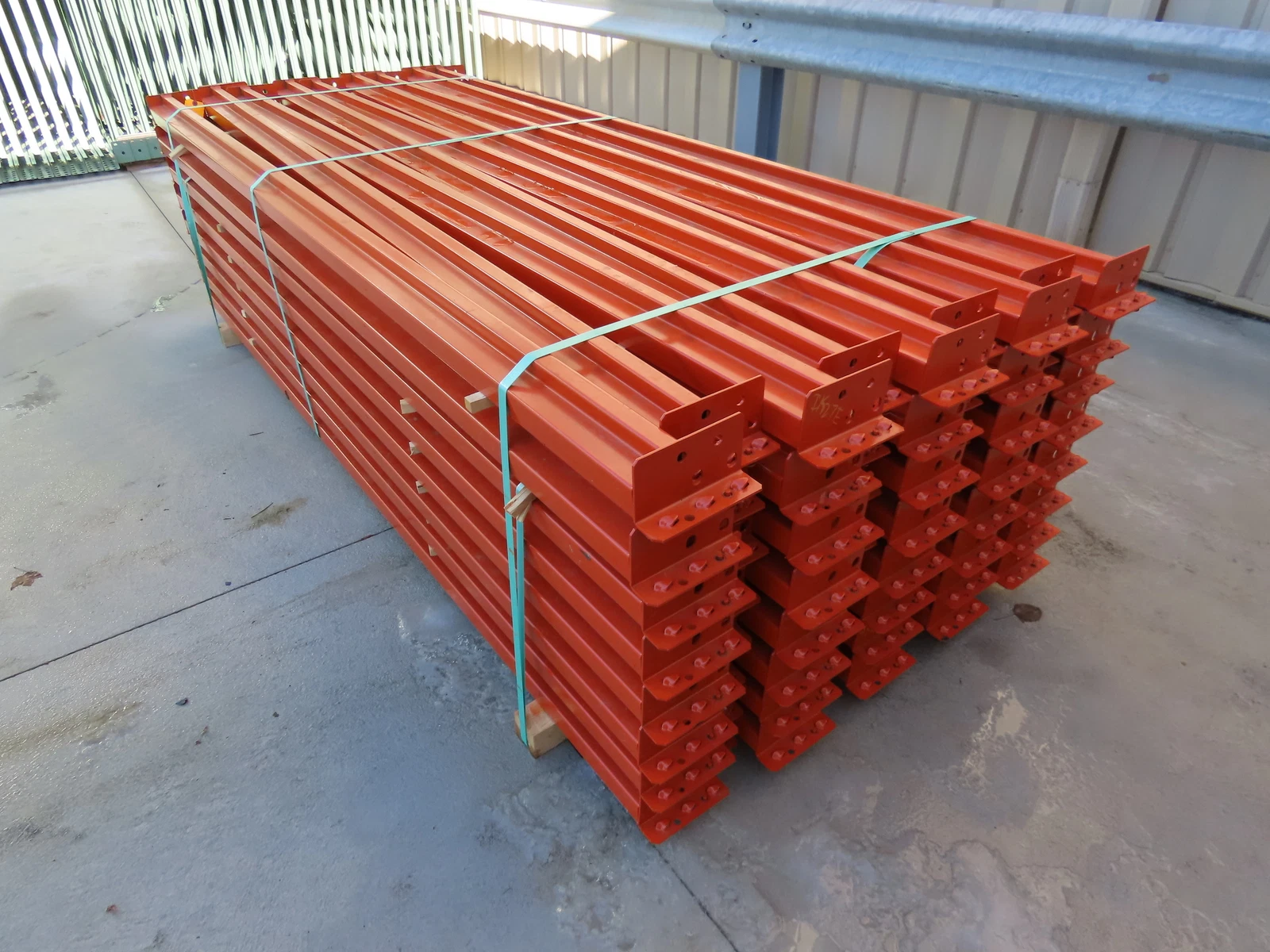
How Do Perishable Goods Handlers Leverage Pallet Racking?
Table Of Contents
- How Do Perishable Goods Handlers Leverage Pallet Racking?
- How Does Pallet Racking Improve Perishable Goods Storage?
- What Cost Savings Come From Using Pallet Racking?
- How Does Pallet Racking Reduce Spoilage Risks?
- What Ethical Standards Apply to Storing Perishable Goods?
- How Do Handlers Ensure Safety with Pallet Racking?
- Can Pallet Racking Optimize Space In Cold Storage?
- Conclusion
- Other Resources
- Glossary Of Terms
- Other Questions
- Checklist
How Does Pallet Racking Improve Perishable Goods Storage?
When you’re dealing with perishable goods, every minute counts. Those crates of fresh produce, dairy, or meats don’t wait around—they’re ticking clocks. Pallet racking might sound like just another warehouse thing, but it’s the difference between keeping your stock fresh and watching it turn to waste. You get a system that organizes your stuff smart and steady, letting air flow right where it needs to and keeping everything off the cold floor or soggy pallets. That means no soggy boxes, no crushed fruit—just good goods ready to move out fast.
Think about the chaos in a busy storage room without proper pallet racking. Boxes piled in messy stacks, product getting lost or forgotten in the back, and the frustration when you have to toss perfectly good food because it spoiled before you could sell it. Pallet racking brings order to that mess. You can see what you’ve got, reach it without a hassle, and rotate stock like a pro, ensuring the oldest goods leave first. It’s not just organizing; it’s protecting the value of your inventory and respecting the hard work that went into producing those goods.
There’s also pride in doing things right—the right way to store food means fewer shortages, less waste, and a cleaner, safer supply chain. That’s not just good business; it’s the right thing to do. Using pallet racking shows commitment to quality and responsibility to your customers and community. It’s a quiet promise that you care about what you’re selling, and you’re doing everything in your power to deliver it fresh.
Experienced hands know that pallet racking isn’t just about stacking pallets higher; it’s about making your operation hum. It increases storage capacity vertically and keeps things accessible, cutting down the headache of digging through clutter. It’s about practical sense and hard-earned efficiency, turning a cramped, chaotic warehouse into a well-oiled machine running smooth as clockwork.
Bottom line: pallet racking makes perishable goods storage smarter, cleaner, and more reliable. It saves money by cutting waste, saves time by speeding up access, and earns trust by keeping goods fresh and ready. When you set up your storage right, you’re not just stacking pallets—you’re building confidence, one shelf at a time.

How Does Pallet Racking Improve Perishable Goods Storage?
How Does Pallet Racking Improve Perishable Goods Storage?
- Pallet racking is essential for preserving the freshness of perishable goods by organizing storage smartly and allowing proper airflow.
- Proper pallet racking prevents damaged or soggy products and avoids waste caused by poor storage conditions.
- Without pallet racking, storage areas become chaotic, leading to lost inventory and spoiled goods.
- Pallet racking facilitates easy stock rotation, ensuring older goods are sold first and inventory value is protected.
- Using pallet racking promotes fewer shortages, less waste, and a cleaner, safer supply chain, demonstrating commitment to quality and responsibility.
- It increases vertical storage capacity and accessibility, improving operational efficiency and reducing clutter.
- Pallet racking saves money by cutting waste, saves time through quicker access, and builds customer trust by maintaining product freshness.

How Does Pallet Racking Improve Perishable Goods Storage?
What Cost Savings Come From Using Pallet Racking?
Look, when your warehouse floor’s cluttered, and you’re playing Tetris with boxes, you’re leaving money on the table. Pallet Racking isn’t just some fancy shelf—it’s a game-changer for trimming costs where it counts. First off, you free up a ton of space. More space means you don’t need to rent or build another warehouse, saving you big bucks from the get-go. Every square foot you carve out with Pallet Racking stacks adds up fast on your bottom line.
Then there’s the time factor. When workers don’t have to hunt through piles or crawl under awkward stacks, they get the job done quicker. Time saved on loading and unloading means you’re paying less overtime and keeping operations humming smoothly. Pallet Racking makes inventory easier to spot, pick, and manage—a chain reaction that cuts down on mistakes and wasted motion. That’s cold, hard cash staying put instead of slipping through cracks.
Don’t forget safety, either. A well-organized warehouse built on solid Pallet Racking means fewer accidents. Reduced injuries aren’t just humane, they keep insurance premiums from climbing and prevent nasty downtime. Protecting your people and your pocketbook with the same setup is a no-brainer. It speaks to doing right by your crew and your company, plain and simple.
There’s a straightforward honesty in putting pallets where they belong—stacked, accessible, and steady. It sets a tone across your operation that order and respect matter. That kind of culture makes workers take pride in their space, which might not sound flashy, but it changes how things get done day in and day out.
Pallet Racking, then, is more than metal beams; it’s the backbone of cost control and efficiency. For anyone who’s ever sweated through a stocktaking deadline or squeezed into a jammed bay, investing in the right racking isn’t just practical—it’s smart business sense wrapped in grit and real experience. It’s about doing your work cleaner, faster, safer, and cheaper, all at once. The proof’s in the pallets stacked tall and your books staying balanced.
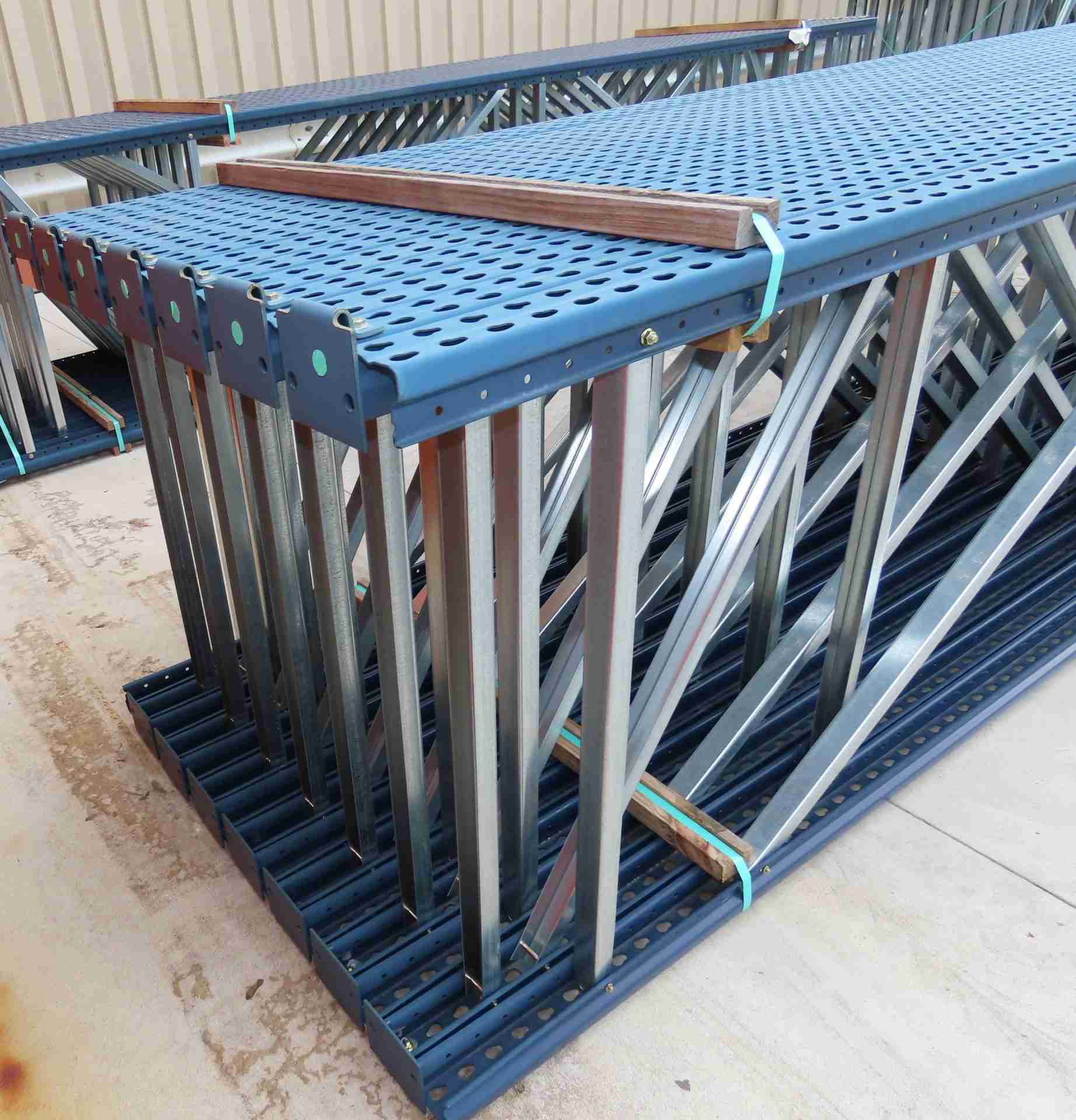
What Cost Savings Come From Using Pallet Racking?
What Cost Savings Come From Using Pallet Racking?
- Pallet Racking maximizes warehouse space, reducing the need for additional facilities and saving significant costs.
- Improved organization speeds up loading and unloading by minimizing time spent searching and accessing inventory.
- Enhanced inventory management with easier spotting, picking, and handling reduces errors and wasted effort.
- Better safety with organized racking lowers accident rates, insurance premiums, and downtime.
- Clear pallet placement fosters a culture of order and respect, improving worker pride and operational consistency.
- Pallet Racking acts as a foundation for cost control and operational efficiency in warehouse management.
- Investing in proper racking supports cleaner, faster, safer, and more cost-effective warehouse operations.
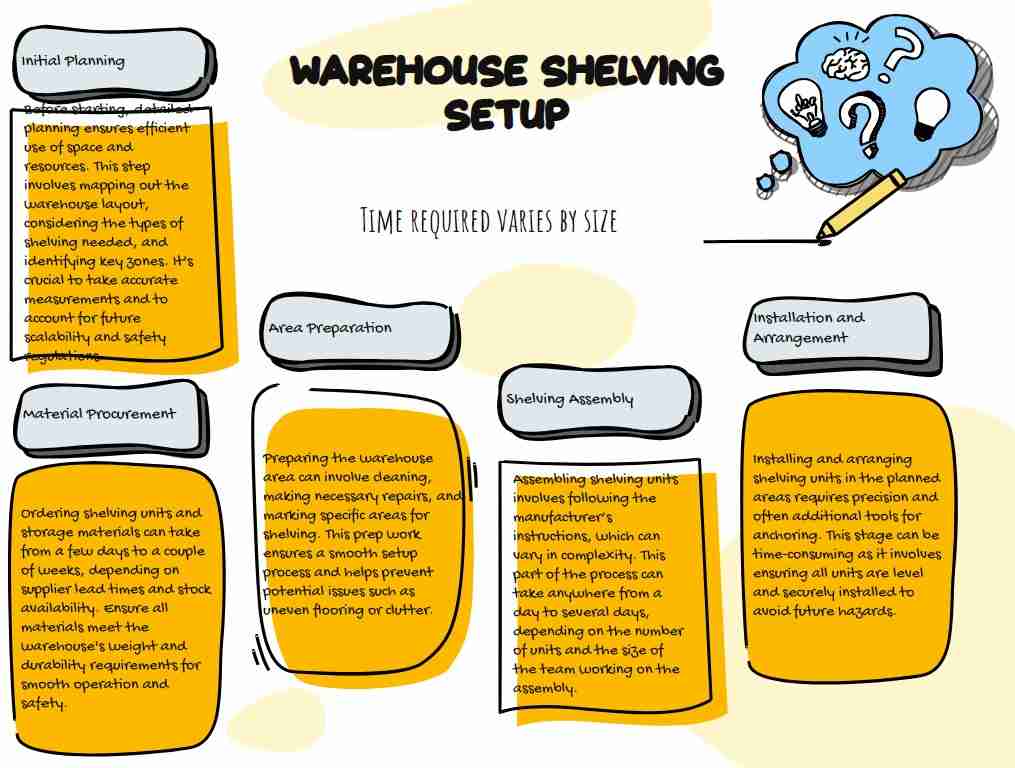
What Cost Savings Come From Using Pallet Racking?
How Does Pallet Racking Reduce Spoilage Risks?
Look, anyone who’s spent time in a warehouse or a storage yard knows spoilage isn’t just lost goods—it’s lost sweat, time, and trust with your customers. That’s where pallet racking steps in, not fancy tech or magic, but solid, straightforward gear that keeps your stock off the dirt and out of the damp. When pallets sit directly on the floor, humidity creeps in, pests find a playground, and damage starts on day one. Pallet racking lifts those problems right out of the picture, giving each item its own space to breathe and stay sound.
The common-sense part is this: air needs to move. Pallet racking creates aisles where air circulates freely, cutting down on moisture buildup and the mold that so easily eats away at your inventory. You’re not just stacking boxes anymore—you’re setting up a neat, organized system that guards your goods like a silent partner who’s got your back. It’s simple ethics, really—respect your stock, and it’ll respect your business. Letting your products spoil isn’t just bad for the books; it’s bad for everyone relying on your work—from the truck driver hauling those pallets to the folks waiting on their deliveries.
And here’s what experience teaches you: pallet racking isn’t just a framework; it’s a way to take control. You see what you’ve got at a glance, reducing mistakes and the kind of chaos that leads to forgotten, ruined stock. That clarity builds confidence because you know your stuff isn’t just sitting there – it’s doing fine, safe from the pitfalls of poor storage. Over time, this builds credibility with customers who know you’re consistent, reliable, and honest about handling their goods.
In the warehouse world, it’s the little things that pile up—pun intended. Pallet racking keeps things off the ground, cuts spoilage, and keeps the whole operation humming smoother. It’s a no-nonsense move that shows you value your work and the people counting on you. No fluff, just practical, everyday insurance against loss, rot, and waste. At the end of the day, that’s what you want: a solid setup that works as hard as you do. Pallet racking isn’t just storage; it’s peace of mind built shelf by shelf.
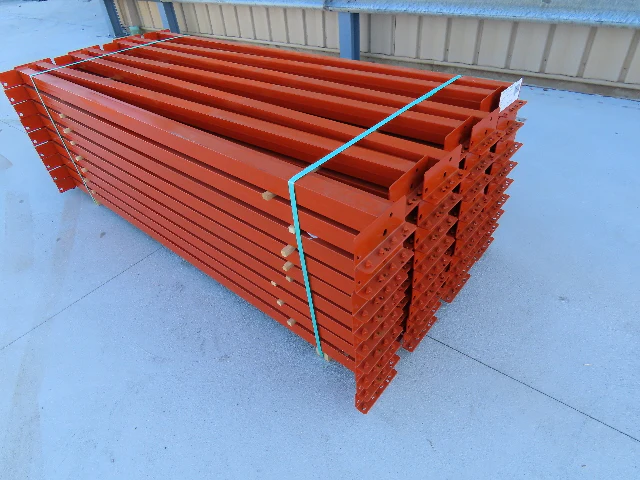
How Does Pallet Racking Reduce Spoilage Risks?
How Does Pallet Racking Reduce Spoilage Risks?
- Spoilage in warehouses means lost goods, time, effort, and customer trust.
- Pallet racking keeps stock off the floor, preventing damage from humidity and pests.
- Proper air circulation through pallet racking reduces moisture buildup and mold.
- Organized pallet racking systems protect goods and improve inventory management.
- Clear visibility of stock reduces mistakes and prevents forgotten, spoiled items.
- Consistent use of pallet racking builds credibility and reliability with customers.
- Pallet racking provides practical, everyday protection against loss, rot, and waste, ensuring smooth operations.

How Does Pallet Racking Reduce Spoilage Risks?
What Ethical Standards Apply to Storing Perishable Goods?
When you’re dealing with perishable goods, the standards you hold aren’t just rules on paper—they’re the difference between a truckload of spoiled food and a family sitting down to a safe meal. It’s about respect for the sweat that went into growing, packing, and trucking those goods, but also respect for the folks waiting on the other end. Storing perishable items right isn’t just good business; it’s an ethical responsibility grounded in common sense.
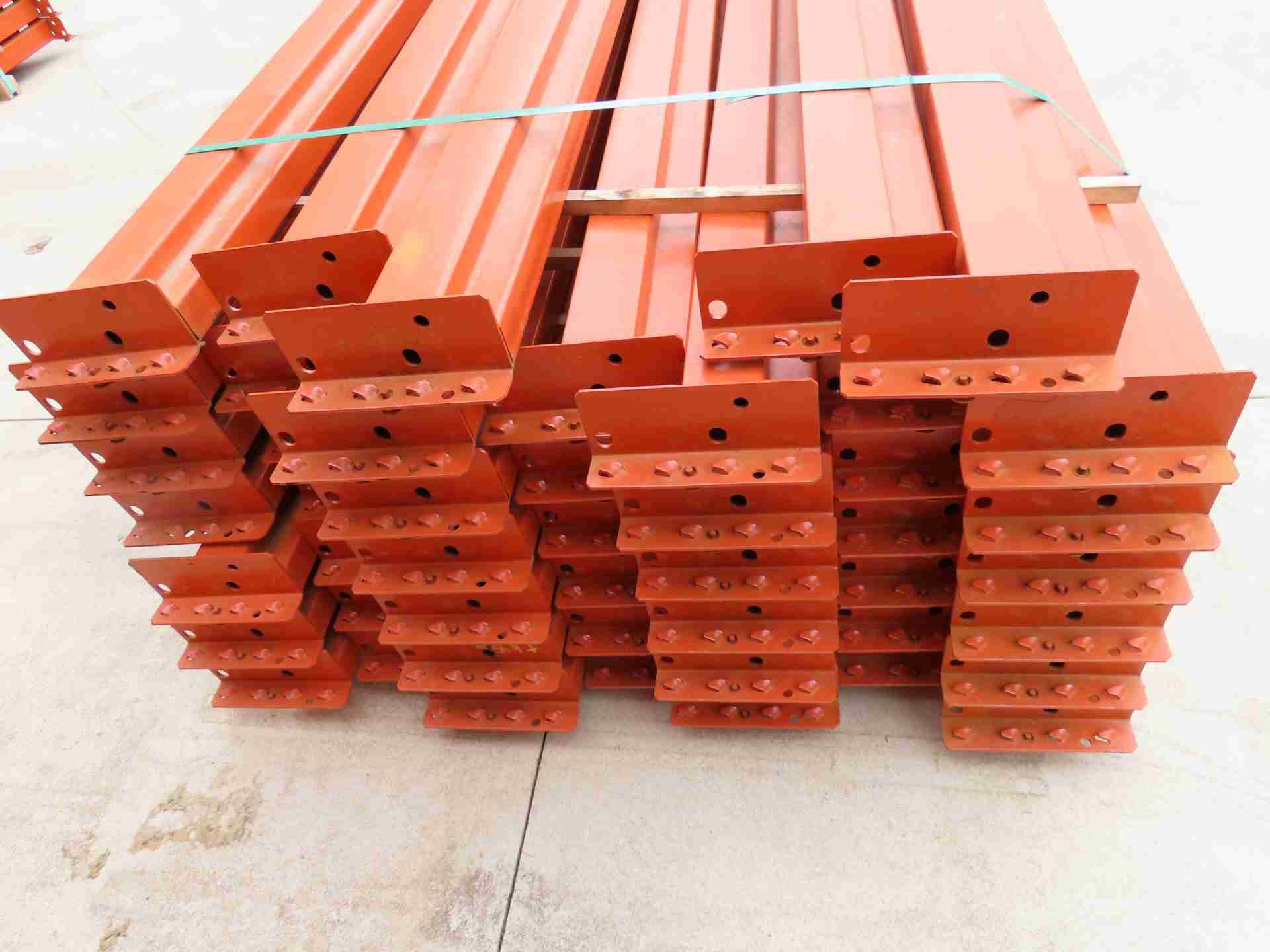
Think about it like this: those pallets stacked up in the warehouse on some good, solid pallet racking aren’t just metal and wood. They’re the backbone of a system that keeps things fresh and prevents waste. When those racks are overloaded or poorly maintained, the whole structure gets shaky—just like cutting corners on storage temperature or cleanliness messes with food safety. It’s not rocket science, just plain accountability.
You’ve been on the floor, or you know someone who has—someone who’s seen what happens when perishable goods go bad because the storage system failed. The smell of ruined produce, the guilt of throwing away what could’ve fed a family, the cost that hits the bottom line hard. That’s why keeping things in right conditions, on solid pallet racking that’s organized and well-maintained, isn’t just a checkbox. It’s about preserving trust with customers and communities alike. If you slack on storage standards, you’re breaking faith with everyone involved.
Ethically, it’s about more than compliance with regulations. Those laws exist for a reason, but true ethical standards come alive when you treat perishable goods like they’re more than inventory—they’re time-sensitive promises. The clock is always ticking on freshness, and every hand that touches those goods carries a piece of that promise. It’s the kind of respect that builds trust, not just contracts.
At the end of the day, the ethical storage of perishables is about integrity in action. It’s the choice to invest in good pallet racking, to keep a clean and controlled environment, and to train your crew to care as much as you do. When you do that, you’re not only protecting products but protecting people—customers, workers, and communities who rely on you to deliver more than goods, but safety and dignity. That’s a responsibility that hits the heart, the head, and the gut—an honest day’s work done right.

What Ethical Standards Apply to Storing Perishable Goods?
What Ethical Standards Apply to Storing Perishable Goods?
- Proper storage of perishable goods is essential to prevent spoilage and ensure safe meals, reflecting respect for all involved in the supply chain.
- Solid, well-maintained pallet racking supports freshness and waste prevention; poor storage risks compromising food safety.
- Failures in storage systems lead to product loss, financial costs, and broken trust with customers and communities.
- Ethical storage goes beyond regulatory compliance, treating perishables as time-sensitive commitments that require careful handling.
- Every person handling perishable goods shares responsibility for maintaining freshness and quality.
- Investing in quality racking, cleanliness, and staff training reflects integrity and care in product handling.
- Ethical storage practices protect not only goods but also the safety, dignity, and trust of customers, workers, and communities.
What Ethical Standards Apply to Storing Perishable Goods?
How Do Handlers Ensure Safety with Pallet Racking?
When it comes to Pallet Racking, safety isn’t just a box to check – it’s the backbone of every day on the floor. Handlers don’t just move stuff around blindly; they carry a responsibility that hits home every time they hear that clatter or see a beam bend the wrong way. You’re not just stacking pallets; you’re stacking trust, where one slip could mean someone’s day—or worse, their life—takes a hard knock. That’s why the safety game with Pallet Racking is about muscle memory, respect for the gear, and knowing the story every rack tells.
First off, handlers approach racking like a well-worn tool—nothing fancy, just solid, sensible vigilance. They check every bolt, every beam, every joint, because that’s where the unseen danger hides. Pallet Racking isn’t just metal; it’s a system that demands attention. It’s about understanding load limits – not the “I’ll push this a bit” kind of limits, but the “this rack was engineered to hold exactly this much” limits. That knowledge saves backs, hands, and sometimes lives. Experience teaches every handler to spot the subtle bends, the tiny cracks, the signs something’s about to pop. It’s not guesswork; it’s earned wisdom.
Handlers also know it’s about more than just keeping the gear in shape. It’s about looking out for the folks around them. Talking openly, sharing tips, calling out “Hey, that rack looks shaky,” or “Watch that load” isn’t just workplace chatter—it’s a shared pact. Pallet Racking safety turns a team into a safety net, where no one feels alone in carrying the load. That human link makes the whole operation run smoother and keeps everyone confident going into their shift. When you feel safe, you work better. Plain and simple.
And there’s an ethical backbone here that’s hard to ignore. When a handler cares about the safety of their crew, they’re doing more than following rules; they’re protecting families, futures, and livelihoods. Trust grows when the crew sees the care behind the routine checks and the careful stacking. It’s a quiet, everyday oath—respect your gear, respect your people. That’s the kind of integrity that makes any warehouse run, steady and sure, long after the day’s done.
So when you walk past a row of Pallet Racking, remember it’s more than just shelving. It’s the result of hands-on know-how, a sharp eye, and a quiet commitment to keep everyone safe. That’s the real story behind getting the job done right.

How Do Handlers Ensure Safety with Pallet Racking?
How Do Handlers Ensure Safety with Pallet Racking?
- Safety in pallet racking is essential, focusing on responsibility and trust to prevent accidents that could harm people.
- Handlers treat racking with vigilance, inspecting bolts, beams, and joints to detect hidden dangers and respect engineered load limits.
- Experience helps handlers identify subtle signs of damage, such as bends and cracks, ensuring proactive safety measures.
- Communication among team members is vital, fostering a shared commitment to safety by alerting each other to potential hazards.
- Safety practices build a team environment where workers feel supported and confident during their shifts.
- Ethical responsibility underpins safety efforts, emphasizing care for coworkers’ well-being beyond mere rule compliance.
- Pallet racking symbolizes hands-on expertise, careful observation, and ongoing dedication to maintaining a safe workplace.

How Do Handlers Ensure Safety with Pallet Racking?
Can Pallet Racking Optimize Space In Cold Storage?
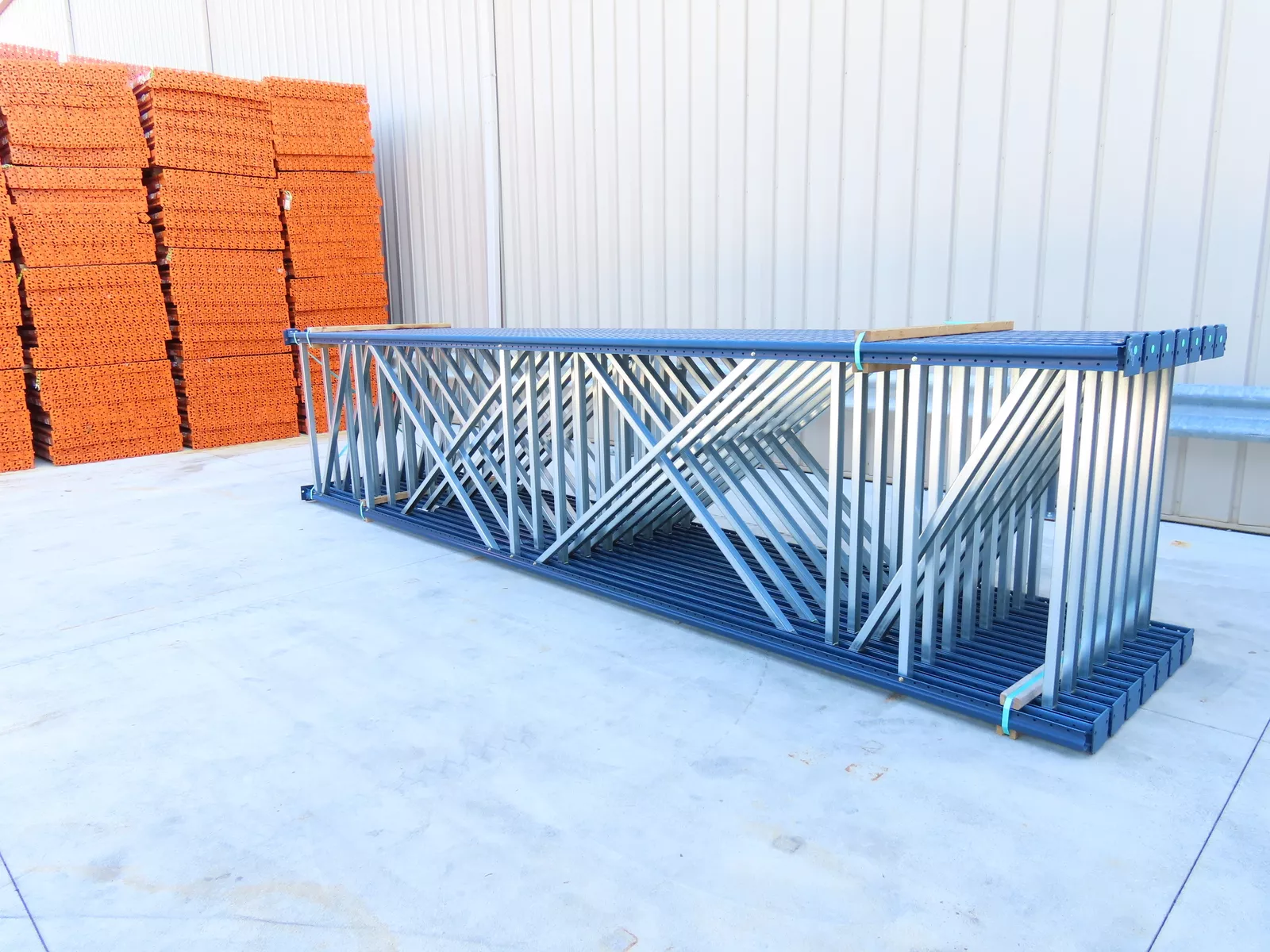
When you walk into a cold storage facility, what do you see? Rows of boxes stacked high, spaces nearly bursting but somehow still neat and organized. That’s the magic of pallet racking. It’s not just metal and beams; it’s the backbone that holds everything together, making sure every inch counts when you’re working against the clock and the chill.
Pallet racking in cold storage isn’t some fancy fix-it tool. It’s the practical heart of making space work smarter, not harder. You don’t need to stretch your warehouse to the breaking point or guess where to shove another pallet. Instead, you get a system built to hold heavy loads securely while keeping product access smooth and straightforward. It’s about trust — trust that your goods stay safe, your team moves fast, and your workflow keeps humming without a hitch.
Here’s where the head and heart come in. On one hand, pallet racking’s efficiency saves money, cuts down on wasted time, and turns tight quarters into a well-oiled machine. On the other, it offers peace of mind knowing the inventory’s stable and the team isn’t dodging hazards or scrambling to find a spot. That’s a real weight lifted off your shoulders when the cold isn’t just outside but part of your daily grind. And although the racks are cold steel, the benefits warm up the whole operation.
Ethically, it’s the responsible choice, too. Using pallet racking to optimize space means less energy wasted to cool unused areas, less product damaged from poor stacking, and fewer workplace accidents. It shows respect for your crew and your environment. It’s about making something that works not just for profits, but for people. Because a safe, organized spot doesn’t only make business sense—it makes good sense.
Let’s be honest: no one wants chaos in the cold room. Pallet racking turns messy piles into clear aisles, clutter into order. It’s the kind of dependable gear you rely on day in and day out, the tool that just does its job and makes your job easier. When your cold storage space feels tight, pallet racking is that straightforward answer that’s been around the block, proven by folks who get their hands dirty and need results.
So when you’re staring at those narrow aisles and thinking about how to make every inch pay off, remember this: pallet racking isn’t just storage. It’s the silent workhorse that makes cold storage efficient, safe, and downright manageable. That’s how you turn a cold room into a powerhouse.
Can Pallet Racking Optimize Space In Cold Storage?
Can Pallet Racking Optimize Space In Cold Storage?
- Pallet racking is the essential structure in cold storage, maximizing space and organization.
- It securely holds heavy loads while ensuring smooth and easy access to products.
- Efficient pallet racking saves money, reduces wasted time, and optimizes tight spaces.
- Provides safety and stability, reducing hazards and easing workflow in cold environments.
- Ethically responsible by minimizing energy waste, product damage, and workplace accidents.
- Transforms cluttered storage into clear, organized aisles for dependable daily use.
- Functions as the reliable core that makes cold storage efficient, safe, and manageable.

Can Pallet Racking Optimize Space In Cold Storage?
Conclusion
Handling perishable goods is no joke. Every minute wasted, every pallet stacked poorly, can turn fresh produce or dairy into lost profit and frustrated customers. Pallet racking isn’t just some metal framework; it’s the unsung hero that keeps warehouses running smooth and goods fresh. It lets handlers stack smart, keep air flowing, and avoid spoilage. When pallets sit on the floor or get crowded, moisture and pests sneak in, and what was meant for dinner tables turns into garbage. But with solid, well-thought-out rack systems, that mess is kept at bay.
There’s more than just practical sense here—there’s an ethical backbone, too. Every box on those racks represents farmers’ hard work, truck drivers’ long hauls, and families expecting good food. Wasting it isn’t just a financial hit; it’s a failure to respect that chain. Pallet racking helps folks do right by their product, their customers, and the wider community by reducing waste, improving rotation, and keeping everything visible and accessible. It’s about taking pride in the job and owning responsibility for what lands on the shelves.
On the ground, pallet racking makes the warehouse a safer, more efficient place. Instead of workers battling cluttered floors or scrambling through chaos, everything’s organized and within reach. That saves time, slashes overtime costs, and cuts the risk of accidents that could shut things down or hurt somebody. Safety isn’t a checkbox; it’s the muscle memory and straight talk among crews who watch each other’s backs. Every beam, bolt, and load matters because one slip-up can cost lives and livelihoods. Good pallet racking keeps that danger in check, earning trust across the board—from the guy stacking pallets to the folks buying groceries.
Space is another headache pallet racking solves, especially in cold storage where every frozen inch counts. Instead of piling up chaos, racks hold loads tight and orderly, saving room and making workflows faster. That means less wasted energy cooling empty spaces and fewer products crushed or forgotten in a jumble. It’s a cold room that actually works—a place where efficiency, safety, and care come together in quiet but powerful ways.
In the end, pallet racking is more than storage. It’s a practical promise that the work is done thoughtfully—from respecting the goods and the people behind them to making a safe, efficient space where freshness wins. It’s about doing your job with honesty, grit, and a firm handshake on quality. Because when the racks are set right, everyone breathes a little easier knowing the job’s been done proper—shelf by shelf, pallet by pallet.

Conclusion
Conclusion:
- Proper pallet racking prevents spoilage of perishable goods by enabling smart stacking, airflow, and avoiding moisture and pest intrusion.
- Pallet racking upholds ethical responsibility by respecting the efforts of farmers, drivers, and customers, reducing waste and improving product rotation.
- It enhances warehouse safety and efficiency by organizing space, reducing clutter, saving time, and lowering accident risks.
- Well-designed rack systems contribute to a safer work environment, fostering trust among workers and minimizing potential hazards.
- Pallet racking optimizes space usage, especially in cold storage, saving energy and preventing product damage from overcrowding.
- The system supports smoother workflows by keeping goods accessible and orderly, improving overall warehouse productivity.
- Pallet racking represents a commitment to quality and responsibility, ensuring fresh products reach shelves properly and customers receive good food.
Conclusion
Other Resources

Other Resources
Here is a list of other resources you can review online to learn more:
- Heavy-Duty Cantilever Storage Racks
- Chicago Pallet Racking
- Pallet Rack Systems – New and Used Pallet Racking and Shelving Experts
- Cantilever Racking Specialists – Get the Right Racks
- Teardrop Pallet Rack – Ridg-U-Rak
- Rack Manufacturers Institute
- Racking World
- Warehouse Automation
- IIWS Inc. Rack Installation Illinois & Rack Repairs Illinois
- Cantilever Rack Guide: Ordering Cantilever Racking
- Wolter
- CA Wire
- Warehouse Storage Racks
- MHI
- Warehouse Racking Layout: The Ultimate Guide – Conger
- Pallet Racking 101: A Comprehensive Guide & Options Explained
- What is Cantilever Racking? – AK Material Handling Systems
- Warehouse Racks, Warehouse Racking in Stock – ULINE
- Warehouse Racking Chicago, IL
Use This Prompt To Get More Resources With Your Favorite Online AI Tool: Please provide me with a list of online articles with their URLs in a bulleted list that I can read regarding How Do Perishable Goods Handlers Leverage Pallet Racking?
Other Resources
Glossary Terms
How Do Perishable Goods Handlers Leverage Pallet Racking? – Glossary Of Terms
1. Pallet Racking: A storage system designed to hold materials on pallets in horizontal rows with multiple levels.
2. Perishable Goods: Products that have a limited shelf life and require controlled storage conditions.
3. Cold Storage: Temperature-controlled storage areas used to preserve perishable items.
4. FIFO (First In, First Out): Inventory management method ensuring older stock is used before newer stock.
5. LIFO (Last In, First Out): Inventory method where the most recently stored items are used first.
6. Load Capacity: The maximum weight a pallet rack can safely hold.
7. Upright Frame: Vertical components of pallet racking that support beams and loads.
8. Beam: Horizontal bars in pallet racks that support pallets.
9. Pallet Jack: Manual or powered tool used to move pallets within storage areas.
10. Forklift: Vehicle used to lift and move pallets in warehouses.
11. Temperature Control: Regulation of storage environment to maintain product integrity.
12. Humidity Control: Managing moisture levels to prevent spoilage of perishable goods.
13. Picking Efficiency: Speed and accuracy with which goods are retrieved from storage.
14. Inventory Turnover: Measure of how frequently inventory is replaced over a period.
15. Load Stability: The ability of stacked goods on pallets to remain secure and not shift.
16. Cross-Docking: System where goods are unloaded and immediately reloaded for dispatch, minimizing storage time.
17. Safety Compliance: Adherence to regulations ensuring safe storage and handling practices.
18. Airflow Management: Arranging racks to allow proper circulation, important for perishable goods.
19. Space Optimization: Maximizing storage capacity within a warehouse footprint.
20. Cold Chain: Temperature-controlled supply chain ensuring product quality from origin to end user.
21. Dynamic Racking: Adjustable racking systems that allow for changing storage needs.
22. Static Racking: Fixed racking systems with set levels and dimensions.
23. Load Distribution: Even spread of pallet weight to prevent structural failure.
24. Stock Rotation: Regularly moving stock to ensure older items are shipped first.
25. Zone Storage: Organizing inventory by category or temperature needs within a warehouse.
26. Pallet Overlay: Placing protective material over pallets to maintain hygiene.
27. Automated Storage: Use of robotics or automated systems to handle pallets.
28. Hazard Identification: Recognizing potential risks in storage and handling processes.
29. Shelf Life Monitoring: Tracking the remaining usable life of perishable goods.
30. Traceability: Ability to track the origin and history of goods through the supply chain.
Glossary Of Terms
Other Questions
How Do Perishable Goods Handlers Leverage Pallet Racking? – Other Questions
If you wish to explore and discover more, consider looking for answers to these questions:
- What types of pallet racking systems are best suited for different perishable products?
- How do you choose between selective, drive-in, push-back, or flow racking for perishables?
- What are the typical costs to purchase and install pallet racking for a cold storage facility?
- How do you calculate ROI and payback period from investing in pallet racking?
- How does pallet racking affect airflow and temperature distribution in refrigerated spaces?
- What rack configurations minimize condensation and cold spots?
- How should racking be positioned relative to evaporators and air returns?
- What materials and coatings are recommended for pallet racking in freeze and washdown environments?
- How do you ensure racks meet local food-safety and building-code regulations?
- What certifications or standards should perishable handlers follow (e.g., HACCP, FDA, USDA)?
- How frequently should pallet racking be inspected and maintained in perishable storage?
- What are common signs of rack damage or fatigue to watch for?
- How do you determine load limits for each rack and pallet position?
- What are best practices for preventing pallet collapse and rack failure?
- How can pallet racking support FIFO (first-in, first-out) rotation reliably?
- What labeling, lot-tracking, and inventory control methods work best with racking?
- How do automated storage and retrieval systems (ASRS) integrate with pallet racking for perishables?
- What types of forklifts and handling equipment are compatible with different racking systems?
- What aisle widths and clearances are optimal for safety and throughput?
- How does pallet racking contribute to reduced labor costs and improved picking times?
- How do you design racking layouts to handle seasonal volume fluctuations?
- What training do staff need to safely load, unload, and inspect pallet racking?
- What protective accessories (row-ends, column guards, pallet supports) are recommended?
- How do you control pests and contamination around racked storage?
- What cleaning procedures are required for racks in food-grade storage?
- How do you handle mixed pallets or multi-temperature product storage on racking?
- What are best practices for pallet selection and palletization for racked perishables?
- How can racking be retrofitted into an existing facility without major downtime?
- What are the insurance implications and requirements for racking in perishables storage?
- How do you monitor temperature and humidity at pallet level within racking aisles?
- What sensor and alarm systems are recommended to detect cold-chain breaches?
- How can racking layout reduce energy consumption in cold storage?
- What measures prevent product damage from forklift impacts on racking?
- How do you plan for seismic or high-wind considerations when installing racks?
- What are lifecycle costs of pallet racking versus the cost of spoilage without racking?
- How do you document and audit ethical standards and storage procedures?
- What contingency plans should be in place for power outages or refrigeration failures?
- How can racking support traceability and recall procedures?
- Are there case studies showing spoilage reduction and cost savings after installing racking?
- How do regulations and ethical standards differ for fresh produce, dairy, meat, and seafood?
- What procurement criteria should you use when selecting a racking supplier or installer?
- How does pallet racking affect cross-docking and rapid turnover operations?
Other Questions
Checklist
How Do Perishable Goods Handlers Leverage Pallet Racking? – A Checklist
Planning & Layout
✅______ Map product flow from receiving to shipping with the shortest travel paths
✅______ Define clear, consistent aisle widths for lift equipment and pedestrians
✅______ Allocate dedicated fast-mover zones near docks to reduce dwell time
✅______ Designate quarantine or hold areas for quality issues and returns
✅______ Plan flue spaces (longitudinal and transverse) for airflow and fire safety
Racking Selection & Setup
✅______ Select rack type aligned to turnover and SKU profile (selective, drive-in, push-back, mobile)
✅______ Verify engineered load ratings and display load plaques on each bay
✅______ Install bottom beams to keep pallets off the floor and out of moisture
✅______ Anchor all uprights; install column guards, end-of-aisle protectors, and rack backs or stops
✅______ Use beam locks and pallet supports for stability and poor-quality pallets
✅______ Confirm pallet dimensions, overhang, and deck style do not block airflow
✅______ Perform an acceptance inspection after installation and document the as-built layout
Cold Storage Optimization
✅______ Choose rust-resistant coatings and cold-rated components
✅______ Validate rack clearances for frost and ice expansion, and defrost water management
✅______ Maintain door seals, air curtains, and rapid doors to limit warm air ingress
✅______ Use low-heat LED lighting and avoid fixtures that create hot spots
✅______ Monitor energy use; consolidate SKUs to reduce cooled cubic volume
Airflow, Temperature & Humidity
✅______ Maintain required flue spaces (front-to-back and between pallets)
✅______ Keep product within specified temperature and humidity ranges at all times
✅______ Prevent stretch wrap or slip sheets from blocking vents and airflow
✅______ Prohibit double stacking that crushes product or restricts air movement
✅______ Calibrate sensors; log temperatures and humidity by zone and time
✅______ Implement rapid cooling steps for inbound warm loads
Inventory Control & Rotation
✅______ Label every pallet with lot, production, and expiration and pack dates
✅______ Enforce FIFO/FEFO pick sequences in WMS and on the floor
✅______ Slot by velocity and temperature needs; isolate allergen and ready-to-eat zones
✅______ Schedule cycle counts; reconcile physical versus system counts daily
✅______ Flag near-expiry items and trigger markdowns, cross-docking, or donations
Sanitation & Food Safety
✅______ Establish a cleaning schedule for racks, floors, and drains; record completion
✅______ Keep bottom levels clear for cleaning access; remove debris promptly
✅______ Implement pest prevention and monitor traps; document findings
✅______ Provide spill kits and SOPs for leaks and broken packaging
✅______ Validate material contact safety for racks, decks, and pallets where applicable
Safety & Compliance
✅______ Train operators on rack load limits and safe handling practices
✅______ Post aisle speed limits and right-of-way rules
✅______ Inspect racks routinely (daily visual, monthly detailed, and annual third-party)
✅______ Tag and isolate damaged bays; lock out until repaired
✅______ Verify forklift mast height versus top beam clearance
✅______ Maintain clear egress routes and marked pedestrian walkways
✅______ Keep SDS available and staff trained on incident response
✅______ Comply with local codes, OSHA, and food safety standards (e.g., HACCP)
Operations & Picking Efficiency
✅______ Standardize receiving checks: temperature, condition, count, and paperwork
✅______ Pre-stage picks; minimize touches and travel with zone or batch picking
✅______ Use standardized pallet patterns and heights to prevent damage
✅______ Set maximum dwell times by product; escalate when exceeded
✅______ Track dock-to-stock and pick-to-ship cycle times
Spoilage Prevention
✅______ Keep pallets off the floor; use dunnage or rack levels for the bottom tier
✅______ Remove compromised packaging immediately to avoid cross-contamination
✅______ Monitor condensation and ice; address root causes (doors, defrost cycles)
✅______ Audit shrink and spoilage weekly; implement corrective actions
Cost & Performance Tracking
✅______ Measure space utilization (cubic and pallet positions) before and after racking changes
✅______ Track labor hours per case or pallet, and travel time per pick
✅______ Monitor injury rate, equipment impacts, and rack repairs
✅______ Record energy consumption per pallet in cold storage
✅______ Calculate shrink and spoilage cost as a percentage of inventory value
✅______ Review insurance premiums and claims trends
Team Training & Culture
✅______ Provide onboarding and refresher training for racking, equipment, and SOPs
✅______ Encourage stop-work authority and near-miss reporting
✅______ Hold brief daily huddles for safety and quality focus points
✅______ Visually reinforce standards with signage and bay labeling
Ethics & Community Responsibility
✅______ Document traceability from receipt to shipment
✅______ Maintain accurate temperature and handling logs for audits
✅______ Establish donation or secondary market pathways for near-expiry goods
✅______ Set waste reduction targets and report progress
Continuous Improvement
✅______ Review KPIs monthly; prioritize the top three improvements
✅______ Pilot layout or slotting changes and validate results
✅______ Schedule periodic professional rack audits and recertifications
✅______ Update SOPs after any incident, audit, or process change

Checklist
At RackingWorld, we help guide you through selecting warehouse storage systems and racking.
Be sure to read our other related stories at RackingWorld to learn more about warehouse storage systems.
0 Comments