
Maximizing Efficiency, Safety, And Sustainability In Paper Storage Solutions
By Tom Seest
At RackingWorld, we help guide you through selecting warehouse storage systems and racking.
Be sure to read our other related stories at RackingWorld to learn more about warehouse storage systems.
How Do Paper and Pulp Warehouses Leverage Pallet Racking?
In the world of paper and pulp warehouses, pallet racking isn’t just some fancy storage system—it’s the backbone of everything that keeps the operation humming. When you’re dealing with massive rolls of paper or stacks of heavy-duty pulp, you can’t just toss them in a corner and hope for the best. These materials are bulky and delicate in their own way, and if they’re not stored right, it’s a costly mess waiting to happen.
The real strength of pallet racking lies in its practicality. Imagine a warehouse floor without it—a chaotic sprawl that eats up space and eats away at your sanity. Pallet racking transforms that chaos into a neat, organized system where every roll and bale has its place. It maximizes vertical space so warehouses can stack high and store more without sprawling out, which makes a big difference when you’re paying for every square foot and every minute wasted searching for stuff.
But it’s not just about efficiency; it’s about protecting what matters. These racks hold tons of weight safely and keep fragile paper rolls away from hazards like forklift mishaps or moisture on the floor. That kind of reliability builds trust—not just between workers and management but with customers who depend on getting undamaged goods on time. You know you’re doing right by your team and business when your warehouse looks sharp, runs smooth, and no one’s scrambling to fix preventable problems.
There’s a certain pride wrapped up in working in these spaces, too. Pallet racking is kind of like the unsung hero of the warehouse floor. It’s quiet, sturdy, and always there doing its job, so everyone else can do theirs without a thousand little worries. Warehouse workers know it’s the difference between a day filled with stress and a day that flows steady and sure. When you’re navigating pallets and heavy loads, that reliability gives you confidence, plain and simple.
And here’s the thing—using pallet racking shows you’re playing the long game. It’s an investment in safety, productivity, and respect for your workforce. The system holds the promise of smarter, safer, better. It’s not just a storage method; it’s a foundation you can build your whole operation on. If you care about doing a job well, about every piece moving smoothly, and about coming home without stories of disaster, then pallet racking is your quiet, honest partner in work.

How Do Paper and Pulp Warehouses Leverage Pallet Racking?
How Do Paper and Pulp Warehouses Leverage Pallet Racking?
- Pallet racking is essential for organizing bulky and delicate paper and pulp materials in warehouses, preventing costly damage.
- It maximizes vertical space, creating a neat, efficient storage system that saves floor space and reduces time spent searching for items.
- Pallet racks safely hold heavy loads and protect fragile goods from hazards such as forklift accidents and moisture.
- Reliability of pallet racking builds trust between workers, management, and customers by ensuring undamaged deliveries.
- Warehouse workers rely on pallet racking for a stress-free, smooth workflow, providing confidence during heavy load handling.
- Using pallet racking demonstrates a commitment to safety, productivity, and respect for the workforce.
- Pallet racking is a foundational investment that supports long-term operational success and smooth, disaster-free workdays.

How Do Paper and Pulp Warehouses Leverage Pallet Racking?
Table Of Contents
- How Do Paper and Pulp Warehouses Leverage Pallet Racking?
- How Does Pallet Racking Improve Warehouse Space Efficiency?
- What Are the Cost Benefits Of Using Pallet Racking In Pulp Storage?
- How Does Pallet Racking Ensure Safety for Paper Warehouse Workers?
- Can Pallet Racking Reduce Damage to Fragile Paper Products?
- What Types Of Pallet Racks Suit Different Paper and Pulp Sizes?
- How Does Pallet Racking Support Faster Inventory Access and Retrieval?
- Conclusion
- Other Resources
- Glossary Of Terms
- Other Questions
- Checklist
How Does Pallet Racking Improve Warehouse Space Efficiency?
Look, when you walk into a cluttered warehouse, it hits you right in the gut—the wasted space, the chaos, the endless hunting for pallets that should be easy to grab. Pallet racking is the straight-shooter fix that turns that mess into order. It’s not just about stacking stuff higher; it’s about making your space work smarter, not harder. When you install pallet racking, you’re giving your warehouse a backbone—a real structure that speaks the language of efficiency.
From the ground up, pallet racking reshapes your storage strategy. Instead of spreading pallets across the floor like an unplanned city, you’re using vertical space that’s always been there, just ignored. It’s like getting a whole new warehouse without paying rent for an inch of concrete—every bit of vertical real estate earns its keep. This rational move means fewer trips hunting around, less time wasted on forklift ballet, and more room to breathe between aisles. It’s hard-headed, hands-on practicality that leads to smoother workflows and faster turnaround.
Beyond the bottom line, there’s an ethical slice to this story. Running a warehouse efficiently isn’t just about saving money; it’s about respecting the sweat equity of the people working those shifts. Pallet racking creates safer environments by reducing clutter and minimizing the risk of accidents. When your team feels secure moving around with confidence, that’s trust earned in real dollars and cents. It’s the kind of commonsense care that keeps folks coming back, knowing the job respects them.
You don’t need fancy jargon to see that pallet racking commands authority in the warehouse world. It’s time-tested gear designed to stand up to tough jobs, handling heavy pallets day in and day out without fuss. It’s built tough, proven, and reliable—the kind of system that doesn’t quit halfway through the shift. When you embrace pallet racking, you’re leaning on a backbone that’s carried thousands of warehouses through their busiest seasons, earning its stripes pencil and paper didn’t write.
The social proof is clear, too: warehouses that adopt pallet racking aren’t just more organized—they set a tone of professionalism and pride. It spreads through the crew like a good story, building morale and a sense of accomplishment. It’s hard work made visible, showed off in neat rows, and the kind of efficiency that folks can point to and say, “Yeah, we did that.”
Pallet racking isn’t just about stacking pallets; it’s about stacking up wins for your warehouse—wins in space, safety, and spirit. When you bring it in, you’re not just solving a storage problem, you’re investing in a system that works as hard as you do.

How Does Pallet Racking Improve Warehouse Space Efficiency?
How Does Pallet Racking Improve Warehouse Space Efficiency?
- Pallet racking transforms cluttered warehouses by maximizing vertical space and improving overall efficiency.
- It restructures storage strategies, reducing wasted floor space and minimizing time spent searching for pallets.
- Enhances workflow by creating more room between aisles and decreasing unnecessary forklift movements.
- Promotes safer working environments by reducing clutter and lowering accident risks, respecting the effort of warehouse staff.
- Built to be durable and reliable, pallet racking withstands heavy use and demanding warehouse conditions.
- Adoption of pallet racking boosts professionalism and morale among warehouse crews, fostering pride and accomplishment.
- Represents an investment in a practical system that improves space utilization, safety, and workplace spirit.
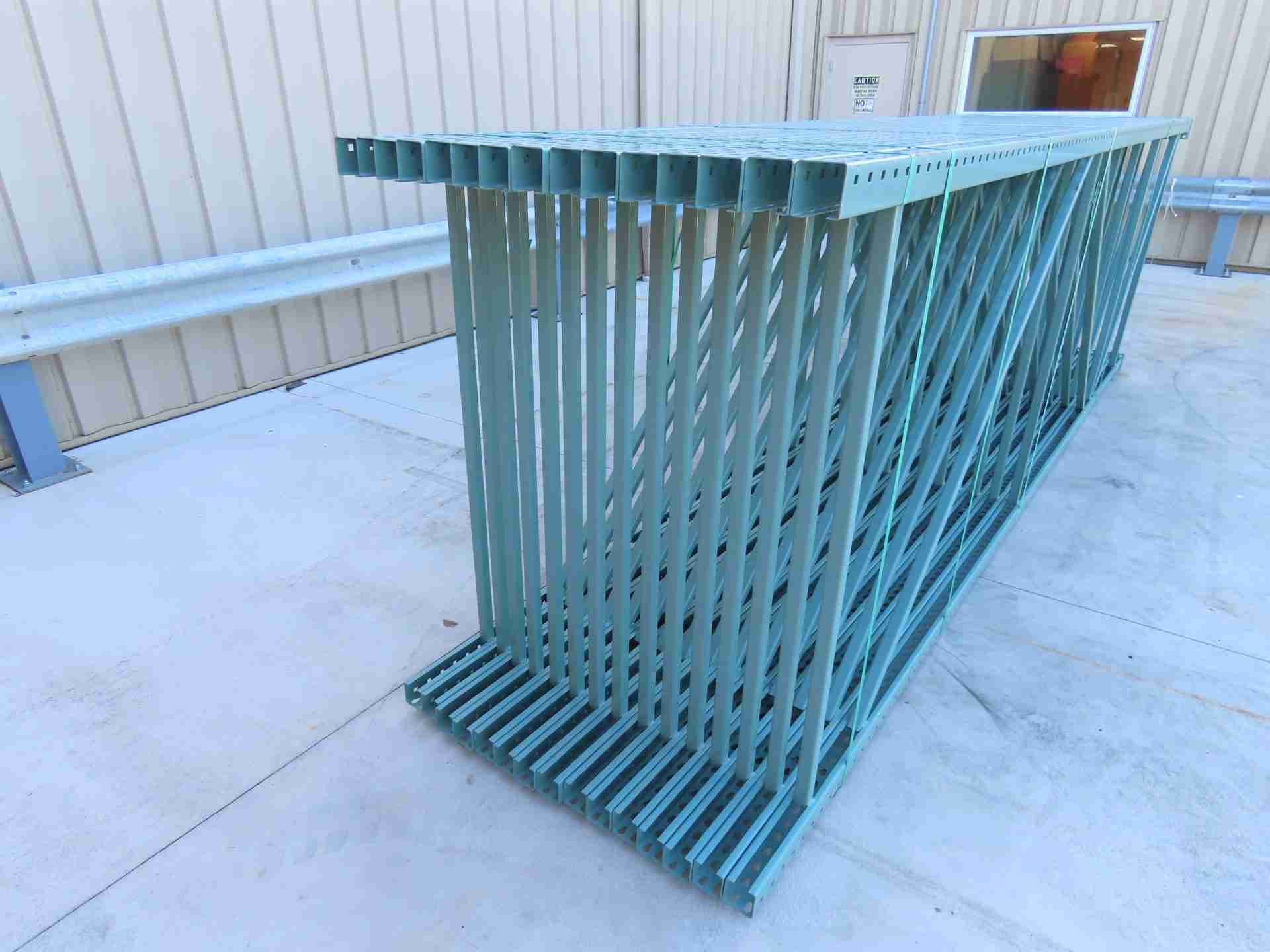
How Does Pallet Racking Improve Warehouse Space Efficiency?
What Are the Cost Benefits Of Using Pallet Racking In Pulp Storage?
Look, when you’re dealing with pulp storage, you’re not just stacking boxes and hoping for the best. Time, space, and damage all cost hard-earned dollars. Pallet racking steps in like the trusty workhorse of your warehouse—a system that’s straightforward but sharp, saving you from a cluttered mess and costly mistakes. It’s about making every inch count without breaking your back or your budget.
First off, pallet racking means better organization—no more scrambling around for that one batch of pulp that’s buried under a mountain of junk. You can access stock faster, move product smoother, and cut down on labor hours. Every minute saved on locating and moving goods adds up, filling your bottom line with real green instead of red ink. That’s smart thinking straight from the floor, where every second means something.
But it’s not just about saving time; it’s about keeping your pulp intact. Pulp’s delicate, and slapping it down in a heap invites crushed inventory and waste. Pallet racking holds your goods securely, reducing damage and shrinkage. Less waste means more product to sell—and more money to keep in your pocket. It’s a simple fix that respects the value of what’s on hand and cuts down on the headaches of reorders and lost sales.
On top of all this, pallet racking stretches your space. Warehouses are expensive real estate, and wasting room is like tossing cash in the trash. By stacking vertically and keeping things orderly, pallet racking gives you more storage without the costly need to expand your facility. That’s a practical, no-nonsense way to boost capacity while dialing down expenses.
Then there’s the peace of mind factor. Investing in pallet racking isn’t a gamble—it’s a proven approach used by countless businesses that rely on straightforward, robust storage solutions. It’s an ethical choice too; protecting your products, your workers, and your customers by providing a safe, reliable storage environment. That builds trust inside the company and with your clients.
At the end of the day, pallet racking in pulp storage isn’t just a shelf or a stack—it’s a lean, mean, cost-saving machine. It’s the difference between a warehouse that drains resources and one that hums with efficiency. Pallet racking makes sense for the budget, the workflow, and the people who make it all happen. Set it up right, and watch how it pays you back time and again.

What Are the Cost Benefits Of Using Pallet Racking In Pulp Storage?
What Are the Cost Benefits Of Using Pallet Racking In Pulp Storage?
- Pallet racking optimizes pulp storage by saving time, space, and reducing damage, ultimately cutting costs.
- It improves organization, enabling faster stock access, smoother product movement, and reduced labor hours.
- Secure storage lessens pulp damage and shrinkage, minimizing waste and protecting valuable inventory.
- Pallet racking maximizes vertical space, increasing storage capacity without costly facility expansion.
- It provides a safe, reliable storage environment, protecting products, workers, and customers.
- The system builds trust within the company and with clients through ethical, robust storage solutions.
- Pallet racking enhances warehouse efficiency, benefiting budgets, workflows, and personnel consistently.
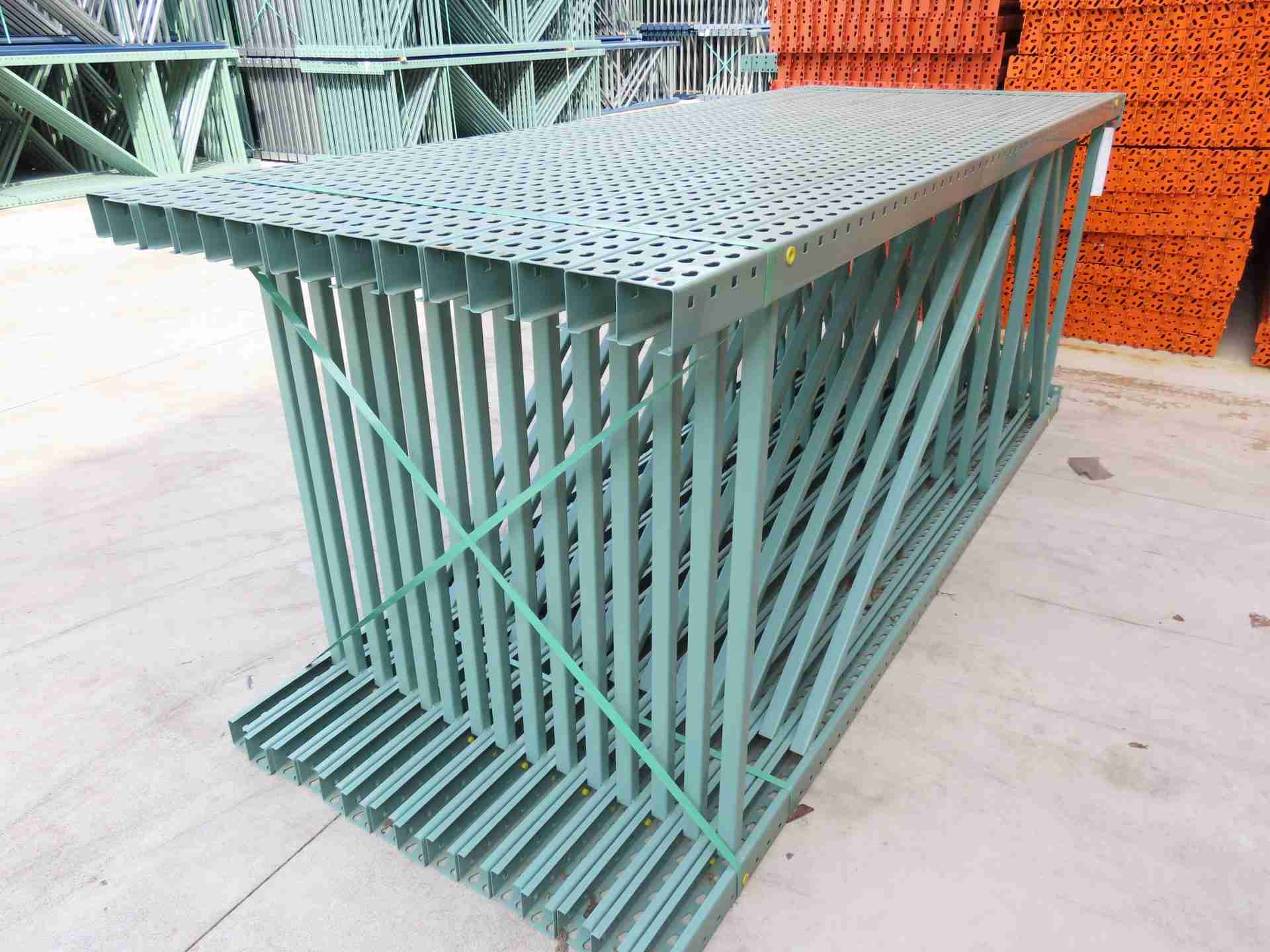
What Are the Cost Benefits Of Using Pallet Racking In Pulp Storage?
How Does Pallet Racking Ensure Safety for Paper Warehouse Workers?
You don’t have to work long around paper warehouses to know the job’s no joke. Stacks of heavy pallets, slick floors, and constant movement make it a place where accidents can happen faster than you think. That’s where pallet racking comes in—not just some fancy setup, but the backbone keeping workers safe day in and day out.
Think about it: pallets loaded with reams of paper aren’t light. Tossing them on the floor or stacking them haphazardly is a recipe for disaster. Pallet racking steps up by giving those heavy loads a solid, reliable home. Instead of piles that can shift or fall, every pallet has its own spot, secured and steady. That means fewer chances of something toppling over onto a worker rushing by or lifting gear catching a spill mid-shift.
From the head perspective, pallet racking isn’t just about holding pallets—it’s engineered with safety in mind. Built to specific standards, designed to withstand the weight and stress of daily use, these racks keep the warehouse structurally sound. When you know your racks won’t buckle or collapse, it takes a load off your mind, letting you focus on the work—rather than watching your back every minute.
The moral side of this? It’s about respect. Respect for the folks busting their tails in the cold, dry aisles. Pallet racking shows that management cares enough to invest in something that keeps people safe and sound. It’s the kind of common-sense measure that says, “We see you. We’re not going to let safety slide.” In industries like paper warehousing, where the physical toll is real, that ethical responsibility isn’t just a box to tick—it’s the difference between going home whole or getting hurt.
And don’t overlook the social impact. When workers feel safe, they work better together. Pallet racking helps create a workspace where people can trust the environment and each other. Knowing your pallet won’t wobble or your coworker won’t get injured right next to you builds a quiet confidence that spreads across the whole team. It’s a sturdy foundation for camaraderie as much as for storage.
So, pallet racking isn’t just metal beams and bolts; it’s the silent partner keeping paper warehouse workers safe. It’s the unspoken assurance in every load lifted, every aisle navigated, and every shift finished without incident. If you want to make safety more than a slogan, pallet racking is where the work begins.
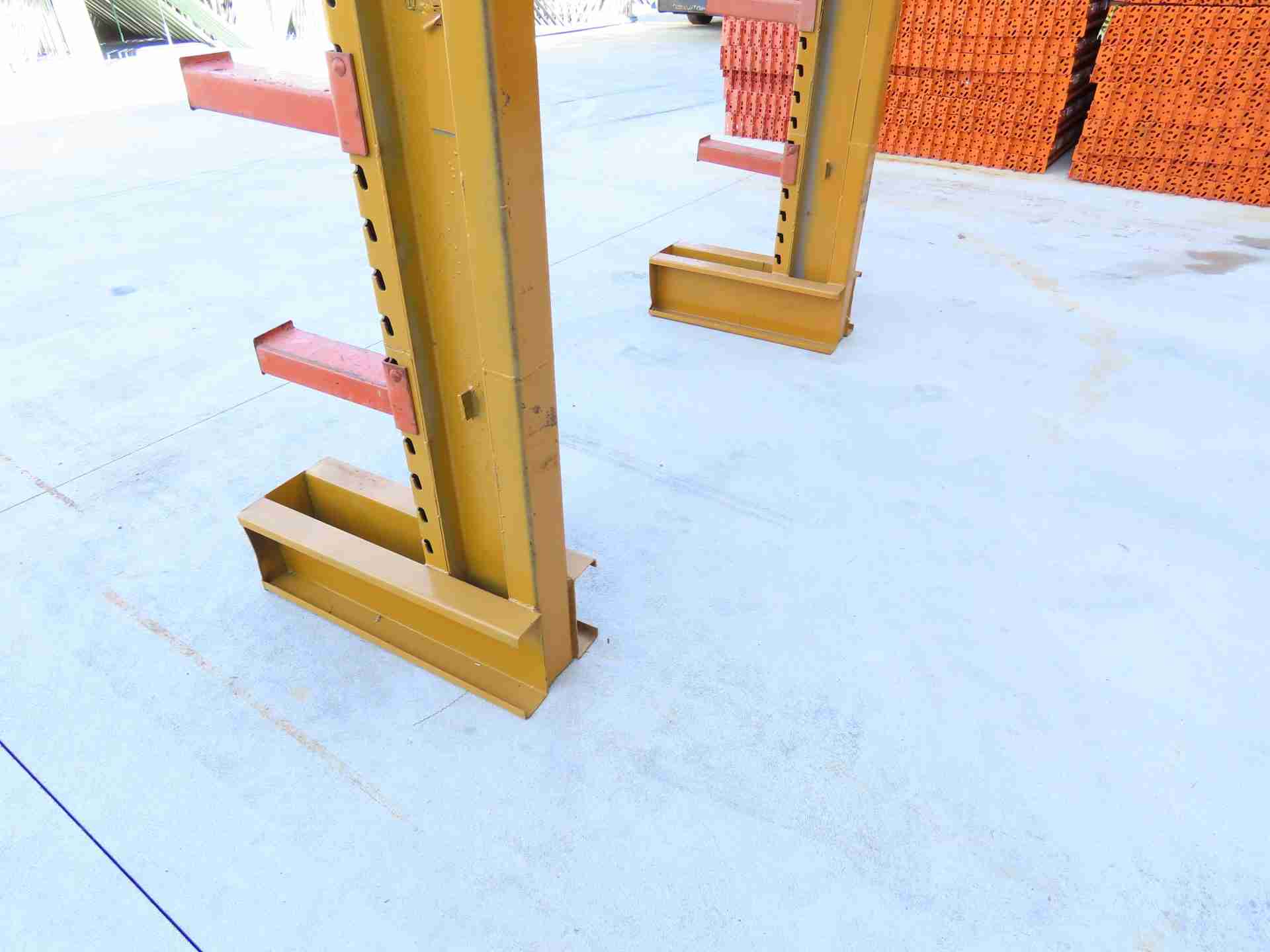
How Does Pallet Racking Ensure Safety for Paper Warehouse Workers?
How Does Pallet Racking Ensure Safety for Paper Warehouse Workers?
- Paper warehouses are hazardous due to heavy pallets, slick floors, and constant movement, requiring safety measures like pallet racking.
- Pallet racking provides secure, organized storage for heavy pallets, preventing shifting or falling that could cause accidents.
- These racks are engineered to meet strict safety standards, ensuring structural soundness and reducing collapse risks.
- Pallet racking reflects management’s respect and ethical responsibility toward worker safety in physically demanding environments.
- Safe storage systems foster trust and teamwork among workers, enhancing confidence and workplace camaraderie.
- Pallet racking acts as a crucial safety foundation, supporting every lift, aisle navigation, and incident-free shift.
- Investing in pallet racking transforms safety from a slogan into actionable, everyday practice in paper warehouses.

How Does Pallet Racking Ensure Safety for Paper Warehouse Workers?
Can Pallet Racking Reduce Damage to Fragile Paper Products?
Look, anyone who’s handled fragile paper products knows the heartache of seeing sheets bent, torn, or stained before they even leave the warehouse. It’s not just a bruise on the paper—it’s lost time, wasted money, and you feel like you let your team, your customers, and yourself down. Pallet racking, though, can be that steady hand at the elbow, keeping things upright, orderly, and protected. It’s not a flashy fix, but it’s the kind of common-sense solution that makes a real difference on the ground.
From the get-go, pallet racking helps by keeping those paper products off the floor and out of harm’s way. Floors get wet, dirty, or cluttered, and paper doesn’t take kindly to either. When stacked wrong or piled haphazardly, boxes crush, edges get knocked, and quality takes a nosedive. Pallet racking totes those loads safely, distributing weight evenly, and giving fragile cartons the respect they deserve. It’s like putting your paper products in a sturdy set of shelves that say, “We got you.”
Then there’s the efficiency angle. When goods are stored on pallet racks, it’s easier and safer for warehouse hands to move things without the worry of clumsy drops that ruin priceless stock. You’re preventing damage but also speeding up work—fewer mistakes, less stress. That’s not just a win for the numbers on the ledger; it’s a morale booster. When everyone feels their efforts aren’t wasted, the whole operation runs smoother.
Ethically speaking, wasting paper means wasting trees and energy, and that’s a burden on all of us. Using pallet racking to protect fragile paper isn’t just good business; it’s good stewardship. You’re cutting back on needless waste and showing some respect for the resources behind every ream of paper. That kind of responsibility resonates deep—it’s the right thing to do and customers notice.
When your workplace invests in pallet racking, you’re making a clear statement: fragile goods matter here. It builds trust with suppliers and buyers alike, letting them know you value quality and care. No shortcuts, no careless stacking. Just solid, reliable storage that talks the talk and walks the walk.
So, if you want to turn the tide on damaged paper products, pallet racking is a down-to-earth, battle-tested solution. It protects your investment, supports your crew, and honors your values. At the end of the day, that’s how you build a warehouse — one that earns respect and delivers on promise.

Can Pallet Racking Reduce Damage to Fragile Paper Products?
Can Pallet Racking Reduce Damage to Fragile Paper Products?
- Pallet racking prevents damage to fragile paper products by keeping them upright, orderly, and protected from bending, tearing, and staining.
- It keeps paper off wet, dirty, or cluttered floors, reducing crushing and edge damage by distributing weight evenly.
- Using pallet racks improves warehouse efficiency by making handling safer and faster, reducing errors and stress.
- Protecting paper products with pallet racking reduces waste, supporting environmental responsibility and resource stewardship.
- Investing in pallet racking signals a commitment to quality and care, building trust with suppliers and customers.
- Pallet racking avoids careless stacking, providing solid, reliable storage that protects fragile goods.
- This solution supports crews, safeguards investments, and contributes to a respected, effective warehouse operation.
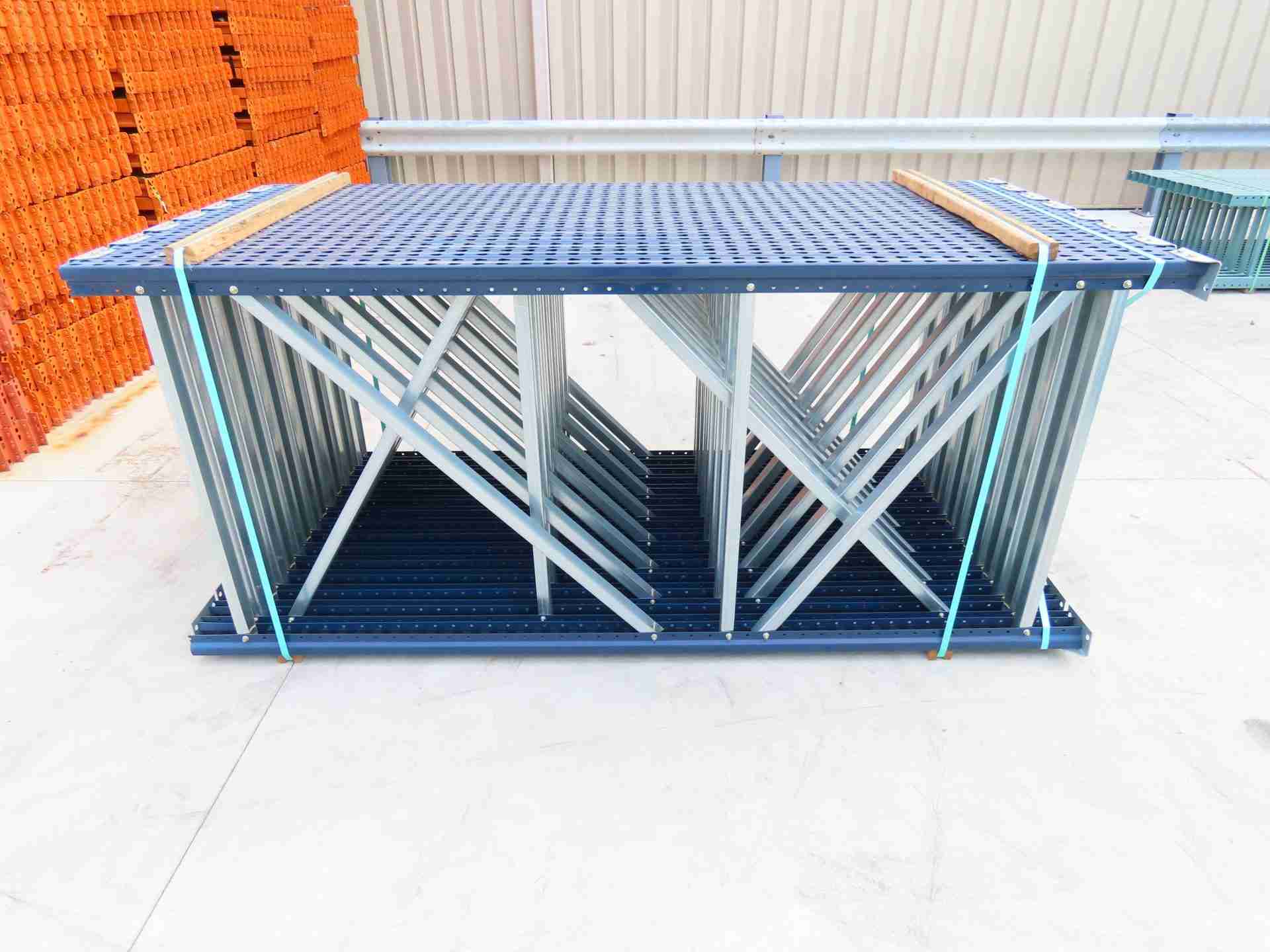
Can Pallet Racking Reduce Damage to Fragile Paper Products?
What Types Of Pallet Racks Suit Different Paper and Pulp Sizes?
When you’re dealing with paper and pulp, you quickly learn that size isn’t just a number—it’s how you keep your operation running smooth without a pile-up of mess or wasted space. Pallet racking isn’t one-size-fits-all, especially in this line of work where every inch, every pound, and every sheet counts. If you’ve been around the warehouse block, you know that the right rack can save your back, keep your stock safe, and even protect your bottom line.
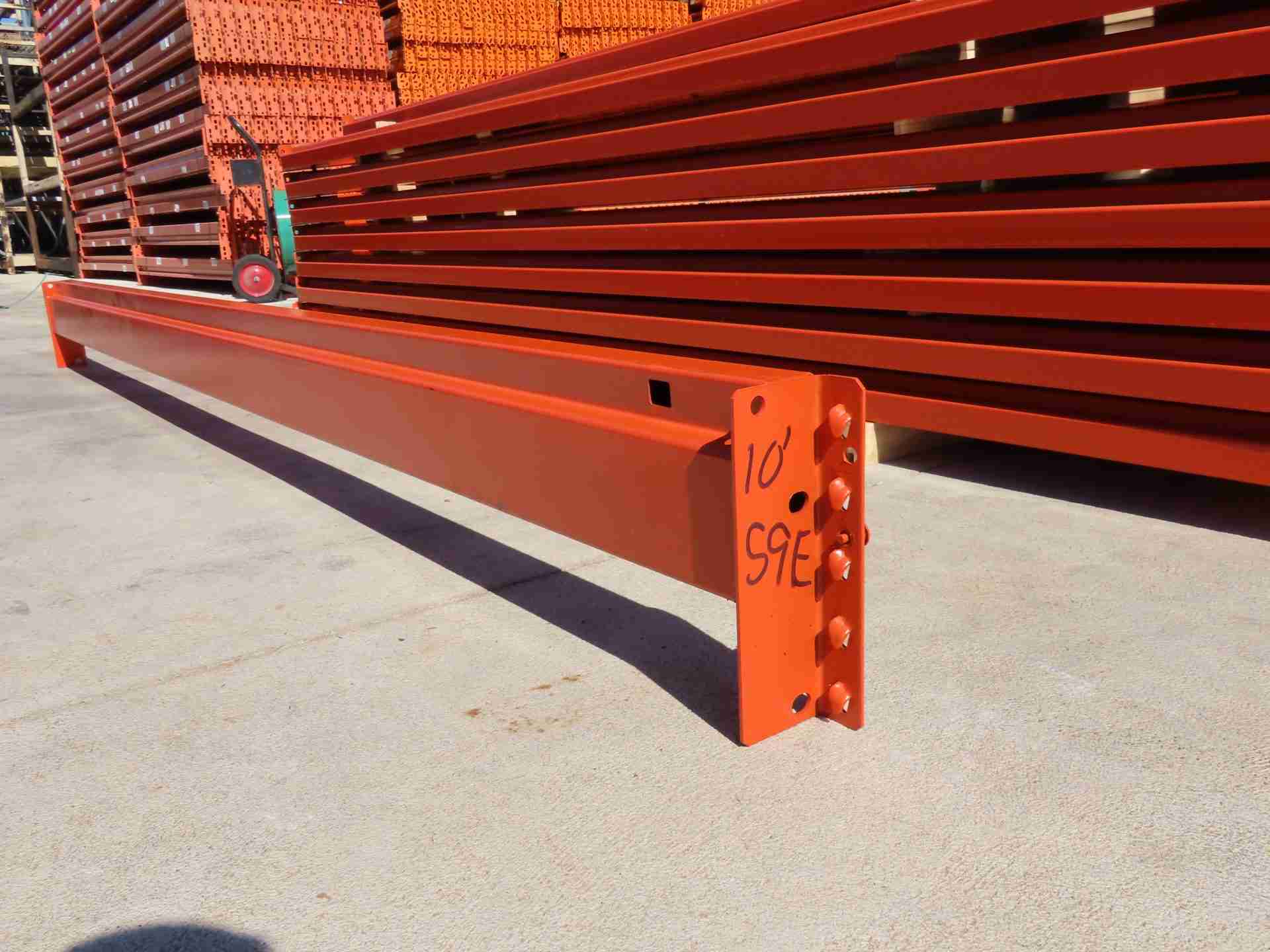
Heavy rolls of pulp demand pallet racks built for muscle and durability. These racks must handle the weight without bending or breaking under pressure, because once that pallet’s on the floor, you’re looking at lost time and money. Structural pallet racks with thick steel beams and reinforced uprights are the go-to because they provide the steady backbone you need to stack those heavy loads confidently. It’s about trust—knowing the rack will hold steady, no matter how many shifts you put it through.
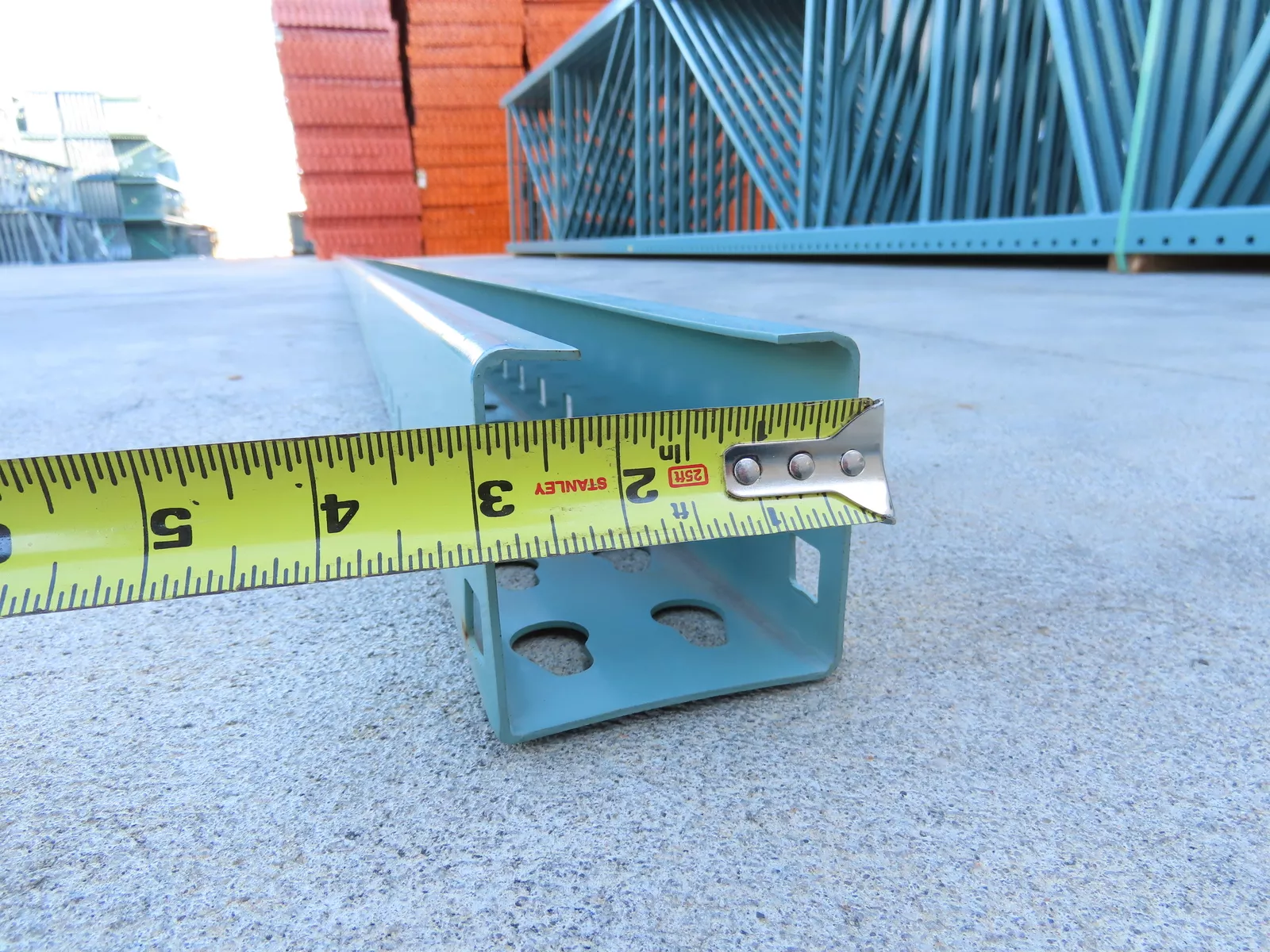
On the other hand, stacks of smaller paper sheets or boxed goods require versatility. Adjustable pallet racking systems shine here, letting you tweak shelf heights to fit whatever size comes through the door. This adaptability isn’t just about convenience; it’s about making the most of every square foot in your workspace. You’re not just storing material; you’re optimizing flow, cutting down handling time, and keeping your crew sharp and efficient.
Then there’s the question of access and handling. Long, unwieldy sheets or rolls call for selective pallet racking, giving forklift operators clear pathways and easy grab points. When your team can grab what they need without wrestling or finger-crossing, it makes a world of difference. It reduces accidents, frustration, and downtime—things that no one’s got time for. Plus, it creates a safer, more respectful place to work, which counts for a lot if you Value your people.
So, when sizing up your options, think beyond weight and dimensions. Think about your team’s rhythm, the wear and tear on your gear, and the dignity of a workday that runs without hiccups. Pallet racking designed for the job feels like a partner—not just a stack of steel but a backbone that supports every roll, sheet, and hand that comes through. That’s the kind of smart investment that keeps your operation humming and your crew coming back day after day.
What Types Of Pallet Racks Suit Different Paper and Pulp Sizes?
What Types Of Pallet Racks Suit Different Paper and Pulp Sizes?
- Size and suitability of pallet racking are crucial for efficient paper and pulp warehouse operations, preventing mess and wasted space.
- Heavy rolls of pulp require durable, structural pallet racks with thick steel beams and reinforced uprights to handle weight without bending or breaking.
- Adjustable pallet racking systems offer versatility for smaller paper sheets or boxed goods by allowing shelf height adjustments.
- Selective pallet racking improves access and handling of long or unwieldy sheets and rolls, facilitating forklift operations and minimizing delays.
- Proper pallet racking reduces accidents, frustration, and downtime, contributing to a safer and more respectful workplace.
- Consideration of team workflow, equipment wear, and operational smoothness is vital when choosing pallet racking systems.
- Well-designed pallet racking acts as a reliable support system, enhancing productivity and encouraging employee retention.
What Types Of Pallet Racks Suit Different Paper and Pulp Sizes?
How Does Pallet Racking Support Faster Inventory Access and Retrieval?
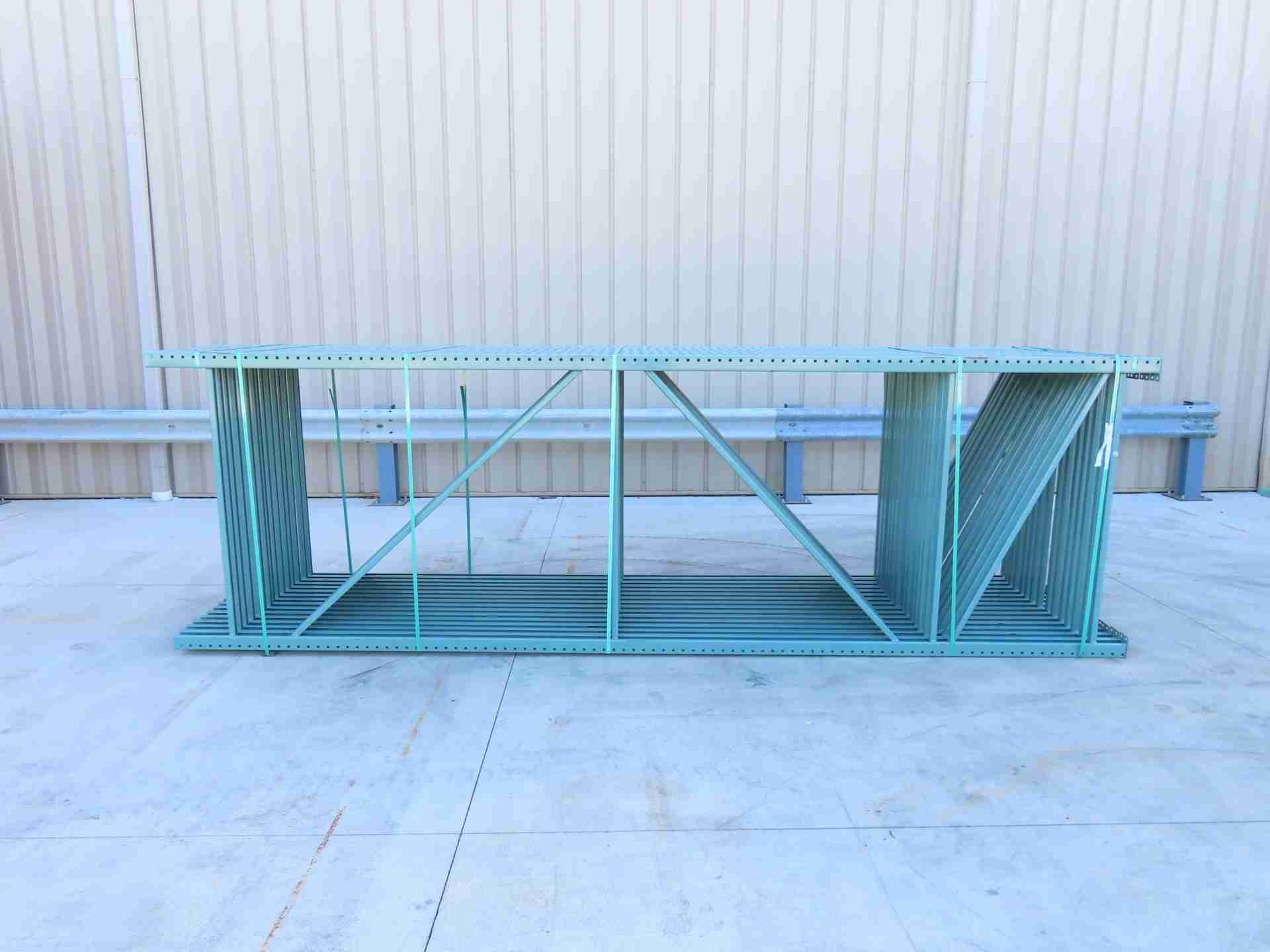
When you’re knee-deep in the daily hustle of a warehouse, time is money. Pallet racking isn’t just some fancy shelving; it’s the backbone that keeps everything moving smooth and steady. Imagine standing in front of a chaotic pile where you’ve got to hunt down that one specific pallet—frustration sets in, sweat beads on your brow, and precious minutes slip away. Pallet racking cuts through that mess. It organizes the whole operation, putting every pallet right where it makes sense, so you don’t lose your footing or your cool.
The real magic is how this system turns a cluttered, painful chore into a straightforward task. Each pallet gets its own spot, stacked sturdy and reachable. That means forklifts don’t have to play hide-and-seek with inventory; operators can grab what they need quick, cutting down on back-and-forth trips. When your team isn’t wasting time crawling around looking for goods, productivity shoots up and so does morale. Workers feel like they’re part of a well-oiled machine, not stuck in an endless game of “Where’s that pallet?”
Ethically, it’s about respect—respect for the workers and the products they handle. Pallet racking promotes safer conditions by reducing the risk of accidents caused by unstable stacks or cluttered walkways. It’s a system built on solid steel and smart design, holding up not just materials but the dignity of the crew navigating that warehouse day in and day out. When people trust their environment to be safe and organized, they work with more confidence, which means faster and more accurate inventory retrieval.
From the point of view of authority, pallet racking is the proven winner across countless industries. It’s the standard because it works, plain and simple. Companies who install it see a drop in wasted hours and a rise in order accuracy. Those aren’t just numbers on a spreadsheet; they’re real-world proof that this way of storage pays dividends every day.
At the end of the day, pallet racking is about connection—the connection between people and their work, between efficiency and safety, and ultimately between businesses and the customers waiting on those orders. Faster inventory access doesn’t just mean quicker pickups; it means happier teams, satisfied clients, and a reputation for getting things done right. It’s a system that earns trust through everyday grit and reliability, making the tough job of handling inventory feel a little less like a battle and more like a well-practiced craft.
How Does Pallet Racking Support Faster Inventory Access and Retrieval?
How Does Pallet Racking Support Faster Inventory Access and Retrieval?
- Pallet racking organizes warehouse inventory efficiently, reducing time spent searching for specific pallets.
- It provides designated, sturdy, and accessible spots for each pallet, streamlining forklift operations.
- Improved organization increases productivity and worker morale by eliminating unnecessary searching and movement.
- Pallet racking enhances safety by preventing unstable stacks and cluttered walkways, respecting worker well-being.
- The system’s durable design supports both materials and the dignity of warehouse staff.
- It is an industry-standard solution proven to reduce wasted hours and improve order accuracy.
- Pallet racking fosters connections between people, work efficiency, safety, businesses, and customers through reliable and fast inventory handling.

How Does Pallet Racking Support Faster Inventory Access and Retrieval?
Conclusion
In paper and pulp warehouses, pallet racking isn’t just a fixture; it’s the backbone that keeps the whole operation from turning into chaos. Picture trying to handle massive rolls of paper or delicate stacks of pulp without a system designed for the job—it’s a mess that costs time, money, and sanity. Pallet racking changes that game by turning warehouses vertical, making every inch count instead of sprawling out into a frustrating, cluttered maze. It’s the difference between a day wasted hunting pallets and a day flowing with steady, efficient work.
It’s not just about stacking higher—it’s about stacking smarter. Pallet racks take a weight off workers’ shoulders, literally and figuratively. Heavy pallets get a secure home that keeps them safe from moisture, forklift bumps, and the guesswork of unstable piles that can topple in a flash. That safety doesn’t just protect the product; it protects the people who move that product day in and day out. When the team knows their workplace respects their hard work by keeping hazards low and order high, it shows in morale, trust, and loyalty. This isn’t a throwaway shelf—it’s a quiet partner in every shift, earning respect through steady, no-nonsense reliability.
From a cold, hard business view, pallet racking saves money by cutting wasted space and slashing damage rates. Less crushed pulp and fewer bent sheets mean fewer costly replacements and fewer headaches. It speeds up the flow, trimming hours spent on sprawling forklift dances and frantic searches. Installing the right rack is like giving your warehouse a new set of lungs—a way to breathe easier without building out or breaking the bank. The bottom line is clear: good racking pays its keep over and over.
Choosing the right type of rack matters, too. Different paper and pulp sizes demand racks that fit the job perfectly, whether it’s muscle-heavy steel for huge rolls or adjustable shelving for varying boxes. When the gear matches the goods, you keep things moving without mishaps or bottlenecks, honoring both the inventory and the workforce. Pallet racking isn’t a one-size-fits-all fix; it’s a tailored solution, built for the rhythm and grit of the warehouse floor.
In the end, pallet racking binds efficiency, safety, and respect into one solid system. It turns storage from a chore into a craft, speeding access to inventory and slashing risk. It’s the quiet engine that runs the show, making sure paper and pulp don’t just survive the warehouse—they thrive there. If you want a warehouse that’s more than a dusty warehouse, pallet racking is the steady hand that steadies the whole operation, every day.

Conclusion
Conclusion:
- Pallet racking is essential in paper and pulp warehouses, transforming cluttered spaces into efficient, vertical storage systems.
- It enhances safety by securely holding heavy pallets, protecting both products and workers from damage and accidents.
- Improved workplace safety and organization positively impact worker morale, trust, and loyalty.
- Pallet racking reduces wasted space, decreases product damage, and speeds up warehouse operations, saving time and money.
- Choosing the right rack type is vital, as different sizes and weights of paper and pulp require appropriately designed storage solutions.
- Properly matched pallet racking prevents mishaps and bottlenecks, supporting smooth inventory flow and workforce efficiency.
- Pallet racking combines efficiency, safety, and respect, turning storage into a well-managed system that helps warehouses thrive.

Conclusion
Other Resources
Other Resources
Here is a list of other resources you can review online to learn more:
- International Warehouse Logistics Association
- Teardrop Industrial Shelving Rack
- Teardrop Racks – Pallet Rack World
- Cantilever Racking Specialists – Get the Right Racks
- MHI
- Warehousing Education and Research Council: https://www.werc.org/
- Warehouse Storage Racking in Illinois
- BMH
- What is Selective Pallet Racking
- Warehouse Racking System: Powerful Guide to Optimise, 2024
- Illinois
- American Society of Safety Professionals
- Selective Pallet Racking Systems
- Chicago Pallet Racking
- Selective Racking
- CMMA
- Shipping Boxes, Packaging Materials, Pallet Racking
- Racking World
- Material Handling Safety
- Pallet Racking systems in Illinois and Great Lakes
Use This Prompt To Get More Resources With Your Favorite Online AI Tool: Please provide me with a list of online articles with their URLs in a bulleted list that I can read regarding How Do Paper and Pulp Warehouses Leverage Pallet Racking?

Other Resources
Glossary Terms
How Do Paper and Pulp Warehouses Leverage Pallet Racking? – Glossary Of Terms
1. Pallet Racking: A storage system designed to hold materials on pallets in horizontal rows and multiple levels.
2. Pallet: A flat transport structure that supports goods in a stable manner for handling and storage.
3. Warehouse Efficiency: The optimization of space, time, and workflow within a warehouse.
4. Paper Inventory: Stock of paper products stored for distribution or manufacturing.
5. Pulp Storage: The organized keeping of raw pulp material used in paper production.
6. Load Capacity: The maximum weight that pallet racking can safely support.
7. Vertical Space Utilization: The use of warehouse height to maximize storage capacity.
8. Forklift Accessibility: The ease with which forklifts can move and handle loads within storage systems.
9. Space Optimization: The efficient use of available warehouse space to store the maximum amount of inventory.
10. Rack Safety: Procedures and equipment used to prevent damage and accidents involving storage racks.
11. Selective Pallet Racking: A common type of pallet racking that allows direct access to each pallet.
12. Drive-In Racking: A racking system allowing forklifts to drive into the rack to retrieve pallets.
13. FIFO (First In, First Out): Inventory management principle ensuring the oldest stock is used first.
14. Weight Distribution: The even spread of loads to maintain rack and pallet integrity.
15. Floor Loading: The placement of pallets or goods directly on the warehouse floor.
16. Inventory Turnover: The rate at which inventory is used or sold and replaced.
17. Just-In-Time Storage: A system minimizing storage by timing inventory arrival with production needs.
18. Damage Reduction: Minimizing harm to goods and racking by proper handling and storage techniques.
19. High-Density Storage: Maximizing inventory quantity in minimal space using compact racking designs.
20. Material Handling Equipment: Tools such as forklifts used to move goods within a warehouse.
21. Cross-Docking: Transferring goods directly from inbound to outbound transport with minimal storage.
22. Load Stability: The secure arrangement of goods on pallets to prevent shifting or falling.
23. Aisle Width: The space between pallet racks designed for forklift movement.
24. Rack Inspection: Regular checking of pallet racking equipment for wear or damage.
25. Inventory Accuracy: The correctness of stock records compared to actual stored products.
26. Ergonomics: The design of warehouse operations to maximize worker comfort and efficiency.
27. Climate Control: Regulation of temperature and humidity for preserving paper and pulp quality.
28. Automated Storage and Retrieval System (ASRS): Technology automating the placement and retrieval of stored goods.
29. Load Containment: Methods to secure palletized goods within racks to prevent falling.
30. Warehouse Layout: The physical arrangement of storage systems and pathways in a warehouse.

Glossary Of Terms
Other Questions
How Do Paper and Pulp Warehouses Leverage Pallet Racking? – Other Questions
If you wish to explore and discover more, consider looking for answers to these questions:
- What specific pallet rack types (selective, drive-in, push-back, cantilever, flow) are best for different paper and pulp formats?
- How do you calculate required load capacity for racks storing heavy paper rolls or bales?
- What floor load limits and foundation requirements must be considered before installing pallet racking?
- What are the seismic and wind-load design considerations for pallet racking in my region?
- Which industry standards and regulations (OSHA, RMI/ANSI, local codes) apply to pallet racking in paper warehouses?
- How often should pallet racks be inspected, who should perform inspections, and what documentation is required?
- What are common rack damage modes and the best repair versus replace criteria?
- What rack protection options (column guards, rack protectors, bollards) reduce forklift impact and accidents?
- How do you size beam spacing, shelf heights, and clearances for varying roll diameters and sheet stacks?
- What specialized accessories (roll cradles, pallet supports, timber decking, beam locks) are needed for paper rolls?
- How should long or overhanging paper sheets and cores be supported to avoid bending and edge damage?
- What pallet types and palletizing methods work best for fragile paper to minimize crushing and shifting?
- How can racking layouts be optimized for FIFO versus LIFO inventory strategies?
- What are best practices for aisle width design to balance storage density and forklift maneuverability?
- How can pallet racking integrate with automation, ASRS, conveyors, and AGVs used in paper handling?
- What labeling, barcode/RFID, and WMS practices improve inventory access and retrieval efficiency?
- How does pallet racking affect pick/pack ergonomics and what measures reduce worker strain and injury?
- What fire protection and sprinkler system requirements change when racks are installed or reconfigured?
- How should humidity, temperature, and ventilation be controlled around racked paper to prevent moisture damage?
- What pest control measures are necessary in racked paper storage areas?
- How do storage conditions vary for coated, uncoated, and recycled papers or wet pulp?
- What are the upfront costs, ongoing maintenance costs, and typical ROI/payback periods for pallet racking installations?
- When is leasing racking preferable to buying, and what are the pros and cons of each?
- What lead times and installation timelines can be expected for new racking systems?
- How do you plan for future expansion, reconfiguration, or relocation of pallet racking?
- What warranty, certification, and quality checks should you require from racking suppliers and installers?
- How do you select a qualified racking installer and verify their credentials and past projects?
- What maintenance schedule and spare-parts strategy minimize downtime and extend rack life?
- How should damaged or wet paper be handled and quarantined within racked storage?
- What lighting, signage, and visibility improvements enhance safety and picking speed around racks?
- How do insurance requirements and premiums change after installing pallet racking?
- What sustainability benefits can efficient racking provide and how are they measured (energy, space, waste reduction)?
- How can racks and components be recycled or repurposed at end-of-life to reduce environmental impact?
- What training programs and certifications should forklift operators and warehouse staff complete for safe racking use?
- How do you integrate racking design with material handling equipment (forklift types, attachments, reach trucks)?
- What emergency access, evacuation routes, and rescue considerations must be maintained with high racking?
- How do you determine appropriate safety factors and reserve capacity when specifying rack load ratings?

Other Questions
Checklist
How Do Paper and Pulp Warehouses Leverage Pallet Racking? – A Checklist
Objectives and Metrics
✅______ Define goals: space utilization, retrieval time, damage rate, safety incidents
✅______ Baseline current metrics: cube usage, pick time, labor hours, damage and shrink
✅______ Set KPI targets (e.g., 85% cube, <0.5% damage, 98% inventory accuracy)
✅______ Assign ownership and review cadence for KPI tracking
Space Planning and Layout
✅______ Measure clear height; confirm sprinkler and code clearance
✅______ Choose aisle widths matched to lift type (standard, reach, VNA)
✅______ Map flow: receiving → QA → storage → staging to minimize cross-traffic
✅______ Plan rack rows to maximize vertical space and straight travel paths
✅______ Allocate staging and buffer zones and protected pedestrian routes
✅______ Verify floor flatness and load capacity for racks and equipment
Rack Type and Configuration
✅______ Select structural racks for heavy rolls and bales (reinforced uprights and beams)
✅______ Use selective racks with adjustable beams for cartons and sheets
✅______ Consider push-back or drive-in for high-density, low-SKU, low-turn items
✅______ Add roll cradles, core chocks, or saddles for paper rolls
✅______ Specify appropriate decking (wire with pans or solid where needed)
✅______ Confirm bay dimensions, beam spacing, and rated capacities
Load Management and Product Protection
✅______ Standardize pallet specifications; reject broken or undersized pallets
✅______ Set maximum pallet, beam, and bay loads; post load signage
✅______ Use edge protectors, corner boards, and wrapping and strapping standards
✅______ Keep product off the floor (using bottom beams or dunnage) to prevent moisture damage
✅______ Control humidity and temperature; keep aisles dry and clean
✅______ Apply FIFO or FEFO where aging or coating integrity matters
Safety and Compliance
✅______ Obtain engineered drawings; meet seismic and anchoring requirements
✅______ Install end-of-aisle guards, column protectors, and row spacers
✅______ Add backstops or pallet safety bars to prevent push-through
✅______ Maintain flue spaces and egress per fire code and sprinkler design
✅______ Conduct pre-start and annual third-party rack inspections
✅______ Train operators on lift limits, approach angles, and safe placement
✅______ Establish near-miss and damage reporting with rapid remediation
Inventory Access and Retrieval Speed
✅______ Label aisles, bays, and levels clearly; align with WMS location schema
✅______ Slot fast movers in the golden zone; minimize double handling
✅______ Optimize pick paths to reduce travel and congestion
✅______ Integrate scanning for put-away and picking; enable cycle counting
✅______ Provide adequate inbound and outbound staging to avoid blocking aisles
✅______ Set and monitor retrieval time standards per SKU class
Operations and Maintenance
✅______ Create daily, weekly, and quarterly rack inspection checklists
✅______ Tag and quarantine damaged components; repair or replace promptly
✅______ Schedule torque checks on anchors and bolts after installation and periodically
✅______ Keep aisles free of debris and slip hazards; set a cleaning cadence
✅______ Maintain lift trucks (forks, mast alignment, brakes, alarms)
✅______ Reassess slotting quarterly for seasonality and SKU changes
Cost and ROI
✅______ Compare vertical utilization versus facility expansion costs
✅______ Estimate labor savings from reduced search and travel and better access
✅______ Quantify damage reduction and shrink improvement
✅______ Calculate payback and total cost of ownership (including maintenance and spares)
✅______ Stock spare uprights, beams, and guards to minimize downtime
Sustainability
✅______ Specify recycled-content steel when available
✅______ Increase cube to cut energy per stored unit; close unused zones
✅______ Protect product to reduce waste; recycle cores, wrapping, and pallets
✅______ Use LED aisle lighting with sensors; review HVAC setpoints
✅______ Implement reusable packaging and dunnage for internal moves
Culture and Communication
✅______ Post simple rack rules and load charts at aisle ends
✅______ Include product care and rack safety in onboarding and refreshers
✅______ Recognize teams for zero damage and accuracy performance
✅______ Empower stop-work authority for unsafe stacking or rack strikes
Go-Live Readiness
✅______ Installation punch list complete; anchors and guards verified
✅______ As-built locations loaded and validated in WMS
✅______ Pilot zone tested for pick and put-away speeds and damage rates
✅______ Transition plan for peak periods with contingency for overflow
Continuous Improvement
✅______ Review KPIs monthly; adjust slotting and layout based on data
✅______ Conduct root cause analysis on damage and rack hits
✅______ Benchmark against industry peers; update standards annually
✅______ Schedule periodic retraining and safety drills
Checklist
At RackingWorld, we help guide you through selecting warehouse storage systems and racking.
Be sure to read our other related stories at RackingWorld to learn more about warehouse storage systems.
0 Comments