
Maximizing Space, Strength, And Success: The Cantilever Racking Advantage
By Tom Seest
At RackingWorld, we help guide you through selecting warehouse storage systems and racking.
Be sure to read our other related stories at RackingWorld to learn more about warehouse storage systems.
How Do Ornamental Ironwork Suppliers Leverage Cantilever Racking?
In the world of ornamental ironwork, space isn’t just square footage; it’s opportunity. Suppliers know the struggle of stacking heavy, long pieces without turning their warehouse into an obstacle course. That’s where cantilever racking steps in, running circles around traditional pallet racking setups by tailoring storage to the shape and size of ironwork components. It’s not just about storing metal—it’s about respect for the craft, making every piece easy to find, handle, and ship without the bruises and scratches that kill a job’s finish before it even leaves the yard.
Cantilever racks offer a lean, no-nonsense solution. Picture long arms reaching out from sturdy columns, holding lengths of iron like the firm grip of a seasoned welder steadying a torch. Unlike pallet racking that boxes in your materials, cantilever racks open their arms wide, accommodating all those pipes, rods, or pieces with awkward shapes and sizes. This isn’t a neat factory line; it’s a workshop where every inch of space counts and efficiency is earned through grit and smart gear.
From a practical standpoint, this system saves time and muscle. Workers don’t waste energy shifting bundles or navigating crowded aisles. With cantilever racking, the right piece is right there—easy to grab and just as easy to return, cutting down on wear and tear both on the inventory and the people handling it. That reliability builds trust: suppliers know their tools won’t betray them mid-project, and customers get what they need when they need it.
There’s a deeper sense of pride in maintaining an orderly workspace built on solid common sense rather than fancy technology. Using cantilever racking aligns with ethical business practices; it protects materials from damage, reduces waste, and supports a safer environment for workers who depend on secure storage to keep injuries at bay. It speaks to a commitment beyond profit—caring for the steel as much as the people who shape it.
In short, ornamental ironwork suppliers lean on cantilever racking because it’s the right tool for a tough job. It respects the work’s heritage, fuels the daily grind, and builds a foundation of confidence both in the shop and on the delivery truck. Pallet racking has its place, but when it comes to heavy, long, or unwieldy components, cantilever racking is the unsung hero keeping the wheels turning and the fires burning.

How Do Ornamental Ironwork Suppliers Leverage Cantilever Racking?
How Do Ornamental Ironwork Suppliers Leverage Cantilever Racking?
- Cantilever racking optimizes warehouse space for heavy, long ornamental ironwork pieces, preventing clutter and damage.
- Designed with long arms extending from sturdy columns, cantilever racks accommodate awkwardly shaped materials better than traditional pallet racking.
- This system improves efficiency by making materials easy to access and return, reducing time and physical effort for workers.
- Cantilever racking minimizes wear and tear on metal components and decreases handling injuries among workers.
- Maintaining an orderly workspace with cantilever racks supports ethical business practices by protecting materials and promoting safety.
- The solution reflects respect for the craft of ornamental ironwork, preserving the quality of each piece throughout storage and shipment.
- Preferred over pallet racking for heavy and cumbersome items, cantilever racking boosts supplier confidence and operational reliability.
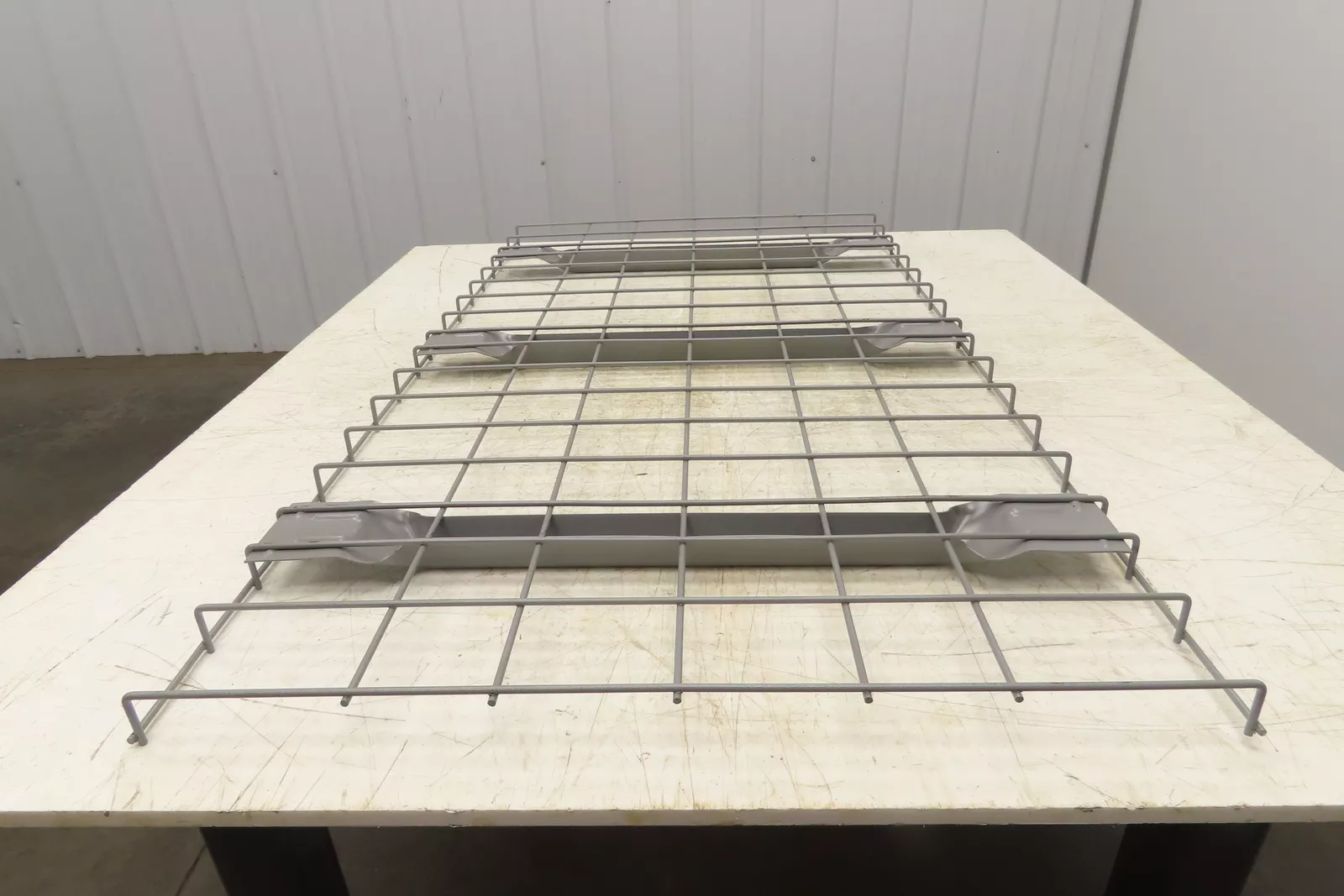
How Do Ornamental Ironwork Suppliers Leverage Cantilever Racking?
Table Of Contents
- How Do Ornamental Ironwork Suppliers Leverage Cantilever Racking?
- What Challenges Do Ornamental Ironwork Suppliers Face In Storage?
- How Does Cantilever Racking Improve Space Efficiency for Ironwork?
- Can Cantilever Racks Handle Heavy Ornamental Iron Pieces Safely?
- What Are the Cost Benefits Of Using Cantilever Racking Systems?
- How Does Proper Storage Impact the Quality Of Iron Products?
- Why Choose Cantilever Racks Over Traditional Shelving Methods?
- Conclusion
- Other Resources
- Glossary Of Terms
- Other Questions
- Checklist
What Challenges Do Ornamental Ironwork Suppliers Face In Storage?
Storing ornamental ironwork ain’t as simple as stacking a few boxes in the corner. These pieces? They’re heavy, awkward, and often downright delicate in ways folks don’t expect. The first real headache comes with finding the right setup. Pallet racking might sound like just another warehouse buzzword, but it’s the backbone of organized, safe storage for this kind of material. Without it, you’re looking at chaos—scratches, bends, and worst of all, wasted space that costs money every day it sits unused.
Now, the weight alone demands attention. These iron pieces don’t fold up like cardboard—they’re rigid and bulky. That means securing them on pallet racks has to be done with real care and know-how, or you risk a domino effect of falling iron, injuries, or irreparable damage. Every dent or warp chips away at the supplier’s reputation. When customers invest in ornamental ironwork, they expect it ready to shine, not repaired or flawed. Suppliers face the pressure of preserving quality while moving product efficiently, but storage can get overlooked in the rush to deliver.
And then there’s the environmental angle, which sensors and ethics both agree on—rust is the enemy. Iron is stubborn, but moisture and poor ventilation in storage areas can eat away at what took hours to craft. It’s not just about protecting metal; it’s about respecting the sweat and skill poured into every curve and weld. Suppliers who cut corners on storage invite future headaches, lost trust, and higher costs that no one wants to swallow.
Here’s the truth: good storage is a quiet hero in the supply chain, often invisible except when it fails spectacularly. The folks who get this, the ones who build storage systems tailored to ornamental ironwork’s quirks, win respect and loyalty. That’s why pallet racking setups designed by people who’ve rolled up their sleeves and learned what works have the edge—because they turn storage from a liability into an asset. When you walk into a warehouse that’s neatly arranged, every piece of metal standing tall on solid racks, you know you’re dealing with pros who value quality every step of the way.
For suppliers, it’s about more than just keeping the iron off the ground. It’s a commitment—to craftsmanship, safety, and long-term relationships. The right storage strategy doesn’t just protect ironwork; it protects livelihoods, reputations, and the pride that hard work builds. That’s a challenge worth meeting head-on.

What Challenges Do Ornamental Ironwork Suppliers Face In Storage?
What Challenges Do Ornamental Ironwork Suppliers Face In Storage?
- Ornamental ironwork is heavy, awkward, and delicate, requiring specialized storage solutions beyond simple stacking.
- Pallet racking is essential for organized, safe storage, preventing damage like scratches, bends, and wasted space.
- Proper securing on racks is crucial to avoid accidents, product damage, and harm to supplier reputation.
- Rust prevention is vital; moisture and poor ventilation can ruin ironwork despite its durability.
- Effective storage respects the craftsmanship involved and avoids costly future repairs and lost trust.
- Tailored pallet racking systems designed by experienced professionals turn storage into an asset rather than a liability.
- Good storage reflects a supplier’s commitment to quality, safety, and long-term customer relationships.

What Challenges Do Ornamental Ironwork Suppliers Face In Storage?
How Does Cantilever Racking Improve Space Efficiency for Ironwork?
When it comes to storing ironwork, every inch of space counts. You know the drill—those long, awkward metal pieces that don’t fit neatly on just any rack or shelf. Pallet racking has been the go-to for decades, but plain old pallet racking can’t always handle the shape and size of ironwork without wasting space or making you wrestle with unloading. That’s where cantilever racking steps in like the unsung hero of the warehouse world.
Cantilever racking is designed with arms that extend out, no vertical obstructions in the front, giving you open access to store long, heavy stuff like pipes, bars, and beams — the kind of ironwork that demands respect. It’s lean and mean; no wasted space squeezed between pallets or bulky racks. Instead, it lets you stack ironwork horizontally, in a way that maximizes volume and frees up floor space for moving gear or getting the crew in and out without tripping over clutter.
From a practical standpoint, cantilever racking saves time and spares your back. You won’t be fumbling with awkward stacks or overhanging metal that bends your pallet racking out of shape. When you can easily see and grab what you need, efficiency isn’t just a buzzword—it’s something that hits your bottom line. Fewer accidents, less damage, more productivity—what’s not to like?
Beyond just space and safety, it feels right. You’re setting up a system built to respect the materials and the work ahead. It’s a quiet nod to craftsmanship: the right rack for the right job. When you invest in cantilever racking, you’re telling your team and your clients that you care about quality and order, that you don’t cut corners even when no one’s watching.
Experience proves it too. Stories from the shop floor, the quiet glow of a well-organized yard, the satisfaction of knowing every tool and beam has its spot. That’s trust earned through simple, straightforward design meeting real-world needs. Cantilever racking isn’t flashy, but it’s reliable, sturdy, and built to carry ironwork with pride.
So if you’re still wrestling with pallet racking that’s more trouble than it’s worth, take a hard look at cantilever. It’s not just a storage solution—it’s smart, respectful, and downright necessary for getting the most out of your space and your team’s effort.

How Does Cantilever Racking Improve Space Efficiency for Ironwork?
How Does Cantilever Racking Improve Space Efficiency for Ironwork?
- Cantilever racking is designed with outward-extending arms and no front vertical obstructions, ideal for storing long, heavy ironwork like pipes, bars, and beams.
- It maximizes storage volume by allowing horizontal stacking and frees up floor space, improving movement and reducing clutter.
- Unlike traditional pallet racking, cantilever racking minimizes wasted space and eases unloading, reducing physical strain and time.
- Improved visibility and access enhance efficiency, leading to fewer accidents, less damage, and increased productivity.
- The system respects the materials and work involved, reflecting a commitment to quality, organization, and craftsmanship.
- Proven reliability and sturdiness make cantilever racking a trusted, practical solution in real-world warehouse settings.
- Cantilever racking is a smart, necessary upgrade for optimizing space and operational effort compared to conventional pallet racking.
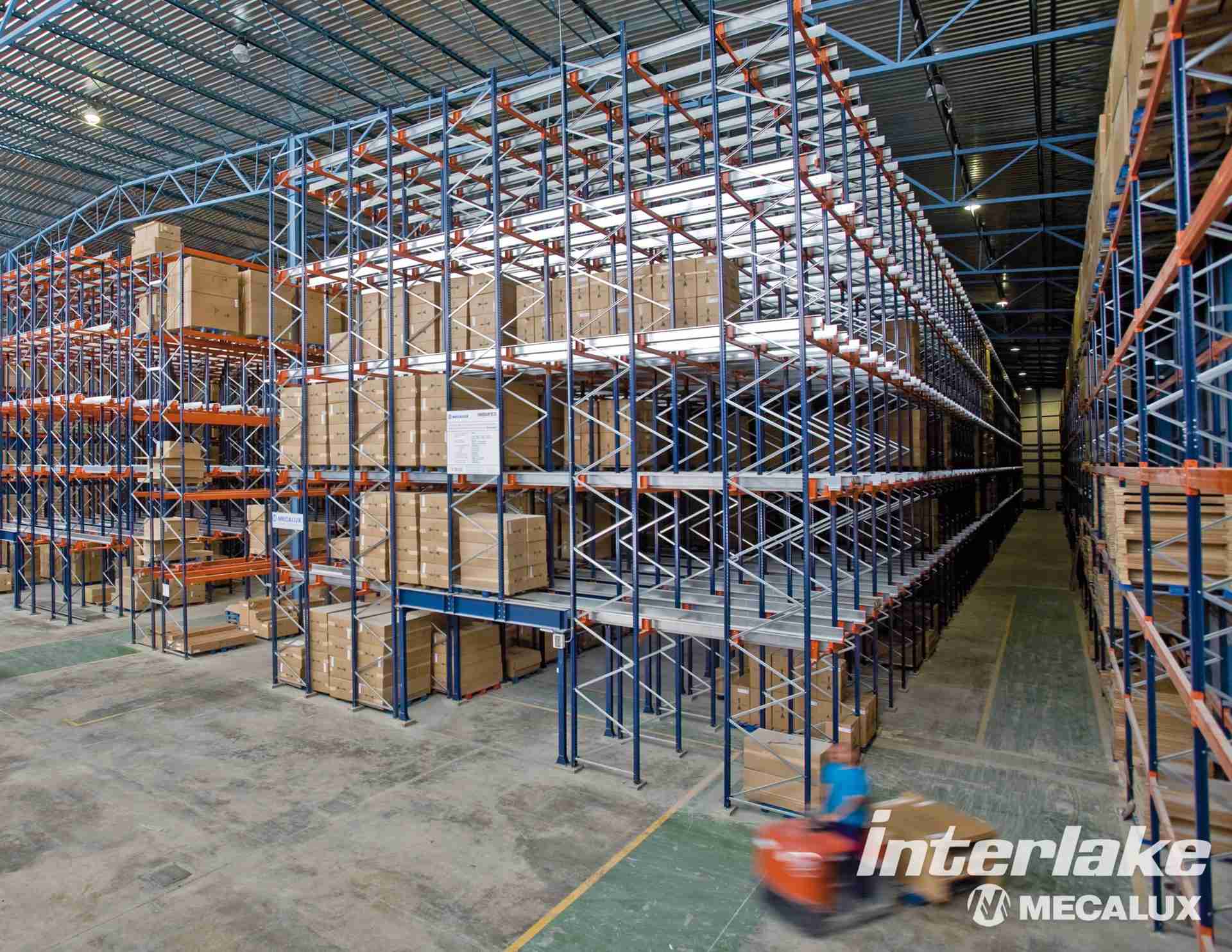
How Does Cantilever Racking Improve Space Efficiency for Ironwork?
Can Cantilever Racks Handle Heavy Ornamental Iron Pieces Safely?
When you’re staring down a load of heavy ornamental iron, the first thought is usually, “How the heck am I gonna store this without it bending or breaking?” That’s where cantilever racks come in, a real workhorse in the world of heavy-duty storage, especially for odd-shaped stuff like ornamental iron. Unlike your typical pallet racking, cantilever setups don’t box you in with front columns—they give you open space and sturdy arms that hold weight without fuss. It’s like having a strong arm buddy who’s seen it all and won’t let you down.
Now, you gotta respect the weight. Ornamental iron can be brutal—thick, dense, and unforgiving if dropped or mishandled. But cantilever racks are built with that in mind. The steel arms are usually made thick enough to support serious pounds, and the vertical columns are beefy, often anchored right into the floor for rock-solid stability. It’s engineering you can feel comfortable trusting because it’s grounded in real-world load tests, not just fancy brochures. You’re not just stacking metal; you’re creating order and safety out of chaos.
There’s an ethical side, too. Using the wrong storage could lead to accidents—injuries or worse—when heavy iron falls unexpectedly. It ain’t just about safeguarding your material, but your people. Doing your part means choosing storage that’s proven, reliable, and actively reduces risk. Cantilever racks deliver that peace of mind, turning a potential hazard into a safe, organized workspace where folks can work and head home unscathed.
In the day-to-day grind, everyone knows the stories of racks bowing under too much weight or pallet racking that just doesn’t fit oddly shaped iron without awkward stacking. Cantilever racks don’t force you to compromise, they make heavy, rough pieces fit naturally. That’s why trades and warehouses have leaned on them for decades. There’s a trust built on experience, a handshake between what works in theory and what holds up when it counts.
So when the job calls for storing heavy ornamental iron, the cantilever rack isn’t just an option—it’s the smart, dependable choice that keeps your gear safe, your team confident, and your workspace running smooth. No fuss, no drama, just solid, straightforward storage that earns its keep day in and day out.

Can Cantilever Racks Handle Heavy Ornamental Iron Pieces Safely?
Can Cantilever Racks Handle Heavy Ornamental Iron Pieces Safely?
- Cantilever racks provide heavy-duty storage ideal for odd-shaped items like ornamental iron, offering open space without front columns.
- The racks feature thick steel arms and sturdy vertical columns, often anchored to the floor for maximum stability and weight support.
- They are engineered and load-tested for safe, reliable storage, preventing bending, breaking, or collapse.
- Using proper storage like cantilever racks minimizes risk of accidents and injuries caused by falling heavy iron.
- Cantilever racks accommodate oddly shaped, heavy pieces naturally, avoiding awkward stacking or compromised storage.
- Trades and warehouses have trusted cantilever racks for decades due to their proven performance and dependability.
- Cantilever racks ensure a safe, organized workspace, protecting both materials and workers while maintaining smooth operations.

Can Cantilever Racks Handle Heavy Ornamental Iron Pieces Safely?
What Are the Cost Benefits Of Using Cantilever Racking Systems?
Look, when it comes to organizing your workspace or warehouse, money talks loud and clear. Cantilever racking systems aren’t just another fancy setup—they’re a smart bet that pays off in ways you feel deep in your gut and see right on your bottom line. Unlike traditional pallet racking that often boxes you into tight corners, cantilever racks give you the freedom to handle awkward, long, or bulky goods without wrestling. That means less time fiddling with pallets and more time getting the job done, which translates directly to saved labor costs and fewer headaches.
From a practical standpoint, cantilever systems cut down the clutter with their open design, helping you keep better track of your inventory without tons of extra equipment gawking in the way. This simplicity reduces damage risks to your stock and lets your team move swiftly, boosting productivity while cutting down on wear and tear. Ethical? Absolutely. You’re investing in a safer setup that values your crew’s well-being and respects the muscle they bring every day.
Here’s the thing: hard-nosed business folks know it’s not just about upfront costs but the bigger picture—maintenance, flexibility, and durability. Cantilever racking systems are built tough, standing up to the rigors of heavy use without throwing you into a financial spiral of constant repairs or replacements. And when needs change—and they always do—these racks adapt without forcing you to rip everything apart, giving you better control over your cash flow.
You’re not just buying metal and bolts here; you’re investing in a proven solution that’s earned its stripes in countless warehouses, lumber yards, and workshops. There’s a sense of trust that comes knowing your storage holds firm when the load gets heavy, physically and financially. If you’ve been around the block, you’ll know how important it is to lean on gear that respects the sweat on your brow.
So, if you want to free up space, cut costs, and set up a system that works for you—not against you—cantilever racking systems make plain good sense. They’re the kind of smart, no-nonsense choice that turns everyday storage struggles into steady, reliable order. Pallet racking has its place, sure, but when you need real versatility and cost savings, cantilever racks give you the confidence to get the job done right without emptying the wallet or overcomplicating things.
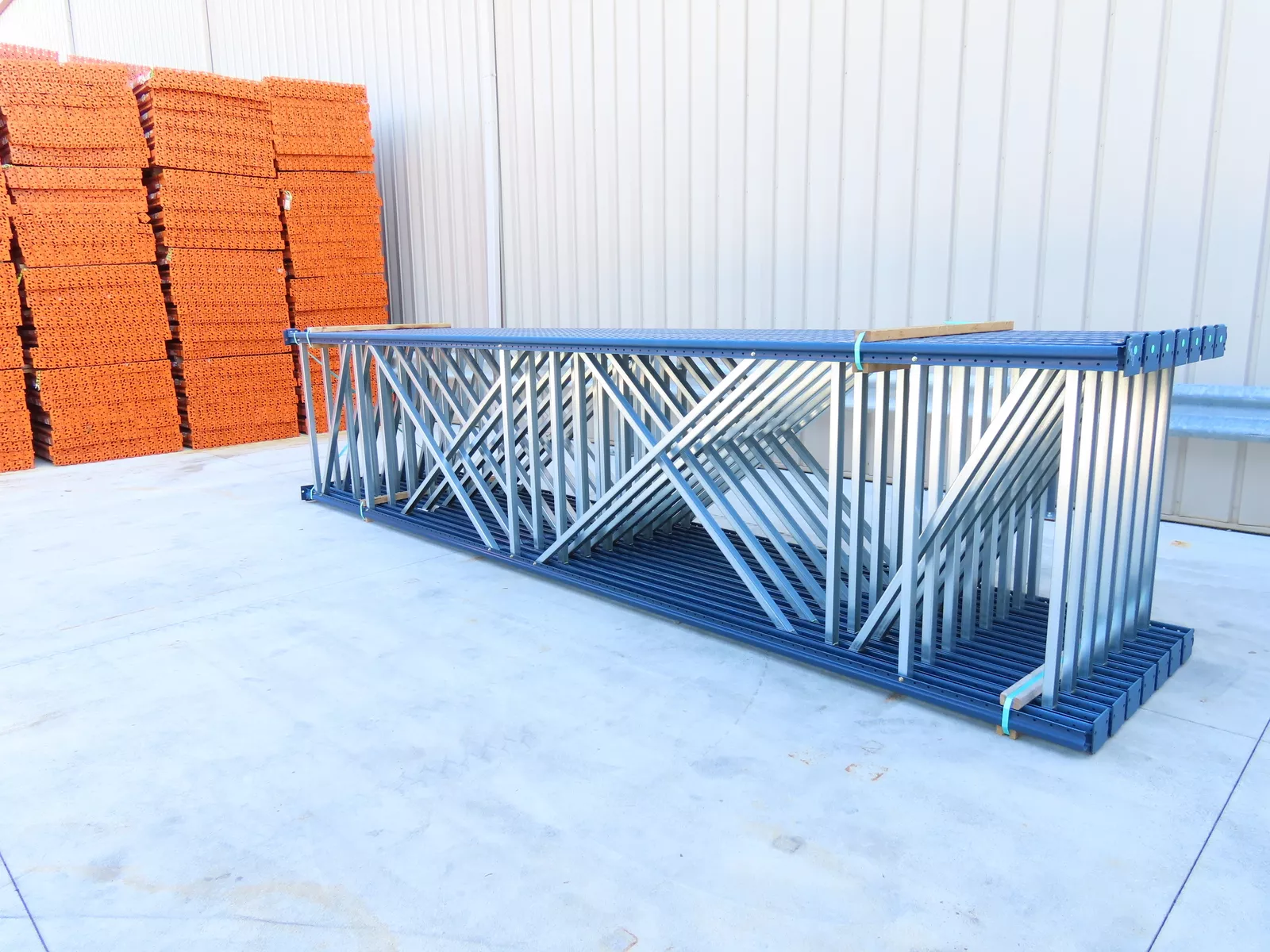
What Are the Cost Benefits Of Using Cantilever Racking Systems?
What Are the Cost Benefits Of Using Cantilever Racking Systems?
- Cantilever racking systems offer more flexibility than traditional pallet racks, accommodating awkward, long, or bulky items easily.
- The open design reduces clutter, improves inventory tracking, and lowers the risk of stock damage.
- These systems enhance productivity by saving labor time and minimizing wear and tear on equipment.
- Cantilever racks prioritize safety and crew well-being with ergonomics and simpler handling.
- They are durable and require less maintenance, avoiding costly repairs or replacements over time.
- The racks are adaptable to changing needs without major overhauls, helping manage cash flow efficiently.
- Widely trusted across various industries, cantilever systems provide a cost-effective, versatile, and practical storage solution.

What Are the Cost Benefits Of Using Cantilever Racking Systems?
How Does Proper Storage Impact the Quality Of Iron Products?
When it comes to iron products, how you store them isn’t just a tiny detail—it’s the difference between a job well done and a costly headache. Picture this: you’ve spent sweat and long hours crafting or sourcing strong iron pieces. They’re tough, sure—built to last—but left lying around in mud, rain, or stacked haphazardly, even iron can turn on you. Rust creeps in, bends show up, and before you know it, that solid material you trusted becomes a liability. Proper storage isn’t just keeping things neat; it’s about respect for your work and the people who rely on it.
Using pallet racking is common-sense, blue-collar genius. It keeps iron off the ground, letting air flow beneath so moisture doesn’t settle and sabotage the metal. It organizes heavy stuff in a way that protects edges and corners, meaning when you finally reach for a beam or sheet, it’s just like you left it—solid, straight, and ready. No surprises, no wasted time picking through damaged goods. This straightforward setup boosts your workflow and saves money in the long haul. The whole crew can trust the stockroom without a second thought.
There’s a pride in craftsmanship that goes beyond just hammer and heat. Proper storage honors that pride like a handshake—silent, strong, dependable. It shows you care about doing things right, passing along not just iron, but reliability and safety. If your iron products arrive shoddy or messed up, it’s not just a pain in the neck; it’s a risk for every person who uses them down the line, a breach in trust that could lead to costly mistakes or worse. When your storage process is solid, it says you’re in this for the long haul, standing behind your work and your team.
Handling raw iron without proper storage is like stacking bricks without mortar—sure, it might hold for a time, but it’s risky and sloppy. Practical, clean, and organized storage like pallet racking is the mortar to your iron bricks. It keeps everything steady, safe, and accessible. For anyone who’s ever wrestled with heavy, rusty, or damaged iron, it’s a simple truth: respect the material and it’ll respect you back. Keep it right, and you’re not just storing iron—you’re securing your reputation, your work’s integrity, and the future of every project that depends on it.

How Does Proper Storage Impact the Quality Of Iron Products?
How Does Proper Storage Impact the Quality Of Iron Products?
- Proper storage of iron products prevents rust, bending, and damage, ensuring the material remains reliable and safe.
- Using pallet racking keeps iron off the ground, allows air circulation, and protects edges, maintaining the quality of products.
- Organized storage saves time, reduces waste, and improves workflow by keeping materials solid and accessible.
- Proper storage reflects pride in craftsmanship and demonstrates care for quality, reliability, and safety.
- Poorly stored iron risks delivering damaged products, leading to trust breaches, costly mistakes, and safety hazards.
- Storing iron properly is like using mortar for bricks—necessary for stability, safety, and ease of use.
- Respecting iron through proper storage protects reputation, work integrity, and the success of future projects.

How Does Proper Storage Impact the Quality Of Iron Products?
Why Choose Cantilever Racks Over Traditional Shelving Methods?
Look, when you’ve been hauling, stacking, and organizing for any stretch of time, you start to see what really works. Traditional shelving might look neat on paper, but out in the real world, it often trips you up. Cantilever racks, on the other hand, are like the trusty workhorse of storage. They’re built for the rough and tumble of everyday use—the kind of setups where you’re handling long, bulky, or awkward stuff. Pallet racking is great for boxes and pallets, no doubt, but when you’ve got pipes, lumber, or odd-shaped gear, cantilever racks show you who’s boss.
From the gut, they just make sense. You don’t have to fiddle with shelves or cram things awkwardly. The open arms of a cantilever rack give you straightforward access and quick stacking. No tight squeezes or awkward lifts. You save time—and time is money. It’s the kind of common sense efficiency that helps you get the job done without busting your back or wasting an extra minute fumbling with storage.
Head-wise, these racks stack up tall and strong. They handle heavy loads and long lengths where traditional shelves might buckle or force you into a jigsaw puzzle of placement. And they do it safely, solid as a rock. That safety means you can trust your crew to work confidently, knowing what holds your stuff won’t give way when the pressure’s on. It’s not just about strength—it’s about smart design that matches real-world demands, not just showroom specs.
There’s also a straight-up ethical angle to choose cantilever racks. For the businesses and crews that rely on respect for hard work and safety, using the right equipment isn’t just a choice—it’s a responsibility. You’re looking out for your people, your tools, and your livelihood. Investing in storage that’s designed for your actual work conditions shows you’re serious about quality and care, not cutting corners.
Socially, it builds trust beyond the warehouse or yard. When customers or partners see your setup—organized, efficient, and professional—they get a clear message: you know your stuff and run a tight ship. It’s like saying without words, “We’re reliable, experienced, and respect the craft.” Cantilever racks fit right into that message. They’re not flashy, but they’re dependable—and sometimes, dependable is everything.
So when it’s time to choose, think of cantilever racks as the no-nonsense, get-it-done solution that respects your hustle, your head, and your heart. They stand up where traditional shelving falls short. That’s why so many roll-up-their-sleeves pros swear by them—because they work like a traded handshake: honest, strong, and built to last.

Why Choose Cantilever Racks Over Traditional Shelving Methods?
Why Choose Cantilever Racks Over Traditional Shelving Methods?
- Cantilever racks excel in handling long, bulky, or awkward items, outperforming traditional shelving and pallet racking in practical, everyday use.
- The open-arm design of cantilever racks allows for easy access and quick stacking without awkward lifting or overcrowding.
- They are tall, strong, and safe, capable of supporting heavy loads and long lengths without buckling or compromising worker safety.
- Choosing cantilever racks reflects an ethical commitment to worker safety, proper equipment, and respect for hard work.
- Organized and efficient storage with cantilever racks enhances trust and professionalism in the eyes of customers and partners.
- Cantilever racks represent a practical, dependable storage solution that matches real-world demands rather than just showroom appeal.
- Many seasoned professionals prefer cantilever racks for their honest, strong, and durable design that supports a productive work environment.

Why Choose Cantilever Racks Over Traditional Shelving Methods?
Conclusion
In the gritty, no-nonsense world of ornamental ironwork, finding the right storage isn’t just about stacking metal—it’s about respecting the craft, the people, and the tough work that shapes every piece. Cantilever racking steps in like the heavy-duty workhorse it is, solving problems that pallet racks can’t touch. It gives suppliers the freedom to store those long, awkward, and heavy iron lengths without turning their warehouses into a chaotic maze or risking damage to their goods.
This isn’t fancy talk; it’s about real-world muscle—cantilever racks reach out like a firm hand steadying a load, offering open access and sturdy support. Workers can grab what they need without wrestling with cramped shelves or dangerous stacks. That means fewer bruised beams, fewer strained muscles, and a smoother workflow that respects both the material and the folks handling it. When the gear is organized and ready to roll, it builds trust—not just with customers but within the crew, fostering a quietly proud workplace where quality and safety aren’t afterthoughts but daily habits.
Storage that’s done right also protects more than iron; it safeguards livelihoods. When iron is stacked haphazardly, it’s not just product at risk—it’s reputation, relationships, and the integrity of every project that follows. Proper storage keeps the metal dry, upright, and protected, cutting down on rust, dents, and desperation fixes down the line. That’s ethical business in practice—valuing the hard-earned craftsmanship and the people who sweat to bring it to life.
From a practical standpoint, cantilever racks offer a powerful return on investment. They save space, cut down labor costs, reduce damage, and adapt to changing needs without a costly overhaul. They’re rugged, built to stand up to the beating of heavy loads day in, day out, earning their keep through pure reliability. Choosing cantilever isn’t just a smart financial move—it’s a sign you’re serious about running a lean, mean, and safe operation.
The blue-collar truth? When it comes to storing ornamental ironwork, cantilever racks speak your language: straightforward, tough, and built to respect the sweat and skill behind every curve and weld. They turn storage from a chore into an asset, making the job itself smoother, safer, and more trustworthy. In a trade where every inch and every moment counts, that kind of dependable storage is the quiet backbone that keeps the fires burning and the wheels turning.
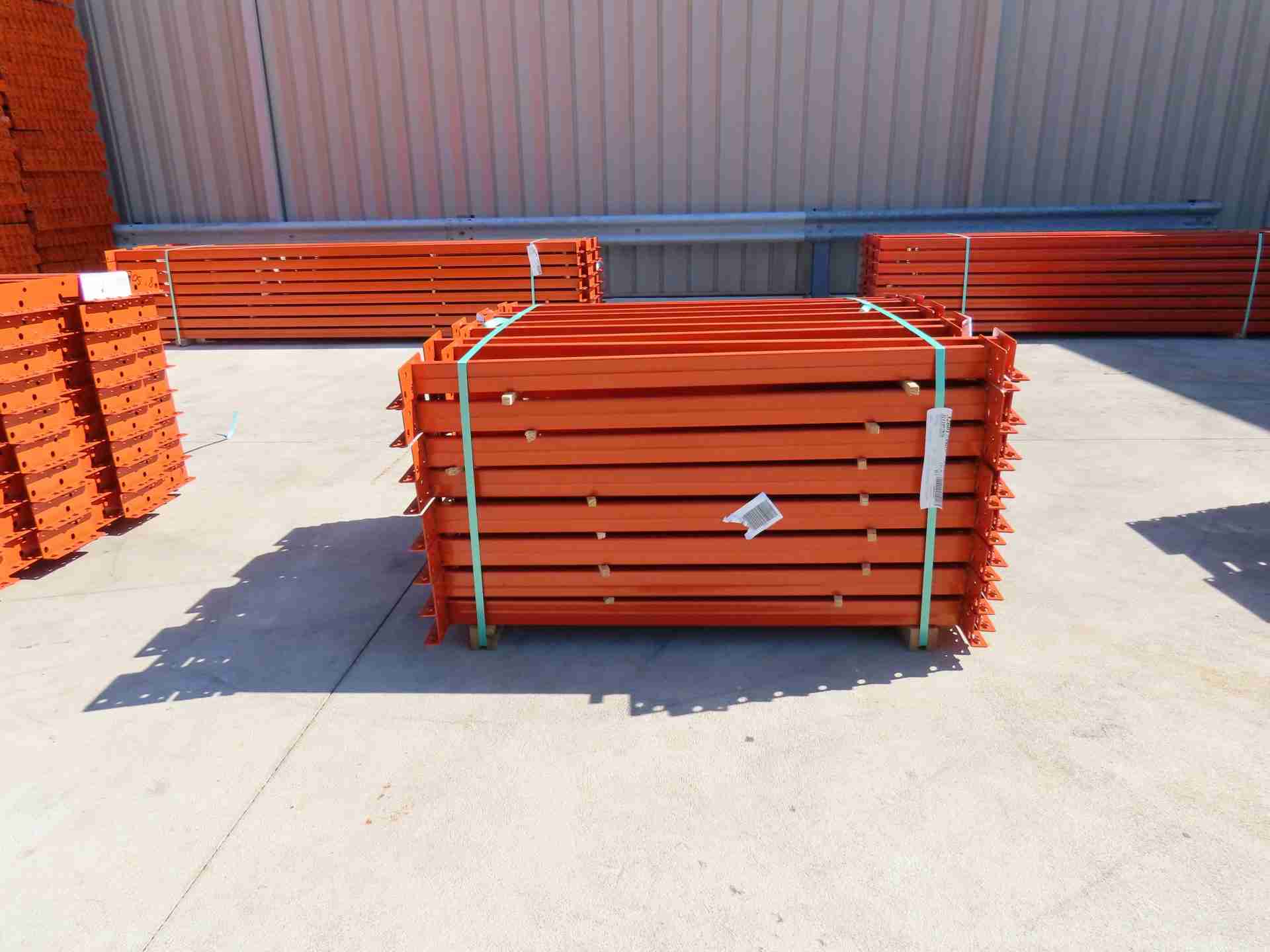
Conclusion
Conclusion:
- Cantilever racking offers a heavy-duty solution for storing long, awkward, and heavy ornamental iron lengths, avoiding warehouse chaos and product damage.
- It provides open access and sturdy support, reducing worker strain and improving workflow efficiency.
- Proper storage protects iron from rust, dents, and damage, safeguarding both product quality and business reputation.
- Cantilever racks enhance workplace safety and foster pride by respecting the craftsmanship and effort involved.
- They deliver a strong return on investment by saving space, lowering labor costs, reducing damage, and adapting to changing storage needs.
- Built to withstand heavy loads consistently, cantilever racks ensure reliability and operational efficiency.
- The straightforward, durable design of cantilever racks turns storage into an asset that supports smooth and trustworthy ironwork operations.

Conclusion
Other Resources
Other Resources
Here is a list of other resources you can review online to learn more:
- Overhead Lifting
- CMMA
- Illinois
- Teardrop Pallet Rack – Ridg-U-Rak
- Selective Racking
- Material Handling Safety
- Warehousing and Fulfillment
- WERC
- Selective Pallet Racking Systems
- What is Selective Racking: Understanding Benefits & Options
- Warehouse Racking Systems: Beginner’s Guide to Rack Systems
- Pallet Racking 101: A Comprehensive Guide & Options Explained
- Interlake Mecalux
- What is Cantilever Racking? – AK Material Handling Systems
- Heavy-Duty Cantilever Storage Racks
- Interlake
- CA Wire
- Interlake Mecalux
- National Safety Council
- Iowa Illinois Warehouse Racking
Use This Prompt To Get More Resources With Your Favorite Online AI Tool: Please provide me with a list of online articles with their URLs in a bulleted list that I can read regarding How Do Ornamental Ironwork Suppliers Leverage Cantilever Racking?
Other Resources
Glossary Terms
How Do Ornamental Ironwork Suppliers Leverage Cantilever Racking? – Glossary Of Terms
Cantilever Racking: A storage system designed to hold long, bulky items using arms that extend from a central column.
Ornamental Ironwork: Decorative iron items used in architecture and design, including gates, railings, and furniture.
Load Capacity: The maximum weight that a racking system can safely support.
Storage Efficiency: The optimal use of space to maximize storage volume and accessibility.
Inventory Management: The process of tracking and organizing stock within a warehouse or storage area.
Material Handling: The movement, protection, storage, and control of materials during manufacturing and distribution.
Space Optimization: Arranging storage to use available area most effectively.
Accessibility: The ease with which stored items can be reached and handled.
Structural Integrity: The ability of the racking system to withstand stress and load without failure.
Modularity: The design feature allowing components to be added, removed, or reconfigured in racking systems.
Customization: Tailoring racking systems to meet specific storage needs of ironwork suppliers.
Ergonomics: Designing storage and handling solutions to enhance user comfort and efficiency.
Vertical Storage: Utilizing height to increase storage capacity.
Safety Standards: Regulations and guidelines ensuring safe use of storage systems.
Heavy-Duty Racking: Racking designed to support very heavy and bulky materials.
Load Distribution: Evenly spreading weight across racking components to prevent structural failure.
Inventory Turnover: The rate at which inventory is used or sold and replaced.
Warehouse Workflow: The sequence of processes involved in moving materials in and out of storage.
Pick Efficiency: The speed and accuracy of selecting items from storage.
Rack Accessibility: The ability to reach and retrieve items stored on racking units.
Durability: The capacity of racking materials and structure to withstand wear and tear.
Space Utilization Ratio: A measurement of the percentage of space effectively used for storage.
Cost Efficiency: Achieving desired storage goals with minimal financial expenditure.
Floor Load Capacity: The maximum weight the warehouse floor can safely bear.
Inventory Categorization: Organizing materials by type, size, or frequency of use.
Load Height: The vertical dimension of stored items, relevant for racking arm adjustments.
Forklift Compatibility: Design considerations that allow forklifts to maneuver safely around racking.
Corrosion Resistance: The ability of racking materials to withstand rust and environmental damage.
Adaptive Storage Systems: Racking that can change configuration to meet evolving storage needs.
Supplier Coordination: Collaboration between ironwork suppliers and racking manufacturers for optimal solutions.

Glossary Of Terms
Other Questions
How Do Ornamental Ironwork Suppliers Leverage Cantilever Racking? – Other Questions
If you wish to explore and discover more, consider looking for answers to these questions:
- What are the typical load capacities per arm and per column for cantilever racks?
- How do I calculate the number and size of cantilever racks needed for my inventory?
- What are recommended arm lengths, heights, and spacing for storing long iron pieces?
- How are cantilever racks anchored and installed safely in an existing warehouse?
- Can cantilever racks be used outdoors, and what weatherproofing or coatings are required?
- Which materials and finishes (galvanized, powder coat, etc.) best prevent rust for stored ironwork?
- Do cantilever racks meet local building codes and OSHA or ANSI standards?
- Are there seismic, wind, or other structural considerations for cantilever installations?
- How do upfront costs and lifecycle costs of cantilever racks compare to pallet racking (ROI)?
- What ongoing maintenance and inspection routines are recommended?
- What are common signs of rack damage and how should repairs be performed?
- Can cantilever systems be reconfigured or expanded as inventory needs change?
- What accessories exist (shelves, supports, padding, end stops, dividers) to protect finished pieces?
- What are best practices for loading and unloading heavy or awkward iron pieces safely?
- What forklift, crane, or handling equipment is compatible with cantilever racks?
- How should weight be distributed on arms and between levels to avoid overloading?
- What protective measures prevent scratches or dents on decorative/finished iron stored on racks?
- How should aisle widths and layout be planned to maximize workflow and safety?
- What are typical lead times, installation costs, and financing options for purchasing cantilever racks?
- How do I choose a reputable supplier or installer for cantilever racking systems?
- Are there case studies or examples of ornamental ironwork suppliers who successfully implemented cantilever racks?
- What staff training and safety protocols are required for working with cantilever storage?
- What warranties, certifications, or load-testing documentation should suppliers provide?
- Can cantilever racks be integrated with inventory management systems or rack labeling for picking efficiency?
- What common mistakes should be avoided when switching from pallet racking to cantilever systems?
- How long is the expected service life of cantilever racks under heavy use?
- What options exist for storing extremely long pieces (e.g., over 20–40 feet)?
- Can cantilever racks safely handle mixed-material loads (metal, wood, pipes) on the same system?
- How do insurance, liability, and workplace-safety requirements change when installing cantilever storage?
- What are recommended solutions for protecting inventory from moisture and corrosion within the racking area?
Other Questions
Checklist
How Do Ornamental Ironwork Suppliers Leverage Cantilever Racking? – A Checklist
Fit and Purpose
✅______ Long, heavy, or awkward ironwork pieces identified as primary storage drivers
✅______ Cantilever selected over pallet or traditional shelving for unobstructed front access
✅______ Single- or double-sided configuration chosen based on inventory mix and aisle plan
✅______ Arm lengths and vertical spacing matched to typical stock lengths and bundle sizes
Space and Layout
✅______ Ceiling height, column spacing, and obstructions verified
✅______ Aisle widths set for equipment used (counterbalance forklifts, side-loaders, cranes)
✅______ Travel paths planned to prevent congestion and blind spots
✅______ Staging zones designated for receiving, picking, and shipping
✅______ High-velocity items placed in most accessible bays (“golden zone”)
Load and Engineering
✅______ Maximum item or bundle weights measured and documented
✅______ Arm, column, and base capacities selected to exceed peak loads
✅______ Load plaques with rated capacities installed and visible
✅______ Vertical arm spacing set to limit deflection and prevent sagging
✅______ Even load distribution planned across arms and bays
✅______ Seismic and wind considerations addressed where applicable
✅______ Accessories (end stops, retainer pins, dividers) specified where needed
Floor and Anchoring
✅______ Slab condition, thickness, and load-bearing capacity verified
✅______ Anchoring method and hardware specified per manufacturer or engineer
✅______ Racks shimmed and plumb; base plates fully supported
✅______ Column guards and end-of-aisle barriers installed in traffic areas
Safety and Ergonomics
✅______ Traffic flow, speed limits, and right-of-way rules posted
✅______ Pick heights set to minimize awkward lifts and overreaching
✅______ Long-load attachments and rigging in place for safe handling
✅______ Pinch-point and tip-over risks mitigated with stops and restraints
✅______ Clear signage for PPE, lift restrictions, and loading rules
Material Protection and Quality
✅______ Contact surfaces protected (wood or rubber dunnage, sleeves) to prevent scratches
✅______ Corrosion controls in place (ventilation, covers, coatings, drainage)
✅______ Moisture-prone zones avoided; iron stored off the ground and away from water
✅______ Separation of finishes and grades to prevent cross-contamination and damage
Workflow and Access
✅______ Slotting by length, weight, and demand frequency
✅______ Dedicated lanes for returns, rework, and cutting and prep
✅______ Clear line-of-sight to labels and items for quick identification
✅______ One-touch handling targeted from storage to staging
Inventory and Labeling
✅______ Locations labeled by bay, level, and arm; legible from equipment height
✅______ Length, grade, and finish identified at the storage location
✅______ FIFO or rotation method defined where applicable
✅______ Cycle count plan established to keep stock accurate
Receiving and Shipping
✅______ Check-in process for inspecting bends, dents, and finish damage
✅______ Standard rigging and strapping procedures for transport and putaway
✅______ Pre-load staging areas marked and kept clear
✅______ Damage reporting workflow documented with photos
Compliance and Documentation
✅______ Manufacturer drawings and installation manuals on file
✅______ Engineered layout approved where required
✅______ Local codes, fire clearances, and egress maintained
✅______ Capacity signs and safety notices posted per standards
Maintenance and Inspection
✅______ Routine inspections scheduled (arms, bolts, anchors, plumbness)
✅______ Corrosion, impact damage, and deformation checks performed
✅______ Torque checks logged after installation and periodically
✅______ Damaged components tagged out and replaced with OEM parts
✅______ Housekeeping plan keeps aisles and bases debris-free
Cost and Scalability
✅______ Total cost of ownership evaluated (installation, maintenance, reconfiguration)
✅______ Modular expansion paths identified for future growth
✅______ Accessory roadmap planned (additional arms, dividers, decking)
✅______ Utilization KPIs defined (pick time, damage rate, space use)
Training and Culture
✅______ Operator training on long-load handling and rack capacities completed
✅______ New-hire onboarding includes racking safety and location system
✅______ Near-miss and incident learning loop implemented
✅______ Visual standards posted for proper loading and spacing
Outdoor and Environmental Considerations (If Applicable)
✅______ Galvanized or coated racks specified for weather exposure
✅______ Canopies or covers used to limit moisture and UV
✅______ Drainage and housekeeping prevent standing water around bases
✅______ Wind and snow loads considered in design and anchoring
Go-Live Readiness
✅______ Final walk-through confirms clear aisles, signage, and staging
✅______ Test picks confirm access, visibility, and equipment clearance
✅______ Inventory mapped to locations; labels applied
✅______ Maintenance, inspection, and training schedules active

Checklist
At RackingWorld, we help guide you through selecting warehouse storage systems and racking.
Be sure to read our other related stories at RackingWorld to learn more about warehouse storage systems.
0 Comments