
Maximizing Efficiency And Trust: Pallet Racking’S Role In Organic Supply Chains
By Tom Seest
At RackingWorld, we help guide you through selecting warehouse storage systems and racking.
Be sure to read our other related stories at RackingWorld to learn more about warehouse storage systems.
How Do Organic Farming Input Suppliers Leverage Pallet Racking?
When you step into the world of organic farming input suppliers, you quickly realize it’s more than just moving boxes or stacking bags. It’s about trust—trust that the seeds, soil amendments, and natural pest controls are handled right, kept safe, and ready to do their part in growing healthy crops. That’s where pallet racking comes into the picture, steady as a workhorse and built for the kind of grit this business demands.
Imagine a warehouse packed with diverse, carefully sourced organic inputs. The last thing anyone wants is chaos or wasted time hunting for a product that needs to hit the fields at the perfect moment. Pallet racking gives these suppliers a backbone, a system that not only saves space but respects the integrity of the organic goods. It’s a practical solution, backed by no-nonsense logic—stack it right, keep it accessible, and protect what’s inside.
There’s something about the way a well-organized rack system mirrors the crops themselves: orderly, efficient, and ready to grow. Behind every pallet is a story—farmers depending on those inputs to nourish their land without chemicals, families counting on cleaner food, and suppliers who know their role isn’t just business, it’s a responsibility to the earth and community. When an input supplier leverages pallet racking correctly, it’s not just about storage. It’s about deep respect for the process and a commitment to quality that stretches from the warehouse floor to the field rows.
Experience tells you pallets stacked haphazardly lead to headaches—delays, damaged goods, even safety risks. But put those same pallets on sturdy, reliable racks designed to handle the weight and the specific needs of organic inputs, and you’ve got peace of mind. It’s about doing the job right, day in and day out, with a system that holds up under pressure and never lets you down.
This approach isn’t just smart—it’s ethical. Supporting sustainable farming means being meticulous from the start. Pallet racking isn’t flashy, but it’s honest work. It says, “We care about what we supply, how we handle it, and who we serve.” For suppliers staying true to the land and their customers, pallet racking is a quiet partner that works hard, earns its keep, and keeps everything running smooth. That’s the kind of partnership that builds trust, loyalty, and a little pride in a job well done.

How Do Organic Farming Input Suppliers Leverage Pallet Racking?
How Do Organic Farming Input Suppliers Leverage Pallet Racking?
- Organic farming input suppliers rely on trust that seeds, soil amendments, and pest controls are properly handled and ready for use.
- Pallet racking provides a sturdy, efficient storage system that saves space and maintains the integrity of organic goods.
- A well-organized rack system reflects the orderliness and efficiency necessary for sustainable farming inputs.
- Pallet racking supports timely access to products, preventing chaos and delays in supply to the fields.
- Improperly stacked pallets can cause delays, damage, and safety hazards, while proper racking ensures reliability and peace of mind.
- The use of pallet racking represents an ethical commitment to quality, sustainability, and responsibility toward the earth and customers.
- Pallet racking acts as a dependable partner for suppliers, fostering trust, loyalty, and pride in their work and service to the community.

How Do Organic Farming Input Suppliers Leverage Pallet Racking?
Table Of Contents
- How Do Organic Farming Input Suppliers Leverage Pallet Racking?
- How Does Pallet Racking Improve Storage Efficiency for Suppliers?
- What Cost Savings Result From Using Pallet Racking Systems?
- How Can Pallet Racking Reduce Product Damage Risks?
- In What Ways Does Pallet Racking Support Sustainable Practices?
- How Does Organized Storage Boost Staff Productivity?
- What Ethical Benefits Arise From Better Inventory Management?
- Conclusion
- Other Resources
- Glossary Of Terms
- Other Questions
- Checklist
How Does Pallet Racking Improve Storage Efficiency for Suppliers?
When it comes to making the most out of a warehouse or storage space, Pallet Racking isn’t just some fancy upgrade—it’s a game changer that hits right where it counts. Every supplier knows the pinch of tight spaces and the constant juggle of keeping inventory accessible without turning the floor into a maze. Pallet Racking steps in like that reliable old pickup truck you can always count on—it’s straightforward, tough, and gets the job done.
On a practical level, Pallet Racking transforms a cluttered, cramped storage area into a well-organized powerhouse. Instead of piling pallets on top of each other or stacking boxes wherever they fit, you get neat rows and stacks that use vertical space like it’s second nature. This means more products stored safely and efficiently without expanding your footprint or breaking the budget. When you can store more without chaos, it’s not just better for business—it’s better for the folks on the floor who need quick, safe access to what’s in the back. That’s no small thing; it’s respect for the people who keep everything moving.
Pallet Racking’s strength isn’t just in storage capacity. It’s the way it guides the day-to-day hustle. Imagine walking into your warehouse knowing exactly where every pallet sits, how easy it’ll be to grab what’s needed next, and there’s no sweat or scrambling. That’s efficiency that brings peace of mind and stops the wasted minutes that add up day after day. There’s trust built into every sturdy beam and brace because it’s designed with real-world wear and tear in mind. It’s a system that doesn’t quit, just like the workers who depend on it.
Ethically, using Pallet Racking means you’re taking safety seriously. Nobody wants to risk injuries from falling cargo or unstable stacks. When your storage method includes solid, tested racking solutions, you’re upholding a workplace standard that values people’s well-being—a simple but powerful way to do right by your team.
At the end of the day, Pallet Racking brings more than just space; it brings order, safety, respect, and confidence. It’s the backbone that supports suppliers who want to keep moving forward without cutting corners. When the shelves are steady and organized, so are the operations and the people behind them. That’s the kind of reliability that earns respect in this business.

How Does Pallet Racking Improve Storage Efficiency for Suppliers?
How Does Pallet Racking Improve Storage Efficiency for Suppliers?
- Pallet Racking maximizes warehouse space by organizing inventory efficiently and utilizing vertical space without expanding the footprint.
- It transforms cluttered storage areas into orderly systems, improving accessibility and safety for workers.
- Provides practical storage solutions that reduce wasted time and increase operational efficiency.
- Built to withstand real-world wear, Pallet Racking offers durable, reliable support for daily warehouse activities.
- Enhances workplace safety by preventing injuries related to falling cargo or unstable stacks.
- Reflects respect for employees by prioritizing quick, safe access to inventory.
- Supports smooth, organized operations and instills confidence and reliability in supply chain management.
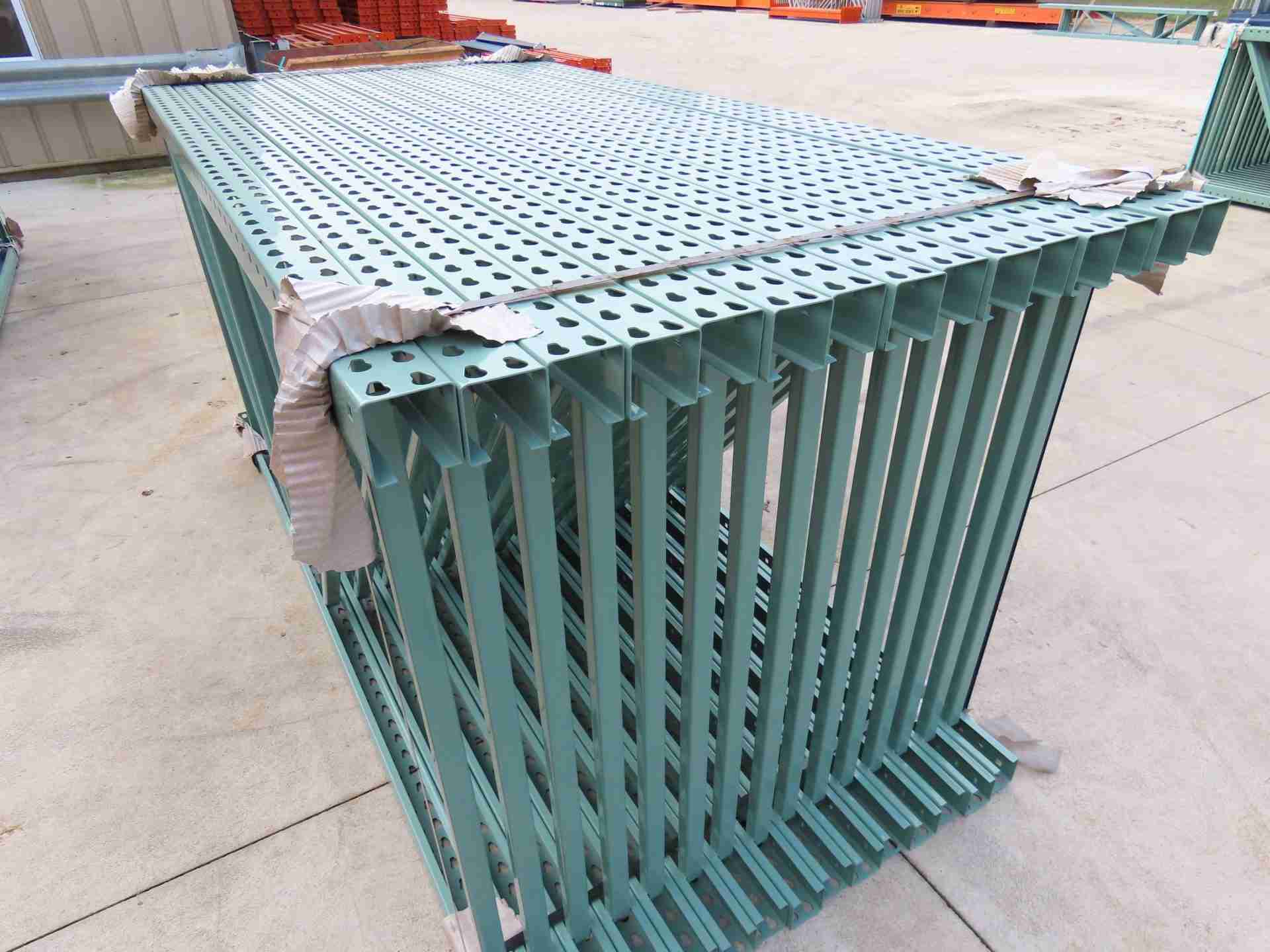
How Does Pallet Racking Improve Storage Efficiency for Suppliers?
What Cost Savings Result From Using Pallet Racking Systems?
Let’s get real about money—every dollar saved counts when you’re running a warehouse or a busy shop floor. Pallet racking systems aren’t just a fancy way to stack stuff up; they’re a smart investment that pays you back by cutting costs in ways that really matter.
First off, space. You ever tried squeezing your stock into whatever spots you could find, and ended up tripping over boxes or double handling pallets more times than you can count? Pallet racking sets you up so you use every inch of vertical space, turning your warehouse from a cluttered mess into a well-organized powerhouse. Less square footage wasted means lower rent or the chance to store more product without needing a bigger building. That’s straight-up savings you can see on the balance sheet.
Now, about time and effort. When things are stacked haphazardly, you lose precious hours hunting down inventory or rearranging loads just to get at what you need. Pallet racking systems bring order to the chaos, making it easy to access goods quickly and safely. Your crew spends less time wrestling pallets and more time moving product where it belongs. Less injury risk means fewer costly workers’ comp claims, too—a win for everyone.
On the ethical front, investing in a sturdy, reliable pallet racking system shows you care about your team’s safety and well-being. It’s hard to put a price tag on peace of mind, but when your workers know they’re not risking their necks every shift, morale improves, and that loyalty translates into better work and less turnover. It’s a solid way to look out for people and protect your bottom line.
There’s also the story your warehouse tells when it’s clean and efficient. Customers, partners, and inspectors notice when a place is organized and professional. Pallet racking signals you mean business and respect the product and people alike. That kind of reputation leads to repeat business and trust, which in turn makes the pencil-pushing folks smile when profits roll in.
At the end of the day, pallet racking systems slice costs by saving space, time, and injuries—all while boosting your crew’s confidence and your operation’s reputation. It’s simple: investing in good racking pays off in cold, hard cash and the kind of workplace pride money can’t buy.
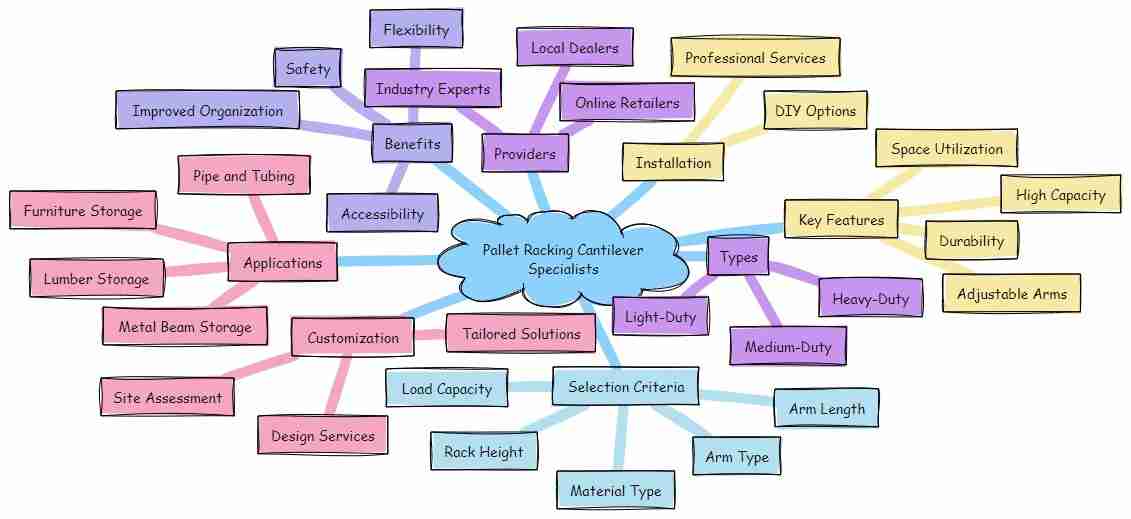
What Cost Savings Result From Using Pallet Racking Systems?
What Cost Savings Result From Using Pallet Racking Systems?
- Pallet racking systems maximize vertical space, reducing wasted square footage and lowering rent or enabling more storage without expanding the building.
- They improve time efficiency by organizing inventory access, cutting down hours spent searching or rearranging pallets.
- Pallet racking reduces injury risks, leading to fewer workers’ compensation claims and a safer work environment.
- Investing in reliable racking demonstrates care for employee safety, boosting morale, loyalty, and reducing turnover.
- An organized warehouse with pallet racking projects professionalism, fostering trust with customers, partners, and inspectors.
- A strong reputation from efficient warehouse operations encourages repeat business and confidence from stakeholders.
- Overall, pallet racking cuts costs, enhances worker confidence, and increases operational pride and profitability.

What Cost Savings Result From Using Pallet Racking Systems?
How Can Pallet Racking Reduce Product Damage Risks?
You know how it goes—stuff piled high, forklifts whizzing by, and one wrong move turns a good day’s haul into a busted-up mess. Pallet Racking isn’t just some fancy shelving; it’s the backbone that keeps your warehouse from looking like a disaster zone. When you stack products properly with solid Pallet Racking, you cut down the chances of boxes slipping, crushing, or falling apart. That means less wasted goods and less heartache from seeing hard-earned inventory trashed before it even reaches the customer.
Think about it: every dented box or smashed carton represents lost dollars, pissed-off customers, and the extra hours spent sorting through the wreckage. Pallet Racking creates order out of chaos. It’s like giving your products a safe neighborhood to live in instead of risking a wild street fight on a bare floor. By neatly organizing pallets off the ground and securing them in designated spots, you’re protecting more than just goods—you’re protecting your reputation and your bottom line.
From a no-nonsense standpoint, this stuff just plain works. Pallet Racking takes the guesswork out of storage by ensuring everything sits exactly where it should. Forklift drivers know precisely where to place and pick up loads without fear of knocking over a stack or squeezing into tight spots. It’s efficiency married to safety. And that safety is ethical—because when workers operate in a well-ordered environment, the risk of accidents drops dramatically. Fewer crashes mean fewer injuries and a better, more honest workplace.
And here’s the kicker: investing in good Pallet Racking sends a clear message. It says you care about your team, your product, and your customers. It’s not just metal and bolts; it’s confidence built on experience and respect. When your crew trusts the setup, they work smarter, not just harder. When buyers see your product arriving intact every time, they keep coming back. That’s social proof you can’t fake.
The bottom line: Pallet Racking is more than storage—it’s a safeguard. It’s a relationship builder. It’s a no-nonsense answer to the headaches of product damage risk. If you want to keep your operation running smooth, keep your people safe, and your customers happy, you’ll make space for Pallet Racking. Because at the end of the day, nothing beats the peace of mind knowing your product has a sturdy place to call home.

How Can Pallet Racking Reduce Product Damage Risks?
How Can Pallet Racking Reduce Product Damage Risks?
- Pallet Racking is essential for organized, safe, and efficient warehouse storage, preventing product damage and chaos.
- Proper stacking with Pallet Racking reduces risks of boxes slipping, crushing, or falling, minimizing wasted goods and lost revenue.
- Damage to products leads to customer dissatisfaction, financial losses, and extra labor, which Pallet Racking helps prevent.
- Pallet Racking organizes pallets off the ground in designated spots, protecting products, reputation, and the bottom line.
- It improves efficiency by guiding forklift operators on load placement, enhancing safety and reducing workplace accidents.
- Investing in quality Pallet Racking demonstrates care for employees, products, and customers, fostering trust and repeat business.
- Ultimately, Pallet Racking serves as a safeguard, relationship builder, and key factor in smooth, safe warehouse operations.

How Can Pallet Racking Reduce Product Damage Risks?
In What Ways Does Pallet Racking Support Sustainable Practices?
You don’t have to be a rocket scientist to see how pallet racking fits right into the puzzle of sustainable business. Think about it: every inch of warehouse space counts when you’re trying to cut down on waste, energy use, and needless trips. Pallet racking maximizes vertical space, so instead of sprawling out and gobbling up more land, you stack smarter, not bigger. Less building means fewer resources wasted on heating, cooling, and lighting—straight-up savings that also lighten your environmental footprint.
Here’s the thing about pallet racking from the ground up: it’s built tough and meant to last. That means you’re not ripping out and replacing racks every other season, which saves a heap of materials and keeps old metal out of the landfill. When pallet racks do reach their end of life, most parts are fully recyclable, feeding right back into the metal supply chain. That’s real circular economy stuff, where nothing is wasted, and everything has value.
On a practical level, pallet racking boosts efficiency by keeping goods organized and easy to spot. That reduces overstock, spoilage, and the guesswork that leads to throwing out expired or damaged products. When you know exactly where everything is and how much you’ve got, you waste less and plan better. It’s simple common sense that benefits your bottom line and the planet.
There’s also something genuine about knowing the system you’re using respects hardworking folks and the community around you. Pallet racking supports lean operations, cutting down on unnecessary labor and energy use, which makes the workplace safer and less draining. That’s not just a win for profits—it’s a win for everyone’s peace of mind and pride in a job well done.
At its core, pallet racking isn’t just steel bolted together; it’s a quiet partner in building a smarter, cleaner future. It invites you to rethink waste, respect resources, and push for operations that honor the planet without giving up the grit and hustle that define hard work. When you install pallet racking, you’re not just organizing products—you’re organizing responsibility. And in a world running thin on resources, that makes all the difference.

In What Ways Does Pallet Racking Support Sustainable Practices?
In What Ways Does Pallet Racking Support Sustainable Practices?
- Pallet racking maximizes vertical warehouse space, reducing land use and cutting waste, energy consumption, and unnecessary trips.
- It requires less building space, lowering resource use for heating, cooling, and lighting, which decreases environmental impact.
- Designed for durability, pallet racking reduces material waste by minimizing replacements and supporting recyclability at end of life.
- Recyclable components contribute to a circular economy by keeping metal in supply chains and preventing landfill waste.
- Pallet racking enhances efficiency by organizing goods, reducing overstock, spoilage, and waste from expired or damaged products.
- Supports lean operations, lowering labor and energy needs, improving workplace safety, and supporting employee well-being.
- Acts as a sustainable solution that balances resource respect, waste reduction, and operational effectiveness in businesses.

In What Ways Does Pallet Racking Support Sustainable Practices?
How Does Organized Storage Boost Staff Productivity?
You don’t need a fancy office to know that when your workspace is a mess, your head isn’t in the game. When tools and materials are scattered like a thunderstorm hit the place, everyone wastes time hunting instead of working. That’s where organized storage, like solid pallet racking, steps in—not just as a piece of equipment but as the backbone of getting the job done right and on time.
Picture this: a crew busting their tails all week, only to spend the first 30 minutes of each day digging through clutter. It wears on folks. Morale takes a hit, frustration creeps in, and the pace slows. But when everything has a spot—a sturdy pallet racking system that stacks, sorts, and saves steps—there’s a quiet boost. Workers feel it. They move faster because what they need is right there, within reach, not tucked behind some pile or buried under last week’s mess.
It’s not just about speed. It’s about trust. Team members seeing management invest in smart storage know their time and effort matter. That feeling—that respect—turns into something you can’t measure easily but see in how folks show up day after day, ready to tackle the grind, not dread it. It’s ethical business to value your crew’s time and energy, and organized storage says exactly that without a word.
From a practical standpoint, pallet racking protects inventory and reduces accidents. Neatly stacked goods are less likely to get scratched or broken. That cuts costs and headaches, which keeps the workflow humming smoothly. A safe, orderly site means fewer interruptions from clean-ups or emergency stops. It’s simple common sense: you keep things tidy, you keep things moving.
Every success story in a dusty warehouse or cluttered shop floor begins with that one smart move—making clutter somebody else’s problem. Organized storage is that move. It turns chaos into order, grinds down stress, and sharpens focus. When everyone’s working smarter, faster, cleaner, productivity isn’t just a word on paper. It becomes the day’s reality.
So, if you want a team that shows up ready, respects their craft, and delivers results, start by setting them up with what they need: clear spaces, solid pallet racking, and a system that works as hard as they do. Because when the storage’s right, everything else falls in line.
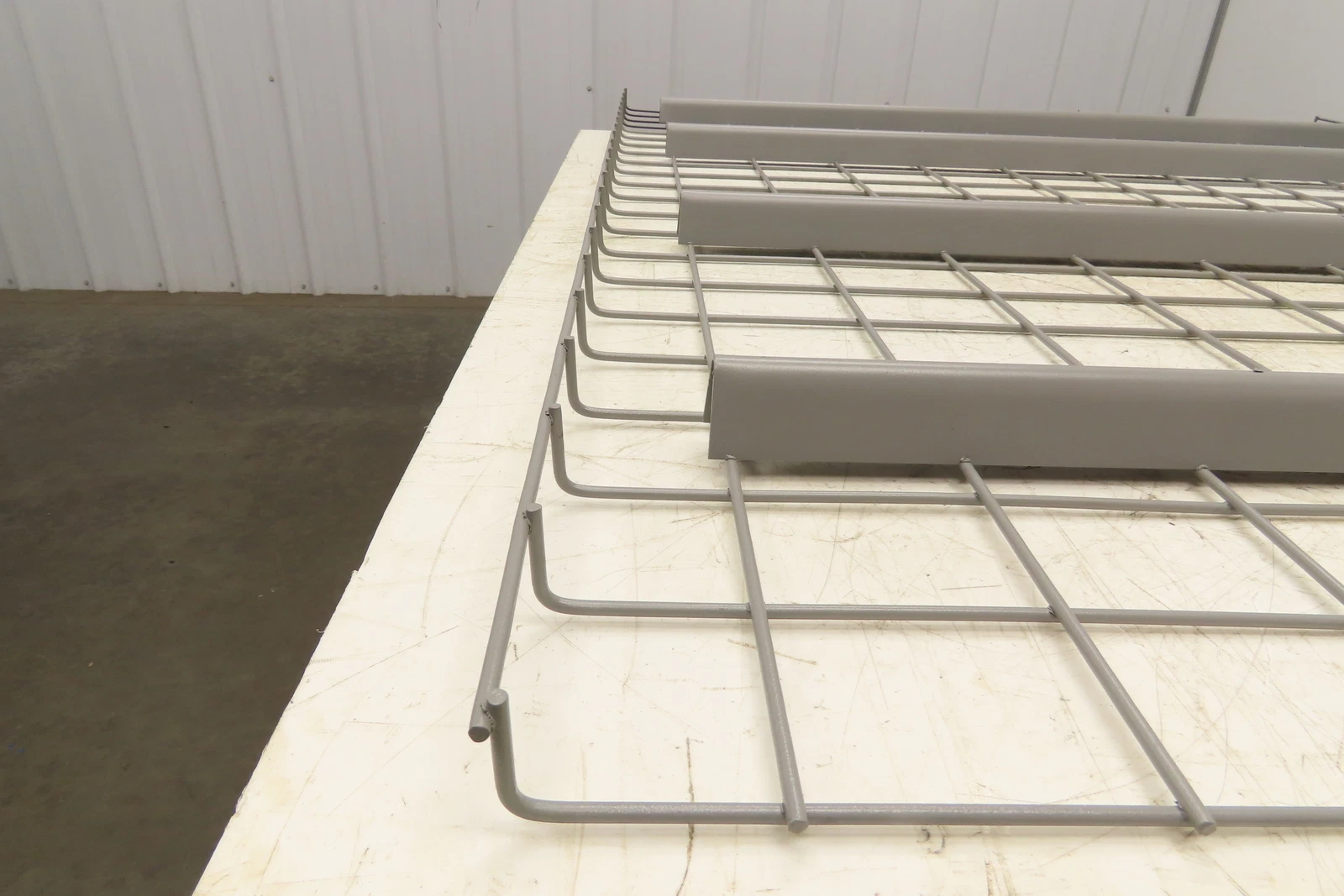
How Does Organized Storage Boost Staff Productivity?
How Does Organized Storage Boost Staff Productivity?
- Messy workspaces waste time and lower focus, while organized storage like pallet racking improves efficiency and timeliness.
- Clutter causes daily delays, frustration, and morale drops; having designated storage spots speeds up work and boosts worker confidence.
- Investment in smart storage builds trust and shows respect for employees’ time and effort, enhancing motivation and commitment.
- Pallet racking protects inventory, minimizes damage, reduces accidents, and cuts costs by keeping items neatly stacked.
- Safe, orderly environments prevent work interruptions from clean-ups and emergencies, promoting smooth workflows.
- Organized storage transforms chaos into order, lowers stress, sharpens focus, and turns productivity into a practical outcome.
- Providing clear spaces and solid pallet racking sets up teams for readiness, respect for their craft, and consistent results.

How Does Organized Storage Boost Staff Productivity?
What Ethical Benefits Arise From Better Inventory Management?
You don’t have to be a fancy suit in an office to know that running a tight ship in inventory pays off more than just dollars and cents. When you’re dealing with pallet racking stacked high and orders piling up, better inventory management means you’re not just shuffling boxes—you’re respecting the folks who rely on those goods, the workers who handle them, and the customers who expect them on time.
At its heart, good inventory management is about fairness and responsibility. When you keep track of what’s coming and going, you cut down on waste—the kind that happens when products sit forgotten or get tossed because they’re spoiled or obsolete. That’s not just smart business; it’s ethics in action. Throwing away less means taking care of the planet a little better, preserving resources instead of treating them like an endless buffet. It’s the kind of stewardship that makes a real difference, whether you’re stacking pallet racking in a warehouse or supervising the whole operation.
It also means treating your workers right. When inventory’s a mess, people scramble, stressing over missing items or last-minute changes. That wears down confidence and morale. A well-managed system brings order, reduces frustration, and keeps everyone safer by cutting down on rushed, risky moves. Remember, careful planning is not just about efficiency—it’s about care. Care for the people who show up day after day to get the job done.
On the customer side, better inventory means promises kept. When shelves are stocked and deliveries run smooth, trust builds. Customers know they can count on you, and that trust turns into loyalty, the kind that no ad budget can buy. That connection isn’t just good business—it’s the right thing to do. In a world full of uncertainty, standing behind your word is a quiet but powerful ethical win.
Put simply, better inventory management is the backbone of doing business with your eyes wide open—seeing the full picture, from the hands on the pallet racking to the folks expecting their goods at the end of the line. It’s about humility, knowing you’re part of something bigger, and common sense that says taking care of people and planet always pays off in more than just profits.
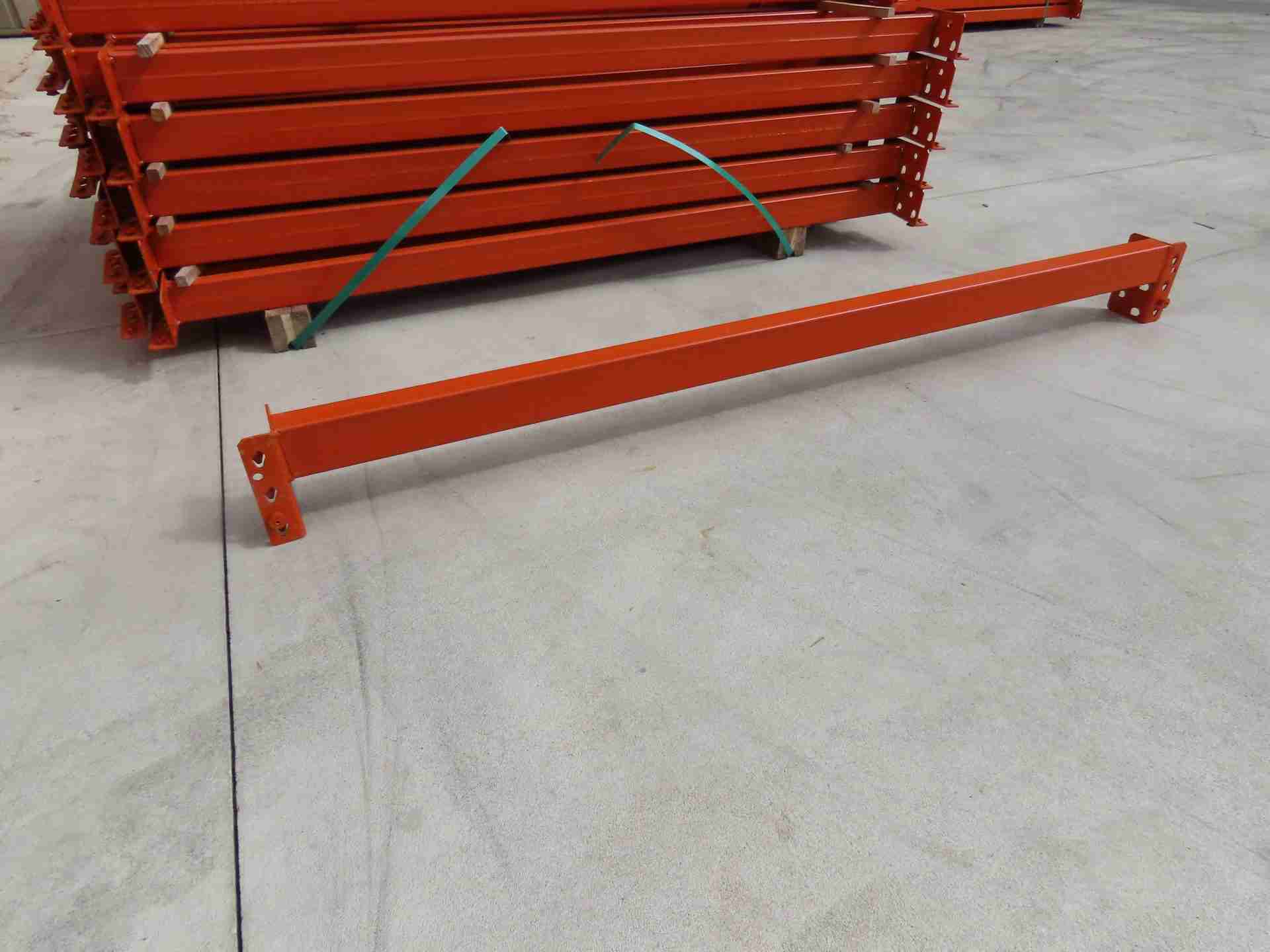
What Ethical Benefits Arise From Better Inventory Management?
What Ethical Benefits Arise From Better Inventory Management?
- Effective inventory management respects customers, workers, and the flow of goods beyond just financial gains.
- It centers on fairness and responsibility by tracking inventory to reduce waste from spoilage or obsolescence.
- Minimizing waste supports environmental stewardship by preserving resources rather than treating them as limitless.
- Well-organized inventory reduces worker stress, improves morale, and enhances safety by preventing rushed mistakes.
- Reliable inventory ensures customers receive products on time, building trust and fostering loyalty.
- Keeping promises to customers through smooth deliveries is both ethical and beneficial for business reputation.
- Overall, good inventory management reflects awareness of the broader impact on people and the planet, delivering value beyond profits.
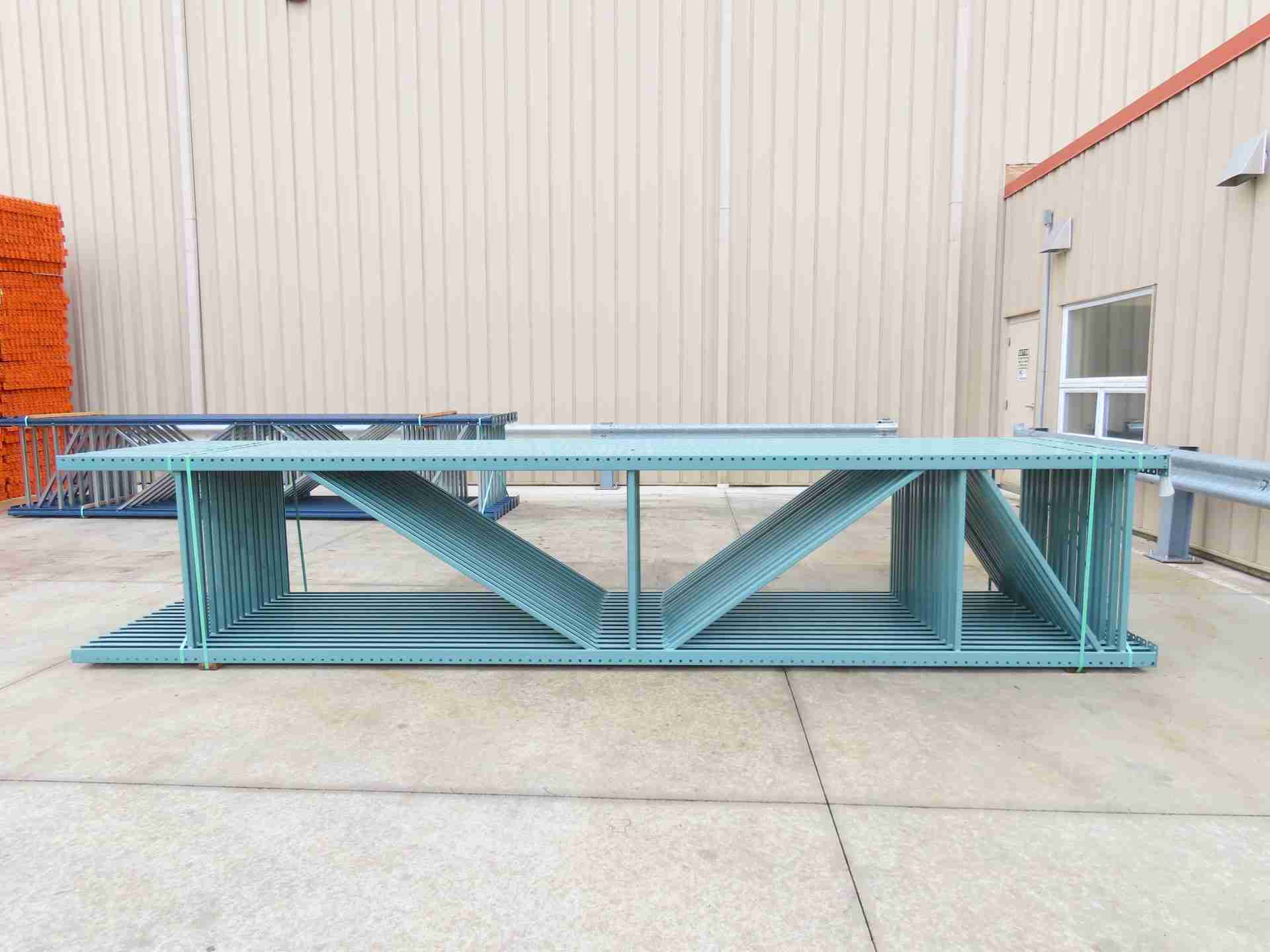
What Ethical Benefits Arise From Better Inventory Management?
Conclusion
In the world of organic farming inputs, pallet racking might not grab headlines, but it’s the quiet, no-nonsense backbone keeping everything running smooth. It’s more than steel and bolts; it’s respect for the seeds, soil, and natural controls that farmers rely on. When suppliers use pallet racking right, they’re not just stacking stuff—they’re protecting trust. Every pallet holds the promise of healthier crops and cleaner food, so keeping those goods safe and accessible isn’t just practical, it’s personal.
Pallet racking transforms cluttered, cramped storage into a neat, vertical powerhouse that makes the most of every inch. This efficiency saves space without adding costs or headaches, turning a chaotic warehouse floor into a place where workers find what they need fast, move safely, and avoid costly injuries. It’s about looking out for the folks who keep the operation moving, day in and day out. The system doesn’t quit under pressure, and that steadiness builds the kind of trust that’s earned through sweat and grit.
Money talks, and pallet racking does the same by cutting costs in real ways. You save on space, trimming rent or dodging the need for bigger warehouses. You save on time, slashing the hours lost to hunting and double handling. You save on injuries, stemming the tide of accidents that cost in dollars and morale. More than that, a well-organized, tidy warehouse sends a clear message to customers and partners—you mean business, you respect your product, and you care about your team. That kind of reputation opens doors and keeps them open.
Product damage is the enemy nobody wants dogging their operation. Pallet racking locks down inventory, keeps forklifts from turning a day’s haul into a mess, and protects more than goods—you’re safeguarding hard work, reputations, and future sales. It’s a straightforward solution that pays off in fewer headaches and more consistent quality, giving crews confidence and customers a reason to keep coming back.
Sustainability isn’t just talk here; pallet racking plays its part by making warehouses lean and mean. By stacking up instead of out, it lowers energy waste and shrinks footprints. These racks last, recycle, and cut down on excess labor and product spoilage. It’s common sense with a conscience—working smarter while respecting the planet and the people who depend on it.
When your space is organized, productivity gets a kick. Workers don’t waste time hunting or stress over clutter, which means morale stays up and focus sharpens. Investing in solid pallet racking is investing in your team’s dignity and your operation’s efficiency—a foundation for steady, reliable work that everyone can take pride in.
Finally, good inventory management tied to proper pallet racking isn’t just about numbers on a ledger. It’s about fairness—to the workers, the customers, and the planet. Reducing waste, cutting frustration, and keeping promises builds loyalty that no fancy marketing can buy. It’s humility and respect rolled into everyday practice, showing that handling goods the right way is also about handling people with care.
In the gritty, hands-on world of organic input supply, pallet racking is the unsung hero—steady, reliable, and built to hold more than just products. It holds the trust, pride, and responsibility that keep this work honest and real.
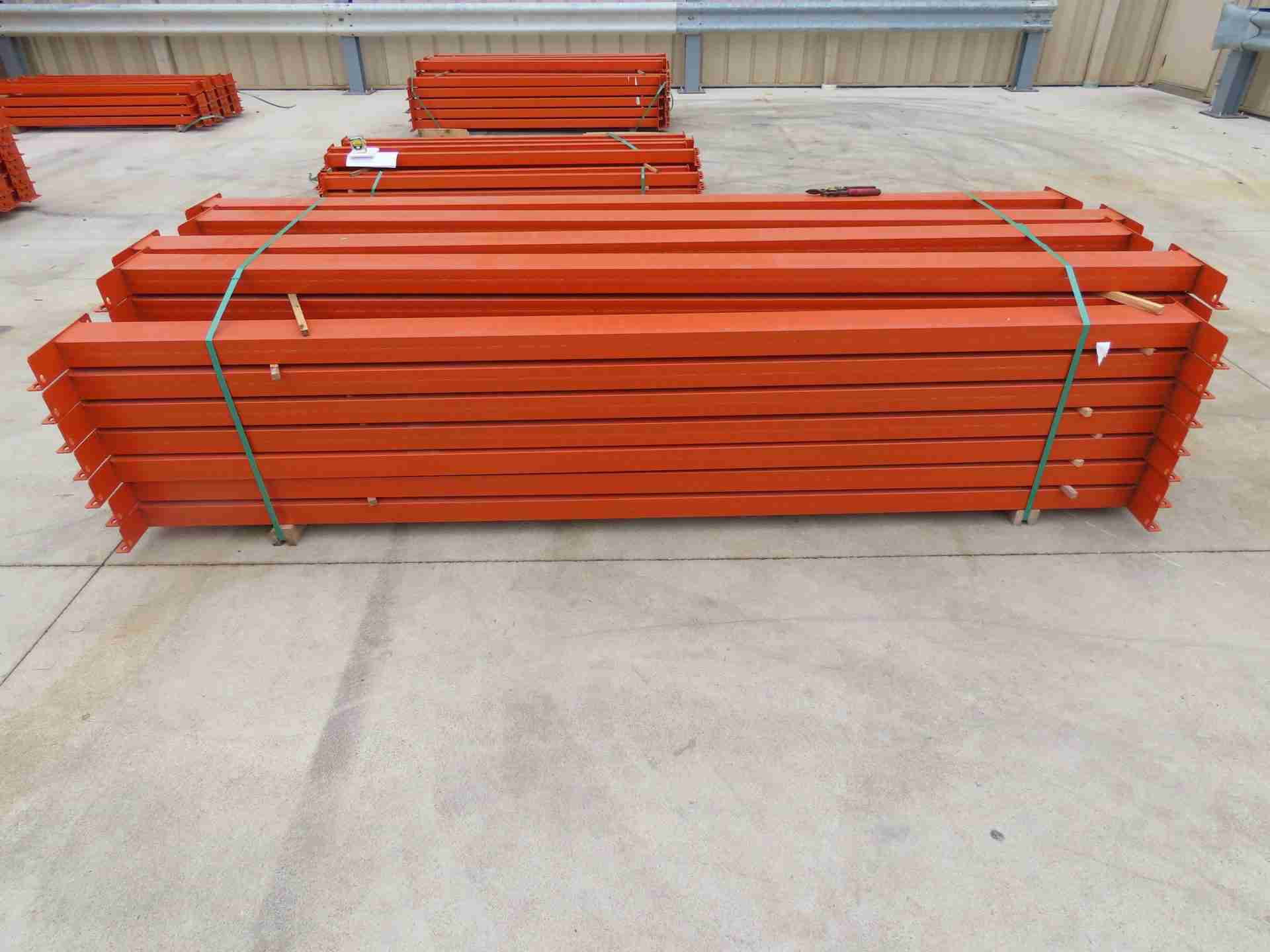
Conclusion
Conclusion:
- Pallet racking is essential in organic farming inputs, providing a reliable backbone that protects trust and ensures safe, accessible storage for healthier crops and cleaner food.
- It transforms cluttered storage into an efficient vertical system that maximizes space, improves worker safety, and enhances operational flow.
- Cost savings are significant, including reduced rent, minimized time spent searching or handling goods, and fewer workplace injuries, all contributing to a professional reputation.
- Pallet racking prevents product damage by securing inventory and protecting goods from forklift accidents, preserving quality and customer confidence.
- The system contributes to sustainability by reducing energy waste, shrinking warehouse footprints, and supporting recycling and waste reduction efforts.
- Organized storage boosts productivity and morale by reducing clutter and stress, while supporting a dignified, efficient work environment.
- Effective inventory management with pallet racking fosters fairness, reduces waste and frustration, and builds loyalty through respect for workers, customers, and the planet.
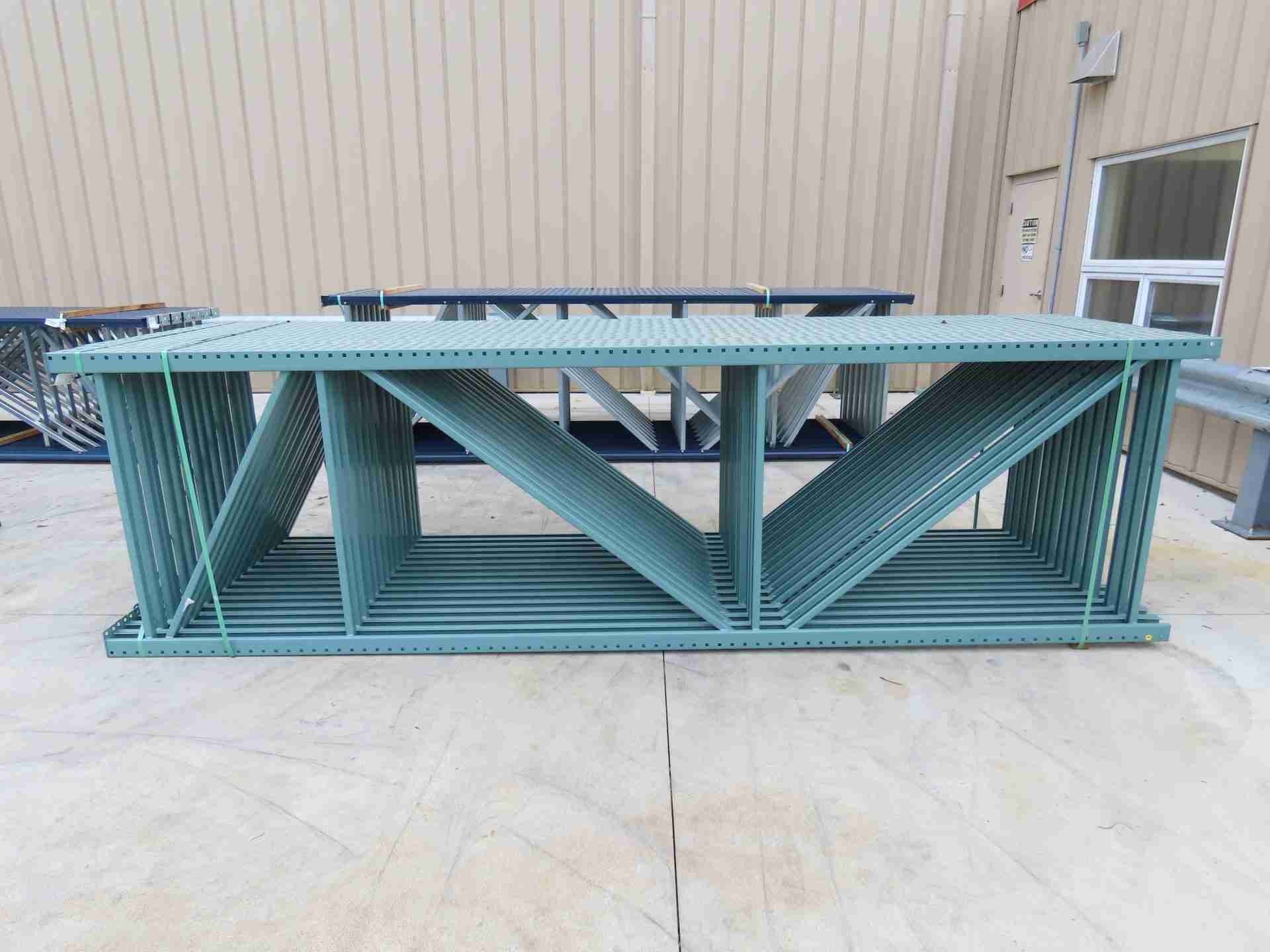
Conclusion
Other Resources
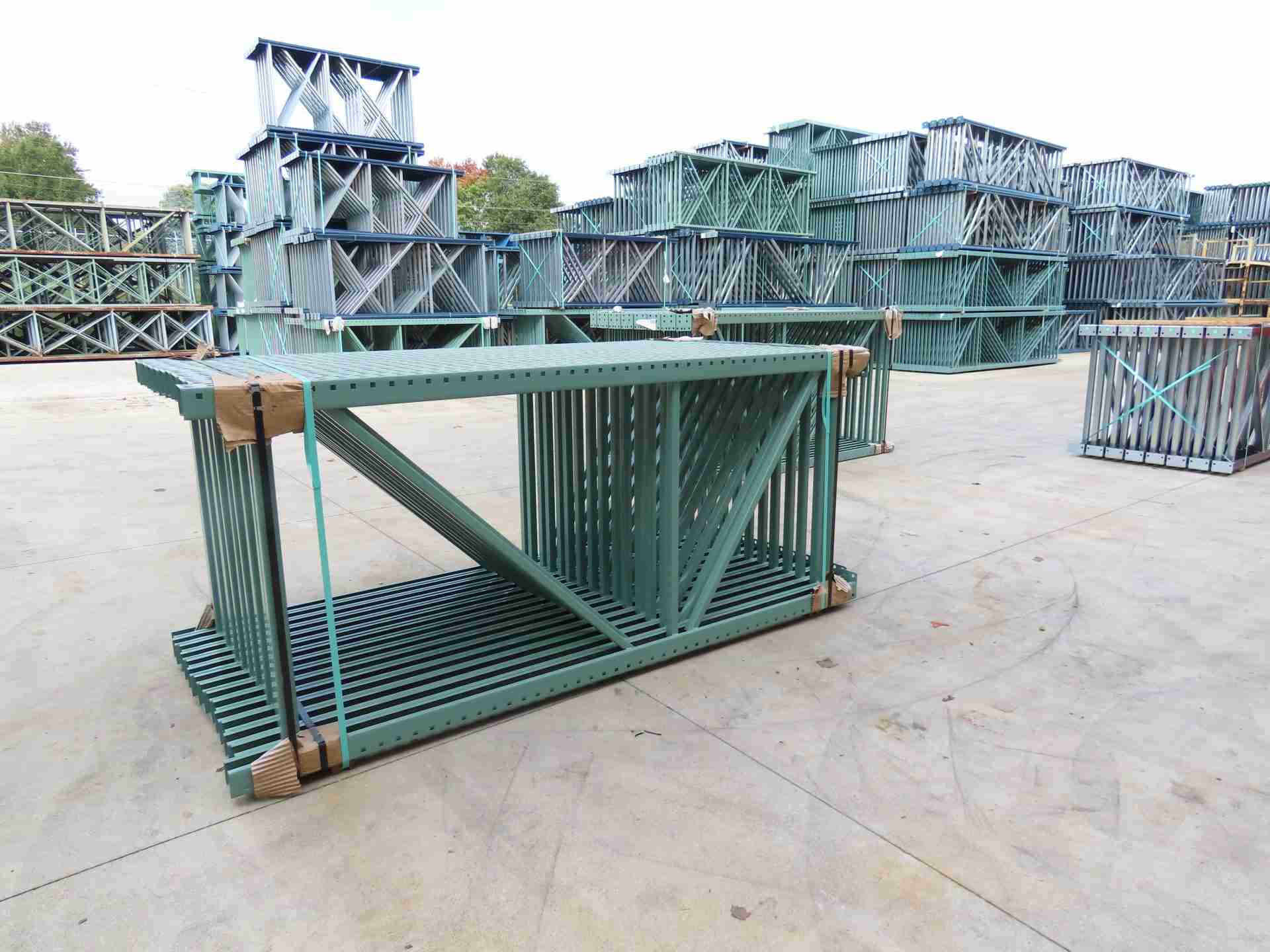
Other Resources
Here is a list of other resources you can review online to learn more:
- Selective Rack – Raymond West
- Illinois
- The Ultimate Pallet Racking Guide – Speedrack West
- Heavy-Duty Cantilever Storage Racks
- Crane Manufacturers Association Of America Inc.
- Cantilever Rack Configuration & Installation: A Comprehensive Guide – BMH
- National Safety Council
- Warehousing and Fulfillment
- Illinois Pallet Racking – Storage Solutions
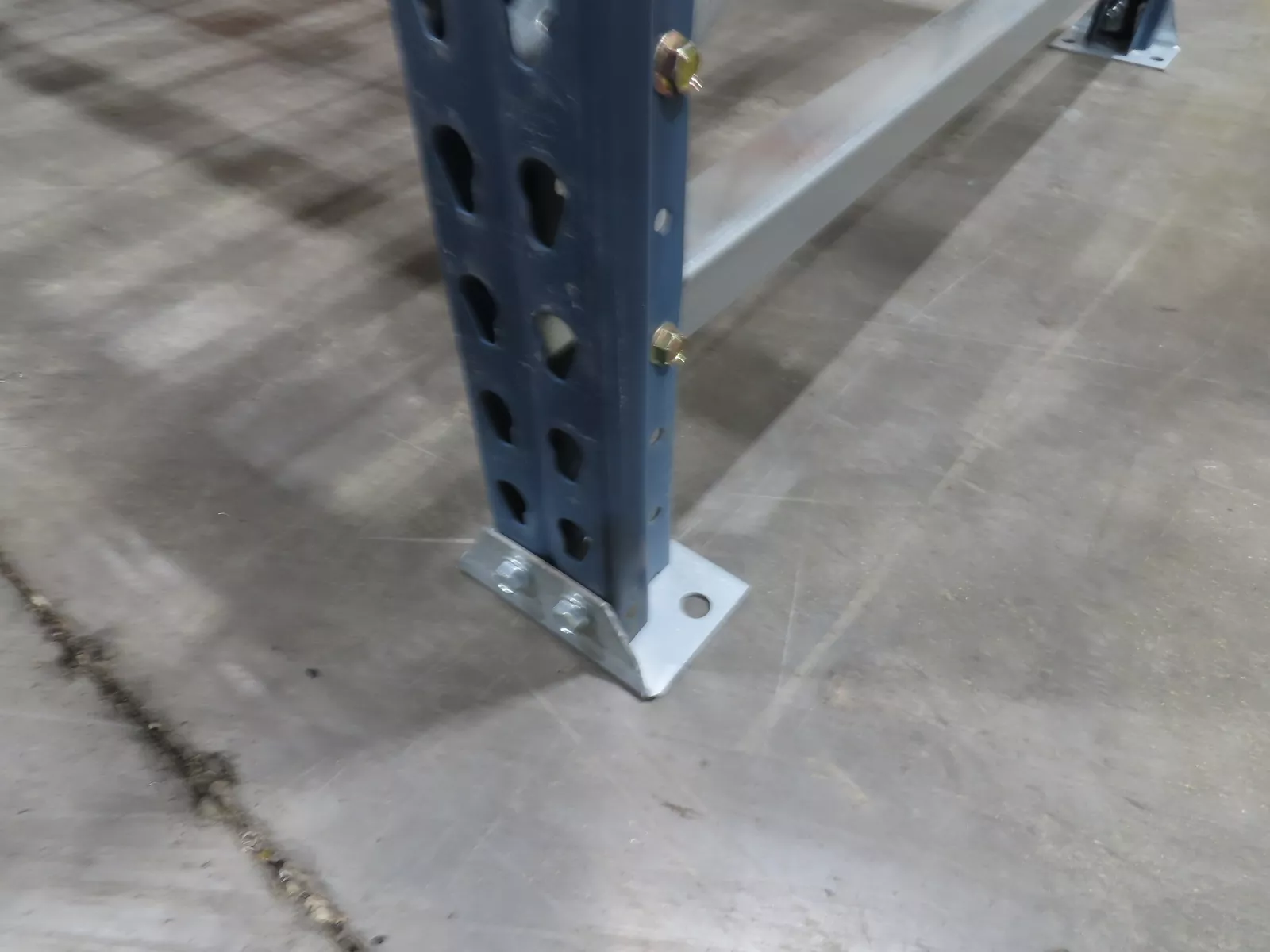
- Teardrop Uprights
- Racking World
- What is Selective Pallet Racking
- Iowa Illinois Warehouse Racking
- IWLA
- BMH
- What is Selective Racking: Understanding Benefits & Options
- Chicago Pallet Racking
- NSC
- Warehouse Racking System: Powerful Guide to Optimise, 2024
Use This Prompt To Get More Resources With Your Favorite Online AI Tool: Please provide me with a list of online articles with their URLs in a bulleted list that I can read regarding How Do Organic Farming Input Suppliers Leverage Pallet Racking?
Other Resources
Glossary Terms
How Do Organic Farming Input Suppliers Leverage Pallet Racking? – Glossary Of Terms
1. Pallet Racking: A storage system designed to hold materials on pallets, optimizing warehouse space and accessibility.
2. Organic Farming Inputs: Products such as seeds, fertilizers, pesticides, and soil amendments approved for use in organic agriculture.
3. Inventory Management: The process of organizing and controlling stock levels to ensure availability and reduce waste.
4. Supply Chain Efficiency: The optimization of operations from input procurement to delivery, minimizing costs and delays.
5. Space Utilization: The effective use of available storage area to maximize capacity and minimize clutter.
6. Vertical Storage: Using pallet racking to stack goods vertically, increasing storage density.
7. Load Capacity: The maximum weight a pallet racking system can safely support.
8. Accessibility: The ease with which stored items can be retrieved or stored within the racking system.
9. Stock Rotation: The practice of using older inventory first to maintain freshness and compliance with organic standards.
10. Warehouse Organization: Arranging goods systematically to improve workflow and reduce handling time.
11. Product Segregation: Separating different types of organic inputs to prevent contamination and maintain quality.
12. Safety Standards: Regulations and guidelines ensuring safe storage and handling of inputs within pallet racks.
13. Cost Reduction: Lowering expenses through improved storage practices and reduced product damage.
14. Handling Equipment: Tools like forklifts or pallet jacks used to move pallets into and out of racking systems.
15. Bulk Storage: Storing large quantities of inputs efficiently on pallets.
16. Traceability: The ability to track input products from supplier to farm, essential for organic certification.
17. Load Stability: Ensuring pallets are securely placed within racks to prevent collapse or product loss.
18. Modular Design: Pallet racking systems that can be expanded or reconfigured based on storage needs.
19. Climate Control: Maintaining appropriate temperature and humidity in storage areas to preserve organic input quality.
20. Labeling System: Clear identification methods for inputs stored on pallets to facilitate quick retrieval.
21. Automation Integration: Using automated systems in pallet racking for faster input handling and inventory updates.
22. Maintenance Procedures: Regular checks and repairs to ensure pallet racks remain safe and functional.
23. Just-in-Time Delivery: Minimizing inventory by receiving inputs only when needed, supported by efficient storage.
24. Sustainability: Practices that reduce environmental impact, such as efficient pallet rack use to lower energy consumption.
25. Supplier Coordination: Collaboration with input producers to optimize delivery schedules and storage needs.
26. Storage Density: The amount of product stored per unit area, increased through pallet racking.
27. Ergonomics: Designing storage layout and access to reduce physical strain on workers.
28. Contamination Prevention: Measures taken in storage to avoid mixing non-organic materials with organic inputs.
29. Stock Accuracy: Keeping precise records of input quantities and locations within the pallet racking system.
30. Scalability: The ability to enlarge storage capacity as an organic farming input supplier grows.

Glossary Of Terms
Other Questions
How Do Organic Farming Input Suppliers Leverage Pallet Racking? – Other Questions
If you wish to explore and discover more, consider looking for answers to these questions:
- What specific types of pallet racking are best for organic farming inputs (e.g., selective, drive-in, push-back, pallet flow)?
- How do pallet racking choices affect inventory turnover methods like FIFO and LIFO?
- What are the recommended load capacities and safety margins for racks storing heavy bags of soil amendments or fertilizers?
- How should suppliers prevent cross-contamination between different organic inputs on shared racking?
- What cleaning and sanitation protocols are needed for racks used with organic products?
- How can racking layouts be optimized for picking efficiency and reduced travel time?
- What labeling, lot-tracking, and traceability systems integrate best with pallet racking setups?
- How do pallet racking systems support recalls or product withdrawals in an organic supply chain?
- What environmental controls (temperature, humidity, ventilation) are necessary and how does racking influence them?
- How should suppliers store moisture-sensitive or perishable organic inputs on racks?
- What pest-management measures are compatible with racking systems without compromising organic certification?
- How often should racking be inspected and what are the signs of wear or damage to watch for?
- What maintenance and repair practices keep pallet racking safe and compliant?
- How can pallet racking support sustainable practices, such as reducing energy use or minimizing waste?
- What recycling or disposal options exist for racking at end of life?
- How do racking choices impact worker safety and what accessories (guardrails, netting, column protectors) are recommended?
- What forklift or handling equipment is best paired with different racking systems?
- How should racking be engineered for seismic zones or extreme loading conditions?
- What are the upfront costs versus long-term ROI for installing pallet racking?
- Are there financing, leasing, or incentive programs that help suppliers invest in racking?
- How scalable and modular are common racking systems for growing suppliers?
- How can racking support automated systems (conveyors, AS/RS, pick-to-light) and warehouse management software?
- What training do staff need to safely operate around and use pallet racking effectively?
- How do packaging formats (bags, drums, bulk totes) influence rack selection and spacing?
- What measures protect racks and inventory from spills, leaks, or chemical reactions?
- How should suppliers handle returns, damaged goods, or quarantined items within a racked area?
- What regulatory or organic certification standards relate to storage and how does racking help meet them?
- How do racking systems affect insurance premiums or liability for suppliers?
- What case studies or benchmarks demonstrate productivity gains from racking in similar businesses?
- How long do typical racking systems last, and what warranties or certifications should buyers look for?
- How can suppliers balance maximizing space with maintaining easy access for inspections and audits?
- What ergonomic considerations should be made when designing racking layouts for manual handling tasks?
- How do seasonal demand fluctuations influence racking strategy and temporary storage needs?
- What documentation and record-keeping practices should accompany racking installation and inspections?

Other Questions
Checklist
How Do Organic Farming Input Suppliers Leverage Pallet Racking? – A Checklist
Planning and Compliance
✅______ Define storage objectives (bulk, picking, cross-dock) aligned with organic integrity
✅______ Confirm organic certification requirements for storage, handling, and segregation; document SOPs
✅______ Map process flows from receiving to shipping to reduce double-handling
Layout and Capacity
✅______ Measure building clear height, column grid, doors, and slab ratings (ensure rack anchors are compatible)
✅______ Plan vertical utilization; set beam elevations for typical pallet heights and loads (seeds, amendments, liquids)
✅______ Set aisle widths to match equipment; separate pedestrian and lift traffic
✅______ Place fast-movers near shipping and receiving; reserve a quarantine and returns area
Rack System Selection
✅______ Choose rack types: selective for SKU variety, push-back/drive-in for volume, pallet flow for FIFO/FEFO
✅______ Engineer and verify frame and beam capacities; post load capacity signs
✅______ Add wire decking for bags and boxes; use pallet backstops where needed
✅______ Include row spacers, beam locks, and seismic or wind considerations per code
Product Integrity and Segregation
✅______ Dedicate bays and aisles for organic versus non-organic or restricted inputs; use physical barriers if needed
✅______ Use heat-treated (HT) pallets; avoid chemically treated or fumigated pallets
✅______ Implement FEFO for dated goods; capture lot and expiration date at the pallet level
✅______ Provide spill containment for liquids; use covers to prevent dust; prevent prohibited substance contact
Safety and Stability
✅______ Anchor racks per manufacturer; verify plumb and level tolerances
✅______ Install column guards, end-of-aisle protectors, and rack end barriers
✅______ Add anti-fall mesh or backstops where people or conveyors are behind racks
✅______ Inspect pallets before use; reject damaged or undersized pallets
✅______ Train operators on loading, clearances, and posted weight limits
Inventory Visibility and Labeling
✅______ Label aisles, bays, and levels; barcode or RFID locations and pallets
✅______ Maintain a live location master or WMS; enable cycle counting
✅______ Slot high-frequency SKUs at ergonomic, low-travel locations
✅______ Display pick paths and replenishment triggers
Handling and Workflow
✅______ Standardize receiving checks: count, QC, lot capture, palletization
✅______ Set pallet build standards (height, wrap, strapping, corner boards)
✅______ Define replenishment windows to avoid urgent picks and re-handling
✅______ Mark travel lanes and pedestrian crossings; set speed limits
Damage Reduction
✅______ Use wire decking to prevent sag or fall-through of bags and cartons
✅______ Set pallet overhang rules; maintain beam-to-pallet clearances
✅______ Install pallet stops and rack bumpers; protect dock areas
✅______ Track damage incidents; adjust slotting or protection hardware accordingly
Maintenance and Inspection
✅______ Perform monthly visual rack inspections and an annual qualified inspection
✅______ Tag, unload, and quarantine damaged components; repair or replace to spec only
✅______ Re-torque anchors; check connectors and beam locks
✅______ Keep inspection, repair, and training records for audits
Sustainability Practices
✅______ Maximize vertical storage to avoid footprint expansion
✅______ Specify durable, repairable racks; reuse and recycle components
✅______ Use LED lighting with motion sensors in aisles
✅______ Reduce spoilage via FEFO and appropriate environmental controls
✅______ Optimize slotting to cut travel distance and energy use
Cost and ROI Tracking
✅______ Baseline and track space utilization, pick rate, travel time, and damage rate
✅______ Monitor injury and near-miss trends; assess impact of rack protections
✅______ Calculate payback from rent avoided, throughput gains, and damage reduction
✅______ Maintain as-built drawings, manuals, and warranties
Audit Readiness and Trust
✅______ Document SOPs for storage, cleaning, pest control (IPM), and spill response
✅______ Use only approved sanitation materials; keep logs for auditors
✅______ Retain full traceability from receiving to shipment for each lot
✅______ Post safety and capacity signage; record regular staff training
Checklist
At RackingWorld, we help guide you through selecting warehouse storage systems and racking.
Be sure to read our other related stories at RackingWorld to learn more about warehouse storage systems.
0 Comments