
Unlock Efficiency, Strength, And Growth With Cantilever Racking Solutions
By Tom Seest
At RackingWorld, we help guide you through selecting warehouse storage systems and racking.
Be sure to read our other related stories at RackingWorld to learn more about warehouse storage systems.
How Do Metal Profile and Extrusion Suppliers Leverage Cantilever Racking?
In the world of metal profiles and extrusions, space isn’t just a luxury—it’s a hard-earned asset. When suppliers lean on cantilever racking, they’re not just stacking metal; they’re stacking years of sweat, grit, and no-nonsense experience. Pallet racking might get the spotlight for bulk storage, but cantilever racking is the quiet workhorse, built for shapes and sizes that don’t play by the box rules. It’s a straightforward, tough-as-nails solution that lets suppliers organize long, unwieldy materials without wasting an inch.
You get that satisfying click when a beam locks into place, knowing the metal won’t budge under an impatient forklift’s push. It’s about confidence—confidence that your stock is stable, easy to grab, and won’t come crashing down when demand hits hard. It’s common sense engineering at its finest: no guessing where that extrusion fell asleep last night, no tripping hazards from stray bars lying around. Just clean lines, quick access, and reliable storage that makes daily operations smoother.
On a gut level, it’s about respect for the tools and materials. You treat your metal like the backbone it is, because it carries more than weight—it carries the promise of a job done right. By optimizing with cantilever racking, suppliers show they value safety and efficiency, not just profit. This isn’t about fancy gadgets; it’s about steady hands building trust with everyone who counts on those metal profiles down the line.
Ethically, using cantilever racking underscores a commitment to workplace safety and smart resource use. It reduces risk of injury and damage, holding a company accountable to its people and products alike. This kind of responsibility resonates with customers and crews alike; they notice when a workplace respects its materials and its workers.
Seen from the street level, cantilever racking speaks to the authority of practical experience—time-tested, reliable, and built for the rough edges of everyday work. For metal profile and extrusion suppliers, it’s a partner that turns clutter into calm, chaos into order. And when the day’s work is done, that’s a sign of a job well done.

How Do Metal Profile and Extrusion Suppliers Leverage Cantilever Racking?
How Do Metal Profile and Extrusion Suppliers Leverage Cantilever Racking?
- Cantilever racking maximizes space for metal profiles and extrusions by efficiently organizing long, unwieldy materials that don’t fit traditional pallet racks.
- It provides secure, stable storage with easy access, ensuring materials stay safe even under forklift pressure.
- Designed with common sense engineering, it eliminates hazards and confusion, promoting smooth daily operations.
- Using cantilever racking reflects respect for materials as essential tools, emphasizing quality and job reliability.
- Suppliers adopting it prioritize safety and efficiency over mere profit, fostering trust among workers and customers.
- It demonstrates ethical commitment by reducing injury risks and encouraging responsible resource management.
- Proven through practical experience, cantilever racking transforms cluttered spaces into organized, trustworthy workplaces.

How Do Metal Profile and Extrusion Suppliers Leverage Cantilever Racking?
Table Of Contents
- How Do Metal Profile and Extrusion Suppliers Leverage Cantilever Racking?
- How Does Cantilever Racking Improve Warehouse Space Efficiency?
- What Emotional Relief Comes From Organized Metal Profile Storage?
- How Can Suppliers Reduce Damage to Extrusions Using Racking?
- What Cost Savings Result From Using Cantilever Racking Systems?
- How Do Ethical Sourcing Practices Influence Racking Material Choices?
- What Expert Advice Supports Cantilever Racking for Heavy Loads?
- Conclusion
- Other Resources
- Glossary Of Terms
- Other Questions
- Checklist
How Does Cantilever Racking Improve Warehouse Space Efficiency?
Look, warehouse work isn’t glamorous, but it’s the backbone of any operation that moves stuff—whether that’s lumber, pipes, metal bars, or whatever long, bulky items don’t fit neatly on a standard pallet racking system. That’s where cantilever racking steps in and makes itself invaluable. You might think all racking is just racking, but cantilever racks are a game changer because they free up space where you didn’t even realize you were wasting it.
Think of your warehouse like a big puzzle, one where every inch counts and every mistake costs you time and money. Pallet racking is great for stacks and standard loads, but when it comes to oddly shaped materials or really long items, it’s like trying to fit a square peg in a round hole. Cantilever racks are designed specifically with those tricky items in mind. They open up your floor space and vertical space without getting in your way, letting you maximize every square foot without turning your warehouse into a maze.
This isn’t just about cramming more stuff in. It’s about working smarter. When your inventory is organized on cantilever racking, the flow of work speeds up. Forklift drivers stop wrestling with awkward loads, reducing accidents and damage. Everyone gets what they need faster, and that means deadlines get met without the last-minute scramble. And who doesn’t want less stress and fewer late nights?
From an ethical standpoint, cantilever racking reflects respect for the workers on the floor. It reduces strain and makes it safer to handle those heavy, long loads. Investing in better storage isn’t just about efficiency; it’s about caring for people who keep the wheels turning. This isn’t a flashy gadget or a quick fix; it’s practical, proven, and built by folks who understand what a real warehouse needs.
You can trust cantilever solutions because they come from tried-and-true design principles backed by decades of industry know-how. They’ve stood the test of time where demands are high and margins tight. Getting this right isn’t just a technical decision, it’s the kind of commonsense move that makes your whole operation more dependable. Your team notices when things run smoother, your customers notice when you deliver on time, and that trust ripples through your business like nothing else.
So when you think about improving warehouse space efficiency, remember cantilever racking isn’t just a nice add-on—it’s a backbone for the tough, everyday work that keeps everything moving. It makes the whole operation cleaner, safer, and more productive. No fluff, just results.
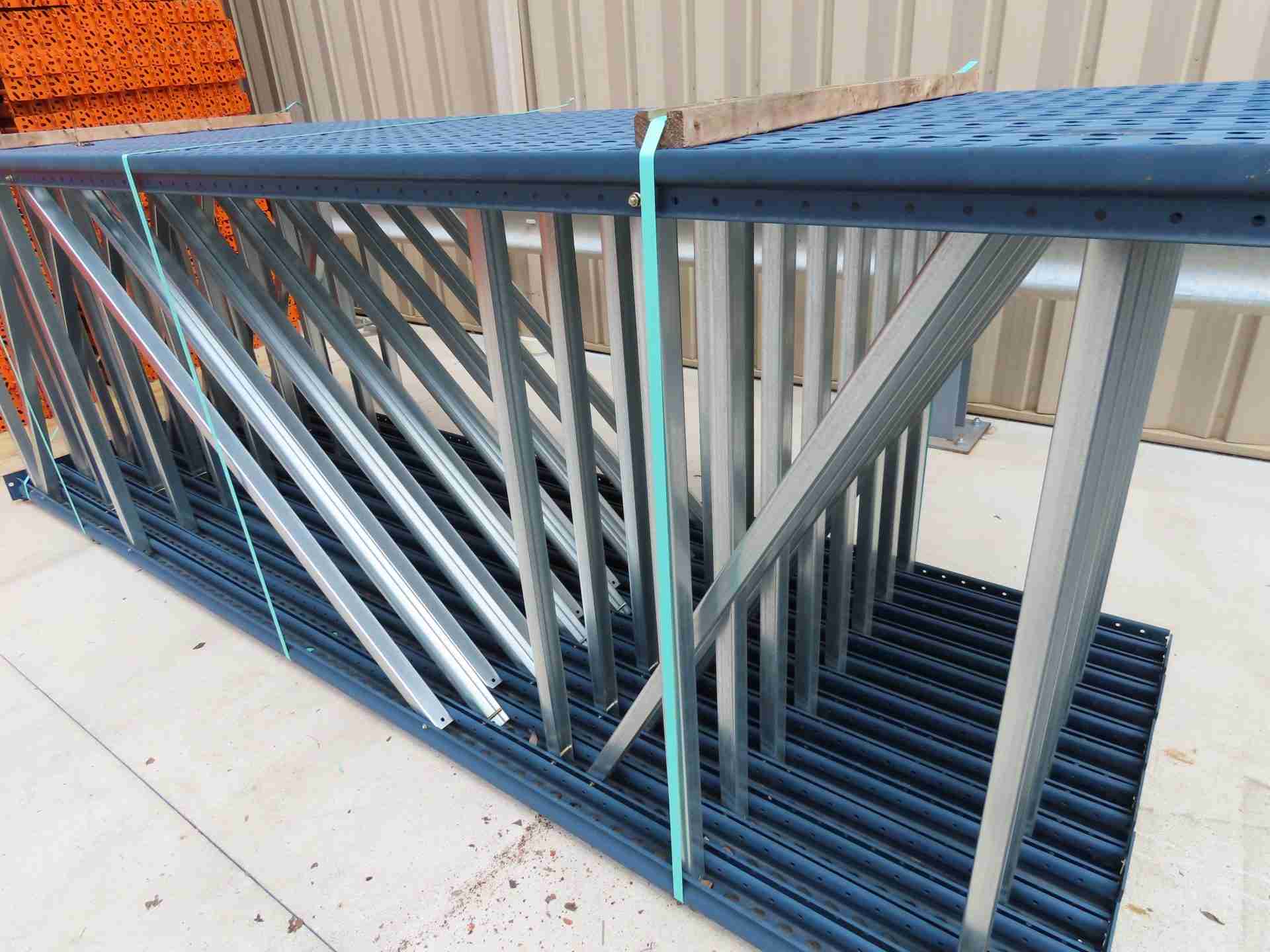
How Does Cantilever Racking Improve Warehouse Space Efficiency?
How Does Cantilever Racking Improve Warehouse Space Efficiency?
- Cantilever racking is essential for storing long, bulky items that don’t fit on standard pallet racks.
- It maximizes floor and vertical space, improving warehouse layout and efficiency without creating clutter.
- Designed specifically for irregular or oversized materials, it helps avoid wasted space and operational inefficiencies.
- Organizing inventory on cantilever racks speeds up workflow, reduces forklift strain, and lowers accident risk.
- Investing in cantilever racking improves worker safety and reflects ethical consideration for labor conditions.
- Backed by decades of proven design and industry experience, it enhances operational reliability and customer satisfaction.
- Cantilever racking supports a cleaner, safer, and more productive warehouse environment, serving as a critical operational backbone.

How Does Cantilever Racking Improve Warehouse Space Efficiency?
What Emotional Relief Comes From Organized Metal Profile Storage?
There’s a certain kind of peace that comes when your metal profiles are stacked up neat and square on a solid pallet racking system. It’s the relief you feel stepping into a shop where everything’s got its place—no more tripping over stray beams or hunting through piles of scrap. You know the weekend’s work won’t be wasted just sorting the mess. That alone lifts a weight off your shoulders.
On the practical side, organized storage means you get to use space smarter, not harder. Pallet racking holds all the metal profiles up off the floor so they don’t get damaged or rust in some forgotten corner. That’s money saved right there—less waste, less reordering, fewer surprises. When every piece is easy to find, jobs get finished on time, which means less overtime and less stress drilling into your brain. It’s simple math: efficiency in storage equals efficiency on the job site.
Emotionally, it’s like respecting the tools of your trade. Those metal profiles are more than just raw materials—they’re the bones of a building, the backbone of a project. Treating them well pulls in the pride all of us feel when a job’s done solid. When you handle your inventory like it matters, you feel the difference deep down—like taking care of a well-worn truck, knowing it’s going to get you home safe.
There’s an ethical edge to this too. Keeping a tidy, well-organized workspace isn’t just about appearances; it’s about the safety of every person who walks in. Pallet racking keeps heavy, sharp metal profiles stowed where they belong, cutting down the risk of injury. It’s a simple way to show you care—about your crew, your clients, and yourself. When everyone knows you run a shop where safety and order are top priorities, it builds reputation and trust. People want to work with teams that look out for each other.
The story of a cluttered shop is all too familiar. But the transformation when you put a proper pallet racking system in place? That’s the kind of change that turns frustration into focus, chaos into control. It invites a kind of calm that even the busiest workday can’t shake. You know where your metal is, it’s protected, and your space isn’t a battleground anymore. And at the end of the day, that’s a relief you just can’t buy.
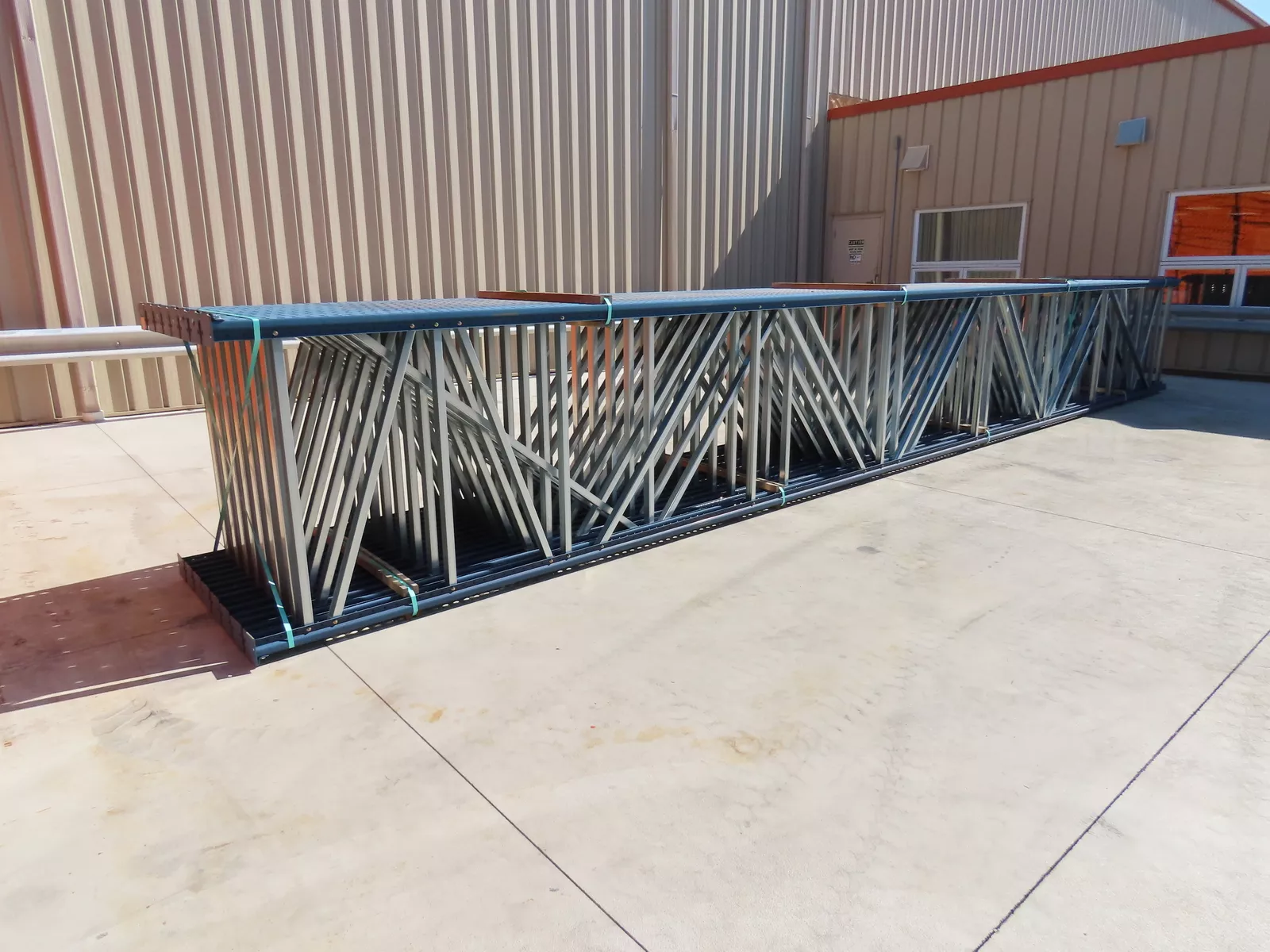
What Emotional Relief Comes From Organized Metal Profile Storage?
What Emotional Relief Comes From Organized Metal Profile Storage?
- Organized pallet racking creates peace and relief by keeping metal profiles neat and easy to access, eliminating clutter and hazards.
- Efficient storage maximizes space use, prevents damage and rust, reduces waste, and saves money by minimizing reordering.
- Easy access to materials helps complete jobs on time, reducing overtime and work-related stress.
- Handling metal profiles with care fosters pride and respect for the tools and materials essential to a project’s success.
- A tidy, well-organized workspace enhances safety by securely storing heavy, sharp metal, reducing injury risks.
- Maintaining order and safety builds a positive reputation and trust among crews and clients.
- Implementing pallet racking transforms chaotic workspaces into controlled, calm environments, improving focus and efficiency.

What Emotional Relief Comes From Organized Metal Profile Storage?
How Can Suppliers Reduce Damage to Extrusions Using Racking?
Damage to extrusions ain’t just a hassle—it’s a hit to your pride and your bottom line. You put time and sweat into making quality product, and seeing it all scratched up or bent by the time it leaves your yard feels like a punch in the gut. That’s where smart racking comes into play. Using pallet racking designed for extrusions isn’t just about stacking stuff neatly; it’s about protecting the hard work behind every piece.
When you set up your pallet racking the right way, you’re not guessing—you’re working with a system that respects the material. Extrusions are precise and sensitive. Slamming them into a pile or tossing them on the floor isn’t just careless—it’s expensive and unnecessary. The right pallet racking keeps everything separated, supported, and easy to handle. You’re cutting down on bends, twists, and scratches before they even happen. It’s common sense, plain and simple: if you treat your inventory with respect, it treats you back with fewer complaints, fewer returns, and less wasted time fixing problems.
There’s an ethical layer here that matters too. When suppliers take pride in how their products reach the next step in their journey, they show respect to the people downstream—the fabricators, installers, and end customers who rely on that quality. Using pallet racking is one small but solid way to own your part in the chain. It’s a nod to craftsmanship, reliability, and accountability. If you’re known for shipping damaged goods, word gets around fast. On the other hand, showing you’ve got your storage game dialed in builds trust and respect in the business.
Picture the warehouse on a Monday morning—stacks of extrusions resting safely on pallet racking, all lined up and ready to move without a scratch. Workers don’t have to wrestle with unwieldy piles or duck flying aluminum. Everyone’s confidence grows because the process is smoother and safer. That’s the kind of environment that builds pride in craftsmanship and cuts down on the “one more thing to fix” drama. It’s about creating a system where good product stays good product, and people can do their jobs without the frustration of unnecessary damage.
Bottom line: pallet racking isn’t just a shelf. It’s a smart investment in quality, respect, and muscle memory for doing things right. Get your extrusions off the floor, into proper racking, and watch how much easier the rest of the job becomes.
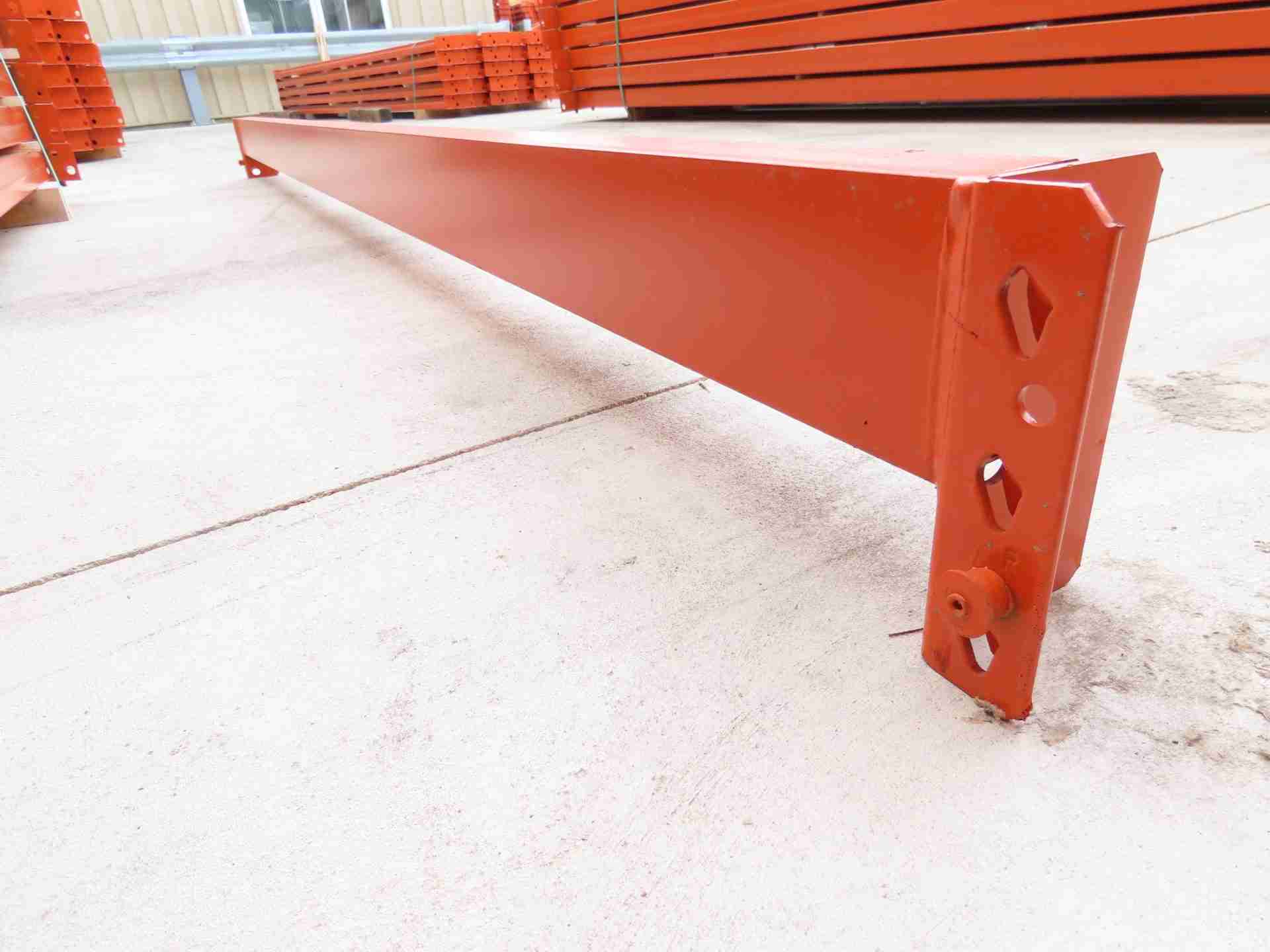
How Can Suppliers Reduce Damage to Extrusions Using Racking?
How Can Suppliers Reduce Damage to Extrusions Using Racking?
- Damage to extrusions affects both pride and profitability, undermining the effort invested in creating quality products.
- Using pallet racking designed specifically for extrusions protects material by preventing scratches, bends, and twists.
- Proper pallet racking keeps extrusions separated, supported, and easy to handle, reducing damage and associated costs.
- Respecting inventory with suitable storage minimizes complaints, returns, and wasted time on repairs.
- Pallet racking reflects ethical responsibility, showing respect to fabricators, installers, and end customers downstream.
- A well-organized warehouse with pallet racking improves safety, efficiency, and worker confidence by preventing handling issues.
- Pallet racking is a strategic investment in quality, craftsmanship, and business reputation that simplifies overall operations.
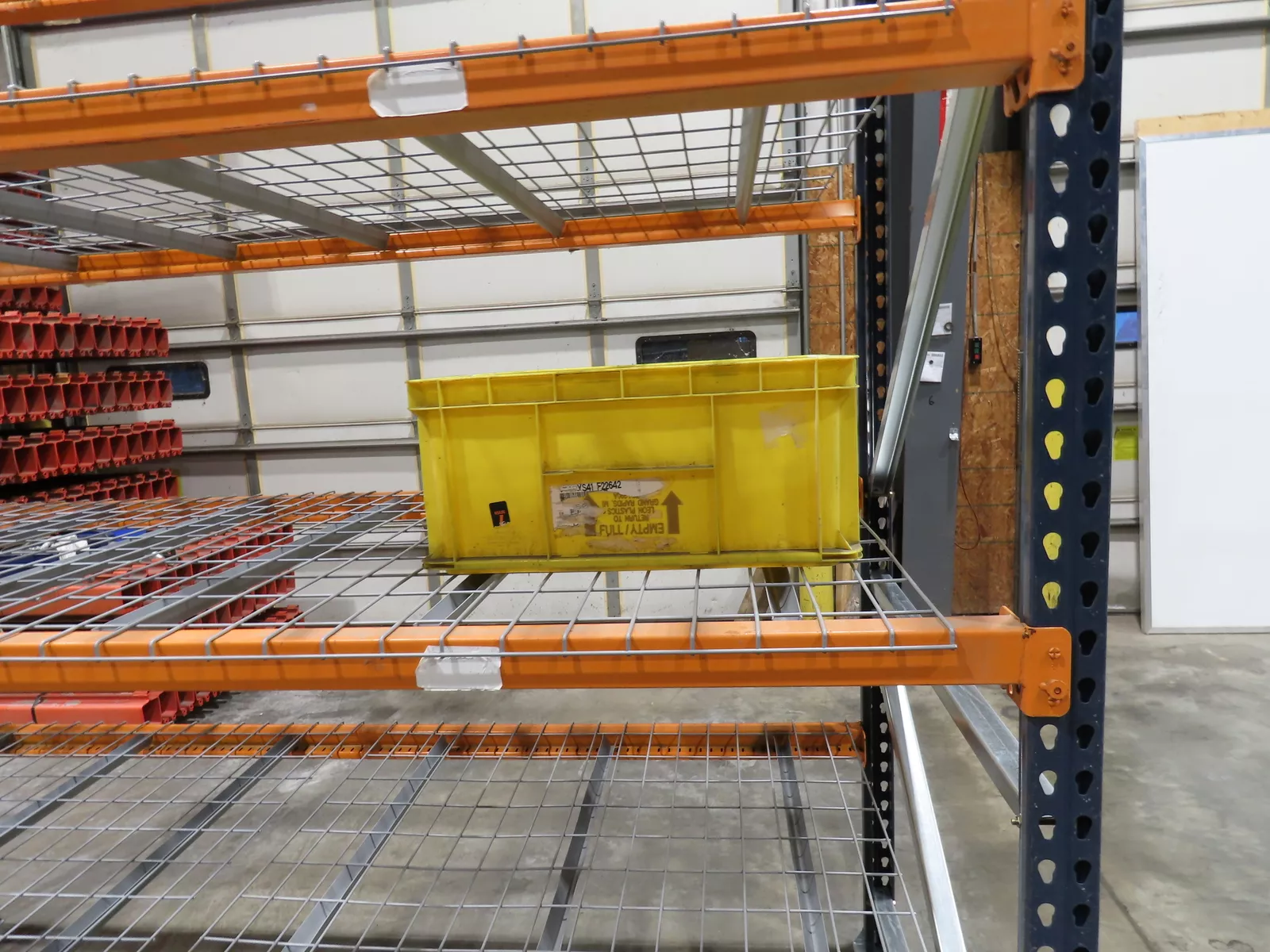
How Can Suppliers Reduce Damage to Extrusions Using Racking?
What Cost Savings Result From Using Cantilever Racking Systems?
When it comes to stacking up your materials, skipping the hassle of bulky Pallet Racking can save more than just space—it’s a straight shot to cutting costs where it counts. Cantilever racking isn’t just some fancy gadget for the warehouse floor; it’s a smart investment that gets right down to business. Imagine not wrestling with awkward pallets every time you need a long piece of pipe or a beam. The open-arm design means loading and unloading are quicker and less of a workout, which keeps your crew moving and the job humming. That’s real money saved on labor alone.
Beyond man-hours, cantilever racks offer versatility that Pallet Racking can’t match. Instead of shoehorning odd-sized loads into cramped spaces, these racks flex to fit the job, drastically cutting the risk of damage. Less scrap, fewer returns, and a warehouse that runs smoother. It’s like giving your inventory a safe, tidy home that actually helps it last longer, and who doesn’t want to keep their gear in shape without paying a premium to replace broken stuff every season? That kind of reliability builds trust – in your equipment, your team, and your bottom line.
There’s also something to be said about the simpler design lowering installation costs. Unlike Pallet Racking setups that can feel like building a skyscraper, cantilever racks go up faster and with less headache. Less downtime means less money out the door and quicker returns on your investment. And when you look at the bigger picture—fewer worker injuries, smaller repair bills, and less wasted space—it stacks up to real, honest savings. This isn’t just theory; it’s tried and tested in warehouses where every dollar spent needs to earn its keep.
On a level that’s easy to forget, choosing cantilever speaks to solid, no-nonsense values: saving money without cutting corners, respecting the sweat of the folks on the floor, and keeping business running clean and lean. It’s about knowing your setup won’t let you down when the chips are down. With cantilever racking, the savings aren’t just numbers on a spreadsheet—they’re peace of mind, smoother days, and a warehouse that works as hard as you do.

What Cost Savings Result From Using Cantilever Racking Systems?
What Cost Savings Result From Using Cantilever Racking Systems?
- Cantilever racking saves space and reduces costs compared to bulky pallet racking.
- Open-arm design enables quicker, easier loading and unloading, reducing labor expenses.
- Offers greater versatility for storing odd-sized loads, minimizing damage and scrap.
- Protects inventory by providing secure, adaptable storage, extending equipment lifespan.
- Simpler design lowers installation costs and reduces downtime for faster ROI.
- Reduces worker injuries, repair bills, and wasted space, contributing to overall savings.
- Reflects practical values: cost-effective, efficient, and reliable warehouse solutions.

What Cost Savings Result From Using Cantilever Racking Systems?
How Do Ethical Sourcing Practices Influence Racking Material Choices?
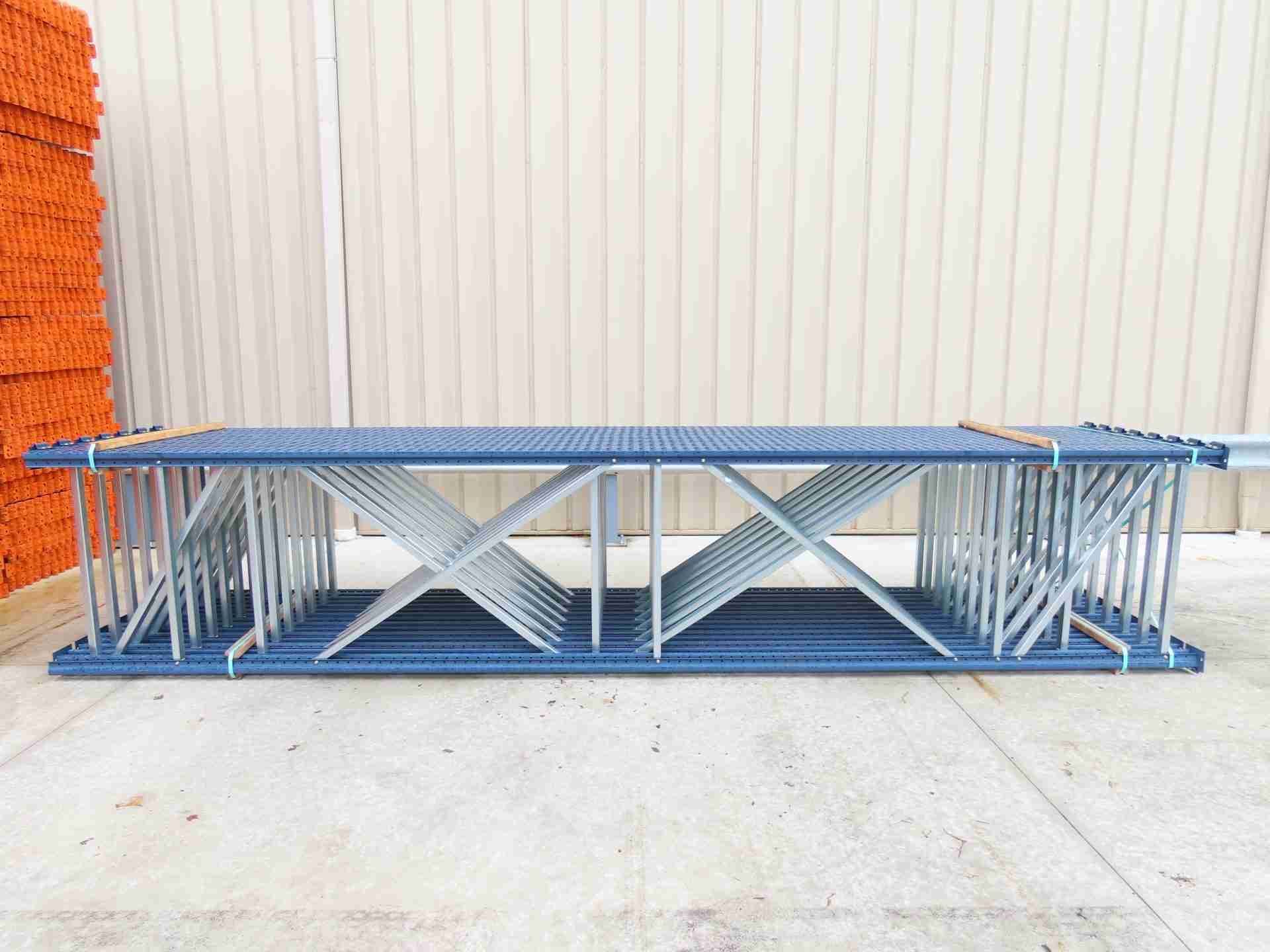
When it comes down to choosing materials for pallet racking, ethical sourcing isn’t just some fancy buzzword—it’s the backbone of doing the job right. You’ve got to think beyond the bolts and beams; it’s about where those metals and woods come from, who touched them, and how they got to your warehouse floor. When the materials are sourced ethically, it’s not just a win for the environment but for the folks who build and use the racks every day. Knowing the steel or lumber wasn’t ripped from the earth recklessly or produced under sketchy conditions makes a difference you feel in your gut. It’s about respect—respect for the land, the workers, and the future people who’ll stand on that floor.
On a practical level, ethical sourcing means better quality materials. Suppliers who care about how their goods are made don’t cut corners, so your pallet racking holds steady under pressure and lasts longer. This saves money and headaches down the line—no flimsiness, no quick replacements. It’s good business sense wrapped in a straightforward package: sturdy racks are safer racks, and safer racks mean fewer accidents. That’s a clear win for everyone, from the guy stacking boxes to the folks checking inventory.
There’s also a social angle here that can’t be ignored. Choosing ethical materials sets a standard, creating a ripple effect in the industry. This kind of decision signals to suppliers and competitors alike that shortcuts aren’t acceptable. It’s about building trust with your team and partners by showing that you care about more than just the bottom line. That kind of trust doesn’t come from slick marketing— it comes from everyday choices, like picking pallet racking materials that don’t carry hidden costs on people or the planet.
Here’s the honest truth: those racks support more than boxes. They support livelihoods, safety, and community values. When you insist on ethical sourcing, you’re standing up for something bigger than steel beams. You’re saying you want to leave the world a bit better than you found it, and that’s a foundation worth building on. Choosing ethically sourced pallet racking isn’t just a decision; it’s a commitment. And that, in the end, is the kind of choice that any hardworking person can get behind.

How Do Ethical Sourcing Practices Influence Racking Material Choices?
How Do Ethical Sourcing Practices Influence Racking Material Choices?
- Ethical sourcing in pallet racking materials ensures respect for the environment, workers, and future users by considering the origin and handling of metals and wood.
- Materials sourced ethically tend to be of higher quality, leading to stronger, longer-lasting pallet racks that save money and reduce the need for replacements.
- Sturdy, ethically sourced racks provide increased safety, lowering the risk of accidents for workers handling inventory and stacking boxes.
- Choosing ethical materials sets industry standards, encouraging suppliers and competitors to avoid shortcuts and unethical practices.
- Ethical sourcing builds trust with teams and partners by demonstrating care beyond just financial profit.
- Pallet racks support livelihoods, safety, and community values, representing more than just structural components.
- Commitment to ethical sourcing is a meaningful choice that contributes to leaving a better world and is supported by hardworking individuals.
How Do Ethical Sourcing Practices Influence Racking Material Choices?
What Expert Advice Supports Cantilever Racking for Heavy Loads?
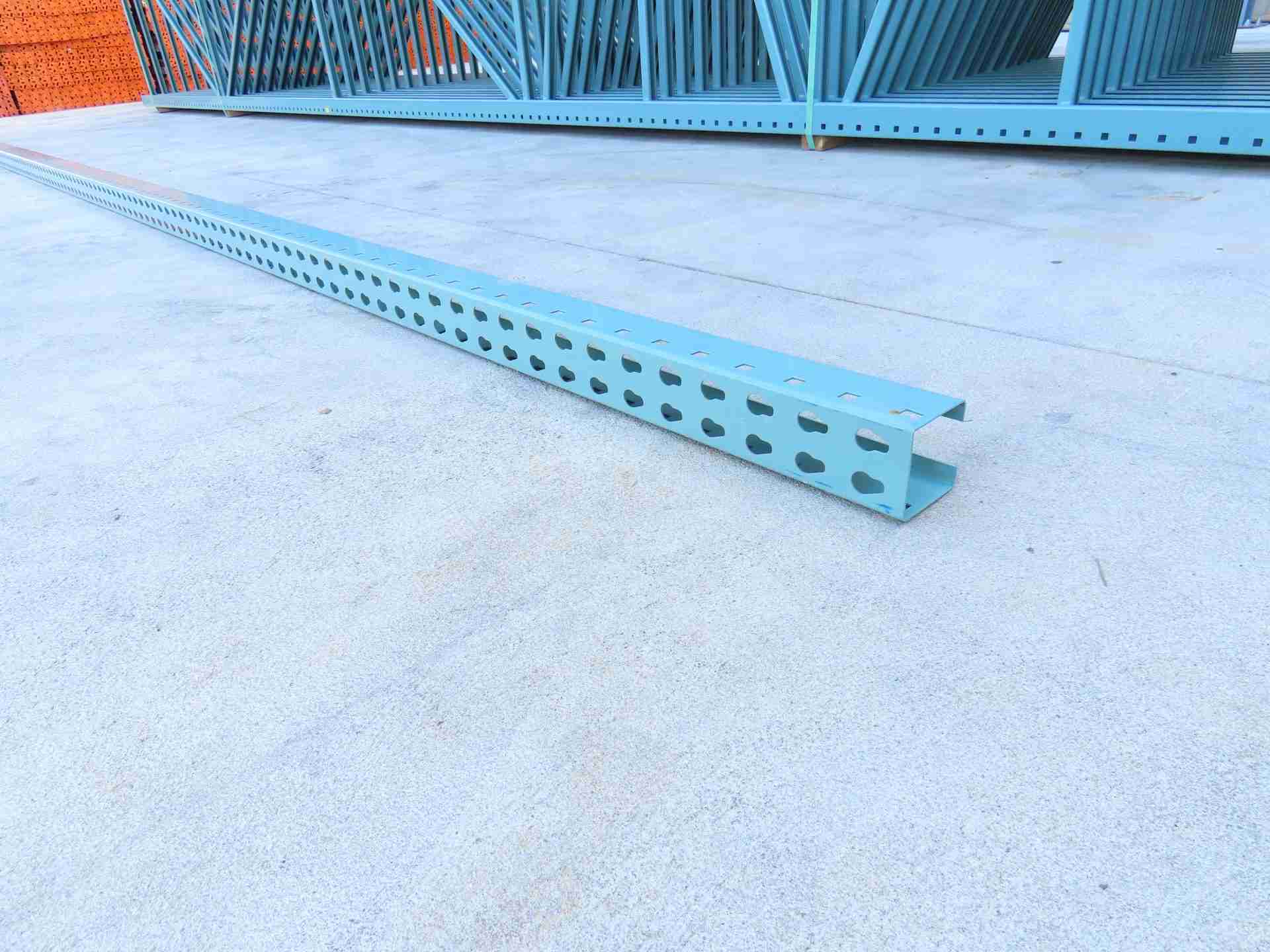
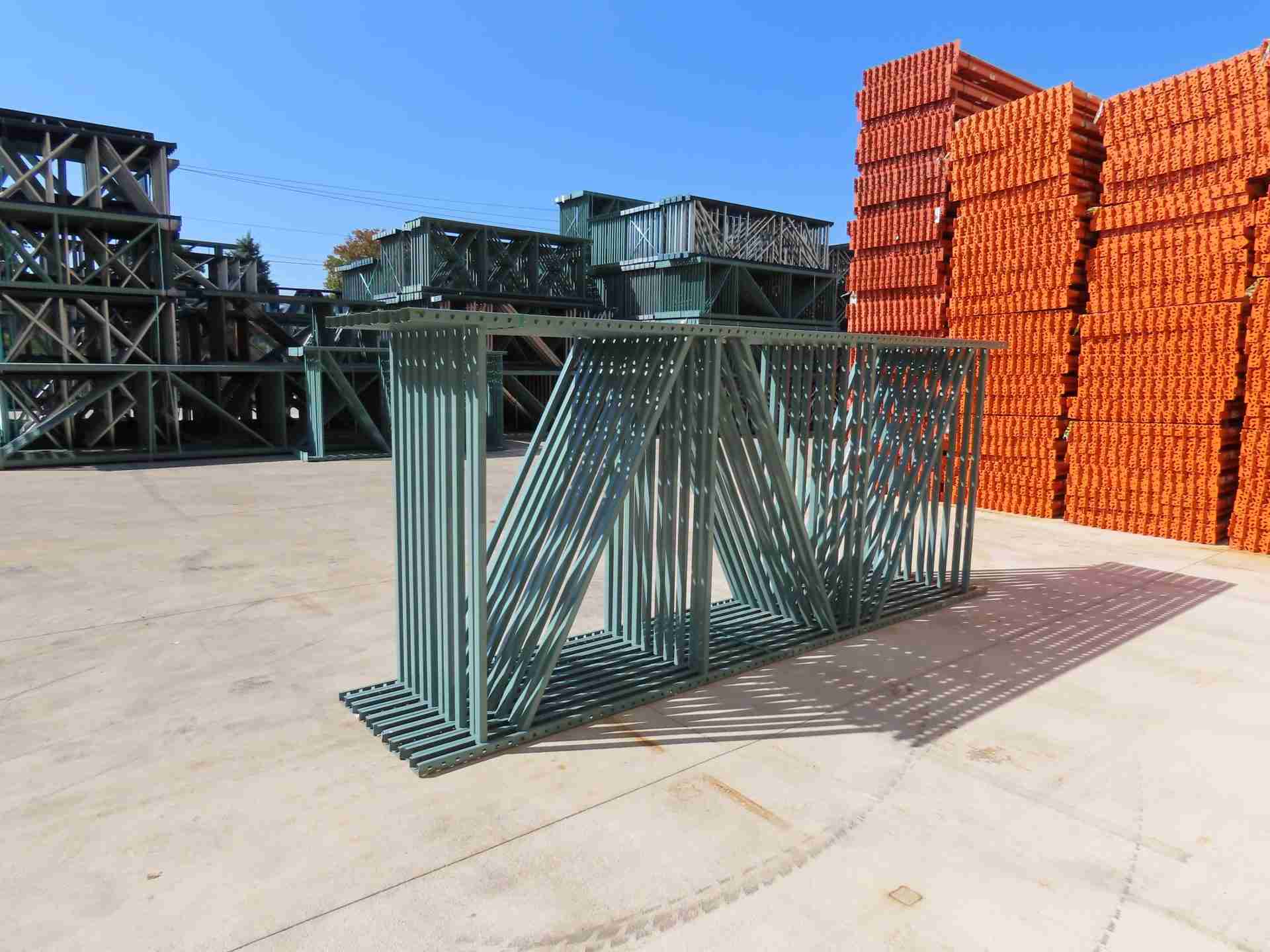
When it comes to handling heavy loads, expert advice lands squarely on the side of cantilever racking—no question about it. Folks who’ve spent their lives moving, stacking, and organizing heavy gear in warehouses and workshops know that not all storage is created equal. Pallet racking might get the job done for lighter stuff, but when the weight starts piling up, cantilever systems step in like a trusted workhorse, built tough and ready for the grind.
Experts don’t just recommend cantilever racking because it looks sturdy—they back it with cold, hard facts and years of battle-tested proof. Engineers highlight how this setup offers unmatched strength and flexibility, especially for odd-shaped or bulky materials that don’t sit right on standard pallet racks. The design distributes weight evenly, reducing wear and tear, which means fewer headaches down the line and a safer workplace. And between us, knowing the gear you’re relying on won’t buckle under pressure gives a kind of quiet confidence you can’t fake.
It’s not just about numbers and nuts and bolts, though. There’s something honest and straightforward about cantilever racking that resonates in any hands-on shop or warehouse. It respects the sweat and muscle it takes to keep a business moving. Storing heavy loads safely isn’t just a box to tick—it’s about protecting your people and your product from unnecessary risks. That’s the kind of ethical responsibility that earns respect from every crew member who’s ever hefted a heavy box, lifted a bulky pipe, or stacked lumber at the crack of dawn.
The wisdom of experts, combined with the real-world stories behind every dent and scratch on a cantilever rack, tells a clear tale: this isn’t some flimsy flash-in-the-pan system. It’s a reliable partner you can bet on when the job’s tough, the hours are long, and the stakes are high. Choosing cantilever over pallet racking for heavy loads means choosing strength, safety, and sanity in a chaotic trade. That’s advice anyone who’s ever faced the grind day in and day out can trust—and a choice that pays dividends in every load stacked and safely stored.
What Expert Advice Supports Cantilever Racking for Heavy Loads?
What Expert Advice Supports Cantilever Racking for Heavy Loads?
- Cantilever racking is the preferred solution for handling heavy loads, outperforming pallet racking in strength and durability.
- Experts and engineers endorse cantilever systems for their unmatched strength, flexibility, and suitability for odd-shaped or bulky items.
- The design evenly distributes weight, reducing wear and tear and enhancing workplace safety.
- Cantilever racking fosters confidence by reliably supporting heavy gear without risk of failure.
- It reflects a practical and ethical approach to storage, prioritizing the safety of workers and protection of products.
- Real-world use and expert validation prove cantilever racks are durable, dependable, and essential for demanding environments.
- Choosing cantilever over pallet racking ensures strength, safety, and efficiency, benefiting every load stored and every worker involved.
What Expert Advice Supports Cantilever Racking for Heavy Loads?
Conclusion
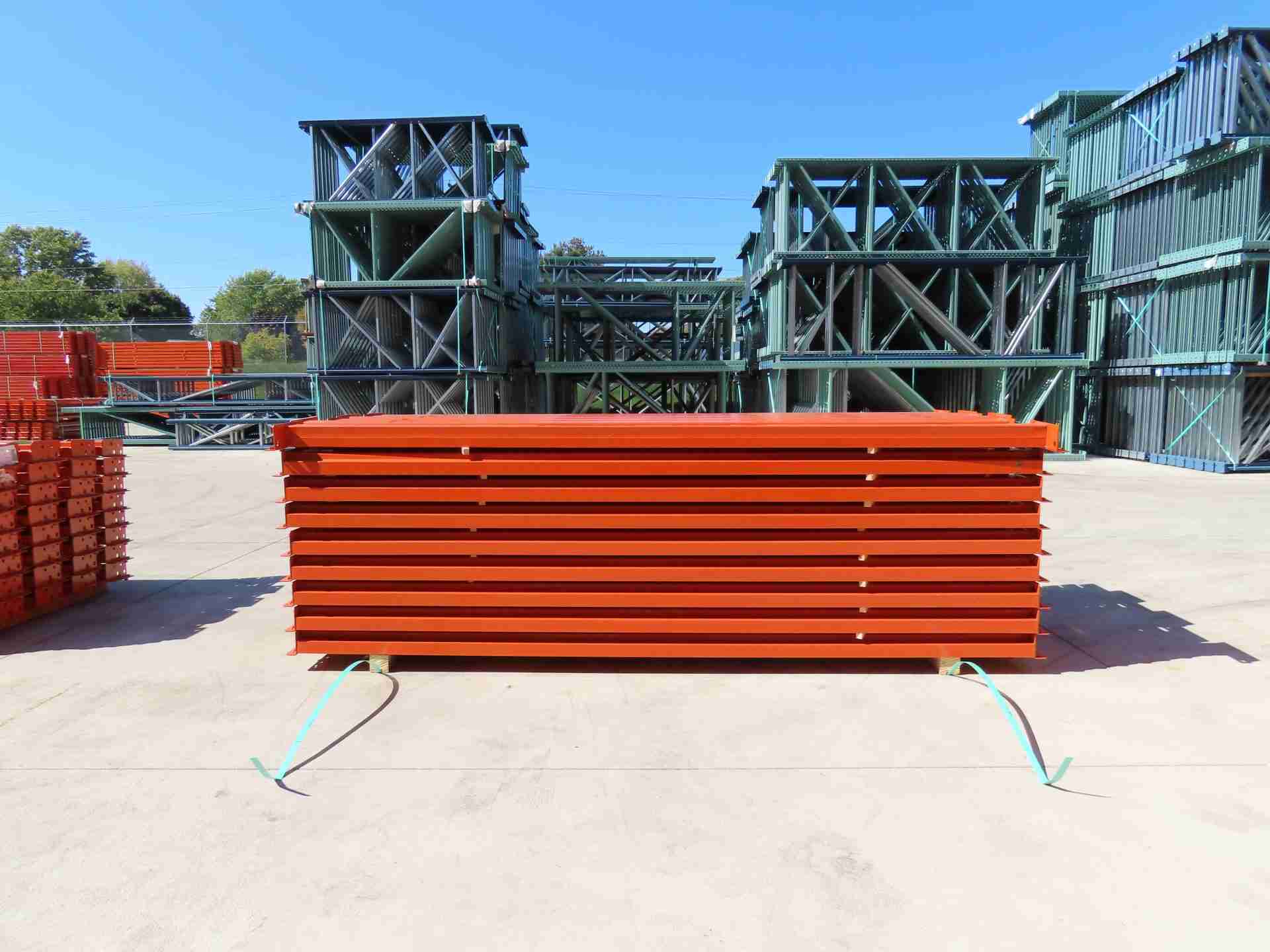
In the metal profiles and extrusion world, space and order aren’t just conveniences—they’re the backbone of getting the job done right. Cantilever racking isn’t just another piece of warehouse gear; it’s the workhorse that respects the rough-and-tumble reality of long, awkward materials that don’t fit neatly into your average pallet rack. It’s about solving real problems with no-nonsense strength and straightforward design—turning clutter into calm and chaos into order. When metal’s stacked firmly and easy to reach, everyone—from the forklift driver to the installer down the line—works safer, faster, and with more confidence.
This system isn’t just about squeezing more stuff into tighter spots, though that’s a big plus. It’s about smart use of space that speeds up workflow and cuts the odds of injury or damage. When your warehouse looks more like a well-oiled machine and less like a battle zone, it’s clear you care—not just about profits, but about the people who keep things moving and the quality of what you sell. That respect runs deep. It’s in how the metal’s handled without unnecessary wear, how workers avoid strain, and how every piece stays as solid as the day it was made. That’s ethic in action—a pledge to safety, reliability, and fairness that customers and crews pick up on without being told.
Cantilever racking’s also a sharp money-saver. Labor gets easier, injury claims go down, scrap piles shrink, and setups go up faster than clunky pallet systems. It’s a practical investment that pays out in smoother days and fewer headaches, proving that tough jobs don’t need fancy gadgets—just good, honest tools built by folks who’ve been through the grind. Plus, choosing racks made from ethically sourced materials ties the whole thing together. That’s respect for the land, the workers, and future generations, translating into tougher racks, steadier operations, and trust that spreads from the warehouse floor right through your business.
When experts vouch for cantilever racking on heavy loads, they’re backing more than steel beams—they’re endorsing decades of hands-on know-how and straightforward reliability. This isn’t a flash-in-the-pan fix; it’s a tried-and-true partner that holds its ground when the work’s heavy and the stakes are high. At the end of the day, investing in cantilever racking is about standing tall for craftsmanship, safety, and common sense—the kind of solid foundation that every hard-working operation deserves.
Conclusion
Conclusion:
- Cantilever racking is essential for organizing long, awkward materials that don’t fit traditional pallet racks, providing strength and straightforward design.
- It enhances safety and efficiency by making materials easy to access, benefiting everyone from forklift drivers to installers.
- The system optimizes space usage, speeds up workflows, and reduces the risk of injury or damage in the warehouse.
- It reflects a strong ethic of care for workers, product quality, and operational reliability.
- Cantilever racking saves money by simplifying labor, lowering injury claims, reducing scrap, and speeding up setups compared to pallet systems.
- Using racks made from ethically sourced materials supports environmental and worker respect, improving overall trust and durability.
- Widely endorsed by experts, cantilever racking offers proven, dependable support for heavy loads and high-stakes operations.
Conclusion
Other Resources
Other Resources
Here is a list of other resources you can review online to learn more:
- Heavy-Duty Cantilever Storage Racks
- Used Pallet Rack for Sale in Illinois – American Surplus
- IIWS Inc. Rack Installation Illinois & Rack Repairs Illinois
- The Complete Pallet Rack Guide – Simply Rack
- Racking World
- Material Handling Industry
- Cantilever Rack Guide: Ordering Cantilever Racking
- American Surplus
- Warehouse Racking Layout: The Ultimate Guide – Conger
- Pallet Rack Systems – New and Used Pallet Racking and Shelving Experts
- Cantilever Rack Guide: Ordering Cantilever Racking
- Teardrop Pallet Rack – Ridg-U-Rak
- What is Selective Pallet Racking
- Logic Material Handling
- What is Cantilever Racking? – AK Material Handling Systems
- CA Wire
- Wolter
- Cantilever Racks Chicago
- Interlake Mecalux
- International Warehouse Logistics Association
Use This Prompt To Get More Resources With Your Favorite Online AI Tool: Please provide me with a list of online articles with their URLs in a bulleted list that I can read regarding How Do Metal Profile and Extrusion Suppliers Leverage Cantilever Racking?
Other Resources
Glossary Terms
How Do Metal Profile and Extrusion Suppliers Leverage Cantilever Racking? – Glossary Of Terms
1. Cantilever Racking: A storage system designed with arms extending from a central column to hold long or bulky items.
2. Metal Profile: A shaped metal section used as a structural component or framework in manufacturing.
3. Extrusion: A manufacturing process where metal is forced through a shaped die to create long profiles.
4. Supplier: A company or individual providing products or materials to customers.
5. Inventory Management: The process of ordering, storing, and using a company’s goods.
6. Space Optimization: Efficient use of available storage area to maximize capacity.
7. Load Capacity: The maximum weight that a racking system can safely hold.
8. Accessibility: Ease of reaching stored items.
9. Modular Design: A structure composed of interchangeable components for flexibility.
10. Durability: The ability to withstand wear, pressure, or damage.
11. Structural Integrity: The strength and stability of a framework or system.
12. Warehouse Efficiency: The productivity and effectiveness of storage operations.
13. Customization: Tailoring products or systems to specific customer needs.
14. Arm Length: The horizontal extension of the cantilever arm used to hold material.
15. Upright Column: The vertical support element of cantilever racking.
16. Base Rack: The foundation part that supports the upright and cantilever arms.
17. Material Handling: The movement, protection, storage, and control of materials.
18. Storage Density: The amount of material stored within a given area.
19. Space Utilization: The ratio of used space to total available space.
20. Return on Investment (ROI): The financial benefit gained from an investment relative to its cost.
21. Safety Features: Design elements that protect workers and goods.
22. Load Distribution: Even spread of weight along the racking system.
23. Easy Retrieval: A feature enabling quick access to stored materials.
24. Payload: The actual weight carried by the racking arm or system.
25. Inventory Turnover: The rate at which inventory is sold and replaced.
26. Cost Efficiency: Achieving desired results with minimal expenses.
27. Scalability: The ability to expand or contract a system as demands change.
28. Heavy-duty Racking: Racking designed to support very large or heavy items.
29. Cross Bracing: Structural elements that provide lateral stability.
30. Supplier Collaboration: Working together with customers to meet storage and handling needs.
Glossary Of Terms
Other Questions
How Do Metal Profile and Extrusion Suppliers Leverage Cantilever Racking? – Other Questions
If you wish to explore and discover more, consider looking for answers to these questions:
- What are the typical load capacities per arm and per column for cantilever racking?
- How do I calculate the number of bays and arms needed for my inventory?
- What are the recommended arm lengths and bay depths for different extrusion sizes?
- How does cantilever racking compare to pallet racking for mixed inventories?
- What floor-loading and anchoring requirements do cantilever racks impose?
- Which materials and finishes are best for preventing corrosion on racking used with aluminum or steel extrusions?
- Are there industry standards or building codes I must follow when installing cantilever racking?
- How do seismic or wind loads affect cantilever rack design in my region?
- What are common accessories (stops, dividers, pads) and when should they be used?
- How do I safely load and unload long materials with forklifts or other equipment?
- What training should forklift operators and warehouse staff receive for cantilever systems?
- How can I minimize damage to extrusions during storage, handling, and transport?
- What inspection and maintenance schedule should I follow for cantilever racking?
- How long does a typical cantilever racking system last under normal warehouse conditions?
- What warranty and after-sales support do suppliers typically offer?
- How much does a cantilever racking system cost relative to pallet racking, including installation?
- What is the expected ROI period after installing cantilever racking?
- Are there financing, leasing, or tax incentives available for investing in storage equipment?
- How flexible and scalable are cantilever systems for future growth or layout changes?
- Can cantilever racking be integrated with existing pallet racking and automated systems?
- What are best practices for inventory labeling, organization, and picking with cantilever racks?
- How do I choose between single-sided and double-sided cantilever racks for my layout?
- What are the transport and installation lead times from manufacturers or suppliers?
- How do I evaluate and choose a reliable cantilever racking supplier or installer?
- What certifications or material traceability should I ask for to ensure ethical sourcing?
- How does ethical sourcing influence performance, cost, and supplier selection?
- Are there sustainable or recycled-material rack options and how do they perform?
- How do climate and environmental conditions (humidity, salt air, temperature) affect rack selection?
- What happens if an arm or column is damaged—can parts be replaced or repaired on site?
- How do I plan aisle widths and forklift turning radii for safe and efficient operations?
- What labeling and signage best practices improve safety and reduce handling errors?
- How do insurance providers view cantilever racking installations—do premiums change?
- Are there case studies or examples showing measurable efficiency gains from cantilever racking?
- How can cantilever systems support mixed-length stock and prevent inventory misplacement?
- What engineering or load-study services are available to validate a custom racking design?
- How do I retrofit an existing facility for cantilever racking without major downtime?
- What safety devices or features (end stops, load labels, protective guards) are recommended to prevent accidents?
Other Questions
Checklist
How Do Metal Profile and Extrusion Suppliers Leverage Cantilever Racking? – A Checklist
Scope and Inventory Profiling
✅______ Catalog all long goods by type (bars, tubes, angles, channels, extrusions), length, and weight.
✅______ Determine maximum load per bundle, arm, column, and bay.
✅______ Identify fragile or finished profiles requiring extra protection or separation.
✅______ Map handling equipment (forklifts and side loaders) and their reach and aisle requirements.
✅______ Define fast movers and slow movers for placement strategy.
Space Planning and Layout
✅______ Measure clear heights, column grid, door heights, sprinklers, and obstructions.
✅______ Set aisle widths to match equipment turning radius and load length.
✅______ Plan vertical utilization (number of arm levels) within safe lift reach.
✅______ Place high-frequency items near shipping and cutting areas.
✅______ Allocate staging and buffer zones for inbound and outbound loads.
Rack Specification and Configuration
✅______ Select structural vs. roll-formed racks based on loads and impact risk.
✅______ Choose single-sided vs. double-sided configurations to match wall and aisle needs.
✅______ Specify column height, base length, arm length, and arm pitch for each bay.
✅______ Choose arm style (straight or inclined) and add lips or end stops as needed.
✅______ Add dividers, saddles, or decking for small or delicate extrusions.
✅______ Select finishes (galvanized or powder coat) appropriate to the environment.
Damage Reduction Features
✅______ Install column, base, and end-of-row guards in high-traffic zones.
✅______ Apply protective pads or liners on arms for coated or anodized profiles.
✅______ Standardize dunnage and separators for bundle stability.
✅______ Define packaging specifications for inbound storage and outbound shipments.
Handling, Access, and Identification
✅______ Label bays, columns, and arm levels with SKUs, lengths, and weight limits.
✅______ Use floor lines and stop marks for approach and placement.
✅______ Standardize bundle length tolerance and tag locations.
✅______ Set picking rules (for example, FIFO for corrosion-sensitive materials).
Cost and ROI
✅______ Compare installed cost vs. alternative storage for long goods.
✅______ Estimate labor savings from faster picks and put-aways.
✅______ Quantify scrap and claim reduction from minimized handling damage.
✅______ Calculate storage density gains (linear feet per square foot).
✅______ Establish payback period and track against plan.
Materials and Ethical Sourcing
✅______ Request mill and material certifications and environmental disclosures.
✅______ Verify chain of custody for any wood components.
✅______ Prioritize durable materials to extend rack lifecycle and reduce waste.
✅______ Document supplier labor and sourcing practices.
Engineering, Compliance, and Documentation
✅______ Obtain engineered load calculations and drawings for the configured system.
✅______ Mount load plaques with rated capacities on every bay.
✅______ Verify anchoring details match slab thickness, compressive strength (psi), and reinforcement.
✅______ Include seismic and wind requirements where applicable.
✅______ Maintain as-built layout and component registers.
Installation and Commissioning
✅______ Verify slab condition, flatness, and anchor placements before installation.
✅______ Level columns, set arm pitch, and torque anchors to specification; record results.
✅______ Complete final QC walk with punch list before stocking.
✅______ Capture photos and measurements for future reference.
Operations and Training
✅______ Issue SOPs for put-away, picking, and exception handling.
✅______ Train operators on approach angles, visibility, and level selection.
✅______ Define housekeeping cadence to keep aisles and bases clear.
✅______ Implement returns and rework processes to avoid ad hoc pileups.
Inspection and Maintenance
✅______ Perform daily visual checks for bent arms, loose anchors, and coating damage.
✅______ Conduct weekly torque and fastener spot checks and update condition logs.
✅______ Immediately tag out and quarantine damaged components.
✅______ Conduct an annual third-party audit with corrective actions tracked.
Performance Metrics
✅______ Track picking time per line before vs. after implementation.
✅______ Track damage rate per 1,000 lb or per order line.
✅______ Track storage density (linear feet stored per square foot of floor).
✅______ Track on-time shipment rate and dock-to-stock time.
✅______ Track crew overtime hours related to searching and rework.
Scalability and Flexibility
✅______ Reserve space for future bays or added arm levels.
✅______ Standardize interchangeable arms and accessories.
✅______ Keep spare critical components on hand for quick swaps.
✅______ Design modular zones that can be reconfigured as the product mix changes.
Communication and Continuous Improvement
✅______ Post visual maps and pick sequences at racking zones.
✅______ Gather operator feedback monthly and act on top issues.
✅______ Track customer claims back to storage locations to identify root causes.
✅______ Review layout and SKU placement quarterly based on demand.

Checklist
At RackingWorld, we help guide you through selecting warehouse storage systems and racking.
Be sure to read our other related stories at RackingWorld to learn more about warehouse storage systems.
0 Comments