
Optimizing Care: The Smart, Safe Storage Behind Medical Supplies
By Tom Seest
At RackingWorld, we help guide you through selecting warehouse storage systems and racking.
Be sure to read our other related stories at RackingWorld to learn more about warehouse storage systems.
How Do Medical Supply Warehouses Leverage Pallet Racking?
When you walk into a medical supply warehouse, you’re not just looking at shelves holding boxes—you’re standing at the front lines of health care support. Pallet racking isn’t just metal beams and boards; it’s the backbone that keeps lifesaving equipment and crucial supplies organized, safe, and ready when they’re needed most. In a world where every second can count, pallet racking transforms chaotic piles into a streamlined system you can trust with everything from bandages to breathing machines.
The real beauty of pallet racking lies in its simple genius. It maximizes space without turning the warehouse into a maze. When you’re dealing with thousands of delicate, expensive items, that matters. Efficient use of every inch makes room for more stock, cuts down on mistakes, and keeps the entire operation lean and responsive. It’s like turning a cramped garage into a well-oiled workshop where everything has its place, and you know exactly where to find the wrench when the engine’s stalling.
From the ground up, people running these warehouses know it’s about more than just stacking boxes. It’s about accountability and care. Every pallet racked properly means fewer accidents, less damage, and fewer emergency runs to replace missing or broken gear. This system keeps the right supplies moving through the supply chain—making sure hospitals and clinics can focus on patients without worrying about if their gear will show up on time or at all. It’s logistics with a human heartbeat, where every organized shelf translates to real lives impacted.
There’s a certain pride that comes from mastering pallet racking in this tough environment. It’s hands-on work, a little gritty and noisy, but grounded in common sense and respect for the job’s importance. Warehouse teams rely on it every day, building trust through proven methods and real-world results. This isn’t just about storage — it’s about doing your part in a larger mission, where order and efficiency can mean the difference between chaos and calm in moments that truly matter.
Pallet racking turns a big, busy medical supply warehouse into a well-run machine, an unshakable foundation for health care networks. When done right, it tells a story of quiet strength and dependable teamwork. It earns confidence by delivering consistency and care, one pallet at a time.
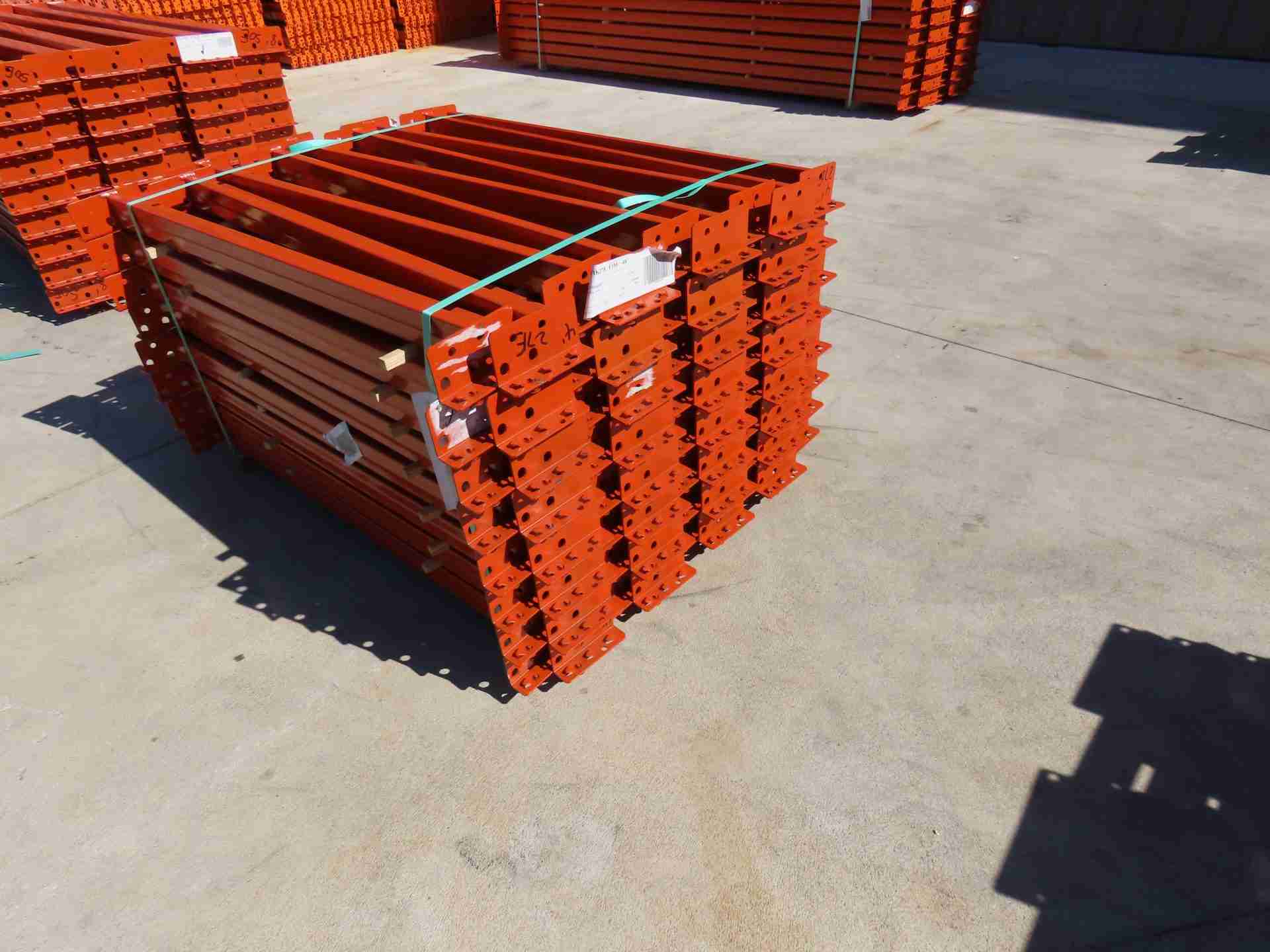
How Do Medical Supply Warehouses Leverage Pallet Racking?
How Do Medical Supply Warehouses Leverage Pallet Racking?
- Pallet racking is essential infrastructure in medical supply warehouses, organizing and safeguarding critical health care equipment and supplies.
- It maximizes storage space efficiently without creating confusion, enabling better organization and quick access to thousands of delicate and expensive items.
- Proper pallet racking reduces accidents, damage, and emergency replacements, ensuring a smooth flow of supplies through the supply chain.
- The system supports hospitals and clinics by reliably delivering necessary gear, allowing medical staff to focus on patient care.
- Warehouse teams take pride in mastering pallet racking, which involves hands-on work grounded in respect and practical knowledge.
- Pallet racking is more than storage; it embodies accountability, teamwork, and commitment to a larger mission.
- When executed correctly, pallet racking provides a stable, efficient foundation for health care logistics, reinforcing trust and consistent delivery of essential supplies.

How Do Medical Supply Warehouses Leverage Pallet Racking?
Table Of Contents
- How Do Medical Supply Warehouses Leverage Pallet Racking?
- How Does Pallet Racking Improve Warehouse Efficiency?
- How Does Pallet Racking Ensure Product Safety?
- What Risks Can Pallet Racking Reduce In Medical Warehouses?
- How Can Pallet Racking Optimize Space Usage?
- Why Is Pallet Racking Vital for Inventory Management?
- How Does Pallet Racking Impact Order Fulfillment Speed?
- Conclusion
- Other Resources
- Glossary Of Terms
- Other Questions
- Checklist
How Does Pallet Racking Improve Warehouse Efficiency?
You know that feeling when everything’s been stacked just so, and you can actually see the floor again? That’s the kind of relief pallet racking brings to a warehouse. It’s not some fancy gadget or high-tech gizmo—it’s a straightforward, no-nonsense system that turns chaos into order. Pallet racking saves space by getting those bulky pallets off the ground and into neat rows, making every square foot count instead of wasting it on piles that collapse like a house of cards.
Think about it: when a forklift operator can glide right up to a clearly organized row and grab the exact pallet needed, it saves time—time that piles up shift after shift. That’s where the real dollars start adding up. Pallet racking cuts down the “hunt and hope” game, keeping work smooth and predictable instead of frantic and stressful. And on the shop floor, less time wasted means less frustration, fewer accidents, and folks headed home on time, not worn to the bone.
But it’s not just about speed or space. There’s a deeper trust built knowing your inventory isn’t piled haphazardly risking damage or injury. Pallet racking systems are made to bear weight safely, keeping products secure and workers safer. That’s an ethical win—not cutting corners where lives or livelihoods might be on the line. It shows respect for the folks pulling the shifts, making their work easier and safer.
Most importantly, pallet racking tells a story—of a company that knows what it’s doing, that treats warehouse management seriously. It’s a silent nod to the crew that their work environment is thoughtfully set up, boosting morale and loyalty. When workers see the boss invests in the right tools to make jobs easier, it breeds respect. And respect turns into pride and hard work.
So pallet racking isn’t just metal shelves—it’s the backbone of an efficient warehouse. It saves space, saves time, protects products, and protects people. It says, “We’ve got this,” and that’s the kind of confidence every warehouse deserves.
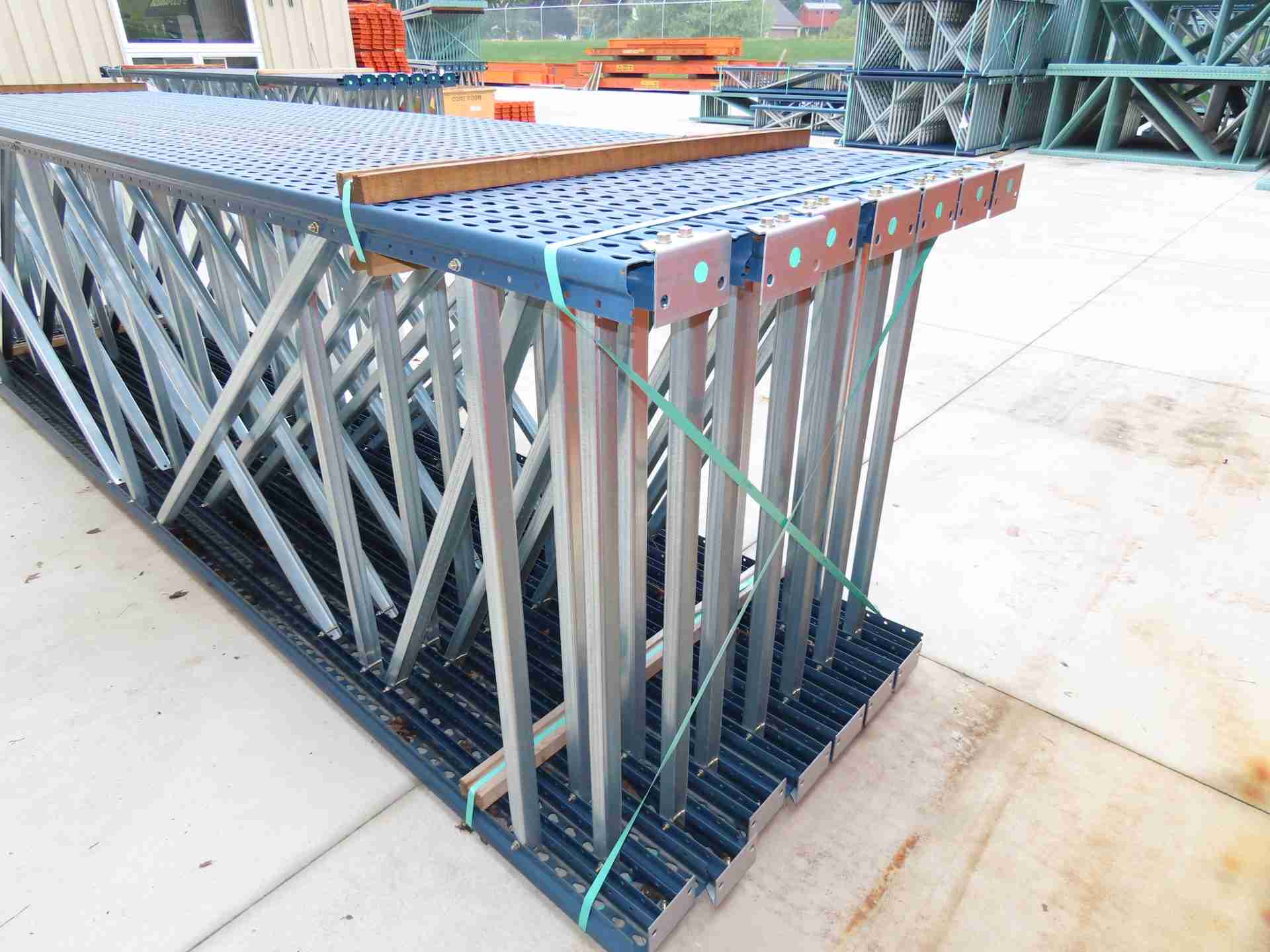
How Does Pallet Racking Improve Warehouse Efficiency?
How Does Pallet Racking Improve Warehouse Efficiency?
- Pallet racking creates order in warehouses by organizing bulky pallets into neat rows, maximizing floor space.
- It saves time by allowing forklift operators to quickly access specific pallets, reducing wasted effort and delays.
- By minimizing frantic searching, pallet racking lowers frustration, decreases accidents, and improves shift efficiency.
- Pallet racking safely supports heavy loads, protecting inventory and enhancing worker safety.
- The system reflects ethical warehouse management by prioritizing safety and proper care for workers and products.
- It signals a company’s professionalism and commitment to well-organized operations, boosting employee morale and loyalty.
- Pallet racking is essential for efficient warehouses, combining space-saving, time-saving, protection, and confidence in management.
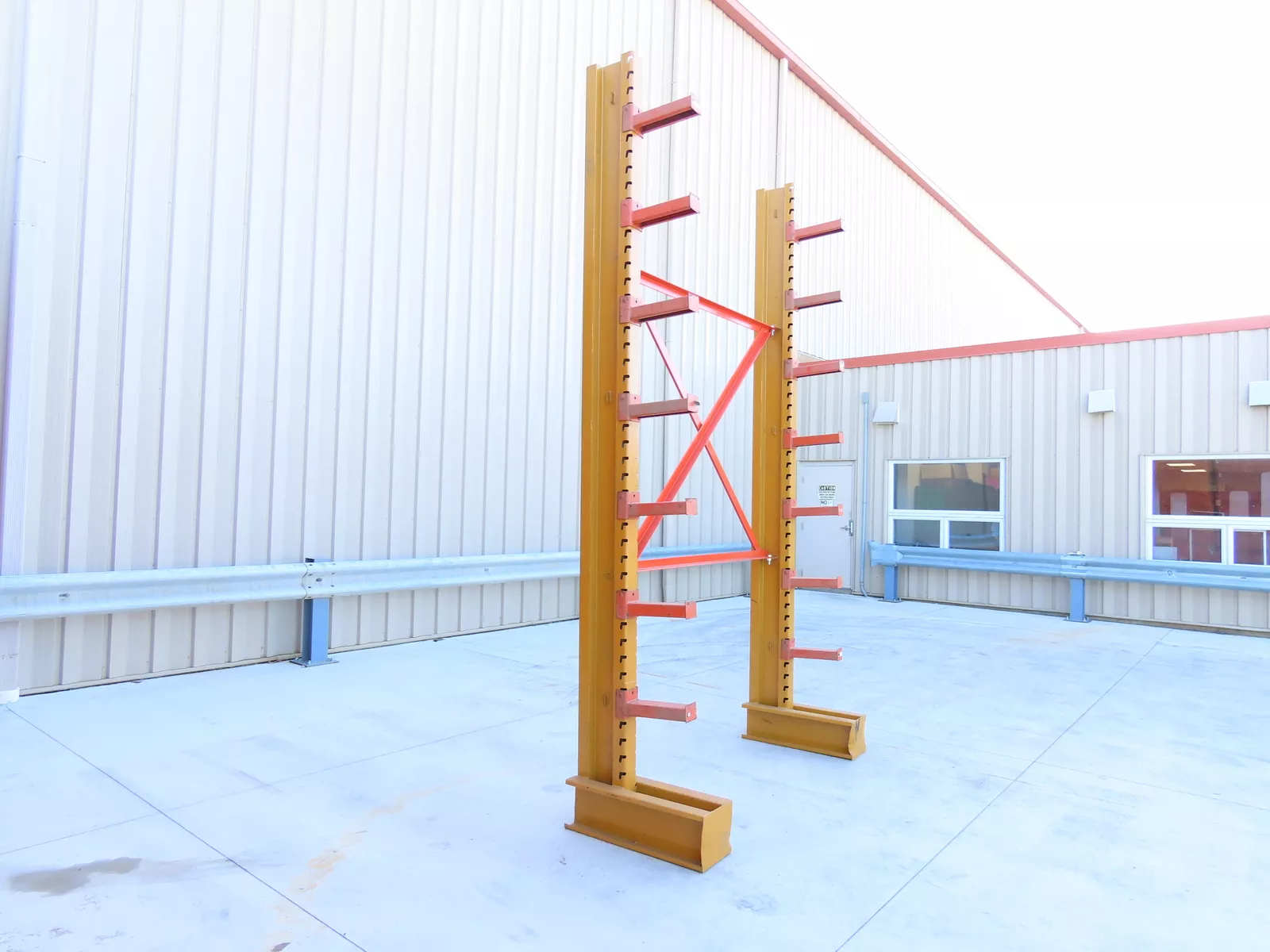
How Does Pallet Racking Improve Warehouse Efficiency?
How Does Pallet Racking Ensure Product Safety?
Look, at the end of the day, your product’s safety isn’t just some checkbox on a list—it’s the thing that keeps your business running and your customers coming back. Pallet racking isn’t just about stacking stuff up off the floor; it’s about doing that smart, steady, and safe so your goods don’t turn into a heap of broken promises. When you’ve got pallet racking that’s built right and loaded right, it’s like having a reliable partner who’s got your back, holding your inventory steady through thick and thin.
From years on the floor, you learn that the real power of pallet racking is how it crushes chaos and fights off damage. Those racks keep your products lined up neat and accessible, reducing the odds of forklifts swinging into a pile or stuff tumbling down like a bad joke. It’s straightforward: less damage means fewer losses, fewer headaches, and more satisfied customers who trust that what they ordered is what they get.
But it’s not just about shoving boxes on shelves. Pallet racking is a commitment to doing things the right way. When companies invest in solid, tested pallet racking systems and stick to safety guidelines—no cutting corners—it shows respect for every worker’s hands and every product’s worth. That’s ethical business in action: protecting people and property with the same sweat and care you put into your daily grind.
Building confidence in pallet racking comes from knowing you’re relying on equipment designed by experts who know the ropes and stand behind their work. These systems have been proven time and again—tested under pressure, engineered to endure. It’s not rocket science, just plain good engineering and experience backing you up like a tried-and-true tool in your shop.
Think of pallet racking as the backbone of your warehouse community. It’s what keeps everything balanced so your crew can move swiftly and safely. When everyone sees a tidy, sound setup, it builds pride and trust—no one wants to gamble with safety or quality. It’s about looking out for each other and the product that fuels your livelihood.
So, pallet racking isn’t just metal beams and bolts—it’s the quiet hero keeping your inventory safe, customers happy, and your business standing tall. It’s simple, effective, and essential, just like honest work and good sense.

How Does Pallet Racking Ensure Product Safety?
How Does Pallet Racking Ensure Product Safety?
- Product safety is crucial for business continuity and customer retention, with pallet racking playing a key role in safe, smart storage.
- Properly built and loaded pallet racking acts as a reliable support system, keeping inventory stable and protected.
- Pallet racking reduces chaos and damage by keeping products organized and accessible, minimizing forklift accidents and product falls.
- Investing in tested, sturdy pallet racking systems and following safety guidelines shows respect for workers and product integrity.
- Confidence in pallet racking comes from trusted engineering and proven durability, ensuring reliable performance under pressure.
- Pallet racking supports warehouse efficiency and safety, fostering pride and trust among the workforce.
- It serves as the essential backbone of inventory safety, customer satisfaction, and overall business stability.

How Does Pallet Racking Ensure Product Safety?
What Risks Can Pallet Racking Reduce In Medical Warehouses?
In a medical warehouse, every second counts and every item matters. Pallet racking isn’t just about stacking boxes neatly; it’s a frontline defender against a heap of risks that can throw the whole operation into chaos. Think about the piles of crucial medical supplies stored day in, day out—each one lifesaving, each one demanding respect. When pallet racking is done right, it keeps that precious cargo safe from damage, loss, or worse, contamination.
The first real risk pallet racking reduces is the danger of accidents. Storing heavy loads on unstable surfaces or stacking items haphazardly is a recipe for disaster. Boxes can fall, shelves can collapse, and people get hurt. When you have solid, well-organized pallet racking in place, the risk drops dramatically. You get the confidence that no matter how busy the day gets, those racks hold firm. The last thing a medical warehouse needs is someone sidelined because of a preventable injury.
Then there’s the risk of spoilage and contamination. Medical supplies are often sensitive—temperature-controlled, fragile, sterile. Without proper pallet racking, these items risk getting crushed, mixed up, or exposed to dirt and dust. A broken vial of medicine or a contaminated batch of gloves isn’t just a financial hit; it’s a breach of trust in a system meant to save lives. Pallet racking keeps items off the floor, neatly separated, easily accessible—cutting down errors and maintaining hygiene.
Ethically, it’s about doing the right thing. Medical warehouses hold responsibility far beyond their walls. They support hospitals, clinics, families—people putting their faith in those supplies. Pallet racking systems demonstrate commitment to that trust. They show you care enough to provide safe, dependable storage so the right gear gets where it’s needed without a hitch.
From the hands-on worker loading pallets at dawn to the warehouse manager keeping a keen eye on inventory, pallet racking creates a rhythm rooted in reliability. It’s time-tested, trusted tech that doesn’t just stack goods but stacks safety, order, and peace of mind. When everyone plays by the rules of good pallet racking, the whole operation hums smoother—fewer mistakes, fewer injuries, fewer sleepless nights worrying about the next shipment.
Trust in pallet racking isn’t blind—it’s earned one sturdy beam and one securely stored pallet at a time. That’s how medical warehouses turn risk into resilience and make sure the right lifesaving supplies are ready when and where they’re needed most.
What Risks Can Pallet Racking Reduce In Medical Warehouses?
What Risks Can Pallet Racking Reduce In Medical Warehouses?
- Pallet racking in medical warehouses safeguards crucial supplies from damage, loss, and contamination.
- Proper racking minimizes accident risks by securely holding heavy loads and preventing falls or collapses.
- It protects sensitive medical items from spoilage and contamination, maintaining hygiene and order.
- Ethically, pallet racking reflects a commitment to safely storing supplies for hospitals, clinics, and families.
- The system supports workers and managers by creating a reliable, organized workflow throughout the warehouse.
- Good pallet racking reduces errors, injuries, and operational disruptions, enhancing overall efficiency.
- Trust in pallet racking is built gradually, turning risks into resilience to ensure lifesaving supplies are always ready.

What Risks Can Pallet Racking Reduce In Medical Warehouses?
How Can Pallet Racking Optimize Space Usage?
You ever step into a warehouse or a workshop that looks like someone just tossed everything in willy-nilly? It’s frustrating, wastes time, and more than likely, cash. That’s where pallet racking steps in like a trusty old workhorse—no frills, just pure function that makes your space work harder for you. Pallet racking isn’t some fancy gadget you need a PhD to handle; it’s straight-up common sense turned into steel shelves. It squeezes every inch out of your floor and vertical space, turning corners and nooks into organized storage spots. When you set it up right, you’re not just stacking stuff—you’re reclaiming order and control. It feels good to know exactly where your gear is, cuts down on the time spent hunting things, and keeps your team moving without the usual headaches.
Rationally speaking, pallet racking is a no-brainer. It maximizes cubic footage by using the height of your building, not just the floor. That means storing more without needing to expand or rent more space. It’s efficient, economical, and scalable—grow your inventory, and just add another row or tier. This system can handle everything from heavy pallets to odd-shaped items, built tough to hold weight without giving in. And because everything’s laid out neatly and safely, it cuts down on the accidents and breakage that chew up resources and morale.
But here’s the kicker: optimizing space with pallet racking isn’t just about saving bucks or fitting more stuff in. It’s about respect—for your crew, your customers, and your bottom line. A clutter-free, organized workplace shows you value safety and efficiency. It builds trust between bosses and workers, who don’t have to wrestle with chaos daily. It lets you promise quicker deliveries because you can find the right stuff fast, not guess where it fell last time. There’s pride in running a tight ship that others admire, creating a rhythm that makes everyone’s job easier.
Folks sometimes think pallet racking is just another cost, but it’s really an investment in peace of mind and productivity. It’s a simple, durable solution born from the need to get the job done right. When you think about all that stress and clutter gone, replaced by neat rows of reliable storage, it’s a decision that makes sense in your gut and your ledger book. That’s how pallet racking optimizes space—it turns chaos into clarity and hard work into smart work.
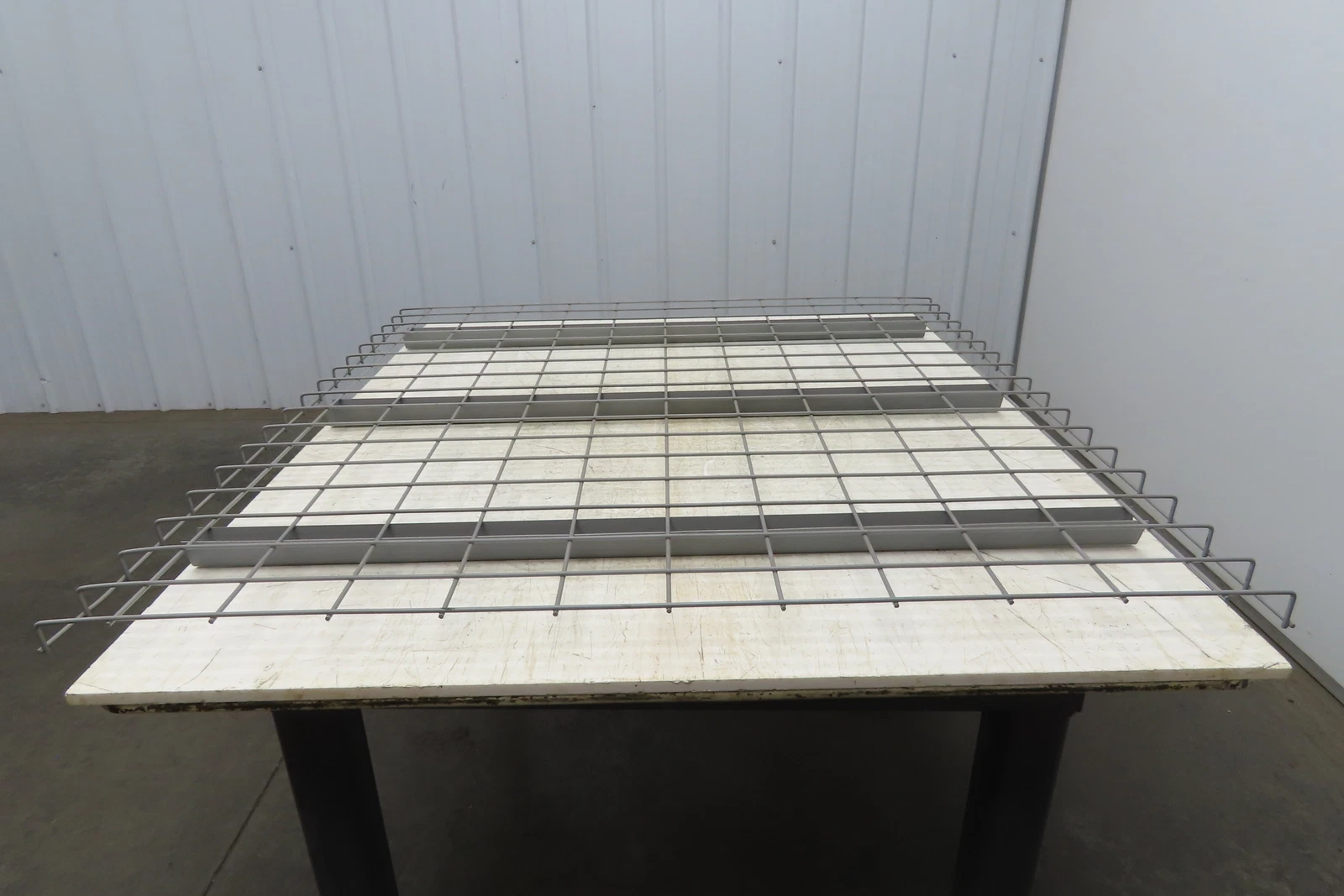
How Can Pallet Racking Optimize Space Usage?
How Can Pallet Racking Optimize Space Usage?
- Pallet racking transforms cluttered, disorganized spaces into efficient, functional storage by maximizing floor and vertical space.
- It is a straightforward, durable system that requires no special expertise to install or use.
- Utilizes the full cubic footage of a building, allowing for more storage without expanding or renting additional space.
- Scalable and versatile, capable of handling heavy pallets and irregularly shaped items securely.
- Improves safety and reduces accidents by organizing items neatly, protecting resources and boosting morale.
- Promotes respect for workers and customers by fostering a clutter-free, efficient, and trustworthy work environment.
- Considered an investment that enhances productivity and peace of mind by replacing chaos with clear, smart storage solutions.
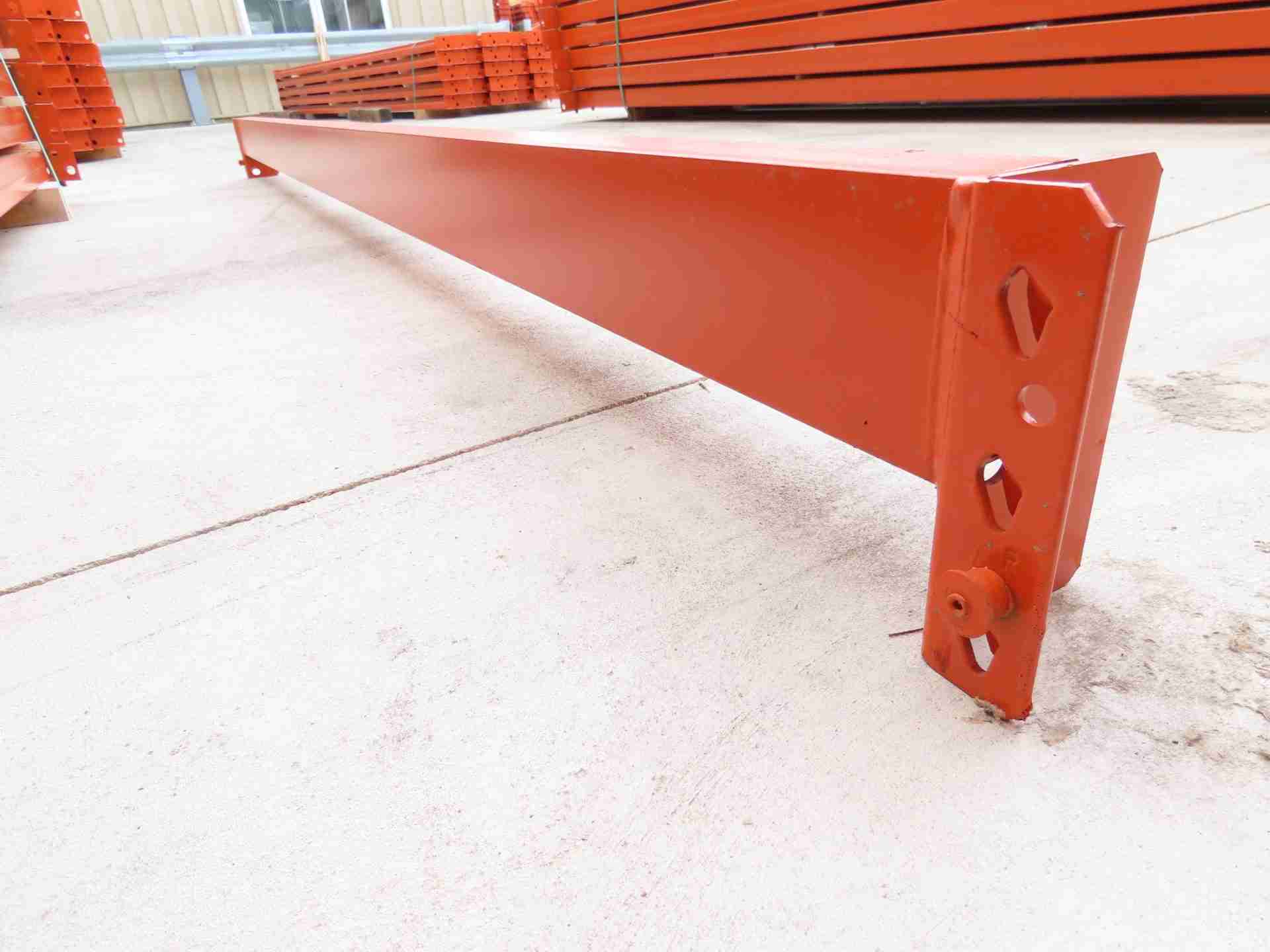
How Can Pallet Racking Optimize Space Usage?
Why Is Pallet Racking Vital for Inventory Management?
Look, managing inventory isn’t just about stacking boxes and hoping for the best. It’s about having a system that works hard for you every single day. That’s where pallet racking steps in like the unsung hero of every warehouse, big or small. It’s the backbone holding up your entire operation, making sure things don’t turn into a messy guessing game.
You ever walked into a warehouse where everything’s piled high but nothing’s easy to find? It’s frustrating, wastes time, and spills cash—all of which could be avoided with smart pallet racking. These sturdy steel shelves aren’t just metal beams; they’re a practical answer to every problem inventory throws at you. When you set up pallet racking right, it’s like giving your inventory a clear address—each pallet has a home, a place to land that makes sense and speeds up the work. You don’t lose a minute digging through piles or knocking stuff over just to grab what you need.
From a common-sense standpoint, pallet racking also keeps your products safe. When heavy loads are stacked willy-nilly, accidents happen. Broken goods mean upset customers and extra costs—luxuries no business wants. Pallet racking supports weight properly, protects your stock, and keeps your crew out of harm’s way. That’s the ethical side of it: looking out for your people and your product like it’s your own.
You don’t need fancy jargon to understand the authority of pallet racking—it’s approved and trusted by every warehouse kingpin, and for good reason. Decades of hands-on use prove it pulls its weight, solid as a rock. It streamlines order picking, boosts storage capacity, and cuts downtime, all while keeping things neat and manageable.
It’s more than just racks and pallets—it’s the lifeline of smooth operations that keeps your team working confidently and your customers coming back. When you invest in pallet racking, you’re investing in a system that honors hard work, respects your product, and keeps everyone safe. It’s the kind of no-nonsense, get-it-done solution that turns chaos into control, and that’s why it’s vital for inventory management.
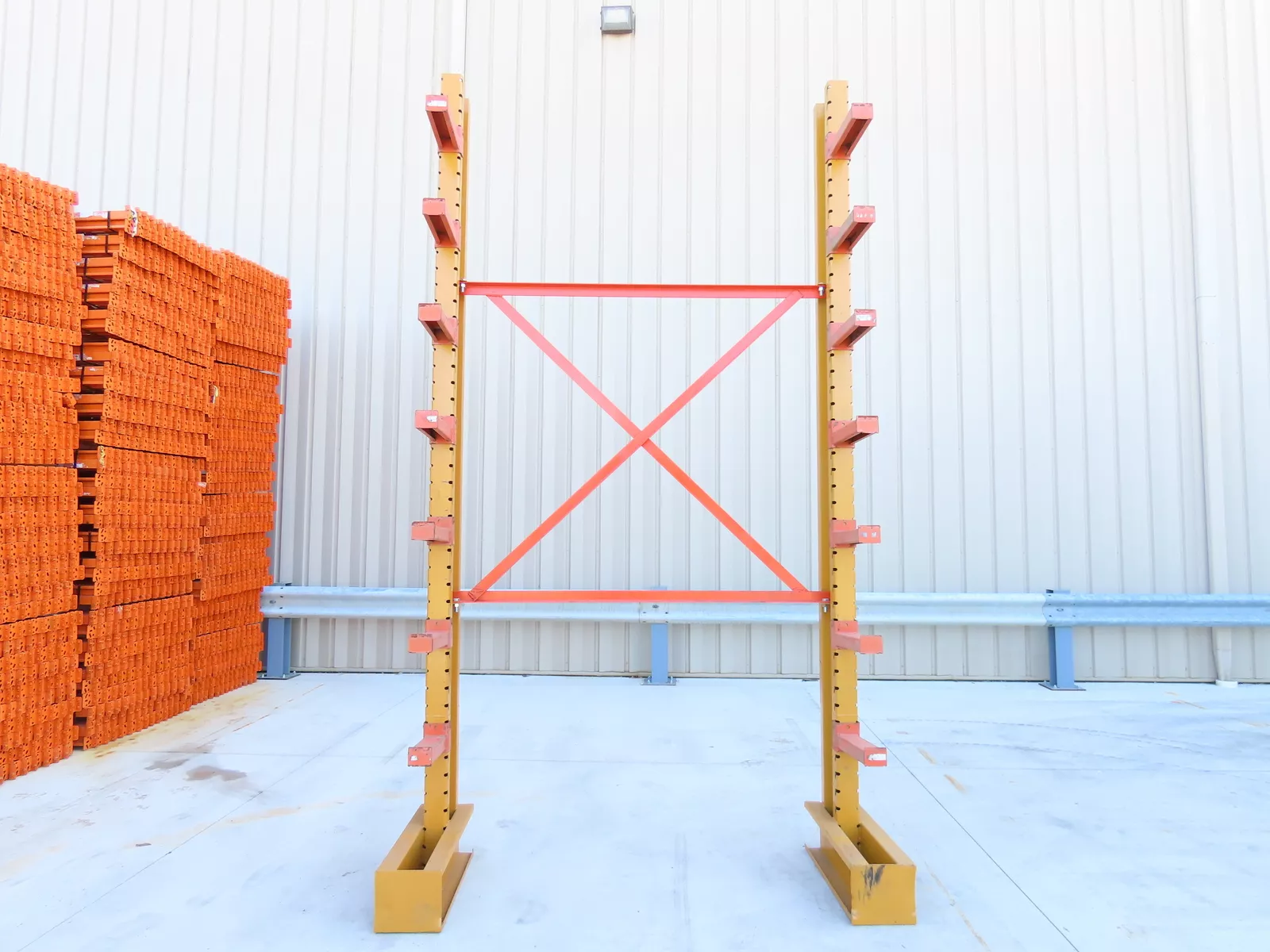
Why Is Pallet Racking Vital for Inventory Management?
Why Is Pallet Racking Vital for Inventory Management?
- Pallet racking is essential for efficient inventory management, preventing disorder and guesswork.
- It provides clear organization by assigning specific storage locations to each pallet, saving time and reducing errors.
- Pallet racking enhances safety by properly supporting heavy loads, minimizing product damage and workplace accidents.
- Trusted by industry leaders, pallet racking has proven durability and reliability over decades of use.
- It improves operational efficiency by streamlining order picking, increasing storage capacity, and reducing downtime.
- Pallet racking supports smooth warehouse operations, boosting team confidence and customer satisfaction.
- Investing in pallet racking ensures respect for products, worker safety, and orderly inventory control.

Why Is Pallet Racking Vital for Inventory Management?
How Does Pallet Racking Impact Order Fulfillment Speed?
There’s something to be said about a well-organized warehouse. Imagine walking into a place where everything is exactly where it should be—no hunting, no guessing, no wasted steps. That’s the kind of smooth operation pallet racking delivers. It’s not just metal beams and shelves; it’s the backbone of speeding up order fulfillment, day in and day out.
The heart of it is simple: pallet racking puts your stock right where your hands and forklifts can reach it quick and easy. When an order comes through, there’s no scrambling around, no lost time. It’s a setup built on common sense—stacking high, using vertical space instead of piling up everywhere like a junkyard. Fast picking means happier customers and less pressure on the crew, which keeps morale up. You know the drill—frustration breeds mistakes, and mistakes slow everything down.
From the head’s perspective, the benefits stack up clear as day. Pallet racking optimizes space, reduces clutter, and streamlines workflow. This means less energy spent on moving pallets around and more on actual order processing. It turns a chaotic, sprawling mess into a tactical, efficient battlefield. With everything neatly stored on pallet racks, inventory counts become less of a headache and accuracy improves because you’re not mixing up products or losing track.
Ethically, it’s about respect—for your workers and your customers. Investing in pallet racking shows you care about giving your team the tools to do their job right without burnout or injury from awkward lifts or cramped spaces. And for customers, quick, accurate order fulfillment isn’t just a nice touch—it’s a promise kept, a trust earned. It’s the difference between a one-time sale and a loyal relationship.
On the gut level, anyone who’s spent time in a warehouse knows that slow fills and disorganized storage wear you down. Pallet racking cuts through the chaos and brings order. It’s like the difference between fishing with a net and casting a line—sure, you might catch a fish one way, but the right gear catches a whole haul. When everything flows, you feel it, you see it in daily wins, and it drives the whole team to do better.
Pallet racking isn’t just a piece of equipment; it’s the heartbeat of speed and reliability in order fulfillment. It makes the job easier, the orders quicker, and the whole operation tighter, smarter, and ready to roll when the pressure’s on. That’s why smart businesses don’t just want pallet racking—they count on it.
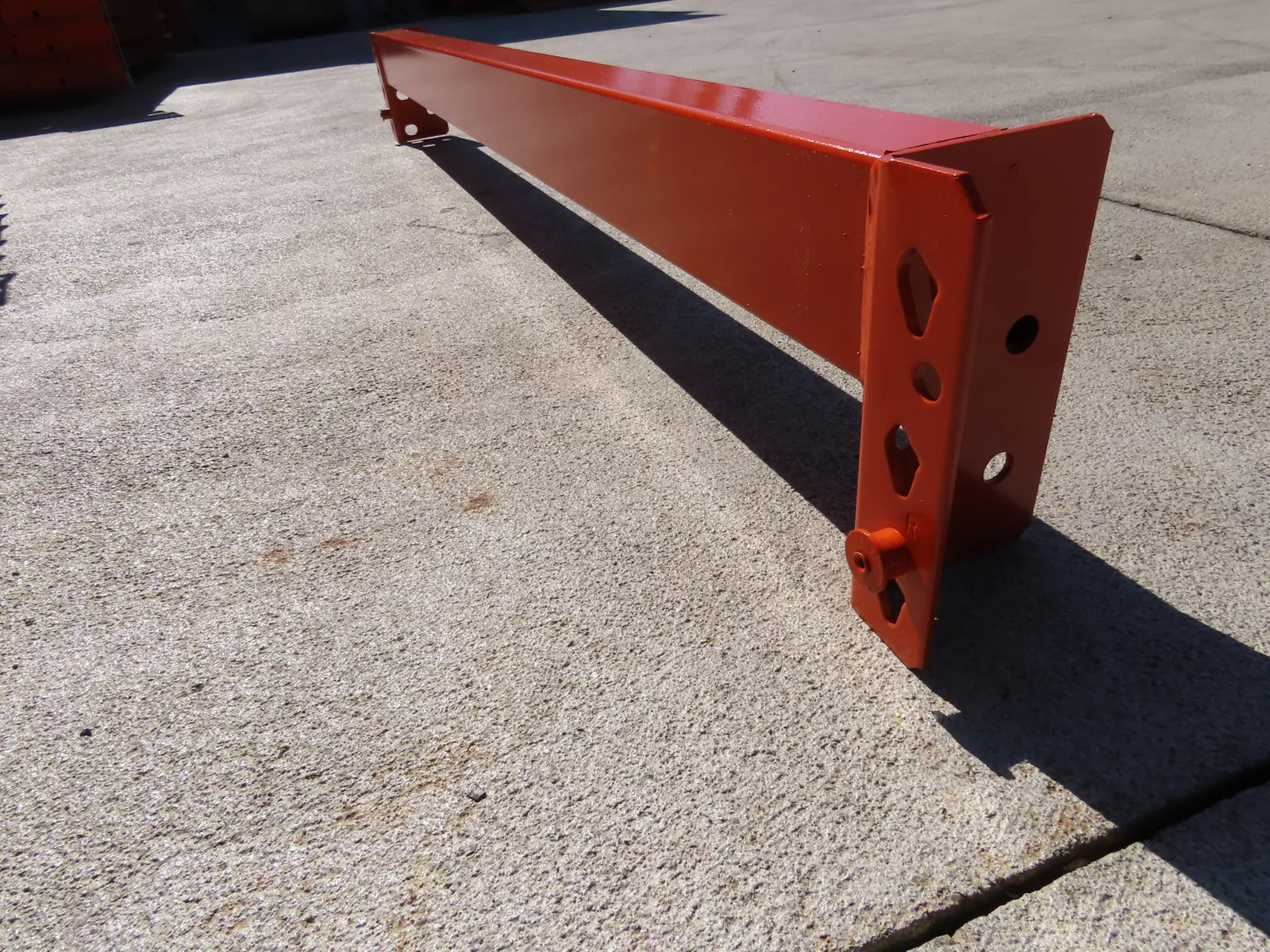
How Does Pallet Racking Impact Order Fulfillment Speed?
How Does Pallet Racking Impact Order Fulfillment Speed?
- Pallet racking creates a well-organized warehouse where everything is easily accessible, eliminating wasted time and effort.
- It positions stock for quick reach by hands and forklifts, enabling fast, efficient order picking and reducing errors.
- Optimizes vertical space use, reducing clutter and streamlining workflow for better energy use and order processing.
- Improves inventory accuracy by preventing product mix-ups and simplifying inventory counts.
- Demonstrates respect for workers by reducing physical strain and boosting morale, while ensuring reliable, timely fulfillment for customers.
- Transforms chaotic storage into a controlled, efficient operation that motivates the team and supports daily productivity.
- Functions as the essential element for speed and reliability in order fulfillment, trusted by smart businesses to maintain smooth operations under pressure.
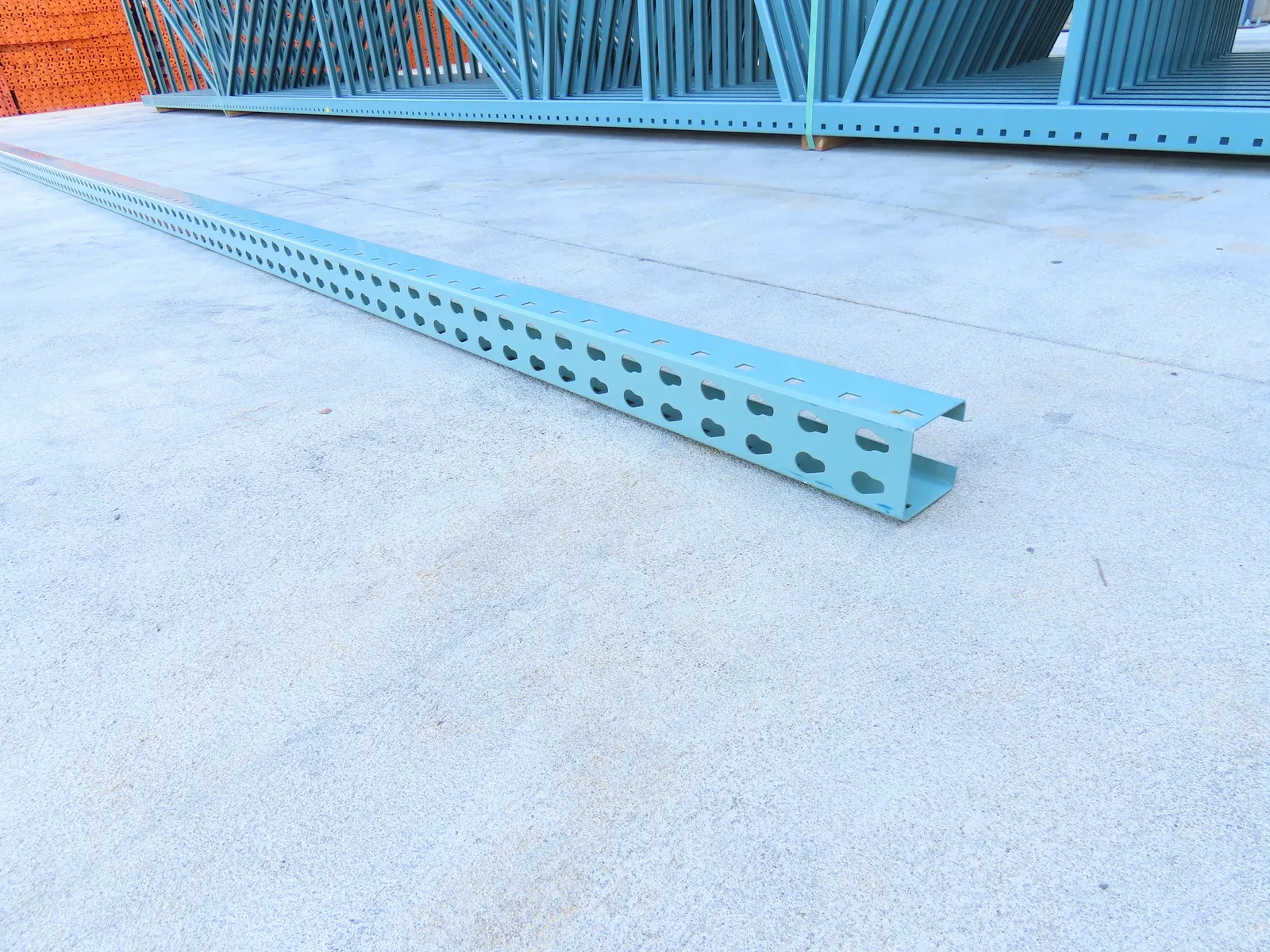
How Does Pallet Racking Impact Order Fulfillment Speed?
Conclusion
When it comes down to it, pallet racking in medical supply warehouses is the unsung workhorse standing between chaos and calm. It’s not flashy or complicated—just good, solid steel shelves arranged with common sense and care—but that’s what makes it so crucial. These racks do more than just hold boxes; they shape the whole operation, turning a jumble of lifesaving equipment into a well-oiled system that hospitals and clinics can trust when every second matters.
The real strength of pallet racking lies in how it respects both the product and the people handling it. By maximizing space and keeping everything organized, it cuts down on wasted time and frustration. Forklift drivers don’t have to play guessing games; shelves stay sturdy, less gear gets damaged, and workers get home without unnecessary aches or injuries. It’s a simple safety net, built to bear weight and demands without breaking a sweat.
This isn’t just about stacking items off the floor—it’s about safeguarding fragile, vital supplies from contamination or spoilage. Those racks ensure nothing’s crushed, mixed up, or left in the wrong place, which protects not only the business’s bottom line but the trust of every patient depending on that gear. It’s ethical, practical work that shows respect for everyone from the dawn-shift loader to the end-user still counting on that shipment.
Efficiency isn’t just a buzzword here—it’s the difference between smooth sailing and constant firefighting. Pallet racking streamlines workflow, speeds up order fulfillment, and keeps inventory management straightforward. With everything in its place and easy to find, warehouses save time, reduce errors, and keep the chain running without hiccups. That reliability builds confidence across the board—bosses know the job’s done right, workers feel proud in their well-set-up workplace, and customers get their orders without a hitch.
Pallet racking stands as a quiet testament to good judgment and hard work. It turns tight, cluttered spaces into organized hubs that flex with the business’s growth, saves costs without skimping on safety, and supports teams working hard day after day. It’s a backbone you don’t notice until it’s missing—a sturdy partner that holds the whole operation steady so healthcare can focus on what really counts: saving lives. This is the kind of no-nonsense, done-right solution every medical warehouse needs to keep going strong, one secure pallet at a time.
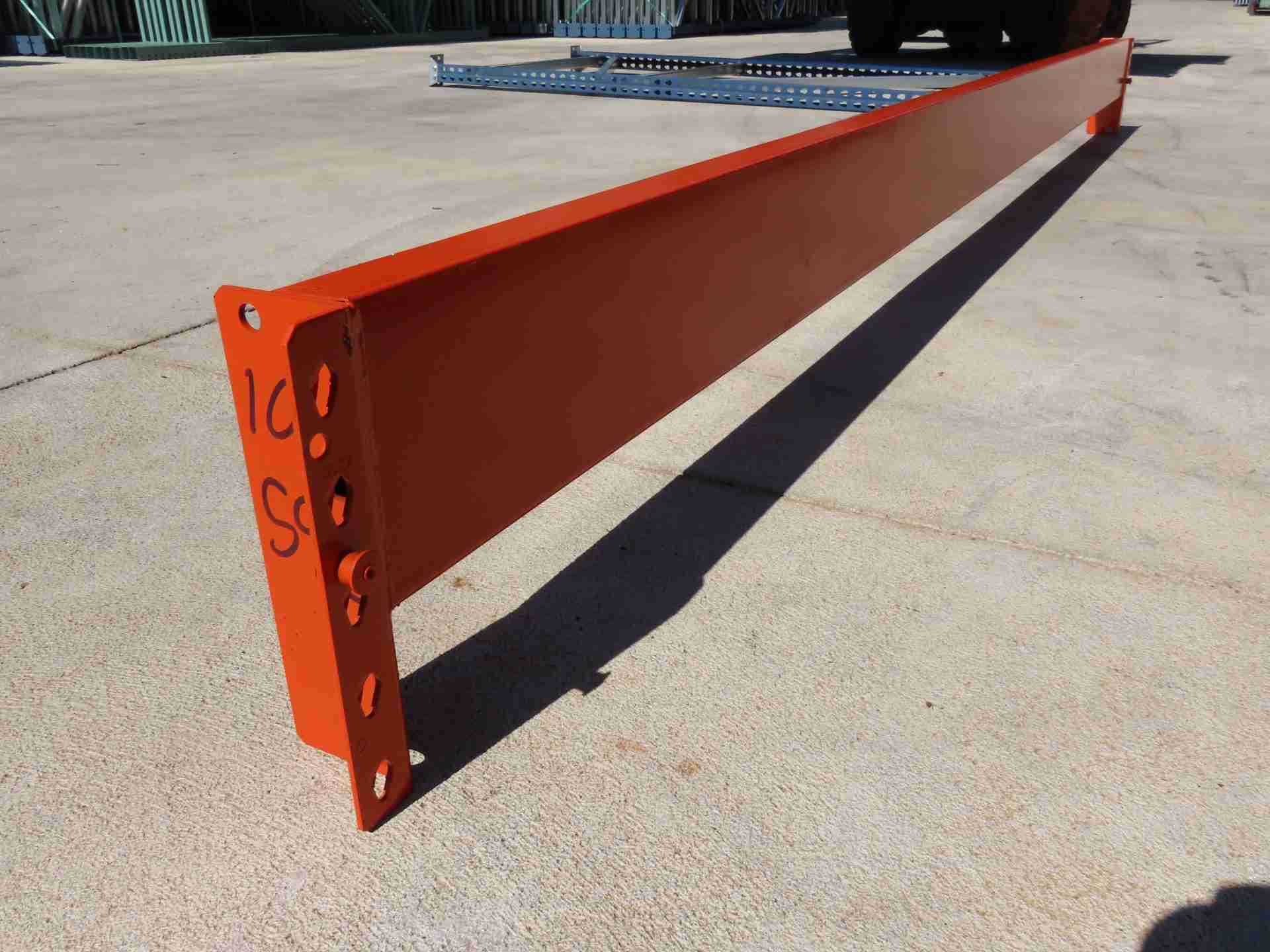
Conclusion
Conclusion:
- Pallet racking provides essential, sturdy steel shelving that organizes medical supply warehouses, ensuring a reliable system for hospitals and clinics.
- It maximizes space and organization, reducing wasted time and preventing damage to supplies, while supporting worker safety and efficiency.
- The racks protect fragile and vital medical supplies from contamination, spoilage, and misplacement, maintaining trust and operational integrity.
- Pallet racking enhances workflow, speeds up order fulfillment, and simplifies inventory management, reducing errors and downtime.
- It builds confidence among management, workers, and customers by maintaining a well-organized, dependable system.
- The system adapts to business growth, saves costs without compromising safety, and supports warehouse teams daily.
- Pallet racking is a critical, unobtrusive backbone that keeps medical warehouse operations steady, enabling focus on saving lives.

Conclusion
Other Resources

Other Resources
Here is a list of other resources you can review online to learn more:
- Pallet Rack Systems – New and Used Pallet Racking and Shelving Experts
- Warehouse Racking Chicago, IL
- ASSP
- Storage Equipment Manufacturers’ Association
- The Ultimate Pallet Racking Guide – Speedrack West
- Cantilever Rack Configuration & Installation: A Comprehensive Guide – BMH
- Material Handling Safety
- Mustang Material Handling
- Selective Racking
- BMH
- Cantilever Racks Chicago
- What is Selective Racking: Understanding Benefits & Options
- Teardrop Uprights
- SEMA
- Rack Manufacturers Institute
- Teardrop Industrial Shelving Rack
- Logic Material Handling
- Warehouse Racking Layout: The Ultimate Guide – Conger
- Illinois Pallet Racking – Storage Solutions
- Warehouse Racking System: Powerful Guide to Optimise, 2024
Use This Prompt To Get More Resources With Your Favorite Online AI Tool: Please provide me with a list of online articles with their URLs in a bulleted list that I can read regarding How Do Medical Supply Warehouses Leverage Pallet Racking?
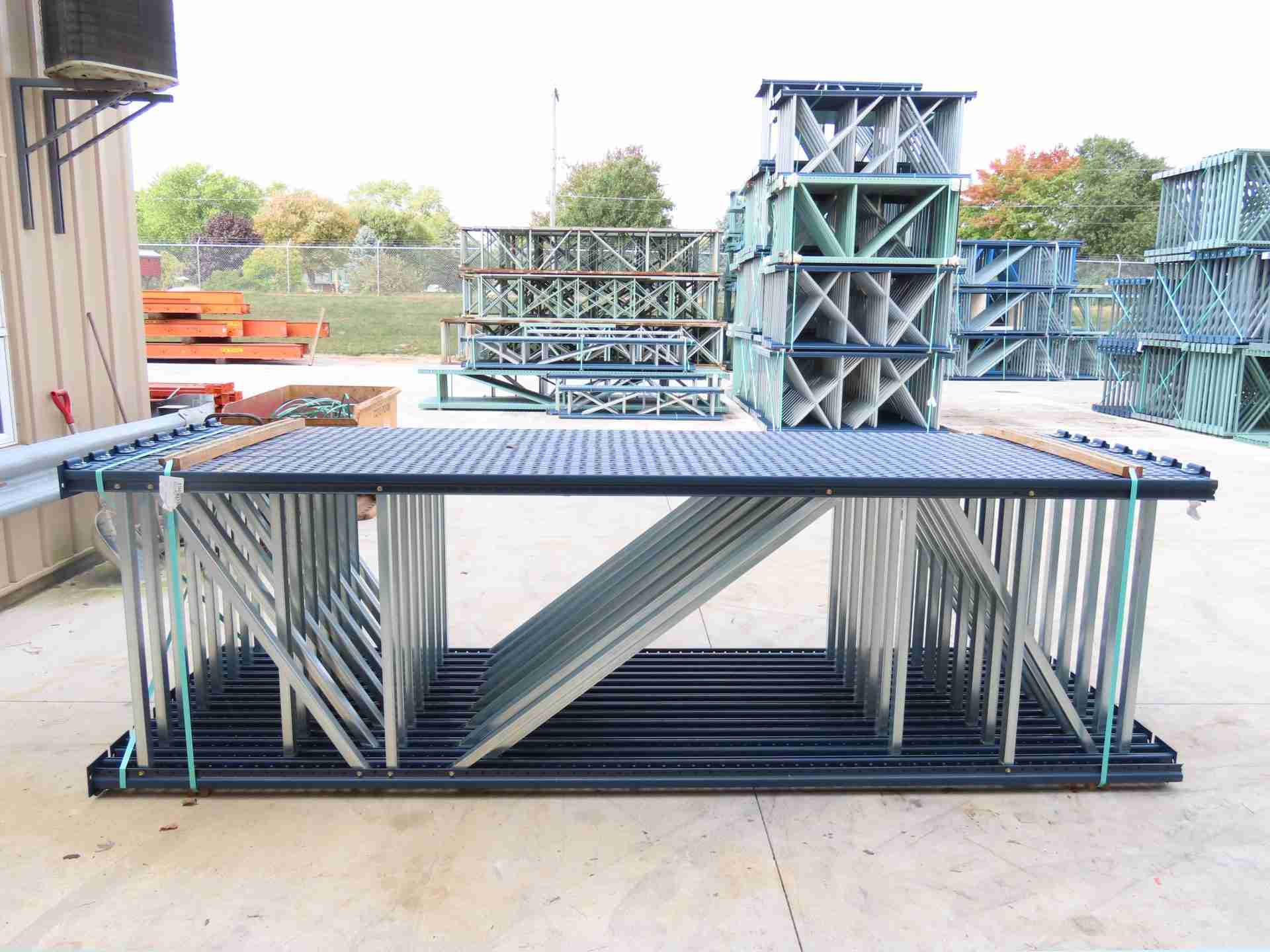
Other Resources
Glossary Terms
How Do Medical Supply Warehouses Leverage Pallet Racking? – Glossary Of Terms
1. Pallet Racking: A storage system designed to hold materials on pallets in horizontal rows with multiple levels.
2. Medical Supply Warehouse: A facility specifically used for storing and distributing medical equipment and supplies.
3. Inventory Management: The process of ordering, storing, and using a company’s inventory efficiently.
4. Load Capacity: The maximum weight a pallet rack system can safely support.
5. FIFO (First In, First Out): An inventory management technique where the oldest stock is used or sold first.
6. LIFO (Last In, First Out): An inventory management method where the most recently received items are used or sold first.
7. Mezzanine: Intermediate floor platforms installed within warehouses to increase storage space vertically.
8. Aisle Width: The clearance between racks allowing safe forklift or personnel movement.
9. Picking Efficiency: The speed and accuracy with which items are retrieved from storage.
10. Slotting: The organization of products within a warehouse to optimize picking and storage.
11. Vertical Space Utilization: Maximizing storage by using the height of the warehouse through pallet racking.
12. Load Stability: Ensuring that goods on pallets are securely positioned to prevent shifting or falling.
13. Safety Barriers: Physical barriers to protect racking systems from damage caused by equipment.
14. Cross Docking: Transferring products directly from inbound to outbound transportation with minimal storage time.
15. SKU (Stock Keeping Unit): A unique identifier for each distinct product and service that can be purchased.
16. Forklift Compatibility: The design consideration of pallet racks to accommodate forklift access.
17. Selective Racking: A pallet racking system where each pallet is directly accessible without moving others.
18. Drive-In Racking: A storage system allowing forklifts to drive directly into the rack bays to store pallets.
19. Pallet Flow Racking: A system using gravity rollers for pallets to flow from loading to picking areas, supporting FIFO.
20. Load Distribution: Evenly spreading the weight on racks to maintain structural integrity.
21. Compliance Standards: Regulations that pallet racking must meet for safety and operational purposes.
22. Warehouse Layout: The physical design and arrangement of storage systems and pathways within a warehouse.
23. Backorder Management: Handling shortages of stock by managing pending orders efficiently.
24. Traceability: The ability to track medical supplies throughout the supply chain.
25. Climate Control: Environmental management to maintain proper temperature and humidity for sensitive medical supplies.
26. Rack Inspection: Routine checks to ensure pallet racks are safe and undamaged.
27. Inventory Turnover: The frequency at which inventory is sold or used over a given period.
28. Order Fulfillment: The process from receiving an order to delivering the product to the customer.
29. Load Weight Limits: Restrictions on the weight each level or component of a pallet rack can bear.
30. Space Optimization: Techniques used to maximize storage capacity within the available warehouse footprint.
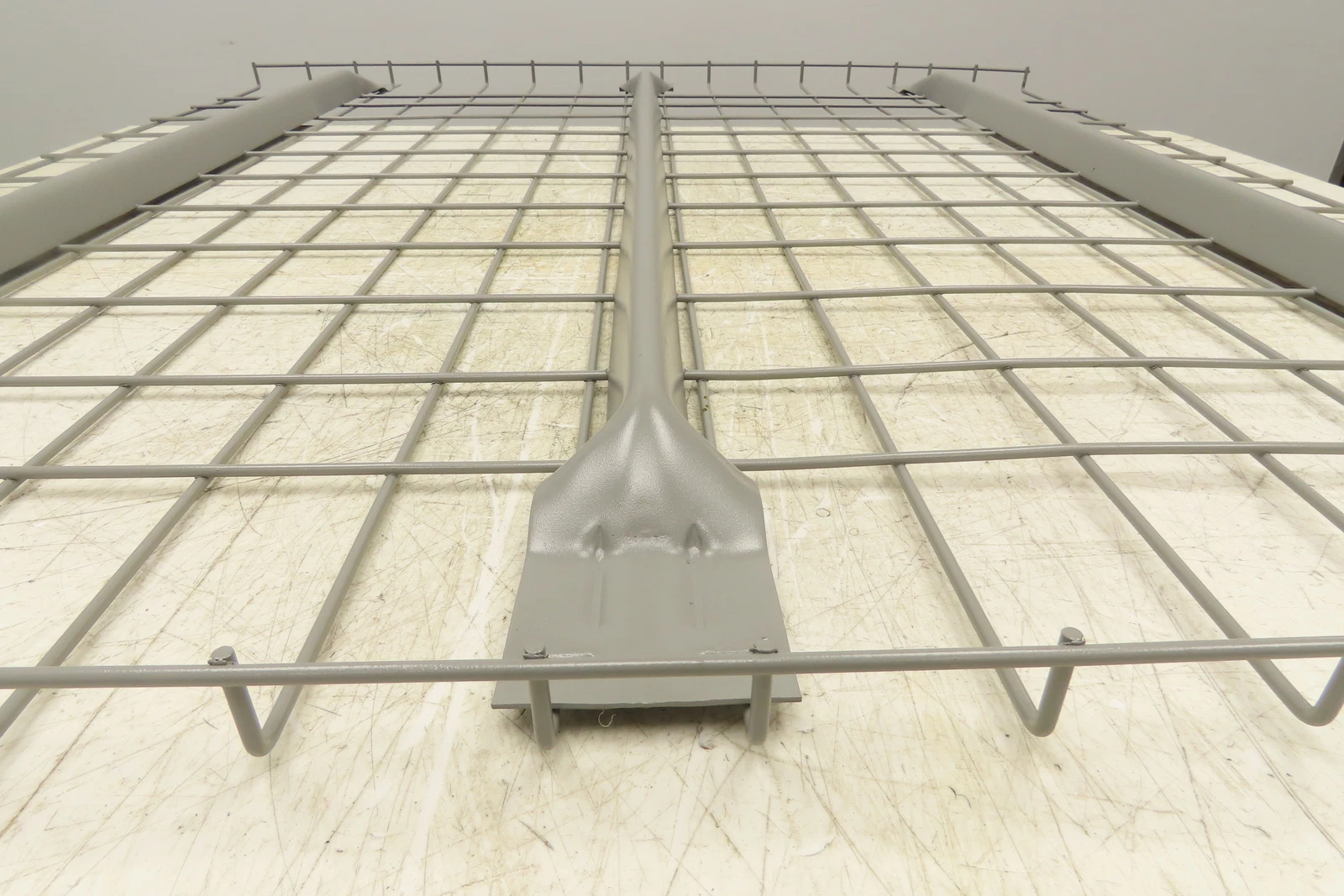
Glossary Of Terms
Other Questions
How Do Medical Supply Warehouses Leverage Pallet Racking? – Other Questions
If you wish to explore and discover more, consider looking for answers to these questions:
- What types of pallet racking systems are best suited for medical supply warehouses (e.g., selective, drive-in, push-back, pallet flow)?
- How do pallet racking designs differ for sterile or temperature-controlled medical products?
- What are the weight and load-bearing limits for common pallet racking components?
- How is rack capacity calculated and verified for mixed-load pallets?
- What floor and building requirements are necessary to safely install heavy pallet racking?
- How do seismic or wind-load considerations affect racking selection and installation?
- How frequently should pallet racking be inspected and by whom?
- What are the most common rack failures and how can they be prevented?
- What inspection documentation and records should warehouses maintain for compliance?
- Which regulatory standards and industry guidelines apply to pallet racking in medical warehouses (OSHA, FDA, NFPA, local codes)?
- How does pallet racking integrate with warehouse management systems (WMS) and inventory control software?
- What labeling and location identification practices work best for pallet racking to improve picking accuracy?
- How can pallet racking support first-expiry-first-out (FEFO) or first-in-first-out (FIFO) inventory methods?
- What are the best practices for storing hazardous or biohazardous medical supplies on pallet racks?
- How are temperature-sensitive and cold-chain products protected when stored on racks?
- What racking and storage controls minimize contamination risk for sterile supplies?
- How do you design racking layouts to optimize forklift traffic flow and reduce congestion?
- What training is required for forklift operators and racking staff to ensure safe loading and unloading?
- What personal protective equipment (PPE) and safe-work procedures should employees use around pallet racking?
- How do you handle damaged pallets or compromised packaging on racks to maintain product safety?
- What are the costs associated with purchasing, installing, and maintaining pallet racking?
- How do you calculate return on investment (ROI) and payback period for racking upgrades?
- When is it better to retrofit existing racks versus replace them altogether?
- How can pallet racking be scaled or reconfigured to accommodate seasonal demand or growth?
- What options exist for automating pallet racking (AS/RS, conveyors, shuttle systems) in medical warehouses?
- How does automation impact order fulfillment speed, accuracy, and staffing?
- What are the best practices for integrating racking with picking strategies (zone picking, batch picking, wave picking)?
- How should racks be anchored and braced to meet safety and insurance requirements?
- What fire protection systems and clearances are required around pallet racking (sprinklers, fire aisles)?
- How do you manage aisle widths and clearances for different types of forklifts and equipment?
- What maintenance procedures extend the lifespan of pallet racking components?
- How often should load testing be performed and what documentation is needed?
- What are the implications of different pallet types and sizes on racking configuration?
- How do you handle mixed SKUs, odd-shaped items, or oversized equipment on standard racking?
- What measures reduce product theft, tampering, or diversion in racked storage areas?
- How should returns, quarantined, and recalled items be managed within pallet racking systems?
- What KPIs should warehouses track to measure racking effectiveness (space utilization, picking speed, damage rates)?
- How can racking layout optimize cross-docking and inbound/outbound flow in a medical supply chain?
- What vendor selection criteria ensure quality, warranty, and after-sales support for racking systems?
- Are there case studies or benchmarks for pallet racking performance in medical supply warehouses?
- How do insurance providers view different racking systems and what requirements do they impose?
- What permits or local approvals are typically required for large racking installations or mezzanines?
- How do you plan for emergency access and evacuation routes around high-density racking?
- What cleaning and pest-control protocols are compatible with racked storage of medical supplies?
- How do sustainability and recyclable-material options factor into racking procurement decisions?
- What common mistakes should facilities avoid when planning and installing pallet racking?
Other Questions
Checklist
How Do Medical Supply Warehouses Leverage Pallet Racking? – A Checklist
Planning and Design
✅______ Storage modes mapped (pallet, case, each) and zones defined (ambient, cold, sterile)
✅______ Slotting strategy set (fast-movers in golden zone; FEFO/FIFO by SKU)
✅______ Aisle widths match equipment turning radius and clearance needs
✅______ Seismic/floor load calculations approved by a qualified engineer
✅______ Fire code compliance verified (sprinklers, flue spaces, in-rack systems if required)
✅______ Clear travel paths, staging areas, and emergency egress marked
Rack Selection and Setup
✅______ Appropriate rack types selected (selective, double-deep, drive-in, push-back, pallet flow)
✅______ Capacities confirmed (uprights, beams, decking) with safety factors
✅______ Hygienic decking chosen (wire mesh; no solid shelves where prohibited)
✅______ Load plaques installed with maximum beam, bay, and uniform load ratings
✅______ Racks anchored; plumbness and tolerances verified
✅______ Rack protection installed (end guards, column protectors, row spacers)
Pallet and Load Quality
✅______ Standard pallet specification defined (size, grade, 4-way entry)
✅______ Pallet condition inspection at receiving; damaged pallets rejected
✅______ Unitization standards set (wrap/banding, top caps, no overhang)
✅______ Center of gravity stable; heavy items low and centered
✅______ Liquid/chemical SKUs have containment; hazardous goods segregated
Product Safety and Compliance
✅______ FEFO/FIFO enforced for expiry-controlled SKUs
✅______ Temperature/humidity monitored; cold chain racks and sensors validated
✅______ Cleanliness plan active (no product on the floor; dust control schedule)
✅______ Lot/UDI traceability at location level; quarantine/hold areas defined
✅______ All locations labeled/barcoded; zone color-coding consistent
✅______ Sterile/clean areas physically separated with access controls
Operations and Workflow
✅______ Scan-based receiving and directed putaway active
✅______ Replenishment min/max set; triggers automated where possible
✅______ Pick paths optimized; congestion points removed
✅______ Cycle counting cadence by ABC class; count variance thresholds set
✅______ Clear staging lanes for inbound/outbound; cross-dock rules defined
✅______ Return-to-stock and damage handling SOPs in place
Equipment and Training
✅______ Operators certified for forklifts/reach trucks/order pickers
✅______ Speed limits, horn points, and one-way aisles posted and enforced
✅______ PPE and ergonomic aids available (lift assists, step platforms)
✅______ Fork extensions, clamps, and attachments approved and inspected
✅______ Spill kits, first aid, and eyewash stations accessible and marked
Inspection and Maintenance
✅______ Daily visual checks for impact damage, bent components, missing clips
✅______ Monthly bolt/anchor verification; beam locks engaged
✅______ Flue spaces and sprinkler clearances audited routinely
✅______ Annual third-party rack inspection; defects red-tagged and repaired
✅______ Cleaning under/around racks; pest control documented
✅______ Preventive maintenance schedule for MHE and chargers
Space Optimization
✅______ Vertical height utilized within safe reach and code limits
✅______ Slow-movers consolidated; deep lanes reserved for high-velocity SKUs
✅______ Overhead signs and end-of-aisle maps installed
✅______ Seasonal/peak overflow plan and flexible zones defined
✅______ Regular re-slot based on velocity and cube (at least quarterly)
Inventory Management
✅______ Location control enforced; no mixed lots where prohibited
✅______ Accurate unit of measure and case/pallet conversion in WMS
✅______ Expiry and lot captured at receipt; FEFO pick rules in WMS
✅______ Damages, adjustments, and write-offs tracked with root cause
✅______ Recall drill conducted; trace test completed and documented
Order Fulfillment Speed
✅______ Pick faces right-sized to reduce replenishments
✅______ Batch/wave/zone picking configured to demand profile
✅______ Fast-movers near docks; heavy/bulky items close to equipment
✅______ Clear KPIs for pick rate, order cycle time, and dock-to-stock
✅______ Bottlenecks reviewed in daily stand-up and corrected quickly
Documentation and Governance
✅______ Current rack drawings, load charts, and permits on file
✅______ SOPs for putaway, picking, replenishment, and inspections published
✅______ Change control process for rack moves/reconfigurations; drawings updated
✅______ Named owners for racking, slotting, safety, and inventory accuracy
✅______ Vendor contacts and spare parts on hand (beam clips, anchors, labels)

Checklist
At RackingWorld, we help guide you through selecting warehouse storage systems and racking.
Be sure to read our other related stories at RackingWorld to learn more about warehouse storage systems.
0 Comments