
Optimizing Safety, Efficiency, And Compliance In Medical Device Storage
By Tom Seest
At RackingWorld, we help guide you through selecting warehouse storage systems and racking.
Be sure to read our other related stories at RackingWorld to learn more about warehouse storage systems.
How Do Medical Device Manufacturers Leverage Pallet Racking?
In the world of medical device manufacturing, every part counts—not just the devices themselves but the way materials and products move through the shop floor. Pallet racking isn’t just some metal framework; it’s the backbone that keeps everything organized, safe, and on schedule. When you’re dealing with items that literally save lives, the stakes are high. Pallet racking provides the kind of dependable storage solution that helps manufacturers meet those high standards without fuss or fancy jargon.
It’s more than just stacking stuff on shelves. These racks offer a clear, straightforward way to keep track of critical components—whether it’s raw materials, delicate instruments, or finished devices ready for shipment. The smart layout and sturdy construction ensure products don’t get damaged or misplaced. You can’t afford to waste time digging through clutter, and pallet racking delivers that common-sense efficiency, making workflows smoother and employees’ jobs easier. When your team sees everything clearly laid out and within reach, morale goes up, because nobody likes working in chaos.
There’s a principle here worth noting: handling medical gear demands respect and precision, and pallet racking helps carry that responsibility. It shows an ethical commitment to quality and safety. By investing in proper storage, manufacturers demonstrate a clear promise to deliver reliable devices to the people who need them—often in life-or-death moments. That builds trust not just inside the factory but across the whole supply chain and beyond.
From a practical standpoint, pallet racking maximizes space, especially in busy warehouses where every square foot matters. It supports heavy loads and adapts to changing inventory needs. This flexibility can save companies money, reduce waste, and improve overall productivity. It’s a simple solution with big impact—no overcomplicated systems, just good, hard work paired with smart design.
At the end of the day, pallet racking is a quiet hero in the background of medical device production. It’s the kind of tool that makes sure when those devices reach hospitals, clinics, and patients, they arrive intact, on time, and ready to do their job. It’s about doing things right, looking out for each other, and knowing that solid, straightforward systems like pallet racking make all the difference.

How Do Medical Device Manufacturers Leverage Pallet Racking?
How Do Medical Device Manufacturers Leverage Pallet Racking?
- Pallet racking is essential in medical device manufacturing, providing organized, safe, and reliable storage that supports high-quality standards.
- It enables efficient tracking and protection of critical components, from raw materials to finished devices ready for shipment.
- Smart design and sturdy construction prevent damage and misplacement, streamlining workflows and improving employee morale.
- Pallet racking reflects an ethical commitment to quality and safety, reinforcing trust across the supply chain.
- It maximizes warehouse space, supports heavy loads, and adapts to changing inventory, enhancing productivity and reducing costs.
- The system offers a simple but impactful solution, avoiding complexity while ensuring effective material handling.
- Pallet racking ensures medical devices reach their destinations intact, on time, and ready for use in critical healthcare settings.

How Do Medical Device Manufacturers Leverage Pallet Racking?
Table Of Contents
- How Do Medical Device Manufacturers Leverage Pallet Racking?
- How Does Pallet Racking Improve Medical Device Storage?
- What Safety Standards Must Pallet Racking Meet?
- How Does Pallet Racking Reduce Operational Costs?
- Can Pallet Racking Prevent Damage to Sensitive Devices?
- How Does Pallet Racking Support Inventory Accuracy?
- What Ethical Practices Relate to Storing Medical Devices?
- Conclusion
- Other Resources
- Glossary Of Terms
- Other Questions
- Checklist
How Does Pallet Racking Improve Medical Device Storage?
When you step into a medical storage area, every box, every shelf holds more than just equipment—it holds the trust of patients and the hard work of healthcare teams. Pallet Racking isn’t just metal and bolts; it’s the backbone that keeps these devices organized, accessible, and ready when lives depend on them. You don’t get that kind of reliability by accident. It comes from a system that’s built with common sense and proven in the trenches of real-world use.
Think about it. Medical devices aren’t your average goods. They demand careful handling, consistent conditions, and quick retrieval. Pallet Racking delivers all that by using space smartly—stacking pallets safely, making the most out of every square foot, and keeping everything visible and accountable. This isn’t just neatness; it’s about cutting down wasted time, avoiding costly errors, and reducing the risk of damage. When a surgeon needs a device in an emergency, fumbling around or hunting through cramped shelves just isn’t an option. Pallet Racking helps hospitals keep their promises by making sure the right gear is in the right place every time.
On a gut level, anyone who’s worked in a warehouse or storage room knows the strain of clutter and chaos. Pallet Racking brings order—and with it—peace of mind. It’s a simple, honest solution that respects the hands-on work of those who stock and retrieve medical supplies daily. No fancy gimmicks, just solid design that supports human effort, reduces physical strain, and creates safer workspaces. When the people handling these critical items feel confident and capable, that confidence trickles down to everyone relying on the equipment.
Ethically, using Pallet Racking speaks to responsibility. In healthcare, cutting corners with storage can mean the difference between safe procedures and dangerous mix-ups. This system protects the integrity of those devices, ensuring cleanliness, minimizing contamination risk, and maintaining compliance with industry standards. It’s a commitment to doing things right, honoring the trust placed in medical professionals by every patient.
For anyone who’s built, organized, or managed a storage space, Pallet Racking is a straightforward fix that works. The kind you don’t hype up but quietly count on. When the stakes are this high, that reliability isn’t just nice to have—it’s absolutely essential. And that’s why investing in Pallet Racking for medical device storage isn’t just a smart business move; it’s a clear, common-sense way to support the healers, comfort the worried, and respect the critical nature of the work being done every day.

How Does Pallet Racking Improve Medical Device Storage?
How Does Pallet Racking Improve Medical Device Storage?
- Medical storage relies on Pallet Racking as a reliable backbone for organization, accessibility, and readiness of devices critical to patient care.
- Pallet Racking optimizes space by safely stacking pallets, maximizing every square foot, and ensuring visibility and accountability.
- Efficient storage reduces wasted time, prevents costly errors, and minimizes damage, crucial in emergency situations.
- The system brings order to cluttered storage areas, reducing physical strain and creating safer work environments.
- Pallet Racking supports ethical standards by maintaining device integrity, cleanliness, and compliance with healthcare regulations.
- Its simple, proven design respects the work of staff and builds confidence that benefits overall healthcare delivery.
- Investing in Pallet Racking is essential for medical storage, providing a common-sense solution that supports healthcare professionals and patient trust.

How Does Pallet Racking Improve Medical Device Storage?
What Safety Standards Must Pallet Racking Meet?
When it comes to pallet racking, safety isn’t just a checkbox on a form—it’s the backbone of protecting the people who work hands-on day in and day out. You don’t need fancy jargon to understand why leaning on solid safety standards is a no-brainer. These racks hold the weight of your business—literally—and one slip-up could turn a routine day into a disaster. There’s trust in knowing that every beam and brace is designed not just to stand tall, but to stand firm under pressure.
The heart of the matter is simple: proper pallet racking must meet rigorous standards that ensure stability, strength, and durability. These aren’t arbitrary rules set by someone far removed from the warehouse floor; they are hard-earned lessons forged from years of experience and, yes, mistakes that taught the industry what works and what doesn’t. When racks meet these standards, every bolt tightened and every upright installed is a promise kept—to the workers, the goods, and the business itself.
On the ethical side, it’s about looking out for your crew. These aren’t just racks; they’re part of the daily grind, lifting and holding heavy loads that keep the supply chain moving. Cutting corners or ignoring standards puts lives at risk, and no ledger entry could ever justify that. The industry standards serve as a guardrail, making sure nobody has to take chances with their safety because of poor equipment choices.
From a practical standpoint, pallet racking built to spec minimizes downtime from accidents and repairs. It’s about confidence—knowing your storage system won’t buckle under pressure or scrape up a shipment. Reliable pallet racks keep the workflow smooth, costs down, and headaches at bay. There’s an unspoken pride in running a warehouse where everything’s solid, secure, and sorted.
Socially, it’s also knowing you’re part of a larger network that respects hard work and knows what it takes to keep things running safe. Following pallet racking safety standards sends a signal: you care enough to do it right. That earns respect—from the crew loading the racks to the customers trusting their goods are stored safely.
All told, meeting pallet racking safety standards is about more than rules; it’s about responsibility, respect, and common sense. When those standards are met, everyone in the warehouse can breathe a little easier, knowing their work environment stands on a foundation built for safety, reliability, and trust.

What Safety Standards Must Pallet Racking Meet?
What Safety Standards Must Pallet Racking Meet?
- Safety in pallet racking is essential for protecting workers handling heavy loads daily.
- Pallet racks must meet rigorous standards ensuring stability, strength, and durability based on industry experience.
- Following safety standards is an ethical obligation to protect workers and maintain supply chain integrity.
- Properly built racks reduce downtime, prevent accidents, and maintain smooth warehouse operations.
- Compliance with safety standards demonstrates responsibility and respect for workers and customers.
- Reliable pallet racking promotes confidence and pride in a secure, efficient warehouse environment.
- Meeting safety standards fosters a trustworthy workplace built on safety, reliability, and accountability.
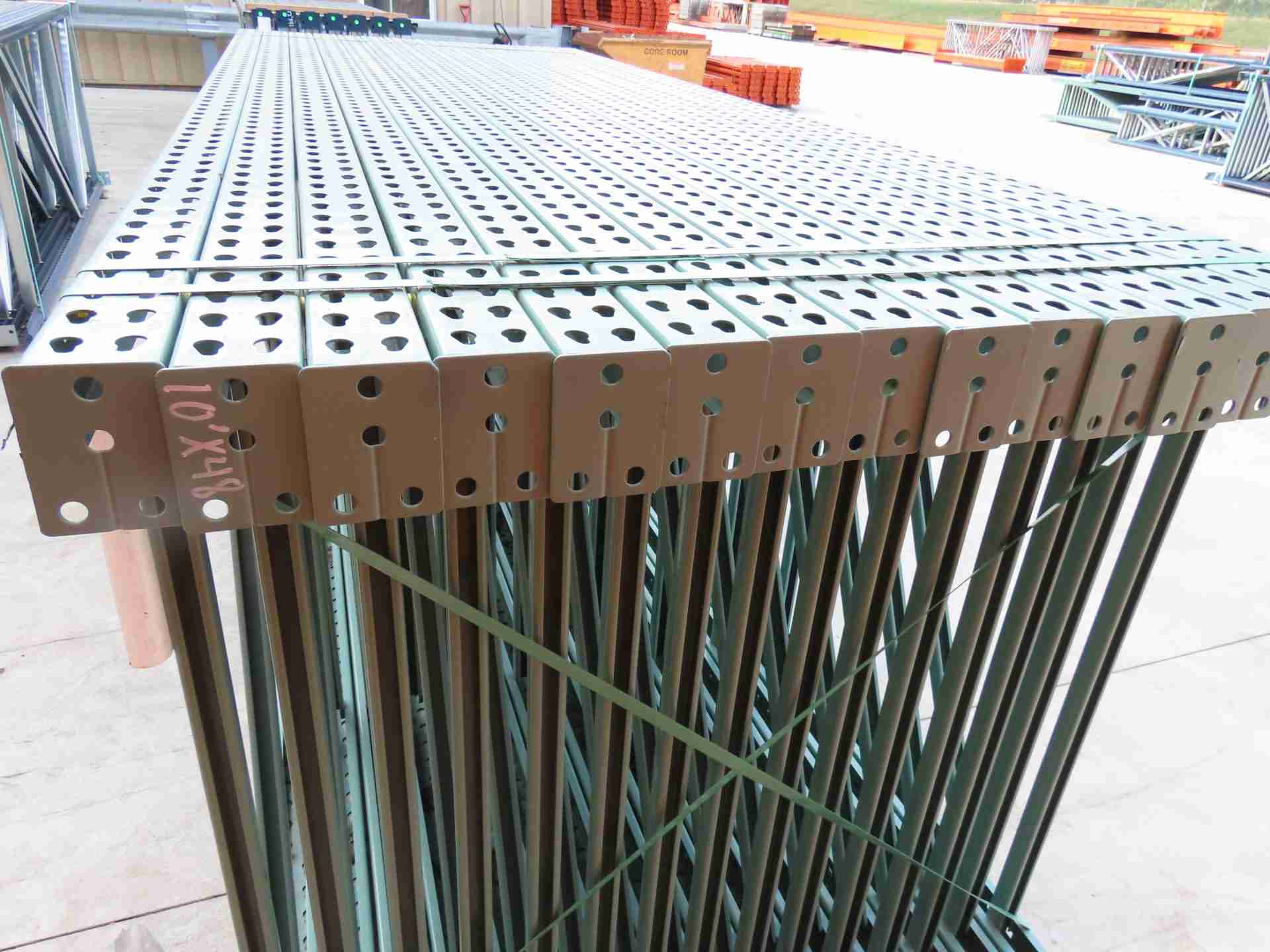
What Safety Standards Must Pallet Racking Meet?
How Does Pallet Racking Reduce Operational Costs?
Look, when you’ve been on the floor hauling freight or stacking boxes, you know every second counts. Pallet racking isn’t just some fancy-building decoration—it’s where common sense meets hard work. It organizes your space so things don’t end up piled in a heap, or worse, spilled across the floor. That clutter isn’t just ugly; it’s costly. You waste time hunting for pallets, and that adds up fast. Pallet racking strips out that chaos. When items are easy to find, workers move quicker, stress drops, and accidents happen less often. Less downtime means more done in less time, right there saving money in wages alone.
It’s not just speed but space that counts. Square footage doesn’t come cheap, especially when you’re renting or working in tight quarters. Pallet racking stacks vertically, turning wasted airspace into manageable layers of inventory. Suddenly, your warehouse holds more without feeling like a fire hazard hellhole. Saving on space means you might avoid expensive expansions or the headache of off-site storage. That directly hits your bottom line, trimming unnecessary expenses you didn’t realize were bleeding you dry. Simple, sturdy racks stand the test of time, too. You’re not constantly fixing makeshift shelves or replacing warped wooden pallets. That durability lowers replacement costs and keeps your operation humming along with fewer hiccups.
On a practical level, pallet racking increases safety. Fewer accidents mean fewer sick days, less insurance hassle, and a team that’s not looking over their shoulder every minute. That peace of mind is worth more than a few bucks—it builds trust between management and crew. Everyone knows a workplace that cares enough to invest in proper storage treats its people right. That feeling of respect motivates folks to do their best, cut corners less, and stick around longer.
Using pallet racking isn’t just about storing stuff; it’s about respecting the work, the workers, and the job itself. It’s a silent partner that cuts costs while keeping order. The kind of partner who doesn’t clock out, never complains, and always delivers. Reliable, efficient, and tough—that’s pallet racking for you. When your operation leans on that kind of sensible backbone, savings multiply, headaches shrink, and the whole team moves forward with confidence. And that’s what real value looks like.
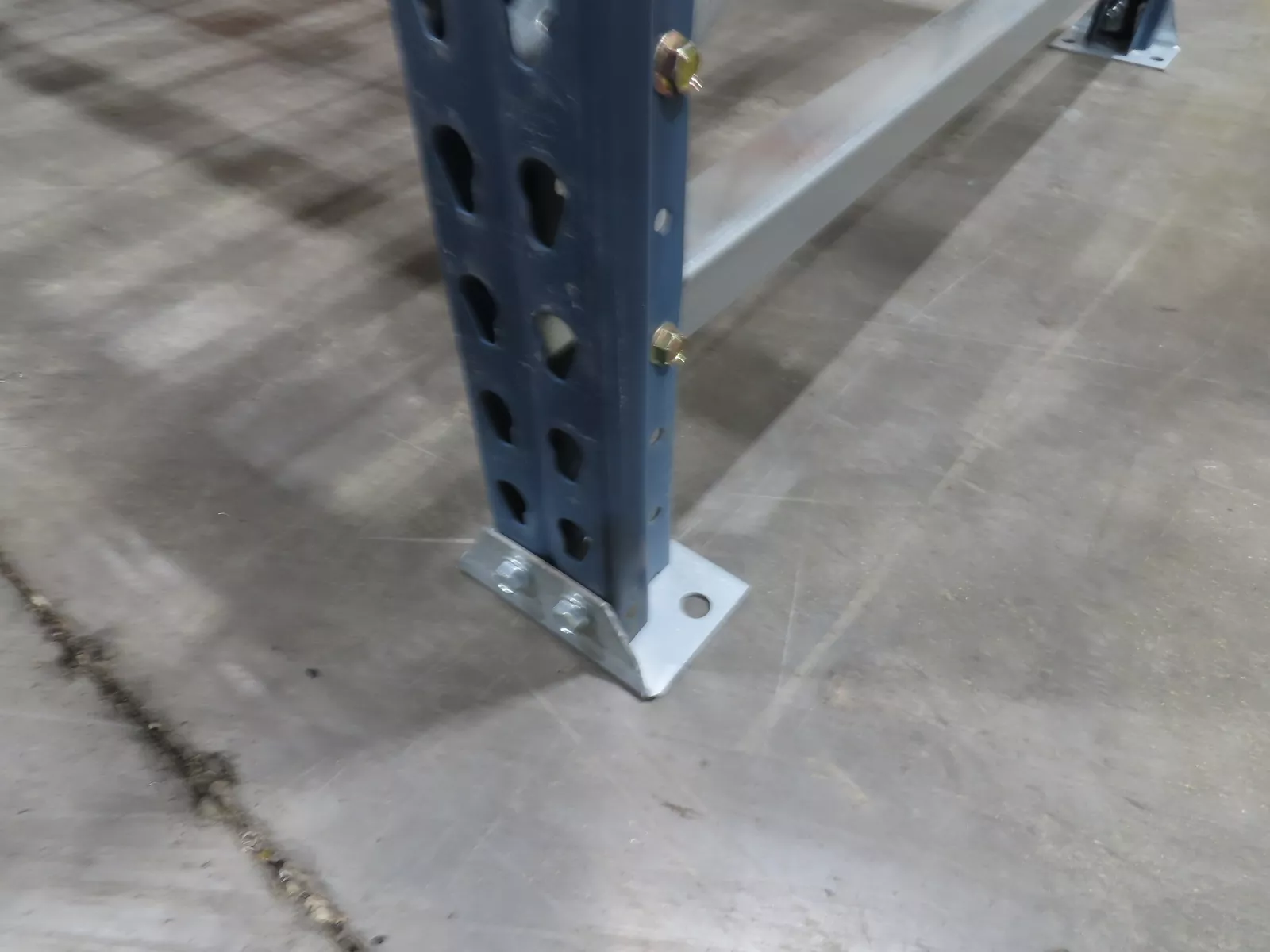
How Does Pallet Racking Reduce Operational Costs?
How Does Pallet Racking Reduce Operational Costs?
- Pallet racking organizes warehouse space, reducing clutter and minimizing costly wasted time spent searching for pallets.
- Improves worker efficiency and safety by making items easy to locate, decreasing stress and accidents.
- Maximizes vertical space, allowing more inventory storage without expanding the warehouse footprint.
- Helps avoid costly expansions or off-site storage by optimizing existing square footage.
- Durable construction lowers replacement and maintenance costs compared to makeshift shelving.
- Enhances workplace safety, reducing sick days and insurance issues while fostering trust between management and staff.
- Represents a reliable, cost-cutting solution that respects workers and supports smooth, confident operations.
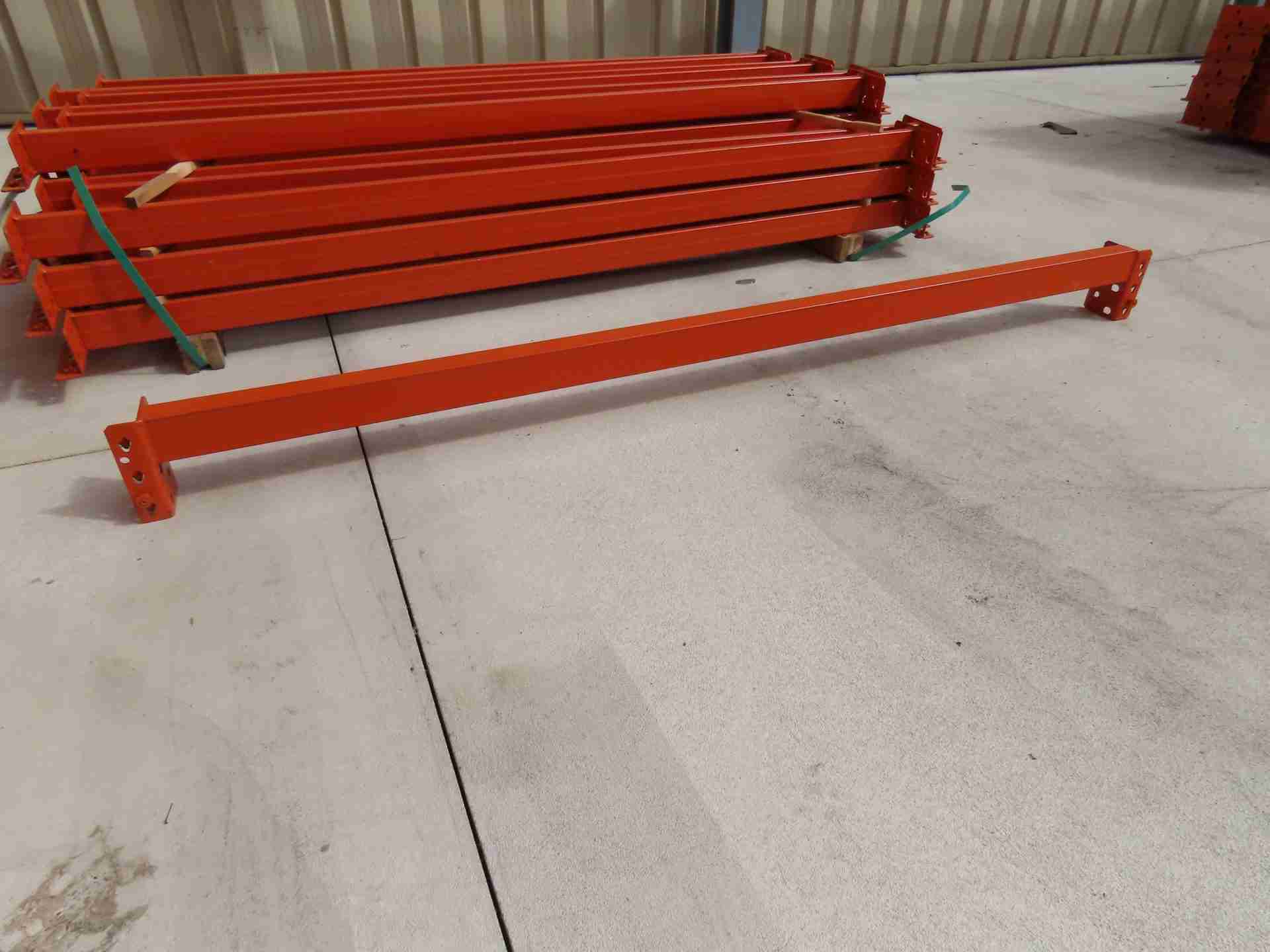
How Does Pallet Racking Reduce Operational Costs?
Can Pallet Racking Prevent Damage to Sensitive Devices?
Look, anyone who’s handled delicate gear knows it’s like holding a bird—one wrong move, and you’re staring at a mess. That’s where pallet racking steps up. It’s not just racks stacked in a warehouse; it’s the backbone that keeps your sensitive devices from taking a nosedive. When you’ve got something fragile, whether it’s electronics, precision tools, or high-end parts, the last thing you want is chaos. Pallet racking gives you a straightforward way to keep everything organized, off the floor, and locked in place.
The real deal with pallet racking is how it limits risk. Imagine shipping crates piled on the ground, vulnerable to spills, kicks, or jackhammer-like forklift bumps. Now imagine those same crates set neat and steady on pallet racks built solid and safe. You’re not just storing stuff; you’re safeguarding hours of sweat, expertise, and expensive gear. It’s a smart move that protects your investment and your reputation—because no one trusts a company that can’t keep its gear from breaking.
This isn’t just about avoiding repair bills; it’s about respecting what those devices mean to folks. Companies and workers rely on this gear to keep things humming, sometimes in tough spots where downtime can mean real trouble, not just for the business but for real people counting on the work getting done right. Using pallet racking to keep things from getting damaged shows you get that—it’s a small step that says you care, you’re responsible, and you’re on top of your game.
You learn this stuff hammer-first when you’ve been around warehouses and workshops, seeing firsthand what happens when things aren’t secured right. Every dent or crack comes with a story—sometimes one of lost time, missed chances, or costly fixes. Pallet racking puts an end to that story early on. It’s not a fancy fix or a complicated system; it’s practical, proven, and built on years of common sense.
So yeah, pallet racking can prevent damage to sensitive devices because it stands between your gear and the chaos. It’s about trust—trust that your stuff will be there, working, when you need it. Investing in good pallet racking means putting a fence around your hard work, your money, and your peace of mind. That’s the kind of no-nonsense solution that’s worth putting your faith in.
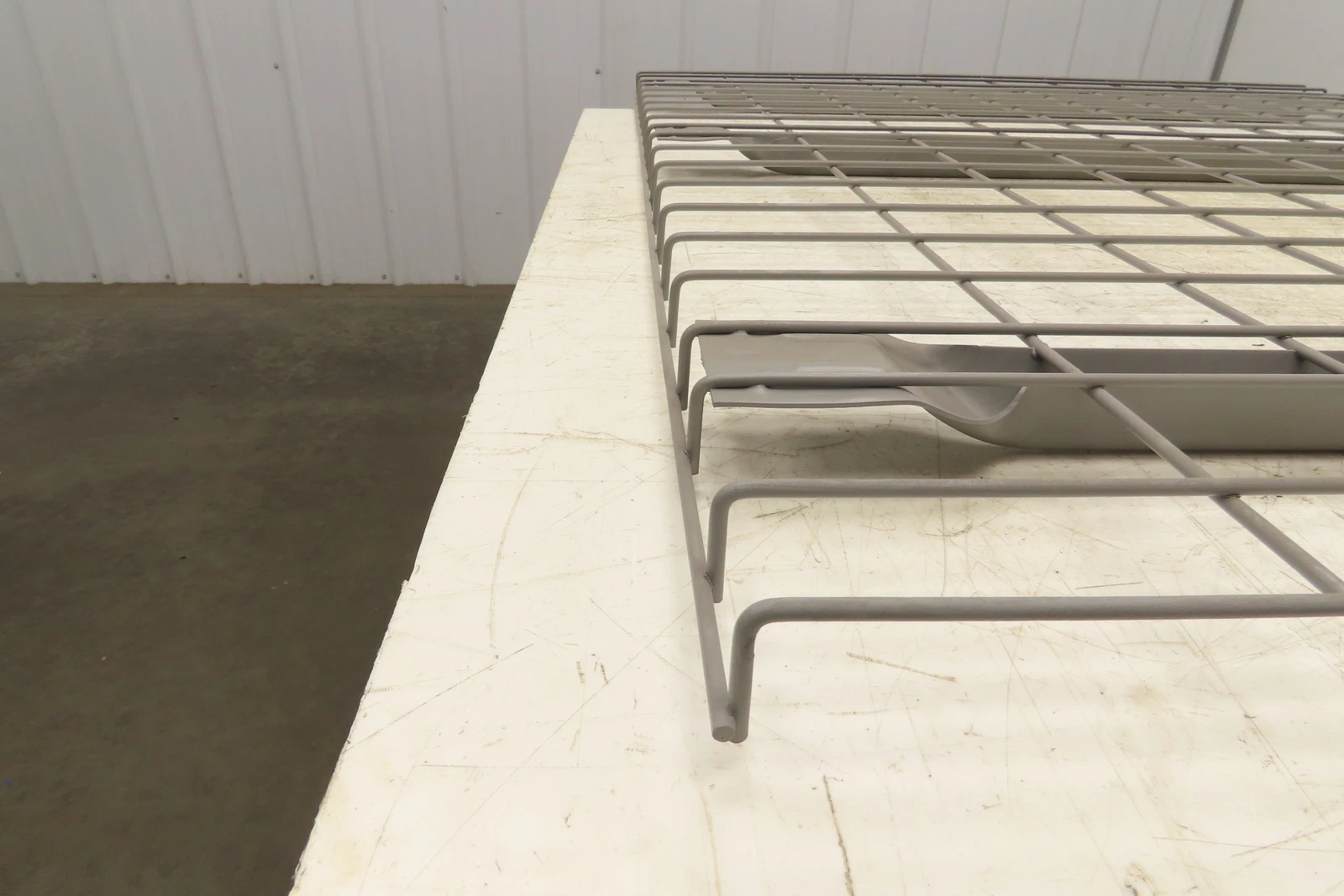
Can Pallet Racking Prevent Damage to Sensitive Devices?
Can Pallet Racking Prevent Damage to Sensitive Devices?
- Pallet racking protects delicate gear—like electronics and precision tools—by keeping them organized, off the floor, and securely in place.
- It reduces risk by preventing damage from spills, impacts, and forklift accidents that occur when crates are piled on the ground.
- Using pallet racks safeguards valuable equipment, protecting both financial investment and business reputation.
- Pallet racking demonstrates responsibility and care, minimizing downtime and ensuring reliable operation for companies and workers.
- Experience in warehouses shows that unsecured items often lead to costly damages, which pallet racking helps avoid.
- The system is practical, proven, and based on common sense rather than complexity or fancy fixes.
- Investing in pallet racking builds trust by securing equipment, preserving hard work, money, and peace of mind.
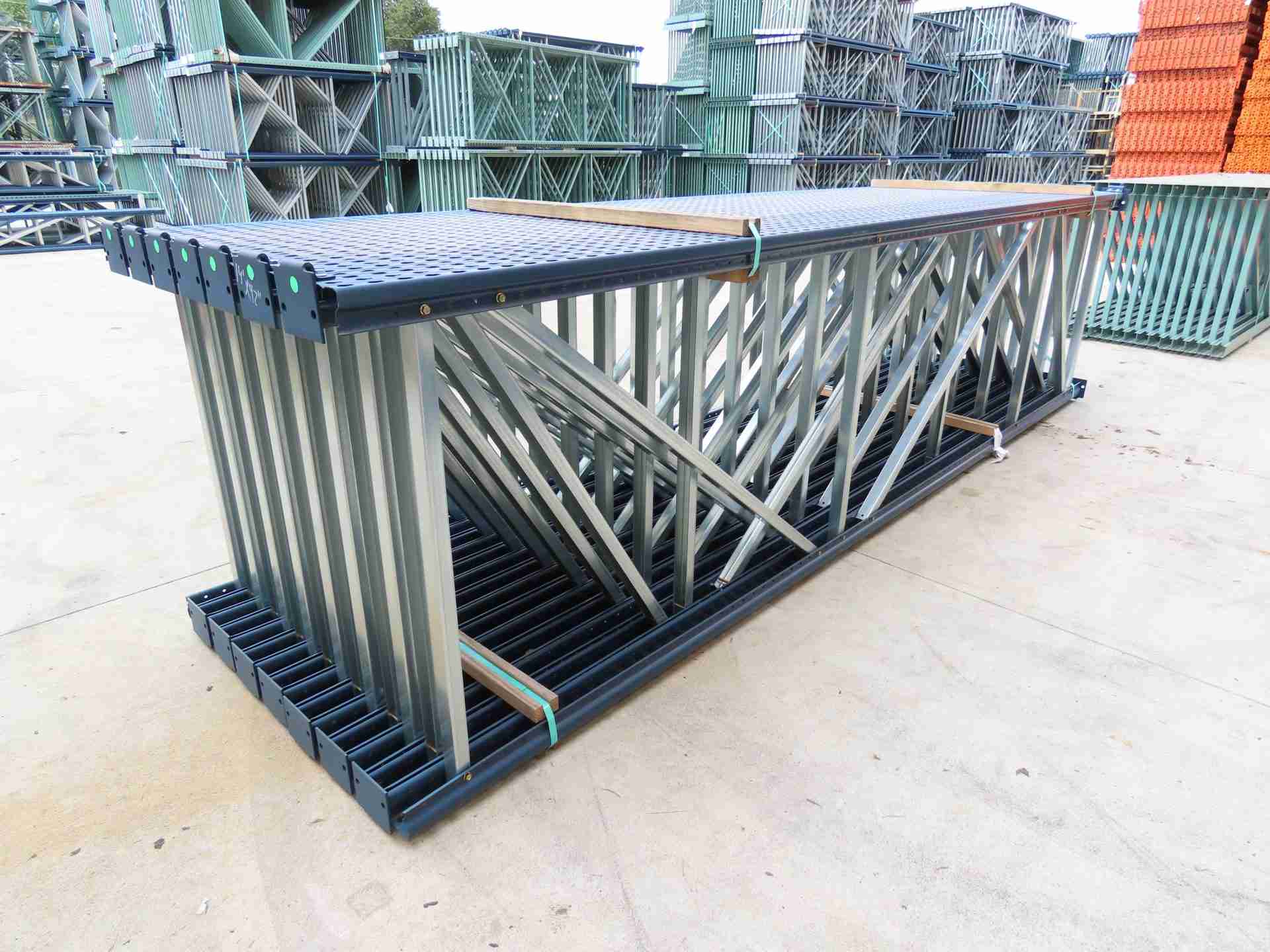
Can Pallet Racking Prevent Damage to Sensitive Devices?
How Does Pallet Racking Support Inventory Accuracy?
You know, running a warehouse without pallet racking is a bit like trying to find a needle in a haystack—except the haystack is moving and growing every day. There’s something reassuring about seeing rows upon rows of sturdy pallet racking reliably holding your inventory in neat, predictable places. It’s not just about neatness; it’s about trust. When your stock is organized on well-maintained pallet racking, you *know* where things are, which means fewer headaches, less hunting around, and fewer mistakes. That peace of mind is worth its weight in gold.
Pallet racking works on a simple, down-to-earth principle: when everything’s got a spot, counting, tracking, and managing inventory becomes a straight shootin’ affair. No more wild guesses or frantic backtracking after something disappears or gets misplaced. The racks provide a disciplined framework that keeps everything from pallets of screws to bulky tools in sight and in order. This kind of setup brings clarity, saving time and lowering costs by reducing errors—because you’re not counting the same thing twice or shipping out the wrong part. In other words, pallet racking isn’t just storage; it’s an investment in getting your counts right the first time.
The ethical part is plain too—running a business means delivering on promises. When your inventory is accurate, you honor your customers and employees alike. It’s about respect: respect for the work everyone’s putting in, respect for the orders coming through, and respect for the integrity of your operation. Pallet racking backs that up, helping everyone sleep a little easier knowing the system isn’t setting anyone up to fail.
It’s a tried and true method that’s stood the test of time, proven by professionals who’ve been in the trenches long before fancy tech came along. Pallet racking builds a foundation for accuracy that digital systems alone can’t guarantee if your physical stock is scattered or stacked haphazardly. When grounded in straightforward, hands-on experience, pallet racking becomes more than metal beams—it becomes the backbone of inventory control.
At the end of the day, pallet racking keeps your operation honest and your inventory honest too. It cuts down on guesswork, it tightens up your process, and it gives your team a reliable structure to trust. With pallet racking, you’re not just storing goods—you’re building confidence, one shelf at a time.

How Does Pallet Racking Support Inventory Accuracy?
How Does Pallet Racking Support Inventory Accuracy?
- Running a warehouse without pallet racking leads to disorganization and difficulty locating inventory amid constant changes.
- Pallet racking provides a stable, organized system that ensures inventory is stored in predictable, trustworthy spots.
- Having designated spots for all items simplifies counting, tracking, and managing inventory, reducing errors and wasted time.
- Accurate inventory management honors commitments to customers and employees, reflecting respect and operational integrity.
- Pallet racking is a proven, time-tested solution that complements digital systems by ensuring physical stock is orderly and accessible.
- It forms the backbone of inventory control by providing a disciplined, reliable structure beyond just being metal beams.
- Pallet racking reduces guesswork and mistakes, enhancing process efficiency and building confidence throughout the team.

How Does Pallet Racking Support Inventory Accuracy?
What Ethical Practices Relate to Storing Medical Devices?
When it comes to storing medical devices, it’s not just about stacking boxes on shelves and calling it a day. There’s an unspoken responsibility that runs deeper than keeping things neat. Think about those devices as silent partners in someone’s health journey—each one ready to step up when lives hang in the balance. That’s where ethical practices kick in, rooted in respect for the folks relying on this gear. You can’t afford shortcuts with pallet racking or careless handling because mistakes here don’t stay behind the warehouse doors; they travel all the way to bedside care.
From the get-go, the way you organize and store medical equipment should scream reliability and trust. It’s about creating a system that honors the purpose of every item—whether it’s a simple syringe or a complex monitoring system. Keeping everything clean, well-organized, and easy to access isn’t just efficiency for efficiency’s sake. It’s a moral pledge to prevent contamination, damage, or delays. When the right device is always within reach, lives get a fair shot, and medical teams can focus on what truly matters: care, not chase.
Now, common sense guides much of this work—you don’t toss delicate gear into a corner or stack heavy boxes on top of fragile ones. Pallet racking, done right, becomes a backbone for this orderliness. It’s not fancy, but it’s sturdy, predictable, and designed to protect what’s precious. The ethical angle here? Stewardship. Every piece stored properly lowers the risk of failure downstream. It means the folks who packed and shelved those devices treated them like they mattered because, spoiler alert, they do.
On a gut level, you know this respect translates into peace of mind. Healthcare workers relying on this inventory don’t have the luxury of second guesses or last-minute miracles. When pallet racking holds fast and inventory stays intact, it supports a flow of care that’s steady and sure. That steady flow builds trust—not just between staff and supplies, but between everyone involved in the healing process.
And here’s the truth: ethical storage isn’t just a policy in a manual. It’s the testament of a team that takes responsibility seriously. It’s the hands-on care you’d want if it were your loved one on the line. So when you’re organizing that warehouse, remember you’re writing a story of trust, respect, and life-saving preparedness—all starting with how you store those vital medical devices.
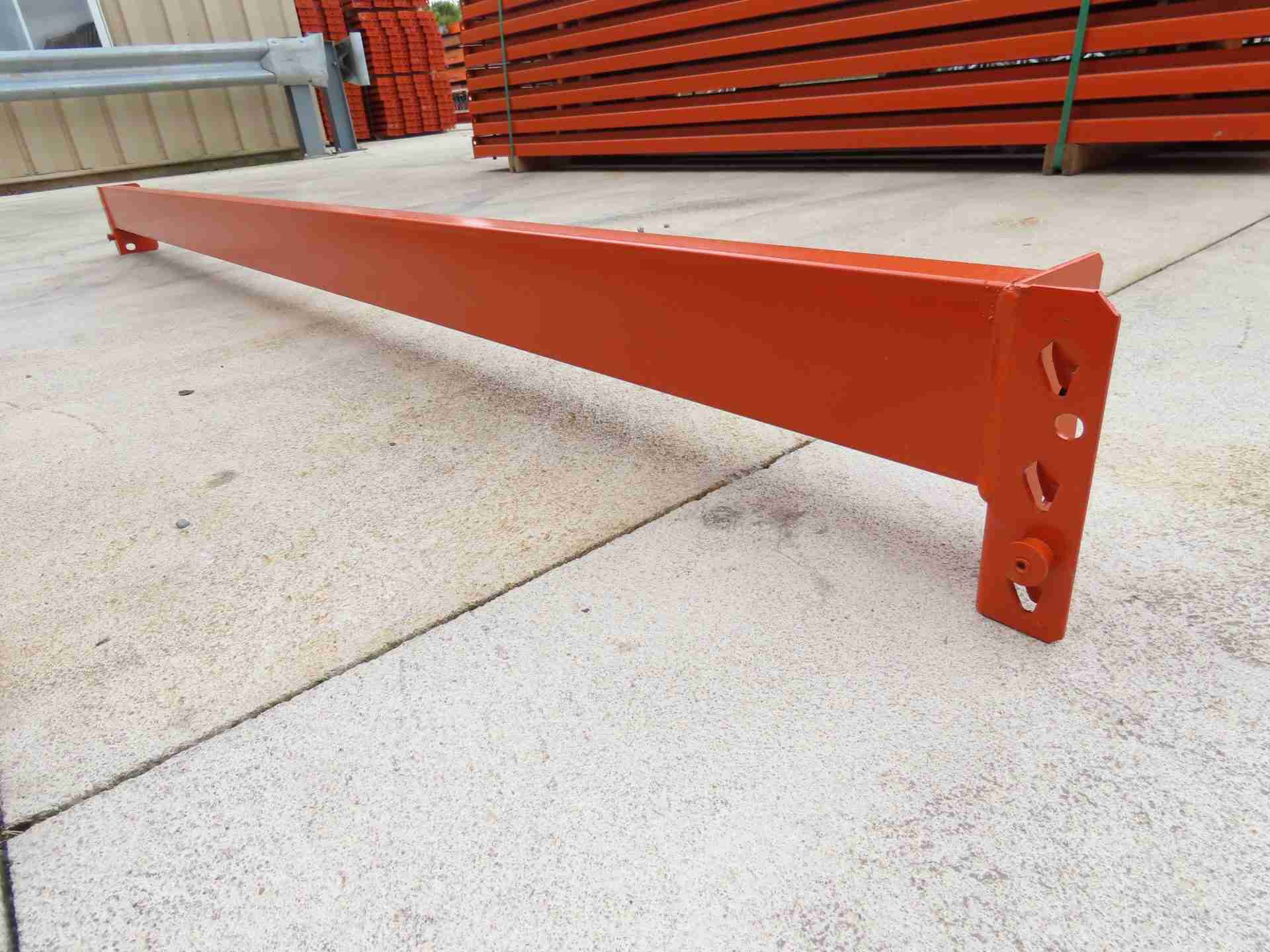
What Ethical Practices Relate to Storing Medical Devices?
What Ethical Practices Relate to Storing Medical Devices?
- Storing medical devices requires ethical responsibility beyond neatness, recognizing devices as crucial partners in patient care.
- Proper organization and storage must reflect reliability and trust, ensuring easy access and preventing contamination, damage, or delays.
- Common sense and effective pallet racking protect delicate and heavy equipment, reducing the risk of failure during use.
- Ethical storage embodies stewardship, showing respect for the importance of every medical device.
- Reliable storage provides healthcare workers with peace of mind, enabling consistent, uninterrupted patient care.
- Steady inventory management builds trust among medical staff and everyone involved in the healing process.
- Ethical storage is a tangible commitment to responsibility, respect, and life-saving preparedness starting with proper device storage.

What Ethical Practices Relate to Storing Medical Devices?
Conclusion
When it comes down to it, pallet racking in medical device manufacturing is the unsung workhorse that quietly holds everything together. It’s not just a bunch of metal shelves; it’s the reliable backbone that keeps lifesaving gear safe, organized, and ready to roll. In a business where every second and every component counts, pallet racking brings a kind of no-nonsense order that makes all the difference. It’s about more than tidiness—it’s about respect for the work, the workers, and the patients depending on this equipment.
You don’t want your team scrambling through clutter when people’s lives are on the line. Pallet racking cuts through that chaos, giving everything a place that’s easy to find, safe to handle, and protected from damage. It keeps delicate devices off the floor and away from risks like bumps, spills, or mishandling. That’s not just good business; it’s a steady promise that what leaves the warehouse arrives intact and ready to do its job. This isn’t rocket science—it’s straightforward common sense born from years of getting hands dirty and learning what works.
There’s also a strong ethical backbone to this story. Proper storage isn’t just about efficiency; it’s about responsibility. Cutting corners or ignoring safety standards in storing medical devices can cost lives. Following these standards shows a commitment to people—those on the manufacturing line, the delivery drivers, and ultimately, the patients and medical staff who put their trust in these devices every day. Pallet racking embodies that responsibility by protecting both the equipment and the people who rely on it.
From a practical standpoint, pallet racking maximizes space and efficiency, turning cramped warehouses into functioning machines that save time and money. It helps reduce accidents, cuts downtime, and lowers operational costs by preventing damage and streamlining inventory management. When workers see a clean, organized space backed by solid equipment, morale goes up and respect runs both ways—between management and crew. That kind of respect fuels better work and safer outcomes.
Ultimately, investing in good pallet racking is like putting a fence around the whole operation—guarding your gear, honoring the people who handle it, and honoring the lives those devices serve. It’s a quiet partner that never complains, never takes a day off, and always pulls its weight. It’s the kind of hard-working, trustworthy solution that health care and manufacturing deserve. When the chips are down, it’s the steady backbone making sure everything arrives right where it’s needed—no fuss, no flurry, just solid, dependable support for life’s most critical work.
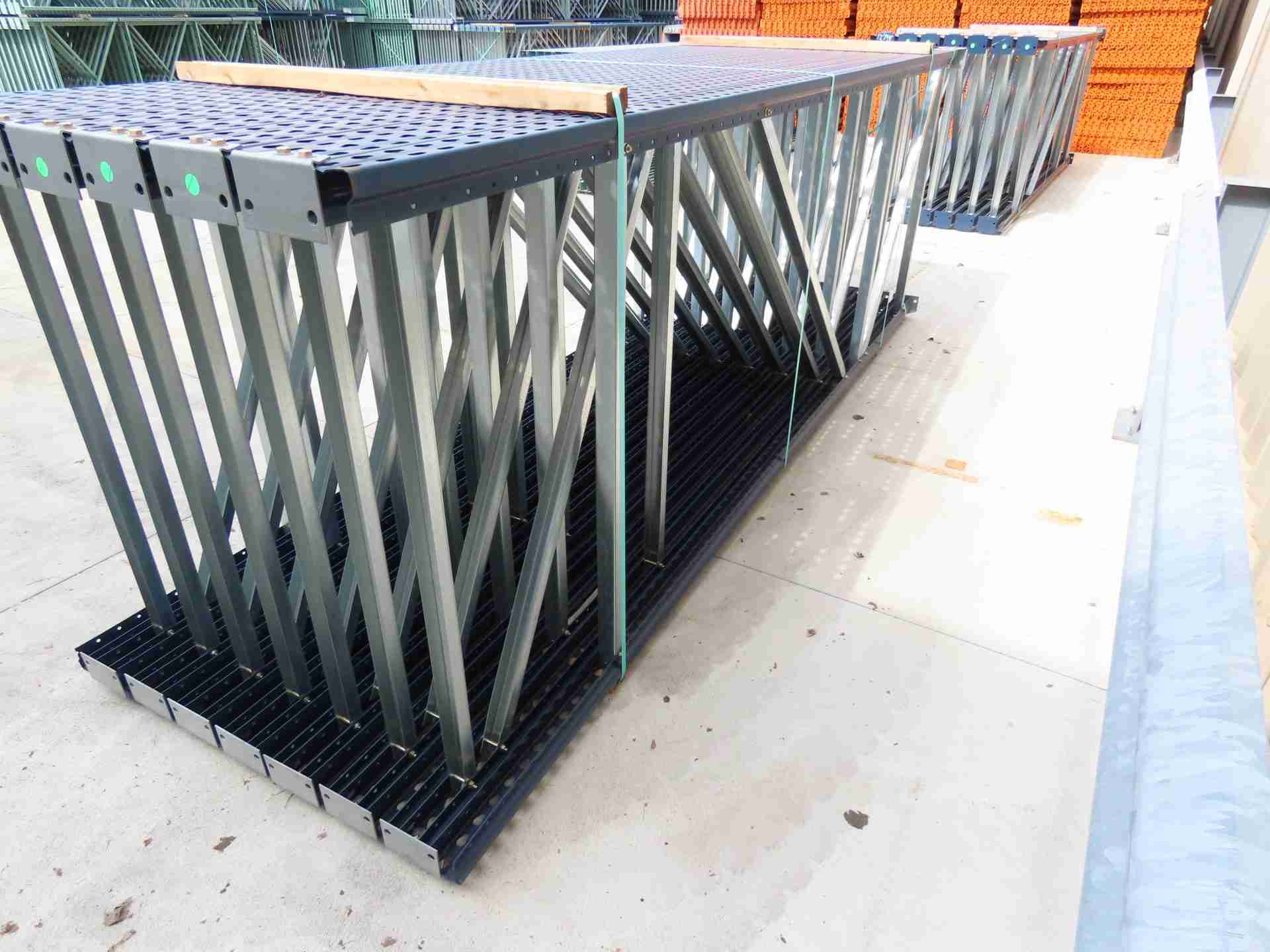
Conclusion
Conclusion:
- Pallet racking is the reliable backbone in medical device manufacturing, ensuring equipment is safe, organized, and ready for use.
- It prevents clutter, making items easy to find, safe to handle, and protected from damage such as bumps, spills, or mishandling.
- Proper storage reflects a strong ethical commitment to safety standards, protecting manufacturing workers, delivery drivers, patients, and medical staff.
- Pallet racking maximizes warehouse space and efficiency, reducing accidents, downtime, and operational costs.
- An organized workspace supported by quality pallet racking improves worker morale and mutual respect between management and staff.
- Investing in good pallet racking safeguards equipment, honors the people handling it, and supports the critical work of healthcare manufacturing.
- It consistently provides dependable support, ensuring medical devices arrive intact and ready where they are needed most.

Conclusion
Other Resources

Other Resources
Here is a list of other resources you can review online to learn more:
- SEMA
- Pallet Racking systems in Illinois and Great Lakes
- Warehouse Storage Racks
- Rack Manufacturers Institute
- WERC
- Illinois Pallet Racking – WPRP
- National Safety Council
- Cantilever Rack Guide: Ordering Cantilever Racking
- Warehouse Storage Racking in Illinois
- IIWS Inc. Rack Installation Illinois & Rack Repairs Illinois
- Teardrop Industrial Shelving Rack
- Crane Manufacturers Association Of America Inc.
- Teardrop Industrial Shelving Rack
- Interlake
- Pallet Rack Systems – New and Used Pallet Racking and Shelving Experts
- Cantilever Racking Specialists – Get the Right Racks
- Warehouse Racking Systems: Beginner’s Guide to Rack Systems
- Teardrop Pallet Rack – Ridg-U-Rak
- Illinois
Use This Prompt To Get More Resources With Your Favorite Online AI Tool: Please provide me with a list of online articles with their URLs in a bulleted list that I can read regarding How Do Medical Device Manufacturers Leverage Pallet Racking?
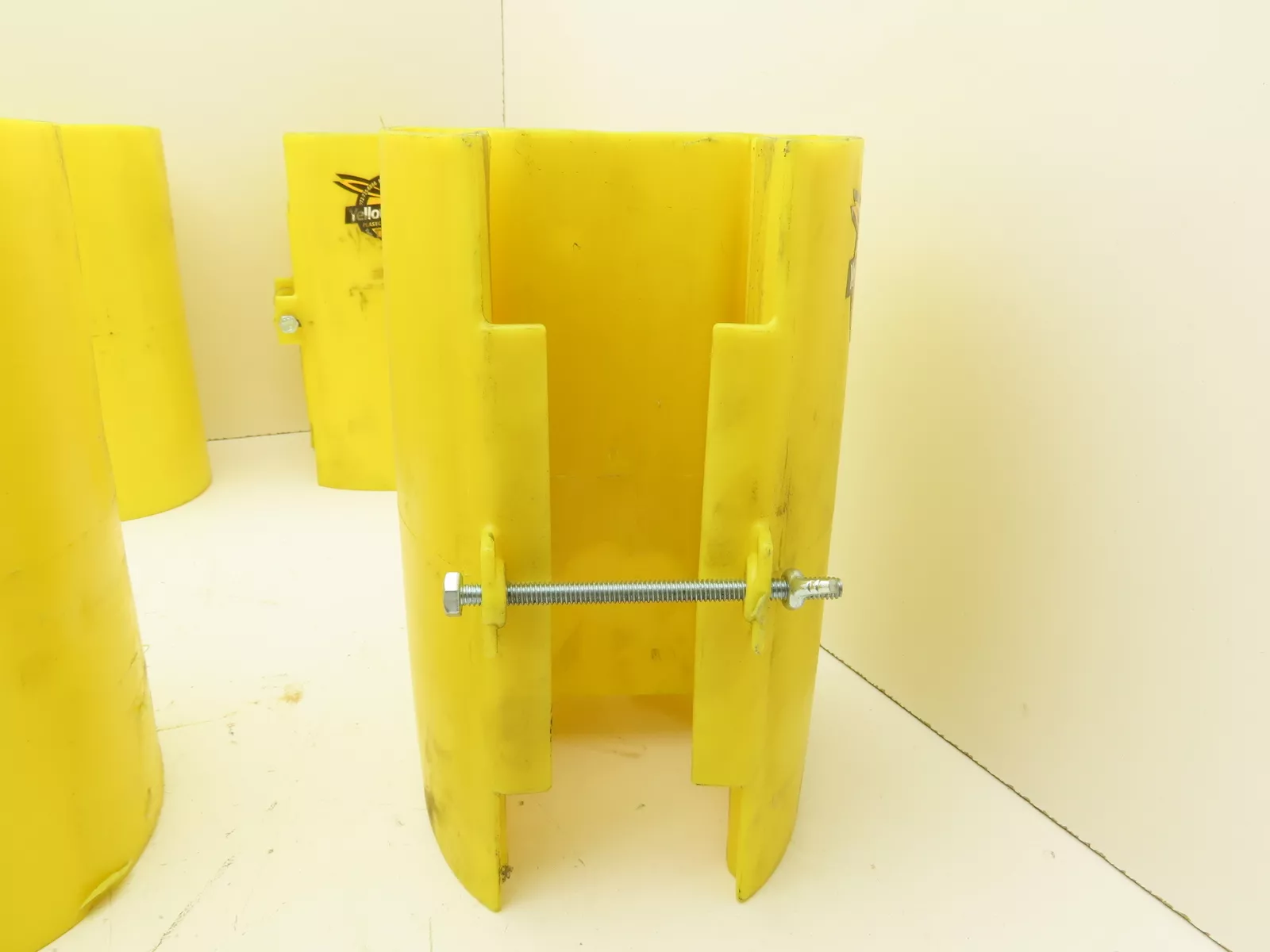
Other Resources
Glossary Terms
How Do Medical Device Manufacturers Leverage Pallet Racking? – Glossary Of Terms
1. Pallet Racking: A storage system designed to hold pallets in horizontal rows with multiple levels.
2. Medical Device Manufacturers: Companies that produce instruments or apparatus used in healthcare.
3. Inventory Management: The process of ordering, storing, and using a company’s inventory.
4. Warehouse Efficiency: The optimization of storage and retrieval processes within a warehouse.
5. Load Capacity: The maximum weight a pallet rack can safely hold.
6. Space Optimization: The strategic use of available warehouse space to maximize storage.
7. Accessibility: The ease with which stored items can be reached and retrieved.
8. Safety Compliance: Adhering to industry standards and regulations to ensure safety.
9. Material Handling Equipment: Tools and machines used to move products within a facility.
10. Ergonomics: The design of equipment to maximize worker comfort and efficiency.
11. FIFO (First In, First Out): Inventory management method where older stock is used before newer.
12. LIFO (Last In, First Out): Inventory method where the most recently stored items are used first.
13. Traceability: The ability to track products through the supply chain.
14. Cleanroom Storage: Storage solutions designed for controlled, sterile environments.
15. Load Stability: The secure placement of goods to prevent shifting or falling.
16. Rack Protection: Devices designed to prevent damage to pallet racks.
17. Seismic Bracing: Structural support to stabilize racks during earthquakes.
18. Load Verification: Checking that the weight on racks does not exceed limits.
19. Custom Racking Solutions: Tailored pallet racking systems to meet specific needs.
20. Cross-Docking: Transferring products directly from inbound to outbound shipping.
21. Automation Integration: Combining pallet racks with automated retrieval systems.
22. Inventory Turnover: The rate at which inventory is used or replaced.
23. Space Utilization Rate: Percentage of warehouse space effectively used for storage.
24. Labeling Systems: Methods to identify and categorize stored items.
25. Regulatory Standards: Legal requirements governing storage and handling.
26. Temperature Control: Maintaining specific environmental conditions for sensitive products.
27. Spill Containment: Measures to prevent contamination from leaks or spills.
28. Load Distribution: Even spreading of weight across the rack structure.
29. Pallet Flow Racking: A type of rack allowing pallets to move on rollers for easy access.
30. Inventory Accuracy: The degree to which inventory records match physical stock.

Glossary Of Terms
Other Questions
How Do Medical Device Manufacturers Leverage Pallet Racking? – Other Questions
If you wish to explore and discover more, consider looking for answers to these questions:
- What specific types of pallet racking systems are best suited for different kinds of medical devices?
- How do you determine required load capacities and safety factors for racking used with heavy or fragile medical equipment?
- Which industry standards and regulations (e.g., ANSI, RMI, NFPA, OSHA, FDA guidance) apply to pallet racking in medical device storage?
- What documentation is needed to demonstrate compliance with regulatory requirements for storage of medical devices?
- How should racking be configured to support cleanroom or controlled-environment storage requirements?
- What environmental controls (temperature, humidity, particulate, ESD) are required for different classes of medical devices?
- How do you integrate pallet racking with inventory management systems, WMS, barcoding, and RFID for traceability?
- What are best practices for lot, batch, and expiration-date management on rack-stored pallets?
- How should quarantine, inspection, and returned goods be segregated on pallet racking?
- What rack protection measures (column guards, rack end frames, bollards) are needed to reduce forklift damage?
- How often should pallet racking be inspected and by whom, and what should inspection records include?
- What maintenance and repair protocols should be in place for damaged rack components?
- How should storage layouts be designed to optimize workflow while maintaining safety and segregation of materials?
- What fire protection and sprinkler considerations apply to high-density racking in medical device warehouses?
- How do seismic or local building-code requirements affect rack design and installation?
- What are the trade-offs between selective, drive-in, push-back, pallet-flow, and cantilever racking for medical device inventories?
- How should sensitive or sterile devices be packaged and placed on racks to minimize contamination risk?
- What cleaning and decontamination procedures are recommended for racking in medical device storage areas?
- How should racks be labeled and signed to support inventory accuracy and safe loading limits?
- What training should be provided to warehouse staff on safe loading, picking, and racking procedures?
- How can racking layouts reduce manual handling and ergonomic risks for workers?
- What are acceptable shelf-life and storage condition monitoring practices for temperature-sensitive devices?
- How can pallet racking be adapted to support automated picking systems and AS/RS integration?
- What validation and qualification steps are required when installing new racking for regulated device storage?
- How should change control be managed for modifications to storage systems that affect device integrity or compliance?
- What metrics should organizations track to measure the ROI and operational impact of pallet racking investments?
- How do you select reputable racking suppliers and installers with experience in medical device environments?
- What warranty and certification documentation should be obtained from racking manufacturers?
- How should inventory be arranged to support FIFO, FEFO, or other expiry-driven picking strategies on racks?
- How do you plan for capacity scalability and future product-line changes when choosing racking systems?
- What are common failure modes of pallet racking and how can they be prevented through design or policy?
- How are recalls handled operationally within a pallet-racked facility to ensure quick, auditable segregation?
- What insurance or liability considerations relate to storing medical devices on pallet racking?
- How should sterile and non-sterile items be segregated spatially and by rack type to reduce cross-contamination?
- What procedures govern the storage of single-use versus reusable medical devices on racking systems?
- How is inventory accuracy audited, and how does racking design support cycle counts and physical inventory?
- What signage, load tables, and visual management aids are most effective on pallet racking for medical supplies?
- How should emergency access, egress, and aisle widths be designed around pallet racking in healthcare storage areas?
- How do lighting, shelf visibility, and pick-face organization on racks impact picking errors and speed?
- What are best practices for retrofitting existing warehouses with new racking while minimizing operational disruption?
- How do sustainability and end-of-life disposal or recycling considerations apply to pallet racking choices?
- What role does pallet quality and pallet configuration play in ensuring safe, damage-free racking storage?
- How should racking be documented in quality systems, including SOPs, risk assessments, and training records?
- What emerging technologies or trends (robotics, IoT sensors, automated inventory verification) are changing pallet-racking practices for medical devices?

Other Questions
Checklist
How Do Medical Device Manufacturers Leverage Pallet Racking? – A Checklist
Planning and Layout
✅______ Define device categories (sterile, clean, sensitive, hazardous) and environmental needs (temperature, humidity, and electrostatic discharge [ESD]).
✅______ Map flow from receiving to shipping; place racks to support that flow.
✅______ Select appropriate rack types (e.g., selective, pallet flow, pushback) based on SKU mix and throughput.
✅______ Calculate and document load capacities per level and per bay; do not exceed ratings.
✅______ Post load plaques and safety signage at aisle ends.
✅______ Provide adequate aisle width for equipment and traffic patterns.
✅______ Utilize vertical space safely; maintain flue spaces and sprinkler clearances.
✅______ Anchor uprights; include seismic and building code requirements.
✅______ Add beam locks, column guards, end-of-aisle protection, and pallet backstops.
✅______ Designate areas for quarantine/hold, returns, nonconforming items, and high-value items.
Safety and Compliance
✅______ Verify conformance with applicable regulations, fire codes, and industry standards.
✅______ Complete pre-commissioning inspection and sign-off.
✅______ Implement an inspection program: daily visual checks, periodic supervisor checks, and annual qualified inspections.
✅______ Define damage criteria and a red-tag process; remove damaged components from service.
✅______ Keep aisles clear; control pallet overhang; maintain good housekeeping.
✅______ Install anti-collapse mesh or netting where personnel work behind racks.
✅______ Train and certify operators; document refresher training.
✅______ Segregate hazardous materials and maintain required documentation.
Device Protection and Cleanliness
✅______ Use cleanable, low-shedding materials and appropriate decking (wire mesh or solid where needed).
✅______ Protect sensitive items with packaging, corner and edge guards, and proper dunnage.
✅______ Control temperature and humidity; monitor and log conditions.
✅______ Implement ESD controls for electronics (grounded floors or decking and handling procedures).
✅______ Separate fragile items from heavy loads; avoid heavy-over-fragile configurations.
✅______ Prevent contamination with covers, cleanliness standards, and cleaning schedules.
Inventory Accuracy and Traceability
✅______ Assign clear location codes; label bays and levels with human-readable and scannable IDs.
✅______ Align the warehouse management system (WMS) and enterprise resource planning (ERP) location masters with the physical layout.
✅______ Enforce scan-on-receipt, putaway, moves, picks, and shipping transactions.
✅______ Use FIFO/FEFO rules as applicable; mark flow lanes clearly.
✅______ Segregate inventory status with distinct tags (released, quarantine, returns, Material Review Board [MRB]).
✅______ Maintain lot and serial traceability from receiving to shipment.
✅______ Run cycle counts with risk-based frequency; reconcile and investigate variances.
Operations and Material Handling
✅______ Develop SOPs for pallet quality, stacking patterns, weight distribution, and putaway and picking.
✅______ Define maximum pallet and beam-level heights; control overhang limits.
✅______ Use proper material handling equipment (MHE) and attachments; inspect forks, masts, and hydraulics daily.
✅______ Set speed limits, right-of-way, and one-way traffic rules; add mirrors at intersections.
✅______ Apply 5S to aisles and rack bays for visibility and access.
Space and Cost Optimization
✅______ Slot fast movers at golden-zone heights; place slow movers higher or deeper.
✅______ Right-size beam spacing to reduce dead space.
✅______ Use dynamic storage (carton flow, pallet flow) for high-throughput SKUs where justified.
✅______ Track KPIs: damage rate, picks per hour, space utilization, and cost per line.
✅______ Review layout and slotting at regular intervals to match demand changes.
Maintenance and Repairs
✅______ Schedule torque checks for anchors and beam connections.
✅______ Replace damaged components with OEM parts; no field bending or welding.
✅______ Inspect decking and pallets; remove broken pallets from service.
✅______ Maintain preventive maintenance on forklifts and other MHE; log all checks.
Ethics, Quality, and Security
✅______ Document a quality policy for storage integrity and device protection.
✅______ Prevent contamination with defined cleaning, pest control, and housekeeping routines.
✅______ Control access to regulated and high-value devices; maintain chain of custody where required.
✅______ Retain records: inspections, training, environmental logs, and nonconformance reports.
✅______ Use corrective and preventive actions (CAPA) for storage-related incidents and recurring issues.
Emergency Preparedness
✅______ Keep fire extinguishers and sprinklers accessible; maintain code-required clearances.
✅______ Post evacuation routes; conduct periodic drills.
✅______ Prepare spill-response kits and procedures for hazardous materials.
✅______ Provide backup power and alerts for environmental monitoring and the WMS.
Go-Live and Continuous Improvement
✅______ Pilot with select SKUs; validate processes end-to-end before full rollout.
✅______ Collect operator feedback; implement improvements.
✅______ Reassess annually against regulatory changes, product shifts, and audit findings.
Checklist
At RackingWorld, we help guide you through selecting warehouse storage systems and racking.
Be sure to read our other related stories at RackingWorld to learn more about warehouse storage systems.
0 Comments