
Maximizing Space, Safety, And Success With Cantilever Racking Solutions
By Tom Seest
At RackingWorld, we help guide you through selecting warehouse storage systems and racking.
Be sure to read our other related stories at RackingWorld to learn more about warehouse storage systems.
How Do Masonry and Stone Suppliers Leverage Cantilever Racking?
When you’re dealing with heavy slabs of stone and masonry blocks, storage isn’t just about stacking things up and hoping for the best. It’s a test of grit, patience, and plain old common sense. That’s where cantilever racking comes in, stepping beyond the usual pallet racking setups you see in warehouses filled with boxes. It’s a hands-on solution made for those who handle unwieldy materials every day, giving suppliers the confidence that their stock is secure, accessible, and ready to roll when the job calls.
Cantilever racking speaks to the head by offering rational, practical benefits you can measure: fewer broken slabs, easier inventory management, and efficient use of space. Unlike pallet racking, which is great for neat stacks on pallets, cantilever racks open up shelves to the side, perfect for oddly shaped or long stone pieces. This design isn’t just a tweak—it’s a game-changer for folks who know the pain of cramped, cluttered yards and the risk of costly material damage.
But it’s more than just logic. There’s a gut-level satisfaction that comes with seeing heavy stones stored in a way that respects the material and the work it’s meant for. It’s a nod to the craft—knowing your stone won’t tip over or get scratched every time you pull a piece off the rack. This kind of system builds a quiet trust: you can show up day after day, knowing your equipment is looking out for you as much as you’re looking out for your business.
Ethically, using cantilever racking sends a message to customers and workers alike. It says, “We care about quality and safety.” That’s a promise you make without words, one grounded in respect—respect for the material, for the crew’s wellbeing, and for the commitment to do things well. It fosters a workplace culture where cutting corners doesn’t pay off because the system is built on solid principles and sturdy steel arms.
The social appeal is just as important. When suppliers share their success with cantilever racking, it spreads through the trade like a good story told across job sites and lunch breaks. It’s the kind of knowledge that fosters connection, building a community of folks who value not just what they build, but how they build it—honest, reliable, and built to last.
Cantilever racking is more than storage; it’s partnership between product and people. Masonry and stone suppliers lean on it not just out of necessity, but because it fits the gritty rhythm of their work, helping them get the job done right, every time.
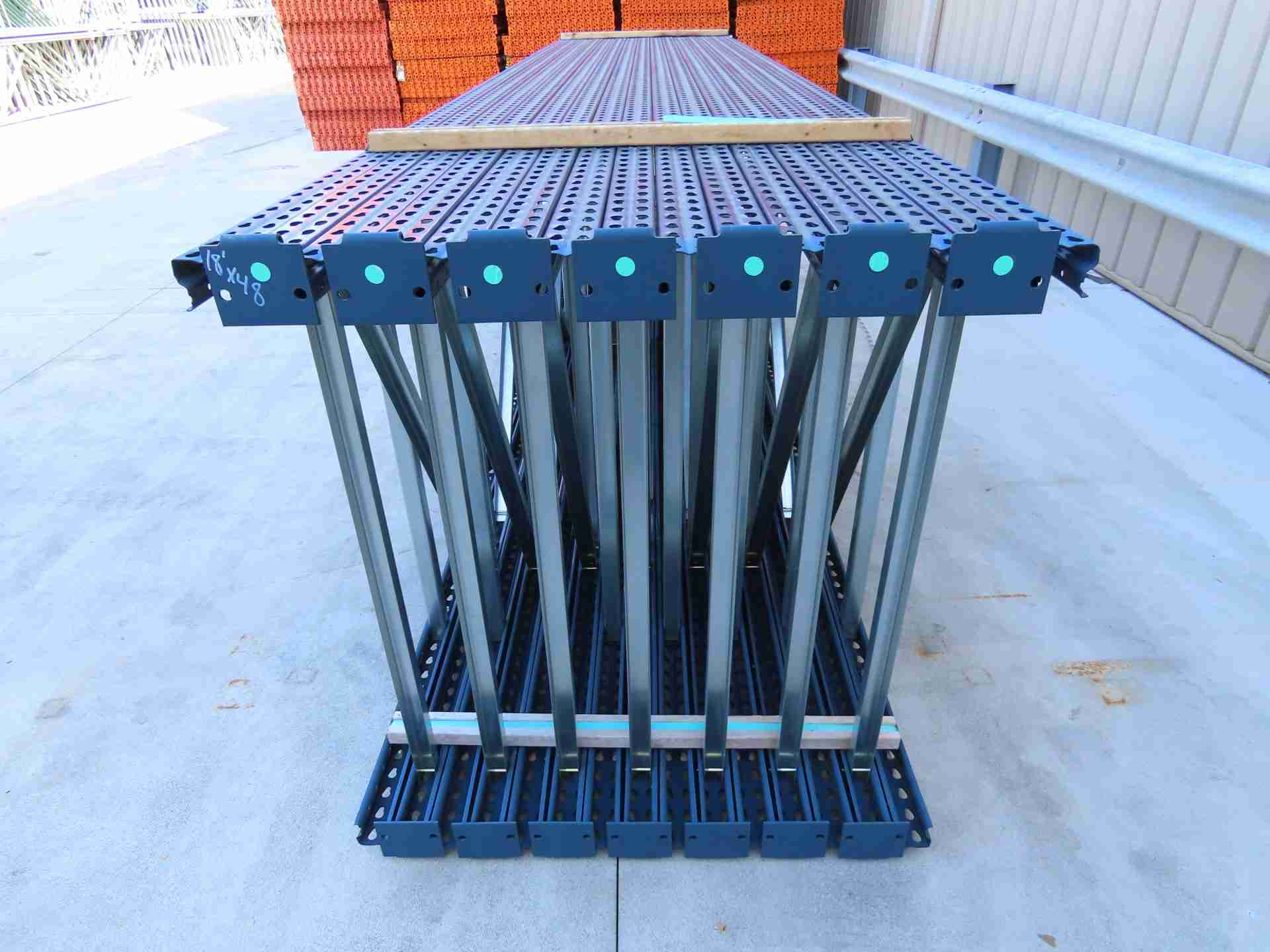
How Do Masonry and Stone Suppliers Leverage Cantilever Racking?
How Do Masonry and Stone Suppliers Leverage Cantilever Racking?
- Cantilever racking offers a specialized storage solution for heavy, unwieldy stone slabs and masonry blocks, ensuring security and accessibility.
- It provides practical benefits such as fewer broken slabs, easier inventory management, and more efficient use of space compared to traditional pallet racking.
- The side-open shelf design accommodates oddly shaped or long stone pieces, solving space and damage issues common in cluttered yards.
- Beyond functionality, it respects the material and craft, preventing tipping and scratching, and building user trust in the equipment.
- Ethically, cantilever racking signals a commitment to quality, safety, and respect for both materials and worker wellbeing.
- It fosters a workplace culture where cutting corners is discouraged, supported by its solid construction and principles.
- Its social impact spreads through the trade community, promoting shared values of honesty, reliability, and durable workmanship among suppliers.
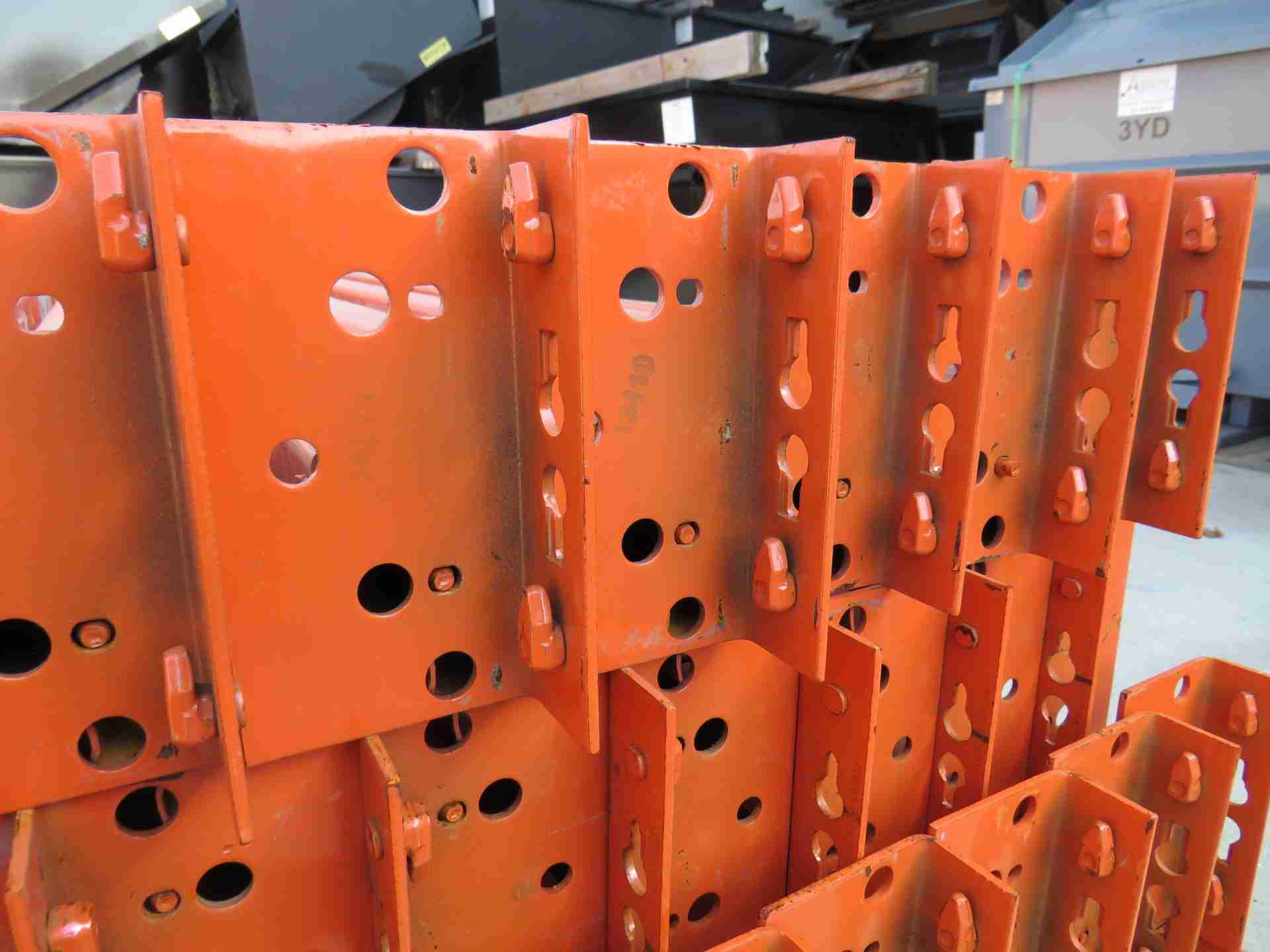
How Do Masonry and Stone Suppliers Leverage Cantilever Racking?
Table Of Contents
- How Do Masonry and Stone Suppliers Leverage Cantilever Racking?
- What Makes Cantilever Racking Ideal for Heavy Stone Storage?
- How Does Cantilever Racking Improve Warehouse Space Efficiency?
- Can Cantilever Racking Reduce Damage to Masonry Products?
- What Safety Advantages Does Cantilever Racking Provide?
- How Do Suppliers Calculate Load Capacity for Cantilever Racks?
- In What Ways Does Cantilever Racking Speed Up Order Fulfillment?
- Conclusion
- Other Resources
- Glossary Of Terms
- Other Questions
- Checklist
What Makes Cantilever Racking Ideal for Heavy Stone Storage?
When you’re dealing with heavy stone, you quickly learn that not all storage systems are cut out for the job. Pallet racking might work fine for boxes and lighter materials, but stone slabs have their own stubborn ways. That’s where cantilever racking steps up and shows its worth. It’s not just another rack—it’s the backbone for anyone who’s serious about storing heavy stone safely and efficiently.
First off, cantilever racking understands the weight and shape of stone better than most. It’s built with arms that stick out like sturdy shelves, free of the vertical obstructions you find in pallet racking. That means you can slide stone slabs on and off with ease, no awkward twisting or compromises. When every slab weighs a ton, you need storage that makes handling simple and straightforward, not a wrestling match.
There’s something honest about this design. It tells you upfront: “I’m rugged, reliable, and I ain’t here to mess around.” You don’t get slick gimmicks, just plain steel arms welded strong to a steel column, standing firm. The kind of ruggedness you respect because it doesn’t fail you when the job’s tough. You can trust it to hold those stone slabs steady, keeping your crew safe and your materials intact.
On the practical side, cantilever racks give you flexibility—the kind that pallet racking can’t match—because stone comes in all shapes and sizes. These racks can adjust easily, custom fit for wider, longer, and heavier loads. You can store everything side by side without crowding or risking damage. That means fewer headaches, less wasted space, and a smoother workflow that respects every dollar spent and every pair of hands on deck.
It’s not just about metal and weight, either. Choosing cantilever racking signals you care about doing the job right, the ethical responsibility to protect your team and your inventory. It’s a nod to craftsmanship and respect for materials, valuing quality over shortcuts. That’s the kind of decision that inspires confidence—your clients see it, your crew sees it, and it builds trust that you know your stuff.
At the end of the day, cantilever racking isn’t some fancy showroom piece; it’s blue-collar durability and common-sense engineering rolled into one. It’s the rack that works as hard as you do, earning its place in every heavy stone warehouse that refuses to settle for less. When you pick cantilever over pallet racking for heavy stone, you’re choosing a system that’s built on reliability, respect for the material, and a no-nonsense approach that gets the job done right.
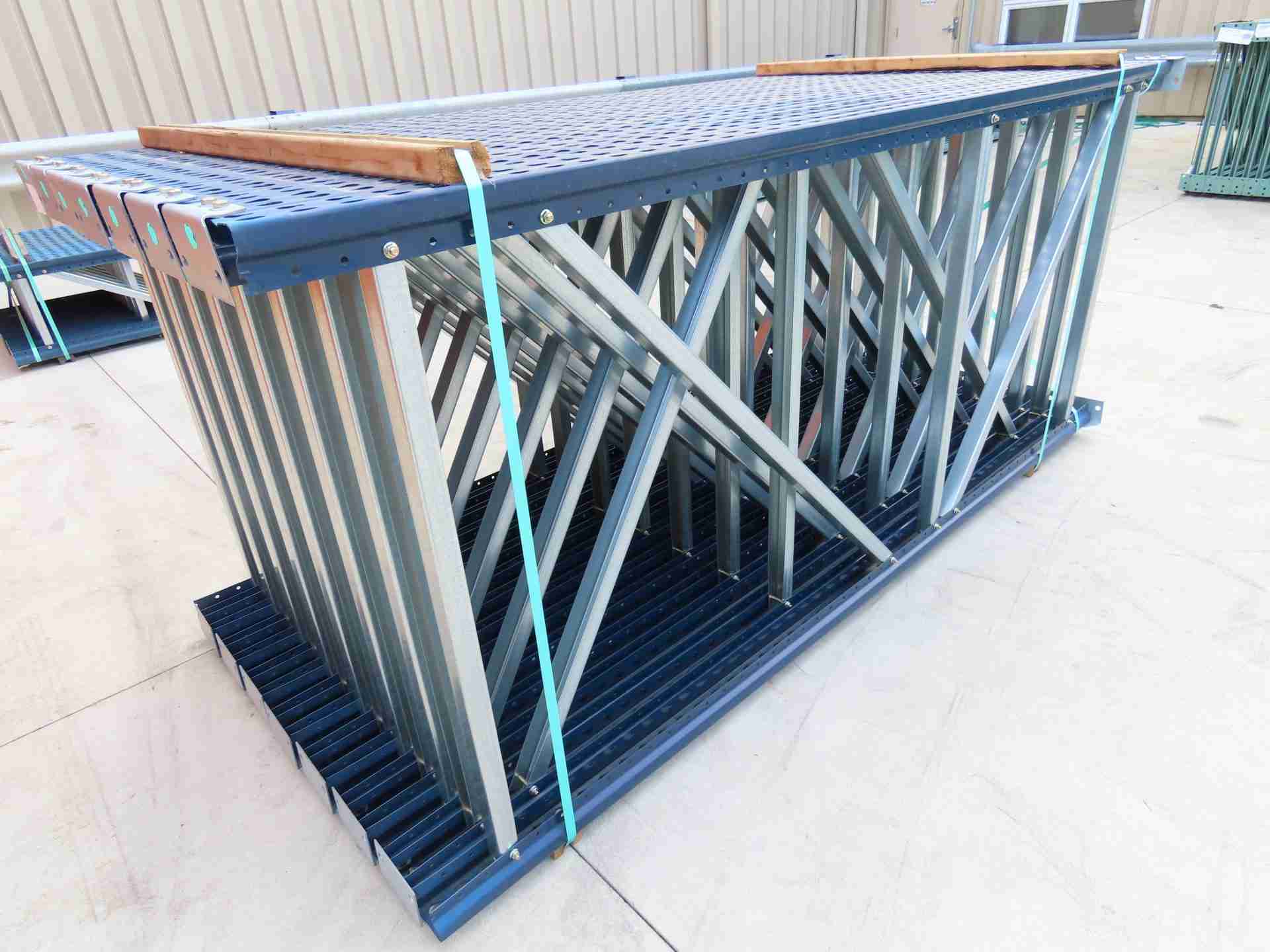
What Makes Cantilever Racking Ideal for Heavy Stone Storage?
What Makes Cantilever Racking Ideal for Heavy Stone Storage?
- Cantilever racking is specifically designed to handle the weight and shape of heavy stone slabs better than pallet racking.
- Its arms extend outward without vertical obstructions, allowing easy sliding of stone slabs without awkward handling.
- The design is simple, rugged, and reliable, made from strong steel arms welded to steel columns to hold stone securely.
- Cantilever racks offer adjustable flexibility for various stone sizes, enabling efficient, damage-free storage side by side.
- Choosing cantilever racking reflects a commitment to safety, craftsmanship, and respect for both the materials and the team.
- This system optimizes workflow and space, reducing wasted space and ensuring smoother handling processes.
- Cantilever racking combines durable, practical engineering with a no-nonsense approach ideal for heavy stone warehouses.
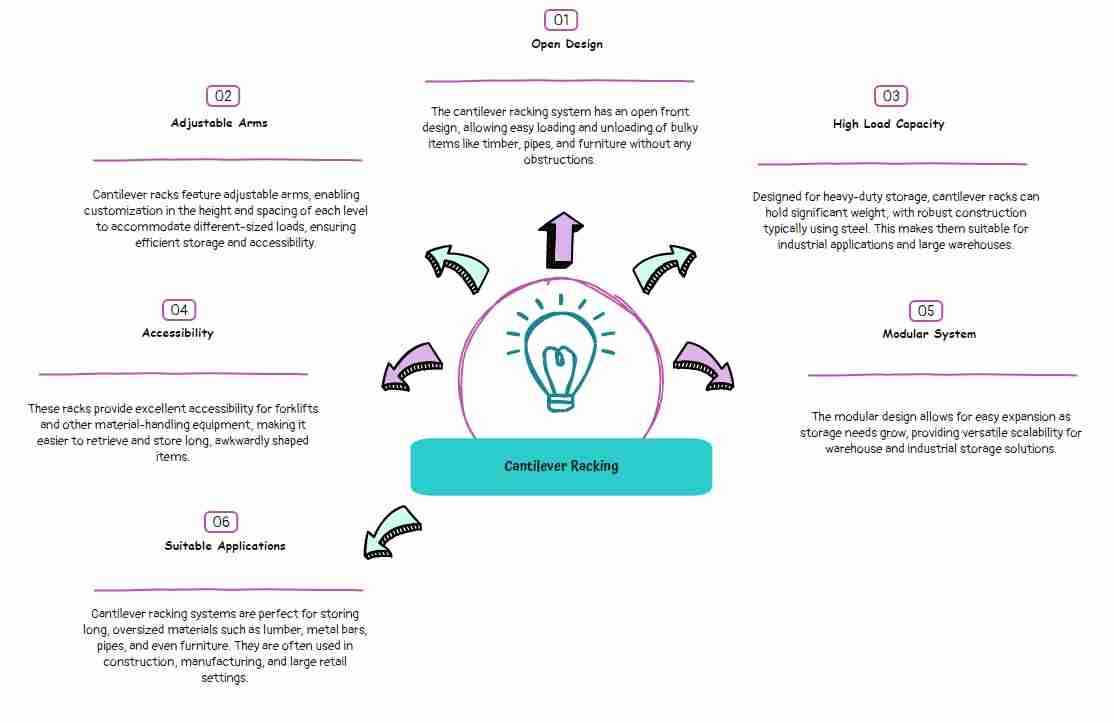
What Makes Cantilever Racking Ideal for Heavy Stone Storage?
How Does Cantilever Racking Improve Warehouse Space Efficiency?
Look, anyone who’s spent time elbow-deep in a cluttered warehouse knows the pain of wasted space. You shove pallets around, stack things on pallets, and try not to trip over your own two feet—but somehow, it never feels quite right. That’s where cantilever racking steps in like a quiet workhorse, solving problems without making a fuss. Unlike pallet racking — which is great for boxes and uniform loads—cantilever racking handles the awkward, long, and bulky stuff that can turn a warehouse into a jungle gym. Pipes, lumber, steel bars—items that just don’t fit nicely between beams or on pallets—suddenly have a home.
For anyone responsible for the bottom line, here’s the straight deal: cantilever racking uses vertical space like a champ. By ditching the bulky upright frames between load points, it opens up wide, accessible arms that make loading and unloading smoother. That means forklifts spend less time circling and more time moving, cutting down labor costs and boosting throughput. Space efficiency isn’t just about stacking higher; it’s about making every inch earned translate directly into faster work and fewer headaches. When the warehouse floor is neat, aisles clear, and inventory organized, the whole operation hums along instead of stumbling.
Ethically, taking control of space isn’t just smart business—it’s responsible business. Efficient storage reduces waste, minimizes damage, and makes the safety of folks on the floor a priority. Nobody wants to work in a chaotic mess where something falling off a clunky pallet rack could ruin a day or worse. Reliable cantilever systems offer stability and accessibility that respect both the goods and the people handling them. This kind of reliability builds trust: trust that the gear won’t fail, trust in the rhythm of the day, and trust in the company’s commitment to doing things right.
Picture this for a second: a warehouse floor that looks nothing like the usual tangle. The workers know exactly where everything lives. Orders flow out like clockwork. The boss can see that the investment in cantilever racking has paid for itself not once but many times over. It’s confidence, plain and simple. Socially, this setup fosters pride—a straightforward, no-nonsense pride shared by everyone who sweats through the day putting things right. It’s a team effort grounded in practical, honest solutions that just work.
If you’ve wrestled with space and organization, cantilever racking offers a clear path forward. It’s not flashy, but then again, neither is the work that keeps the warehouse lights on. It’s the kind of improvement that makes sense straight down to your gut—the kind that quietly changes the game. When space isn’t a slog but a straightforward tool, everybody wins. Pallet racking might hold the standard, but cantilever racking earns its place by handling what pallet racking can’t, proving that sometimes the best answers lie just a little outside the box.
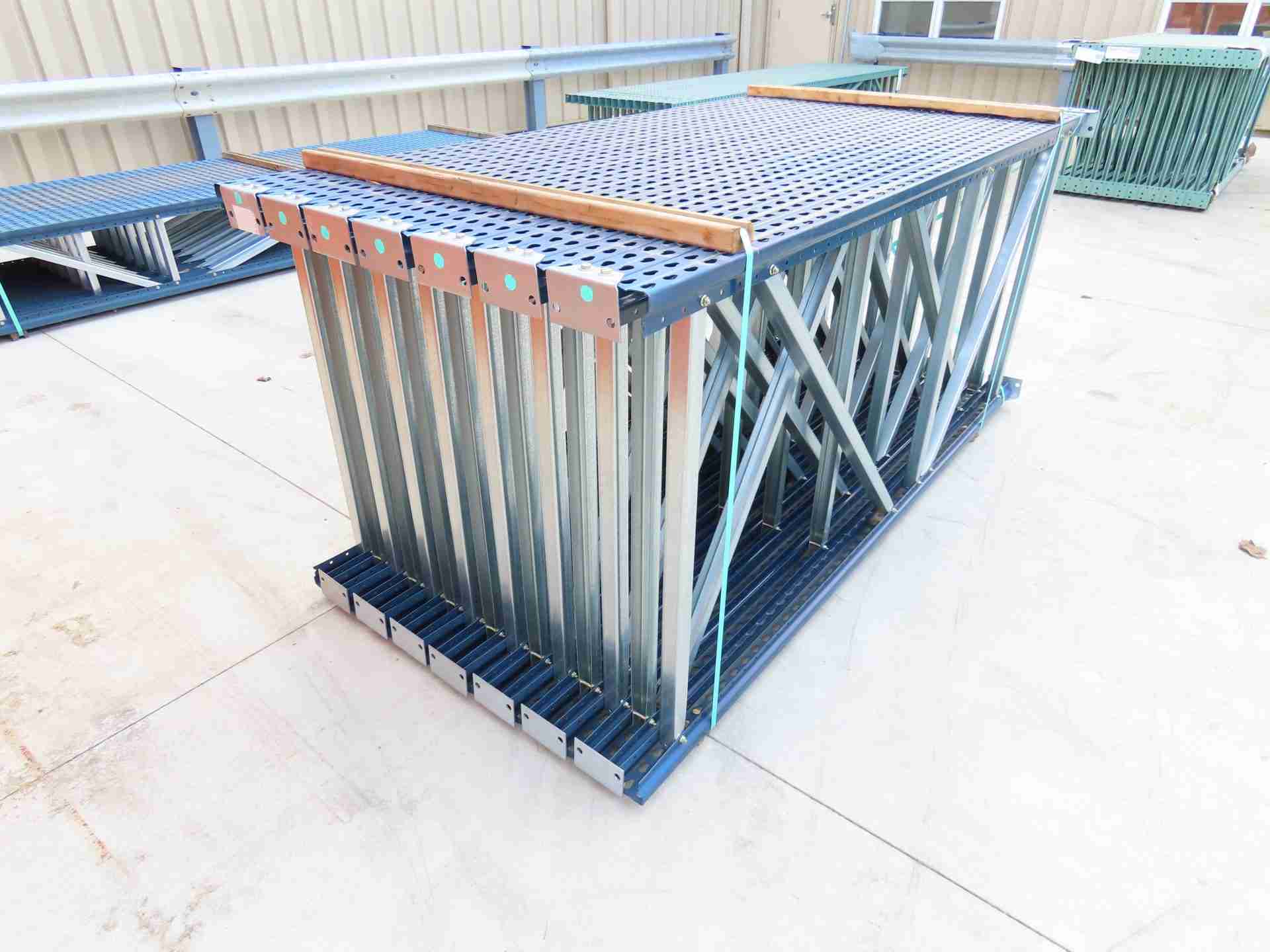
How Does Cantilever Racking Improve Warehouse Space Efficiency?
How Does Cantilever Racking Improve Warehouse Space Efficiency?
- Cantilever racking efficiently handles long, bulky, and awkward items like pipes, lumber, and steel bars that pallet racking cannot accommodate.
- It maximizes vertical space by eliminating bulky upright frames, allowing wide, accessible arms that simplify loading and unloading.
- This storage method reduces forklift idle time, lowers labor costs, and improves overall warehouse throughput.
- Organized storage with cantilever racking creates neat aisles and clear inventory, enhancing operational flow and reducing workplace hazards.
- It promotes safety by minimizing damage and the risk of accidents, providing stable and accessible support for goods and workers.
- Investment in cantilever racking builds trust in reliability, fosters team pride, and results in increased confidence in warehouse management.
- Cantilever racking offers a practical, effective solution for space challenges, complementing pallet racking while addressing what it cannot handle.

How Does Cantilever Racking Improve Warehouse Space Efficiency?
Can Cantilever Racking Reduce Damage to Masonry Products?
When you’ve handled heavy bricks, blocks, or stone slabs all day, you learn quick—one wrong move, one slip in stacking, and suddenly you’re staring at busted goods and wasted hard-earned cash. Masonry products aren’t just lumps of rock; they represent sweat, skill, and sometimes tight margins on a tough job. Protecting those materials isn’t just good business, it’s a matter of pride. That’s where cantilever racking steps in—with a straightforward, rugged design that’s built for the kind of loads that would make most pallet racking systems sweat.
Pallet racking has its place, sure. But for the long, awkward shapes of lumber-like stone panels or bulky masonry units, it often falls short. It’s like trying to fit a square peg in a round hole—basic, rigid shelves just don’t cradle these products safely or efficiently. Cantilever racking, with its open arms and adjustable arms, embraces what needs holding, reducing pressure points and helping keep every block or slab stable and sound. This isn’t just theory—time on the floor proves it. Damage rates drop. Replacement costs slow down from a constant drumbeat to a rare clatter. That’s money and morale saved.
There’s a straightforward honesty to cantilever racking that inspires confidence. It respects what these products need: space to breathe, room to settle without getting crushed, and a system that’s flexible enough to adapt to different sizes without fuss. It’s a practical solution rooted in tough conditions and common sense, not overengineered tech or fancy gimmicks. The kind of equipment that gets the job done and earns trust because it’s been proven in the dirt and dust.
Choosing cantilever racking isn’t just about protecting bricks and blocks; it’s about valuing the hands that laid them, the customers who wait on quality work, and the business that counts on doing right by all of it. Switching from pallet racking to cantilever can feel like a small change until you see the big picture: less breakage, less hassle, more respect for materials, and a smoother, safer workflow that holds steady through the grind. It’s a humble upgrade with a hard-earned reputation that any builder or warehouse worker can stand behind.
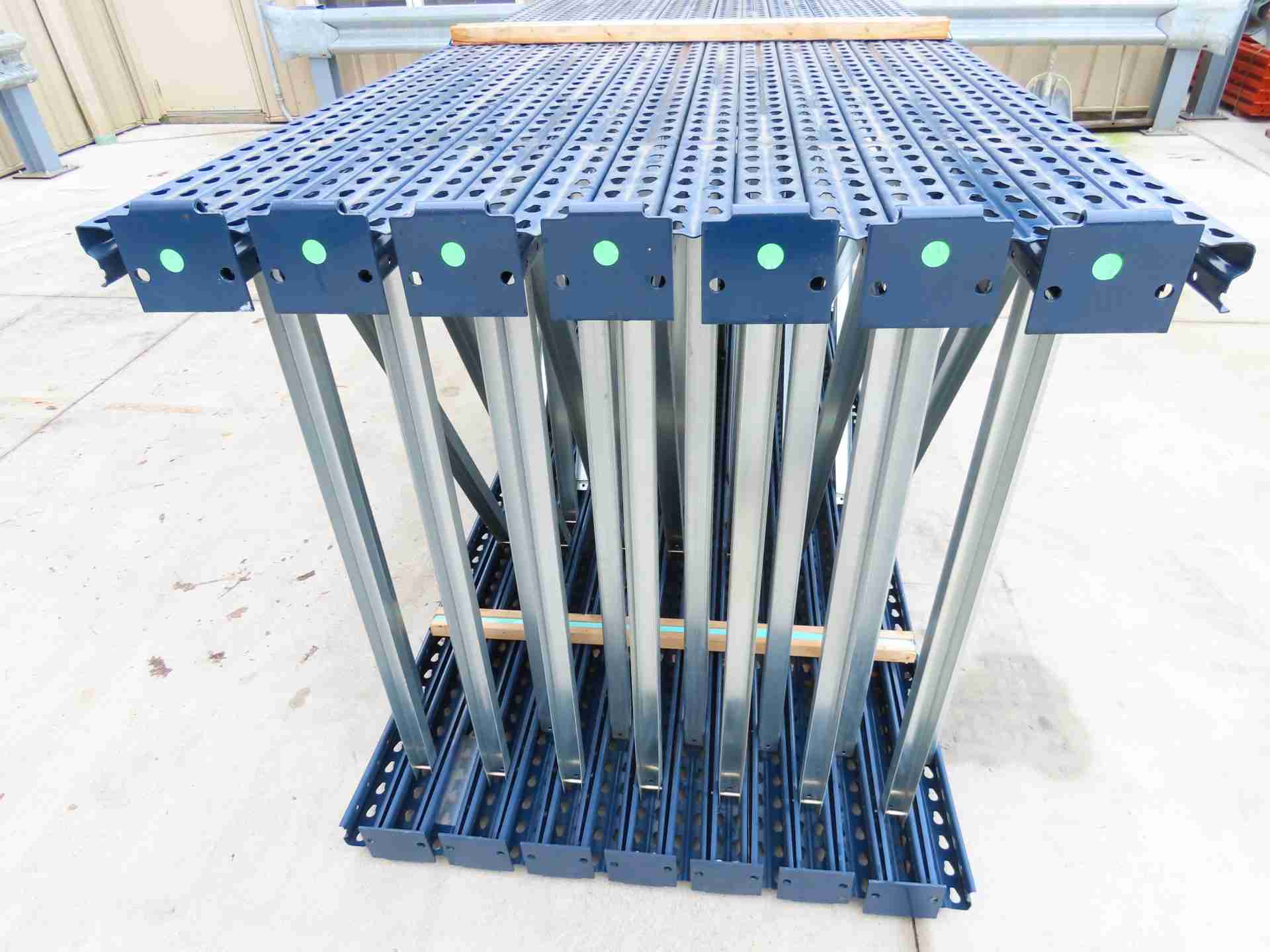
Can Cantilever Racking Reduce Damage to Masonry Products?
Can Cantilever Racking Reduce Damage to Masonry Products?
- Handling heavy masonry products requires care to avoid damage and financial loss, as these materials represent skill, effort, and tight job margins.
- Cantilever racking provides a rugged, straightforward design suited to heavy loads that challenge standard pallet racking systems.
- Standard pallet racking often fails to safely and efficiently store long, awkward masonry shapes due to its rigid shelving design.
- Cantilever racking’s open, adjustable arms reduce pressure points, enhancing stability and reducing damage and replacement costs.
- The system allows materials space to breathe and settle without crushing, adapting easily to various sizes with practical, tough construction.
- Switching to cantilever racking improves workflow by lowering breakage, reducing hassle, and respecting the value of materials and labor.
- Cantilever racking is a proven, trusted upgrade appreciated by builders and warehouse workers for its reliability and practicality.

Can Cantilever Racking Reduce Damage to Masonry Products?
What Safety Advantages Does Cantilever Racking Provide?
When you run a warehouse or a workshop, safety is never just a checkbox on some form—it’s the lifeblood of your operation and the peace of mind that lets you get through the day without sleepless nights. Cantilever racking steps into this role like a trusted, no-nonsense partner who’s been there and done that, offering safety advantages that make sense to the brains, bodies, and souls of everyone involved.
First off, cantilever racking is built with open arms—all the way down. That means no vertical uprights blocking your way when you’re loading or unloading long, awkward stuff like pipes, lumber, or sheet metal. This clear access reduces the chance of forklifts or workers bumping into something sharp or rigid, which is a simple but huge win for preventing accidents. Every dent and scrape avoided is a quiet promise kept to your crew: we care enough to provide gear that doesn’t get in the way.
There’s also the straight-up strength and stability you get with a properly installed cantilever system. These racks are designed to handle long loads that might shift or sag in regular pallet racking. That means fewer surprises, less wobbling, and dramatically less risk of a heavy beam crashing down on someone’s boots. From the standpoint of plain old common sense, there’s comfort in knowing what you’re storing isn’t just piled up like a house of cards but leaned on a system made to take the weight day in, day out.
Here’s where ethics come in: the people using your space aren’t just cogs in a machine—they’re human beings with families who rely on them coming home unscathed. Choosing cantilever racking signals you respect that connection. You’re not cutting corners when safety matters most; you’re stepping up, saying, “We value the hands that keep this operation running.”
From a social angle, a workplace that visibly prioritizes smart rack systems fosters trust. When crews see sturdy, open-rack layouts that actually make their jobs easier and safer, morale gets a boost. People work better when they don’t feel like they’re toeing a razor edge—when safety is baked in, productivity follows naturally.
And don’t forget the comparison with pallet racking, which has its place but often falls short with long, heavy materials. Cantilever racks fill that gap, proving their worth not just as storage solutions but as safety champions. When the chips are down, it’s the rack with the design that considers real-world wear and tear that holds up.
Choosing cantilever racking is less about flashy features and more about solid, trustworthy reliability. It’s the choice that puts safety first—not just on paper, but in every lift, every carry, and every hour spent inside your walls.
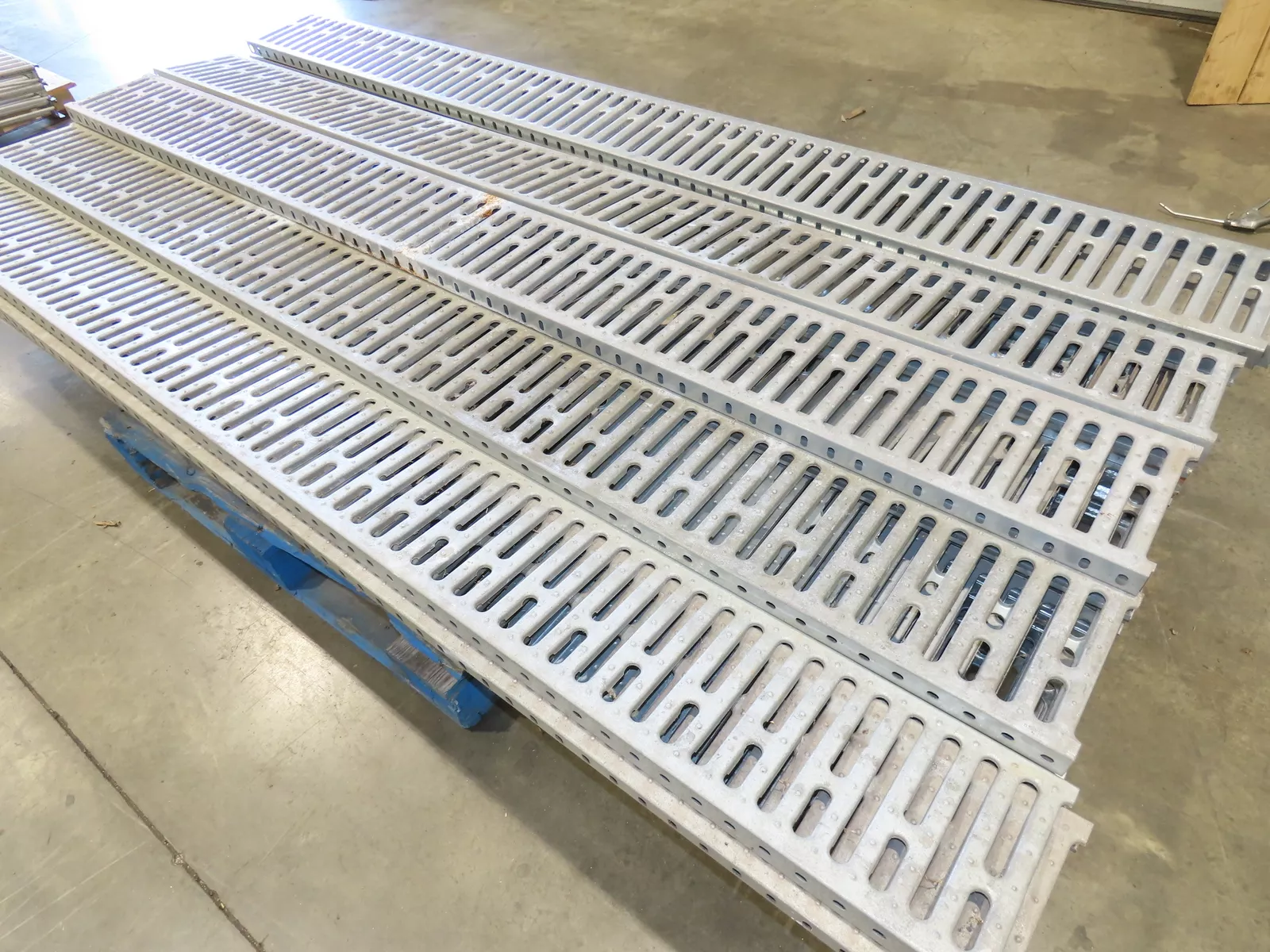
What Safety Advantages Does Cantilever Racking Provide?
What Safety Advantages Does Cantilever Racking Provide?
- Cantilever racking offers open access without vertical uprights, reducing accidents when handling long, awkward materials like pipes and lumber.
- It provides strong, stable support designed for heavy, long loads, minimizing risks of shifting or collapsing compared to pallet racking.
- Choosing cantilever racking reflects ethical responsibility, valuing the safety and well-being of workers who rely on returning home safely.
- Smart rack systems like cantilever racking boost workplace morale and productivity by creating safer, easier job conditions.
- Cantilever racks outperform pallet racking for long, heavy materials, proving their practical value and safety advantages.
- The design focuses on real-world durability and reliability rather than flashy features, ensuring consistent safety over time.
- Safety with cantilever racking is integral to daily operations, embedding protection into every lift, carry, and hour spent on site.

What Safety Advantages Does Cantilever Racking Provide?
How Do Suppliers Calculate Load Capacity for Cantilever Racks?
When it comes to figuring out how much weight a cantilever rack can handle, suppliers don’t just pull numbers out of thin air. It’s part science, part experience, and all about keeping things safe and practical. You see, these racks aren’t just fancy shelves; they’re the backbone of hardworking warehouses and workshops where every pound counts.
First off, suppliers start by looking at the materials: steel thickness, arm length, and the overall design. The steel’s strength is like the bones of the rack—if those aren’t solid, nothing will hold. Then comes the arm length—longer arms mean bigger reach but less weight support. It’s a balancing act. They crunch the numbers using engineering principles that consider bending moments and load distribution. This calculation isn’t just academic; it mirrors the real-world loads racks shoulder daily, whether stacked with lumber, piping, or heavy machinery parts.
But here’s where it gets interesting: no two loads behave exactly alike. Pallet racking might get a fairly even weight spread, but cantilever racks often hold oddly shaped, bulky gear that shifts and leans. Suppliers factor in what they call the “dynamic effect” — basically, what happens when things aren’t perfectly still. Because let’s face it, in the hustle of loading and unloading, perfect conditions are a pipe dream.
Ethically, suppliers owe it to businesses to be conservative rather than flashy with those numbers. Overstating load capacity might tempt a sale, but it risks lives and livelihoods. That’s why good suppliers double-check their specs and encourage folks to consider safety margins. It’s like telling you, “Hey, don’t just trust what the label says—think about the rough and tumble reality of your warehouse.”
This blend of math, materials, and real-world know-how is built on decades of feedback and field testing—no shortcuts. It’s a community effort, where mistakes made in the past shape safer solutions today. When you trust your cantilever rack’s rated capacity, you’re not just relying on some cold calculation. You’re tapping into a network of hard-earned wisdom baked into every beam and arm.
Understanding load capacity isn’t just about numbers on paper; it’s about protecting your team, your gear, and your peace of mind. It’s about respecting the tools that keep your operation running day after day, no matter how heavy the load. That’s why savvy buyers look beyond the specs and lean on suppliers who know the weight of responsibility behind every rack. Because when it comes to Pallet Racking or cantilever setups, solid info means solid trust—and that’s worth its weight in steel.

How Do Suppliers Calculate Load Capacity for Cantilever Racks?
How Do Suppliers Calculate Load Capacity for Cantilever Racks?
- Suppliers determine cantilever rack weight capacity using a combination of science, experience, and safety considerations.
- Key factors include steel thickness, arm length, and overall design, with steel strength acting as the rack’s foundation.
- Longer arms increase reach but reduce weight support, requiring careful engineering calculations involving bending moments and load distribution.
- Cantilever racks often bear uneven, bulky loads that shift, leading suppliers to account for dynamic effects during loading and unloading.
- Suppliers prioritize conservative load ratings to ensure safety, emphasizing the importance of safety margins over sales-driven numbers.
- Load capacities are based on decades of field testing, feedback, and community knowledge to create reliable, real-world rack solutions.
- Understanding load capacity protects teams, equipment, and operations, encouraging buyers to trust knowledgeable suppliers beyond just the specifications.
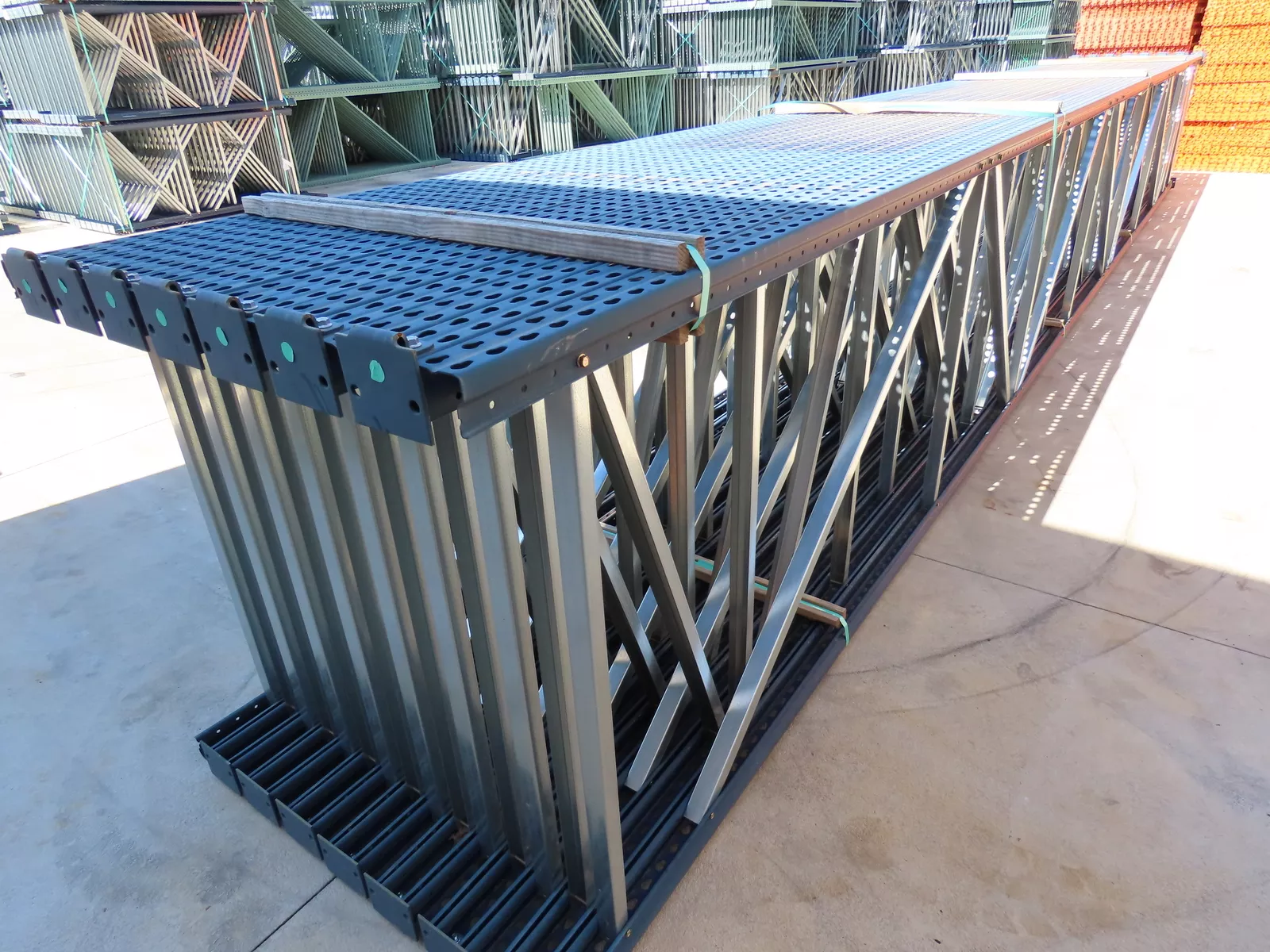
How Do Suppliers Calculate Load Capacity for Cantilever Racks?
In What Ways Does Cantilever Racking Speed Up Order Fulfillment?
When it comes to moving goods fast and right, cantilever racking is a game changer that speaks to the heart and the hard work of anyone who’s ever hustled in a warehouse. You know that feeling when you’re racing the clock, every minute stretching thin, and that one misplaced item can throw the whole operation off? Cantilever racking cuts through that chaos because it’s straightforward, reliable, and built to make order fulfillment smoother and quicker, plain and simple.
From a practical standpoint, cantilever racking is tailor-made for long, bulky items that don’t fit neatly on traditional pallet racking. Pipes, lumber, steel bars—stuff you don’t want awkwardly balanced or constantly shifting. That means less fumbling around looking for the right piece, no wrestling with loads stacked three feet too high, and no extra steps hunting down inventory. It’s about working smarter, not harder, so every pick happens faster, with fewer headaches and zero wasted motion.
There’s also a sense of respect in knowing your gear is stored properly, secured, and easy to access. When you’re dealing with heavy loads, safety isn’t just a buzzword; it’s a matter of trust, for the folks on the floor and the supervisors keeping an eye on things. Cantilever racking stands firm against the punishing demands of daily use, reassuring your team that what they need is always there, intact and ready to roll. That steadiness fosters a kind of quiet confidence, boosting morale because everyone knows the system won’t fail them when it counts.
Beyond the nuts and bolts, cantilever racking ties into the bigger story of running a lean and efficient operation. Faster order fulfillment means happier customers and less pressure piling up behind the scenes. It’s ethical too—doing right by your crew and your clients means delivering on promises without cutting corners or causing burnout. Good storage solutions like this respect the sweat and skill your team brings every day, making their job manageable rather than maddening.
In the thick of it all, cantilever racking doesn’t just hold stuff—it holds the rhythm of your workflow steady. It’s a foundation as reliable as the old pallet racking you know and trust, but built with the flexibility to handle what pallet racking can’t. That’s practical wisdom hard-earned on the job, turning storage from a silent bottleneck into a straightforward ally. When your gear is organized, accessible, and safe, orders fly out the door with confidence, and everyone feels the difference—the straight talk, the no-nonsense setup, and the steady pace that keeps business humming.

In What Ways Does Cantilever Racking Speed Up Order Fulfillment?
In What Ways Does Cantilever Racking Speed Up Order Fulfillment?
- Cantilever racking streamlines fast, accurate order fulfillment by providing a straightforward and reliable storage solution.
- Designed specifically for long, bulky items like pipes, lumber, and steel bars that don’t suit traditional pallet racks.
- Reduces time spent searching and handling inventory by preventing awkward balancing and shifting of stored goods.
- Enhances safety and trust on the warehouse floor by securely supporting heavy loads and withstanding daily wear.
- Boosts team morale through consistent performance and dependable access to needed materials.
- Supports lean operations by enabling faster order fulfillment, improving customer satisfaction, and reducing workplace stress.
- Serves as a flexible, dependable foundation that maintains workflow rhythm and transforms storage from a bottleneck into an ally.
In What Ways Does Cantilever Racking Speed Up Order Fulfillment?
Conclusion
In the gritty world of masonry and stone supply, cantilever racking isn’t just another piece of warehouse gear—it’s a lifeline. It tackles the tough realities of storing hefty, awkward slabs and blocks with a commonsense toughness that every hardworking crew respects. Unlike standard pallet racks, which try to force bulky stone into neat little boxes, cantilever racks open up space and give these heavy, irregular pieces room to breathe and settle without the risk of damage. This isn’t just smart storage; it’s respect—for the stone, the hands that handle it, and the money riding on every slab.
The real magic lies in how cantilever racking transforms cluttered yards and chaotic warehouses into organized, efficient work zones. By ditching bulky uprights and offering open arms that adjust to whatever shape or size you throw at them, these racks make loading and unloading safer and faster. Forklifts move more smoothly, inventory is easier to manage, and the whole operation runs cleaner. It’s a practical solution that saves time, cuts costs, and, most importantly, protects the people doing the heavy lifting day in and day out.
Safety here isn’t a hollow promise; it’s built into the steel arms holding up each load. By reducing obstacles and stabilizing materials prone to shift and fall, cantilever racks cut down on accidents and downtime, showing care for workers beyond just ticking boxes. That kind of trust goes a long way—not just for the crew but for customers and the reputation of the business itself. When a supplier invests in the right racks, they’re signaling a commitment to quality, reliability, and a workplace where shortcuts don’t get a free pass.
Calculating load capacity is a careful blend of science and street smarts. It’s not just about the numbers on paper but understanding how those loads behave in the real world—jostled, shifted, and moved by human hands and machines. The best suppliers stick to honest specs with safety margins baked in, because when you’re holding tons of stone, guessing wrong isn’t an option. This solid foundation helps owners and workers alike face every day with confidence that their system won’t buckle under pressure.
Beyond keeping things safe and sound, cantilever racking quickens the pace of work. When every pick and pull is straightforward, fewer mistakes happen, orders move out faster, and everybody gets to breathe a little easier. It supports a rhythm where hard work isn’t wasted on wrestling with storage but focused on the job itself. That practical efficiency improves morale and trust—because when the tools work right, the whole crew feels it.
At the end of the day, cantilever racking fits right into the no-nonsense, down-to-earth world of masonry and stone suppliers. It’s durable, honest, and built for the rough-and-tumble daily grind. More than just a way to stack stone, it’s a partner in doing the job right—protecting materials, safeguarding workers, and making success something you can see and touch every day on the job site.
Conclusion
Conclusion:
- Cantilever racking provides essential, tough storage for heavy, awkward stone slabs and blocks, unlike standard pallet racks.
- These racks create organized, efficient work zones by eliminating bulky uprights and adjusting to various shapes and sizes.
- Safety is integral to cantilever racks, reducing accidents by stabilizing materials and minimizing obstacles.
- Load capacity calculations combine practical experience with engineering, ensuring racks handle real-world conditions reliably.
- Cantilever racking speeds up work by simplifying material handling, reducing mistakes, and improving workflow efficiency.
- The system enhances worker morale and trust by providing dependable, straightforward tools for daily use.
- Cantilever racking is durable, practical, and tailored for the demanding environment of masonry and stone supply operations.

Conclusion
Other Resources

Other Resources
Here is a list of other resources you can review online to learn more:
- Warehouse Storage Racks
- Rack Manufacturers Institute
- What is Selective Pallet Racking
- Teardrop Uprights
- BMH
- Selective Pallet Racking Systems
- Warehouse Racking Layout: The Ultimate Guide – Conger
- Pallet Racking 101: A Comprehensive Guide & Options Explained
- Selective Racking
- IWLA
- NSC
- Warehouse Racking Chicago, IL
- Interlake Mecalux
- Heavy-Duty Cantilever Storage Racks
- Used Teardrop Pallet Rack – American Surplus
- Warehouse Racking Systems: Beginner’s Guide to Rack Systems
- Bradford Systems
- What is Cantilever Racking? – AK Material Handling Systems
- Iowa Illinois Warehouse Racking
- IIWS Inc. Rack Installation Illinois & Rack Repairs Illinois
Use This Prompt To Get More Resources With Your Favorite Online AI Tool: Please provide me with a list of online articles with their URLs in a bulleted list that I can read regarding How Do Masonry and Stone Suppliers Leverage Cantilever Racking?
Other Resources
Glossary Terms
How Do Masonry and Stone Suppliers Leverage Cantilever Racking? – Glossary Of Terms
1. Cantilever Racking: A storage system designed to hold long, bulky items like stone slabs and masonry materials using arms that extend from a central column.
2. Load Capacity: The maximum weight that cantilever racking can safely support.
3. Upright Column: The vertical support structure in cantilever racking that holds the arms.
4. Arms: Horizontal supports attached to the upright columns where materials are placed.
5. Base Plate: The bottom part of the cantilever racking upright that provides stability.
6. Bay: A section of cantilever racking consisting of multiple arms on one upright.
7. Extension Arm: An additional arm added to increase the storage length.
8. Adjustable Arms: Arms that can be repositioned along the column to accommodate different material sizes.
9. Inventory Management: The process of organizing, storing, and tracking materials in a warehouse.
10. Accessibility: How easily materials can be reached and retrieved from storage.
11. Space Utilization: Efficient use of warehouse space to maximize storage capacity.
12. Bulk Storage: Storage of large quantities of materials in a single area.
13. Slabs: Large, flat pieces of stone stored on cantilever racks.
14. Masonry Units: Individual blocks or stones used in construction.
15. Loading Dock: The area where materials are received or shipped out.
16. Forklift Compatibility: The suitability of racking to accommodate forklift operations.
17. Material Handling: The movement, protection, storage, and control of materials.
18. Safety Features: Design elements that ensure the safe use of cantilever racking.
19. Structural Integrity: The strength and durability of the racking system.
20. Customization: Modifications made to racking systems to suit specific material requirements.
21. Vertical Storage: Storing materials in an upright position to save floor space.
22. Modular Design: Racking components that can be added or removed to change configuration.
23. Load Distribution: Even spreading of weight across racking arms and columns.
24. Weather Resistance: The ability of racking materials to withstand environmental conditions.
25. Inventory Turnover: The rate at which stored masonry and stone materials are used or sold.
26. Space Efficiency: Maximizing storage in a limited warehouse footprint.
27. Heavy-Duty Storage: Storage designed to support very heavy materials.
28. Double-Sided Rack: Cantilever racking accessible from both sides for increased storage.
29. Weight Sensors: Devices to monitor load on cantilever arms to prevent overloading.
30. Warehouse Optimization: Strategies to improve storage capacity and operational workflow.

Glossary Of Terms
Other Questions
How Do Masonry and Stone Suppliers Leverage Cantilever Racking? – Other Questions
If you wish to explore and discover more, consider looking for answers to these questions:
- What are the typical load capacities per arm, per column, and per bay for common cantilever rack models?
- How do I calculate the correct arm length, column height, and bay spacing for my specific stone slab sizes?
- What foundation or anchoring requirements are needed for indoor versus outdoor installations?
- How do cantilever racks perform in seismic, high‑wind, or other extreme environmental conditions?
- Which materials and coatings (e.g., galvanizing, powder coat) are best for corrosive or coastal environments?
- Can cantilever racking be used both indoors and outdoors, and what weatherproofing is required?
- What are typical purchase, shipping, and installation costs per bay or per linear meter?
- What is the expected payback period or ROI after switching from pallet racking to cantilever systems?
- Are leasing, rental, or used cantilever rack options viable and what are the tradeoffs?
- What is the typical service life of cantilever racks and what routine maintenance is required?
- What inspection intervals and checklists should be used to ensure ongoing safety and compliance?
- What common installation and operational mistakes should be avoided to reduce damage and risk?
- What protective accessories (pads, spacers, edge guards, slings) are recommended for finished stone?
- Which optional accessories (shelf decks, stops, end guards, labeling systems) improve usability?
- Can existing pallet racking be retrofitted or converted into a cantilever-style system?
- How do suppliers de-rate load capacities to account for dynamic loading, impact, or uneven weight distribution?
- Which forklifts, cranes, or handling equipment are most compatible with cantilever-stored stone?
- What worker training and safe handling procedures are recommended for loading and unloading on cantilever racks?
- Which regulatory standards, codes, or industry guidelines (e.g., OSHA, local building codes) apply to cantilever racking?
- Do cantilever racking installations commonly require permits or third‑party inspections?
- How should stacking orientation and spacing be managed to minimize chipping, scratching, and breakage?
- What layout best practices optimize aisle widths, forklift turning radius, and throughput?
- Are multi‑tier or mezzanine cantilever systems available for higher-density vertical storage?
- How easily can a cantilever system be expanded, reconfigured, or relocated as inventory needs change?
- What are the warranty terms and typical supplier guarantees for components and workmanship?
- How do cantilever racks impact insurance underwriting, premiums, and claims for masonry suppliers?
- Are there supplier verifications, certifications, or references to check when selecting a cantilever racking vendor?
- What lead times and delivery scheduling should be expected from manufacturers and installers?
- How do you integrate cantilever racking with inventory management systems or barcoding workflows?
- What emergency procedures and load‑release contingencies should be in place if damage or collapse occurs?
- How are damaged rack components assessed for repair versus replacement, and can they be recycled?
- What real-world case studies show measurable reductions in breakage, labor time, or space usage after switching?
- How do floor loading limits and site soil conditions affect cantilever rack design and placement?
- What are the best practices for securing valuable or small masonry items against theft or unauthorized access?

Other Questions
Checklist
How Do Masonry and Stone Suppliers Leverage Cantilever Racking? – A Checklist
Fit and Use Case
✅______ Primary products include slabs, blocks, panels, or long or awkward pieces that do not suit pallets
✅______ Maximum piece length, width, thickness, and unit weight documented
✅______ Typical bundle or pack configurations documented (straps, dunnage, pallet or no pallet)
✅______ Handling equipment confirmed and compatible with long loads (forklift, side loader, attachments)
Layout and Space Planning
✅______ Aisle width matches load length and equipment turning radius
✅______ Clear vertical space verified (sprinklers, lighting, HVAC, doors)
✅______ Number of storage levels set within safe reach and lift heights
✅______ Traffic flow mapped (receiving, staging, picking, shipping)
✅______ Zones allocated for fast movers versus bulk reserve
Rack Configuration
✅______ Single- or double-sided frames selected based on layout
✅______ Column spacing matched to load length and stiffness
✅______ Arm length set to support full load depth without excessive overhang
✅______ Base length sized for stability relative to arm length and load
✅______ Arm adjustability increments accommodate product-mix changes
✅______ Arm stops, lips, or retainers specified to prevent roll-off
✅______ Protective arm sleeves or pads specified where surface protection is needed
Environment and Durability
✅______ Indoor or outdoor use defined; finish selected (paint, powder coat, or hot-dip galvanizing)
✅______ Wind, snow, and seismic requirements identified for outdoor yards
✅______ Drainage and ground conditions verified (no standing water; suitable foundations)
✅______ Corrosion and temperature exposure considered
Safety and Compliance
✅______ Rated capacities per arm, level, and bay specified and posted
✅______ Anchoring and base plates engineered per substrate and manufacturer requirements
✅______ Column and end-of-aisle impact protection specified
✅______ Load overhang and spacing rules defined and communicated
✅______ Inspection and maintenance schedule established (daily visual; periodic detailed)
✅______ Operator training plan in place (loading sequence, approach angles, clearances)
✅______ Applicable standards addressed (ANSI/RMI MH16.3 for cantilever racks; local codes)
Damage Reduction Practices
✅______ Dunnage and contact surfaces specified to prevent chipping or scratching
✅______ Arms allocated by SKU or size family to minimize mixed loads and pressure points
✅______ Handling procedures defined to avoid dragging and edge impacts
✅______ Bundling and strapping guidelines established for transport and storage
Load Capacity and Engineering
✅______ Per-arm and cumulative load calculations reviewed with supplier or engineer
✅______ Number of arms supporting each load defined (load-sharing assumptions)
✅______ Arm spacing set to control deflection for slabs or panels
✅______ Dynamic effects considered (handling shocks, uneven loading)
✅______ Certified drawings and calculations approved before purchase
Operations and Workflow
✅______ Slotting strategy created (fast movers at ergonomic heights; heavy items lower)
✅______ Location labeling and scanning established for quick picks
✅______ Clear pick paths and staging areas marked
✅______ SOPs documented for loading and unloading sequence and approach side
✅______ Housekeeping plan to keep aisles clear and visibility high
Installation and Commissioning
✅______ Site survey completed and floor condition verified
✅______ Permits and inspections scheduled as required
✅______ Professional installation contracted and supervised
✅______ Torque, plumb, and anchor checks completed and recorded
✅______ Initial load introduced in stages with verification of stability
Vendor and Lifecycle Support
✅______ Supplier experience with stone or masonry applications verified
✅______ References and comparable installations reviewed
✅______ Warranty, spare parts, and response times confirmed
✅______ Training materials and safety signage provided
✅______ Ongoing service and inspection agreement in place
Performance and ROI Tracking
✅______ Baseline space utilization measured (percent floor and vertical)
✅______ Baseline damage or breakage rate recorded
✅______ Baseline pick and throughput times and labor hours captured
✅______ Post-installation targets set for space, damage, and fulfillment speed
✅______ Payback and total cost of ownership model documented
Culture and Communication
✅______ Safety and quality expectations communicated to all crews
✅______ Best practices shared across shifts or locations
✅______ Results (damage reduction and speed gains) reviewed and posted periodically
Checklist
At RackingWorld, we help guide you through selecting warehouse storage systems and racking.
Be sure to read our other related stories at RackingWorld to learn more about warehouse storage systems.
0 Comments