
Uncovering The Best Bargains: Local Rack Vs Online Deals
By Tom Seest
At RackingWorld, we help guide you through selecting warehouse storage systems and racking.
Be sure to read our other related stories at RackingWorld to learn more about warehouse storage systems.
How Do Local Rack Prices Stack Up Against Online Deals?
As we navigate the current landscape of retail and storage solutions, businesses are confronted with a critical question: Should you invest in local pallet racking solutions or dive into the online marketplace? The answer isn’t as straightforward as it may seem, especially when current events impact supply chains and local economies.
Let’s break down the benefits of local pallet racking first. When you source from nearby suppliers, you not only support the local economy but also enjoy significant perks in terms of service. For example, consider a warehouse in a bustling metropolitan area. When faced with an urgent need for pallet racking, can you afford to wait days or weeks for an online order to arrive? Local suppliers often provide immediate availability and rapid setup services, reducing downtime and keeping your operations seamless.
Moreover, when visiting a local dealer, you can physically inspect the pallet racking, evaluate its sturdiness, and ask technical questions. Something that’s crucial in today’s world where the pandemic has heightened awareness of safety and compliance standards. You don’t want to risk purchasing flimsy racking systems that may not meet OSHA regulations, which you might unknowingly do when relying on generic online descriptions.
Now let’s pivot to the online arena. With price wars heating up, especially following recent economic shifts, many online retailers have significantly slashed prices to attract customers. For instance, a popular e-commerce platform lists a robust pallet racking solution at a remarkable 20% discount compared to local alternative prices. This can be incredibly tempting for cost-conscious businesses. However, be wary of the hidden costs. Shipping fees, potential assembly delays, and the lack of customer support can result in a dramatic increase in the total expense.
Moreover, consider the warranty aspects. Local businesses often provide personalized post-purchase service, ensuring that your pallet racking is installed correctly and functions as intended. Recent trends show that while online discounts attract initial sales, the value of local support becomes apparent when issues arise, which can prove more costly than the initial savings.
While online deals may appear attractive at first glance, it is crucial to evaluate the full picture. Local pallet racking solutions offer benefits that can’t be quantified by price alone. The combination of immediate product availability, personalized service, and local economic support should weigh heavily in your decision-making process. In a time of uncertainty, trust, quality, and community can lead to lasting success.
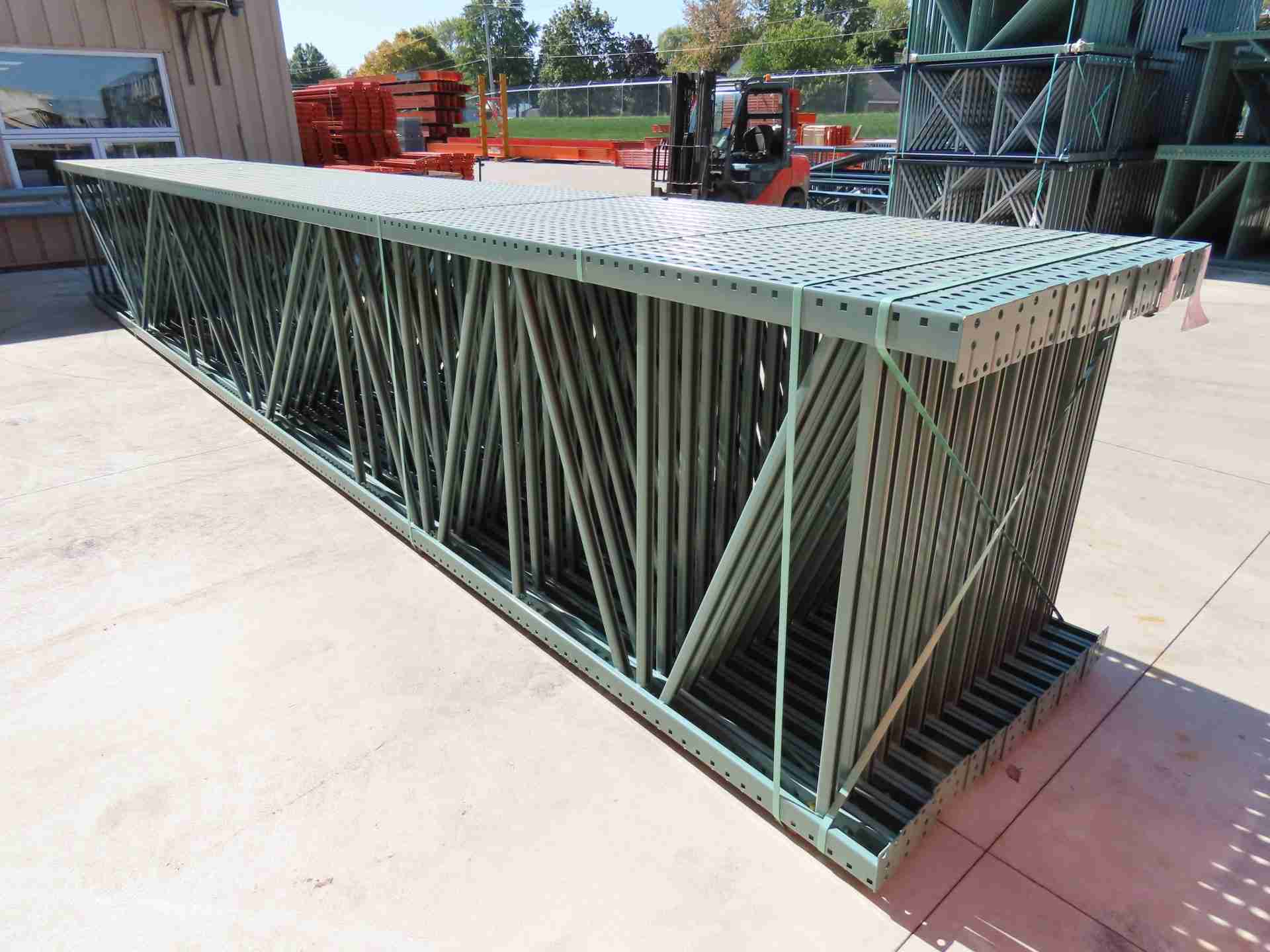
How Do Local Rack Prices Stack Up Against Online Deals?
How Do Local Rack Prices Stack Up Against Online Deals?
- Businesses face a decision between investing in local pallet racking solutions or purchasing from the online marketplace.
- Sourcing from local suppliers supports the economy and provides immediate availability and rapid setup services.
- Visiting local dealers allows for physical inspection of pallet racking and the opportunity to ask technical questions.
- Local suppliers help ensure compliance with safety standards such as OSHA regulations.
- Online retailers may offer significant discounts, but hidden costs like shipping fees and assembly delays can arise.
- Local businesses provide personalized post-purchase service, ensuring correct installation and functionality.
- While price is important, local solutions offer value through immediate support, quality, and community trust in uncertain times.
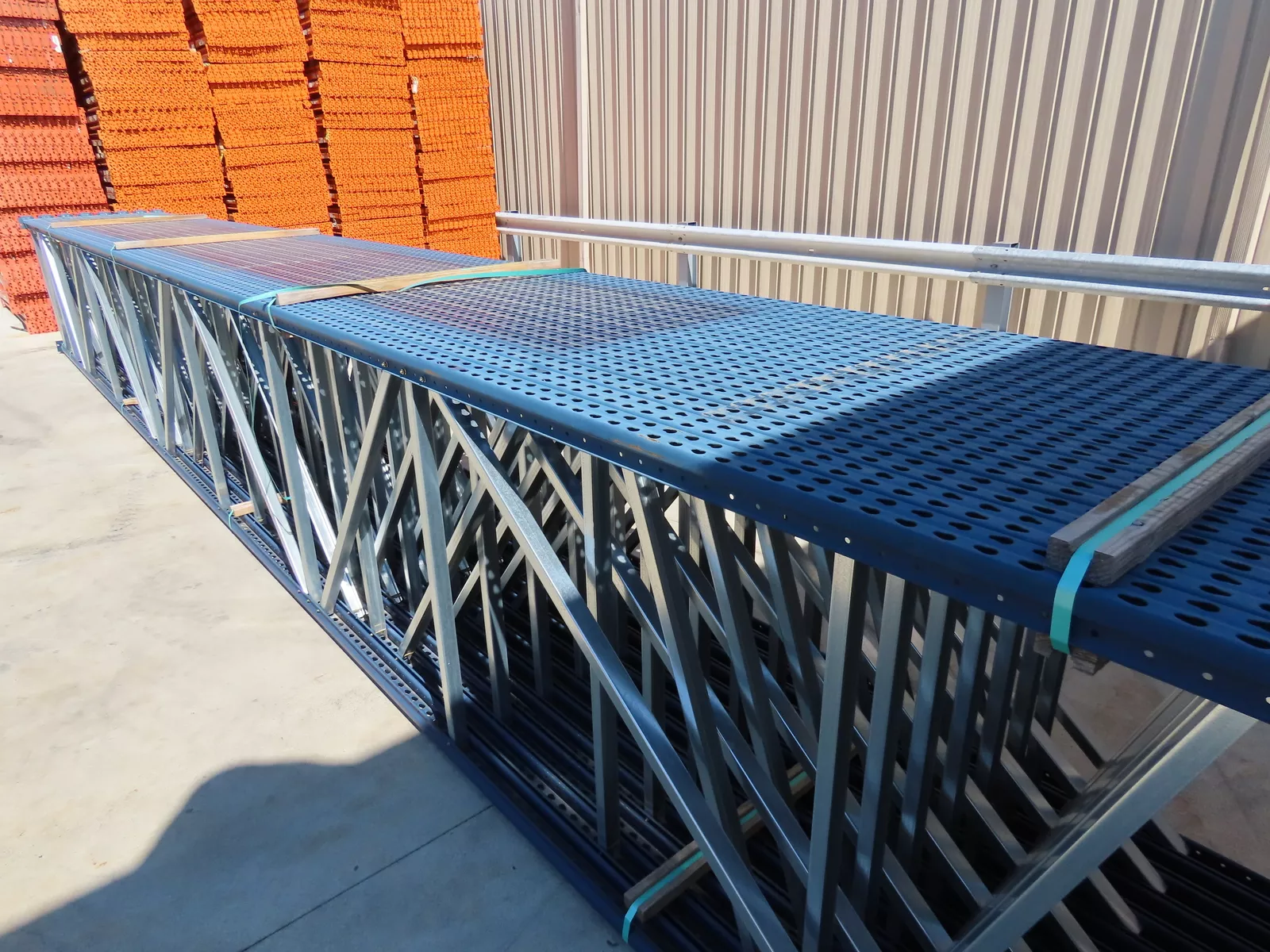
How Do Local Rack Prices Stack Up Against Online Deals?
Table Of Contents
- How Do Local Rack Prices Stack Up Against Online Deals?
- How Do Online Deals Compare In Price To Local Options?
- Are Local Rack Prices More Competitive During Sales Events?
- What Types Of Products Are Typically Found At Local Racks?
- How Can Consumers Find The Best Local Rack Prices?
- What Advantages Do Online Deals Offer Over Local Purchases?
- Are There Hidden Costs Associated With Online Shopping?
- How Does Product Availability Differ Between Local And Online Shops?
- Conclusion
- Other Resources
- Glossary Of Terms
- Other Questions
- Checklist
How Do Online Deals Compare In Price To Local Options?
In today’s fast-paced economy, savvy consumers are always on the lookout for the best deals. The rise of online shopping has revolutionized how we compare prices, but how do these online deals stack up against local options, particularly for specific items like pallet racking? To answer this question, let’s dive into the nuances.
When it comes to purchasing pallet racking for your business, whether a warehouse or a retail store, understanding your options is crucial. Sales representatives from local suppliers might tout the benefits of buying locally; after all, their knowledge and service can add value that a faceless online retailer cannot provide. However, prices often have a competitive edge in the online world. Online platforms, like Amazon and specialized equipment sites, frequently offer pallet racking systems at a lower initial price, leveraging bulk purchasing and reduced overhead to pass discounts on to consumers.
To illustrate the price disparity, consider a recent example involving a popular local warehouse supply store versus an online giant. The local option quoted $1,200 for a complete pallet racking system, including installation. In contrast, an online retailer listed a similar system for $800, plus an estimated shipping fee of $150. At first glance, the local offer might seem justified with installation included. However, when evaluating budget constrictions — especially in a recovering economy amidst inflation — the online choice presents a compelling advantage, potentially leaving more resources available for other critical expenditures.
Moreover, there is a growing trend among consumers to turn to online platforms for expertise in DIY projects, where the consumer is not just buying a product but accessing a wealth of information and reviews. The success of brands during the pandemic has illustrated that accessibility to online reviews, instructional videos, and chat forums can provide consumers with the confidence to tackle assembly independently. This self-service approach further strips party costs associated with local options.
It’s worth considering that product availability can fluctuate based on supply chain issues, as often witnessed recently during major global disruptions. Nonetheless, if you’re flexible and willing to browse different online retailers, you can often find competitive pricing and sometimes even exclusive discounts.
Ultimately, the choice between online deals and local options boils down to personal preference and situational factors. For those motivated by savings and DIY capabilities, online deals on pallet racking can often outshine local prices. As the market continues to adapt, consumers hold substantial power — a situation that only seems to favor the smart shopper.
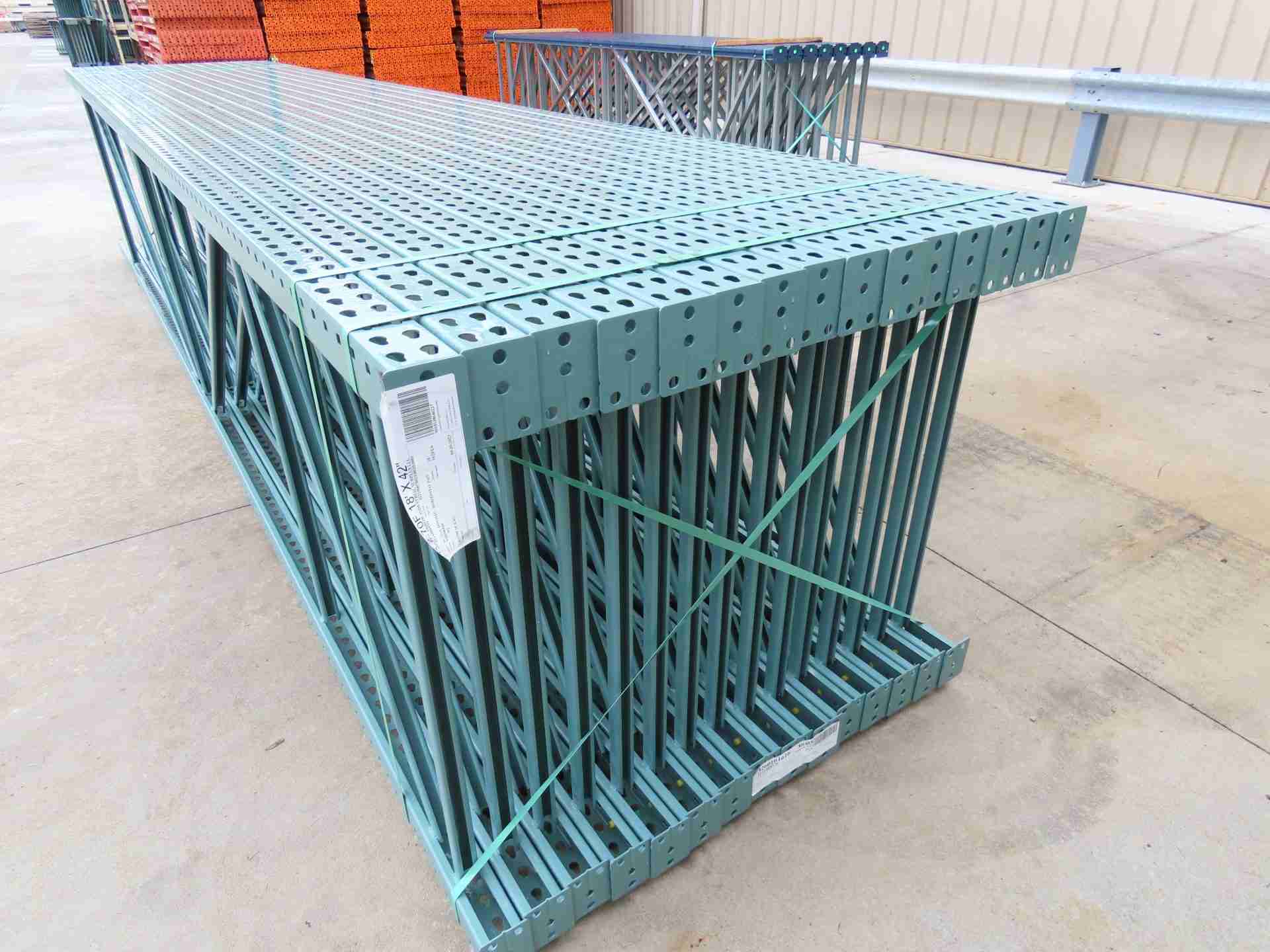
How Do Online Deals Compare In Price To Local Options?
How Do Online Deals Compare In Price To Local Options?
- Consumers are increasingly searching for the best deals in a fast-paced economy.
- The rise of online shopping allows for better price comparison, especially for items like pallet racking.
- Local suppliers offer personalized service and expert knowledge, contrasting with often lower prices found online.
- A price comparison showed a local supplier offered pallet racking for $1,200 (installed) versus an online price of $800 (plus shipping).
- Online platforms provide access to reviews and DIY resources, empowering consumers to tackle assembly independently.
- Product availability may vary due to supply chain issues, but browsing different online retailers can yield better deals.
- Ultimately, the choice between online and local purchasing depends on personal preference, savings, and DIY skills.
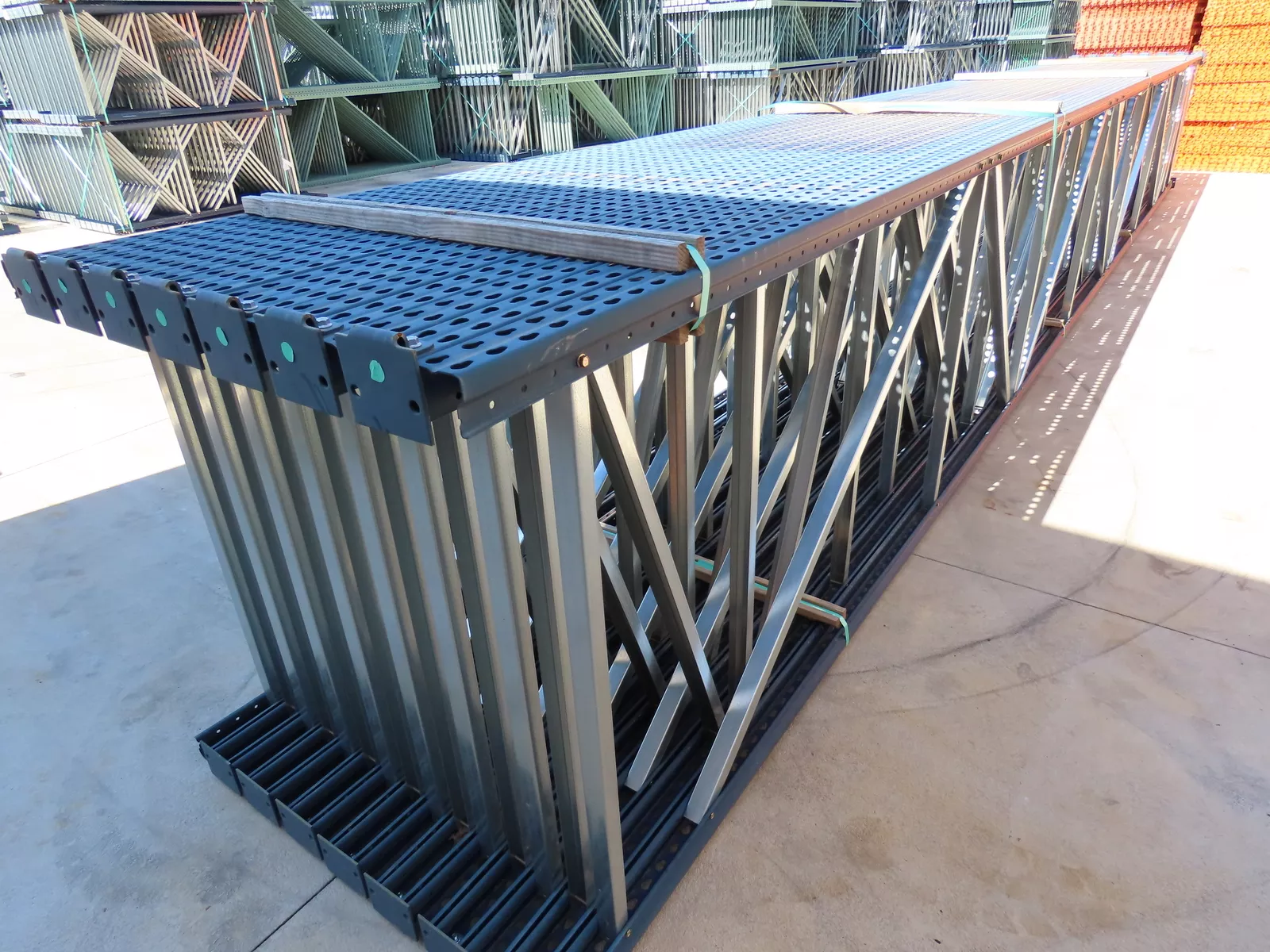
How Do Online Deals Compare In Price To Local Options?
Are Local Rack Prices More Competitive During Sales Events?
When the holidays roll around or major retail events occur, one thing becomes clear: savvy businesses can capture remarkable deals on essential equipment like pallet racking. But are local rack prices more competitive during these sales events? The short answer is a resounding yes, and here’s why.
First, let’s paint the picture. Imagine it’s Black Friday or Cyber Monday, and your competitors are gearing up for the shopping blitz. Retailers know that attracting customers means offering unbeatable prices. And in the throes of a well-planned sales event, local suppliers often drop their pallet racking prices significantly to draw savvy buyers looking to maximize their savings.
Take, for instance, a warehouse operation in a bustling metropolitan area. During a recent end-of-season clearance event, a local distributor slashed prices on various types of pallet racking, including selective and drive-in systems. Businesses that jumped on these deals not only enjoyed discounted pricing but also reduced delivery costs by sourcing locally. This is a strategic win-win that allows businesses to reinvest saved funds into other operational areas.
Another great example is during major trade expos or industry gatherings. Suppliers often create incentives for attendees, combining flashy discounts with exclusive offers on pallet racking systems. For instance, a brand may hold a limited-time promotion emphasizing a discount attached to bulk purchases, allowing businesses to upgrade their storage solutions efficiently while minimizing expenses. This strategy not only clears out older inventory but helps local suppliers maintain competitiveness in a crowded market.
Now, consider the broader economic context. The increasing focus on sustainability and local sourcing means businesses are more inclined to support local suppliers who can quickly respond during sales events. This enhances a community-based economic dynamic. When companies choose local pallet racking solutions during sales, they actively participate in fostering economic growth within their communities.
Local rack prices tend to become increasingly competitive during sales events, offering businesses a prime opportunity to save money on essential equipment. As these sales events continue to evolve and adapt to market demands, the potential for savings remains robust. So, next time you’re strategizing for a warehouse upgrade, don’t overlook the power of local promotions and the juicy deals that come with them. Seize the moment, act fast, and let your savings pave the way for greater operational success.
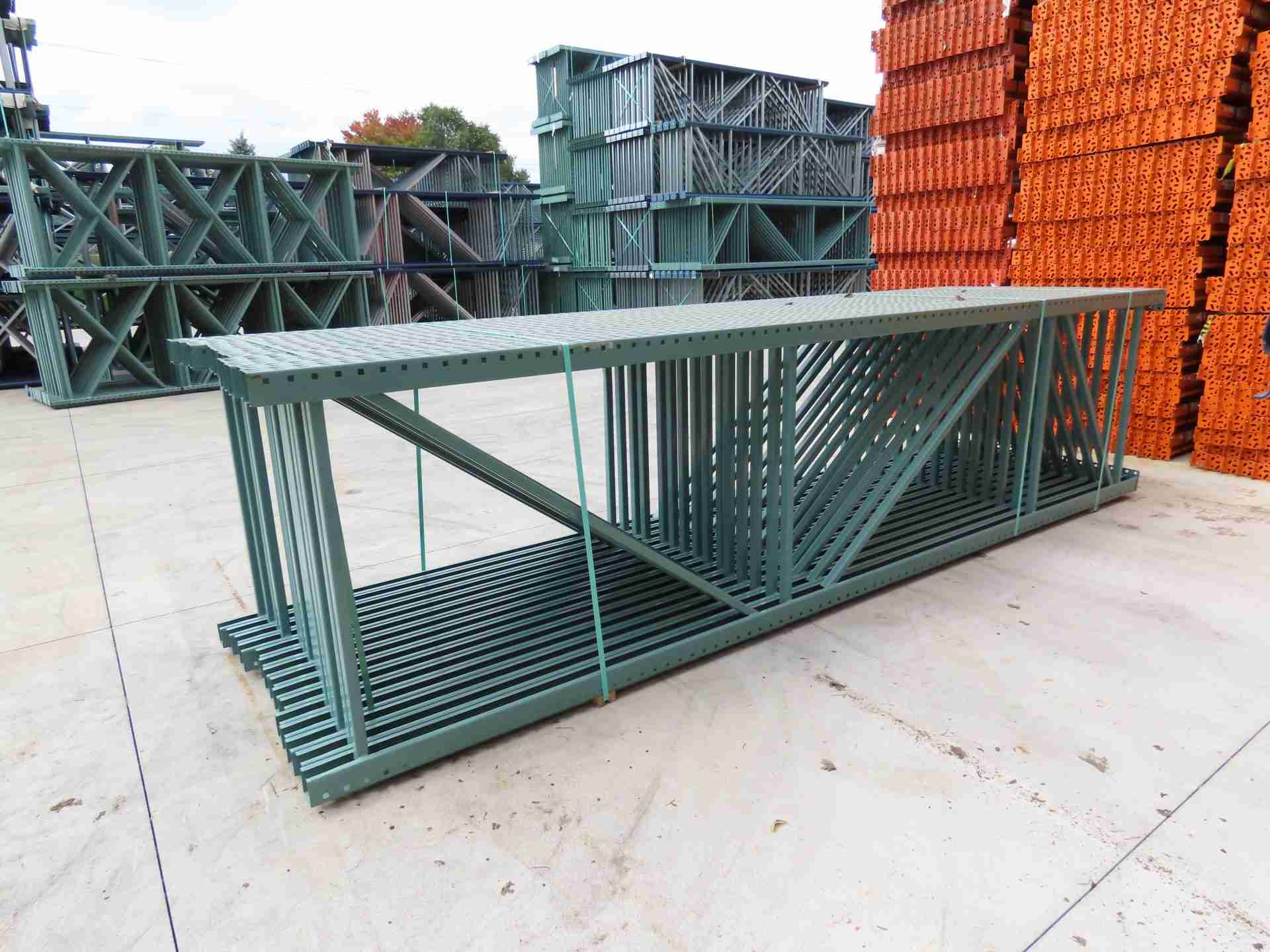
Are Local Rack Prices More Competitive During Sales Events?
Are Local Rack Prices More Competitive During Sales Events?
- Businesses can capture significant deals on pallet racking during holiday sales and major retail events.
- Local suppliers often lower prices to attract buyers amid competitive shopping seasons like Black Friday and Cyber Monday.
- Warehouse operations can benefit from discounted pallet racking and reduced delivery costs by sourcing locally.
- Trade expos and industry gatherings offer exclusive incentives and discounts on pallet racking systems for attendees.
- Promotions may include bulk purchase discounts, allowing efficient upgrades to storage solutions while minimizing expenses.
- Supporting local suppliers during sales events enhances community economic growth and sustainability.
- Companies are encouraged to take advantage of local promotions to achieve cost savings and operational success.
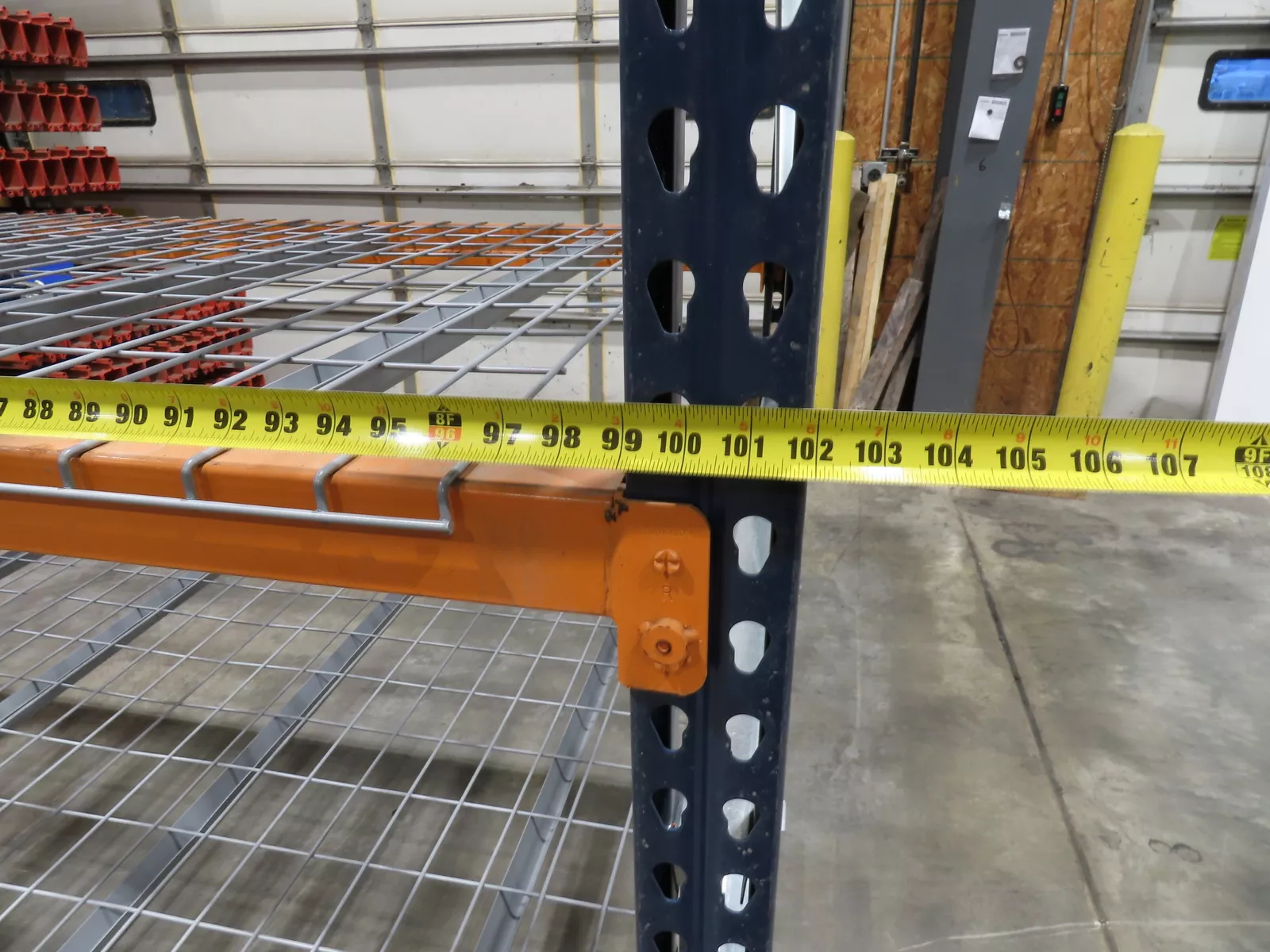
Are Local Rack Prices More Competitive During Sales Events?
What Types Of Products Are Typically Found At Local Racks?
When you walk into a local warehouse or distribution center, you often encounter an elaborate system of Pallet Racking that maximizes storage efficiency while minimizing wasted space. The versatility of this racking system allows for a variety of products to be stored neatly and accessed easily. But what exactly can you expect to find on these local racks?
First and foremost, heavy-duty commercial products dominate Pallet Racking systems. Think of automotive parts, industrial machinery components, and bulk bags of chemicals. These items are not only weighty but also often in high demand, particularly in industries like construction or manufacturing, which are seeing a resurgence as economies recover from recent downturns. For example, with the infrastructure bill boosting construction projects nationwide, the demand for such products has never been higher.
Next up, perishables like food and beverage items often make their way onto these racks. From cases of soda to frozen goods, the racking systems in local grocery distribution centers are specifically designed to handle temperature-sensitive products. With the ongoing emphasis on sustainability, many of these facilities are now outfitted with environmentally friendly refrigerations, allowing consumers to enjoy fresh produce and organic foods sourced from local farms.
Not to be overlooked are the seasonal items that populate local racks. During the holidays, you can find anything from Christmas decorations to gift sets expertly organized in racks, waiting to be shipped out to stores. Alternatively, in summer, think lawn care products, outdoor furniture, and barbecue supplies—all stored conveniently until they are ready to hit the market.
Another category to examine is the burgeoning world of e-commerce. Items stored on these racks are intricately linked to the latest shopping trends. With services like same-day delivery becoming the norm, the efficiency of these Pallet Racking systems is vital for quickly fulfilling orders. Daily necessities, electronics, and even apparel can often be found in local racking systems, specifically tailored for fast-paced online shoppers.
Local racks are not just storage solutions; they are vital hubs of activity filled with a diverse range of products. Whether it’s construction materials fueling an economic boom, seasonal decor igniting holiday spirit, or e-commerce products ready for shipping, these racks reflect the pulse of local commerce. As consumer habits shift, maintaining a flexible and adaptable racking system is essential for staying competitive in today’s market.
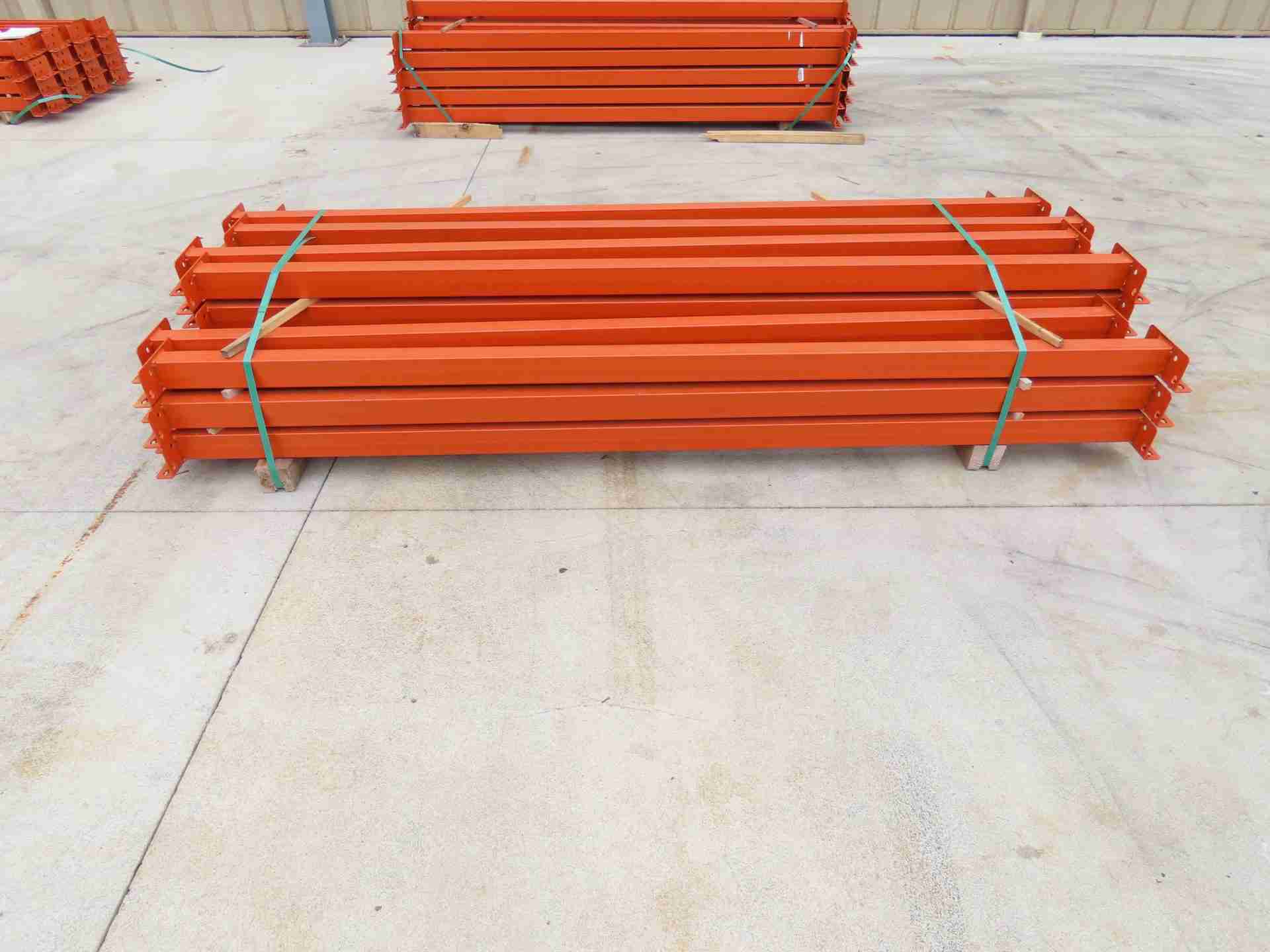
What Types Of Products Are Typically Found At Local Racks?
What Types Of Products Are Typically Found At Local Racks?
- Pallet Racking systems in local warehouses maximize storage efficiency and minimize wasted space.
- Heavy-duty commercial products like automotive parts and industrial machinery are commonly stored on these racks.
- Demand for heavy-duty products increases with the infrastructure bill boosting construction projects.
- Perishable items, including food and beverages, require specialized racks designed for temperature-sensitive storage.
- Seasonal items such as holiday decorations and summer products are organized and stored in anticipation of market demand.
- The rise of e-commerce has led to local racks being filled with fast-moving consumer goods to facilitate quick order fulfillment.
- Flexibility and adaptability in racking systems are crucial for staying competitive as consumer habits evolve.
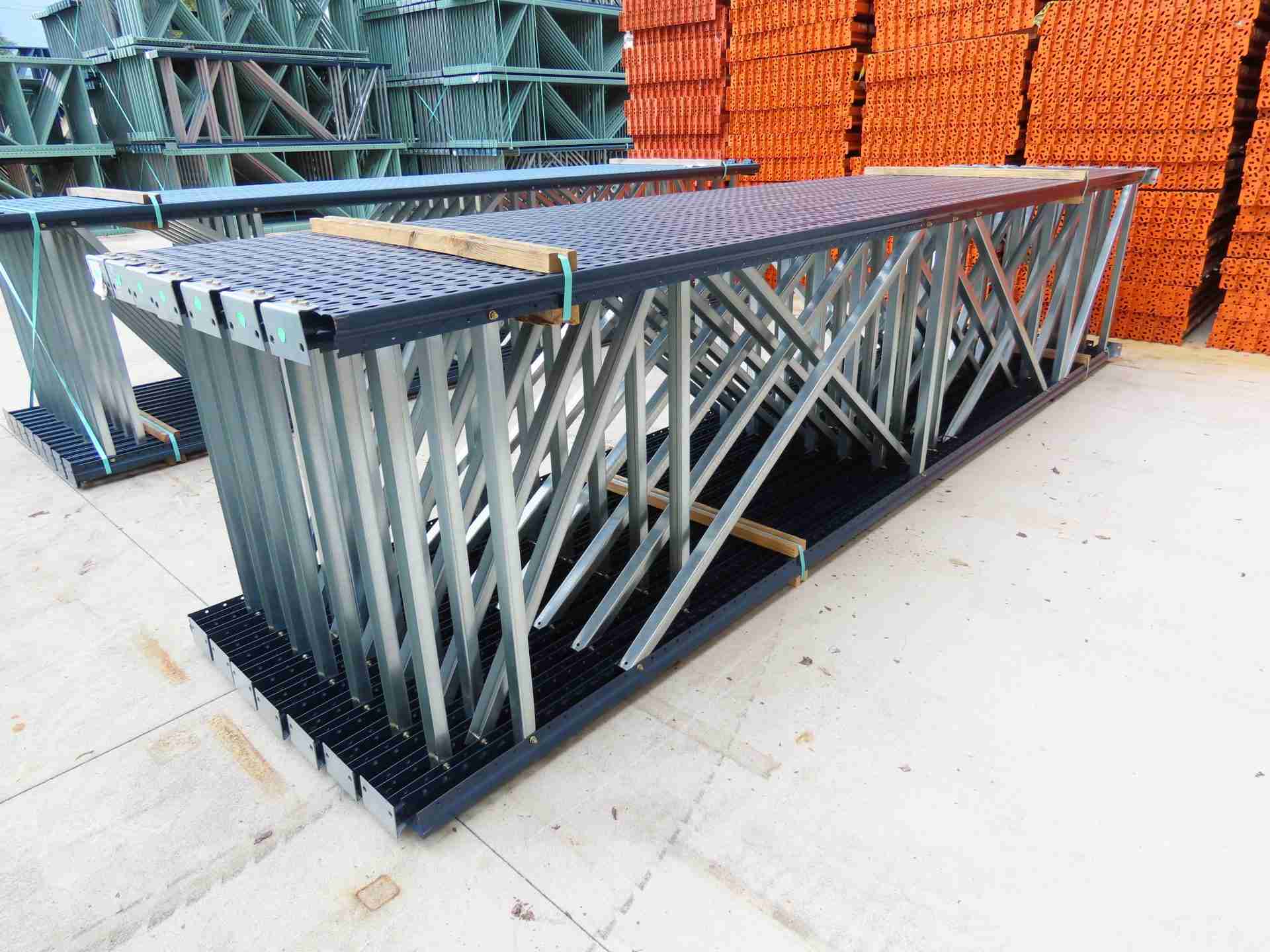
What Types Of Products Are Typically Found At Local Racks?
How Can Consumers Find The Best Local Rack Prices?
In today’s competitive landscape, businesses face the constant challenge of keeping costs down while maximizing efficiency. One of the crucial components in achieving that balance is understanding how to find the best local rack prices. Particularly when considering options like pallet racking, savvy consumers need to navigate a marketplace that can seem overwhelming at times.
First and foremost, consider the power of research. The internet is your best friend in this quest. Websites like Craigslist and Facebook Marketplace often have local sellers offering used pallet racking at a fraction of the original cost. For example, you might come across a listing from a local warehouse upgrading their storage system, resulting in a treasure trove of affordable options. Don’t forget to leverage business forums and social media groups focused on industrial storage solutions, where fellow entrepreneurs often share leads on great deals.
Next, build a network of local suppliers. Attend trade shows or local business events where racking solutions are showcased. Not only can you see the products firsthand, but you can also connect with knowledgeable vendors. For instance, imagine visiting a regional manufacturing expo where a vendor specializing in pallet racking offers an exclusive exhibition discount. These in-person connections can yield valuable information about current pricing trends and potential upcoming sales.
Additionally, don’t shy away from negotiation. Many vendors will be willing to haggle, especially if you’re purchasing in bulk or are a repeat customer. Viewing pallet racking as a long-term investment rather than a simple purchase can change the dynamics of the conversation. Emphasize your intent to build a lasting relationship; this opens doors to better deals and possibly even maintenance contracts down the line.
Lastly, stay informed about current events that may impact local pricing. For instance, with recent supply chain disruptions due to global events like the pandemic, the demand for industrial storage solutions has surged, causing fluctuations in pricing. Being aware of these factors enables you to act quickly when prices are favorable. Regularly checking industry publications can give you insights into potential changes that may affect your buying decisions.
In summary, finding the best local rack prices, especially for pallet racking, requires a blend of research, networking, negotiation, and awareness of market dynamics. With these strategies in your toolbox, you’ll be well-equipped to make informed purchasing decisions that bolster your business’s efficiency and bottom line.
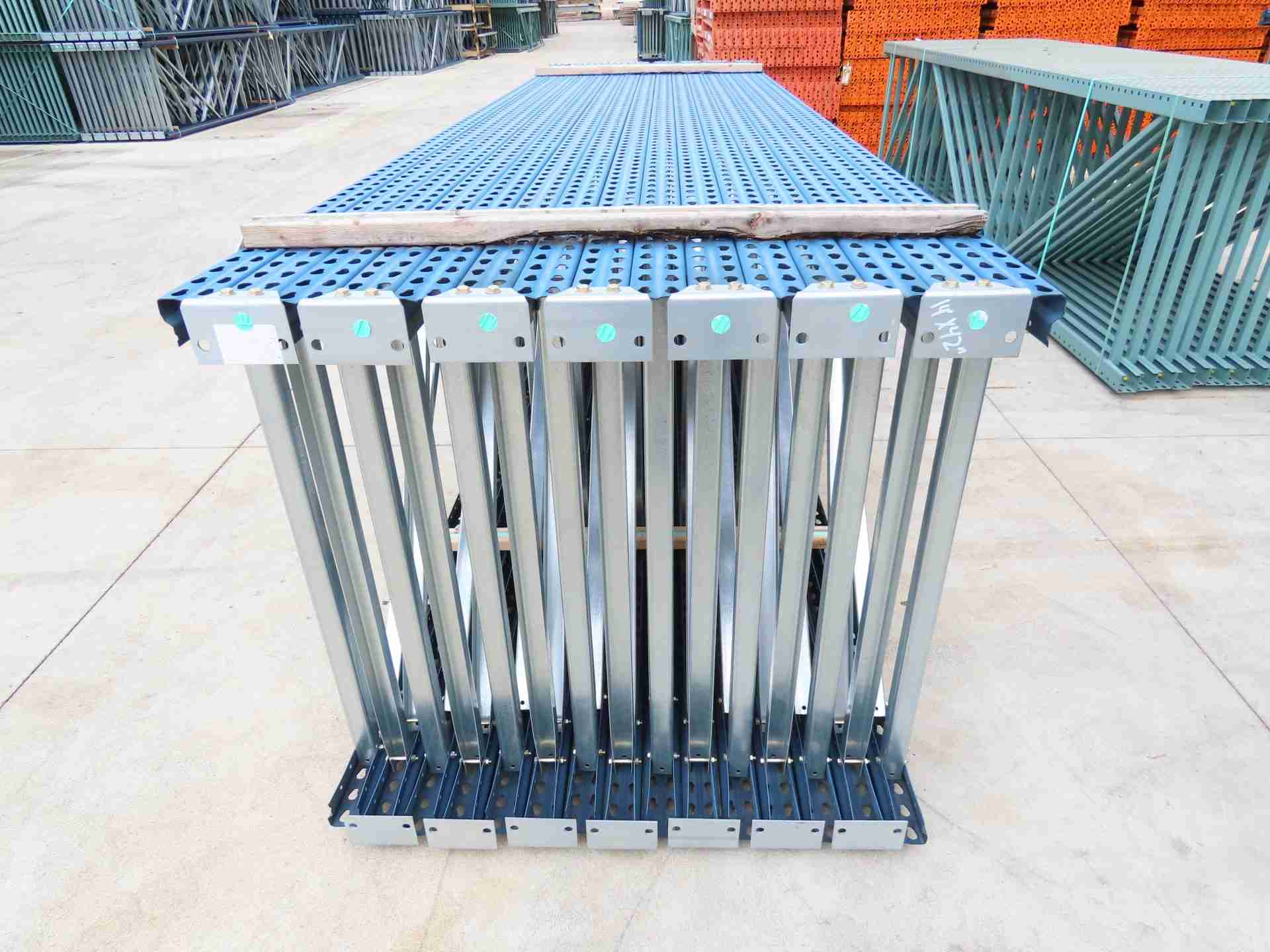
How Can Consumers Find The Best Local Rack Prices?
How Can Consumers Find The Best Local Rack Prices?
- Businesses must balance cost-cutting with maximizing efficiency in a competitive landscape.
- Research is key; utilize platforms like Craigslist and Facebook Marketplace for used pallet racking deals.
- Join business forums and social media groups focused on industrial storage for leads on great deals.
- Build a network by attending trade shows or local events to connect with suppliers and gather pricing information.
- Negotiation can lead to better prices, especially when purchasing in bulk or as a repeat customer.
- Stay informed about current events affecting supply and demand to make timely purchasing decisions.
- Employing research, networking, negotiation, and market awareness equips businesses for informed purchasing.
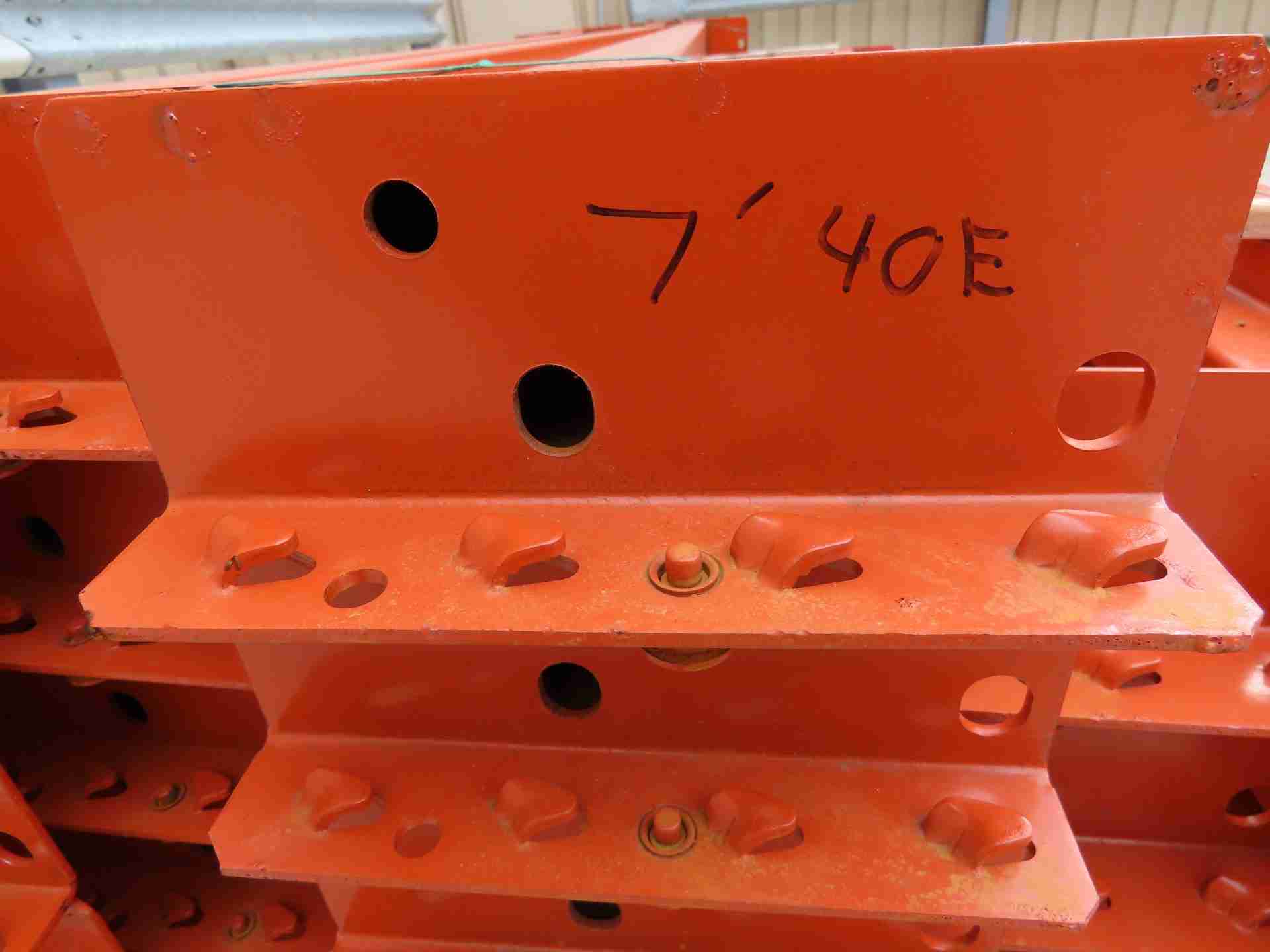
How Can Consumers Find The Best Local Rack Prices?
What Advantages Do Online Deals Offer Over Local Purchases?
In an age where convenience reigns supreme, online shopping stands tall, revolutionizing the way consumers approach their buying decisions. Let’s delve into the compelling advantages that online deals present over traditional local purchases, demonstrating why savvy shoppers increasingly prefer the virtual marketplace.
First and foremost, price competitiveness is a major draw. Online retailers often undercut local stores due to lower overhead costs. For instance, platforms like Amazon and eBay frequently have sales that local retailers simply cannot match due to inventory and operational expenses. Consider the recent wave of discounts on pallet racking systems for warehouses; online wholesalers provide these essential storage solutions at prices that local suppliers struggle to compete with. This means that businesses looking to optimize their warehouse space can secure significant savings by opting for online dealers.
Also, let’s not overlook the variety and availability online shopping affords. Local stores can only stock a limited selection of items due to space constraints. In contrast, e-commerce sites virtually house an endless range of products. For example, searching for specific office supplies or unique home decor can yield results from all corners of the globe, expanding your options exponentially. During recent global supply chain disruptions, many local stores faced stock shortages — a stark reminder that the breadth of choices found online often means availability when you need it most.
Another essential advantage is shopping flexibility. The online marketplace is open 24/7, allowing consumers to browse and buy at their convenience. Say goodbye to stressful trips to a crowded mall or waiting in long lines; with a few clicks, you can snag a deal while sipping your morning coffee. Events like Cyber Monday have illustrated the potency of this aspect, attracting millions of shoppers eager to save on everything from electronics to furniture.
Moreover, the transparency of customer reviews in online shopping offers insights that local purchases seldom provide. With genuine feedback at your fingertips, you make informed decisions based on the experiences of others. This level of information cultivates trust and reduces the risk of buyer’s remorse, ensuring you feel confident in your choices.
Lastly, let’s discuss the rise of mobile shopping apps and how they enhance user experience. With the surge in smartphone penetration, consumers can shop anytime, anywhere. Mobile app features like price comparison tools and wish lists streamline shopping decisions further.
While local purchases carry their own charm, the undeniable advantages of online deals — including price competitiveness, variety, shopping flexibility, customer reviews, and mobile access — make it clear why more people are choosing to click rather than visit. Embrace the digital revolution and experience the true power of online shopping!
What Advantages Do Online Deals Offer Over Local Purchases?
What Advantages Do Online Deals Offer Over Local Purchases?
- Online shopping has revolutionized consumer buying decisions, emphasizing convenience.
- Price competitiveness is a major advantage, as online retailers often have lower overhead costs than local stores.
- Online platforms like Amazon and eBay frequently offer sales and discounts that local retailers cannot match.
- The variety and availability of products online exceed that of local stores, providing more choices for consumers.
- Shopping flexibility allows consumers to shop 24/7, eliminating the inconveniences of in-store shopping.
- Customer reviews in online shopping provide transparency and insights, helping consumers make informed decisions.
- Mobile shopping apps enhance user experience, enabling consumers to shop anytime and use features like price comparison tools.
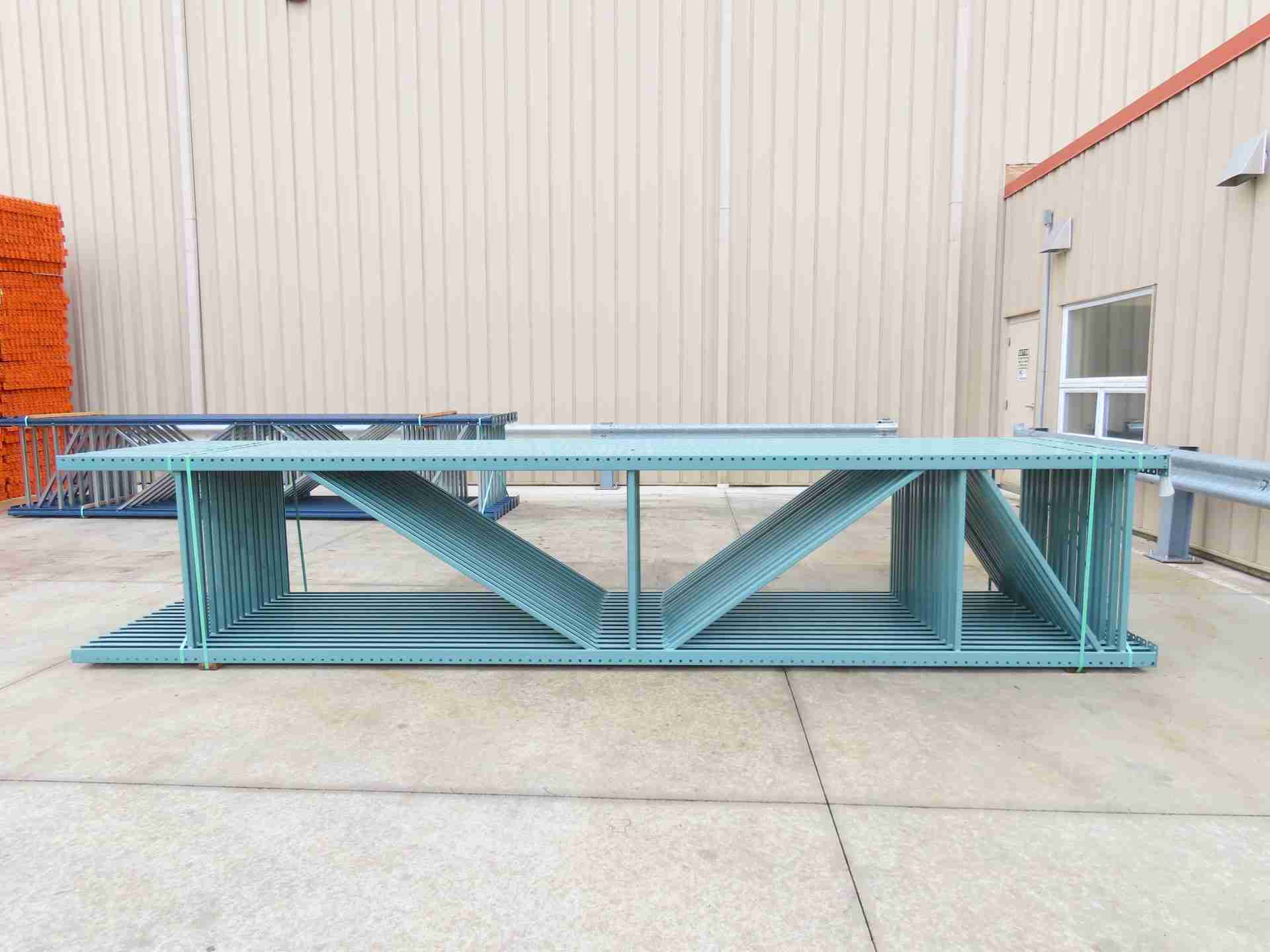
What Advantages Do Online Deals Offer Over Local Purchases?
Are There Hidden Costs Associated With Online Shopping?
In the ever-evolving landscape of e-commerce, consumers have been seduced by the convenience of online shopping. However, lurking beneath the surface of those ‘great deals’ and flashy discounts lie a multitude of hidden costs that can catch even the savviest shopper off guard. Understanding these costs could save you more than just a few bucks – it might keep your entire budget intact.
First and foremost, shipping fees are notorious for sneaking up on consumers. While a website may advertise alluring prices, once you proceed to checkout, those savings can erode quickly due to high shipping costs. Consider this: an item priced at $50 might seem like a steal, but when adding $15 for shipping, you’ve effectively increased the total expenditure. Retailers are now compelled to find innovative solutions, with many opting for local distribution centers to minimize these costs—think of pallet racking systems designed to optimize storage in those warehouses, allowing for faster processing and lower shipping charges. Before finalizing your purchase, always check for shipping fees; they can transform a great deal into a less-than-great choice in an instant.
Secondly, the allure of discounts can also obscure the costs of returns. In a recent report, it was revealed that nearly 30% of online purchases are returned, often incurring restocking fees or return shipping costs. If you find yourself returning an item you were excited about, the hidden costs associated with shipping it back can put a damper on your budget. Always inquire about a retailer’s return policy before committing; a no-questions-asked return policy is gold, but many retailers are tightening their belts after the pandemic-induced surge in online transactions.
Additionally, impulse buying is a perilous pitfall that online shopping can exacerbate. With endless scrolls through social media and personalized ads targeting your interests, it’s all too easy to add items to your cart without considering their true value. A recent poll suggested that over 60% of shoppers admitted to regretting an impulse purchase, leading to buyer’s remorse that often translates into financial strain.
Lastly, keep an eye on subscription services. They can appear enticing but risk becoming hidden costs that linger in your budget long after the initial thrill has faded. Think carefully about whether you need that subscription box service, as, over time, those monthly fees can really add up.
While online shopping offers exemplary convenience, awareness of the hidden costs can empower consumers to make smarter choices. It pays to be vigilant and do your homework before hitting that ‘buy’ button!

Are There Hidden Costs Associated With Online Shopping?
Are There Hidden Costs Associated With Online Shopping?
- Online shopping offers convenience but comes with hidden costs that can disrupt budgets.
- Shipping fees often diminish perceived savings; always check these before completing a purchase.
- Retailers are using local distribution centers to reduce shipping costs.
- Nearly 30% of online purchases are returned, which can incur restocking or return shipping fees.
- A good return policy is essential; however, many retailers have tightened policies post-pandemic.
- Impulse buying is heightened in online shopping, leading to buyer’s remorse for over 60% of shoppers.
- Subscription services can be appealing but may accumulate hidden costs over time; consider their necessity.

Are There Hidden Costs Associated With Online Shopping?
How Does Product Availability Differ Between Local And Online Shops?
In today’s retail environment, understanding the nuances of product availability between local and online shops can significantly impact purchasing decisions. Let’s delve into how these two avenues differ, making sure you are equipped with insights that could transform your buying strategy.
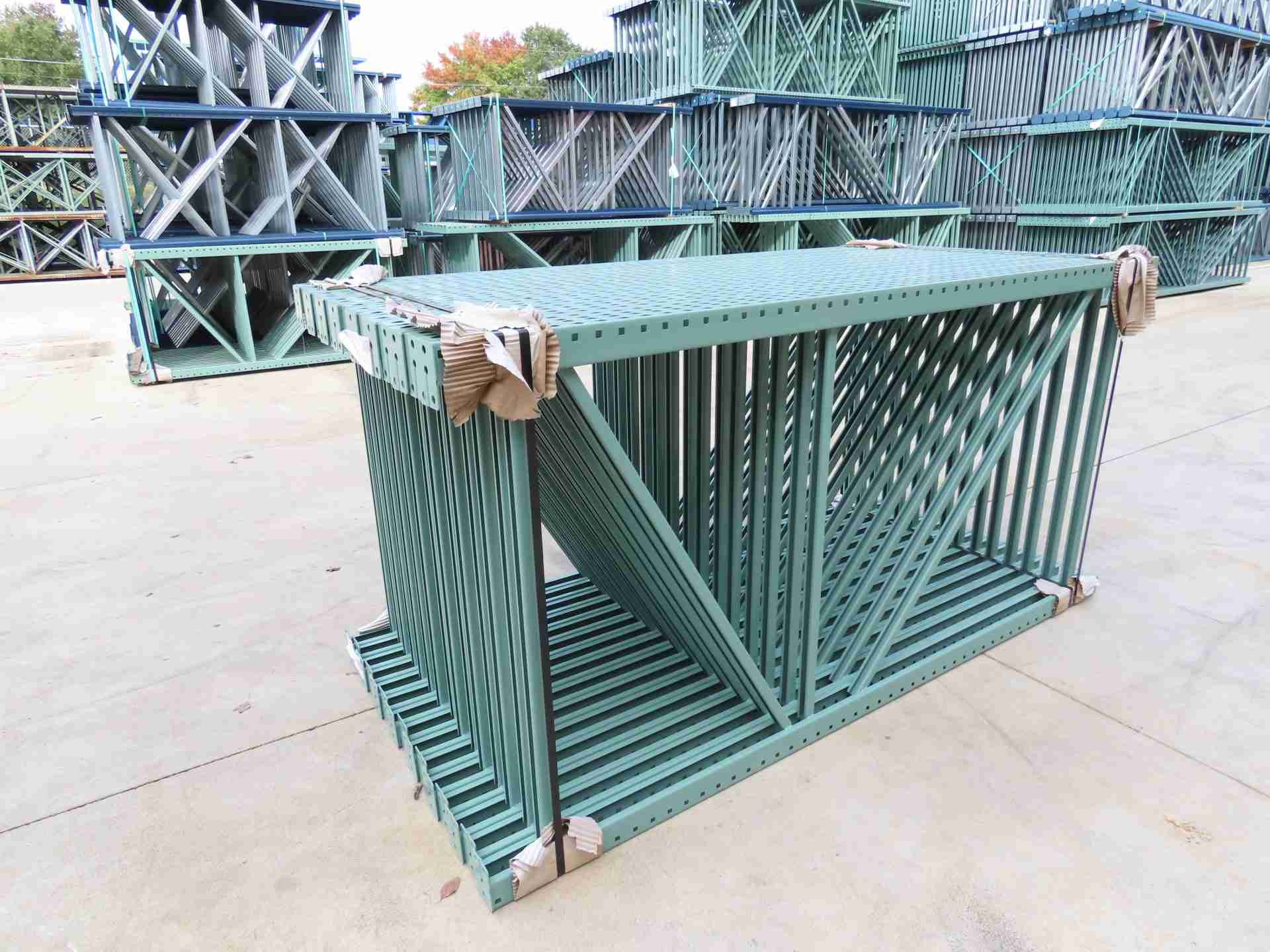
Firstly, consider the physical constraints faced by local shops. These establishments are often limited by square footage, meaning that the variety of items they can stock is inherently restricted. For example, a local hardware store might prominently display essential items like nails, screws, and tools on pallet racking for optimal accessibility. However, their inventory may lack specialized items such as unique power tools or niche materials, which could be found in abundance in an online store’s inventory.
In contrast, online shops boast virtually limitless shelf space. A single click can reveal thousands of options, from everyday items to hard-to-find extras. Take, for instance, the rise of e-commerce giants during the pandemic. Consumers turned to these platforms for not only essentials but also for unique products that local retailers simply couldn’t carry. This shift highlighted the strengths of online stores in providing diverse options that local shops struggle to match.
Local shops often pride themselves on quick turnaround times, meaning shoppers can walk in and walk out with their purchases immediately. However, if you’re searching for a specific color or brand, you may find that local inventory can be hit or miss. The experience of walking into a store only to find that the one item you need is out of stock can be frustrating. Conversely, online retailers typically allow you to explore stock levels in real-time, and even offer options for home delivery—a convenience that local shops may not provide.
Yet, it’s essential to acknowledge the importance of local stores. With the consumer movement leaning towards supporting small businesses, many shoppers are willing to trade off a broader selection for ensuring their dollars stay in the community. Local stores are more than mere shops; they serve as gathering spots and can provide personalized service unattainable through screens.
As we navigate a post-pandemic world with ongoing economic uncertainties, understanding these dynamics allows consumers to make informed choices, whether they opt for the convenience of clicking “add to cart” online or venture out to the local main street. Product availability varies significantly between local and online shops, but knowing how to leverage each can equip savvy shoppers for better purchasing outcomes.
How Does Product Availability Differ Between Local And Online Shops?
How Does Product Availability Differ Between Local And Online Shops?
- Understanding product availability differences between local and online shops is crucial for purchasing decisions.
- Local shops face physical constraints due to limited square footage, restricting their inventory variety.
- Online shops offer virtually limitless selection, showcasing thousands of options at the click of a button.
- The rise of e-commerce during the pandemic highlighted the diverse product offerings unavailable in local stores.
- Local shops provide quick turnaround times, allowing immediate purchases, but may lack specific items in stock.
- Consumers are increasingly supporting small businesses, valuing community impact and personalized service over broader selections.
- Being aware of the differences in product availability helps consumers make informed shopping choices in a mixed retail environment.
How Does Product Availability Differ Between Local And Online Shops?
Conclusion
As we draw the curtain on our exploration of local versus online pallet racking deals, it’s clear that the choice isn’t merely about price—it’s about the value that each option brings to your business. While online shopping offers a siren song of enticing discounts and extensive variety, local suppliers like Arrow Industrial Sales deliver a treasure trove of unique benefits that can trump seemingly better online offers.
At the heart of the matter lies urgency. In today’s challenging landscape, where time is money, relying on local suppliers ensures swift service and product availability. Local dealers can have the racking you need ready for immediate installation—saving you not just dollars, but also precious operational hours lost to waiting on shipping. Additionally, you get the peace of mind of personally inspecting the quality and compliance of the equipment you’re purchasing. This is indispensable in a world increasingly focused on safety and compliance standards.
Moreover, hidden costs associated with online shopping can quickly diminish perceived savings. Shipping fees, unforeseen assembly challenges, and returns can inflate what seemed like a great deal into an expensive mistake. In contrast, shops like Arrow Industrial Sales often provide tailored customer support and service long after your purchase, ensuring that your investment remains sound and secure.
The recent surge in local price competitiveness, particularly during sales events, cannot be overstated. When the competition heats up among local suppliers, savvy businesses can capitalize on significant discounts that make sourcing locally even more attractive. Additionally, fostering relationships with these suppliers can offer long-term advantages like better pricing and customized solutions tailored to your unique needs.
Ultimately, the decision should hinge on what matters most to your operations—whether it’s immediate availability, personalized service, or even a commitment to supporting the local economy. This approach to purchasing not only enhances your operational efficiency but also contributes to nurturing community growth.
In these ever-evolving times, choosing the right solution for pallet racking is integral to your business trajectory. Don’t just settle for the quick click of an online purchase. Take action today! Call Arrow Industrial Sales at (574) 349-6575 for personalized advice and to explore your options. With their expert guidance, you can navigate this essential investment and propel your business toward success. Act now—every moment you wait could be costing you more than just dollars!
Conclusion
Conclusion:
- The choice between local and online pallet racking deals is more about value than just price.
- Local suppliers, like Arrow Industrial Sales, provide benefits that often outweigh online discounts.
- Urgency is crucial; local suppliers offer swift service and immediate installation, minimizing downtime.
- Local purchases allow for direct inspection of quality and compliance, enhancing safety standards.
- Hidden costs of online shopping—like shipping fees and assembly challenges—can negate perceived savings.
- Local competition can result in significant discounts during sales events, making sourcing locally more appealing.
- The decision should be based on your operational priorities, including immediate availability, personalized service, and supporting the local economy.
Conclusion
Other Resources

Other Resources
Here is a list of other resources you can review online to learn more:
- Pallet Racking systems in Illinois and Great Lakes
- New Cantilever Racks and Racking Kits
- Intro to Warehouse Racks & Warehouse Racking Systems – ShipBob
- Chicago Pallet Racking
- SEMA
- Arrow Industrial Sales
- Rack Manufacturers Institute
- What is Selective Racking: Understanding Benefits & Options
- CMMA
- The Complete Pallet Rack Guide – Simply Rack
Use This Prompt To Get More Resources With Your Favorite Online AI Tool: Please provide me with a list of online articles with their URLs in a bulleted list that I can read regarding How Do Local Rack Prices Stack Up Against Online Deals?
Other Resources
Glossary Terms
How Do Local Rack Prices Stack Up Against Online Deals? – Glossary Of Terms
1. Rack Price: The standard retail price displayed in physical stores before any discounts or promotions.
2. Online Deal: A special offer or reduced price available on an e-commerce platform.
3. Price Comparison: Evaluating the differences in price for the same product across various platforms, both local and online.
4. Local Retailer: A brick-and-mortar store situated within a community that sells goods directly to consumers.
5. E-commerce: Buying and selling goods and services over the internet.
6. Discount: A reduction in the regular price of a product, often used to drive sales.
7. Markdown: A permanent decrease in the price of an item to clear inventory or compete with prices.
8. Shipping Costs: Fees associated with transporting a product from the seller to the buyer, which can affect the final price in online deals.
9. Sales Tax: An additional percentage charge applied to purchases, which varies by location and can impact final prices.
10. Promo Code: A special series of letters and/or numbers that customers can apply at checkout to receive a discount.
11. Flash Sale: A limited-time sale offering significant discounts, typically lasting just hours or days.
12. Bundling: Offering multiple products together as a package deal at a lower cumulative price than if purchased separately.
13. Coupon: A voucher that provides a discount on a specific product or category, often redeemable in-store or online.
14. Price Matching: A retailer’s policy to match a competitor’s lower price on the same item.
15. Clearance Sale: A sale designed to sell off remaining inventory, generally at significantly reduced prices.
16. Inventory: The stock of products available for sale by a retailer, affecting local pricing dynamics.
17. Markup: The amount added to the cost of a product to determine its selling price, which can vary between local and online retailers.
18. Loyalty Program: A rewards system that offers discounts and benefits to repeat customers, influencing purchasing decisions.
19. Marketplace: An online platform where multiple sellers offer their products, often leading to competitive pricing.
20. Consumer Review: Feedback from purchasers about a product, which can impact pricing strategies and consumer decisions.
21. Total Cost of Ownership (TCO): The overall cost to own a product, including purchase price, maintenance, and additional costs like shipping.
22. In-store Experience: The sensory engagement and customer service encountered when shopping at a local store, influencing purchase decisions.
23. Return Policy: The guidelines regarding the return of purchased items, which can differ between local and online retailers.
24. Availability: The stock status of a product, which can vary between local stores and online platforms, affecting buying options.
25. Retail Markup: The percentage added to the wholesale price by retailers, often higher in local stores due to overhead costs.
26. Price Fluctuation: Variability in prices for the same product over time, influenced by sales, demand, and competition.
27. Value Proposition: The benefit a customer perceives they get from a product, shaping their decision to buy locally or online.
28. Overhead Costs: Expenses incurred from running a physical store, such as rent and utilities, which can influence local rack prices.
29. Local Market Trends: Patterns and movements within the local economic landscape that can affect pricing and customer preferences.
30. Digital Coupon: A discount code that is specific to online purchases and can be applied during the checkout process on e-commerce sites.
Glossary Of Terms
Other Questions
How Do Local Rack Prices Stack Up Against Online Deals? – Other Questions
If you wish to explore and discover more, consider looking for answers to these questions:
- What are the current trends in pallet racking solutions?
- How can businesses determine if they should buy locally or online?
- What are the most common brands of pallet racking available locally?
- How do installation services differ between local and online purchases?
- What should consumers look for in warranty options when buying pallet racking?
- How can consumers evaluate the reputation of local suppliers?
- Are there specific local suppliers known for better quality pallet racking?
- What are the long-term benefits of supporting local businesses?
- How frequently do local suppliers offer discounts or sales events?
- What types of warranties do online retailers typically offer compared to local dealers?
- How does the quality of pallet racking compare between local and online suppliers?
- What factors influence the price differences between local and online options?
- How have consumer preferences shifted between local and online shopping recently?
- What safety regulations should consumers be aware of when purchasing pallet racking?
- What are some tips for successfully negotiating prices with local suppliers?
Other Questions
Checklist
How Do Local Rack Prices Stack Up Against Online Deals? – A Checklist
Research and Comparison
_____ Identify Local Suppliers: Create a list of local suppliers for pallet racking solutions in your area.
_____ Search for Online Alternatives: Look for online platforms offering pallet racking solutions. Note their prices and shipping costs.
_____ Comparative Pricing: Compare the price of similar products from local suppliers and online retailers.
Evaluate Total Costs
_____ Consider Shipping Fees: Check if additional shipping costs will increase the total price of your online purchase.
_____ Look for Hidden Costs: Look out for potential return shipping fees, assembly fees, or restocking costs associated with online orders.
_____ Assess Warranty and Return Policies: Compare warranty and return policies from local and online stores.
Assess Value Beyond Price
_____ Evaluate Customer Support: Check the level of customer support available with both local and online purchases.
_____ Examine Service Availability: Consider the setup and after-sales service that local dealers may provide.
_____ Inspect Products In-Person: If possible, visit local suppliers to inspect the quality and sturdiness of the racking systems.
Timing and Promotions
_____ Monitor Sales Events: Keep an eye on local sales events (e. g. , Black Friday, end-of-season sales) for potential discounts on pallet racking.
_____ Subscribe to Local Supplier Newsletters: Sign up for newsletters or alerts from local suppliers to learn about promotions and discounts.
Consider Market Dynamics
_____ Stay Updated on Supply Chain Factors: Evaluate the current trends affecting local and online markets (e. g. , inflation, economic recovery).
_____ Join Industry Forums: Engage in discussions on business forums and social media to gain insights and tips from other businesses.
Final Decision Making
_____ Think Long-Term: Consider the potential long-term relationship with local suppliers versus the convenience of online purchases.
_____ Decide on a Budget: Set a clear budget for your pallet racking needs and stick to it while weighing options.
_____ Balance Cost and Convenience: Determine your priority between cost savings and the added value that local support provides.
By following this checklist, you’ll be well-equipped to make an informed decision between local and online pallet racking solutions, ensuring you choose what best serves your business needs while maximizing value.

Checklist
At RackingWorld, we help guide you through selecting warehouse storage systems and racking.
Be sure to read our other related stories at RackingWorld to learn more about warehouse storage systems.
0 Comments