
Maximizing Efficiency And Care: Pallet Racking’s Role In Livestock Supply
By Tom Seest
At RackingWorld, we help guide you through selecting warehouse storage systems and racking.
Be sure to read our other related stories at RackingWorld to learn more about warehouse storage systems.
How Do Livestock Equipment Suppliers Leverage Pallet Racking?
When you walk into a livestock equipment supplier’s warehouse, what you see isn’t just shelves—it’s the backbone of getting tough, often bulky gear into the hands of farmers who rely on it day in and day out. Pallet racking isn’t some fancy add-on; it’s the lifeline that keeps things organized, accessible, and ready to roll. It’s about respect for the job and the people depending on that equipment.
Think about it. Livestock gear isn’t small or delicate. Gates, feeders, feeders, fencing panels—they take up space, and they need to be stored in a way that makes sense and saves time. Pallet racking lets suppliers stack and store these heavy, awkward items safely, without turning the warehouse into a chaotic mess. That means less time crawling around on the cold floor trying to find a part and more time getting product moving. It’s not just smart; it’s a nod to hard-working folks who want their stuff when they need it.
The emotional pull? It’s knowing that behind every pallet rack leaned against a wall or standing tall in a bay is a supplier who’s figured out how to do right by farmers. Mistakes in storage can slow down deliveries or even damage gear—issues that hit farmers where it hurts. So a smart setup doesn’t just protect products; it protects livelihoods. Suppliers who get this are service partners, not just inventory holders.
From a practical standpoint, pallet racking builds efficiency. It maximizes vertical space, turning cramped warehouses into organized hubs where inventory checks, loading, and restocking happen fast and smooth. That means less wear and tear on employees grabbing gear, fewer mishaps, and a clearer path from order to delivery. When equipment moves quicker, farmers have what they need to tend their animals without delay—respecting the cycle of work from supplier dock to barnyard.
There’s an ethical side here, too. Proper pallet racking promotes safety—minimizing risks of accidents in warehouses where heavy items shift or fall. Keeping workers safe isn’t just good business; it’s a responsibility. When suppliers invest in robust storage systems, they’re showing they value the people who keep the supply chain turning. Trust is built on that kind of steady care.
Pallet racking is more than steel bars and shelves. It’s a testimony to knowing the weight of hard work, the importance of getting it right, and the quiet pride of supporting an industry that feeds and clothes us all. Every time that gear leaves the warehouse, it carries a bit of that muscle—the supplier’s grit meeting the farmer’s drive, all held up by the backbone of smart storage.

How Do Livestock Equipment Suppliers Leverage Pallet Racking?
How Do Livestock Equipment Suppliers Leverage Pallet Racking?
- Pallet racking is essential for organizing and storing heavy, bulky livestock equipment safely and efficiently in warehouses.
- It saves time by preventing chaotic storage and reducing the effort needed to find and move products.
- Proper storage protects equipment from damage and ensures timely deliveries, supporting farmers’ livelihoods.
- Maximizes vertical space, turning warehouses into efficient hubs for inventory management, loading, and restocking.
- Reduces physical strain and mishaps for employees handling heavy gear.
- Promotes safety by minimizing risks of accidents caused by shifting or falling items, reflecting ethical responsibility.
- Pallet racking symbolizes respect for hard work and commitment to supporting the agricultural industry effectively.
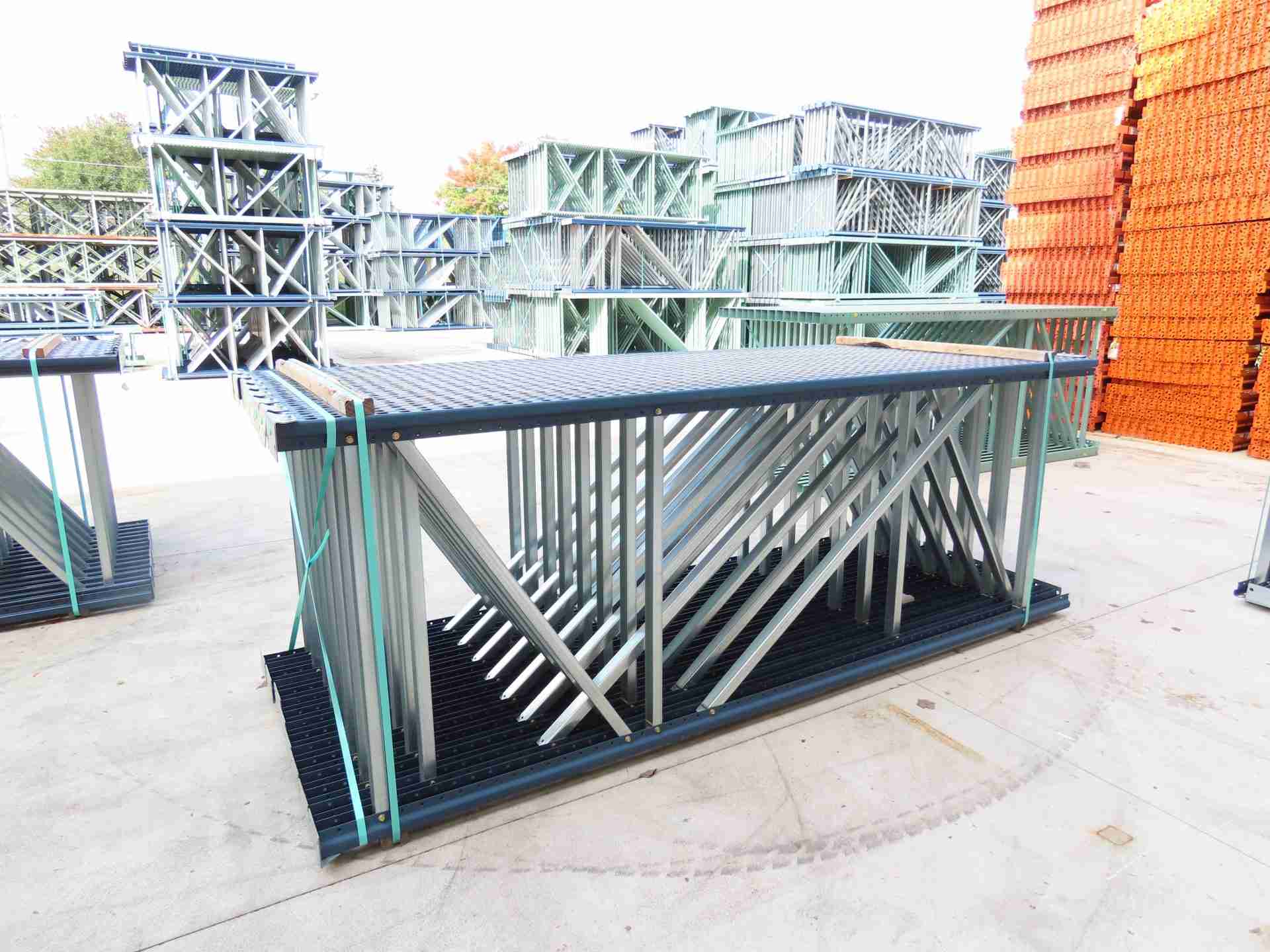
How Do Livestock Equipment Suppliers Leverage Pallet Racking?
Table Of Contents
- How Do Livestock Equipment Suppliers Leverage Pallet Racking?
- How Does Pallet Racking Improve Inventory Management for Suppliers?
- How Does Pallet Racking Enhance Warehouse Space Utilization?
- How Do Suppliers Ensure Safety When Using Pallet Racking Systems?
- What Types Of Pallet Racking Best Suit Heavy Livestock Equipment?
- How Does Pallet Racking Support Supply Chain Sustainability Goals?
- Can Pallet Racking Integration Improve Supplier Customer Satisfaction?
- Conclusion
- Other Resources
- Glossary Of Terms
- Other Questions
- Checklist
How Does Pallet Racking Improve Inventory Management for Suppliers?
When you’re knee-deep in boxes, deadlines breathing down your neck, and space getting tighter by the day, pallet racking isn’t just some fancy add-on—it’s the backbone that keeps your operation from turning into a free-for-all mess. It’s the difference between fumbling around for parts and knowing exactly where everything sits, right when you need it. That kind of order? It’s like having a steady hand in the chaos, the kind you can trust because it’s been proven on countless floors where the stakes are real and the work’s gritty.
Pallet racking changes the game by wrangling inventory into neat rows and columns, squeezing the most out of every square foot without stacking your stock in a heap that looks like a ticking time bomb. When everything’s off the floor and lined up properly, not only does it clear the way for forklifts to do their job safely, but it also cuts down on wasted time spent hunting for that one missing item. That’s cash saved and headaches avoided, plain and simple. You feel it in the pit of your stomach—the relief that comes from knowing your stockroom runs like a well-oiled engine, not a rusty, stubborn machine on its last leg.
Ethically, it’s the right way to run a yard. When you treat your inventory with care, organize it smartly, and make safety a priority, you’re respecting your team and your clients. You’re saying you value their time, their money, and their faith in your ability to deliver. That builds trust faster than any slick sales pitch ever could. And trust? In this line of work, it’s gold. It’s what keeps customers coming back, knowing you’re not just throwing their goods into the void but handling them with a system that works.
The authority of pallet racking can’t be overstated—it’s the standard in warehouses and distribution centers for a reason. Those steel shelves hold more than just pallets; they hold the weight of your reputation and your livelihood. When you’ve got a setup that’s stood the test of time, you gain a quiet confidence that says you’re serious about doing things right.
Imagine the relief of walking into a clean, organized storage area where everything’s at your fingertips. That’s pallet racking making good on its promise: more control, less chaos, and a trustworthy partner in the daily grind. It’s not just a rack; it’s the steady hand that keeps your inventory—and your business—on track.
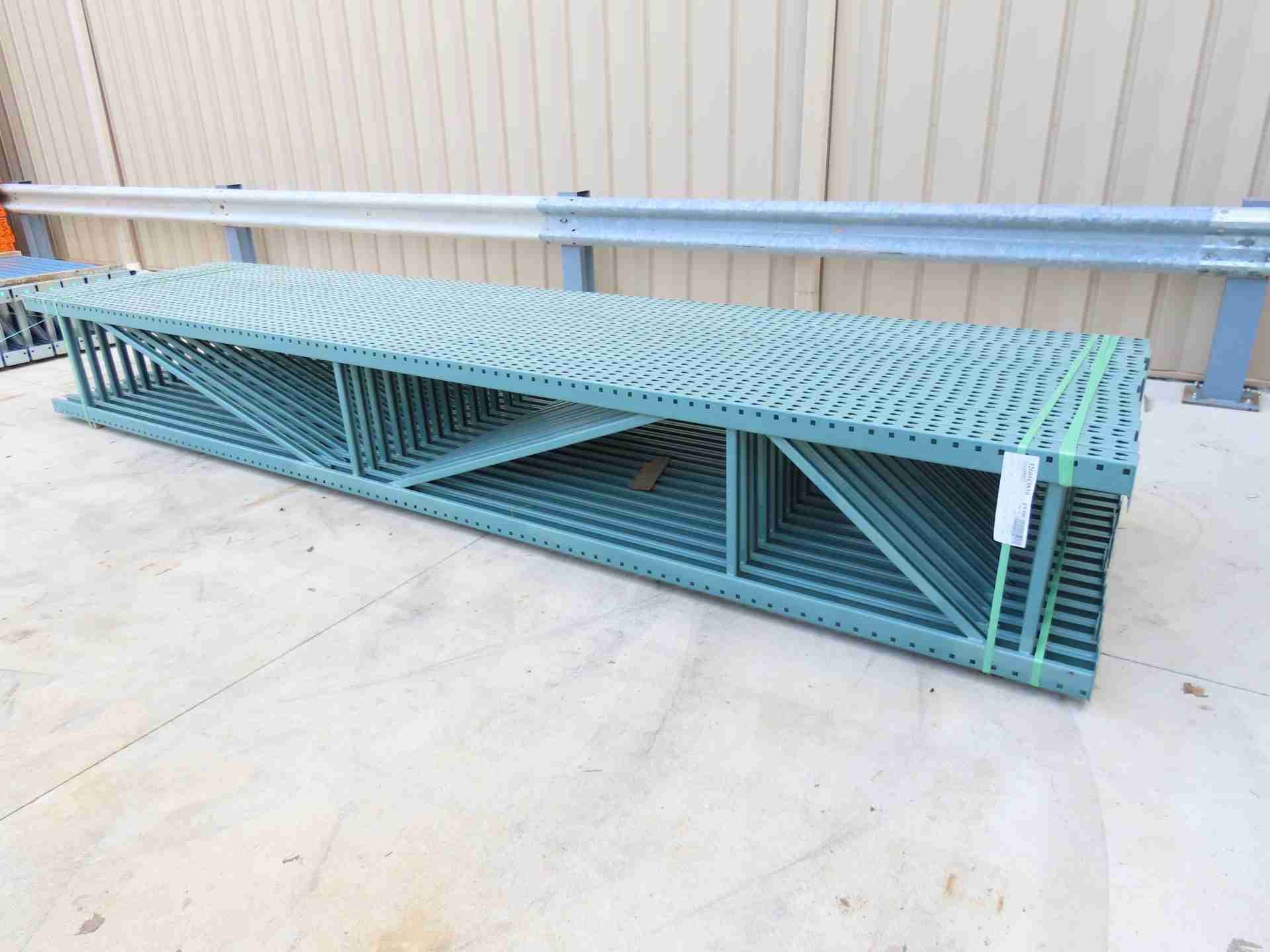
How Does Pallet Racking Improve Inventory Management for Suppliers?
How Does Pallet Racking Improve Inventory Management for Suppliers?
- Pallet racking is essential for maintaining order and efficiency in tight, deadline-driven storage environments.
- It organizes inventory into neat rows and columns, maximizing space usage without unsafe stacking.
- Properly arranged stock on pallet racks enhances forklift safety and reduces time wasted searching for items.
- Using pallet racking shows ethical management by prioritizing organization, care, and team safety.
- It builds trust with clients by demonstrating respect for their time, money, and goods.
- Pallet racking systems are a proven standard in warehouses, supporting both reputation and operational reliability.
- A well-organized storage area with pallet racks offers control, reduces chaos, and ensures smooth daily operations.

How Does Pallet Racking Improve Inventory Management for Suppliers?
How Does Pallet Racking Enhance Warehouse Space Utilization?
Look, anyone who’s spent time in a warehouse knows the chaos of stacking goods willy-nilly—boxes piled high, aisles cluttered, forklifts weaving like racecars. Pallet racking changes that story. It’s the difference between a tangled mess and a place that runs like a well-oiled machine. When you install pallet racking, you’re not just buying some metal shelves; you’re investing in a method that turns wasted space into usable real estate, plain and simple.
Here’s the deal: warehouses don’t grow on trees, and every inch counts. Pallet racking boosts vertical storage, letting you stack products safely and securely instead of spreading out across the floor. It’s like adding a second story to your space without building anything new. More goods stored neatly means fewer trips to reorder, fewer headaches tracking inventory, and more room to breathe and move. That’s efficiency you can bank on.
The beauty of pallet racking is it respects the hustle and muscle behind every shipment. People working warehouses deserve tools that make their job easier and safer. These racks handle heavy loads, keep aisles clear, and reduce the chance of accidents. When you use pallet racking, you’re looking out for your crew — that’s not just good sense, it’s the right thing to do. A tidy floor and organized stock aren’t just neat; they save bodies and bones.
Beyond that, pallet racking sends a message. It tells clients, partners, and your own crew that you take pride in your operation. It shows authority — you’ve invested in smart infrastructure, you know your stuff, and you run a place that means business. That counts for something in this world of tight margins and high expectations. Trust is built not just on word of mouth but on what others see when they walk through your doors.
Pallet racking isn’t just a storage solution; it’s a game-changer. It turns sprawling piles of stuff into an organized system that works with you, not against you. It’s practical, it’s ethical, and it’s downright common sense. If you want to make the most of your warehouse, you don’t just need space—you need pallet racking.

How Does Pallet Racking Enhance Warehouse Space Utilization?
How Does Pallet Racking Enhance Warehouse Space Utilization?
- Pallet racking transforms chaotic warehouse storage into an organized, efficient system.
- It maximizes vertical space, effectively adding a “second story” without construction.
- Increased storage reduces reordering trips, simplifies inventory tracking, and improves workflow.
- Pallet racking enhances worker safety by handling heavy loads and keeping aisles clear.
- Organized storage protects employees and reduces accidents, supporting workplace ethics.
- It signals professionalism and pride in operations to clients, partners, and staff.
- Pallet racking is a practical, ethical, and essential investment for optimizing warehouse space.
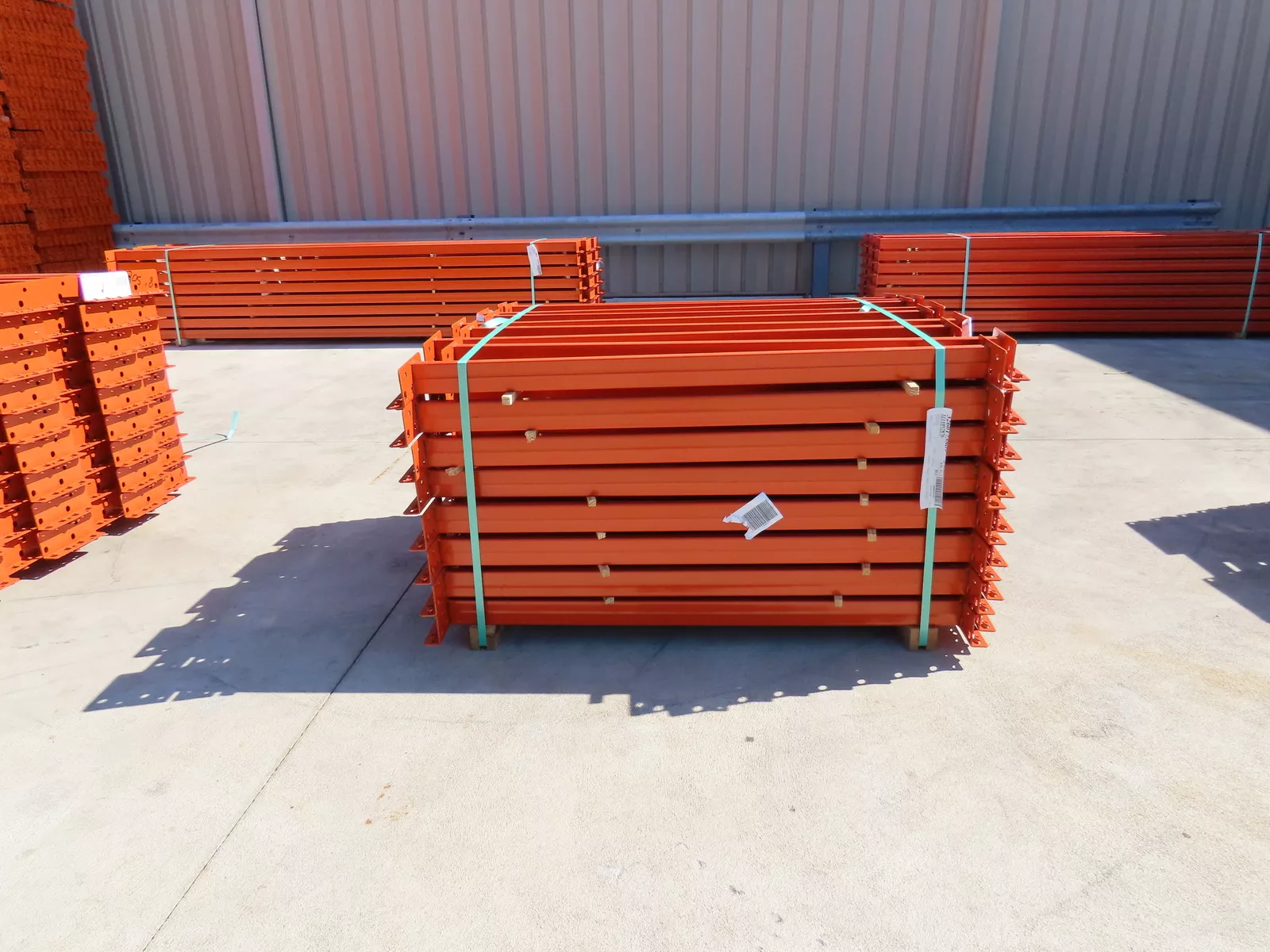
How Does Pallet Racking Enhance Warehouse Space Utilization?
How Do Suppliers Ensure Safety When Using Pallet Racking Systems?
Nobody likes playing with fire, especially when it comes to heavy pallets stacked high on racking that holds up a whole warehouse. Behind every solid pallet racking system, there’s a supplier who knows safety isn’t just a checkbox—it’s the backbone of keeping folks on the floor in one piece. You might not see their work in the bright spotlight, but it’s there in every beam bolted tight, every load rated just right, and every inspection done with an eye sharp enough to spot trouble before it starts.
Suppliers don’t just throw up racks and call it a day. They bring a serious toolkit of knowledge, standards, and plain old hard experience to the table. From the get-go, they look at the space like it’s a living thing—a big, noisy, shifting organism where every pallet, every fork truck, every worker’s step matters. They figure out exactly how much weight the racks need to hold, how tall they can safely get, and how to keep everything steady when the inevitable bumps and scrapes happen.
But it’s not just about math and metal. It’s about ethics, too. Suppliers carry the responsibility of protecting the folks stacking and retrieving goods, and that weight never leaves their shoulders. That means no cutting corners, no guessing games, and always sticking to the rules because shortcuts in pallet racking safety are the kind of gamble that ends with damaged goods—or worse. When a supplier stands by their work, it’s a mark of honor, a commitment that nobody walking those aisles will face unnecessary risk.
On the floor, you can feel the difference when the pallet racking system is built right. There’s a quiet confidence that runs through the crew—they know the racks won’t collapse under pressure because the supplier has put in sweat, hours of testing, and a pile of real-world know-how. It builds trust, not just in the gear but in the people who put it there. That trust spreads like wildfire, turning safety into second nature and wrecking accidents before they ever have the chance.
Safeguarding pallet racking isn’t some cold, corporate rule. It’s a handshake between the supplier and every single worker who relies on that system day in and day out. It’s about doing right by each other, knowing that safety isn’t just built into the racks—it’s built into the way people show up, look out for one another, and hold firm when it counts. That’s how suppliers keep safety from slipping through the cracks and how they earn the respect and confidence that keeps the work going strong.

How Do Suppliers Ensure Safety When Using Pallet Racking Systems?
How Do Suppliers Ensure Safety When Using Pallet Racking Systems?
- Safety in pallet racking systems is essential for protecting workers and maintaining warehouse integrity.
- Suppliers provide expertise, standards, and experience to design and install racks that accommodate weight, height, and operational dynamics.
- Responsibility and ethics drive suppliers to avoid shortcuts, ensuring compliance with safety rules to prevent accidents and damage.
- Well-built pallet racks create confidence among workers, backed by thorough testing and practical knowledge.
- Trust in the safety and reliability of racks extends from equipment to the people installing and using them.
- Safety is a collaborative commitment between suppliers and workers, fostering mutual respect and vigilance.
- This ongoing dedication to safety sustains operational strength and prevents risks from slipping through the cracks.
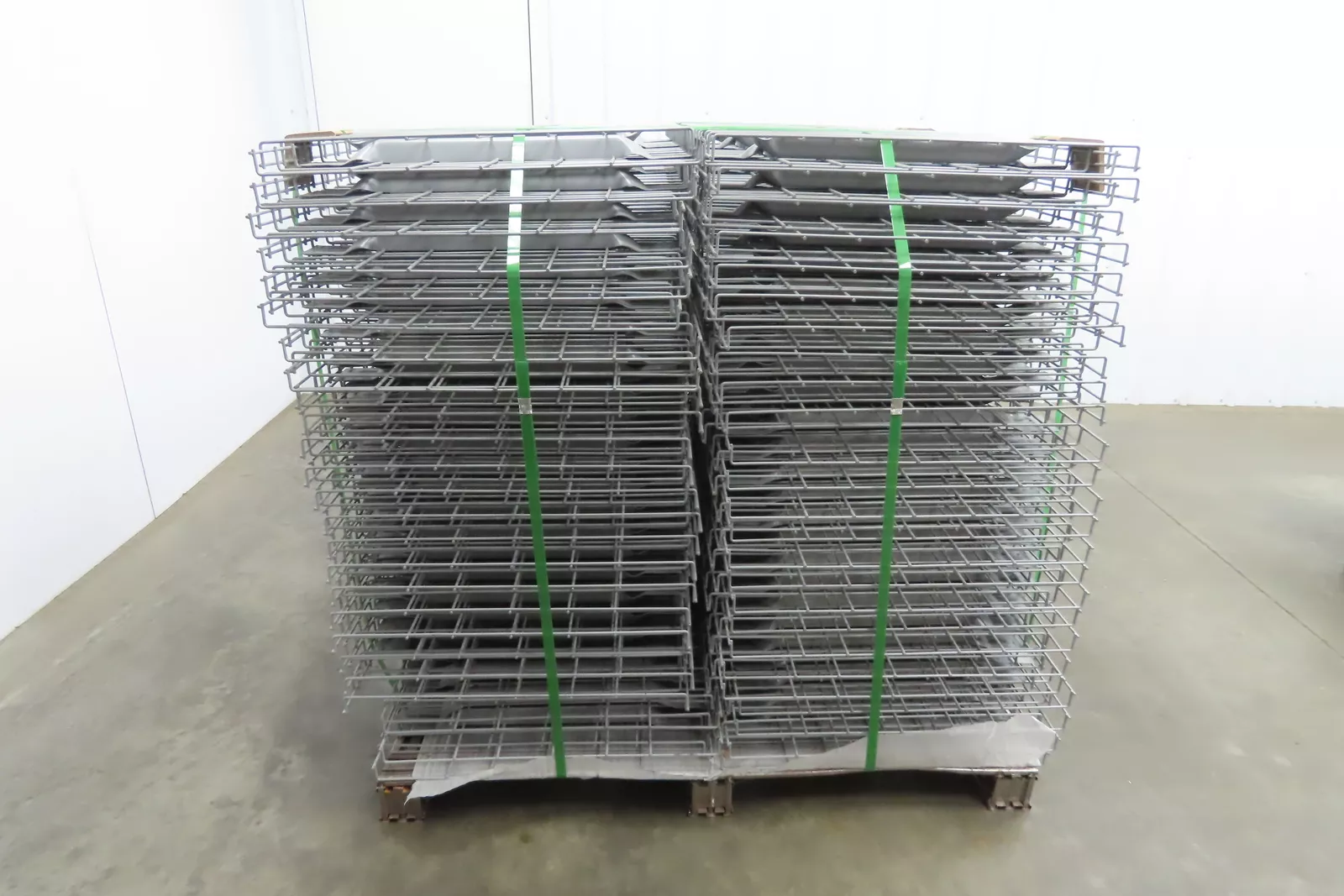
How Do Suppliers Ensure Safety When Using Pallet Racking Systems?
What Types Of Pallet Racking Best Suit Heavy Livestock Equipment?
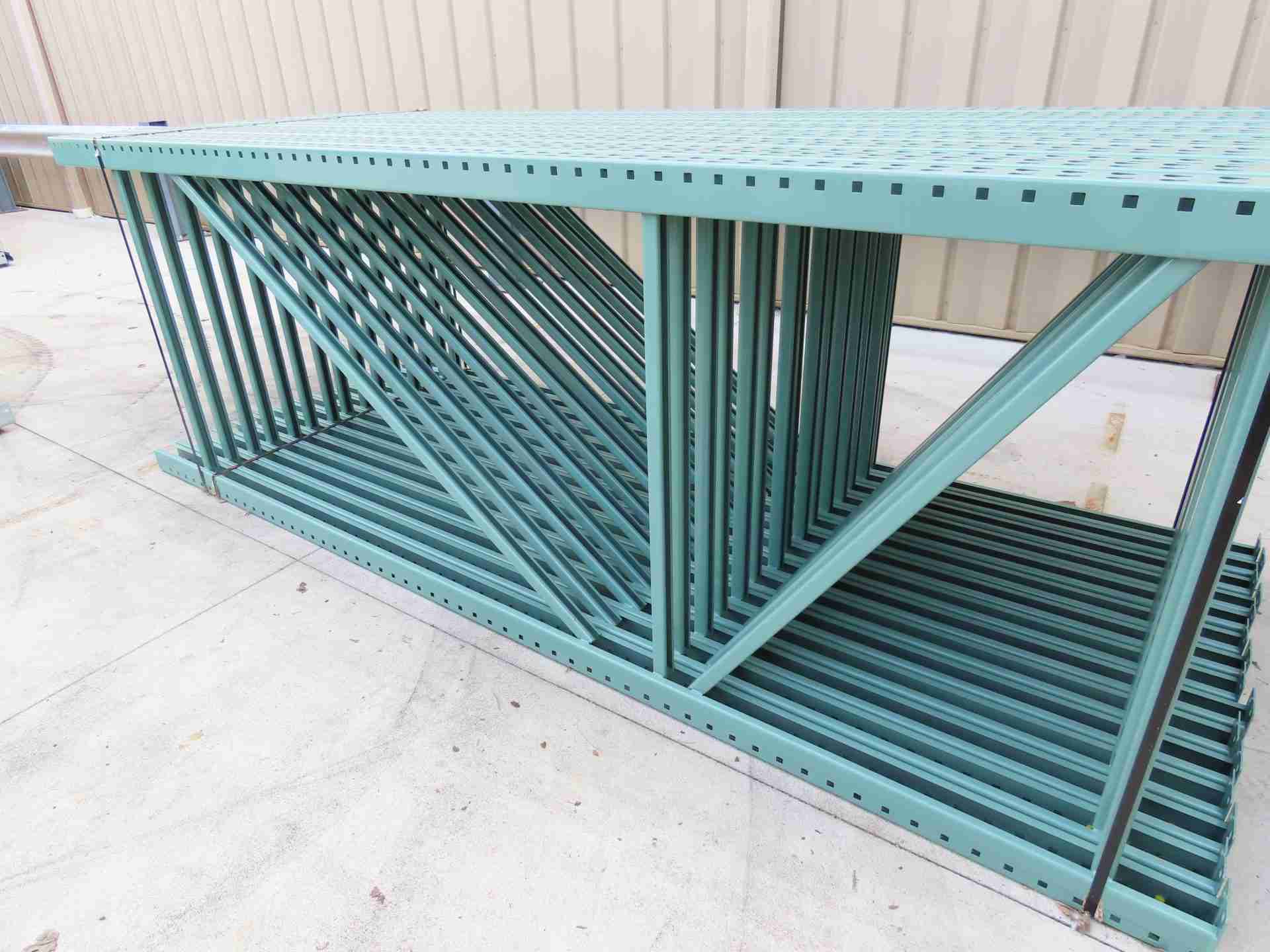
When you’re dealing with heavy livestock equipment, there’s no room for fancy shortcuts or flimsy setups. You need pallet racking that can take a beating, day in and day out, without bending or breaking under the weight. Heavy-duty structural pallet racking is where your money and trust belong. Built from sturdy steel with thick beams and reinforced uprights, these racks handle the kind of loads that would make lesser systems groan under pressure. It’s like the difference between trying to hold a full bale of hay with thin rope versus a couple of strong chains—one eventually gives, the other keeps everything right where it belongs.
The right pallet racking doesn’t just hold gear; it safeguards your investment and keeps your operation running smoothly. When a piece of equipment falls or shifts because your racks weren’t up to snuff, it’s more than just a hiccup — it’s a hit to your bottom line and, worse, a risk to safety. You owe it to your crew and yourself to invest in pallet racking that’s built by folks who understand what “heavy-duty” means in the real world, not just on paper.
Adjustability is the next pillar. Livestock equipment comes in all shapes and sizes—from hefty feed mixers to bulky water tanks. The best pallet racking lets you tweak shelf heights and beam positions without wrestling tools all day long. This flexibility means you can organize your gear smartly, which saves time and reduces headaches when you need to get stuff moving fast. Think of it like building a toolbox that fits your own hands, not some cookie-cutter design.
A solid, well-maintained pallet racking system becomes the backbone of your workspace and a quiet partner in daily success. It’s the kind of setup that lets you sleep a little easier at night, knowing the heavy tools and machines that keep your farm or ranch running are stored securely and ready when you need them. When pallets stack right and equipment stays put, your day moves smoother and your work feels lighter—even after a long, sweat-soaked one.
In short, going with structural, adjustable pallet racking isn’t just smart; it’s the right move for anyone who handles heavy livestock gear seriously. It shows you respect your tools, your time, and the folks who depend on you. Solid pallet racking is the kind of no-nonsense, get-it-done solution that earns trust and keeps your operation running like a well-oiled machine.
What Types Of Pallet Racking Best Suit Heavy Livestock Equipment?
What Types Of Pallet Racking Best Suit Heavy Livestock Equipment?
- Heavy-duty structural pallet racking is essential for handling heavy livestock equipment without bending or breaking.
- Constructed from sturdy steel with thick beams and reinforced uprights to support heavy loads reliably.
- Proper pallet racking safeguards investments, prevents equipment damage, and reduces safety risks.
- Adjustability in shelf heights and beam positions allows organization of variously sized equipment efficiently.
- Flexible rack setups save time and reduce effort when moving or accessing gear.
- A solid, well-maintained system supports workplace efficiency and provides peace of mind.
- Choosing durable, adjustable pallet racking respects tools, time, and crew, ensuring smooth operation.

What Types Of Pallet Racking Best Suit Heavy Livestock Equipment?
How Does Pallet Racking Support Supply Chain Sustainability Goals?
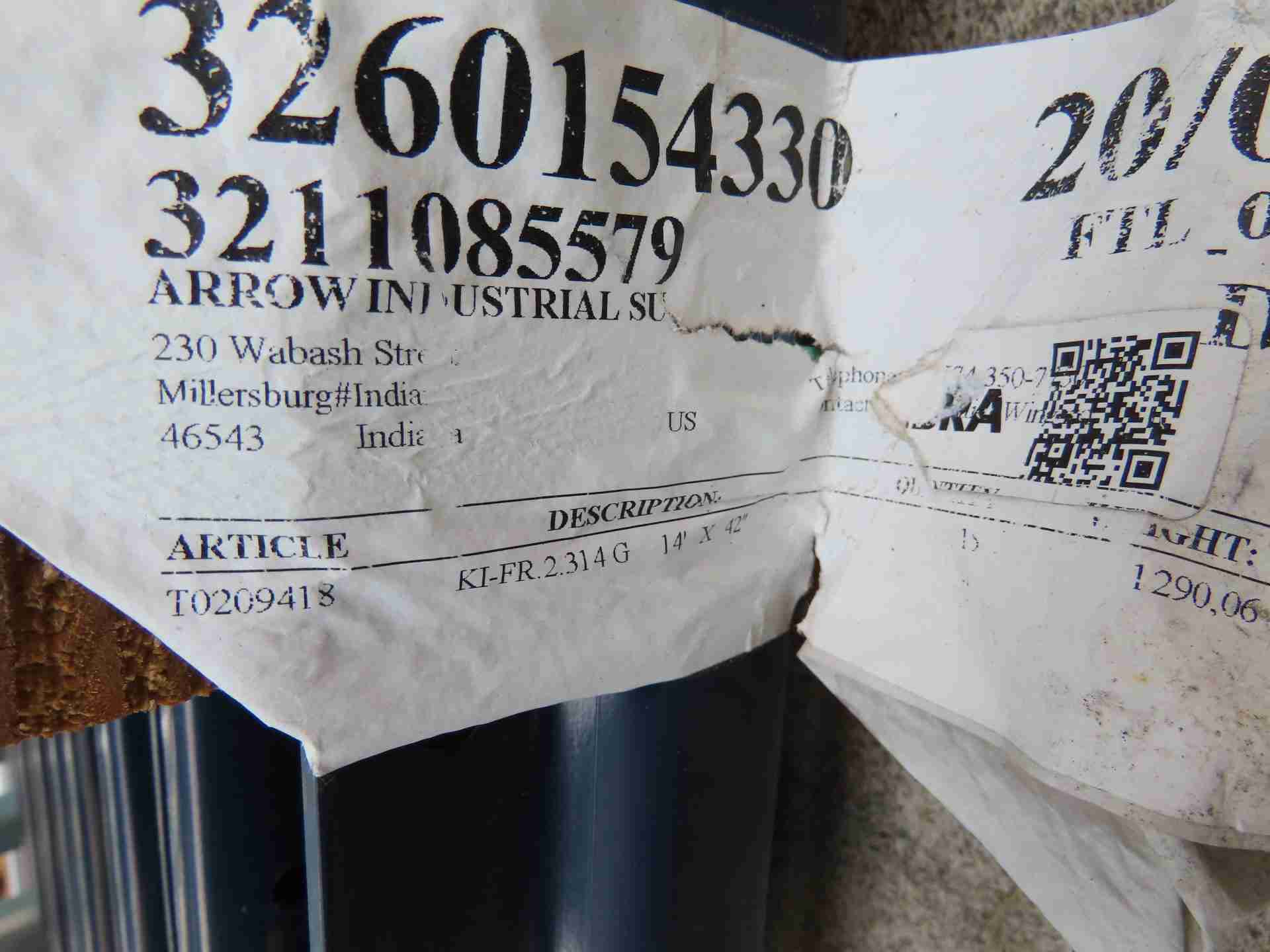
Look, at the end of the day, sustainability isn’t just a fancy word thrown around boardrooms; it’s about keeping things rolling without wrecking tomorrow for the folks who come after us. Pallet racking plays a quiet but serious role in this. Place after place you walk into a warehouse, and there it is—those sturdy racks holding pallets sturdy and safe, making sure every inch of space is used smartly. That’s common sense right there. When you stack right, you don’t waste space, and that means fewer warehouses puffing out extra heat and electricity just to keep the same amount of stuff stored.
From a practical standpoint, pallet racking cuts down on product damage. When crates and boxes are piled haphazardly, you get breakage, waste, and frustration — plus environmental costs from scrapped goods needing to be replaced. Good pallet racking keeps everything orderly, so fewer products end up in the landfill, which is a win for any supply chain serious about trimming its footprint.
There’s also an ethical muscle here. Running a tight ship means taking care of your people and your planet. Pallet racking systems that are thoughtfully designed create safer working environments, reducing accidents from toppled goods or overstressed shelving. People go home whole, the company stays responsible, and the environment gets a break from unnecessary waste and inefficiency. That’s the kind of straightforward decency that builds trust, not just with workers, but with customers who care about where their products come from.
Industry leaders aren’t just guessing—studies and experience back this up. Efficient pallet racking often means fewer trips by trucks burning diesel, less energy spent on lighting and climate control in warehouses, and more streamlined operations that can adjust quickly to demand shifts. It’s a system that earns its keep by making sustainability not a buzzword, but a practical, measurable outcome.
So, if you’re a hands-on kind of person, you get it: pallet racking isn’t just metal and wood; it’s part of a bigger story about respect—for the planet, for the people who make the supply chain hum, and for the promise of doing things smarter. Investing in it means stepping up, showing you give a damn, and running your operation with the kind of grit and grace that lasts.
How Does Pallet Racking Support Supply Chain Sustainability Goals?
How Does Pallet Racking Support Supply Chain Sustainability Goals?
- Sustainability means maintaining operations without harming the future, and pallet racking plays a key role in this approach.
- Pallet racking maximizes warehouse space efficiency, reducing energy use for heating and electricity.
- Proper stacking with pallet racks decreases product damage, waste, and associated environmental costs.
- Well-designed pallet racking systems enhance workplace safety, minimizing accidents and protecting employees.
- Safer, more efficient warehouses reduce waste and build trust with workers and environmentally conscious customers.
- Studies show efficient pallet racking lowers diesel truck trips, energy consumption, and improves operational flexibility.
- Investing in pallet racking reflects respect for the planet, workers, and sustainable business practices.

How Does Pallet Racking Support Supply Chain Sustainability Goals?
Can Pallet Racking Integration Improve Supplier Customer Satisfaction?
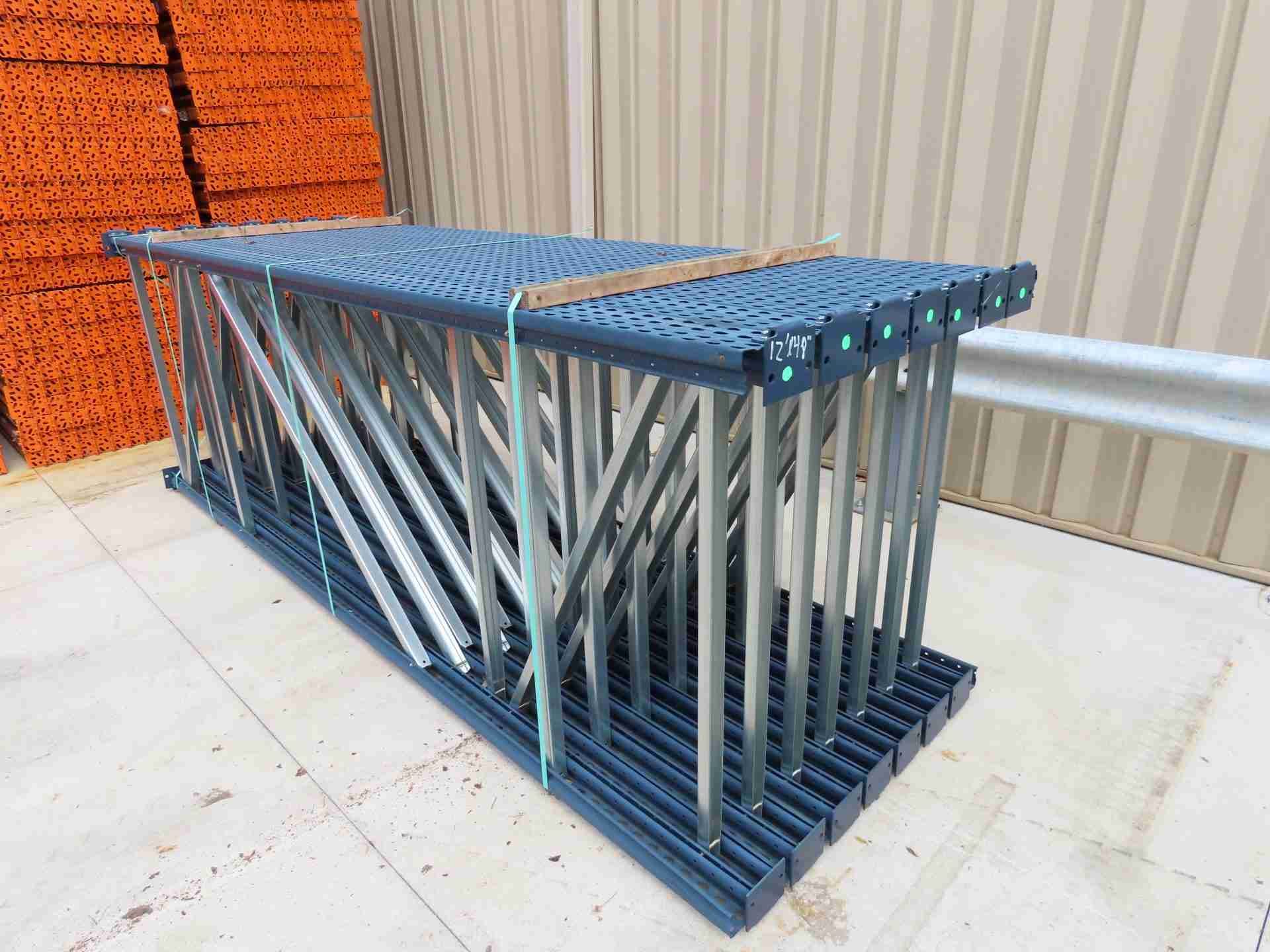
You know, in this line of work, it’s easy to overlook the small stuff—like how you stack and store your inventory. But here’s the real talk: Pallet racking isn’t just about neat shelves or fitting more boxes in a warehouse. It’s about respect—respect for your product, your team, and the folks waiting on the other end of the supply chain. When those pallets line up right, every order moves smoother, faster, and with fewer headaches. It’s like having a well-oiled engine instead of a rusty one that just sputters and stalls.
There’s a reason the folks who swear by pallet racking integration tell it like it is—they’ve seen the chaos when stock gets misplaced, damage rolls in, and order delays pile up. It costs everyone money, sure, but more than that, it chips away at trust. When your supplier gets that order wrong or late, it’s not just about missing a deadline; it’s about letting down a whole crew who counts on you. Pallet racking makes that mess less likely by turning guesswork into a system that works like a clock. It’s reliable, predictable, and honest—exactly what customers want.
When you put your stock in a pallet racking system that fits your operation, you stop fighting fires and start managing your business. There’s an ethical side to this too—it’s about doing right by your team. Lower risk of accidents, less strain from awkward lifting, and a safer, cleaner workplace isn’t fluff. It shows you care about the people who make your operation tick. And guess what? Teams notice that kind of respect. They show up ready to work because they know systems are in place to back them up.
The numbers back this up—the smoother the pallet racking integration, the fewer errors, the quicker the turnaround. But beyond numbers, there’s pride. There’s a gut feeling when you walk into a warehouse and see things lined up just right, knowing every box tells a story of someone who took the time to get it right. That care passes down the line, from supplier to customer, weaving trust that can’t be bought off a shelf.
So, yes, pallet racking integration isn’t just a neat buzzword—it’s a cornerstone for supplier customer satisfaction. It’s about building a foundation that lifts everyone up, turning simple logistics into solid relationships. When the system’s right, customers don’t just get what they ordered—they get confidence. And that confidence keeps them coming back.

Can Pallet Racking Integration Improve Supplier Customer Satisfaction?
Can Pallet Racking Integration Improve Supplier Customer Satisfaction?
- Pallet racking goes beyond organization; it represents respect for products, teams, and the supply chain.
- Proper pallet stacking improves order processing efficiency, reducing errors and delays.
- Mismanagement leads to financial loss and damages trust among suppliers, teams, and customers.
- Well-integrated pallet racking systems minimize guesswork, providing reliability and predictability.
- Such systems promote workplace safety, reduce physical strain, and demonstrate care for employees.
- Effective pallet racking fosters pride and trust across the supply chain, reinforcing customer satisfaction.
- Confidence built through proper pallet management encourages repeat business and strengthens relationships.
Can Pallet Racking Integration Improve Supplier Customer Satisfaction?
Conclusion
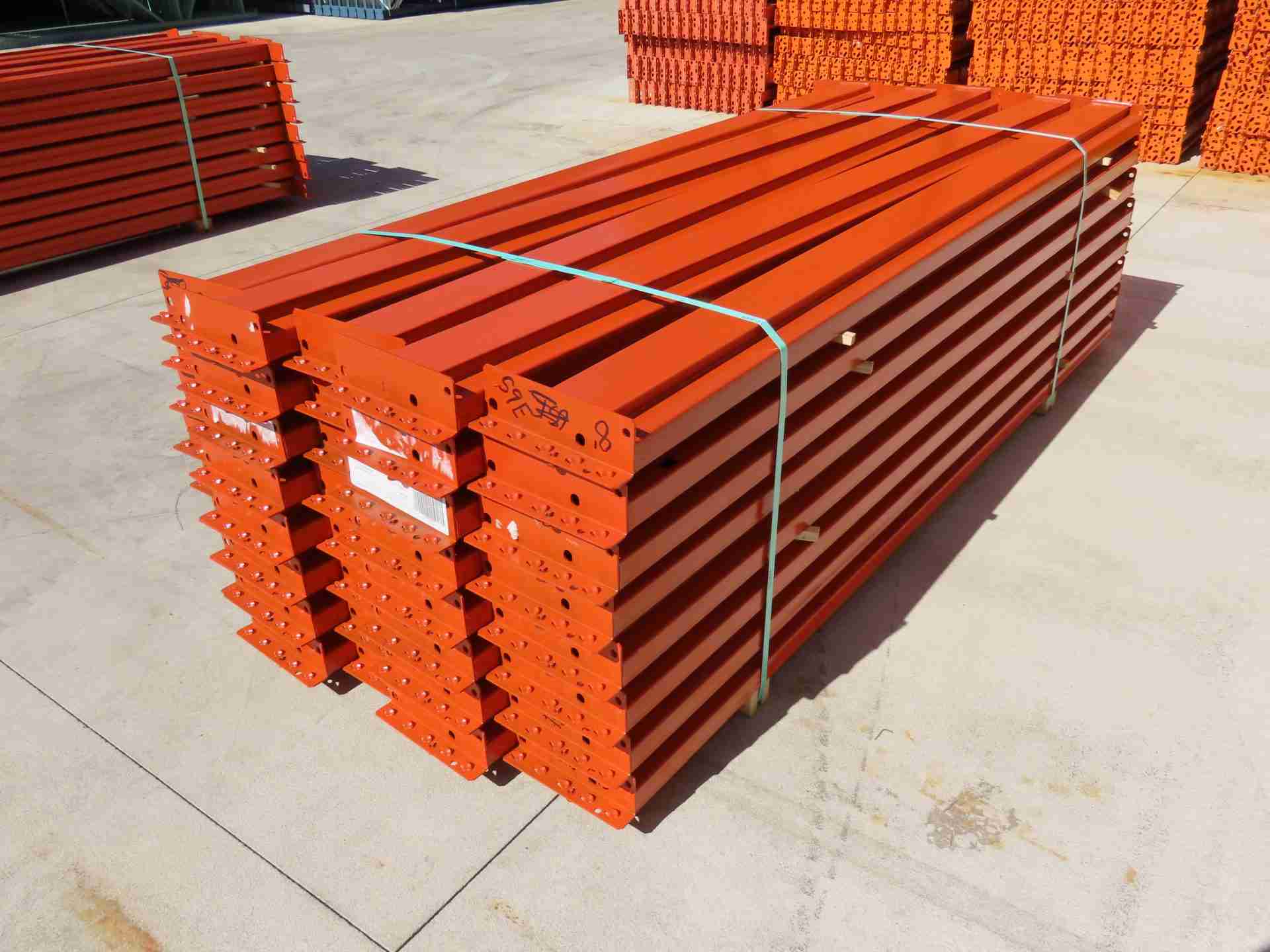
When you peek inside a livestock equipment supplier’s warehouse, what you’re really seeing is the unsung hero of hard work and reliability: pallet racking. It’s not just a bunch of metal shelves; it’s the muscle behind getting heavy, bulky gear like gates, feeders, and fencing panels out the door and into the hands of folks who need it to keep their farms running. Pallet racking respects the weight and size of these tools, saving time, cutting down on damage, and making sure the right piece is within arm’s reach—not buried under a heap of clutter.
Efficiency is king in this game. Pallet racking flips cramped, chaotic warehouses into organized hubs where forklifts dance smoothly, employees stay safer, and orders get packed and shipped without that frustrating wait. It’s a lean, mean space-saving machine, stacking gear vertically so every square inch counts and keeping aisles clear so the work doesn’t grind to a halt. This means less muscle-wearing grunt work hunting for parts or crawling on cold floors and more time focused on getting the job done. The smart setup is a sign of respect—not only for the equipment but for the people depending on it downstream, from warehouse crews to farmers.
Safety isn’t negotiable. A well-designed, heavy-duty pallet racking system is built tough to handle the sheer weight of livestock gear day in and day out. Suppliers who take safety seriously bolt in every beam tight and run inspections with an eye sharp enough to catch trouble before it starts. Cutting corners doesn’t just risk equipment—it risks lives. When workers can trust that the racks won’t buckle and pieces won’t come crashing down, it builds quiet confidence that keeps the operation humming along steady.
Sustainability joins the mix in a practical, no-nonsense way. By making every inch of storage space count and reducing damage that turns good gear into landfill fodder, pallet racking helps warehouses cut wasted energy, lower their footprint, and run cleaner, smarter operations. It’s about doing right by your crew, your customers, and the planet all at once. This kind of straightforward decency earns trust and builds a reputation that lasts through lean times and busy seasons alike.
At the heart of it, pallet racking is about more than steel and bolts—it’s about honoring the sweat and grind of those who rely on this gear every day. It’s a tool that turns chaos into order, risks into safety, and piles of equipment into a system that stands strong. When suppliers get their pallet racking right, they’re not just storing stuff—they’re partnering with the hardworking folks who depend on them, delivering trust, respect, and confidence that every order, every time, is ready to roll.
Conclusion
Conclusion:
- Pallet racking is essential in livestock equipment warehouses, enabling efficient storage and handling of heavy, bulky items like gates, feeders, and fencing panels.
- It maximizes organization by transforming cluttered spaces into efficient hubs, improving workflow and reducing damage to equipment.
- Stacking vertically saves space and keeps aisles clear, allowing forklifts to operate smoothly and employees to work safely and efficiently.
- Well-designed pallet racking systems are built strong to safely support heavy loads and undergo regular inspections to prevent accidents.
- Safety measures in pallet racking protect both the equipment and the workers, fostering confidence in daily operations.
- Pallet racking contributes to sustainability by optimizing storage space, reducing waste, and supporting cleaner, more efficient warehouse practices.
- Beyond storage, pallet racking symbolizes respect and partnership with those who rely on livestock equipment, ensuring reliable and timely order fulfillment.

Conclusion
Other Resources

Other Resources
Here is a list of other resources you can review online to learn more:
- International Warehouse Logistics Association
- Cantilever Rack Guide: Ordering Cantilever Racking
- Warehouse Storage Racking in Illinois
- CMMA
- Teardrop Pallet Rack – Ridg-U-Rak
- New Cantilever Racks and Racking Kits
- Cantilever Rack Configuration & Installation: A Comprehensive Guide – BMH
- The Complete Pallet Rack Guide – Simply Rack
- Warehouse Racking Chicago, IL
- Intro to Warehouse Racks & Warehouse Racking Systems – ShipBob
- Pallet Racking systems in Illinois and Great Lakes
- Selective Racking
- BMH Equipment LLC
- What is Selective Racking: Understanding Benefits & Options
- Illinois
- What is Selective Pallet Racking
- Bradford Systems
- Arrow Industrial Sales
- Mustang Material Handling
- CA Wire
Use This Prompt To Get More Resources With Your Favorite Online AI Tool: Please provide me with a list of online articles with their URLs in a bulleted list that I can read regarding How Do Livestock Equipment Suppliers Leverage Pallet Racking?
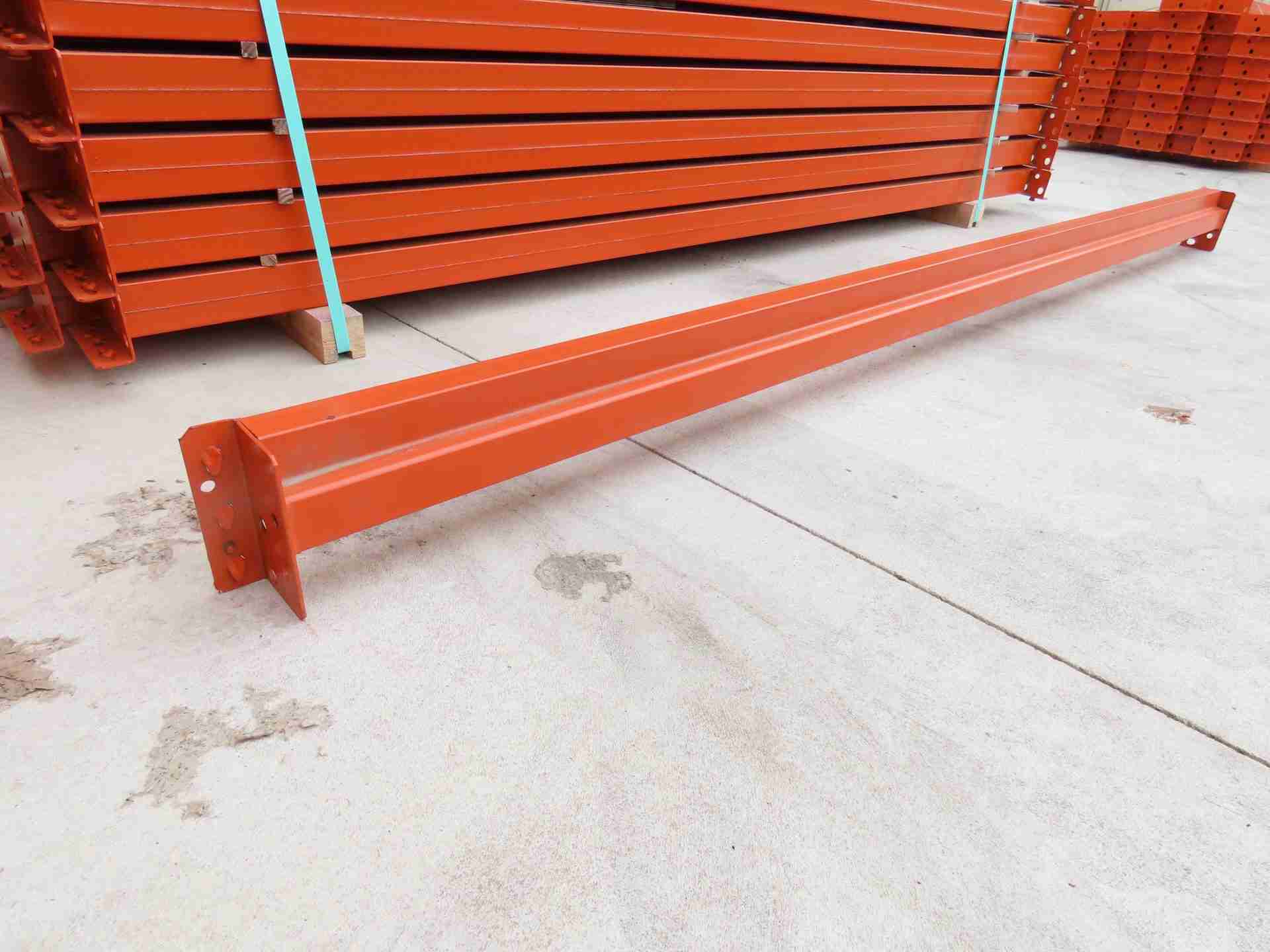
Other Resources
Glossary Terms
How Do Livestock Equipment Suppliers Leverage Pallet Racking? – Glossary Of Terms
1. Pallet Racking: A storage system designed to hold materials on pallets in horizontal rows and multiple levels.
2. Livestock Equipment: Tools and machinery used for raising, managing, and caring for farm animals.
3. Inventory Management: The process of organizing and controlling stock to optimize storage and retrieval.
4. Space Optimization: Efficient use of available storage area to maximize capacity.
5. Warehouse Organization: The systematic arrangement of goods within a storage facility.
6. Load Capacity: The maximum weight that a pallet racking system can safely support.
7. Accessibility: Ease of reaching and retrieving stored items from racks.
8. Durability: The ability of pallet racking to withstand heavy use and environmental factors.
9. Adjustable Racking: Shelving systems that can be modified to fit different sized goods.
10. Vertical Storage: Using height to store items to save floor space.
11. Safety Features: Components like guards and netting designed to prevent accidents.
12. Material Handling: The movement, protection, storage, and control of materials throughout the supply chain.
13. Pallet Jack: A tool used to lift and move pallets within a warehouse.
14. Forklift Compatibility: The ability of racks to accommodate forklifts for loading and unloading.
15. Load Distribution: Even placement of weight across pallets and racks to prevent damage.
16. Inventory Turnover: The rate at which stock is used and replenished.
17. Order Fulfillment: The process of picking, packing, and delivering products.
18. Stock Visibility: The ease with which stored items can be seen and identified.
19. Custom Racking Solutions: Tailored storage systems designed to meet specific needs.
20. Modular Design: Components that can be easily assembled and reconfigured.
21. Storage Efficiency: The measure of how well storage space is used to reduce waste.
22. Supply Chain Management: The oversight of materials from supplier to customer.
23. Heavy-Duty Racking: Pallet racks built to handle very heavy items such as machinery.
24. Lead Time: The time between ordering and receiving supplies.
25. Cost Reduction: Decreasing expenses through optimized storage and handling.
26. Workflow Optimization: Streamlining processes to improve operational efficiency.
27. Seasonal Stock Management: Handling varying inventory levels based on demand cycles.
28. Load Securing: Methods to stabilize goods on pallets to prevent shifting.
29. Maintenance: Regular inspection and repair to ensure pallet racking safety and function.
30. Compliance Standards: Regulations governing safe warehousing and storage practices.
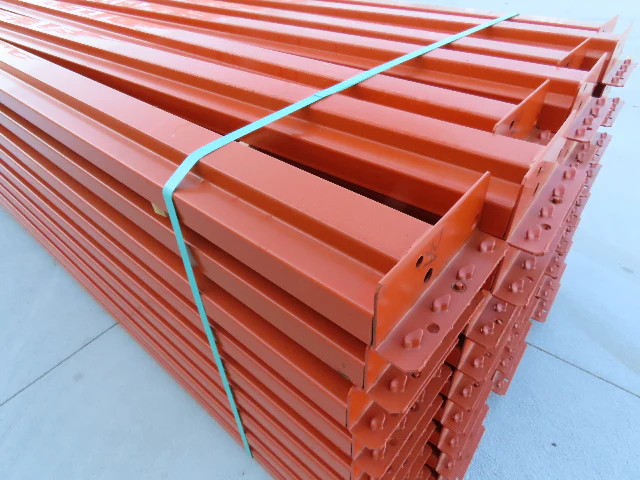
Glossary Of Terms
Other Questions
How Do Livestock Equipment Suppliers Leverage Pallet Racking? – Other Questions
If you wish to explore and discover more, consider looking for answers to these questions:
- What specific pallet racking configurations work best for different types of livestock equipment (gates, feeders, fencing panels, tanks)?
- How do suppliers calculate load capacities and weight limits for racks storing heavy livestock gear?
- What are the upfront costs and ongoing maintenance expenses associated with heavy-duty pallet racking?
- How can suppliers evaluate return on investment (ROI) after installing pallet racking?
- What safety standards and regulations (e.g., OSHA or local codes) apply to pallet racking in livestock equipment warehouses?
- How often should pallet racking systems be inspected and by whom?
- What are common failure modes for pallet racking and how are they prevented or repaired?
- Which pallet racking accessories (column guards, beam protectors, netting) are essential for livestock equipment warehouses?
- How should suppliers anchor racking to floors, and what foundation requirements exist for heavy loads?
- What training do employees need for safe picking, loading, and unloading from pallet racks?
- How do pallet racking choices affect forklift aisle width and equipment selection?
- What layout planning tips optimize flow from receiving to storage to shipping in livestock supply warehouses?
- How do suppliers manage oversized or irregularly shaped items that don’t fit standard pallets?
- Can pallet racking be retrofitted into older warehouses, and what challenges arise during retrofit?
- What are the pros and cons of structural vs. selective vs. drive-in/drive-through racking for heavy livestock gear?
- How does pallet racking integrate with inventory systems like WMS, barcode, or RFID tracking?
- What picking strategies (FIFO, LIFO, zone picking) work best with pallet racking for seasonal livestock supplies?
- How does pallet racking reduce product damage and what metrics measure that improvement?
- What maintenance schedules and procedures extend the lifespan of pallet racking?
- How do environmental factors (humidity, corrosion, chemical exposure) affect rack material choice and coating?
- What fire suppression and sprinkler system considerations are needed when installing high-rise pallet racking?
- How can pallet racking contribute to sustainability goals and what metrics demonstrate energy or waste savings?
- Are second-hand or refurbished pallet racks safe and cost-effective for heavy livestock equipment storage?
- What warranty and liability issues should suppliers consider when purchasing racking systems?
- How do suppliers choose reputable racking vendors and installers—what qualifications matter?
- What financing or leasing options exist for suppliers who want to invest in pallet racking?
- How quickly can a warehouse scale pallet racking capacity to meet seasonal demand spikes?
- What are best practices for labeling, signage, and visual management on pallet racking to speed picking?
- How do suppliers handle returns and damaged goods within a racked storage system?
- What insurance implications arise from installing heavier or taller racking systems?
- How do seismic or extreme-weather considerations change racking design or anchoring in certain regions?
- What case studies or real-world examples show measurable improvements after racking installation?
- How do suppliers ensure biosecurity, cleanliness, and pest control in racked storage areas for livestock gear?
- What controls and procedures minimize manual handling to reduce worker strain around pallet racks?
- How long do typical heavy-duty pallet racking systems last, and what signals indicate time for replacement?
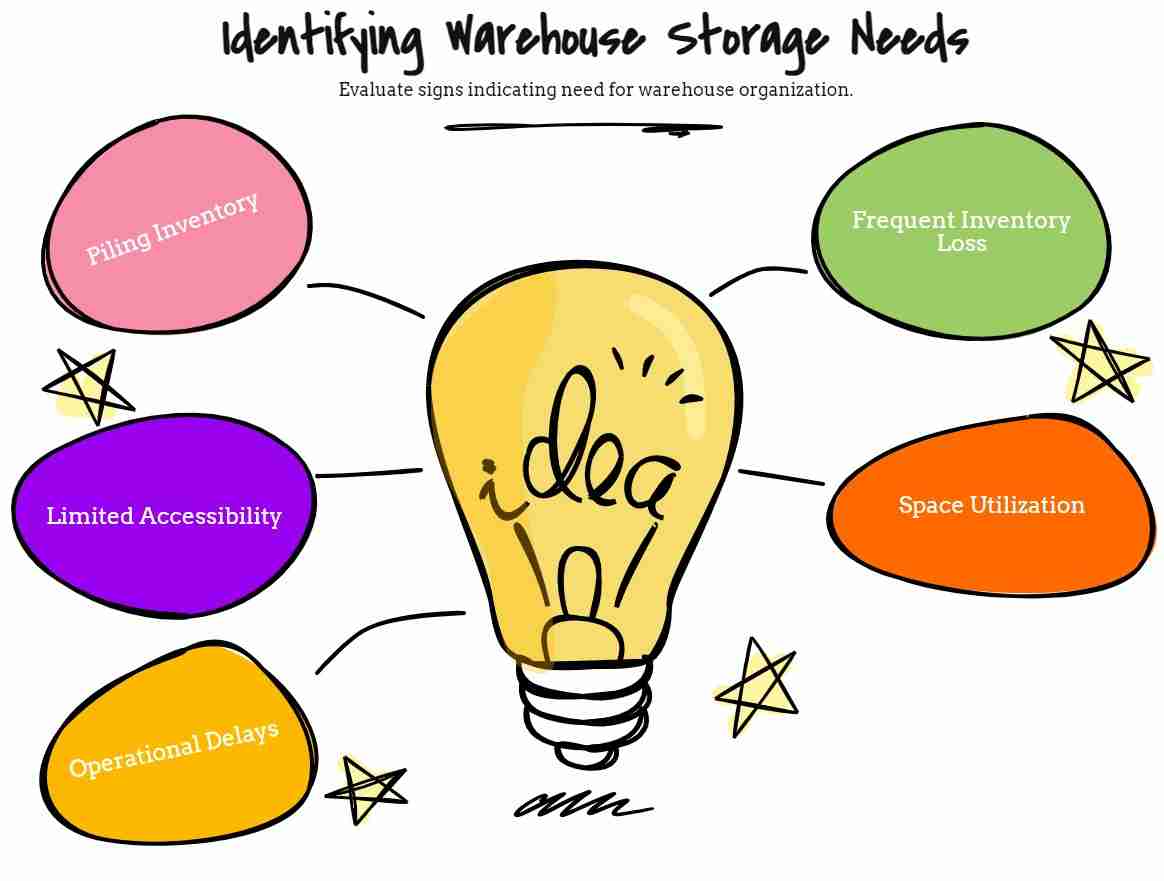
Other Questions
Checklist
How Do Livestock Equipment Suppliers Leverage Pallet Racking? – A Checklist
Planning and Layout
✅______ Current and projected SKU count, load profiles, and cube calculated
✅______ Building clear height, slab capacity, column grid, and dock count verified
✅______ Aisle widths matched to material handling equipment (forklifts, reach trucks, telehandlers)
✅______ One-way traffic flow and pedestrian walkways defined and marked
✅______ Fire code requirements—flue spaces, sprinkler clearance, and egress—maintained
✅______ Seismic and wind zone engineering and permits addressed
✅______ Staging, cross-dock, and returns areas sized and located
✅______ High-velocity items slotted in the golden zone (waist-to-shoulder range)
Racking Selection for Heavy/Bulky Gear
✅______ Structural selective pallet racking specified for high impact and heavy loads
✅______ Cantilever racks planned for long items (gates, fencing panels, chute sides)
✅______ Pushback or pallet flow considered for dense storage of uniform SKUs (if applicable)
✅______ Beam levels adjustable; safety locks and clips included
✅______ Wire or solid decking load-rated for equipment and pallet weight
✅______ Row spacers, wall ties, end-of-aisle guards, and column protectors specified
✅______ Finish suited to environment (galvanized or powder coat; outdoor/weather-rated where needed)
✅______ Load plaques posted with beam and upright capacities and bay limits
Safety and Compliance
✅______ Design and installation meet ANSI/RMI MH16.1 and applicable OSHA and local codes
✅______ Uprights plumb and level; anchors installed and torqued per manufacturer specifications
✅______ Flue spaces preserved with pallet stops or spacers
✅______ Damaged pallets removed from service; overhang within manufacturer limits
✅______ Rack inspection program in place (post-installation, monthly visual, annual expert inspection)
✅______ Incident tagging and lockout process for damaged components
✅______ Operator training, speed limits, horn points, and PPE rules enforced
✅______ Emergency egress, extinguishers, and signage unobstructed and marked
Inventory Management and Labeling
✅______ Location schema (aisle–bay–level–position) defined and posted
✅______ Locations, pallets, and items labeled with barcodes or RFID; WMS/IMS mapped
✅______ ABC slotting applied; fast movers at ground and ergonomic levels
✅______ Replenishment min/max set; overflow locations defined
✅______ Cycle count schedule set; inventory accuracy target ≥ 98–99%
✅______ Pallet standards documented (size, entry, condition, wrap/strapping)
Operations and Material Handling
✅______ Lift equipment capacity exceeds heaviest load, including attachments
✅______ Manufacturer-approved forks and attachments for awkward items (booms, clamps, cradles)
✅______ Standard work for receiving, putaway, picking, staging, and loading documented
✅______ Aisle housekeeping maintained; no floor storage encroaching into travel paths
✅______ Dock scheduling and labeled staging lanes by route/carrier
✅______ Pre-shift equipment inspections recorded; defect escalation defined
Livestock Equipment–Specific Considerations
✅______ Cantilever arms sized and spaced for gates and panels; tips capped or padded to protect finishes
✅______ Tie-down points and securement methods for irregular shapes defined
✅______ Corrosion-resistant components used near waterers and outdoor areas
✅______ Outdoor yard racking rated and anchored; drainage and wind exposure addressed
✅______ Heavy feeders and tanks stored on levels with verified point load capacity
✅______ Small parts (hardware and fittings) binned and located near corresponding bulky items
Maintenance and Spares
✅______ Preventive maintenance schedule for torque checks and anchor inspection
✅______ Replacement beams, safety clips, anchors, and protectors stocked
✅______ Photo log of rack damage and repairs maintained
✅______ As-built drawings, calculations, and manuals archived and accessible
✅______ Approved vendor list and emergency contact protocols documented
Sustainability and Waste Reduction
✅______ Space utilization tracked (pallet positions per 1,000 sq ft; vertical utilization)
✅______ Product damage rate monitored; root causes corrected
✅______ Reuse and repair of racking prioritized; scrap steel recycled
✅______ LED aisle lighting with sensors in high-bay areas
✅______ Returnable pallets and dunnage program implemented where feasible
✅______ Optimized pick paths and truck cube utilization to reduce travel and fuel
Customer Satisfaction and Performance Metrics
✅______ Order accuracy target ≥ 99.5% and on-time ship rate ≥ 98% defined and tracked
✅______ Dock-to-ship cycle time and lines per labor hour monitored
✅______ Damage claims rate target set; corrective actions logged
✅______ Fill rate and backorder visibility communicated proactively
✅______ Seasonal buffers for peak periods (calving, fencing, show season) planned
✅______ Feedback loop from customers on delivery quality and packaging
Go-Live and Continuous Improvement
✅______ Sample bay load-tested and signed off
✅______ All shifts trained; operators certified; visual SOPs posted at point of use
✅______ KPIs baselined at go-live; 30/60/90-day reviews scheduled
✅______ Continuous improvement backlog maintained with owners and due dates
✅______ Annual re-slotting and capacity review on calendar
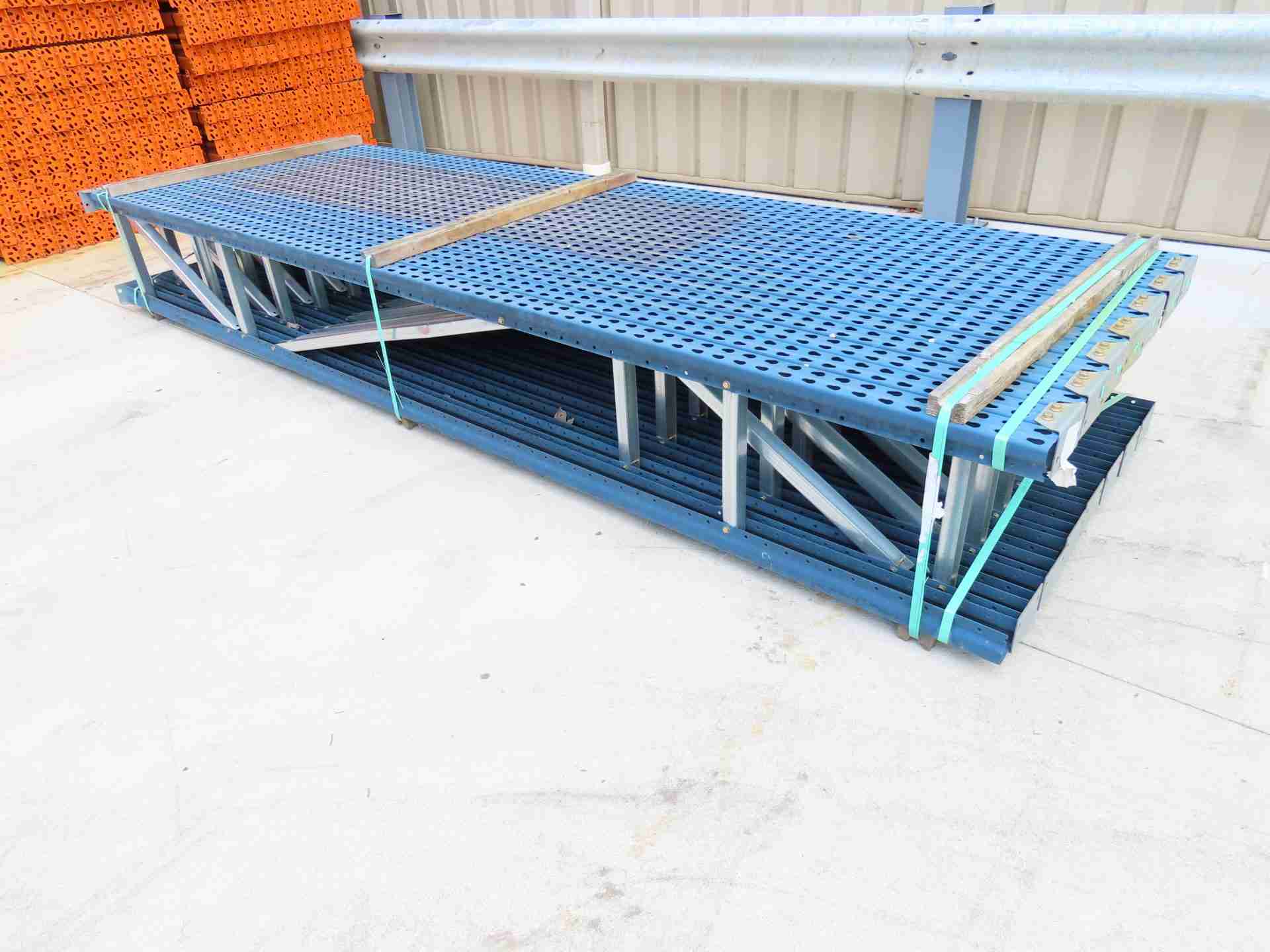
Checklist
At RackingWorld, we help guide you through selecting warehouse storage systems and racking.
Be sure to read our other related stories at RackingWorld to learn more about warehouse storage systems.
0 Comments