
Maximizing Space, Safety, And Efficiency: The Smart Warehouse Advantage
By Tom Seest
At RackingWorld, we help guide you through selecting warehouse storage systems and racking.
Be sure to read our other related stories at RackingWorld to learn more about warehouse storage systems.
How Do Insulation Material Warehouses Leverage Pallet Racking?
In insulation material warehouses, pallet racking isn’t just some fancy setup—it’s the backbone that keeps everything moving smooth and steady. When you’re dealing with bulky rolls, sheets, or bags of insulation, stacking them haphazardly isn’t just sloppy; it’s downright dangerous. Pallet racking steps in as the unsung hero, turning chaos into order with its tough, steel frame holding up those heavy loads day after day without flinching.
There’s a kind of pride in seeing a well-organized warehouse floor. Pallet racking gives workers that sense of control and safety, a clear path to get in, grab what they need, and get back out without tripping over some stray bundle. It’s not just about neatness; it’s about respect for the materials and the people handling them. When your gear’s stored right, handling it becomes easier, faster—less chance of a back strain or an accident that slows everything down. That’s ethics in action, really, looking out for your crew by giving them the right tools to do their job safely.
From a practical viewpoint, pallet racking maximizes every inch of warehouse space. Those big insulation products don’t fit on just any shelf, and floor space comes at a premium. Rack systems let warehouses stack vertically and still keep every pallet accessible without a game of Tetris. It’s smart, efficient, and downright necessary to keep up with demand. Leaner space usage means quicker turnaround, better inventory control, and fewer surprises when it’s time to ship out orders or take stock.
Over time, the warehouse becomes more than just a storage spot—it’s a community hub where folks rely on each other. Workers handle materials stored on pallet racking they trust won’t collapse or topple, making the environment feel secure and dependable. That shared trust builds morale and loyalty, because nobody wants to work somewhere they feel at risk or where things constantly fall apart.
Pallet racking in insulation warehouses isn’t just a technical solution; it’s a solid promise. A promise that the hard work invested every day won’t be wasted, that every shipment will be ready, and every worker will go home safe. It’s the quiet backbone of a tough job, and when it’s done right, everyone who depends on it can feel it in their bones.

How Do Insulation Material Warehouses Leverage Pallet Racking?
How Do Insulation Material Warehouses Leverage Pallet Racking?
- Pallet racking is essential in insulation warehouses for safely organizing bulky rolls, sheets, and bags.
- It provides a sturdy steel framework that supports heavy loads, preventing dangerous, disorganized stacking.
- Well-organized pallet racking enhances worker safety and efficiency by offering clear paths and reducing injury risks.
- It maximizes warehouse space by enabling vertical stacking while maintaining easy pallet access, improving inventory control and turnaround.
- The system fosters a dependable and secure work environment that builds employee morale and loyalty.
- Pallet racking represents a commitment to preserving materials, ensuring readiness for shipments, and safeguarding worker wellbeing.
- It serves as the operational backbone that supports smooth, reliable warehouse performance over time.
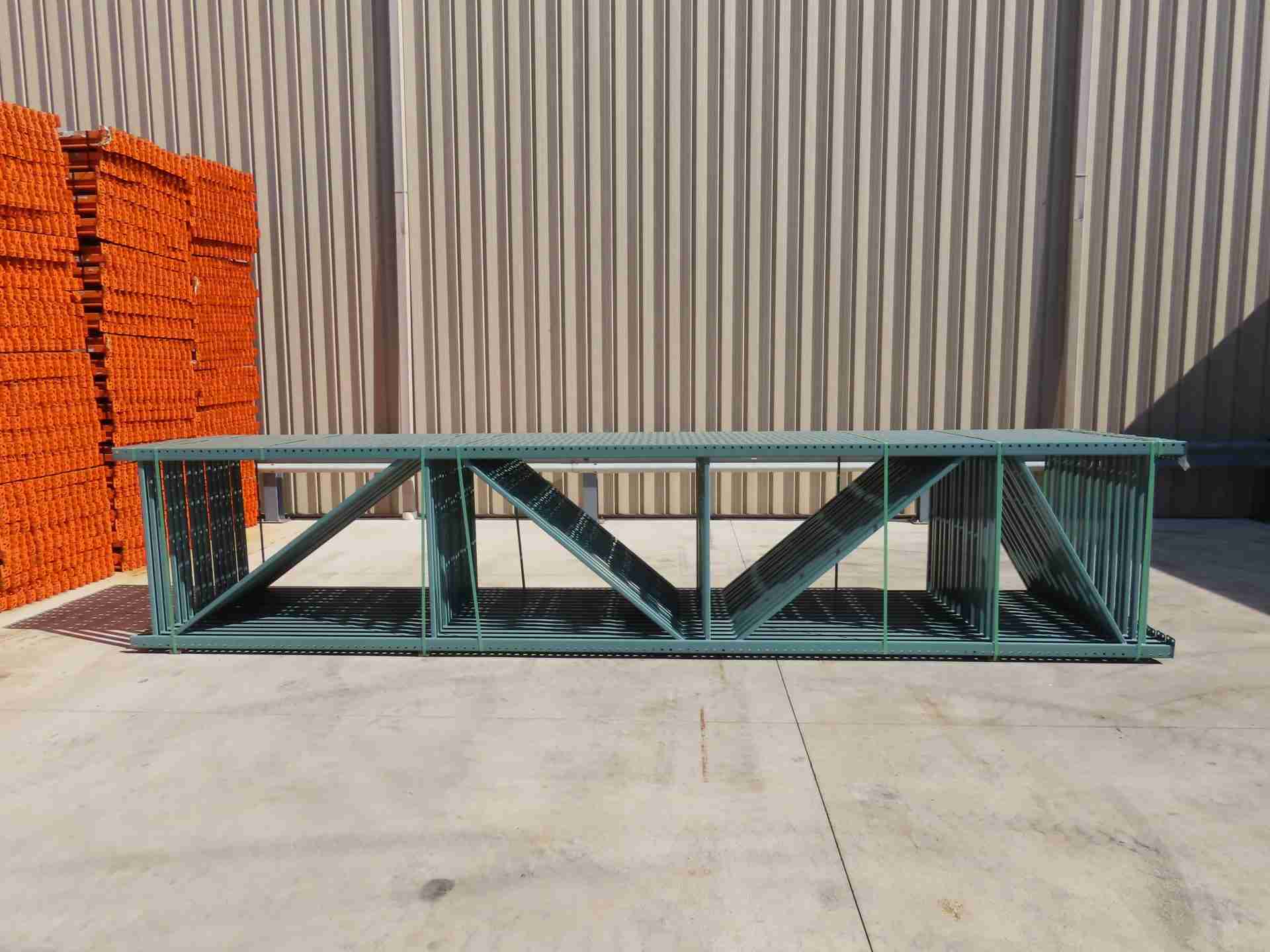
How Do Insulation Material Warehouses Leverage Pallet Racking?
Table Of Contents
- How Do Insulation Material Warehouses Leverage Pallet Racking?
- How Does Pallet Racking Improve Warehouse Space Use?
- How Do Warehouses Select the Best Pallet Racks for Insulation?
- Can Pallet Racking Reduce Damage to Insulation Materials?
- What Safety Standards Apply to Pallet Racking In Warehouses?
- How Does Pallet Racking Speed Up Order Fulfillment?
- What Cost Savings Result From Using Pallet Racks Effectively?
- Conclusion
- Other Resources
- Glossary Of Terms
- Other Questions
- Checklist
How Does Pallet Racking Improve Warehouse Space Use?
Look, running a warehouse isn’t some high-flying rocket science—it’s about making the most out of every square inch while keeping things safe and sensible. That’s where pallet racking steps in like a trusty workhorse. You’ve got a space filled with stuff—big boxes, odd shapes, heavy pallets—and if you just stack them haphazardly, you’re wasting room, making a mess, and inviting accidents. Pallet racking changes the game by turning chaos into order and wasted space into opportunity.
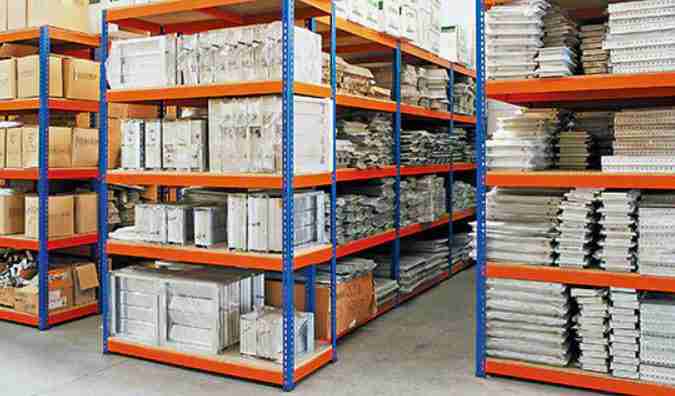
When you slap pallet racking in place, you’re not just buying racks; you’re investing in a smarter, leaner workspace. These racks hang your inventory vertically, which means instead of spreading out across the floor like a spilled bag of nuts, your goods get stacked up, neat and tidy. This vertical magic saves you a truckload of floor space, freeing up room for more shipments, better walkways, or even that break area you’ve been dreaming of. The more you can safely stack upward, the less you have to sprawl outward.
But it’s not just about fitting more stuff in—it’s about doing it right. Pallet racking systems are engineered with tough-as-nails steel and smart design, so they hold heavy loads without bending or breaking. This means your team can navigate aisles with forklifts without fearing rack collapse or product spills. That sense of security isn’t just good for morale; it keeps business humming without costly interruptions.
There’s a fairness angle here, too. Using pallet racking means safer working conditions. Fewer injuries from falling boxes or tripping over clutter, and more respect for the folks who keep your warehouse moving. When your crew feels safe and appreciated, they’ll treat your place—and its systems—with the care it deserves. That builds trust that pays off every day.
Every warehouse operator who’s wrestled with clutter knows this feeling: staring down a sea of pallets with no rhyme or reason, wondering how you got stuck with such a mess. Pallet racking cuts through that frustration, turning a tangled situation into a reliable rhythm. You don’t need fancy tech or over-the-top systems to see results—just a solid pallet racking setup and a plan.
So, if you want your warehouse to stop feeling like a bad episode of storage chaos and start working like a machine built for efficiency, pallet racking is your answer. It’s straightforward, proven, and built on common sense. The kind of solution that makes you wake up in the morning thinking, “Yeah, this place runs right.”

How Does Pallet Racking Improve Warehouse Space Use?
How Does Pallet Racking Improve Warehouse Space Use?
- Pallet racking maximizes warehouse space by organizing inventory vertically, turning chaos into order and saving floor space.
- Installing pallet racks creates a smarter, leaner workspace, freeing up room for shipments, walkways, or break areas.
- These systems are made from durable steel and smart designs, safely holding heavy loads without bending or breaking.
- Safe pallet racking reduces risk of accidents, boosting morale and preventing costly business interruptions.
- It promotes safer working conditions, reducing injuries and increasing respect and trust among warehouse staff.
- Pallet racking simplifies warehouse management, eliminating clutter and creating a reliable storage rhythm without complex technology.
- The system offers a straightforward, efficient, and proven solution that enhances overall warehouse operation and efficiency.
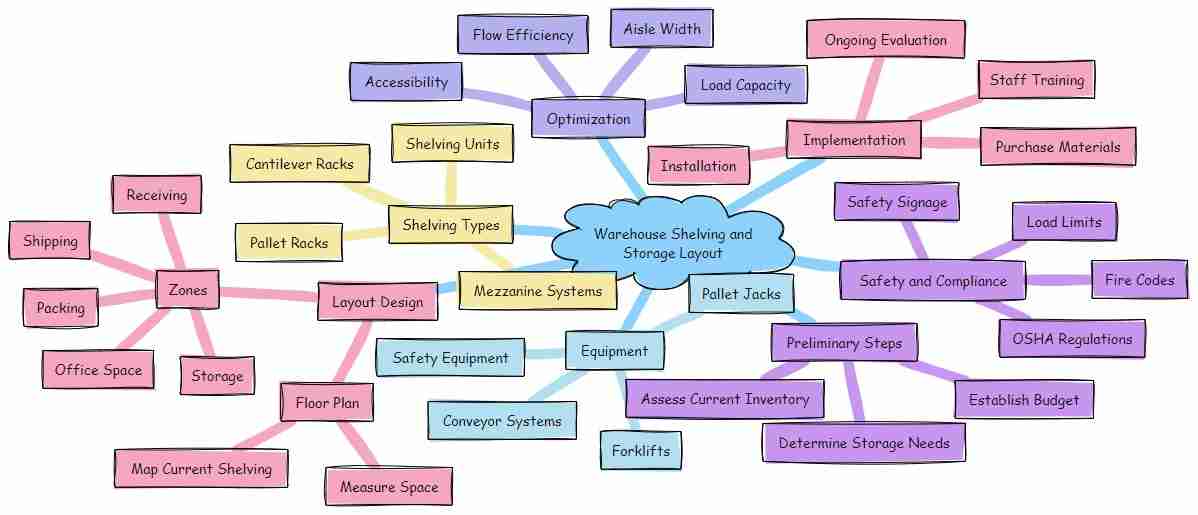
How Does Pallet Racking Improve Warehouse Space Use?
How Do Warehouses Select the Best Pallet Racks for Insulation?
When it comes to picking the right pallet racking for warehouse insulation, it’s more than just slapping up some metal beams and calling it a day. Folks who run these warehouses know that the racks aren’t just about storing stuff—they’re the backbone of the whole operation. You want racks sturdy enough to hold heavy loads but smartly designed so they don’t mess with the insulation’s job: keeping temps steady, energy bills sane, and the whole place comfortable and safe for the people working there.
First off, practical experience teaches us that the best pallet racking has to be tough and reliable. Rust or damage can compromise not only the racks but the insulation too, letting cold or heat sneak through. So, choosing racks with corrosion-resistant finishes or made from materials that play nice with insulation is common sense. When those racks hold up under pressure—literally and figuratively—it builds that confidence every warehouse manager wants. There’s peace of mind knowing the racks won’t fail, and the insulation can do its job without interference.
But there’s more at stake here than just shiny metal and cozy aisles. There’s a responsibility to the workers who move through those warehouse rows day after day. Ensuring the pallet racking supports effective insulation isn’t just about savings on energy bills; it’s about creating a better, safer workspace. Cooler in the summer, warmer in the winter, fewer drafts eating at people’s patience—and their health. That’s the ethical side of it, plain and simple.
On the rational side, space efficiency counts big time. The pallet racking can’t be so bulky or arranged so poorly that it messes up airflow or insulation layers. Smart design means racks that fit the warehouse layout, respect insulation boundaries, and still make it easy to stack and access goods—saving time, effort, and money.
Looking around, warehouses that get this balance right tend to share stories of boots-on-the-ground wisdom—people fixing insulation quirks by tweaking rack setups, swapping out parts, or changing how racks integrate with walls and ceilings. It’s not just theory; it’s tried-and-true problem-solving that earns respect from peers and builds a community of know-how.
Choosing pallet racking for insulation isn’t a shot in the dark. It’s a deliberate, hands-on call that blends hard-earned experience with plain old common sense. Those who take the time to get it right—a little sweat, a little smarts—end up with warehouses that feel right, run right, and stand the test of time. That’s the kind of confidence worth building on.
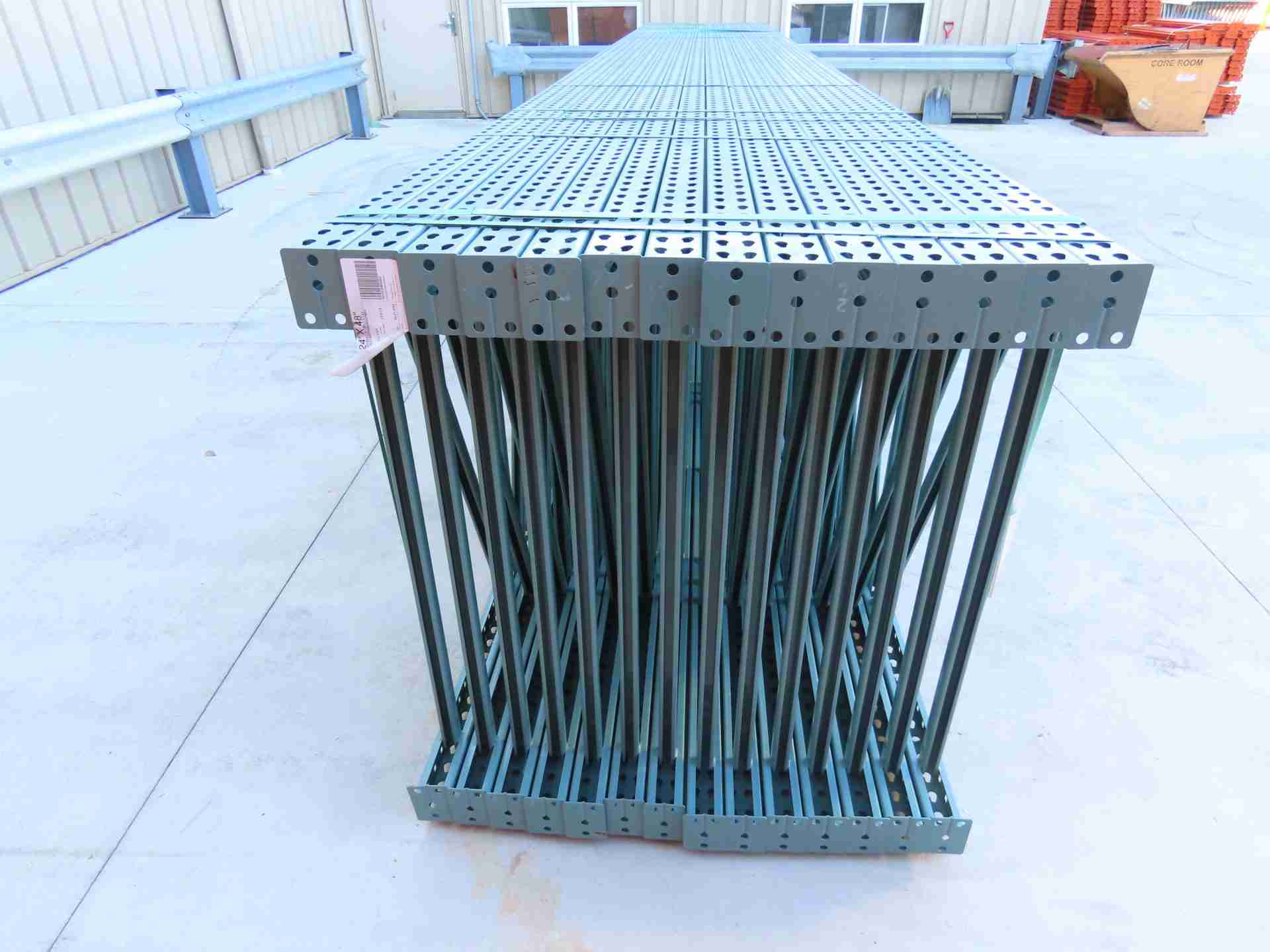
How Do Warehouses Select the Best Pallet Racks for Insulation?
How Do Warehouses Select the Best Pallet Racks for Insulation?
- Pallet racking in warehouses must be sturdy and designed to complement insulation, maintaining stable temperatures and energy efficiency.
- Corrosion-resistant materials and finishes prevent damage that could compromise both racks and insulation effectiveness.
- Effective pallet racking supports worker comfort and safety by reducing drafts and maintaining consistent temperatures year-round.
- Space-efficient rack designs ensure proper airflow and insulation layering without hindering storage access or warehouse layout.
- Practical experience shows that adjusting rack setups and integrating them thoughtfully with walls and ceilings solves insulation challenges.
- Choosing the right racks involves a deliberate, experience-based approach combining durability, design, and insulation compatibility.
- Well-chosen pallet racking creates warehouses that operate efficiently, feel comfortable, and sustain long-term confidence among managers.
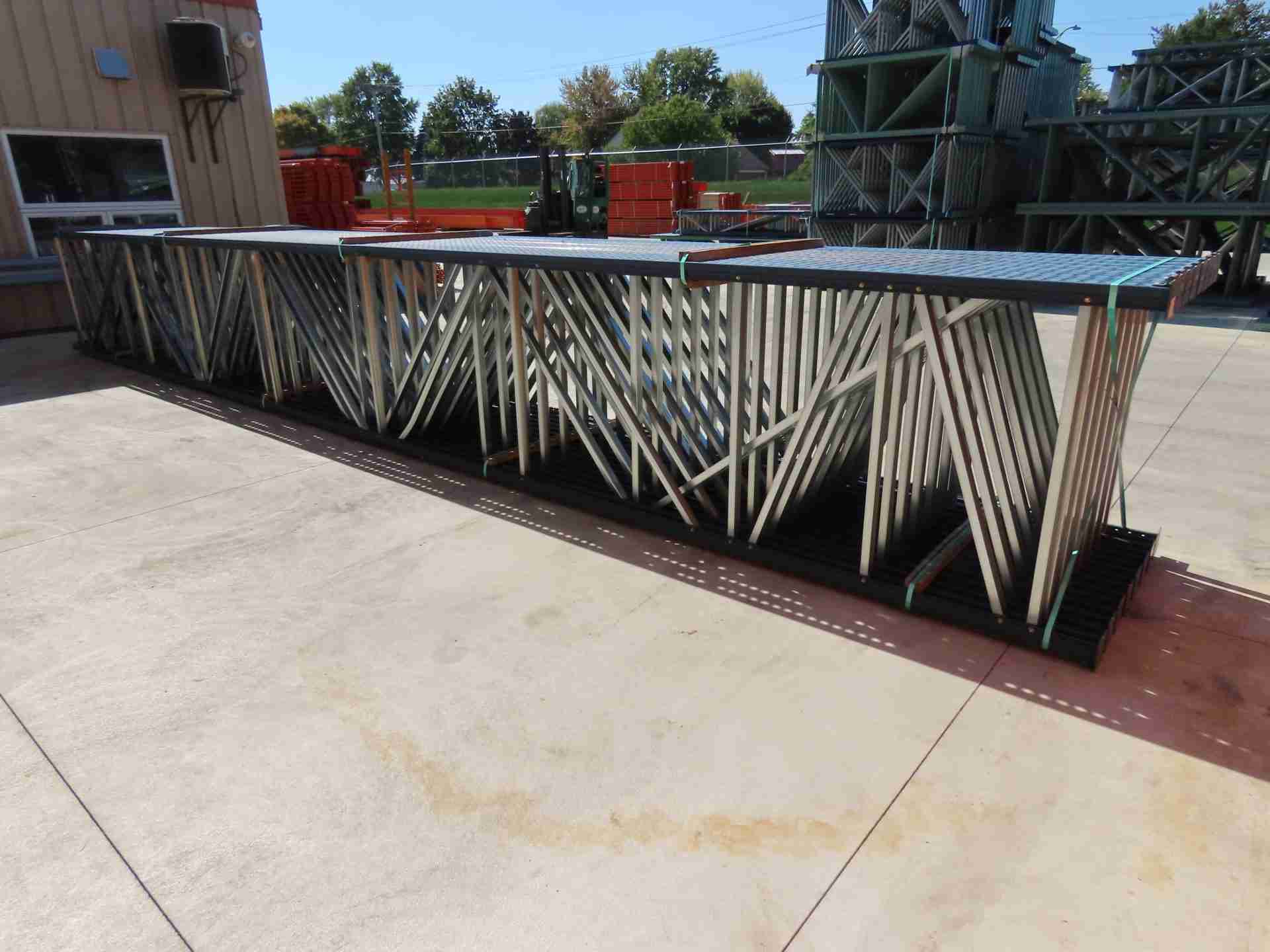
How Do Warehouses Select the Best Pallet Racks for Insulation?
Can Pallet Racking Reduce Damage to Insulation Materials?
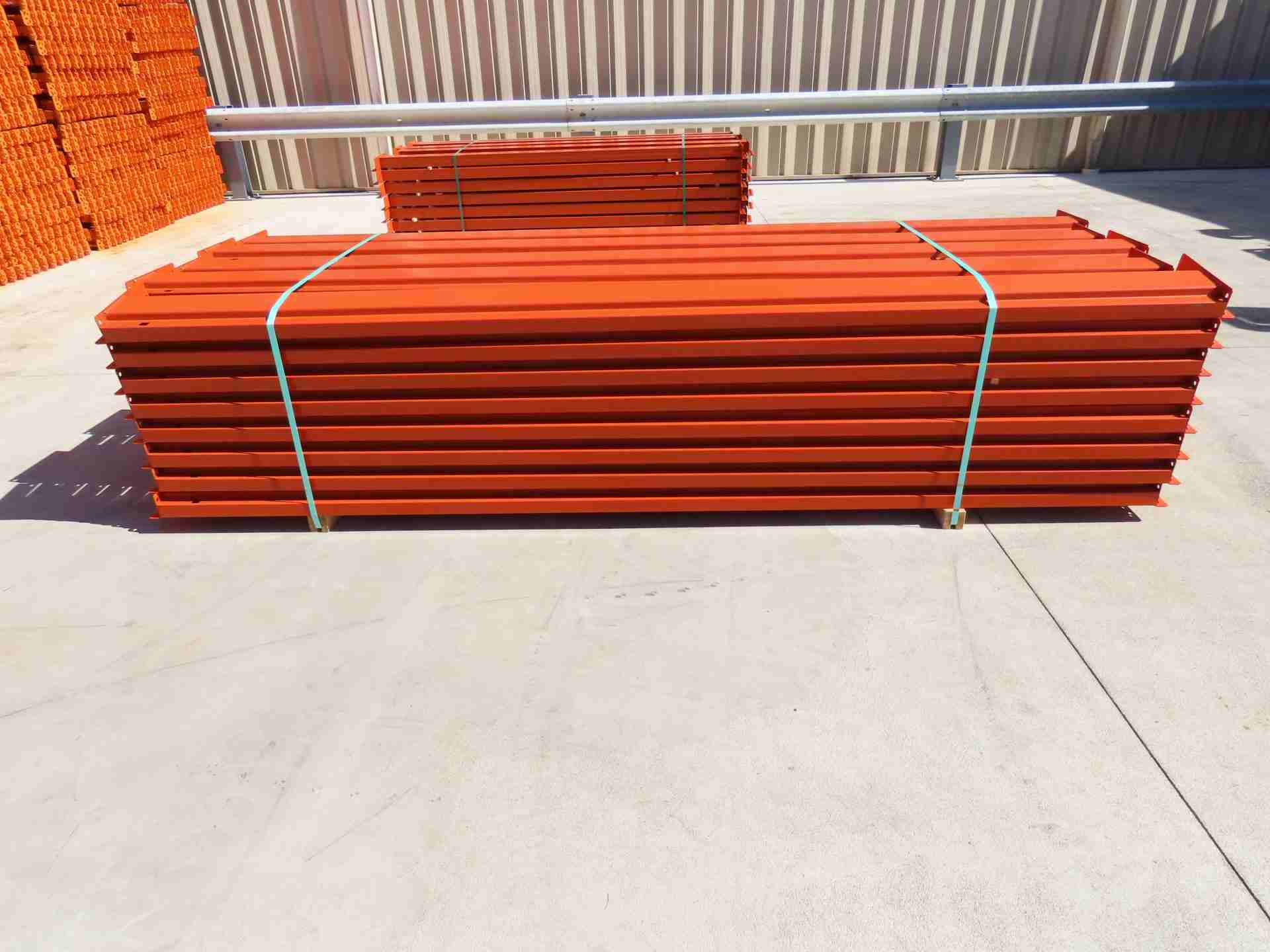
When you’re dealing with insulation materials, you know they’re not the toughest stuff on the planet—more like fragile, easily bruised goods that need a good home. That’s where pallet racking steps up, not just as some fancy storage system, but as a real, down-to-earth solution that protects what matters. Picture a busy warehouse floor where forklifts zip around like they own the place and pallets are stacked high. Without a solid way to keep insulation off the ground and away from chaos, damage is all but guaranteed.
Pallet racking acts like a reliable guard, keeping insulation wrapped up and safe up off that cold, rough floor where moisture and dirt are lurking. It’s not just about stacking boxes—it’s about respect for the materials and the work it took to make them. When insulation gets trashed, it’s not just the cost hitting your wallet; it’s the trust broken with your customers who rely on quality that does its job. Using pallet racking sends a clear message: we handle our products with care, and we’re in this business to do it right.
From a practical standpoint, pallet racking improves organization and efficiency. Instead of rummaging through piles or risking crushing delicate materials, the system lets you store and retrieve insulation with predictable ease. That means fewer accidents and less waste—because when you treat materials like they’re precious (because they are), you save money and headaches in the long run. It’s straightforward: well-organized storage equals fewer damaged goods, which equals fewer losses and delays.
There’s an ethical aspect, too. Storing insulation materials responsibly with pallet racking minimizes waste, reduces the need to reorder, and supports sustainable practices by cutting down on product spoilage. A good setup respects the environment and resources, reminding everyone on the crew that taking care of materials is taking care of the bigger picture.
Put simply, pallet racking isn’t just a shelving system; it’s the quiet backbone of a warehouse that values quality, safety, and efficiency. It earns the respect of everyone who handles those insulation products—from the loading dock to the installation site. When you’ve got the right racks in place, you’re telling the story of a team that knows their stuff, values hard-earned craft, and shows it through how they treat their materials. That’s the kind of trust worth building your business on.
Can Pallet Racking Reduce Damage to Insulation Materials?
Can Pallet Racking Reduce Damage to Insulation Materials?
- Insulation materials are fragile and require careful storage to prevent damage.
- Pallet racking protects insulation by keeping it off the ground, away from moisture, dirt, and warehouse chaos.
- Using pallet racking demonstrates respect for the materials and the workmanship behind them.
- Pallet racking improves warehouse organization and efficiency, reducing accidents and waste.
- Well-organized storage minimizes damage, cuts losses, and prevents delays.
- Responsible storage with pallet racking promotes sustainability by reducing waste and product spoilage.
- Pallet racking symbolizes quality, safety, and professionalism, building trust with customers and teams.

Can Pallet Racking Reduce Damage to Insulation Materials?
What Safety Standards Apply to Pallet Racking In Warehouses?
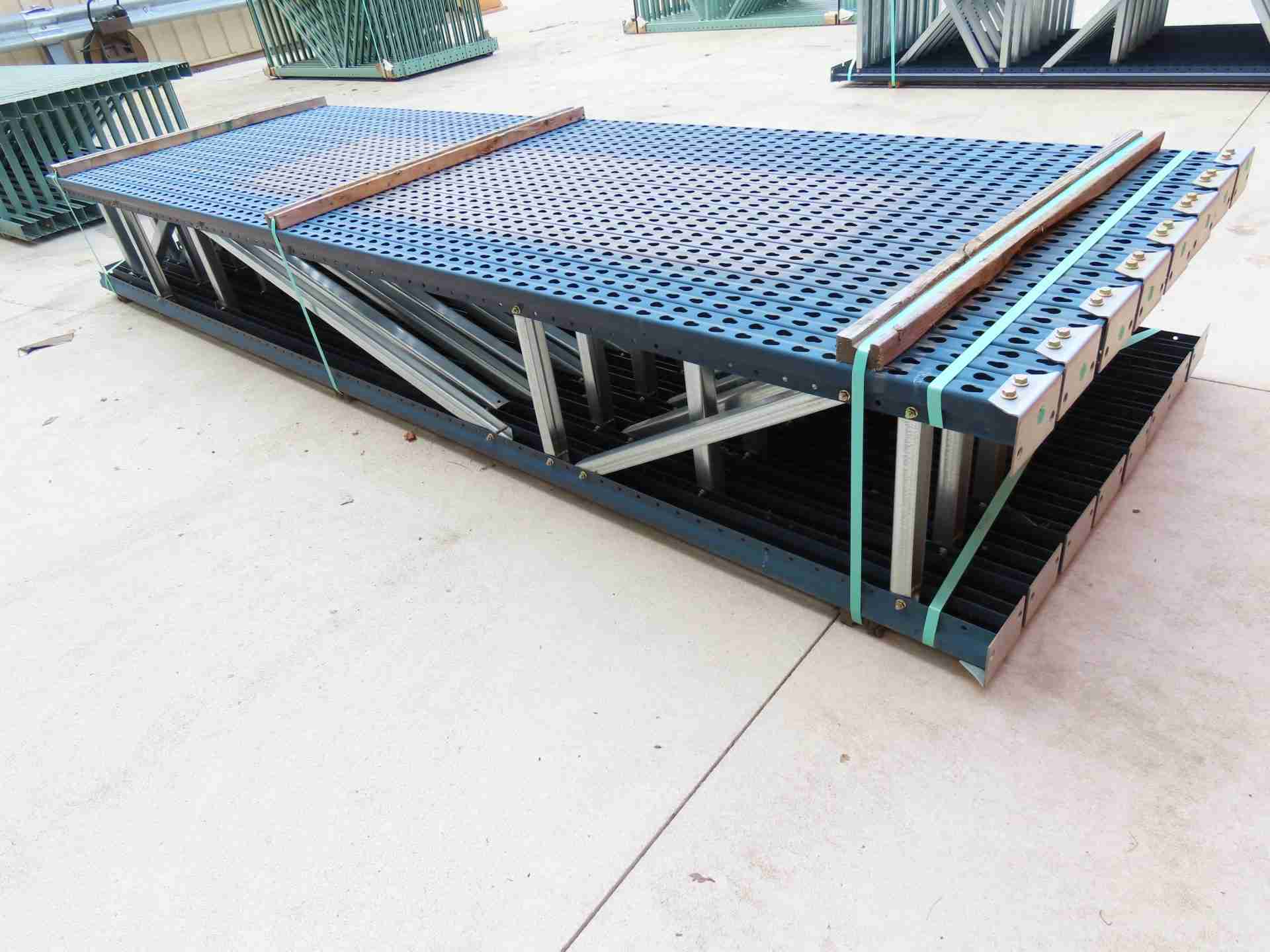
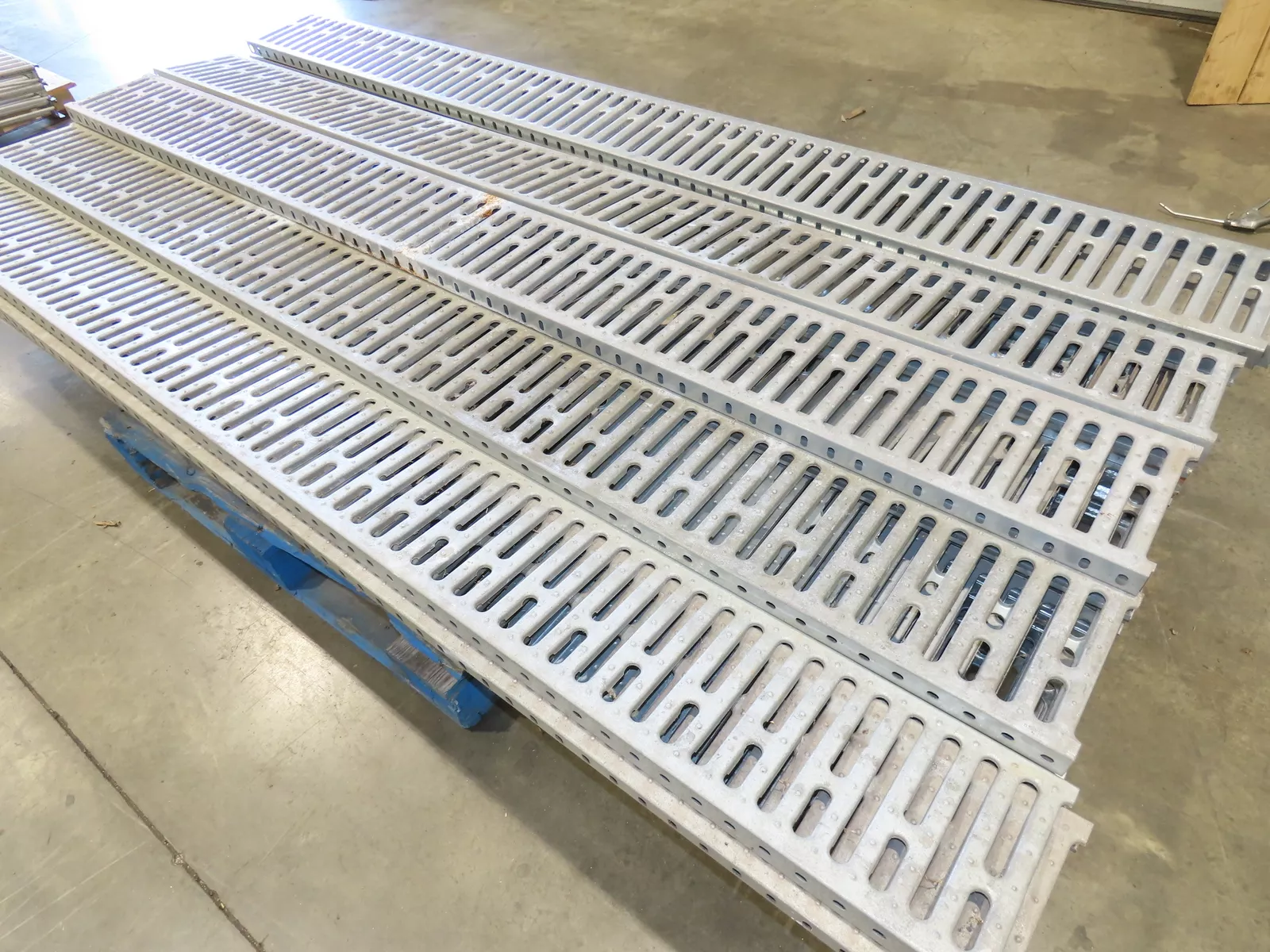
When you’re staring down rows of towering pallet racking in a warehouse, it’s easy to overlook just how much those metal shelves hold apart from boxes. They hold the weight of safety, responsibility, and even trust between every worker here. Pallet racking isn’t just about stacking goods—it’s about stacking lives, and that’s where safety standards come in. These rules aren’t just red tape; they’re the hard-earned lessons of folks who’ve been in the trenches, seen things go sideways, and come out understanding what it takes to keep everyone whole.
At the heart of it, pallet racking safety standards exist because every beam and bolt means something. It’s about making sure the racks can handle the loads they’re supposed to without shuddering or collapsing under pressure. You learn quick that it’s not just weight limits on paper—it’s common sense that’s been written down after someone’s close call or worse. The load capacities, secure anchoring, proper installation, and regular inspections aren’t optional. They’re the backbone holding up your day-to-day work and, frankly, your peace of mind.
Ethically, it’s about respect—for the folks working those aisles, for the families waiting to hear a voice come home at night. Cutting corners on pallet racking safety isn’t just a slip-up; it’s a breach of trust. The standards set the line in the sand: you either prioritize safety or you put people in harm’s way. That’s not just policy; it’s a moral stance.
From a head perspective, these standards provide clarity and consistency to an often chaotic environment. They’re grounded in real-world experience and engineering wisdom, backed by authorities who’ve studied what works and what doesn’t. Following these standards protects your bottom line by reducing accidents, downtime, and costly repairs, making safety good business sense. It’s a no-brainer for anyone who runs a warehouse and takes pride in their operation.
Socially, meeting these standards fosters a culture where everyone watches each other’s backs. It builds camaraderie and confidence—a knowing nod that says, “We’ve got this covered.” When workers see the company making safety a priority with their pallet racking, it shows respect and builds loyalty. Safety isn’t just a checklist; it’s a shared value that keeps a team strong.
So, next time you walk past those rows of pallet racking, remember there’s more than just metal there. There’s a whole system built on trust, care, and common sense. Following these safety standards isn’t just the right thing to do—it’s the smart thing that protects lives, livelihoods, and the long haul.
What Safety Standards Apply to Pallet Racking In Warehouses?
What Safety Standards Apply to Pallet Racking In Warehouses?
- Pallet racking safety involves more than storing goods; it carries responsibility, trust, and the safety of workers.
- Safety standards ensure racks handle loads properly through load capacities, secure anchoring, proper installation, and regular inspections.
- Adhering to safety is an ethical obligation, respecting workers and their families by preventing harm and breaches of trust.
- Standards bring clarity and consistency, based on real experience and engineering expertise, reducing accidents and operational costs.
- Following safety protocols protects business interests by minimizing downtime and expensive repairs.
- Meeting safety standards fosters team camaraderie, confidence, and loyalty by showing respect and shared values.
- Pallet racking systems embody trust, care, and common sense, making safety both a moral and practical necessity.
What Safety Standards Apply to Pallet Racking In Warehouses?
How Does Pallet Racking Speed Up Order Fulfillment?
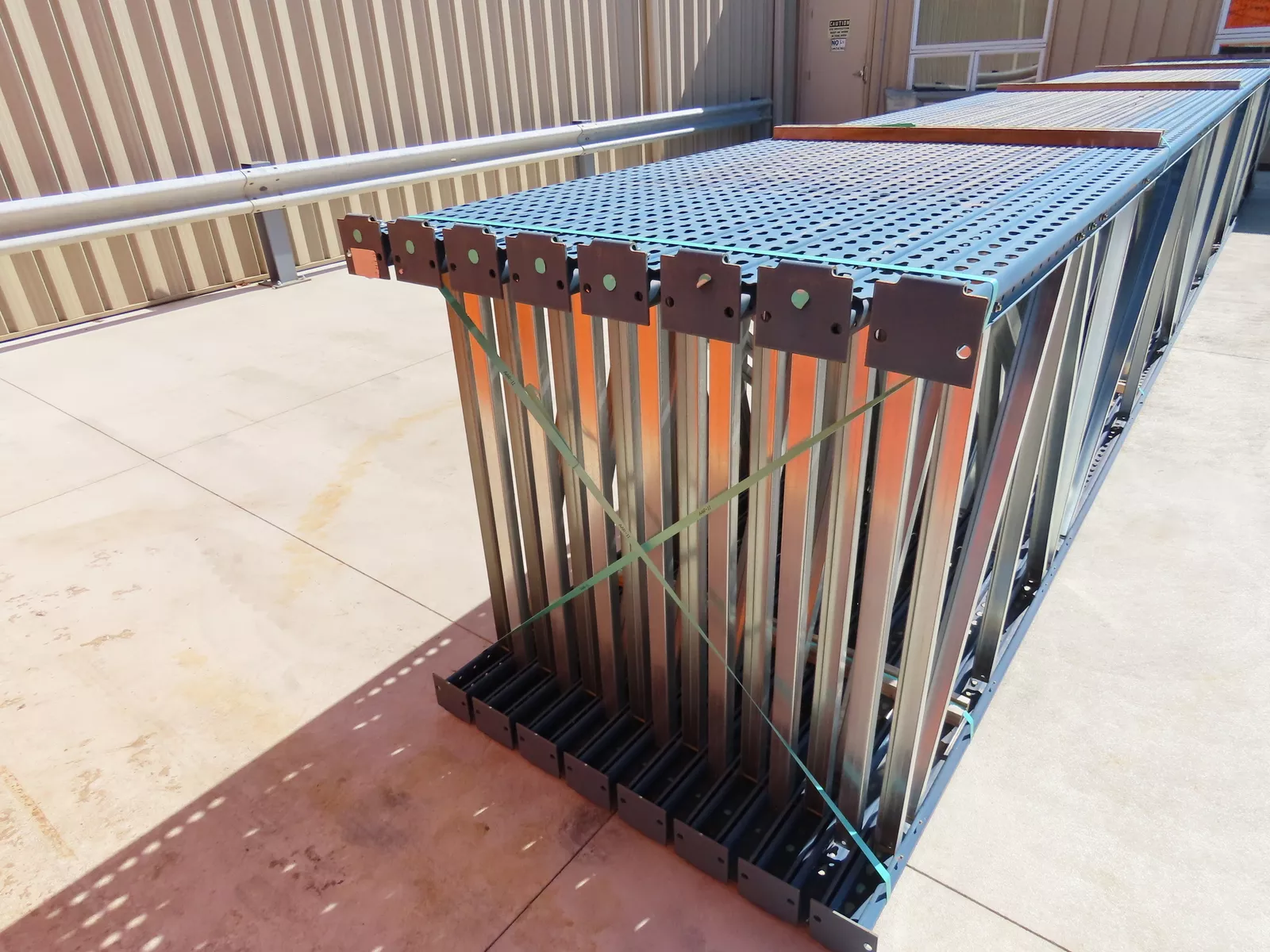
You know how a cluttered garage slows you down hunting for the right wrench? Now imagine that chaos inside a warehouse, with orders stacking up and customers waiting. Pallet racking steps into that mess like a trusty tool organizer, turning disorder into a smooth-running machine. It’s not just metal shelves—it’s a system that cuts through the daily grind, helping folks find what they need fast and get it out the door without delay.
When you stack goods on proper pallet racking, you’re giving every box and crate its own spot, clear and easy to reach. That means workers don’t waste time playing hide-and-seek with inventory. They can move quicker, safer, and smarter. It’s like giving your whole crew a better pair of boots—makes a tough job easier and keeps everyone steady on their feet. By speeding up picking times, pallet racking shrinks the wait between order and delivery, which customers notice. Happier customers mean fewer headaches for everyone, and that feels good in the gut knowing you’ve done right by them.
This isn’t just about efficiency; it’s about respect—for the people doing the work and the folks counting on it. Pallet racking helps prevent accidents by clearing walkways and organizing heavy loads properly. That kind of common-sense safety matters. It builds trust inside the workplace and beyond, because when shipments arrive on time and intact, everyone believes in the company’s commitment to quality and care. It’s a quiet promise kept every day, one pallet at a time.
There’s also a straightforward logic to pallet racking that’s hard to ignore. It maximizes vertical space so warehouses aren’t just sprawling, unmanageable boxes on the floor. You’re using every inch wisely, cutting overhead costs and speeding up turnover. That balance of brains and brawn means your facility works harder without burning out people or resources. It’s a smart move that pays off not just on paper but down the line with repeat business and a solid reputation.
At the end of the day, pallet racking doesn’t just speed up order fulfillment—it changes the whole game for the better. Faster, safer, smarter; it turns the simple act of stacking into a backbone of trust and reliability. When you see orders flying off shelves and customers coming back, you know the system isn’t just metal and wood—it’s teamwork made visible and dependable. That’s a win anyone can grasp.
How Does Pallet Racking Speed Up Order Fulfillment?
How Does Pallet Racking Speed Up Order Fulfillment?
- Pallet racking transforms warehouse disorder into an efficient system, enabling quick access to needed items and faster order fulfillment.
- Each box and crate gets a designated spot, reducing time wasted searching and allowing workers to operate more quickly, safely, and effectively.
- The system improves safety by organizing heavy loads properly and clearing walkways, preventing accidents and fostering workplace trust.
- Pallet racking maximizes vertical space, helping warehouses use every inch efficiently and reducing overhead costs.
- This approach balances operational efficiency with worker well-being, preventing burnout while speeding up turnover.
- On-time, intact shipments build customer confidence and contribute to a company’s reputation for quality and care.
- Pallet racking is not just shelving; it represents teamwork, reliability, and a foundation for repeated business success.

How Does Pallet Racking Speed Up Order Fulfillment?
What Cost Savings Result From Using Pallet Racks Effectively?
When you’re running a warehouse or a storeroom, every inch counts and every minute matters. Pallet racking isn’t just about stacking stuff; it’s about stacking sense. Using pallet racks right turns chaos into order, and that order puts cash back where it belongs—your pocket. Think about it: when pallets are neatly organized, you don’t waste time hunting down inventory or tripping over misplaced boxes. That’s man-hours saved, which means real money saved.
Having a well-planned pallet racking system cuts down on damage, too. When goods sit on the floor or get piled up wrong, they take a hit. Damaged products cost you in replacements, refunds, and a bruised reputation. Pallet racks keep everything off the ground and secure, reducing those losses and keeping your business tight. There’s a measure of pride that comes with knowing your stock is treated right, kept safe, and ready to move out the door without a hitch.
It’s not just about saving pennies — it’s about how efficiently you use your space. Pallet racks open up vertical real estate, giving you more room without expanding your four walls. That means you delay or avoid costly warehouse moves or additions. Being able to cram more inventory in less space? That’s a game changer, especially when storage costs aren’t getting any cheaper. Investing in pallet racking pays off by squeezing out more value from every square foot.
You want your team to work smarter, not harder. Pallet racks make loading and unloading quicker and safer, taking the strain off your workers. That lowers injury risks and the costly downtime that comes with it. It’s an ethical and practical win that builds trust between management and crew. You’re showing you care about their well-being by giving them the right tools and setup to get the job done right.
The proof’s in the daily grind: Using pallet racking effectively transforms a cluttered, stressful warehouse into a streamlined, reliable operation. It saves you money, boosts productivity, and earns respect for how you handle your goods and people. When every dollar counts and every pallet tells a story, pallet racking is the unsung hero quietly cutting costs and making life easier.
What Cost Savings Result From Using Pallet Racks Effectively?
What Cost Savings Result From Using Pallet Racks Effectively?
- Pallet racking maximizes space and time efficiency in warehouses, turning disorganization into order and saving man-hours and money.
- Proper pallet rack systems reduce product damage by keeping goods off the floor, lowering replacement costs and protecting reputation.
- Utilizing vertical space with pallet racks avoids costly warehouse expansions, increasing storage capacity without extra square footage.
- Pallet racks improve loading and unloading speed and safety, reducing worker strain, injury risks, and associated downtime.
- Investing in pallet racking demonstrates care for employee well-being by providing a safer, more effective work environment.
- Effective pallet rack use transforms chaotic warehouses into streamlined operations, boosting productivity and cost savings.
- Pallet racking is a crucial, cost-effective solution that enhances warehouse management and overall business performance.

What Cost Savings Result From Using Pallet Racks Effectively?
Conclusion
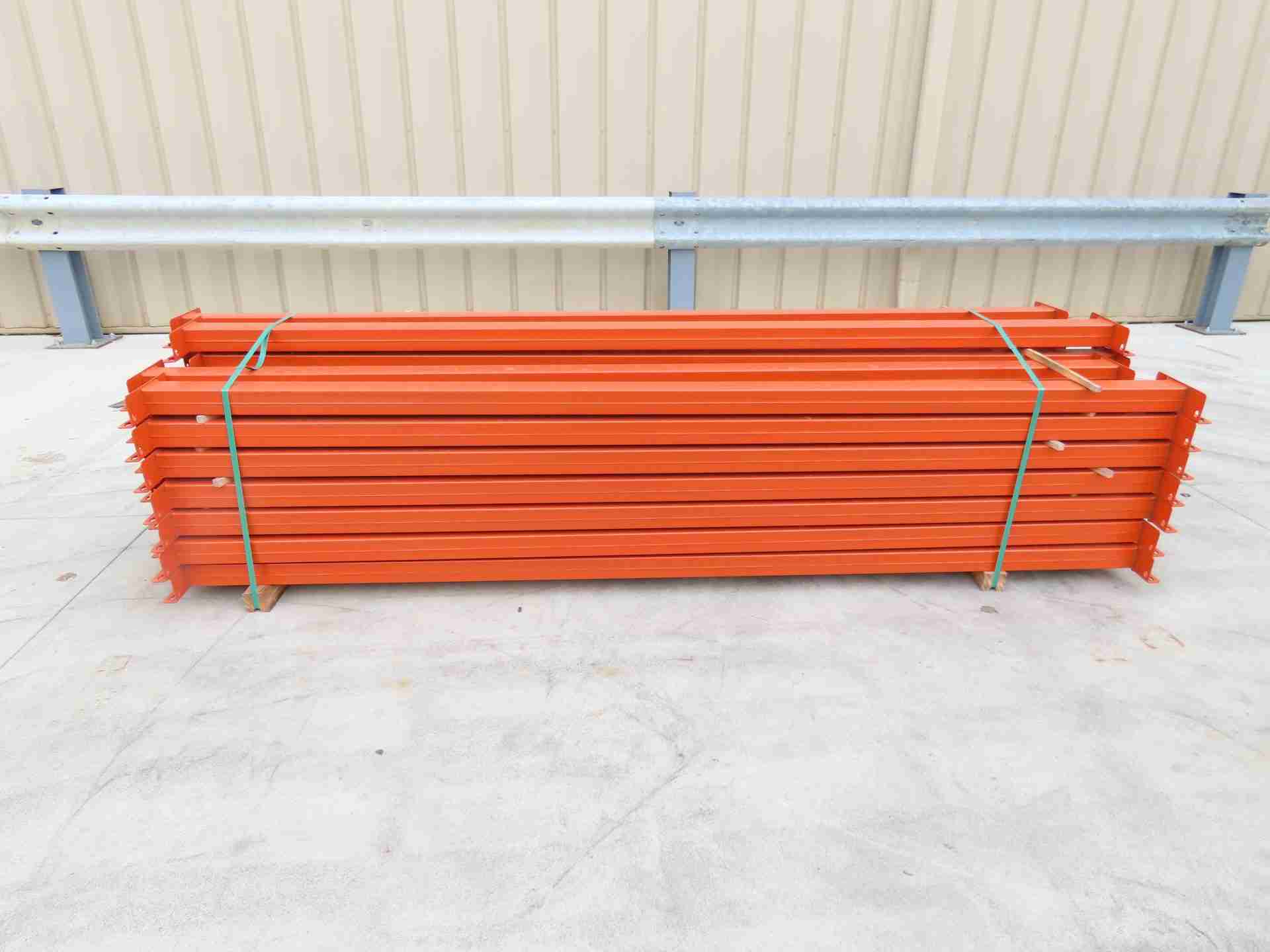
In the world of insulation material warehouses, pallet racking isn’t some fancy bells-and-whistles deal—it’s the grit and grind that keeps the whole place running smooth and safe. When you’re dealing with big, bulky, and fragile insulation goods, just throwing them around isn’t an option. Pallet racking turns that mess into a system that respects both the products and the folks handling them. It’s a steel backbone that carries heavy loads day in and day out without flexing, giving workers clear paths to do their jobs without risking busted backs or worse. That’s not just practical—it’s the ethical bottom line: taking care of your crew so they can take care of the job.
Space in a warehouse might as well be gold, and pallet racking is the way you make that gold stretch. Instead of sprawling across the floor like a dropped load, insulation materials get stacked up smartly and safely, freeing room for more goods, better movement, or even a decent break spot. This vertical use of space isn’t just about cramming more stuff in; it keeps workflow flowing, cuts down on confusion, and puts order where disorder once ruled. Better inventory control, quicker shipments, fewer headaches—that’s the payoff.
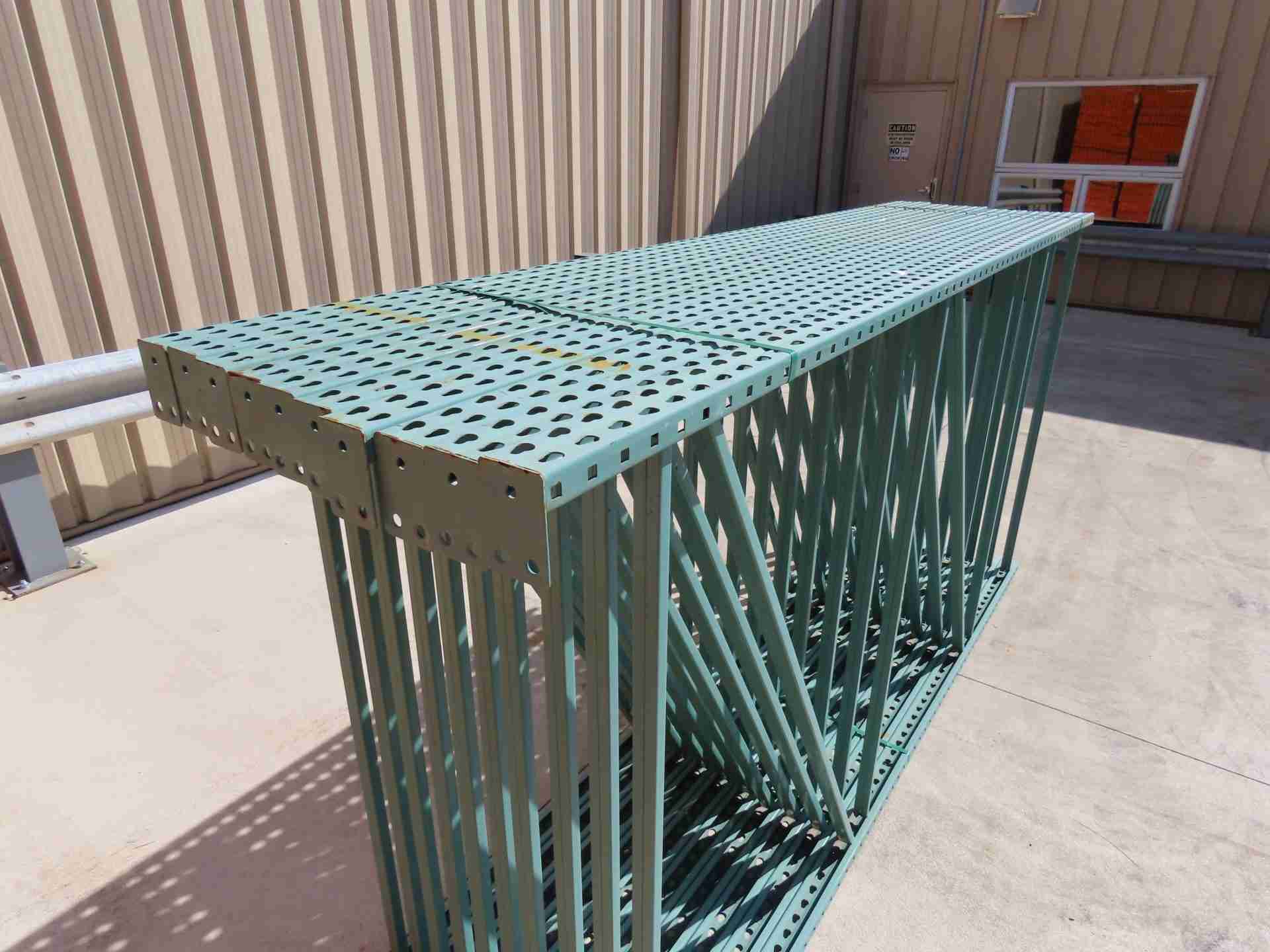
But it ain’t all nuts and bolts. Choosing the right racks means thinking through insulation’s special needs: corrosion-resistant, structurally sound, and designed not to mess with the very job the insulation’s doing—keeping heat and cold where they belong. That makes the whole warehouse cozier and safer for the people inside, showing respect for their health and comfort. It’s a nuanced dance between tough steel and thoughtful design, learned the hard way with plenty of trial and error.
Damage control is another story where pallet racking shines. Insulation doesn’t like getting bashed around; damaged goods cost more than money—they break trust with customers. Keeping products off grimy floors, stacked neatly, and easy to access means fewer broken bundles and less waste. That’s good for the bottom line and better for the planet. It tells the story of a warehouse that values quality and respect for the work behind every square foot of insulation.
Safety isn’t just a box to check; it’s the whole foundation here. The racks have to hold up their end without risking collapse or injury. Following strict safety standards isn’t optional—it’s the common-sense rule that keeps workers whole and whole-minded. That respect spills over into morale and loyalty because nobody wants to work where shortcuts put them in harm’s way.
When it comes to getting orders out the door, pallet racking clears the clutter so the crew can move fast and smart. No more looking under piles or risking crazy shortcuts. Fast, safe, reliable—that’s how you keep customers happy and business humming. The racks do the hard work, making the warehouse a place that’s both tough and trustworthy.
All that adds up to solid savings. Less wasted time, fewer injuries, fewer damaged goods, and more efficient use of space means money stays where it belongs—in running and growing the business. Pallet racking isn’t just a storage system; it’s the quiet champion working behind the scenes to keep things running right, workers safe, and customers coming back. It’s the kind of common-sense setup that makes you nod and say, “Yeah, this place runs right.”
Conclusion
Conclusion:
- Pallet racking is essential in insulation warehouses for safely supporting heavy, bulky, and fragile materials while protecting workers.
- It maximizes vertical space, improving storage efficiency, workflow, and inventory control.
- Racks must be corrosion-resistant and structurally sound to suit insulation’s unique requirements without compromising warehouse conditions.
- Pallet racking helps prevent product damage by keeping insulation off the floor and neatly organized, reducing waste and cost.
- Safety is a fundamental priority, with racks designed to prevent collapse and injury, enhancing worker morale and loyalty.
- Efficient pallet racking enables faster, safer order fulfillment by eliminating clutter and simplifying access to goods.
- The system delivers cost savings through reduced injuries, product damage, wasted time, and better space utilization, supporting business growth.
Conclusion
Other Resources
Other Resources
Here is a list of other resources you can review online to learn more:
- Pallet Rack Systems – New and Used Pallet Racking and Shelving Experts
- Storage Equipment Manufacturers’ Association
- Teardrop Pallet Rack – Ridg-U-Rak
- Warehousing Education and Research Council: https://www.werc.org/
- Intro to Warehouse Racks & Warehouse Racking Systems – ShipBob
- Cantilever Racks Chicago
- WERC
- Teardrop Racks – Pallet Rack World
- Chicago Pallet Racking
- IWLA
- BMH Equipment LLC
- Pallet Racking 101: A Comprehensive Guide & Options Explained
- Racking World
- Interlake Mecalux
- Selective Pallet Racking Systems
- Selective Racking
- Pallet Racks, Pallet Racking, Pallet Shelves in Stock – ULINE
- What is Cantilever Racking? – AK Material Handling Systems
- IIWS Inc. Rack Installation Illinois & Rack Repairs Illinois
Use This Prompt To Get More Resources With Your Favorite Online AI Tool: Please provide me with a list of online articles with their URLs in a bulleted list that I can read regarding How Do Insulation Material Warehouses Leverage Pallet Racking?

Other Resources
Glossary Terms
How Do Insulation Material Warehouses Leverage Pallet Racking? – Glossary Of Terms
1. Pallet Racking: A storage system designed to hold pallets in horizontal rows with multiple levels.
2. Insulation Materials: Products used to reduce heat transfer, commonly stored in warehouses.
3. Warehouse Layout: The physical arrangement of storage and handling areas within a warehouse.
4. Load Capacity: The maximum weight a pallet rack or shelf can safely support.
5. Vertical Space Utilization: Efficient use of warehouse height to increase storage density.
6. FIFO (First In, First Out): Inventory management method ensuring oldest stock is used first.
7. LIFO (Last In, First Out): Inventory method where the most recently stored items are used first.
8. Picking Efficiency: The speed and accuracy with which items are retrieved from storage.
9. Inventory Turnover: The rate at which inventory is used or sold and replaced.
10. Pallet Jack: A manual or powered tool used to move pallets within a warehouse.
11. SKU (Stock Keeping Unit): A unique identifier for each product type stored in the warehouse.
12. Load Stability: The secure placement of items on pallets to prevent shifting or falling.
13. Racking Configuration: The specific arrangement and design of pallet racks for optimized storage.
14. Safety Clearance: Required space around racks for safe movement and operation of equipment.
15. Material Handling Equipment: Tools and machinery used for moving and storing products.
16. Aisle Width: The space between rows of racks to allow for maneuvering equipment.
17. Cross-Docking: Direct transfer of goods from receiving to shipping with minimal storage.
18. Slotting: Strategic placement of products in the warehouse to optimize picking and storage.
19. Load Distribution: Even spreading of weight to maintain rack integrity and safety.
20. Warehouse Management System (WMS): Software that controls inventory and warehouse operations.
21. Bulk Storage: Storing large quantities of products in a consolidated manner.
22. Pallet Dimensions: Standardized size and shape specifications for pallets.
23. Fire Safety Regulations: Rules governing storage to prevent and manage fire risks.
24. Adjustable Racking: Pallet racks with customizable shelf heights to accommodate various sizes.
25. Damage Prevention: Methods to protect insulation materials from harm during storage.
26. Inventory Accuracy: The degree to which recorded stock matches actual physical inventory.
27. Cold Storage: Temperature-controlled warehouse sections for materials sensitive to heat.
28. Access Time: The duration needed to retrieve items from storage locations.
29. Rack Inspection: Regular checks to maintain the safety and functionality of pallet racks.
30. Space Optimization: Techniques used to maximize storage within the limited warehouse area.
Glossary Of Terms
Other Questions
How Do Insulation Material Warehouses Leverage Pallet Racking? – Other Questions
If you wish to explore and discover more, consider looking for answers to these questions:
- What types of pallet racking are best suited for different insulation products (rolls, batts, boards, bags)?
- How do load capacities and weight distribution affect rack selection for bulky insulation materials?
- Which pallet rack materials and finishes resist corrosion and moisture in insulated warehouses?
- What are the specific installation and anchoring requirements for pallet racking in insulation warehouses?
- Which national and international safety standards and codes apply to pallet racking (e.g., OSHA, ANSI, local building codes)?
- How often should pallet racking be inspected, and what should inspections include?
- What are common failure modes for pallet racking and how can they be prevented?
- How should pallet racking be designed to accommodate forklift and material handling equipment safely?
- What layout and aisle-width strategies maximize storage density while ensuring safe operations?
- How do pallet racking choices impact warehouse airflow, temperature control, and insulation performance?
- What humidity and temperature controls are recommended to protect insulation materials in storage?
- How can pallet racking reduce product damage and contamination (dust, moisture, pests, UV exposure)?
- What handling and stacking best practices minimize compression or deformation of insulation products?
- How should fragile or irregularly shaped insulation items be supported within standard racking systems?
- What personal protective equipment (PPE) and training should workers have when storing and handling insulation?
- Which fire protection and sprinkler system considerations apply when installing high pallet racking with insulation inventory?
- How do seismic or wind-load considerations affect rack design and anchoring in different regions?
- What are the cost factors and expected ROI when upgrading to or reconfiguring pallet racking systems?
- How do you budget for lifecycle costs: maintenance, repairs, replacements, and inspections?
- What insurance implications and requirements relate to pallet racking and stored insulation materials?
- How can pallet racking be integrated with warehouse management systems (WMS) and inventory tracking?
- What picking strategies (FIFO, LIFO, batch picking) work best with different racking configurations?
- When is it better to use high-density solutions (drive-in, push-back, pallet flow) versus selective racking?
- How do you safely retrofit existing warehouses with new pallet racking without disrupting operations?
- What maintenance schedule and parts inventory should a warehouse keep for rack repairs and replacements?
- How do pallet racking choices influence worker ergonomics and injury risk during picking and replenishment?
- What vendor qualifications, testing, and certifications should facilities require from rack suppliers and installers?
- Are there sustainable or recyclable racking materials and end-of-life options that reduce environmental impact?
Other Questions
Checklist
How Do Insulation Material Warehouses Leverage Pallet Racking? – A Checklist
Facility Profile
✅______ Building clear height ____ ft; usable top-of-load clearance ____ in
✅______ Fire protection (sprinkler type/density) __________
✅______ Seismic/wind requirements verified
✅______ Floor slab specs and anchor capacity verified
✅______ Material profile documented (rolls/sheets/bags); pallet dimensions and maximum weight recorded
✅______ Handling equipment (forklifts, roll booms, attachments) and aisle specifications recorded
Space and Layout
✅______ Storage, staging, receiving, packing, and shipping zones defined
✅______ Aisle widths match equipment turning radius (minimum ____ in)
✅______ Vertical space plan uses full clear height with safe top clearance
✅______ Rack-to-wall clearance maintained; insulation layers and airflow not obstructed
✅______ Pedestrian walkways and emergency egress marked and unobstructed
✅______ Flue spaces maintained (longitudinal and transverse) ____ in
✅______ Dock-to-stock flow mapped and posted
Rack Selection and Specification
✅______ Rack type selected to fit SKU mix and velocity (e.g., selective/double-deep/drive-in/push-back/pallet flow)
✅______ Beam length, profile, and capacity meet maximum pallet weight plus safety factor
✅______ Upright frame capacity and base plates sized to loads and slab
✅______ Corrosion-resistant finish specified where moisture risk exists
✅______ Decking supports product (wire/solid/cradles for rolls) without sag or compression
✅______ Column guards, end-of-aisle protectors, and row spacers included
✅______ Anchors specified per slab thickness and installed per manufacturer
✅______ Load plaques prepared for each bay with level capacities
Integration with Insulation Materials
✅______ Pallet specifications standardized; no product overhang beyond beam limits
✅______ Rolls supported on cradles/dunnage; cores protected
✅______ First pallet level kept off floor (minimum ____ in) to reduce moisture and dirt exposure
✅______ Protective wraps/banding used; edge compression prevented
✅______ Storage does not compress insulation or degrade R-value
✅______ Moisture controls in place (humidity targets, leak checks, floor dryness)
Safety and Compliance
✅______ Racking designed/approved by a qualified professional where required
✅______ Installation per manufacturer; beams locked at every connection
✅______ Racks plumb and level; torque and anchor pull tests documented
✅______ Fall protection and anti-collapse mesh where pedestrians work behind racks
✅______ Fire code requirements (decking type, in-rack sprinklers if needed) verified
✅______ Daily operator checks; formal monthly inspections; annual third-party audit
✅______ Damage reporting process in place; tagged out and repaired before use
✅______ Training completed (forklift, rack use, safe stacking, emergency procedures)
Order Fulfillment and Inventory Control
✅______ Location IDs and signage visible at aisle, bay, and level
✅______ WMS/bin locations mapped to physical slots
✅______ Slotting fast movers in the golden zone; heavy items at waist-to-shoulder height
✅______ FIFO/FEFO rules defined and supported by layout (e.g., pallet flow)
✅______ Replenishment triggers and lanes defined
✅______ Cycle count schedule active; variance thresholds set
✅______ Pick paths optimized to minimize travel
Housekeeping and Ergonomics
✅______ Aisles free of debris; pallets not stored in flue spaces or walkways
✅______ Spill kits and broom stations placed and maintained
✅______ Lighting levels adequate at all pick faces
✅______ Work heights and lift assists reduce strain and manual handling
Cost and Performance Metrics
✅______ Space utilization baseline ____% → target ____%
✅______ Damage rate (units or $/month) baseline ____ → target ____
✅______ Labor hours per order baseline ____ → target ____
✅______ Dock-to-stock time baseline ____ → target ____
✅______ Safety recordables/near-misses tracked; corrective actions logged
✅______ Payback/ROI calculated for racking investment
✅______ Preventive maintenance budget and schedule established
Commissioning and Change Control
✅______ As-built drawings and capacity charts filed and accessible
✅______ Change management process for reconfiguration or load changes
✅______ Spare components (beams, clips, anchors) stocked
✅______ Vendor/service contacts listed; response times agreed
Sustainability and Waste Reduction
✅______ Storage practices minimize product damage and scrap
✅______ Damaged insulation disposition plan (reuse/recycling) defined
✅______ Racking layout does not block HVAC, vents, or building insulation performance
✅______ Operator feedback loop established; improvements tracked and implemented
Sign-Offs
✅______ Operations Lead __________ Date __________
✅______ Safety Lead __________ Date __________
✅______ Facilities/Engineering __________ Date __________

Checklist
At RackingWorld, we help guide you through selecting warehouse storage systems and racking.
Be sure to read our other related stories at RackingWorld to learn more about warehouse storage systems.
0 Comments