
Maximizing Safety, Efficiency, And Compliance In Injectable Drug Storage
By Tom Seest
At RackingWorld, we help guide you through selecting warehouse storage systems and racking.
Be sure to read our other related stories at RackingWorld to learn more about warehouse storage systems.
How Do Injectable Drug Facilities Leverage Pallet Racking?
How do injectable drug facilities leverage pallet racking? It’s more than just stacking boxes on metal shelves—it’s about creating a system that keeps life-saving medications organized, accessible, and safe when every second counts. Picture a busy warehouse where pallets of injectable drugs arrive daily, each one holding treatments that could mean the difference between hope and despair for someone in need. Pallet racking steps in as the unsung hero, giving these facilities the backbone to handle it all without a hitch.
On the ground, the practical side is clear: pallet racking maximizes space without turning the place into a maze. When you’re dealing with dozens, hundreds, or thousands of pallets, most of which need careful handling due to their contents, efficiency isn’t just a buzzword—it’s the only way. A well-designed pallet racking system organizes stocks so workers can reach precisely what’s needed, fast and without second-guessing. That cuts down errors, reduces waste, and boosts confidence in every shipment that leaves the warehouse.
But this isn’t just a warehouse talking—it’s about people’s health and safety. The ethical weight behind pallet racking in these settings is heavy. Every pallet carries injectable drugs destined for vulnerable folks relying on hospitals, clinics, and pharmacies to have them ready and intact. Pallet racking ensures these products are stored properly, protected from damage and contamination, honoring the trust communities place in the system. It’s a quiet promise that the right drug will be there when it’s time for that next critical dose.
Behind the metal racks is a story of problem-solving and respect for the craft. The workers who install and maintain these systems know that every bolt tightened, every pallet lifted, serves a purpose: making the whole process smoother for the people counting on these drugs. It’s a shared mission between the planners who design the layout, the forklift drivers who ferry pallets through aisles, and the healthcare providers who use the end results. That connection, built on common sense and shared goals, keeps the whole supply chain honest and reliable.
So when you walk past rows of pallet racking in an injectable drug facility, it’s worth a moment to appreciate the quiet strength it holds. It’s not just metal and wood—it’s an invitation to trust, a commitment to care, and proof that smart design and hard work can save lives. Pallet racking isn’t flashy, but it’s essential, standing firm as the backbone of a system that serves people every day.

How Do Injectable Drug Facilities Leverage Pallet Racking?
How Do Injectable Drug Facilities Leverage Pallet Racking?
- Pallet racking systems in injectable drug facilities organize life-saving medications to keep them accessible, safe, and well-managed under time-sensitive conditions.
- They maximize warehouse space efficiently without creating confusion, enabling quick and precise retrieval of pallets containing critical drugs.
- Proper organization through pallet racking reduces errors, decreases waste, and ensures confidence in the shipment and handling of injectable drugs.
- The system supports health and safety by protecting pallets from damage and contamination, respecting the trust placed by patients and healthcare providers.
- Installation and maintenance of pallet racking involve dedicated workers whose efforts contribute to a reliable supply chain supporting vulnerable populations.
- Coordination among planners, forklift operators, and healthcare users fosters a shared mission that keeps the drug distribution process honest and efficient.
- Pallet racking serves as a vital, though unassuming, backbone of injectable drug facilities, symbolizing commitment, trust, and lifesaving functionality daily.

How Do Injectable Drug Facilities Leverage Pallet Racking?
Table Of Contents
- How Do Injectable Drug Facilities Leverage Pallet Racking?
- How Does Pallet Racking Improve Drug Storage Efficiency?
- What Safety Standards Must Pallet Racks Meet In Drug Facilities?
- How Can Pallet Racking Reduce Product Contamination Risks?
- How Does Pallet Racking Support Regulatory Compliance In Pharma?
- Can Pallet Racks Handle Temperature-Sensitive Injectable Drugs?
- Does Pallet Racking Improve Inventory Accuracy for Injectables?
- Conclusion
- Other Resources
- Glossary Of Terms
- Other Questions
- Checklist
How Does Pallet Racking Improve Drug Storage Efficiency?
When it comes to storing medicines, there’s no room for guesswork or mess. Pallet racking isn’t just some fancy setup for warehouses—it’s the backbone of keeping drug storage sharp, steady, and spot-on. Imagine a place where every box, every bottle, every crucial dose is exactly where it needs to be, not tossed in a corner or stacked like a wobbly house of cards. That’s the kind of peace of mind pallet racking delivers.
From a practical, hands-on standpoint, pallet racking slices through the chaos of drug storage like a dull knife through butter. It keeps things organized, easy to find, and quick to move. You don’t have people rummaging around, wasting time, or making mistakes because everything has a place that’s built to hold it right. That respect for order isn’t just about speeding up work—it’s about respecting the medicine itself, the care behind every shipment, and ultimately, the people who count on those drugs to keep them alive or well. There’s an ethical layer here, a responsibility that runs deeper than boxes and shelves: it’s about ensuring safety, reducing waste, and preventing mix-ups that could cost lives.
You know, when you rely on pallet racking in a drug storage setting, you’re not just investing in metal beams. You’re letting experience do the talking. These systems have been proven in the trenches—built tough, steady, and adaptable. That’s authority you can count on, forged from cold, hard use and real-world needs. And it’s social too, in a quieter way. It fosters teamwork by making it simpler for everyone to know the ropes, find what’s needed, and keep the flow running smooth without stress or confusion. It’s the kind of setup where a new person can step in and immediately get what’s going on—no drama, no fuss.
Pallet racking locks in confidence. When the order comes down, when time’s short, when stakes are high, you know the system won’t let you down. It’s common sense at its best—solid, reliable, and built to handle the weight of responsibility that drug storage demands. When you’ve got a pallet racking system in place, you’re not just storing goods; you’re supporting health, safety, and a whole lot of trust. That’s worth its weight in steel and then some.
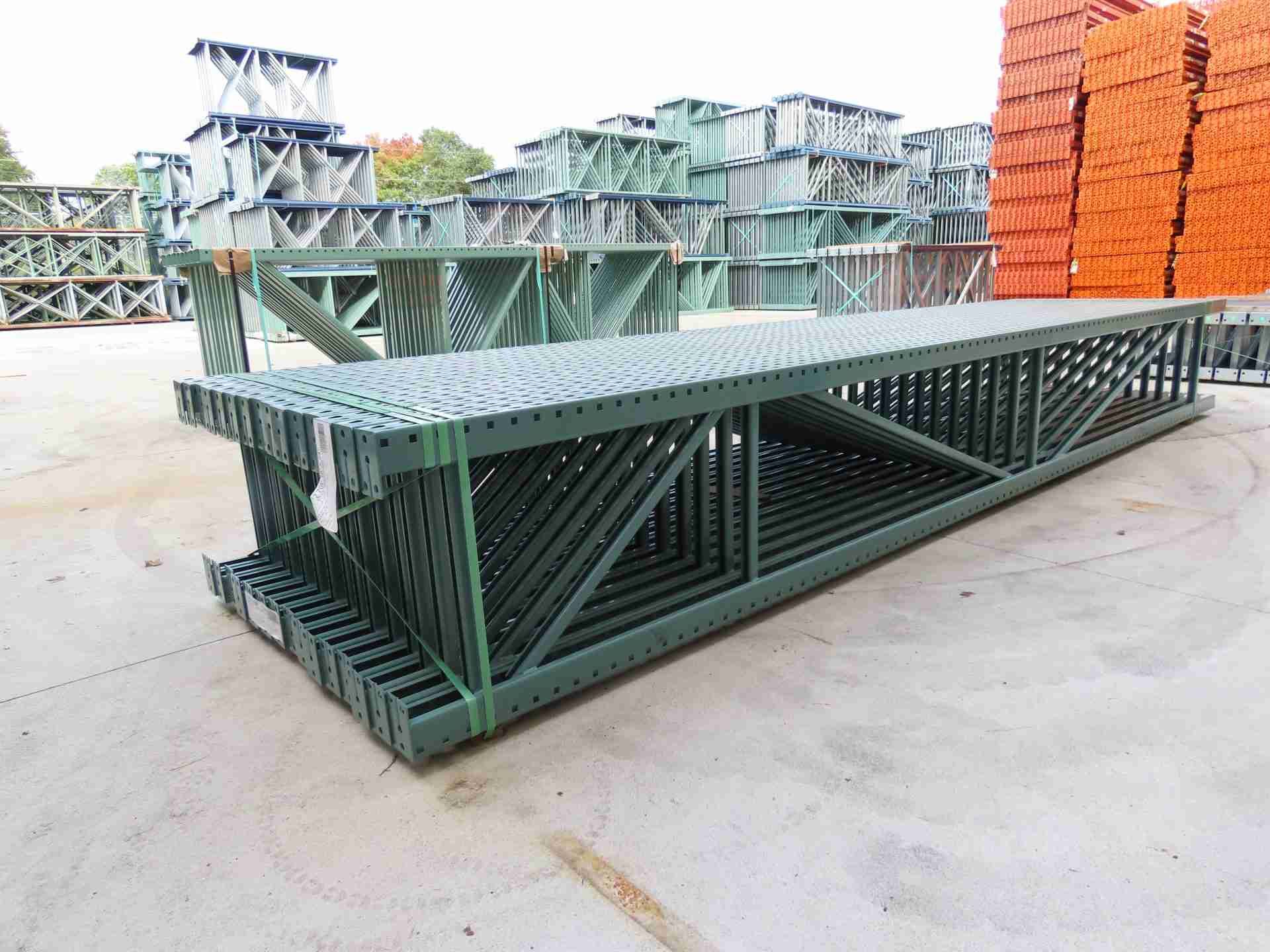
How Does Pallet Racking Improve Drug Storage Efficiency?
How Does Pallet Racking Improve Drug Storage Efficiency?
- Pallet racking is essential for precise, organized, and dependable medicine storage, preventing guesswork and clutter.
- It ensures every medicine item is properly placed, avoiding disorganized stacks and increasing efficiency.
- Pallet racking streamlines drug storage by making items easy to find and quick to move, reducing errors and wasted time.
- The system reflects respect for the medicine, emphasizing safety, minimizing waste, and preventing dangerous mix-ups.
- Proven through real-world use, pallet racking is tough, steady, adaptable, and reliable in demanding environments.
- It supports teamwork and smooth workflow by enabling clear organization and quick orientation for new personnel.
- Pallet racking builds confidence under pressure, safeguarding health, safety, and trust beyond just physical storage.

How Does Pallet Racking Improve Drug Storage Efficiency?
What Safety Standards Must Pallet Racks Meet In Drug Facilities?
When you’re dealing with pallet racking in a drug facility, safety isn’t just some line on a checklist—it’s the backbone of everything you do. Think about it: these racks are holding precious, life-saving products that people depend on every single day. One misstep, a rack failure, and it’s not just damaged goods; it could be a chain reaction affecting countless lives downstream. That’s why every inch of pallet racking has to meet tough safety standards—standards built on real-world experience and hard lessons learned.
The rules aren’t there for show. They’re grounded in cold, hard logic. Pallet racking in pharmaceutical settings must withstand heavy loads without wobbling or buckling, because these loads aren’t just boxes—they’re essential medicines. The racks need to be designed and installed by folks who know the weight and type of products inside, so you’re not just stacking blindly. Design, materials, and installation methods should comply with industry regulations like OSHA and ANSI, which spell out how racks must bear the strains of everyday wear and tear, seismic activity, or even the occasional forklift bump.
But it’s more than just the metal and bolts. It’s about ethics—holding yourself to a standard that puts people first. The workers who stock and pick from those racks should feel confident that the racks won’t fail under their feet. Patients receiving medications should trust that what they get is stored correctly, protected from collapse or contamination. That trust comes from knowing that a facility’s pallet racking system isn’t just slapped together for convenience, but built durable, inspected regularly, and maintained with care. This is the quiet kind of heroism that keeps the supply chain honest and reliable.
Every pallet racking system has a story—of sweat, sometimes close calls, and the hard-earned wisdom that only comes from being on the floor day after day. The folks who install it, inspect it, and work around it don’t just meet the rules; they live by them because their livelihoods and their community’s health depend on it. It’s a shared responsibility, where technical know-how meets respect for the product and the people behind it.
So when you look at a pallet racking system in a drug facility, you’re not just seeing shelves—you’re seeing a silent partner in a life-saving mission. The stakes are real, and so are the standards. Meeting those safety benchmarks isn’t optional. It’s essential. It’s honest work, done right.

What Safety Standards Must Pallet Racks Meet In Drug Facilities?
What Safety Standards Must Pallet Racks Meet In Drug Facilities?
- Safety is fundamental in pallet racking within drug facilities, as racks hold life-saving products essential to many lives.
- Pallet racks must meet strict safety standards based on experience and must handle heavy loads without failure.
- Design and installation must follow industry regulations like OSHA and ANSI to ensure durability against wear, seismic events, and forklift impacts.
- Ethical responsibility requires racks to be reliable, ensuring worker safety and proper storage to protect medication integrity.
- Regular inspection and careful maintenance are crucial to uphold the trust in the supply chain’s honesty and reliability.
- Those involved in installation and maintenance live by these safety standards, recognizing their shared responsibility for community health.
- Pallet racking systems are vital, silent partners in the life-saving mission of pharmaceutical supply, where meeting safety benchmarks is essential and non-negotiable.

What Safety Standards Must Pallet Racks Meet In Drug Facilities?
How Can Pallet Racking Reduce Product Contamination Risks?
When you’re running a warehouse, the last thing you want is products showing up busted, dirty, or worse—contaminated. That’s more than just a headache; it’s a hit to your credibility, your customers’ trust, and your bottom line. Here’s where pallet racking comes in, steady and reliable like the backbone of your operation, holding everything tight and tidy to keep those products safe and sound.
Think about it: when goods sit on the floor, they’re sitting ducks for dirt, spills, and who-knows-what crawling underfoot. A pallet racking system lifts everything off the ground, giving air a chance to circulate and letting you clean properly underneath. That prevents buildup of grime and detritus, cutting out a major entry point for contamination. It’s simple, solid common sense that saves you from expensive headaches and lost sales.
Not just clean floors, but organized stacking is crucial. Pallet racking keeps products separated and secure, stopping pallets from pressing into each other or leaning dangerously. This means less bruising, no crushed boxes, and less potential for cross-contamination—especially vital in food, pharmaceuticals, or anything where hygiene is king. When things are orderly, inspections go smooth, and your team knows exactly where everything is—no frantic dives into piles of stuff risking contact with harmful substances or mistakes.
Ethically, investing in pallet racking shows you’re serious about doing right by your customers and employees. It’s a physical commitment to safety and quality, underscoring you won’t cut corners. You’re not just stacking boxes; you’re safeguarding health, reputations, and livelihoods. That’s the kind of responsibility that builds trust stronger than any fancy marketing pitch.
Experience tells you a warehouse isn’t a wild west; it’s a carefully managed ecosystem. Pallet racking gives you control over that ecosystem, cutting down accidents, contamination, and waste. Running your operation with pallet racking isn’t just about compliance—it’s about pride in your work and respect for those who rely on your products.
Picture a clean, well-organized warehouse—rows of pallet racking holding everything neatly in place. It’s a quiet, sturdy promise that you’re handling your business right. That’s confidence you can see and trust, day in, day out.

How Can Pallet Racking Reduce Product Contamination Risks?
How Can Pallet Racking Reduce Product Contamination Risks?
- Pallet racking prevents products from being damaged, dirty, or contaminated, protecting credibility and customer trust.
- Lifting goods off the floor allows air circulation and easier cleaning, reducing grime buildup and contamination risks.
- Organized stacking with pallet racking prevents pallets from pressing or leaning on each other, minimizing damage and cross-contamination.
- Proper organization facilitates smooth inspections and reduces the risk of mistakes or harmful contact during handling.
- Investing in pallet racking demonstrates a commitment to safety, quality, and ethical responsibility toward customers and employees.
- Pallet racking helps maintain a controlled warehouse ecosystem, reducing accidents, contamination, and waste.
- A clean, orderly warehouse with pallet racking instills confidence, pride, and trust in the operation’s management.
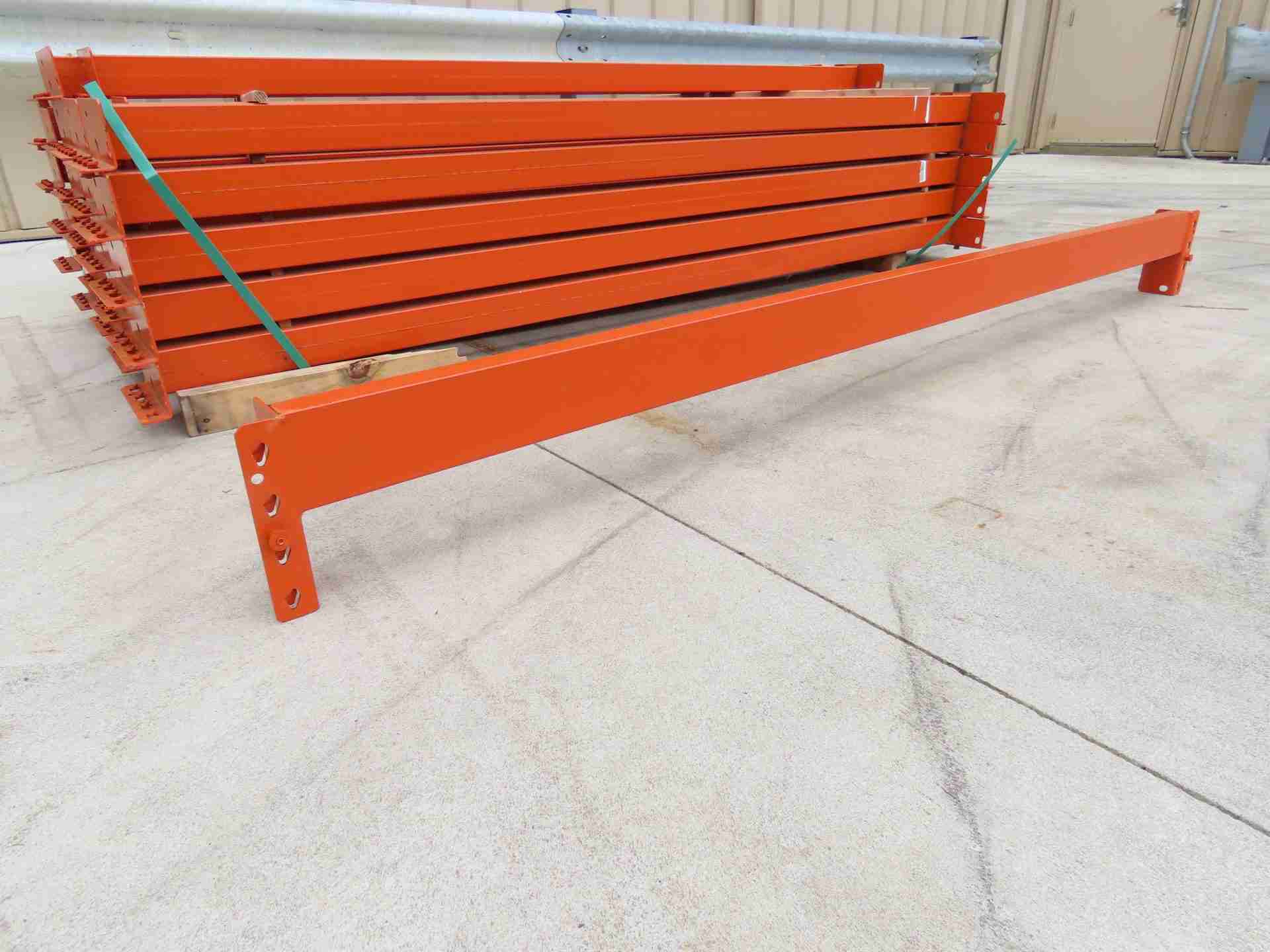
How Can Pallet Racking Reduce Product Contamination Risks?
How Does Pallet Racking Support Regulatory Compliance In Pharma?
You don’t get to the heart of pharmaceutical storage without rolling up your sleeves and respecting the rules that keep folks safe. Pallet racking isn’t just some metal shelves thrown together—it’s the backbone that holds everything in place, literally and figuratively. When you work in pharma, every pallet you stack tells a story about safety, precision, and care. Pallet racking systems help companies meet strict regulatory standards by keeping products organized, accessible, and off the ground where contamination or damage could creep in.
Think about it: regulators aren’t just setting arbitrary rules—they’re setting the bar for protecting human lives and maintaining trust in medicines you and I rely on. Pallet racking supports that mission by creating a clear, auditable trail. Every item has its place, properly labeled, and stored in a way that prevents mix-ups. That sort of order isn’t just neat; it’s essential to passing inspections and avoiding costly shutdowns. It’s straightforward: without solid pallet racking systems, you’re playing with fire, risking product integrity, and potentially failing on compliance.
From a hands-on perspective, it’s about efficiency too. Pallet racking cuts down the time workers spend searching for or handling products, reducing errors born from human frustration or haste. It’s a simple, but powerful way to keep pharma operations running smooth — and if you’ve ever been behind the scenes, you know how valuable that kind of reliability is. The system respects the work boots and sweat-earned wisdom of those on the floor, making sure everybody can do their job right, without second-guessing.
There’s an ethical dimension here as well. Pharma companies owe it to the public to uphold the highest standards—not just for profits or reputation, but because people’s health is on the line. Pallet racking contributes to keeping drugs safe, unspoiled, and traceable in every step from warehouse to patient. It’s a quiet champion in a story about responsibility and trustworthiness where the stakes couldn’t be higher.
Pallet racking helps pharma meet regulations not as a burden, but as a foundation of accountability and pride in craftsmanship. You want to trust what’s on those shelves—whether you’re stocking it, inspecting it, or taking it home to your family. That’s how pallet racking stands firm, protecting more than product: protecting integrity, safety, and peace of mind.
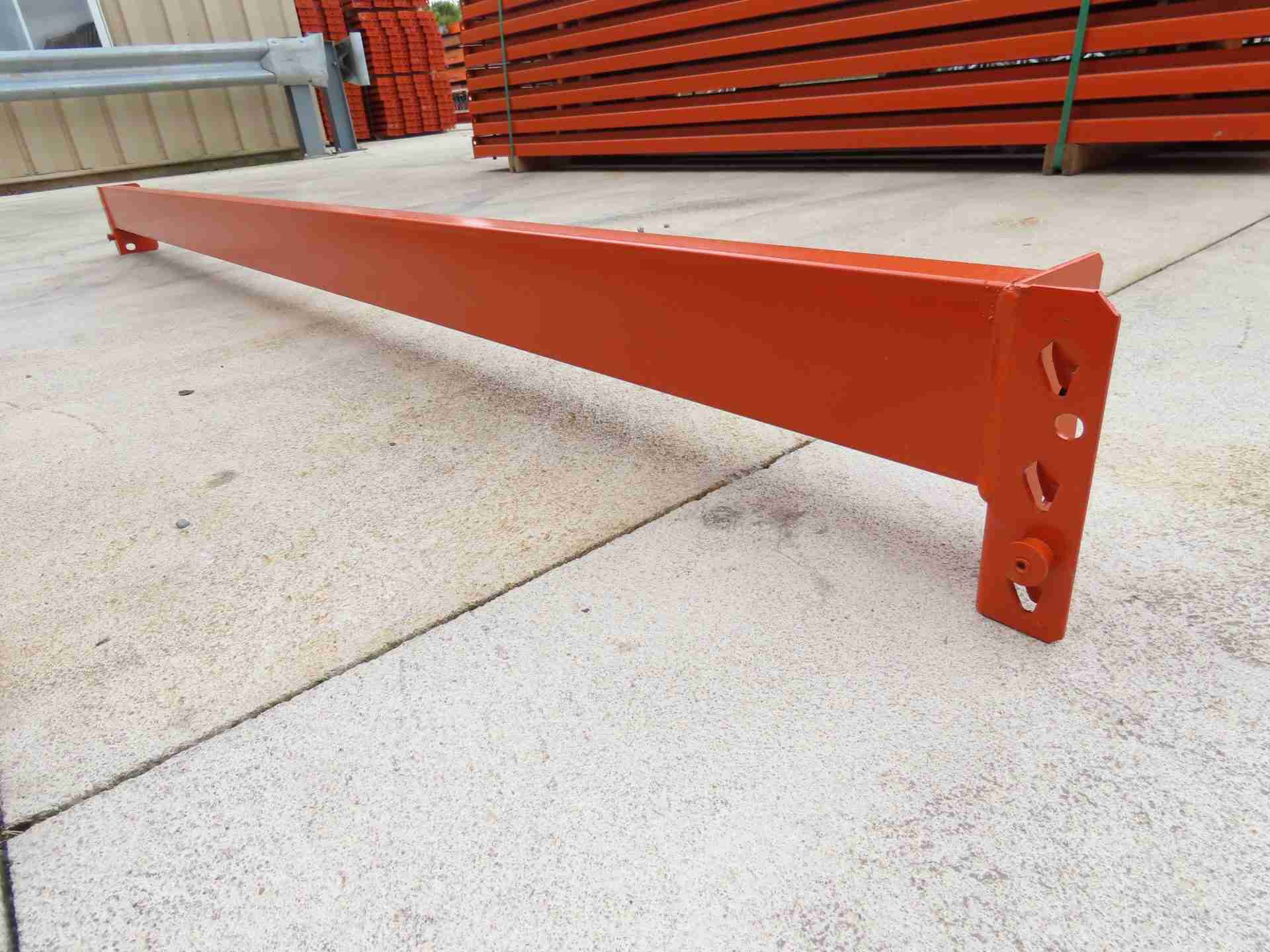
How Does Pallet Racking Support Regulatory Compliance In Pharma?
How Does Pallet Racking Support Regulatory Compliance In Pharma?
- Pallet racking is essential in pharmaceutical storage, ensuring safety, precision, and regulatory compliance by keeping products organized and protected from contamination or damage.
- Regulatory standards serve to protect human lives and maintain trust in medicines, with pallet racking providing a clear, auditable trail to prevent mix-ups and facilitate inspections.
- Effective pallet racking reduces time spent searching for products and minimizes errors, enhancing operational efficiency and reliability in pharma environments.
- The system supports frontline workers by enabling them to perform tasks accurately without second-guessing, respecting their expertise and effort.
- There is an ethical responsibility for pharma companies to uphold high standards, with pallet racking helping to keep drugs safe, traceable, and unspoiled throughout the supply chain.
- Pallet racking transforms regulatory compliance from a burden into a foundation of accountability and pride, supporting product integrity and operational safety.
- Ultimately, pallet racking protects more than just pharmaceuticals—it safeguards integrity, safety, and peace of mind for all stakeholders involved.
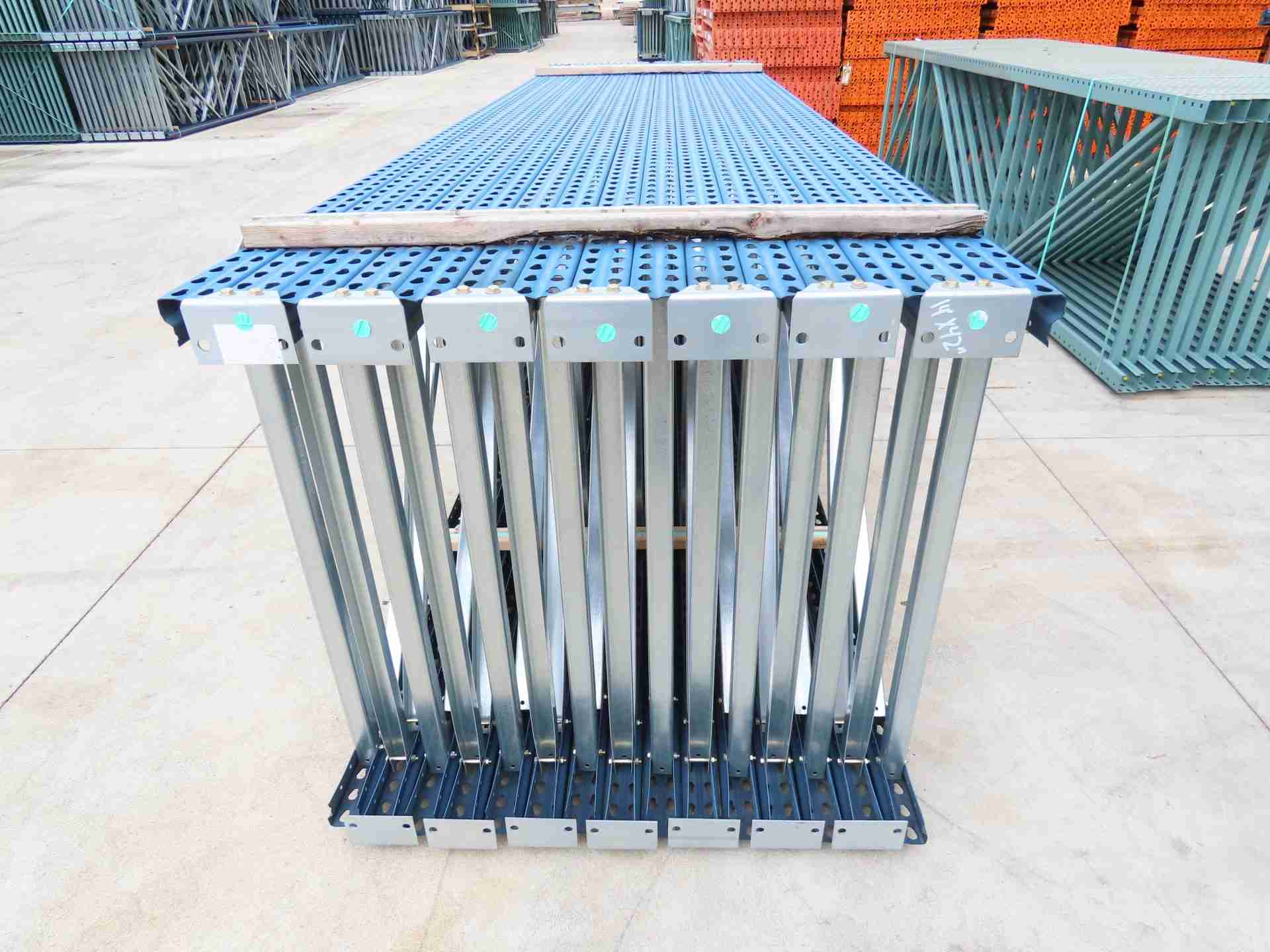
How Does Pallet Racking Support Regulatory Compliance In Pharma?
Can Pallet Racks Handle Temperature-Sensitive Injectable Drugs?
When you think about pallet racking, you usually picture stacks of heavy boxes in a warehouse, not the delicate world of temperature-sensitive injectable drugs. But here’s the thing: in the real, hard-knock world of supply chains and storage, pallet racks often become the unsung heroes safeguarding these life-saving meds. You don’t just toss temperature-sensitive injectables anywhere—you need a system that’s sturdy, reliable, and smart enough to work alongside precise climate controls. Pallet racking isn’t just about holding weight; it’s about holding trust.
These racks stand like quiet sentinels, making sure your products don’t get tossed around or crushed, keeping the injectables in their safe spots. What’s more, good pallet racking setups don’t fight the cool air—they let refrigeration systems do their job without getting in the way. When you’re dealing with injectables that can’t take a hit from heat or humidity, every degree counts, and organized pallet racking helps maintain that environment by maximizing airflow and reducing clutter. It’s a simple idea, but it matters. It’s about respect for what’s inside those boxes: medicines that touch lives, ease pain, and save futures.
Look, folks who work in warehouses and distribution centers know this isn’t just a routine job. Handling temperature-sensitive drugs demands sharp attention and a deep sense of responsibility. Pallet racking systems that are thoughtfully designed and properly maintained speak to that ethic—they say, “We care about the product. We care about the patient on the other end of the line.” It’s that solid, no-nonsense reliability that builds confidence because if those racks fail, it’s not just inventory lost—it’s trust broken.
Trust grows from hard-earned experience. Anyone who’s spent years in storage knows that the right pallet racking system isn’t a nice-to-have; it’s a must-have. It’s about being smart with space and protective enough to guard something that’s more fragile than most goods. Pallet racking might seem straightforward, but it plays a vital role in a bigger mission — keeping temperature-sensitive drugs exactly where they belong until the moment they’re needed most. That’s why these racks matter, plain and simple. They do their job without fuss, holding onto hope, one pallet at a time.

Can Pallet Racks Handle Temperature-Sensitive Injectable Drugs?
Can Pallet Racks Handle Temperature-Sensitive Injectable Drugs?
- Pallet racking plays a critical role in storing temperature-sensitive injectable drugs, ensuring they are kept safe and secure.
- These racks work alongside precise climate controls to maintain the necessary conditions for delicate medicines.
- Properly designed pallet racking maximizes airflow and reduces clutter, helping refrigeration systems maintain optimal temperature and humidity.
- The systems protect products from damage such as being tossed around or crushed, preserving drug integrity.
- Warehouse workers handling these drugs require attention and responsibility, reflected in the design and maintenance of pallet racking.
- Reliable pallet racking builds trust by safeguarding not just inventory but the patients relying on these medicines.
- Pallet racking is essential for efficient space use and protecting fragile, life-saving drugs until they are needed.
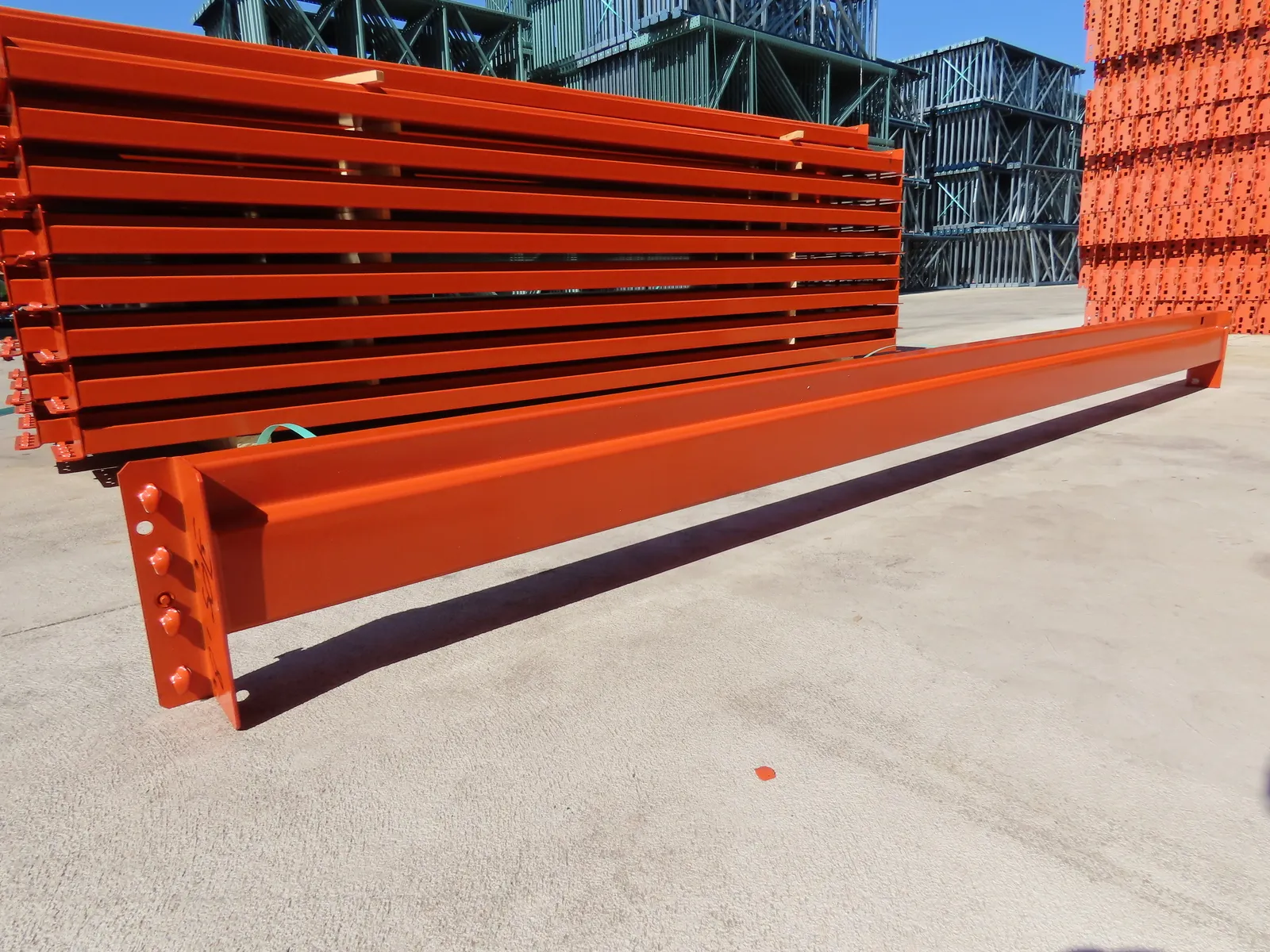
Can Pallet Racks Handle Temperature-Sensitive Injectable Drugs?
Does Pallet Racking Improve Inventory Accuracy for Injectables?
Look, when you’re dealing with injectables, every vial matters. A missed dose or outdated batch isn’t just a paperwork screw-up—it can mean real harm down the line. Pallet racking isn’t just fancy shelving; it’s a lifeline that keeps everything visible and organized. When pallet racking is set up right, it’s like giving your inventory a clear map that anyone can follow, no guesswork involved. You know where each pallet stands, how long it’s been there, and when it needs to move out. It’s not just about stacking boxes; it’s about stacking trust in what you handle daily.
From a practical standpoint, pallet racking cuts down on those maddening moments when you shuffle through a cluttered warehouse, hunting for a specific batch or trying to confirm if something’s expired. It’s a system that forces order on chaos, making accuracy less of a hope and more of a given. The fewer mistakes you get on inventory counts, the better your team can track injectables, schedule usage, and keep quality top-notch. That’s saving time, headaches, and potentially lives. People who’ve worked in storage or distribution know the gut punch of missing a critical piece of info that screws up the whole process—pallet racking helps close that gap.
Ethically, when you’re handling something as sensitive as injectables, you owe it to patients and your community to be precise. Pallet racking supports that commitment by providing a dependable, repeatable way to manage inventory. It’s standing up and saying, “We care enough to do this right.” No shortcuts. No flimsiness. Just straightforward, honest storage. And that breeds confidence not only in the storage team but in everyone downstream—from pharmacists to nurses.
There’s a reason pallet racking is a staple in warehouses across industries. It’s built on decades of know-how, tested and trusted, making sure what goes on the shelf is exactly what comes off. When injectables are involved, you want a system that’s proven, solid, and no-nonsense. In warehouses where pallet racking rules the roost, people share stories about streamlining processes and cutting errors—it creates a culture of accountability and pride. It’s not just storage; it’s a backbone for accuracy that everybody can rely on.

Does Pallet Racking Improve Inventory Accuracy for Injectables?
Does Pallet Racking Improve Inventory Accuracy for Injectables?
- Every vial of injectables is critical; missed doses or outdated batches can cause serious harm.
- Pallet racking provides visible, organized storage, creating a clear inventory map to eliminate guesswork.
- It reduces time spent searching for specific batches and helps confirm expiration dates, ensuring accuracy.
- Improved accuracy supports better tracking, scheduling, quality control, and ultimately saves time and lives.
- Handling injectables ethically requires precise inventory management, which pallet racking enables.
- Pallet racking systems are proven, reliable, and built on decades of industry experience.
- It fosters a culture of accountability, pride, and confidence throughout the entire supply chain.

Does Pallet Racking Improve Inventory Accuracy for Injectables?
Conclusion
Injectable drug facilities lean on pallet racking like a trusted workhorse—no flashy gimmicks, just solid, proven systems that keep life-saving meds safe, organized, and ready when the clock’s ticking. These racks aren’t merely shelves; they’re the quiet backbone in a high-stakes game where every pallet carries more than just cargo—it carries hope, health, and sometimes, a second chance. The real muscle behind the scenes is how pallet racking slices through chaos, carving out order in what could easily become a sprawling mess. With thousands of pallets arriving daily, space is gold, and efficiency isn’t optional; it’s survival. A well-laid-out rack system means the right dose is pulled at the right time, cutting waste and errors that could otherwise cost lives.
There’s an ethical weight here that can’t be overstated. Every bolt, beam, and pallet handler plays a part in a trust that folds out from the facility to the farthest patient. The racks stand firm not just under the weight of boxes but under the responsibility of keeping products uncontaminated, intact, and compliant with strict safety standards. These aren’t just rules on paper—they reflect real-world lessons learned the hard way. When safety standards guide design and maintenance, everyone from forklift operators to pharmacy staff can breathe a little easier, knowing the system won’t fail when it matters most.
Contamination is the enemy, and pallet racking fights it quietly but effectively by keeping pallets off the floor, allowing airflow and cleanliness where a single slip could taint a whole batch. It’s common sense done right—keeping stacks orderly prevents damage and cross-contamination, which is vital where hygiene isn’t negotiable. This respect for the product mirrors a respect for the people behind it—workers and patients alike.
In pharmaceutical settings, meeting regulatory demands isn’t just about checking boxes; it’s a matter of integrity. Robust racking systems build a trail of accountability so products don’t just disappear into the fog. They support precision and speed, making sure every batch is where it should be, fully traceable and ready to pass rigorous inspections. It’s a system that turns hard-won experience into everyday reliability.
For temperature-sensitive injectables, pallet racking teams up with climate control to guard fragile meds, ensuring they’re neither crushed nor overheated. It’s subtle but critical support that keeps refrigeration systems effective and drugs safe until the moment they’re needed. That quiet care speaks volumes about the seriousness with which these facilities take their mission.
Finally, accuracy in inventory—a non-negotiable in injectable drug storage—is sharpened by pallet racking’s orderliness. No more digging through piles or scrambling for a missing batch. The system transforms chaos into a clear, traceable map that workers trust and follow. This precision isn’t just good business; it’s a moral imperative. Every vial accounted for could mean a life saved, a treatment not missed.
Pallet racking might seem low-key, but it’s the hard-nosed, no-nonsense backbone of injectable drug storage—a sturdy, silent partner carrying responsibility heavier than steel. It’s where common sense meets craftsmanship, providing a foundation that supports safety, trust, and a straightforward kind of pride in getting the job done right.

Conclusion
Conclusion:
- Pallet racking serves as a reliable system in injectable drug facilities, ensuring medications are safe, organized, and ready for timely use.
- These racks provide essential order and efficiency, managing thousands of pallets daily where space and accuracy are critical to survival.
- They uphold strict safety standards, maintaining product integrity and contamination prevention while supporting staff confidence.
- By keeping pallets off the floor and organized, the racks reduce contamination risks and physical damage to sensitive products.
- The system ensures full traceability and regulatory compliance, supporting accurate inventory management and rigorous inspections.
- Pallet racking works in conjunction with climate control to protect temperature-sensitive medications, preserving their effectiveness.
- The organized design eliminates inventory errors, enabling precise tracking that contributes directly to patient safety and treatment success.

Conclusion
Other Resources
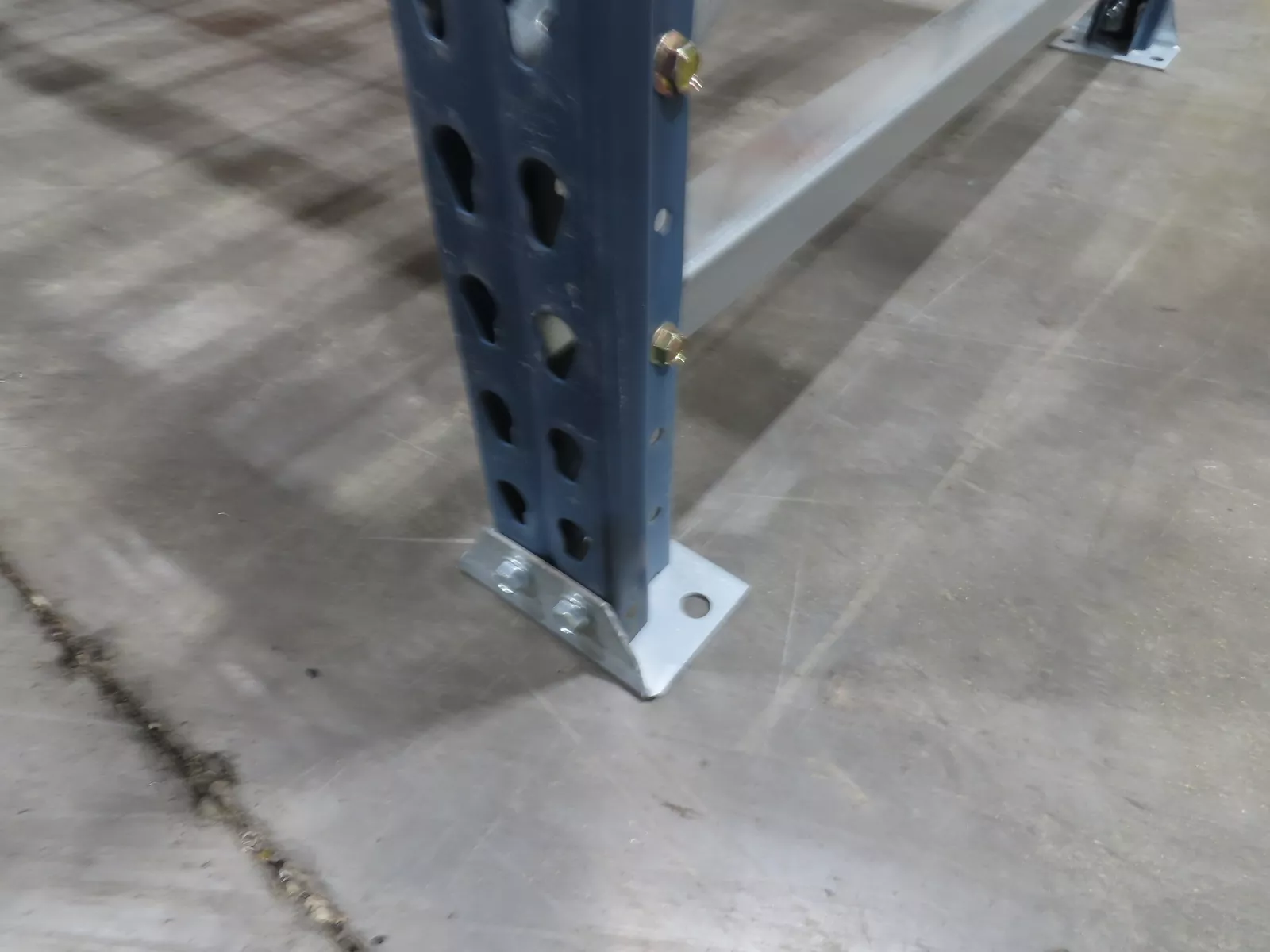
Other Resources
Here is a list of other resources you can review online to learn more:
- Selective Pallet Racking Systems – Container Systems
- Teardrop Pallet Rack – Ridg-U-Rak
- Warehouse Racks, Warehouse Racking in Stock – ULINE
- Teardrop Industrial Shelving Rack
- What is Selective Racking: Understanding Benefits & Options
- Warehouse Racking Systems: Beginner’s Guide to Rack Systems
- Heavy-Duty Cantilever Storage Racks
- International Warehouse Logistics Association
- Cantilever Rack Guide: Ordering Cantilever Racking
- Total Warehouse
- Pallet Rack Systems – New and Used Pallet Racking and Shelving Experts
- Crane Manufacturers Association Of America Inc.
- Cantilever Racks Chicago
- Pallet Racking systems in Illinois, Great Lakes
- IIWS Inc. Rack Installation Illinois & Rack Repairs Illinois
- IWLA
- Selective Racking
- Selective Rack – Raymond West
- SEMA
- Storage Equipment Manufacturers’ Association
Use This Prompt To Get More Resources With Your Favorite Online AI Tool: Please provide me with a list of online articles with their URLs in a bulleted list that I can read regarding How Do Injectable Drug Facilities Leverage Pallet Racking?
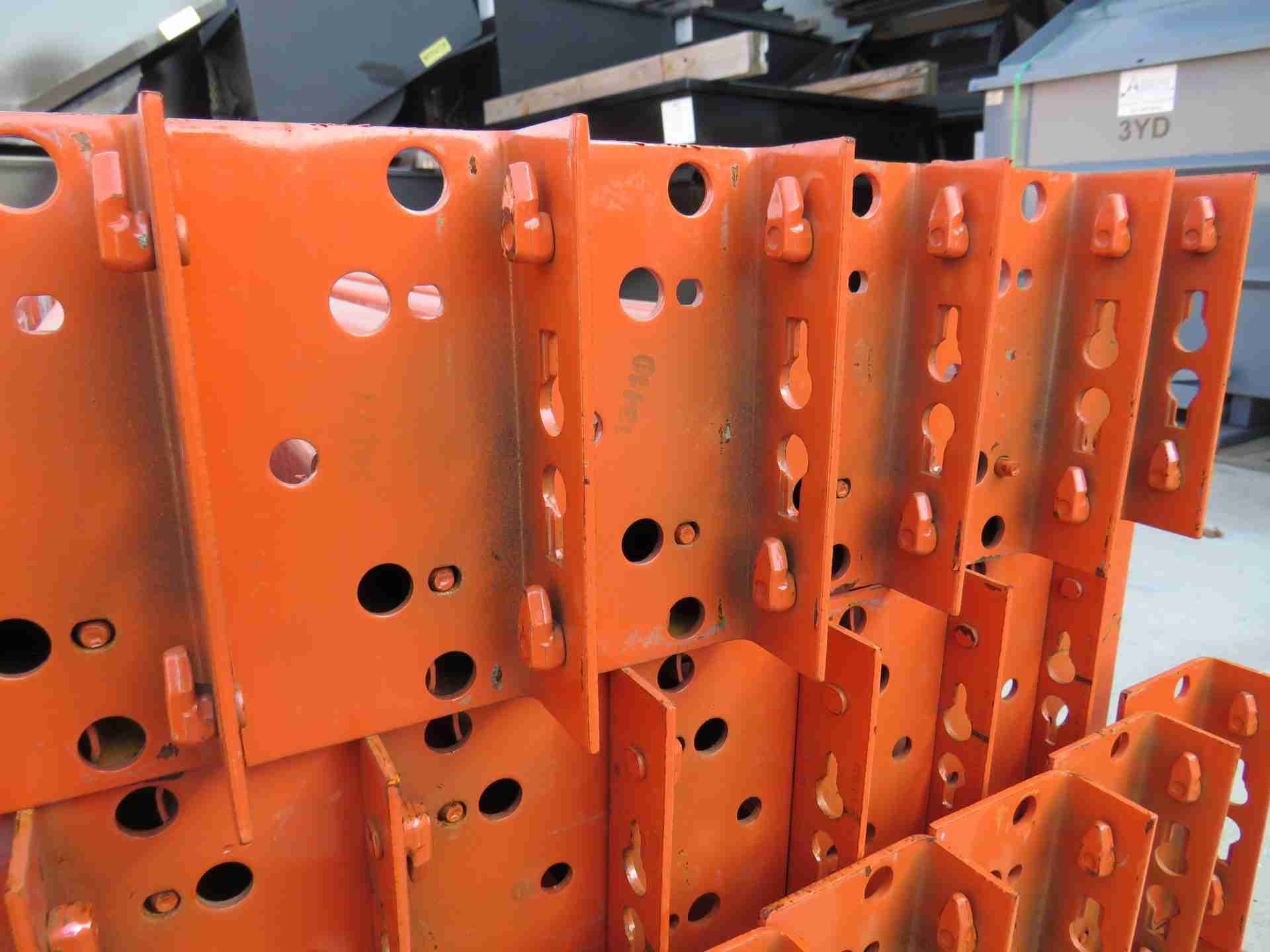
Other Resources
Glossary Terms
How Do Injectable Drug Facilities Leverage Pallet Racking? – Glossary Of Terms
1. Pallet Racking: A storage system designed to hold materials on pallets in horizontal rows with multiple levels.
2. Injectable Drugs: Medications administered via injection, requiring careful handling and storage.
3. Warehouse Optimization: Efficient use of space and resources within a storage facility.
4. Inventory Management: The process of tracking and controlling stock levels and movements.
5. Load Capacity: The maximum weight a pallet rack or shelf can safely support.
6. Vertical Storage: Utilization of vertical space to increase storage density.
7. Picking Efficiency: Speed and accuracy in selecting and retrieving products from storage.
8. Cold Chain Storage: Temperature-controlled storage to preserve drug efficacy.
9. Cross-Docking: Direct transfer of goods from inbound to outbound transport without storage.
10. Accessibility: Ease of reaching stored products when needed.
11. FIFO (First In, First Out): Inventory method where older stock is used before newer stock.
12. LIFO (Last In, First Out): Inventory method where newer stock is used before older stock.
13. Safety Compliance: Adherence to regulations ensuring safe storage and handling of drugs.
14. Load Stability: Ability of stacked pallets to remain secure and stable.
15. Space Utilization: Percentage of warehouse space effectively used for storage.
16. Slotting: Organizing inventory in warehouse locations for optimal flow.
17. Mezzanine Floors: Intermediate floors to increase usable storage area in a facility.
18. Automated Storage and Retrieval Systems (ASRS): Technology for automatically placing and retrieving items from storage.
19. Pallet Jack: A tool used to lift and move pallets within a facility.
20. Racking Configuration: Design and arrangement of pallet racks for specific storage needs.
21. Aisle Width: Space between racks for movement of personnel and equipment.
22. Load Distribution: Even spreading of weight across pallet racking for safety.
23. Temperature Monitoring: Tracking environmental conditions to maintain drug quality.
24. Regulatory Standards: Official guidelines governing storage of injectable drugs.
25. Block Stacking: Placing pallets directly on the floor without racks.
26. Traceability: Ability to track the history and location of stored drugs.
27. Material Handling Equipment: Devices used to move, store, and control materials.
28. Inventory Turnover: Rate at which inventory is used or sold.
29. Hazardous Material Storage: Specialized storage requirements for dangerous substances.
30. Facility Layout: The physical arrangement of storage and work areas within a warehouse.
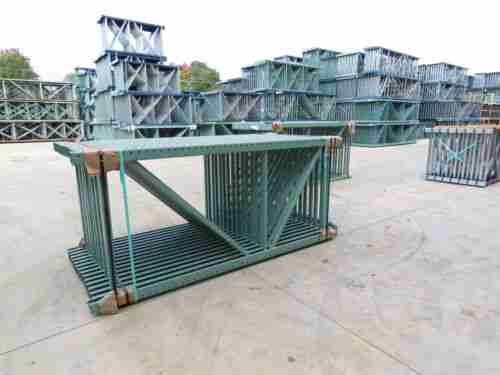
Glossary Of Terms
Other Questions
How Do Injectable Drug Facilities Leverage Pallet Racking? – Other Questions
If you wish to explore and discover more, consider looking for answers to these questions:
- What types of pallet racking systems are best suited for injectable drug facilities?
- How do you choose racking based on pallet size, weight, and load capacity?
- What are the specific design requirements for racking in temperature-controlled (cold chain) environments?
- How does pallet racking affect airflow and temperature uniformity in refrigerated rooms?
- What spacing and aisle width are optimal for safe forklift operation and efficient picking?
- How should racks be anchored and braced for seismic zones or high-wind areas?
- What safety accessories (column guards, backstops, row spacers) are recommended for pharma racking?
- How frequently should pallet racking be inspected and by whom?
- What are common signs of rack damage or fatigue that require immediate action?
- What are the proper procedures for repairing or replacing damaged rack components?
- Which industry standards and regulations (OSHA, ANSI, FDA, GMP) apply to pallet racking in pharma facilities?
- What documentation and certifications are needed to demonstrate compliance during audits?
- How can pallet racking systems be validated or qualified for use with injectable drugs?
- What inventory control strategies (FIFO, FEFO, LIFO) work best with pallet racking for injectables?
- How do barcode, RFID, or WMS integrations improve inventory accuracy on pallet racking?
- What are best practices for lot tracking, expiration management, and recall readiness?
- How can pallet racking reduce contamination risk and what cleaning protocols are required?
- What materials and coatings for racks reduce contamination and withstand cleaning agents?
- How should storage segregation be implemented for different drug classes, sterile vs. non-sterile products?
- What pallet types and conditions are acceptable to minimize contamination and product damage?
- How is load stability ensured on racks to prevent shifting, crushing, or cross-contamination?
- How do fire protection systems (sprinklers, deluge) interact with pallet racking layouts and codes?
- What are the implications of rack height on fire safety, egress, and sprinkler effectiveness?
- How do you design racking layouts to support rapid access during emergency or urgent orders?
- What training and certification should staff handling pallet racking and forklifts have?
- How should SOPs be written for rack use, inspection, loading limits, and incident reporting?
- Can pallet racking be used with automated systems (AS/RS, conveyors, robotic picking) for injectables?
- What retrofitting options exist to upgrade existing racking for pharmaceutical storage requirements?
- What are the cost considerations and ROI for installing or upgrading pallet racking in drug facilities?
- How are temperature and humidity monitoring systems integrated with racking layouts?
- What backup power and alarm systems are needed to protect temperature-sensitive products stored on racks?
- How should controlled substances or high-value injectables be secured on pallet racks?
- What recordkeeping practices should be maintained for inspections, maintenance, and loading histories?
- How do you plan rack layout to support cleanroom interfaces or sterile handling areas?
- What environmental monitoring (particle counts, microbiological sampling) is necessary around racked storage?
- How do local building codes and insurance requirements affect pallet racking design in pharma warehouses?
- What vendor qualifications and third-party certifications should you require when procuring racking?
- How do seasonal or supply-chain fluctuations influence racking capacity planning and reserve storage?

Other Questions
Checklist
How Do Injectable Drug Facilities Leverage Pallet Racking? – A Checklist
Checklist Details
✅______ Facility: __________
✅______ Area: __________
✅______ Date: __________
✅______ Reviewer: __________
Strategy and Layout
✅______ Layout supports FIFO/FEFO flows with minimal travel and clear pick/putaway paths
✅______ Aisle widths match material handling equipment (MHE) turning radius and lift heights
✅______ Dedicated zones for quarantine, released, returns, rework, and hazardous items
✅______ Clear location numbering and signage visible from operating distance
✅______ Adequate headroom for sprinklers, lighting, and sensors
Rack Specification and Installation
✅______ Racks designed per RMI/ANSI MH16.1 and local building/seismic codes
✅______ Anchors installed per manufacturer specifications; torque verified and recorded
✅______ Beam locks or locking clips installed on all beam levels
✅______ Row spacers, wall ties, and bracing installed where required
✅______ Load plaques posted with rated capacity per bay and per beam level
Load Management
✅______ Engineering calculations on file for maximum unit load, beam spacing, and deflection
✅______ Pallet quality standard defined (dimensions, condition, allowable damage)
✅______ No overhang beyond beam depth unless engineered
✅______ Heaviest loads stored at lowest safe beam levels
✅______ Seismic restraints or backstops where required
Fire Protection and Flue Spaces
✅______ Longitudinal and transverse flue spaces maintained; targets documented
✅______ Storage height, commodity class, and packaging assessed for NFPA/FM compliance
✅______ Decking type (wire or solid) compatible with sprinkler design (ESFR or in-rack, as applicable)
✅______ No obstruction of sprinklers or detectors by loads or signage
✅______ Hot work and spark-producing activities controlled near racking
Environmental Controls (Cold, Cool, Ambient)
✅______ Temperature mapping completed for each storage zone and rack elevation
✅______ Airflow paths unobstructed; perforated decking used where needed
✅______ Calibrated probes or data loggers at representative rack locations
✅______ Alarm thresholds, notifications, and response SOPs tested
✅______ Backup power and contingency plans for temperature excursions
Contamination Control and GMP
✅______ All product stored off the floor; bottom beam level provides cleaning access
✅______ Cleaning SOPs for racks, beams, and decking; compatible detergents and disinfectants
✅______ Scheduled cleaning records maintained; no corrosion or paint flaking
✅______ Segregation to prevent cross-contamination (potency, allergens, cytotoxics)
✅______ Spill control materials and trays for liquids where applicable
✅______ Pest monitoring and dock hygiene controls active near racking
Materials and Pallets
✅______ Non-shedding, cleanable rack surfaces; damage-free coatings
✅______ Pallet policy (plastic or heat-treated wood) defined for GMP and cold environments
✅______ Stretch wrap and strapping standards prevent shedding and collapse
✅______ No bare wood in controlled areas unless justified and controlled
Inventory Control and Accuracy
✅______ Location barcodes or IDs at each bay and beam; scannable from floor or MHE
✅______ WMS integrated with directed putaway and FEFO enforcement
✅______ Two-step scan verification for high-risk or high-value items
✅______ Cycle count schedule defined; variance thresholds trigger CAPA
✅______ Status labeling (quarantine/released/rejected) standardized and enforced
✅______ Recall/traceability drill completed within the defined time target
Regulatory Compliance and Qualification
✅______ Compliance with 21 CFR 211, EU GDP, and applicable GDP/GMP guidelines
✅______ IQ/OQ/PQ or fit-for-use qualification completed for racking and storage areas
✅______ Change control in place for layout, elevations, capacities, or equipment
✅______ Controlled document set: drawings, calculations, load plaques, SOPs, validations
✅______ DEA requirements met for controlled substances, if applicable
Security and Controlled Substances
✅______ Restricted access to racked pharmaceuticals; badge-controlled entry
✅______ DEA cage design to deck or ceiling with compliant mesh and hardware
✅______ CCTV coverage of aisles, docks, and controlled areas; footage retention defined
✅______ Chain-of-custody and reconciliation procedures implemented
Worker Safety and Operations
✅______ Certified training for forklift and reach truck operators; refreshers current
✅______ Pedestrian aisles and crossings marked; speed limits enforced
✅______ No climbing on racks; mobile platforms used for manual access
✅______ End-of-aisle guards, column protectors, and rack-end barriers installed
✅______ Ergonomic pick heights and mechanical assists for heavy or awkward items
Inspection and Maintenance
✅______ Pre-shift MHE impact checks and issue reporting process active
✅______ Monthly in-house visual rack inspections documented
✅______ Annual third-party expert inspection; findings closed on time
✅______ Damage criteria (bends, twists, deflection) defined and posted
✅______ Spare parts kit (beams, clips, anchors) available; repairs only by qualified personnel
Receiving, Putaway, and Shipping
✅______ Dock-to-stock SOP ensures immediate status assignment and labeling
✅______ Quarantine locations physically and system restricted
✅______ Pallet height and weight checked before racking; over-dimension loads flagged
✅______ Clear staging zones to avoid blocking flue spaces and egress
✅______ FEFO pick sequencing validated in practice
Data, Monitoring, and Records
✅______ Temperature and humidity data trended; deviations investigated
✅______ Rack torque, anchor checks, and repair records retained
✅______ Audit trail for inventory moves complete and reviewable
✅______ KPIs tracked (inventory accuracy, damage rate, pick time, near-miss)
Emergency Preparedness
✅______ Rack impact response SOP (isolate bay, tag-out, assessment, repair)
✅______ Power outage and refrigeration contingency tested
✅______ Spill response and product salvage and quarantine procedures defined
✅______ Egress routes clear; drills conducted and documented
Completion Summary
✅______ Total items reviewed: ___
✅______ Items compliant: ___
✅______ Items requiring action: ___
✅______ High-priority corrective actions and owners: __________________________

Checklist
At RackingWorld, we help guide you through selecting warehouse storage systems and racking.
Be sure to read our other related stories at RackingWorld to learn more about warehouse storage systems.
0 Comments