
Maximizing Storage, Safety, And Savings With Cantilever Racking Solutions
By Tom Seest
At RackingWorld, we help guide you through selecting warehouse storage systems and racking.
Be sure to read our other related stories at RackingWorld to learn more about warehouse storage systems.
How Do Industrial Metal Wholesalers Leverage Cantilever Racking?
When you’re dealing with heavy, awkward lengths of metal—pipes, beams, tubing—stacking them on standard pallet racking feels like trying to jam a square peg into a round hole. That’s where cantilever racking steps in, no-nonsense and built tough to handle the kind of stuff that doesn’t fit neatly on pallets. Industrial metal wholesalers rely on cantilever racking because it’s a straightforward fix to a stubborn problem: maximizing storage space without sacrificing quick access.
Picture a warehouse floor where metal bars of all sizes lean safely on long arms instead of cramped shelves. Cantilever racking frees up space, letting wholesalers stack heavier, longer items without bending under pressure. It’s like giving each piece of metal room to breathe instead of cramming it into piles that make you guess where things are. This clear organization saves time and headaches, cutting down on mistakes and equipment wear. Straightforward, effective, and right in the wheelhouse of common sense.
Beyond just fitting odd shapes, cantilever racks stand up to the rough and tumble of daily warehouse life. They’re built from solid steel, ready to take hits and haul heavy loads, so managers and workers alike trust the system won’t collapse when the pressure’s on. That trust isn’t just about the metal—it comes from experience, knowing this kind of racking holds firm against the wear and tear the job demands. That reliability keeps the flow moving and keeps workers safe, which matters when every minute on the floor counts.
Ethically, it’s about doing things right—not forcing metal into spaces where it doesn’t belong, risking damage or injury. It’s about respecting the labor behind the scenes, giving folks a system that works as hard as they do without cutting corners. Industrial metal wholesalers aren’t just storing metal; they’re safeguarding investments, protecting jobs, and delivering quality to their customers in a way that’s honest and dependable.
Cantilever racking isn’t just another piece of warehouse equipment. It’s the backbone for wholesalers who know that handling heavy metal is a craft, one earned through years of trial and error. It’s the kind of straightforward solution built on solid experience, practical design, and a commitment to doing things the right way—because when it comes to heavy metal storage, there’s no substitute for getting it right the first time. Pallet racking has its place, but for the long stuff, cantilever racking calls all the shots.
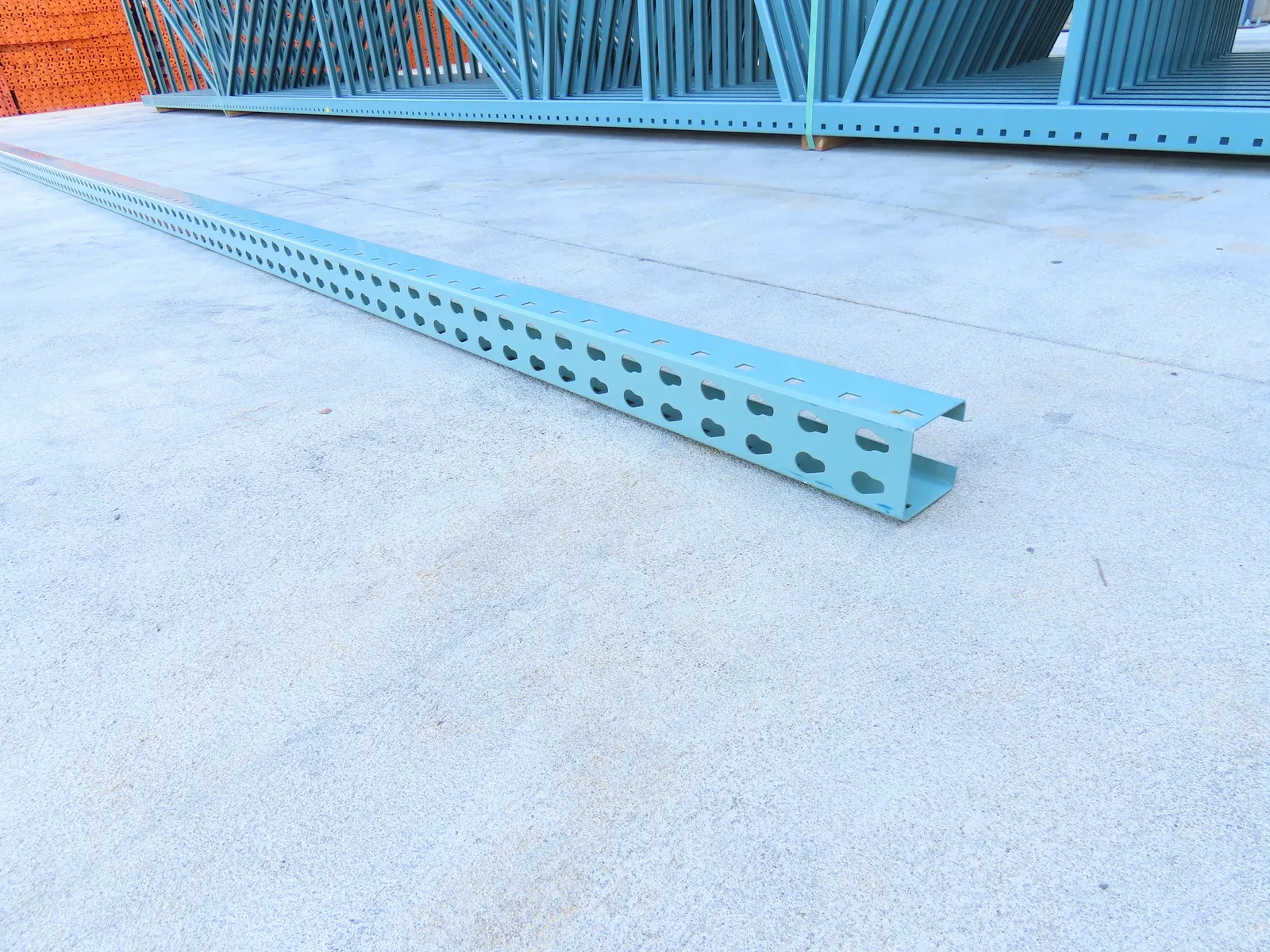
How Do Industrial Metal Wholesalers Leverage Cantilever Racking?
How Do Industrial Metal Wholesalers Leverage Cantilever Racking?
- Cantilever racking is designed to handle heavy, awkward metal lengths like pipes, beams, and tubing that don’t fit on standard pallet racks.
- It maximizes storage space while allowing quick access, suited for industrial metal wholesalers.
- Long arms provide safe, organized storage for metal bars, preventing damage and reducing guesswork.
- Constructed from solid steel, cantilever racks withstand heavy loads and daily warehouse wear and tear.
- The system’s reliability enhances workflow efficiency and worker safety in demanding environments.
- Ethically, it supports proper storage practices, protecting equipment, investments, and worker labor.
- Cantilever racking is a practical, experience-driven solution essential for storing long metal items, outperforming pallet racking in this role.

How Do Industrial Metal Wholesalers Leverage Cantilever Racking?
Table Of Contents
- How Do Industrial Metal Wholesalers Leverage Cantilever Racking?
- What Makes Cantilever Racking Ideal for Industrial Metal Storage?
- How Does Cantilever Racking Improve Warehouse Space Efficiency?
- Can Cantilever Racks Handle Irregular Metal Shapes Safely?
- What Emotional Benefits Do Workers Gain From Organized Storage?
- How Does Proper Racking Reduce Workplace Injuries and Risks?
- What Cost Savings Result From Using Cantilever Racking Systems?
- Conclusion
- Other Resources
- Glossary Of Terms
- Other Questions
- Checklist
What Makes Cantilever Racking Ideal for Industrial Metal Storage?
Look, when you’re dealing with heavy metal—pipes, bars, tubes, sheets—there’s no room for guesswork or flimsy setups. Cantilever racking is built tough because it knows what you’re throwing at it. Unlike pallet racking, which boxes you into standard-sized loads, cantilever arms stand free, open, and ready to handle all shapes and sizes. It’s like having a strong back you can rely on after a long day in the yard—no fuss, no squeezing, just pure solid support where you need it.
This isn’t just about muscle, though. It’s about making your job simpler and safer. Trying to cram oversized metal onto pallet racking or stack it in random piles is asking for accidents and wasted time. With cantilever, everything’s visible and accessible; you don’t have to guess what’s underneath or play a dangerous game of Jenga. That clear view means faster loading and unloading, fewer scrapes, less strain—and at the end of the day, less wear and tear on your crew and your gear. You can feel good knowing you’ve built a workspace that respects the craft and the workers behind it.
There’s also something to be said about the smart use of space. Warehouses aren’t bottomless pits; every square foot counts. Cantilever racks reach out to hold long, bulky items without forcing you to split them up or settle for awkward stacks. It’s a practical way to keep your inventory organized and easy to count—cutting down on headaches that come from misplaced materials or forgotten stock. Keeping things neat means quicker orders, happier clients, and a business that runs like a well-oiled machine. That’s the kind of trust and reliability every blue-collar pro wants behind their operations.
Ethically, if you respect your tools and your team, you invest in systems that protect both. Cantilever racking reduces the chances of injuries caused by overreaching or shifting loads. It’s an investment in safety that pays for itself through peace of mind and fewer sick days. When you choose solutions that prioritize well-being, you’re not just storing metal—you’re honoring the hands that handle it.
At the end of the day, cantilever racking isn’t just gear on the floor—it’s a backbone for your metal storage that toughens your workflow and steadies your confidence. Whether you wrestle with heavy steel daily or manage the inventory behind the scenes, it’s the straightforward, no-nonsense answer that makes your worksite safer, smarter, and just plain better. That’s the kind of practical wisdom you can stand behind.
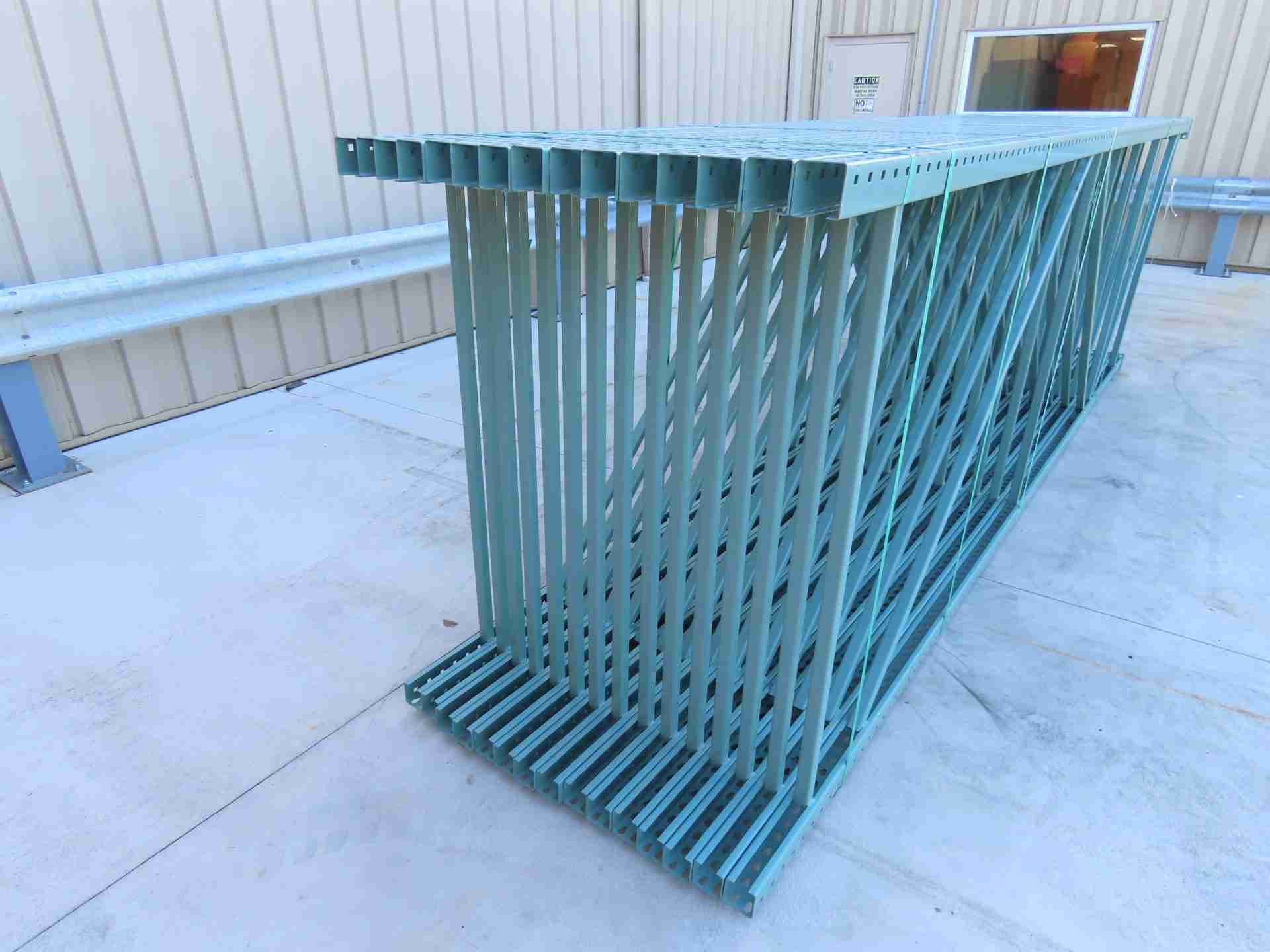
What Makes Cantilever Racking Ideal for Industrial Metal Storage?
What Makes Cantilever Racking Ideal for Industrial Metal Storage?
- Cantilever racking is designed to handle heavy metal items of all shapes and sizes, unlike pallet racking which limits load dimensions.
- It provides clear visibility and easy access, reducing accidents, strain, and damage during loading and unloading.
- Utilizes warehouse space efficiently by holding long, bulky materials without awkward stacking or splitting.
- Keeps inventory organized and easy to count, improving order speed and client satisfaction.
- Enhances worker safety by reducing risks from overreaching and shifting loads, resulting in fewer injuries.
- Represents an ethical investment that respects the tools and the people using them, promoting well-being.
- Serves as a reliable, sturdy backbone for metal storage, improving workflow and site confidence.

What Makes Cantilever Racking Ideal for Industrial Metal Storage?
How Does Cantilever Racking Improve Warehouse Space Efficiency?
Look, when you step into a warehouse that’s running smooth, there’s a certain kind of order that just feels right—like a well-oiled machine, where every inch counts. That’s where cantilever racking comes in, turning what could be a cluttered mess into a lean, mean storage system. Unlike traditional pallet racking that jams you into tight rows, cantilever racks open up the space, handling long, awkward loads—think pipes, lumber, or steel bars—with a kind of flexibility that makes your layout work smarter, not harder.
From a straight-up practical standpoint, cantilever racks let you stack horizontally without those pesky front columns getting in the way. That means faster loading and unloading, less wasted time, and fewer headaches moving bulky items. You probably know the drill: Every minute wasted crawling around trying to fit an odd-sized piece is a minute you’re not moving product or filling orders. So the ability to customize your storage—and use every inch—is money right back in your pocket.
But it’s not just efficiency for efficiency’s sake. When your warehouse runs tight without feeling cramped, your team can actually do their jobs better. Safety improves because everyone’s not sprawling into aisles or squeezing between pallet racking that was never meant for awkward loads. It’s respect for the crew who keeps things moving, day in and day out. That ethical commitment—that you’re not just stuffing stuff everywhere but investing in a system that protects your people—counts. It builds trust in your operation, which keeps morale up and turnover down.
This kind of storage also sends a signal. When suppliers, clients, or partners walk through your facility and see that organized, functional setup, they don’t just see pallets—they see professionalism. They see a company that values order, efficiency, and foresight. That reputation matters because word of mouth or a handshake deal can hinge on the confidence a well-run warehouse inspires.
So yeah, pallet racking systems are good, but cantilever racking takes that basic idea and strips away the nonsense. It’s built tough to handle your heavyweight items while squeezing every bit of room out of your space. It’s straightforward, reliable, and makes sense—kind of like how any good tool should. When you invest in cantilever racking, you’re not just improving your storage; you’re changing the way you work, step by step, load by load. And that’s the kind of improvement you notice—right down in your gut where the real work happens.
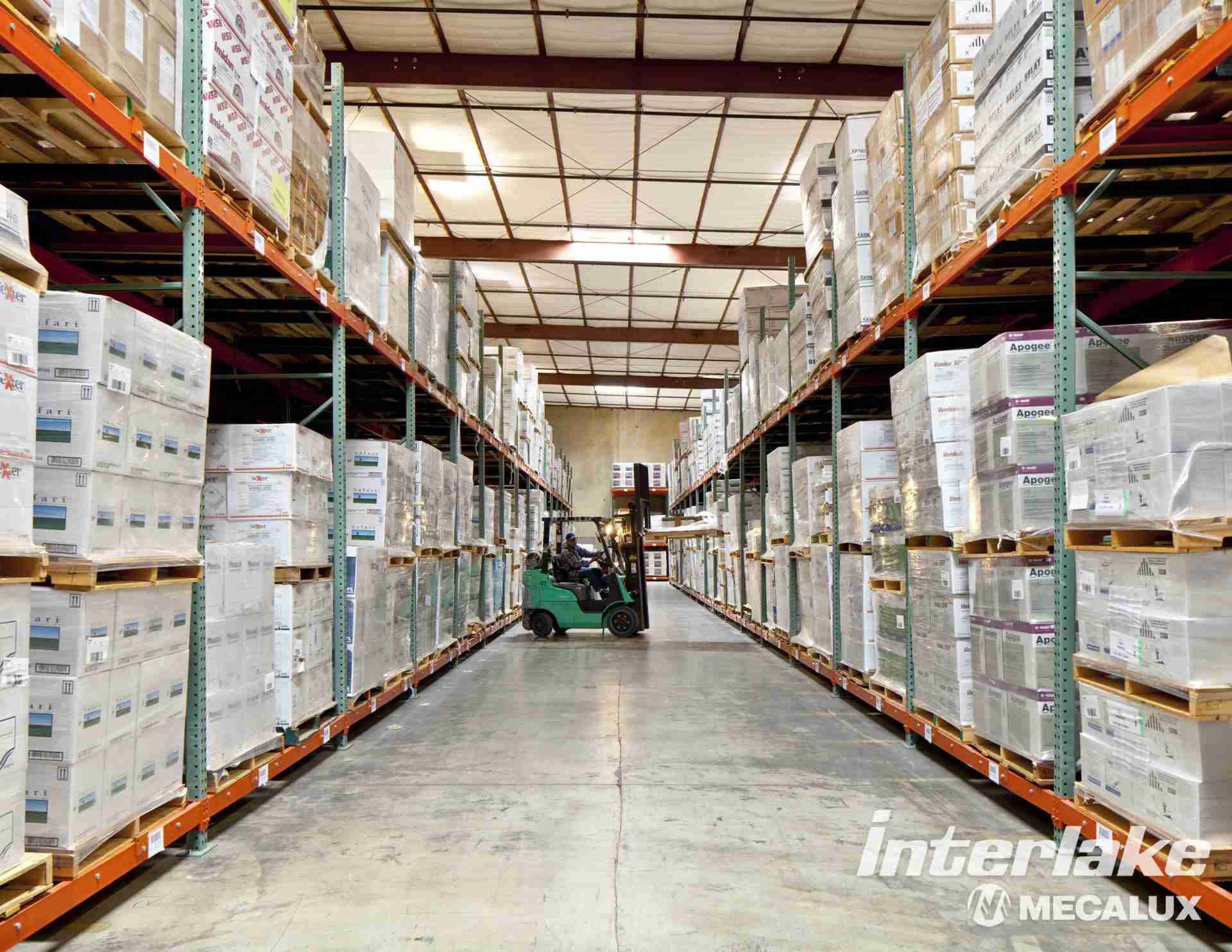
How Does Cantilever Racking Improve Warehouse Space Efficiency?
How Does Cantilever Racking Improve Warehouse Space Efficiency?
- Cantilever racking transforms cluttered warehouses into efficient, flexible storage systems ideal for long, awkward loads like pipes, lumber, and steel bars.
- Unlike traditional pallet racking, cantilever racks eliminate front columns, enabling faster loading and unloading and better use of space.
- Customizable storage solutions reduce wasted time and increase productivity, directly impacting cost savings.
- Improved warehouse layout enhances safety by preventing cramped aisles and protecting workers handling bulky items.
- Investing in cantilever racking demonstrates respect for employees, building trust, improving morale, and reducing turnover.
- An organized, functional warehouse projects professionalism to suppliers, clients, and partners, boosting reputation and business confidence.
- Cantilever racking is durable, straightforward, and maximizes storage efficiency, fundamentally improving warehouse operations step by step.
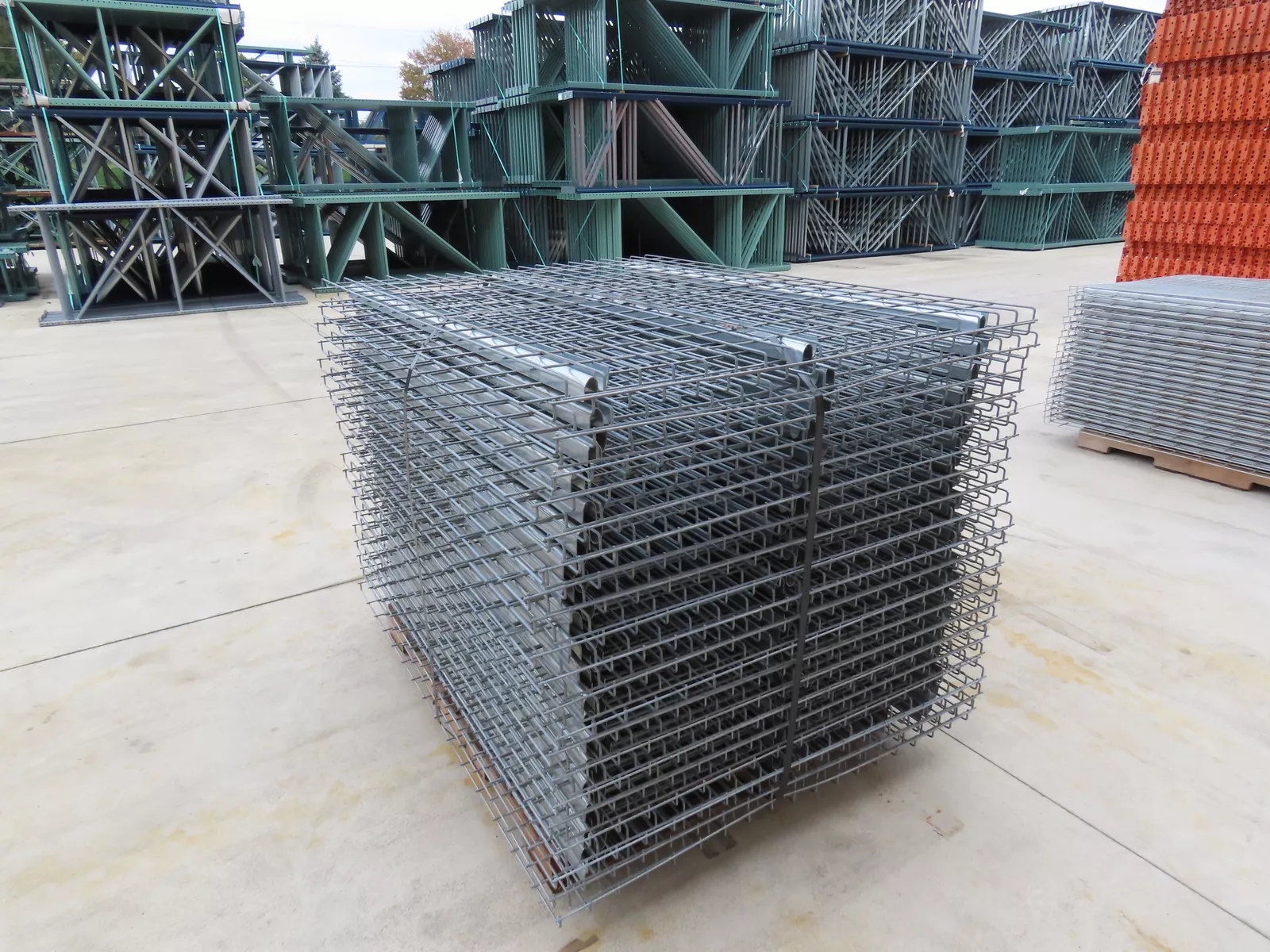
How Does Cantilever Racking Improve Warehouse Space Efficiency?
Can Cantilever Racks Handle Irregular Metal Shapes Safely?
When you’re staring down a pile of odd-shaped metal pieces—the kind that don’t fit neat and tidy on Pallet Racking—it’s easy to get that pit in your stomach. You know the ones: curved pipes, bulky sheets with jagged edges, pieces that look like they’d rather be in a scrapyard than stacked in a warehouse. The real question kicks in: Can cantilever racks handle this kind of weird, awkward stuff without turning your storage area into a danger zone? The answer isn’t just in tech specs or shiny brochures; it’s in real-world grit and smarts.
Cantilever racks were built for this kind of headache. They’re the workhorses of storage when the usual Pallet Racking just won’t cut it. Because there are no front columns getting in the way, you can slide those unwieldy metal shapes right in and stack ‘em higher and deeper. That open space isn’t just a luxury—it’s a lifeline when you’re dealing with sizes and shapes that scream “irregular.” You can set the arms to fit what you’ve got, adjusting as needed, giving you confidence that everything stays put, no matter how wonky it looks.
But let’s get real: it takes more than just equipment to keep that stuff safe. You need good eyes and hands that know what “secure” really means. Someone who understands that stacking isn’t about cramming every last bit of metal in, but about balance and stability—making sure your crew goes home without a scrape and your storage area doesn’t resemble a jigsaw puzzle gone wrong. When you match the right cantilever rack with solid anchoring and a bit of common sense, you’re not just storing metal; you’re protecting your people and your project.
There’s a pride that comes with mastering these messy storage challenges. It’s the kind of know-how passed down by folks who’ve seen what happens when careless stacking meets heavy, lopsided material. Using cantilever racks smartly isn’t just an option—it’s a testament to responsibility and respect for the job and those around you. Plus, it saves time and cuts down on headaches down the road, because a safe, reliable setup means fewer close calls and less chaos.
If you’re in the business of handling metals—especially the irregular kind—cantilever racks aren’t just furniture; they’re your partner in keeping the job site safe, clean, and efficient. They stand ready to turn your load from a liability into a winner. And that’s the kind of strength anyone who works with metal can respect.
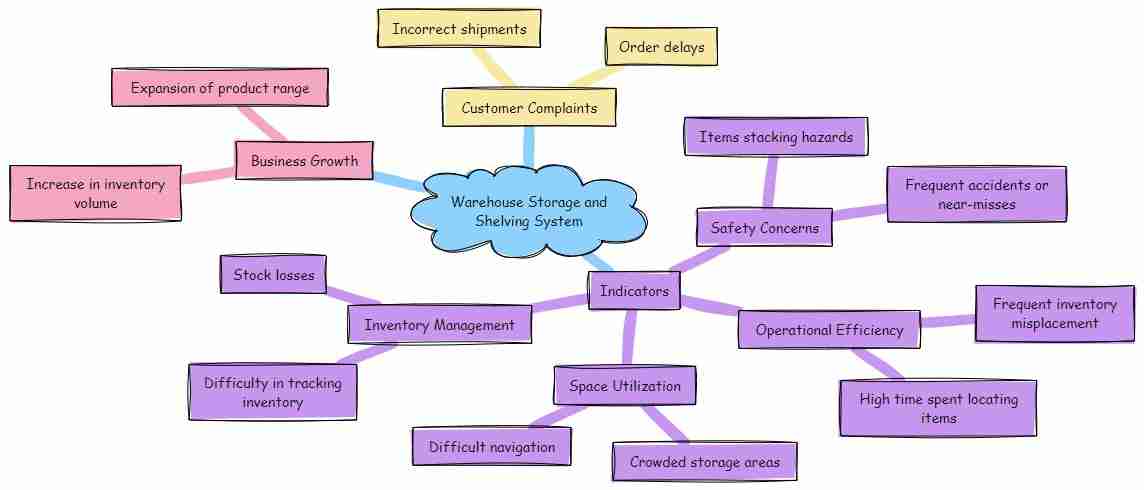
Can Cantilever Racks Handle Irregular Metal Shapes Safely?
Can Cantilever Racks Handle Irregular Metal Shapes Safely?
- Cantilever racks are designed to store odd-shaped, bulky metal pieces that don’t fit on traditional pallet racking.
- The absence of front columns allows for easier sliding, stacking higher and deeper, and accommodating irregular shapes.
- Adjustable arms on cantilever racks provide flexibility to securely store various sizes and shapes.
- Proper stacking requires skill and attention to balance and stability, not just filling space.
- Matching the right rack with solid anchoring and cautious handling protects both workers and projects.
- Effective use of cantilever racks reflects responsibility, experience, and respect for safety and efficiency.
- Cantilever racks transform challenging metal storage into a safe, organized, and productive solution.
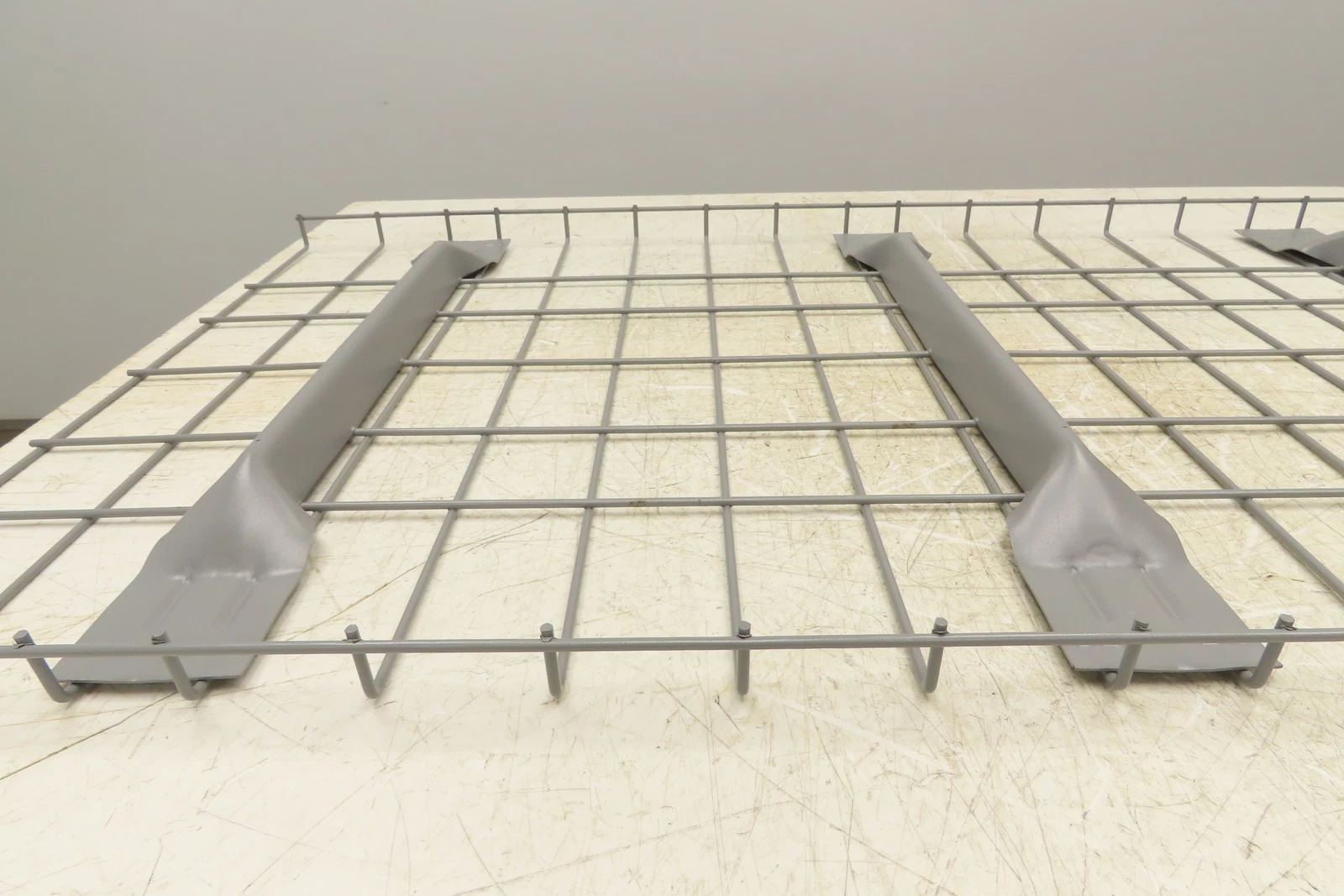
Can Cantilever Racks Handle Irregular Metal Shapes Safely?
What Emotional Benefits Do Workers Gain From Organized Storage?
There’s something solid about walking into a workspace where everything has a place—like a well-oiled engine humming quietly in the back. When tools, parts, and supplies are lined up neat and tidy on Pallet Racking, it’s more than just good looks. It’s a quiet reassurance that your day’s work won’t be spent hunting for that one wrench or lost bolt. That kind of order cuts through the stress, giving workers a moment of calm amid the usual chaos.
It’s not just about saving time—it’s about feeling respected. When your workspace is organized, it shows that someone cares about the job and the people doing it. Workers pick up on that respect, and it lifts their spirits. Confidence builds when the right thing is always easy to find. There’s less second-guessing, fewer “Did I grab the right part?” worries. That confidence spills over into every task, turning work into something smoother, less frustrating.
Organized storage isn’t just smart; it’s fair. It treats everybody the same, levels the playing field. No longer is it only the seasoned ones who know where everything hides in the chaos. With everything labeled and stored on proper Pallet Racking, everyone gets a fair shot at being efficient and effective. That kind of fairness builds trust and morale—people feel safer, secure, and part of a team pulling the same rope.
From hands-on experience, there’s a story behind every jammed drawer and messy corner—a missed deadline, a shouted instruction, a frustrated sigh. But when storage’s handled right, those stories shift. You start hearing sharp, clear instructions, tools passed without delay, and a general sense that the crew’s got its act together. It’s not just about physical space; it’s about mental space too—the freedom to focus fully on the job without mental clutter slowing you down.
Putting a good system in place, like sturdy Pallet Racking and clear labels, is like a silent partner who never quits or loses grip. It respects the worker’s time and effort, clears the fog of confusion, and sparks pride in the work. When that happens, work doesn’t just get done—it gets done right, and that makes all the difference.

What Emotional Benefits Do Workers Gain From Organized Storage?
What Emotional Benefits Do Workers Gain From Organized Storage?
- An organized workspace with tools and supplies neatly stored on Pallet Racking reduces stress and creates calm amid chaos.
- Orderly storage saves time and conveys respect for the job and workers, boosting their spirits and confidence.
- Easy access to the right tools prevents second-guessing, making tasks smoother and less frustrating.
- Organized storage levels the playing field, allowing all workers, not just experienced ones, to be efficient and effective.
- Fair and clear organization builds trust, morale, and a sense of teamwork among workers.
- Proper storage transforms chaotic work environments into spaces with clear communication and focus, improving mental clarity.
- Implementing durable Pallet Racking and clear labels acts as a reliable support system, respecting workers’ time and enhancing work quality.

What Emotional Benefits Do Workers Gain From Organized Storage?
How Does Proper Racking Reduce Workplace Injuries and Risks?
When you step onto a warehouse floor or a loading dock, you’re not just looking at rows of metal shelves—you’re eyeing the backbone of a whole operation. Pallet racking might seem like simple gear, but done right, it’s the difference between a smooth-running day and a disaster waiting to happen. Here’s the deal: improper racking isn’t just an inconvenience; it’s a highway to injuries and setbacks. Folks get hurt when racks collapse or goods fall, and those injuries ripple out—family stress, lost wages, and the kind of worry that sticks with you. Nobody wants to bring that home.
Getting the pallet racking setup the right way isn’t just ticking a box on a checklist. It’s about respect—for the people who lean on that system every day. When beams lock in tight, when weight limits are honored, and when everything’s arranged so a worker doesn’t have to gamble with balance or reach beyond their safe zone, it changes the game. You’re not just preventing accidents; you’re making a statement that safety isn’t optional.
From the nuts-and-bolts point of view, solid racking means fewer spills and pallet drops, which keeps aisles clear and workflows humming. It’s pure, commonsense efficiency that saves time and saves bodies. No punch-drunk shifts from near-misses or bruises that sneak up over weeks. It also makes training easier—new hands catch on faster when their tools and environment don’t fight them at every turn.
On top of that, there’s an ethical pull here that runs deeper than profits or deadlines. Each time a rack is properly maintained and inspected, it tells every worker, “You matter. Your safety is real.” For crews that sweat through long hours, knowing their boss or safety team is serious about racking builds trust you can’t fake. It’s the kind of trust that means folks show up ready, stay sharp, and look out for one another—not just because someone says so, but because they feel it.
Lastly, consider the wider warehouse family—the clients, partners, and neighbors who count on reliability and care. A facility known for proper pallet racking isn’t just safer; it’s respected. When the word gets out that safety runs through your process like grease on a wrench, you build a reputation solid as steel beams.
Proper pallet racking is more than gear on the floor—it’s the foundation of a safer, smarter workplace where injuries don’t get to tell the story. It’s where respect meets responsibility, and that’s something every working hand can stand behind.
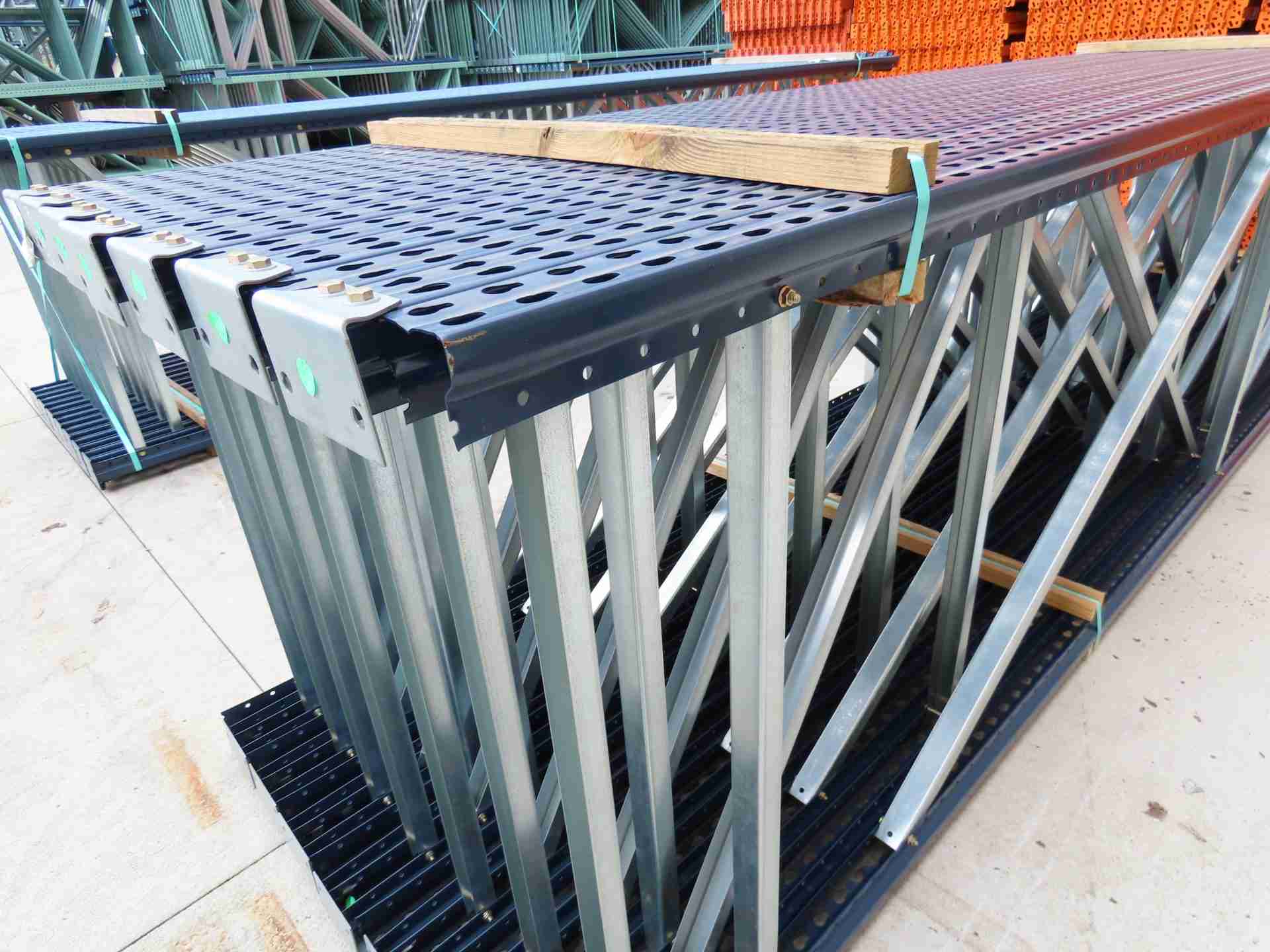
How Does Proper Racking Reduce Workplace Injuries and Risks?
How Does Proper Racking Reduce Workplace Injuries and Risks?
- Pallet racking is essential to warehouse operations, impacting safety and efficiency significantly.
- Improper racking can cause injuries, leading to personal, family, and financial consequences.
- Correct setup respects workers by ensuring secure beams, adherence to weight limits, and safe access zones.
- Proper racking reduces spills and pallet drops, maintaining clear aisles and smooth workflows.
- Well-maintained racking enhances training and supports worker confidence and performance.
- Consistent inspection and care demonstrate ethical commitment to worker safety, building trust among staff.
- A strong safety reputation from proper racking benefits the warehouse’s relationships with clients and partners.
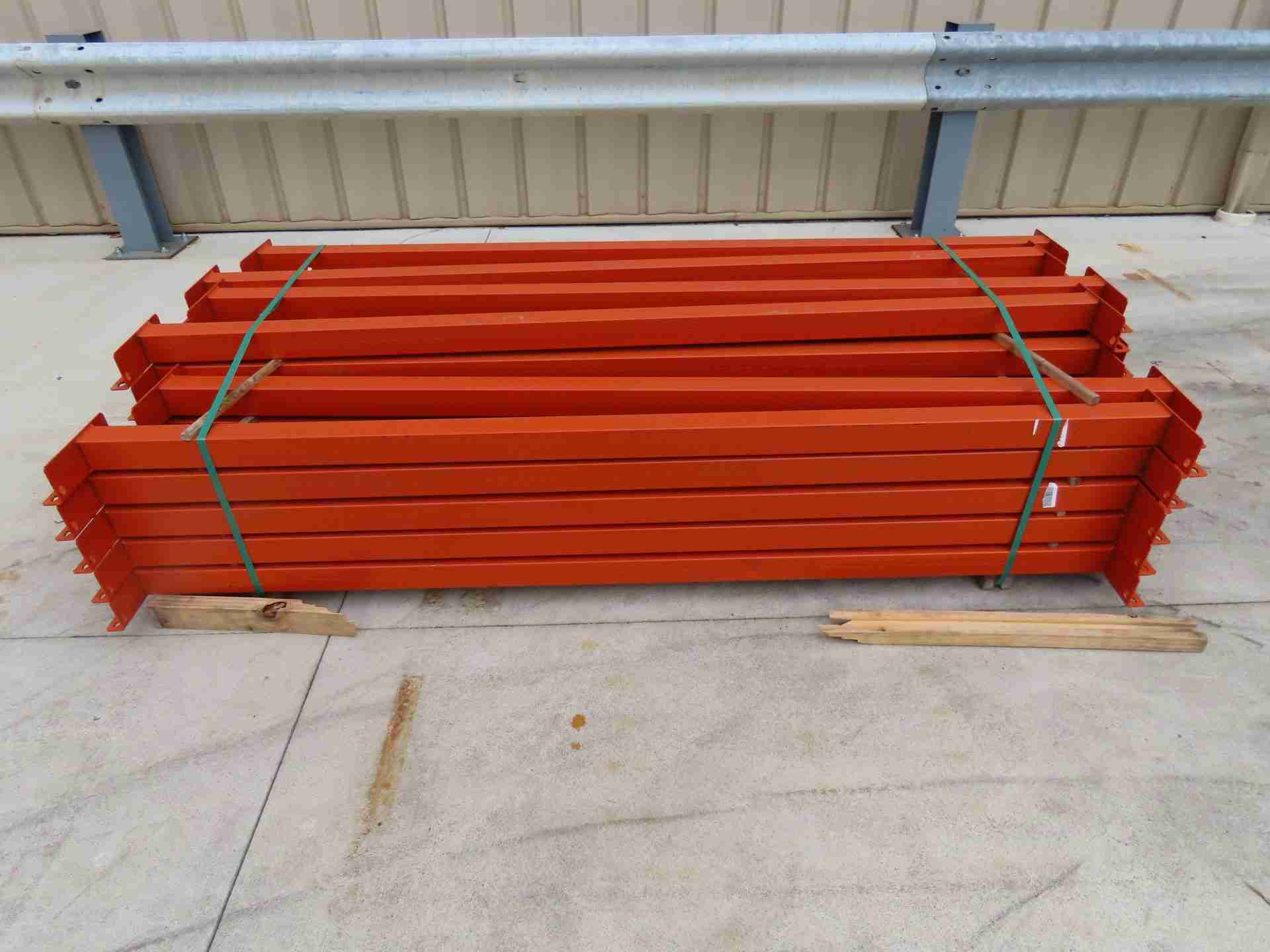
How Does Proper Racking Reduce Workplace Injuries and Risks?
What Cost Savings Result From Using Cantilever Racking Systems?
When it comes to saving money in storage, cantilever racking isn’t just some fancy setup; it’s the no-nonsense workhorse that makes sense for folks dealing with awkward, heavy, or oversized loads. Unlike pallet racking, which is great for stacking standard boxes and pallets, cantilever racks handle long items like lumber, pipes, or furniture with a simple, sturdy arm that holds steady without fuss. That means less time fiddling around, less wasted space, and fewer headaches trying to fit square pegs into round holes.
You’re not just buying racks—you’re buying peace of mind. These systems cut down on product damage because the arms cradle your goods gently and safely, unlike squeezing everything onto pallet racking where things can get crushed or bent. That’s a direct hit to your bottom line. Less damage means fewer replacements, fewer complaints, and fewer lost customers wondering why what they ordered arrived looking like it fought its way through the jungle.
Labor costs drop too. With open access on cantilever racks, forklift drivers spend less time twisting and turning, loading and unloading becomes quicker and smoother, and your crew stays fresher because the job feels less like wrestling an octopus. When work flows better, mistakes drop and morale climbs, making your operation hum along instead of dragging through the mud. That human element often gets overlooked, but it’s the beating heart behind every dollar saved.
From a social angle, investing in efficient, reliable storage shows you care about your workforce and community. You’re choosing smart, safe solutions that help people do their jobs well without risking their backs or sanity. That’s the kind of ethical business practice that builds trust from the ground up—inside your walls and out in the world.
Put it all together: cantilever racking systems nudge your operation into a leaner, safer, more productive setup that respects your goods, your people, and your budget. They bring that grounded, practical work ethic—no frills, just results you can count on day in and day out. For anyone wrestling with storage challenges beyond the reach of standard pallet racking, the cost savings and operational peace of mind are plain as day. Save money, save time, save trouble—sometimes the smartest choice is the one that just works, steady and sure.

What Cost Savings Result From Using Cantilever Racking Systems?
What Cost Savings Result From Using Cantilever Racking Systems?
- Cantilever racking is ideal for storing awkward, heavy, or oversized loads such as lumber, pipes, and furniture, unlike standard pallet racking.
- The design reduces wasted space and handling difficulties, improving storage efficiency.
- These racks minimize product damage by securely cradling goods, lowering replacement costs and customer complaints.
- Labor costs decrease due to easier, faster loading and unloading with better forklift access, enhancing worker productivity and morale.
- Investing in cantilever racking demonstrates care for workforce safety and community through ethical, practical solutions.
- The system promotes a leaner, safer, and more productive operation that respects goods, employees, and budget.
- Cantilever racking offers clear cost savings, operational peace of mind, and reliable performance for challenging storage needs.
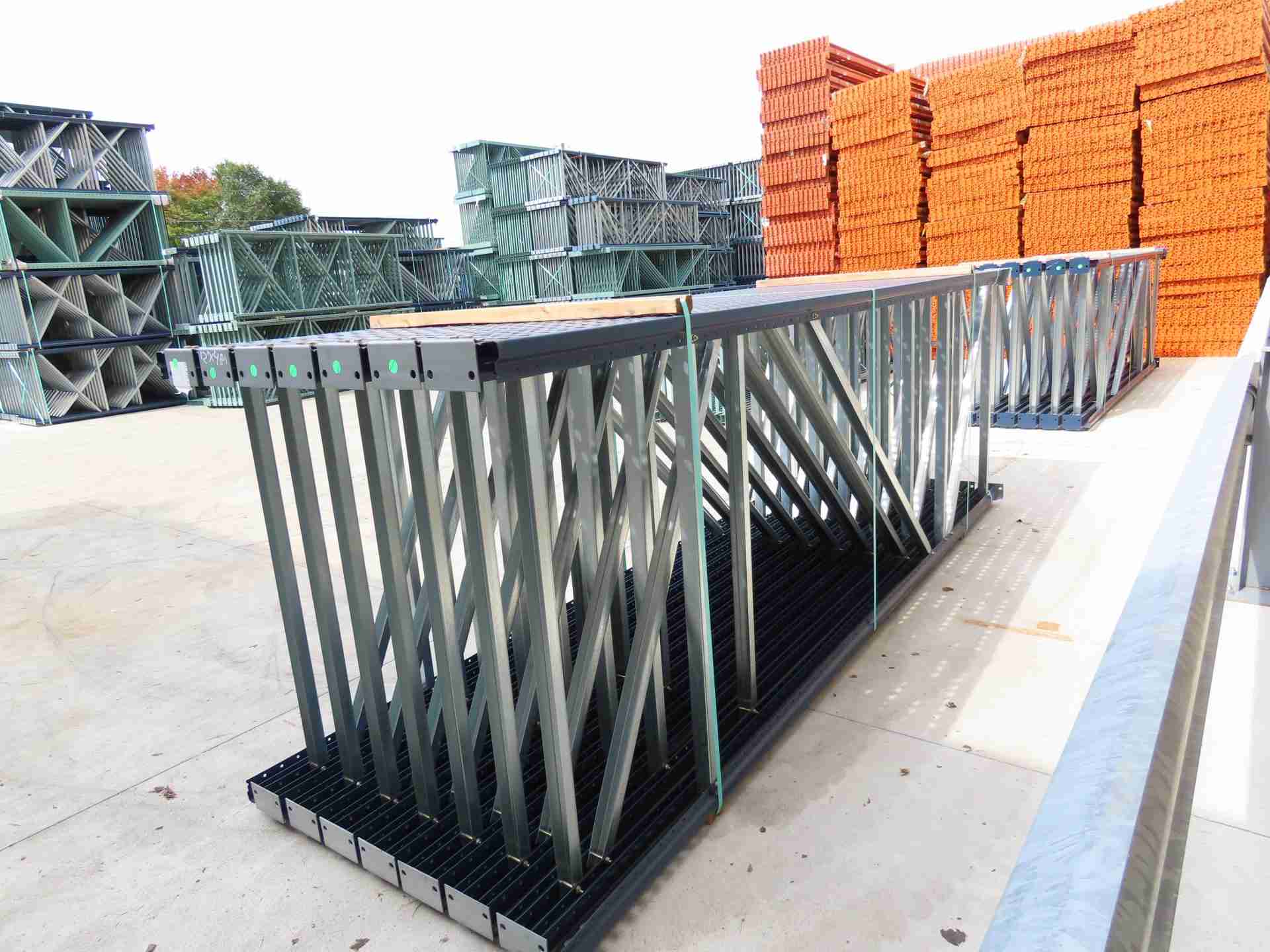
What Cost Savings Result From Using Cantilever Racking Systems?
Conclusion
When it comes to handling heavy, awkward metal—pipes, beams, tubing—you just can’t force it onto regular pallet racks without inviting trouble. Cantilever racking steps in as the no-frills, tough-as-nails solution that blue-collar pros rely on to keep things straight and steady. It’s like having a strong arm that holds your gear steady, giving each piece the room it deserves without squeezing or stacking it into a confusing mess. This kind of smart organization saves time, cuts down on mistakes, and keeps the whole operation moving smooth.
The real beauty of cantilever racks isn’t just in fitting those odd-shaped metals; it’s in standing up to the daily grind. Built from solid steel, they don’t flinch under heavy loads or rough handling, giving managers and workers alike confidence that their setup won’t crumble when the pressure’s on. That reliability means safer floors and fewer close calls, a big deal when every minute and every hand matters. It’s a common-sense choice that respects the work, the workers, and the investment locked up in every piece of metal sitting on those arms.
Space is another battle, and cantilever racks are the quiet champions of efficiency. Warehouses aren’t bottomless pits, and every inch counts. These racks stretch out to hold long, bulky items without forcing you into awkward stacks or splitting loads unnecessarily. This smart use of space speeds up loading and unloading while keeping aisles clear and work areas safer. That’s good news for morale, because a workspace that runs clean and neat sends a clear message: you respect the folks doing the hard work, and you care about keeping them safe.
When metal comes in all shapes and sizes, cantilever racks aren’t just gear—they’re partners in safety. Their open design lets workers slide in odd shapes easily, stacking with balance and stability, not guesswork and danger. Pair that with a crew that knows how to stack right, and you get a storage system that honors the craft and keeps everyone heading home unscathed.
There’s more to it than just safety and space. Organized storage has an emotional punch that can’t be ignored. Walking into a workspace where everything’s in its place lifts the fog of frustration and stress. It builds confidence because you find what you need without the headache. It fosters fairness too—everyone knows where the tools live, so the newbies and the veterans pull together without wasting time or energy.
Safety and respect go hand in hand when racks are set up right. Properly installed and maintained cantilever systems reduce the risk of accidents, keeping aisles clear and workers steady. That commitment to safety isn’t just policy—it’s an ethical backbone that tells every hand on the floor they matter. It’s the difference between a scrape and a shut-down day, between a hard day’s work and an avoidable injury.
Finally, cantilever racking pays off in the wallet as much as on the floor. By cutting down on product damage and speeding up workflow, it saves money fast. Labor costs drop because the job feels less like wrestling and more like working smart. When things flow better, morale stays high, mistakes shrink, and the whole operation hums along like it should. It’s a straightforward investment in safety, efficiency, and respect—a no-nonsense move that shows you mean business.
In the end, cantilever racking isn’t just another piece of equipment. It’s the backbone for anyone who knows that handling heavy metal is a craft built on experience, common sense, and respect for the work and the people doing it. It’s the right tool for the job, steady and sure, making the tough stuff easier and safer every single day.
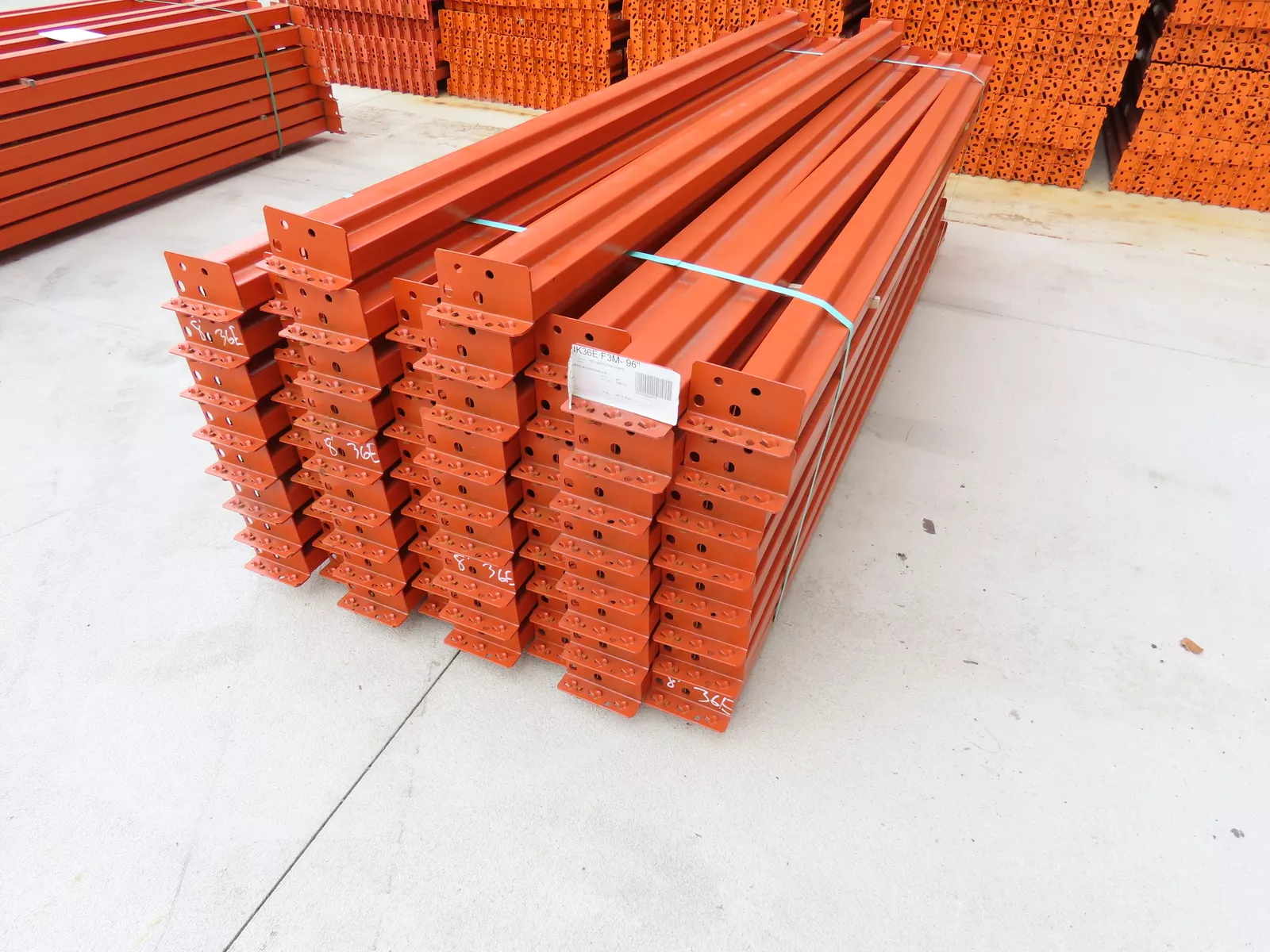
Conclusion
Conclusion:
- Cantilever racking provides a sturdy, no-frills solution for storing heavy, awkward metal items like pipes, beams, and tubing without causing damage or disorganization.
- Constructed from solid steel, cantilever racks withstand heavy loads and rough handling, ensuring safety and reliability in demanding work environments.
- These racks optimize space by accommodating long and bulky items efficiently, improving loading, unloading, and maintaining clear, safe aisles.
- The open design facilitates easy stacking of irregularly shaped metals, promoting balanced, stable storage and reducing workplace hazards.
- Organized storage with cantilever racks enhances worker confidence, reduces frustration, and fosters teamwork by clearly defining tool locations.
- Proper installation and maintenance of cantilever systems minimize accident risks and demonstrate a commitment to worker safety and respect.
- By decreasing product damage and speeding up workflows, cantilever racking lowers labor costs, boosts morale, and increases overall operational efficiency.

Conclusion
Other Resources
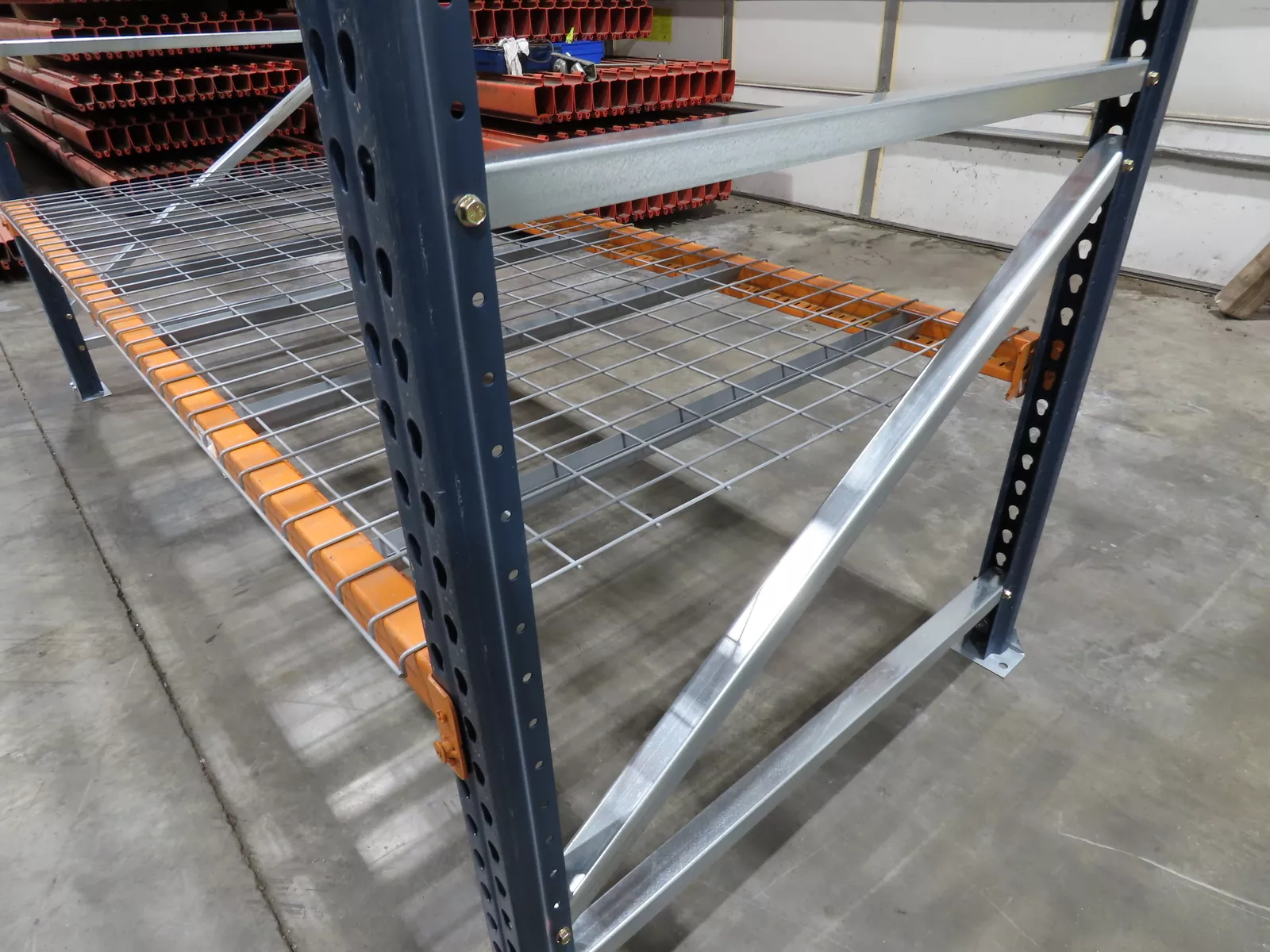
Other Resources
Here is a list of other resources you can review online to learn more:
- Pallet Racks, Pallet Racking, Pallet Shelves in Stock – ULINE
- MHI
- Used Pallet Rack for Sale in Illinois – American Surplus
- Teardrop Industrial Shelving Rack
- What is Selective Pallet Racking
- Bradford Systems
- Intro to Warehouse Racks & Warehouse Racking Systems – ShipBob
- Selective Racking
- Illinois
- Cantilever Rack Guide: Ordering Cantilever Racking
- Rack Manufacturers Institute
- Pallet Racking systems in Illinois and Great Lakes
- Selective Pallet Racking Systems
- Storage Equipment Manufacturers Association
- Material Handling Safety
- Warehouse Storage Racking in Illinois
- Selective Pallet Racking Systems – Container Systems
- Chicago Pallet Racking
- Warehousing Education and Research Council: https://www.werc.org/
- The Complete Pallet Rack Guide – Simply Rack
Use This Prompt To Get More Resources With Your Favorite Online AI Tool: Please provide me with a list of online articles with their URLs in a bulleted list that I can read regarding How Do Industrial Metal Wholesalers Leverage Cantilever Racking?
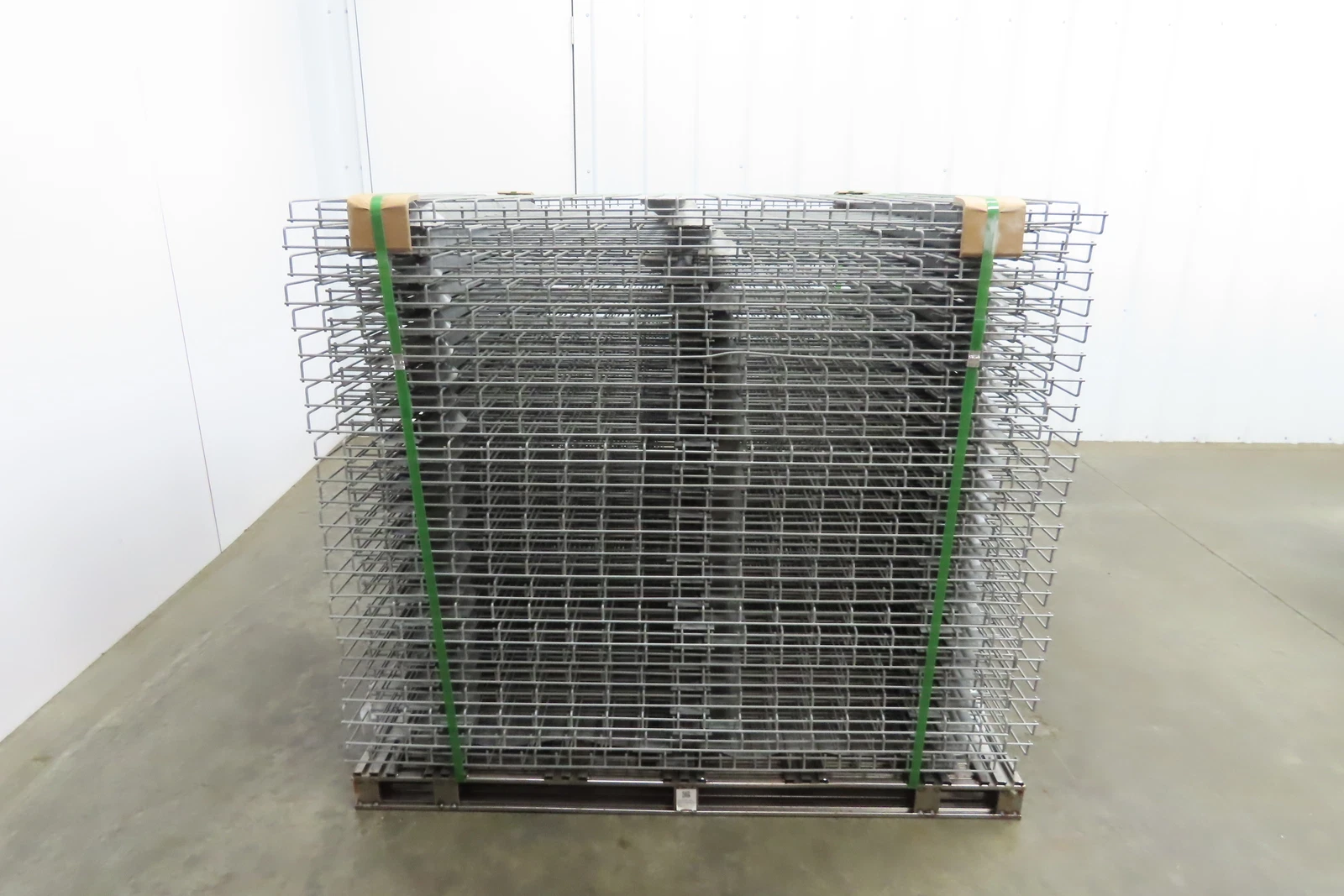
Other Resources
Glossary Terms
How Do Industrial Metal Wholesalers Leverage Cantilever Racking? – Glossary Of Terms
Cantilever Racking: A storage system designed to hold long, bulky items such as pipes and lumber, with arms extending from a central column.
Industrial Metal Wholesalers: Businesses that supply large quantities of metal products to manufacturers, fabricators, and retailers.
Load Capacity: The maximum weight a cantilever rack can safely support.
Storage Efficiency: The optimization of space usage for storing goods.
Vertical Storage: Utilizing height in a warehouse to maximize storage space.
Accessibility: Ease of reaching and retrieving stored items.
Heavy-duty Arms: Strong horizontal supports on cantilever racks for holding heavy materials.
Modular Design: A system composed of interchangeable parts for easy reconfiguration.
Adjustable Arms: Cantilever rack arms that can be moved up or down to accommodate different sized items.
Inventory Management: The process of tracking and controlling stock levels.
Space Utilization: The effective use of warehouse area to store products.
Bulk Storage: Storing goods in large quantities without packaging separation.
Load Distribution: Even spreading of weight across the rack to prevent failure.
Pallet Avoidance: Storage methods that do not require pallets, used with cantilever racks.
Metal Profiles: Standardized metal shapes such as beams, tubes, and angles stored on racks.
Safety Standards: Regulations ensuring safe storage and handling practices.
Forklift Compatibility: Rack design allowing easy access for forklifts to load and unload items.
Warehouse Layout: The physical arrangement of storage systems and aisles.
Inventory Turnover: The rate at which inventory is sold and replaced.
Customization: Tailoring rack dimensions and features to specific storage needs.
Structural Integrity: The strength and stability of the racking system under load.
Material Handling: Moving, protecting, storing, and controlling materials in a warehouse.
Long Item Storage: Specialized storage for elongated products like pipes and bars.
Space Optimization: Strategies to maximize storage capacity and efficiency.
Load Bearing Columns: Uprights that support the weight of cantilever arms and stored goods.
Ergonomics: Designing storage solutions for ease of use and safety of workers.
Warehouse Automation: Using technology to streamline inventory and storage operations.
Cost Efficiency: Minimizing expenses related to storage without compromising quality.
Stock Visibility: The ability to see and identify stored products easily.
Damage Reduction: Methods to prevent harm to stored goods during storage and handling.

Glossary Of Terms
Other Questions
How Do Industrial Metal Wholesalers Leverage Cantilever Racking? – Other Questions
If you wish to explore and discover more, consider looking for answers to these questions:
- What are the weight capacities per arm and per bay for different cantilever racking models?
- How do I calculate the load capacity needed for my specific metal inventory?
- What are the standard dimensions and spacing options for cantilever arms?
- Can cantilever racks be customized for extremely long or irregular pieces?
- How are cantilever racks anchored to concrete floors and what are the anchoring requirements?
- What are the installation steps and how long does installation typically take?
- Do cantilever racks require professional installation or can a team install them in-house?
- What maintenance and inspection schedule should be followed to ensure safety?
- How often should racks be inspected and what common issues should inspectors look for?
- What safety accessories (end stops, arm locks, safety pins) are recommended?
- How do cantilever racks perform in seismic or high-vibration environments?
- Are there differences between single-sided and double-sided cantilever racks and when should each be used?
- How do cantilever racks integrate with forklifts, cranes, and other material handling equipment?
- What are the best practices for stacking and securing irregular or curved metal shapes?
- How does cantilever racking affect aisle width and traffic flow planning?
- What fire code or sprinkler interference considerations apply to cantilever racking layouts?
- Are there coatings or finishes to prevent corrosion when storing certain metals or in humid environments?
- What are the typical costs (purchase, installation, maintenance) and expected ROI timeframe?
- How can I calculate labor savings and damage reduction from switching to cantilever racking?
- What financing or leasing options do suppliers typically offer?
- How scalable and modular are cantilever systems for future expansion?
- Can existing pallet racking be retrofitted or combined with cantilever systems?
- What warranties, certifications, or compliance standards should I expect from reputable manufacturers?
- How long is the expected service life of cantilever racking and what affects longevity?
- What are common failure modes and how can they be mitigated?
- How do insurers evaluate facilities that use cantilever racking versus pallet racking?
- What training should workers receive for safe loading, unloading, and handling?
- How does cantilever racking impact inventory accuracy and picking speed?
- Are there software or labeling systems recommended for managing long or irregular stock on cantilever racks?
- What alternatives exist to cantilever racking for long or irregular materials, and when are they preferable?
- Can cantilever racks store bundled or banded loads, and what restraints are recommended?
- How do I plan for weight distribution when stacking multiple tiers or deep stacks?
- What lead times should I expect from manufacturers and suppliers?
- Are there environmental or sustainability considerations when choosing rack materials and finishes?
- How do local building codes and occupational safety regulations affect cantilever racking installations?
- Can cantilever systems be moved or reconfigured after installation, and what does that process involve?
- Are there documented case studies or performance metrics from similar industrial metal wholesalers?
Other Questions
Checklist
How Do Industrial Metal Wholesalers Leverage Cantilever Racking? – A Checklist
Fit for Purpose
✅______ Confirm products are long or awkward (pipe, bar, tube, beam, sheet, irregular) and poorly suited to pallet racking
✅______ Define picking frequency, access speed, and handling methods
✅______ Document environmental conditions (indoor/outdoor, corrosion, temperature, moisture)
✅______ Establish target outcomes: space gained, time saved, and damage reduced
Load Data and Engineering
✅______ Record maximum unit weight per load, per arm, and per bay
✅______ Measure load length, diameter or profile, and expected deflection
✅______ Identify center of gravity and uniform versus non-uniform loading
✅______ Select arm length, spacing, and pitch to match inventory
✅______ Size columns, bases, and bracing for worst-case loads
✅______ Verify floor slab capacity; specify anchor type, quantity, and pattern
✅______ Address seismic and wind, and local code requirements; obtain stamped drawings if required
✅______ Choose accessories: arm lips or end stops, saddles or cradles, pipe dividers, and decking or mesh as needed
✅______ Apply appropriate safety factors and published load ratings
Layout and Space Efficiency
✅______ Choose single- or double-sided racks based on product mix and traffic
✅______ Set aisle widths for chosen equipment (forklift, side-loader) and turning radii
✅______ Plan vertical clearances (top of load, lighting, sprinklers)
✅______ Slot inventory by length, diameter, and grade to minimize travel and rehandling
✅______ Align receiving, staging, and shipping flow paths; remove pinch points
✅______ Use adjustable arms and modular bays for future growth
✅______ Document density versus selectivity trade-offs
Handling Equipment and Accessibility
✅______ Match equipment to loads (counterbalance, reach, side-loader) and attachments (booms, poles)
✅______ Verify lift capacity at height and with attachments
✅______ Confirm approach angles and unobstructed open face
✅______ Install load guides, column guards, and end-of-aisle protection
✅______ Validate lighting and sightlines for precise placement
Safety and Compliance
✅______ Post rated capacities on each bay and arm
✅______ Install and torque-check anchors; verify racks are plumb and arms level
✅______ Prohibit overhang unless engineered; secure irregular items with straps or chains
✅______ Establish inspection cadence (daily visual, monthly supervisor, annual qualified inspection)
✅______ Remove and tag out damaged components; maintain spares and a repair process
✅______ Define exclusion zones, traffic rules, and safe stacking heights
✅______ Train operators on safe loading and unloading; do not climb racks
✅______ Maintain clean aisles and clear access to emergency equipment
Organization and Labeling
✅______ Apply readable location labels visible from the operating position
✅______ Color-code by alloy, grade, and finish; prevent cross-mixing
✅______ Integrate barcodes/RFID with WMS/ERP for traceability
✅______ Define FIFO/FEFO and lot/heat tracking rules
✅______ Mark arm and bay maximum weight and maximum length visibly
✅______ Create dedicated lanes for returns, scrap, and rework
Operational Excellence
✅______ Standardize work for receiving, putaway, picking, and cycle counting
✅______ Track KPIs: picks per hour, travel time, damages, near misses, and utilization
✅______ Plan peak load and changeover procedures
✅______ Schedule preventive maintenance for racks and handling equipment
✅______ Capture worker feedback; address pain points quickly
People and Culture
✅______ Use 5S to keep locations obvious and consistent for all experience levels
✅______ Provide training refreshers; certify operators on the specific rack and equipment setup
✅______ Recognize improvements that reduce strain, stress, and rework
✅______ Encourage reporting of hazards and near misses without blame
Cost and ROI
✅______ Baseline current damage, labor time per move, and space utilization
✅______ Estimate improvements and calculate payback period and total cost of ownership
✅______ Include installation, training, inspections, and spare parts in the budget
✅______ Review insurance and claims history and potential premium reductions
✅______ Validate supplier lead times and lifecycle support
Vendor and Installation
✅______ Vet supplier credentials, references, and warranty terms
✅______ Obtain engineered drawings, load tables, and manuals
✅______ Ensure professional installation and completion of the commissioning checklist
✅______ Train operators and supervisors; retain as-built documentation
✅______ Stock critical spares (arms, bolts, anchors, guards)
Go-Live and Continuous Improvement
✅______ Pilot test a bay with worst-case loads and handling paths
✅______ Complete pre-start safety walk and sign-off
✅______ Update emergency and evacuation plans reflecting the new layout
✅______ Conduct 30/90-day audits; adjust slotting and SOPs as needed
✅______ Schedule ongoing 5S audits and quarterly improvement reviews
Quick Inspection Guide
Daily
✅______ Aisles clear; no overloading or product protrusion
✅______ Labels legible; no damage or looseness observed
Weekly
✅______ Arm locks and end stops secure; column and base guards intact
✅______ Visual plumb and level check; note any unusual deflection
Quarterly and Annual
✅______ Full structural inspection by a qualified person
✅______ Anchor torque recheck; replace damaged parts
✅______ Re-verify ratings after any configuration or product changes
Checklist
At RackingWorld, we help guide you through selecting warehouse storage systems and racking.
Be sure to read our other related stories at RackingWorld to learn more about warehouse storage systems.
0 Comments