
Maximizing Efficiency, Safety, And Sustainability In Ice Cream Storage
By Tom Seest
At RackingWorld, we help guide you through selecting warehouse storage systems and racking.
Be sure to read our other related stories at RackingWorld to learn more about warehouse storage systems.
How Do Ice Cream Manufacturers Leverage Pallet Racking?
If you’ve ever wandered around a massive warehouse where ice cream is stored, you might not give much thought to the racks holding those heavy pallets of frozen goods. But pallet racking is the unsung hero in the story of how your favorite tubs make it from factory floor to freezer aisle without turning into a sticky mess. It’s a straightforward yet powerful system that manufacturers rely on every single day.
Picture this: hundreds, sometimes thousands, of pallets stacked safely and neatly, like a perfectly organized army ready to move out. Pallet racking isn’t just about stacking stuff up high; it’s about making the most of limited space in a place where temperature control is everything. Ice cream can’t just haphazardly sit on the floor—it needs airflow, easy access, and a way to keep the product safe from damage or thawing. Pallet racking systems solve that puzzle. They hold the weight, keep products off the cold floors, and allow forklifts to glide through the aisles grabbing exactly what’s needed without wasting time or risking a crash.
There’s an ethical angle to this, too. Efficient pallet racking means less product waste. When ice cream melts or gets damaged, it’s not just money down the drain; it’s a loss felt by workers, communities, and the environment. The racks help manufacturers honor their responsibility to reduce waste and run cleaner operations. That’s a commitment that benefits everyone, from the folks who make the tubs to the families enjoying them on a hot afternoon.
Think about the hands-on workers who load and unload these racks day after day, rain or shine, cold or colder. Pallet racking isn’t some fancy, flashy gadget—it’s a rugged, no-nonsense tool built to make their jobs safer and more manageable. When the gear works right, everyone can trust the system, move faster, and deliver on promises. There’s pride in that. A warehouse that hums along without chaos is a testament to solid planning and respect for the people behind the scenes.
At the end of the day, pallet racking in ice cream manufacturing is the quiet backbone. It keeps things in order, safeguards product quality, and keeps those sweet, creamy moments within reach. It’s a mix of practical smarts and quiet care—a simple solution that lets everyone from factory floor to freezer aisle share in something good.

How Do Ice Cream Manufacturers Leverage Pallet Racking?
How Do Ice Cream Manufacturers Leverage Pallet Racking?
- Pallet racking is essential for safely storing heavy pallets of ice cream in warehouses, preventing them from melting or getting damaged.
- The system maximizes limited space while ensuring proper airflow and easy access in temperature-controlled environments.
- Pallet racks keep products off cold floors and allow forklifts smooth passage, improving efficiency and safety.
- Efficient pallet racking reduces product waste, helping manufacturers minimize environmental impact and financial loss.
- The system supports ethical commitments to cleaner operations and benefits workers, communities, and consumers alike.
- Durable and practical, pallet racking makes loading and unloading safer and more manageable for warehouse workers.
- Overall, pallet racking is the vital, unassuming backbone of ice cream manufacturing, ensuring product quality and smooth operations.

How Do Ice Cream Manufacturers Leverage Pallet Racking?
Table Of Contents
- How Do Ice Cream Manufacturers Leverage Pallet Racking?
- How Does Pallet Racking Improve Ice Cream Storage Efficiency?
- What Cost Savings Come From Using Pallet Racking In Production?
- How Do Manufacturers Ensure Product Safety with Pallet Racking?
- Can Pallet Racking Reduce Ice Cream Spoilage Risks?
- How Does Pallet Racking Impact Supply Chain Speed?
- What Role Does Pallet Racking Play In Inventory Tracking?
- Conclusion
- Other Resources
- Glossary Of Terms
- Other Questions
- Checklist
How Does Pallet Racking Improve Ice Cream Storage Efficiency?
When you think about storing ice cream, it might sound simple—just toss the tubs in a freezer, right? But anyone who’s worked a cold storage room knows it’s a whole different ballgame. That’s where pallet racking comes into play, turning a chaotic freezer mess into a well-oiled machine. Pallet racking isn’t just about stacking stuff higher; it’s about making the whole operation smoother, smarter, and safer.
Picture the last time you had to dig through a pile of frozen goods just to find one tub of plain vanilla. Time wasted, product risked to thaw, and folks scrambling to meet orders. Pallet racking changes that story. It organizes inventory neatly, giving you clear, easy access to everything without unnecessary hassle. Instead of wasting minutes hunting down one item, you’re picking and shipping faster—cutting down on spoilage and keeping customers happy. That’s good for business and good for the folks busting their backs in the cold.
And here’s the thing: this isn’t just about convenience; it’s about doing right by the product and the people handling it. Ice cream melts, sure, but poorly stored products can lead to waste, lost profits, and frustrated employees working in a frozen scramble. Pallet racking creates a system built on respect for the goods and the crew—solid racks hold everything steady, protect the stock from damage, and limit accidents in tight, slippery spaces. It’s a practical choice that shows you care about quality and safety without blowing the budget.
From a cold storage manager’s point of view, pallet racking is a trusted tool, not some fancy upgrade out of reach. It’s proven, straightforward, and built to last. You get more from your space without guessing games, and your inventory stays a known quantity, not some guesswork nightmare. That kind of reliability earns trust across the whole supply chain, from the loading dock to the customer’s freezer.
Bottom line: pallet racking turns ice cream storage from a nerve-racking hustle into a calm, confident routine. It’s about respect for the product, respect for the people, and respect for the bottom line. If you’ve ever felt the pinch of cramped freezers or lost track of stock, pallet racking is the commonsense answer that brings order—and peace of mind—to the cold chaos.
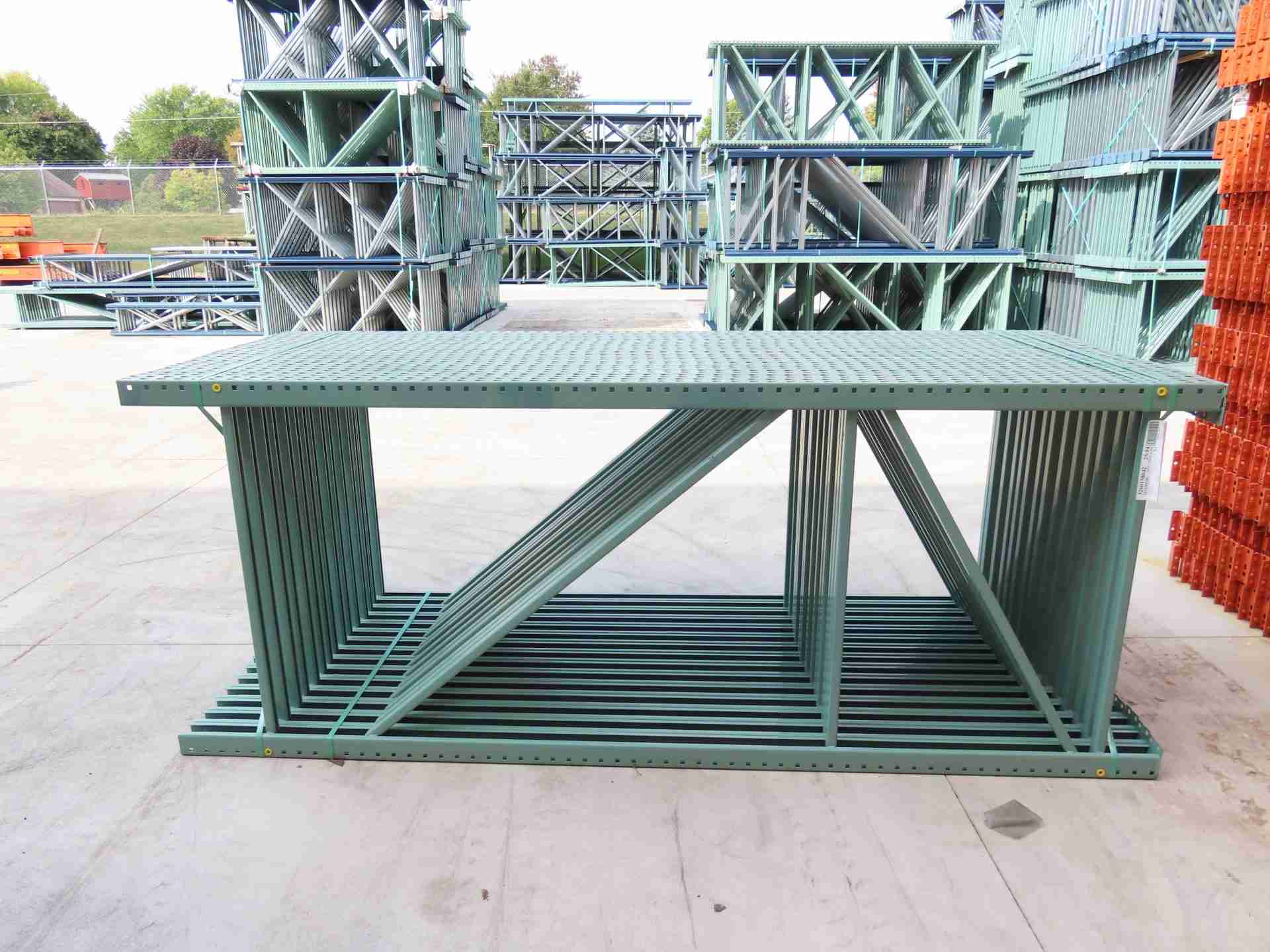
How Does Pallet Racking Improve Ice Cream Storage Efficiency?
How Does Pallet Racking Improve Ice Cream Storage Efficiency?
- Pallet racking transforms disorganized freezer storage into an efficient, safer, and smarter operation.
- It eliminates wasted time and product risk by providing easy, organized access to inventory.
- Improves order picking speed, reduces spoilage, and enhances customer satisfaction.
- Supports product quality and employee safety by stabilizing stock and minimizing accidents in slippery environments.
- Offers a cost-effective system that balances respect for goods, workers, and budget constraints.
- Trusted by cold storage managers as a durable, straightforward solution that maximizes space and inventory accuracy.
- Turns chaotic ice cream storage into a calm, reliable routine benefiting the entire supply chain.
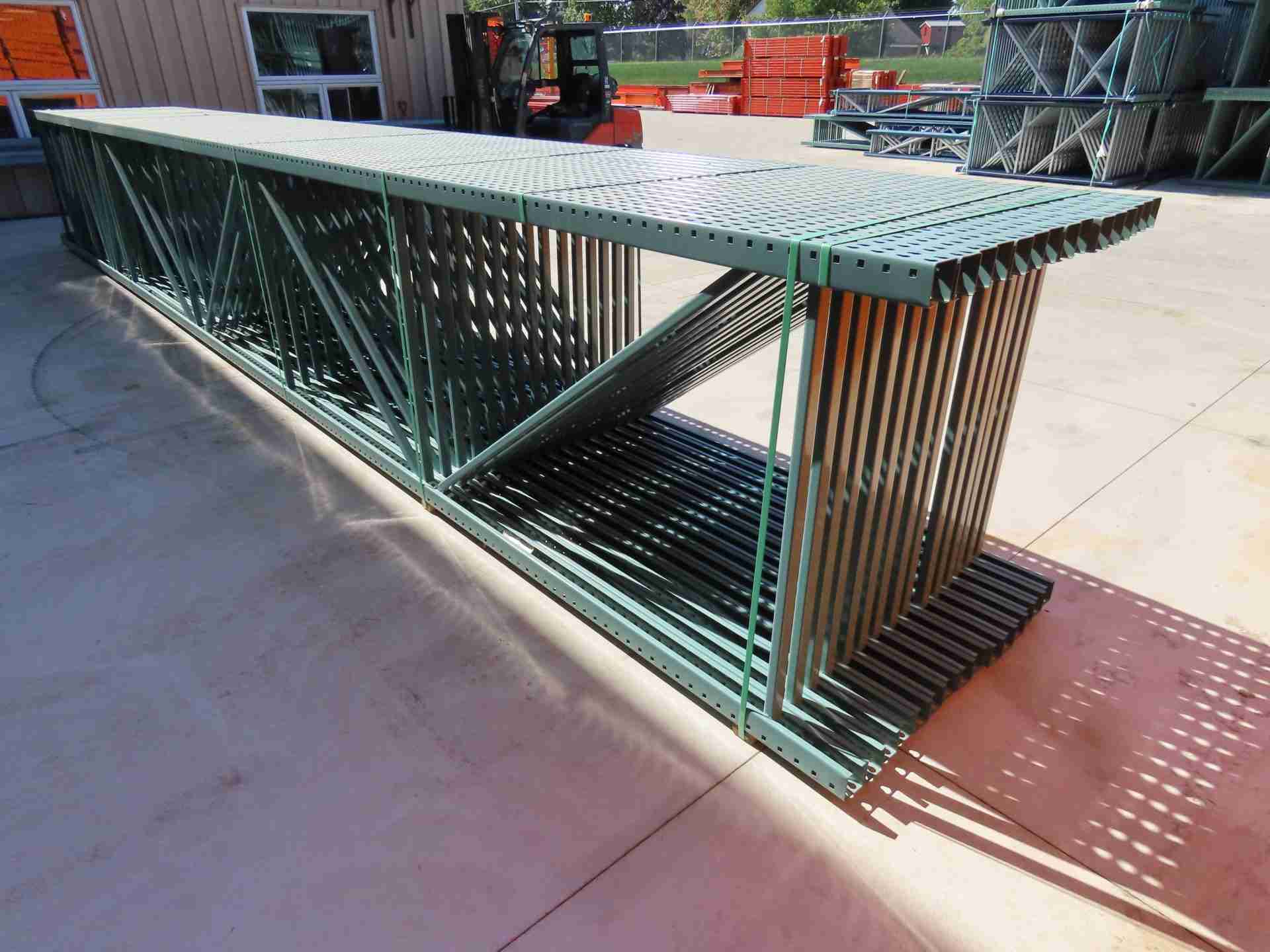
How Does Pallet Racking Improve Ice Cream Storage Efficiency?
What Cost Savings Come From Using Pallet Racking In Production?
Look, when you’re running a production floor, every dollar counts, and wasted space or time can burn through cash faster than a busted machine. Pallet racking isn’t just some flashy storage idea—it’s the no-nonsense answer to cutting costs where it really hurts. You stack more inventory safely and neatly, so you don’t have to keep buying or renting extra warehouse space. That’s cold, hard savings right there, straight to your bottom line.
Think about the headaches and lost hours spent digging through messy piles or stacking boxes three feet high, praying they don’t fall on someone’s foot. Pallet racking puts everything in its proper place, easy to reach, and easy to count. It keeps products organized and speeds up the workflow. When your crew spends less time hunting for parts and more time moving the line, you see faster turnaround. Efficiency like that isn’t just a buzzword; it’s a real boost to your production numbers and your wallet.
More than just saving space and time, pallet racking helps prevent accidents. A safer workplace means fewer costly injuries and insurance claims. You don’t want your people sidelined, and you sure don’t want to deal with OSHA breathing down your neck. Doing right by your crew builds trust, shows responsibility, and keeps your operation running smoothly without unexpected costs knocking you off course.
There’s an honest pride that comes from managing a well-oiled machine—one where everything has a place and every process is tightened up. Installing pallet racking reminds you daily that smart choices don’t have to mean expensive or complicated. They mean practical, tried-and-true fixes that stand the test of time. When you look at the numbers—lower overhead, less waste, better safety—you see clearly how pallet racking is an investment that pays for itself, and then some.
At the end of the day, it’s not just about saving money; it’s about respect. Respect for your workers, your customers, and your craft. Pallet racking shows you care enough to create the kind of smooth, reliable production line that keeps everyone proud, secure, and pulling together. That’s the kind of cost savings that matters—one built on solid ground, common sense, and a little grit.

What Cost Savings Come From Using Pallet Racking In Production?
What Cost Savings Come From Using Pallet Racking In Production?
- Pallet racking maximizes storage efficiency, reducing the need to buy or rent extra warehouse space and cutting costs significantly.
- It organizes inventory neatly and safely, preventing lost time spent searching through cluttered or unstable stacks.
- Improved organization speeds up workflow, allowing crews to work faster and boosting production output.
- Pallet racking enhances workplace safety, lowering the risk of injuries and costly insurance claims.
- Maintaining a safe and organized environment builds trust with workers and avoids regulatory issues.
- It represents a practical, durable investment that reduces overhead, waste, and operational complications.
- Beyond cost savings, pallet racking reflects respect for workers, customers, and quality production standards.

What Cost Savings Come From Using Pallet Racking In Production?
How Do Manufacturers Ensure Product Safety with Pallet Racking?
When it comes to Pallet Racking, manufacturers don’t just slap metal together and call it a day. They know that behind every bolt and beam is a real person counting on that system not to fail. It’s about more than just moving inventory—it’s about keeping folks safe, protecting hard-earned goods, and making sure the whole operation hums along without a hitch.
You can’t fake safety in this line of work. Manufacturers start by digging into the nuts and bolts of durability. They use steel that’s tough enough to take a beating but engineered to stay straight and strong under heavy loads. Every weld, every joint is tested like it’s going to be in the worst possible warehouse scenario—because guess what? It probably will be. That’s common sense grounded in real-world know-how. No shortcuts, no guesswork.
On the factory floor, there’s a whole team dedicated to making sure Pallet Racking meets strict safety standards and regulations. It’s not just rules on paper; these standards come from decades of learning what works and what could go sideways. Manufacturers take responsibility seriously. When a racking system fails, it’s not just a product problem—it’s a safety problem. Those standards keep everyone honest and the people working under these racks safe from harm.
Ethically, manufacturers owe it to their customers to build Pallet Racking systems that last and perform. It’s about integrity—doing right by the folks who rely on their work every day. They don’t settle for the easy fix or the cheapest material. They build with pride, knowing the end users need confidence that what’s holding up their products won’t let them down.
And for everyone on the warehouse floor, there’s peace of mind knowing the equipment was put together with an expert eye and a hands-on approach. It’s the kind of trusted reliability that lets workers focus on their jobs without worrying if the racks will give way under pressure. That’s a trust built through sweat, experience, and a steady commitment to getting it right.
Pallet Racking isn’t just shelving—it’s the backbone of operations. It deserves to be made with the kind of care and respect that every worker, every package, and every business depends on. When you trust a system built that way, you’re not just buying racks; you’re investing in safety, stability, and peace of mind.

How Do Manufacturers Ensure Product Safety with Pallet Racking?
How Do Manufacturers Ensure Product Safety with Pallet Racking?
- Pallet Racking manufacturers prioritize safety, durability, and reliability behind every component, knowing real people depend on these systems.
- They use high-quality steel engineered to withstand heavy loads, with every weld and joint tested under worst-case warehouse scenarios.
- A dedicated team ensures compliance with strict safety standards based on decades of industry experience to prevent failures and protect workers.
- Manufacturers uphold ethical responsibility by building long-lasting, high-performance systems, avoiding shortcuts or cheap materials.
- Expert craftsmanship and hands-on assembly provide warehouse workers peace of mind and allow them to focus without safety concerns.
- Pallet Racking serves as the backbone of warehouse operations, requiring meticulous care and respect in its design and construction.
- Investing in quality Pallet Racking ensures not only storage solutions but also safety, stability, and operational confidence.
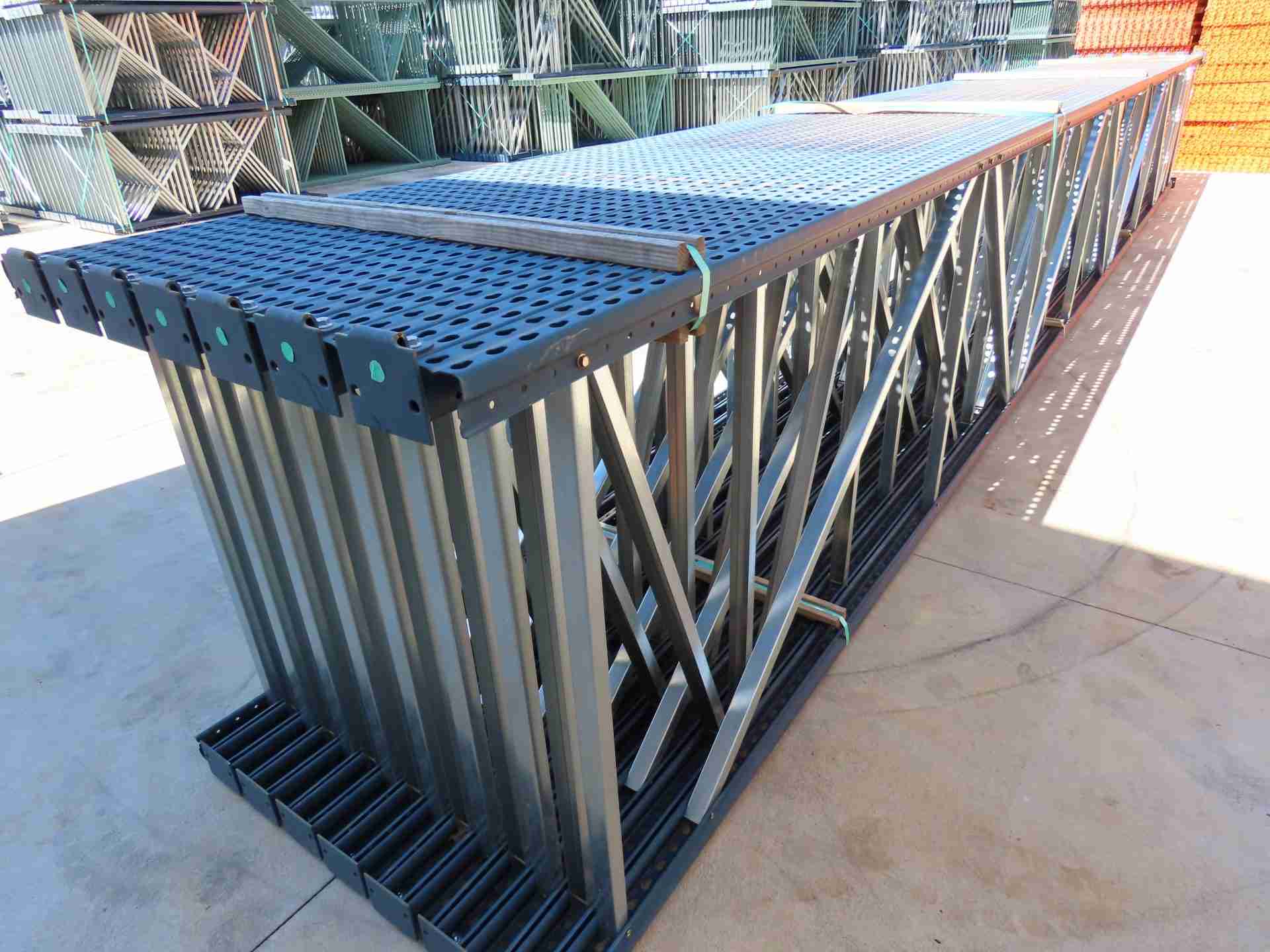
How Do Manufacturers Ensure Product Safety with Pallet Racking?
Can Pallet Racking Reduce Ice Cream Spoilage Risks?
You know, ice cream is one of those simple joys—something that brings a smile on a tough day. But anyone who’s worked around freezers knows how easily that joy can turn sour pretty fast when spoilage sneaks in. Here’s where Pallet Racking steps in, not just as another piece of warehouse gear, but as a real game-changer in guarding against losses you can’t afford. It’s like giving your ice cream a solid, trustworthy guardian to stand watch.
Look, ice cream doesn’t tolerate mishandling or poor storage conditions. Temperatures have to be steady, airflow needs to be right, and you can’t just toss tubs in a heap. Pallet Racking does the heavy lifting here—by organizing loads off the floor and creating space that lets cold air circulate evenly. That balanced airflow keeps every carton at the right chill, cutting down the hotspots where melting and refreezing cause damage. It’s simple physics but with huge payoffs. When your racks hold things properly, you’re cutting spoilage, saving money, and that means customers get their favorite treat fresh every time.
There’s an ethical side to this too. Wasting food—any food—feels wrong, especially when so many folks are tightening their belts. Every tub saved from spoiling means less waste heading into the dump and more respect for the hard work it took to get that cream from cow to cone. Businesses that invest in good Pallet Racking systems show they care about quality and sustainability, sending a message that they’re responsible stewards, not just profit-chasers. That builds trust with customers and partners alike.
From years in the trenches, the wisdom is clear: leaning on solid, practical solutions beats scrambling for quick fixes. Pallet Racking isn’t flashy, but it’s reliable. It’s the kind of solution that makes warehouse managers and store owners sleep a little easier at night because their product is protected. When you see those sturdy racks stacked neat and clean, it’s a sign someone’s been paying attention, applying know-how to prevent spoilage risks before they hit you in the wallet.
This isn’t just about equipment—it’s about respect for a product worth protecting. Pallet Racking offers peace of mind wrapped in steel, helping keep ice cream cold, fresh, and ready to bring a little happiness to every scoop.

Can Pallet Racking Reduce Ice Cream Spoilage Risks?
Can Pallet Racking Reduce Ice Cream Spoilage Risks?
- Ice cream’s quality is easily compromised by spoilage without proper storage.
- Pallet racking organizes ice cream off the floor and allows even cold airflow, preventing melting and refreezing damage.
- Maintaining steady temperatures and balanced airflow with pallet racking reduces spoilage and saves money.
- Using pallet racking minimizes food waste and respects the effort behind producing ice cream.
- Investing in quality pallet racking reflects a business’s commitment to sustainability and responsibility.
- Pallet racking offers a practical, reliable solution that protects products and eases management concerns.
- It embodies respect for the product, ensuring ice cream stays fresh and enjoyable for consumers.
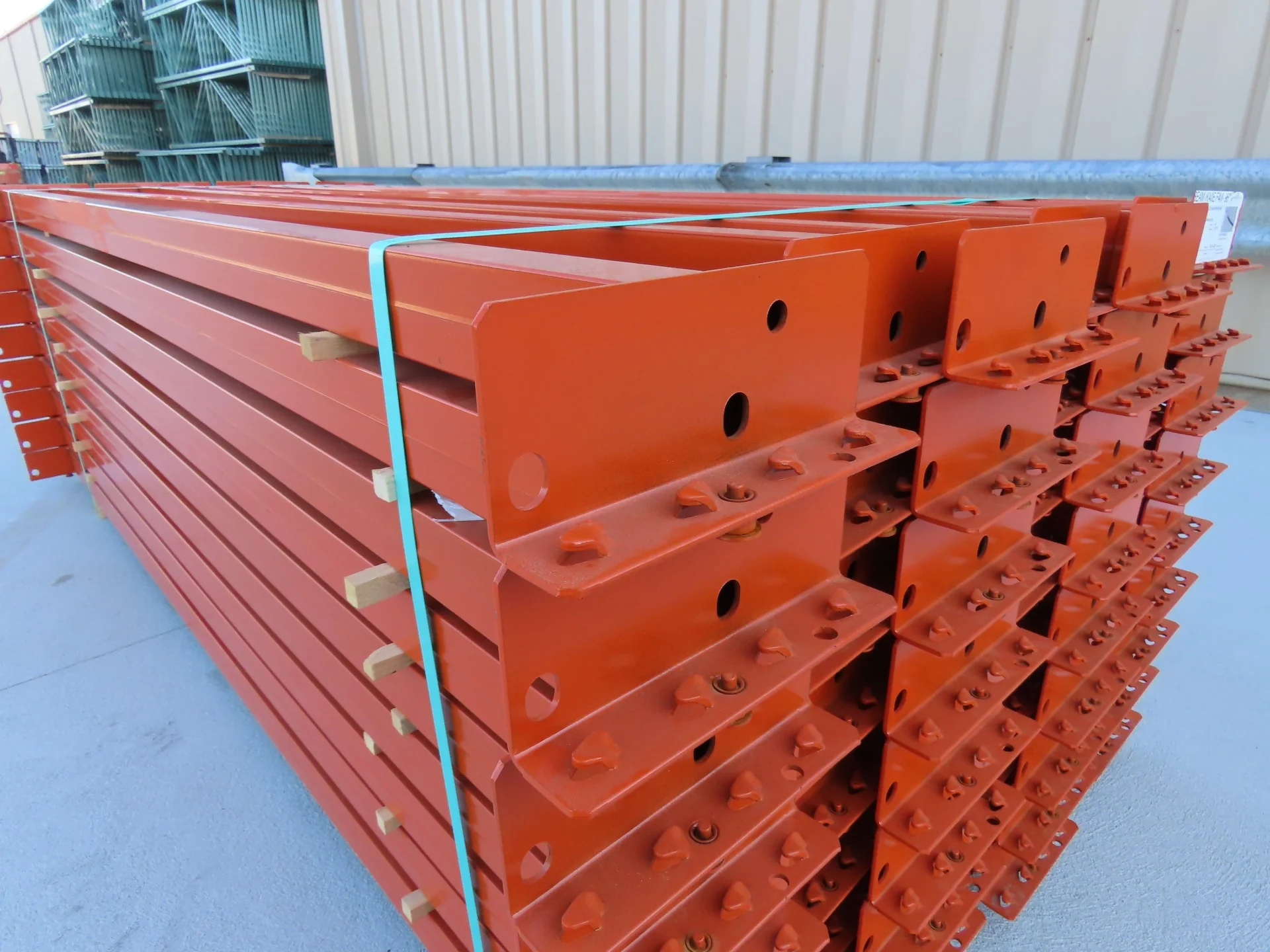
Can Pallet Racking Reduce Ice Cream Spoilage Risks?
How Does Pallet Racking Impact Supply Chain Speed?
You ever see a warehouse buzzing with forklifts, workers darting back and forth, orders stacking up like an impossible Jenga tower? That’s where pallet racking steps up—not just as some steel shelves, but the unsung backbone of the whole supply chain hustle. Pallet racking locks down speed because it’s all about making space work smarter, not harder. When you’ve got your goods organized neatly off the floor and within easy reach, your crew isn’t wasting time playing hide-and-seek with inventory. They grab, load, and move with a rhythm that keeps trucks rolling and deadlines breathing easy.
It ain’t just about stacking crates. It’s about respect, really. Respect for the men and women hustling through long shifts, juggling efficiency with safety. Pallet racking gives them clear sightlines, steady footing, and fewer trips down the warehouse rat race. That piece of gear isn’t just metal—it’s built on years of sweat, trial, and error from folks who know the score and won’t settle for anything less than reliable.
Think about it from the customer’s side, too. Faster supply chains mean less waiting, fewer headaches, and a promise kept. When those shelves are arranged right, every order moves faster out the door, which means customers get their stuff on time—like clockwork. It’s the kind of trust businesses crave and customers rely on. And in a world where every minute counts, that trust can’t be bought or faked. It’s earned, every day, through steady hands and smart choices on the warehouse floor.
Ethically, efficient pallet racking cuts waste too. Better organization reduces damage, shrinkage, and the chaos that eats up resources—both human and material. That’s good for the bottom line, sure, but also good for the folks who work the floor, and the planet beyond those loading docks. It’s common sense wrapped in steel beams and sweat.
At the end of the day, pallet racking is where the rubber meets the road. It’s not just a tool; it’s the difference between a supply chain that drags its feet and one that runs like clockwork. When done right, pallet racking doesn’t just speed things up—it builds a system everyone counts on, from the driver hauling freight to the customer waiting on the porch. And there’s a kind of quiet satisfaction in that—knowing you’re part of something solid, dependable, and moving forward.
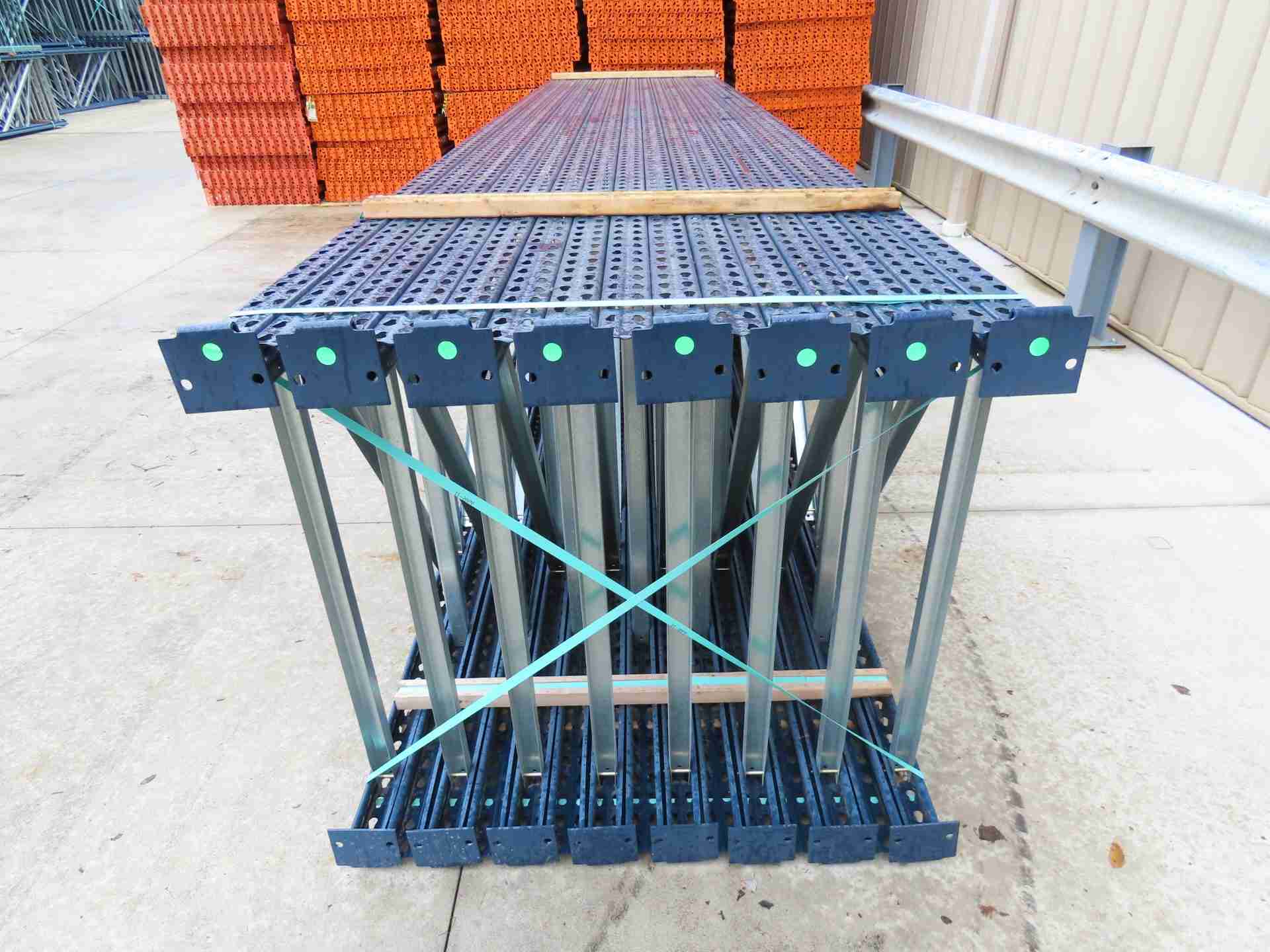
How Does Pallet Racking Impact Supply Chain Speed?
How Does Pallet Racking Impact Supply Chain Speed?
- Pallet racking is the essential structure in warehouses that optimizes space and speeds up supply chain operations.
- It organizes goods off the floor and within easy reach, reducing time wasted searching for inventory.
- Designed with respect for workers, it enhances safety by providing clear sightlines and stable footing, minimizing fatigue and accidents.
- Efficient pallet racking accelerates order fulfillment, ensuring customers receive products on time and businesses maintain trust.
- It reduces waste by minimizing damage and shrinkage, benefiting both operational costs and environmental impact.
- More than just metal shelves, pallet racking reflects the experience and reliability gained through years of hands-on industry knowledge.
- Ultimately, pallet racking transforms supply chains from slow and clumsy to streamlined and dependable for everyone involved.
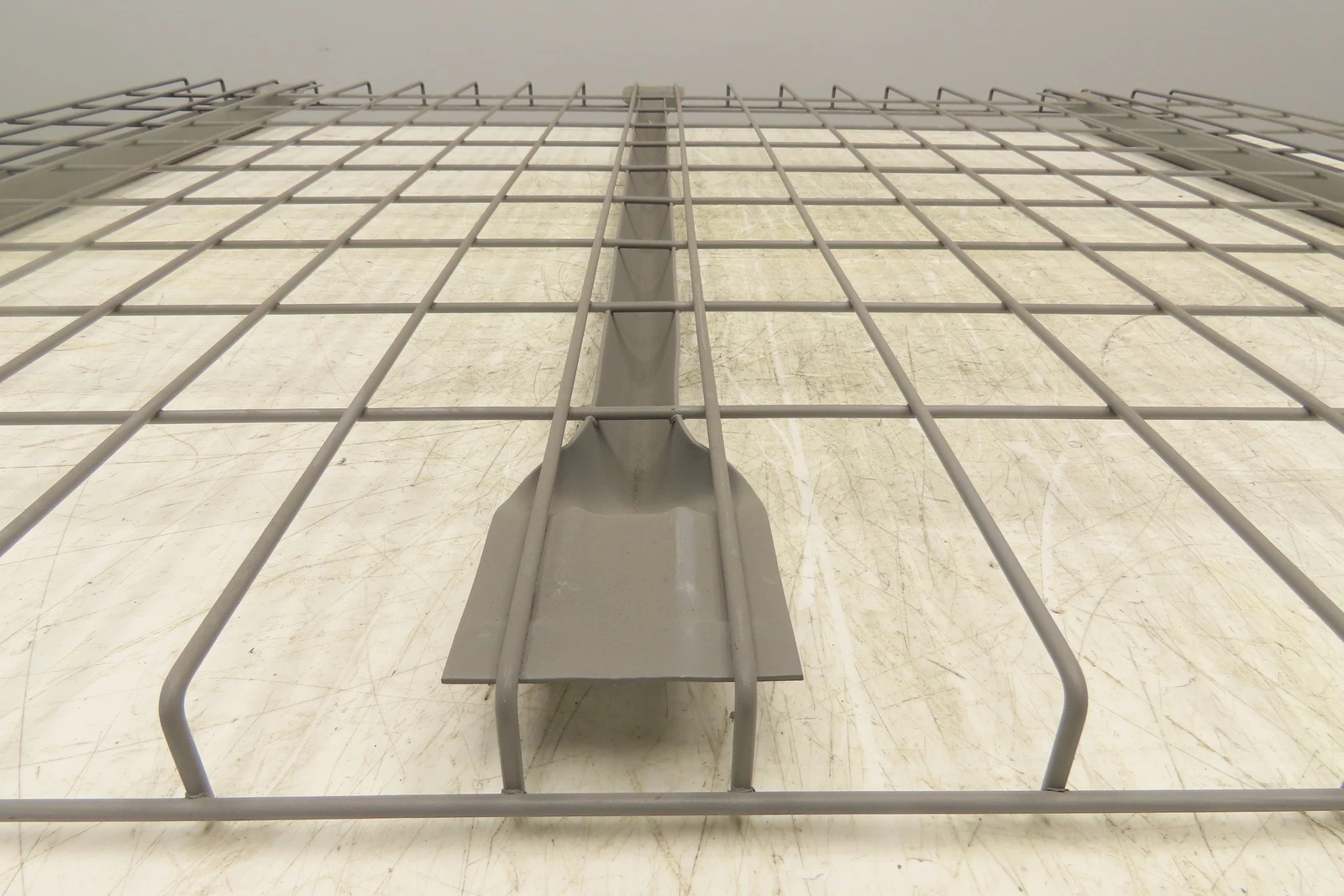
How Does Pallet Racking Impact Supply Chain Speed?
What Role Does Pallet Racking Play In Inventory Tracking?
Pallet racking isn’t just about stacking boxes on shelves; it’s the backbone of any solid inventory system. When you walk into a warehouse that’s got its pallet racking dialed in right, you feel it—the place just hums with order. There’s a quiet confidence that comes from knowing where every item lives, how long it’s been there, and when it’s supposed to move out the door. It’s a simple thing, but it changes everything.
On the shop floor, time is money. You don’t want folks wasting minutes—or worse, hours—digging through messes, trying to find a crucial part or product. Pallet racking gives you clear, easy-to-access storage, so inventory tracking becomes less of a headache and more of a smooth process. The racks keep everything visible, neat, and right where your team expects it. That’s a big deal when you’re juggling deadlines, shipments, and the occasional rush order that just can’t wait.
But there’s more to pallet racking than just orderliness. Every beam and shelf helps create accountability. When you store pallets in a structured system, you’re not guessing where things are—you’re tracking them. This makes inventory checks more honest, reduces shrinkage, and cuts down on costly mistakes. You’re treating your products—and your customers—with respect, because you’re not leaving it to chance. That’s the ethical side of things: doing right by your business and the people who rely on it.
You can’t fake professionalism when your pallet racking is a mess. It sends a message—either you’ve got your act together, or you don’t. Warehouses with well-maintained racks show experience, care, and a commitment to quality. The kind of place a shipping manager feels good about calling their partner. When everyone’s on the same page, working off a clear inventory tracking system anchored by smart pallet racking, operations run cleaner, faster, smoother.
At the end of the day, pallet racking is trust made tangible. It’s the quiet workhorse behind every accurate inventory count and every on-time delivery. Without it, your warehouse is just a lot of noise and confusion. With it, you can breathe easy knowing that every item has its place, and every order is one you can stand behind. That’s the kind of confidence every business needs to keep moving forward.
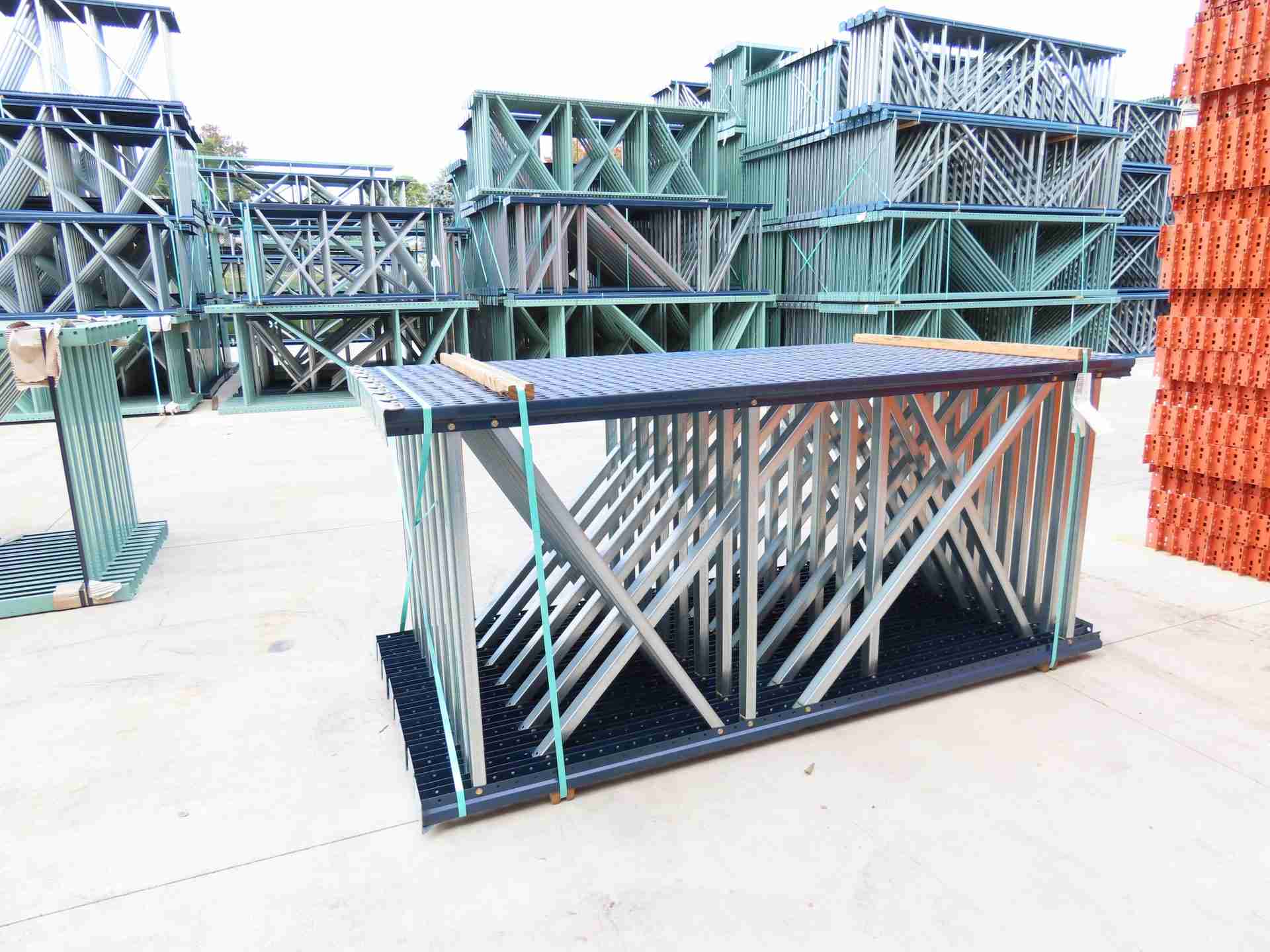
What Role Does Pallet Racking Play In Inventory Tracking?
What Role Does Pallet Racking Play In Inventory Tracking?
- Pallet racking is essential to an efficient inventory system, providing order and clarity in warehouses.
- It saves time by offering clear, accessible storage, reducing delays in locating crucial parts or products.
- Structured pallet racking enhances accountability, making inventory tracking accurate and reducing shrinkage and mistakes.
- Maintained pallet racking reflects professionalism, experience, and commitment to quality.
- Well-organized racks create trust with partners and improve overall warehouse operations.
- Pallet racking supports smooth workflows, helping teams meet deadlines and handle rush orders effectively.
- It is the foundation for accurate inventory counts and timely deliveries, fostering business confidence.

What Role Does Pallet Racking Play In Inventory Tracking?
Conclusion
When it comes to storing and moving ice cream, pallet racking is the quiet hero working behind the scenes, turning a cold, chaotic warehouse into a lean, reliable machine. It’s not some flashy gadget but a rugged, practical system born from hands-on experience and good old common sense. These racks hold thousands of heavy pallets steady, off cold floors, and in tight aisles where forklifts zip through without risking shattered tubs or nasty spills. That alone shows respect—not just for the product but for the folks busting their backs handling it day in and day out.
Pallet racking doesn’t just save space; it saves time and sanity. Instead of hunting down one tub buried under a mountain, workers know exactly where everything sits. That quick access cuts spoilage risks, keeping ice cream fresh and customers happy. It’s more than convenience—it’s a smart move that means less waste, fewer accidents, and a smoother workflow. When the operation hums like a well-oiled machine, it’s a win for the warehouse crew and the company’s bottom line.
Money talks on any production floor, and pallet racking answers loud and clear. By maximizing vertical space and organizing stock smartly, it cuts costs on extra storage and shaves wasted labor hours. Fewer injuries mean less downtime and fewer headaches with safety inspectors. This system is an investment that pays for itself in saved product, faster turnaround, and a safer workplace where everyone can take pride in their work. It’s a no-nonsense fix that’s stood the test of time, built on sturdiness and straightforward utility.
Safety isn’t an afterthought here. These racks are crafted from tough steel, tested hard, and installed with an expert eye. Behind every bolt is a promise—your goods won’t crash down, workers won’t get hurt. It’s ethics in action, a responsibility that manufacturers take seriously because it’s about people’s livelihoods and peace of mind. When you trust your storage to pallet racking, you’re not just buying metal shelves; you’re investing in reliability and integrity that carries through the whole chain.
The story of pallet racking is really a story about respect—for the product, the people, and the planet. By improving airflow and organizing stock, it cuts spoilage and waste, showing a commitment to sustainability. It speeds the supply chain too by making sure orders move fast and smooth from dock to freezer aisle. That builds trust with customers who count on getting their favorite treat fresh, every time. And trust, earned day after day through practical know-how and grit, is worth more than any fancy upgrade.
At the end of it all, pallet racking is the backbone holding everything together. It’s where common sense meets care, where simple steel beams become the guardians of a product that brings a little joy to the world. It’s unglamorous, solid, and necessary—a piece of equipment that deserves a little credit for keeping the ice cream cold, the workers safe, and the supply chain moving forward without a hitch.
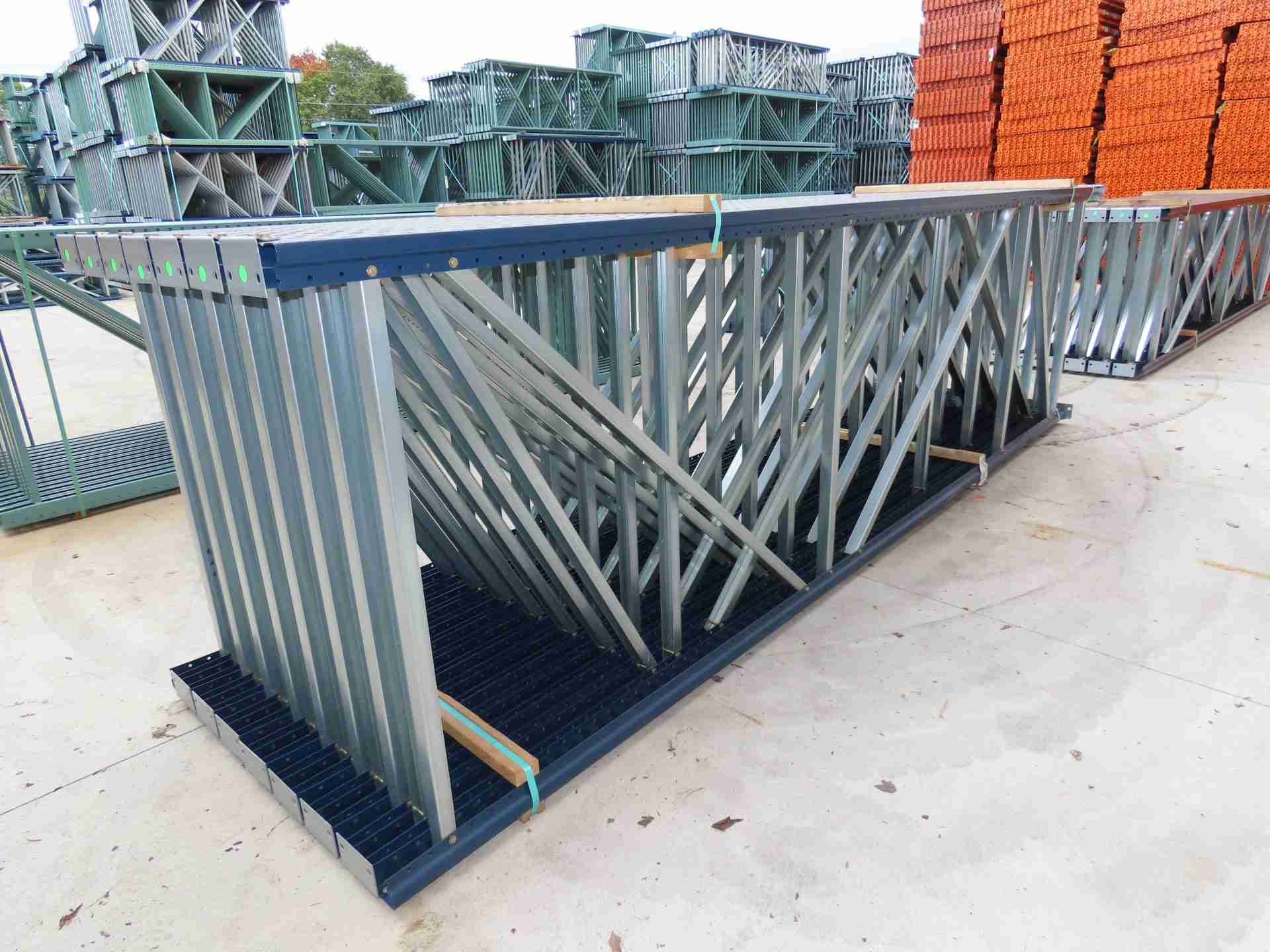
Conclusion
Conclusion:
- Pallet racking provides sturdy, practical storage for heavy ice cream pallets, keeping them off cold floors and protecting them from damage in tight warehouse aisles.
- It maximizes space and improves organization, allowing workers to quickly locate products, reducing spoilage and ensuring freshness.
- By optimizing vertical space and stock layout, pallet racking cuts storage costs, lowers labor hours, and minimizes workplace injuries.
- Constructed from durable steel and installed with care, these racks ensure safety by preventing product collapse and protecting workers.
- The system supports sustainability by enhancing airflow, reducing waste, and accelerating the supply chain from dock to freezer aisle.
- Pallet racking embodies respect for the product, the people handling it, and the environment, maintaining trust with customers through reliable performance.
- It serves as the essential foundation for efficient ice cream storage and distribution, combining simple design with effective function to keep operations running smoothly.

Conclusion
Other Resources
Other Resources
Here is a list of other resources you can review online to learn more:
- Warehouse Automation
- Racking World
- Selective Rack – Raymond West
- SEMA
- American Surplus
- Cantilever Racks Chicago
- What is Selective Racking: Understanding Benefits & Options
- CA Wire
- Arrow Industrial Sales
- Interlake Mecalux
- RMI
- Intro to Warehouse Racks & Warehouse Racking Systems – ShipBob
- BMH
- Logic Material Handling
- Warehousing Education and Research Council: https://www.werc.org/
- Warehouse Storage Racking in Illinois
- Shipping Boxes, Packaging Materials, Pallet Racking
- Bradford Systems
- What is Selective Pallet Racking
- Teardrop Racks – Pallet Rack World
Use This Prompt To Get More Resources With Your Favorite Online AI Tool: Please provide me with a list of online articles with their URLs in a bulleted list that I can read regarding How Do Ice Cream Manufacturers Leverage Pallet Racking?

Other Resources
Glossary Terms
How Do Ice Cream Manufacturers Leverage Pallet Racking? – Glossary Of Terms
1. Pallet Racking: A storage system designed to hold materials on pallets in horizontal rows with multiple levels.
2. Ice Cream Manufacturer: A company that produces ice cream products for wholesale and retail markets.
3. Cold Storage: A refrigerated space used to store perishable goods like ice cream.
4. Warehouse Efficiency: The optimization of space and processes in storage facilities.
5. Inventory Management: The process of tracking and controlling stock levels.
6. Space Utilization: The effective use of available storage area to maximize capacity.
7. Load Capacity: The maximum weight a pallet rack can safely hold.
8. FIFO (First In First Out): An inventory system where older stock is used before newer stock.
9. Pallet: A flat transport structure that supports goods in a stable manner on racks.
10. Mezzanine: An intermediate floor installed within a warehouse to increase storage area.
11. Temperature Control: Maintaining specific temperatures to preserve ice cream quality.
12. Automated Storage: Use of machinery or robotics to manage pallet placement and retrieval.
13. Ergonomics: Designing storage systems for easy and safe access by workers.
14. Stock Rotation: The practice of moving stock to ensure older goods are dispatched first.
15. Load Stability: The secure arrangement of products on pallets to prevent shifting.
16. Accessibility: The ease with which stored items can be reached for handling.
17. Warehouse Layout: The physical arrangement of storage solutions within a facility.
18. Safety Compliance: Following regulations to ensure secure pallet racking installation and operation.
19. Pallet Dimensions: The standardized size measurements for pallets used in racking.
20. Cold Chain: The temperature-controlled supply chain for perishable products.
21. Picking Efficiency: The speed and accuracy of selecting items from storage for shipment.
22. Vertical Storage: Using the warehouse’s height to maximize storage through racking systems.
23. Load Distribution: Even placement of weight on racks to prevent damage or collapse.
24. Environmental Control: Managing humidity and temperature conditions within storage areas.
25. Racking Configuration: The specific layout and design of pallet racks according to storage needs.
26. Maintenance Schedule: Regular inspections and repairs of pallet racks to ensure safety.
27. Load Handling Equipment: Machines like forklifts used to move pallets in storage areas.
28. Inventory Turnover: The rate at which stock is used and replaced within the warehouse.
29. Space Optimization Software: Computer programs that plan and improve warehouse storage layouts.
30. Modular Racking: Pallet rack systems designed for easy adjustment and reconfiguration.
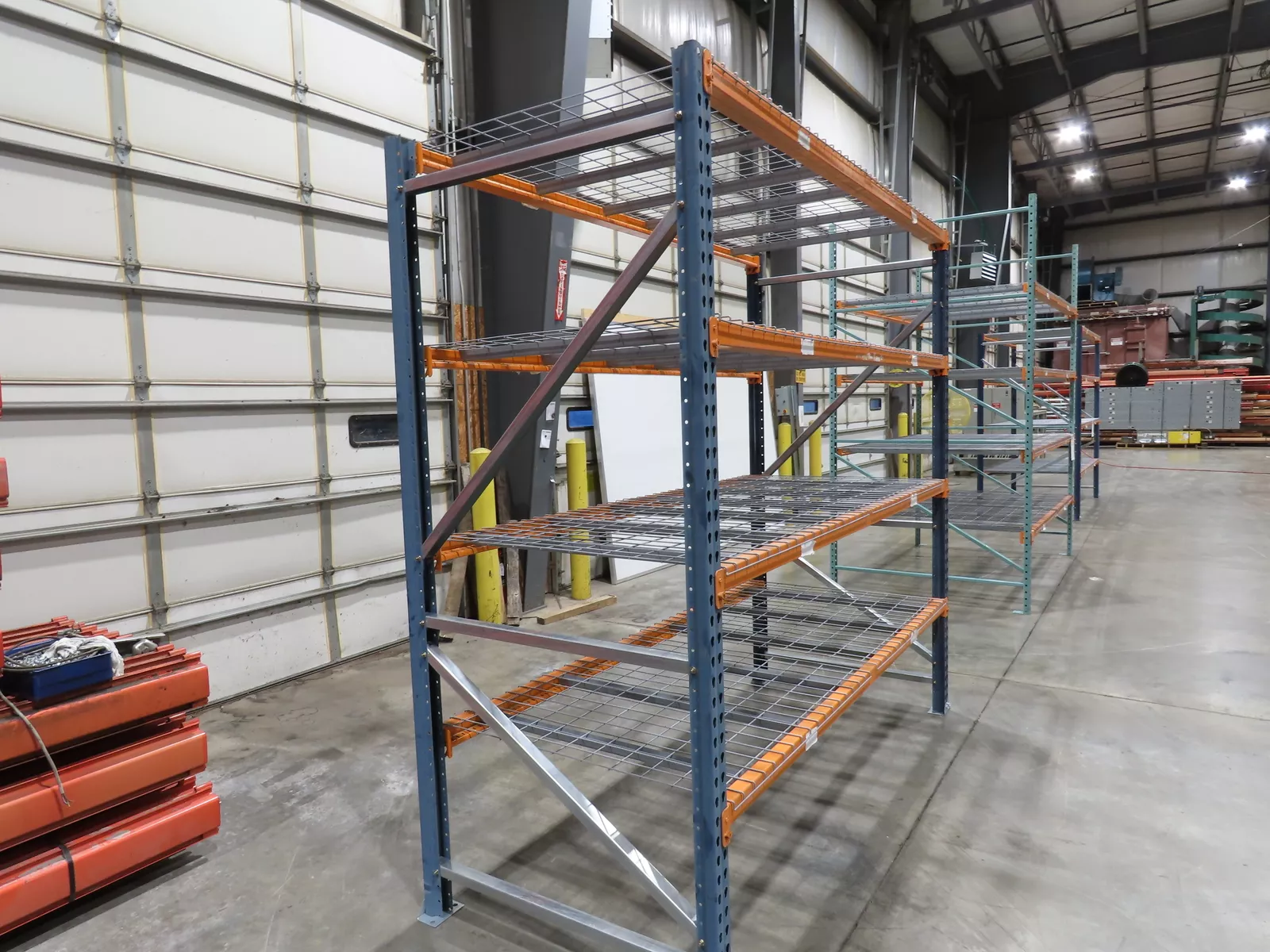
Glossary Of Terms
Other Questions
How Do Ice Cream Manufacturers Leverage Pallet Racking? – Other Questions
If you wish to explore and discover more, consider looking for answers to these questions:
- What types of pallet racking systems are best suited for frozen food warehouses (e.g., selective, drive-in, push-back, pallet flow)?
- How do load capacity and rack design change for ultra-low-temperature environments?
- How much does installing pallet racking for a cold storage facility typically cost?
- What is the expected ROI and payback period for pallet racking investments in ice cream production?
- How do pallet racking systems affect energy consumption and refrigeration costs?
- Can pallet racking be retrofitted into existing freezers without major downtime?
- How do racking layouts influence airflow and temperature uniformity around pallets?
- What are best practices for airflow management and temperature mapping with racks in place?
- How does pallet racking integrate with automated systems like AS/RS, conveyors, or robotics?
- What warehouse management system (WMS) features are most useful when combined with pallet racking?
- How do you choose the right rack spacing and aisle widths for forklift or reach truck operations?
- What forklift types and attachment considerations are necessary for frozen pallet handling?
- What inspection and maintenance schedules should be followed to keep racks safe in cold environments?
- How do cold temperatures affect rack materials, coatings, and fasteners over time?
- What cleaning and sanitation procedures are required for pallet racking in food-grade cold storage?
- How can pallet racking design minimize condensation, ice buildup, and slip risks?
- What are the regulatory standards and certifications relevant to pallet racking in food storage?
- How do insurance and liability considerations change with the installation of pallet racking?
- What seismic or wind load considerations apply to tall racking in different regions?
- How can pallet racking support FIFO (first-in, first-out) or FEFO (first-expired, first-out) inventory rotation?
- What labeling, zone mapping, and traceability practices work best with racked storage?
- How do pallet size and packaging choices affect racking efficiency and stability?
- What protective accessories (frame guards, column protectors, rack beams) are recommended for cold warehouses?
- How do you handle temperature-sensitive product transfers between racked cold storage and ambient areas?
- What training and certification should warehouse staff receive for safe racking operation in freezers?
- How can IoT sensors and monitoring systems be integrated with racks for temperature, load, and damage alerts?
- What are common failure modes for pallet racking in frozen warehouses and how are they mitigated?
- How does pallet racking contribute to reducing product returns, recalls, and quality incidents?
- What sustainability metrics (waste reduction, energy savings, material reuse) can be tracked after racking upgrades?
- Which suppliers or manufacturers have proven experience with cold-storage pallet racking installations?
- What warranty terms and aftercare services should buyers expect from racking manufacturers?
- How do seasonal demand peaks affect racking utilization and inventory staging strategies?
- Can modular or mobile racking solutions provide flexibility for changing production needs?
- What cost-effective measures exist for protecting racks from corrosion and chemical exposure in cold environments?
- How are emergency procedures (e.g., defrost events, power outages) planned around racked inventory?
- What case studies or benchmarks exist showing measurable improvements after racking implementation in ice cream facilities?
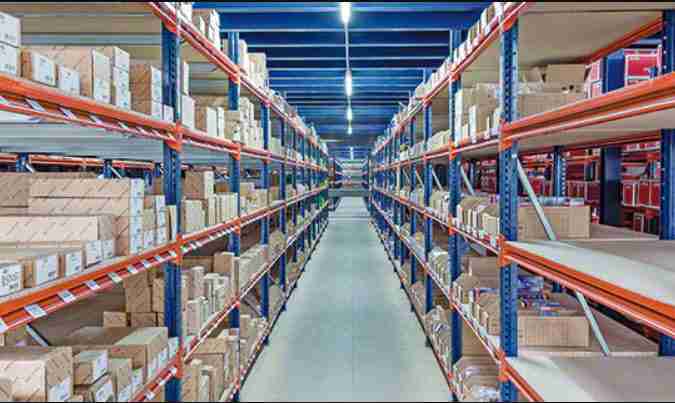
Other Questions
Checklist
How Do Ice Cream Manufacturers Leverage Pallet Racking? – A Checklist
Ice Cream Pallet Racking Readiness and Optimization Checklist
✅______ Organization
✅______ Facility/Freezer
✅______ Prepared by
✅______ Date
✅______ Revision
Strategy and Fit for Purpose
✅______ Space, throughput, spoilage, and energy goals defined and prioritized
✅______ SKU count, case size, and velocity profiled
✅______ FIFO/FEFO policy confirmed with QA
✅______ Peak season volume and labor modeled
✅______ Budget, payback, and ROI approved
Facility and Layout
✅______ Clear height measured; usable height set with sprinkler clearances
✅______ Column grid, doors, drains, and evaporators mapped
✅______ Floor slab capacity and condition verified for low-temperature operation
✅______ Aisle widths matched to MHE turning radius and lift height
✅______ Travel paths minimize door openings and warm exposure
✅______ Emergency egress and fire lanes protected and marked
Rack System Selection
✅______ Rack type chosen: Selective, Double-deep, Push-back (LIFO), Pallet flow (FIFO), Drive-in/through, Mobile
✅______ Materials and coatings rated for freezer use (galvanized or low-temp paint)
✅______ Beam elevations set for airflow and case-pick needs
✅______ Row spacers and flue spaces planned for airflow and sprinklers
✅______ Seismic and local code criteria incorporated
✅______ Compatible with pallet sizes and load dimensions
Pallets, Loads, and Packaging
✅______ Standard pallet specification defined; condition acceptance criteria set
✅______ Maximum pallet weight verified against beam and frame capacity
✅______ Load securement (wrap, straps, corner boards) specified
✅______ Overhang limits set to maintain flue spaces
✅______ Packaging and commodity classification documented for fire design
Installation and Commissioning
✅______ PE-stamped drawings and load calculations approved
✅______ Anchors installed per specification; torque verified and recorded
✅______ Beam locks installed on all beams
✅______ Column and end-of-row guards and rack end barriers installed
✅______ Load signage posted per bay and level
✅______ As-built drawings and manuals archived
✅______ Third-party post-install inspection completed and accepted
Temperature, Airflow, and Spoilage Prevention
✅______ Minimum floor-to-load clearance maintained for airflow
✅______ Longitudinal and transverse flue spaces maintained and audited
✅______ Racks offset from walls and evaporators to prevent short-cycling
✅______ Fast-acting doors, vestibules, and curtains in place and maintained
✅______ Maximum out-of-freezer time limits defined for pallets and case picks
✅______ Temperature monitoring and data logging by zone implemented
✅______ Defrost schedules coordinated with operations
✅______ Temperature-controlled staging buffers defined
Safety and Compliance
✅______ Compliance verified: OSHA, ANSI/RMI MH16.1, IBC, NFPA, and local codes
✅______ Rack inspection program (frequency, checklist, owner) established
✅______ Damage tagging and qualified repair protocol implemented
✅______ Operator training current (forklift, reach, order picker)
✅______ Ice and condensation control plan active; floor traction maintained
✅______ PPE and cold exposure guidelines issued and enforced
✅______ Incident and near-miss reporting process active
Inventory Control and Tracking
✅______ Location schema (aisle-bay-level) defined and labeled
✅______ WMS integrated with rack locations; barcode/RFID enabled
✅______ FEFO/FIFO rules configured and enforced
✅______ Cycle count cadence set; accuracy targets defined
✅______ Pallet IDs capture lot and expiration at receipt
✅______ Slotting strategy based on velocity and pick frequency
Operations and Throughput
✅______ Aisle plan supports two-way travel where required
✅______ Inbound, outbound, and returns staging lanes marked
✅______ Batch and wave picking aligned to rack type and order profile
✅______ Dock-to-freezer transfer time measured and minimized
✅______ Labor standards set (picks per hour, pallets per hour) and monitored
✅______ Peak-season overflow and labor flex plan documented
Maintenance
✅______ Weekly visual and quarterly detailed rack audits scheduled
✅______ Fastener torque checks scheduled and logged
✅______ Corrosion checks in high-condensation areas
✅______ Frost and ice removal procedures defined and staffed
✅______ MHE charging and parking areas located per specification (outside cold zones if required)
✅______ Spare parts kit stocked (beam locks, anchors, guards)
Fire Protection
✅______ Sprinkler design verified for commodity and rack type
✅______ In-rack sprinklers installed where required
✅______ Obstructions to sprinkler discharge eliminated
✅______ Fire detection and alarm tested; valves and risers accessible
✅______ Housekeeping, clearances, and no-storage zones enforced
Sustainability and Energy
✅______ Space utilization target set (pallets per cubic foot)
✅______ LED lighting with motion sensors installed and tuned
✅______ Evaporator and fan VFDs optimized for load and airflow
✅______ Door cycles and infiltration tracked and reduced
✅______ Spoilage and shrink KPIs monitored with corrective actions
✅______ Pallet pooling, repair, and reuse program in place
KPIs and Continuous Improvement
✅______ Inventory accuracy (%)
✅______ Spoilage and shrink (%)
✅______ Picks per labor hour
✅______ Pallets per cubic foot
✅______ Dock-to-freezer cycle time
✅______ Rack damage incidents per month
✅______ Recordable injuries and near misses
✅______ Energy kWh per pallet stored
✅______ Quarterly performance reviews scheduled; actions tracked to closure
Change Management
✅______ Formal process for rack reconfiguration with engineering review
✅______ Capacity signage updated after any change
✅______ Staff retrained after layout or process changes
✅______ Version-controlled drawings and SOPs updated
Traceability and Recall Readiness
✅______ Lot and expiration traceable to rack location history
✅______ Mock recall executed and documented
✅______ Quarantine locations defined, labeled, and access-controlled
Approval
✅______ Name
✅______ Signature
✅______ Date
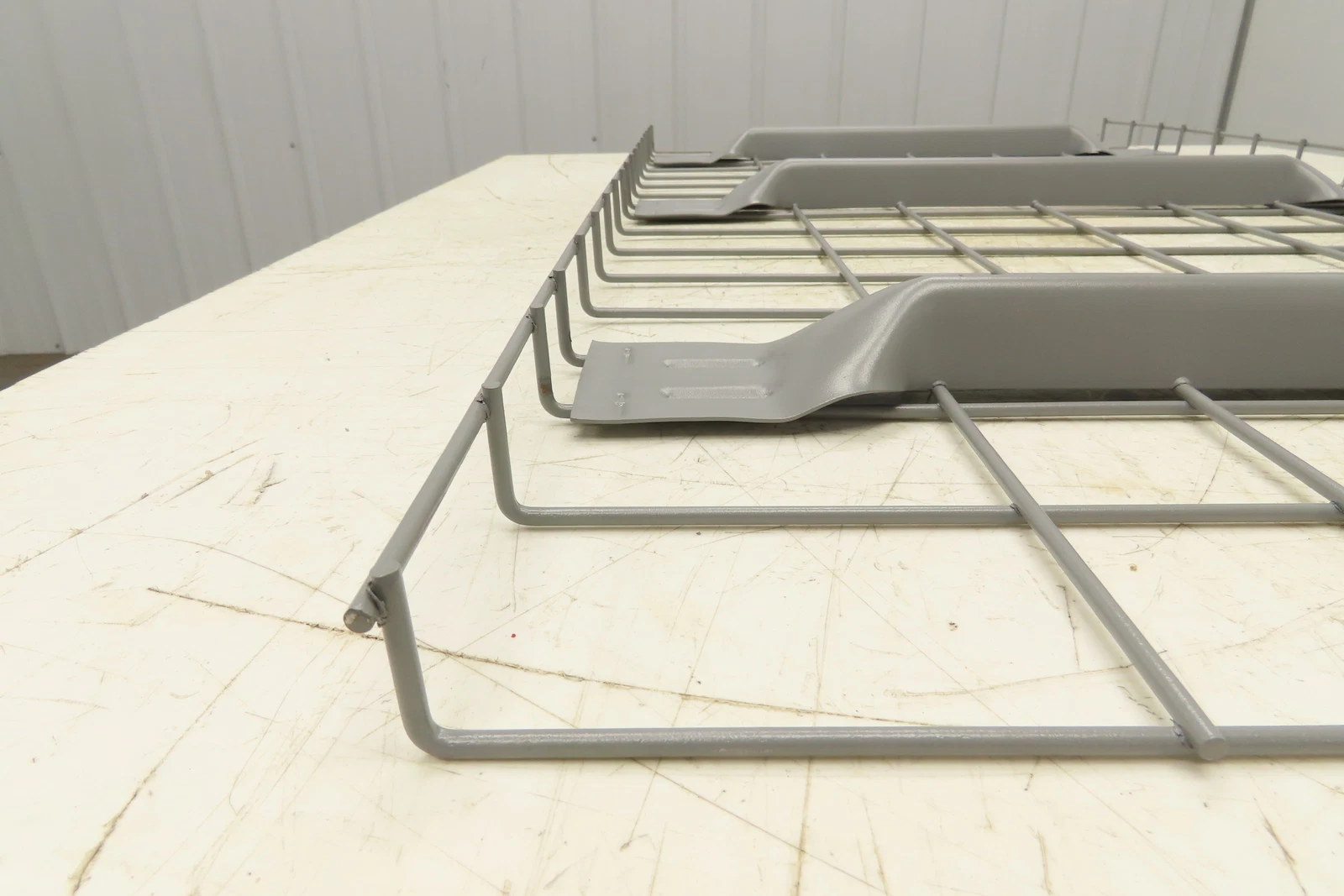
Checklist
At RackingWorld, we help guide you through selecting warehouse storage systems and racking.
Be sure to read our other related stories at RackingWorld to learn more about warehouse storage systems.
0 Comments