
Maximizing Space And Efficiency: The Smart Shift In Hvac Storage Solutions
By Tom Seest
At RackingWorld, we help guide you through selecting warehouse storage systems and racking.
Be sure to read our other related stories at RackingWorld to learn more about warehouse storage systems.
How Do HVAC Equipment and Duct Suppliers Leverage Cantilever Racking?
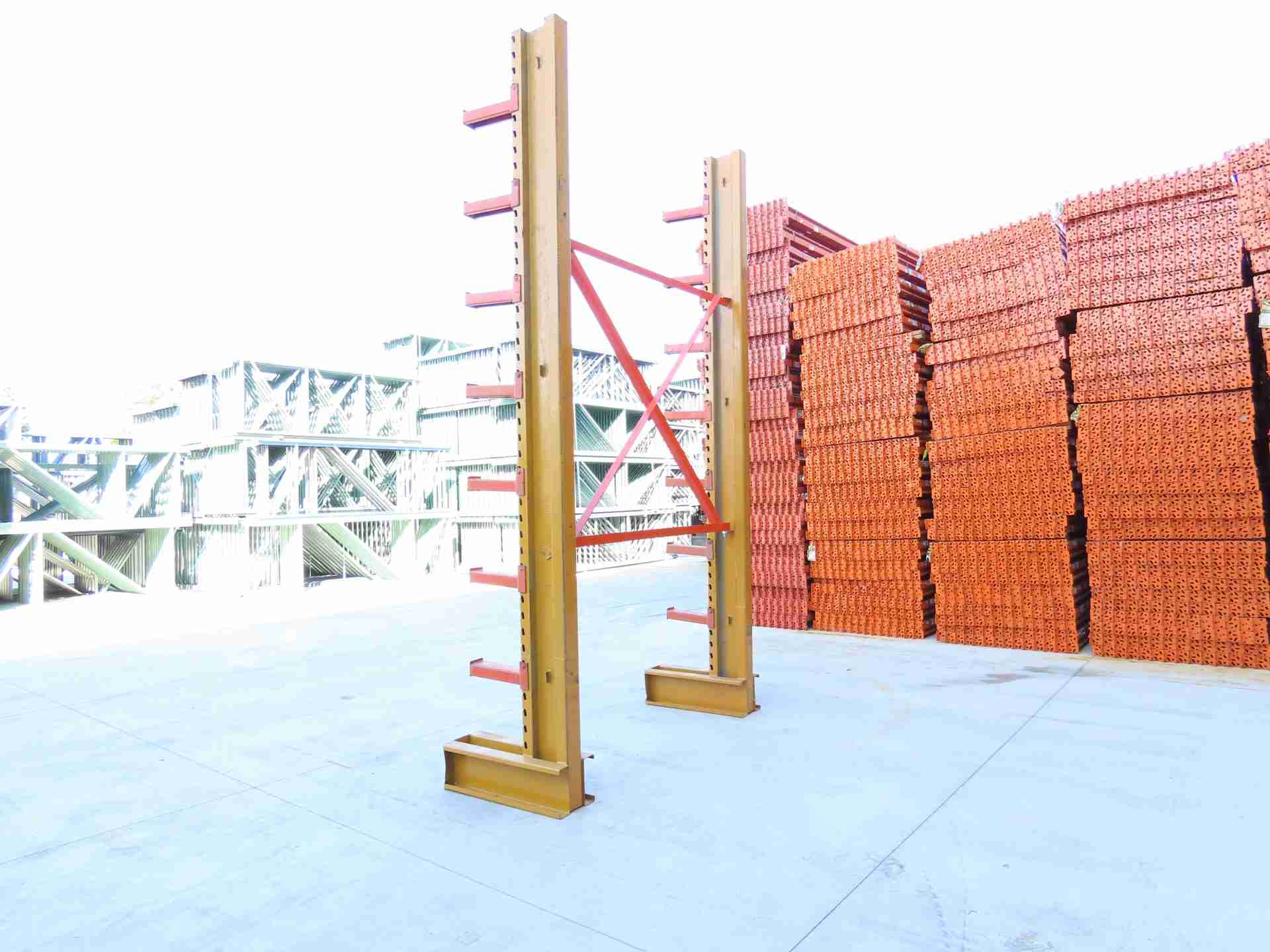
When you’re running an HVAC equipment and duct supply operation, you quickly learn the value of every inch in your warehouse. The last thing you want is to have your gear piled up like a junkyard or scattered so badly that finding what you need feels like a scavenger hunt. That’s where cantilever racking steps in — a simple, tough solution that speaks directly to the heart of anyone who’s ever wrestled with heavy, awkward cargo.
Cantilever racking is built for the long and bulky stuff — think steel ducts, pipe sections, and HVAC units that don’t fit neatly on a pallet or in a box. Unlike pallet racking, which handles standard pallet loads, cantilever arms extend outward without front columns getting in the way. This setup lets suppliers stack and access big, heavy items swiftly without fumbling or risking damage. And if you’ve ever had to deal with crushed sheet metal or bent parts from lousy storage, you know why that matters. Proper storage isn’t just about neatness; it’s about respect for your gear and your craft.
On a practical level, cantilever racks free up valuable floor space. Instead of sprawling piles or overstuffed shelves, everything has a place — easy to see, easy to grab, easy to count. That means fewer headaches, faster turnaround times, and less strain on workers who have to do the heavy lifting. It also cuts down on inventory errors, so you don’t overbuy or come up short when a job is already running late. Efficiency like this isn’t just good business sense; it’s the difference between earning a paycheck and just spinning your wheels.
There’s something ethical about treating your materials and your people right. Using cantilever racking shows you care about safety and quality. No one wants to injure themselves reaching around a heap they’ve been told to organize, and no one wants to pass along damaged goods to customers who rely on dependable HVAC systems. From a social standpoint, it builds trust — among your crew, your buyers, and everyone in the chain. Handling parts with care supports a reputation for reliability and professionalism that no sales pitch can buy.
In many ways, cantilever racking is like a good workbench: straightforward, unglamorous, but absolutely critical. It solves real problems for people who keep buildings comfortable and running smoothly. When you get the right storage in place, you’re not just managing stuff — you’re managing your business’s backbone. And that’s the kind of foundation worth investing in.

How Do HVAC Equipment and Duct Suppliers Leverage Cantilever Racking?
How Do HVAC Equipment and Duct Suppliers Leverage Cantilever Racking?
- Cantilever racking provides an effective storage solution for long, bulky HVAC items like steel ducts and pipe sections that don’t fit on standard pallets.
- Its design, with arms extending outward without front columns, allows easy stacking and access to heavy items without risk of damage.
- Proper use of cantilever racks maximizes warehouse floor space, keeping inventory organized, visible, and accessible.
- This organization reduces worker strain, speeds up operations, and minimizes inventory errors, improving overall efficiency.
- Using cantilever racking demonstrates care for material integrity and worker safety, helping avoid injuries and damaged goods.
- The system builds trust and professionalism across the supply chain by supporting careful handling and reliable product delivery.
- Cantilever racking acts as a fundamental, practical tool essential to the smooth operation and success of HVAC supply businesses.

How Do HVAC Equipment and Duct Suppliers Leverage Cantilever Racking?
Table Of Contents
- How Do HVAC Equipment and Duct Suppliers Leverage Cantilever Racking?
- How Does Cantilever Racking Improve HVAC Storage Efficiency?
- What Are the Cost Savings Of Using Cantilever Racks for HVAC Parts?
- Can Cantilever Racking Support Heavy HVAC Equipment Safely?
- How Does Cantilever Racking Reduce Damage to Duct Supplies?
- Why Choose Cantilever Racking Over Traditional Shelving for Ducts?
- What Are the Best Materials for Cantilever Racks In HVAC Storage?
- Conclusion
- Other Resources
- Glossary Of Terms
- Other Questions
- Checklist
How Does Cantilever Racking Improve HVAC Storage Efficiency?
When you’re knee-deep in HVAC parts and gear, the last thing you need is a mess that turns your workday into a scavenger hunt. Pallet racking is fine for certain jobs, but it’s bulky and rigid — not built for the awkward lengths and strange shapes HVAC stuff often comes in. That’s where cantilever racking steps in, cutting through the chaos with plain old common sense.
Picture this: long pipes, coils, and ductwork stacked in neat, open arms instead of shoved awkwardly on pallets. Cantilever racking gives you that open access, freedom to slide in or grab stuff without wrestling with shelves and boxes. It’s honest-to-goodness efficiency. Your team spends less time hunting and more time doing what they do best — fixing, installing, making things work. And that’s not just convenience; it’s cutting downtime and boosting output. You can see the difference on the floor — fewer headaches, fewer “where’d that part go?” moments.
This isn’t about fancy gadgets or slick sales pitches. It’s solid, proven gear for a tough job. The ethical thing here’s clear: you owe it to your crew to give them tools and systems that don’t trip them up. When storage’s sorted right, everyone’s safer, work flows smoother, and there aren’t dead ends that waste effort. Good storage is respect for the people doing the hard work—not just a place to dump stuff.
If you’ve ever stood in a warehouse hunting for a specific coil or struggling to move a cantankerous length of pipe, you know there’s a better way. Cantilever racking has been around for decades because it delivers. It’s a simple, rugged solution born from hands-on experience and practical know-how—the kind of solution you trust because you’ve seen it work time and again.
Switching to cantilever racking isn’t just about storage; it’s about building a system that supports the people behind the tools. It’s about bringing order to the chaos, making tough days a little easier, and giving your team the confidence that the right part is always within reach. When storage works, everything works better. And in HVAC, that kind of dependable, no-fluff efficiency is worth its weight in steel.
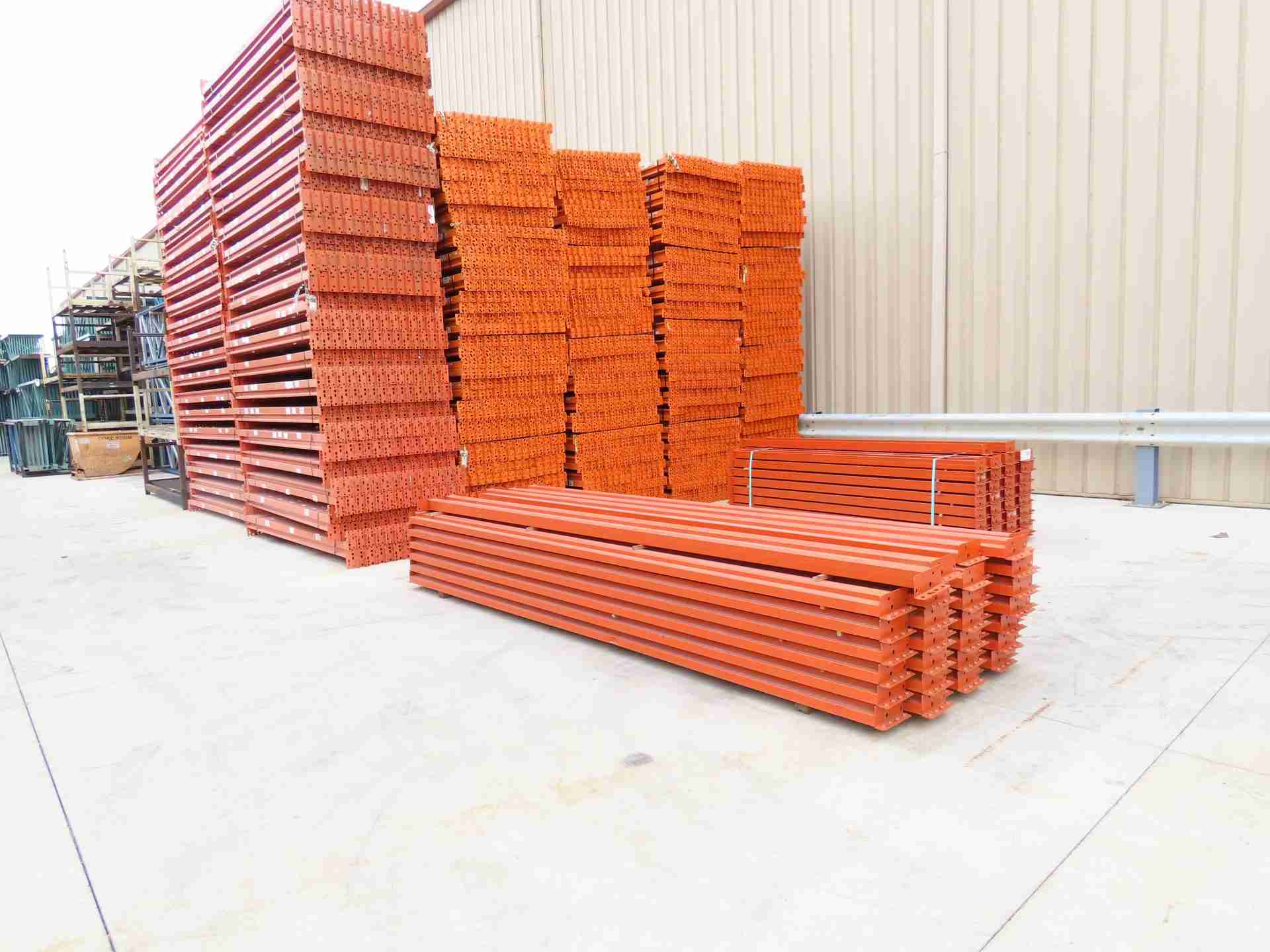
How Does Cantilever Racking Improve HVAC Storage Efficiency?
How Does Cantilever Racking Improve HVAC Storage Efficiency?
- Pallet racking is bulky and rigid, unsuitable for awkward HVAC parts like long pipes and coils.
- Cantilever racking provides open access with arms that neatly hold HVAC items, improving efficiency.
- This system reduces time spent searching for parts, cutting downtime and boosting productivity.
- Cantilever racking is proven, reliable equipment designed for tough, practical use in HVAC storage.
- Proper storage systems enhance safety, streamline work flow, and respect the effort of the workforce.
- Decades of use confirm cantilever racking’s effectiveness and durability in managing HVAC gear.
- Switching to cantilever racking organizes chaos, supports workers, and ensures parts are always accessible.
How Does Cantilever Racking Improve HVAC Storage Efficiency?
What Are the Cost Savings Of Using Cantilever Racks for HVAC Parts?
When it comes to storing HVAC parts, every dollar counts. You know the grind—tight budgets, cluttered shops, and wasted time hunting down gear that’s supposed to be ready to go. That’s where cantilever racks come in, and believe me, they’re not just some fancy option to look good on paper. They’re a solid, practical choice that can save your operation serious cash while making life easier for the folks on the floor.
First off, cantilever racks slash the usual hidden costs you don’t always see with pallet racking setups. Unlike those bulky pallet racking systems, cantilever racks give you clear, unobstructed access to long or awkward HVAC parts like pipes, ducts, and conduit. That means less fumbling and fewer headaches trying to load and unload. When your team isn’t wasting twenty extra minutes per job digging through piles or wrestling with pallets, that’s time—and money—back in the bank. It’s simple: faster retrieval equals more jobs done right and on time. You can’t put a price tag on that kind of efficiency.
On a more down-to-earth level, cantilever racks protect your gear better. Scratches, dents, twisted parts—they’re like money leaking right out the back door. Pallet racking often forces parts into cramped spaces where damage happens fast, but cantilever racks cradle your inventory in plain sight and easy reach. That smaller damage rate means less waste and fewer replacement orders, which adds up over months and years. It’s ethics meets economics—you keep your stuff safe, save resources, and treat your materials like they’re part of the team, because in a way, they are.
Look around any well-run shop or warehouse, and you’ll see the same story: good storage solutions lead to smoother workflows and less frustration. Cantilever racks earn trust by working hard every day, no fuss. They make a tough job feel a little more manageable, like a toolbox you can rely on. When you invest in storage that treats your parts right and respects your hustle, you’re not just saving money—you’re building a system that holds up under pressure and keeps your crew confident that the next job won’t fall apart in your hands.
So, ditch the old pallet racking routines that squeeze your space and your patience. Cantilever racks give you room to breathe, space to organize, and solid cost savings. It’s common sense storage for folks who know every penny saved counts, and every minute wasted piles up like yesterday’s junk. The choice is clear—and it’s about working smarter, not harder.
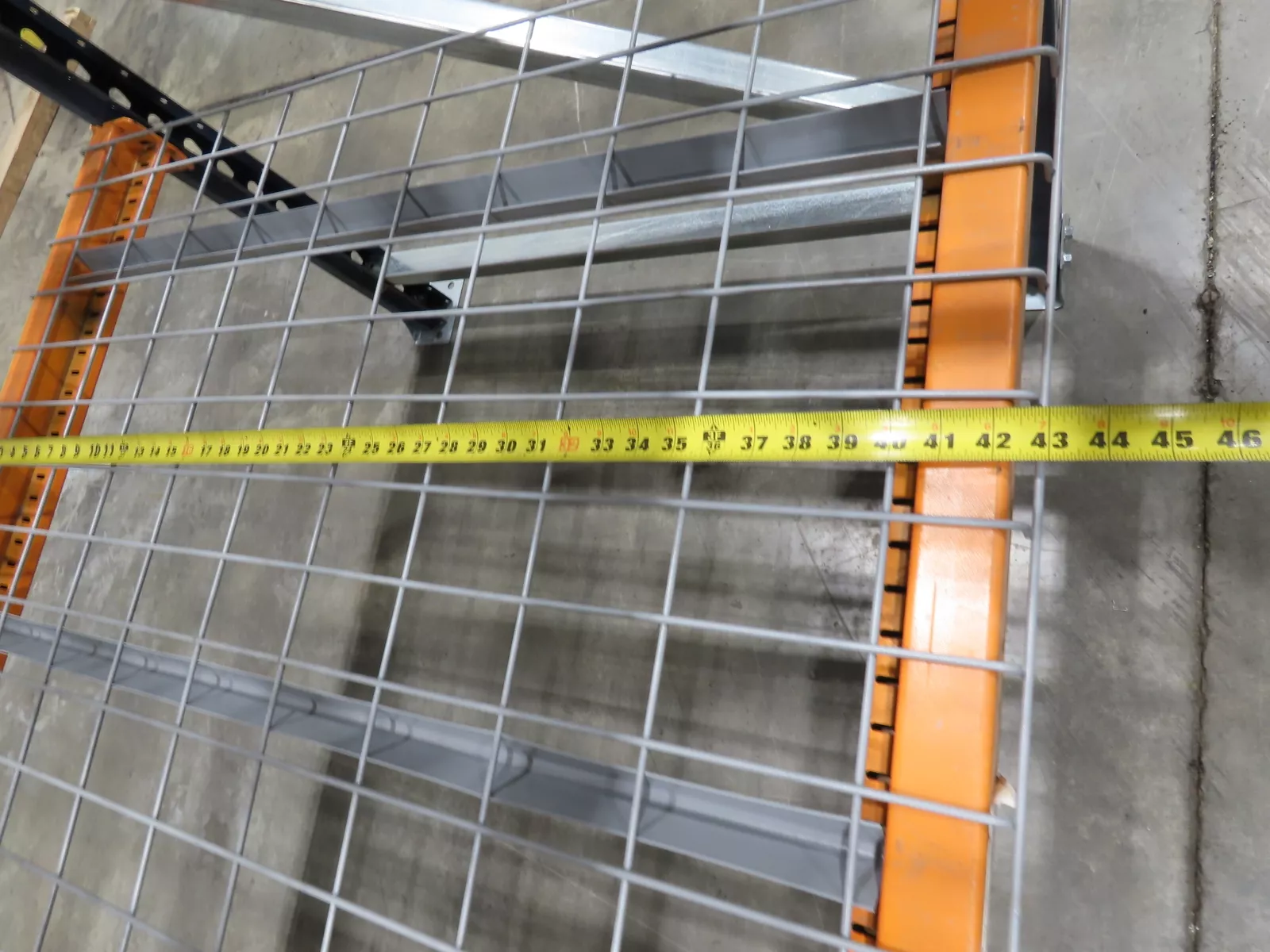
What Are the Cost Savings Of Using Cantilever Racks for HVAC Parts?
What Are the Cost Savings Of Using Cantilever Racks for HVAC Parts?
- Cantilever racks are a practical, cost-saving solution for storing HVAC parts in tight, cluttered spaces.
- They provide clear, unobstructed access to long or awkward items like pipes and ducts, speeding up loading and unloading.
- Faster retrieval with cantilever racks reduces wasted time, increasing job efficiency and on-time completion.
- Cantilever racks protect parts better, reducing damage such as scratches and dents compared to pallet racking.
- Lower damage rates lead to less waste and fewer replacement orders, saving money over time.
- These racks improve workflow and reduce frustration by offering reliable, easy-to-use storage.
- Switching from pallet racks to cantilever racks frees up space, enhances organization, and supports working smarter, not harder.
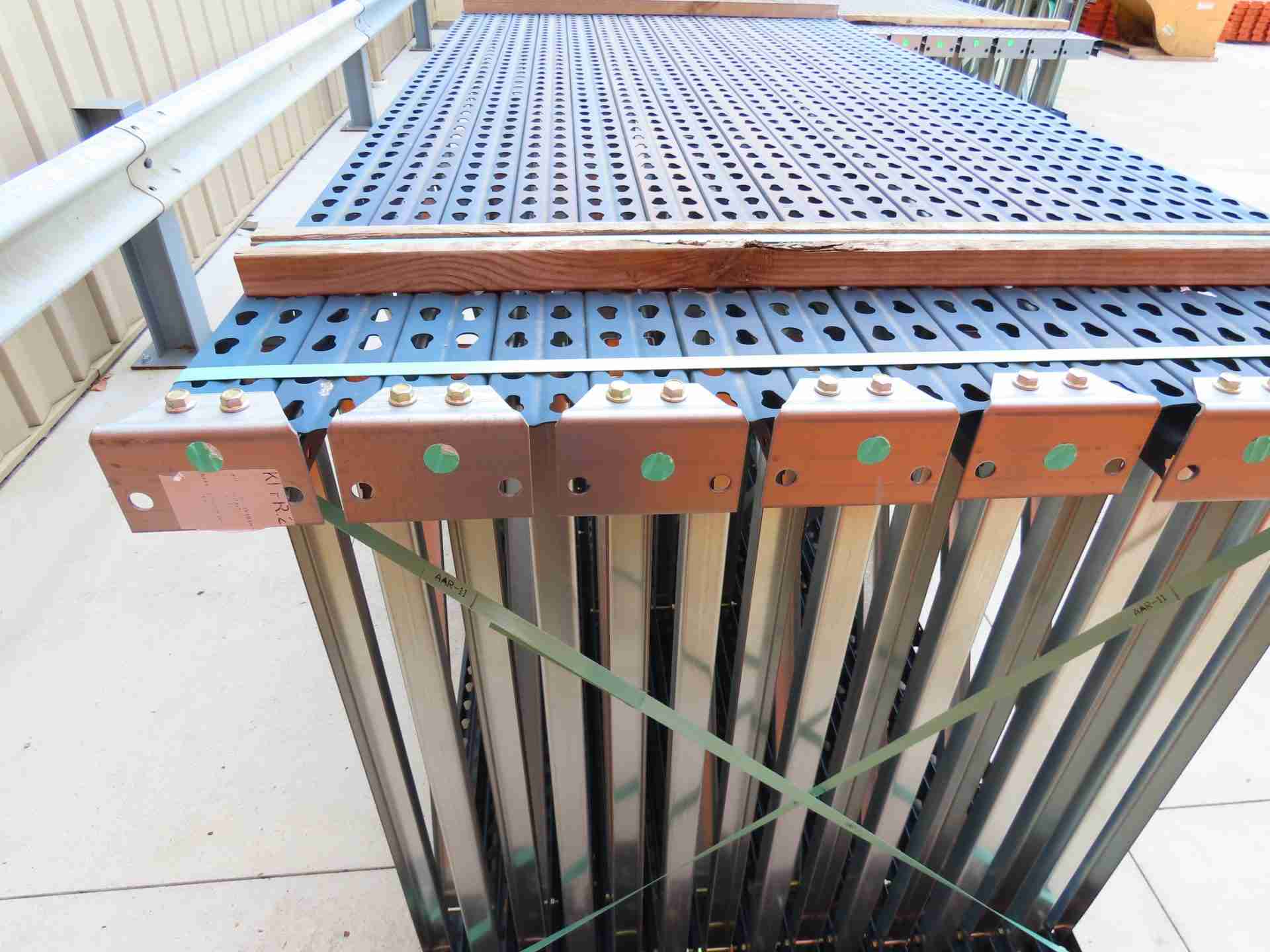
What Are the Cost Savings Of Using Cantilever Racks for HVAC Parts?
Can Cantilever Racking Support Heavy HVAC Equipment Safely?
When you’re staring down a pile of heavy HVAC equipment, you want to know it’s not going to come crashing down and cause a mess—or worse, hurt somebody. Pallet racking has been the go-to for years, reliable and sturdy, but sometimes the gear just won’t fit right. That’s where cantilever racking steps into the story, and I’ve got to tell you, it’s no lightweight contender.
Cantilever racking is like the strong, quiet type in the warehouse world. No bulky uprights getting in the way, just arms sticking out like strong hands ready to hold whatever you throw on them. It’s perfect for long, odd-shaped items—think lengths of pipe, lumber, and yep, big HVAC units. They’re designed to carry heavy loads with balance and strength, spreading the weight over a solid base so you don’t get any dangerous tipping. That’s not just a guess—people who’ve worked with this stuff day in and day out will tell you it holds up as well as anything else when used right.
You don’t want to entrust your equipment to something that’s just “good enough.” These racks are engineered with heavy-duty steel and tested to standards that make your typical pallet racking look like child’s play. Installing the right cantilever with proper anchors and spacing isn’t just about checking boxes—it’s about building a foundation you can depend on week after week. It’s about keeping the people handling the equipment safe and giving peace of mind to the folks who own it.
From an ethical standpoint, there’s a bit of pride in doing things properly. Cutting corners on storage setups invites accidents nobody wants on their watch. Using cantilever racking the right way isn’t just the smart thing to do, it’s the responsible thing. It respects the sweat and time that’s gone into hauling and installing heavy parts, honoring the effort instead of risking a collapse.
So, if you’re running a shop or warehouse where HVAC gear is the name of the game, don’t let your storage put your equipment—or your people—at risk. Pallet racking is great, no doubt, but cantilever racks bring a level of tailored strength for heavy, awkward items that’s tough to beat. It’s common sense backed by tough steel and real-world proof, and that’s the kind of grounding every hardworking outfit needs.
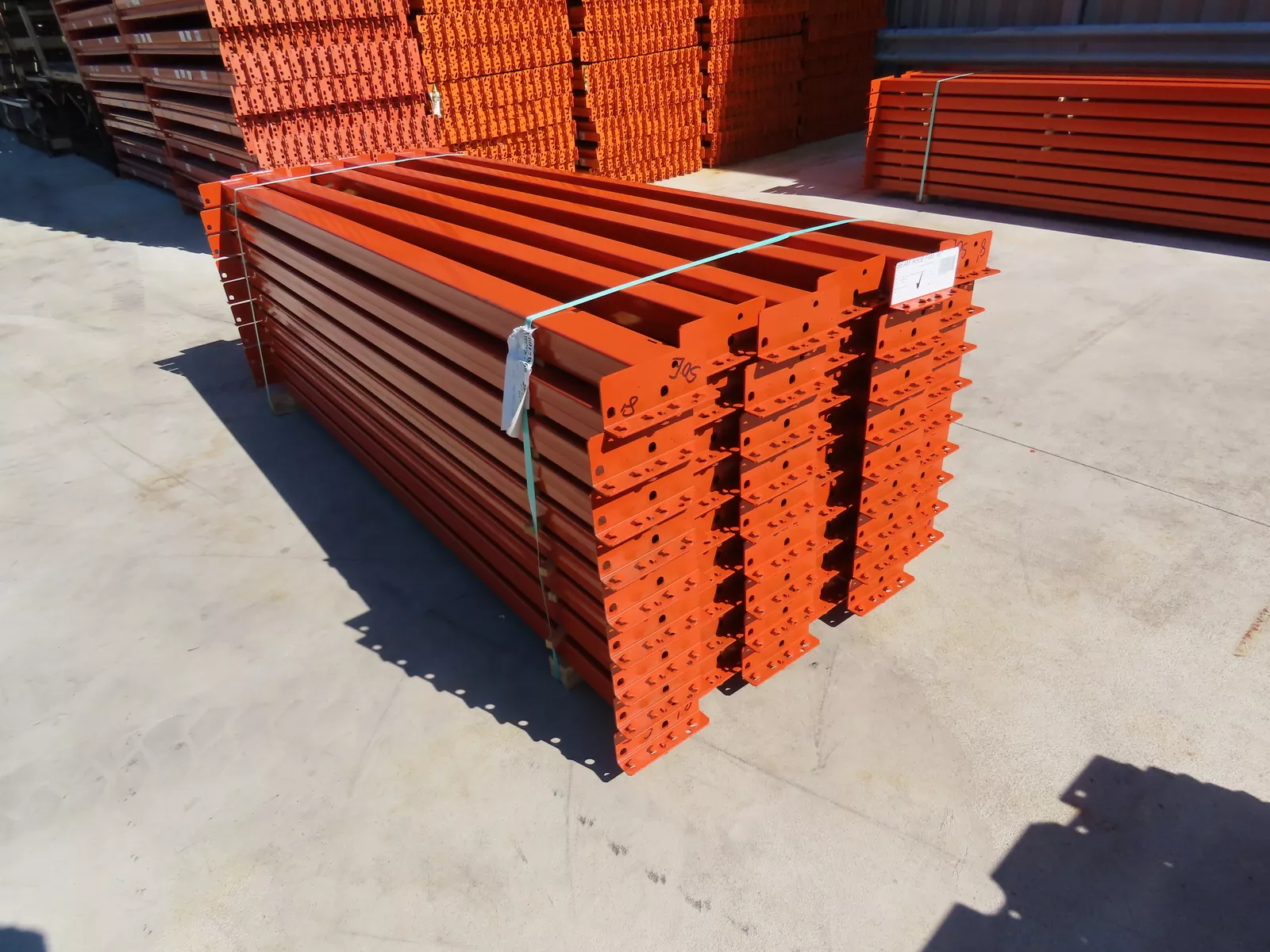
Can Cantilever Racking Support Heavy HVAC Equipment Safely?
Can Cantilever Racking Support Heavy HVAC Equipment Safely?
- Cantilever racking offers a strong, obstacle-free solution for storing long, odd-shaped, and heavy HVAC equipment compared to traditional pallet racking.
- Designed with sturdy arms and a solid base, cantilever racks balance heavy loads to prevent tipping and ensure safety.
- Constructed from heavy-duty steel and tested to high standards, these racks outperform typical pallet racks in strength and reliability.
- Proper installation with anchors and correct spacing is critical for dependable, long-term performance and safety.
- Using cantilever racking responsibly reflects ethical commitment to workplace safety and respect for the effort involved in handling heavy equipment.
- Cantilever racks provide tailored strength suited to awkward HVAC items, enhancing protection for both equipment and personnel.
- This storage solution combines practical engineering and real-world durability, making it essential for shops and warehouses managing HVAC gear.
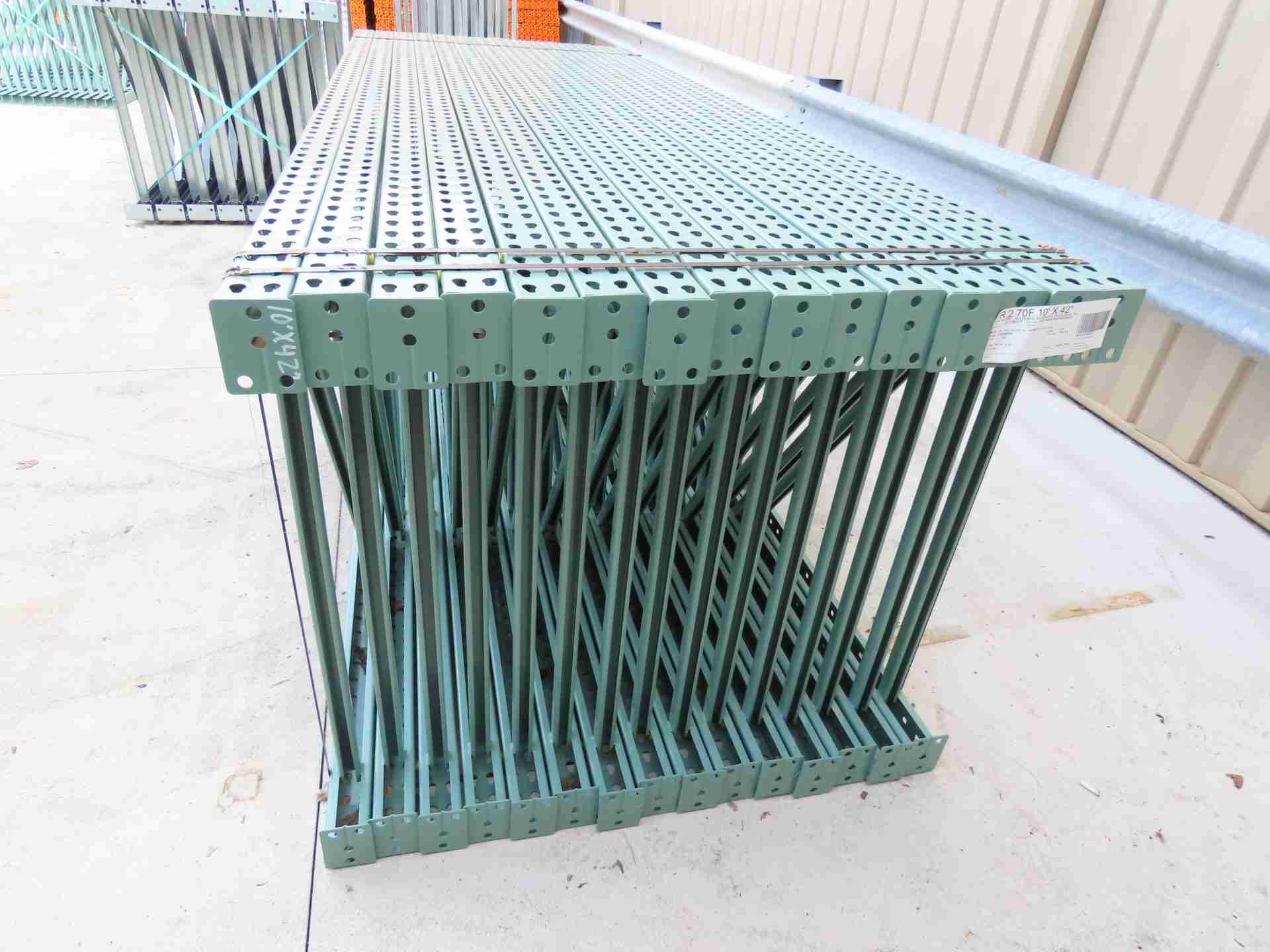
Can Cantilever Racking Support Heavy HVAC Equipment Safely?
How Does Cantilever Racking Reduce Damage to Duct Supplies?
When you’ve spent your mornings wrestling with bulky duct supplies, you know the last thing you want is to find them mangled or bent when it’s time to use them. Cantilever racking steps in like a trusty workhorse, designed to hold those long, awkward pieces without causing harm. Unlike traditional pallet racking that’s made for boxes and pallets stacked high and wide, cantilever racks give duct supplies the room and support they need to stay straight and sturdy. They’re the difference between wrestling with twisted metal and sliding out a perfectly intact piece, ready to go.
Think about it—ductwork isn’t just another part on the job site; it’s the backbone of clean, efficient airflow. Damaging those supplies? That’s wasted time, money, and frustration. Cantilever racking respects the shape and nature of ductwork, cradling them on arms that keep everything off the floor and out of harm’s way. This hands-on approach protects the integrity of the materials, reduces repair costs, and keeps timelines tight. It’s smart, practical, and built on real-world needs, not just an off-the-shelf fix.
Beyond the practical, there’s something ethical about doing right by your materials because they represent more than parts—they represent the sweat and hours you or your team have put into the project. Using the right storage sends a message that you value precision and care, which reflects on your work ethic and craftsmanship. It’s about taking pride in doing the job well from start to finish, no flimsy shortcuts here.
This isn’t guesswork either; industry pros swear by the durability and accessibility of cantilever racking for duct supplies. It’s proven in warehouses and job sites where heavy lifting meets real conditions every day. You get confidence knowing your inventory is secure, easier to track, and damage-free. When it’s time to move to the next phase, nothing slows you down because everything’s stored the right way.
In a nutshell, cantilever racking brings common-sense, backbone, and respect to handling duct supplies. It’s the no-nonsense answer that makes the difference between salvaging a project and starting over. Using it shows you’re serious about getting the job done right, treating your materials properly, and running a site where every piece counts. If you’ve ever felt the sting of damaged supplies, you get why this matters. It’s more than storage—it’s protection, pride, and peace of mind, all rolled into one solid rack.
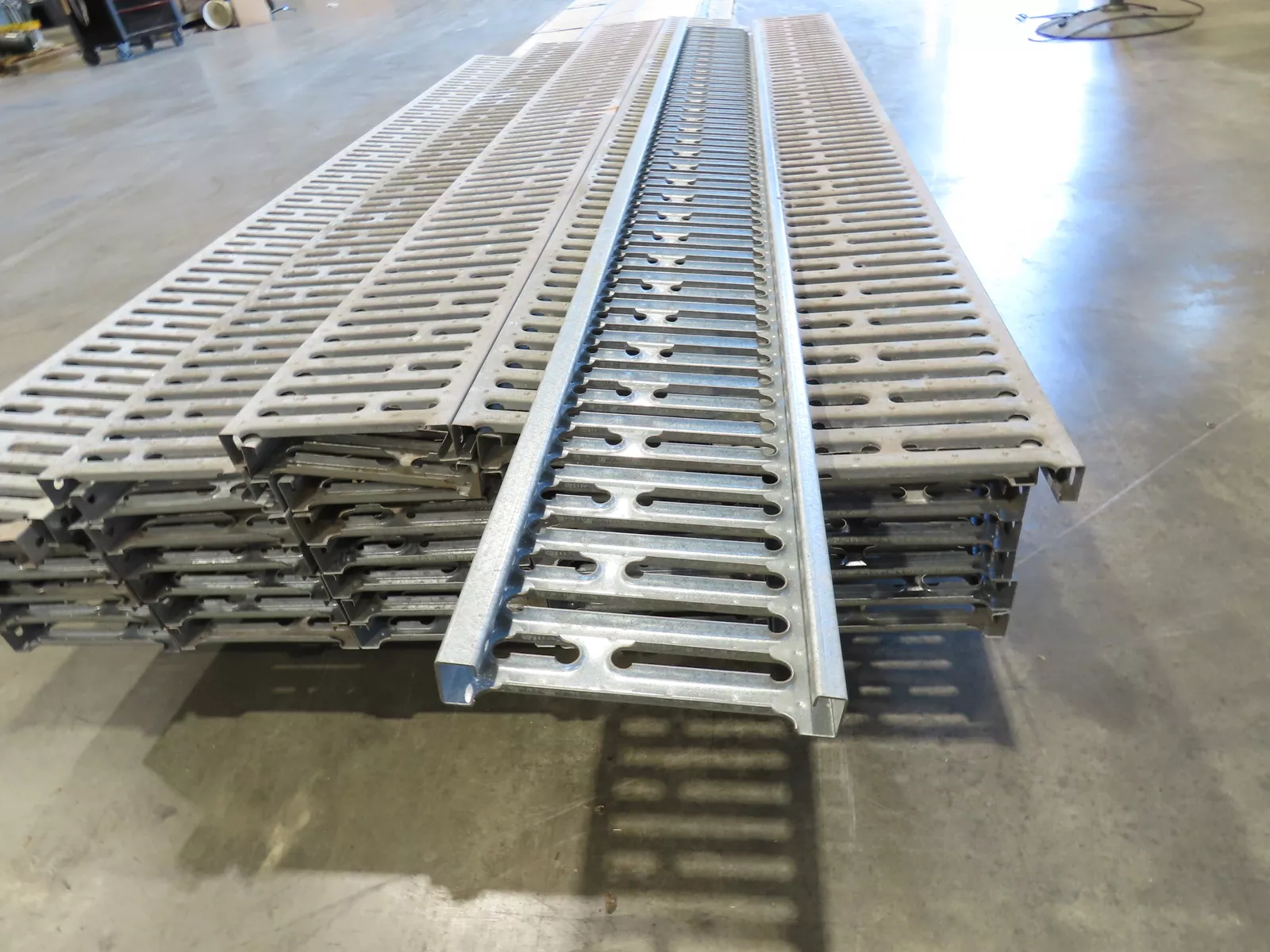
How Does Cantilever Racking Reduce Damage to Duct Supplies?
How Does Cantilever Racking Reduce Damage to Duct Supplies?
- Cantilever racking is designed to hold long, awkward duct supplies without bending or damaging them, unlike traditional pallet racking.
- Ductwork is crucial for efficient airflow, making proper storage essential to avoid wasted time, money, and frustration.
- The racks cradle duct supplies on arms that keep them off the floor and protected, preserving material integrity and reducing repair costs.
- Using appropriate storage reflects a commitment to precision, care, and craftsmanship, valuing the effort invested in the project.
- Industry professionals trust cantilever racking for its durability, accessibility, and proven performance in demanding warehouse and job site conditions.
- Proper storage secures inventory, simplifies tracking, prevents damage, and keeps project timelines on schedule.
- Cantilever racking provides protection, pride, and peace of mind, making a significant difference in handling duct supplies and overall project success.

How Does Cantilever Racking Reduce Damage to Duct Supplies?
Why Choose Cantilever Racking Over Traditional Shelving for Ducts?
When it comes to storing ducts, choosing the right system isn’t just about stacking stuff up and hoping for the best. You want a setup that respects the muscle and sweat behind every job, something built tough enough to stand the day-to-day grind without fuss. That’s where cantilever racking outshines traditional shelving like a workhorse next to a tricycle. It’s not just racks — it’s peace of mind.
Think about your team on the floor, lifting and moving heavy, awkward pieces of ductwork. Traditional shelving turns that into a wrestling match, with shelves too shallow, beams in the way, and a constant battle to fit long, bulky items safely. Cantilever racking flips this on its head. Open arms reaching out, made to handle longer loads without the squeeze. It’s a setup that respects the way you work — no fumbling, no bending over backwards, just plain-old common-sense access. When your crew can grab what they need in a heartbeat, there’s less strain, fewer mistakes, and fewer broken bits.
There’s more to this than just ease, though. Cantilever racks take the load off your head, too. The design spreads weight evenly, reducing pressure points that wear out shelving or cause dangerous tipping. You get strong, steady storage that won’t cave under the demands of a busy shop. It’s engineering you can count on, not some flimsy setup that risks more than just your ducts — think safety, think downtime, think all the little moments where things can go sideways.
On the level of ethics and responsibility, choosing cantilever racks is choosing respect. Respect for the gear, respect for the workers, respect for the job itself. You’re investing in a system that keeps things organized, safe, and accessible. That straightforwardness builds confidence — confidence in your tools, in your crew, in the future of the job site. You’re not cutting corners; you’re setting a standard.
This isn’t just a storage decision; it’s a community move. Pallet racking of any kind is fine, but cantilever racking speaks the language of those who know the load’s weight on their back and the value of a day’s work done right. When you pick cantilever racks, you’re joining a practical, reliable tradition of doing things the right way, with grit and no-nonsense smarts. It’s the kind of choice that quietly supports you, one armful of duct at a time.
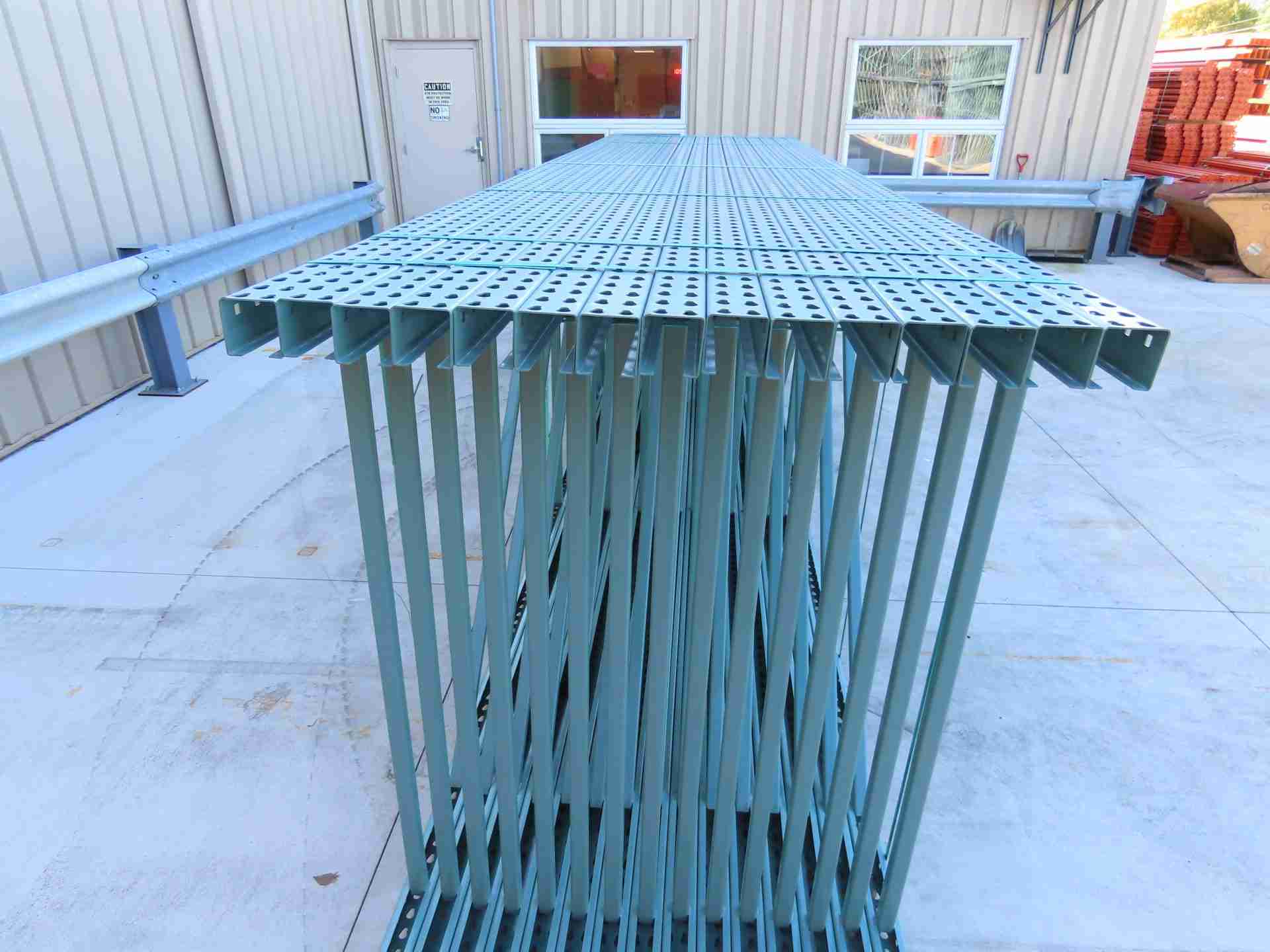
Why Choose Cantilever Racking Over Traditional Shelving for Ducts?
Why Choose Cantilever Racking Over Traditional Shelving for Ducts?
- Cantilever racking offers durable, tough storage designed to handle the daily demands of ductwork storage better than traditional shelving.
- Traditional shelving creates challenges with shallow shelves and obstructive beams, making it hard to store long, bulky duct pieces safely.
- Cantilever racks provide open-arm design for easier access, reducing strain on workers and minimizing errors and damage.
- The design evenly distributes weight, preventing shelf wear, tipping hazards, and ensuring stable storage in busy environments.
- Choosing cantilever racks demonstrates respect for equipment, workers, and the job by promoting organization, safety, and accessibility.
- This storage solution builds confidence in tools, crew, and job site success by setting high standards without cutting corners.
- Opting for cantilever racking aligns with a tradition of practical, reliable work ethic and supports the community of skilled laborers.

Why Choose Cantilever Racking Over Traditional Shelving for Ducts?
What Are the Best Materials for Cantilever Racks In HVAC Storage?
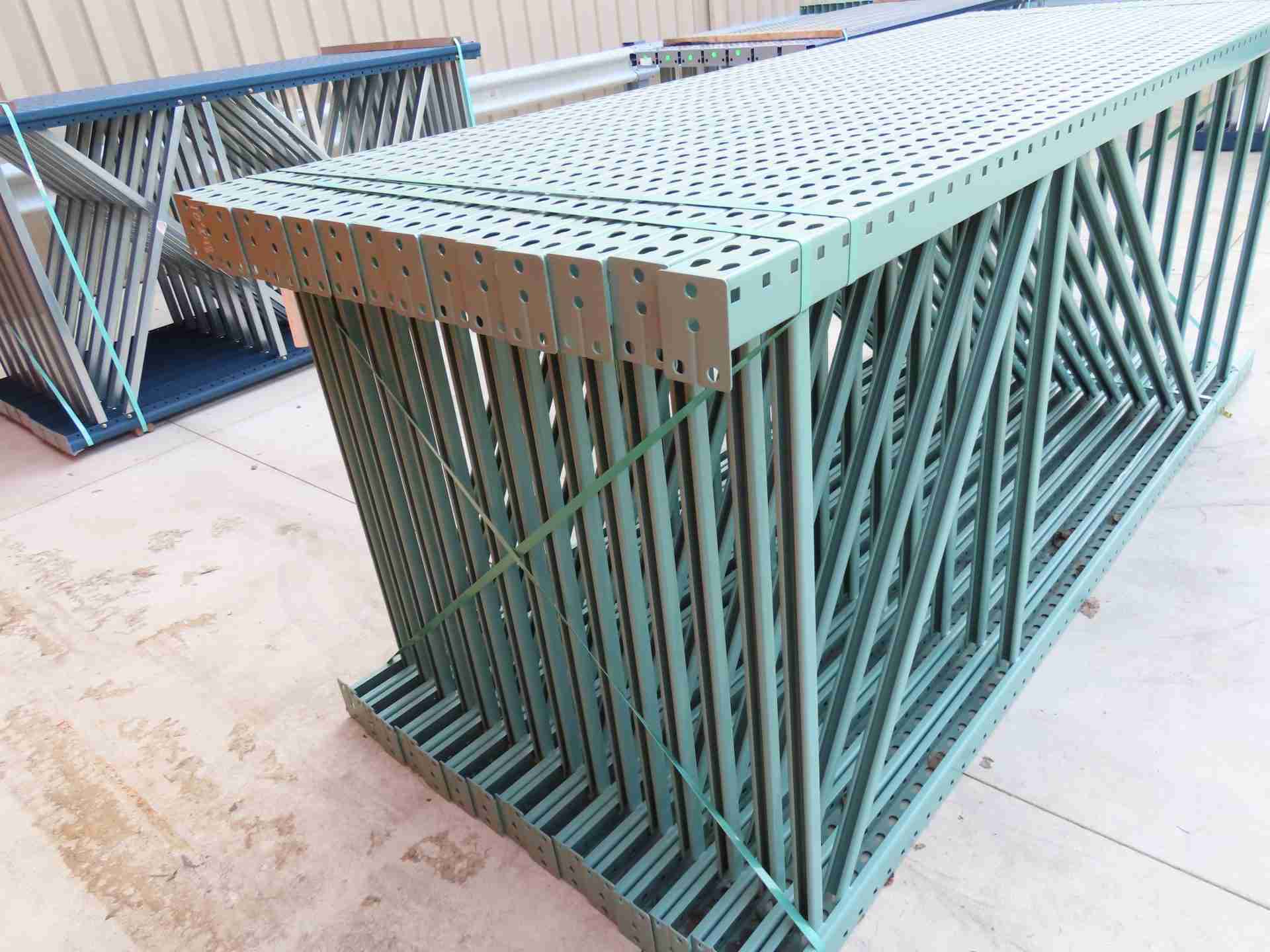
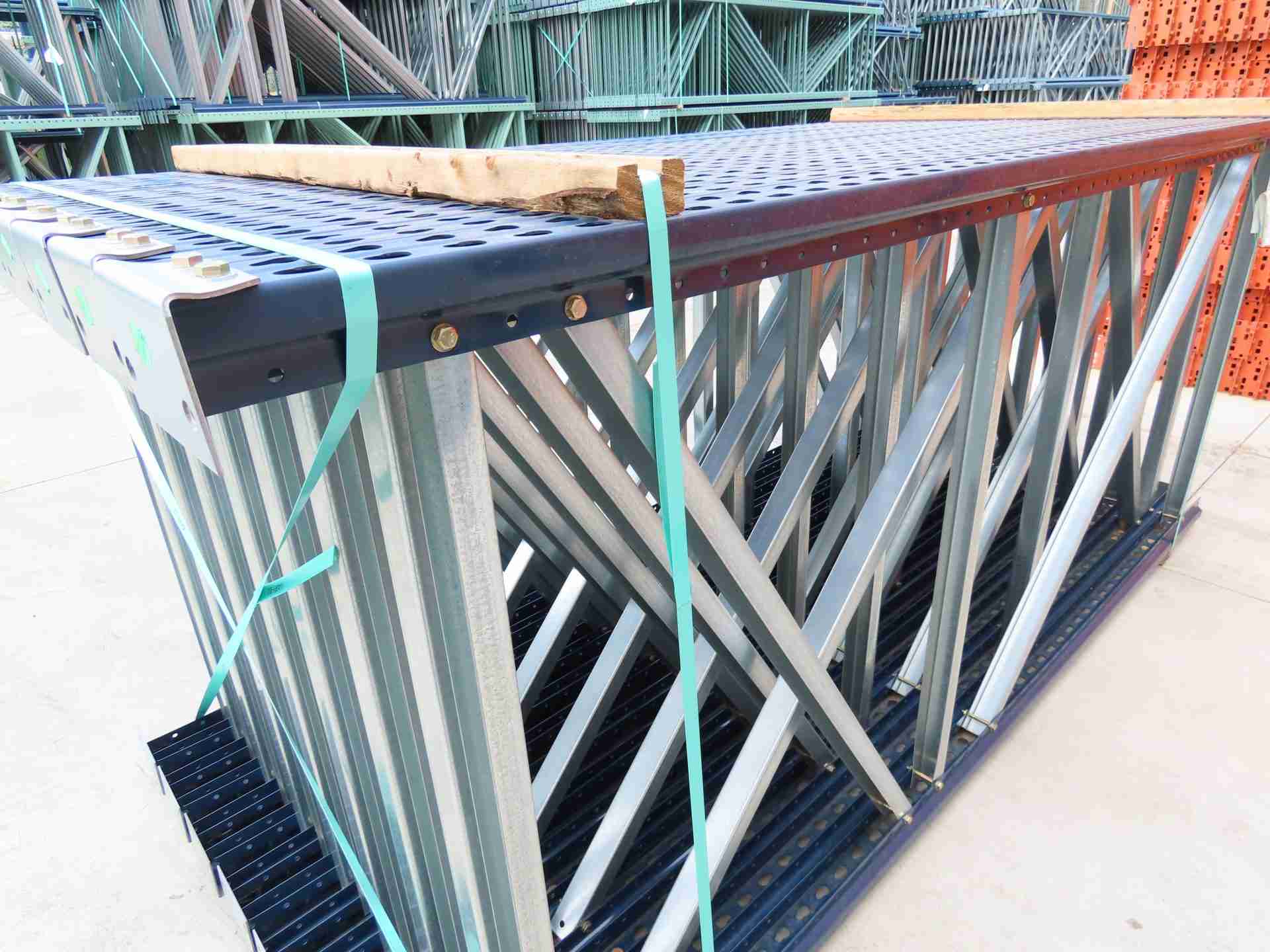
When it comes to choosing the best materials for cantilever racks in HVAC storage, you want something that’s tougher than a two-dollar steak and built to last through whatever your workday throws at it. Let’s face it, in this line of work, the last thing you need is a rickety rack that can’t hold your gear or won’t stand the test of time. You need solid steel, plain and simple. It’s the backbone of reliable pallet racking and cantilever systems alike. Steel’s strength isn’t just muscle; it’s peace of mind. When you’re stacking coils, ductwork, or bulky HVAC components, you want to know your storage isn’t going to give out and send your hard-earned tools crashing down.
Why steel? Because it’s proven. It stands up to rough handling day in and day out, heavy loads included, without bending or breaking. It’s the kind of material that doesn’t ask for special treatment—it just works. Galvanized steel adds a layer of protection that fights off rust and corrosion, keeping your racks looking good and functioning safely even when the environment isn’t perfect. That’s ethical too—building with materials that don’t fail early means less waste, less replacement, and a smaller hit on your budget and conscience. It’s not just about storing stuff; it’s about doing right by your crew and your business.
There’s a story in every shop where cheap racks gave out, and no one wants to be the guy who cut corners just to save a few bucks upfront. When you go with high-quality steel cantilever racks, you’re investing in reliability, safety, and efficiency—things your team notices and respects. It builds trust in your operation, and that trust turns into smoother jobs and fewer headaches.
It’s about practicality wrapped in common sense. The best materials for cantilever racks in HVAC storage are those that get the job done reliably every day—steel and galvanized steel. They’re the honest choice, the hard-working choice, the one that keeps your gear right where you need it, safe and sound. Build your rack system on that foundation, and you’re not just storing HVAC parts; you’re setting up a workspace that respects the work, the workers, and the bottom line.
What Are the Best Materials for Cantilever Racks In HVAC Storage?
What Are the Best Materials for Cantilever Racks In HVAC Storage?
- Solid steel is essential for cantilever racks in HVAC storage due to its durability and reliability under heavy loads.
- Steel provides strength and peace of mind, preventing gear and tools from falling or damaging during storage.
- Galvanized steel offers additional protection against rust and corrosion, ensuring long-lasting rack performance.
- Using durable materials like steel reduces waste, replacement costs, and environmental impact.
- Cheap racks often fail, leading to safety hazards and inefficiency on the job.
- Investing in high-quality steel racks promotes reliability, safety, efficiency, and trust among your team.
- Steel and galvanized steel are practical, ethical choices that support a safe, efficient, and professional workspace.
What Are the Best Materials for Cantilever Racks In HVAC Storage?
Conclusion
Running an HVAC supply outfit teaches you quick: every square foot and minute counts. You can’t afford gear tossed like yesterday’s junk or playing hide-and-seek when a job’s on the line. Cantilever racking cuts through that mess with straightforward, tough as nails practicality. It’s tailor-made for the long, bulky stuff HVAC folks haul—pipes, ducts, heavy units—that just don’t sit right on regular pallets or crowded shelves. Those open arms on cantilever racks mean no bulky columns blocking you, letting you stack and grab gear quick without the wrestling matches that wreck parts or backs.
This isn’t just about looking neat—it’s about respect. Respect for your gear, which gets damaged when thrown around; respect for your crew, who don’t need obstacles or risks piled into their already tough workdays; and respect for the business that relies on being ready to roll. Using cantilever racks frees up floor space, speeds up finding what you need, and cuts down mistakes that can slow you or cost you extra. It’s good honest efficiency that puts more money where it belongs—in your pocket—and less time wasted chasing missing pieces.
Safety isn’t an afterthought here. Cantilever racking spreads the weight of heavy HVAC equipment solidly, standing up to the daily grind without tipping or collapsing on someone’s foot. It’s built from steel tough enough to take the hits, not some flimsy setup that’s “good enough.” Investing in this kind of rugged reliability means fewer accidents, fewer damaged parts, and peace of mind that weighs as heavy as the gear itself. That’s doing right by your team and your customers alike.
When it comes to those finicky ducts and coil lengths, cantilever racks cradle them safely, cutting down on banged-up, bent, or ruined supplies. That’s time saved, money held in your pocket, and pride in sending out quality work that lasts. It’s a straight-up ethical move—why cut corners on the very pieces that keep buildings comfortable day after day? Good storage shows you care about craftsmanship and the people who make it happen.
Put simply, cantilever racking is the unsung hero of HVAC warehouses and shops. It’s no-frills but invaluable, a backbone that supports the hard work, the tight deadlines, and the muscle it takes to keep things running smoothly. Choosing strong steel racks isn’t flashy, but it’s the smart, grounded choice that holds up when it counts. It treats your materials and your crew with the respect they deserve, builds trust in your operation, and makes tough jobs a little easier. For folks who know the weight of every piece and every dollar saved, cantilever racking isn’t just storage—it’s common sense, grit, and reliability all rolled into one solid system.

Conclusion
Conclusion:
- Cantilever racking provides efficient storage for long, bulky HVAC items like pipes, ducts, and heavy units that don’t fit well on regular pallets or shelves.
- Its open-arm design eliminates bulky columns, allowing easy access and quick retrieval of gear, reducing damage and physical strain.
- Using cantilever racks shows respect for equipment, crew, and business by minimizing damage, obstacles, and delays.
- These racks free up floor space, speed up finding materials, and reduce errors that can cause extra costs or downtime.
- Built from tough steel, cantilever racks ensure safety by evenly distributing weight and resisting tipping or collapsing.
- The racks protect delicate items like ducts and coils, helping preserve quality and prevent costly replacements.
- Cantilever racking is a practical, durable choice that supports efficiency, reliability, and respect for materials and workers in HVAC operations.
Conclusion
Other Resources
Other Resources
Here is a list of other resources you can review online to learn more:
- Used Pallet Rack for Sale in Illinois – American Surplus
- Warehouse Automation
- Storage Equipment Manufacturers’ Association
- RMI
- Cantilever Racking Specialists – Get the Right Racks
- Teardrop Pallet Rack – Ridg-U-Rak
- Cantilever Rack Guide: Ordering Cantilever Racking
- Pallet Racking systems in Illinois and Great Lakes
- New Cantilever Racks and Racking Kits
- Selective Rack – Raymond West
- National Safety Council
- BMH Equipment LLC
- Warehousing Education and Research Council: https://www.werc.org/
- SEMA
- Material Handling Safety
- Warehouse Storage Racking in Illinois
- Pallet Racks, Pallet Racking, Pallet Shelves in Stock – ULINE
- Warehouse Racking Chicago, IL
- Teardrop Industrial Shelving Rack
- Used Teardrop Pallet Rack – American Surplus
Use This Prompt To Get More Resources With Your Favorite Online AI Tool: Please provide me with a list of online articles with their URLs in a bulleted list that I can read regarding How Do HVAC Equipment and Duct Suppliers Leverage Cantilever Racking?
Other Resources
Glossary Terms
How Do HVAC Equipment and Duct Suppliers Leverage Cantilever Racking? – Glossary Of Terms
1. Cantilever Racking: A storage system with horizontal arms extending from a vertical column, ideal for storing long or bulky HVAC equipment and ductwork.
2. HVAC Equipment: Devices and machinery used in heating, ventilation, and air conditioning systems.
3. Ductwork: Sheets or tubes used to deliver and remove air in HVAC systems.
4. Vertical Column: The upright support structure in cantilever racking that holds the arms.
5. Horizontal Arms: The projecting supports attached to vertical columns that hold stored items.
6. Load Capacity: The maximum weight that a cantilever racking system can safely support.
7. Storage Efficiency: The optimization of space usage in warehousing HVAC equipment and ducts.
8. Accessibility: The ease with which inventory can be reached or retrieved from storage.
9. Inventory Management: The process of overseeing and controlling stored HVAC equipment and duct materials.
10. Material Handling: The movement, protection, storage, and control of HVAC goods within a warehouse.
11. Pallet Racking: A storage system designed primarily for palletized goods, contrasted with cantilever racking.
12. Long Length Storage: Storage of extended items such as ducts or pipes using cantilever racks.
13. Warehouse Space Optimization: Strategies to maximize usable cubic footage for storing HVAC equipment.
14. Structural Integrity: The strength and stability of cantilever racks under load conditions.
15. Load Distribution: The way weight is spread across the cantilever arms and columns.
16. Modular Design: A racking system designed for easy adjustment or expansion.
17. Heavy-Duty Racking: Cantilever racks built to support very heavy HVAC components.
18. Ergonomics: The design of storage systems to reduce strain or injury during handling.
19. Aisle Width: The space between rows of cantilever racks allowing forklift or personnel movement.
20. Forklift Compatibility: The suitability of cantilever racks for access and loading/unloading by forklifts.
21. Inventory Turnover: The rate at which HVAC equipment or duct materials are cycled through storage.
22. Damage Prevention: Methods to avoid harm to equipment while stored on racks.
23. Customization: Tailoring cantilever racking to fit specific HVAC product dimensions or weights.
24. Safety Features: Elements such as anchors and braces that ensure rack stability.
25. Storage Density: The amount of product stored in a given warehouse area.
26. Space Utilization: The effective employment of available storage area by racking systems.
27. Load Securing: Techniques used to keep HVAC equipment stationary on racks.
28. Stock Visibility: The ability to see and identify stored items easily.
29. Supply Chain Efficiency: The impact of storage methods on the overall HVAC equipment distribution process.
30. Installation Flexibility: The capability of cantilever racks to be assembled or relocated as warehouse needs change.
Glossary Of Terms
Other Questions
How Do HVAC Equipment and Duct Suppliers Leverage Cantilever Racking? – Other Questions
If you wish to explore and discover more, consider looking for answers to these questions:
- What is the maximum load capacity per arm and per column for cantilever racks used in HVAC storage?
- How do you calculate total floor load and ensure the facility floor can support cantilever racking?
- What are the recommended arm lengths and spacing for different types of ductwork and pipe?
- How do cantilever racks compare to pallet racking in terms of storage density and usable cubic feet?
- What safety standards, codes, or regulations apply to installing cantilever racking in commercial warehouses?
- How should cantilever racks be anchored to resist tipping, seismic events, or accidental impacts?
- What inspection and maintenance schedule should be followed to keep cantilever racking safe and serviceable?
- What are the best practices for protecting duct supplies from scratches, dents, and corrosion while stored on the racks?
- Which materials (powder coat, galvanization, plated finishes) best resist corrosion in humid or outdoor HVAC storage environments?
- How do you choose between single-sided and double-sided cantilever racks based on aisle layout and access needs?
- What accessories (end stops, dividers, rollers, pads) are useful for storing particular HVAC components?
- How are load ratings affected when arms are used asymmetrically or partially loaded?
- What is the recommended procedure for load testing cantilever racks after installation or modification?
- How do you determine the optimal rack height and number of levels for safe handling and forklift access?
- What forklift types and lifting equipment are best suited for loading/unloading cantilever racks safely?
- How do cantilever systems handle very long items (e.g., long duct sections or pipe bundles) in terms of support and overhang?
- What are common installation pitfalls and how can they be avoided during cantilever racking setup?
- How easily can cantilever racking be reconfigured or expanded as inventory needs change?
- What are the cost components (materials, shipping, installation, anchoring, permits) when budgeting for cantilever racking?
- What is a realistic payback period or ROI from reduced damage, improved picking times, and labor savings?
- Are there local building permit or fire code issues to address before installing tall cantilever systems?
- How should you store smaller accessories (fittings, fasteners, insulation) within a cantilever racking layout?
- Can cantilever racks be safely used outdoors or in unconditioned yards, and what protective measures are needed?
- How do cantilever racks integrate with inventory management systems and barcode/labeling strategies?
- What worker training or operating procedures should be implemented for safe use of cantilever racking?
- How do you protect racks and inventory from forklift strikes and other common warehouse impacts?
- What inspection checklist items should be used for routine safety audits of cantilever racking?
- How do you select arm height and incline to prevent rolling or sliding of round items like coils or pipe?
- What are the repair options and costs if an arm or column is damaged—can parts be replaced onsite?
- How do environmental factors (temperature, humidity, chemicals) affect stored HVAC materials and rack longevity?
- What spacing and aisle widths are required for efficient picking while maintaining OSHA clearance and safety?
- How do cantilever racks perform in multi-shift operations with high turnover—are there wear issues?
- What warranty, certifications, or test reports should you request from cantilever rack suppliers?
- How do you handle storage of insulated vs. uninsulated ducts, and are there special supports or padding needed?
- Can cantilever systems be combined with pallet racking or mezzanines for mixed-inventory warehouses?
- What are the differences between welded and bolted cantilever systems in terms of strength and flexibility?
- How long does typical lead time and installation take for a medium-sized cantilever racking project?
- What factors determine whether to buy new, custom, or used cantilever racking for HVAC parts?
- How should cantilever racking be configured to support order-picking workflows and minimize travel time?
- What insurance implications or coverage requirements change when installing heavy cantilever racking?
- How should you store irregular or nested duct shapes (oval, spiral) to minimize deformation?
- What labeling, signage, and slotting strategies work best for long-item storage on cantilever arms?
- How do you plan for future loads and upgrades—what safety margins should be used in load calculations?
- What local or industry case studies demonstrate measurable savings from switching to cantilever racking?
- How does cantilever racking affect warehouse airflow, lighting, and fire suppression system design?
- What are recommended retrofitting steps when converting existing pallet racking areas to cantilever storage?
Other Questions
Checklist
How Do HVAC Equipment and Duct Suppliers Leverage Cantilever Racking? – A Checklist
Define Inventory and Goals
✅______ List all long and bulky SKUs (duct sections, pipe, coils, line sets, HVAC units)
✅______ Record maximum length, width, height, and weight per item
✅______ Group SKUs by handling frequency (fast, medium, slow movers)
✅______ Set objectives (space gained, retrieval time reduced, damage rate reduced)
Plan Layout and Flow
✅______ Map current warehouse footprint and clear heights
✅______ Assign single- vs double-sided rack zones based on aisle access
✅______ Set aisle widths to suit lift equipment and load lengths
✅______ Place fast movers near staging and dispatch to reduce travel time
✅______ Plan vertical utilization (shelf and arm elevations that match SKUs)
Specify Rack Components
✅______ Select upright capacity that exceeds total arm loads per level
✅______ Select arm length to fully support product depth without overhang
✅______ Choose arm type (straight or inclined) based on product roll/shift risk
✅______ Set arm spacing to prevent sagging or point loading on ducts and coils
✅______ Select bases sized to the load and floor constraints
Choose Materials and Finish
✅______ Specify heavy-duty steel construction for uprights, arms, and bases
✅______ Use galvanized or coated finishes where moisture or corrosion is possible
✅______ Standardize hardware grade to manufacturer specifications for consistency
Protection and Accessories
✅______ Install arm end stops or pins where containment is needed
✅______ Add saddles or liners to protect coils and finished sheet metal edges
✅______ Use vertical dividers to segregate sizes and prevent creep
✅______ Add foot and base guards in high-traffic zones
✅______ Apply edge protectors for thin-gauge duct sections
Installation Readiness
✅______ Verify slab thickness and strength for anchoring
✅______ Match anchors and base plates to rack loads and slab conditions
✅______ Level and plumb all uprights before loading
✅______ Post load charts and bay capacities at point of use
✅______ Capture as-built drawings and elevations
Handling and Access
✅______ Confirm lift type and fork length match the longest loads
✅______ Define loading and unloading directions to avoid turning with long stock
✅______ Create staging zones adjacent to racks for safe set-down
✅______ Standardize banding and strapping for long bundles to prevent shifting
Labeling and Inventory Control
✅______ Assign location codes by bay, level, and arm
✅______ Apply durable labels and visible lane markers
✅______ Set minimum and maximum levels for common SKUs to prevent overbuy and stockouts
✅______ Implement cycle counts focused on high-value and fast-moving items
Damage Reduction Practices
✅______ Store sensitive finishes on lined arms or in protected lanes
✅______ Avoid stacking beyond arm length; distribute weight across multiple arms
✅______ Keep the floor clear under racks to prevent incidental impacts
✅______ Inspect bundles for sharp edges before racking
Maintenance and Inspections
✅______ Schedule routine checks for arms, pins, anchors, and hardware
✅______ Retorque connections per manufacturer-defined intervals
✅______ Replace damaged arms and uprights immediately; quarantine affected bays
✅______ Keep a maintenance log with dates and actions
Metrics and ROI Tracking
✅______ Baseline retrieval and put-away times before installation
✅______ Track damage rates and write-offs monthly
✅______ Measure floor space reclaimed and vertical utilization achieved
✅______ Calculate labor hours saved and cost-per-pick improvements
Scalability and Adjustments
✅______ Reserve expansion space for additional bays or arm levels
✅______ Keep spare arms and dividers for seasonal or project-based peaks
✅______ Review slotting quarterly and adjust arm spacing to the current SKU mix
Documentation and Training
✅______ Maintain manufacturer manuals, load tables, and warranties
✅______ Train staff on locations, capacities, and handling procedures
✅______ Post quick-reference guides at aisle entries
✅______ Audit compliance with procedures and update as operations evolve

Checklist
At RackingWorld, we help guide you through selecting warehouse storage systems and racking.
Be sure to read our other related stories at RackingWorld to learn more about warehouse storage systems.
0 Comments