
Streamlining Care: The Vital Role Of Pallet Racking In Hospital Supply Chains
By Tom Seest
At RackingWorld, we help guide you through selecting warehouse storage systems and racking.
Be sure to read our other related stories at RackingWorld to learn more about warehouse storage systems.
How Do Hospital Supply Chains Leverage Pallet Racking?
When it comes to running a hospital supply chain, every minute and every inch of space matters. Pallet racking plays a quiet but mighty role in keeping things moving smoothly—kind of like the unsung hero in the background, holding up the show without much fuss. Hospitals aren’t just about beds and doctors; they’re big operations with supplies that have to be ready to roll at a moment’s notice. Pallet racking lets the folks in logistics stack and store goods in a way that makes sense—efficient, safe, and reliable.
Think about it: hospital supplies cover everything from bandages and gloves to high-tech machines and medicines. These items come in all shapes and sizes, often arriving on pallets. Without proper racking, it’s chaos. You’d have people scrambling, wasting time digging through piles, and sometimes worse, items might get damaged or lost. Pallet racking turns that mess into order. It’s sturdy, accessible, and built to hold a lot without breaking a sweat. That means nurses and doctors get what they need when they need it, no distractions or delays. When people’s lives are on the line, that kind of dependability isn’t just nice—it’s vital.
This isn’t just about storing stuff; it’s about trust. Warehouse teams rely on pallet racking because it’s been tried and tested. It’s a straightforward solution that respects the hard work and care that goes into healthcare. The clean lines and organized shelves reflect the seriousness behind hospital operations. Imagine a supply chain without pallet racking—confusing, inefficient, and risky—that’s not acceptable when you’re dealing with health and safety. Ethical responsibility calls for doing it right, and the right way is keeping your supplies organized and easily reachable.
Pallet racking also connects everyone on the team. From the drivers unloading deliveries to the stock clerks replenishing shelves, and the nurses grabbing supplies for patients—it all depends on that solid framework holding everything together. It’s not flashy, but it’s essential. Like the backbone of a good crew, pallet racking supports the entire supply chain, making sure each part can do its job without hurdles.
Pallet racking is more than metal beams and racks; it’s part of what makes a hospital tick. It shows the value of hard work, planning, and respect for the people who count on this system every day. When supply chains leverage pallet racking, they’re laying down a foundation you can trust. That dependable setup helps hospitals focus on what matters most—caring for people, no matter what.

How Do Hospital Supply Chains Leverage Pallet Racking?
How Do Hospital Supply Chains Leverage Pallet Racking?
- Pallet racking is crucial in hospital supply chains for efficient, safe, and reliable storage of diverse medical supplies.
- It organizes items that vary in size, preventing chaos, damage, and loss, ensuring timely access for healthcare staff.
- Dependability of pallet racking supports critical healthcare operations, allowing nurses and doctors to focus on patient care without delays.
- Warehouse teams trust pallet racking as a proven, straightforward solution that reflects the seriousness of hospital logistics.
- Proper racking mitigates inefficiency and risks, fulfilling ethical responsibilities to maintain organized and accessible supplies.
- Pallet racking unites all team members—from delivery drivers to nurses—by providing a stable framework for the supply chain.
- It symbolizes hard work, planning, and respect, forming the dependable foundation that helps hospitals prioritize patient care.
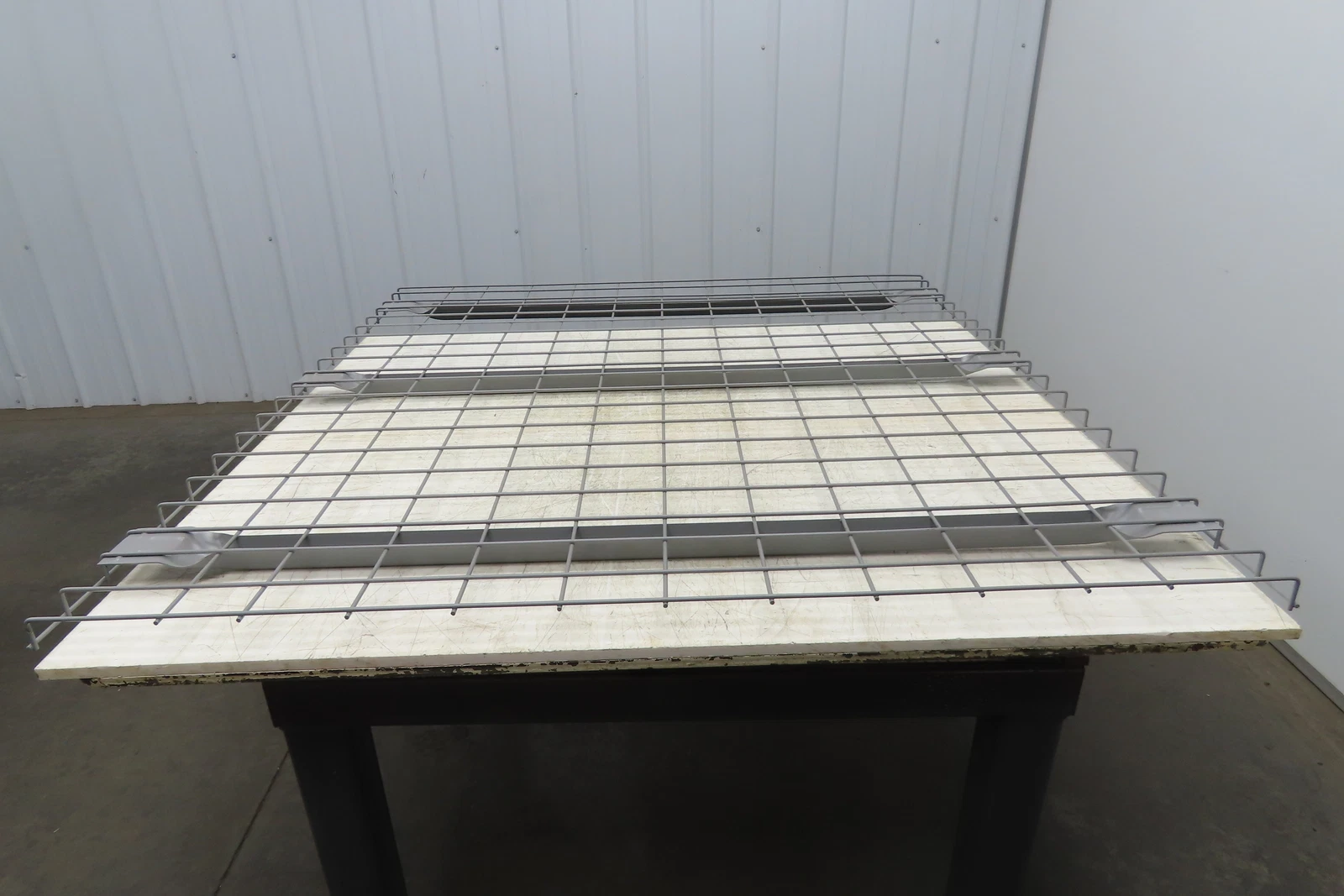
How Do Hospital Supply Chains Leverage Pallet Racking?
Table Of Contents
- How Do Hospital Supply Chains Leverage Pallet Racking?
- How Does Pallet Racking Improve Hospital Supply Efficiency?
- What Cost Savings Result From Using Pallet Racking In Hospitals?
- How Does Pallet Racking Support Timely Patient Care Delivery?
- Can Pallet Racking Reduce Supply Chain Errors In Hospitals?
- How Do Hospitals Ensure Safety Using Pallet Racking Systems?
- What Ethical Concerns Arise In Managing Hospital Inventory Storage?
- Conclusion
- Other Resources
- Glossary Of Terms
- Other Questions
- Checklist
How Does Pallet Racking Improve Hospital Supply Efficiency?
When you look around a busy hospital storeroom piled high with boxes and bins, it’s easy to see how chaos can creep in. Patients waiting, nurses on tight schedules, doctors needing supplies fast—every minute counts. This is where Pallet Racking steps in like the reliable friend you want on your team. It’s not just a metal shelf; it’s a game changer for supply efficiency.
Think about it: every pallet racking system is designed to get things off the floor and into neat, organized rows. No more digging through heaps of clutter or scrambling for that last box of gloves. You can see what you’ve got at a glance and grab it quick. That kind of order doesn’t just save time—it saves lives. When those vital supplies are exactly where they’re supposed to be, staff aren’t left wasting precious moments hunting or double-checking inventory. Stress drops, confidence rises.
Hospital work is tough enough without adding supply headaches to the list. Pallet racking respects the hard work of every single person hustling through long shifts. It’s about giving them tools that work as hard as they do. When you install a quality pallet racking system, you’re making a commitment to smoother workflows, fewer errors, and better patient care. It’s the kind of practical solution that feels honest and down-to-earth.
You don’t have to be a warehouse wizard to appreciate how pallet racking pulls its weight. It’s proven tech, trusted by warehouses everywhere, now tailored to the unique demands of healthcare. It cuts down the chaos and builds a dependable backbone for your supply chain. Plus, it’s built tough—ready to hold up under the constant come-and-go of hospital gear. That kind of reliability speaks volumes.
And here’s the kicker: when supplies are organized and easy to reach, your whole healthcare crew feels it. Confidence grows, communication smooths out, and every shift flows a little easier. It’s about more than just storage; it’s about respect for the people who make hospitals run—the folks on the front lines who need all their tools at their fingertips.
Pallet racking doesn’t just store stuff. It shapes how a hospital runs—silent, steady, and strong. It’s a simple step with a big impact that invites everyone to feel a little more prepared, a little more capable, every single day.
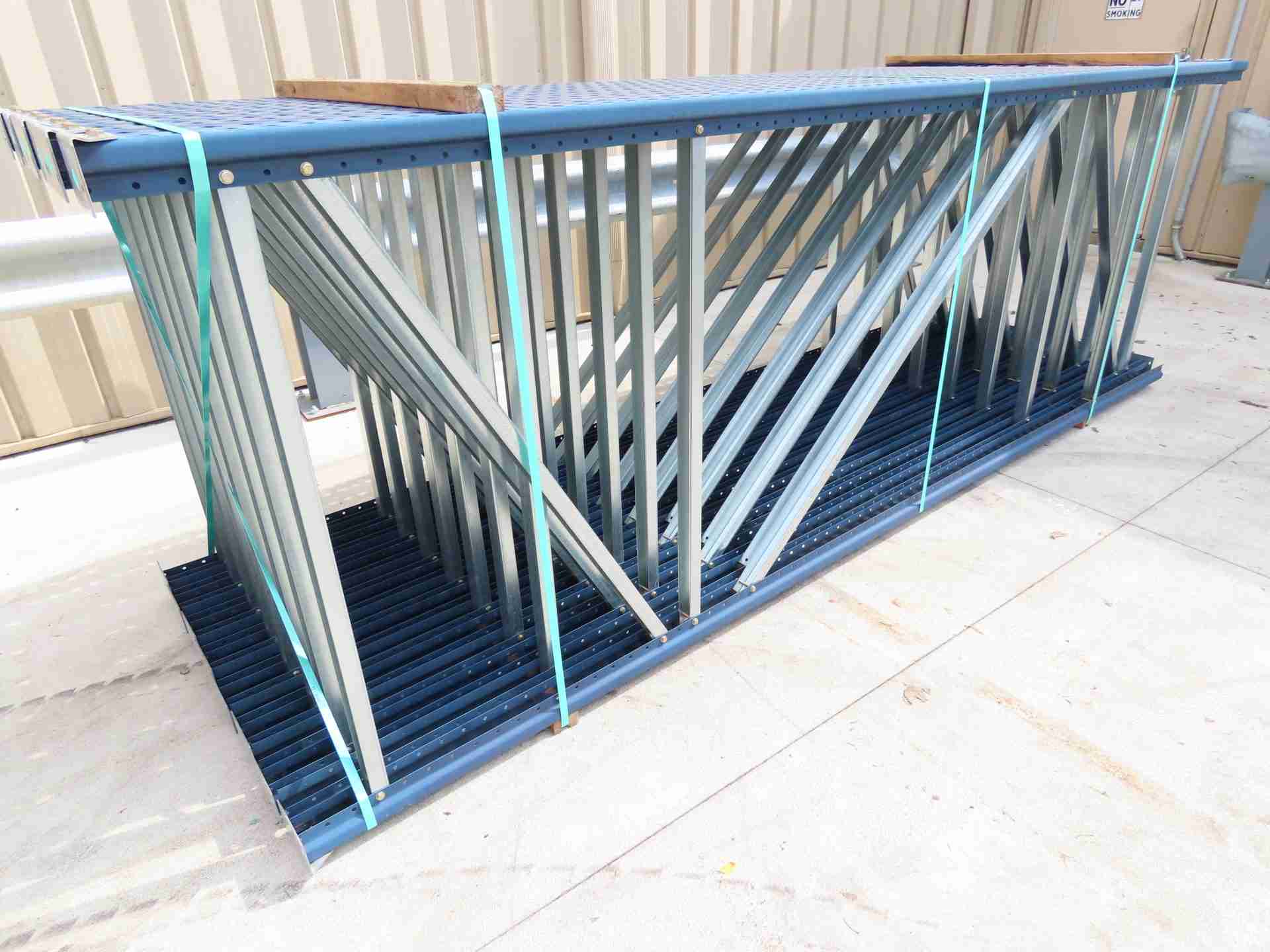
How Does Pallet Racking Improve Hospital Supply Efficiency?
How Does Pallet Racking Improve Hospital Supply Efficiency?
- Pallet racking transforms hospital storerooms by organizing supplies into neat, accessible rows, reducing clutter and saving critical time.
- Properly organized supplies prevent delays, reduce staff stress, and increase confidence during fast-paced hospital operations.
- Installing quality pallet racking supports smoother workflows, fewer inventory errors, and improves overall patient care.
- Proven warehouse technology adapted for healthcare, pallet racking provides a reliable, durable storage backbone for hospital supply chains.
- Easy-to-reach supplies enhance team communication, increase efficiency, and facilitate better shift performance for healthcare workers.
- Pallet racking respects hospital staff efforts by providing practical, hardworking tools tailored to their demanding needs.
- Beyond storage, pallet racking silently strengthens hospital operations, helping staff feel more prepared and capable daily.
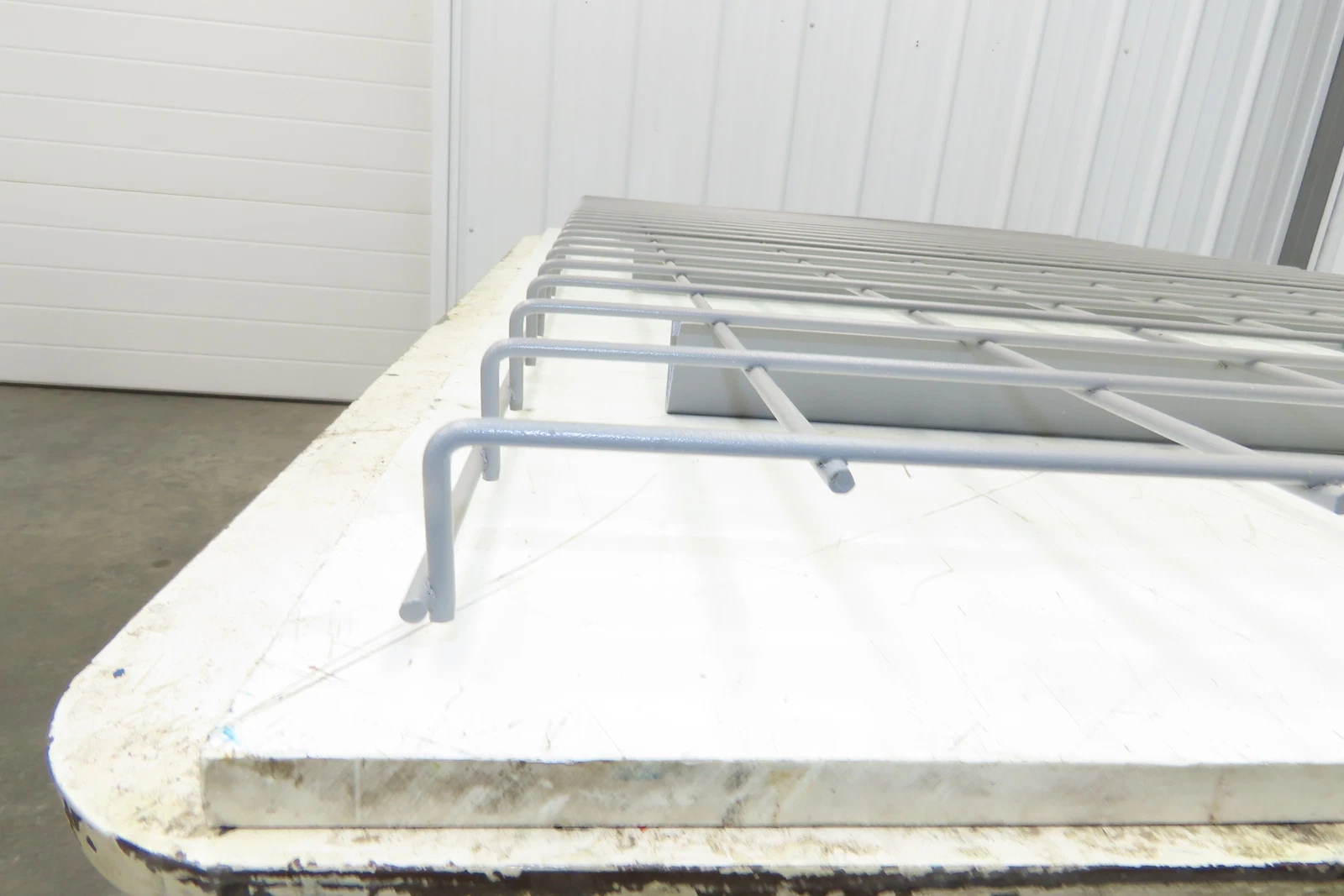
How Does Pallet Racking Improve Hospital Supply Efficiency?
What Cost Savings Result From Using Pallet Racking In Hospitals?
When hospitals invest in pallet racking, they’re not just shuffling some metal shelves around—they’re making a smart move that saves real money and spares a lot of headaches. Think about it: hospital storage isn’t like your garage or warehouse. It’s a place where every inch counts, every second wasted hunting for supplies can cost lives, and every penny saved can mean better care for patients. Pallet racking slices through the clutter and chaos, giving hospitals a simple, sturdy way to store things neatly and get at them fast.
The cost savings come rolling in from the moment pallet racking goes in. First off, it maximizes vertical space—stacking smart instead of spreading out messy piles on the floor. That means hospitals can keep more supplies on hand without needing to lease or build extra storage space. More stuff right there, where it’s needed, without the extra overhead. That frees up money for better equipment or more staff without breaking the bank.
Then there’s the time saved—and in a hospital, time isn’t just money, it’s crucial to care. Staff don’t have to dig through endless piles or squint around tight corners looking for gloves or syringes. Pallet racking organizes stock in easy-to-read spots, cutting down confusion and mistakes. That’s fewer delays, less waste, and a smoother flow between supply rooms and hospital floors. When a nurse or orderly can grab what they need in a heartbeat, patients get the help they deserve quicker. That’s an ethical win you can’t hang a price tag on, but it sure pays off in trust and quality.
On the shop floor, pallet racking stands tough through the daily grind—heavy loads, constant use, even the occasional bump or scrape. It’s built for hard work, just like the folks who rely on it. No flimsy shelves that cave under pressure, just solid support that protects inventory and keeps it accessible. That durability means less money spent fixing storage or replacing broken racks. Those savings add up fast.
Hospitals aren’t just saving dollars; they’re building a system that supports teams and patients alike. When everyone trusts that supplies are there, easy to find, and safe, it lifts morale and makes the whole place run smoother. Pallet racking isn’t just good hardware—it’s peace of mind wrapped in steel. And when you measure the bottom line, that’s some serious savings worth every penny.

What Cost Savings Result From Using Pallet Racking In Hospitals?
What Cost Savings Result From Using Pallet Racking In Hospitals?
- Pallet racking optimizes hospital storage by maximizing vertical space, reducing the need for additional storage facilities.
- It improves efficiency by organizing supplies in accessible, easy-to-find locations, saving critical time in care delivery.
- Time savings decrease delays, reduce waste, and enhance the flow of supplies from storage to hospital floors.
- The sturdy design withstands heavy use and accidental impacts, reducing repair and replacement costs.
- Cost savings from pallet racking allow hospitals to allocate funds to better equipment and staffing.
- Improved storage reliability boosts staff morale and trust in the supply system.
- Pallet racking provides long-term financial benefits and operational peace of mind essential for hospital care quality.
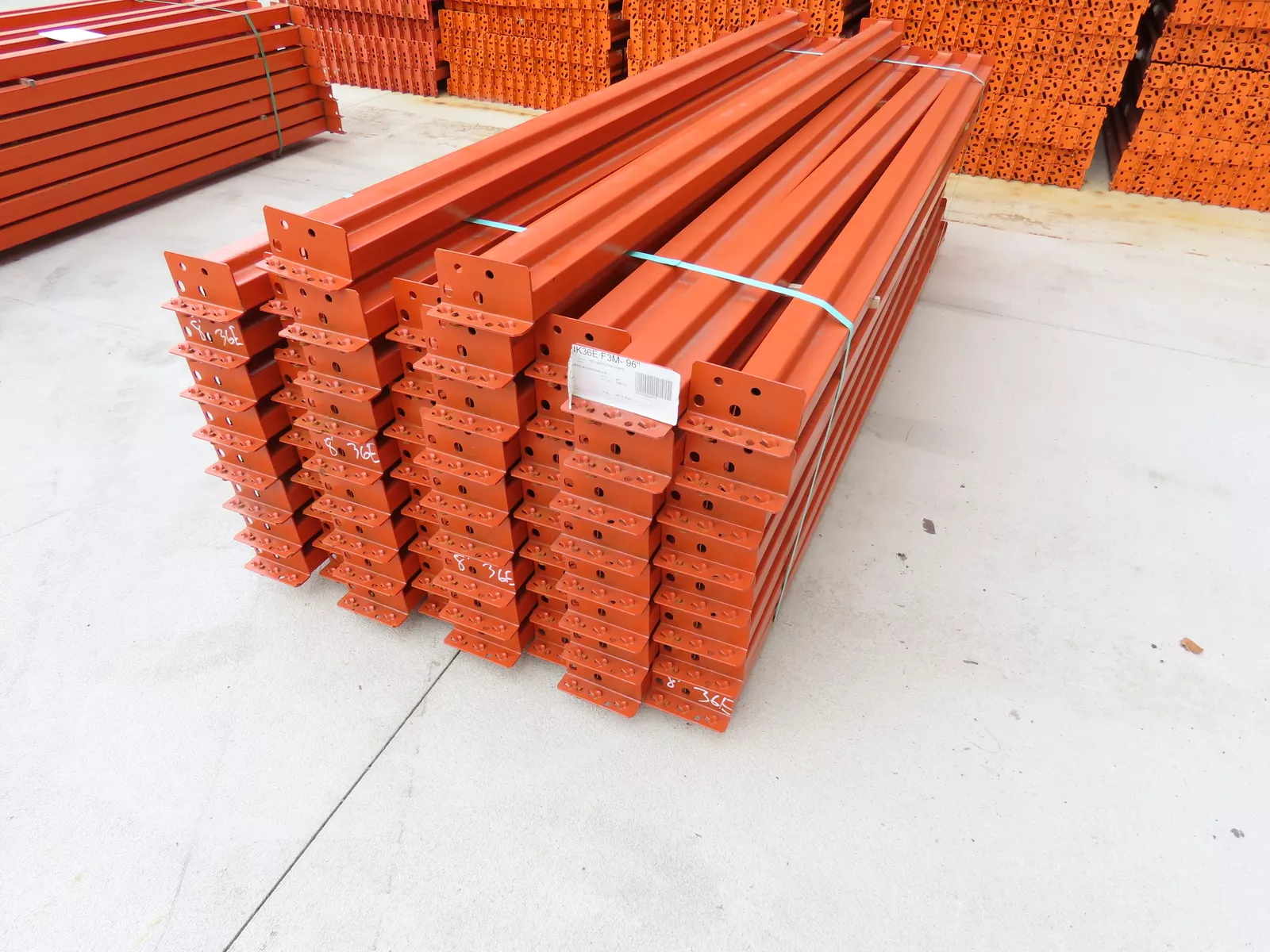
What Cost Savings Result From Using Pallet Racking In Hospitals?
How Does Pallet Racking Support Timely Patient Care Delivery?
When it comes down to it, patient care isn’t just about white coats and fancy medicine—it’s about speed, trust, and reliability. Pallet racking might not be the first thing folks think about in a hospital, but it’s the unsung hero behind the scenes. Picture this: every minute counts, whether it’s a rushed surgical kit or vital medicine needed right now. Pallet racking keeps that critical stuff organized, easy to reach, and off the floor, cutting down the time spent digging through clutter or running around looking for supplies.
On the ground, those racks aren’t just metal shelves; they’re the backbone holding everything in place. When a nurse or orderly needs a fresh set of linens or emergency gear, they don’t want to waste precious seconds hunting. Pallet racking gives them a straightforward system—stack it right, find it fast. It’s as simple and practical as pulling wrenches from a well-organized tool chest. There’s dignity in knowing the system works, knowing your tools are ready when you need ’em most. That’s trust built one pallet at a time.
Beyond the speed and order, there’s an ethical punch here. Medical staff bear a heavy weight—every delay or mix-up could affect a patient’s life. Pallet racking isn’t just convenience; it’s a way to respect that responsibility. When supplies stay intact and easily accessible, it cuts down on mistakes and waste, making sure resources stretch to where they matter most. This kind of reliability isn’t flashy, but it’s a quiet promise that those doing the hard work have the support they deserve. It’s common sense paired with care.
Hospitals run on teamwork, and pallet racking supports that social fabric. Everyone—from the warehouse crew to the frontline staff—relies on a system that doesn’t quit. This shared confidence creates a calm behind the storm of patient care, letting professionals focus on what they do best without getting bogged down by logistics. It’s like a recipe passed down, tested by experience and steady hands.
In short, pallet racking isn’t just storage. It’s a lifeline. It’s a practical, no-nonsense solution that keeps the wheels turning so patients get what they need, when they need it. That kind of smooth timing doesn’t just help saves lives; it builds trust, respect, and a quiet sense of pride in the work done every single day.

How Does Pallet Racking Support Timely Patient Care Delivery?
How Does Pallet Racking Support Timely Patient Care Delivery?
- Patient care relies on speed, trust, and reliability, with pallet racking playing a crucial behind-the-scenes role.
- Pallet racking organizes vital supplies, keeping them accessible and off the floor to save time and reduce clutter.
- These racks provide a dependable system for medical staff to quickly find and retrieve necessary items.
- Pallet racking supports ethical responsibility by minimizing delays, mistakes, and waste of critical resources.
- The system fosters teamwork and shared confidence among hospital staff, easing logistical burdens.
- Pallet racking acts as a practical backbone, enabling professionals to focus on patient care effectively.
- It is a vital, no-nonsense solution that builds trust, respect, and pride through reliable support every day.
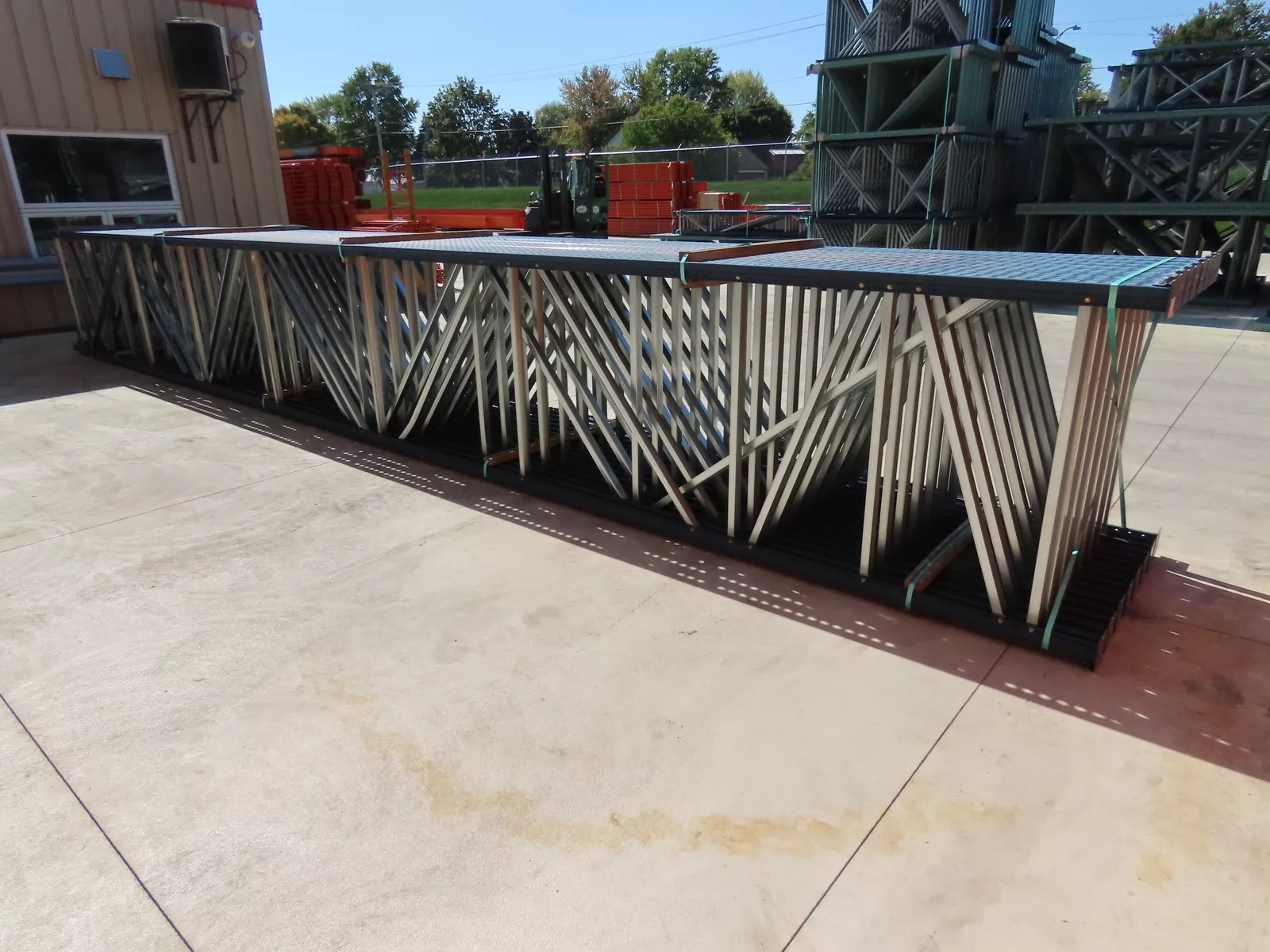
How Does Pallet Racking Support Timely Patient Care Delivery?
Can Pallet Racking Reduce Supply Chain Errors In Hospitals?
When you think about hospitals, you probably picture lifesaving care and high-tech gear, but behind all that is a mountain of supplies moving in and out every day. The thing is, mistakes in managing all those gloves, syringes, or meds don’t just slow things down—they can cost lives. That’s where pallet racking steps in like a trusted workhorse, quiet and steady, making sense of the chaos.
From the ground up, pallet racking gives hospitals a way to organize bulky shipments so nothing sits lost in a back corner or gets mixed up in the rush. It’s like building a sturdy shelf for every box, every carton, labeled and easy to reach. When staff can grab what they need without second-guessing or digging through piles, errors drop off. It’s pure common sense that a clear system means fewer mix-ups, but it’s also about trust—trust that the right supplies show up on the floor, every shift, every time.
There’s something honest about how pallet racking connects with the people behind the scenes—those folks stocking shelves, managing inventory, and keeping emergency rooms running smoothly. It respects their time and effort by making their jobs less of an uphill battle. Hands-on experience tells us when inventory’s neat and orderly, teams move faster, stay sharp, and keep their focus where it matters most: patient care.
Ethically, hospitals owe it to patients to reduce risks at every step, including how supply chains are handled. Pallet racking isn’t just a convenience; it’s safety armor. It cuts down the chances of grabbing that wrong bandage or running out of critical items during a crisis. That reassurance? It doesn’t just protect patients—it lifts the whole hospital spirit knowing there’s a reliable backbone supporting their work.
On a broader scale, hospitals adopting pallet racking join a community prioritizing smart storage solutions, sharing a quiet pride in raising the bar on care quality. It’s a no-nonsense answer to a complex problem, proven by countless hands-on stories where better organization meant fewer headaches and smoother days. Pallet racking isn’t flashy, but it’s the kind of tool that turns good intentions into real, dependable action—making hospitals safer, smarter, and ready for whatever comes through the door.

Can Pallet Racking Reduce Supply Chain Errors In Hospitals?
Can Pallet Racking Reduce Supply Chain Errors In Hospitals?
- Hospitals rely on pallet racking to efficiently organize and manage large volumes of medical supplies, preventing costly and dangerous errors.
- Pallet racking creates labeled, easy-to-access storage that reduces confusion and ensures the right supplies are available when needed.
- It supports staff by making inventory management simpler, allowing teams to work faster and focus on patient care.
- Using pallet racking enhances safety by minimizing the risk of supplying incorrect or insufficient medical items during critical moments.
- It builds trust in the supply chain, ensuring consistent availability of essential materials every shift.
- Hospitals adopting pallet racking join a community focused on improving care quality through smart storage solutions.
- Pallet racking transforms organizational intentions into reliable, practical action that strengthens hospital operations and readiness.
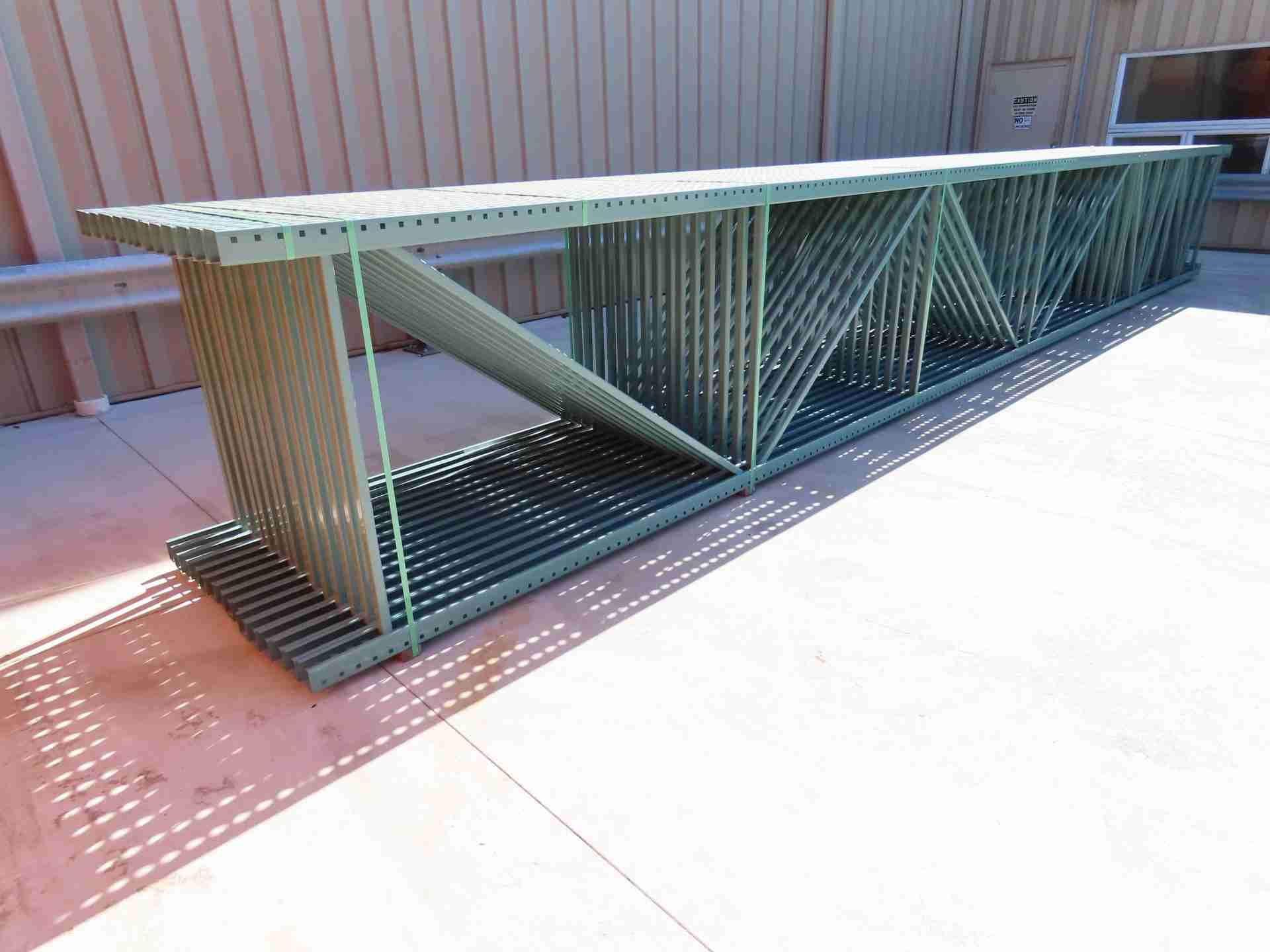
Can Pallet Racking Reduce Supply Chain Errors In Hospitals?
How Do Hospitals Ensure Safety Using Pallet Racking Systems?
Hospitals aren’t just about beds and doctors—they’re massive operations humming with supplies that keep everything running smooth: medicines, linens, equipment, you name it. And most of this stuff sits on pallet racking systems, those steel shelves you see in warehouses but behind hospital walls. Now, if those racks tip over or get overloaded, it’s not just a mess—it’s a risk to patients and staff. So how do hospitals keep it all safe and sound?
First off, they don’t cut corners. Pallet racking in hospitals is treated like the backbone of logistical safety. Every beam, every bolt, is inspected on a schedule tighter than a drill sergeant’s bootcamp. Staff aren’t just told to stack and forget; they get real training on how to load pallets the right way, balance weight evenly, and spot when a rack’s getting tired or abused. It’s practical know-how passed down the way good skills always have—hands-on, straightforward, no fluff.
There’s a moral weight here too. When you think about it, every pallet on those racks holds more than stuff—it holds hope, health, and sometimes life itself. A nurse fetching supplies or a delivery person moving boxes isn’t just doing a job—they’re part of a chain that demands trust in every link, including the pallet rack. Hospitals honor that by making safety non-negotiable. It’s the right thing to do, plain and simple.
The rules and codes backing this up aren’t some bureaucratic fancy. They’re tested standards forged from accidents that taught hard lessons. Hospitals bring in experts and follow guidelines to the letter because when spots in those racks are marked “unsafe,” people notice fast. They fix or replace, no debate. That attitude sets the tone, builds confidence from the ground up.
You might not see it, but knowing those racks are solid makes everyone breathe easier. Staff can focus on care, not worry if a load’s going to crumble. Patients can trust that the place they rely on has its act together beyond the obvious. That confidence is quiet but powerful—it’s the invisible steel framework holding up hope every day. Pallet racking systems might just be metal beams, but in hospitals, they become lifelines of safety through grit, know-how, and a commitment that never wavers.

How Do Hospitals Ensure Safety Using Pallet Racking Systems?
How Do Hospitals Ensure Safety Using Pallet Racking Systems?
- Hospitals rely heavily on pallet racking systems to store medicines, linens, equipment, and other supplies essential for smooth operations.
- These steel racks must be carefully maintained and inspected regularly to prevent tipping or overloading, which pose risks to patients and staff.
- Hospital staff receive hands-on training on proper pallet loading, weight distribution, and identifying rack wear to ensure safety.
- Pallet racks symbolize more than storage—they represent trust, hope, and life, linking every staff member in a shared commitment to safety.
- Hospitals strictly follow tested safety standards and expert guidelines, repairing or replacing unsafe racks immediately.
- The assurance of stable pallet racking allows staff to focus on patient care without worrying about equipment failure or accidents.
- Pallet racking systems act as an invisible, vital support structure in hospitals, upheld by unwavering dedication to safety and reliability.

How Do Hospitals Ensure Safety Using Pallet Racking Systems?
What Ethical Concerns Arise In Managing Hospital Inventory Storage?
Managing hospital inventory storage isn’t just stacking boxes on pallet racking and calling it a day. It’s about real lives hanging in the balance every single minute. When a nurse races down the hall for a medication or a surgeon needs a specific tool during a critical operation, every second counts. So, if the inventory’s mismanaged—items misplaced, supplies expired, or worse—those moments can turn from life-saving to life-threatening. That’s where the ethical weight really hits you in the gut.
You see, it’s easy to get lost in spreadsheets or warehouse layouts, but behind those pallet racks are patients counting on the system to work flawlessly. The heart of the matter? Accountability. Every hand that touches inventory carries a responsibility that’s bigger than clocking shifts or scanning barcodes. It’s about ensuring ready access to what’s needed without risking waste or shortage. Mistakes here aren’t just numbers on a budget—they are potential harm, delayed care, or compromised outcomes. That ethical tightrope demands vigilance and a commitment to integrity.
From a head standpoint, the rational case is clear: well-organized storage saves money, reduces waste, and increases efficiency. But it also upholds fairness. Ethical inventory management means no department hoards supplies or lets them expire while others scramble. Everyone deserves equal access because, in a hospital, supply imbalances don’t just frustrate—they endanger lives. Respect for fairness isn’t just a nice-to-have; it’s essential for trust across teams and for sustaining the mission of care.
Socially, hospitals are pillars of their communities, and their storage rooms aren’t just stockpiles—they represent a promise to patients and families. When inventory systems fail, that promise cracks, shaking confidence in healthcare’s ability to deliver under pressure. Transparency and clear protocols in how supplies move through those pallet racks build trust, showing that people aren’t forgotten behind the scenes. It’s about telling the story—“We’re here, prepared, and accountable,” not “Sorry, we dropped the ball.”
At the end of the day, managing hospital inventory storage is about respect—respect for patients, coworkers, and the mission of saving lives. It’s pragmatic and deeply human. When done right, it’s a quiet heroism, a commitment in the trenches that every box stacked and every shelf organized carries purpose and care. That’s an ethical foundation anyone can stand behind.

What Ethical Concerns Arise In Managing Hospital Inventory Storage?
What Ethical Concerns Arise In Managing Hospital Inventory Storage?
- Hospital inventory management directly impacts patient safety, where mismanagement can turn critical moments from life-saving to life-threatening.
- Accountability is essential; every person handling inventory must ensure access to needed supplies without causing waste or shortages.
- Proper organization saves money, reduces waste, and increases efficiency while promoting fairness across departments to prevent supply hoarding or shortages.
- Ethical inventory practices build trust among hospital teams by ensuring equal access and preventing expired or misplaced supplies.
- Hospitals serve as community pillars, and transparent inventory protocols reinforce trust with patients and families by showing preparedness and responsibility.
- Failures in inventory systems damage confidence in healthcare’s ability to deliver timely and effective care under pressure.
- Managing inventory with respect for patients, coworkers, and the mission of care embodies quiet heroism and an ethical foundation for healthcare.
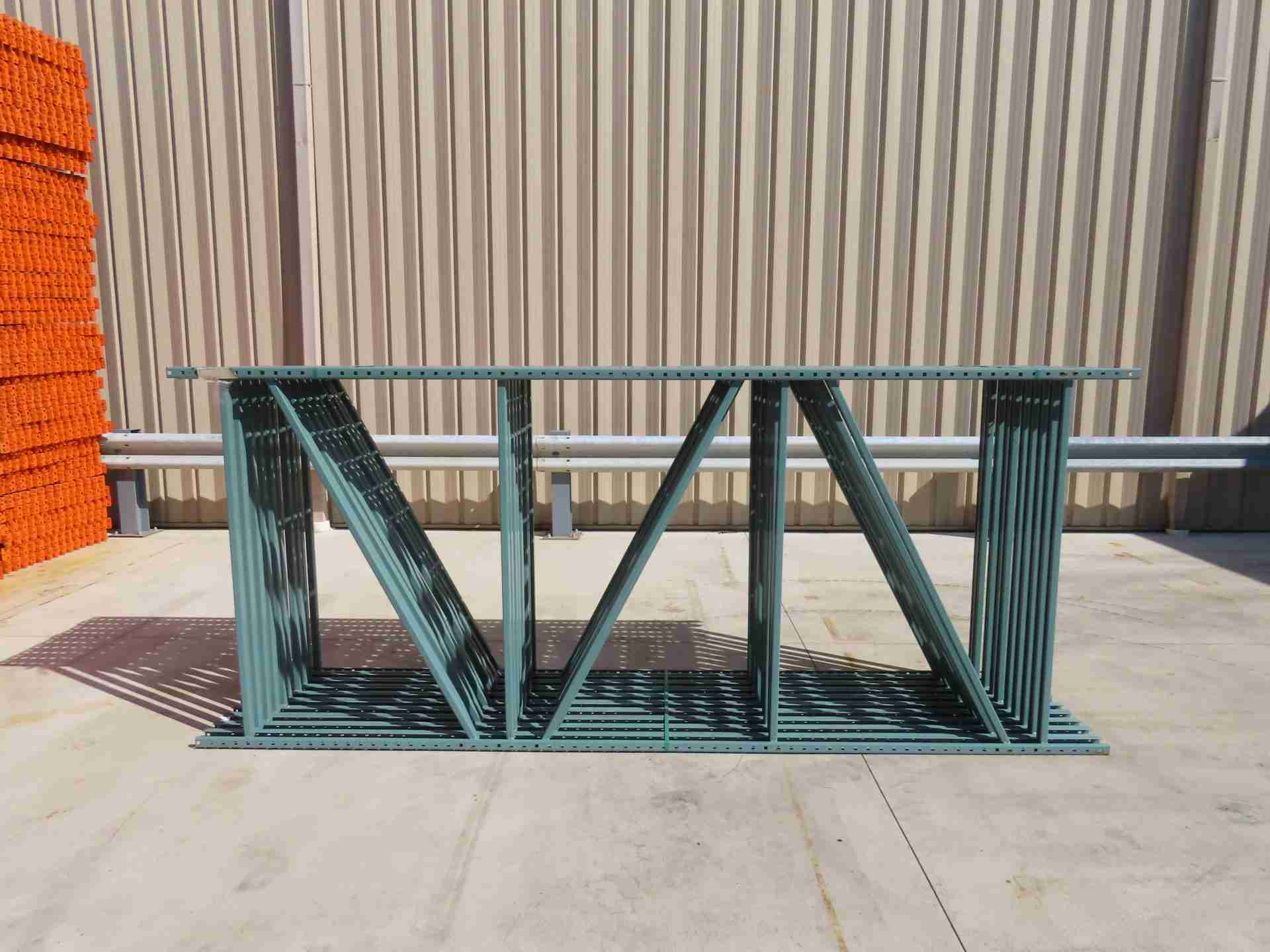
What Ethical Concerns Arise In Managing Hospital Inventory Storage?
Conclusion
Hospitals don’t just happen—they’re relentless machines fueled by countless moving parts, and the supply chain is the hidden engine that keeps them humming. Pallet racking might sound like just metal shelves, but in reality, it’s the quiet workhorse that turns chaos into order. Picture the difference between scrambling through a cluttered storeroom and grabbing exactly what you need in seconds. That’s the kind of dependable system pallet racking delivers—sturdy, straightforward, and built to carry the weight of everything from bandages to big-ticket machines. When lives hang in the balance, having your supplies where they belong isn’t a luxury—it’s a lifeline.
From a practical standpoint, pallet racking saves real money and precious time. By stacking smart and making sure every inch counts, hospitals avoid costly expansions or renting extra space. Staff no longer waste moments hunting through piles; instead, they move with confidence, their nerves a little steadier, knowing the tools and meds are right there. That kind of efficiency does more than cut costs—it speeds up care, boosts morale, and keeps errors at bay. And those aren’t just feel-good perks; they’re ethical imperatives. This isn’t about convenience; it’s about respect—the respect owed to every nurse, orderly, and patient who depends on the system working without a hitch.
Safety is non-negotiable. Pallet racking isn’t just installed and forgotten; it’s inspected, maintained, and treated like critical equipment. When you know a rack can hold its ground under heavy loads and the daily grind, everyone’s shoulders feel less of that invisible burden. It’s the kind of quiet reassurance that builds trust across the entire hospital team, letting them focus on care instead of worrying about logistics.
Beyond the steel and bolts, there’s a deeper story here—one of accountability and fairness. Managing supply storage properly means no department’s left scrambling while others hoard or waste. It’s about keeping promises to patients, families, and the community that when the moment comes, the right supplies will be there, no excuses. Pallet racking doesn’t just organize goods; it organizes trust and teamwork, weaving a social fabric that supports the hospital’s mission day in and day out.
At the end of the day, pallet racking is more than storage—it’s a backbone of reliability built on common sense and hard work. It’s the unsung hero that turns a jumble of boxes into a well-oiled machine, ensuring hospitals get what they need, when they need it, to do the hardest work of all: saving lives.
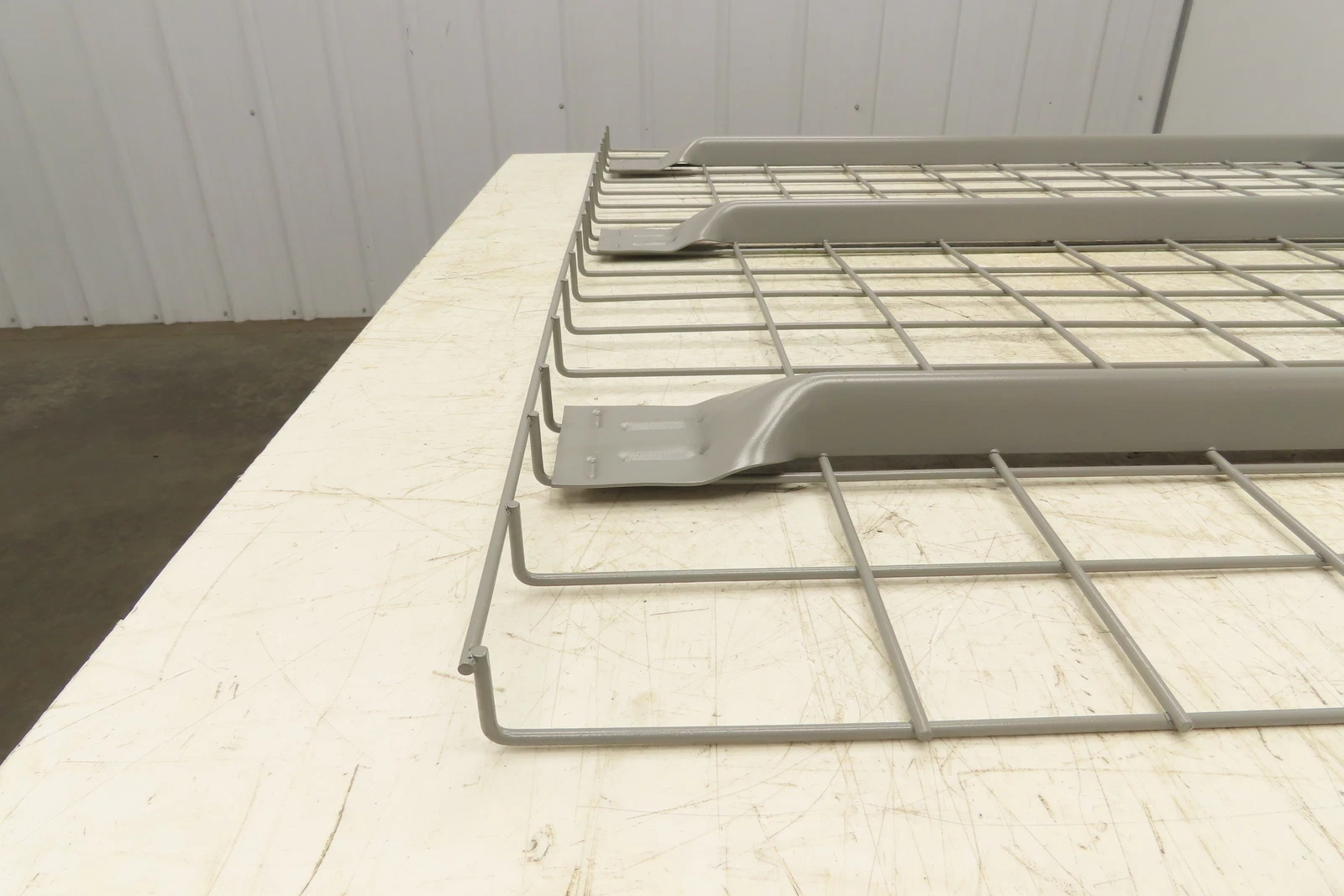
Conclusion
Conclusion:
- The supply chain, supported by pallet racking, is essential for hospital operations, turning chaotic storage into organized efficiency.
- Pallet racking provides reliable, sturdy storage for a range of supplies, from small items like bandages to large medical equipment.
- Efficient use of pallet racking saves hospitals time and money by maximizing space and reducing the need for expansion or extra storage.
- Proper organization through pallet racking speeds up care delivery, reduces errors, boosts staff morale, and supports ethical responsibilities to patients and staff.
- Regular inspection and maintenance of pallet racking ensure safety and reliability, fostering trust among hospital staff.
- The system promotes accountability and fairness across departments by preventing hoarding and waste, ensuring supplies are available when needed.
- Pallet racking serves as a foundational element of hospital reliability, enabling healthcare workers to focus on their critical mission of saving lives.
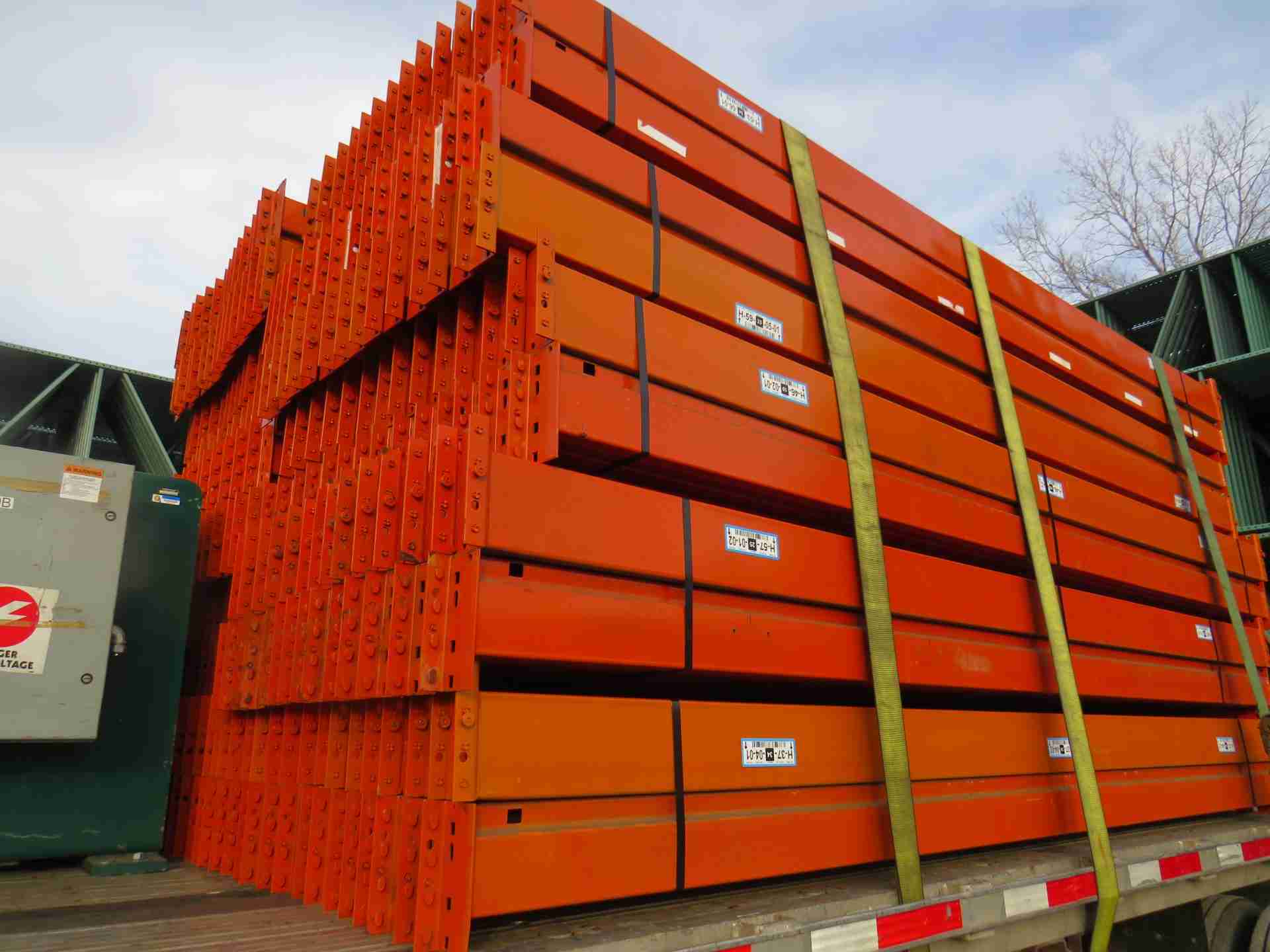
Conclusion
Other Resources

Other Resources
Here is a list of other resources you can review online to learn more:
- Cantilever Rack Configuration & Installation: A Comprehensive Guide – BMH
- Cantilever Rack Guide: Ordering Cantilever Racking
- Shipping Boxes, Packaging Materials, Pallet Racking
- Material Handling Industry
- Warehouse Racking Chicago, IL
- Interlake Mecalux
- Warehousing Education and Research Council: https://www.werc.org/
- Chicago Pallet Racking
- Wolter
- Interlake
- Illinois Pallet Racking – WPRP
- The Ultimate Pallet Racking Guide – Speedrack West
- ASSP
- Warehouse Automation
- Teardrop Racks – Pallet Rack World
- RMI
- Rack Manufacturers Institute
- Overhead Lifting
- Pallet Racking systems in Illinois and Great Lakes
- Heavy-Duty Cantilever Storage Racks
Use This Prompt To Get More Resources With Your Favorite Online AI Tool: Please provide me with a list of online articles with their URLs in a bulleted list that I can read regarding How Do Hospital Supply Chains Leverage Pallet Racking?
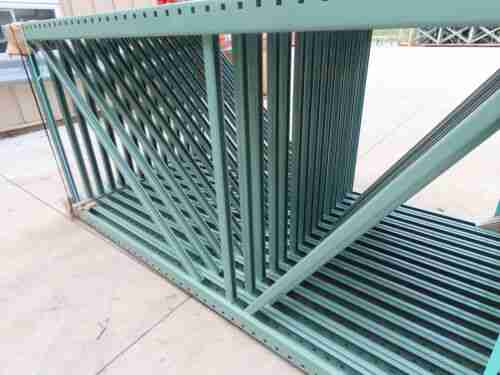
Other Resources
Glossary Terms
How Do Hospital Supply Chains Leverage Pallet Racking? – Glossary Of Terms
1. Pallet Racking: A storage system designed to hold materials on pallets in horizontal rows with multiple levels.
2. Supply Chain: The network involved in producing and delivering a product from supplier to end user.
3. Inventory Management: The process of ordering, storing, and using a company’s inventory efficiently.
4. Logistics: The detailed coordination of complex operations involving the movement, storage, and flow of goods.
5. Warehouse: A large building where goods are stored before distribution.
6. Material Handling: The movement, protection, and storage of materials throughout the process of manufacturing and distribution.
7. Stock Rotation: The practice of organizing inventory so older stock is used or shipped before newer stock.
8. Load Capacity: The maximum weight a pallet rack or shelf can safely hold.
9. Picking Efficiency: The speed and accuracy with which items are selected and retrieved from storage.
10. Space Optimization: Using storage area in the most efficient way to maximize capacity.
11. Vertical Storage: The use of height in storage areas to increase capacity without expanding floor space.
12. Accessibility: How easily goods stored on racks can be reached for picking or restocking.
13. FIFO (First In, First Out): An inventory management method where the oldest stock is used first.
14. Just-In-Time (JIT): A strategy that aligns raw-material orders with production schedules to reduce inventory levels.
15. Stock Keeping Unit (SKU): A unique identifier for each distinct product and service that can be purchased.
16. Load Stability: The condition ensuring items on a pallet remain secure during storage and transport.
17. Ergonomics: The design principle that optimizes tasks to reduce strain on workers handling inventory.
18. Automated Storage and Retrieval System (AS/RS): Technology that automatically places and retrieves inventory from storage racks.
19. Cross-Docking: The process of unloading materials from incoming trucks and loading them directly onto outbound trucks.
20. Safety Standards: Regulations and guidelines ensuring safe storage and handling of materials on racks.
21. Pallet Jack: A tool used to lift and move pallets within a warehouse.
22. Rack Inspection: The process of regularly checking pallet racks for damage or wear to ensure safety.
23. Load Distribution: The even allocation of weight across pallet racking to maintain structural integrity.
24. Aisle Width: The space between pallet racks allowing for equipment and personnel movement.
25. Inventory Accuracy: The degree to which recorded inventory matches actual stock on hand.
26. Cold Chain: The temperature-controlled supply chain essential for storing medical supplies safely.
27. Traceability: The ability to track the history, application, or location of an item in the supply chain.
28. Stock Replenishment: The process of restocking inventory to maintain desired levels.
29. Order Fulfillment: The complete process from receiving an order to delivering the product to the customer.
30. Lean Warehousing: Minimizing waste and optimizing processes within warehouse operations.
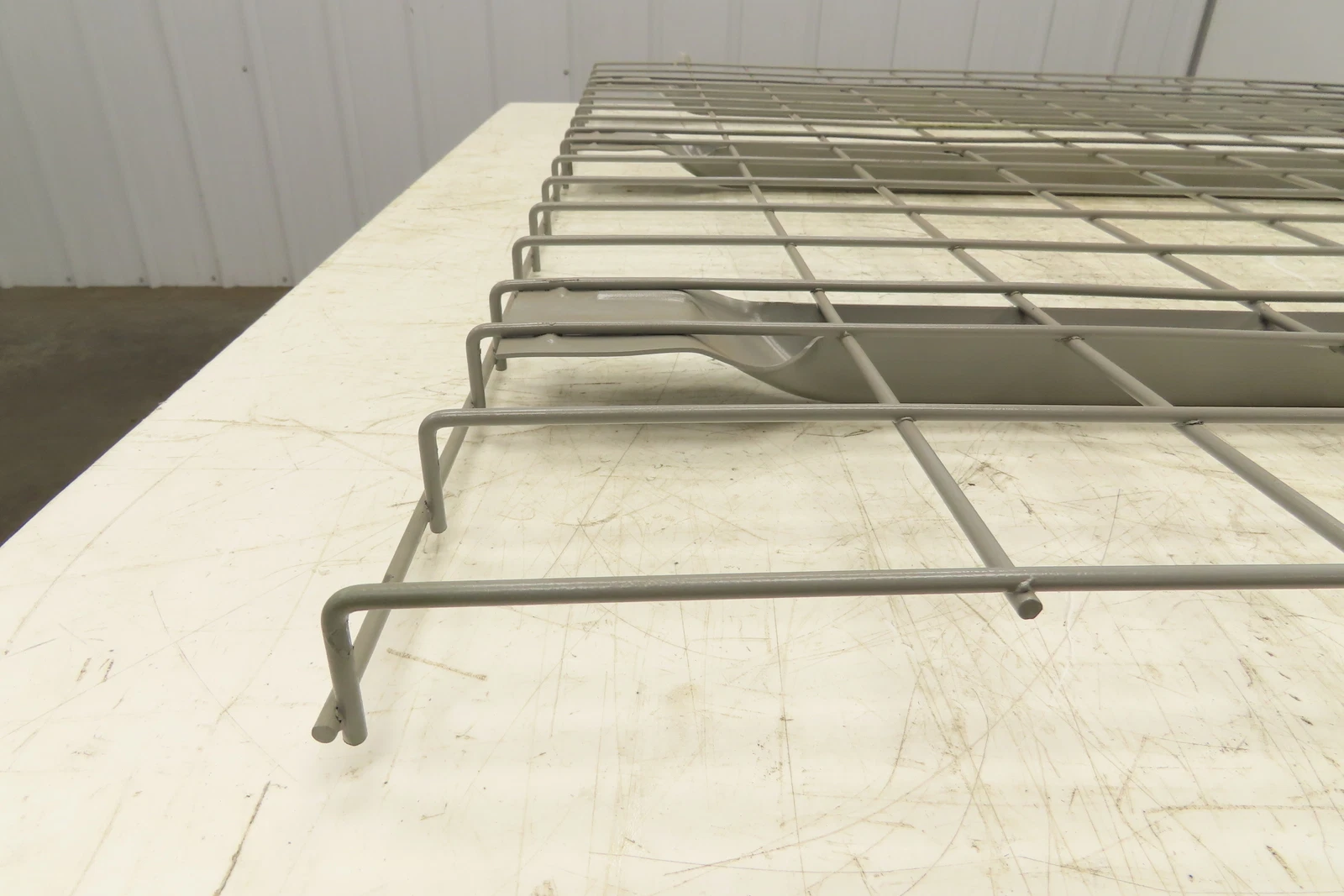
Glossary Of Terms
Other Questions
How Do Hospital Supply Chains Leverage Pallet Racking? – Other Questions
If you wish to explore and discover more, consider looking for answers to these questions:
- What specific types of pallet racking are best suited for different hospital storage needs (e.g., selective, drive-in, push-back, cantilever)?
- How do hospitals determine load capacity and weight limits for pallet racking installations?
- What are the space-planning best practices for integrating pallet racking into existing hospital layouts?
- How do pallet racking systems accommodate temperature-sensitive items like vaccines and certain medications?
- What protocols ensure proper handling and storage of hazardous or biohazardous materials on pallet racks?
- How are controlled substances secured within pallet racking systems to meet regulatory requirements?
- What inspection and maintenance schedules are recommended to keep pallet racking safe and functional?
- Which staff roles are responsible for racking safety, loading procedures, and routine inspections?
- What training programs should hospitals provide for personnel who load, unload, and work around pallet racks?
- How can pallet racking be designed to support infection control and cleaning protocols?
- How does pallet racking integrate with inventory management systems, barcoding, RFID, or automated tracking?
- What metrics should hospitals use to measure the ROI of pallet racking (space utilization, pick time, error rate, cost savings)?
- How long does a typical implementation of pallet racking take, from assessment to commissioning?
- What are the upfront and ongoing cost components (purchase, installation, maintenance, repairs, inspections)?
- How do hospitals justify the capital expense of pallet racking to administrators and finance teams?
- What are common causes of supply chain errors even with pallet racking, and how are they mitigated?
- How do pallet racks affect emergency response and rapid access to critical supplies during crises?
- What redundancy and contingency plans complement pallet racking to improve supply chain resilience?
- How are recalls or expired-item removals managed efficiently within a pallet-racked storeroom?
- What fire safety and sprinkler-system considerations apply to high-density pallet racking?
- What seismic and structural requirements must be met when installing pallet racking in earthquake-prone regions?
- How do forklifts and other material-handling equipment operate safely around pallet racking in busy hospitals?
- What labeling and slotting strategies optimize pick paths and reduce picking errors?
- How can pallet racking be adapted for mixed loads—bulk items, small bins, and oversized equipment?
- What are industry standards and regulations (OSHA, NFPA, Joint Commission, local codes) relevant to hospital pallet racking?
- How do hospitals choose between retrofitting existing racking and installing new systems?
- What maintenance contracts or service-level agreements should hospitals require from racking vendors?
- How does pallet racking support vendor-managed inventory (VMI) or consignment models?
- What are best practices for securing and auditing inventory stored on pallet racks?
- How can hospitals design racking layouts to minimize travel time between storerooms and clinical units?
- What sustainability or lifecycle considerations apply to pallet racking materials and disposal?
- How are insurance and liability issues addressed when using pallet racking for high-value medical equipment?
- What case studies or examples show measurable improvements after implementing pallet racking in hospitals?
- How do hospitals handle mixed pallet sizes, nonstandard skids, and variable packaging in racking systems?
- What checklist should be used during a racking safety audit or regulatory inspection?
- How do hospitals balance centralized vs. decentralized storage strategies using pallet racking?

Other Questions
Checklist
How Do Hospital Supply Chains Leverage Pallet Racking? – A Checklist
Assessment and Goals
✅______ Define objectives: faster retrieval, maximize vertical space, reduce errors, support patient care SLAs
✅______ Map current storage areas, material flow, and peak demand times
✅______ Classify items by size, sensitivity (sterile, temperature-controlled, hazardous), and turnover
Design and Selection
✅______ Select appropriate rack types: selective, double-deep, drive-in/through, carton flow, cantilever, secure cages
✅______ Validate load ratings, seismic design, slab capacity, sprinkler/egress clearances, and fire code requirements
✅______ Set aisle widths for equipment (pallet jacks, reach trucks) and safe one-way traffic
✅______ Plan pick faces for high-velocity items and dedicated emergency zones
✅______ Allocate temperature- and humidity-controlled zones where required
Labeling and Organization
✅______ Standardize location codes and visual signage; post capacity labels on bays and levels
✅______ Implement barcode/GS1 labeling for pallets, bins, and locations
✅______ Establish FIFO/FEFO lanes for dated goods and medications
✅______ Separate quarantine and recall areas from active inventory
Safety and Compliance
✅______ Obtain engineer-stamped drawings; ensure installation by certified crews
✅______ Anchor racks; install column and end-of-aisle guards and rack backing where needed
✅______ Post load limits and enforce even load distribution; prohibit overhanging pallets where unsafe
✅______ Schedule routine rack inspections; tag and isolate damaged components for repair
✅______ Train staff on safe loading, equipment operation, and working at height
✅______ Maintain clear aisles, proper housekeeping, and spill containment
✅______ Verify compliance with OSHA, fire, and local building codes
Operations and Efficiency
✅______ Perform slotting analysis to minimize travel and touches
✅______ Define min/max levels and automated reorder points
✅______ Use system-directed put-away and picking; enable scan validation
✅______ Establish kitting and staging zones for surgery and emergency sets
✅______ Implement cycle counting with defined frequencies by velocity class
✅______ Create after-hours access and replenishment procedures for critical units
Cost Management
✅______ Model ROI: space utilization, deferred expansion/lease, labor savings, damage reduction
✅______ Track occupancy targets (e.g., >85% vertical utilization, <90% position occupancy to avoid congestion)
✅______ Standardize durable components and maintain spare parts inventory
✅______ Monitor maintenance and repair costs against benchmarks
Error Reduction and Quality
✅______ Enforce barcode/RFID verification at pick/issue
✅______ Color-code zones by department/service line; use large, legible signage
✅______ Apply FEFO for expiring items; audit expiry dates regularly
✅______ Document recall and quarantine workflows; test quarterly
Patient Care Readiness
✅______ Set retrieval time targets for critical items and monitor
✅______ Align rack locations with clinical par levels and replenishment routes
✅______ Tie emergency cart and kits replenishment directly to racked pick faces
✅______ Provide fast-access zones for high-urgency supplies
Ethics and Governance
✅______ Implement anti-hoarding and equitable allocation policies during shortages
✅______ Maintain end-to-end traceability from receipt to point of care
✅______ Publish transparency dashboards for stockouts, expiries, and waste
✅______ Define approval and audit controls for controlled substances and high-value items
Training and Culture
✅______ Deliver role-based training for warehouse, nursing, couriers, and maintenance
✅______ Define RACI for rack ownership, inspections, replenishment, and damage reporting
✅______ Capture frontline feedback to improve slotting and accessibility
Maintenance and Continuous Improvement
✅______ Set preventive maintenance schedules for racks, lift equipment, and sprinklers
✅______ Establish damage repair SLAs and vendor contact lists
✅______ Run regular 5S/Kaizen events; review KPIs monthly and act on findings
Emergency Preparedness
✅______ Identify surge capacity locations and overflow strategies
✅______ Predefine priority SKU lists for disasters/pandemics with buffer stocks
✅______ Ensure backup power and lighting for storerooms
✅______ Document alternative sourcing and cross-docking protocols
Key Metrics (Monitor and Report)
✅______ Average pick/retrieval time for critical items
✅______ Stockout rate and backorder duration
✅______ Inventory accuracy (%)
✅______ Expiry-related waste and write-offs
✅______ Damage and incident rates (safety/OSHA)
✅______ Labor hours per line picked/issued
✅______ Cost per order/issue and space utilization (%)

Checklist
At RackingWorld, we help guide you through selecting warehouse storage systems and racking.
Be sure to read our other related stories at RackingWorld to learn more about warehouse storage systems.
0 Comments