
Optimizing Herbal Storage: Efficiency, Safety, And Trust Unlocked
By Tom Seest
At RackingWorld, we help guide you through selecting warehouse storage systems and racking.
Be sure to read our other related stories at RackingWorld to learn more about warehouse storage systems.
How Do Herbal Remedy Manufacturers Leverage Pallet Racking?
When you step into a herbal remedy manufacturing warehouse, it’s not just about bottles and balms—it’s where careful hands meet smart solutions. Pallet racking isn’t some fancy, high-tech gizmo; it’s the backbone that keeps everything running smooth, organized, and dependable. These manufacturers rely on pallet racking to handle their products with respect and care, knowing that every herb-packed pallet holds someone’s health in the balance.
Think about it: herbal remedies come from nature’s pantry, and getting them from raw roots to shelves means juggling a warehouse full of delicate materials. Pallet racking gives these businesses a sturdy framework to stack, store, and sort loads of inventory without turning the place into a cluttered mess. It’s a simple, strong system that respects the products’ integrity—which, honestly, means a lot when you’re dealing with natural remedies that people trust for their well-being.
On a practical level, pallet racking maximizes space like a savvy boss squeezing every inch out of a tight garage. When you’ve got limited room, but a mountain of herbal goods moving through, it’s a no-brainer tool that turns chaos into order. Faster access to materials means faster shipments, meaning customers get their remedies right when they need them—no needless waiting or uncertainty. It’s the kind of efficiency that lowers costs, minimizes waste, and ultimately keeps prices fair, which isn’t just good business, it’s downright responsible.
There’s an ethical side here too. Herbal remedy manufacturers often put a lot of heart into transparency and quality, promising products that are pure, safe, and reliable. Using pallet racking signals more than just logistics savvy; it’s a sign they care enough to protect their goods properly. It’s a way to uphold standards and take accountability seriously, showing respect for craft, nature, and customers alike.
This system also builds trust within the workforce. When workers know the setup is solid and the materials are stored right, there’s less guesswork and frustration on the floor. That translates to fewer accidents and a steadier workflow—real things that improve lives beyond just bottom lines.
Pallet racking is a humble hero behind herbal remedies. It’s the steady hand in the story, ensuring that from seed to shelf, goodness stays intact, and the folks relying on these products can depend on what they get. A thoughtful setup like this connects the dots between nature, makers, and users—a quiet but powerful testament to common sense done right.
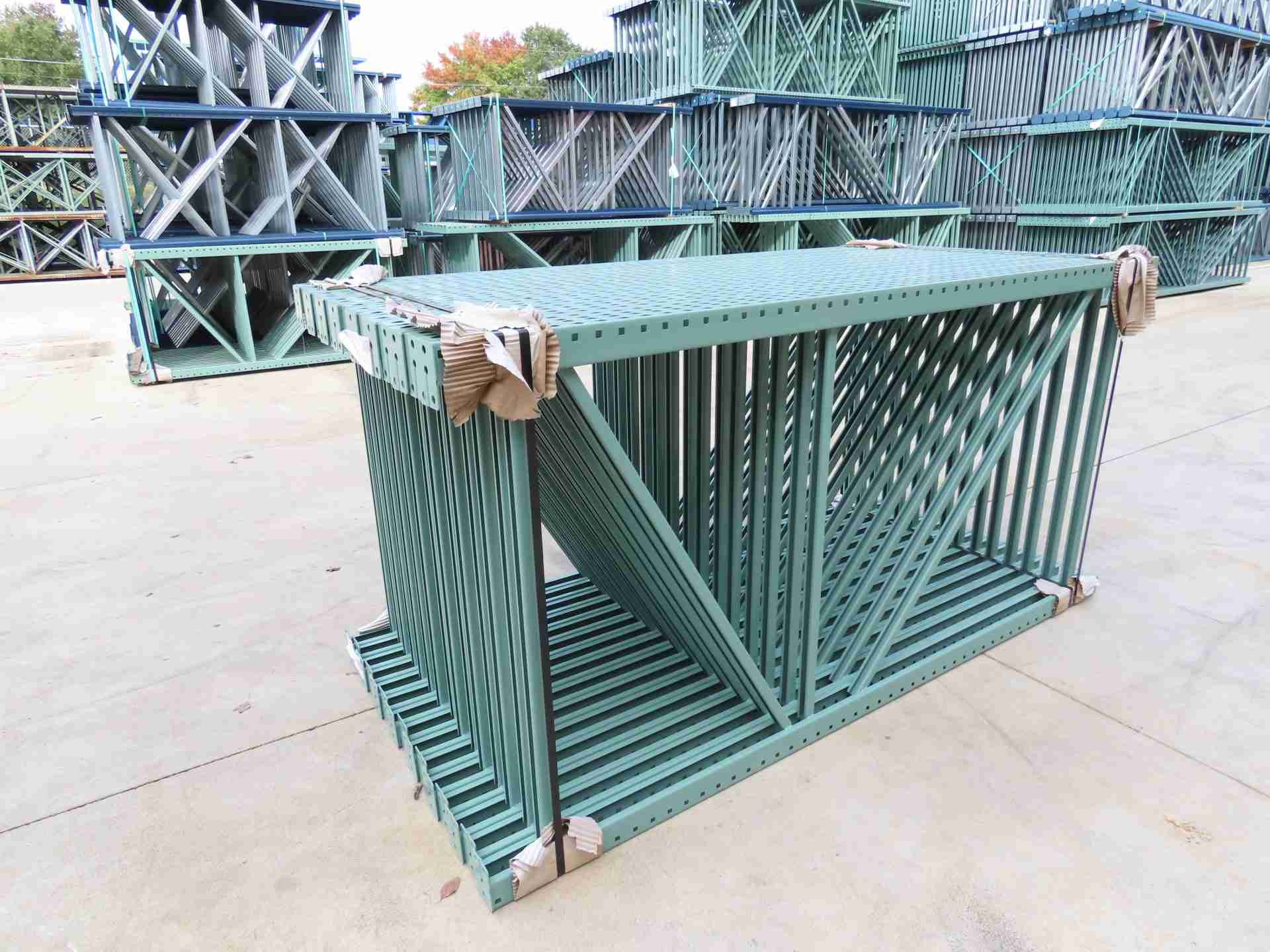
How Do Herbal Remedy Manufacturers Leverage Pallet Racking?
How Do Herbal Remedy Manufacturers Leverage Pallet Racking?
- Pallet racking is essential in herbal remedy warehouses, providing a reliable and organized system for storing delicate products.
- It offers a sturdy framework to stack and sort inventory without clutter, preserving the integrity of natural remedies.
- Maximizes limited space, allowing efficient movement of large quantities of herbal goods.
- Enhances operational efficiency by enabling faster access to materials and quicker shipments to customers.
- Supports ethical standards by helping manufacturers protect product quality, transparency, and safety.
- Improves workplace trust and safety by reducing guesswork and frustration among workers, leading to fewer accidents.
- Pallet racking connects nature, producers, and users, ensuring product reliability from raw materials to shelves.
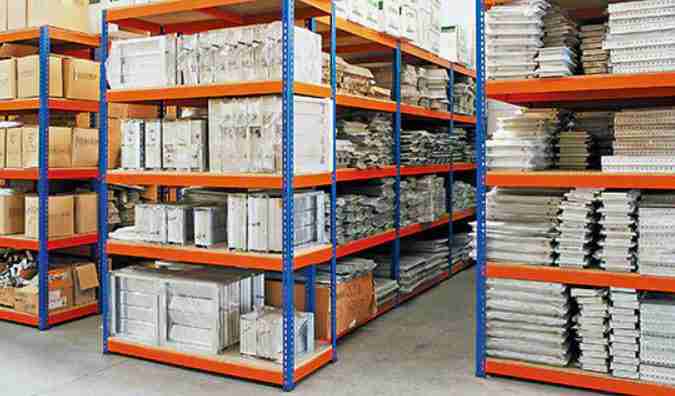
How Do Herbal Remedy Manufacturers Leverage Pallet Racking?
Table Of Contents
- How Do Herbal Remedy Manufacturers Leverage Pallet Racking?
- What Are the Safety Benefits Of Pallet Racking In Manufacturing?
- How Can Pallet Racking Reduce Product Damage During Handling?
- Why Is Organization Crucial In Herbal Remedy Warehouses?
- How Does Pallet Racking Support Compliance with Industry Standards?
- What Cost Savings Come From Optimized Pallet Racking Systems?
- How Do Manufacturers Choose the Right Pallet Racks for Herbs?
- Conclusion
- Other Resources
- Glossary Of Terms
- Other Questions
- Checklist
What Are the Safety Benefits Of Pallet Racking In Manufacturing?
When you’re knee-deep in the daily grind of a manufacturing floor, safety isn’t just a box to check—it’s the invisible backbone holding everything up. Pallet racking might seem like just metal shelves collecting dust and boxes, but it’s a quiet hero that keeps folks from getting hurt and operations from grinding to a halt. Imagine trying to stack heavy pallets one on top of the other by hand or leaning them against walls—accidents would be as common as coffee breaks. Pallet racking steps in to take that risk off the table, giving every load a solid, secure spot to land.
It’s not just about stacking stuff neatly. With pallet racking, you’re organizing chaos. When things have a proper place, folks move smarter and faster. That means fewer trips down precarious stacks, less chance of forklifts tipping over, and fewer nail-biting moments watching a load teeter on the edge. It’s about respect—for the workers, for the gear, and for the clock. A well-planned racking system improves sightlines and workflow, cutting down on risky shortcuts born from frustration or tight deadlines.
Look, no one likes accidents. They mess with lives, families, and the bottom line. With pallet racking engineered to industry standards, built tough to handle the everyday beatdown of a factory, you’re choosing safety through common sense and proven design. It’s an ethical choice—care for your crew like you’d want someone to care for your own kin. Putting money into strong, reliable pallet racking isn’t just business savvy; it’s a pledge that your priority is keeping people whole and the work steady.
The authority behind pallet racking’s safety benefit isn’t just in manuals or regulations; it’s lived experience. For years, solid pallet racking has cut down injuries and kept warehouses moving smoothly. Companies who invest in it aren’t just ticking some arbitrary box—they’re investing in trust, confidence, and the sweat they see every day on their floor. If you’ve ever seen a well-designed racking system in action, you know it smooths out the bumps, keeps heads clear, and hands safe. And that peace of mind? It’s something you can feel, not just measure.
At the end of the day, pallet racking is about more than racks and pallets—it’s about respect for the human effort behind every product. It’s about giving workers a safer space to do their best without unnecessary worries. It’s about common sense, proven safety, and a workplace that says loud and clear: Your safety matters here.

What Are the Safety Benefits Of Pallet Racking In Manufacturing?
What Are the Safety Benefits Of Pallet Racking In Manufacturing?
- Pallet racking is essential for workplace safety, preventing accidents by securely holding heavy pallets and reducing risks compared to manual stacking.
- It organizes the workspace, enabling faster, smarter movement, reducing forklift accidents, and improving workflow by eliminating precarious stacks and risky shortcuts.
- Investing in pallet racking built to industry standards reflects ethical responsibility, prioritizing worker safety and operational stability.
- Its safety benefits are proven through years of practical use, reducing injuries and maintaining smooth warehouse operations.
- Companies investing in quality pallet racking build trust and confidence, valuing the daily effort of their workforce.
- A well-designed racking system promotes clear sightlines, protects workers’ hands and heads, and provides peace of mind that safety is prioritized.
- Pallet racking symbolizes respect for the human labor behind products, creating a safer environment for workers to perform efficiently without unnecessary concern.
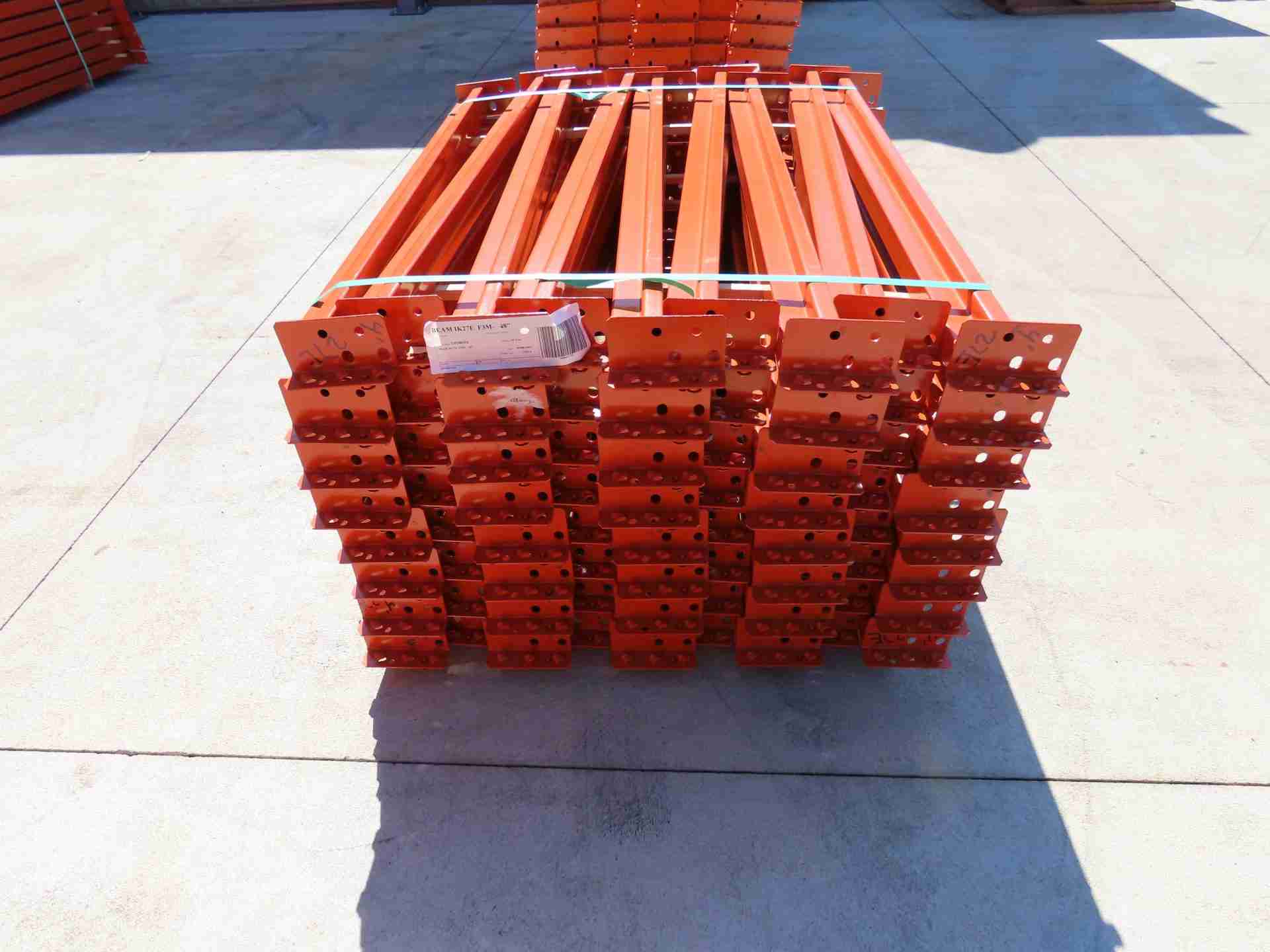
What Are the Safety Benefits Of Pallet Racking In Manufacturing?
How Can Pallet Racking Reduce Product Damage During Handling?
You’ve worked hard to get those products ready—hours, sweat, maybe a few scraped knuckles—and the last thing anyone wants is to see them damaged before they even leave the warehouse. Pallet racking isn’t just about stacking stuff up high and out of the way; it’s about protecting what matters. When done right, pallet racking keeps products secure, cuts down on accidents, and saves you from the gut-punch of lost goods or unhappy customers.
Here’s the thing: handling products is a rough game. Pallets get bumped, forklifts slide in close, and it’s easy for things to get knocked around if there’s no solid system in place. Pallet racking offers a sturdy backbone, letting you stack safely instead of piling things up like a game of Jenga. That stability means fewer crushed boxes, no leaning towers, and a lot less guesswork about what’s going to break next. It’s a straightforward, no-nonsense way to protect your investment and keep your operations humming.
But it’s not just about avoiding losses; it’s about pride in your work. Everyone on the floor knows the sting of handing over a damaged product, whether you’re the guy loading pallets or the one keeping track of orders. Pallet racking makes the job cleaner and safer, giving folks confidence that their efforts don’t get wrecked in the last mile. There’s a quiet satisfaction in knowing the system you helped run keeps things intact—a little everyday win that’s easy to overlook but worth its weight in gold.
Beyond the practical, using pallet racking shows you value quality and care. It’s an ethical choice because it respects the time and resources poured into every item, from raw materials to finished goods. Damaged products don’t just hit your bottom line—they waste materials and effort, and they leave customers feeling shortchanged. A well-maintained pallet racking setup is a sign your operation takes responsibility seriously and stands behind its work.
Experience teaches that no fancy machine or slick software beats a rock-solid pallet racking system in the trenches. It’s not glamorous, but it works. It’s a simple solution built on common sense, trust, and respect for the work everyone puts in. When those racks hold tight, products stay safe, people work better, and the whole team can feel good about what they’re shipping out the door.
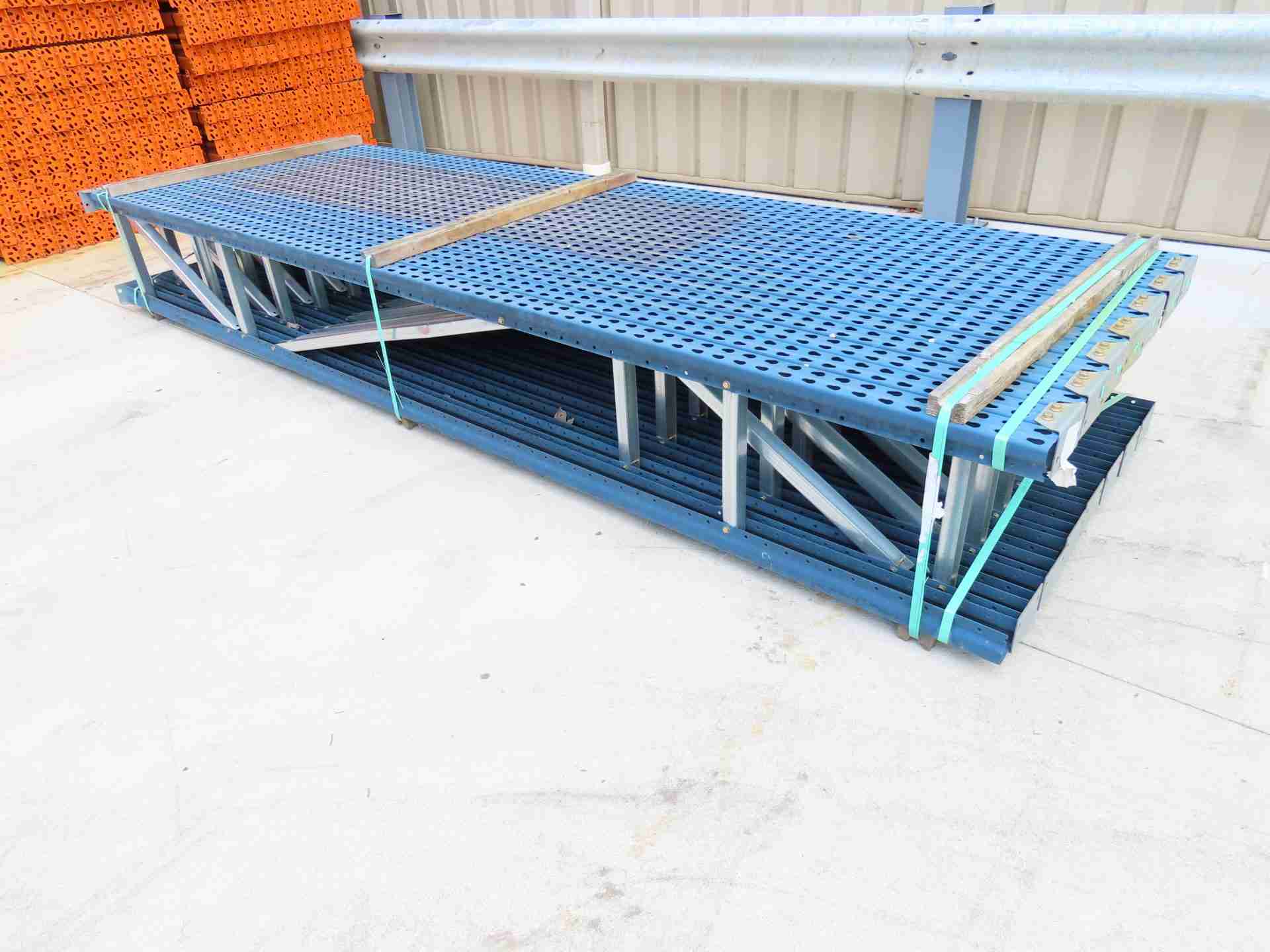
How Can Pallet Racking Reduce Product Damage During Handling?
How Can Pallet Racking Reduce Product Damage During Handling?
- Pallet racking protects products from damage before leaving the warehouse by keeping them secure and reducing accidents.
- Handling products is rough; pallet racking provides stability and prevents crushed boxes and leaning stacks, unlike unstable piling.
- Pallet racking improves workplace safety and cleanliness, giving workers confidence that their efforts won’t be wasted.
- Using pallet racking reflects pride in work and a commitment to quality, ensuring products remain intact throughout handling.
- It is an ethical choice that respects the time and resources invested in products and prevents waste and customer dissatisfaction.
- A solid pallet racking system is more effective than advanced machines or software in protecting goods in daily operations.
- Pallet racking fosters trust, common sense, and responsibility, helping teams feel confident about the products they ship.
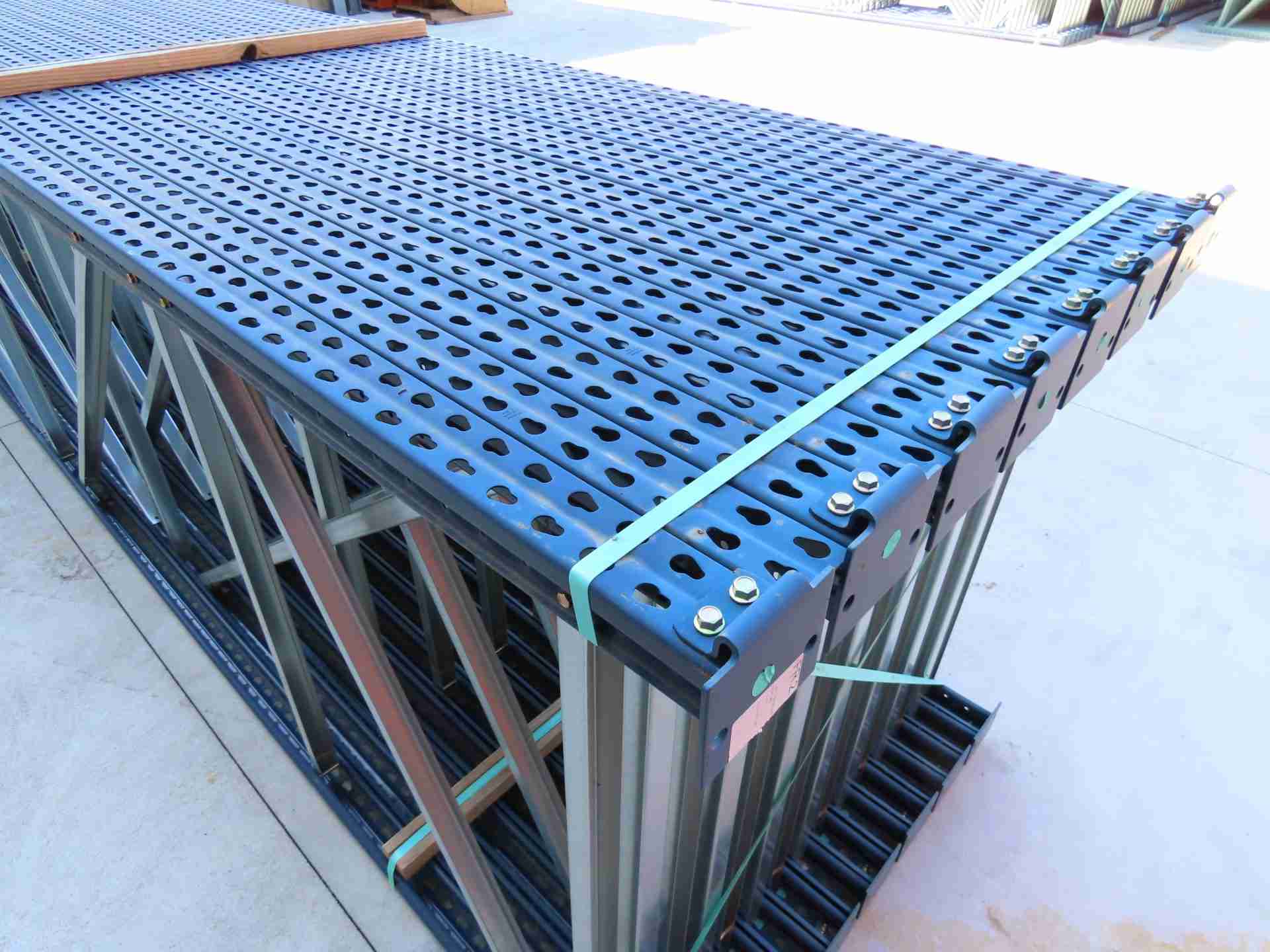
How Can Pallet Racking Reduce Product Damage During Handling?
Why Is Organization Crucial In Herbal Remedy Warehouses?
When you walk into a warehouse stacked with herbs meant to heal and help, the first thing you notice isn’t just the smell—it’s the order. Pallet racking lined up like soldiers ready for duty isn’t just about looking neat; it’s about respect. Respect for the plants that took time and care to grow, and respect for the people depending on those herbs to feel better. When things are organized the right way, there’s a trust built right into the shelves.
It’s easy to overlook how vital organization is until a shipment arrives, and you’re scrambling because you can’t find that one rare root buried behind five other pallets. That’s when things get ugly—delays pile up, stress mounts, and the whole operation can grind to a halt. A well-planned warehouse with sturdy pallet racking doesn’t just save time, it saves hope. People count on these remedies for their health, and every minute wasted is a minute someone waits in pain.
The head knows better: clutter breeds chaos. When every item has a place, inventory becomes a straightforward count instead of a treasure hunt. You avoid costly mistakes—spoiled batches, misplaced orders, or mixing up one herb for another. That’s not just common sense; that’s professional pride. You set up your pallet racking to maximize space and efficiency because you’re working with nature’s gifts—things that don’t just sit on a shelf forever. They breathe, age, and if you disrespect that, what you deliver suffers.
Ethically, it’s about accountability. When others trust your hands with something as delicate and important as herbal remedies, sloppy storage isn’t just laziness; it’s a breach of duty. You owe it to your customers, your team, and the growers back in the fields to handle every pallet with care and purpose.
There’s also a social side—working in an organized environment builds camaraderie. When everyone knows where to find their gear, it smooths the day-to-day grind. It’s not just about rules; it’s about making work easier and smarter for the folks who show up day after day, doing the hard work that keeps the supply chain alive.
Organization in herbal remedy warehouses isn’t some fancy idea—it’s the backbone holding up everything that comes after. It’s the quiet promise that these natural tools will reach you as fresh and true as the moment they were harvested. And that’s good work worth aiming for.
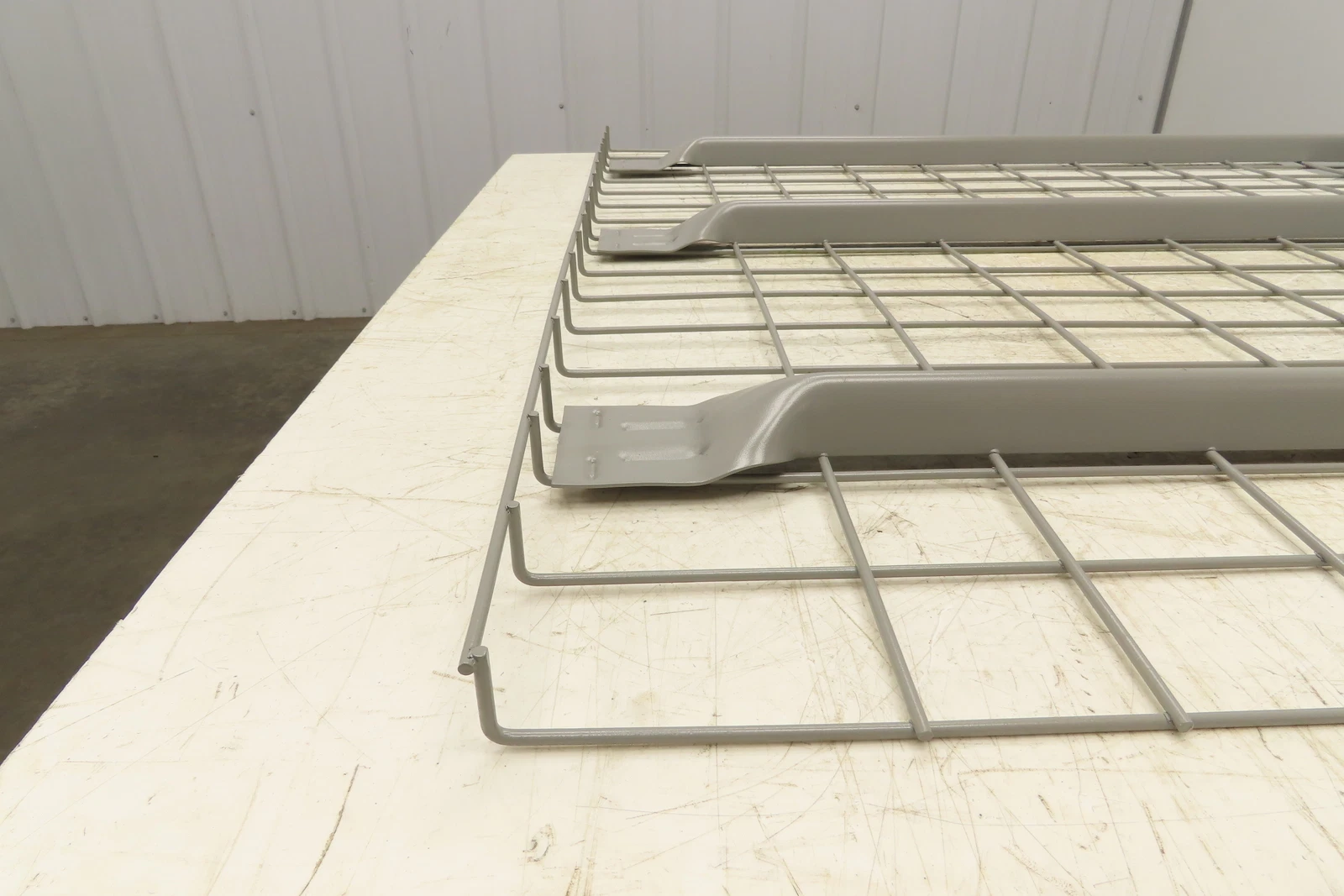
Why Is Organization Crucial In Herbal Remedy Warehouses?
Why Is Organization Crucial In Herbal Remedy Warehouses?
- Warehouse organization reflects respect for the herbs and the people relying on them, building trust through orderly pallet racking.
- Proper organization prevents delays and stress caused by misplaced items, saving time and ensuring timely delivery of remedies.
- Designated spaces simplify inventory management, reduce costly errors, and maximize space and efficiency for perishable goods.
- Ethical responsibility demands careful handling and storage to maintain the quality and effectiveness of herbal remedies.
- Organized environments foster teamwork and streamline daily operations for warehouse staff.
- Orderliness in warehousing supports the entire supply chain, ensuring products remain fresh and true to harvest quality.
- Maintaining careful organization is essential to fulfilling the promise of delivering effective, natural healing products.

Why Is Organization Crucial In Herbal Remedy Warehouses?
How Does Pallet Racking Support Compliance with Industry Standards?
When you’re working in a warehouse or a busy shop floor, the last thing you want is to worry about whether your storage is up to snuff. Pallet racking does more than just hold things up; it’s the backbone that keeps your whole operation squared away with industry standards—standards built on years of hard knocks and lessons learned the tough way. This isn’t about flashy gear; it’s about straightforward, reliable systems that meet regulations so you don’t have to spend sleepless nights second-guessing whether you’re in the clear.
Pallet racking supports compliance by giving you a practical way to organize goods safely and efficiently, reducing the risk of accidents that can shut down work or worse, send someone to the hospital. The way these racks are designed, installed, and maintained follows clear-cut rules laid out in standards, which are there not just to tick boxes but to protect everyone involved—from the guy stacking pallets all day to the manager signing off on safety reports. When your pallet racking checks all those boxes, you’re not just staying legal—you’re building a culture that values the wellbeing of your crew. That kind of trust and teamwork can’t be bought, it’s earned.
Think about the peace of mind that comes with knowing your setup won’t crumble under pressure. If you’re in logistics or manufacturing, every layer of your pallet racking system has been tested and certified to handle loads in a way that minimizes failures. It’s an ethical responsibility to provide a workplace where standards are respected because people’s safety and livelihoods hang in the balance. Running a tight ship means you don’t cut corners where it matters.
On the ground, those standards translate into clear signage, load limits, proper assembly, regular inspections, and maintenance schedules that keep pallet racking fit for purpose—not just on paper but in daily practice. It’s the kind of no-nonsense approach that turns compliance into an asset rather than a headache. More importantly, it invites everyone to play a part in keeping things safe, encouraging a shared sense of pride and responsibility.
Using pallet racking designed and installed with industry standards in mind is like having a seasoned crew backing you up—solid, dependable, and ready to do the job right. It’s an invitation to step into a workspace that runs smoother, safer, and smarter. When compliance meets common sense, that’s when you get results you can trust, and confidence that your operation is built on a sturdy foundation.
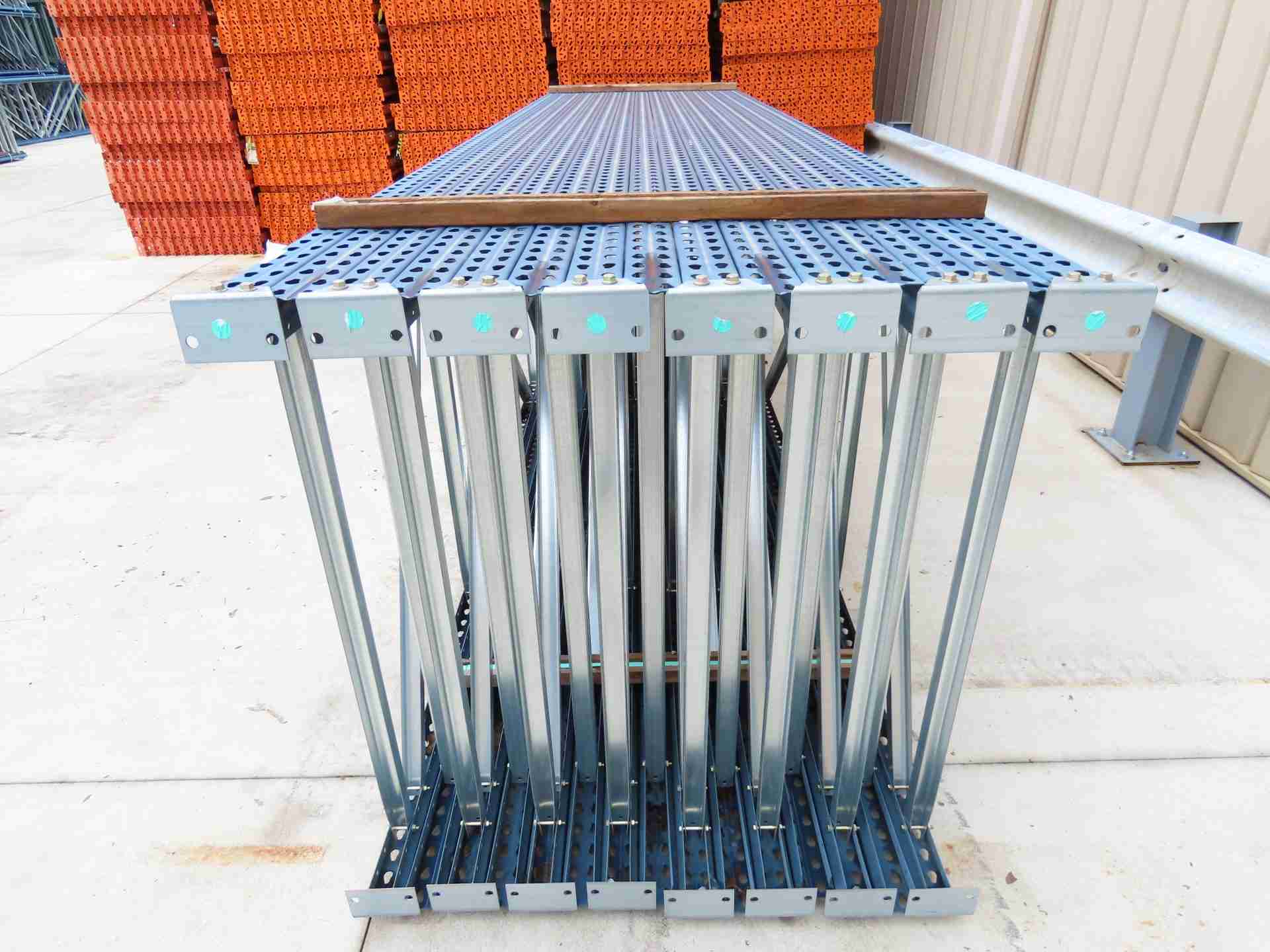
How Does Pallet Racking Support Compliance with Industry Standards?
How Does Pallet Racking Support Compliance with Industry Standards?
- Pallet racking is essential for organizing storage safely and efficiently, adhering to industry standards developed through experience.
- Properly designed, installed, and maintained racks reduce the risk of accidents, protecting workers and ensuring compliance with regulations.
- Meeting pallet racking standards fosters a culture that values employee wellbeing and builds trust and teamwork.
- Certified pallet racking systems provide peace of mind by reliably handling loads and minimizing failures in logistics and manufacturing.
- Compliance includes practical measures like clear signage, load limits, proper assembly, inspections, and maintenance schedules.
- Maintaining standards transforms compliance into an asset that encourages shared responsibility and workplace safety pride.
- Using industry-standard pallet racking creates a dependable, efficient workspace that supports smooth and safe operations.
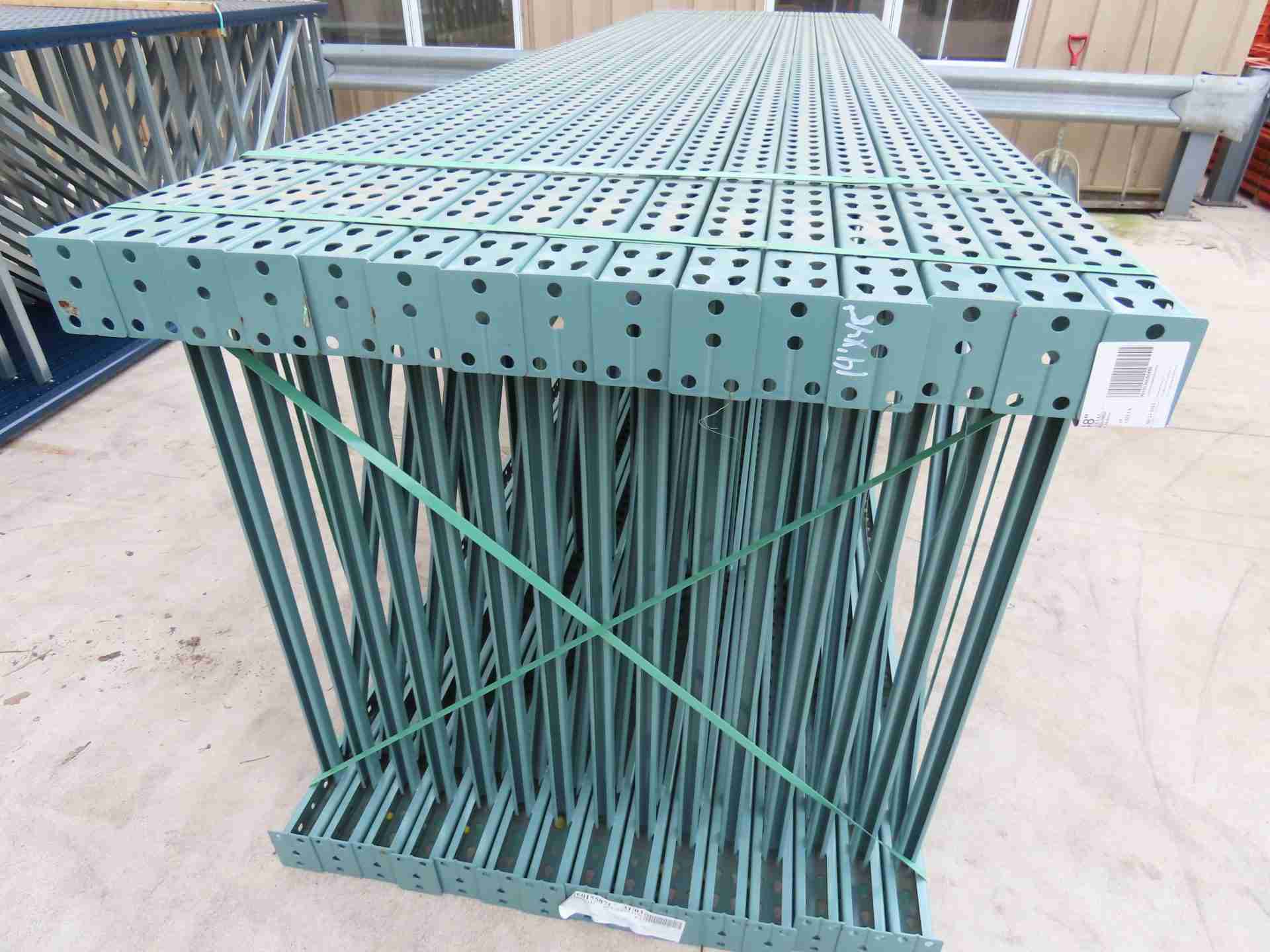
How Does Pallet Racking Support Compliance with Industry Standards?
What Cost Savings Come From Optimized Pallet Racking Systems?
Look, when it comes to pallet racking, it’s not just about stacking boxes or cramming more stuff into a warehouse. It’s about making every square inch count without turning your operation into a logistical nightmare. You’ve felt that gut-punch when your space fills up too fast, and you’re forced to rent more storage or scramble for inventory spots. Optimized pallet racking systems fix that headache by squeezing out hidden capacity you didn’t know you had. That’s real savings right there—less wasted space means less rent, less overtime, and fewer headaches for the crew.
On the rational side, think of pallet racking like a well-oiled machine. When racks are properly planned and installed, they speed up every move – picking, storing, loading. That efficiency trickles down to faster turnaround, which cuts labor costs and keeps customers happy. The fewer steps your folks are taking, the quicker the job gets done. Fewer mistakes too, which can cost more than you realize in lost product or delayed shipments. Optimized pallet racking systems pay for themselves by streamlining operations and slashing hidden expenses.
There’s also an ethical angle that often gets overlooked. A safer, well-organized storage setup means fewer accidents and injuries on the floor. When your team feels secure and respected, morale climbs—and so does productivity. Investing in pallet racking that’s built right and suited to your needs says you care about the people who make your business run. That kind of solidarity builds loyalty and trust, the kind you can’t buy but you sure notice when it’s missing.
Stories from the floor prove another point—businesses that switched to optimized pallet racking often find they can postpone costly facility expansions for years. One operator shared how reorganizing their racks gave them a whole extra bay of usable space without laying a single brick. That’s a win that hits the ledger and the heart, every time.
Standing among rows of well-planned pallet racking feels different—a quiet assurance that the hard work and money invested were worth it. It’s about respect for your space, your stuff, and the people who handle it daily. The smart, grounded choice to start with a system that saves money, time, and trouble. If that doesn’t inspire action, maybe nothing will.

What Cost Savings Come From Optimized Pallet Racking Systems?
What Cost Savings Come From Optimized Pallet Racking Systems?
- Optimized pallet racking maximizes warehouse space, reducing the need for additional storage and lowering costs like rent and overtime.
- Properly planned pallet racks improve operational efficiency by speeding up picking, storing, and loading processes, cutting labor costs and errors.
- A safer and well-organized storage system reduces accidents, boosts team morale, and increases productivity.
- Investing in tailored pallet racking demonstrates care for employees, fostering loyalty and trust within the workforce.
- Businesses using optimized pallet racking can delay expensive facility expansions by making better use of existing space.
- Reorganizing pallet racks can create significant additional usable space without costly construction or remodeling.
- Well-planned pallet racking reflects respect for space, inventory, and workers, resulting in long-term savings and operational benefits.
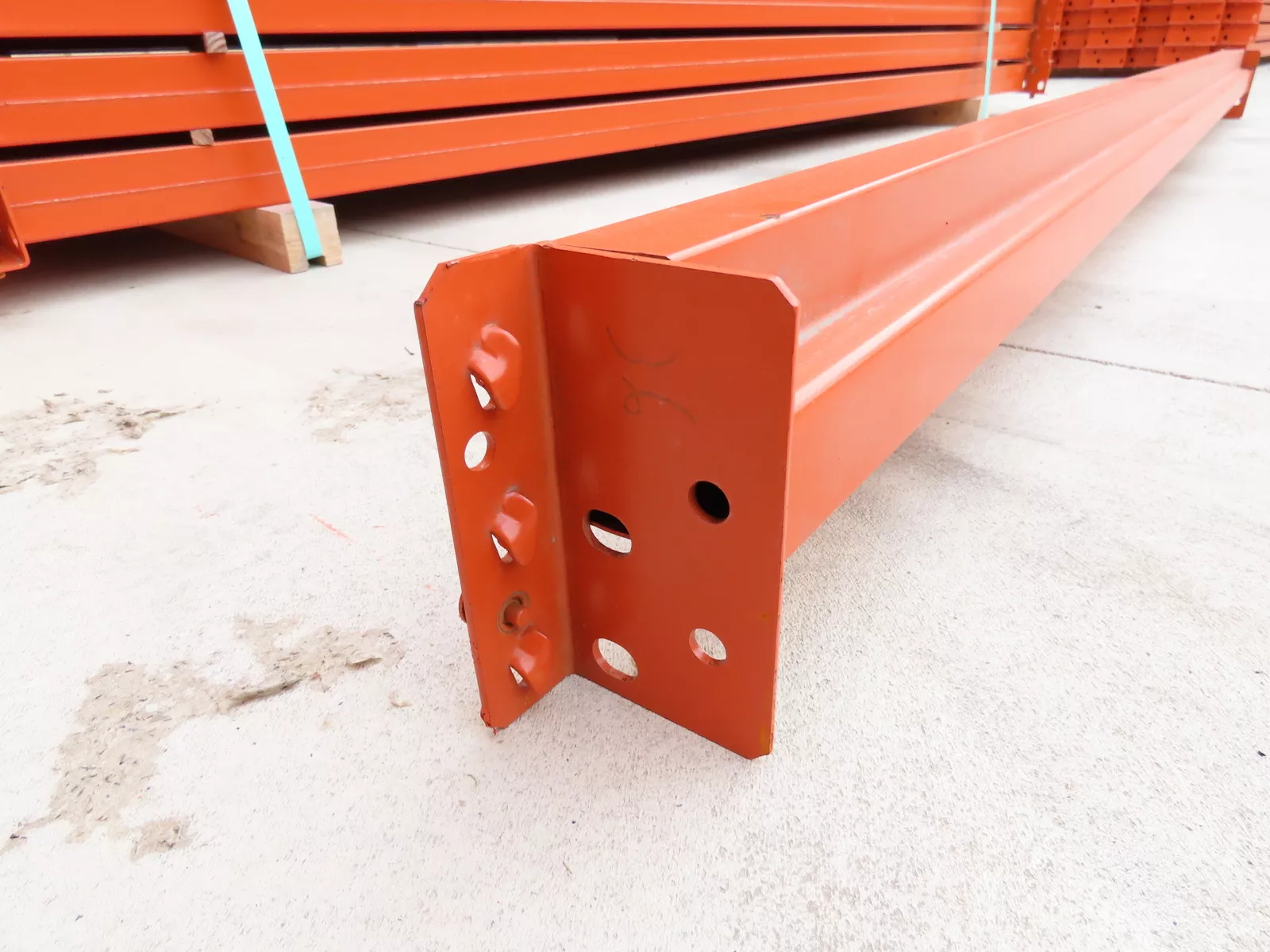
What Cost Savings Come From Optimized Pallet Racking Systems?
How Do Manufacturers Choose the Right Pallet Racks for Herbs?
Choosing the right pallet racking for herbs isn’t just about stacking boxes and saving floor space. It’s about respect for the work, the product, and the people who handle it day in and day out. You’re dealing with something delicate, something that demands a certain care — herbs need the right environment, and the racks have to be part of that story. You want solid, dependable pallet racking that holds up under real pressure, not some flimsy setup that flexes and creaks when the boss walks by.
From the sweaty hands loading each pallet to the careful labeling that keeps every batch traceable, the right pallet racking makes a difference. It’s not just metal beams—it’s the backbone of a system where every pallet fits just so, airflow isn’t choked off, and every worker feels a little safer knowing the stack won’t topple when they least expect it. There’s an ethic in choosing the right gear: you owe it to the crop and the crew to pick pallet racking that’s sturdy, smart, and built to last.
Every seasoned manufacturer knows it’s a balance between space, strength, and simplicity. You want racks that keep your herbs fresh by letting air move freely, that stand steady against the weight of productivity, and that won’t slow down a busy day. These decisions save money and headaches in the long haul—it’s a practical kind of wisdom earned in the grind, not in PowerPoint meetings. It’s knowing you’ve made a choice that won’t let the team down or risk the harvest.
Choosing pallet racking also comes down to trust. You trust your product to the racks, and you trust your team to work safely around them. That’s why experience counts—knowing the difference between something that looks good on paper and something that will hold up when forks are flying and deadlines loom. When the right pallet racking is in place, everyone from the picker to the forklift driver works a little easier, a little smarter.
It’s about being part of something bigger. You’re not just storing herbs; you’re part of a chain that feeds kitchens, medicines, and homes. The right pallet racking connects all those dots, making sure the good work out front doesn’t get undone in the back. That’s why picking the right pallet racking is more than a choice—it’s a promise.

How Do Manufacturers Choose the Right Pallet Racks for Herbs?
How Do Manufacturers Choose the Right Pallet Racks for Herbs?
- Choosing pallet racking for herbs involves respect for the product, the work, and the people handling it daily.
- Herbs require a specific environment, and racks must support this with sturdy, dependable construction.
- The right pallet racking ensures proper airflow, secure stacking, traceability, and worker safety.
- Effective pallet racks balance space optimization, strength, and simplicity to maintain freshness and efficiency.
- Good racking choices reduce costs and operational issues over time through practical, experience-based decisions.
- Trust in pallet racking is essential for product security and safe, efficient team workflows.
- Pallet racking connects the entire supply chain, reflecting a commitment to quality and responsibility beyond storage.
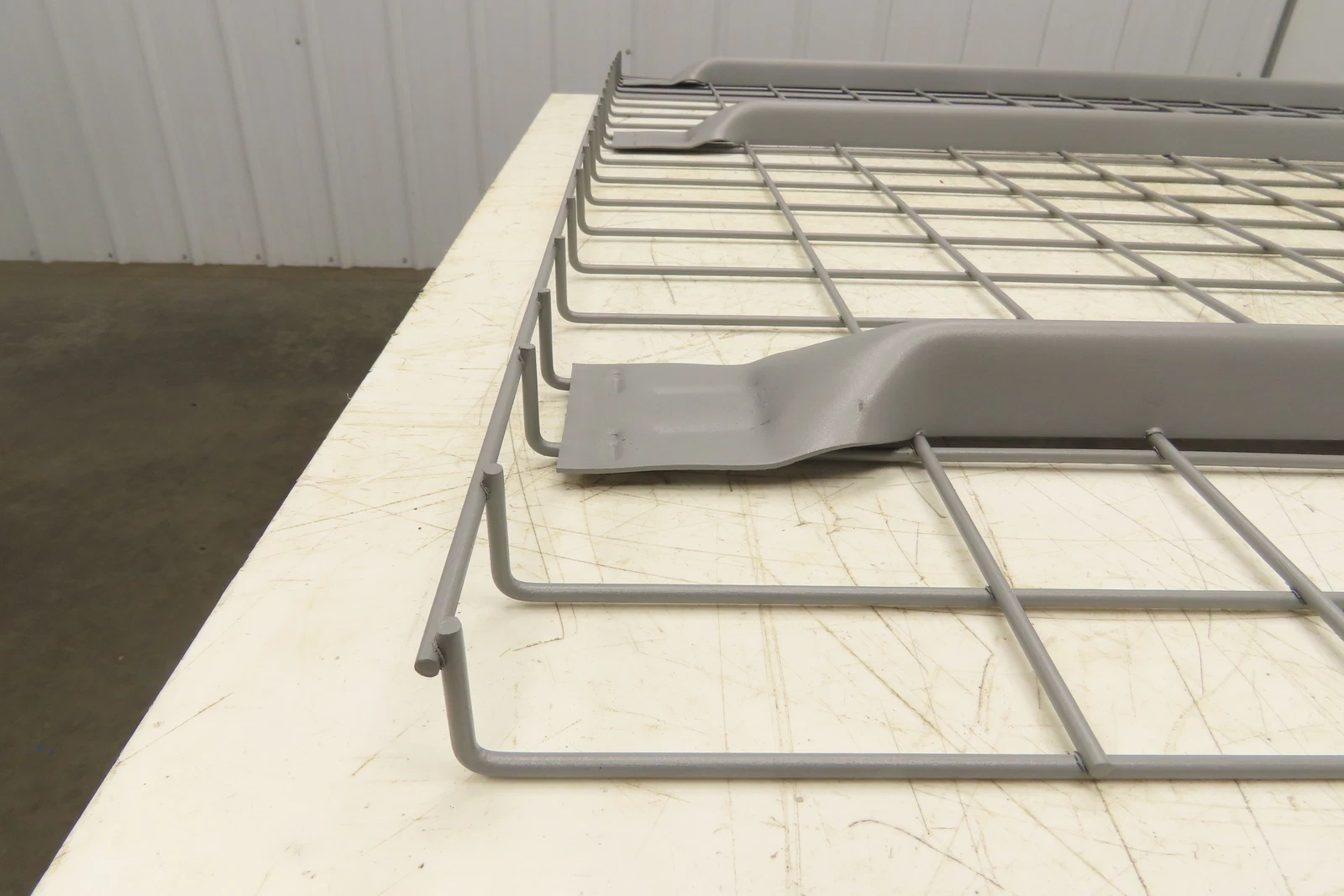
How Do Manufacturers Choose the Right Pallet Racks for Herbs?
Conclusion
In the world of herbal remedy manufacturing, pallet racking stands as the unsung workhorse—quiet, sturdy, and indispensable. It’s not some flashy piece of tech; it’s the backbone that keeps warehouses from turning into chaotic dumps where precious products might get lost or broken. These racks hold more than just boxes; they hold the trust of customers who rely on the natural goodness packed into every pallet. When space is tight and the need for speed is high, pallet racking stretches every square foot like a seasoned foreman squeezing another hour out of the day. That kind of efficiency isn’t just about business—it’s about respect for the product and the people waiting on it.
Safety, too, is a muscle that pallet racking flexes without fanfare. On a factory floor where heavy pallets get moved daily, the difference between a solid rack and a leaning pile can mean the difference between a smooth shift and a hospital visit. Good pallet racking keeps loads stable, forklifts steady, and workers confident, lowering accidents and all the headaches that come with them. This is more than compliance with rules—it’s a straightforward commitment to looking out for the folks on the floor, the hands that make everything possible.
Damage prevention is another big win. Warehouses are tough places, and products can take a beating if left unprotected. Pallet racking acts like a sturdy guardrail, keeping goods secure and cuts down losses that would otherwise hit both pride and pocketbook hard. It’s a simple, no-nonsense way to honor the hard work behind every item, ensuring what leaves the warehouse arrives intact.
Organization isn’t a luxury here—it’s the lifeblood of a herbal warehouse. When every pallet has a rightful place, the whole operation hums together without the scrambling and stress that hurt both morale and deadlines. It’s a quiet promise that the herbs, which breathe and age like living things, won’t lose their value or their purity waiting to be found. Organized storage builds trust—from the fields where herbs grow to the customers who rely on them—and creates a workspace smoother and smarter for everyone involved.
Pallet racking also keeps operations straight with industry standards. These aren’t just bureaucratic hoops but rules forged in the hard knocks of real work—designed to keep people safe and goods secure. Meeting those standards means more than passing inspections; it means building a culture of pride, responsibility, and trust that holds a team together.
And there’s money in it, too. Optimized racks turn cramped storage nightmares into lean, efficient spaces that save on rent, labor, and downtime. Beyond dollars, they boost morale by providing a safe, orderly workplace where down-to-earth folks can feel respected and valued. These savings often postpone costly expansions and keep the business running smoother—wins that hit the ledger and the heart.
Picking the right pallet racking isn’t guesswork; it’s a careful balance of strength, space, and simple common sense. It’s about choosing gear tough enough to handle the daily grind, smart enough to keep herbs fresh with good airflow, and reliable enough to stand up when the pressure’s on. This choice shows respect for the harvest, the crew, and the customers—knowing that every pallet stacked right is a promise kept.
In the end, pallet racking isn’t just metal and bolts; it’s the quiet backbone holding up the whole story—from seed to shelf. It’s where hard work, respect, and common sense meet, building a foundation that keeps herbal remedies safe, workers secure, and trust alive.
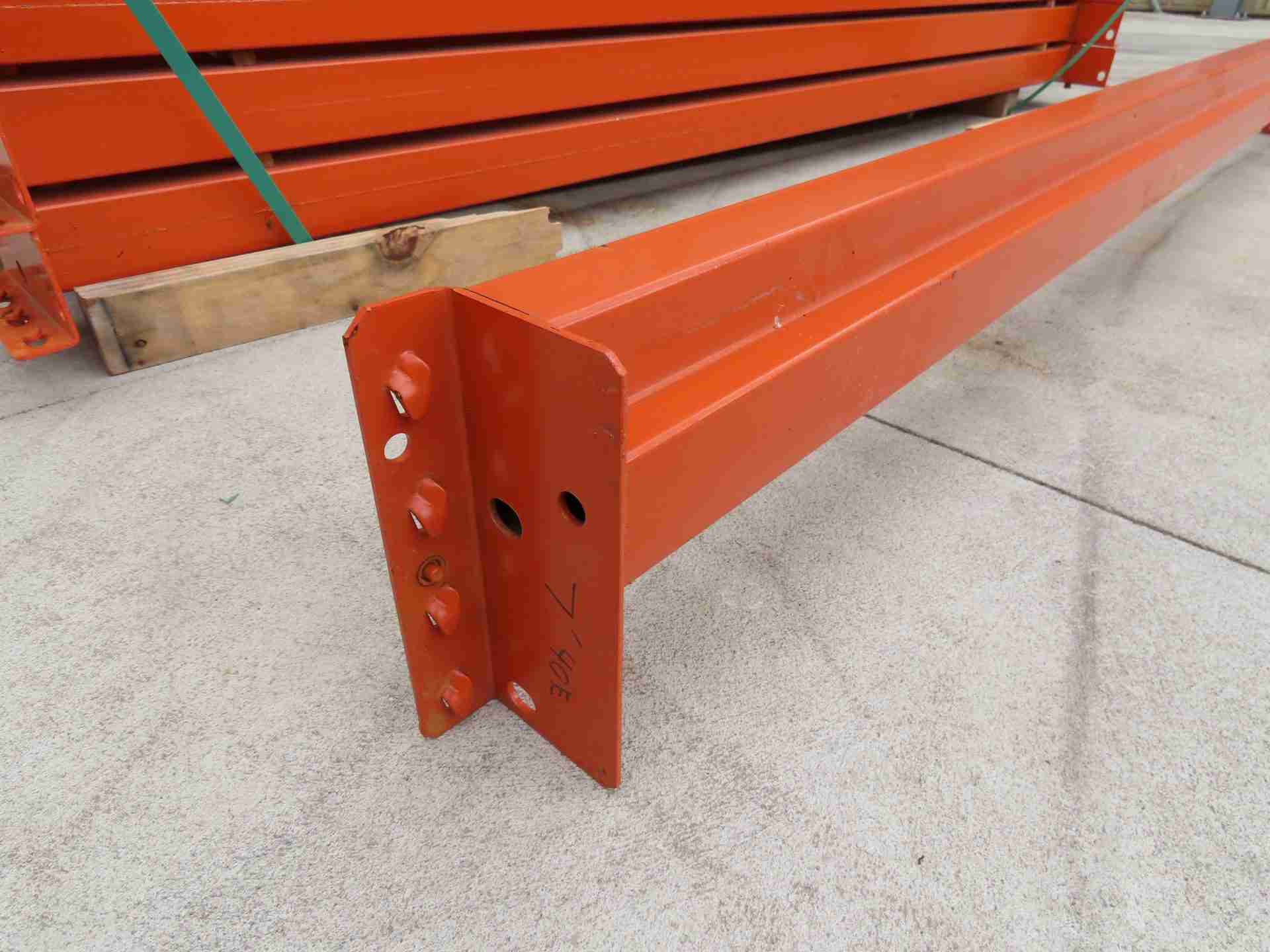
Conclusion
Conclusion:
- Pallet racking is essential in herbal remedy manufacturing, providing sturdy and efficient storage that protects products and maintains customer trust.
- It maximizes space and improves workflow efficiency, respecting both the product and the people relying on timely delivery.
- Safety is a key benefit, as solid racks prevent accidents by keeping heavy pallets stable and workers secure.
- Damage prevention is improved, with racks acting as protective barriers that minimize losses and preserve product quality.
- Organization enabled by pallet racking enhances overall operations, ensuring herbs maintain their value and purity while building trust throughout the supply chain.
- Compliance with industry standards fosters a culture of responsibility and trust, going beyond mere regulatory requirements.
- Optimized pallet racking saves costs on rent, labor, and downtime while boosting morale by creating a safe and orderly workplace.
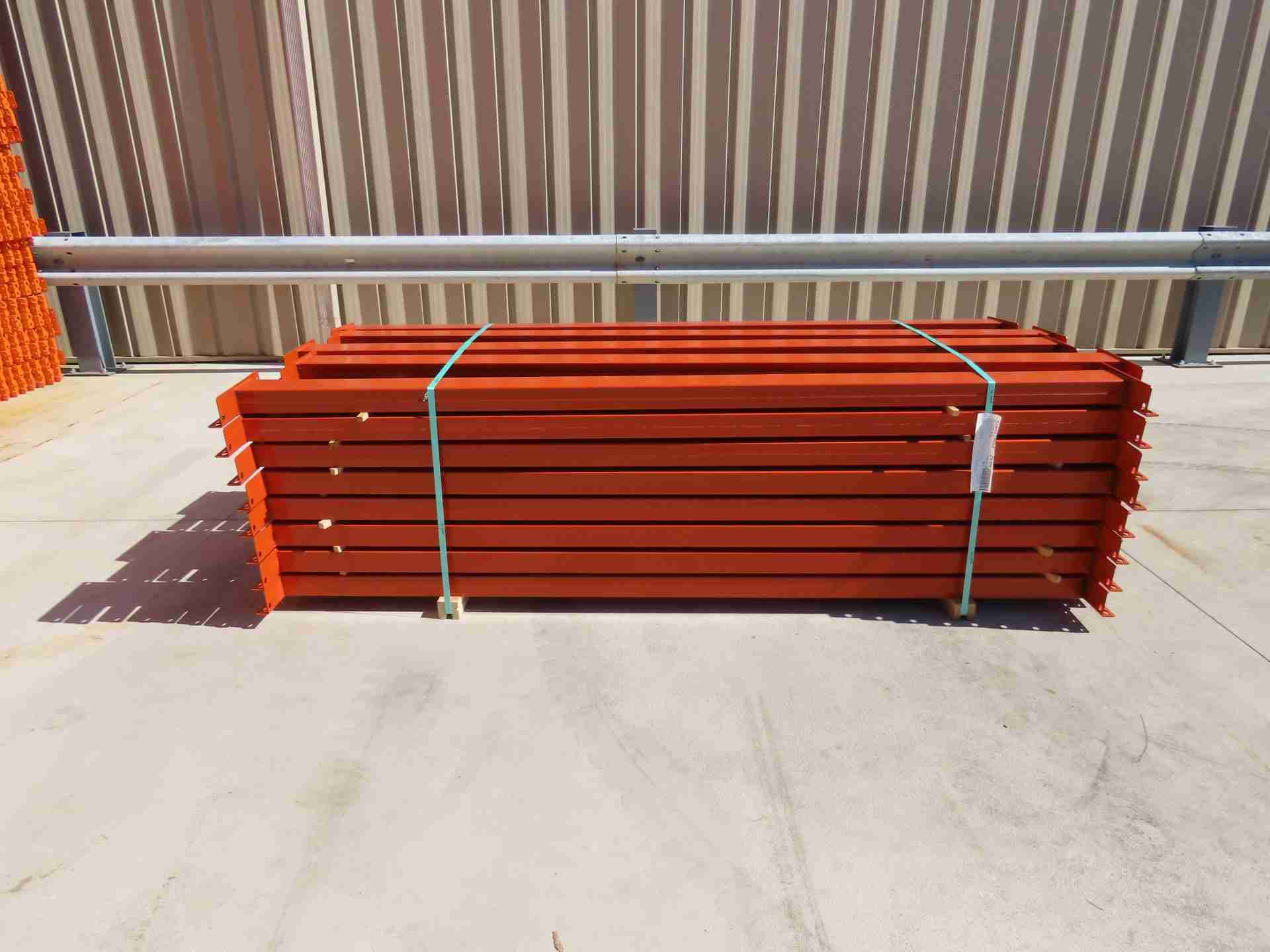
Conclusion
Other Resources
Other Resources
Here is a list of other resources you can review online to learn more:
- Illinois Pallet Racking – Storage Solutions
- Teardrop Industrial Shelving Rack
- Shipping Boxes, Packaging Materials, Pallet Racking
- Cantilever Racks Chicago
- Warehousing Education and Research Council: https://www.werc.org/
- IWLA
- Interlake Mecalux
- Warehouse Automation
- BMH Equipment LLC
- Illinois
- Heavy-Duty Cantilever Storage Racks
- Arrow Industrial Sales
- What is Cantilever Racking? – AK Material Handling Systems
- Rack Manufacturers Institute
- American Surplus
- Warehouse Racking Systems: Beginner’s Guide to Rack Systems
- CA Wire
- Storage Equipment Manufacturers’ Association
- Material Handling Industry
- Iowa Illinois Warehouse Racking
Use This Prompt To Get More Resources With Your Favorite Online AI Tool: Please provide me with a list of online articles with their URLs in a bulleted list that I can read regarding How Do Herbal Remedy Manufacturers Leverage Pallet Racking?
Other Resources
Glossary Terms
How Do Herbal Remedy Manufacturers Leverage Pallet Racking? – Glossary Of Terms
1. Pallet Racking: A storage system designed to hold materials on pallets in horizontal rows with multiple levels.
2. Inventory Management: The process of ordering, storing, and using a company’s inventory.
3. Space Optimization: Efficient use of available storage area to maximize capacity.
4. Load Capacity: The maximum weight a pallet rack can safely hold.
5. Warehouse Organization: Systematic arrangement of products for efficient workflow.
6. Accessibility: Ease of retrieving items from storage.
7. Storage Density: The amount of product stored in a given area.
8. Material Handling: Movement, protection, storage, and control of materials.
9. Picking Efficiency: Speed and accuracy in selecting items for orders.
10. Safety Compliance: Adherence to regulations ensuring safe storage and handling.
11. Adjustable Shelving: Rack components that can be repositioned to accommodate different pallet sizes.
12. Bulk Storage: Holding large quantities of unprocessed or semi-processed materials.
13. Cold Storage Compatibility: Ability of racking systems to function in refrigerated environments.
14. Load Stability: Ensuring pallets remain secure during storage and movement.
15. Vertical Storage: Using height to increase storage capacity.
16. FIFO System: First-In, First-Out inventory management approach.
17. LIFO System: Last-In, First-Out inventory management approach.
18. Pallet Jack Accessibility: Design allowing pallet jacks to access racks easily.
19. Custom Racking Solutions: Tailored rack designs meeting specific product needs.
20. Cross-Contamination Prevention: Measures to avoid mixing different herbal materials.
21. Durability: Resistance of racks to wear, corrosion, and damage.
22. Space Utilization Rate: Percentage of warehouse space actively used.
23. Automation Integration: Incorporation of automated systems with pallet racks.
24. Loading/Unloading Efficiency: Speed and safety in handling pallets.
25. Modular Design: Racks built from components that can be easily assembled or modified.
26. Ergonomics: Design considerations to reduce worker strain.
27. Product Segregation: Separation of different herbs or batches.
28. Inventory Turnover: Rate at which stock is used and replaced.
29. Traceability: Ability to track products through storage and distribution.
30. Compliance Standards: Industry and legal requirements for storage of herbal remedies.

Glossary Of Terms
Other Questions
How Do Herbal Remedy Manufacturers Leverage Pallet Racking? – Other Questions
If you wish to explore and discover more, consider looking for answers to these questions:
- What types of pallet racking systems (selective, drive-in, push-back, pallet flow, cantilever, mobile) work best for herbal remedy storage?
- How do you determine the required load capacity and weight distribution for each rack or beam?
- How does pallet racking affect the shelf life and quality of dried herbs and botanical products?
- What environmental controls (temperature, humidity, light) are necessary when using pallet racking for herbs?
- How should racking be arranged to ensure adequate airflow and prevent moisture buildup?
- What pallet sizes, pallet quality standards, and load configurations are recommended for herb pallets?
- How can pallet racking be configured to support FIFO, LIFO, and batch rotation for lot traceability?
- What inventory management technologies (barcodes, RFID, WMS) integrate best with pallet racking systems?
- How should a warehouse layout be planned around racking to optimize picking routes and reduce labor time?
- How do you calculate ROI and payback period for investing in optimized pallet racking?
- What are the typical upfront, installation, and ongoing maintenance costs for pallet racking?
- How often should pallet racking be inspected, and what should inspections include?
- What are the common causes of rack damage or failure, and how can they be prevented?
- How do seismic, wind, or local building-code requirements affect racking selection and anchoring?
- What safety accessories are recommended (column protectors, row spacers, beam locks, end-of-aisle guards)?
- What forklift practices and operator training are needed to minimize racking collisions and accidents?
- Which regulatory standards and guidelines apply to storing herbal remedies (GMP, OSHA, local health regulations)?
- How does pallet racking support audit readiness and compliance documentation for regulators or certifiers?
- What measures should be taken to prevent cross-contamination and control allergens in racked storage?
- Which cleaning and sanitation methods are compatible with racking materials without causing corrosion or damage?
- How do pallet racking layouts interact with sprinkler systems and fire-suppression clearance requirements?
- How should hazardous substances (solvents, extraction chemicals) be stored relative to herbal pallets and racking?
- What racking features are required to integrate automation (ASRS, conveyors, AGVs) into herb warehouses?
- Is it better to buy new racking or repurpose used systems, and what are the risks and cost differences?
- What typical warranties and expected service life do pallet racking systems offer?
- Which labeling, lot-tracking, and documentation practices on racks improve traceability and recall readiness?
- How can racking be designed for future scalability, reconfiguration, or changing product mixes?
- How do you handle mixed pallet sizes, irregular cartons, or non-palletized items within a racking system?
- What pest-management strategies should be used around pallet racking to protect botanical products?
- How do you evaluate and choose reliable racking suppliers, installers, and inspectors?
- What common design and installation mistakes should be avoided when implementing pallet racking?
- How can racking layout and pick methods improve worker ergonomics and reduce repetitive strain?
- How does pallet racking choice influence insurance premiums, liability exposure, and risk management?
- How do you balance cost-saving objectives with product protection and worker safety when selecting racking?
- What sustainability considerations (recyclable materials, lifecycle impact, energy use) apply to racking?
- How do you retrofit an existing warehouse with improved pallet racking without major downtime?
- What KPIs and performance metrics should be tracked to measure the benefits after installing new racking?
Other Questions
Checklist
How Do Herbal Remedy Manufacturers Leverage Pallet Racking? – A Checklist
Planning and Layout
✅______ Document storage goals (throughput, SKU count, temperature/humidity requirements, FEFO/FIFO).
✅______ Map current and future product mix (raw herbs, WIP, finished goods, packaging).
✅______ Choose rack types: Selective; Pallet Flow (FEFO); Push-Back (LIFO); Drive-In; Cantilever (bulky items).
✅______ Verify clear aisle widths for equipment and pedestrian routes.
✅______ Preserve flue spaces (longitudinal and transverse) per code and sprinkler design.
✅______ Position high-velocity items near docks; minimize travel paths.
✅______ Designate quarantine, allergen-sensitive, and organic-only zones.
Rack Specification and Materials
✅______ Engineer-stamped drawings with load ratings and seismic design where applicable.
✅______ Specify beam capacity, frame capacity, and maximum bay loads for the heaviest pallets.
✅______ Use wire mesh decking or flow rails; avoid solid shelves unless sprinkler design supports them.
✅______ Select corrosion-resistant, cleanable finishes (galvanized or powder coat suitable for hygiene plans).
✅______ Include row spacers, column protectors, and end-of-aisle guards.
✅______ Choose anchors rated for slab conditions; verify floor flatness and thickness.
Compliance and Documentation
✅______ Conform to RMI/ANSI MH16.1 (steel storage racks) and local building codes.
✅______ Align with NFPA 13 fire protection; verify sprinkler coverage and commodity classification.
✅______ Follow OSHA requirements (e.g., forklift 1910.178) and walking-working surfaces.
✅______ Post load plaques visibly on every rack row and bay.
✅______ Obtain permits and AHJ approvals before use.
✅______ Maintain installation records, PE stamps, and change-control documents.
Product Protection and Handling
✅______ Standardize pallets (size, condition, HT-marked for export) and inspect before each use.
✅______ Set maximum load height and overhang limits; use corner boards and stretch wrap for stability.
✅______ Define forklift approach angles and speed limits; mark one-way aisles where needed.
✅______ Use pallet stops, backstops, and rack netting where fall risk exists.
✅______ Train operators on proper beam-to-pallet clearances and safe placement techniques.
Herbal-Specific Quality Controls
✅______ Implement FEFO for perishable lots and volatile/aromatic herbs.
✅______ Control environment: target temperature/humidity ranges by zone; monitor and log.
✅______ Protect light-sensitive products (opaque packaging, shaded rack levels).
✅______ Separate strong-odor herbs to prevent cross-aroma transfer.
✅______ Segregate allergens and botanicals with contamination risks; dedicate tools and lanes.
✅______ Verify packaging integrity before storage (tears, moisture, seal failures).
Organization and Traceability
✅______ Use 5S: labeled locations, clean aisles, defined home positions.
✅______ Apply GS1/lot labels at pallet and case level; scan at every movement.
✅______ Sync locations with WMS; maintain real-time inventory accuracy.
✅______ Mark rack bays and levels with durable, scannable signage.
✅______ Establish cycle counting and reconciliation cadence.
✅______ Maintain quarantine and hold tags with disposition workflows.
Safety Culture and Training
✅______ Provide rack-specific safety training and refresher courses.
✅______ Empower stop-work authority; encourage near-miss reporting.
✅______ Keep PPE readily available; post hazard and traffic signage.
✅______ Ensure adequate lighting and line-of-sight at intersections.
✅______ Review emergency egress routes free of obstructions.
Inspection, Maintenance, and Repairs
✅______ Daily operator walk-through: visible damage, missing pins/clips, obstructions.
✅______ Monthly supervisor inspections with checklist and photo documentation.
✅______ Annual professional rack audit; re-rate after reconfiguration or load changes.
✅______ Check anchor tightness, corrosion, beam deflection, and decking damage.
✅______ Tag out damaged components immediately; use OEM parts for repairs.
✅______ Keep critical spares on hand (beams, clips, protectors).
Fire Protection and Housekeeping
✅______ Maintain required flue spaces; no pallet overhang blocking sprinklers.
✅______ Keep dust down; schedule rack and deck cleaning.
✅______ Store combustibles and packaging materials in designated areas.
✅______ Place extinguishers and alarm pulls per code; train staff on use.
Performance and Cost Optimization
✅______ Track KPIs: space utilization (cube), picks/hour, dock-to-stock time, inventory accuracy, and damages.
✅______ Optimize slotting quarterly based on velocity and ergonomics.
✅______ Use pallet flow where FEFO is critical to reduce touches and waste.
✅______ Compare carrying costs versus added capacity to defer expansion.
✅______ Conduct post-implementation ROI review and a continuous improvement cycle.
Vendor and Installation Due Diligence
✅______ Vet suppliers for industry references and warranty terms.
✅______ Validate installer certifications; supervise build per drawings.
✅______ Complete punch list before acceptance; verify all safety devices are installed.
✅______ Train staff at go-live; confirm signage, plaques, and WMS locations match the physical layout.
Go-Live Readiness
✅______ Dry-run putaway and pick paths with test loads.
✅______ Verify environmental monitors and alerts are operational.
✅______ Confirm emergency procedures and muster points are posted.
✅______ Sign off on compliance, safety, and quality checks before full operation.

Checklist
At RackingWorld, we help guide you through selecting warehouse storage systems and racking.
Be sure to read our other related stories at RackingWorld to learn more about warehouse storage systems.
0 Comments