
Maximizing Space, Safety, And Efficiency: The Power Of Pallet Racking
By Tom Seest
At RackingWorld, we help guide you through selecting warehouse storage systems and racking.
Be sure to read our other related stories at RackingWorld to learn more about warehouse storage systems.
How Do Heavy Haul Equipment Storage Leverage Pallet Racking?
If you’ve ever wrestled with keeping heavy haul equipment organized in a cluttered yard or warehouse, you know it’s no small task. These machines aren’t just big—they’re bulky, awkward, and costly to replace if damaged. Pallet racking steps in like a reliable workhorse, turning chaos into order, and giving you a system that holds up under pressure.
At its core, pallet racking is about making the most of every square foot without sacrificing safety or accessibility. It’s not just stacking stuff anywhere and hoping for the best. It’s carefully engineered to handle massive weights, giving your equipment a solid home where it won’t get jostled or crushed. That means fewer repair bills, less downtime, and more confidence knowing your gear is locked down tight. There’s a kind of peace that comes with seeing your tools stored smartly—no more scrambling or second-guessing if a piece of equipment will be there when you need it.
The beauty of pallet racking for heavy haul equipment is how it speaks common sense to the seasoned hands who run the show. It’s a system that respects the size and shape of the machines, allowing for easy loading and unloading with forklifts or cranes. It’s like giving your gear the respect it’s earned, keeping it off the ground where dirt, moisture, and rust can find a way in. That little detail alone saves time and money—and shows you’ve got the practical know-how to protect your investment.
Leveraging pallet racking isn’t just a smart move; it’s an ethical one. Responsible storage means safer workspaces, fewer accidents, and a team that knows their equipment won’t betray them on job day. When your storage solution thinks ahead, everyone benefits—from the folks stacking the gear to the drivers hauling it across the country. That kind of thoughtful setup fosters trust among the crew and bosses alike, signaling that you take pride in your work and respect the tools that make it possible.
Pallet racking for heavy haul equipment isn’t just about racks and beams—it’s about building a foundation of reliability. It’s about showing up prepared, standing by your gear, and running the operation with the kind of grit and grounded sense that gets the job done right, every time.
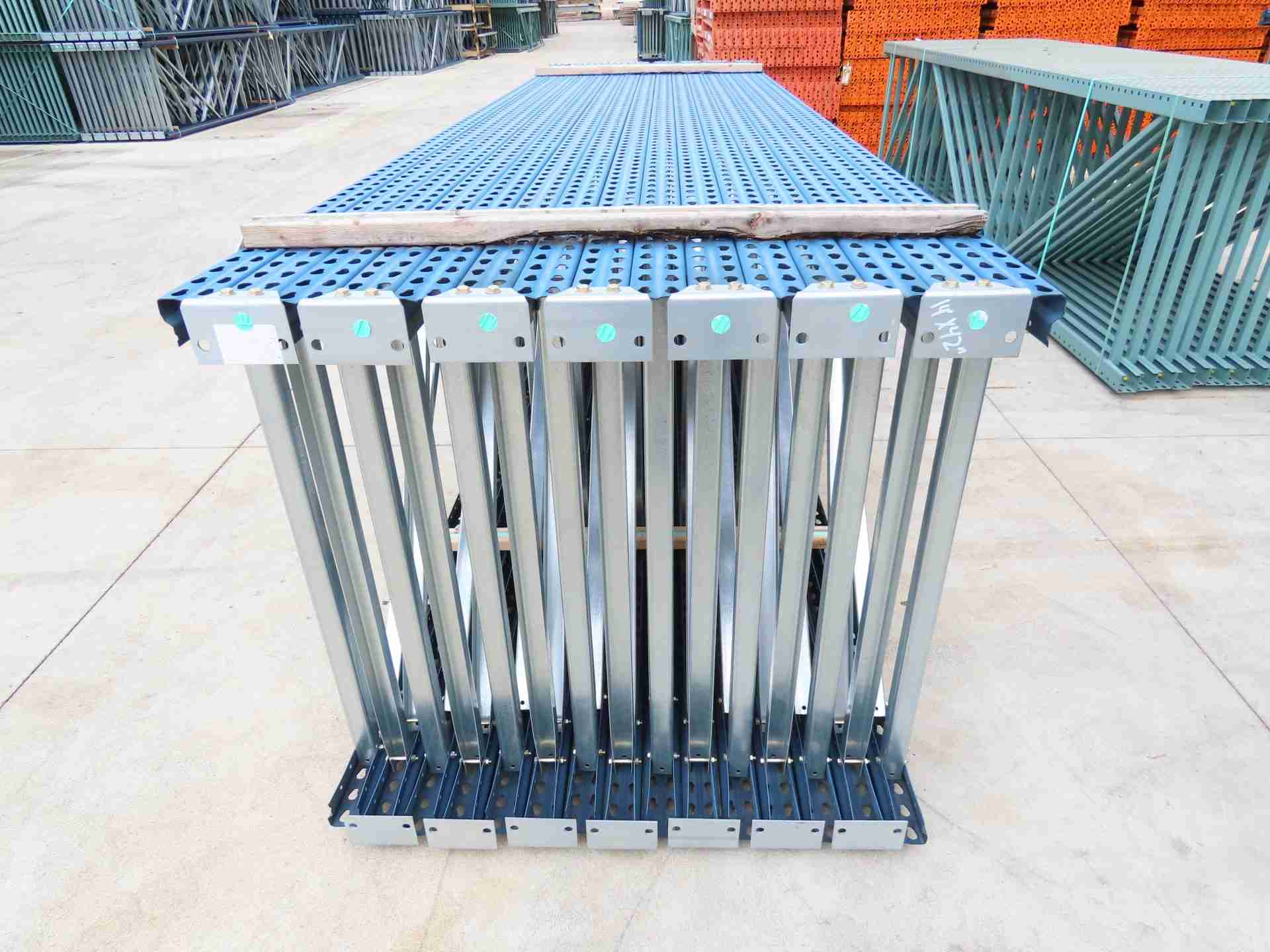
How Do Heavy Haul Equipment Storage Leverage Pallet Racking?
How Do Heavy Haul Equipment Storage Leverage Pallet Racking?
- Pallet racking organizes bulky, costly heavy haul equipment, transforming clutter into order and protecting against damage.
- Designed to maximize space without compromising safety or accessibility, it supports massive weights and prevents equipment shifting.
- Proper storage reduces repair costs, downtime, and increases confidence in equipment readiness.
- System respects equipment size and shape, facilitating easy loading/unloading with forklifts or cranes while avoiding ground contact that causes rust and dirt damage.
- Responsible storage via pallet racking promotes safer workplaces, reduces accidents, and builds team trust.
- Thoughtful storage solutions benefit everyone involved, from loaders to drivers, highlighting pride and respect for the tools.
- Pallet racking establishes a foundation of reliability, supporting efficient, prepared operations with durable, consistent equipment management.

How Do Heavy Haul Equipment Storage Leverage Pallet Racking?
Table Of Contents
- How Do Heavy Haul Equipment Storage Leverage Pallet Racking?
- How Does Pallet Racking Improve Safety for Heavy Equipment Storage?
- What Cost Savings Can Pallet Racking Offer In Heavy Haul Storage?
- Can Pallet Racking Prevent Damage to Heavy Haul Equipment?
- What Ethical Responsibilities Are Involved In Safe Equipment Storage?
- How Does Pallet Racking Support Compliance with Industry Regulations?
- Why Is Organization Crucial When Storing Heavy Haul Machinery?
- Conclusion
- Other Resources
- Glossary Of Terms
- Other Questions
- Checklist
How Does Pallet Racking Improve Safety for Heavy Equipment Storage?
When you’re dealing with heavy equipment, every inch of space and every second counts. Pallet racking isn’t just some fancy storage system—it’s the backbone of a safer, smarter workspace. Imagine stacking heavy gear haphazardly like a shaky Jenga tower. One wrong move and everything comes crashing down. That’s not just bad for business—it’s dangerous, plain and simple. Pallet racking puts an end to that chaos by giving each piece its solid spot, locking things down so they don’t tip, slide, or cause havoc.
You can feel it in your gut when walking into a well-organized warehouse—the confidence that all that heavy stuff isn’t just laying around waiting to fall on someone’s foot. Workers move with ease, machines shift without strain, and there’s a quiet assurance in the air that comes from knowing the risks are minimized. That peace of mind isn’t just comforting; it shakes off the stress that weighs on every employee who’s seen the worst of what happens when things aren’t stored right.
From a straight-up smart business standpoint, pallet racking maximizes the footprint of your space. Instead of sprawling heaps of gear, everything stacks out neatly, making room not just for more equipment but for safer walkways and clear emergency exits. This clear path isn’t bureaucratic red tape—it’s about human lives. It’s ethical. You’re setting the bar for how workers should be respected, cared for, and protected daily.
Real-world experience teaches that relying on pallet racking is an investment in trust and professionalism. It sends a loud message across the shop floor: We take safety seriously. Every beam, every shelf is tested tough to hold up under strain so that no one’s left second-guessing if the stuff overhead can handle the load. Socially, it builds camaraderie; when everyone knows the company isn’t cutting corners, morale goes up. People want to come to work knowing they’re in a secure environment—not eyeballing disaster around every corner.
So, pallet racking doesn’t just improve safety—it transforms the whole vibe. It’s plain and simple: safer storage means fewer accidents, smoother operations, and a stronger team that trusts what they’re standing on, walking by, and working with day in and day out. The choice to use pallet racking is the choice to run a workplace where heavy equipment isn’t a hazard waiting to happen, but a well-managed asset secured with grit and good sense.

How Does Pallet Racking Improve Safety for Heavy Equipment Storage?
How Does Pallet Racking Improve Safety for Heavy Equipment Storage?
- Pallet racking is essential for a safer, smarter workspace by securely organizing heavy equipment and preventing accidents like tipping or sliding.
- A well-organized warehouse with pallet racking creates confidence and reduces stress by minimizing risks for employees.
- Pallet racking maximizes space efficiency, allowing more equipment storage and maintaining clear, safe walkways and emergency exits.
- Clear pathways ensured by pallet racking prioritize worker safety and reflect ethical treatment and respect for employees.
- Investing in pallet racking demonstrates a company’s commitment to safety, professionalism, and trustworthiness on the shop floor.
- The system’s robust construction prevents failure under strain, boosting employee morale and fostering a secure work environment.
- Pallet racking enhances overall operations by reducing accidents, streamlining workflows, and building a stronger, confident team.
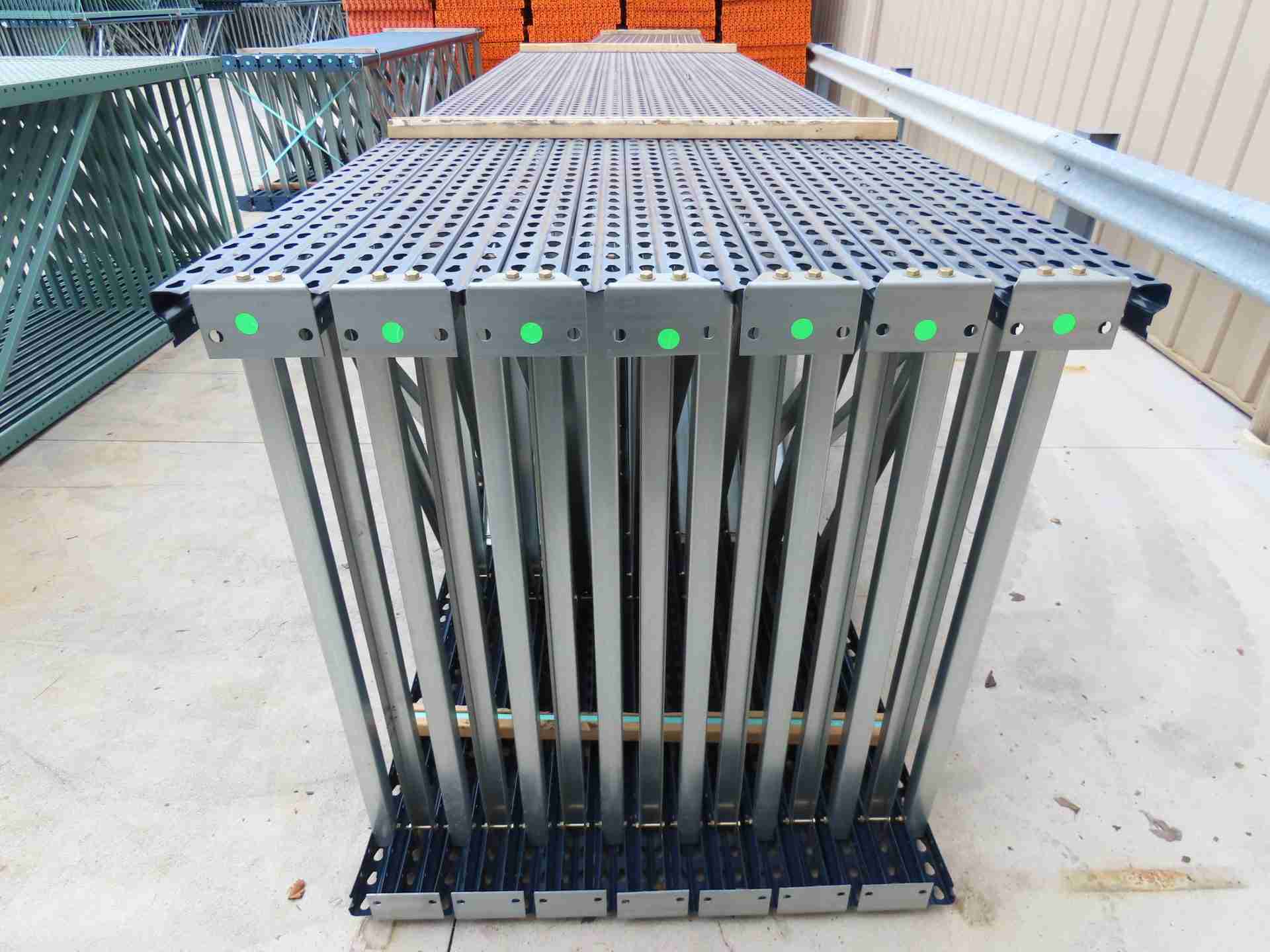
How Does Pallet Racking Improve Safety for Heavy Equipment Storage?
What Cost Savings Can Pallet Racking Offer In Heavy Haul Storage?
When it comes to heavy haul storage, every inch of space and every dollar counts. Pallet racking isn’t just some fancy upgrade—it’s the backbone of smarter, tougher warehouse management. If you’ve been wrestling with cramped aisles and mountains of heavy gear piled high, you know the frustration. Pallet racking changes the game by turning chaos into order, giving your operation a serious edge without draining your budget.
Think about it: pallet racking lets you stack heavy loads vertically, squeezing more into the same square footage. That means less building expansion, fewer forklifts idling around, and a lot less time hunting for that elusive piece of equipment. The savings start right there, plain and simple. You’re not just buying racks; you’re buying back your workday, turning downtime into productivity. More stuff stored safely and accessibly equals fewer accidents and less damage. That’s cash staying in your pocket instead of paying for replacements or repairs.
There’s a bit of pride that comes from running a tight ship, too. Pallet racking shows you mean business—you run a lean, mean warehouse that respects the gear and the folks who move it. When your team steps onto the floor knowing they can find the right load quick and work safely around solid, reliable racks, morale goes up. They’re not just handling stuff; they’re part of something organized and efficient. Trust builds in the little things, and these racks deliver it daily.
It’s not just about saving pennies; it’s about doing right by your crew and your business. Investing in pallet racking sends a message that you value safety and long-term stability over quick fixes or cutting corners. That ethical stance pays off when accidents are fewer, insurance costs dip, and your company’s reputation stands firm. Suppliers and clients notice too—when your yard looks sharp and runs smooth, they trust your operation more.
At the end of the day, pallet racking is a workhorse. It might not make headlines, but it pays dividends in saved space, saved time, and saved headaches. If your warehouse is a puzzle missing pieces, the racks slot right in, holding everything steady so you can focus on what really matters: moving product and moving forward. The choice is clear—put your heavy haul storage on solid footing with pallet racking, and watch both your savings and your operation level up.

What Cost Savings Can Pallet Racking Offer In Heavy Haul Storage?
What Cost Savings Can Pallet Racking Offer In Heavy Haul Storage?
- Pallet racking optimizes space by allowing vertical stacking of heavy loads, reducing the need for building expansion and excessive equipment use.
- It enhances warehouse efficiency by transforming cluttered, cramped areas into organized, accessible storage zones.
- Investing in pallet racking increases workplace safety, lowering accident rates and minimizing damage to goods.
- Improved organization boosts employee morale by enabling quick access to loads and safer handling conditions.
- Pallet racking reflects a commitment to long-term business stability and safety, positively impacting insurance costs and reputation.
- A well-maintained, orderly yard fosters trust among suppliers and clients, strengthening business relationships.
- Overall, pallet racking delivers substantial savings in space, time, and operational headaches, supporting smoother product movement and growth.
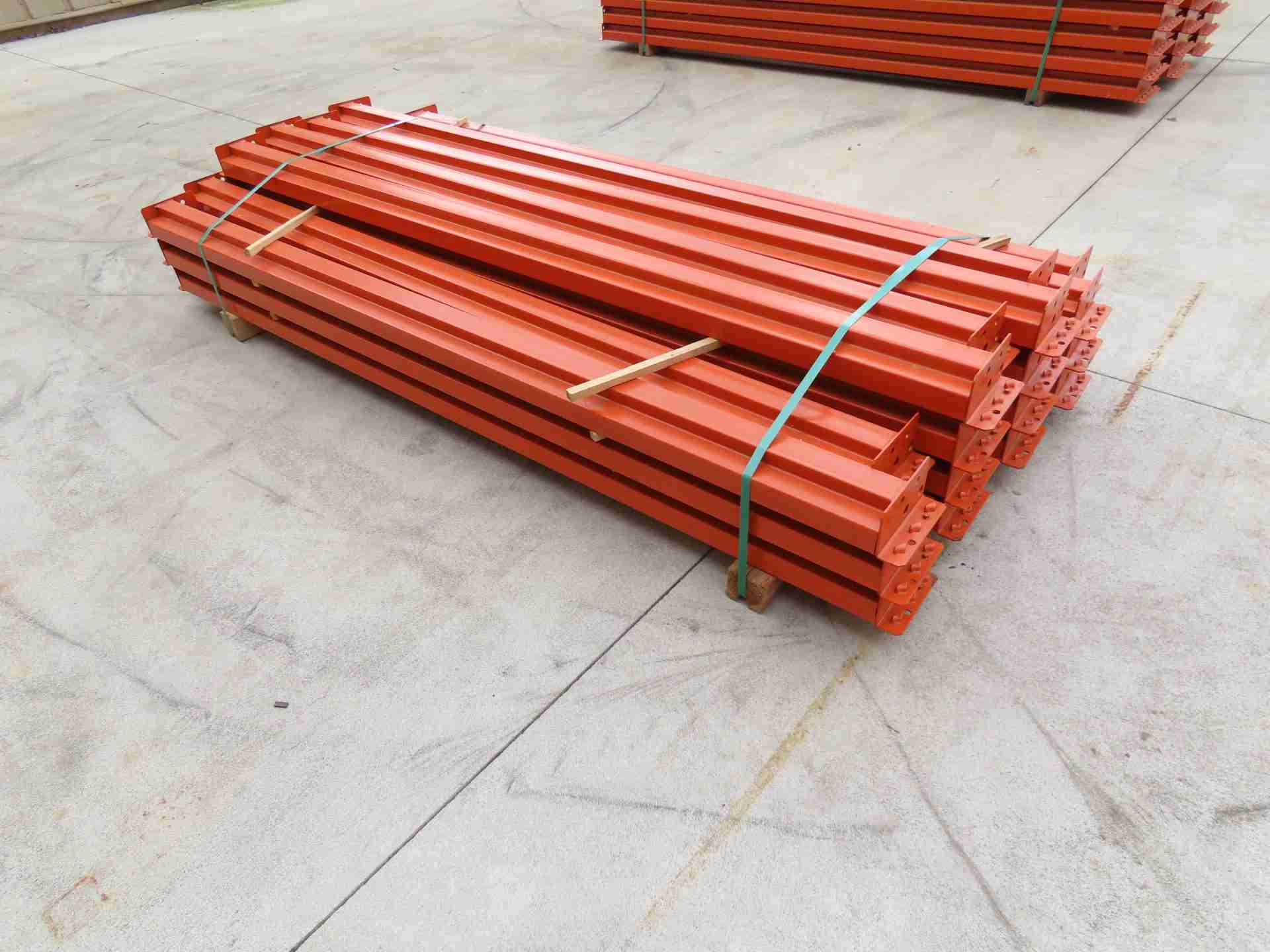
What Cost Savings Can Pallet Racking Offer In Heavy Haul Storage?
Can Pallet Racking Prevent Damage to Heavy Haul Equipment?
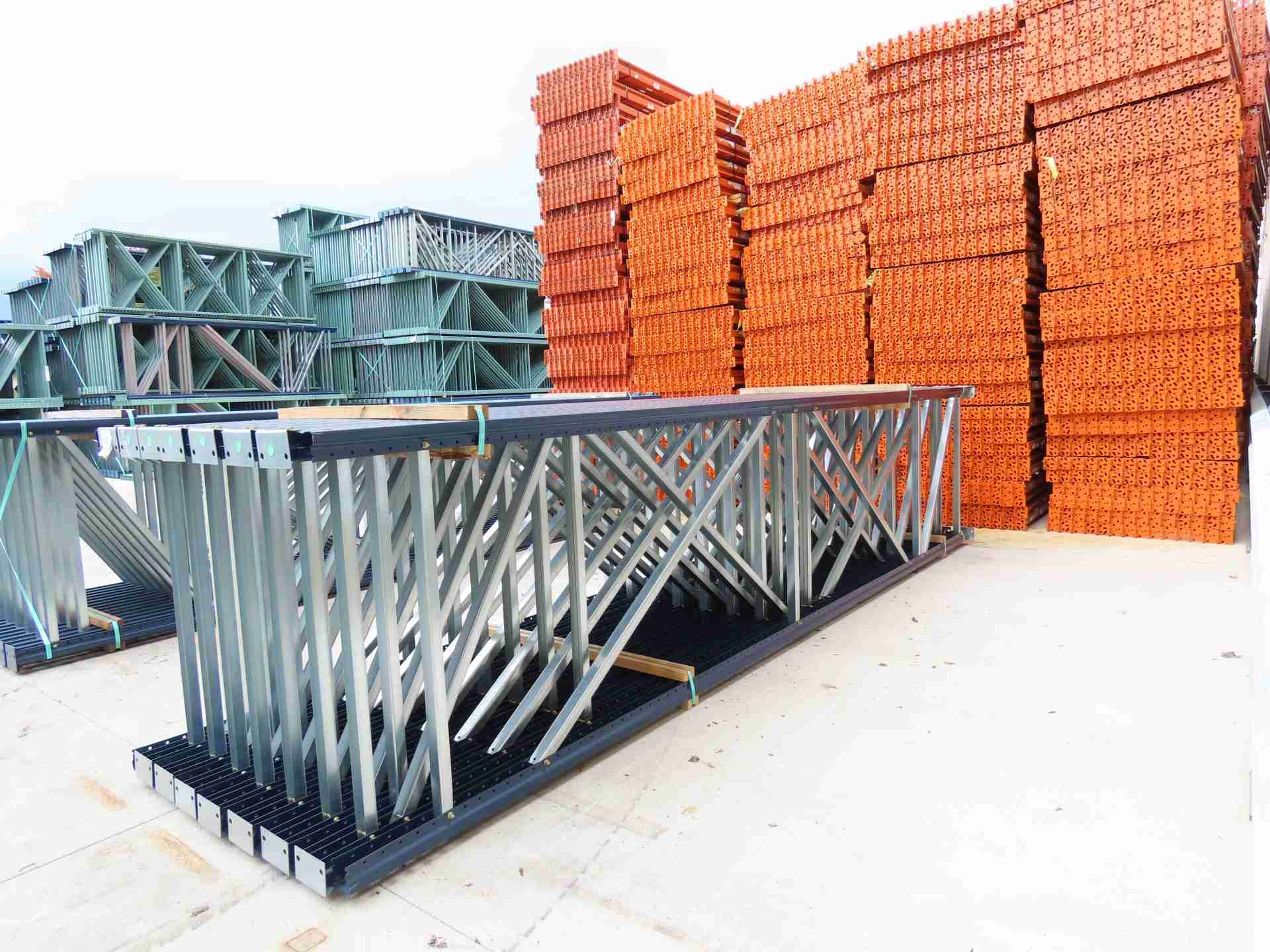
When you’re hauling heavy gear day in and day out, every dent, scratch, or busted part isn’t just a scratch or a dent—it’s money out the window, sweat wasted, and sometimes a near-miss on the job site. Pallet racking might not sound like the flashiest tool in the shed, but it’s a quiet hero in the world of heavy haul equipment. You set that stuff down right, and pallet racking becomes your first line of defense against damage that could knock your schedule off the rails and your wallet down a rung.
Think about it: heavy equipment sitting on the ground or stacked haphazardly is just asking for trouble. Toss in the weight of the equipment with the regular hustle of loading, unloading, and storage, and careless placement means you’re courting bumps and scrapes. Pallet racking is designed to hold these pieces securely off the floor in a stable, organized way, cutting down the chance of pieces knocking against each other or falling victim to nasty surprises like moisture seeping in from the ground or corrosion creeping in unnoticed.
From a practical standpoint, pallet racking brings a sense of order to the madness. It’s not just about piling stuff up—it’s about making sure every piece has a spot that’s right-sized, solid, and accessible. That means less time scrambling to find what you need, and less worry about equipment damage from poor handling. When you get right down to brass tacks, pallet racking saves you labor hours and repair costs—both expensive enemies on any job site.
There’s an ethical side to it, too. If you’re running a crew or a business, protecting your gear isn’t just about dollars, it’s about respect—respect for your tools, your workers whose lives depend on reliable equipment, and your clients who count on getting the job done right. Pallet racking shows you care enough to protect what you’ve worked hard for and what others rely upon.
Back in the day, stories swirled around the shop about guys who lost whole mounts or critical parts to careless storage. Those were costly lessons that nobody had to repeat once pallet racking took center stage. Nowadays, teams that take this route aren’t just safer—they’re smarter. The stacking keeps the gear ready to roll, and that reliability builds a reputation you can stake a career on.
So, yeah, pallet racking isn’t just a metal shelf. It’s peace of mind, a daily promise that heavy haul equipment can take a beating on the road but won’t get a beating in the yard. It’s the difference between fighting fires or keeping your head down and getting the job done right, every time.
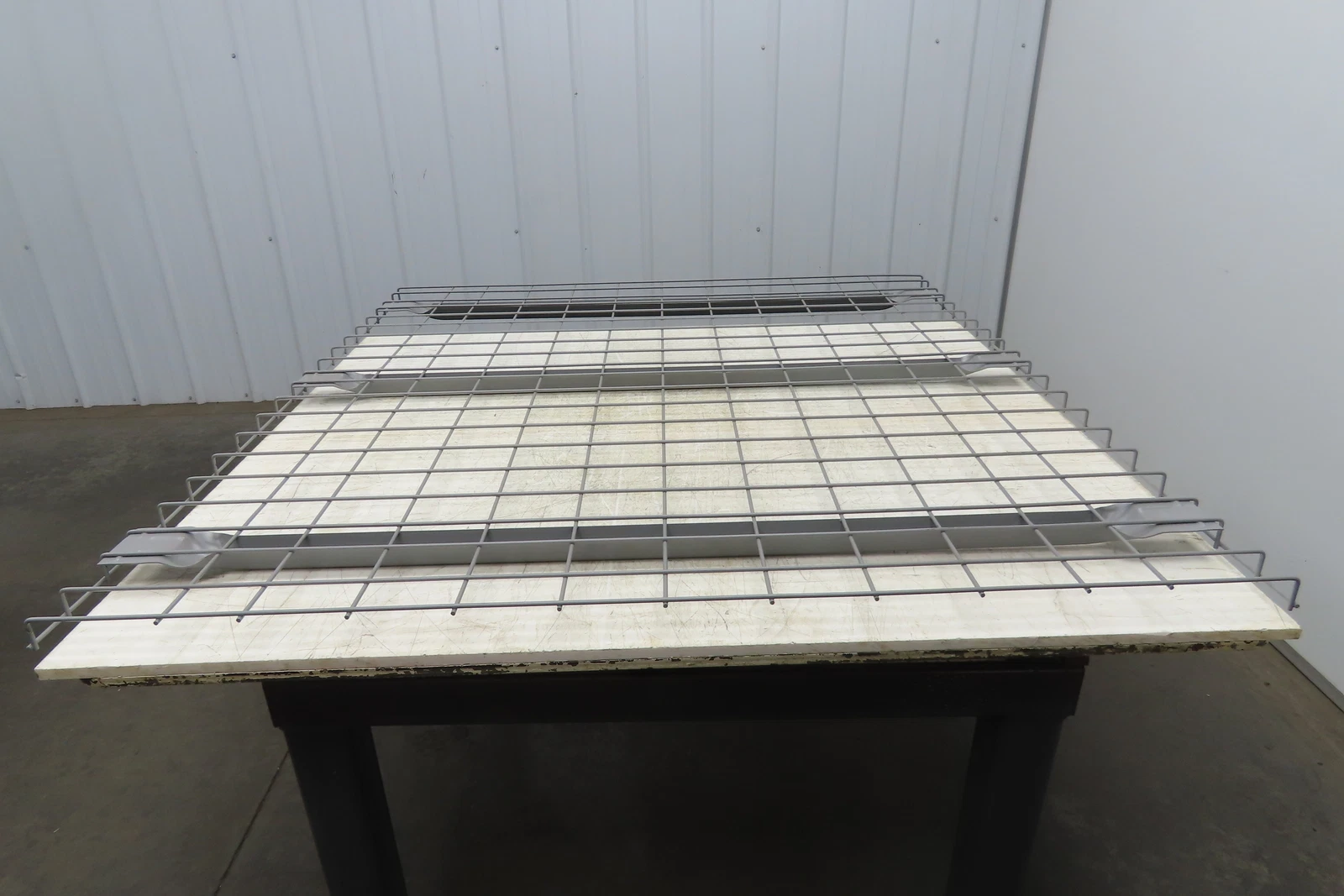
Can Pallet Racking Prevent Damage to Heavy Haul Equipment?
Can Pallet Racking Prevent Damage to Heavy Haul Equipment?
- Pallet racking protects heavy equipment from damage that can cause costly repairs, schedule delays, and safety risks on job sites.
- It secures gear off the ground, preventing scratches, dents, moisture damage, and corrosion caused by careless stacking or contact.
- Organizes equipment with right-sized, stable, and accessible spots, reducing time spent searching and minimizing handling damage.
- Saves labor hours and repair costs by promoting efficient storage and preventing unnecessary wear and tear.
- Represents respect for the tools, workers relying on safe equipment, and clients expecting reliable project completion.
- Lessons from past losses of critical parts due to poor storage have led to widespread adoption of pallet racking for increased safety and reliability.
- Pallet racking provides peace of mind and consistent readiness, ensuring equipment stays protected off-road and on site for smooth operations.
Can Pallet Racking Prevent Damage to Heavy Haul Equipment?
What Ethical Responsibilities Are Involved In Safe Equipment Storage?
When it comes to storing equipment safely, it’s not just about keeping tools and machines out of the way—it’s about responsibility. You’re dealing with more than just metal and wood; you’re handling the trust of every person who steps into that workspace. Pallet racking might seem like just a shelf, but it’s the backbone for keeping heavy stuff up and off the ground, steady and secure. When those racks bend or collapse, it’s not just a mess of broken parts—it’s real danger, real harm.
Think about it: every time a pallet rack is overloaded or loaded haphazardly, you risk injury and chaos. It’s not an abstract rule; it’s about keeping your coworkers safe, your workplace reliable, and your reputation intact. When you stack equipment properly, double-check weight limits, and maintain those racks with care, you’re showing respect for the people who rely on that equipment as much as the gear itself. That’s the kind of responsibility that goes beyond company policies—it’s common sense and decency.
From the get-go, safe equipment storage means setting up systems that work for everyone. The trustworthy pallet racking silently holds the heavy loads, but it’s the hands that load and unload it that must do their part—methodical, steady, and aware. The gut knows what feels right here: don’t pile it too high, don’t shove it in a hurry, don’t ignore warning signs. It’s about honoring the work, the machine, and the people who make that work possible every day. You’re not just stacking gear; you’re building a foundation where everyone can go home the same way they arrived.
There’s also a bigger picture—the ethical cost of cutting corners. Skimp on maintenance or ignore sagging racks, and you’re gambling with safety for a few bucks saved or a shortcut gained. The stories from worksites where equipment storage failures happen aren’t just about damaged property—they’re about missed birthdays, unexpected hospital stays, and lives changed forever. When you take care in how equipment is stored, you’re not just ticking a box; you’re telling everyone involved that their well-being matters.
This responsibility builds trust within the crew and with everyone who walks in with a job to do. It says straightforwardly: “We’ve got your back.” That’s the kind of confidence no fancy rule book can buy, earned instead through practical, simple actions that protect and respect the people and gear equally. Real strength isn’t just muscle—it’s respect, attention, and doing the right thing every time a pallet rack holds the load.

What Ethical Responsibilities Are Involved In Safe Equipment Storage?
What Ethical Responsibilities Are Involved In Safe Equipment Storage?
- Safe equipment storage is a responsibility that involves protecting the trust and safety of everyone in the workspace.
- Pallet racking is essential for securely holding heavy items off the ground, preventing collapse and injury.
- Overloading or improper loading of pallet racks risks injury, workplace disruption, and damages reputation.
- Proper stacking, weight checking, and maintenance demonstrate respect for both people and equipment.
- Safe storage systems must be reliable and used methodically by those loading and unloading gear.
- Neglecting maintenance or ignoring warning signs compromises safety, leading to serious consequences beyond property damage.
- Consistent care in equipment storage builds trust, showing commitment to the well-being of everyone involved.
What Ethical Responsibilities Are Involved In Safe Equipment Storage?
How Does Pallet Racking Support Compliance with Industry Regulations?
Let’s get real about pallet racking. It’s more than just a metal skeleton holding up boxes—it’s the backbone of a safe, compliant workplace. When you walk into a warehouse, the last thing you want is a jobsite that feels like a safety gamble. Pallet racking done right means you’re not betting with the lives of your crew or the bottom line.
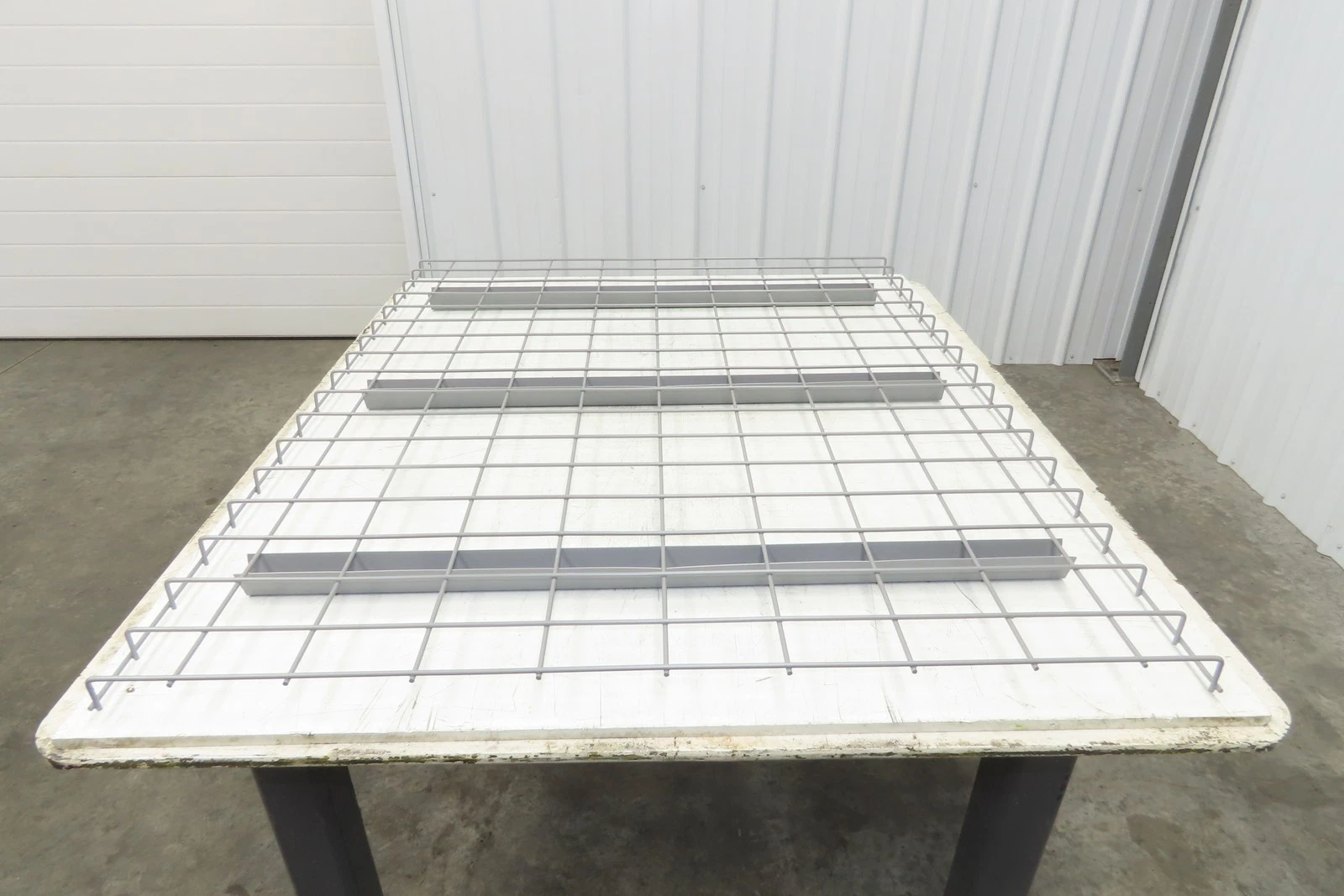
From the ground up, industry regulations are there for a reason: to keep people safe and operations running smooth. Pallet racking supports compliance by creating order out of chaos. That means proper spacing, weight limits, and securing racks to withstand whatever this messy world tosses at them—whether it’s a full load or a forklift on a bad day. You stick to those rules, and you’re one step ahead, not just in meeting code but earning respect from your crew and your clients.
There’s a quiet pride in knowing your warehouse isn’t just another place where stuff sits. A solid pallet racking system anticipates problems before they happen. It keeps aisles clear, preventing accidents. It keeps loads stable, cutting down damages and downtime. That’s common sense, but in the world of regulations, common sense is the law. Meeting these standards isn’t just about ticking boxes on paper—it’s about showing you care enough to protect your people and your product.
The weight of responsibility isn’t always flashy. It’s in the nuts and bolts, the welded joints, the way each beam fits tight. These details are where compliance and trust meet. It builds a culture where everyone feels secure and knows the job can get done without cutting corners or taking risks. That kind of environment doesn’t grow overnight; it comes from decisions grounded in experience and respect for the rules that exist.
When you see a warehouse with good pallet racking, it tells you two things: this place runs like a well-oiled machine, and the people here take pride in their work and their safety. It’s a form of accountability that speaks louder than any memo or checklist. Pallet racking isn’t just about storage—it’s about being responsible, dependable, and ready for whatever the next shift throws at you. That’s the kind of compliance that means something.

How Does Pallet Racking Support Compliance with Industry Regulations?
How Does Pallet Racking Support Compliance with Industry Regulations?
- Pallet racking is essential for a safe and compliant workplace, not just a structure for storing boxes.
- Industry regulations ensure safety and smooth operations by enforcing proper spacing, weight limits, and secure installations.
- Adhering to these regulations earns respect from both crew members and clients, going beyond merely meeting codes.
- A well-designed pallet racking system anticipates problems, keeps aisles clear, prevents accidents, and reduces damage and downtime.
- Compliance involves attention to detail in construction, such as nuts, bolts, welded joints, and tight-fitting beams, building trust and safety culture.
- A compliant warehouse demonstrates operational efficiency and pride in workplace safety and responsibility.
- Pallet racking symbolizes accountability, dependability, and preparedness for daily warehouse challenges.
How Does Pallet Racking Support Compliance with Industry Regulations?
Why Is Organization Crucial When Storing Heavy Haul Machinery?
Look, when you’re dealing with heavy haul machinery, it’s not just about shoving equipment into a corner and hoping for the best. These machines are beasts—giants that cost a fortune and keep the whole operation running. You don’t mess around with their storage because one wrong move can cost you time, money, and a whole lot of headaches. Organization here isn’t some fancy buzzword; it’s the backbone of keeping things moving smoothly.
Imagine walking into a cluttered yard where parts and gear are scattered like a storm just blew through. That’s when accidents happen. Tripping, dropping, or mixing up parts—each small mistake turns into a big problem real fast. Using Pallet Racking systems smartly isn’t just about saving space; it’s about saving lives and livelihoods. When every machine has a clear spot, you reduce risks. It’s about looking out for your team, because no paycheck is worth a broken bone.
Organized storage hits right in the gut, too, for anyone who’s spent hours searching for a part that’s just ‘somewhere around here.’ That frustration? It slows everything down. And in an industry where downtime eats into profits faster than a grill eats ribs on a summer weekend, you learn quickly that a place for everything and everything in its place is not just a saying—it’s how you keep the shop humming.
There’s an ethical side, too. When you take pride in caring for your gear and your people, that responsibility shows. It’s about respect—respect for the hard work everybody puts in, respect for the tools that make it possible, and respect for the safety of every hand that touches those machines. Your crew watches how you handle things; being organized is a leadership move that builds trust.
And here’s the bottom line: Organized storage isn’t just tidiness—it’s authority. It says you know what you’re doing, that you’re serious about your craft and your crew. This is where experience meets common sense. Pallet Racking setups turn chaos into order, making your workspace a place where work gets done efficiently and safely. When your yard runs like a well-oiled machine, you don’t just meet expectations—you set the standard. That’s the kind of operation people want to be part of and customers want to trust.

Why Is Organization Crucial When Storing Heavy Haul Machinery?
Why Is Organization Crucial When Storing Heavy Haul Machinery?
- Heavy haul machinery requires careful, organized storage to avoid costly mistakes and operational downtime.
- Disorganized yards increase risks of accidents like tripping, dropping, or mixing up parts, endangering safety and productivity.
- Using Pallet Racking systems efficiently saves space and protects workers, reducing hazards and enhancing safety.
- Proper organization minimizes the frustration and delays caused by searching for misplaced parts, maintaining workflow efficiency.
- Organized storage reflects respect for both equipment and crew, demonstrating ethical leadership and fostering team trust.
- Orderly storage signals professionalism and authority, combining experience and common sense to optimize workspace function.
- A well-managed yard sets operational standards, attracting skilled workers and building customer confidence.

Why Is Organization Crucial When Storing Heavy Haul Machinery?
Conclusion
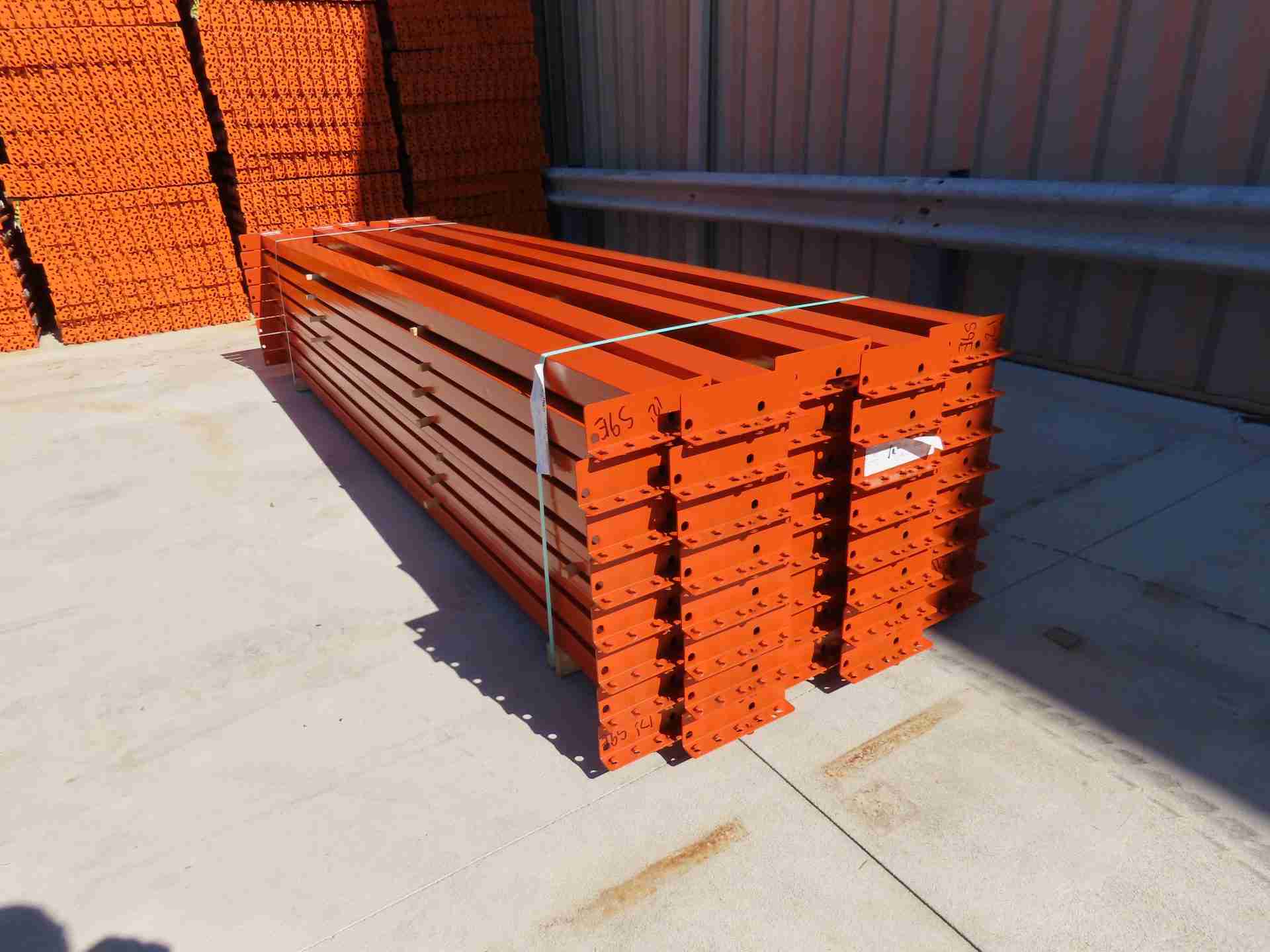
Running a heavy haul operation without solid storage is like trying to build a house on quicksand—it just doesn’t hold. Pallet racking isn’t some fancy add-on; it’s the backbone that turns a cluttered yard into a workspace that breathes order, safety, and muscle. You’re dealing with gear that’s big, heavy, and pricey, and a slapped-together pile isn’t going to cut it. Pallet racks give every piece a rightful spot off the ground, protecting it from rust, damage, and those gut-punching surprises that stall your job and empty your wallet. There’s peace in knowing your equipment is locked down, easy to find, and ready to roll without a fuss.
But it’s more than just saving space or money—it’s about respect. Respect for the gear that does the heavy lifting, the crew whose safety depends on solid organization, and the work itself. A well-planned pallet racking system shows you take pride in how things get done—no shortcuts, no loose ends. When racks are built tough and loaded right, they don’t just hold gear—they hold up the whole operation. That’s a quiet promise to everyone on the job: we’ve got your back.
Safety’s not just a line on a checklist here. It’s real, breathed life by every beam and beam connection holding your load steady. Mess around with storage, and you’re risking more than dents and dings—you’re risking livelihoods. Pallet racking cuts through chaos, keeps aisles clear, and gives workers the confidence to move without the weight of worry on their shoulders. In that kind of environment, morale runs higher, accidents plummet, and work flows smooth. It’s a system that’s as much about people as it is about metal.
On the money side, pallet racking squeezes more work out of your square footage, saving you from shelling out for bigger facilities or wasting hours hunting gear. Less downtime, fewer repairs, and a tighter, leaner operation add up to savings you notice in the books and feel on the floor. Plus, it sends a signal out to suppliers and clients alike—you run a ship that’s sturdy, dependable, and serious.
Running things right means following the rules—not just because you have to, but because you mean business and respect your team. Pallet racking aligns your workspace with industry standards, making sure every rack and load is up to snuff. That’s not just compliance; that’s accountability. And that accountability builds trust—among the crew, the bosses, and the folks counting on you to deliver.
At the heart of it, organization isn’t about looking neat—it’s about owning your craft. Pallet racking turns disorder into an efficient, safe machine that respects the grit, the sweat, and the hard-won know-how every heavy haul job demands. When your equipment’s squared away, your team feels it, your operation hums, and success isn’t just a hope—it’s a nailed-down guarantee.
Conclusion
Conclusion:
- Pallet racking is essential for organizing heavy haul equipment, providing order, safety, and protection from damage and rust.
- It ensures each piece of gear is securely stored off the ground, preventing costly delays and losses.
- The system reflects respect for the equipment, crew safety, and the quality of work by maintaining a well-planned, sturdy storage setup.
- Safety is integral, with pallet racking reducing accidents, clearing aisles, and boosting worker confidence and morale.
- Pallet racking maximizes space efficiency, reduces downtime, repairs, and operational costs, enhancing overall productivity.
- Compliance with industry standards through proper racking demonstrates accountability and builds trust among the team and stakeholders.
- Effective organization via pallet racking transforms chaos into an efficient, dependable operation, ensuring consistent success.

Conclusion
Other Resources
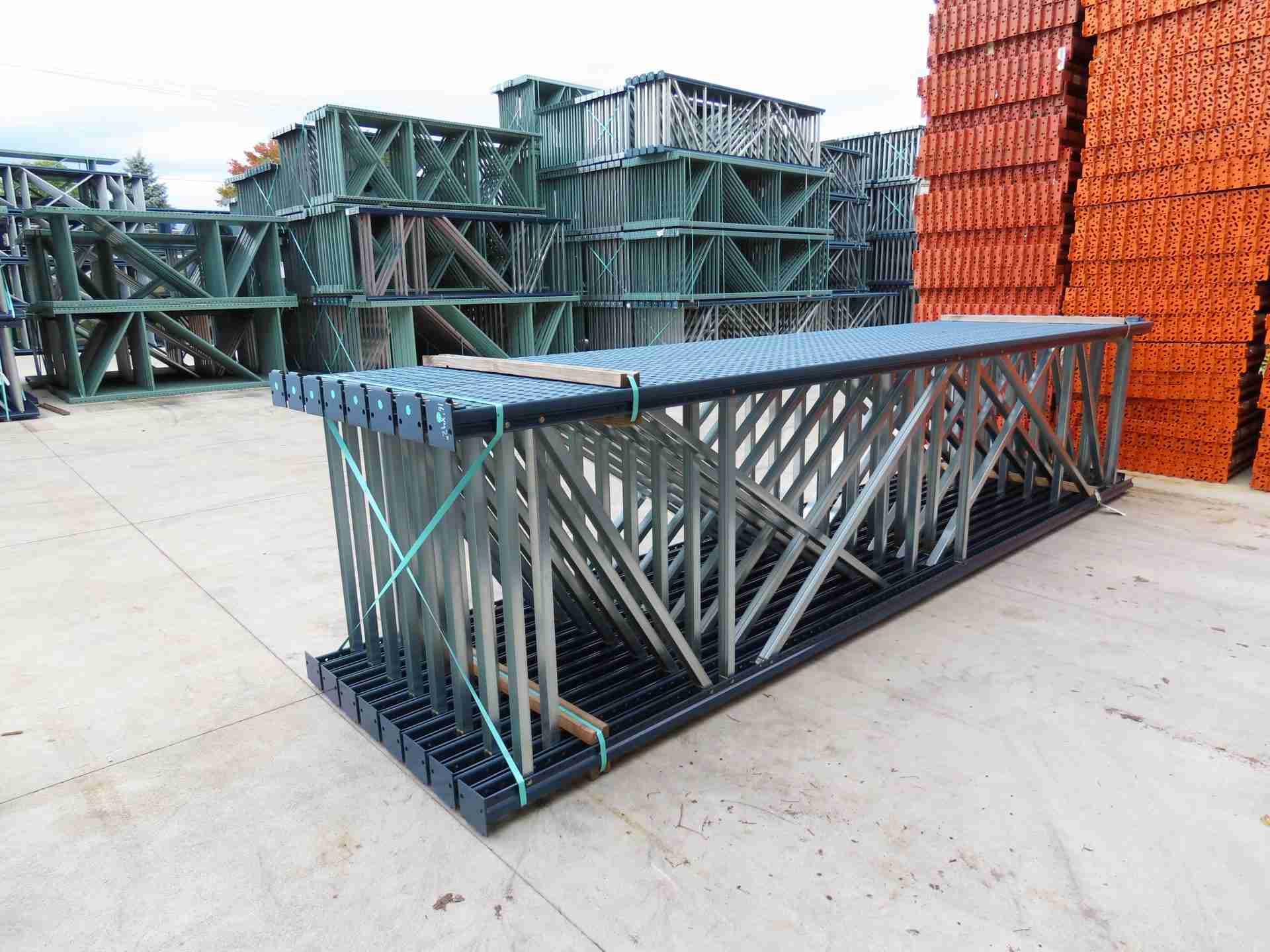
Other Resources
Here is a list of other resources you can review online to learn more:
- Cantilever Rack Guide: Ordering Cantilever Racking
- Pallet Racks, Pallet Racking, Pallet Shelves in Stock – ULINE
- Used Pallet Rack for Sale in Illinois – American Surplus
- Warehouse Racking System: Powerful Guide to Optimise, 2024
- Warehouse Automation
- International Warehouse Logistics Association
- Pallet Rack Systems – New and Used Pallet Racking and Shelving Experts
- IIWS Inc. Rack Installation Illinois & Rack Repairs Illinois
- Wolter
- Arrow Industrial Sales
- Teardrop Racks – Pallet Rack World
- Total Warehouse
- BMH Equipment LLC
- Rack Manufacturers Institute
- Teardrop Pallet Rack – Ridg-U-Rak
- NSC
- The Ultimate Pallet Racking Guide – Speedrack West
- Storage Equipment Manufacturers’ Association
- Warehouse Racking Systems: Beginner’s Guide to Rack Systems
Use This Prompt To Get More Resources With Your Favorite Online AI Tool: Please provide me with a list of online articles with their URLs in a bulleted list that I can read regarding How Do Heavy Haul Equipment Storage Leverage Pallet Racking?

Other Resources
Glossary Terms
How Do Heavy Haul Equipment Storage Leverage Pallet Racking? – Glossary Of Terms
1. Heavy Haul Equipment: Large and heavy machinery used for transporting oversized loads.
2. Storage: The method or space used to keep items safely when not in use.
3. Pallet Racking: A storage system utilizing pallets and racks to organize heavy equipment.
4. Load Capacity: The maximum weight a pallet rack can safely support.
5. Structural Integrity: The strength and stability of the pallet rack to hold heavy loads.
6. Weight Distribution: The even allocation of equipment weight across a pallet rack.
7. Equipment Protection: Measures to prevent damage to heavy haul equipment while stored.
8. Space Optimization: Efficient use of storage area through pallet racking systems.
9. Accessibility: Ease of reaching and retrieving stored equipment from pallet racks.
10. Safety Standards: Regulations governing the storage and handling of heavy equipment.
11. Forklift Compatibility: The ability of pallet racks to be accessed using forklifts.
12. Load Bearing Beam: Horizontal bars in pallet racks supporting the equipment load.
13. Vertical Upright: Vertical supports in pallet racking systems holding beams in place.
14. Racking Configuration: The specific layout or arrangement of pallet racks.
15. Storage Density: The amount of equipment stored per unit of space.
16. Inventory Management: Tracking and organizing stored heavy haul equipment.
17. Damage Prevention: Strategies minimizing risk to stored heavy machinery.
18. Heavy Duty Racking: Pallet racks specifically designed for very heavy loads.
19. Material Handling: The movement, protection, storage, and control of heavy equipment.
20. Load Stability: Ensuring equipment does not shift or fall while stored on racks.
21. Pallet: A portable platform used to support heavy equipment on racks.
22. Modular Design: Pallet rack components designed for flexible assembly and adjustment.
23. Rack Inspection: Regular checking of pallet rack condition and safety.
24. Weight Limits: Specific guidelines on how much weight each rack level can hold.
25. Vertical Space Utilization: Using height efficiently to store heavy haul equipment.
26. Cross Bracing: Diagonal supports enhancing the stability of pallet racks.
27. Equipment Size Compatibility: Matching storage dimensions to heavy haul equipment sizes.
28. Load Securing: Techniques to fasten equipment securely on pallet racks.
29. Rack Accessories: Additional components like safety bars or netting to aid storage.
30. Storage Turnover: Frequency at which heavy haul equipment is moved in and out of storage.
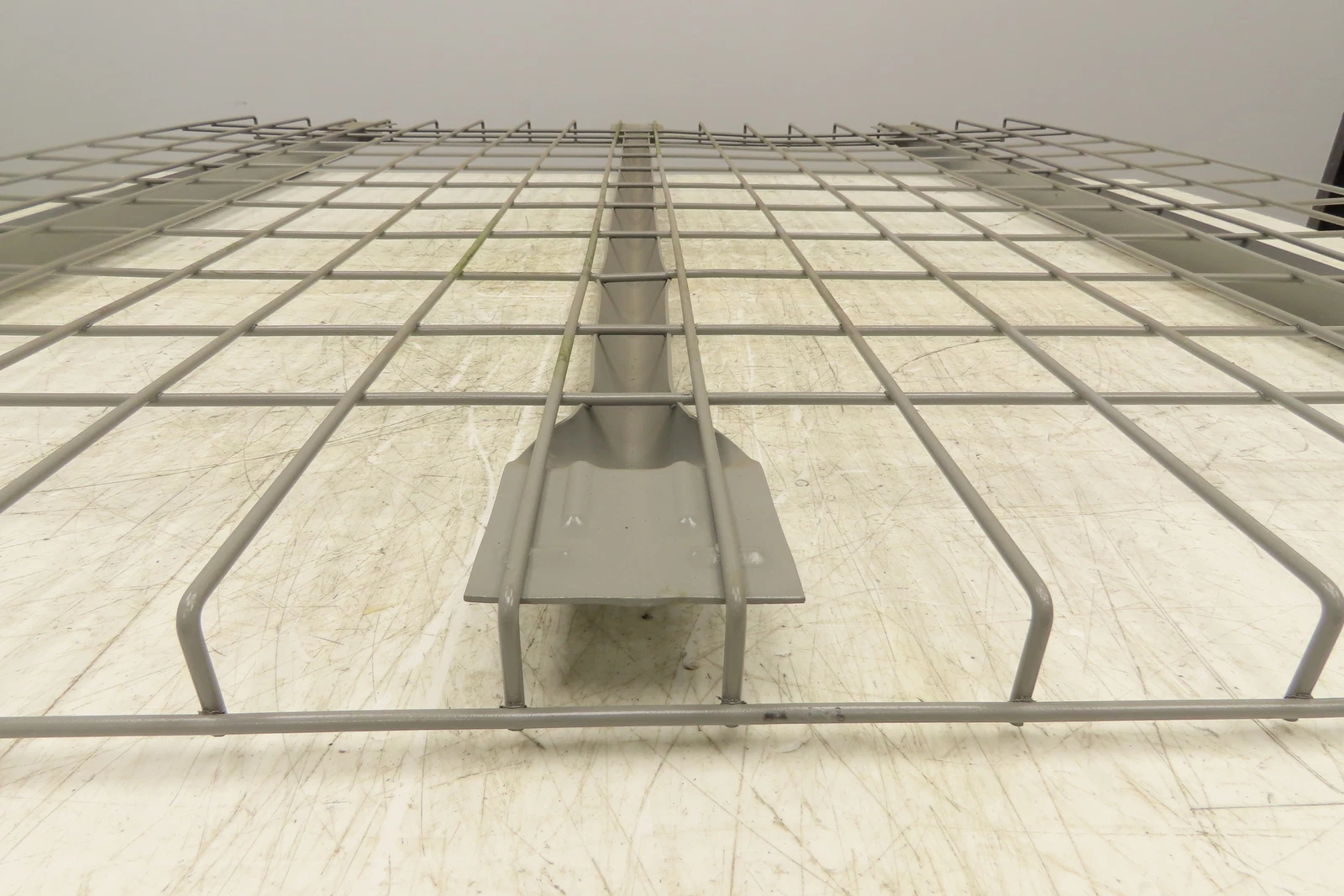
Glossary Of Terms
Other Questions
How Do Heavy Haul Equipment Storage Leverage Pallet Racking? – Other Questions
If you wish to explore and discover more, consider looking for answers to these questions:
- What types of pallet racking systems are best suited for heavy haul equipment?
- How do I determine the required load capacity for my racks?
- What are the industry standards and regulations that apply to pallet racking for heavy equipment?
- How should racks be anchored to different types of floors (concrete, gravel, asphalt)?
- What are the installation costs and typical lead times for heavy-duty pallet racking?
- How do pallet racking costs compare to expanding storage footprint or building new facilities?
- What is the expected return on investment (ROI) for installing pallet racking?
- How often should pallet racking be inspected and by whom?
- What maintenance procedures are required to keep racks safe and compliant?
- How do I handle damaged rack components—repair vs. replacement?
- What safety accessories (column protectors, row spacers, guards) are recommended for heavy haul storage?
- How do pallet racking systems accommodate irregularly shaped or oversized equipment?
- What loading and unloading equipment (forklifts, cranes, telehandlers) work best with different rack layouts?
- How should aisle widths and traffic flow be planned for safe operation?
- What training and certifications should workers have for loading/unloading heavy equipment from racks?
- How does pallet racking affect insurance requirements and premiums?
- What are the best practices for labeling, inventory control, and tracking heavy haul equipment on racks?
- How does racking perform in extreme weather or outdoor storage conditions?
- What corrosion protection or coatings are needed for outdoor or humid environments?
- Can pallet racking be retrofitted into an existing yard without major disruption?
- How do seismic or wind-load requirements change racking design in different regions?
- What are the fire safety considerations for racked heavy equipment (clearances, sprinklers, access)?
- How do weight distribution and load placement affect rack stability and lifespan?
- What are common failure modes for heavy-duty racks and how can they be prevented?
- How do you choose a reputable supplier or installer for heavy-duty pallet racking?
- What warranties and certifications should you expect from racking manufacturers?
- How much floor-to-rack clearance is required for safe equipment storage and retrieval?
- Are there modular or mobile racking solutions for seasonal or changing storage needs?
- How do pallet racking systems integrate with yard management or warehouse management software?
- What are the environmental impacts of installing and maintaining pallet racking?
- How can theft and vandalism of stored heavy equipment be mitigated when using rack storage?
- What emergency procedures should be in place in case of rack collapse or impact?
- How do you plan space and rack layout to maximize accessibility and minimize handling time?
- What certifications or third‑party inspections are recommended after installation?
- How do different beam and upright profiles affect capacity and durability?
- What are alternatives to pallet racking for heavy haul equipment, and when might they be preferable?
- How should mixed loads (different weights and sizes) be stored safely on the same rack?
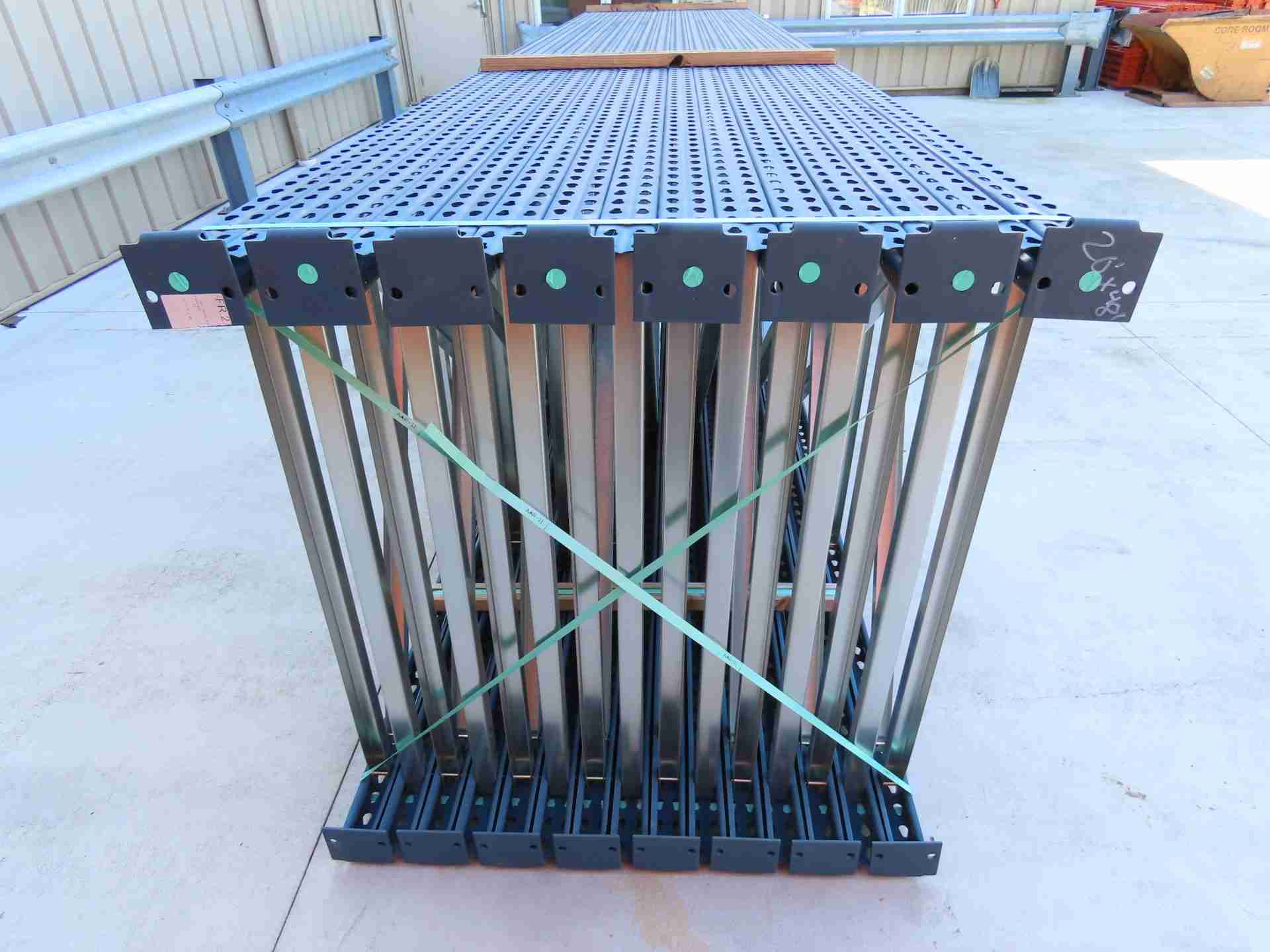
Other Questions
Checklist
How Do Heavy Haul Equipment Storage Leverage Pallet Racking? – A Checklist
Planning and Inventory
✅______ Catalog all equipment, parts, and attachments with weights, dimensions, and centers of gravity
✅______ Define handling methods per item (palletized, skids, cradles, racks, slings)
✅______ Standardize unit load sizes where possible to reduce variability
✅______ Identify items requiring special containment (fluids, sharp edges, fragile finishes)
Load and Pallet Specifications
✅______ Verify pallet/skid ratings exceed item weight with adequate deck board thickness
✅______ Add blocking, chocks, cribbing, or fixtures to stabilize irregular shapes
✅______ Set maximum overhang limits and keep loads square to beams
✅______ Document load orientation and pick faces for each SKU or equipment type
Rack Design and Selection
✅______ Select rack types suited to the inventory profile (selective, double-deep, drive-in, push-back, pallet flow)
✅______ Specify heavy-duty frames and beams with certified capacities at required elevations
✅______ Choose decking appropriate to the load (bar grating, structural steel, wire deck with support channels, solid pans)
✅______ Include pallet supports or safety bars under non-standard skids
✅______ Plan row spacers, pallet stops, and backstops where needed
Site, Floor, and Anchoring
✅______ Confirm floor slab capacity, flatness, and joints against rack point loads and wheel traffic
✅______ Use manufacturer-approved anchors; torque and record per specification
✅______ Address seismic and wind requirements with engineered design and permits
✅______ For outdoor yards, choose galvanized or painted systems and account for drainage and frost heave
Layout and Access
✅______ Set clear aisle widths for forklifts and cranes, including turning radii
✅______ Maintain flue spaces and vertical clearances (sprinklers, lighting, HVAC, overhead doors)
✅______ Keep emergency egress paths unobstructed and marked
✅______ Designate staging zones for inbound/outbound and quarantine areas for exceptions
Protection and Damage Prevention
✅______ Install column guards, end-of-aisle protectors, and rack end barriers
✅______ Add rack netting or mesh backs where fall containment is required
✅______ Use rub rails or guide angles in high-traffic zones
✅______ Protect vulnerable finishes with dunnage, edge protectors, or soft interfaces
Identification and Documentation
✅______ Post load plaques with bay and level capacities and maximum elevations
✅______ Maintain stamped drawings, calculations, and change logs
✅______ Label locations (aisle/bay/level) and implement barcodes or RFID as needed
✅______ Create visual work instructions for loading and unloading each equipment category
Operations and Handling
✅______ Define SOPs for forklift and crane approaches, lift points, and spotter use
✅______ Set speed limits, right-of-way, and one-way traffic patterns
✅______ Establish rules for damaged pallets or loads and immediate remediation
✅______ Schedule housekeeping for aisles, flues, and staging areas
Training and Roles
✅______ Train operators on rack ratings, signage, and correct placement
✅______ Certify forklift and crane operators on equipment used in the layout
✅______ Assign responsibility for slotting, auditing, and exception handling
✅______ Brief all crews on incident reporting and stop-work authority
Inspection and Maintenance
✅______ Perform routine visual checks (daily or weekly) for impacts, twists, and missing hardware
✅______ Conduct formal inspections quarterly and annual third-party or manufacturer audits
✅______ Replace bent or damaged components; never field-straighten structural parts
✅______ Re-torque anchors, check decking supports, and treat corrosion promptly
Compliance and Codes
✅______ Verify fire code compliance (sprinkler clearance, flues, commodity classification)
✅______ Keep documentation for OSHA and local regulations and rack standard conformance
✅______ Maintain clear aisle markings, signage, and egress maps
✅______ Capture and retain inspection and maintenance records
Environment and Special Conditions
✅______ Manage moisture, debris, and corrosive exposures (covers, coatings, drip pans)
✅______ Plan snow and ice management for outdoor access and baseplates
✅______ Use UV-resistant labels and weather-rated hardware outdoors
✅______ Control dust and ventilation around sensitive components
Cost and Performance
✅______ Track utilization (locations used vs. available) and cube per square foot
✅______ Measure search time, pick time, and handling touches per move
✅______ Monitor damage rates and repair or replacement costs
✅______ Review ROI versus alternatives (expansion, offsite storage, non-rack solutions)
Culture and Responsibility
✅______ Reinforce adherence to posted limits and documented methods
✅______ Encourage reporting of near-misses and rack damage immediately
✅______ Recognize teams for organization, care of equipment, and zero-damage periods
✅______ Schedule periodic 5S audits and continuous improvement reviews
Go-Live and Change Control
✅______ Complete punch list after installation with as-built verification
✅______ Validate slotting and trial runs with actual loads and equipment
✅______ Update training and SOPs after any layout or capacity change
✅______ Re-certify racks after reconfiguration or impact events
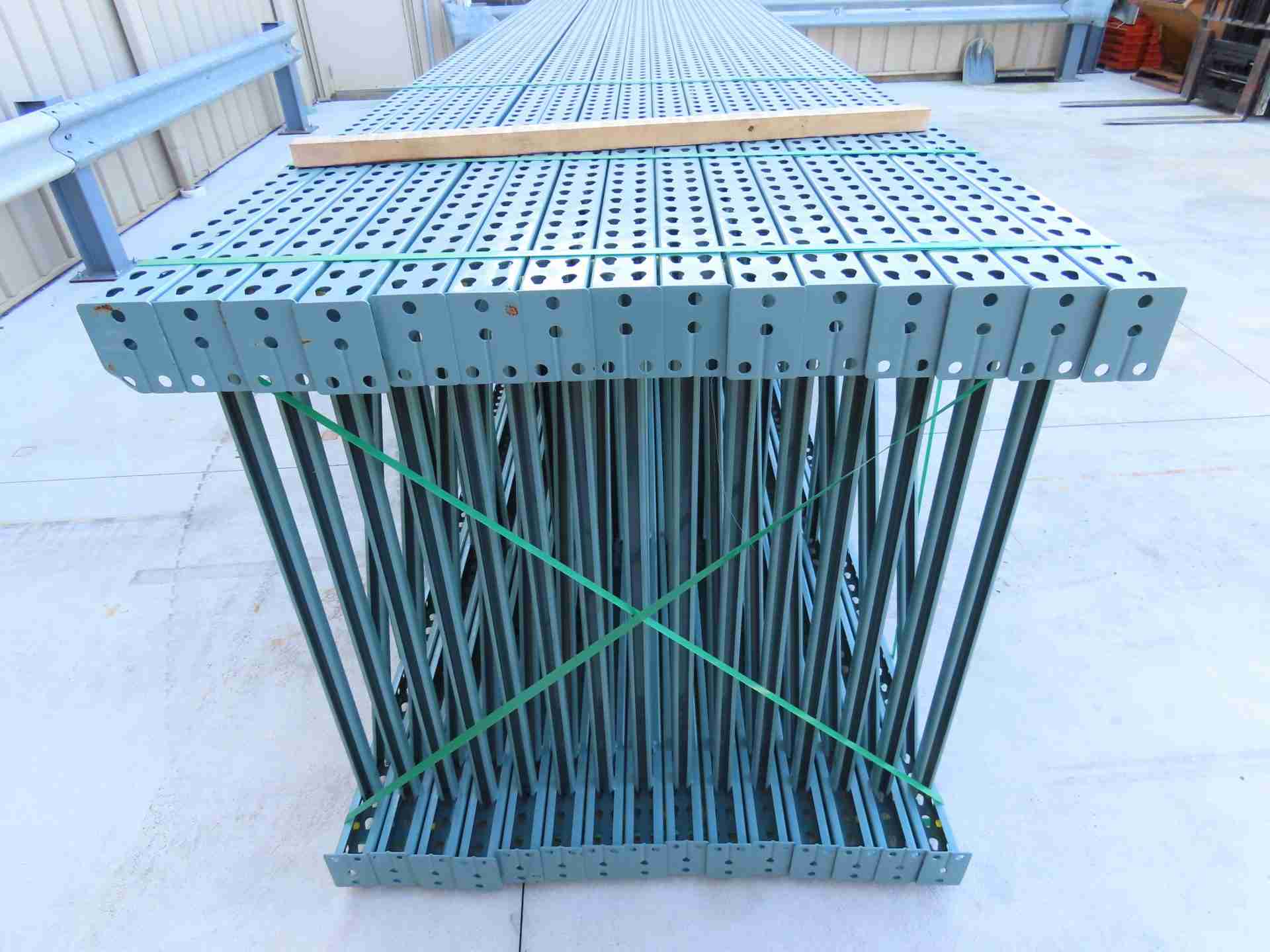
Checklist
At RackingWorld, we help guide you through selecting warehouse storage systems and racking.
Be sure to read our other related stories at RackingWorld to learn more about warehouse storage systems.
0 Comments