
Maximizing Efficiency And Safety: The Power Of Pallet Racking In Crop Storage
By Tom Seest
At RackingWorld, we help guide you through selecting warehouse storage systems and racking.
Be sure to read our other related stories at RackingWorld to learn more about warehouse storage systems.
How Do Harvested Crop Storage Companies Leverage Pallet Racking?
When it comes to storing harvested crops, folks in the business know that every inch of space counts. Pallet Racking isn’t just some fancy industrial gimmick—it’s the backbone that keeps the whole operation running smooth from field to fork. You’ve put blood, sweat, and dirt into those crops, and the last thing you want is to see that hard work wasted because of poor storage.
Pallet Racking lets companies stack bushels of produce in a way that’s not only efficient but smart. It’s about maximizing every square foot of the warehouse, yes, but it also protects the crops. You’re keeping them off the ground, out of harm’s way from moisture, pests, and damage during handling. That rigged steel framework holds those pallets like a trusted workhorse, steady and strong. When you think about it, it’s almost an ethical deal too—because responsible storage means less waste, which means feeding more mouths without throwing anything precious away.
There’s an undeniable common-sense logic here. Pallet Racking systems make the job safer and faster for the crews moving tons of produce daily. It cuts down on accidents and broken goods, which both hit the bottom line and the spirit of a team that’s proud of their work. When everyone’s confident that the system is sound, morale climbs. That’s the kind of solid foundation that breeds trust—not just in the gear, but in the people behind it.
From a story standpoint, imagine a sprawling warehouse lining those steel racks with neatly stacked pallets—each one representing hours of toil, early mornings in the sun, and long days knowing the payoff depends on making sure every kernel, stalk, or bushel makes it to market fresh and intact. It’s a shared mission, a nod to hard work across generations, relying on tools that stand the test of time.
Companies leveraging Pallet Racking know they’re doing more than just storing crops—they’re safeguarding livelihoods. It’s not just about space; it’s about respect for the land, the harvest, and the hands that raised it. Pallet Racking is the silent partner in that journey, strong and steady, earning trust one crate at a time.
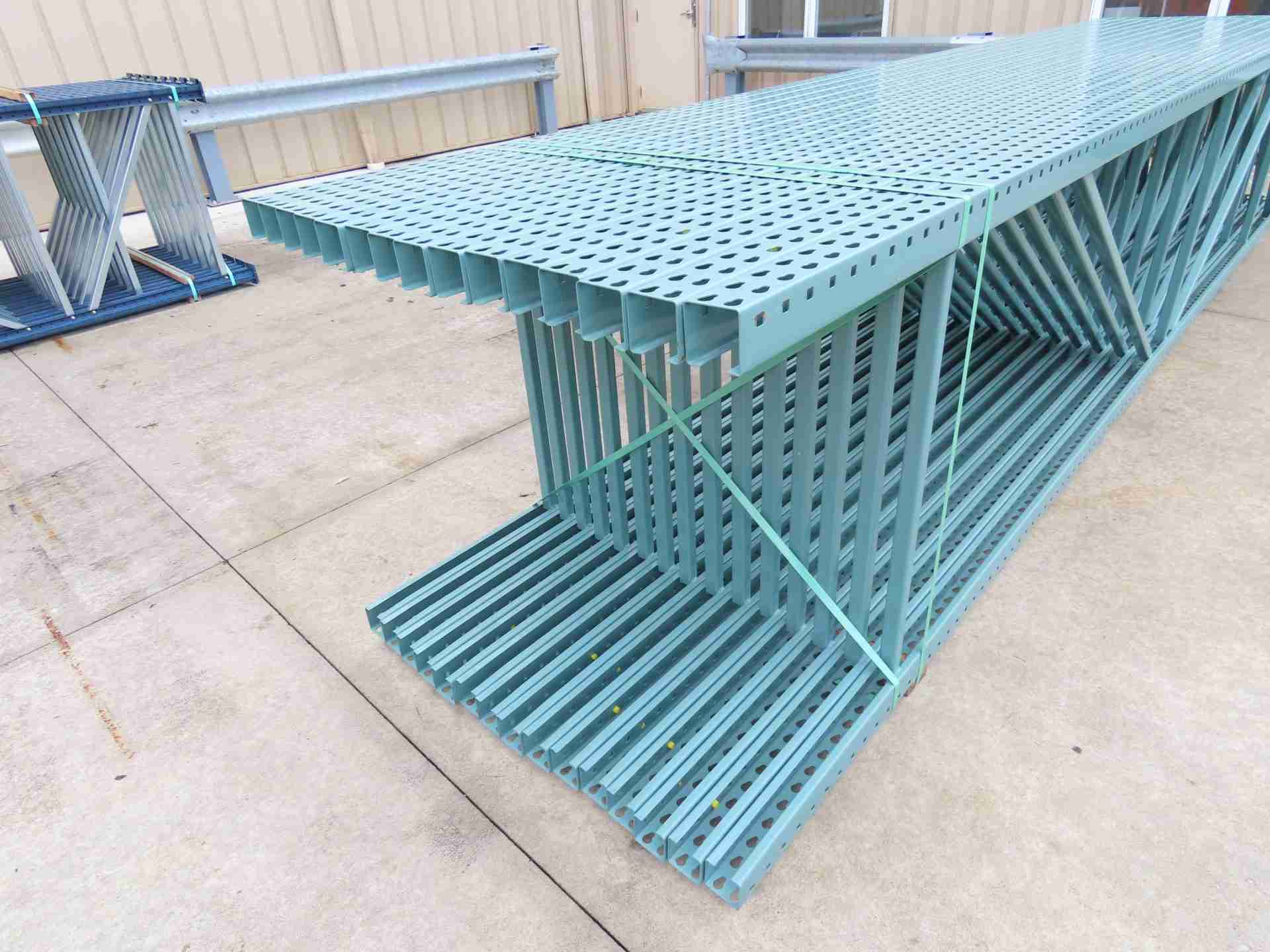
How Do Harvested Crop Storage Companies Leverage Pallet Racking?
How Do Harvested Crop Storage Companies Leverage Pallet Racking?
- Pallet Racking maximizes warehouse space and protects harvested crops from moisture, pests, and damage.
- It provides a strong, steady steel framework that safely holds pallets, ensuring efficient and smart storage.
- Responsible storage with Pallet Racking reduces waste, helping to feed more people and preserve precious resources.
- These systems improve safety and speed for workers, reducing accidents and product loss.
- Reliable storage boosts worker morale and trust in both the equipment and the team.
- Pallet Racking supports a shared mission of preserving crop quality from farm to market across generations.
- It represents respect for the land, harvest, and labor, acting as a silent partner in safeguarding livelihoods.
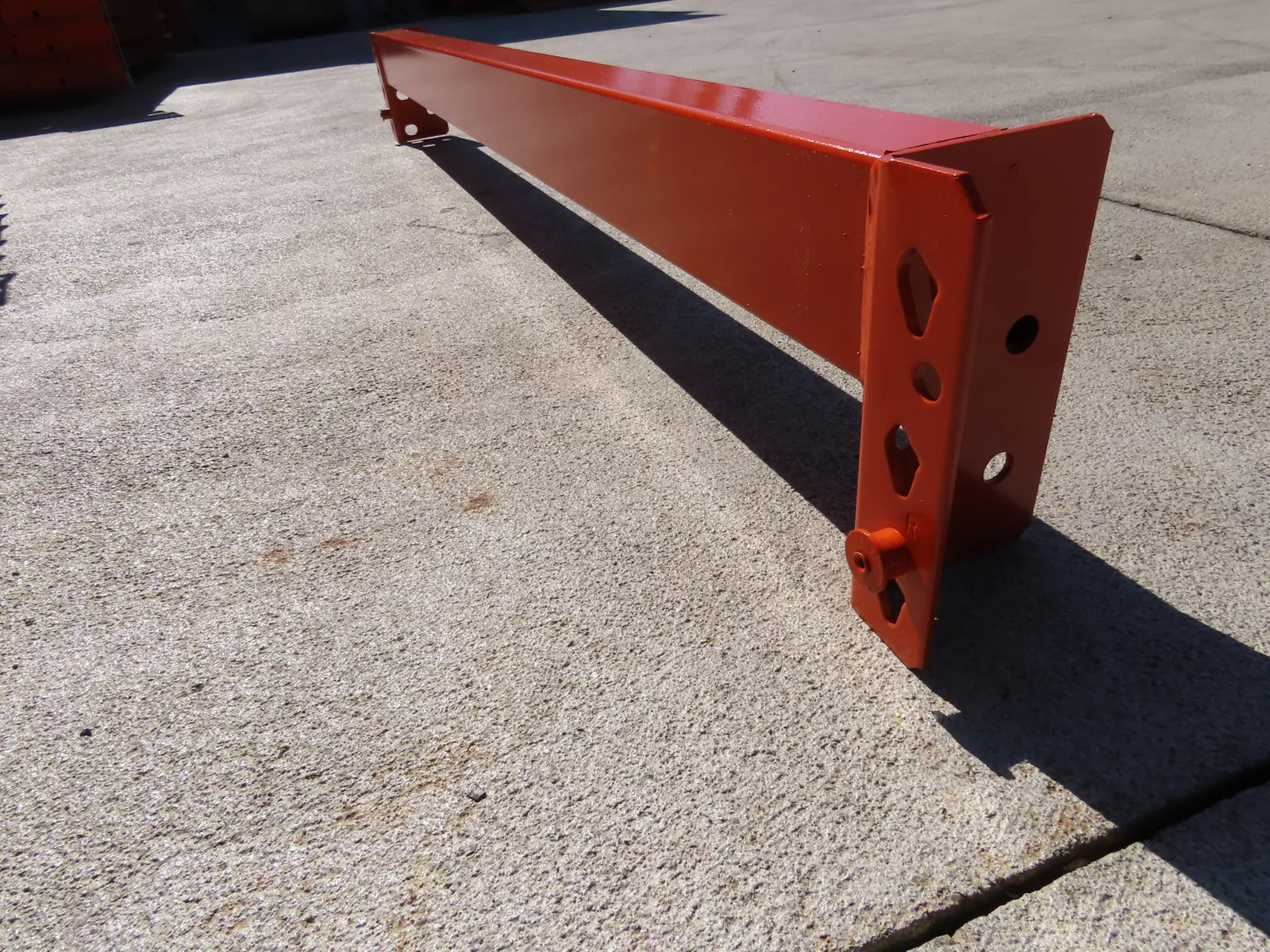
How Do Harvested Crop Storage Companies Leverage Pallet Racking?
Table Of Contents
- How Do Harvested Crop Storage Companies Leverage Pallet Racking?
- How Does Pallet Racking Protect Harvested Crops From Damage?
- What Cost Savings Come From Using Pallet Racking Systems?
- How Do Pallet Racks Improve Space Efficiency In Storage?
- Can Pallet Racking Reduce Labor Time During Crop Handling?
- What Safety Protocols Are Enhanced By Pallet Racking Use?
- How Does Pallet Racking Impact the Freshness Of Stored Crops?
- Conclusion
- Other Resources
- Glossary Of Terms
- Other Questions
- Checklist
How Does Pallet Racking Protect Harvested Crops From Damage?
When you bring in a hard day’s haul of harvested crops, the last thing you want is to find ’em bruised, crushed, or rotting faster than they should. That’s where pallet racking steps in like a trusty old workhorse—steady, reliable, and downright essential. It’s not just some fancy shelving; pallet racking is the backbone of keeping your harvest safe from damage, saving you both sweat and profit.
Picture this: ripe tomatoes stacked in sagging cartons, or crates of apples piled haphazardly on the dirt floor. One misstep, and the whole batch is gone to waste—that’s real money walking out the door. Pallet racking lifts that risk off your shoulders. By holding pallets securely off the ground and separated by sturdy beams, it protects tender produce from moisture, pests, and the rough-and-tumble conditions of a busy storage area. You’re not guessing here; pallet racking gives your crops a fighting chance to stay in top shape until they reach the market or kitchen.
Beyond just protecting the goods, it’s about respect—respect for the hard work that went into growing those crops. Every seed planted, every day spent in the fields sweating under the sun, all deserves the best care you can give once harvest time hits. Using pallet racking says you value that labor and aren’t willing to let carelessness tank your efforts. It’s a smart, ethical move that honors the farming craft and keeps the food chain strong.
Here’s the bottom line: pallet racking keeps things neat, organized, and accessible, cutting down on wasted time and wasted goods. When the weight’s piled right, and everything’s stored clean and air-friendly, your crops last longer, look better, and sell faster. It’s hands-on common sense backed by experience, not just fancy talk.
So, if you’re serious about protecting your harvest, pallet racking isn’t an extra—it’s a necessity. Treat your crops like the golden treasure they are, and they’ll reward you with quality and yield that stands up to every test. That’s the hard truth from the barnyard to the break room.

How Does Pallet Racking Protect Harvested Crops From Damage?
How Does Pallet Racking Protect Harvested Crops From Damage?
- Pallet racking is essential for protecting harvested crops from bruising, crushing, and premature rotting.
- It prevents damage by securely holding pallets off the ground and separating them with sturdy beams.
- By protecting against moisture, pests, and rough storage conditions, it extends the shelf life of produce.
- Using pallet racking shows respect for the hard work invested in growing the crops.
- Keeps storage neat, organized, and accessible, reducing wasted time and goods.
- Properly stored crops last longer, look better, and sell faster, improving overall profitability.
- Pallet racking is a necessity, not a luxury, ensuring quality and yield from harvest to market.

How Does Pallet Racking Protect Harvested Crops From Damage?
What Cost Savings Come From Using Pallet Racking Systems?
Look, when you’re running a warehouse or a workshop, every inch of space counts. Pallet racking systems don’t just stack boxes; they stack up your savings in ways you can feel deep down in your gut. You know that cramped, cluttered feeling when inventory’s spilling onto the floor, slowing down the whole operation? Pallet racking fixes that. By organizing your goods vertically and efficiently, you free up valuable floor space. Less clutter means fewer accidents, less product damage, and less time wasted hunting for what you need. That’s money saved, plain and simple.
It’s not just the space, though. Pallet racking gives you a tighter grip on inventory management. You get faster turnaround, fewer mistakes, and more streamlined workflows. That kind of efficiency reduces labor costs because your crew spends less time fumbling around and more time moving product. It’s like swapping out a rusty old pickup for a reliable truck—you get the job done faster, with less wear and tear on everyone involved.
Ethically speaking, using pallet racking makes your workplace safer. Everyone’s got families waiting at home, right? Reducing hazards and creating an orderly environment shows you care about your crew’s well-being. Investing in proper storage isn’t just good business; it’s the right thing to do. This sense of responsibility builds loyalty and trust, which in any blue-collar outfit, rings louder than any bonus.
The authority of pallet racking systems is backed by decades of solid engineering and proven results. They’re designed to bear heavy loads, withstand the tough knocks of daily use, and adapt to different settings without fuss. That toughness means fewer costly repairs and replacements over time, keeping your maintenance bills low.
Take it from the countless shops and warehouses that swear by their pallet racking setups. They’ve felt the difference—the relief of a neat, safe workspace and the boost to the bottom line. That makes pallet racking not just a piece of gear, but a partner in your hard-earned success. When cost savings matter most, stacking smart with pallet racking is a no-brainer.
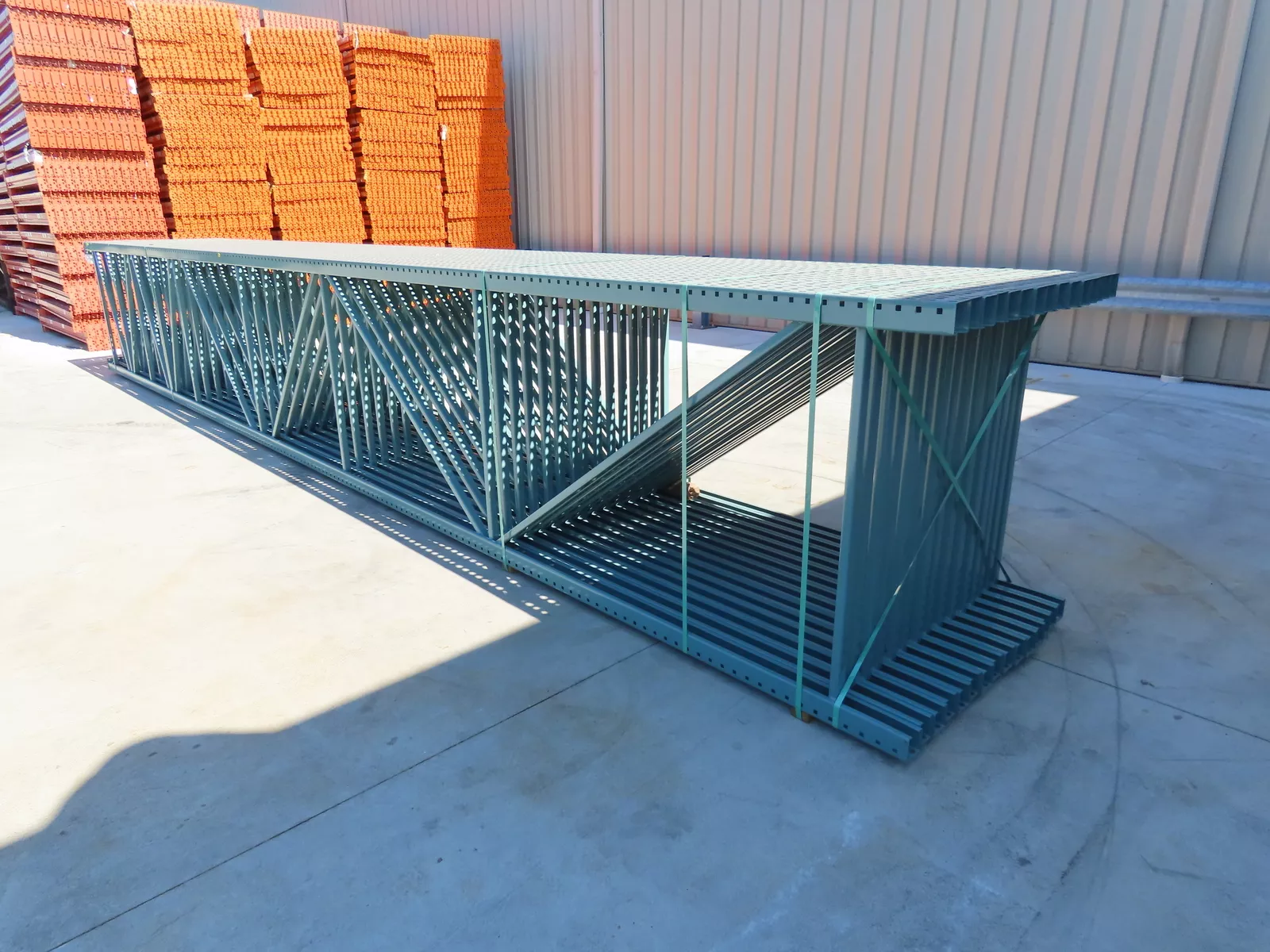
What Cost Savings Come From Using Pallet Racking Systems?
What Cost Savings Come From Using Pallet Racking Systems?
- Pallet racking systems maximize vertical storage, freeing up valuable floor space and reducing clutter, accidents, and product damage.
- Improved organization leads to faster inventory turnaround, fewer mistakes, and more efficient workflows, lowering labor costs.
- Using pallet racking enhances workplace safety by reducing hazards and showing care for employees’ well-being, fostering loyalty and trust.
- These systems are backed by decades of engineering, designed to bear heavy loads and endure daily wear, minimizing repair and replacement costs.
- They adapt easily to various settings, providing a durable and reliable storage solution.
- Many warehouses report significant improvements in productivity, safety, and cost savings after implementing pallet racking.
- Pallet racking is both a practical tool and a strategic partner for business success, offering a smart way to save money and streamline operations.
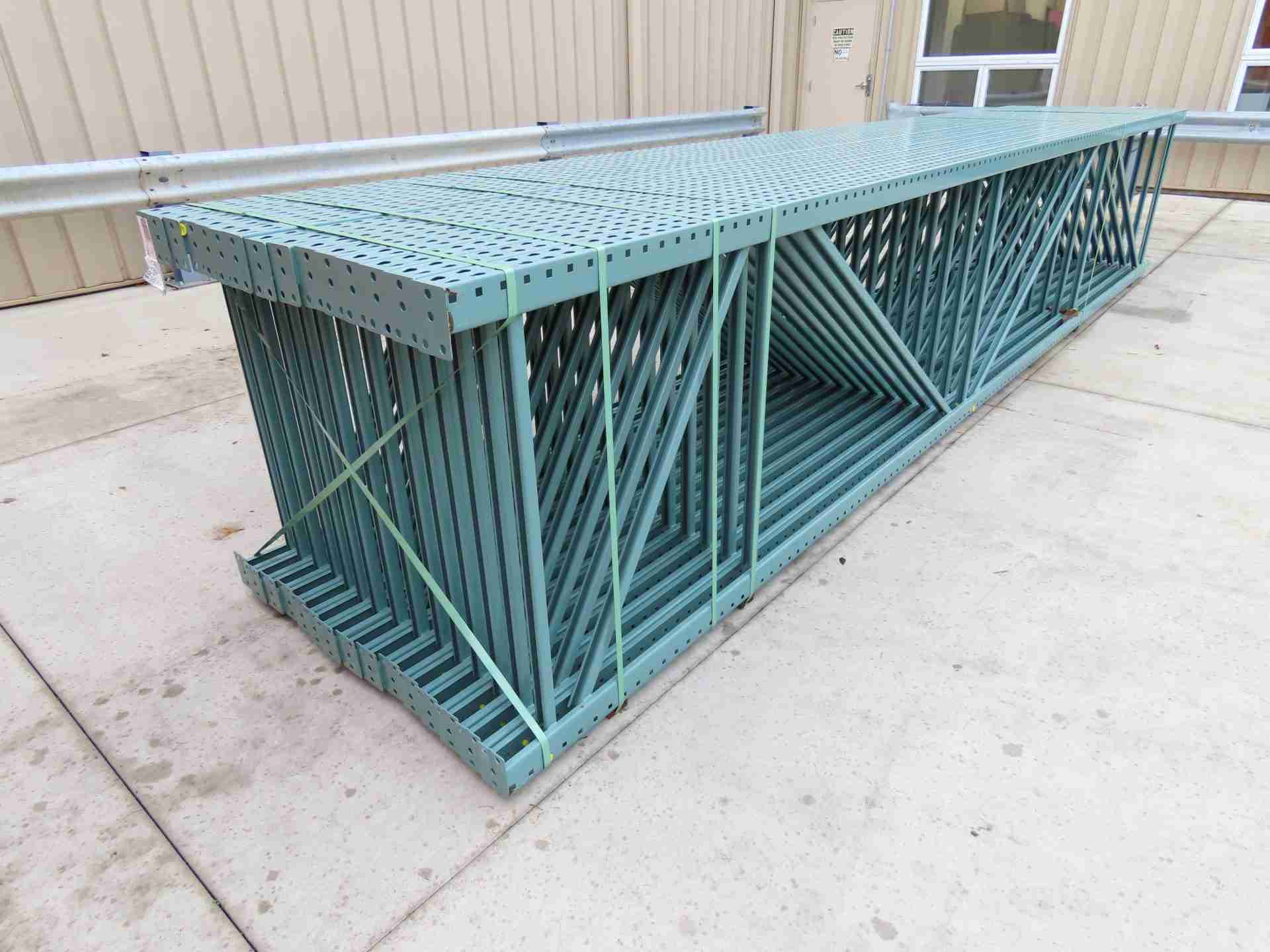
What Cost Savings Come From Using Pallet Racking Systems?
How Do Pallet Racks Improve Space Efficiency In Storage?
Look, anyone who’s spent time in a warehouse or a workshop knows the struggle: piles of stuff everywhere, forklifts weaving like race cars, and folks bumping their heads on low shelves. That chaos isn’t just annoying—it’s costly. Pallet Racking steps in like a trusted buddy who gets the job done without fuss. It’s about taking what could be a swirling mess of boxes and turning it into neat, vertical rows that squeeze every last inch out of your space.
Pallet Racking isn’t just stacking; it’s smart stacking. Instead of spreading things out across the floor, racks lift your inventory upward, carving out room where you thought there was none. That means fewer trips hunting for things, less time wasted dodging clutter, and safer aisles where folks can work without fear of accidents. When your storage looks sharp, your operation runs smoother—and that’s not some fancy management talk. People feel better, work better. You build a workspace that respects the grind rather than fights it.
It’s also about making your space work harder so you don’t have to work harder. Pallet Racking maximizes every square foot, turning odd corners and high ceilings into opportunities instead of headaches. The beauty lies in the flexibility. You can adjust the shelves for bigger or smaller loads, switch up your layout as your needs change, and keep everything accessible. That kind of control puts you in the driver’s seat instead of being at the mercy of clutter.
Then there’s the ethical side—you don’t want to waste what you’ve got. Warehouses jam-packed the wrong way don’t just slow things down; they burn energy, increase costs, and raise safety risks. Using Pallet Racking shows you care about doing things right—investing in safety, efficiency, and respect for your crew’s well-being. It’s a small decision with a big impact, because getting organized isn’t just good business; it’s the decent thing to do.
All that adds up to something solid: trust in your system and confidence in your team. You’re not just stacking pallets; you’re building a foundation for growth, making sure every box, every product, every piece of gear fits where it’s supposed to fit. That kind of common-sense approach is what turns a storage headache into a source of pride. Pallet Racking doesn’t just improve space efficiency—it changes the whole way you think about your work.
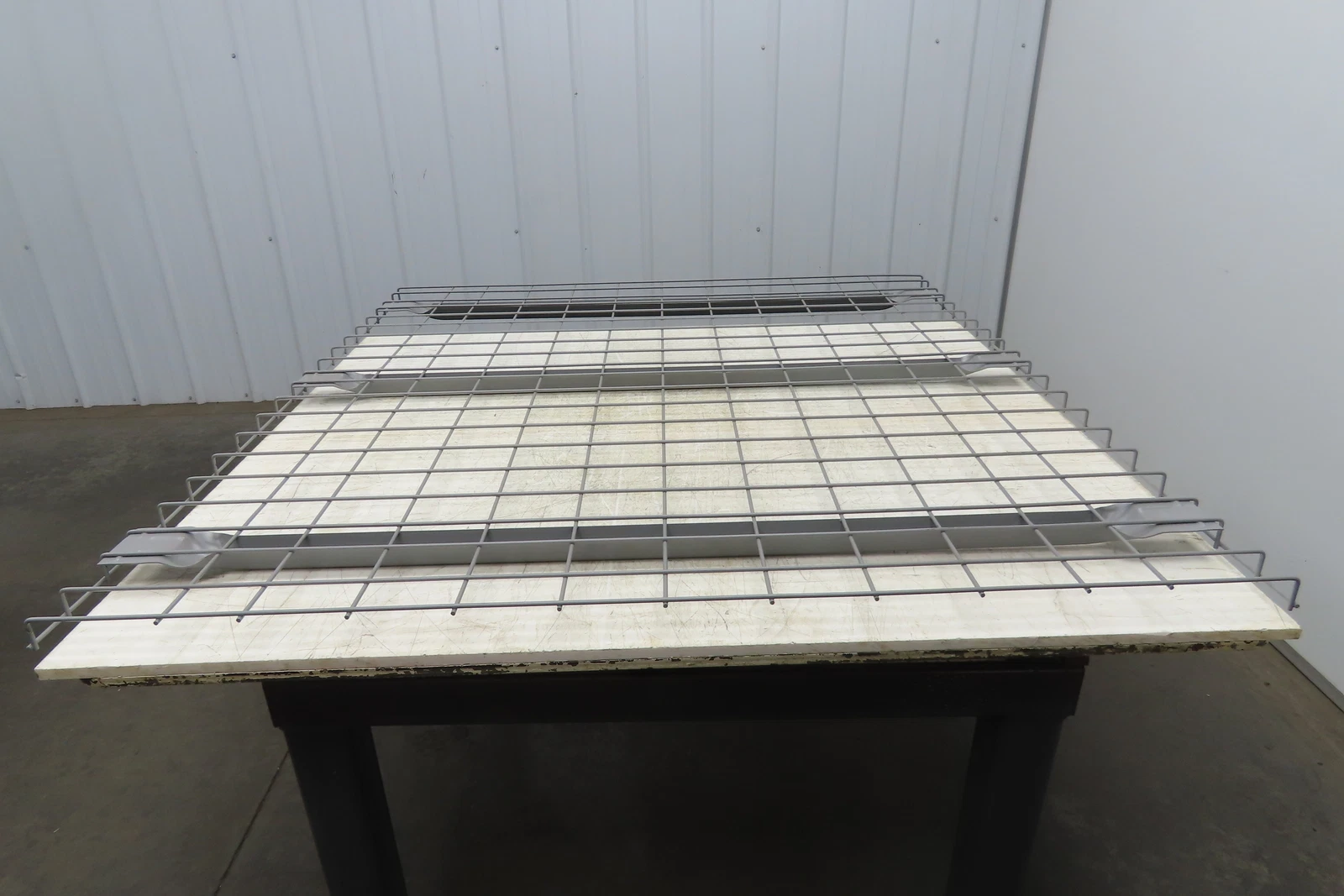
How Do Pallet Racks Improve Space Efficiency In Storage?
How Do Pallet Racks Improve Space Efficiency In Storage?
- Warehouses and workshops often face chaotic, cluttered storage that’s costly and inefficient.
- Pallet Racking transforms clutter into organized, vertical rows that maximize space use.
- It enables smart stacking by lifting inventory upward, creating safer, more accessible aisles.
- Flexible shelf adjustments accommodate various load sizes and changing storage needs.
- Efficient racking reduces wasted energy, lowers costs, and promotes workplace safety and well-being.
- Using Pallet Racking demonstrates care for safety, efficiency, and respect for workers.
- This system builds trust, confidence, and a foundation for growth by improving space efficiency and workflow.
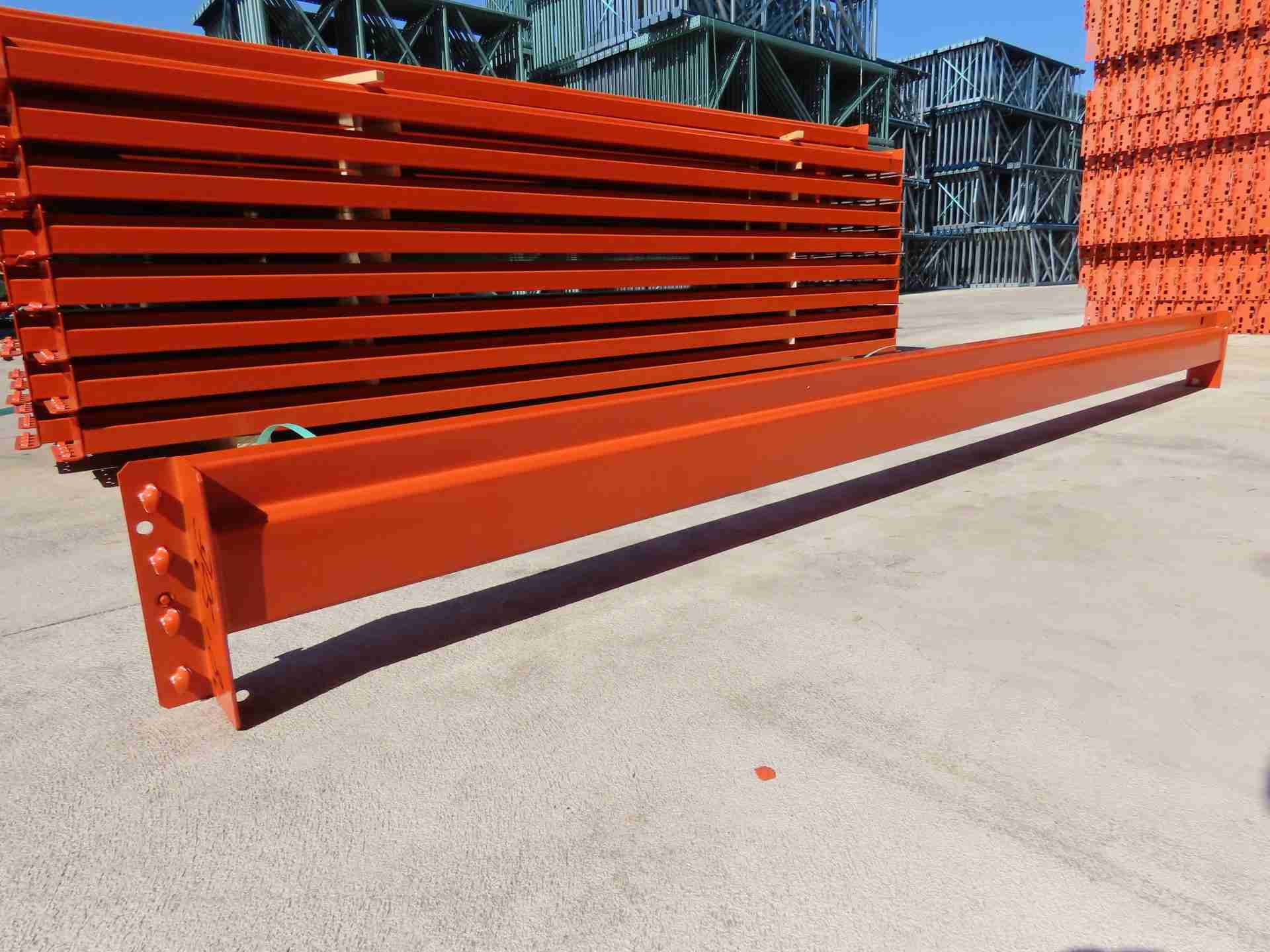
How Do Pallet Racks Improve Space Efficiency In Storage?
Can Pallet Racking Reduce Labor Time During Crop Handling?
When it comes to handling crops, every minute counts. You know the feeling—the sun’s bearing down, the clock’s ticking, and the pile of produce waiting to be moved just won’t shrink. That’s where pallet racking steps in, not just as some fancy storage system but as a real, hands-on game changer. It’s not about flashy tech; it’s about smart setup and straightforward muscle-saving that gets the job done faster and easier.
Pallet racking reduces labor time because it keeps things organized and accessible. Instead of digging through heaps of crates or squinting to find what you need buried at the back, every pallet has its place, front and center. That means less fumbling and fewer trips wasted running back and forth. Folks on the floor notice the difference immediately—no more wrestling with awkward stacks or risking a busted box of tomatoes because things got jammed together. The system makes it simple and safe to grab what’s needed and move on.
This isn’t just about saving time—it’s about respect. Respect for the hard work everyone puts in and the value of their sweat and hours. Crop handling can be tough and tiring, but pallet racking cuts down the grunt work, giving you more breathing room and fewer aches at the end of the day. That’s good for the workers and good for the crops, which spend less time tossed around and more time moving smoothly through the supply chain. It’s ethically sound because it treats labor like a resource to be protected, not exploited.
From a practical standpoint, pallet racking is an investment you’ll see paying off day after day. It’s built tough and built smart, designed for the constant back-and-forth of farm life. This isn’t some one-off fix; it’s a reliable backbone for your operation. Other growers who’ve taken it on swear by the efficiency it brings—a subtle shift that adds up to big savings in labor hours and stress.
Here’s the bottom line: when you install pallet racking, you’re not just stacking pallets; you’re stacking worth, care, and efficiency. It’s about making the job a little easier, the pace a bit smoother, and the day a little shorter. And that’s something everyone, from the boss to the crew, can appreciate and trust.
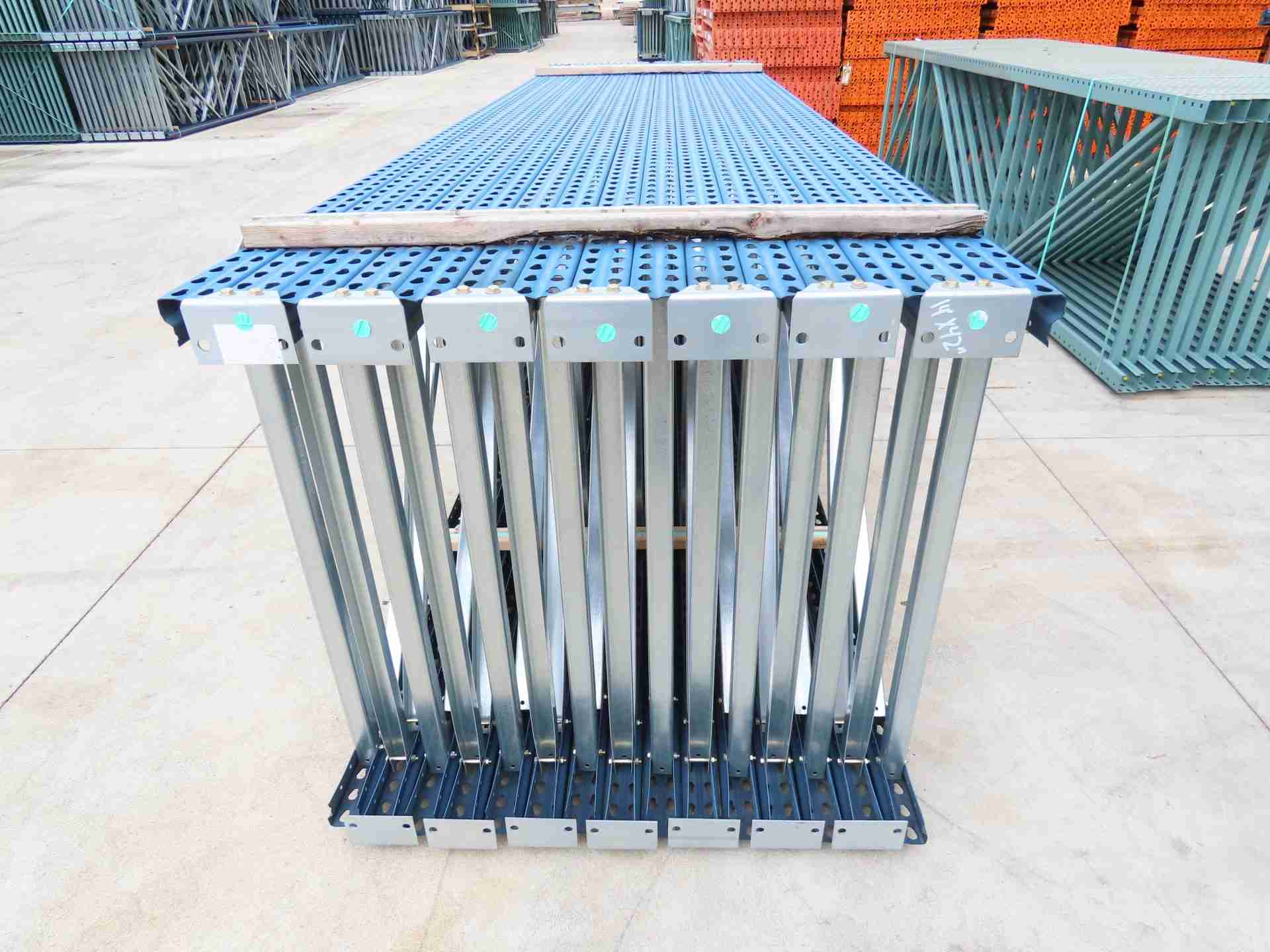
Can Pallet Racking Reduce Labor Time During Crop Handling?
Can Pallet Racking Reduce Labor Time During Crop Handling?
- Pallet racking significantly reduces labor time by keeping crops organized and easily accessible.
- It eliminates wasted trips and fumbling by placing every pallet front and center, improving workflow.
- The system promotes safety and prevents damage to produce caused by awkward stacking or jamming.
- Pallet racking respects labor by reducing physical strain and making crop handling less tiring.
- It protects crops by minimizing rough handling and ensuring smooth movement through the supply chain.
- Designed for durability and efficiency, pallet racking is a long-term investment tailored to farm demands.
- Overall, it enhances efficiency, care, and value for everyone involved, making work easier and more productive.
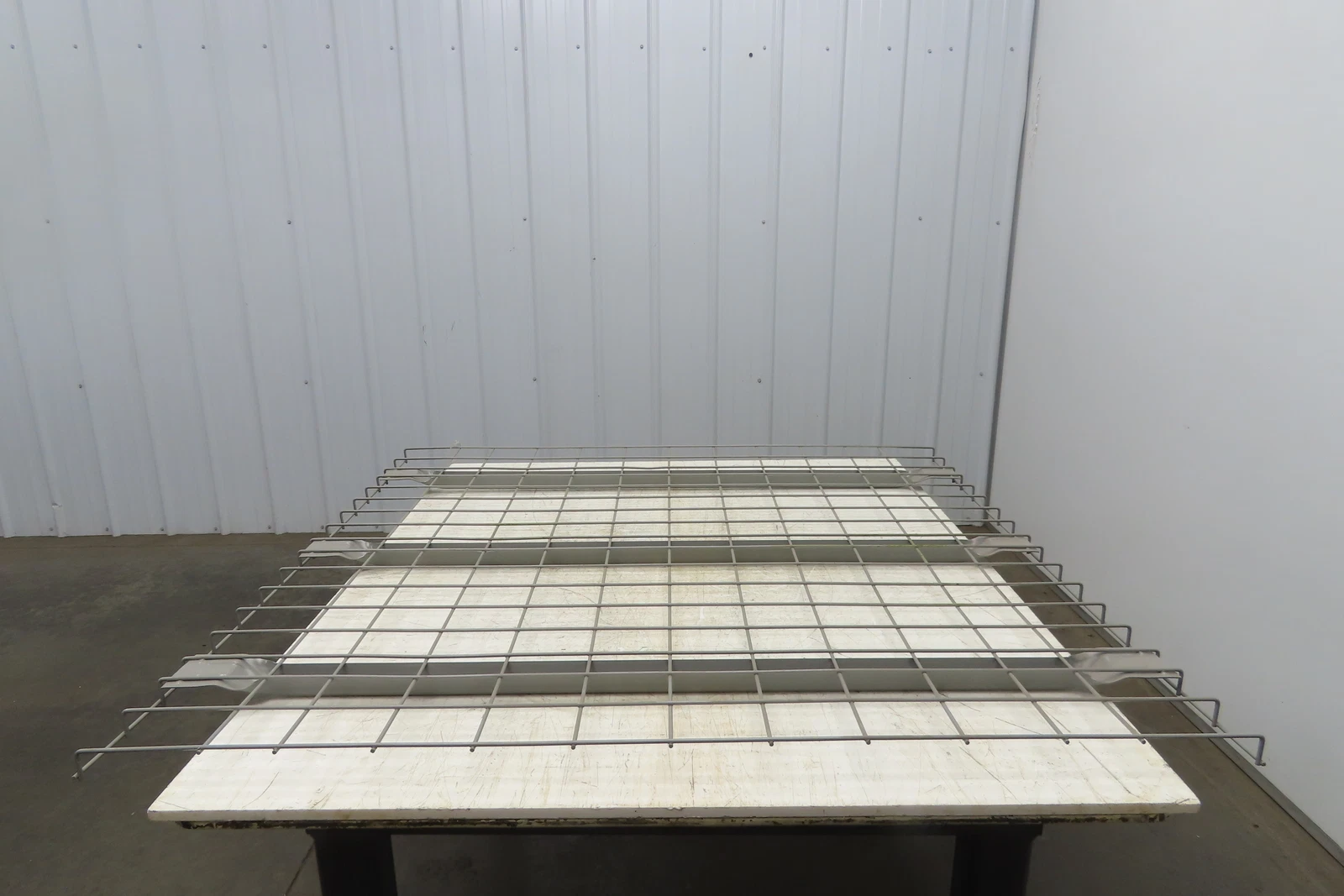
Can Pallet Racking Reduce Labor Time During Crop Handling?
What Safety Protocols Are Enhanced By Pallet Racking Use?
When it comes to keeping a warehouse or workshop safe, pallet racking isn’t just some fancy shelf system—it’s the backbone of organization and protection that makes a real difference. You know the feeling: walking through rows of cluttered, haphazardly stacked goods, wondering if today’s the day something’s gonna come tumbling down. Pallet racking changes all that. It puts order to chaos, cutting down on accidents before they even get a chance to happen.
First off, pallet racking straight-up enhances load stability, which means those heavy crates and boxes have a solid, designed place to sit, not balancing on the edge of some rickety table or crude pile. This reduces the risk of crushed toes, smashed fingers, or worse—things falling on folks just trying to do their job. There’s a basic human decency in that kind of protection: looking out for your crew, making sure they go home in one piece. It’s about respect for the hardworking folks who keep things moving day after day.
From a practical standpoint, pallet racking improves visibility and accessibility. When goods are stored neatly and predictably, everyone—from forklift drivers to floor workers—can spot hazards faster, get at what they need without awkward maneuvering, and cut down on the mental fog that comes with a cluttered space. It’s common sense: safer workspace, fewer mistakes, and less wasted time. That’s good for business and better for the people on the floor.
Ethically, it’s about doing right by your team. Every time you invest in proper pallet racking, you’re saying, “I value your safety.” That builds trust not just between employer and employee, but across the whole crew. When workers can count on a secure, organized environment, morale gets a boost, mistakes drop, and productivity picks up. It’s a chain reaction you can see and feel.
Professionally, pallet racking meets and even exceeds industry safety standards, bringing peace of mind that you’re not cutting corners. It’s a visible statement that safety isn’t an afterthought—it’s baked into how business gets done. You’re not just playing catch-up; you’re setting the bar.
And finally, imagine the gut feeling you get knowing that everything is where it should be, secure and stable, so no one’s living with the fear of an accident every shift. That’s the real strength pallet racking delivers: confidence every day that safety is handled, letting you focus on the work that really matters. It’s more than metal and bolts—it’s care, common sense, and hard-won experience all stacked up.
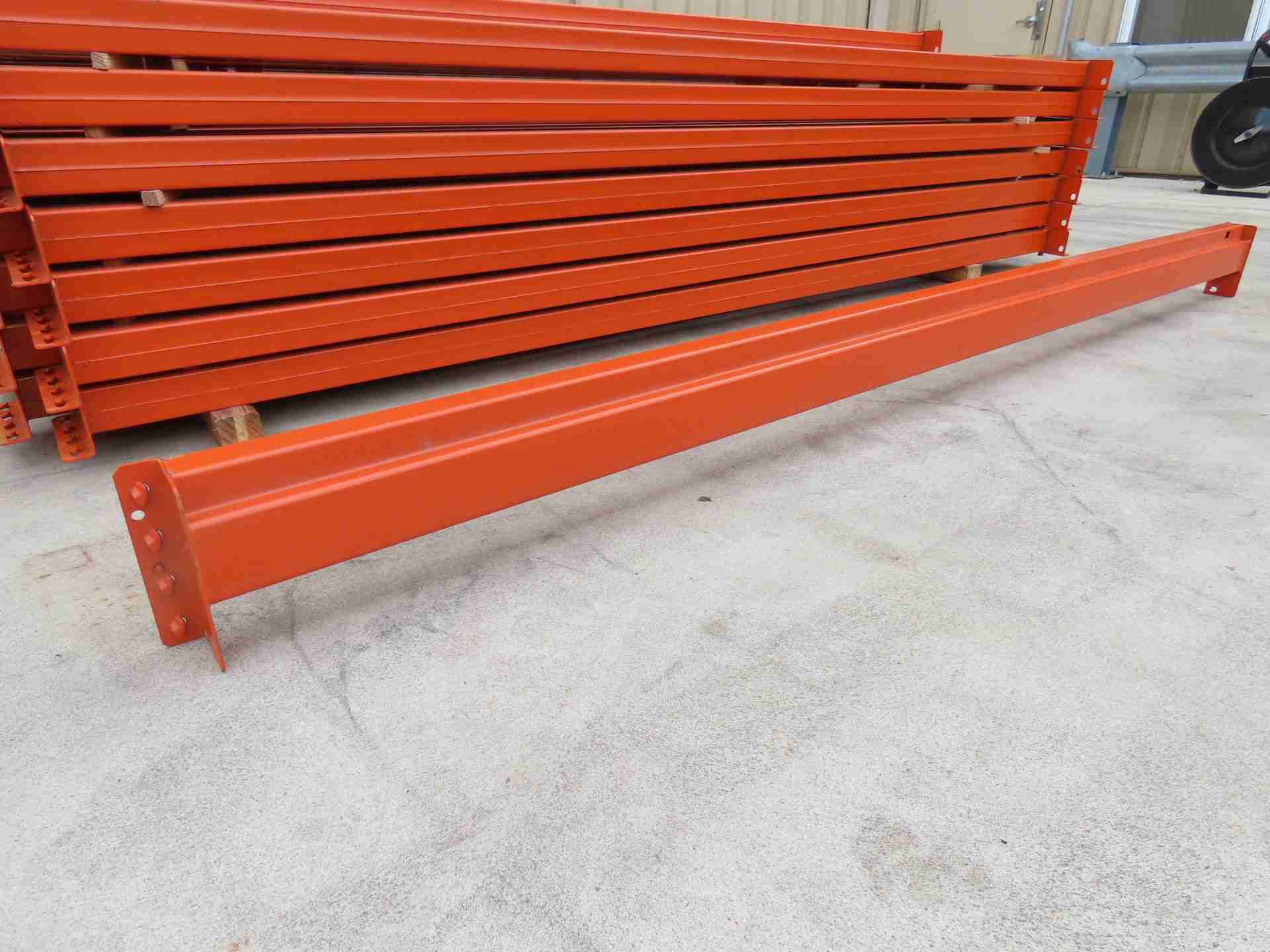
What Safety Protocols Are Enhanced By Pallet Racking Use?
What Safety Protocols Are Enhanced By Pallet Racking Use?
- Pallet racking provides essential organization and protection in warehouses, preventing accidents by maintaining order and stability.
- It enhances load stability by securely supporting heavy goods, reducing risks of injuries from falling items.
- Improves visibility and accessibility, allowing workers to spot hazards quickly and access items without awkward maneuvers.
- Investing in pallet racking demonstrates ethical commitment to employee safety, boosting trust, morale, and productivity.
- Meets or exceeds industry safety standards, showing a proactive approach to workplace safety.
- Reduces clutter-induced mental fatigue, leading to fewer mistakes and more efficient operations.
- Creates confidence and peace of mind, ensuring a secure environment where safety is reliably managed every day.

What Safety Protocols Are Enhanced By Pallet Racking Use?
How Does Pallet Racking Impact the Freshness Of Stored Crops?
When you’re dealing with crops that are meant to feed families, friends, and strangers alike, freshness isn’t just a nice-to-have—it’s the heart and soul of the whole operation. Pallet racking plays a quiet but mighty role in keeping those vegetables and fruits from showing up wilted, bruised, or spoiled before they get to the dinner table. It’s not just about stacking boxes; it’s about preserving all the hard work that went into planting, growing, and harvesting those crops.
From a practical standpoint, pallet racking organizes storage in a way that lets air flow all around those precious pallets of produce. Good airflow isn’t fancy science to the folks on the ground—it’s common sense. Without it, moisture builds up, creating the perfect environment for mold and rot to move in like uninvited guests. Pallet racking lifts those crops off cold, damp floors and keeps them spaced so air circulates easy, which slows spoilage and helps keep produce crisp and fresh longer.
There’s an ethical side to this too. Wasting food hurts more than just the wallet; it’s a loss for the farmers who sweat and bleed over every harvest, and it’s a shame against everyone who can’t afford to waste a scrap of good food. When crops stay fresh longer thanks to good storage practices like pallet racking, it means less waste and a fairer share for all. That’s something worth standing behind—respecting the land, the labor, and the lives touched by what’s on those pallets.
Running a storage space with pallet racking is also about trust. Whoever’s buying those crops needs to know they’re getting the best quality—no shortcuts, no shortcuts, no guesswork. Pallet racking is a simple, no-nonsense backbone system that businesses rely on to keep everything neat, accessible, and above all, fresh. It’s tried-and-true, like a good pair of boots that don’t quit before the job’s done.
At the end of the day, pallet racking is more than metal shelves—it’s where care meets common sense. It’s the reason families get to enjoy their meals with the taste of home and hard work still intact. It’s about doing right by the crop, and by the folks who count on it. That’s the kind of freshness worth stacking on.

How Does Pallet Racking Impact the Freshness Of Stored Crops?
How Does Pallet Racking Impact the Freshness Of Stored Crops?
- Freshness is essential for crops feeding families, friends, and strangers, with pallet racking playing a key role in maintaining produce quality.
- Pallet racking enables proper airflow around pallets, preventing moisture buildup that leads to mold and spoilage.
- It lifts produce off cold, damp floors and spaces pallets to keep fruits and vegetables crisp and fresh longer.
- Using pallet racking helps reduce food waste, respecting the effort of farmers and supporting fair distribution of food.
- Good storage practices foster trust by ensuring buyers receive high-quality, fresh crops without shortcuts or guesswork.
- Pallet racking serves as a reliable, straightforward system that keeps storage neat, accessible, and effective.
- More than just metal shelves, pallet racking symbolizes care, common sense, and respect for the land, labor, and consumers.
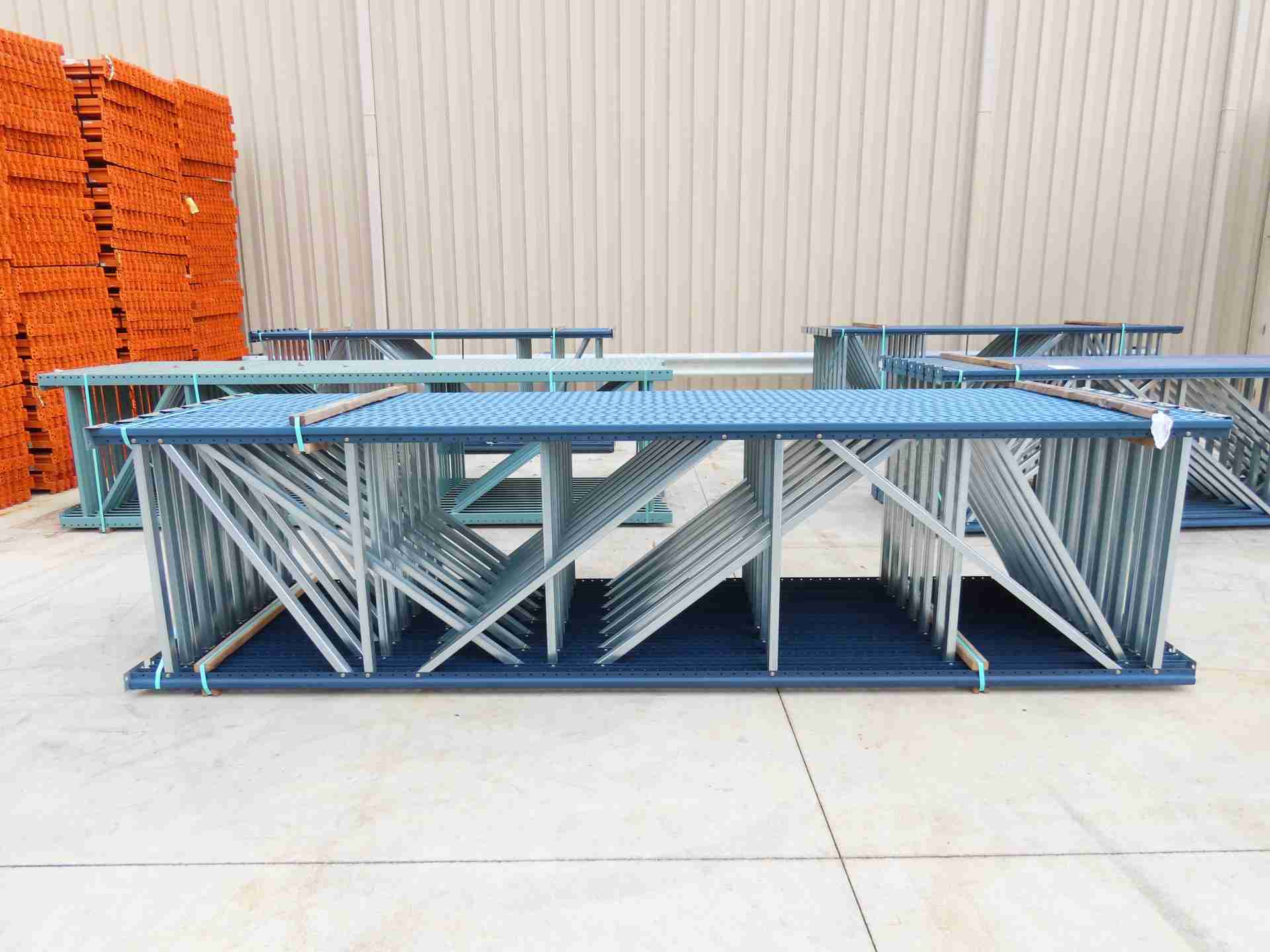
How Does Pallet Racking Impact the Freshness Of Stored Crops?
Conclusion
When it comes to storing harvested crops, pallet racking is more than just metal and bolts—it’s the unsung hero that turns hard work into lasting value. Farmers and warehouse crews put their backs into the fields day after day, and pallet racking is the honest, no-frills system that respects that effort. It maximizes space by stacking produce smart and tall, squeezing every inch out of warehouses that can’t afford wasted room. It keeps pallets off the dirt, dodging moisture, pests, and careless handling that can dull freshness or ruin a crop before it even leaves the storage yard.
This isn’t just about efficiency—it’s about doing right by the work and the people behind it. A well-organized rack system protects crops from damage, preserves freshness by allowing airflow, and cuts down on spoilage. That’s the kind of common-sense care that reduces waste and stretches every dollar invested in planting, tending, and harvesting. When every crate stays intact and every fruit arrives crisp, that’s respect for the land and the labor.
On the safety front, pallet racking dims the chaos that cluttered warehouses breed. It anchors heavy loads firmly, slashing risks of accidents that wrench up costs and morale. Workers come home whole, bosses breathe easier, and the whole crew moves more confidently when the environment’s set up right. This sense of security and order builds trust and pride—no small thing in a world where hands-on work often gets overlooked.
There’s also hard-earned money saved here. Pallet racking frees up floor space, speeds up loading and unloading, and trims labor time. Less time wasted hunting for the right pallet means more time moving product and a smoother operation all around. It’s a practical choice that pays dividends day in and day out. When the storage system is reliable and tough, maintenance stays low and uptime stays high. That’s blue-collar efficiency you can feel deep down.
At the end of the day, pallet racking isn’t just gear; it’s a partnership. It’s the steady backbone beneath the daily grind, safeguarding crops and people alike. It honors the sweat that grew the harvest and ensures that what’s gathered doesn’t turn into loss. Pallet racking stands as a quiet promise: that hard work doesn’t go to waste, that quality counts, and that respect for the crop, the crew, and the customer is baked into every rack and every crate stacked tall. It’s simple, solid, and absolutely necessary—a reliable hand in the dirt and the warehouse alike.
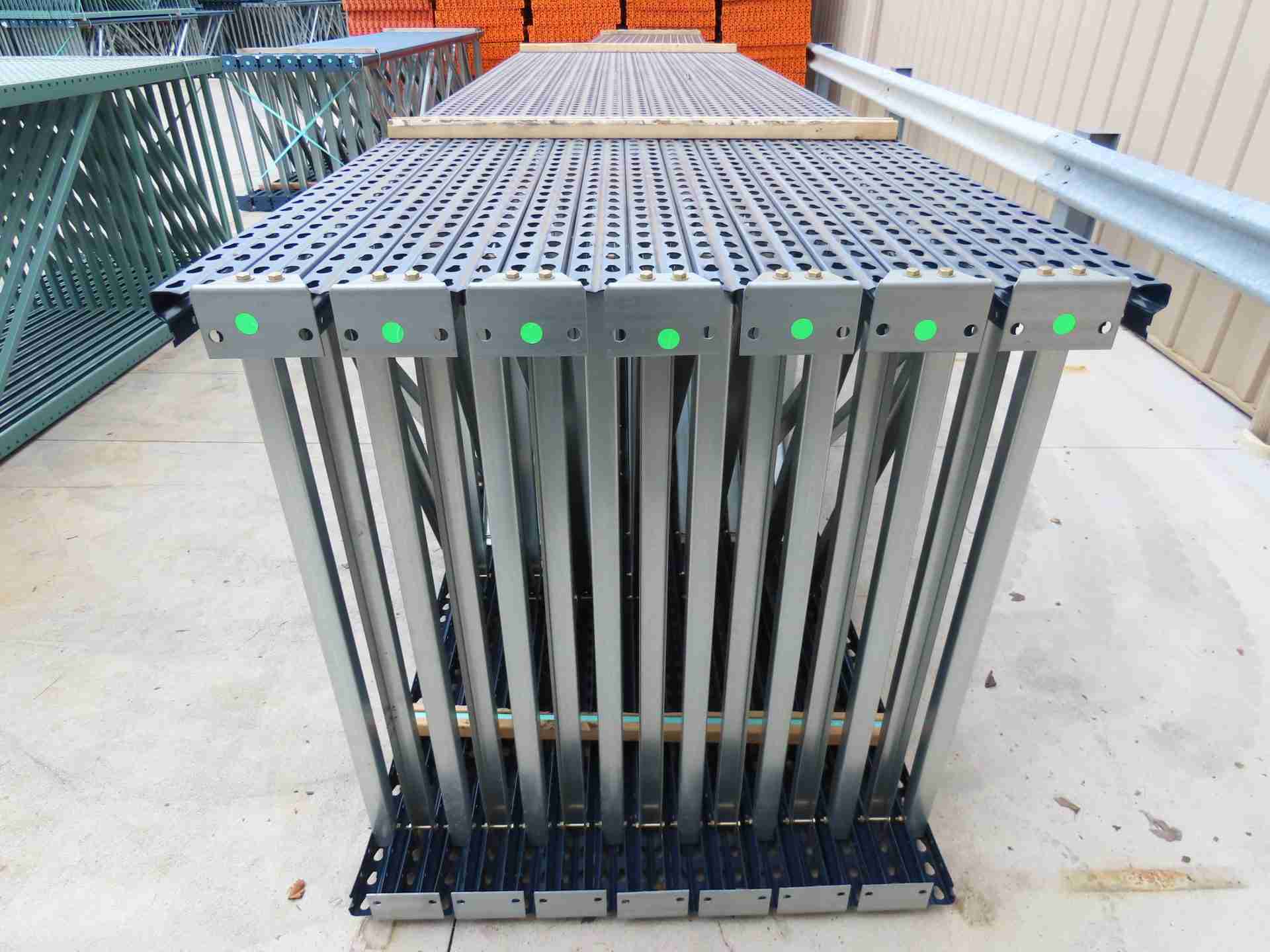
Conclusion
Conclusion:
- Pallet racking maximizes warehouse space by stacking produce efficiently, preventing wasted room.
- It protects crops from moisture, pests, and mishandling by keeping pallets off the ground.
- Properly organized racks preserve freshness through airflow and reduce spoilage, minimizing waste.
- The system enhances safety by securing heavy loads and reducing accident risks in the warehouse.
- It improves operational efficiency by freeing floor space and speeding up loading, unloading, and labor.
- Maintenance is low and uptime is high, providing reliable, durable storage for daily use.
- Pallet racking serves as a critical support system, respecting the hard work of farmers and workers and ensuring quality and care throughout storage.

Conclusion
Other Resources

Other Resources
Here is a list of other resources you can review online to learn more:
- Cantilever Racks Chicago
- Teardrop Pallet Rack – Ridg-U-Rak
- WERC
- Material Handling Industry
- International Warehouse Logistics Association
- Racking World
- IIWS Inc. Rack Installation Illinois & Rack Repairs Illinois
- Teardrop Industrial Shelving Rack
- IIWS Inc. Rack Installation Illinois & Rack Repairs Illinois
- Wolter
- Teardrop Pallet Rack – Ridg-U-Rak
- American Surplus
- Used Pallet Rack for Sale in Illinois – American Surplus
- Material Handling Safety
- Pallet Racking systems in Illinois and Great Lakes
- Teardrop Racks – Pallet Rack World
- RMI
- What is Cantilever Racking? – AK Material Handling Systems
- BMH
Use This Prompt To Get More Resources With Your Favorite Online AI Tool: Please provide me with a list of online articles with their URLs in a bulleted list that I can read regarding How Do Harvested Crop Storage Companies Leverage Pallet Racking?

Other Resources
Glossary Terms
How Do Harvested Crop Storage Companies Leverage Pallet Racking? – Glossary Of Terms
1. Pallet Racking: A storage system designed to hold materials on pallets in horizontal rows with multiple levels.
2. Harvested Crop Storage: Facilities or areas used to store crops after harvest to maintain quality and prevent spoilage.
3. Pallet: A flat transport structure that supports goods in a stable manner while being lifted by forklifts or pallet jacks.
4. Maximized Storage Density: Efficient use of vertical and horizontal space in storage to hold more products within a limited area.
5. Forklift Access: The ability of forklifts to move freely around pallet racks for loading and unloading materials.
6. Load Capacity: The maximum weight that pallet racking can safely hold.
7. Shelf Levels: Horizontal tiers in a pallet racking system where pallets are stored.
8. Inventory Management: Tracking and controlling stock levels within storage facilities.
9. FIFO (First In, First Out): An inventory method ensuring older stock is used or shipped before newer stock.
10. LIFO (Last In, First Out): An inventory method where the most recently stored goods are moved out first.
11. Cold Storage Compatibility: Adaptations in pallet racking to operate in refrigerated or controlled temperature environments.
12. Disease Prevention: Storage techniques aimed at reducing contamination risks to crops.
13. Moisture Control: Methods used within storage to prevent excessive humidity that can spoil crops.
14. Space Optimization: Strategies to maximize usable storage space efficiency.
15. Safety Standards: Regulations that ensure storage systems prevent accidents and maintain worker safety.
16. Structural Integrity: The strength and durability of pallet racking under load and environmental conditions.
17. Modular Racking: Pallet rack systems that can be adjusted or expanded easily as storage needs change.
18. Accessibility: Ease with which stored goods can be reached, picked, or replenished.
19. Load Distribution: Even allocation of weight across rack beams and columns to avoid collapse.
20. Cross-Docking: Warehousing practice where goods are unloaded and then directly loaded onto outbound transport with minimal storage time.
21. Temporary Storage: Short-term holding of harvested crops before further processing or shipment.
22. Stack Height: The vertical distance from the floor to the highest stored pallet level.
23. Mechanical Handling Equipment: Tools like forklifts, pallet jacks, and conveyors used to move goods in storage.
24. Damage Prevention: Measures to avoid physical harm to crops during storage and handling.
25. Warehouse Management System (WMS): Software that helps control and optimize storage operations and inventory.
26. Space Utilization Ratio: The proportion of warehouse space effectively used for storage versus total available space.
27. Ergonomics: Design considerations that make storage systems safer and more comfortable for workers.
28. Inventory Turnover: Frequency at which stored crops are replaced or moved out.
29. Environmental Control: Systems maintaining temperature, humidity, and ventilation in storage areas.
30. Cost Efficiency: Minimizing expenses related to storage through optimized racking and handling.
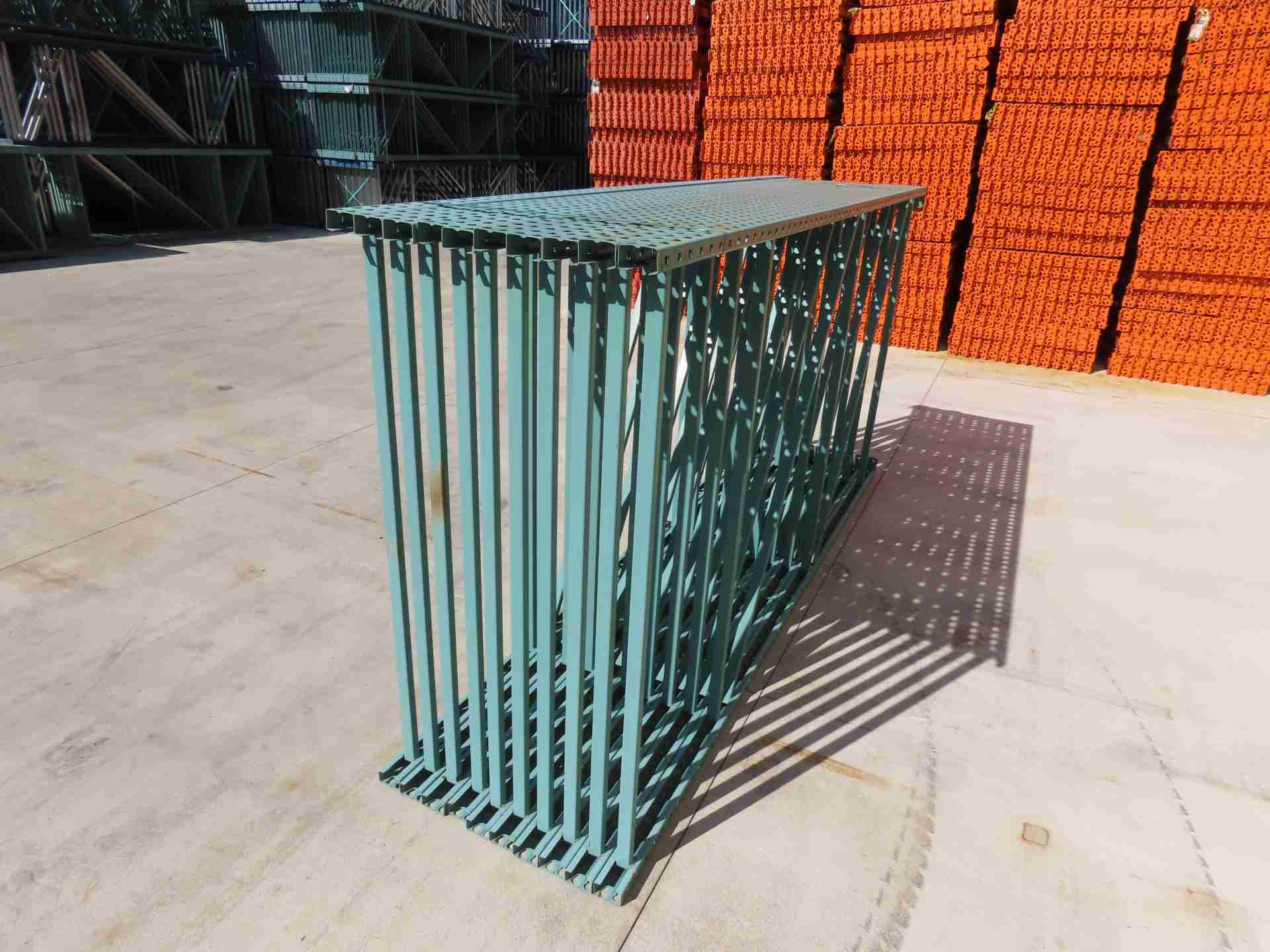
Glossary Of Terms
Other Questions
How Do Harvested Crop Storage Companies Leverage Pallet Racking? – Other Questions
If you wish to explore and discover more, consider looking for answers to these questions:
- What types of pallet racking systems are best suited for different kinds of harvested crops?
- How do you determine the appropriate load capacity and weight limits for pallet racks storing crops?
- What are the upfront costs and typical ROI timeline for installing pallet racking in a crop storage facility?
- How do pallet racking systems integrate with cold storage, controlled-atmosphere, or humidity-controlled rooms?
- What ventilation and airflow requirements should be considered when using pallet racking to preserve freshness?
- How does pallet racking affect shelf life for perishable crops, and are there crop-specific guidelines?
- What materials, coatings, or finishes are food-safe and recommended for racks used with edible produce?
- How do you design rack layouts to support FIFO (first-in, first-out) or other inventory rotation methods?
- What types of pallets (size, material, condition) work best with pallet racking for crop handling?
- How does pallet racking influence labor requirements and what training do workers need for safe handling?
- What complementary equipment (forklifts, reach trucks, pallet jacks) is needed and how should it be configured?
- How often should pallet racking be inspected and what are the common maintenance tasks?
- What safety accessories (column protectors, rack guards, netting) are recommended to prevent accidents and crop damage?
- How do pallet racking systems comply with industry standards and local regulations for food storage?
- What pest control measures are compatible with pallet racking layouts and how are they implemented?
- How does pallet racking interact with fire-suppression systems and what clearances are required?
- Can pallet racking be easily reconfigured for seasonal storage needs or changing crop types?
- What are best practices for cleaning and sanitizing pallet racking to maintain food safety?
- How do you plan floor load distribution and structural requirements when adding high-density racks?
- What considerations are there for seismic, wind, or other environmental loads on pallet racking?
- How does pallet racking support traceability, labeling, and inventory management systems (WMS)?
- What automation options (ASRS, conveyors, robotic pickers) work with pallet racking for crop facilities?
- How should humidity, temperature, and ethylene management be monitored and controlled around racked pallets?
- What insurance, liability, or warranty issues should companies evaluate before installing racks?
- How do companies balance density vs. accessibility when maximizing space with pallet racking?
- What retrofitting options exist for converting an existing warehouse to pallet racking for crop storage?
- How do different crops (grains, root vegetables, fruit, leafy greens) change racking requirements?
- What are common mistakes or pitfalls when implementing pallet racking in agricultural storage?
- How do sustainability and end-of-life recycling factor into choosing and maintaining pallet racking?
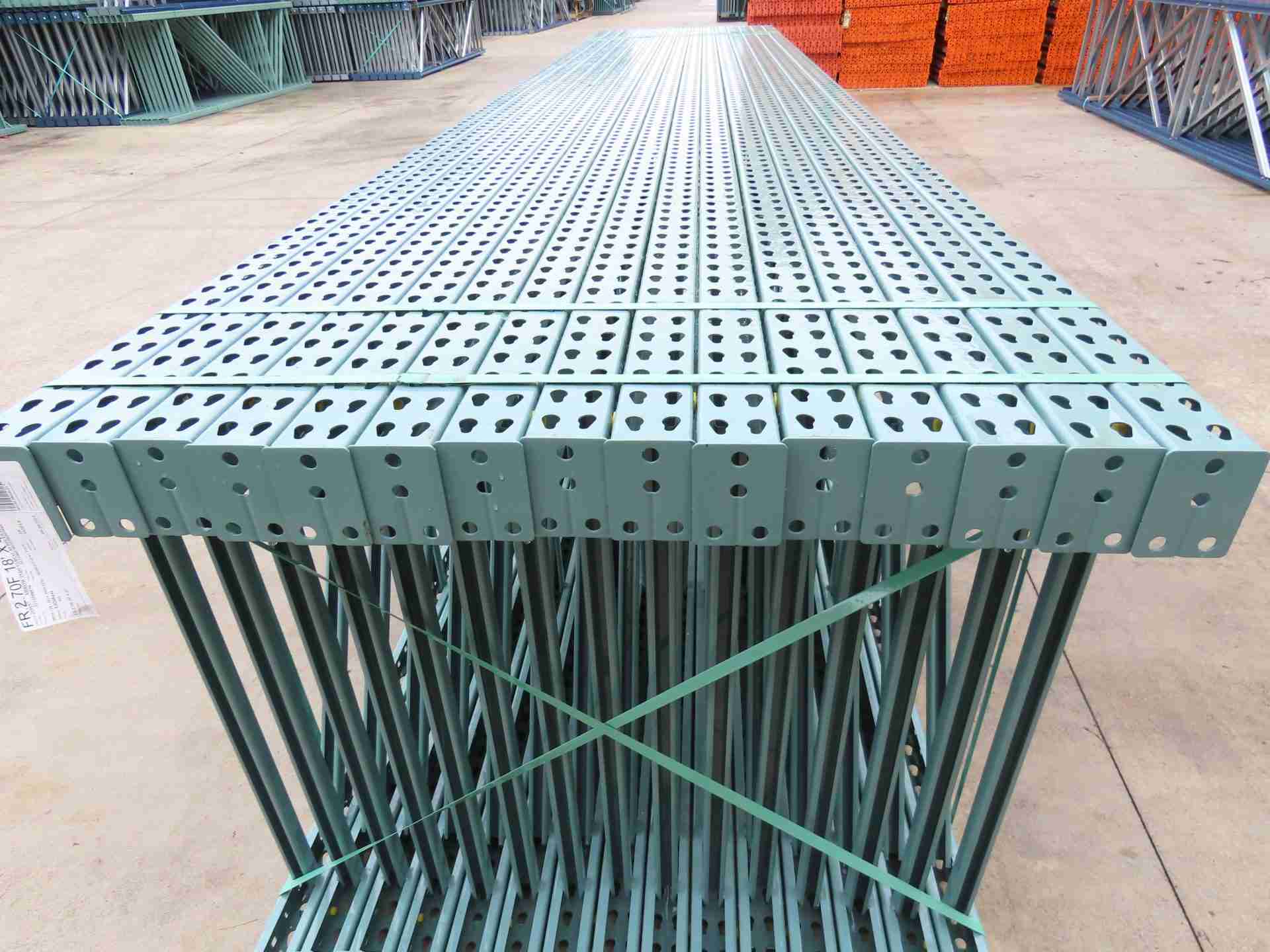
Other Questions
Checklist
How Do Harvested Crop Storage Companies Leverage Pallet Racking? – A Checklist
Pre-Assessment
✅______ Storage goals defined (capacity, turnover rate, crop types, SKU count)
✅______ Warehouse dimensions verified (L × W × clear height)
✅______ Material handling equipment confirmed (forklift/reach truck specs, turning radius)
✅______ Environmental targets set (temperature, humidity, airflow)
✅______ Regulatory requirements identified (food safety, fire, seismic)
Rack Type & Layout
✅______ Rack type matches turnover and SKU mix (FIFO/LIFO suitability)
✅______ Aisle widths set to equipment requirements (target ___ in/ft)
✅______ Beam elevations adjustable to crop/pallet heights (top clearance ___ in)
✅______ Flue spaces planned for airflow and fire code (longitudinal ___ in; transverse ___ in)
✅______ Row spacers, pallet stops, and ties specified where needed
✅______ Anchoring pattern and floor condition verified (flatness, slab load rating)
✅______ Seismic and wind design and permits confirmed (if applicable)
✅______ End-of-aisle and corner protection included
Pallets, Loads, and Packaging
✅______ Standard pallet size and type defined (size ___; wood or plastic ___)
✅______ Pallet condition inspection SOP in place (no broken boards or stringers)
✅______ Load weight within rack and beam ratings (max per pallet ___ lb/kg)
✅______ Center of gravity stable; no overhang beyond spec (overhang ___ in)
✅______ Ventilated crates or bins used for produce requiring airflow
✅______ Breathable wrap or netting used where needed (avoid suffocating film)
Crop Protection
✅______ Bottom beam height keeps loads off the floor (minimum ___ in)
✅______ Moisture control measures in place (floor drains, vapor barriers, no wall contact)
✅______ Pest prevention program maintained (sanitation, sealing, monitoring)
✅______ Gentle-handling zones marked; bumpers or guards where impacts occur
✅______ Clear SOPs for stacking patterns to prevent bruising or crush damage
Freshness & Environmental Control
✅______ Airflow paths maintained around and through pallets
✅______ Fan placement and circulation validated (CFM targets ___)
✅______ Temperature and RH sensors installed at multiple rack levels
✅______ FIFO flow implemented (pallet flow racks or process design)
✅______ Hot and cold spots mapped and mitigated (ducting, baffles, fan balance)
✅______ Condensation risk addressed (defrost cycles, door management, curtains)
Safety Protocols
✅______ Load plaques installed with rack capacities
✅______ Columns, ends, and tunnels protected (guards, end-of-aisle protectors)
✅______ Rack plumbness and damage checks scheduled (daily, weekly, and monthly)
✅______ No field welding or unauthorized modifications policy enforced
✅______ Traffic management plan marked (one-way aisles, speed limits, horn points)
✅______ Lighting levels adequate and glare minimized
✅______ Emergency egress and fire protection clear; flues kept open
Operational Efficiency
✅______ Slotting by turnover and weight (fast movers at optimal height)
✅______ Location labels and scan codes installed and mapped to WMS
✅______ Inbound and outbound staging zones defined to avoid double handling
✅______ Standard pick and putaway paths documented
✅______ Target dock-to-rack and rack-to-dock times set (___ minutes)
✅______ Seasonal re-slotting calendar established
Cost & ROI Tracking
✅______ Baseline metrics captured (damage %, picks per hour, labor hours per pallet, inventory accuracy)
✅______ Utilization targets set (bay and beam occupancy ___%)
✅______ Total cost of ownership calculated (purchase, installation, training, maintenance)
✅______ Expected payback period estimated (___ months)
✅______ Ongoing savings tracked (labor hours saved per week, reduced shrink)
Maintenance & Inspection
✅______ Daily visual checks (deformation, loosened bolts, missing pins)
✅______ Monthly detailed inspections documented
✅______ Annual engineering review scheduled (or qualified internal audit)
✅______ Damaged components tagged out and replaced with OEM parts
✅______ Anchor and connector torque checks scheduled
✅______ Housekeeping plan keeps aisles and flues clear
Training & SOPs
✅______ Forklift and operator training includes rack interaction and load placement
✅______ Pallet build standards for each crop (stack height, interlocking, corner boards)
✅______ Load and unload SOP prevents pushing or pulling racks
✅______ Incident and near-miss reporting with corrective actions
✅______ New-hire onboarding and refresher training cadence set
Implementation & Continuous Improvement
✅______ Pilot bay or rack trialed and measured before full rollout
✅______ KPIs reviewed weekly (spoilage %, accident rate, pick speed, damage rate)
✅______ Floor team feedback loop established and acted upon
✅______ Change management plan for peak and seasonal volumes
✅______ Spare parts kit maintained (beams, clips, anchors, guards)
Ready-to-Fill Specs
✅______ Facility clear height ___ ft/m
✅______ Aisle width ___ in/ft
✅______ Max pallet weight ___ lb/kg
✅______ Beam level clearances ___ in
✅______ Flue spaces: longitudinal ___ in; transverse ___ in
✅______ Temperature range ___°F/°C; RH range ___%
✅______ Target utilization ___%
✅______ Payback target ___ months

Checklist
At RackingWorld, we help guide you through selecting warehouse storage systems and racking.
Be sure to read our other related stories at RackingWorld to learn more about warehouse storage systems.
0 Comments