
Optimizing Space And Efficiency: The Heart Of Grocery Distribution Success
By Tom Seest
At RackingWorld, we help guide you through selecting warehouse storage systems and racking.
Be sure to read our other related stories at RackingWorld to learn more about warehouse storage systems.
How Do Grocery Distribution Centers Leverage Pallet Racking?
In the gritty, fast-paced world of grocery distribution, pallet racking isn’t just some fancy storage solution—it’s the backbone that keeps everything running smooth. Picture a place packed wall-to-wall with crates of fresh produce, bulky bags of flour, and endless rows of canned goods. Without pallet racking, it’d be a chaotic mess, a time-sucking nightmare for anyone trying to find a single item in a hurry. These racks give every pallet a spot—stacked high, organized tight, and ready to roll. It’s like giving each box a home base, cutting down on wasted space and wasted time.
You don’t get into this business without knowing that efficiency saves lives—well, at least saves shifts, deadlines, and sanity. Pallet racking sets the stage for speed and safety. Forklifts glide through aisles with confidence because they know exactly where to find what they need without playing hide-and-seek. It’s not just about storing goods; it’s about keeping the whole operation honest, lean, and reliable. When a grocery store calls for a shipment of milk or bread, there’s no second-guessing. The pallet’s waiting, racked and ready like clockwork.
But there’s more than mechanics here. At its core, grocery distribution is about trust—trust that the people stocking shelves tomorrow can rely on the hands that packed those pallets today. Pallet racking isn’t merely steel and beams; it’s the unseen partner in feeding communities. Each pallet lifted and slotted correctly is a quiet promise kept from the warehouse to the dinner table. It’s easy to overlook, but anyone who’s handled the daily grind knows you respect what keeps everything moving without fail.
Besides practicality, it’s an ethical choice too—making sure products don’t get damaged stacking this way or that. Minimizing waste is a responsibility, plain and simple. Pallet racking plays its part by holding goods steady, preventing spoilage, and cutting down on accidents. It’s a system built on solid principles: respect for labor, for product, for purpose.
This isn’t high-tech wizardry; it’s common sense, ironclad structure, and a bit of muscle memory honed by experience. Grocery distribution centers lean on pallet racking not just because it works, but because it earns trust day in, day out. In a world that never stops wanting more, faster, and fresher, pallet racking is the quiet hero making sure those promises stack up—pallet by pallet.

How Do Grocery Distribution Centers Leverage Pallet Racking?
How Do Grocery Distribution Centers Leverage Pallet Racking?
- Pallet racking is essential in grocery distribution, organizing items efficiently and preventing chaos.
- It maximizes space and saves time by giving every pallet a designated spot stacked high and tight.
- Efficiency through pallet racking ensures speed and safety, enabling forklifts to operate smoothly without delays.
- The system fosters trust, connecting those who pack pallets with those who stock shelves, ensuring reliable deliveries.
- Pallet racking protects products from damage, minimizing waste and spoilage while reducing accidents.
- It represents respect for labor, product, and purpose, emphasizing ethical storage practices.
- Built on common sense and experience, pallet racking consistently supports grocery operations, meeting demands for freshness and speed.

How Do Grocery Distribution Centers Leverage Pallet Racking?
Table Of Contents
- How Do Grocery Distribution Centers Leverage Pallet Racking?
- How Does Pallet Racking Improve Grocery Distribution Efficiency?
- How Do Pallet Racks Reduce Product Damage In Warehouses?
- What Safety Standards Apply to Pallet Racking Systems?
- How Does Pallet Racking Optimize Space In Distribution Centers?
- Can Pallet Racks Support Various Sizes Of Grocery Products?
- How Do Grocery Centers Track Inventory on Pallet Racks?
- Conclusion
- Other Resources
- Glossary Of Terms
- Other Questions
- Checklist
How Does Pallet Racking Improve Grocery Distribution Efficiency?
You walk into a grocery warehouse, and what do you see? Stacks of pallets, crates balanced like a giant game of Jenga. Without proper organization, chaos rules—workers waste time hunting for items, forklifts crawl along narrow aisles like stuck snails, and inventory slips through the cracks. Pallet racking changes all that. It’s not just a fancy shelf system; it’s a workhorse solution born out of necessity. The kind of simple, no-nonsense setup that folks who sweat the details every day can trust.
Imagine a steady, well-oiled machine where each pallet slides neatly into designated racks, easy to spot, easy to grab, less time wasted, less frustration. That’s the heart of grocery distribution efficiency right there. Pallet racking turns a sprawling mess into a streamlined operation. It saves real hours — the kind of hours that add up to better stocked shelves and fresher food for families out there depending on those deliveries.
From a practical standpoint, pallet racking maximizes vertical space, packing more product into less square footage. That means fewer trips to restock, less fuel burned, and a smaller carbon footprint. There’s a solid ethical angle here: using space wisely means fewer trucks on the road, less waste, and a system that respects resources while feeding communities. Workers feel that difference too—less physical strain moving goods stacked safely and securely, less risk of accidents, and a workplace that values safety as much as speed.
Trust builds with every day the system holds strong under pressure, seasons of high demand, and tight deadlines. It’s a tried-and-true setup—no fluff, just good old common sense that’s passed down like a reliable tool from one shift to the next. The social glue binds when teams know they’re all pulling from the same playbook, turning a mountain of groceries into neatly organized pallets. Everyone feels it—a sense of pride in getting the job done right, moving food that reaches tables across the country.
Pallet racking isn’t just racks on racks. It’s the backbone of grocery distribution efficiency—cutting the hassle, boosting the bottom line, and making sure what ends up on store shelves spent more time being cared for than just sitting in limbo. When grocery systems run smooth, communities thrive. And that’s a story worth every pallet stacked tight.

How Does Pallet Racking Improve Grocery Distribution Efficiency?
How Does Pallet Racking Improve Grocery Distribution Efficiency?
- Without proper organization in grocery warehouses, workers waste time searching for items and forklifts move slowly, causing inefficiency and inventory loss.
- Pallet racking provides a reliable, no-nonsense solution that organizes pallets neatly, reducing wasted time and frustration.
- It maximizes vertical space, allowing more products to be stored in less square footage, reducing restocking trips and fuel consumption.
- Efficient space use decreases environmental impact by lowering truck traffic and waste, promoting resource respect and community support.
- Workers benefit from safer, less physically demanding conditions, with reduced accident risks and a balanced focus on safety and speed.
- The system builds trust over time, supporting high demand periods and creating team pride through consistent, organized operations.
- Pallet racking is essential to grocery distribution efficiency, improving overall workflow, profitability, and ensuring fresher food reaches consumers.

How Does Pallet Racking Improve Grocery Distribution Efficiency?
How Do Pallet Racks Reduce Product Damage In Warehouses?
You want to protect what you’ve worked hard to move off the truck, into storage, and eventually out the door. Pallet racking is more than just metal bars holding up shelves—it’s the backbone of keeping your stuff safe and sound. When products sit haphazardly on the floor or piled too high, accidents happen—boxes get crushed, items tip over, and forklifts make a mess. That’s where pallet racking steps in, organized and sturdy, like a good pair of work boots keeping you steady on rough ground.
Think about it: pallet racks store inventory off the floor and out of harm’s way. Raising goods up means you dodge water damage, dirt, or spills—all those things that sneak up on you when you least expect it. It’s simple, practical protection that saves you from more headaches and wasted dollars. It’s common sense that when you stack stuff right, the chance of drop, crush, or spill damage shrinks big time. Pallet racking doesn’t just hold pallets; it holds your peace of mind.
From an ethical standpoint, it feels right to handle products with care—respecting the work others put into making, packing, and shipping those items. Pallet racking shows you mean business about safety and quality. When your warehouse team works with organized lanes and clear spaces, it cuts down on accidents, reduces frustration, and builds pride in their workspace. It’s a cleaner, safer environment, and that matters because people deserve to work where equipment is reliable and risk low.
The authority of good pallet racking lies in the engineering and standards behind it—built to take the weight and demands of daily warehouse hustle. This isn’t guesswork; racks are designed to fit the job, bolted tight, tested to hold heavy loads without failure. Those racks aren’t just sitting there pretty; they’re earning their keep every day by preventing the costly mess of damaged goods.
Every time you load a pallet onto a rack, you’re stepping into a story of better warehouse flow, less waste, and smarter inventory management. Getting organized with pallet racking is an everyday choice that adds up to bigger savings, smoother operations, and less stress for everyone involved. It’s more than racks—it’s a foundation that keeps your business running straight, strong, and ready for whatever comes next.
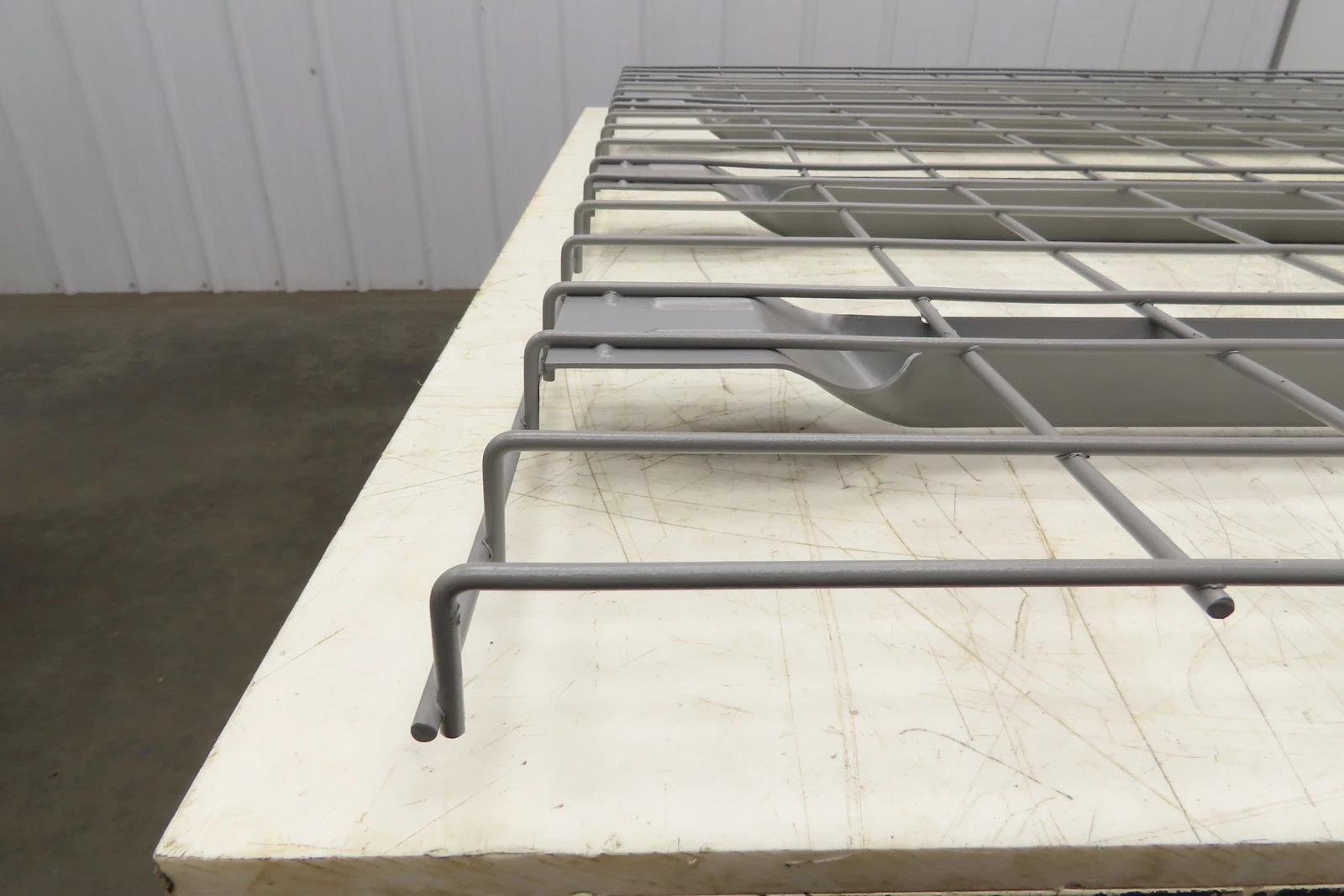
How Do Pallet Racks Reduce Product Damage In Warehouses?
How Do Pallet Racks Reduce Product Damage In Warehouses?
- Pallet racking protects inventory by keeping products off the floor and organized, preventing damage and accidents.
- Raising goods helps avoid water damage, dirt, spills, and reduces the risk of drop, crush, or spill damage.
- Pallet racking promotes ethical product handling, respecting the efforts behind making, packing, and shipping items.
- Organized warehouse lanes and clear spaces reduce accidents, frustration, and improve worker pride and safety.
- High-quality pallet racks are engineered and tested to support heavy loads reliably under daily warehouse conditions.
- Pallet racking improves warehouse flow, minimizes waste, and enhances inventory management efficiency.
- Using pallet racking leads to cost savings, smoother operations, less stress, and a strong foundation for business continuity.
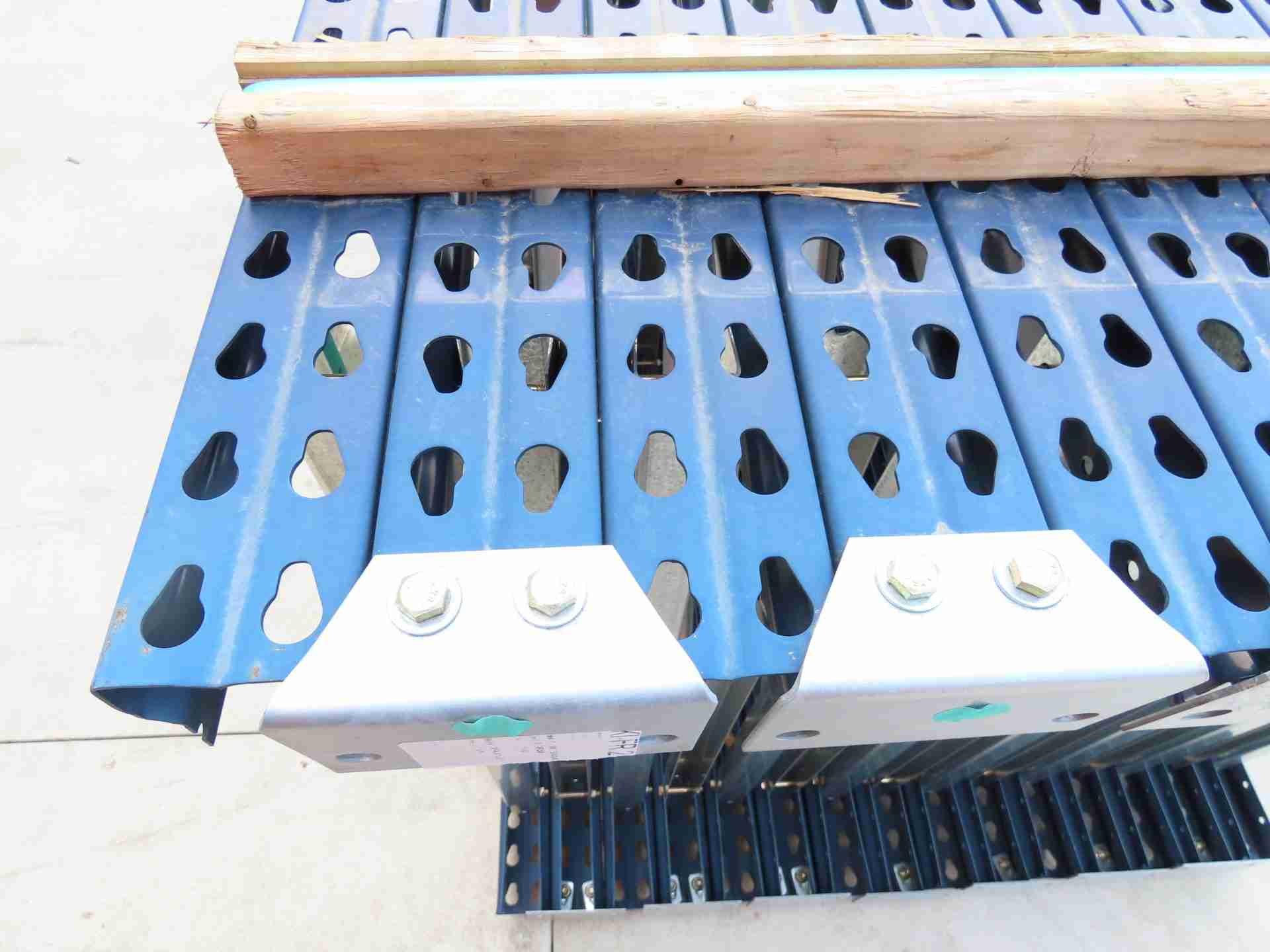
How Do Pallet Racks Reduce Product Damage In Warehouses?
What Safety Standards Apply to Pallet Racking Systems?
When you’re dealing with pallet racking, it’s not just about shoving stuff on shelves and hoping for the best. There are rules, plain and simple, standing between a smooth-running warehouse and a disaster waiting to happen. These safety standards exist because someone, somewhere, learned the hard way that pallet racking is no joke. Too often, a little oversight turns into a big problem—collapsed racks, damaged goods, or worse, people getting hurt. That’s why these standards aren’t just words on paper; they’re the muscle behind doing the job right and keeping everyone safe.
At its core, pallet racking safety standards cover everything from how much weight you pile up to how far apart the beams should sit. They tell you the materials and construction methods that cut down on risk and keep racks sturdy for the long haul. Following them might feel like a hassle when you’re trying to keep the business moving, but it’s about laying a foundation that supports both your inventory and the folks working around it. When racks are built and maintained by the book, it means fewer headaches and a clearer path forward for everyone involved.
On the shop floor, these standards translate into clear, practical steps: proper installation, regular inspections, and repairing any damages before they turn into something ugly. It’s about paying attention to the little things—tightening bolts, replacing bent uprights, or making sure the floor can hold the weight. Seeing those checks routinely done tells you management cares, not just about productivity but about the people who clock in every day. That’s real respect. It’s more than compliance—it’s moral. Because every rack stands under the weight of responsibility to protect lives.
Trust grows when standards are not just followed but respected. When workers know the pallet racking in their aisles won’t jeopardize their safety, they focus better and work harder. That’s how a warehouse becomes a team, not just a workplace—a place where your back doesn’t ache from worry, and everyone can go home the same way they came in. So, keep your eyes open, stick to the standards, and build not just stacking setups but trust that lasts. Pallet racking safety isn’t optional; it’s the quiet backbone keeping your whole operation honest and steady.
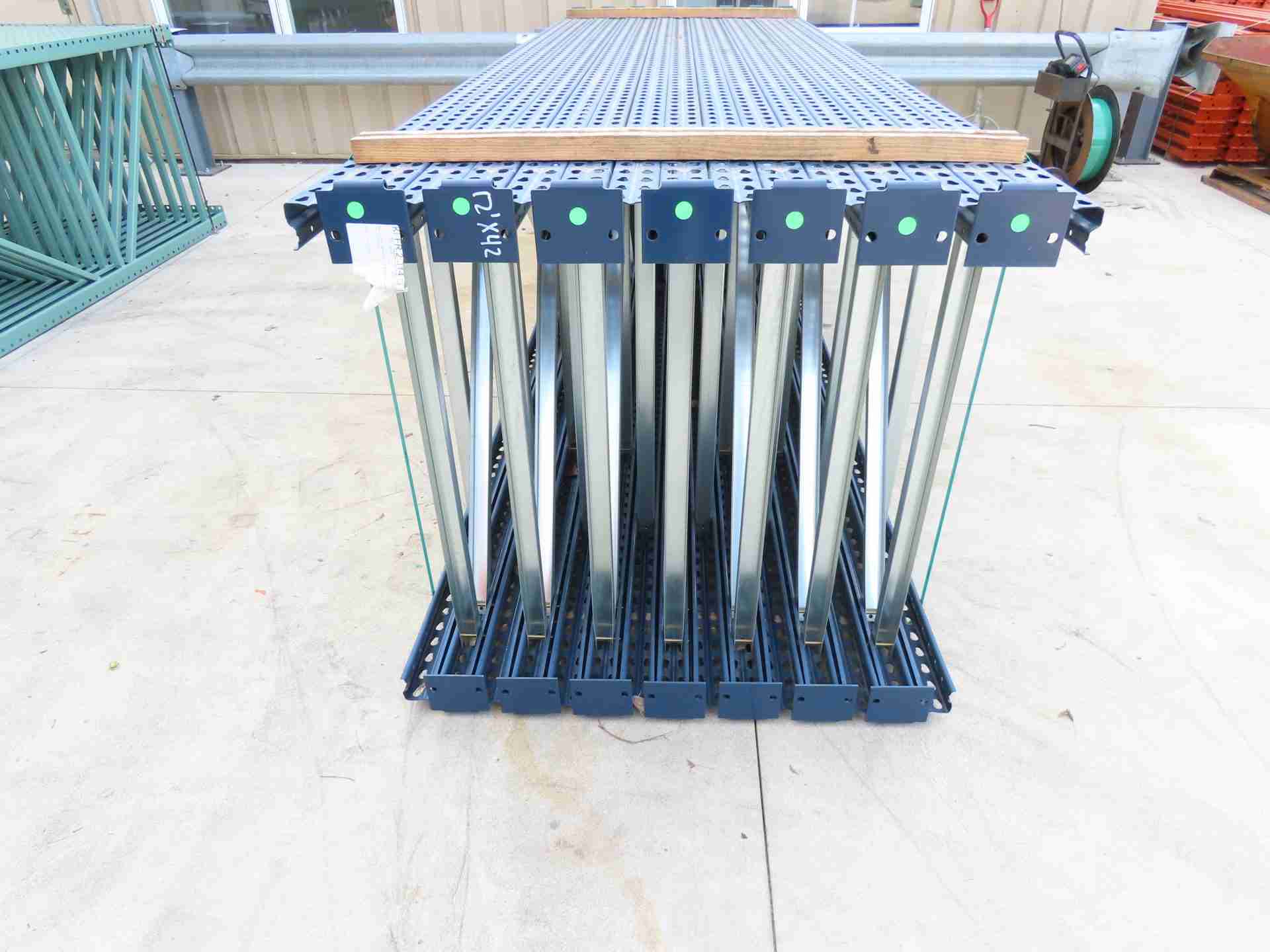
What Safety Standards Apply to Pallet Racking Systems?
What Safety Standards Apply to Pallet Racking Systems?
- Pallet racking safety standards prevent disasters by ensuring proper use and avoiding collapsed racks, damaged goods, and injuries.
- These standards specify weight limits, beam spacing, materials, and construction methods to maintain sturdy, safe racks.
- Following safety standards supports both inventory integrity and worker safety, reducing operational issues.
- Practical safety steps include proper installation, regular inspections, and timely repairs of damages.
- Attention to details like tightening bolts and ensuring floor strength reflects management’s care for worker safety and respect.
- Respecting safety standards builds worker trust, improves focus, and fosters a team-oriented warehouse environment.
- Pallet racking safety is essential and foundational to a stable, honest, and smooth warehouse operation.
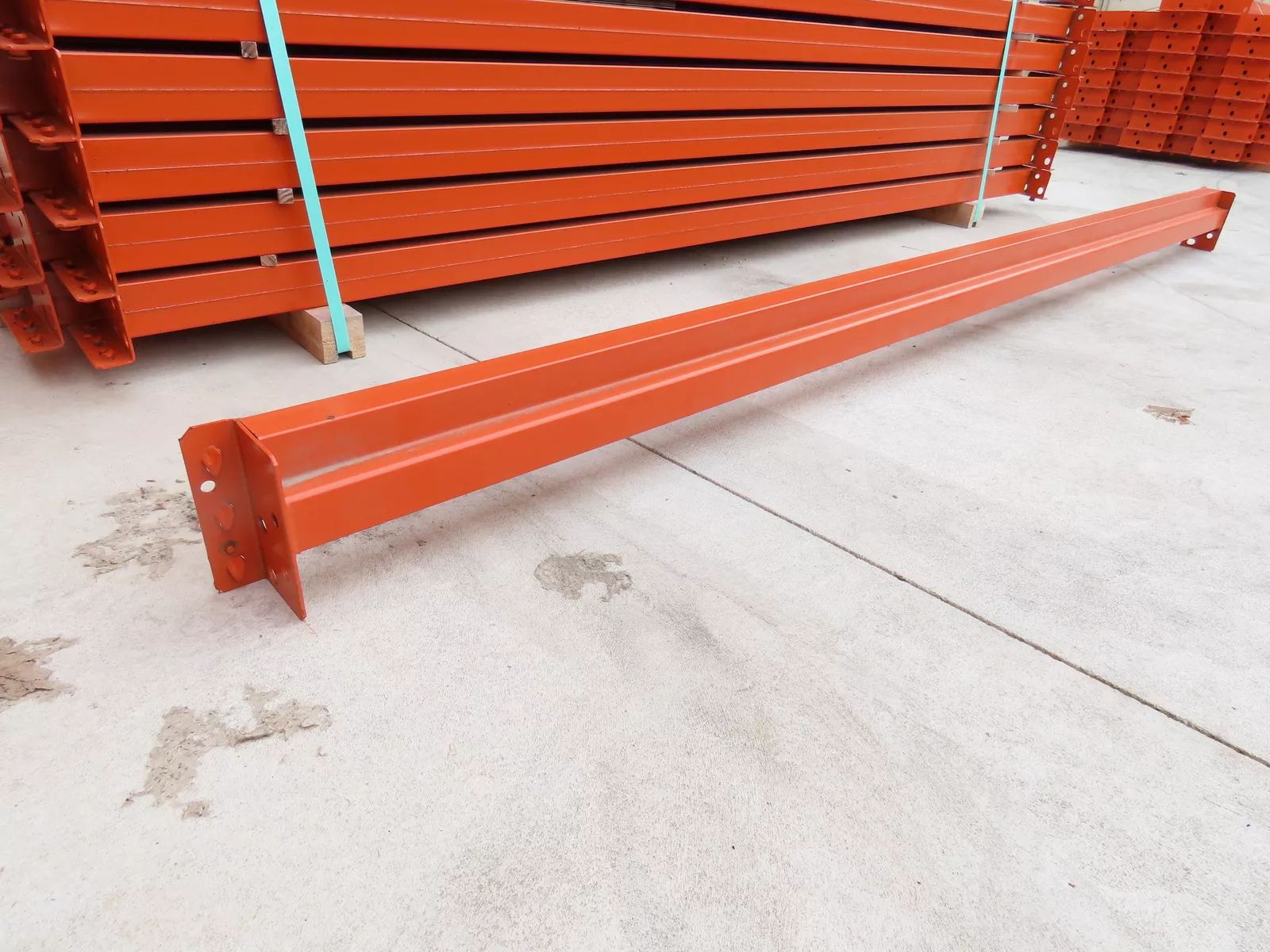
What Safety Standards Apply to Pallet Racking Systems?
How Does Pallet Racking Optimize Space In Distribution Centers?
When you walk into a busy distribution center, there’s a kind of organized chaos buzzing all around. Boxes stacked high, forklifts whirring back and forth, people hustling to keep things moving. Now imagine all that space wasted—just piles of stuff jumbled up with no rhyme or reason, making it a headache to find a single crate. That’s where pallet racking steps in like the unsung hero of the warehouse world.
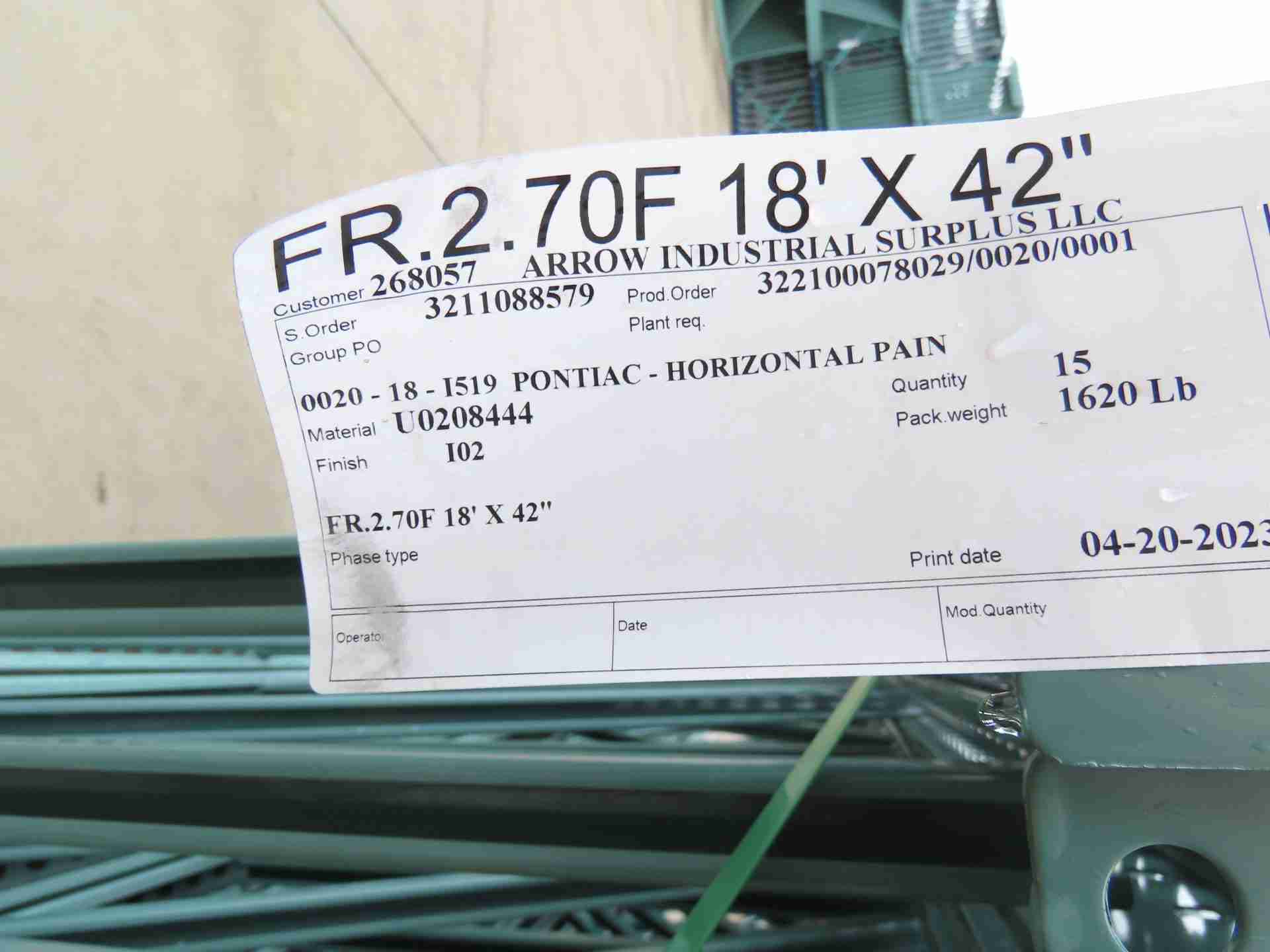
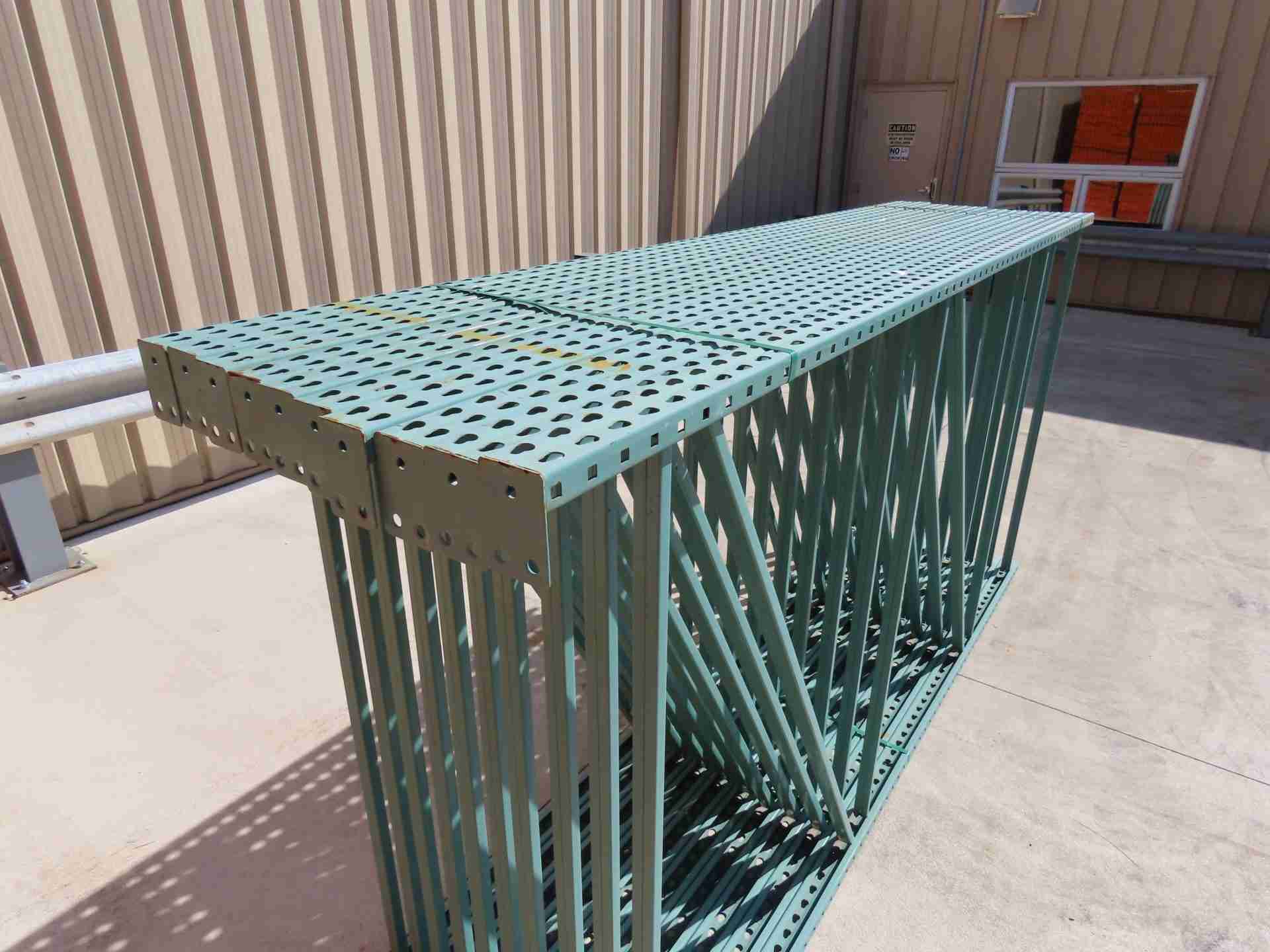
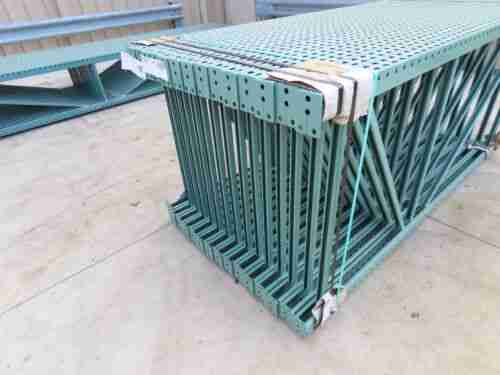
Pallet racking isn’t fancy; it’s straightforward steel frames and shelves built tough to hold heavy loads. But it’s so much more than just metal beams. It’s a system that knows how to squeeze every inch from a warehouse. Instead of stacking pallets on the floor, piled awkwardly and dangerously, pallet racking creates vertical highways. It opens your eyes upward, transforming an ordinary room into a three-dimensional storage powerhouse. Suddenly, space isn’t your enemy; it’s your ally.
You’re not just getting more room—you’re getting smarter space. Pallet racking helps keep your stock systematic and accessible. That means fewer mistakes, quicker pick times, and less wear and tear on your crew who don’t have to climb over clutter or waste hours searching. It saves time, and time is money in distribution, where deadlines don’t wait for anyone.
There’s an ethical side too. Using pallet racking means safer conditions. When loads are stacked properly and securely, the risk of accidents drops, protecting workers from harm. And that trust in a safe workplace builds loyalty and pride among the team. They know management cares enough to invest in systems that don’t just fill the warehouse, but also look out for them.
It also tells a story about respect—respect for your inventory, your people, and your bottom line. Pallet racking shows you mean business. It’s a proven method companies rely on to keep operations smooth and efficient, earning trust from partners and customers alike. When your storage speaks volumes about your professionalism, it becomes easier to build relationships that last.
So, whether you’re managing a small hub or a sprawling center, the choice to use pallet racking isn’t just about space—it’s about working smarter, safer, and with a little tough love for the warehouse that holds your livelihood. It’s hands-on sense wrapped in steel, turning chaos into order and helping everyone get home safe after a day’s work.
How Does Pallet Racking Optimize Space In Distribution Centers?
How Does Pallet Racking Optimize Space In Distribution Centers?
- Pallet racking transforms chaotic warehouse spaces into organized, vertical storage systems, maximizing available space.
- It consists of durable steel frames and shelves designed to hold heavy loads safely and efficiently.
- By creating vertical storage, pallet racking increases accessibility and reduces time spent searching for items.
- Using pallet racking minimizes errors, speeds up picking processes, and reduces physical strain on workers.
- Properly installed pallet racking enhances workplace safety by securely stacking loads and lowering accident risks.
- Pallet racking reflects respect for inventory, employees, and business operations, fostering trust and professionalism.
- It is a strategic investment for any warehouse, promoting smarter, safer operations and helping protect workers daily.
How Does Pallet Racking Optimize Space In Distribution Centers?
Can Pallet Racks Support Various Sizes Of Grocery Products?
When it comes to stocking a grocery store, there’s no one-size-fits-all answer. Pallet Racking knows this better than anyone who’s lugged a heavy box across a warehouse floor or battled a mountain of mismatched products trying to make sense of it all. These racks aren’t just steel beams bolted together; they’re the backbone of how groceries get from the loading dock to the shelves where customers rely on them. The real beauty of Pallet Racking is in its rugged flexibility—its ability to handle the chaotic variety of sizes and shapes that grocery products come in. From towering stacks of canned tomatoes to bundles of fragile bread, this system holds steady when everything else feels like it’s about to topple over.
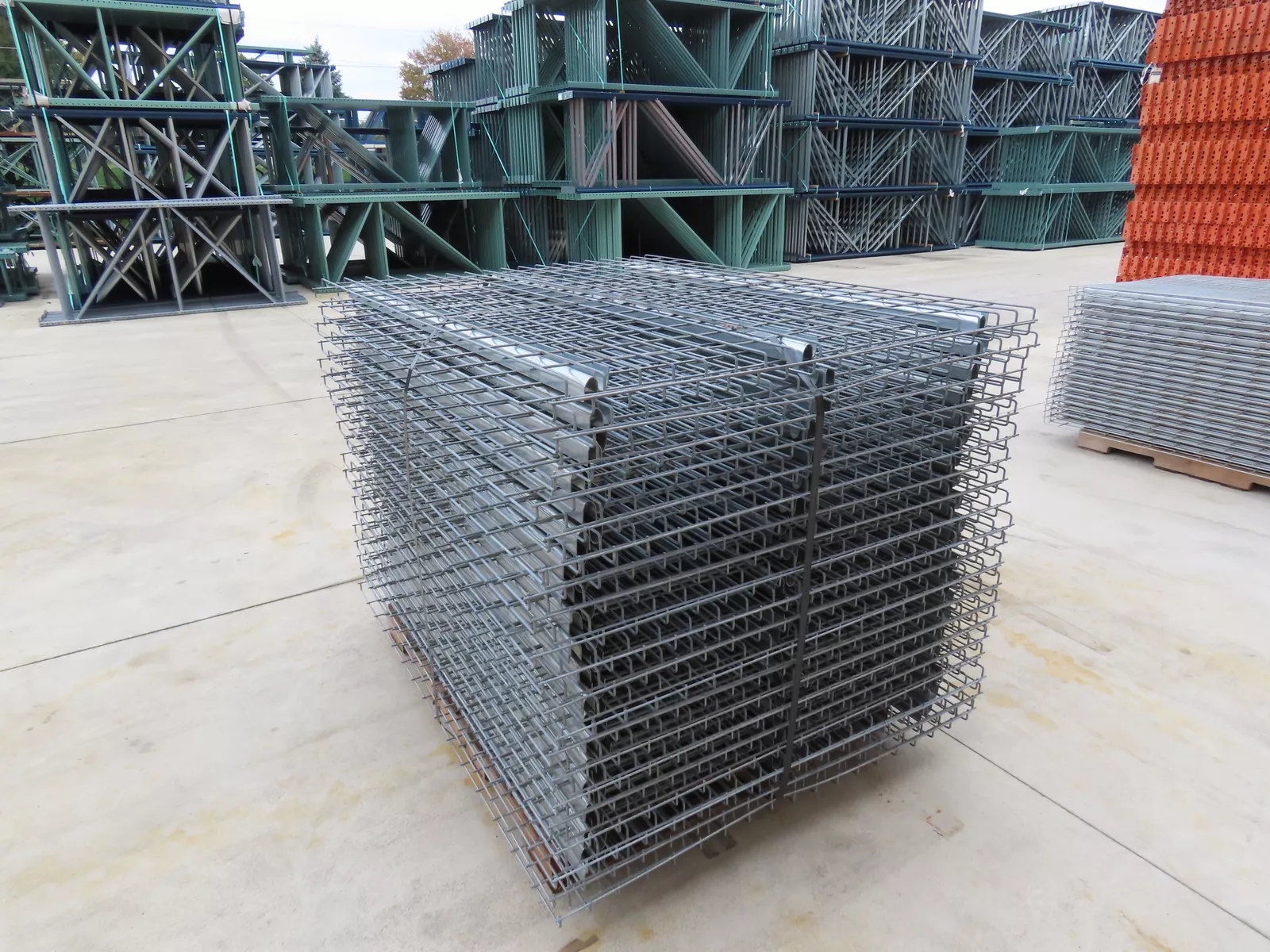
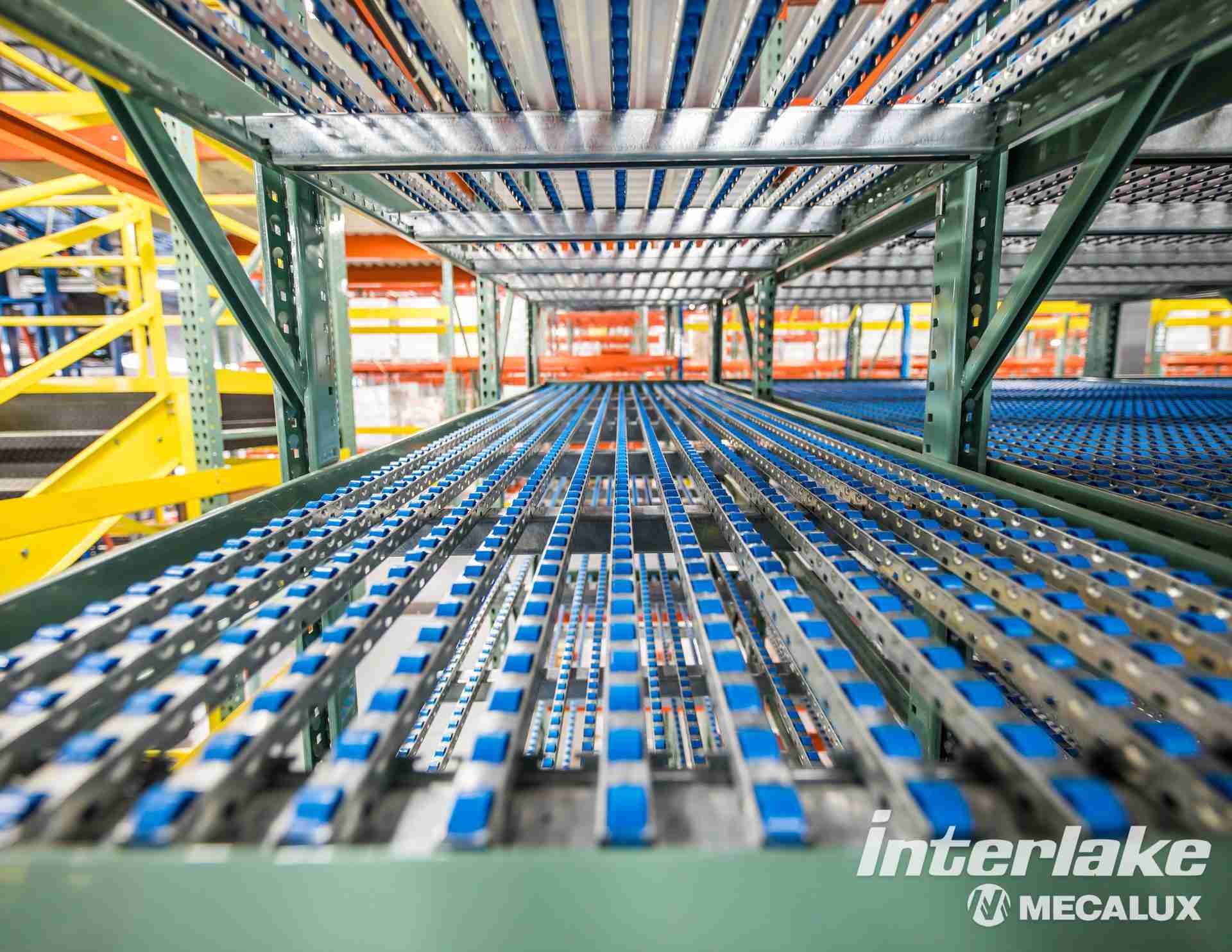
You’ve got your bulk items, the giant bags of flour or sugar, heavy and unforgiving. Then there are the smaller, oddly shaped boxes, the delicate packages that need a gentle touch or a secure spot just right. Pallet Racking is the unsung hero that can adapt to all of this. By adjusting the beams and shelves, it fits what’s put on it, supporting the big and small without losing its grip. It’s not just about weight either; it’s about trust. When a customer picks up a carton of eggs or a crate of fresh produce, they need to know that everything got there safely, without shortcuts or weak spots in the setup.
This isn’t just theory learned in an office; it’s real-world stuff, built from years of working alongside those who move these goods every day. Pallet Racking systems that don’t hold up can cost time, money, and worse—a reputation. Keeping them strong and versatile shows care, respect, and professionalism. It’s ethical to ensure safety and reliability, whether it’s a small neighborhood store or a sprawling supermarket warehouse. Trust here isn’t handed out lightly; it’s earned in the bends and dents, the maintenance and adjustments that keep loads steady and shelves organized.
Folks who work these floors understand that a well-planned Pallet Racking setup makes all the difference—it turns chaos into order and frustration into confidence. When grocery products of all shapes and sizes find a proper home, it’s a quiet victory that keeps the whole supply chain moving, keeps shelves stocked, and customers coming back. That’s why investing in good, adaptable Pallet Racking isn’t just smart—it’s necessary. It’s the kind of common-sense solution that feels as solid as shaking hands with a hardworking partner who’s got your back.
Can Pallet Racks Support Various Sizes Of Grocery Products?
Can Pallet Racks Support Various Sizes Of Grocery Products?
- Pallet Racking is essential for efficiently moving groceries from loading docks to shelves, serving as the backbone of store stocking.
- Its rugged flexibility allows it to accommodate a wide variety of product sizes and shapes, from heavy bulk items to fragile packages.
- The system’s adjustable beams and shelves provide secure support for both large and small products, ensuring stability and safety.
- Reliability in Pallet Racking builds trust with customers, guaranteeing products arrive intact without shortcuts or weak points.
- Effective racking systems reflect care, professionalism, and ethical responsibility, preventing costly disruptions and maintaining reputation.
- A well-designed Pallet Racking setup transforms warehouse chaos into organized efficiency, benefiting the entire supply chain.
- Investing in adaptable Pallet Racking is necessary, offering a dependable solution that supports consistent stocking and customer satisfaction.
Can Pallet Racks Support Various Sizes Of Grocery Products?
How Do Grocery Centers Track Inventory on Pallet Racks?
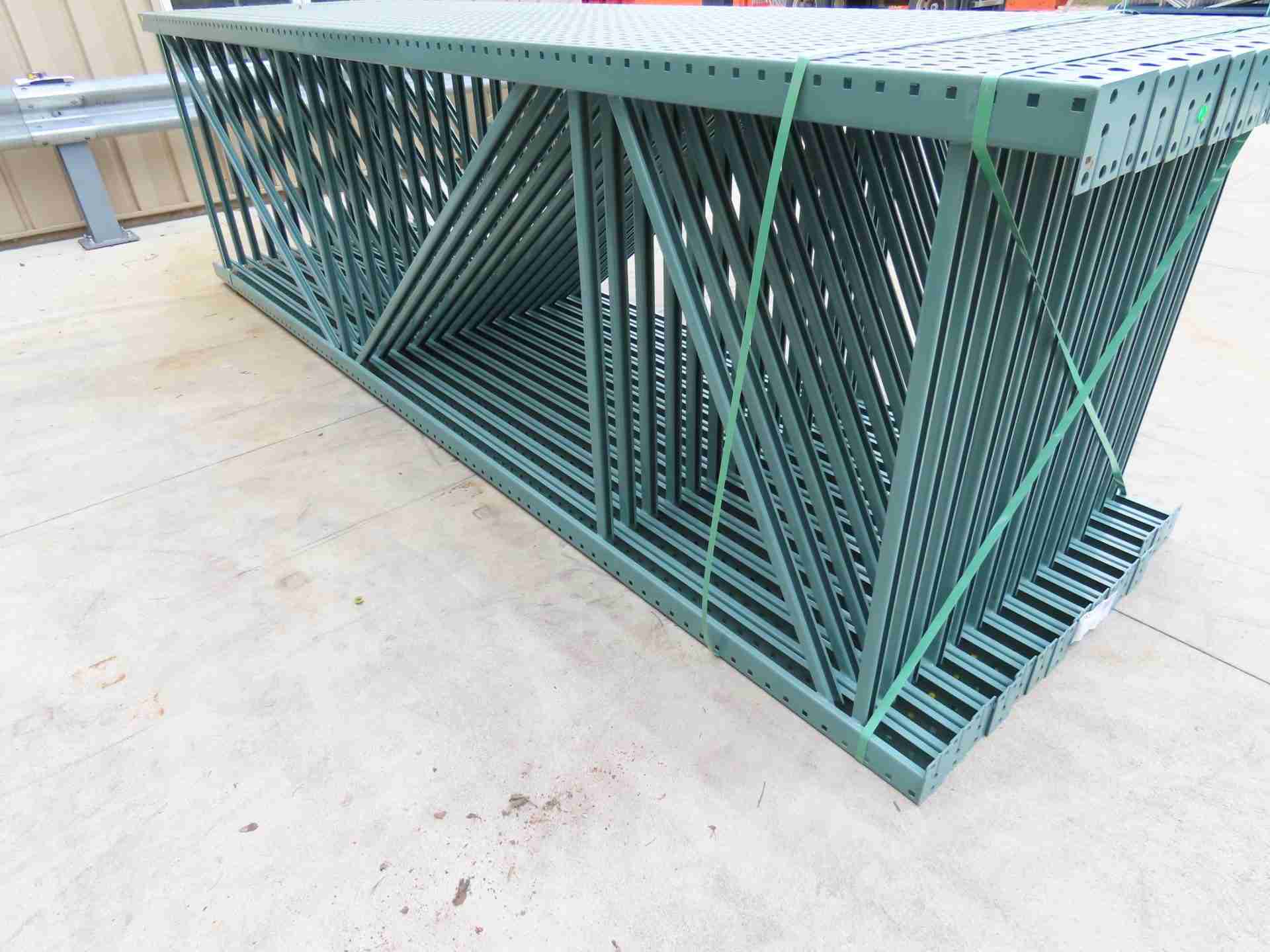
You walk into a grocery center and see row after row of pallet racking stacked with products—everything from canned beans to bottled sauces. It looks like organized chaos, but behind the scenes, there’s a method to the madness that keeps those shelves from running dry or sitting with waste. Tracking inventory on pallet racks isn’t just about slapping on barcodes and hoping for the best. It’s about knowing what’s there, where it is, and when it needs to move—plain and simple.
Ground-level workers and warehouse managers rely on a mix of solid, no-nonsense tools and systems. First off, every pallet on those racking units gets tagged with an ID—whether it’s a barcode or an RFID chip. This lets folks scan items quickly as they come in or go out, cutting down on mistakes that happen when you try to keep inventory in your head or on scraps of paper. It’s about respect for the work, not trusting tech blindly but letting it back up the muscle and sweat of the team. A solid pallet racking setup without a reliable tracking system is just a pile of boxes waiting to cause headaches.
Rationally speaking, this system saves time and money. You avoid overstocking perishables that end up spoiling and understocking essentials that leave shoppers frustrated. When the inventory is tracked well, everyone from the truck driver to the cashier knows what’s moving and what isn’t. That’s ethical too—keeping products fresh and shelves full so customers get what they need without waste. It’s the kind of practice that shows you care about community and the resources that feed it.
Tracking inventory this way also builds trust. Workers feel confident that their hustle doesn’t get lost in paperwork, and customers trust that their neighborhood grocery center is on top of its game. Pallet racking might look straightforward, but when paired with smart tracking, it becomes the backbone of a system that respects effort, cuts waste, and keeps the lights on. That’s the kind of down-to-earth practicality that earns repeat business and long-term success.
At the end of the day, it’s all about being real—knowing what you have, using it wisely, and making sure it’s ready when the next person needs it. Because in this line of work, that’s not just smart, it’s necessary.

How Do Grocery Centers Track Inventory on Pallet Racks?
How Do Grocery Centers Track Inventory on Pallet Racks?
- Grocery centers use pallet racking to organize a wide range of products efficiently, balancing chaos with method.
- Inventory tracking involves tagging every pallet with an ID (barcode or RFID) to enable quick, accurate scanning in and out.
- The system reduces errors by replacing manual tracking with reliable technology, supporting the efforts of warehouse workers.
- Effective tracking saves time and money by preventing overstocking perishables and understocking essential items.
- Maintaining fresh products and full shelves supports ethical practices and community resource care.
- Inventory tracking builds trust among workers and customers, ensuring confidence in the grocery center’s operations.
- Smart pallet racking and tracking form an essential system that minimizes waste, respects labor, and drives long-term success.
How Do Grocery Centers Track Inventory on Pallet Racks?
Conclusion
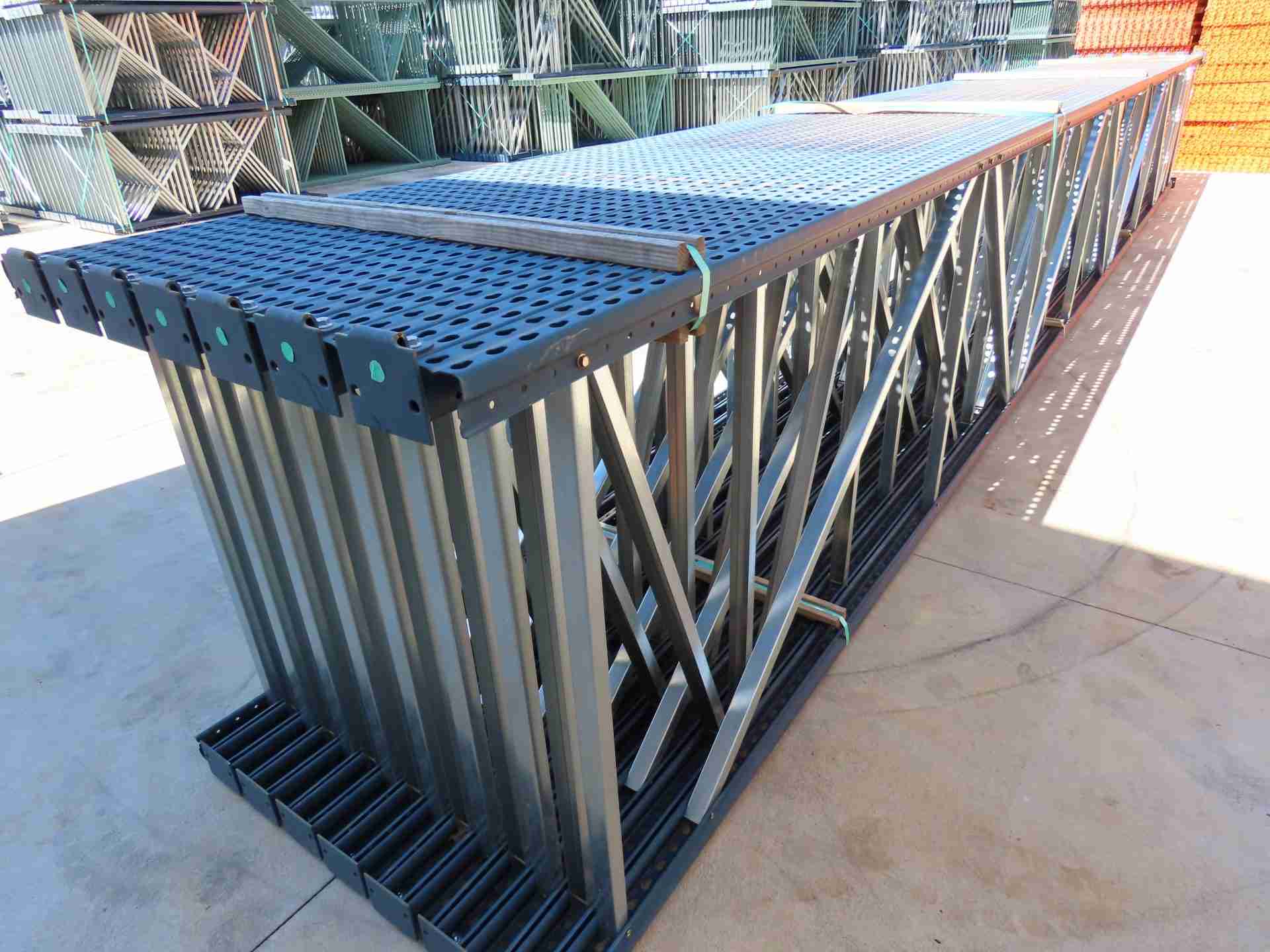
In the thick of grocery distribution, pallet racking is the unsung workhorse that shapes every success story. It’s not flashy; it’s raw, practical steel doing the heavy lifting—literally and figuratively. Without it, warehouses would be chaos—products piled high with no order, forklifts inching through cluttered aisles, and workers hunting endlessly for what they need. Pallet racking carves out space not just physically, but mentally, giving every item its place and keeping the whole operation humming. It saves time that would otherwise be wasted chasing down goods, cuts down accident risks, and shields products from damage that could derail the supply chain.
This system isn’t just about speed and space; it’s built on respect. Respect for the goods—keeping fragile, varied products safe and secure from the dock to the shelves. Respect for the workers—offering safer, more organized environments where muscle and skill don’t come at the cost of strain or injury. And respect for the community—using every inch of space wisely, reducing waste, and delivering fresh food reliably. Pallet racking isn’t a convenience; it’s a moral choice, a quiet promise that each box and bag gets handled with care, so the people relying on those groceries get what they deserve.
Efficiency isn’t just about fitting more stuff in less space, though it does that like a champ. It’s about a system that’s flexible enough to handle the wide variety of grocery products—heavy sacks, delicate loaves, oddly shaped boxes—without losing grip or risking a mess. It’s about pairing this steel backbone with smart inventory tracking, so nobody’s working blind. Every pallet tagged, every item accounted for—that’s how a grocery distribution center keeps its promises. It means fresher shelves, less spoilage, and customers who trust their hometown store to be ready when hunger calls.
Behind the scenes, safety standards aren’t ignored or shrugged off; they’re the foundation. Well-installed racks, regular inspections, and maintenance aren’t bureaucratic box-checking—they’re lifesavers. When workers know the racks won’t buckle under pressure, they can focus on the real task: moving mountains of groceries efficiently and safely. That kind of trust doesn’t come from fancy tech or gimmicks—it comes from solid engineering, steady hands, and a culture that values people over shortcuts.
In a world that keeps wanting more, faster, and fresher, pallet racking is the unsung hero. It transforms clutter into order, waste into care, and backbreaking work into steady progress. It’s a system forged from hands-on grit and common sense, quietly earning trust day after day. Without it, grocery distribution centers wouldn’t just slow down—they’d stumble. With it, they stand strong, ready for whatever comes next, keeping communities fed and livelihoods intact. It’s simple, tough, and necessary—a foundation as solid as the work ethic that keeps the shelves stocked and the lights on.
Conclusion
Conclusion:
- Pallet racking is essential in grocery distribution, providing order and efficient space use in warehouses.
- It enhances safety by reducing accidents and protecting products from damage.
- The system respects goods, workers, and the community by securing items, creating safer work environments, and minimizing waste.
- Designed for flexibility, pallet racking accommodates a variety of grocery products without compromising stability.
- Integration with smart inventory tracking ensures accurate product management and fresher shelves.
- Safety standards, including proper installation and maintenance, are fundamental to reliable warehouse operations.
- Pallet racking transforms warehouse chaos into organized, efficient progress, supporting the steady supply of groceries to communities.

Conclusion
Other Resources

Other Resources
Here is a list of other resources you can review online to learn more:
- Wolter
- Logic Material Handling
- Teardrop Industrial Shelving Rack
- Teardrop Uprights
- Pallet Racks, Pallet Racking, Pallet Shelves in Stock – ULINE
- What is Selective Pallet Racking
- MHI
- Heavy-Duty Cantilever Storage Racks
- Teardrop Pallet Rack – Ridg-U-Rak
- BMH Equipment LLC
- CA Wire
- Cantilever Racking Specialists – Get the Right Racks
- Overhead Lifting
- Cantilever Rack Guide: Ordering Cantilever Racking
- Warehouse Racking Systems: Beginner’s Guide to Rack Systems
- Pallet Racking 101: A Comprehensive Guide & Options Explained
- Selective Pallet Racking Systems – Container Systems
- Warehouse Storage Racks
- Bradford Systems
Use This Prompt To Get More Resources With Your Favorite Online AI Tool: Please provide me with a list of online articles with their URLs in a bulleted list that I can read regarding How Do Grocery Distribution Centers Leverage Pallet Racking?

Other Resources
Glossary Terms
How Do Grocery Distribution Centers Leverage Pallet Racking? – Glossary Of Terms
1. Pallet Racking: A storage system designed to hold materials on pallets in horizontal rows with multiple levels.
2. Distribution Center: A facility where goods are received, stored, and shipped to retailers or customers.
3. Inventory Management: The process of ordering, storing, and using a company’s inventory.
4. Load Capacity: The maximum weight that a pallet rack can safely hold.
5. Selective Racking: A pallet racking system that allows direct access to each pallet.
6. Double-Deep Racking: A racking system where pallets are stored two deep to increase storage density.
7. Drive-In Racking: A system that allows forklifts to drive directly into the rack structure to store or retrieve pallets.
8. Picking Efficiency: The speed and accuracy with which items are selected from inventory for shipping.
9. FIFO (First In, First Out): An inventory method where the oldest stock is used or shipped first.
10. LIFO (Last In, First Out): An inventory method where the newest stock is used or shipped first.
11. Pallet Jack: A manual or powered tool used to lift and move pallets within a warehouse.
12. Forklift: A powered vehicle used to lift and move pallets onto racks.
13. Slotting: The process of organizing products in the warehouse to optimize picking and storage.
14. Cross-Docking: A logistics practice where incoming goods are directly transferred to outbound trucks with minimal storage.
15. Warehouse Management System (WMS): Software that controls and manages warehouse operations.
16. Storage Density: The amount of product stored per square foot of warehouse space.
17. Load Stability: The resistance of stacked pallets to shifting or collapsing.
18. Safety Beam: A structural element added to racks to enhance load support and safety.
19. Beam Clamp: A device used to secure beams to uprights in pallet racking.
20. Upright Frame: Vertical supports in a pallet racking system.
21. Wire Decking: A mesh or wire platform placed on beams to support pallet loads.
22. Pallet: A flat transport structure used to support goods in a stable manner.
23. Rack Protection: Measures like guards or barriers to prevent damage to racking systems.
24. Slot Optimization: Arranging storage slots to maximize space utilization and retrieval speed.
25. Order Fulfillment: The complete process from receiving an order to delivery.
26. Automated Storage and Retrieval System (AS/RS): A system using robots or machines to store and retrieve pallets.
27. Temperature-Controlled Storage: Storage environments maintained at specific temperatures for perishable goods.
28. Cycle Counting: Regularly scheduled inventory audits to ensure accuracy.
29. Throughput: The volume of goods handled by a distribution center in a given time.
30. Pallet Configuration: The arrangement and size of pallets to optimize storage and handling.
Glossary Of Terms
Other Questions
How Do Grocery Distribution Centers Leverage Pallet Racking? – Other Questions
If you wish to explore and discover more, consider looking for answers to these questions:
- What are the different types of pallet racking systems and which is best for grocery distribution centers?
- How much does pallet racking cost to purchase and install?
- What is the expected return on investment (ROI) for installing pallet racking?
- How do you calculate load capacity and weight limits for each rack level?
- What floor and building requirements must be met before installing pallet racking?
- How often should pallet racking be inspected and by whom?
- What common signs of rack damage require immediate repair or replacement?
- How do pallet racking systems differ for ambient, refrigerated, and frozen storage?
- Which racking layouts best support FIFO vs. LIFO inventory strategies?
- How do you optimize aisle width and layout for different forklifts and picking equipment?
- What safety features and accessories (guards, column protectors, netting) are recommended?
- What fire safety and sprinkler considerations apply to pallet racking installations?
- What regulatory standards and codes (OSHA, ANSI, RMI, local building codes) must be followed?
- How should racking be anchored and braced in seismic or high-wind zones?
- How can pallet racking be integrated with WMS, barcode, and RFID systems?
- What are best practices for labeling and locating pallets on racks?
- How do you handle mixed-size pallets and irregular loads safely?
- What maintenance routines minimize product damage and prolong rack life?
- How do you train staff to safely load, unload, and move pallets on racking?
- What are the pros and cons of automated storage and retrieval systems (AS/RS) vs. traditional racking?
- How do pallet racking decisions affect picking speed and order fulfillment metrics?
- What KPI’s should distribution centers track to measure racking performance?
- How can racking be redesigned or retrofitted to increase capacity without expanding the building footprint?
- What insurance implications or requirements relate to pallet racking systems?
- How do you select reputable vendors and installers for pallet racking?
- What is the typical lifespan of pallet racking, and when should it be replaced?
- How does pallet quality and standardization affect racking performance?
- What environmental controls (humidity, ventilation) interact with racking and product preservation?
- How should centers plan for seasonal demand spikes in racking layout and inventory staging?
- What are common mistakes to avoid when designing or implementing pallet racking?
Other Questions
Checklist
How Do Grocery Distribution Centers Leverage Pallet Racking? – A Checklist
Objectives and Planning
✅______ Define throughput, cube utilization, pick rate, and damage rate KPIs
✅______ Map SKU velocity, dimensions, weights, pallet types, and temperature zones
✅______ Determine FIFO/FEFO requirements per product family
✅______ Align layout with dock flow, staging, and cross-dock needs
Building and Code Readiness
✅______ Verify floor slab capacity, flatness, and condition
✅______ Confirm seismic design category and local code requirements
✅______ Validate fire protection (NFPA 13) compliance, sprinkler type, and commodity class
✅______ Plan flue spaces (transverse and longitudinal) and egress routes
Rack System Selection
✅______ Choose rack types by use case (selective, double-deep, drive-in/through, push-back, pallet flow)
✅______ Assign rack types to SKU velocity and turnover (FIFO or LIFO)
✅______ Specify finishes for ambient, cooler, and freezer (e.g., galvanized in cold rooms)
✅______ Include wire decking, pallet supports, or netting where needed
Engineering and Capacity
✅______ Obtain PE-stamped load calculations and drawings
✅______ Post load plaques with bay and level capacities and clearances
✅______ Set beam elevations to product height plus safety clearance
✅______ Verify allowable pallet overhang and beam deflection limits
Aisles, Equipment, and Traffic
✅______ Size aisle widths for equipment (counterbalance, reach, and VNA/turret)
✅______ Define one-way aisles, speed limits, horn points, and right-of-way
✅______ Install pedestrian lanes, barriers, mirrors, and signage
✅______ Allocate staging, replenishment, and shipping and receiving lanes
Pallet and Unit Load Standards
✅______ Specify pallet grades, dimensions, and repair criteria
✅______ Standardize stretch wrap, banding, and label placement
✅______ Prohibit damaged pallets and unstable unit loads
✅______ Set rules for mixed-SKU pallets and case-pick levels
Installation and Protection
✅______ Anchor all uprights; verify torque and embedment
✅______ Check plumbness, level, and row spacers per specification
✅______ Install column guards, end-of-aisle protectors, and rack backstops
✅______ Maintain required flue spaces and sprinkler clearances
Cold Storage Considerations
✅______ Use corrosion-resistant materials and hardware
✅______ Address condensation, defrost cycles, and floor heaters
✅______ Confirm tire type and braking performance for cold rooms
✅______ Plan anti-slip walkways and ice management
Safety Standards and Training
✅______ Conform to RMI/ANSI MH16.1 and MH16.3, OSHA 1910, NFPA 13, and IBC
✅______ Train operators on load limits, lift techniques, and rack strikes
✅______ Post SOPs for loading and unloading and exception handling
✅______ Enforce PPE and pedestrian safety protocols
Space Optimization and Slotting
✅______ Slot fast movers in the golden zone and along the shortest travel paths
✅______ Use pallet flow for FIFO perishables; push-back for high-density LIFO
✅______ Balance cube utilization with accessibility targets
✅______ Right-size reserve versus forward pick locations
Inventory Control and Labeling
✅______ Assign location IDs to every bay, level, and slot
✅______ Install durable rack labels with barcodes or 2D codes and check digits
✅______ Use pallet IDs (license plates) via barcode or RFID
✅______ Integrate WMS for receiving, moves, replenishment, and cycle counts
Product Damage Prevention
✅______ Keep goods off the floor; use decking for non-palletized items
✅______ Enforce load height and weight limits and stable stacking
✅______ Protect delicate SKUs with separators, corner boards, or dunnage
✅______ Maintain clear pick faces to avoid crushing or impact
Operational Flow
✅______ Define replenishment min/max and triggers
✅______ Optimize pick paths (batch, cluster, and wave, or waveless)
✅______ Separate putaway, pick, and shipping lanes to reduce conflicts
✅______ Use visual cues for aging stock and priority pulls
Inspection and Maintenance
✅______ Conduct daily visual checks for damage and obstructions
✅______ Perform monthly detailed rack inspections and document findings
✅______ Tag out and repair damaged components before use
✅______ Keep a rack strike log and corrective action record
Housekeeping and Sanitation
✅______ Maintain clear bottoms and aisles for cleaning access
✅______ Control spills quickly; protect drains and product
✅______ Implement pest control around racking and docks
✅______ Remove debris and shrink wrap tails from travel paths
Emergency Readiness
✅______ Keep fire extinguishers accessible and inspected
✅______ Maintain clear egress and marked muster points
✅______ Train on rack impact response and evacuation procedures
✅______ Store no goods in egress or flue spaces
Sustainability and Energy
✅______ Track cube utilization to reduce footprint and travel
✅______ Use LED and task lighting with controls in aisles
✅______ Optimize battery charging ventilation and safety
✅______ Monitor fuel and electric energy use per pallet moved
Performance and Continuous Improvement
✅______ Monitor picks per hour, dock-to-stock time, cube utilization, and damage rate
✅______ Track rack strikes, near misses, and safety observations
✅______ Re-slot quarterly or by seasonality and demand shifts
✅______ Review KPIs monthly and implement targeted improvements
Documentation and Spares
✅______ Maintain as-builts, calculations, manuals, and warranties
✅______ Control changes with revision history and approvals
✅______ Stock critical spare parts (beams, uprights, guards, labels)
✅______ Keep vendor contacts and part numbers readily available
Checklist
At RackingWorld, we help guide you through selecting warehouse storage systems and racking.
Be sure to read our other related stories at RackingWorld to learn more about warehouse storage systems.
0 Comments