
Maximizing Safety, Efficiency, And Trust In Generic Drug Storage Solutions
By Tom Seest
At RackingWorld, we help guide you through selecting warehouse storage systems and racking.
Be sure to read our other related stories at RackingWorld to learn more about warehouse storage systems.
How Do Generic Drug Packagers Leverage Pallet Racking?
When it comes to generic drug packagers, pallet racking isn’t just some fancy warehouse setup—it’s the backbone of getting lifesaving medicine out the door without a hitch. Picture this: stacks of boxes, each one packed with the stuff millions rely on daily. Without pallet racking, it’d be a cluttered mess, a logistical nightmare slowing down a process that can’t afford to wait.
Using pallet racking means making the most of every square foot—vertical space becomes a silent hero. It’s like turning a cramped garage into a neatly organized toolbox where you can find exactly what you need without tearing the place apart. For drug packagers, that means orders get filled faster, mistakes get cut down, and the whole operation runs smoother. That’s not just good business sense—it’s about honoring the trust people place when they buy that generic medicine instead of a pricey brand name.
There’s something downright satisfying about a well-laid-out pallet racking system, too. Folks on the warehouse floor know that when things are stacked properly, everyone’s job gets easier. It keeps the packages safe, prevents damage, and cuts down on waste. When medicine arrives in good shape, it’s a small but mighty way of respecting the health and well-being of those relying on it.
Beyond efficiency, using pallet racking reflects a commitment to doing things right. It’s a kind of quiet professionalism that says we care about the product, the process, and the people—whether it’s the warehouse crew sweating it out during long shifts or the families counting on their prescriptions. Seeing those racks stocked tall and stable is a good reminder that, even in the gritty world of packing and shipping, there’s pride in the work and responsibility in the load.
So when you think about generic drug packagers leveraging pallet racking, it’s not just about storage—it’s about reliability, respect, and getting the job done right. It’s the ground-level hustle that makes sure medicine is where it needs to be, when it needs to be there, standing strong on those trusty racks. That’s what keeps the whole system moving and people’s trust growing.

How Do Generic Drug Packagers Leverage Pallet Racking?
How Do Generic Drug Packagers Leverage Pallet Racking?
- Pallet racking is essential for organizing and efficiently distributing lifesaving generic medicines.
- It maximizes warehouse space by utilizing vertical storage, making order fulfillment faster and reducing errors.
- A well-organized racking system protects packages, prevents damage, and minimizes waste.
- Proper stacking on racks simplifies warehouse work, easing tasks for staff and improving overall operations.
- Using pallet racking demonstrates professionalism and a commitment to product quality and process integrity.
- The system supports reliability and respect for both warehouse workers and the families depending on the medicine.
- Pallet racking is fundamental to ensuring medicines reach their destinations on time, maintaining trust in the supply chain.

How Do Generic Drug Packagers Leverage Pallet Racking?
Table Of Contents
- How Do Generic Drug Packagers Leverage Pallet Racking?
- How Does Pallet Racking Improve Drug Packaging Efficiency?
- What Safety Measures Do Pallet Racks Provide In Packaging?
- How Can Pallet Racking Reduce Packaging Errors?
- Does Pallet Racking Cut Costs for Generic Drug Packagers?
- How Do Pallet Racks Support Regulatory Compliance?
- Can Pallet Racking Speed Up Order Fulfillment Times?
- Conclusion
- Other Resources
- Glossary Of Terms
- Other Questions
- Checklist
How Does Pallet Racking Improve Drug Packaging Efficiency?
When you’re running a drug packaging operation, time is money, but it’s also about responsibility. Every minute wasted on searching for materials or juggling awkward stacks is a minute that could’ve been spent getting safe, effective products into the hands of people who need them. That’s where pallet racking steps up — sturdy, reliable, and straightforward. It’s the kind of gear that doesn’t just hold your inventory; it organizes your whole day, your whole workflow.
Think about the clutter on a busy warehouse floor without pallet racking. Boxes stacked in haphazard piles, workers slowing down to hunt for necessary components. It’s a mess that breeds mistakes, frustration, and delays. Pallet racking offers a practical, common-sense fix: a place for everything and everything in its place. With clear, easy access to stock, your team can move faster, handle with care, and keep quality front and center.
There’s an honest sense of trust in pallet racking. You know what you’re getting—solid, dependable support for your goods. That kind of reliability isn’t just about physical strength; it reflects on your commitment to ethical responsibility. In the drug packaging world, safety isn’t optional, and well-structured storage reduces risks of contamination and mix-ups. That means better outcomes not only for your operation but for the people relying on your products.
On a gut level, it’s satisfying to see a well-run floor. Pallet racking creates space that doesn’t feel like chaos, but like a workshop where every tool and product is ready when you need it. It brings a quiet confidence to the crew — a knowing that the job can get done right and on time. This kind of organization becomes part of the social fabric on the floor, fostering teamwork and pride.
From a head standpoint, efficiency is measurable. Faster picking times, reduced handling errors, and smoother inventory control add up to real savings. Investing in pallet racking isn’t just a cost — it’s a sound business move that elevates the whole process, leaving less room for waste and more room for success.
Pallet racking does more than hold pallets; it holds your operation together. It’s a straightforward solution born from hands-on experience and plain old common sense that makes drug packaging safer, cleaner, and faster. And that means results everyone can count on.

How Does Pallet Racking Improve Drug Packaging Efficiency?
How Does Pallet Racking Improve Drug Packaging Efficiency?
- Pallet racking saves time and enhances responsibility by organizing inventory efficiently in drug packaging operations.
- It eliminates clutter and disorganization on warehouse floors, reducing mistakes, frustration, and delays.
- Offers reliable, sturdy support that ensures safety and ethical responsibility by minimizing contamination and mix-ups.
- Creates an orderly workspace that fosters team confidence, pride, and smooth workflow.
- Improves measurable efficiency through faster picking, fewer errors, and better inventory control.
- Represents a cost-effective investment that reduces waste and boosts overall operational success.
- Functions as a practical, experience-based solution that makes drug packaging safer, cleaner, and faster.
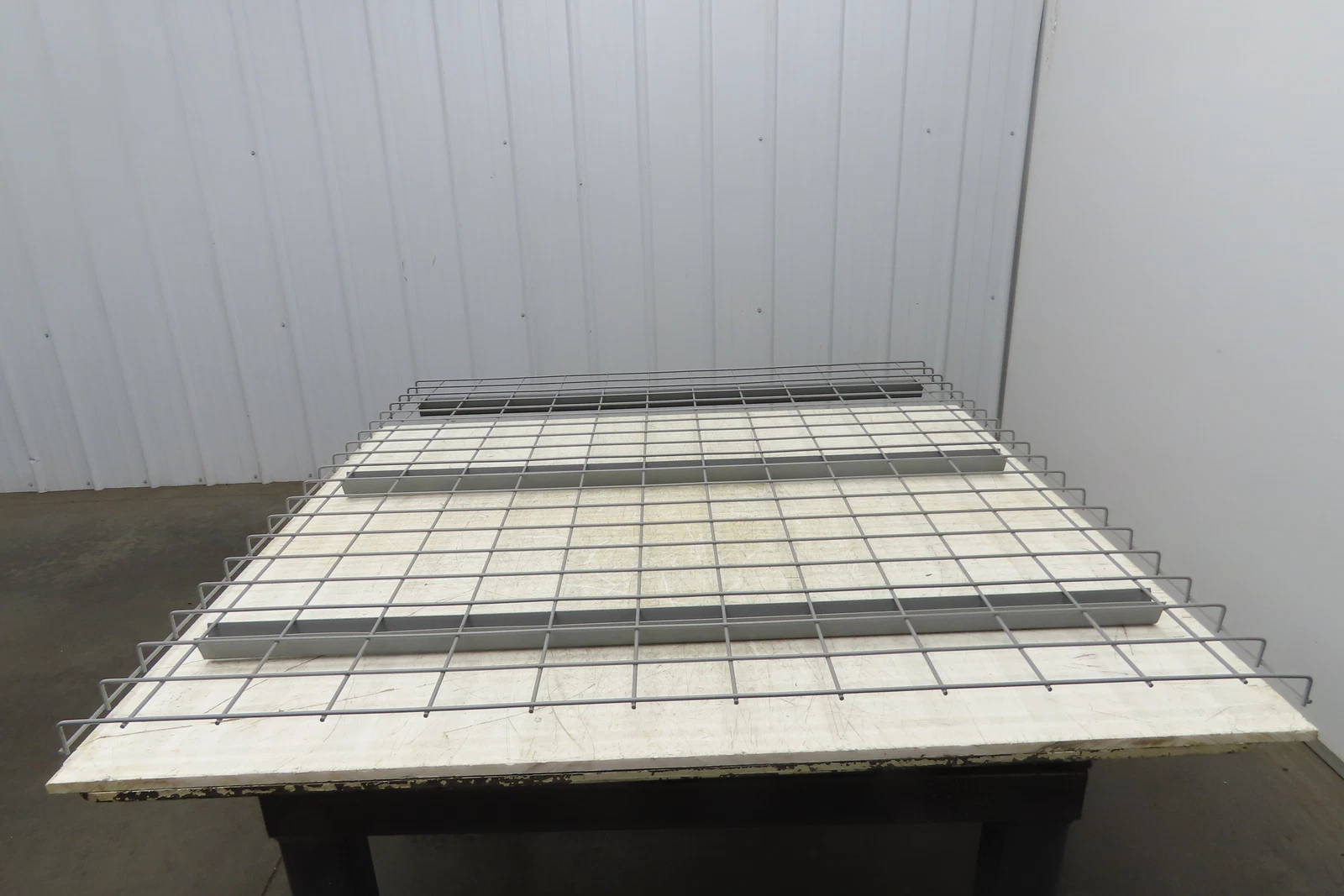
How Does Pallet Racking Improve Drug Packaging Efficiency?
What Safety Measures Do Pallet Racks Provide In Packaging?
When you think about the behind-the-scenes of any packaging operation, pallet racking isn’t just some metal shelves holding up boxes; it’s the backbone that keeps everything—and everyone—safe. Those sturdy racks stop a mess before it even starts. Picture a busy aisle stacked high with goods: without proper pallet racking, chaos and accidents would be waiting to happen. These racks are built tough, designed to handle weight and keep pallets from wobbling or tipping over, which means fewer crushed products and, more importantly, fewer injuries.
It’s more than just steel and bolts. Pallet racking brings peace of mind. Workers moving heavy loads don’t have to worry about a runaway pallet knocking things down or hurting somebody. That trust in your setup lets folks focus on the job, not on dodging disasters. It does the heavy lifting of organization, too—keeping aisles clear, loading efficient, and the whole warehouse running smoother. When everything’s in its place and safely supported, it’s easier to catch problems early, slash downtime, and keep the workflow honest and steady.
There’s a real ethical side to this, too. Every pallet rack installed is a promise: that the company cares about its people, that it values safety as much as productivity. Behind those reliable shelves are hands-on folks who’ve felt the pinch of shortcuts and the cost of corners cut. Using quality pallet racking speaks volumes about respect—for the product, for the employees, and for the business itself. It’s a simple, no-nonsense way to build trust, showing everyone involved that safety isn’t just a buzzword but a daily, practical commitment.
Look around any efficient packaging floor, and you’ll see pallet racking doing its quiet work, holding everything together like the unsung hero it is. It’s not flashy, but it’s reliable—built from years of lessons learned the hard way. The rigs stand firm, weathering shifts in seasons and seasons of work because they were built with grit and know-how. When your pallet racking is solid, your whole operation feels grounded, confident, and ready for whatever the day throws at it. It’s the kind of dependable safety net every packaging team deserves.
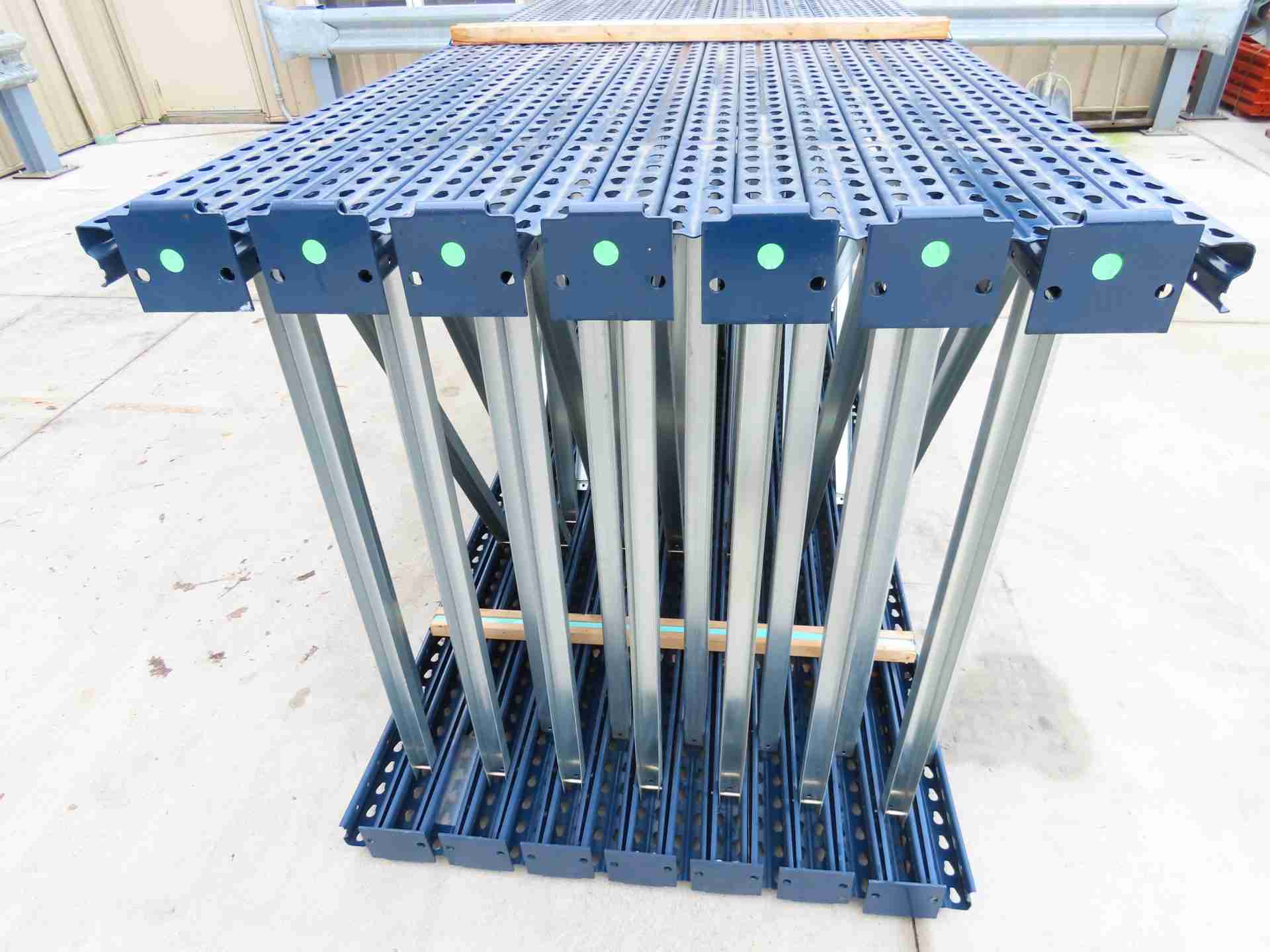
What Safety Measures Do Pallet Racks Provide In Packaging?
What Safety Measures Do Pallet Racks Provide In Packaging?
- Pallet racking is the essential structural backbone that ensures safety in packaging operations.
- Designed to handle heavy loads, these racks prevent pallets from tipping, reducing product damage and injuries.
- They provide peace of mind for workers, allowing focus on tasks rather than safety hazards.
- Pallet racking supports organization by keeping aisles clear and improving loading efficiency.
- Installing quality racks reflects a company’s commitment to employee safety and operational integrity.
- Pallet racks symbolize respect for products, employees, and the business through practical safety commitment.
- Reliable and durable, pallet racking acts as an unsung hero that stabilizes and sustains warehouse operations.

What Safety Measures Do Pallet Racks Provide In Packaging?
How Can Pallet Racking Reduce Packaging Errors?
Look, packaging errors are the kind of headache that keeps folks up at night, especially when every box counts and there’s no second chance with customers waiting. Pallet racking isn’t just some fancy shelf setup—it’s the unsung hero in the warehouse world that stops mistakes before they even start. When you get your inventory organized right, it’s like giving your hardworking crew a clear, no-nonsense map. They know exactly where to find each item, what goes where, and how to double-check without guesswork or stress.
Think about the last time you scrambled trying to find the right product to pack, only to realize you grabbed the wrong one. Pallet racking cuts that chaos down by making sure everything has its place and stays there. It’s not just about neatness—it’s about building a system that respects the time and care everyone puts in. When the job’s straightforward, folks don’t just work faster; they work smarter, and fewer errors sneak through.
There’s also something right about it, ethically speaking. You owe it to your team and your customers to provide an environment where mistakes aren’t lurking in the shadows. A solid pallet racking setup means you’re taking responsibility, laying down a foundation built on trust and reliability. When packages go out right, on time, it shows you value every hand that touches that product and every customer waiting at the other end.
From experience, the confidence that comes with knowing exactly what’s where can’t be overstated. It’s the difference between a smooth day and a mess nobody wants to clean up. Pallet racking gives you authority over your space—no more wild guesses or “hope this is right” moments. It makes even the busiest warehouses feel manageable. And when everyone’s on the same page, errors become just a story you heard about once, not the daily grind.
At the end of the day, it’s about connection—connecting people to their jobs without frustration, connecting packages to their destinations without delay, and connecting your reputation to the kind of reliability that keeps business running strong. Pallet racking is the backbone that lets all that happen, cutting packaging errors down and building a system that works because it’s built on simple sense and solid ground.

How Can Pallet Racking Reduce Packaging Errors?
How Can Pallet Racking Reduce Packaging Errors?
- Packaging errors cause significant stress as every box matters and there’s no room for mistakes with waiting customers.
- Pallet racking is essential in warehouses for preventing errors by organizing inventory clearly and efficiently.
- Proper inventory organization helps workers find items quickly, reduces guesswork, and lowers the chance of packing mistakes.
- Pallet racking respects the effort of employees by creating a straightforward, smart working system that minimizes errors.
- Ethically, a well-structured pallet racking system demonstrates responsibility towards both staff and customers by ensuring accuracy.
- Confidence in knowing exactly where items are leads to smoother warehouse operations and reduces stressful situations.
- Pallet racking connects people, products, and reputation by supporting reliable, timely deliveries and an efficient workflow.

How Can Pallet Racking Reduce Packaging Errors?
Does Pallet Racking Cut Costs for Generic Drug Packagers?
When you’re running a generic drug packaging operation, every penny counts—but it ain’t just about pinching coins here and there. Pallet Racking steps in as the unsung hero, cutting costs in ways that hit your head, heart, and gut all at once. You think storing thousands of boxes in random piles is just “how it goes”? Think again. Pallet Racking brings order to chaos. It’s a straightforward system that lets you stack goods safely, reach them quick, and reduce mistakes that bleed time and money.
From a rational standpoint, Pallet Racking saves space like a champ. When floor space is tight, every square foot matters—especially in a factory or warehouse where you’re juggling deadlines, inspections, and the constant buzz of machines. Good racking means you can pack in more inventory without renting a bigger spot. Less square footage means lower rent and utilities. Plus, it cuts down on the endless shuffle of pallets that eats up labor hours and drives forklifts in circles until somebody’s neck is sore or worse, a shipment’s late.
But beyond the numbers, there’s an ethical angle that often goes unsaid. Generic drug packagers aren’t just moving boxes—they’re part of a community that ensures affordable medicine gets to people who rely on it. Pallet Racking helps that mission by making the operation cleaner, safer, and more reliable. When packaging lines run smooth and damage is minimized, it means fewer product losses and less waste. It’s a quiet way of making sure the medicine’s there when folks need it—that’s a responsibility you carry in your bones, not just on paper.
There’s also something trustworthy about a well-organized warehouse. Clients, partners, and workers alike can sense when a place runs like clockwork versus when it’s a mess of half-empty pallets and confusion. Pallet Racking provides that solid backbone. It’s been around long enough to earn its stripes—tried and tested in thousands of setups, it’s a practical, no-nonsense tool that delivers day in, day out. No flash, no fluff, just solid results.
If you’re still stacking pallets like it’s 50 years ago, it’s time to think hard about what Pallet Racking brings to the table. It’s more than a metal shelf; it’s good business, respect for the product, and a smarter way to care for the operation and the people counting on it. Cut costs, yes—but do it with a system that makes sense, earns trust, and keeps the wheels turning steady. That’s the kind of common-sense win you can feel in your gut every day.

Does Pallet Racking Cut Costs for Generic Drug Packagers?
Does Pallet Racking Cut Costs for Generic Drug Packagers?
- Pallet Racking organizes inventory efficiently, reducing mistakes and saving time in generic drug packaging operations.
- It maximizes limited floor space, allowing more inventory storage without increasing facility size, lowering rent and utility costs.
- Improves labor efficiency by minimizing unnecessary pallet movements and forklift traffic, preventing delays and injuries.
- Supports the ethical mission of delivering affordable medicine by ensuring cleaner, safer, and more reliable packaging operations.
- Reduces product damage and waste by enabling smooth packaging lines, ensuring medicine availability for those who need it.
- Creates a trustworthy, well-organized warehouse environment that builds confidence among clients, partners, and workers.
- A proven, practical system that combines cost savings, operational respect, and reliability for ongoing business success.

Does Pallet Racking Cut Costs for Generic Drug Packagers?
How Do Pallet Racks Support Regulatory Compliance?
You don’t need to be a safety inspector to know that a cluttered, haphazard warehouse isn’t just a headache—it’s a hand grenade waiting to go off. That’s where pallet racking steps in, steady and unsung, keeping things organized so your team can breathe easy. It’s not just about stacking boxes—it’s about stacking them right, the way the rulebooks say, so no one’s left risking an injury or worse.
Regulations on warehouse safety aren’t just red tape—they’re hard-earned lessons from folks who’ve learned the hard way. Pallet racking, when installed and maintained properly, acts like a silent safety net. It keeps heavy loads off the floor, out of walkways, and prevents those ugly, expensive collapses that could shut down the whole operation or worse, send someone to the hospital. The right racks are engineered to handle weight limits, fire codes, and space requirements, ticking off every box on the compliance list. You don’t guess or cut corners here; you rely on sturdy steel and clear standards.
Then there’s the ethical angle—looking out for the folks who sweat it out every day. Choosing pallet racking isn’t just about meeting OSHA or building codes; it’s about respect for the people under your roof. The team knows when leadership stops settling for “good enough” and chooses systems that protect and support them. That trust turns a workplace from a place you endure into a place you’re proud of. There’s a certain peace of mind that comes with knowing safety isn’t an afterthought.
Pallet racking also stands as a beacon of authority in a warehouse. It’s a straightforward statement: we know what we’re doing, and we do it right. Customers and inspectors alike see that and know they’re dealing with pros who value responsibility over shortcuts. This can even boost morale, showing the workforce that the company invests in proper infrastructure—not just lip service.
So, when you consider pallet racking, think beyond the steel beams and bolts—it’s the backbone of a compliant, conscientious operation. A setup that checks the boxes on safety rules, respects the crew, and shows the world you run a tight ship. That’s how pallet racks support regulatory compliance with grit and grace, keeping the wheels turning and the people safe.

How Do Pallet Racks Support Regulatory Compliance?
How Do Pallet Racks Support Regulatory Compliance?
- Pallet racking organizes warehouses to prevent hazards and reduce injury risks by stacking loads correctly according to safety rules.
- Warehouse safety regulations reflect hard-earned lessons, and properly maintained pallet racking acts as a silent safety net against accidents and collapses.
- Correct racks are engineered to meet weight limits, fire codes, and space requirements, ensuring full compliance without cutting corners.
- Choosing pallet racking demonstrates ethical responsibility, showing respect and care for the employees’ safety and well-being.
- Proper pallet racking fosters trust and pride in the workplace, transforming it from a place endured to one valued by the team.
- Pallet racking signals professionalism and commitment to responsibility to customers and inspectors, boosting workforce morale.
- Beyond physical structure, pallet racking is the backbone of compliant, conscientious warehouse operations that keep people safe and efficiency high.

How Do Pallet Racks Support Regulatory Compliance?
Can Pallet Racking Speed Up Order Fulfillment Times?
When you’ve been on the floor, moving boxes and trying to beat the clock, you quickly see the difference a good setup makes. Pallet racking isn’t just some fancy storage idea—it’s the backbone that can turn a warehouse from a cluttered mess into a well-oiled machine. Imagine the relief when you don’t have to dig through piles or twist your back trying to find that one last pallet. Instead, everything’s right where it should be, easy to grab and ship out fast. That’s not just faster work; that’s less stress and fewer mistakes, and that adds up every single day.
From a practical standpoint, pallet racking speeds up order fulfillment by making every inch of your space count. Instead of piling pallets on top of each other or spreading them across the floor, you stack smart and reach quick. This means your team spends less time wandering the warehouse and more time loading trucks. Efficiency like this isn’t a neat trick; it’s simple math—better organization means faster picking, and faster picking means happier customers. When orders go out on time without a hitch, you’re not just improving numbers; you’re building a reputation you can rely on.
There’s an ethical edge to this too. When workers aren’t wrestling with chaotic storage or risky lifts, you’re keeping folks safe and showing you care. Pallet racking isn’t just about speed and space; it’s about respect—respect for the people who make your business tick and respect for doing the right thing by them. That culture shows itself in every shipment and every handshake with a customer. Businesses that invest in decent racking systems aren’t cutting corners; they’re building a foundation that stands the test of busy seasons and heavy workloads.
You don’t have to take it from me. Countless warehouses that embraced pallet racking found order fulfillment times drop dramatically, turning dayslong waits into hours, and hours into minutes. Those stories aren’t made up; they come from boots-on-the-ground experience and straight talk between warehouse crews. It’s about trust—trust in the gear you’re stacking on and trust in the process you set up. Pallet racking isn’t just storage; it’s the partner that helps you deliver on promises faster, safer, and with a bit less sweat. If speeding up your order fulfillment matters to you, it’s time to treat pallet racking as the quiet hero it really is.

Can Pallet Racking Speed Up Order Fulfillment Times?
Can Pallet Racking Speed Up Order Fulfillment Times?
- Pallet racking transforms warehouses from cluttered spaces into organized, efficient operations, reducing stress and mistakes.
- It maximizes use of available space by enabling smart stacking, which speeds up order fulfillment and reduces time spent searching for pallets.
- Better organization through pallet racking leads to faster picking, resulting in timely shipments and improved customer satisfaction.
- Pallet racking enhances worker safety by minimizing chaotic storage and risky lifting, demonstrating respect for employees.
- Investing in quality racking systems builds a durable foundation that withstands busy seasons and heavy workloads.
- Many warehouses report significant reductions in order fulfillment times after adopting pallet racking, based on real-world experience.
- Pallet racking is a reliable partner in delivering faster, safer shipments, making it essential for efficient warehouse operations.

Can Pallet Racking Speed Up Order Fulfillment Times?
Conclusion
When it’s all said and done, pallet racking isn’t just a part of the warehouse—it’s the backbone holding the whole generic drug packaging operation together. These racks take a jumble of boxes and turn them into a system that hums along, saving time, cutting mistakes, and keeping everyone safer. Picture a floor where everything’s got a place, where workers don’t have to hunt or guess, and every pallet stands firm instead of teetering on the edge. That’s the kind of setup that honors the hard work behind every shipment and the trust of the folks on the receiving end relying on that medicine.
It’s a mix of common sense and respect—respect for the product, for the people packaging it, and for the people who count on it when the prescription gets filled. Pallet racking isn’t just metal holding boxes; it’s a quiet promise that safety isn’t an afterthought, that efficiency isn’t a luxury, and that cutting corners isn’t part of the plan. When racks are installed right, they keep aisles clear, pallets steady, and errors down, making sure the day doesn’t spiral into chaos. The peace of mind that comes with that steadiness is worth its weight in gold for crews working hard in fast-paced, high-stakes environments.
From a dollars-and-cents angle, well-organized pallet racking saves space and time—two things that cost plenty when lost—helping operations run smoother without blowing budgets on bigger warehouses or wasted labor hours. It’s a straightforward business move that doesn’t just look good on paper but feels right in the gut of anyone who’s spun their wheels trying to manage a pile of pallets in a too-small space. Beyond saving money, it’s about standing tall as a company that values its people and customers, showing through action a commitment to doing things the right way.
And then there’s the part where regulation and responsibility meet—the racks make it easier to meet those tough safety codes that protect workers from accidents and products from damage. That kind of setup lifts a whole operation up, turning a warehouse into a place people can be proud of, not just a spot they have to survive. Pallet racking might not turn heads, but it earns respect day in and day out by keeping the flow steady, the product safe, and the trust growing.
At the end of the day, it’s simple: pallet racking is the unsung hero working behind the scenes. It’s what helps generic drug packagers get medicine where it needs to be—safe, sound, and on time. That’s a kind of reliability you can count on, built on grit, know-how, and plain-old hard work.

Conclusion
Conclusion:
- Pallet racking is essential to organizing generic drug packaging, ensuring a smooth, efficient, and safe operation.
- It provides a system where every pallet has a designated, stable place, reducing errors and improving worker safety.
- Pallet racking embodies respect for the product, the workforce, and the customers relying on the medicine.
- Properly installed racks maintain clear aisles, steady pallets, and reduce operational chaos.
- Efficient pallet racking saves space and time, cutting costs without requiring larger warehouses or extra labor.
- The racks help meet safety regulations, protecting workers and products while elevating warehouse standards.
- Ultimately, pallet racking is the reliable, hardworking foundation that keeps generic drug packaging on time and trustworthy.

Conclusion
Other Resources
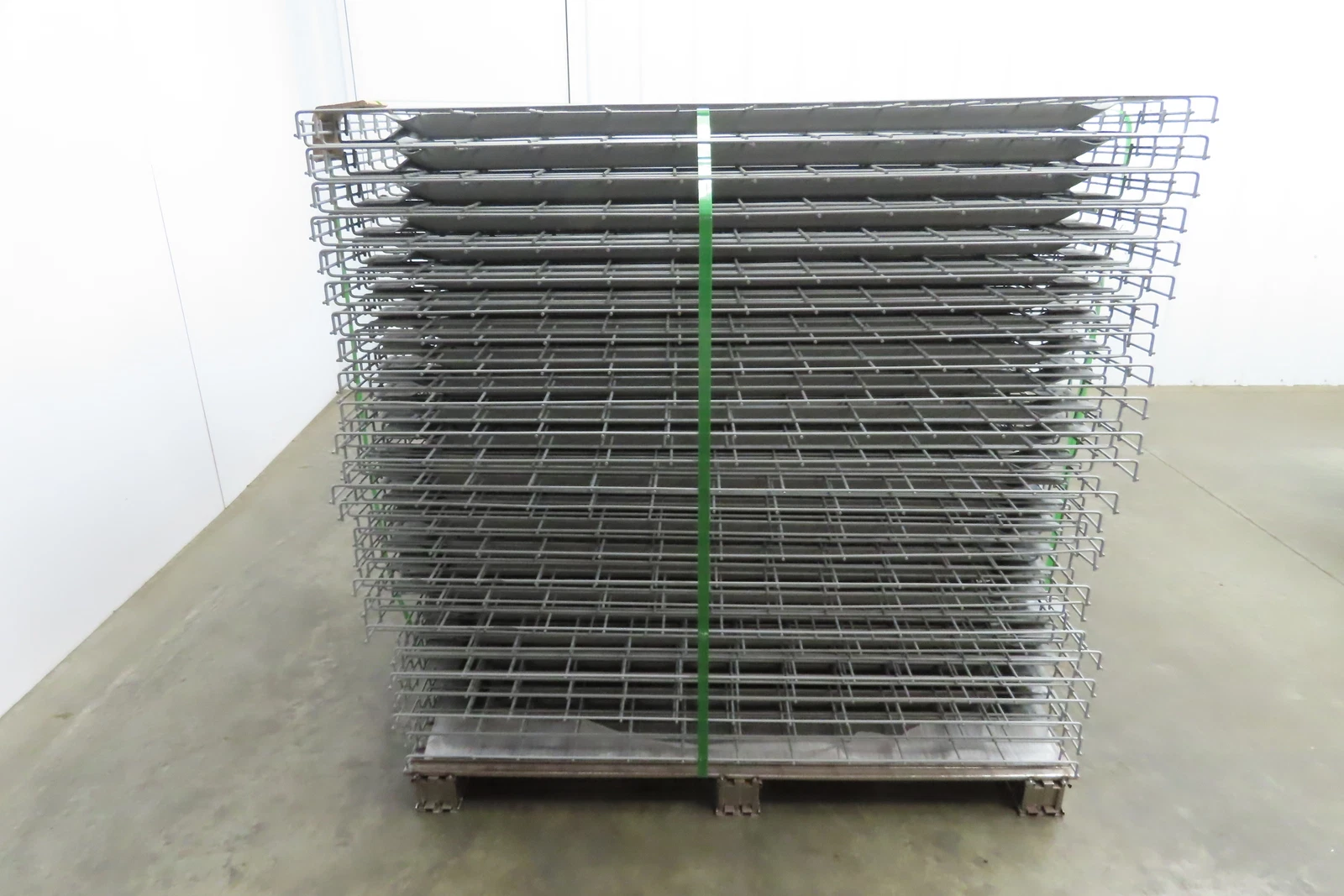
Other Resources
Here is a list of other resources you can review online to learn more:
- RMI
- Illinois
- Teardrop Pallet Rack – Ridg-U-Rak
- Cantilever Rack Guide: Ordering Cantilever Racking
- Storage Equipment Manufacturers’ Association
- Pallet Rack Systems – New and Used Pallet Racking and Shelving Experts
- What is Selective Racking: Understanding Benefits & Options
- Intro to Warehouse Racks & Warehouse Racking Systems – ShipBob
- Interlake
- Chicago Pallet Racking
- Illinois Pallet Racking – Storage Solutions
- Bradford Systems
- What is Selective Pallet Racking
- Teardrop Pallet Rack – Ridg-U-Rak
- Selective Rack – Raymond West
- SEMA
- The Ultimate Pallet Racking Guide – Speedrack West
- Selective Racking
- Total Warehouse
Use This Prompt To Get More Resources With Your Favorite Online AI Tool: Please provide me with a list of online articles with their URLs in a bulleted list that I can read regarding How Do Generic Drug Packagers Leverage Pallet Racking?

Other Resources
Glossary Terms
How Do Generic Drug Packagers Leverage Pallet Racking? – Glossary Of Terms
1. Generic Drug: A medication equivalent to a brand-name drug in dosage, strength, route, quality, and performance, sold under its chemical name.
2. Packager: A company or facility responsible for packaging and labeling pharmaceutical products for distribution.
3. Pallet Racking: A storage system designed to hold pallets in horizontal rows with multiple levels, optimizing warehouse space.
4. Pallet: A flat transport structure that supports goods in a stable manner for handling and storage.
5. Warehouse Optimization: The process of improving warehouse layout and storage methods to increase efficiency.
6. Inventory Management: The oversight and control of stock quantities to ensure availability and reduce waste.
7. Space Utilization: Efficient use of available storage area within a warehouse environment.
8. Load Capacity: The maximum weight a pallet rack or pallet can safely support.
9. Accessibility: Easy access to stored items for retrieval or restocking in a timely manner.
10. FIFO (First-In, First-Out): An inventory management method where older stock is used before newer stock.
11. LIFO (Last-In, First-Out): An inventory system where the most recently stored items are used first.
12. Pick Path: The route warehouse workers follow to collect items for orders.
13. Slotting: Organizing products within storage locations to improve picking efficiency.
14. Rack Configuration: The design and arrangement of pallet racks tailored for specific warehouse needs.
15. Load Stability: The balanced and secure placement of goods on pallets to prevent shifting or damage.
16. Compliance: Adherence to industry regulations, such as FDA requirements, when storing and packaging drugs.
17. Environmental Controls: Systems to maintain temperature, humidity, and cleanliness standards in storage areas.
18. Cross-Docking: A logistics procedure where products are transferred directly from inbound to outbound transport without long-term storage.
19. Throughput: The rate at which products move through the packaging and storage process.
20. Safety Measures: Practices and equipment used to protect workers and products in warehousing.
21. Ergonomics: Designing equipment and workflows to maximize worker comfort and reduce injury.
22. Automation: Use of machines and technology to perform tasks with minimal human intervention.
23. Barcode Scanning: Using optical code readers to track inventory and streamline operations.
24. Traceability: The ability to track the history and location of pharmaceutical products throughout the supply chain.
25. Batch Control: Managing groups of products processed or packaged together to ensure quality and consistency.
26. Labeling Accuracy: Correct application of product information on packaging to comply with regulations.
27. Cycle Counting: Regular inventory audits performed to maintain stock accuracy.
28. Just-In-Time (JIT): Inventory strategy aimed at receiving goods only as they are needed in production and packaging.
29. Load Optimization: Arranging products on pallets and racks to maximize storage space and minimize damage.
30. Customized Racking: Tailored pallet rack systems designed to fit specific product dimensions and warehouse layouts.

Glossary Of Terms
Other Questions
How Do Generic Drug Packagers Leverage Pallet Racking? – Other Questions
If you wish to explore and discover more, consider looking for answers to these questions:
- What types of pallet racking systems (selective, drive-in, push-back, pallet flow, cantilever, etc.) are best suited for generic drug packaging operations?
- How do you choose rack materials and finishes compatible with pharmaceutical environments (corrosion resistance, cleanability)?
- What are typical load ratings and safety factors required for racks used to store palletized drug products?
- How should pallet racking be anchored and braced to meet local building and seismic codes?
- How does pallet racking integrate with cGMP requirements and current FDA guidance for drug storage?
- What documentation and validation are needed to demonstrate storage compliance during regulatory inspections?
- How can pallet racking support temperature- and humidity-controlled storage (cold chain) for sensitive products?
- What are best practices for segregating APIs, quarantined lots, returned goods, and finished product on racking?
- How do you implement FIFO, FEFO (first-expiry-first-out), or other inventory rotation systems using pallet racks?
- What labeling, lot-tracking, and serialization methods work best with pallet racking (barcodes, RFID, etc.)?
- How can racking design reduce picking errors and support efficient picking methods (case pick, pallet pick, pick-to-light, zone picking)?
- What are common rack accessories (wire decking, pallet supports, pallet stops, safety clips) and when should they be used?
- How do pallet racks interact with forklifts and other material handling equipment to minimize damage and downtime?
- What floor-loading and traffic-flow considerations should be made when laying out racking to optimize throughput?
- How much measurable labor savings and order-fulfillment time reduction can be expected after installing racking?
- What is the typical ROI timeline for investing in pallet racking, and what cost-savings categories should be included?
- How do pallet racks reduce product damage, contamination risk, and waste in pharmaceutical packaging?
- What maintenance, inspection, and repair schedules are recommended to keep racks safe and compliant?
- What are the signs of rack fatigue or damage that require immediate action or replacement?
- What worker training and certification are necessary for safe operation around racking and forklifts?
- How should rack layout and storage practices be adapted for high-turnover SKUs versus slow-moving inventory?
- What security measures (access control, CCTV, tamper-evident storage) should be used for controlled substances or high-value products?
- How can pallet racking be incorporated into automated systems (AS/RS, conveyors, robotics) and warehouse management systems?
- What environmental controls and cleaning protocols are required around racking to prevent cross-contamination?
- How should recall procedures and rapid product retrieval be planned using racking and inventory systems?
- What fire protection and egress considerations apply to pallet racking installations (sprinkler coverage, aisle spacing)?
- How can racking be configured to optimize space utilization while maintaining safety and accessibility?
- What are common retrofit strategies for upgrading older warehouses with modern pallet racking?
- Are there industry case studies or benchmarks showing performance improvements after racking installations?
- What insurance, liability, and third‑party audit implications arise from different racking choices?
- How does rack selection affect sustainability goals (materials reuse, recyclability, energy implications of denser storage)?
- What vendors, certifications, and qualifications should be sought when sourcing pallet racking for pharmaceutical use?
- How are emergency scenarios (flood, fire, earthquake) addressed in racking layout and inventory contingency planning?
- What metrics should be tracked to evaluate ongoing racking performance (picking accuracy, damage rates, space utilization, safety incidents)?

Other Questions
Checklist
How Do Generic Drug Packagers Leverage Pallet Racking? – A Checklist
Strategy and Layout
✅______ Conduct slotting analysis (ABC/velocity) to place fast movers near docks and primary pick zones
✅______ Choose rack type by SKU profile (selective, double-deep, pallet flow, pushback, drive-in)
✅______ Define clear pick/put-away paths and one-way travel to reduce congestion
✅______ Reserve quarantine, released, and rejected zones with physical and system controls
✅______ Plan for FEFO/FIFO flow and lot/expiry segregation across locations
✅______ Allocate space for value-added services (rework, relabeling) away from clean storage
Rack Specification and Installation
✅______ Verify rack design load ratings for frames, beams, and decking; post capacity signage at aisles
✅______ Use beam locking pins, row spacers, and floor anchors per manufacturer specifications
✅______ Install wire decking or solid decking where required for case support and fire code
✅______ Maintain required flue spaces (longitudinal and transverse) and 18 in. clearance below sprinklers
✅______ Confirm rack plumbness, base shimming, and anchor torque after installation
✅______ Include column protectors and end-of-aisle guards in high-traffic zones
✅______ Validate seismic and building code compliance for the site
Safety and Risk Controls
✅______ Establish a traffic plan with marked pedestrian walkways, mirrors, and speed limits
✅______ Train operators on safe loading, pallet overhang limits, and lift truck clearances
✅______ Standardize pallet specs (size, condition, deckboard orientation) to prevent load failure
✅______ Implement a rack inspection schedule (daily visual, monthly detailed, annual professional)
✅______ Tag and isolate damaged racks; define repair and recertification process
✅______ Keep aisles clear to minimum widths for equipment and egress
✅______ Provide spill containment for liquids and hazardous components as applicable
✅______ Maintain housekeeping SOPs to prevent debris on beams and decks
Quality and Error Reduction
✅______ Assign a location addressing schema (aisle-bay-level-position) with scannable labels
✅______ Enforce scan-based moves for put-away, picks, and replenishment
✅______ Capture lot and expiry at receipt and picking; enforce FEFO in WMS
✅______ Use visual cues and color coding for strengths, dosage forms, and status
✅______ Implement line clearance and double-checks at staging to prevent mix-ups
✅______ Apply tamper-evident wraps/seals and status tags on pallet loads
✅______ Define replenishment min/max and trigger rules to avoid stockouts/substitutions
Regulatory and Compliance
✅______ Align storage and material flow with cGMP requirements (segregation, identification, traceability)
✅______ Control access to restricted components and labeling; log entries
✅______ Document cleaning and sanitation of storage areas; retain records
✅______ Validate environmental controls (temperature, humidity) and monitor with alarms
✅______ Maintain documentation for rack design, installation, inspections, and training
✅______ Verify fire protection aligns with commodity classification and local codes
✅______ Ensure procedures address recalls, holds, and rejected material handling
Operations and Workforce
✅______ Train staff on SOPs for receiving, put-away, picking, cycle counting, and damage reporting
✅______ Define ergonomic picking methods and safe lift heights; provide tools as needed
✅______ Set up dedicated staging lanes for outbound orders with scan verification
✅______ Schedule labor to match order waves and replenishment windows
✅______ Post visual work instructions at rack ends and staging areas
Maintenance and Continuous Improvement
✅______ Track damage rates, near-miss incidents, and corrective actions
✅______ Audit flue spaces, load signage presence, and obstructions weekly
✅______ Perform periodic re-slotting based on velocity changes and seasonality
✅______ Review pallet supplier quality and rotate damaged pallets out of circulation
✅______ Calibrate scanners, printers, and mobile devices used at rack locations
Cost and Performance Metrics
✅______ Monitor space utilization (cube and floor), picks per hour, and travel time per line
✅______ Measure inventory accuracy via regular cycle counts
✅______ Track order lead time, on-time ship rate, and dock-to-stock time
✅______ Calculate damage/write-off rates and cost per shipped line before/after racking changes
✅______ Review ROI on rack types and layout versus throughput goals
Technology and Systems
✅______ Integrate WMS locations and rules with physical rack layout
✅______ Enable barcode/RFID labeling for locations, pallets, and cases
✅______ Use exception dashboards for aging, expired, or mixing-risk SKUs
✅______ Implement scan-to-verify at pack-out with label control checks
Go-Live Readiness
✅______ Validate emergency egress maps and post them at entries
✅______ Complete mock picks/put-aways to test travel paths and scan flows
✅______ Close open CAPAs from installation and safety audits
✅______ Obtain final sign-offs from Quality, EHS, and Operations leadership
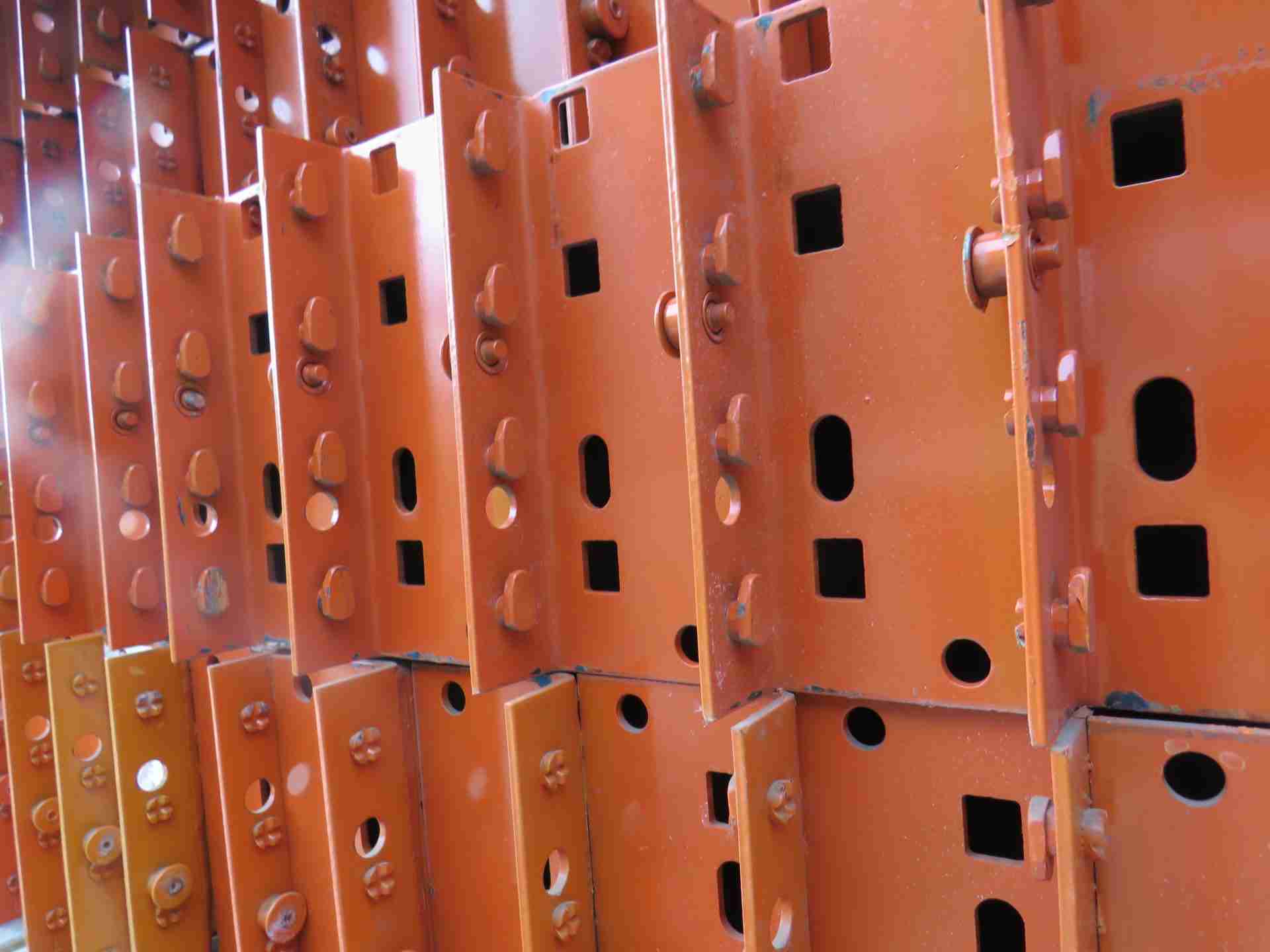
Checklist
At RackingWorld, we help guide you through selecting warehouse storage systems and racking.
Be sure to read our other related stories at RackingWorld to learn more about warehouse storage systems.
0 Comments