
Maximizing Efficiency And Strength: The Smart Choice For Construction Supply
By Tom Seest
At RackingWorld, we help guide you through selecting warehouse storage systems and racking.
Be sure to read our other related stories at RackingWorld to learn more about warehouse storage systems.
How Do General Construction Supply Distribution Centers Leverage Cantilever Racking?
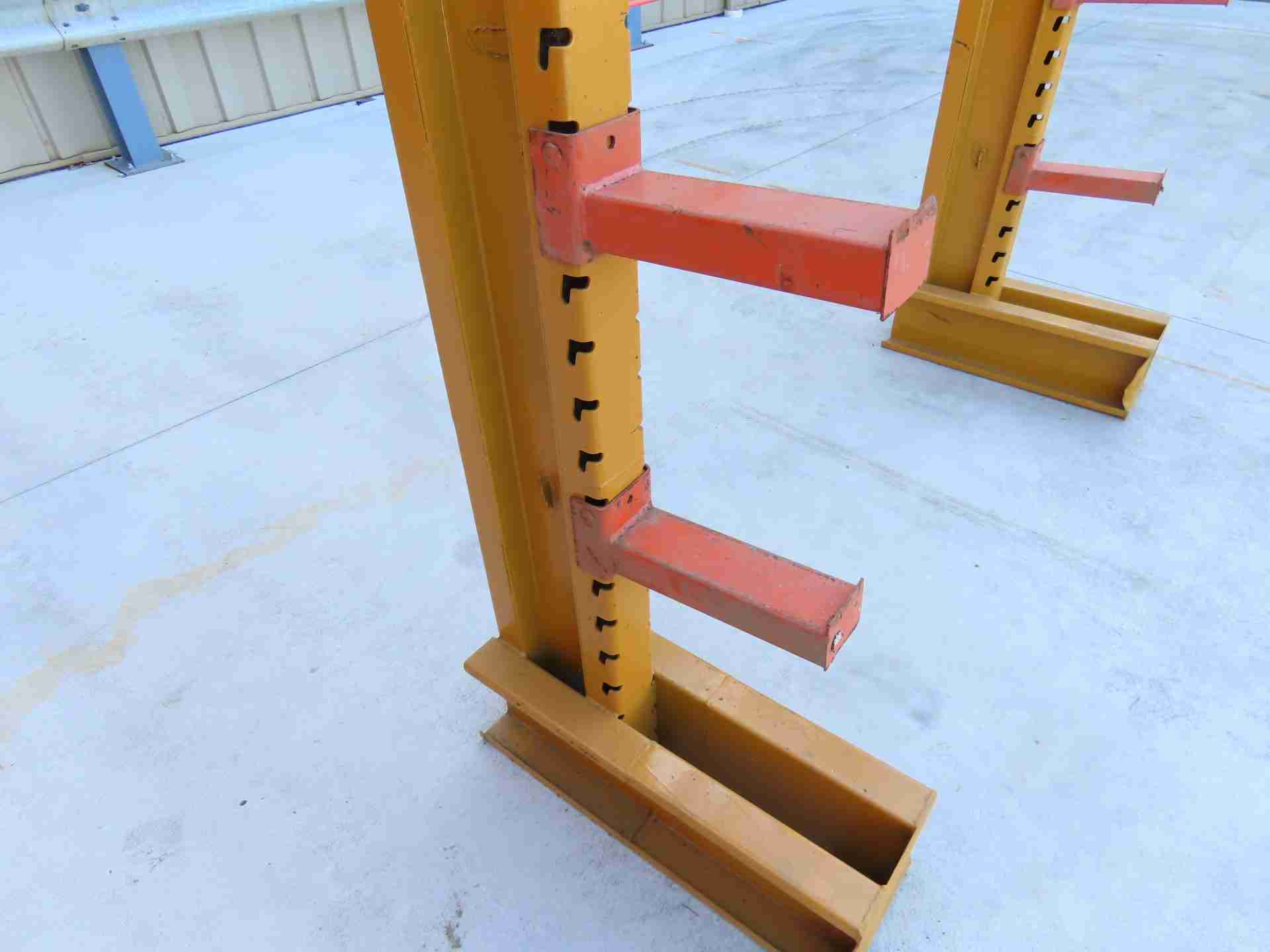
When you walk into a busy construction supply distribution center, you see more than just piles of steel and lumber stacked willy-nilly. There’s a method to the madness—something that keeps the place humming like a well-oiled machine. Cantilever racking is one of those unsung heroes that makes it all click. Unlike traditional pallet racking, which handles bulky boxes and pallets, cantilever racks are built for the long, weird-shaped items that construction crews swear by—think pipes, lumber, rebar, and all the odd lengths nobody wants to wrestle with by hand.
Here’s the thing: construction supply centers deal with heavy, awkward stuff every single day. Pallet racking can’t always do the job because it’s designed for uniform loads, stacked tight. Cantilever racking tosses out the clutter by providing open arms that grab these materials without the fuss. It’s practical — simple arms sticking out from a column, ready to hold whatever length a project demands. This isn’t rocket science; it’s common sense built on solid steel. That open, flexible design saves time, reduces damage, and keeps the workforce from pulling their hair out trying to fit square pegs in round holes.
There’s more to it than just space-saving. When your team knows exactly where a 20-foot pipe or a stack of drywall sits, you cut down wasted man-hours hunting and handling. That’s more than efficiency — it’s respect for hard work, the folks on the floor who lift, load, and deliver every day come rain, shine, or deadline panic. Investing in cantilever racking shows a distribution center cares about their crew’s safety and sanity, not just the bottom line. That solidarity, that shared acknowledgment that no one wants to wrestle a twisted pipe blindfolded, builds trust deeper than any memo or training seminar could.
On the ethical front, leveraging cantilever racking means fewer damaged materials and less waste—both in time and resources. Construction isn’t just about building structures; it’s about building communities responsibly. Reducing scrap and ensuring the right supplies get to the jobsite intact isn’t just smart business—it’s the right thing to do.
At its core, cantilever racking tells a story about knowing your tools and your people. It’s the quiet backbone in warehouses where hands-on experience meets practical design. It’s less flashy than new tech, but it’s as solid as the steel beams it holds. For a general construction supply distribution center, that kind of reliability isn’t just a perk—it’s a necessity. Pallet racking has its place, but when it comes to long, heavy, or odd-shaped materials, cantilever racking pulls the weight so everything else can stand tall. That’s how these centers keep the gears turning, projects moving, and work crews confident that their gear is ready when they are.
How Do General Construction Supply Distribution Centers Leverage Cantilever Racking?
How Do General Construction Supply Distribution Centers Leverage Cantilever Racking?
- Cantilever racking is essential in construction supply centers for storing long, irregularly shaped materials like pipes, lumber, and rebar.
- Unlike traditional pallet racking, cantilever racks have open arms that accommodate heavy, awkward items without clutter.
- This design saves time, reduces material damage, and eases handling challenges for the workforce.
- Clear organization of materials cuts down wasted man-hours and shows respect for the hard-working staff.
- Investing in cantilever racking improves safety, worker morale, and trust within the distribution center.
- Using cantilever racks minimizes material waste and supports responsible building practices.
- Cantilever racking offers reliable, practical storage crucial for keeping construction supply centers efficient and operational.
How Do General Construction Supply Distribution Centers Leverage Cantilever Racking?
Table Of Contents
- How Do General Construction Supply Distribution Centers Leverage Cantilever Racking?
- What Makes Cantilever Racking Ideal for Construction Supplies?
- How Does Cantilever Racking Improve Warehouse Space Use?
- Can Cantilever Racking Reduce Supply Handling Time Effectively?
- What Safety Benefits Does Cantilever Racking Offer Workers?
- Why Choose Cantilever Racking Over Traditional Shelving Methods?
- How Does Cantilever Racking Support Diverse Construction Materials?
- Conclusion
- Other Resources
- Glossary Of Terms
- Other Questions
- Checklist
What Makes Cantilever Racking Ideal for Construction Supplies?
When you’ve been knee-deep in construction supplies, wrestling lumber and pipes into some kind of order, you know that storage isn’t just about stacking stuff. It’s about making your day easier, your work smoother, and your crew’s lives a little less stressful. That’s where cantilever racking shines. Unlike pallet racking that boxes you into fixed sizes and bulky footprints, cantilever racking offers freedom to handle long, awkward, or odd-sized materials without a fuss.
Picture this: stacks of piping, bundles of rebar, sheets of plywood – all lined up neat and within arm’s reach, no bending or climbing that makes you wince after a hard day’s work. Cantilever racks work with your instincts, not against them. Their open arms don’t trap your supplies behind beams or pallets. You know exactly where each item sits because you can see it, grab it, and move on. It saves time, saves backaches, and lets you focus on the job, not on wrestling equipment.
There’s a practical honesty to cantilever racking that commands respect. Built tough to carry heavy loads and withstand constant coming and going, it’s the kind of system that doesn’t quit on you halfway through a project. That durability means less downtime, fewer replacements, and long-term savings – the kind every contractor nods to when balancing budgets against deadlines and quality.
Beyond day-to-day convenience, using cantilever racking signals you’re running a responsible operation. It keeps your supplies organized and safe, reducing waste from damaged goods and lowering safety risks from cluttered workspaces. It’s not just about getting by; it’s about doing right by your team, your materials, and the job itself.
The choice isn’t just between pallet racking and cantilever racking. It’s about trusting a system that respects the grit and grind of construction life. A system engineered with common sense, built for your tough materials, ready to keep pace with your hard work. When your supplies are stored smartly, your mind can be on what matters most—building, creating, and finishing strong. That’s why cantilever racking isn’t just storage; it’s a partner in every nail hammered and every beam raised.
What Makes Cantilever Racking Ideal for Construction Supplies?
What Makes Cantilever Racking Ideal for Construction Supplies?
- Cantilever racking provides flexible storage for long, awkward, or odd-sized construction materials, unlike pallet racking with fixed sizes.
- It allows easy access to supplies without bending or climbing, improving efficiency and reducing physical strain.
- The open design keeps materials visible and reachable, saving time and preventing backaches.
- Built tough for heavy loads and frequent use, cantilever racking offers durability that minimizes downtime and replacement costs.
- It promotes organized, safe storage, reducing material damage and workplace safety risks.
- Using cantilever racking reflects responsible management, benefiting the team, materials, and overall project quality.
- The system supports the demanding nature of construction work, helping workers focus on building and completing projects efficiently.
What Makes Cantilever Racking Ideal for Construction Supplies?
How Does Cantilever Racking Improve Warehouse Space Use?
When you’ve been in the warehouse game long enough, you know that space isn’t just a line on a blueprint—it’s blood, sweat, and dollars. Cantilever racking is the quiet workhorse that changes the game by squeezing every inch out of your warehouse without making a fuss. Unlike traditional pallet racking, which can be a straightjacket for bulky or awkward loads, cantilever racks reach out like a sturdy arm, giving you clear access to long, heavy, or oddly shaped items. It’s like having a hand that just knows how to hold what you need it to hold—no fuss, no wasted space.
From a rational standpoint, this means your warehouse can handle more inventory without expanding the footprint. More product on the floor means more orders filled, more customers satisfied, and more green in the bank. It’s simple math and tidy logic wrapped in steel beams. This kind of smart use of space isn’t just clever; it’s essential in a business where every square foot has a cost and every delay means lost trust.
The ethical edge comes from working smarter, not harder—keeping employees safer and less frustrated by cluttered aisles or awkward lifts. Clear aisles and easy access translate directly to fewer accidents and smoother shifts. When the gear is well organized on cantilever racks, your team knows where to find what they need without the guesswork or back-breaking effort. Treating your crew right means a better workplace and a boost in morale you can see in the quality of the work and the consistency of output.
Having been around enough warehouses, I can tell you this: cantilever racking doesn’t just store stuff; it tells a story of respect for the work and the workers. It says you care about efficiency without sacrificing safety or common sense. When everyone in the crew feels the difference, from the forklift driver to the floor manager, it breeds a kind of quiet confidence—a sense that you’re running a lean, smart operation that’s built to last.
So, if you’re wrestling with pallet racking setups that feel like a bad fit, look at cantilever racks as the no-nonsense solution that helps your warehouse work with you, not against you. It’s space used right, work done better, and a warehouse that’s as tough and reliable as the folks running it.
How Does Cantilever Racking Improve Warehouse Space Use?
How Does Cantilever Racking Improve Warehouse Space Use?
- Cantilever racking maximizes warehouse space by efficiently storing long, heavy, or awkward items without wasting space.
- Unlike traditional pallet racking, cantilever racks provide clear access and flexibility for bulky loads.
- Using cantilever racks increases inventory capacity without expanding warehouse footprint, boosting order fulfillment and customer satisfaction.
- Smart space use reduces costs and prevents delays that could damage business trust.
- Cantilever racking improves workplace safety by creating clear aisles and reducing lifting strain, lowering accident rates.
- Organized storage boosts employee morale and productivity through easier access and less physical effort.
- The system reflects respect for workers and operational efficiency, fostering confidence in a durable, well-managed warehouse.
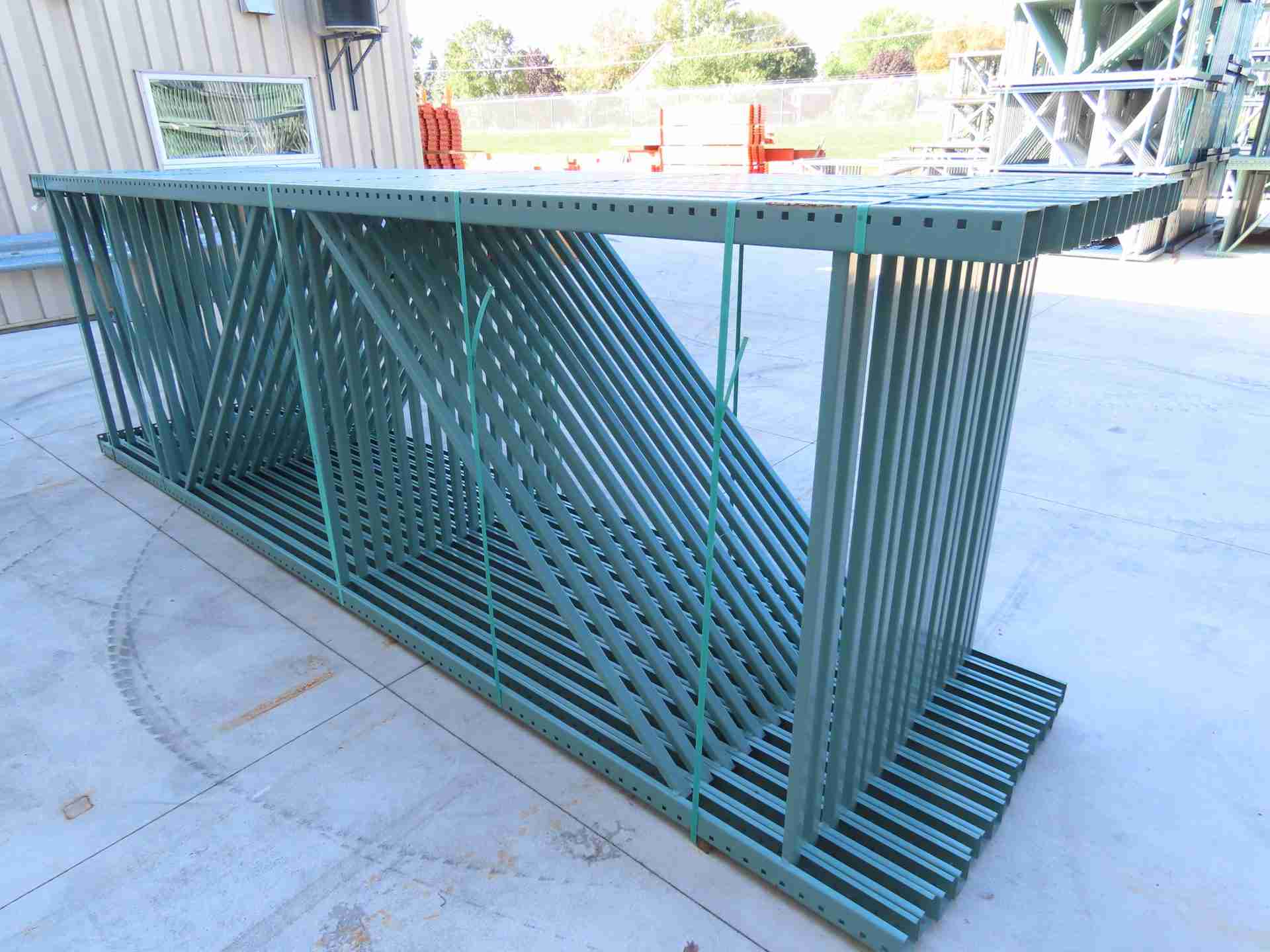
How Does Cantilever Racking Improve Warehouse Space Use?
Can Cantilever Racking Reduce Supply Handling Time Effectively?
Look, when you’re elbow-deep in a warehouse full of gear stacked sky-high on pallet racking, every second counts. You don’t want to be wasting time wrestling bulky, awkward stuff out of a jammed spot. That’s where cantilever racking steps in like a trusty old workhorse, built for the tough jobs that pallet racking sometimes just can’t handle easily. It’s simple, straightforward, and if you’ve ever wrestled long, heavy pipes, lumber, or oddly shaped supplies, you know how much of a hassle it is to get those onto or off standard racks without a fight. Cantilever racks open the door to faster, cleaner handling — no twisting, no fumbling, just straightforward reach and go.
On the head side of things, cantilever racking is engineered to make life easier. The design sits clear of the aisles — no arms in the way— letting forklifts and workers slide right up to the load. That simplicity cuts down the back-and-forth, speeding up every pick and put away. It’s not just guesswork either; warehouses that switched part of their setup to cantilever systems report real drops in handling times. It all adds up to more done, less waiting, and the kind of flow that keeps the whole supply chain humming. When time is money — and we all know it is — trimming those minutes on the floor is a solid win.
Ethically, it’s a good move too. Handling heavy or awkward items safely isn’t just about avoiding busted bones or broken equipment; it’s respecting the folks who show up to make it all happen. Cantilever racks lower the risks, putting less strain on workers and letting them focus on the job without scoring bruises or calling it quits early from wear and tear. That’s the kind of common-sense care that doesn’t just help the bottom line; it builds trust and loyalty in a workplace that needs both.
And here’s the kicker — when people see a setup that makes their lives easier and safer, it changes the whole vibe. Teams move smoother, morale gets a bump, and the warehouse turns into more than a storage spot: it becomes a place where folks feel respected, their time valued, and their work made easier by smart, practical choices. If cutting supply handling time is your goal, cantilever racking isn’t just a solution on paper — it’s a gut-level, hands-on improvement that speaks to why we do this work in the first place. For those who live by the rhythm of supply lines and pallet racking rows, this approach rings true.
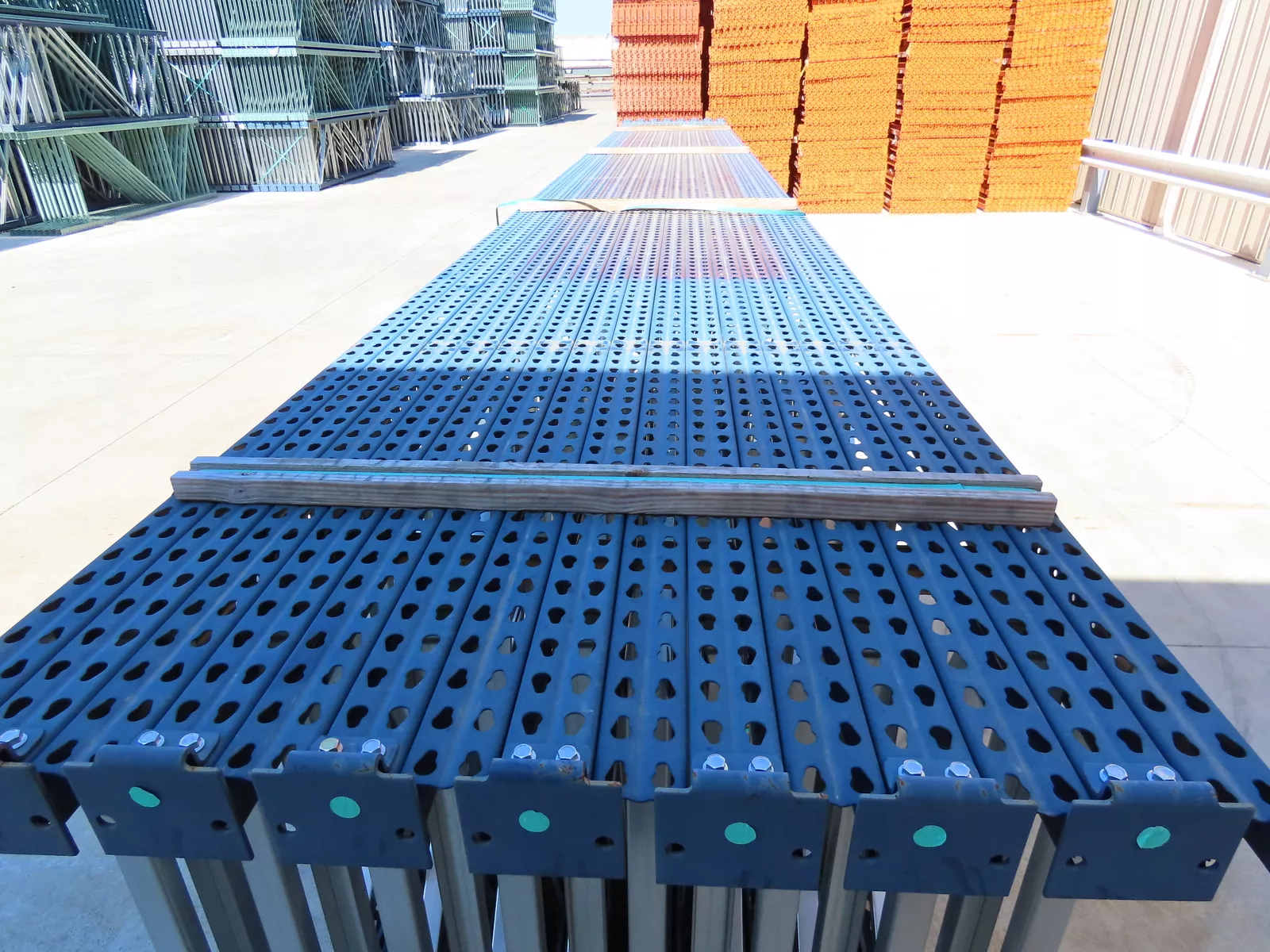
Can Cantilever Racking Reduce Supply Handling Time Effectively?
Can Cantilever Racking Reduce Supply Handling Time Effectively?
- Cantilever racking handles bulky, awkward items like pipes and lumber more efficiently than standard pallet racking, enabling faster, cleaner loading and unloading.
- Its design keeps aisles clear, allowing forklifts and workers direct access to loads without obstruction, reducing handling time.
- Warehouses using cantilever systems report significant reductions in pick-and-put-away times, improving overall workflow and supply chain efficiency.
- Cantilever racks enhance worker safety by minimizing strain and risk of injury, respecting employee well-being and reducing workplace downtime.
- Improved safety and ease of use boost worker morale and create a more positive workplace atmosphere.
- The system fosters trust and loyalty among workers by valuing their time and effort through practical, thoughtful equipment choices.
- Cantilever racking offers hands-on, practical improvements that align with the operational demands of busy warehouses prioritizing time and efficiency.
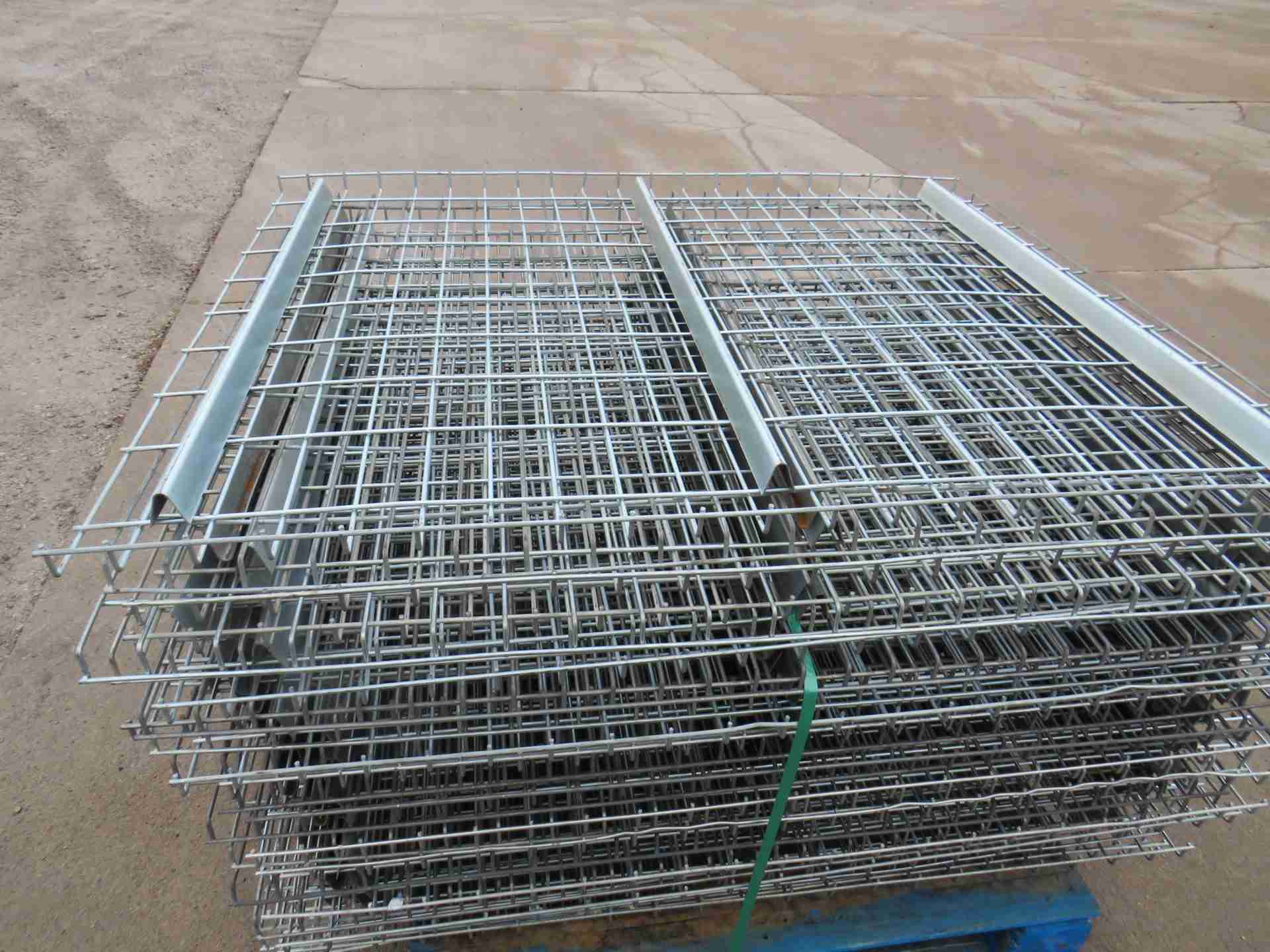
Can Cantilever Racking Reduce Supply Handling Time Effectively?
What Safety Benefits Does Cantilever Racking Offer Workers?
When you’re working the floor, day in and day out, safety isn’t just some rule on paper — it’s the lifeline that keeps you coming home in one piece. Cantilever racking steps up here like the reliable work partner you want by your side. Unlike pallet racking, which stacks goods in tighter, more confined spaces, cantilever racking offers clear, open arms to hold long or bulky items. That means fewer scrapes, fewer head bumps, and less wrestling with awkward loads that can throw off your balance or your mood.
Think about it: the straightforward design cuts down on the guesswork. You can see exactly what’s where without awkward reaching or climbing all over tight racks. Less reaching means less strain, fewer accidental slips, and a real cutback on those nagging muscle injuries that sneak up over time. When your body doesn’t have to fight the storage system, you get through the day feeling better, stronger.
From an ethical standpoint, this isn’t just good for the worker; it’s good for the whole crew. Safe storage means fewer accidents, which means less downtime and fewer “what-if” conversations around the water cooler. That’s the kind of environment where respect runs deep and people look out for each other, not just their own backs.
And here’s where the authority of practical experience kicks in: warehouse managers and safety pros swear by cantilever racking for reducing damage not just to people, but to the goods too. No crushed pallets or slipped racks means less clean-up, fewer insurance headaches, and a smoother, more predictable workflow. That’s not just saving money; that’s making work a place where folks can trust their gear won’t betray them just when they need it most.
The social proof is plain — workplaces that invest in smart, worker-focused storage like cantilever racking build stronger teams. When you know your tools and your surroundings aren’t out to trip you up, you focus on the job and take pride in the work. That’s a win for everyone, from the guy stacking the wood beams to the boss keeping the ledger. Cantilever racking isn’t just storage; it’s a safety net that keeps the whole operation humming without the bruises.

What Safety Benefits Does Cantilever Racking Offer Workers?
What Safety Benefits Does Cantilever Racking Offer Workers?
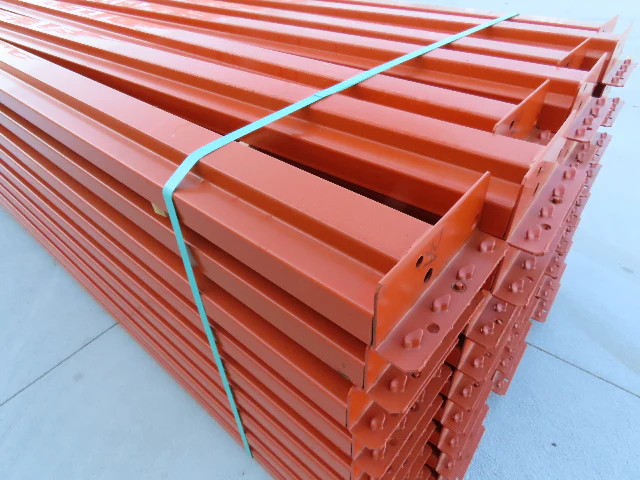
- Cantilever racking enhances safety by providing open support for long or bulky items, reducing scrapes, bumps, and awkward load handling compared to pallet racking.
- The straightforward design allows clear visibility and easier access, minimizing strain, slips, and muscle injuries.
- Safe storage benefits the entire crew by decreasing accidents, downtime, and fostering a respectful, supportive work environment.
- Warehouse managers and safety experts endorse cantilever racking for protecting both workers and goods, preventing damage and messy clean-ups.
- Using cantilever racking leads to fewer insurance issues and a more predictable, efficient workflow.
- Investing in worker-focused storage solutions like cantilever racking strengthens team morale and pride in work.
- Cantilever racking acts as a safety net that supports smooth operations and helps workers return home safely every day.
What Safety Benefits Does Cantilever Racking Offer Workers?
Why Choose Cantilever Racking Over Traditional Shelving Methods?
Look, in the warehouse world, it’s easy to get stuck on what’s been around forever—pallet racking, those familiar rows of metal shelves holding everything in place. But sometimes, sticking with the old ways just doesn’t cut it. Cantilever racking steps in where traditional shelving drags its feet. When you’ve wrestled with bulky, awkward items that don’t fit neatly into boxes—think lumber, pipes, or tubing—you get the gut feeling right away that pallet racking wasn’t made for this job. Cantilever racks throw open the arms and say, “Bring it on.” No walls, no dividers, just pure open space to load and unload stuff your crew won’t have to fight with all day.
This isn’t just about making your life easier; it’s about making the whole operation flow smoother. When your workers aren’t wrestling their tools and materials into tight spots, productivity climbs, accidents fall off, and that’s cash saved without lifting a finger. There’s a real straightforwardness to cantilever design—less fuss, fewer parts, and the kind of sturdiness you don’t question. It’s built tough, built smart, and built to handle the heavy lifters without buckling under pressure.
From an ethical standpoint, you’re looking out for your team. You’re giving them a setup that respects their effort and hard work by making their day safer and more manageable. No one wants to risk pinched fingers or dropped loads because the storage solution wasn’t up to scratch. That shows you’re not just in it to stack goods—you care about the people moving those goods.
Over the years, businesses embracing cantilever racking have seen more than their share of headaches fade away. Imagine walking into a space where everything fits just right, where chaos gets replaced by order, and your crew nods because they know the gear they need is exactly where it should be. That’s the kind of trust that builds solid relationships—not just with your workers, but with the clients getting their deliveries on time.
So, if you’re willing to look beyond the familiar pallet racking and give cantilever a real shot, you’re making a decision grounded in genuine experience, practical sense, and respect for the hands-on work that keeps everything moving. It’s the kind of common-sense upgrade that hits all the right marks—heart, head, and gut—while keeping your operation primed to handle whatever comes next.
Why Choose Cantilever Racking Over Traditional Shelving Methods?
Why Choose Cantilever Racking Over Traditional Shelving Methods?
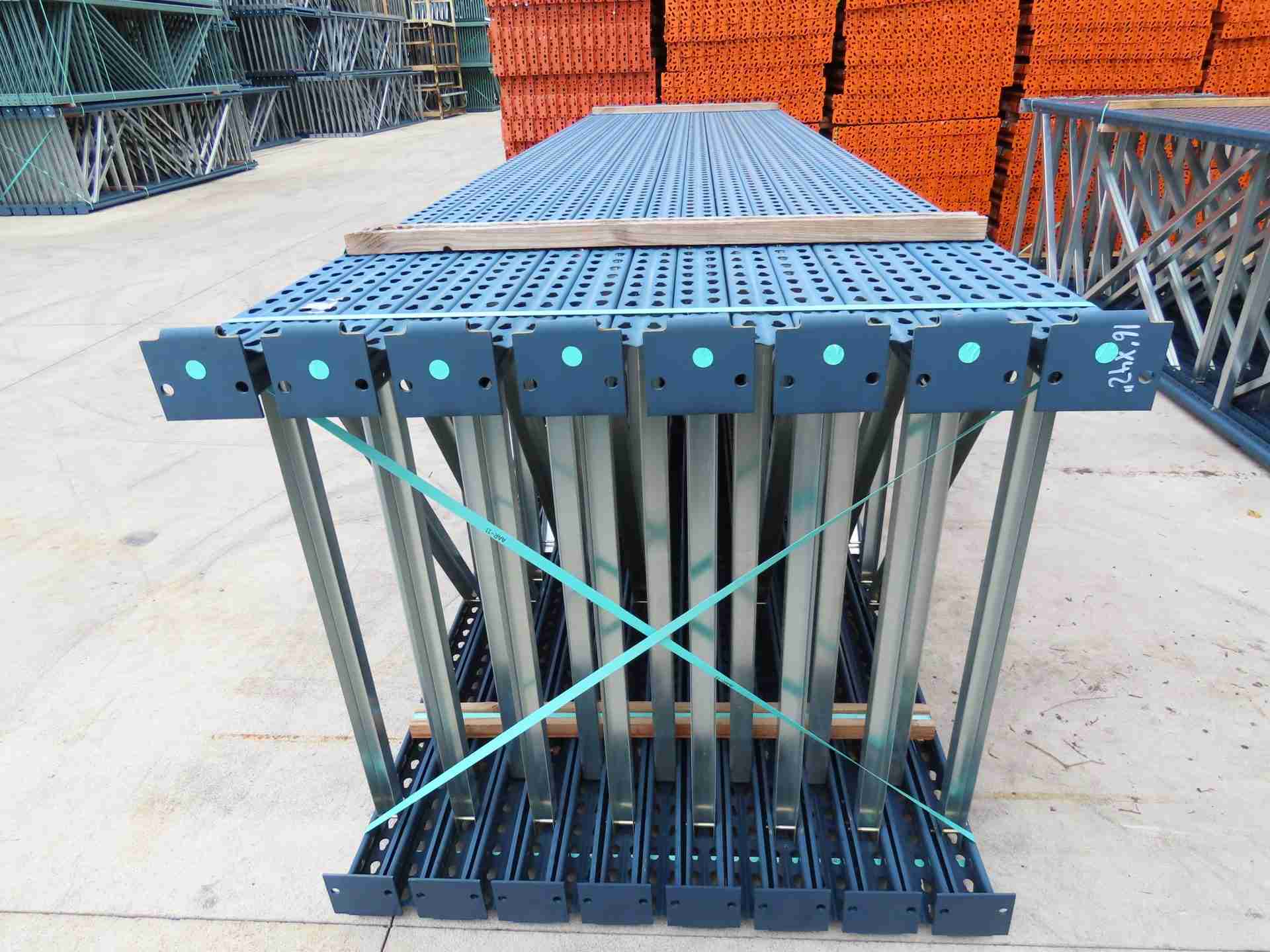
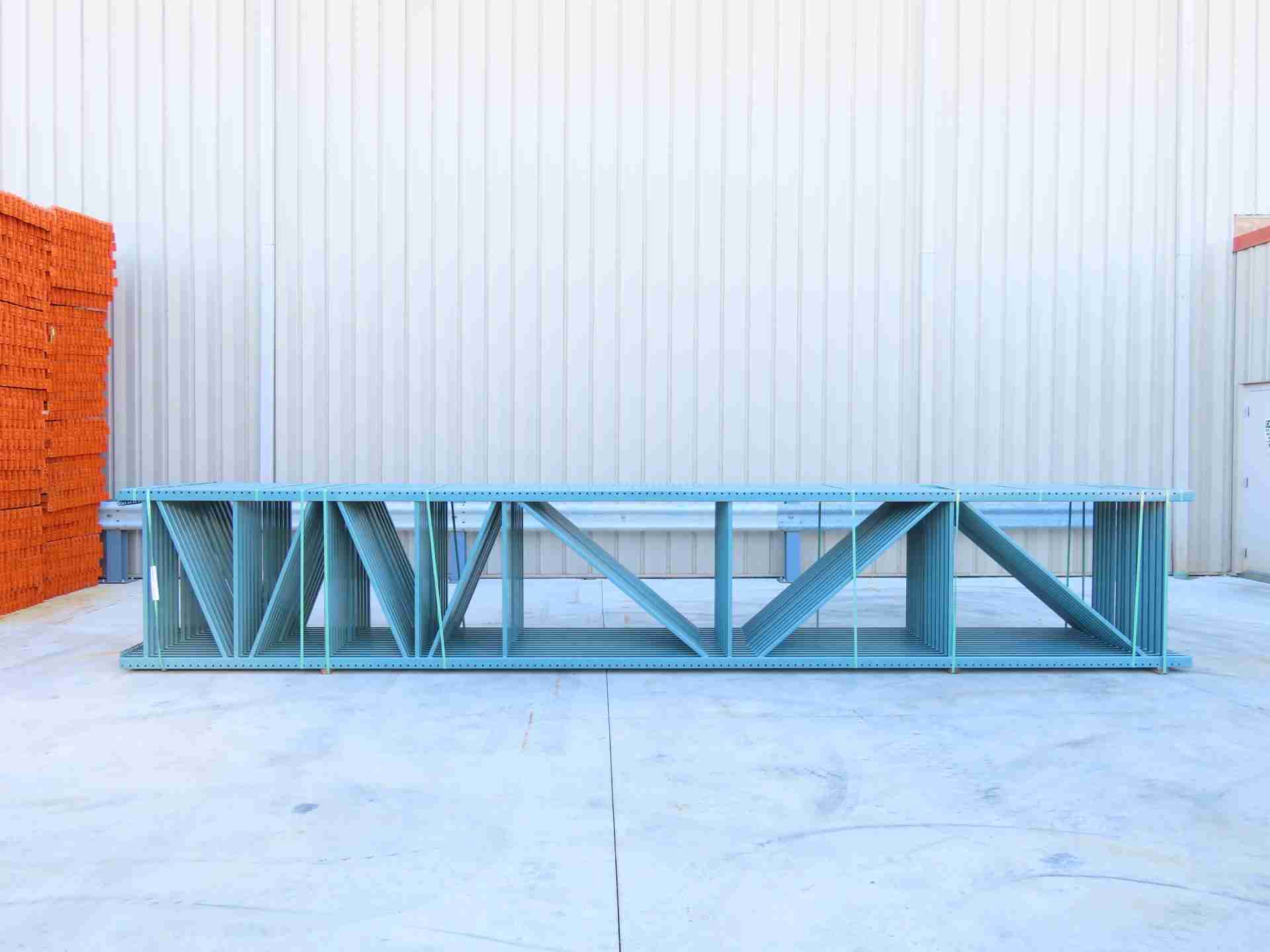
- Cantilever racking provides an effective alternative to traditional pallet racking for storing bulky, awkward items like lumber, pipes, and tubing.
- Its open design offers easy loading and unloading without walls or dividers, reducing struggle for warehouse crews.
- Using cantilever racking improves operational flow by increasing productivity and decreasing workplace accidents.
- The design is simple, sturdy, and capable of handling heavy loads without failing.
- It promotes worker safety and respect by minimizing risks such as pinched fingers and dropped loads.
- Businesses adopting cantilever racking experience improved organization, reducing chaos and building trust with workers and clients.
- Choosing cantilever racking reflects practical, experience-based decision-making that supports efficient and safe warehouse operations.
Why Choose Cantilever Racking Over Traditional Shelving Methods?
How Does Cantilever Racking Support Diverse Construction Materials?
When you’ve spent enough years in the trenches of construction, you learn quickly: not all materials play nice with the usual pallet racking setups. That’s where cantilever racking steps in, like the trusty workhorse that never complains and just gets the job done. Unlike pallet racking, which stacks bricks or boxes in neat little piles, cantilever racking stretches out its arms to cradle those long, unwieldy pieces—pipes, timber, steel bars—that just won’t fit right anywhere else. It’s the kind of solution that saves your back and time, letting you grab what you need without wrestling with awkward loads or dangerous balancing acts.
There’s an ethical side to this too. Keeping materials organized and properly supported isn’t just about convenience; it’s about respect—for the people handling these heavy, sometimes dangerous goods day in and day out. When your racking system isn’t up to snuff, accidents happen. Cantilever racking stands firm, engineered to hold weight steady and prevent slipping, so your crew goes home in one piece. That peace of mind is the kind of confidence every foreman and worker deserves.
From a pure common-sense perspective, cantilever racks are adaptable. They adjust to fit whatever curves or lengths your project throws at them. No need to compromise or rig something up with scrap wood or duct tape. This flexibility not only keeps your materials safe but makes your workflow smooth, cutting downtime and sticky situations on the job site. It’s a quiet, dependable kind of reliability that feels like a good handshake in warehouse form.
Building trust with your storage solutions is about the stories behind them. The rack that handled a month’s worth of heavy steel pipes during a rush job, or neatly housed delicate lumber so it stayed straight and clean, becomes part of your team. It’s no frills, no-nonsense gear that earns respect by just standing there and doing its job day after day. In construction, where time is money and safety isn’t negotiable, that kind of steady performance isn’t just nice—it’s essential.
So when it comes down to supporting diverse construction materials, cantilever racking delivers with hands-on practicality, straight talk, and hard-earned reliability—making it an indispensable part of your materials-handling arsenal, way beyond what pallet racking can muster.
How Does Cantilever Racking Support Diverse Construction Materials?
How Does Cantilever Racking Support Diverse Construction Materials?
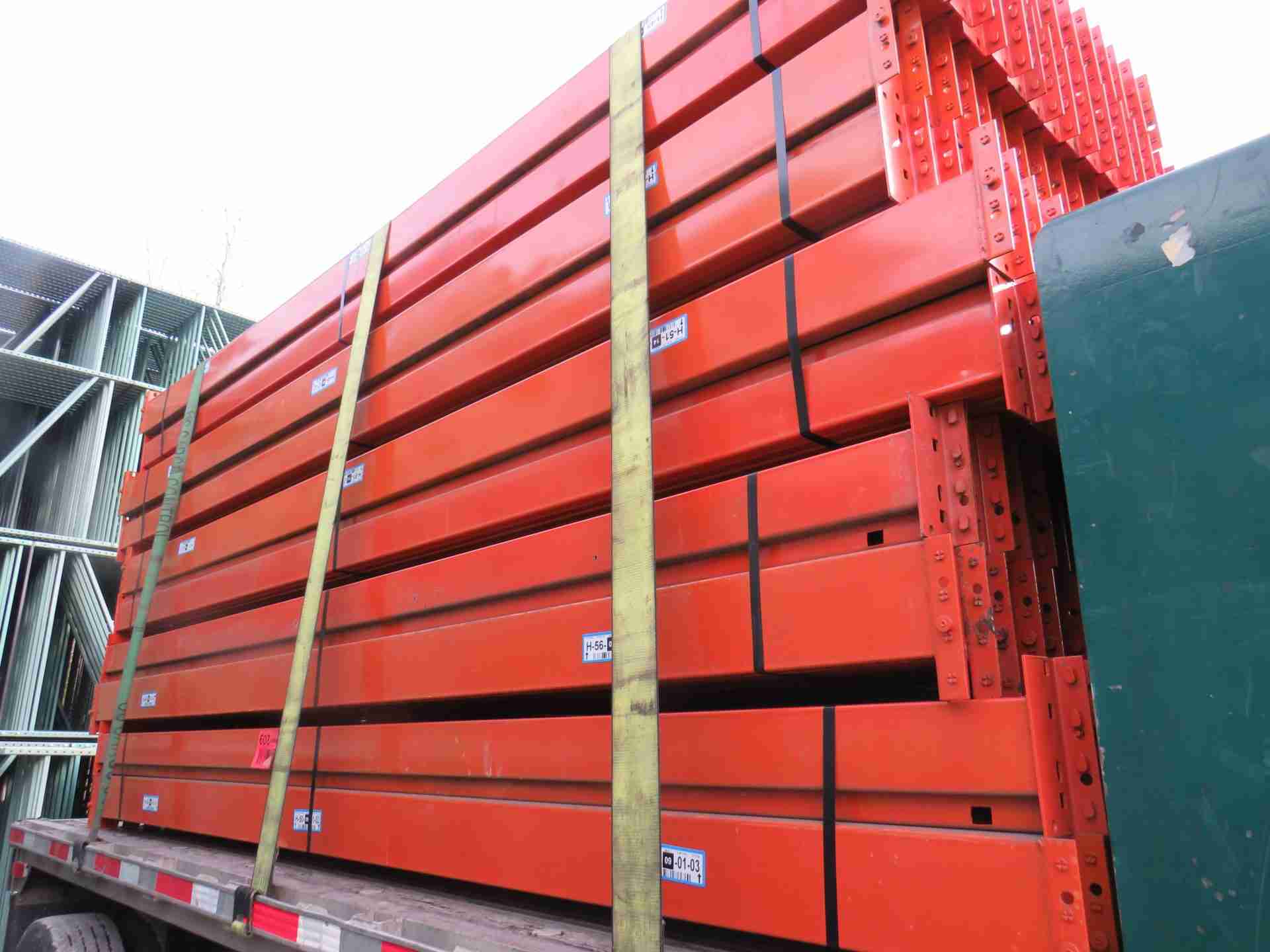
- Cantilever racking is designed to hold long, unwieldy materials like pipes, timber, and steel bars that don’t fit in standard pallet racking.
- It improves safety by securely supporting heavy and dangerous goods, reducing accidents and strain for workers.
- Unlike pallet racking, cantilever racks extend arms to cradle irregularly shaped items, saving time and effort.
- These racks are highly adaptable, adjusting to various material lengths and shapes without makeshift solutions.
- Cantilever racking enhances workflow efficiency by minimizing downtime and preventing material damage.
- It builds trust through consistent, reliable performance under heavy use and challenging conditions.
- In construction, cantilever racking is essential, providing practicality and durability beyond what pallet racking can offer.

How Does Cantilever Racking Support Diverse Construction Materials?
Conclusion
Look, construction supply centers aren’t about fancy gadgets or flashy fixes—they’re about getting tough jobs done without wasting time, backaches, or good materials. Cantilever racking is the backbone of this grit and grind. Unlike your standard pallet racks built for neat boxes, cantilever racks are the open-armed workhorses designed for the long, awkward stuff: pipes, lumber, rebar, and whatever else won’t fit into a cookie-cutter space. They don’t box you in—they give you the freedom to stack, find, and handle materials without the usual wrestling match.
This isn’t just about squeezing more stuff into a warehouse; it’s about respect. Respect for the folks elbow-deep in the mess every day, who deserve a system that doesn’t fight them every step of the way. Open, sturdy arms mean less bending, less lifting at weird angles, and fewer injuries. It saves time by cutting the guesswork, giving your crew clear sightlines so they know exactly where every 20-footer pipe or bundle of drywall lives. When workers trust their storage, they move faster and work smarter—not just because it makes business sense, but because it makes sense for their bodies and sanity.
On the ethical front, fewer damaged supplies mean less waste and cleaner budgets. Construction isn’t just throwing bricks together; it’s about building communities, and that starts with running an operation that values materials and the people moving them. Cantilever racking handles diverse materials with solid, adaptable design—no duct tape or rigged solutions needed—so everything stays in place and workers go home whole.
From a practical, hands-on view, this kind of system lowers downtime by cutting out the constant repairs and replacements that come from forcing square pegs into round holes. It’s as reliable as the steel beams it holds—steady, no surprises, ready to take the load come rain or rush hour. That reliability isn’t a neat gimmick; it’s a necessity in a business that never stops moving.
Cantilever racking also transforms space into an asset, not a liability. More room means more stock and faster orders. Clear aisles reduce accidents and boost morale because nobody wants to work in a cluttered maze. When your warehouse feels safe and organized, it sends a message that you care about your crew and your craft.
At the end of the day, choosing cantilever racking is about common sense laid on steel—making storage work for the people who do the heavy lifting. It’s the quiet partner in every successful build, the unsung hero that keeps projects on time, workers healthy, and materials ready to roll. It’s not just a storage choice; it’s a commitment to doing the job right, respecting the work, and honoring the hands that make it happen.
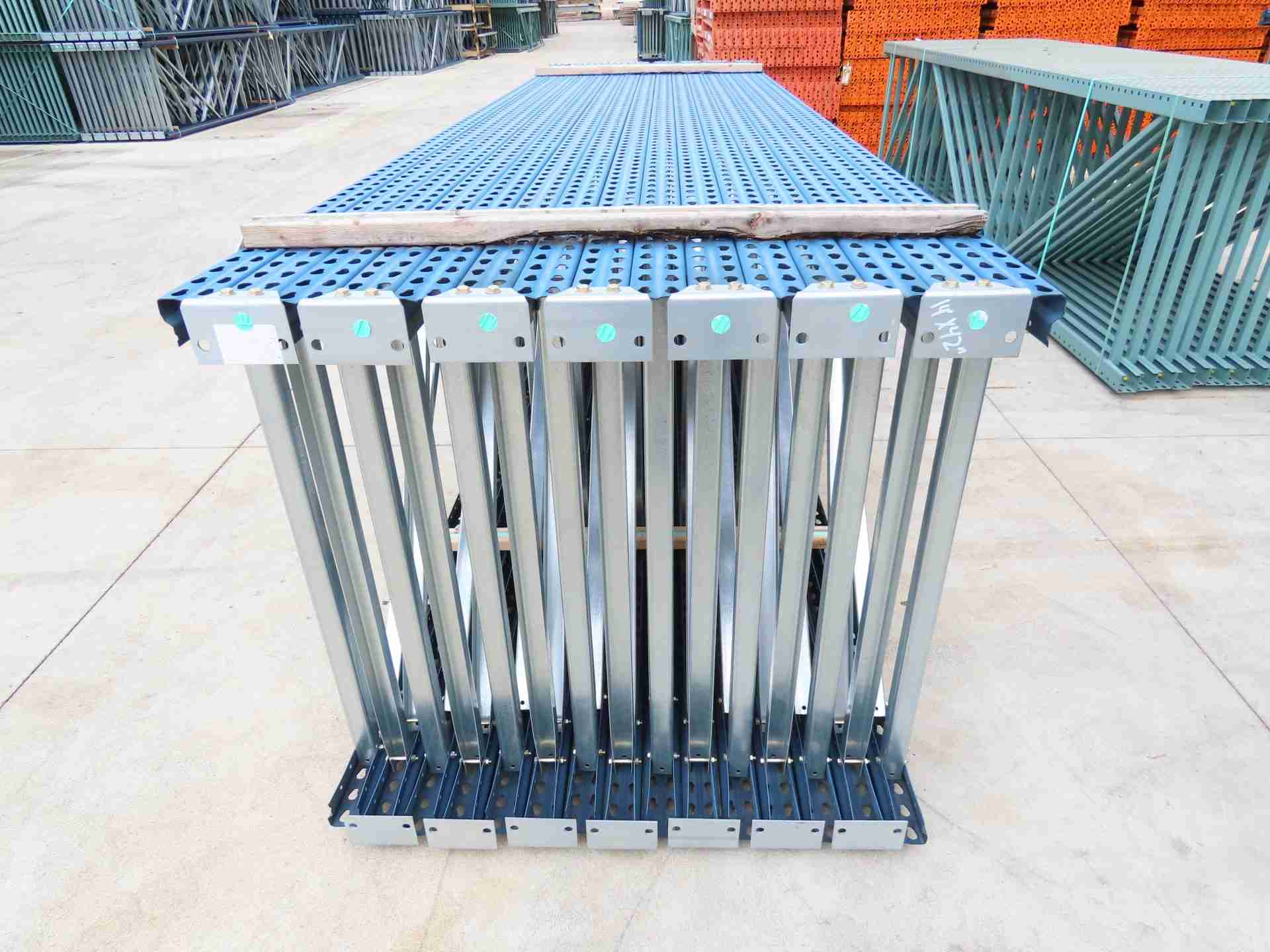
Conclusion
Conclusion:
- Cantilever racking is designed for long, awkward materials like pipes, lumber, and rebar, offering flexibility unlike traditional pallet racks.
- Its open design reduces physical strain by minimizing bending and awkward lifting, improving worker safety and efficiency.
- The system enhances organization and visibility, allowing workers to quickly locate and handle materials, saving time and effort.
- Using cantilever racks reduces material damage and waste, supporting ethical, cost-effective construction operations.
- It offers durability and reliability, lowering downtime by avoiding frequent repairs and replacements.
- Cantilever racking optimizes warehouse space, creating safer, clearer aisles that improve morale and productivity.
- Choosing cantilever racking reflects a practical commitment to supporting workers and maintaining efficient, respectful storage solutions.

Conclusion
Other Resources
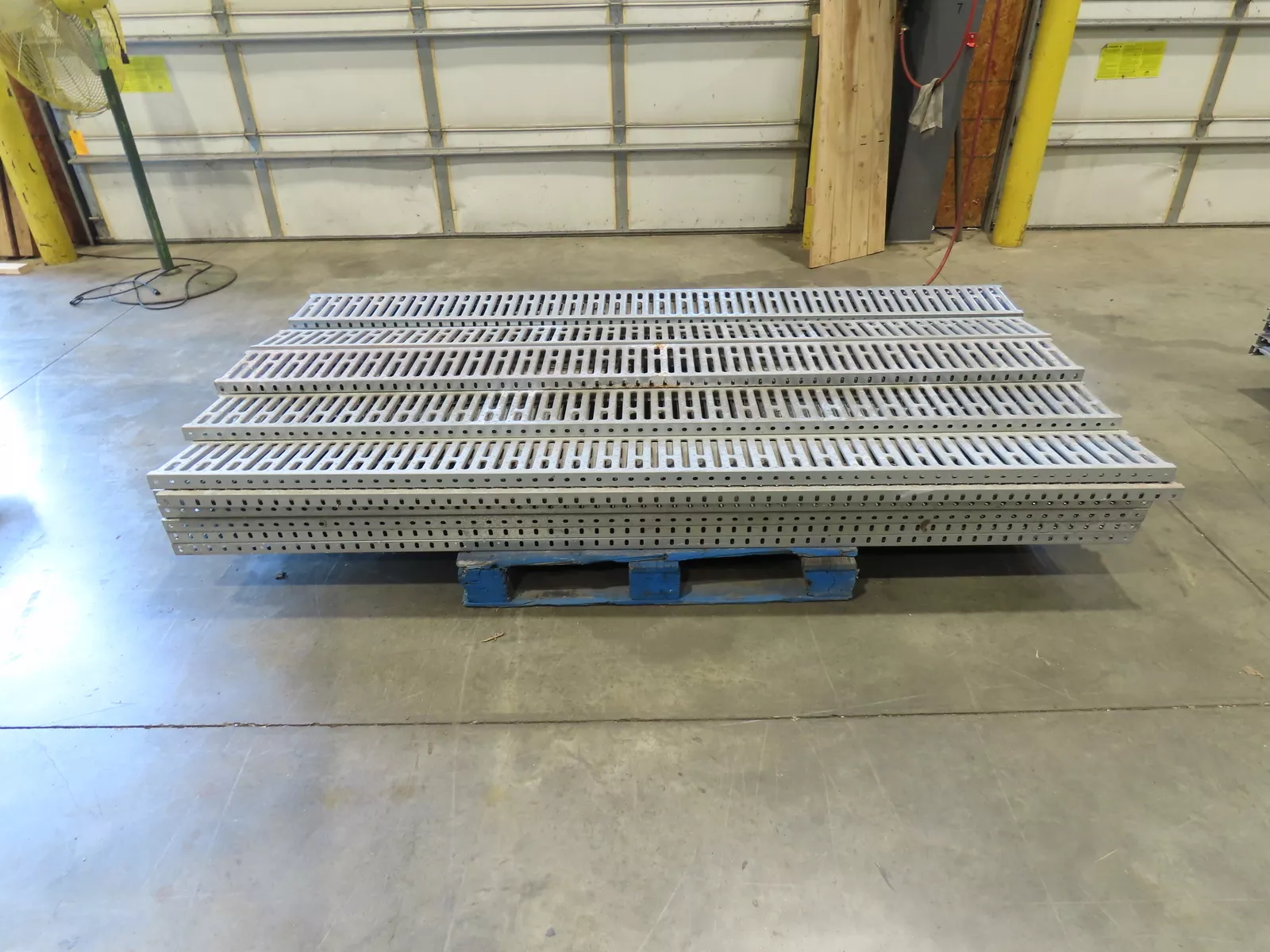
Other Resources
Here is a list of other resources you can review online to learn more:
- Teardrop Pallet Rack – Ridg-U-Rak
- Used Teardrop Pallet Rack – American Surplus
- Teardrop Racks – Pallet Rack World
- Pallet Racking systems in Illinois, Great Lakes
- Teardrop Industrial Shelving Rack
- Selective Racking
- Intro to Warehouse Racks & Warehouse Racking Systems – ShipBob
- The Ultimate Pallet Racking Guide – Speedrack West
- BMH Equipment LLC
- Warehouse Racking Systems: Beginner’s Guide to Rack Systems
- Warehouse Racking System: Powerful Guide to Optimise, 2024
- Cantilever Racking Specialists – Get the Right Racks
- Racking World
- Used Pallet Rack for Sale in Illinois – American Surplus
- What is Cantilever Racking? – AK Material Handling Systems
- Selective Pallet Racking Systems – Container Systems
- Warehouse Racks, Warehouse Racking in Stock – ULINE
- ASSP
- SEMA
Use This Prompt To Get More Resources With Your Favorite Online AI Tool: Please provide me with a list of online articles with their URLs in a bulleted list that I can read regarding How Do General Construction Supply Distribution Centers Leverage Cantilever Racking?
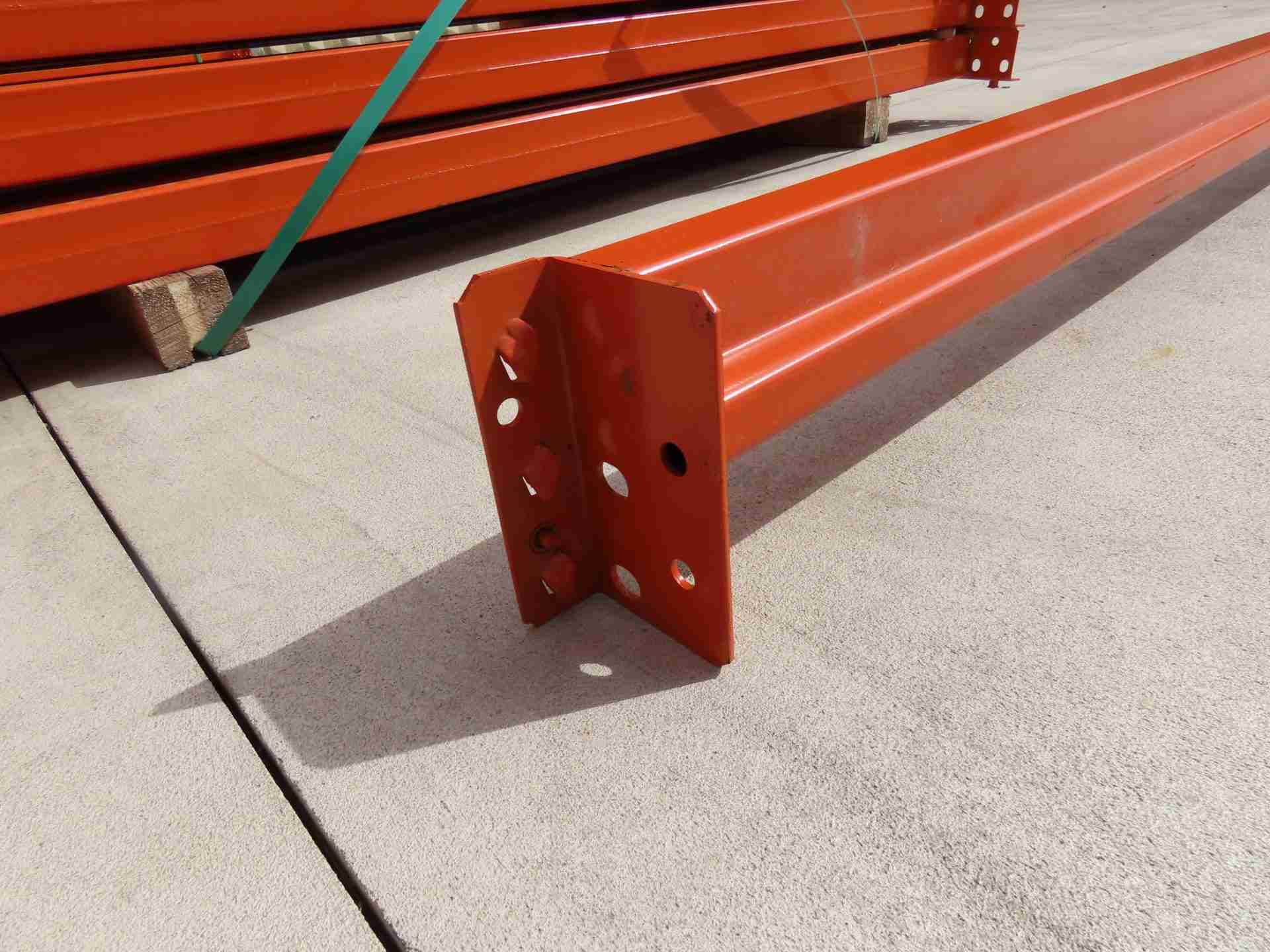
Other Resources
Glossary Terms
How Do General Construction Supply Distribution Centers Leverage Cantilever Racking? – Glossary Of Terms
1. Cantilever Racking: A storage system featuring horizontal arms extending from vertical columns, designed to hold long, bulky items.
2. Distribution Center: A facility that stores products and supplies for redistribution to retail locations or customers.
3. Inventory Management: The process of ordering, storing, and using products efficiently within a supply chain.
4. Load Capacity: The maximum weight a racking system can safely support.
5. Structural Steel: Steel components used to construct the framework of racking systems for durability and strength.
6. Vertical Columns: Upright supports in a cantilever rack that bear the weight of stored materials.
7. Horizontal Arms: Extendable arms from vertical columns where materials are placed and stored.
8. Adjustable Arms: Arms on cantilever racks that can be repositioned to accommodate various item sizes.
9. Bulk Storage: Holding large quantities of products or materials in one space within a distribution center.
10. Long Goods: Items such as pipes, lumber, or steel bars that are stored lengthwise on cantilever racks.
11. Storage Optimization: Techniques to maximize space efficiency in a distribution center.
12. Accessibility: Ease of reaching and handling stored materials on cantilever racks.
13. Material Handling Equipment: Tools and machinery used to move materials within the distribution center.
14. Forklift Compatibility: Design considerations allowing forklifts to safely place and retrieve loads on racks.
15. Space Utilization: The effective use of available storage area in a distribution facility.
16. Warehouse Layout: The physical design and arrangement of storage systems and pathways in a center.
17. Load Distribution: Even spread of weight across cantilever arms to maintain structural integrity.
18. Safety Standards: Guidelines ensuring the secure installation and use of racking systems.
19. Modular Design: A system design enabling flexible and scalable racking configurations.
20. Industrial Racking: Heavy-duty storage racks intended for use in warehouses or distribution centers.
21. Pallet Storage: Traditional storage system using pallets, often supplemented by cantilever racks for long items.
22. Space-saving Storage: Storage solutions that reduce wasted space to lower costs and improve efficiency.
23. Ergonomics: Design factors that improve worker safety and efficiency when accessing stored goods.
24. Picking Efficiency: Speed and ease with which items can be retrieved for order fulfillment.
25. Load Bearing Arms: The parts of cantilever racks that support the weight of the stored products.
26. Structural Integrity: The ability of the rack to maintain its shape and support loads without failure.
27. Cold Storage Compatibility: Use of cantilever racks in refrigerated or temperature-controlled environments.
28. Inventory Turnover: The rate at which stored items are replaced or moved through inventory.
29. Custom Racking Solutions: Tailored storage systems designed to meet unique product or operational needs.
30. Distribution Workflow: The process flow from receiving inventory to picking and shipping within a center.
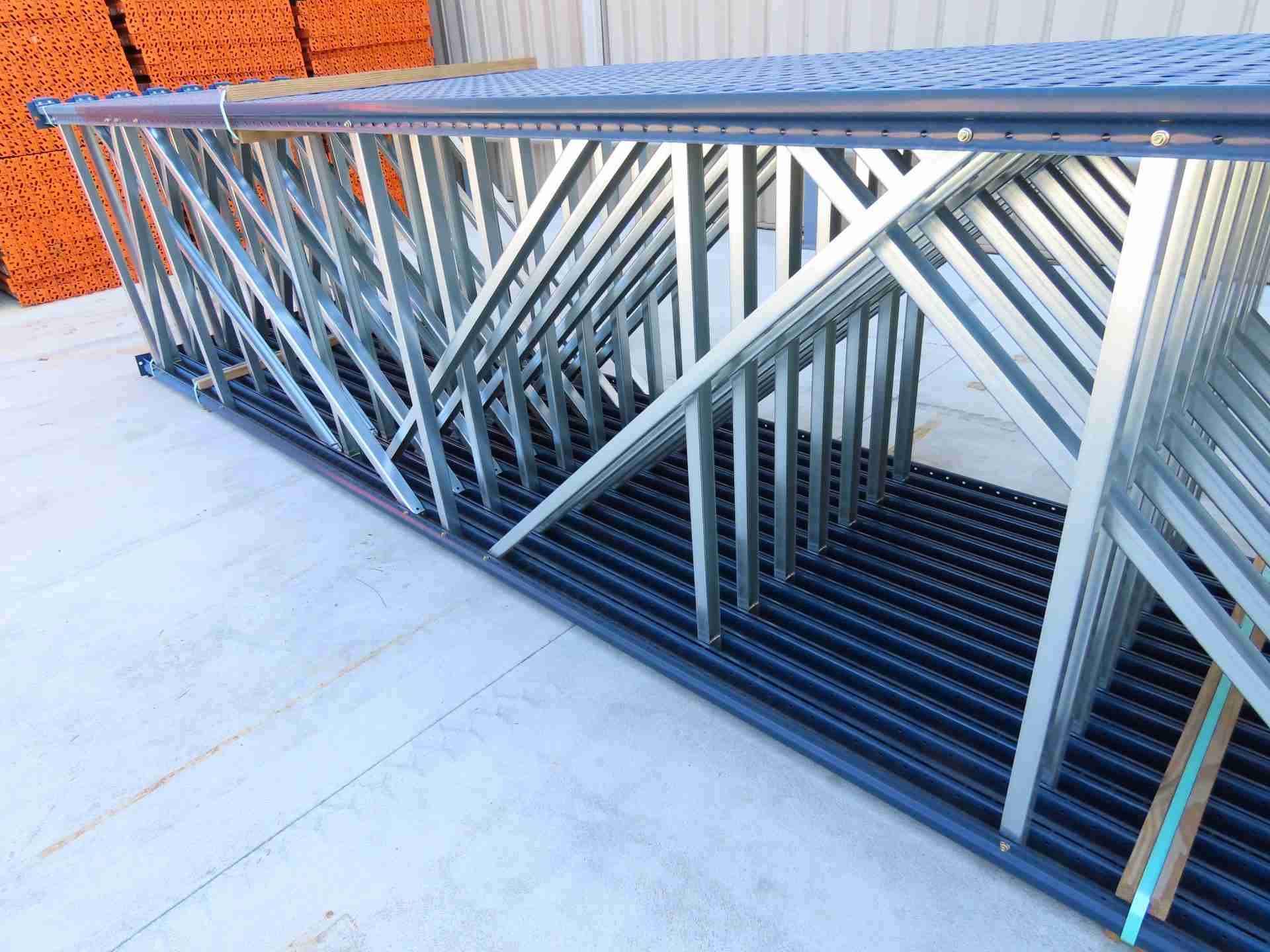
Glossary Of Terms
Other Questions
How Do General Construction Supply Distribution Centers Leverage Cantilever Racking? – Other Questions
If you wish to explore and discover more, consider looking for answers to these questions:
- How much does cantilever racking cost compared with pallet racking, including installation?
- What is the typical return on investment (ROI) and payback period for switching to cantilever racking?
- What are the load capacities per arm and per column for common cantilever racking systems?
- How do you calculate required arm spacing and row spacing for different materials?
- Are cantilever racks compatible with standard forklifts and handling equipment?
- What are the installation requirements and lead time for new cantilever racking?
- Can cantilever racking be retrofitted into an existing warehouse layout without major disruption?
- What floor anchoring or foundation preparation is needed for cantilever systems?
- How are cantilever racks secured for seismic regions or high-wind sites?
- What maintenance and inspection routines are recommended for cantilever racking?
- How do cantilever racks handle different material shapes (pipes, timber, sheets, rebar) and weights safely?
- Are there standard safety accessories (end stops, row protectors, arm protectors) available?
- How do cantilever systems integrate with inventory management and warehouse picking processes?
- Can cantilever racking be used outdoors, and what corrosion protection or coatings are needed?
- What customization options exist (adjustable arms, arm lengths, modular columns, double-sided units)?
- How do cantilever racks affect aisle width and overall storage density calculations?
- What are the fire code and sprinkler constraints when storing long or stacked materials on cantilever racks?
- Are there industry standards or certifications to look for when buying cantilever racking?
- What training should warehouse staff receive for safe loading and unloading of cantilever-stored items?
- How do insurers view cantilever racking—do premiums change with installation?
- What are common failure modes or hazards with cantilever racks and how are they mitigated?
- How long is the expected service life of cantilever racking, and what warranties are typical?
- Can cantilever racking be combined with other storage systems (pallet racking, mezzanines, vertical lifts)?
- What are the cost and logistical considerations for relocating or reconfiguring cantilever racks?
- How does cantilever racking perform under extreme temperatures or in corrosive environments?
- Are there case studies showing quantified labor or damage reductions after installation?
- What are the best practices for labeling and organizing inventory on cantilever racks?
- How does cantilever racking support automation (pick-to-light, AGVs, robotic handlers)?
- What permits or regulatory approvals are sometimes required for large cantilever installations?
- How do you determine whether single-sided or double-sided cantilever is better for a specific warehouse?
Other Questions
Checklist
How Do General Construction Supply Distribution Centers Leverage Cantilever Racking? – A Checklist
Goals and Fit
✅______ List core long or awkward SKUs (lumber, pipe, conduit, rebar, steel shapes, and sheet goods).
✅______ Record typical lengths, bundle sizes, weights, and handling frequency per SKU.
✅______ Identify current bottlenecks (search time, double handling, and damage points).
✅______ Define success metrics (handling time, damage rate, space utilization, and pick accuracy).
✅______ Map inbound and outbound flows to place racks near highest-traffic paths.
Space Planning
✅______ Measure clear height, column grid, door heights, and obstructions.
✅______ Set aisle widths for handling equipment (forklift, side loader, or Combilift).
✅______ Choose single- or double-sided rows based on product mix and access needs.
✅______ Plan bay lengths and arm spacing to fit the longest items with safe overhang.
✅______ Reserve staging zones for cutting, banding, and load consolidation.
✅______ Allocate fast-mover lanes near shipping; place slow movers higher or deeper.
System Specification
✅______ Select column height and base length for required capacity and stability.
✅______ Choose arm type (straight or inclined) based on product tendency to roll or slide.
✅______ Specify arm length and number of levels based on bundle dimensions.
✅______ Add end stops or pins where needed to prevent roll-off.
✅______ Determine bracing style and row tie-ins for rigidity across bays.
✅______ Specify surface or coating (galvanized or powder coat) for indoor or outdoor use.
✅______ Confirm rated capacities for columns, arms, and bases exceed worst-case loads.
✅______ Standardize on interchangeable arms where possible to simplify spares.
Floor and Installation Readiness
✅______ Verify slab thickness and load-bearing capacity for rack anchors and live loads.
✅______ Lay out row lines, centerlines, and anchor points before delivery.
✅______ Confirm anchor type and quantity match manufacturer requirements.
✅______ Plan for rack protectors (end-of-row or column guards) in high-traffic areas.
✅______ Schedule installation to minimize interference with operations.
✅______ Document as-built drawings and load-rating placards.
Material Organization and Slotting
✅______ Group by material family (wood, metal, or plastics), then by length and profile.
✅______ Assign dedicated levels for standard cut lengths and odd sizes.
✅______ Separate heavy from delicate or finish-sensitive materials.
✅______ Use cantilever decks, saddles, or cradles for sheet goods where appropriate.
✅______ Keep mixed-SKU levels to a minimum to reduce search time.
✅______ Define maximum overhang per SKU and post it at the pick face.
Labeling and Visibility
✅______ Label each row, bay, and arm position with durable location IDs.
✅______ Post load capacities at eye level on ends and mid-rack.
✅______ Use color coding for material categories or length classes.
✅______ Ensure lighting levels make labels and edges clearly visible.
✅______ Place directional signage for inbound, storage, and outbound lanes.
Handling and Flow
✅______ Validate equipment reach and tilt match arm heights and load depth.
✅______ Establish standardized pick and put-away paths to avoid cross-traffic.
✅______ Set rules for banding or strapping before travel; no loose bundles.
✅______ Define staging points for partial picks and consolidation.
✅______ Provide tools for quick measurement and verification of lengths.
Process and Training
✅______ Train operators on approach angles, lift points, and load placement.
✅______ Standardize arm-level assignments in the WMS or location charts.
✅______ Set replenishment triggers per SKU and level to avoid stockouts.
✅______ Create exception handling for oversized items, damaged goods, or returns.
✅______ Post simple visual SOPs at work areas.
Maintenance and Care
✅______ Schedule visual inspections for arms, columns, bases, and anchors.
✅______ Tag and remove from service any bent, cracked, or misaligned components.
✅______ Tighten anchors and bracing on a defined interval.
✅______ Keep aisles and bases free of debris and banding remnants.
✅______ Maintain touch-up paint or corrosion control kits for nicks and scrapes.
✅______ Track repairs and replacements by rack location.
Inventory Control
✅______ Tie locations to the WMS or inventory sheets with unique IDs.
✅______ Cycle count by row or zone on a routine cadence.
✅______ Record length, grade, and count per bundle at receipt and storage.
✅______ Use barcodes or RFID where practical for speed and accuracy.
✅______ Monitor shrinkage and damage trends by product and location.
Performance and Continuous Improvement
✅______ Track pick and put-away time for long items before and after rollout.
✅______ Monitor space utilization (linear feet used versus available).
✅______ Measure damage rate and rework tied to storage and handling.
✅______ Review incident and near-miss reports for layout or process tweaks.
✅______ Re-slot quarterly based on velocity and seasonality.
✅______ Collect floor feedback and implement quick wins.
Customer Readiness
✅______ Align rack organization with common customer cut lists and pack-outs.
✅______ Pre-stage frequent bundles for rapid loading.
✅______ Document product handling notes for fragile or premium finishes.
✅______ Ensure load securement materials are stocked at shipping points.
Vendor and Lifecycle Management
✅______ Vet suppliers for lead times, certifications, and spare part availability.
✅______ Keep a minimal spare kit (arms, stops, and anchors) on-site.
✅______ Maintain warranty, installation certificates, and capacity documents.
✅______ Plan expansion paths (add bays or levels) in high-growth categories.
Quick Launch Steps
✅______ Pilot one zone with the top 20 long SKUs and measure results.
✅______ Validate KPIs hit targets; adjust arm spacing and labels as needed.
✅______ Roll out in phases, starting with areas of highest congestion or damage.
✅______ Finalize documentation and hand off to operations.

Checklist
At RackingWorld, we help guide you through selecting warehouse storage systems and racking.
Be sure to read our other related stories at RackingWorld to learn more about warehouse storage systems.
0 Comments