
Maximizing Efficiency And Quality: The Hidden Power Behind Frozen Pizza Storage
By Tom Seest
At RackingWorld, we help guide you through selecting warehouse storage systems and racking.
Be sure to read our other related stories at RackingWorld to learn more about warehouse storage systems.
How Do Frozen Pizza Manufacturers Leverage Pallet Racking?
When you step into a frozen pizza manufacturing plant, you’re looking at more than just ovens and assembly lines—you’re seeing a well-oiled machine powered by something that doesn’t often get the spotlight: pallet racking. It might sound like just metal shelves to some, but around here, pallet racking is the backbone keeping everything running smooth and steady, day in and day out.
Think about it: frozen pizzas don’t pack themselves neatly, and they sure don’t store themselves optimally. Pallet racking is what lets manufacturers stack cases of pizzas high without turning the place into a chaotic mess. It’s a system designed for folks who know that time is money and that wasted space means lost opportunity. With pallet racking, every inch in the warehouse is put to work, holding down the fort efficiently and safely.
There’s a quiet kind of pride in watching this system in action. It’s honest to goodness common sense—pressing the advantage on space while making life easier for the hardworking folks loading trucks or pulling pallets for shipment. Without it, the whole process would slow to a crawl, risking delays that trickle down all the way to the customers. Manufacturers lean on pallet racking not just for storage but as a way to honor the craft—getting pizzas out fast, fresh, and intact. It’s about respecting the hustle of every hand that touches those boxes.
Besides keeping things tidy, pallet racking provides a sturdy, secure foundation that protects product quality. Frozen pizza might be a convenient meal, but it’s still food that people trust and rely on. By making sure inventory is stored properly, manufacturers aren’t cutting corners—they’re committing to ethical responsibility. They’re taking care of the product and, by extension, the families and folks who bring those pizzas to their tables. It’s a quiet trust baked into metal and steel, holding up what matters.
When you watch the flow—forklift drivers cruising right up to neatly organized rows, warehouse workers grabbing just what’s needed to replenish the line—you can see that pallet racking isn’t just equipment. It’s part of a bigger story about working smarter, respecting the product, and keeping the promise of a quick, quality meal for everyone out there. It’s a lesson in humility and hard work: no flashy gimmicks, just a solid foundation that gets the job done, day after day. And that’s worth more than its weight in cheese and pepperoni.

How Do Frozen Pizza Manufacturers Leverage Pallet Racking?
How Do Frozen Pizza Manufacturers Leverage Pallet Racking?
- Pallet racking is the essential backbone of frozen pizza manufacturing plants, ensuring smooth and steady operations beyond just ovens and assembly lines.
- It enables efficient and high stacking of pizza cases, maximizing warehouse space and preventing chaos.
- The system saves time and money by optimizing storage, making life easier for workers loading trucks and pulling pallets.
- Pallet racking supports fast, fresh, and intact pizza delivery, honoring the effort of every worker involved.
- It provides a sturdy, secure foundation that protects product quality and reflects ethical responsibility.
- The organized flow of operations, from forklift drivers to warehouse workers, showcases pallet racking as an integral part of working smarter.
- It represents humility and hard work, forming a solid, reliable foundation that consistently supports the manufacturing process.
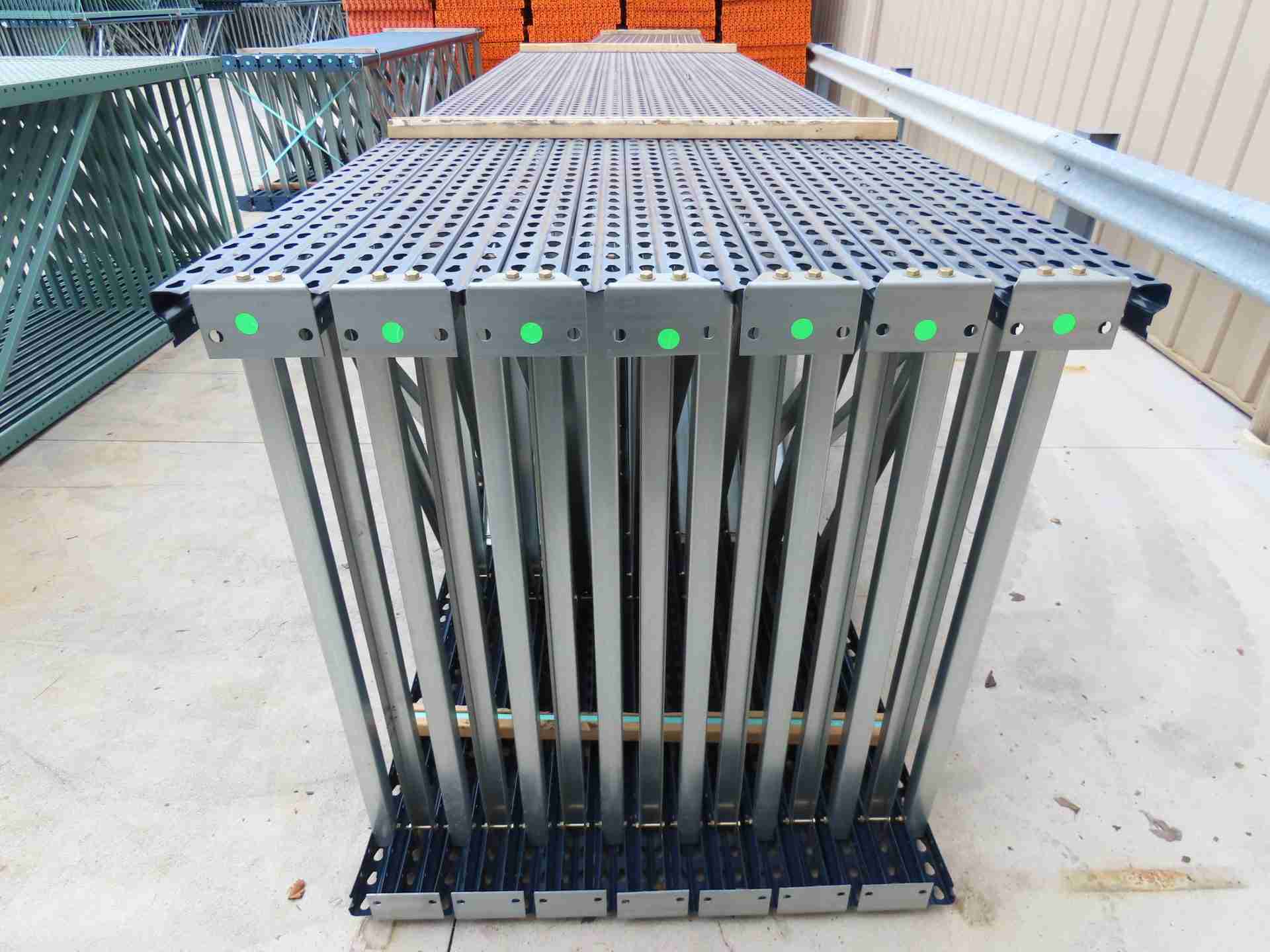
How Do Frozen Pizza Manufacturers Leverage Pallet Racking?
Table Of Contents
- How Do Frozen Pizza Manufacturers Leverage Pallet Racking?
- How Does Pallet Racking Improve Frozen Pizza Storage Efficiency?
- How Does Pallet Racking Impact Product Quality During Storage?
- Why Is Space Optimization Crucial for Frozen Pizza Producers?
- How Do Pallet Racks Support Food Safety Regulations In Freezing?
- What Role Does Pallet Racking Play In Reducing Delivery Time?
- How Does Pallet Racking Affect Inventory Management Accuracy?
- Conclusion
- Other Resources
- Glossary Of Terms
- Other Questions
- Checklist
How Does Pallet Racking Improve Frozen Pizza Storage Efficiency?
There’s something satisfying about a warehouse that works. You walk in, and every box has its place, the frozen pizzas stacked neat and easy to grab. That kind of order doesn’t just happen by chance—it’s pallet racking doing the heavy lifting. When you’re dealing with frozen goods, time and space are everything. Pallet racking doesn’t just store pizzas; it organizes the chaos, cuts down wasted steps, and makes sure the cold stays cold without your team breaking their backs.
Think about the cold storage warehouse, where every inch costs money, every minute counts. Pallet racking maximizes vertical space, turning what used to be a messy pile on the floor into tidy, accessible rows reaching toward the ceiling. That means more pizzas can fit in the same space, fresh and ready. No more playing Tetris with boxes or risking crushed products at the bottom of a haphazard stack. It’s efficient use of square footage, plain and simple.
But there’s more than just the numbers and neatness. When your team can find exactly what they need without searching or strain, they move faster, work safer, and feel less grind. That’s dignity in work right there—tools and systems that respect folks’ efforts instead of making things harder. Pallet racking shows a kind of respect for the people behind the scenes, the ones who keep the supply chain humming. It’s ethical to make work less of a hassle and reduce the risk of injury, which in the cold, slippery world of frozen goods is no small thing.
And here’s the kicker: using pallet racking builds trust with customers. When orders come out right, on time, and undamaged, it’s more than just good business—it’s a promise kept. Frozen pizza is a simple comfort people rely on, and behind that box is a whole system working to deliver it just right. Warehouses that invest in pallet racking aren’t just stacking boxes; they’re stacking reliability.
In this game, story is everything. A warehouse that looks organized tells a story of care, competence, and pride. It’s a place where the cold work pays off, where frozen pizzas aren’t just stored—they’re respected. When you see pallet racking in action, you see a silent partner making the whole operation run smoother, safer, and stronger. It’s one of those good, honest solutions that just gets the job done.
How Does Pallet Racking Improve Frozen Pizza Storage Efficiency?
How Does Pallet Racking Improve Frozen Pizza Storage Efficiency?
- Pallet racking creates order in warehouses by organizing frozen goods efficiently, reducing wasted steps, and maintaining proper cold conditions.
- It maximizes vertical space in costly cold storage, increasing capacity and preventing damage from haphazard stacking.
- Improved organization allows workers to find items quickly, work safer, and reduces physical strain, promoting dignity and respect for labor.
- Using pallet racking reduces workplace hazards, which is especially important in the cold, slippery environment of frozen goods storage.
- It builds customer trust by ensuring orders are accurate, timely, and undamaged, reinforcing reliability beyond mere storage.
- An organized warehouse reflects care, competence, and pride, telling a positive story about the operation behind the scenes.
- Pallet racking acts as a silent partner to improve warehouse efficiency, safety, and effectiveness with a straightforward, dependable solution.
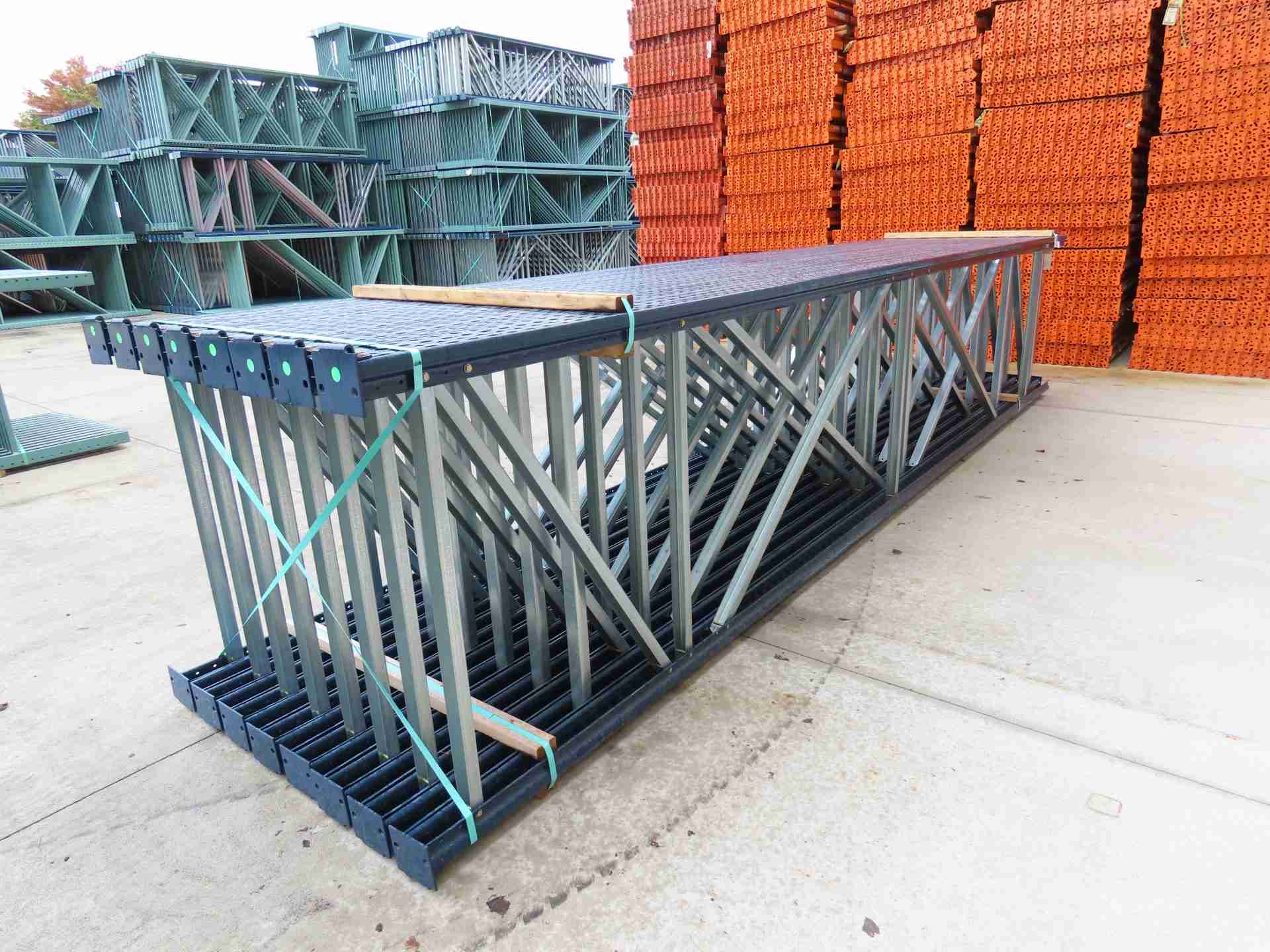
How Does Pallet Racking Improve Frozen Pizza Storage Efficiency?
How Does Pallet Racking Impact Product Quality During Storage?
You know, pallets sliding onto racks might seem like just another warehouse chore, but those racks do more than hold your goods—they can make or break your product’s quality. Think about it: that box you stacked up last week isn’t just sitting there. It’s waiting on solid support, proper spacing, and room to breathe. Pallet racking isn’t just steel and beams; it’s the backbone of your inventory’s health.
When goods sit crushed or too close together, damage sneaks in like a slow leak. Pallet racking keeps things orderly, elevating products off cold concrete floors where moisture and dirt lurk. It stops the sag, the stale air, and the accidental bumps that turn solid stock into scrap. You’ve probably seen how a pile-up on the floor can turn a truckload of fresh items into a mess of dents and dust. Racks avoid that mess, giving each pallet its space and holding it steady. That’s common sense backed by years in the warehouse trenches.
And it’s not just about stuff looking good. When product quality suffers, it hits you right where it hurts—the bottom line. Damage left unnoticed can cost more than just a repackaging headache; it erodes trust with customers who expect what they ordered, no shortcuts. Proper pallet racking stands as a silent partner in your operation, making sure the goods arrive intact, keeping you reliable and respected. It’s an ethical stand too: you owe it to your customers and crew to take every step to protect what you handle. No one wants to be the one shipping out broken promises.
There’s a kind of pride in well-managed storage, too. Walk a good racking system and you see a story—a story of care, order, and respect for the hard work that got those products there in the first place. It’s about doing the right thing even when no one’s watching. That’s why companies invested in solid pallet racking aren’t just tossing boards and nails around; they’re building confidence, reliability, and respect one pallet at a time.
So when you think about pallet racking, think about more than metal. Think about keeping your stuff safe, earning your customers’ trust, and making your place of work something you can be proud of. That’s how pallet racking impacts product quality—it’s the difference between letting things slide and standing firm on your promise.

How Does Pallet Racking Impact Product Quality During Storage?
How Does Pallet Racking Impact Product Quality During Storage?
- Pallet racking provides essential support, proper spacing, and ventilation, crucial for maintaining product quality.
- It prevents damage caused by crushing, moisture, dirt, and accidental impacts by elevating goods off the floor and keeping them orderly.
- Proper racking avoids product pile-ups that result in dents, dust, and spoiled inventory.
- Maintaining product quality through pallet racking protects the bottom line and preserves customer trust.
- Effective racking is an ethical responsibility to customers and employees, preventing the shipment of damaged goods.
- Well-managed storage systems reflect care, order, and respect for the effort behind the products.
- Investing in pallet racking builds confidence, reliability, and pride in the workplace, reinforcing a commitment to quality.
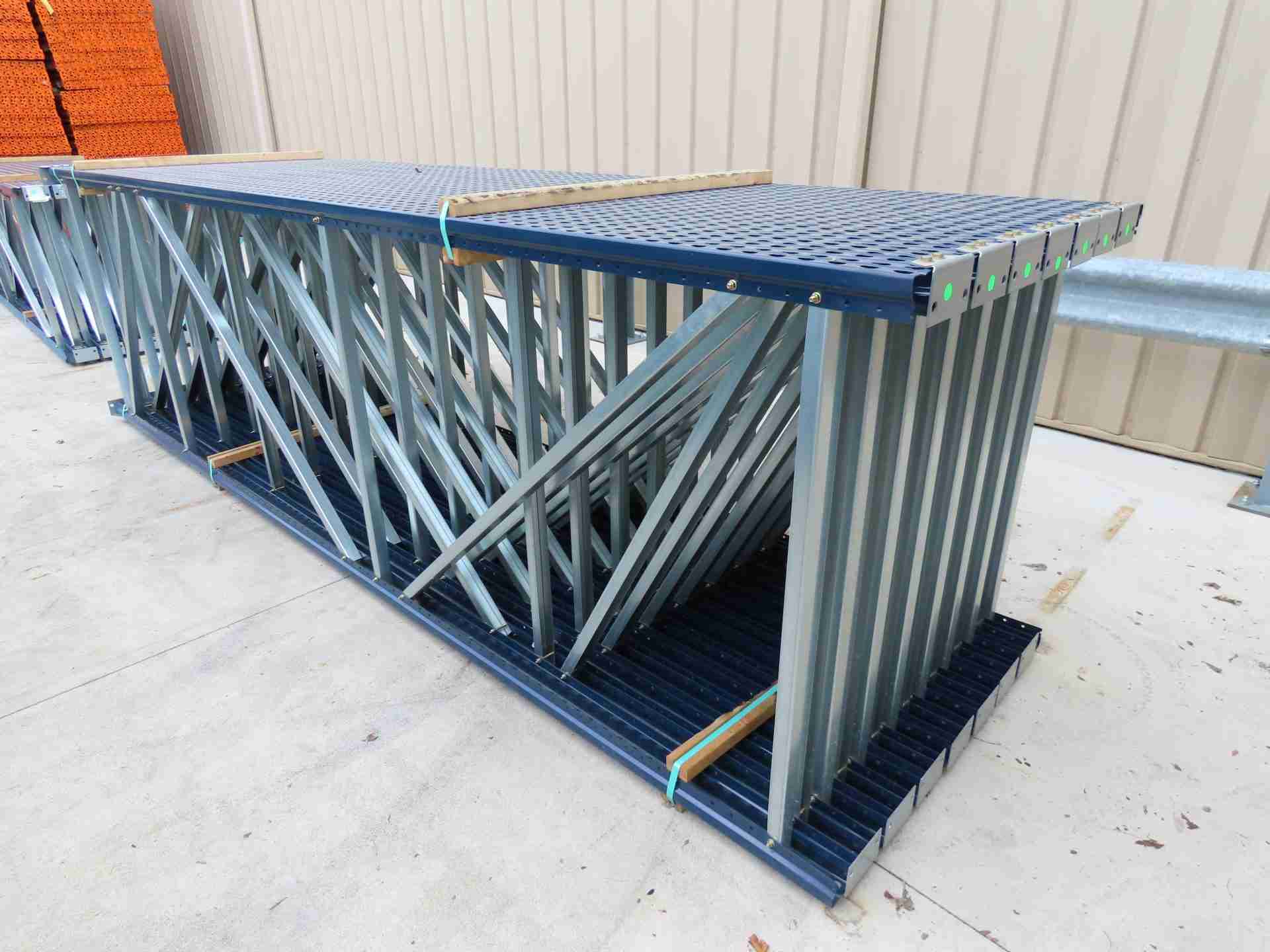
How Does Pallet Racking Impact Product Quality During Storage?
Why Is Space Optimization Crucial for Frozen Pizza Producers?
In the frozen pizza world, space isn’t just a luxury—it’s the heartbeat that keeps the whole operation running smooth and steady. You walk into any production facility, and the first thing that hits you is how much gear and inventory are piled into every corner. Pallet racking? That’s not just some fancy shelving; it’s the backbone that holds the place together. If you don’t use your space right, you’re basically throwing money down the drain and slowing down every step from dough to delivery.
Think about it: frozen pizza has a shelf life, and every minute spent fumbling around because your storage is a mess is a minute closer to product waste. Keeping things tight but accessible isn’t just about fitting more boxes in a warehouse; it’s about respect—respect for the product, the team, and the customers eating that pie at the end of the day. It’s ethical stewardship to minimize waste, cut down excess energy use, and keep everything moving like a well-oiled machine. You want your pizzas fresh, your team safe, and your footprint lean.
Here’s the thing about pallet racking—done right, it transforms a crowded chaos into a lean, efficient system. It turns storage from a problem into a strategy. It’s not just putting pallets anywhere; it’s lining up everything for quick pick, easy stock tracking, and minimal handling. That means less human error, faster loading, and ultimately, a product that hits shelves faster and fresher. When your space is optimized, your entire crew can breathe easier, work smarter, and worry less about where the next box ends up.
Every frozen pizza produced carries the weight of trust—trust from the folks who make it and the families who eat it. Proper space management, especially with pallet racking, shows you’re serious about quality and delivery. It’s a quiet promise that nothing gets lost, damaged, or delayed because the system was too cramped or sloppy. And that builds a reputation that stands longer than any fresh pie ever will.
Space optimization isn’t just a warehouse issue. It’s a common-sense backbone for survival and growth. It’s about doing right by your product, your people, and your bottom line—all tucked neatly into every pallet stored just right.
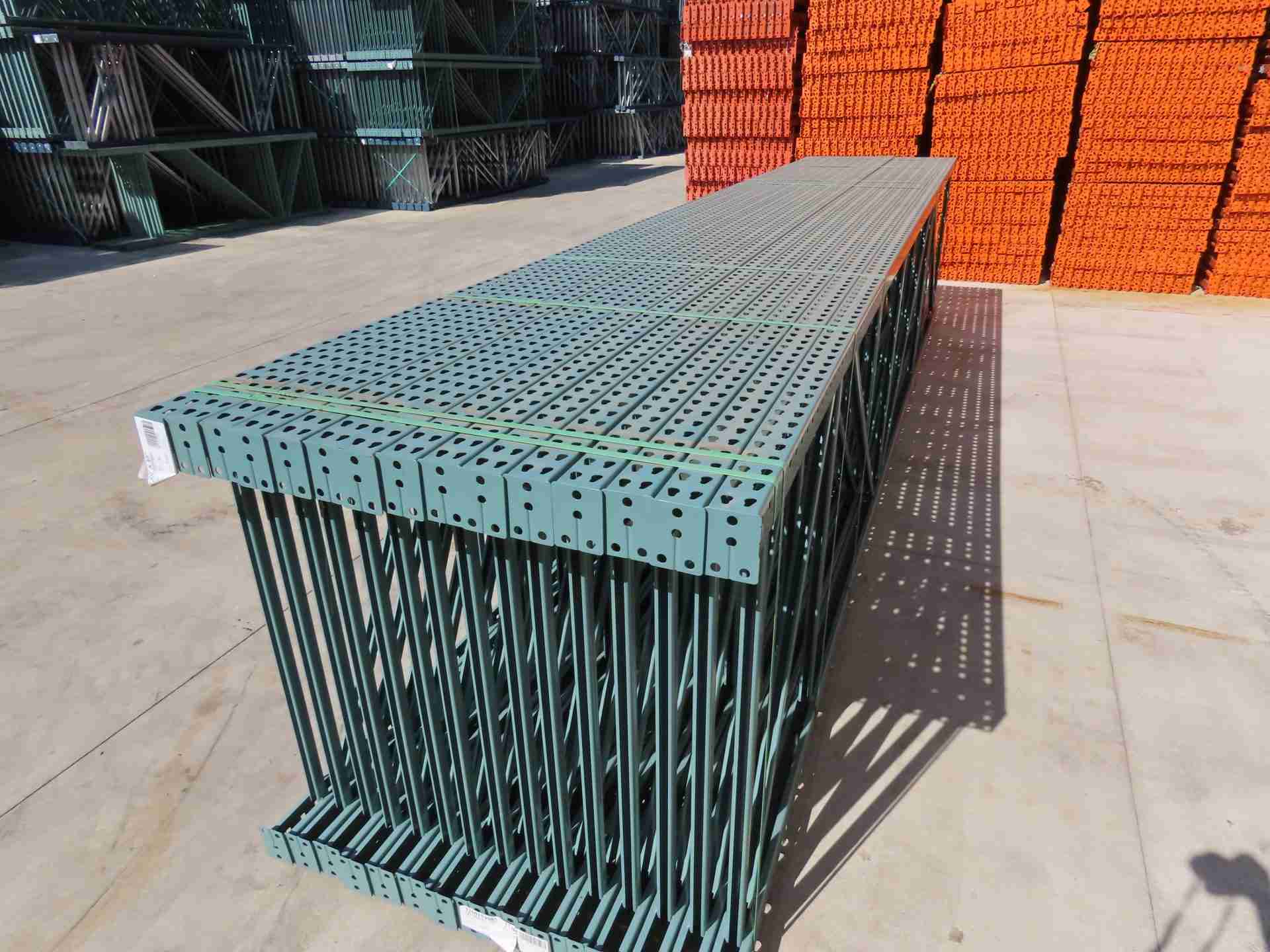
Why Is Space Optimization Crucial for Frozen Pizza Producers?
Why Is Space Optimization Crucial for Frozen Pizza Producers?
- Space in frozen pizza production is critical for efficient operations and avoiding delays.
- Pallet racking serves as the essential structure to organize inventory and equipment effectively.
- Poor space use increases product waste due to the limited shelf life of frozen pizzas.
- Optimized storage honors the product, supports the team, and benefits customers by reducing waste and energy consumption.
- Proper pallet racking creates a streamlined system for quick picking, stock tracking, and reduces handling errors.
- Effective space management builds trust by ensuring quality, preventing damage, and maintaining timely delivery.
- Space optimization underpins the survival and growth of the business by protecting product quality and operational efficiency.
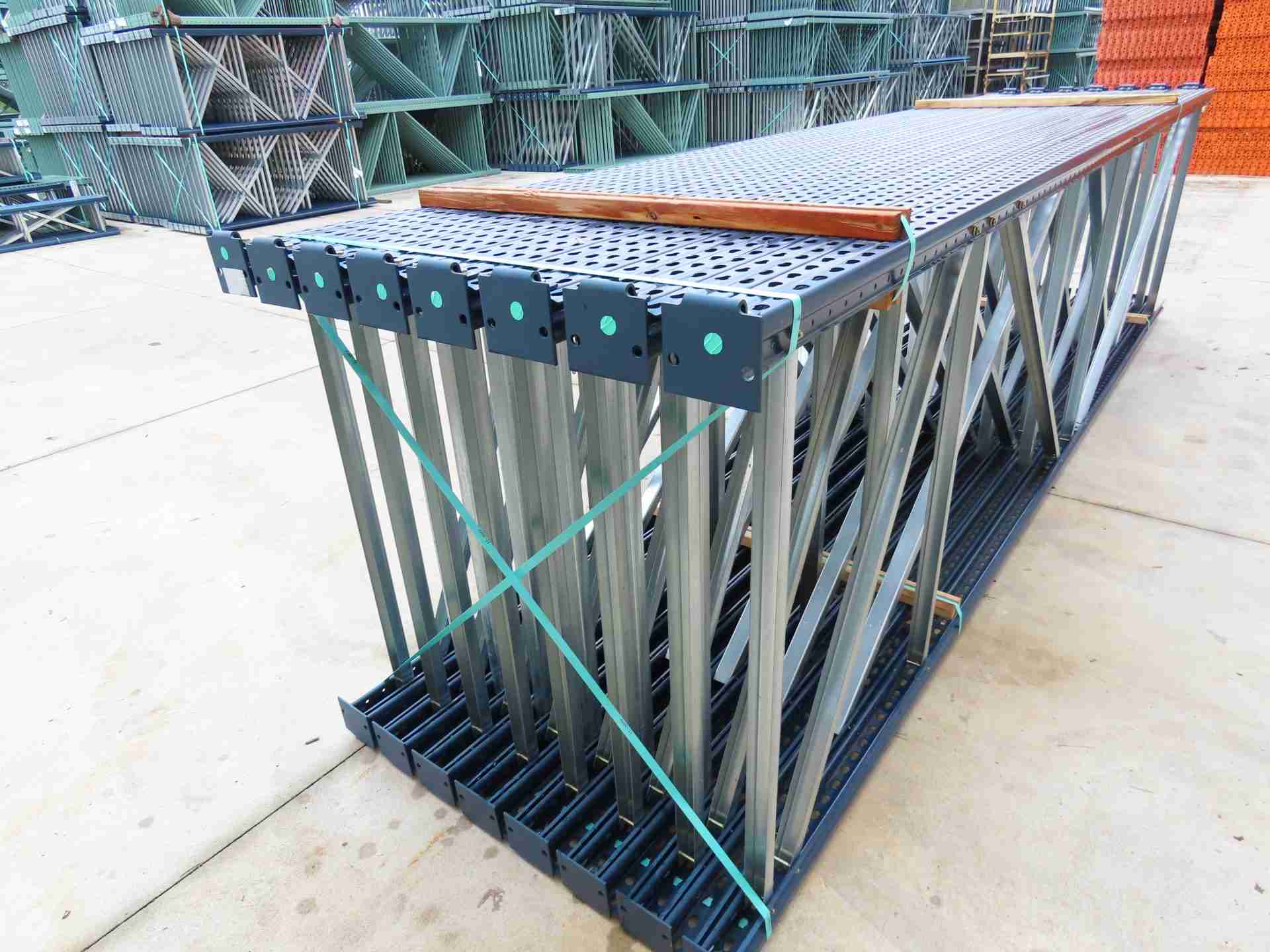
Why Is Space Optimization Crucial for Frozen Pizza Producers?
How Do Pallet Racks Support Food Safety Regulations In Freezing?
When you’re dealing with frozen food, every second counts and every inch of space matters—not just for keeping things cold, but for keeping things safe. Pallet racking steps into this picture like a trusted workhorse on the warehouse floor. It ain’t fancy, but it’s the backbone that holds up food safety regulations in freezing environments. You see, proper storage isn’t just about stacking boxes; it’s about making sure air flows where it’s supposed to, temperatures stay steady, and nothing gets squished or cross-contaminated. When pallet racks are set up right, they create clear paths for cold air to circulate around every pallet. That’s what keeps frozen goods from thawing out in the slightest, which in turn keeps bacteria from throwing a party where they don’t belong.
There’s also the matter of organization and tracking. Pallet racking makes it easier to keep everything off the floor and in its rightful place, cutting down on spills, messes, and the kind of chaos that breeds mistakes. Those racks are sturdy, standing firm through the cold and humidity, holding up pallets stacked high without tipping a finger. That stability means accidents are less likely, and safety doesn’t just meet regulations—it becomes a daily habit, built into the way the warehouse runs.
From the gut, you know the simple truth: cold storage that’s cluttered or sloppy invites trouble. You can’t afford to gamble with food that people depend on for their health and well-being. Hands-on folks understand that pallet racking isn’t just equipment; it’s part of the commitment to keeping food fresh and safe, every day, every hour. It’s respect for the people who’ll eventually put that food on their tables.
On the ethical side, supporting food safety with good pallet racking is about responsibility—doing right by customers, workers, and the community. It’s about trust, showing that you’re serious about delivering quality and safety, not cutting corners. And when your operation is backed by proven practices that meet tough food safety standards, that confidence spreads from the warehouse floor to the wider world, building a reputation that won’t freeze over anytime soon.

How Do Pallet Racks Support Food Safety Regulations In Freezing?
How Do Pallet Racks Support Food Safety Regulations In Freezing?
- Pallet racking is essential in frozen food storage for maintaining cold temperatures and ensuring food safety.
- Proper setup allows cold air to circulate evenly, preventing thawing and bacterial growth.
- Organization and tracking improve by keeping pallets off the floor and reducing spills and messes.
- Racks are durable and stable, minimizing accidents and making safety a consistent practice.
- Cluttered or sloppy cold storage invites contamination and risks food quality and safety.
- Pallet racking represents a commitment to preserving food freshness and respecting consumers.
- Using pallet racking supports ethical responsibility, builds trust, and upholds high food safety standards.
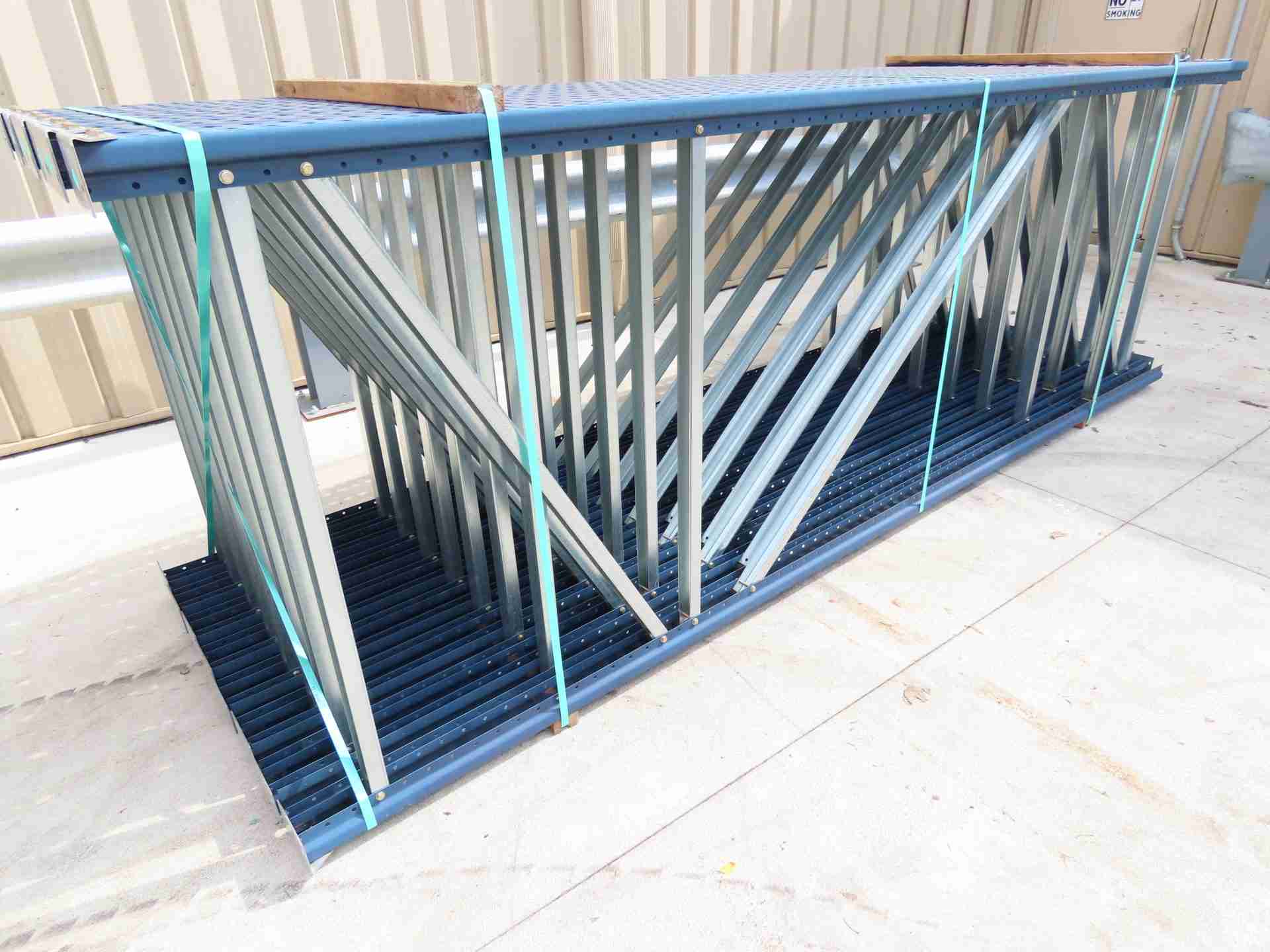
How Do Pallet Racks Support Food Safety Regulations In Freezing?
What Role Does Pallet Racking Play In Reducing Delivery Time?
Picture this: a warehouse buzzing with activity, forklifts whirring, workers hustling to meet deadlines that seem to get tighter every day. In the thick of it, there’s a quiet hero—pallet racking. It might not wear a cape or get cheers, but it’s the backbone that keeps everything moving fast and smooth, slashing delivery times without everyone even noticing.
Let’s be real here. When a customer orders something, they don’t want excuses. They want it out the door yesterday. Pallet racking isn’t just metal and shelves—it’s a system designed to put the right goods in the right place at the right time. By organizing stock vertically and logically, you cut down the crazy mad dash that comes with shuffling pallets around like a game of checkers. That means less time wasted hunting for items and more time getting them loaded and shipped. It’s all about efficiency born from experience, not some flashy gimmick.
On a gut level, every minute saved measuring and moving pallets adds up to fewer headaches. Imagine working a shift where everything is where you expect it, and your team isn’t stuck circling the warehouse waiting for that one stubborn pallet. You’re not just saving seconds—you’re cutting stress, building confidence in how your operation runs day in and day out. That’s the kind of dependable setup that keeps teams upbeat and customers happy.
Ethically, speeding up delivery with pallet racking isn’t just good business; it’s about respect. Respect for the workers who handle the goods, respect for the customers waiting on the other end, and respect for the sheer effort it takes to keep supply chains humming. When you invest in smart pallet storage, you’re valuing people’s time and trust—which pays dividends that spreadsheets can’t always capture.
Authority comes from knowing this stuff works. Countless warehouses lean on pallet racking because it simply makes sense. It’s proven, tested, and built on solid principles of order over chaos. When you set up your pallet racking right, you’re not just organizing stuff—you’re commanding control and reliability that everyone relies on.
Pallet racking isn’t some abstract warehouse term; it’s the quiet partner in every fast, on-time delivery. It connects the dots between the hard work on the floor and the promise made to the customer. So, every time that truck pulls away early or the order shows up ahead of schedule, know this: pallet racking played a big, unshakable part. It’s where the heart, head, and grit of good warehouse work meet to get things done right and done now.

What Role Does Pallet Racking Play In Reducing Delivery Time?
What Role Does Pallet Racking Play In Reducing Delivery Time?
- Pallet racking is the essential, often unnoticed system that enables fast, efficient warehouse operations and shorter delivery times.
- It organizes goods vertically and logically, reducing time spent locating items and streamlining loading and shipping processes.
- Efficient pallet racking saves time, reduces stress, and boosts worker confidence by ensuring everything is in its expected place.
- Improving delivery speed through pallet racking reflects respect for workers, customers, and the effort behind supply chain management.
- Its effectiveness is proven and trusted by many warehouses, relying on principles of order and control over chaos.
- Pallet racking plays a crucial role in fulfilling customer promises by connecting warehouse effort to on-time deliveries.
- It embodies the combination of practical organization, reliability, and hard work needed for smooth warehouse performance.
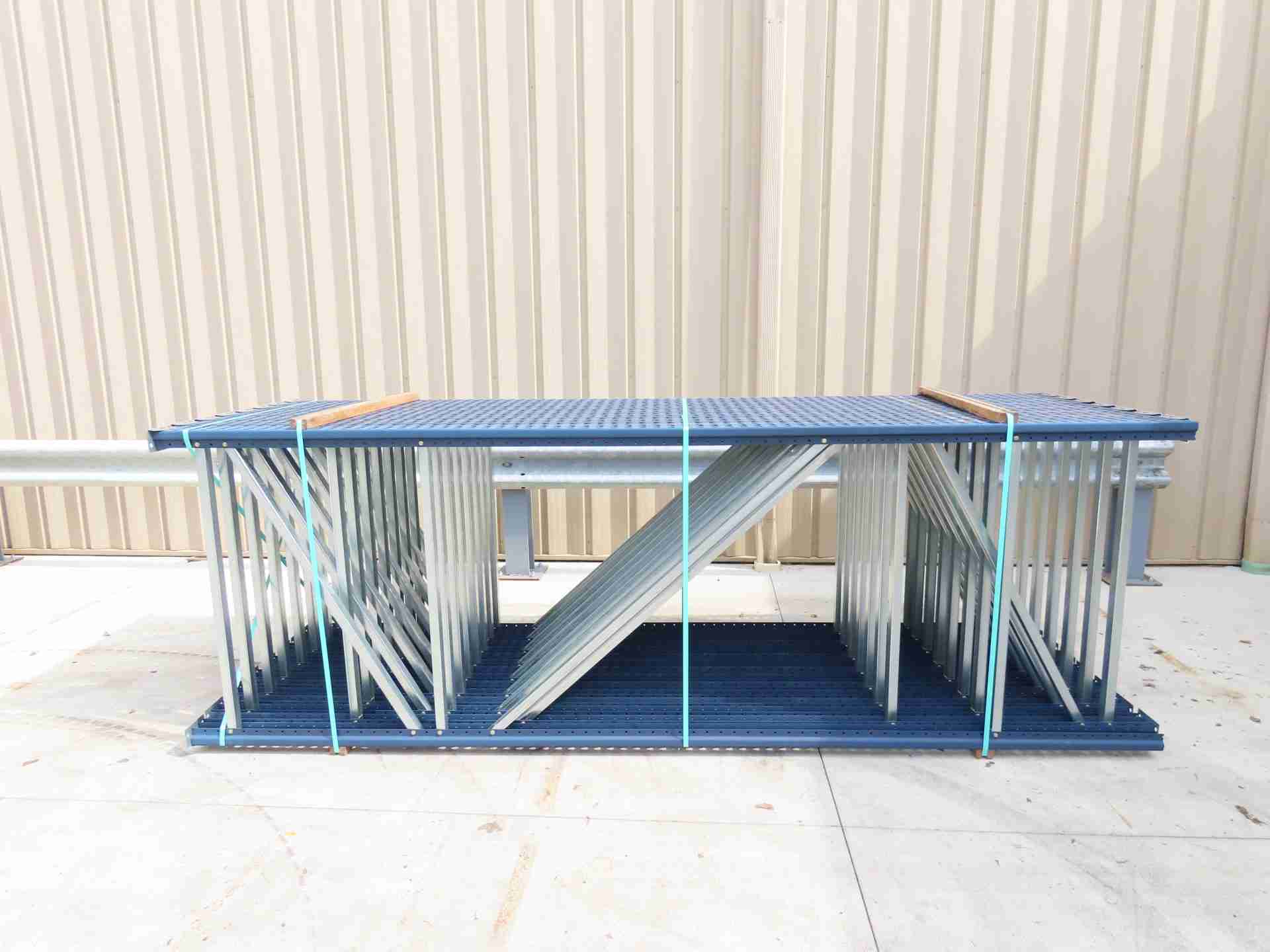
What Role Does Pallet Racking Play In Reducing Delivery Time?
How Does Pallet Racking Affect Inventory Management Accuracy?
When you think about Pallet Racking, you might picture rows of cold steel shelves stacked high in a warehouse. But the truth is, it’s the backbone that holds your entire inventory’s accuracy together. You’ve probably stood there, clipboard in hand, eyes squinting through the glow of a fluorescent light, trying to track down a missing pallet or figure out why your counts don’t add up. It’s frustrating, time-consuming, and can feel like a never-ending battle. Pallet Racking changes that game. It doesn’t just store your goods—it organizes your whole operation in a way that makes sense, right from the ground up.
Here’s where the head kicks in: good Pallet Racking designs make every item easier to find, scan, and record. When everything has a proper place, the chance of errors drops. Fewer misplaced products mean fewer losses, fewer “where’s that box?” moments, and a smoother flow from order to shipping. You end up with clean data and reliable inventory counts. And, let’s be honest, in the world of warehouse work, that kind of certainty is as valuable as the product itself. You’re not guessing—you’re managing with precision, backed by an honest system, not just hope or luck.
On the gut level, it’s about trust—for everyone on the floor. The crew can walk in feeling confident they’re not chasing ghosts or wasting hours retracing steps. It builds pride in their work, knowing the racking system has their back. It respects their time and effort. And when your inventory lines up with your records, it feels like the whole place breathes easier. No more late-night scrambles to explain missing stock to management or customers. It’s a straightforward, no-nonsense way of holding yourself accountable—something everyone respects.
Ethically, it’s about doing things right and fair—not just for your team but for your customers too. Pallet Racking ensures products aren’t lost or damaged from careless stacking, guaranteeing what leaves your hands is exactly what arrives at its destination. That kind of reliability reflects your company’s integrity. Socially, it connects everyone in the chain, from dockworker to manager, through a system that’s transparent and dependable.
So, when you consider Pallet Racking, think beyond racks and beams. Think about clarity, respect, and control—the kind that turns a rough-around-the-edges warehouse into a well-oiled machine. It’s the quiet hero in your inventory story, and once it’s right, you’ll know it deep down in your bones.
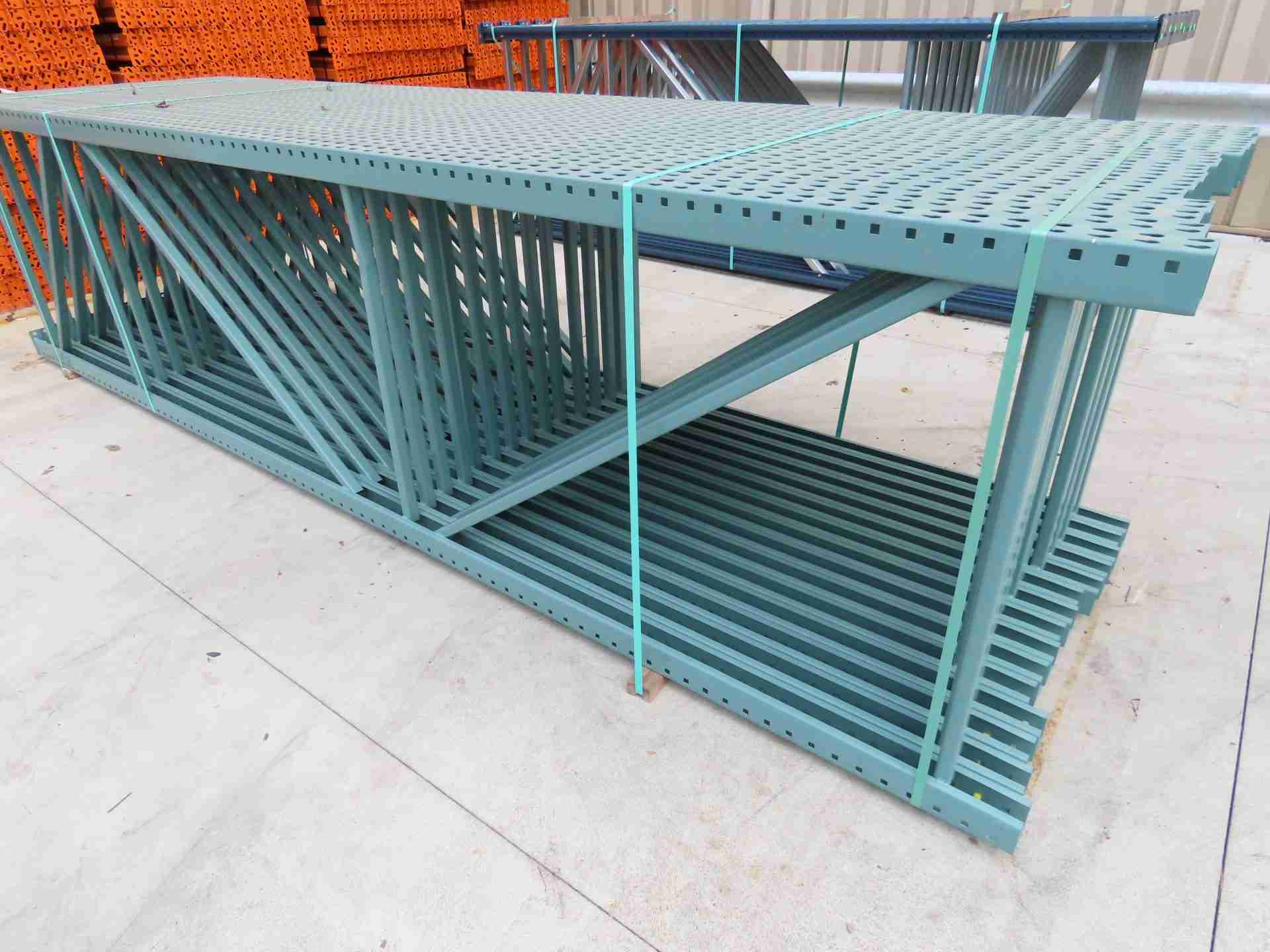
How Does Pallet Racking Affect Inventory Management Accuracy?
How Does Pallet Racking Affect Inventory Management Accuracy?
- Pallet Racking is essential for maintaining inventory accuracy and organizing warehouse operations efficiently.
- Good Pallet Racking designs simplify finding, scanning, and recording items, reducing errors and losses.
- Proper racking supports reliable data and inventory counts, enabling precise management rather than guesswork.
- It fosters trust and pride among warehouse staff by saving time and eliminating frustration over missing stock.
- Pallet Racking promotes accountability and smooth inventory flow, reducing last-minute stock issues with management and customers.
- Ethically, it prevents product loss or damage, ensuring customers receive exactly what was shipped, reflecting company integrity.
- It creates a transparent, dependable connection across all levels of warehouse staff, turning a chaotic environment into a controlled system.
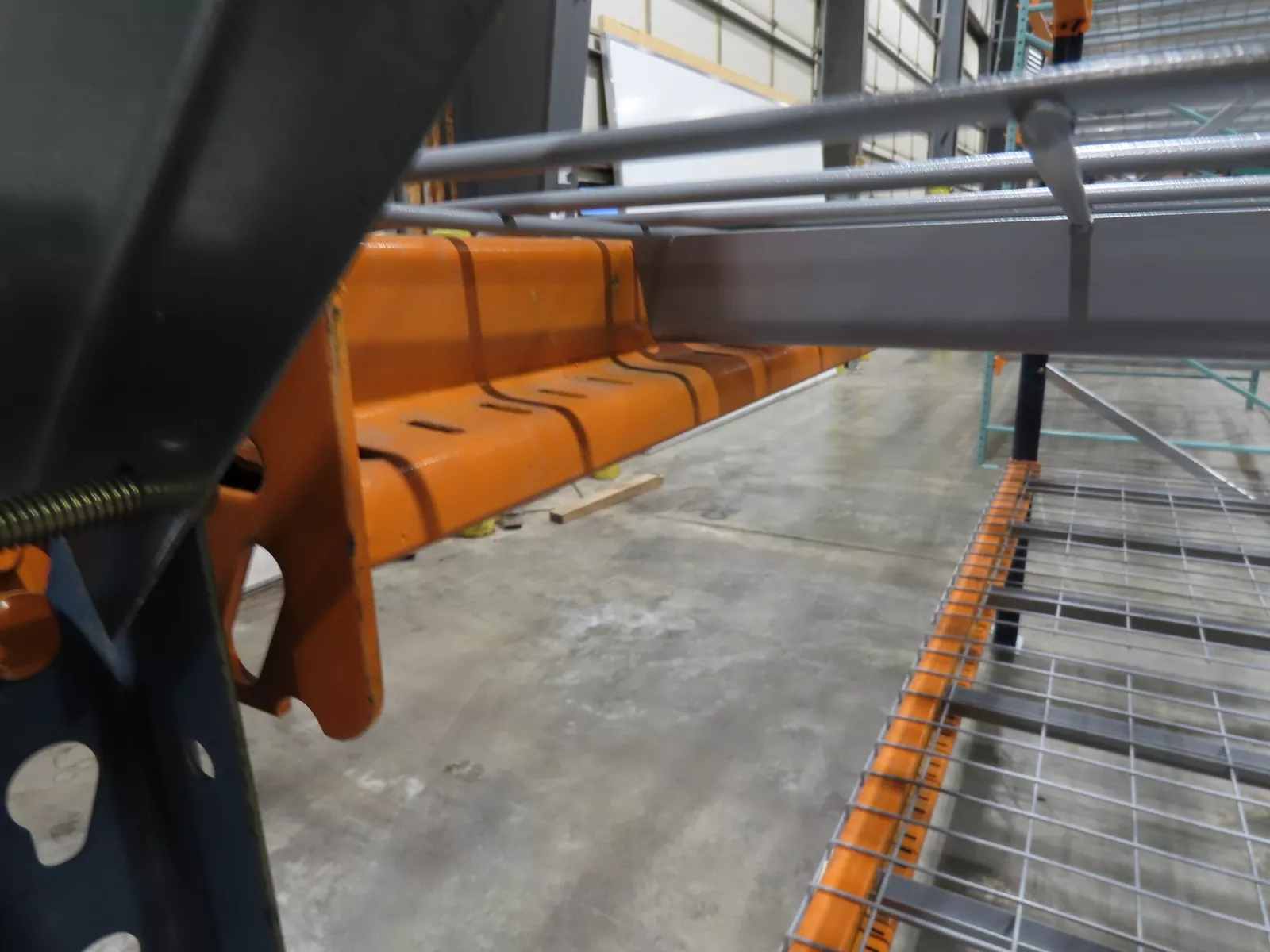
How Does Pallet Racking Affect Inventory Management Accuracy?
Conclusion
Frozen pizza manufacturing isn’t just about dough, sauce, and cheese—it’s about the tough, unglamorous work behind the scenes that keeps those pies coming out fresh and fast. At the heart of this operation is pallet racking, the unsung hero that holds up the whole process. It’s not just metal shelves; it’s the backbone that turns a crowded, chaotic warehouse into an ordered, efficient system. When cases of pizzas stack up neatly, every inch of space is earned and every movement saved. That’s a win for the workers, the product, and the customers waiting at home.
Pallet racking respects the grind. It gives folks a way to handle heavy loads safely and without wasting time hunting for pallets or risking crushed pizzas at the bottom of a pile. Keeping frozen goods off cold floors and spaced just right means the product stays undamaged and fresh, honoring the trust customers place in every box. It’s an ethical stake in quality and reliability, showing the hard truth: care and respect ripple out from the warehouse floor all the way to the dinner table.
Space isn’t just “nice to have” here—it’s survival. Cramped, messy storage invites waste and headaches. Pallet racking squeezes the most out of every square foot and vertical inch, turning storage into a finely tuned operation where things flow smooth and fast. That means fresher pizzas arriving sooner, less waste, lower costs, and a smaller footprint. Efficiency isn’t just smart business—it’s a plainspoken responsibility, a way to do right by the product, the people who make it, and the families who eat it.
Safety and food standards aren’t afterthoughts either. Proper pallet arrangement keeps cold air flowing, prevents cross-contamination, and reduces accidents by keeping the warehouse orderly and secure. It’s a clean, tough approach to food safety that holds up under pressure, again showing respect for people behind and in front of the scenes.
When it comes to delivery, pallet racking speeds things up by cutting down the chaos. Workers find what they need without racing against the clock or wrestling with disorganized pallets. This reliability builds trust with customers and lowers stress for the crews doing the heavy lifting day in, day out.
Finally, pallet racking sharpens inventory accuracy. Organized storage means fewer errors, less time chasing missing product, and equipment-backed confidence. It’s a system that respects the crew’s effort, cuts out guesswork, and stands as a quiet testament to doing things right.
In the end, pallet racking isn’t flashy, but it’s the honest workhorse that keeps frozen pizzas quality-checked, tightly packed, safe, and ready to hit shelves without a hitch. It’s the kind of common-sense muscle built on respect for people, product, and hard-earned trust—a steady foundation that proves sometimes the simplest tools make the biggest difference.
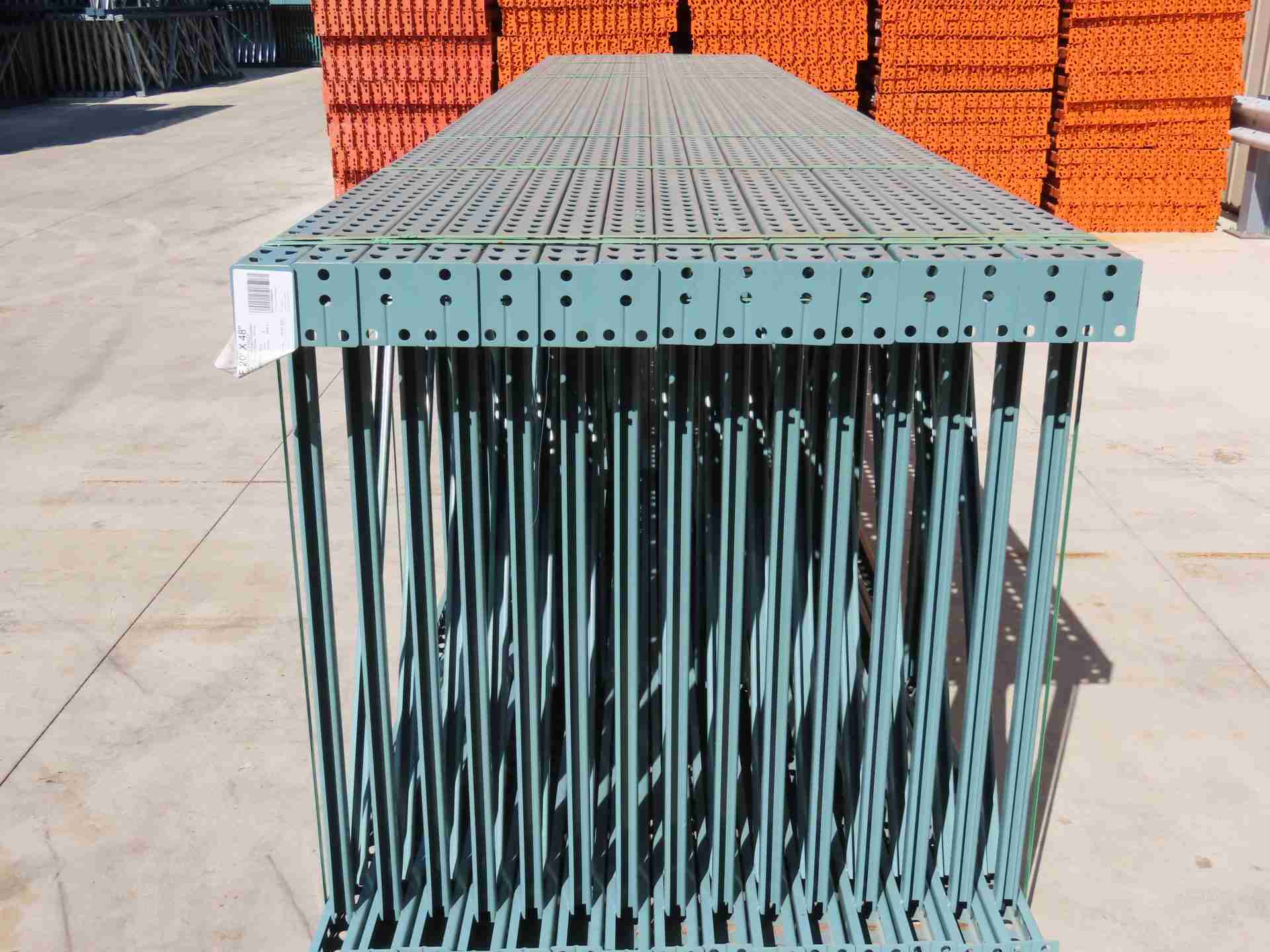
Conclusion
Conclusion:
- Pallet racking is essential in frozen pizza manufacturing, transforming chaotic warehouses into efficient, organized spaces.
- It enables safe handling of heavy loads, preventing product damage and maintaining frozen goods off cold floors.
- Maximizing space through pallet racking reduces waste, lowers costs, and ensures faster delivery of fresh pizzas.
- Proper pallet arrangement supports food safety by maintaining cold air flow, preventing cross-contamination, and reducing accidents.
- Pallet racking speeds up delivery by facilitating quick and organized access to products, reducing worker stress.
- It enhances inventory accuracy, minimizing errors and improving confidence in product management.
- Overall, pallet racking is a reliable foundation that sustains product quality, worker efficiency, and customer trust.

Conclusion
Other Resources

Other Resources
Here is a list of other resources you can review online to learn more:
- Teardrop Pallet Rack – Ridg-U-Rak
- International Warehouse Logistics Association
- Selective Pallet Racking Systems
- IIWS Inc. Rack Installation Illinois & Rack Repairs Illinois
- Used Teardrop Pallet Rack – American Surplus
- Material Handling Safety
- Chicago Pallet Racking
- Teardrop Pallet Rack – Ridg-U-Rak
- Rack Manufacturers Institute
- Warehouse Racking System: Powerful Guide to Optimise, 2024
- Warehouse Storage Racks
- National Safety Council
- ASSP
- CA Wire
- What is Selective Pallet Racking
- Overhead Lifting
- Cantilever Racking Specialists – Get the Right Racks
- Cantilever Racks Chicago
- Selective Pallet Racking Systems – Container Systems
- IWLA
Use This Prompt To Get More Resources With Your Favorite Online AI Tool: Please provide me with a list of online articles with their URLs in a bulleted list that I can read regarding How Do Frozen Pizza Manufacturers Leverage Pallet Racking?
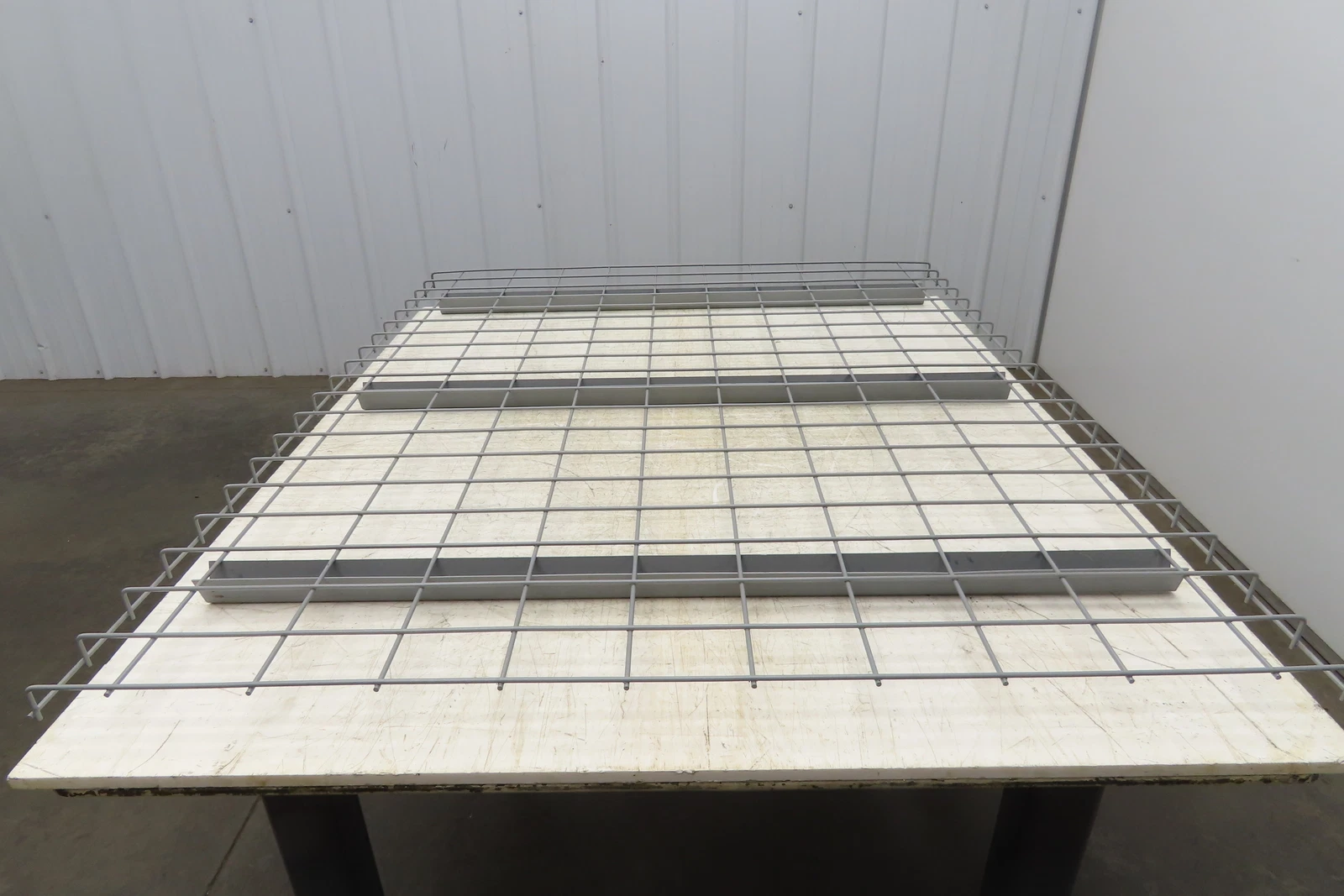
Other Resources
Glossary Terms
How Do Frozen Pizza Manufacturers Leverage Pallet Racking? – Glossary Of Terms
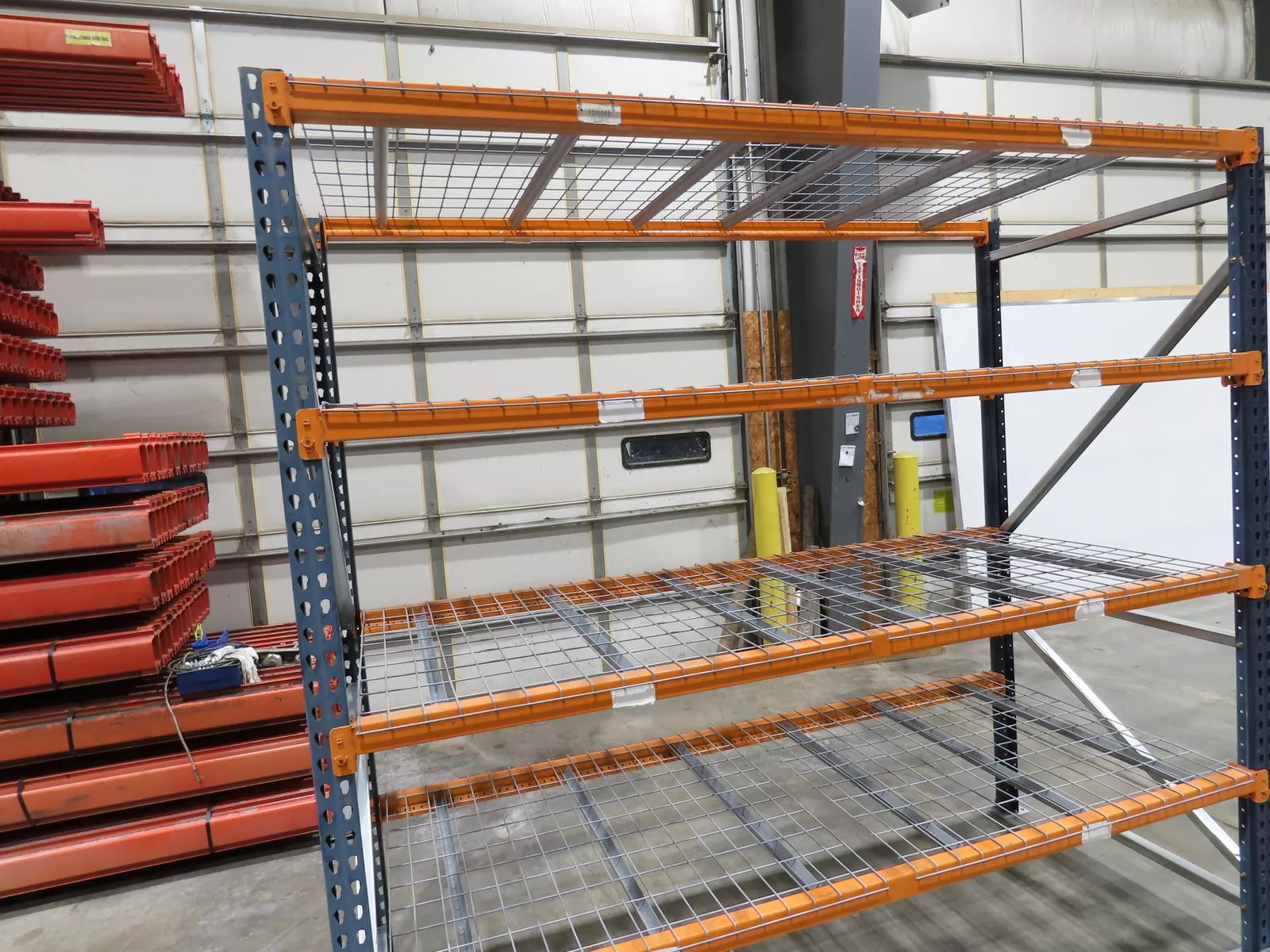
1. Pallet Racking: A storage system designed to hold materials on pallets in horizontal rows with multiple levels.
2. Frozen Pizza: Pre-prepared pizza stored at freezing temperatures to preserve freshness and extend shelf life.
3. Warehouse Efficiency: The optimization of storage and retrieval processes in a warehouse environment.
4. Space Utilization: The effective use of available storage area to maximize capacity.
5. Inventory Management: The supervision and control of stock levels to meet demand without overstocking.
6. Load Capacity: The maximum weight a pallet rack can safely support.
7. Forklift Accessibility: The ease with which forklifts can access pallets stored on racks.
8. SKU (Stock Keeping Unit): A unique identifier for each type of product in inventory.
9. FIFO (First In, First Out): An inventory system where the oldest stock is used or sold first.
10. LIFO (Last In, First Out): An inventory system where the newest stock is used or sold first.
11. Temperature Control: Maintaining specific environmental conditions required to keep frozen products preserved.
12. Cold Storage: Warehousing space maintained at low temperatures for storing frozen goods.
13. Rack Density: The measure of how many pallets can be stored in a given rack system.
14. Damage Prevention: Measures taken to protect products during storage and handling.
15. Supply Chain: The entire network involved in producing and delivering frozen pizzas from manufacturer to consumer.
16. Load Stability: The secure arrangement of pallets to prevent shifting or falling during storage.
17. Automated Storage: Use of technology and machinery to manage inventory and retrieval on racks.
18. Pick Rate: The speed at which products are selected from inventory for order fulfillment.
19. Pallet Configuration: The arrangement and stacking pattern of pallets on racks.
20. Transit Protection: Methods to ensure product safety while moving from production to storage.
21. Structural Integrity: The strength and durability of pallet racks under load conditions.
22. Ergonomics: Design considerations to improve worker comfort and efficiency in warehouse tasks.
23. Cross-Docking: A logistics practice where products are transferred directly from inbound to outbound transportation with minimal storage.
24. Order Picking: The process of retrieving specific items from inventory for shipment.
25. Load Verification: Checking the pallets’ weight and contents to ensure accuracy and safety.
26. Warehouse Layout: The physical arrangement of storage systems and pathways within a facility.
27. Inventory Turnover: The rate at which inventory is sold or used in a given period.
28. Slotting: The process of organizing products within the warehouse for optimal picking and storage.
29. Pallet Stability: Techniques to secure goods on pallets to prevent damage during storage or transport.
30. Compliance Standards: Regulatory requirements governing storage, handling, and safety for frozen food products.
Glossary Of Terms
Other Questions
How Do Frozen Pizza Manufacturers Leverage Pallet Racking? – Other Questions
If you wish to explore and discover more, consider looking for answers to these questions:
- What types of pallet racking systems are best suited for frozen pizza storage (e.g., selective, drive-in, push-back, pallet flow)?
- How do pallet racking load capacities and weight limits affect rack selection for frozen pizzas?
- How is rack design adapted for low-temperature environments and frequent thaw/freeze cycles?
- What materials and coatings for pallet racks resist corrosion in cold, humid freezers?
- How does pallet racking layout influence cold-air circulation and temperature uniformity?
- What are the best practices for arranging pallets to maintain FIFO or FEFO (first-expire, first-out) inventory rotation?
- How do pallet rack dimensions and aisle widths impact forklift operations and throughput?
- What safety features (e.g., column protectors, row spacers, netting) are recommended to prevent rack and product damage?
- How often should pallet racks in freezing environments be inspected and load-tested?
- What maintenance procedures are required to prevent condensation, ice buildup, and corrosion on racks?
- How do pallet racking systems integrate with warehouse management systems (WMS) and inventory tracking technologies?
- What temperature- and humidity-monitoring solutions work best when combined with pallet racking?
- How can pallet racking support traceability and lot control for food safety and recalls?
- What packaging and palletizing practices minimize product damage when using high-density racking?
- How do rack configurations affect energy consumption and refrigeration efficiency?
- What are the capital and operational costs associated with different pallet racking options, and how is ROI measured?
- How do automated storage and retrieval systems (ASRS) or pallet shuttles work with pallet racking in frozen warehouses?
- What training and procedures are necessary for forklift operators and warehouse staff working with pallet racks in cold storage?
- How are sanitation and cleaning protocols carried out on pallet racking without compromising structural integrity?
- What regulatory standards and food-safety codes (e.g., HACCP, FDA, local health regulations) apply to racking and frozen storage?
- How do pallet racking choices influence the speed and accuracy of order picking and loading for distribution?
- What strategies help manage seasonal demand and peak inventory using pallet racking (temporary racking, overflow areas)?
- How are damaged or compromised pallets and products identified and handled within a racking system?
- What considerations are there for retrofitting existing warehouses with new pallet racking systems?
- How does rack configuration affect loading dock flow and truck loading/unloading times?
- What insurance, liability, and compliance implications are tied to pallet racking in food storage facilities?
- How do pallet racking solutions support sustainability goals, such as material reuse or reduced energy usage?
- What are the best practices for pallet and load securing (stretch wrap, bands, corner boards) in tall racking stacks?
- How do you plan for emergency access, fire suppression, and evacuation around dense pallet racking layouts?
- What metrics should operations track to evaluate pallet racking performance (space utilization, pick time, damage rate)?

Other Questions
Checklist
How Do Frozen Pizza Manufacturers Leverage Pallet Racking? – A Checklist
Planning and Layout
✅______ Documented rack layout with numbered aisles, bays, and locations
✅______ Aisle width matched to freezer-rated forklift/reach truck specifications
✅______ Short, direct dock-to-freezer travel paths defined
✅______ Staging lanes designated and labeled near outbound docks
✅______ Door management (timers, air curtains, strip curtains) in place to limit warm air intrusion
Rack Design and Specification
✅______ Rack type aligned to SKU profile
✅______ Selective racking for high mix and high access
✅______ Pallet flow (FIFO or FEFO) for finished goods and date-sensitive items
✅______ Push-back or drive-in for dense LIFO storage (e.g., ingredients)
✅______ Beam elevations set to pallet height plus handling and airflow clearance
✅______ Upright depth matched to pallet depth; overhang controlled
✅______ Corrosion-resistant or coated components rated for freezer environments
✅______ Capacity signage posted (bay, beam, and point-load limits)
✅______ Proper anchors installed; floor, slab, and seismic requirements verified
✅______ Rack guards, end-of-aisle protection, and row spacers installed
✅______ Fire-protection clearances maintained; sprinkler and in-rack protection compliant
✅______ Ventilated decking or open pallets to support cold airflow
Pallet and Unit Load Quality
✅______ Standard pallet specification defined (size, material, grade) and enforced
✅______ Pallet condition inspected at receipt; damaged pallets rejected
✅______ Case pattern and overhang validated to prevent crush and damage
✅______ Stretch-wrap and strapping standards set; corner boards and top caps used as needed
✅______ Labels (SKU, lot, date, allergen) readable from aisle-facing sides
Cold Chain and Airflow
✅______ Product stored off the floor; bottom beam height supports airflow and cleaning
✅______ Minimum wall and pallet-to-pallet spacing maintained for air circulation
✅______ Evaporator and return air paths unobstructed; no product under fans
✅______ Temperature mapping completed; probes and alarms tested and logged
✅______ FEFO/FIFO rules configured in the WMS and enforced operationally
✅______ Frost and ice management and defrost schedules executed without blocking lanes
Food Safety and Compliance
✅______ HACCP and Preventive Controls hazards identified for the storage step
✅______ Allergen segregation and labeling in place (zones and color coding)
✅______ Sanitation SSOPs for racks, aisles, and equipment in cold environments
✅______ Spill and damage quarantine locations defined and controlled
✅______ Lot-to-location traceability captured in the WMS; mock recall tests passed
✅______ Foreign material control for rack hardware and decking verified
✅______ Pest control documentation current for cold storage
Inventory Accuracy and Control
✅______ Every location barcoded; scanning required at putaway, pick, and move
✅______ ABC cycle-counting schedule active; variance thresholds and root-cause workflow in place
✅______ Location addressing consistent and visible; labels intact and frost-resistant
✅______ Replenishment min/max levels set; auto-replenishment tasks generated
✅______ Exception-handling process (shorts, overs, mislabels) documented and followed
Throughput and Delivery Time
✅______ High-velocity SKUs slotted near docks and in golden zones
✅______ Wave, batch, and zone picking configured to minimize travel and congestion
✅______ Cross-dock paths defined for urgent and priority orders
✅______ Load sequencing and lane labeling by route and stop in outbound staging
✅______ Dock-to-stock and order cycle-time KPIs tracked with targets
Space Optimization
✅______ Cube utilization measured; vertical clearances optimized per SKU family
✅______ Beam levels standardized where possible to increase flexibility
✅______ Density strategy aligned to turns (dense storage for slow movers; selective storage for fast movers)
✅______ Seasonal surge plan defined with temporary overflow locations
✅______ Obsolete and slow SKUs reviewed and relocated to deep-storage zones
Operations and Equipment Readiness
✅______ Freezer-rated MHE (batteries, hydraulics, seals) maintained on schedule
✅______ Operator training on racking, scanning discipline, FEFO, and damage reporting
✅______ Clear travel lanes; no staging in aisles or rack tunnels
✅______ Lighting adequate; reflective and location labels readable in low-temperature conditions
Inspection and Maintenance
✅______ Scheduled rack inspections (routine visual and periodic qualified audits)
✅______ Impact and damage tag-out procedure in place; components repaired or replaced promptly
✅______ Anchor torque and beam lock checks performed and recorded
✅______ Defrost and cleaning schedules executed without compromising labeling or safety
✅______ Layout and capacity documents updated after any reconfiguration
Performance and Continuous Improvement
✅______ KPIs monitored: space utilization, pick rate, damage rate, inventory accuracy, OTIF
✅______ Energy per pallet stored and shipped tracked and reviewed
✅______ New SKU onboarding captures pallet dimensions, weight, stackability, and temperature needs
✅______ Change control process for re-slotting or rack alterations approved and documented
Checklist
At RackingWorld, we help guide you through selecting warehouse storage systems and racking.
Be sure to read our other related stories at RackingWorld to learn more about warehouse storage systems.
0 Comments