
Maximizing Efficiency And Trust: Pallet Racking’S Role In Frozen Food Supply
By Tom Seest
At RackingWorld, we help guide you through selecting warehouse storage systems and racking.
Be sure to read our other related stories at RackingWorld to learn more about warehouse storage systems.
How Do Frozen Food Distribution Centers Leverage Pallet Racking?
In the frozen food business, where every second counts and every package matters, pallet racking isn’t just metal on metal—it’s the backbone holding the whole operation together. When you walk into a frozen food distribution center, you see rows upon rows of towering pallet racking systems, steady and silent, bearing the weight of thousands of cartons stacked with everything from ice cream to frozen veggies. It’s not fancy, but it’s tough as nails, and it’s what keeps the products safe, organized, and moving quickly without a hitch.
From the heart of the workers loading those pallets at 4 AM to the drivers racing against the clock to deliver fresh meals to families everywhere, pallet racking is part of a bigger story. It’s about trust. Trust that the frozen goods won’t get crushed or thaw out on the way. Trust that the team can find what they need fast, cut down on wasted steps, and keep the cold chain unbroken. You feel that weight—the responsibility of feeding kitchens, cafeterias, and dinner tables—and the pallet racking helps carry it for you.
Rationally, it’s simple: when your product’s integrity depends on staying frozen solid, efficiency is everything. Pallet racking maximizes storage capacity, letting centers cram in more inventory without sprawling into big, expensive warehouses. It improves air circulation around pallets, keeping those temps steady, which means fewer spoiled goods and less waste. And when it comes time to rotate stock—older items first, fresh ones behind—pallet racking’s design offers straightforward access that saves time and money, bottom line.
There’s also something ethical about it. Using pallet racking well means reducing the chance of accidents, damage, and loss. It protects the workers who’re moving heavy loads in cold, slippery conditions, giving them sturdy systems to lean on, literally. And it helps keep food safe for the folks who’ll eventually eat it—not just as some abstract idea, but a genuine respect for the people on both ends of the chain.
Experience teaches you that a well-run frozen food distribution center? It’s always got its pallet racking game tight. The racks don’t just store pallets; they tell a story of hard work, care for the product, and respect for every team member in the hustle. They’re the unsung heroes standing firm behind every frozen meal, reminding everyone that when you handle something as precious as food, there’s no room for mistakes. The system is simple, but getting it right builds confidence—confidence that the job done today keeps dinner on tables tonight.
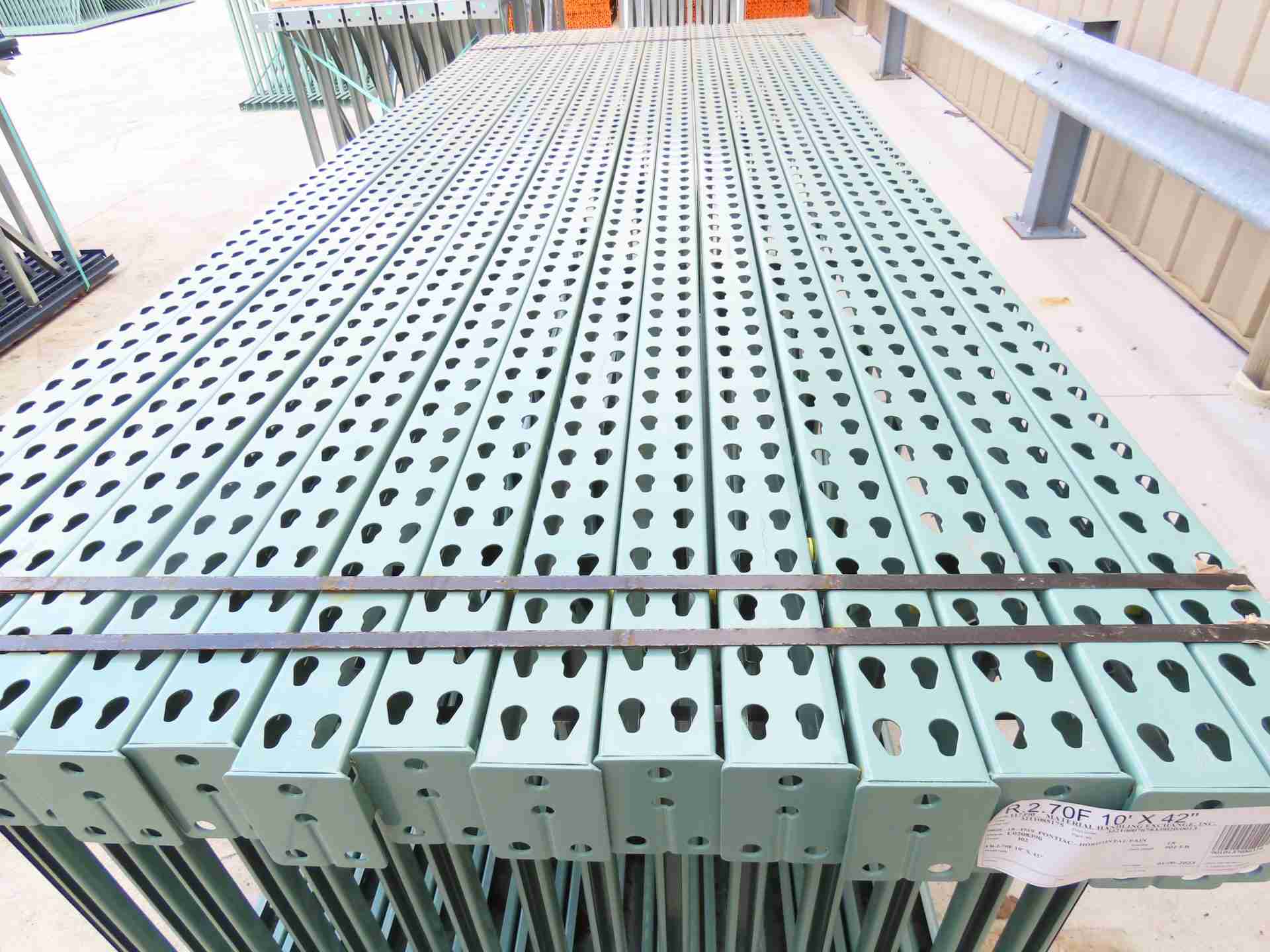
How Do Frozen Food Distribution Centers Leverage Pallet Racking?
How Do Frozen Food Distribution Centers Leverage Pallet Racking?
- Pallet racking is essential in frozen food distribution, supporting thousands of cartons reliably and efficiently.
- It ensures frozen products remain safe, organized, and quickly accessible, crucial for time-sensitive operations.
- Trust in pallet racking underpins the cold chain, preventing damage and spoilage while supporting workers and drivers.
- Maximizes storage capacity and improves air circulation, reducing waste and maintaining product integrity.
- Enables efficient stock rotation with easy access to older and newer inventory, saving time and money.
- Enhances safety by reducing accidents and protecting workers handling heavy loads in cold, slippery environments.
- Represents a commitment to quality, care, and respect for both employees and consumers in the frozen food supply chain.

How Do Frozen Food Distribution Centers Leverage Pallet Racking?
Table Of Contents
- How Do Frozen Food Distribution Centers Leverage Pallet Racking?
- How Does Pallet Racking Improve Frozen Food Storage Efficiency?
- How Does Pallet Racking Reduce Product Damage In Frozen Food Centers?
- How Does Pallet Racking Support Regulatory Compliance In Food Storage?
- What Designs Of Pallet Racks Best Fit Frozen Food Distribution Needs?
- How Does Pallet Racking Optimize Space In Frozen Food Warehouses?
- How Does Pallet Racking Impact Energy Consumption In Cold Storage?
- Conclusion
- Other Resources
- Glossary Of Terms
- Other Questions
- Checklist
How Does Pallet Racking Improve Frozen Food Storage Efficiency?
You walk into a frozen warehouse where everything’s hanging by a thread—boxes piled high, aisles squeezed tight like a bad game of Tetris, and crews hustling to find what they need. Now imagine swapping that chaos for a setup where every pallet has its own place, easy to reach, easy to count, and protected from the kind of mistakes that cost time, money, and sometimes a whole shipment. That’s the honest, no-nonsense power of pallet racking in frozen food storage.
Pallet racking isn’t just a metal skeleton holding up goods; it’s the backbone of an efficient operation. By stacking pallets vertically and organizing them neatly, this system maximizes floor space, turning cramped warehouses into well-orchestrated hubs where frozen food stays exactly where it should. Instead of wading through clutter or digging under piles, workers can move fast, load fast, and ship fast. That speed saves money, but it also saves reputations and customer trust.
From a practical point of view, pallets on racks reduce spoilage because products aren’t piled on top of each other or left on cold floors vulnerable to temperature swings and moisture. Keeping frozen goods elevated means better air circulation and more consistent freezing temperatures, which keeps food fresher, longer. That’s not just good business, it’s responsible handling of food meant to nourish families and communities.
There’s something grounding about walking through an orderly warehouse full of neatly stacked pallets where you can see at a glance what’s what. It feels like the difference between running a site with respect for the product and running one by guesswork. For workers, that means less stress, fewer mistakes, and a stronger sense of pride in their work. For managers, it means control over inventory and confidence that what’s leaving the warehouse meets the highest standards.
Using pallet racking is also a statement—a commitment to doing the job right, not just getting by. It shows respect for the product, the people handling it, and the customers waiting on the other end. It says, “We have a system that works because we care about every link in the chain.”
At the end of the day, pallet racking turns frozen food storage from a headache into a well-oiled machine. It’s simple, effective, and honest. It’s about taking pride in doing the right thing, even when no one’s watching. And that’s worth its weight in gold when you’re keeping food safe, fresh, and ready to feed the world.
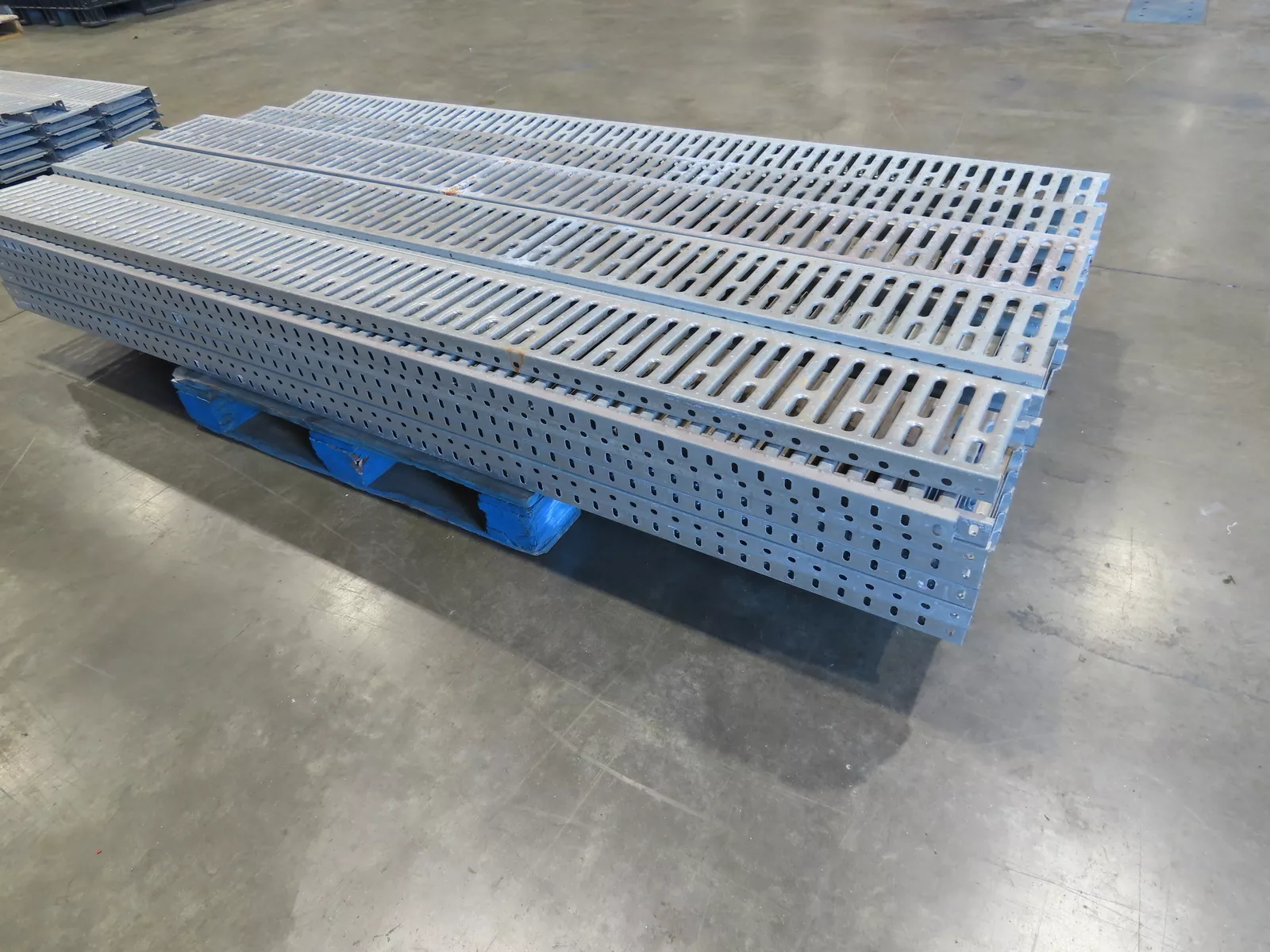
How Does Pallet Racking Improve Frozen Food Storage Efficiency?
How Does Pallet Racking Improve Frozen Food Storage Efficiency?
- Pallet racking transforms chaotic frozen warehouses into organized spaces where every pallet has a designated, easily accessible spot, reducing costly mistakes.
- The system maximizes floor space by stacking pallets vertically, enabling faster movement, loading, and shipping to save time and money.
- Elevated pallets improve air circulation and maintain consistent freezing temperatures, reducing spoilage and preserving food quality.
- Organized warehouses with pallet racking create a respectful, low-stress work environment with fewer errors and higher employee pride.
- Managers gain better inventory control and confidence that shipments meet high standards.
- Implementing pallet racking demonstrates a commitment to quality, respect for the product, the workers, and customers.
- Pallet racking makes frozen food storage efficient, reliable, and responsible, ensuring food safety and freshness for communities.
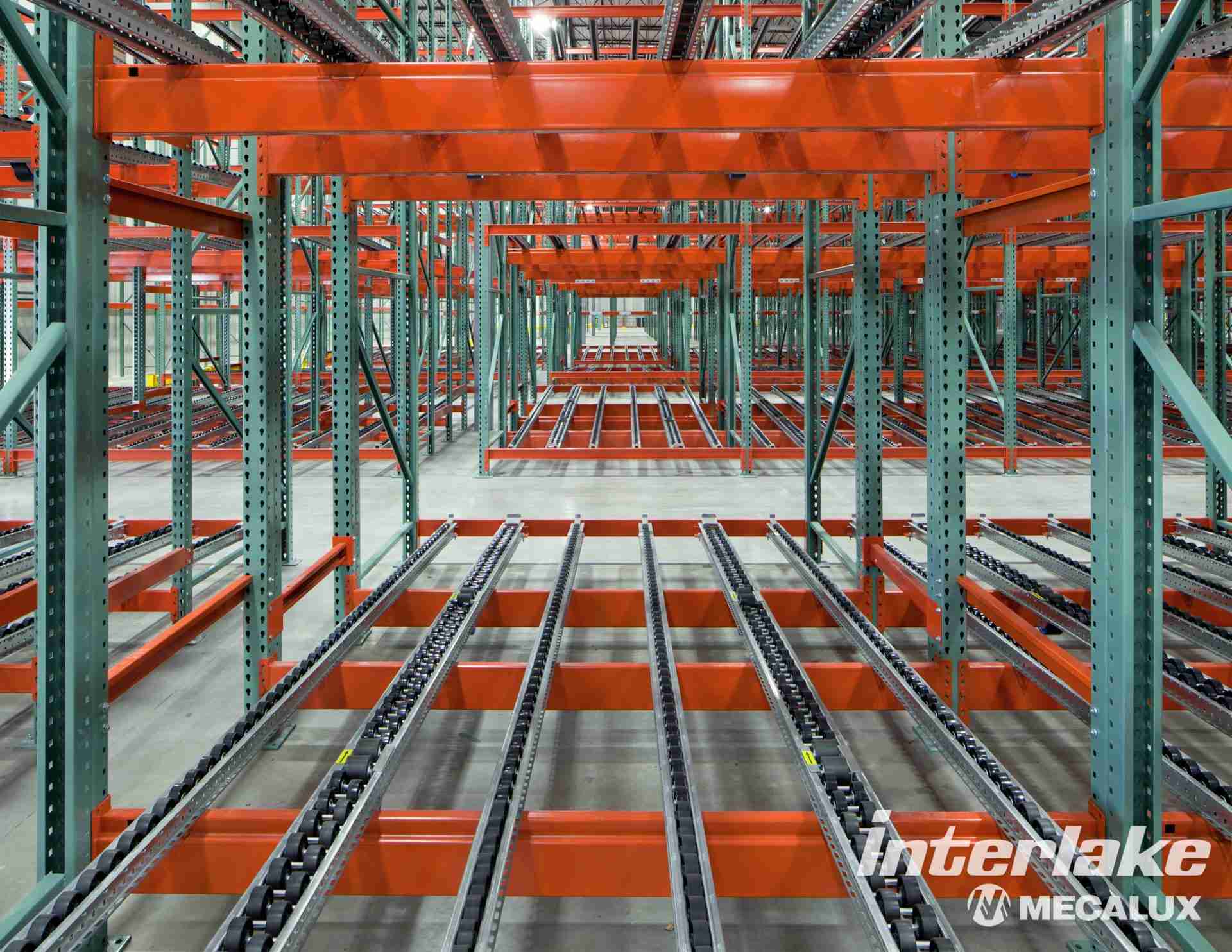
How Does Pallet Racking Improve Frozen Food Storage Efficiency?
How Does Pallet Racking Reduce Product Damage In Frozen Food Centers?
When you’re working in a frozen food center, every single pallet counts. It’s not just about stacks of boxes; it’s about food that families will depend on, and losses that chip away at tight margins. Pallet racking? It’s the unsung hero that quietly keeps damage down and sanity up.
Here’s the straight talk: frozen food is fragile. That layer of frost or ice makes everything slick, heavy, and downright tricky to handle. Drop a box, and you’re not just losing a chunk of inventory — you’re risking spoilage that can cascade through the whole load. Pallet racking steps in like a solid, honest workbench—steady, reliable, and designed just right to cradle those pallets snug and secure. It cuts out the risky stacking and jamming, cutting down collisions, crushing, and mishandling that happen when pallets get piled up without a good system.
Pallet racking doesn’t just reduce damage by holding products higher off the floor and away from forklift bumps. It’s all about organization and order—making sure every pallet has its place, and workers aren’t scrambling or stretching for loads in awkward spots. This means less fumbling around, fewer accidents, and less guesswork. When things run smoothly, products stay intact, and everyone feels a bit less beat up at the end of the shift.
And here’s the thing: investing in pallet racking is an ethical decision. You’re honoring the effort behind every item packed, shipped, and received. It’s respect for the hands who grew the food, the drivers who haul it, and the folks who rely on those frozen goods for dinner on busy nights. Reducing waste and product loss matters—not just to the bottom line but to keeping a community fed and businesses honest.
Experienced warehouse crews know the truth: a good pallet racking system is like a partner you can count on. It stands up to the cold, the frost, and the daily grind without complaint. It’s the difference between constant damage control and working smart. When pallet racking is done right, it’s not just shelving—it’s peace of mind for the whole operation.
So if you want to cut product damage and make frozen food centers hum along cleaner, safer, and leaner, pallet racking isn’t a luxury. It’s the solid foundation that keeps everything frozen, firm, and fight-ready for the road ahead.

How Does Pallet Racking Reduce Product Damage In Frozen Food Centers?
How Does Pallet Racking Reduce Product Damage In Frozen Food Centers?
- Every pallet in a frozen food center is critical, as it represents food families rely on and impacts tight profit margins.
- Frozen food is fragile and slippery due to frost, making it prone to damage and spoilage if mishandled.
- Pallet racking provides a stable, secure system that prevents risky stacking, collisions, crushing, and mishandling.
- It improves organization by giving each pallet a designated place, reducing accidents, fumbling, and worker strain.
- Investing in pallet racking reflects ethical responsibility by honoring the effort behind food production and reducing waste.
- Experienced crews view pallet racking as a reliable partner that withstands cold conditions and daily use, minimizing damage control.
- Pallet racking is essential for making frozen food centers safer, more efficient, and better prepared for distribution.
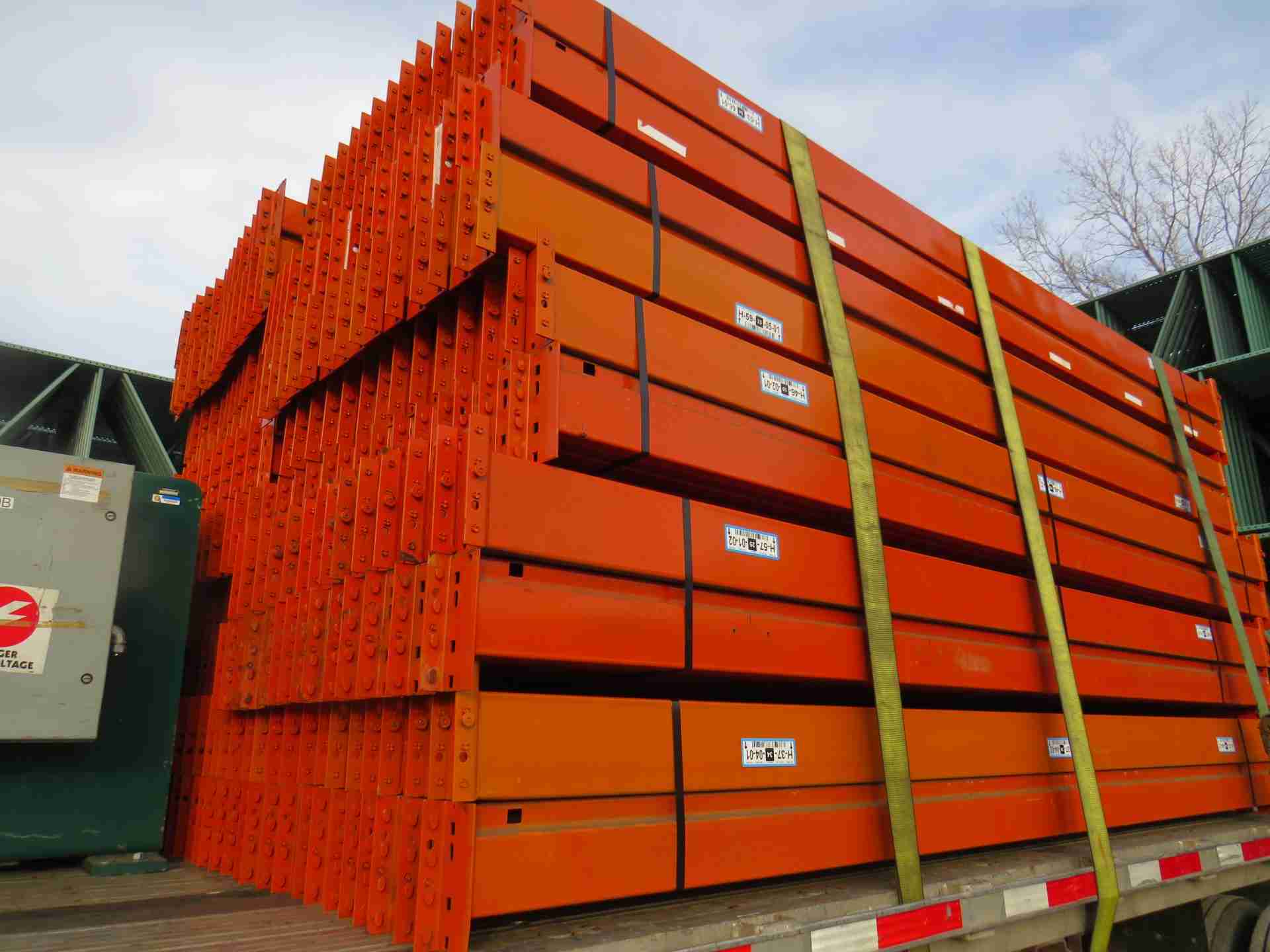
How Does Pallet Racking Reduce Product Damage In Frozen Food Centers?
How Does Pallet Racking Support Regulatory Compliance In Food Storage?
When it comes to food storage, nothing’s more important than keeping things safe, clean, and orderly. Pallet racking is that no-nonsense workhorse that makes this happen. Picture a busy warehouse floor packed full of goods, where every inch counts and every second spent hunting for a batch of food could mean trouble. Pallet racking puts a system in place, helping folks follow the rules laid down by health and safety regulators without breaking a sweat.
It’s straightforward: Pallet racking keeps food off the ground, which ain’t just about tidiness. Raising pallets means protecting goods from spills, pests, and moisture — a crucial line of defense against contamination. This isn’t just good practice; it’s a demand driven by regulations that exist to keep people safe. Food safety inspections aren’t just about ticking boxes; they’re about trust—the trust that what ends up on our tables hasn’t been sitting in risk-filled chaos.
There’s a certain peace of mind that comes with a well-organized pallet racking system. It lets workers move through the storage space smoothly and safely, cutting down on accidents and mix-ups. When everything’s labeled, accessible, and stable, the chances of losing track of expiry dates or batches shrink dramatically. And that means compliance with rules isn’t a headache—it’s built into the daily grind. It’s not pretty paperwork; it’s practical, hands-on sense made visible.
Pallet racking isn’t just about doing the bare minimum either. It’s a way for food storage facilities to show they care—to say, “We’re serious about quality, and we respect the folks who depend on our products.” That ethical backbone strengthens a company’s reputation and builds trust with customers, partners, and regulators alike. It says a lot about your values when your storage game is tight and transparent.
On the floor, in the real world, pallet racking becomes the silent partner in compliance. It’s the sturdy frame that holds everything together—so the food stays fresh, workers stay safe, and everyone can breathe a little easier knowing that good sense meets hard rules. In a business where every detail counts, pallet racking makes sure nothing slips through the cracks. It’s that simple, solid support system that turns compliance from a headache into a habit.
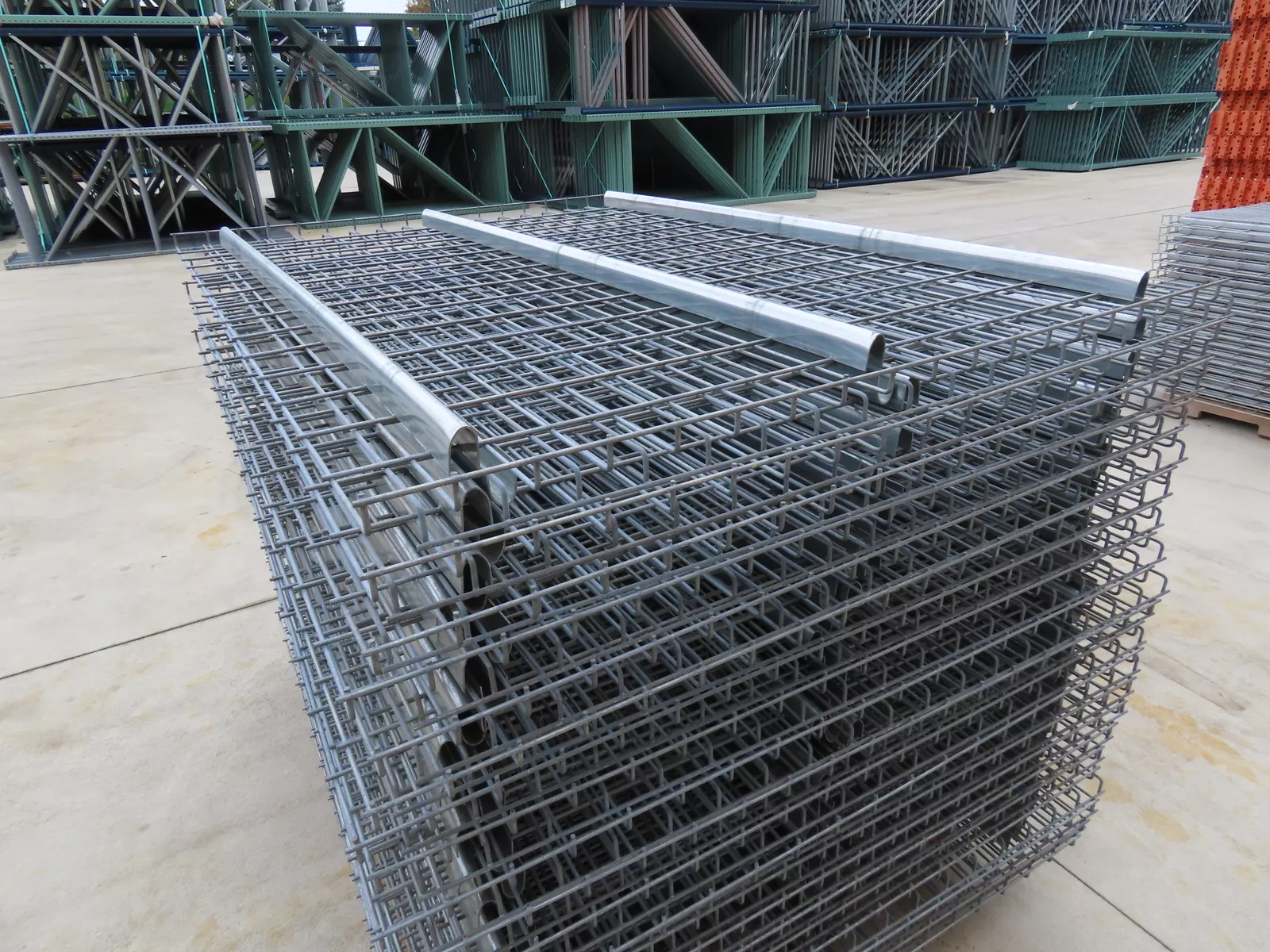
How Does Pallet Racking Support Regulatory Compliance In Food Storage?
How Does Pallet Racking Support Regulatory Compliance In Food Storage?
- Pallet racking ensures safe, clean, and orderly food storage, optimizing space and efficiency in busy warehouses.
- It keeps food off the ground, protecting it from spills, pests, and moisture, which helps prevent contamination and complies with health regulations.
- A well-organized pallet racking system enhances workplace safety, reduces accidents, and minimizes errors like losing track of expiry dates or batches.
- Labeling and accessibility built into the system make regulatory compliance seamless and integrated into daily operations.
- Beyond compliance, pallet racking reflects a company’s commitment to quality, ethics, and respect for customers, partners, and regulators.
- It acts as a reliable foundation for maintaining food freshness and worker safety, supporting consistent adherence to health and safety rules.
- Pallet racking transforms compliance from a challenge into a routine, dependable practice within food storage facilities.
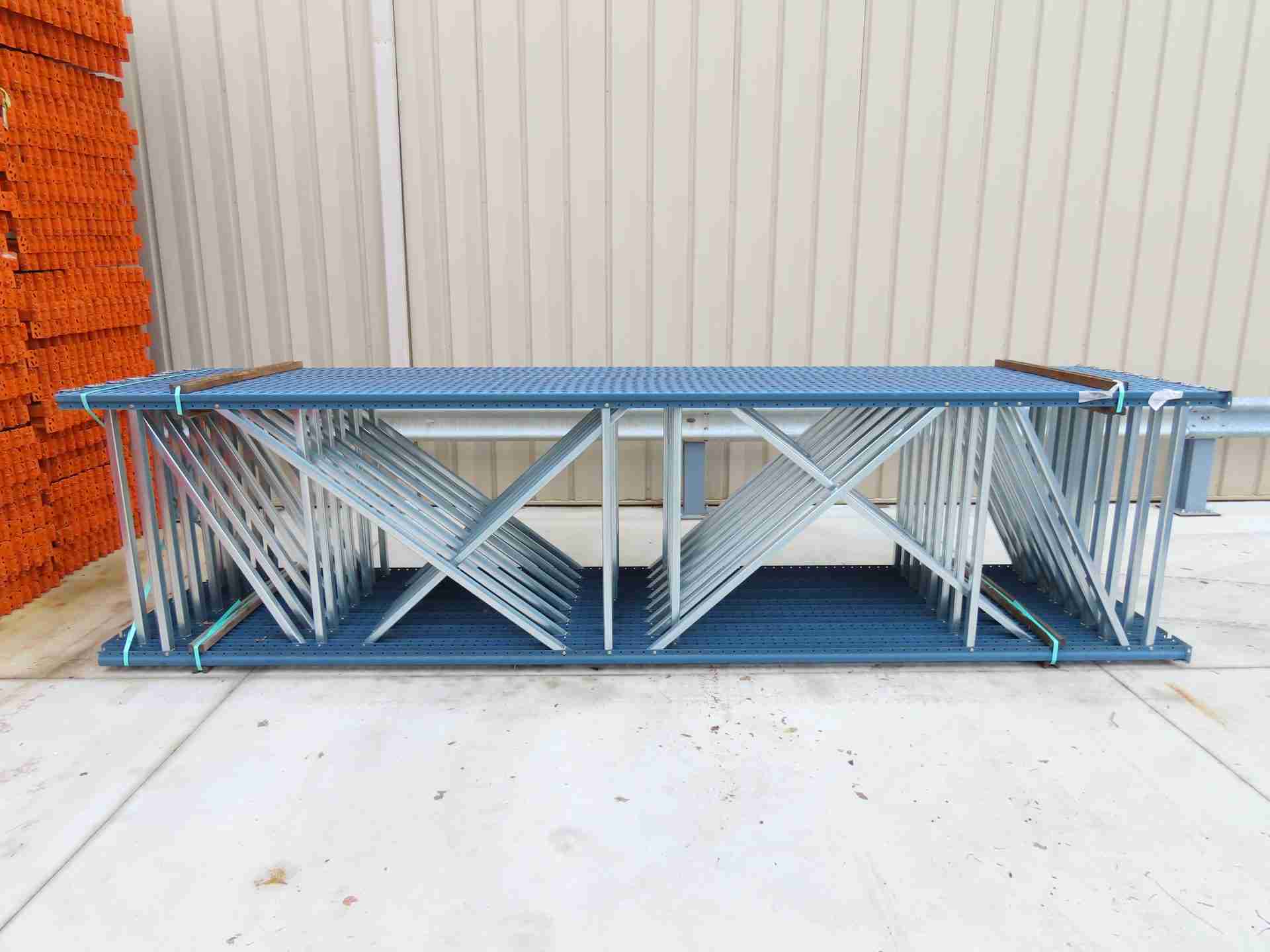
How Does Pallet Racking Support Regulatory Compliance In Food Storage?
What Designs Of Pallet Racks Best Fit Frozen Food Distribution Needs?
When it comes to frozen food distribution, choosing the right pallet racking design isn’t just about fitting boxes on shelves—it’s about keeping goods fresh, workers safe, and the whole operation humming without a hitch. There’s a real sense of pride in knowing your pallets are stored right, that every rack can handle the cold realities of a freezer environment without bending under pressure or letting moisture sneak in. It’s the difference between a shipment arriving on time and intact, or costing you reputation and dollars because something thawed out or got crushed.
From hands-on experience, pallet racking designs that best fit frozen food needs have to be tough but smart. Drive-in or drive-through racks save precious space by stacking pallets deep, perfect when you’re moving bulky frozen goods that don’t mind sitting tight for a bit. They’re like the workhorses of the warehouse—stout and reliable, always ready to bear the weight without a fuss. Selective pallet racks, on the other hand, give you quick access and flexibility, which is gold when your inventory turns over fast or deals with multiple SKUs. You don’t have to shuffle pallets around like a puzzle; everything’s right where you need it.
But beyond the metal and bolts, it’s about ethics and efficiency. Choosing the right pallet racking means you’re not wasting energy, not risking product loss, and you’re looking out for the crew who puts their backs into stacking and retrieving those goods day in and day out. It’s about respect—for the food that ends up on someone’s dinner table and for the folks running the warehouse floor.
Authority in this field comes from knowing what works in the real cold, not just what looks good on paper. Steel that resists corrosion, racks designed with drainage and airflow to avoid ice buildup, and systems that can handle the extra weight from frost without cracking—these aren’t just features; they’re the hallmarks of a setup built to last. There’s a kind of quiet confidence that settles over a warehouse when the racking does its job without drama.
At the end of the day, the right pallet racking is more than just storage. It’s the backbone of a frozen food distribution network that operates smoothly, safely, and with common sense. For anyone in the business, investing in pallet racking that fits these needs is an easy call—because keeping frozen food frozen and workers worry-free is just good, honest work.
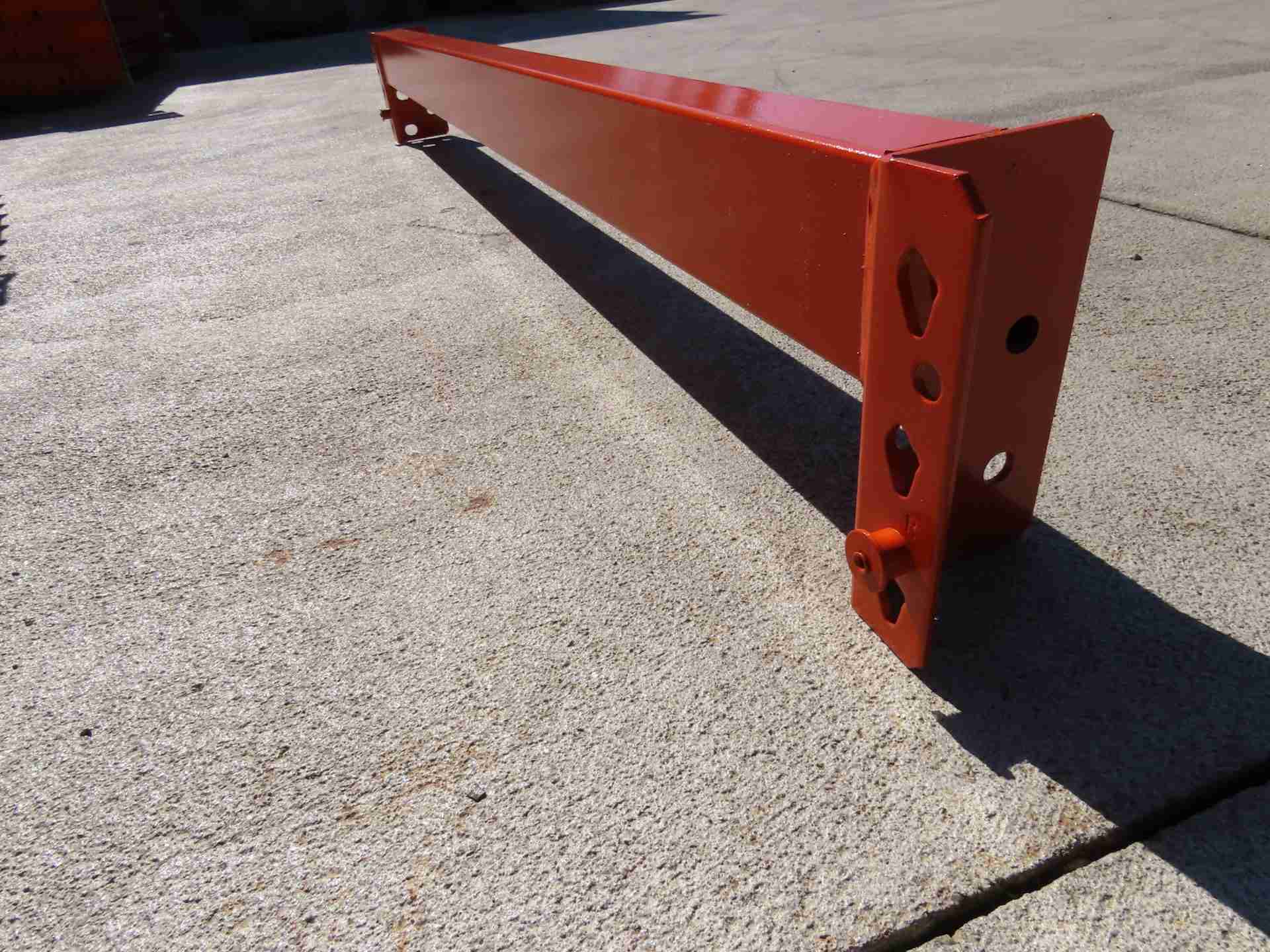
What Designs Of Pallet Racks Best Fit Frozen Food Distribution Needs?
What Designs Of Pallet Racks Best Fit Frozen Food Distribution Needs?
- Choosing the right pallet racking design is crucial for maintaining frozen food freshness, worker safety, and smooth operations.
- Proper racks withstand freezer conditions without bending or allowing moisture, preventing damaged shipments and reputational loss.
- Drive-in and drive-through racks maximize space by stacking pallets deeply, ideal for bulky frozen goods.
- Selective pallet racks offer quick access and flexibility, beneficial for fast inventory turnover and multiple SKUs.
- Effective pallet racking promotes energy efficiency, reduces product loss risks, and supports warehouse workers’ safety.
- Durable racks feature corrosion-resistant steel, drainage, airflow design, and can handle frost-induced extra weight.
- Proper pallet racking is fundamental to a reliable frozen food distribution network, ensuring food stays frozen and operations remain worry-free.
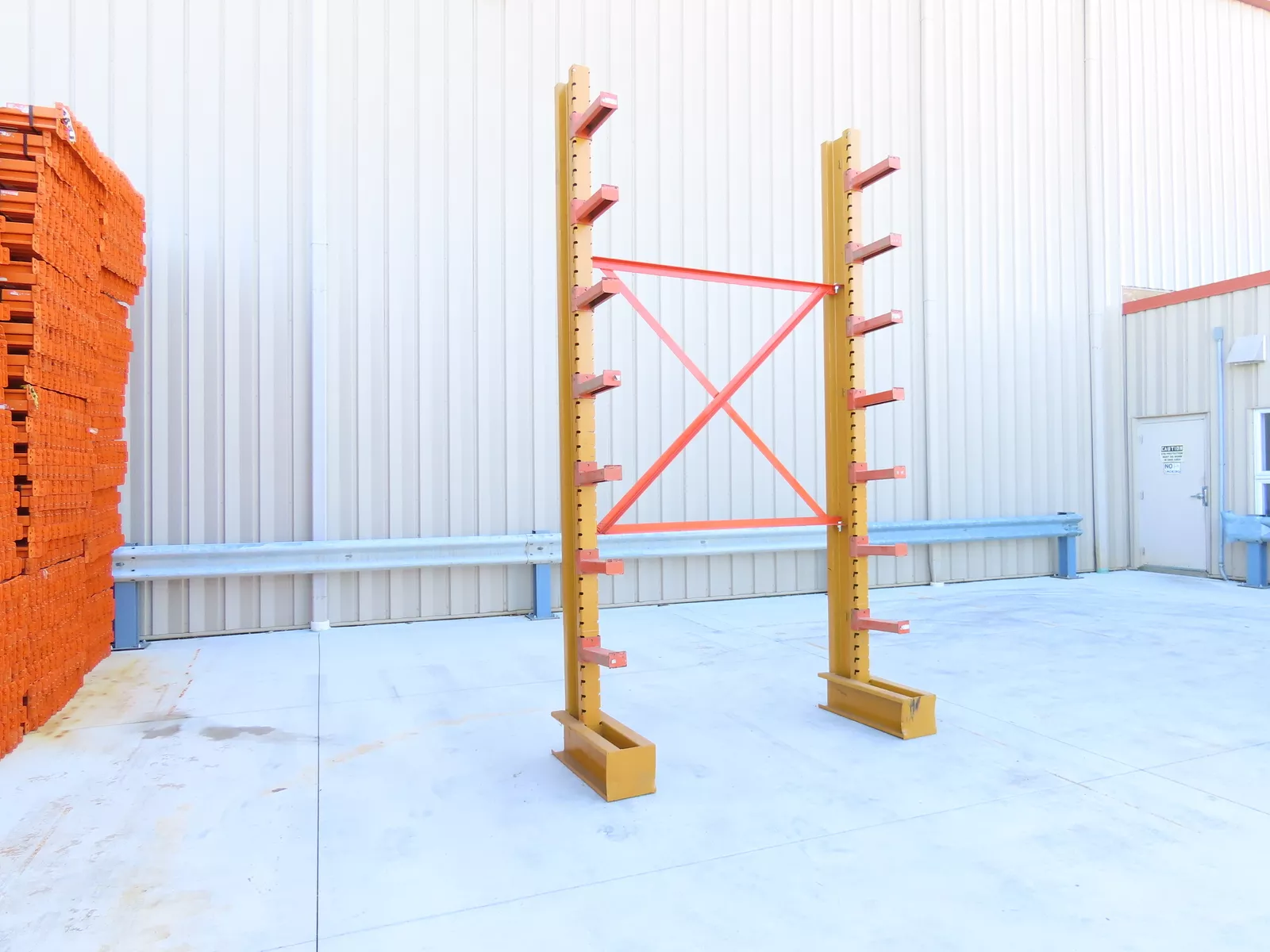
What Designs Of Pallet Racks Best Fit Frozen Food Distribution Needs?
How Does Pallet Racking Optimize Space In Frozen Food Warehouses?
In a frozen food warehouse, space isn’t just a luxury – it’s the backbone of the whole operation. When the cold air’s humming and the clock’s ticking, every inch counts. That’s where pallet racking steps in, not as some fancy gadget, but as the steady, no-nonsense workhorse that lets you stack smarter, not just higher. It’s about squeezing every drop of usable room out of the building without turning your crew into contortionists or causing chaos in the aisles.
Pallet racking doesn’t just shove pallets around; it organizes them like books on a shelf, neat and easy to find. That’s a big deal when you’re juggling thousands of frozen goods, all needing quick access and zero thaw time. When racks are set up right, they guide forklifts and workers like a well-marked road, cutting down on fumbling and wasted steps. That saves time and energy, which everyone appreciates—because less running around means fewer mistakes, fewer accidents, and a smoother day for all hands on deck.
There’s a deeper kind of satisfaction too. Knowing your warehouse runs tight, clean, and efficient feels good at the end of the day. It’s not about cutting corners; it’s about respecting the effort everyone puts in—the drivers, the loaders, the pickers—and giving them a workspace that’s up to the task. Pallet racking builds trust in the system. When the team sees inventory lined up and easy to handle, it’s clear leadership’s got their backs, and that confidence spreads.
Ethically, it’s about stewardship—making the most of what you’ve got without waste. Warehouses aren’t endless halls like in the movies; they’re real buildings with limits. Making those limits work means fewer late-night scrambles, less product loss from spoilage, and a smaller footprint overall. It’s a responsible way to handle goods that feed people downstream, and that sense of purpose matters.
You don’t get these wins by accident. Pallet racking is tested, proven, and built on years of hands-on experience in frozen food storage. It’s the tool that meets cold conditions head-on and refuses to back down. For anyone who’s ever wrestled with a sprawling mess of pallets in a chilly warehouse, pallet racking is the trusted ally that turns chaos into order, leaving you free to focus on what really counts—getting good food where it needs to go, on time, every time.

How Does Pallet Racking Optimize Space In Frozen Food Warehouses?
How Does Pallet Racking Optimize Space In Frozen Food Warehouses?
- Pallet racking maximizes usable space in frozen food warehouses, enabling smarter stacking without cluttering aisles or hindering workers.
- It organizes pallets neatly for quick access, crucial for handling thousands of frozen goods without thawing delays.
- Properly set up racks guide forklifts and workers efficiently, reducing wasted steps, mistakes, and accidents.
- Pallet racking fosters a clean, efficient workspace that respects the efforts of the entire warehouse team.
- It builds trust within the system, demonstrating leadership support and boosting team confidence.
- Using space responsibly reduces spoilage, late-night urgencies, and minimizes the warehouse’s environmental footprint.
- Proven through experience, pallet racking withstands cold conditions and transforms disorder into organized productivity focused on timely food delivery.
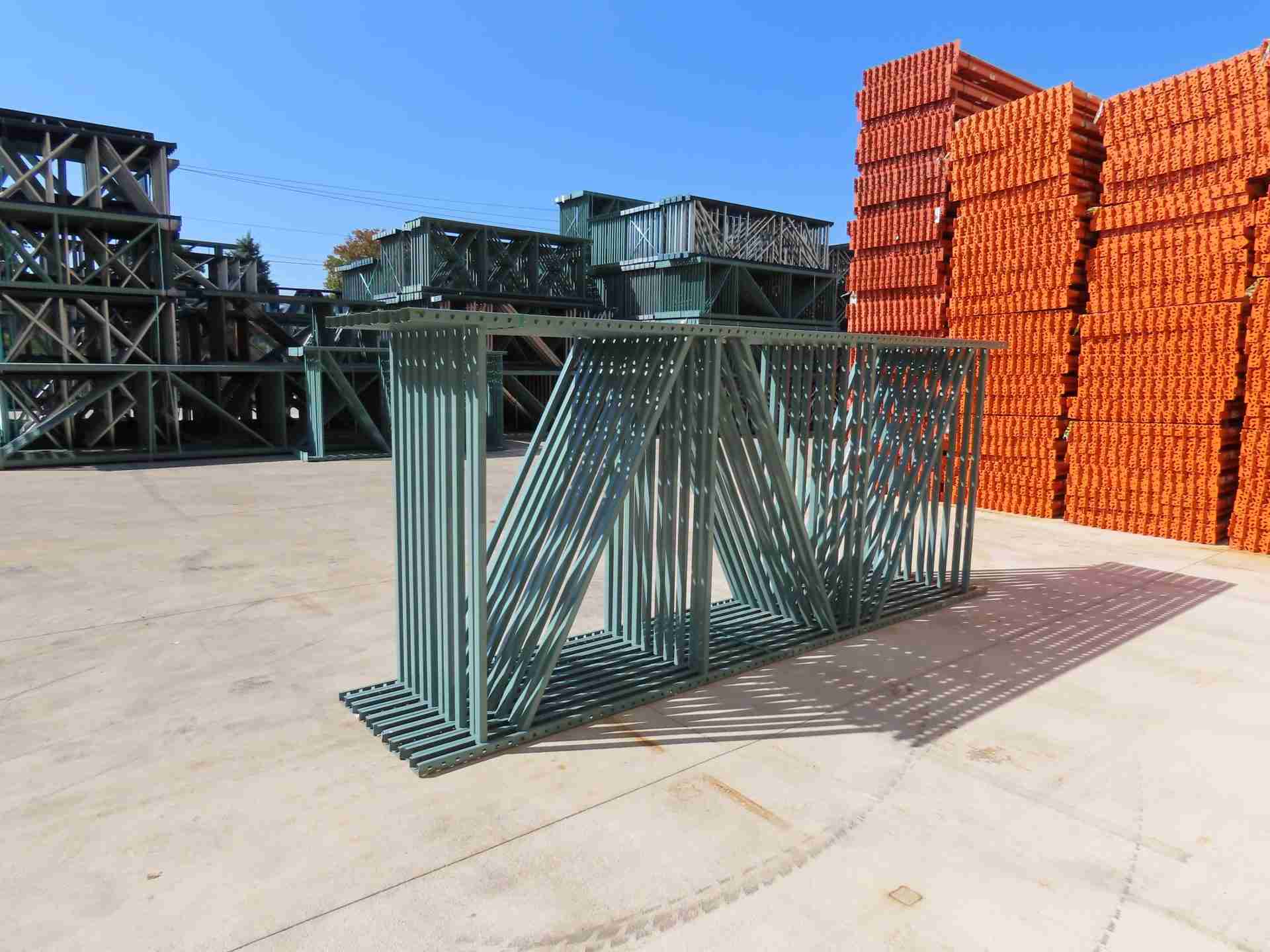
How Does Pallet Racking Optimize Space In Frozen Food Warehouses?
How Does Pallet Racking Impact Energy Consumption In Cold Storage?
We all know cold storage isn’t just about keeping things frozen; it’s about doing it efficiently without watching energy bills skyrocket. Here’s where pallet racking steps into the spotlight, not just as a stack-it-high solution but as a real player in cutting down energy waste. When you set up your pallet racking right, you’re not just arranging boxes—you’re shaping the airflow and temperature balance in the entire space. It’s like the difference between stacking lumber neatly or tossing it in a pile—the neat stack lets the air flow smooth and steady, keeping your cool air exactly where it needs to be.
Those metal racks don’t just hold shelves; they create corridors for cold air to flow. If you space them out thoughtfully, you minimize hot and cold spots, meaning your refrigeration system doesn’t have to run full tilt all day. That saves energy dollars and keeps the system from wearing out too fast—so it’s good for your wallet and good for your gear. And here’s the kicker: this takes some hands-on know-how and a bit of patience to arrange right, but it pays off big time down the line.
Ethically, it feels good knowing you’re doing your bit to reduce unnecessary energy waste. In an industry where cold storage units can guzzle electricity like a thirsty rig on a long haul, every bit saved matters—not just for the bottom line but for the planet we all share. Getting your pallet racking setup optimized isn’t just smart business; it’s the responsible thing to do.
You don’t have to be a tech wizard to get it right, just a practical sense of layout and airflow. Talk shop with folks on the floor who move the pallets every day—they’ll tell you where bottlenecks happen and where the air gets stuck. It’s in these real-world lessons where the best designs come alive. The pressure to keep food fresh, products safe, and costs down is real, and having pallet racking that pulls its weight means less worry at the end of a long shift.
So when you’re staring at that cold storage layout, remember: pallet racking isn’t just racks. It’s a quiet partner in saving energy, cutting waste, and keeping business rolling smooth. Set it right, and you’re not just stacking pallets—you’re building a smarter, leaner future.

How Does Pallet Racking Impact Energy Consumption In Cold Storage?
How Does Pallet Racking Impact Energy Consumption In Cold Storage?
- Efficient pallet racking in cold storage improves airflow and temperature balance, reducing energy waste.
- Properly spaced metal racks create cold air corridors, minimizing hot and cold spots and easing refrigeration load.
- Optimizing pallet racking saves energy, reduces wear on equipment, and lowers operational costs.
- Arranging pallet racking effectively requires hands-on knowledge and patience but offers long-term benefits.
- Reducing energy waste in cold storage is both cost-effective and environmentally responsible.
- Practical layout and airflow understanding, supported by input from floor staff, leads to the best rack designs.
- Well-planned pallet racking helps maintain product quality, safety, and operational efficiency, supporting a sustainable future.

How Does Pallet Racking Impact Energy Consumption In Cold Storage?
Conclusion
Frozen food distribution centers run on trust—the trust that every box will stay frozen, every pallet will hold firm, and every order will get out the door without a hitch. Pallet racking systems are the backbone of that trust, the unglamorous workhorses that keep the whole cold chain humming. They’re not just metal shelves; they’re the steady hands that carry the weight of the job—from the pre-dawn loaders stacking pallets in bone-chilling aisles to the drivers racing against the clock to get meals to tables across town. The racks hold more than product; they hold responsibility, respect, and the promise of a meal unspoiled.
Efficiency isn’t a buzzword here—it’s survival. Pallet racking turns cramped, chaotic warehouses into organized, vertical storage machines that maximize space, protect fragile frozen goods, and streamline workflow. When every second counts and every pallet counts even more, having a system where each item is easy to find and quick to move cuts down on mistakes, wasted steps, and costly spoilage. Elevating pallets off the floor isn’t just about neatness—it improves air circulation, keeping temperatures steady and food fresh longer. That’s good for business but also good ethics: fewer spoiled goods mean less waste and a smaller environmental footprint.
Damage control is where pallet racking shows its muscle. Frozen food doesn’t forgive mishandling; one slip can ruin a shipment. Racks act like tough, reliable partners—keeping pallets off slippery floors, preventing crushing, and cutting back on accidents. That’s not just practical; it’s fair to the crews sweating through cold temps and long shifts, and respectful to everyone counting on those frozen goods at the other end of the line.
Regulatory compliance moves from burden to built-in habit with a solid racking system. Keeping products off the ground protects against contamination, pests, and moisture—non-negotiables in food safety. Organized, labeled racks help everyone stay on top of expiry dates and batch rotation, easing inspections and building trust with customers and regulators alike. It’s ethics, plain and simple: doing right by the product and the people who rely on it.
Choosing the right rack design matches real-world needs—drive-in racks pack pallets deep where space is tight and selective racks offer quick access when turnover is fast. Steel that resists frost, racks that drain and breathe—they’re all part of a system built for the cold realities of frozen storage. This is hands-on wisdom, not theory. It’s the kind of tough, no-nonsense setup that works quietly but confidently behind the scenes.
Finally, energy matters. A good pallet racking layout does more than hold product—it shapes airflow, evens out cold spots, and helps refrigeration systems run smarter, not harder. This is practical stewardship, saving money and cutting unnecessary waste, which feels right for the bottom line and for the broader responsibility we all share.
In the end, pallet racking in frozen food distribution isn’t just storage; it’s a lifeline. It’s respect in steel and sweat, a commitment to care, and the solid foundation beneath every frozen meal shipped right on time. When that rack stands steady, the whole operation breathes easier—and so do all the hungry folks depending on it.
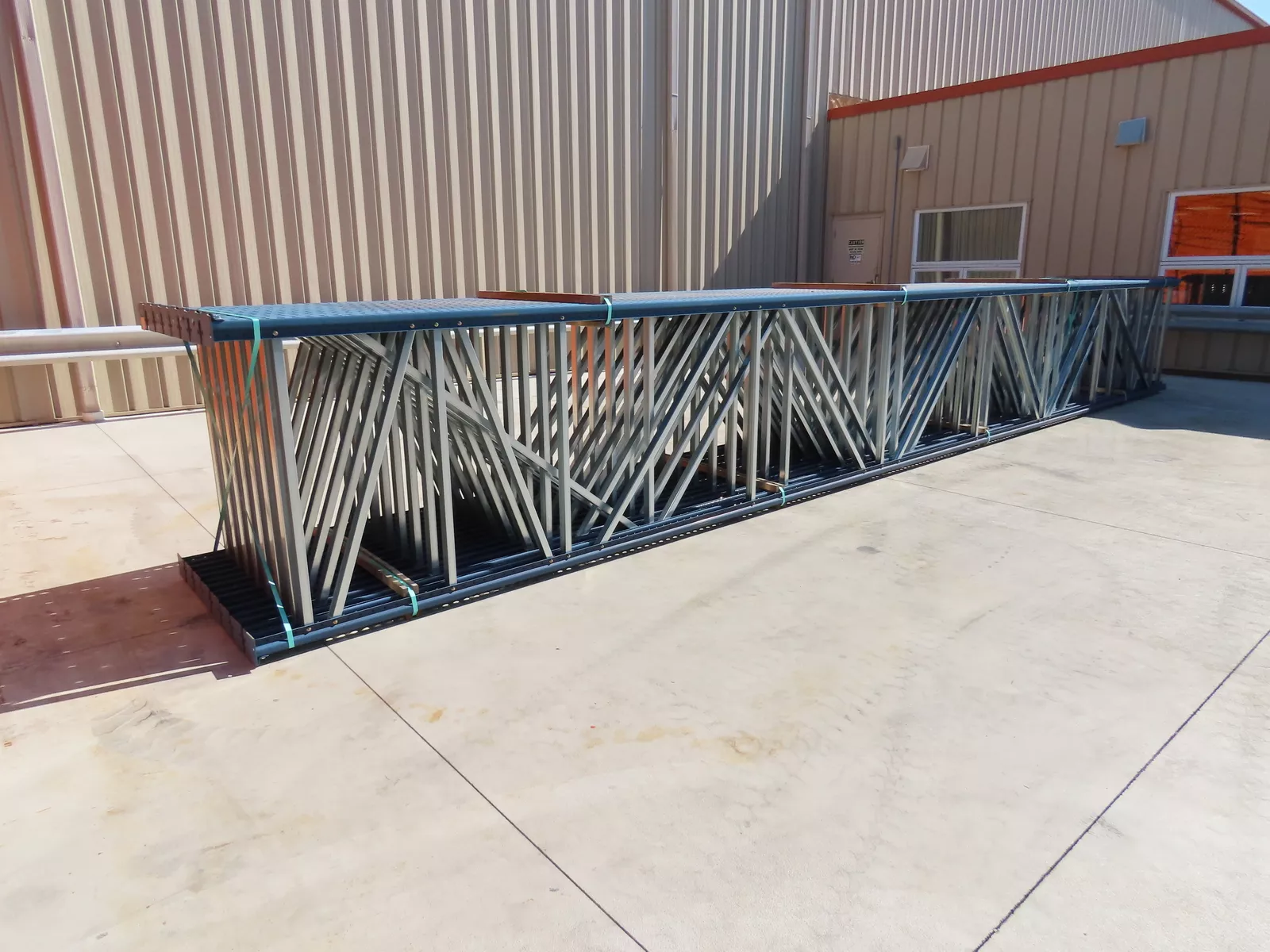
Conclusion
Conclusion:
- Pallet racking systems are the essential backbone of frozen food distribution centers, ensuring orders are processed without errors and products stay properly frozen.
- They maximize warehouse efficiency by turning cluttered spaces into organized vertical storage, improving workflow and reducing spoilage through easy access and better air circulation.
- Pallet racks prevent damage by keeping products off slippery floors and protecting against crushing, supporting both worker safety and product integrity.
- Racking systems facilitate regulatory compliance by preventing contamination, aiding in pest control, and supporting proper inventory management through clear labeling and batch rotation.
- Choosing the right rack design, such as drive-in or selective racks, addresses specific storage needs while using materials suited for cold environments.
- Proper rack layouts influence energy efficiency by optimizing airflow and reducing cold spots, helping refrigeration systems operate more effectively and cutting costs.
- Pallet racking represents a commitment to responsibility, care, and reliability, forming the stable foundation that keeps frozen food distribution running smoothly and customers satisfied.
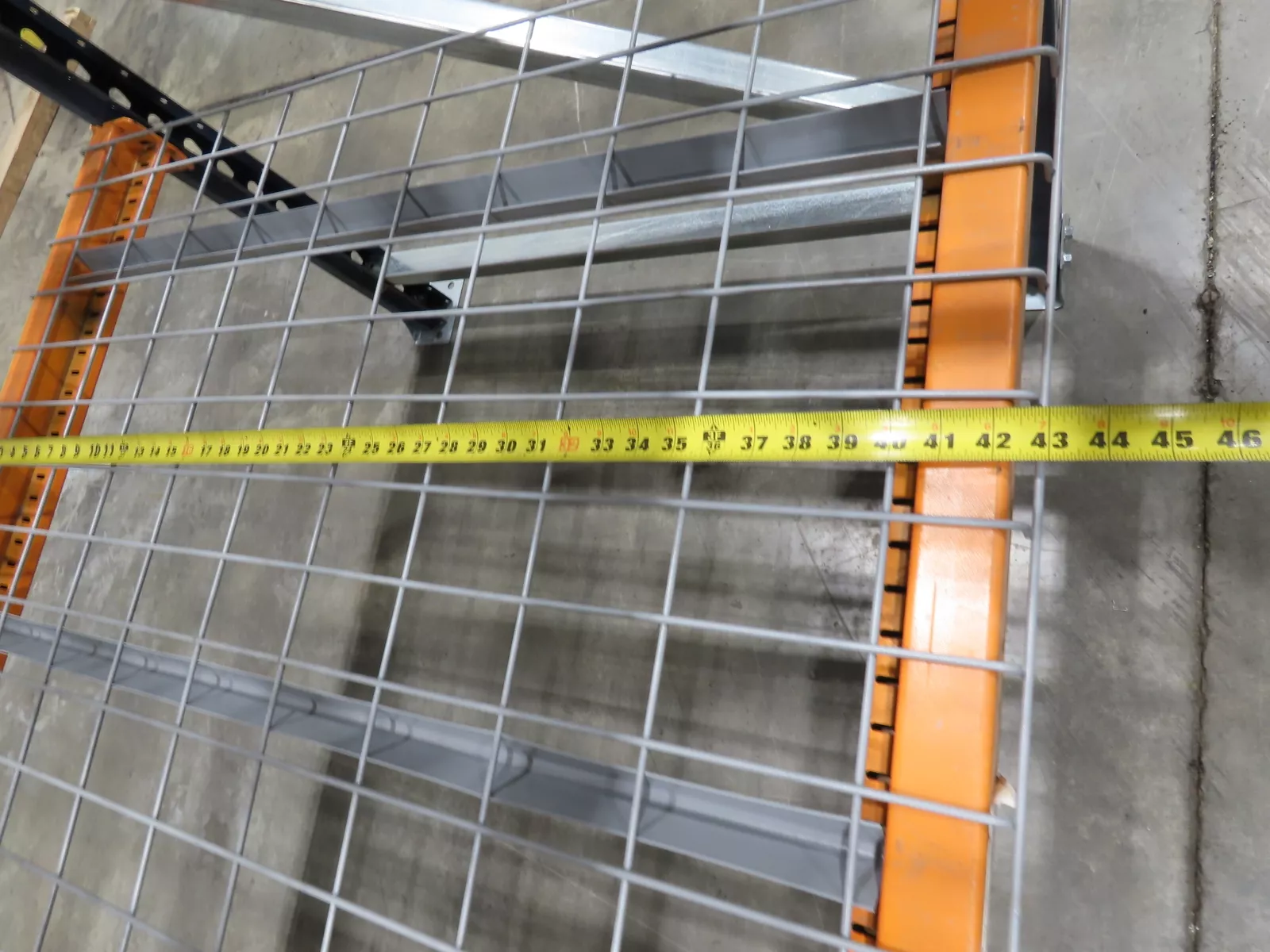
Conclusion
Other Resources
Other Resources
Here is a list of other resources you can review online to learn more:
- New Cantilever Racks and Racking Kits
- Bradford Systems
- Warehouse Racking System: Powerful Guide to Optimise, 2024
- Storage Equipment Manufacturers Association
- CMMA
- Pallet Racking 101: A Comprehensive Guide & Options Explained
- Warehouse Racking Systems: Beginner’s Guide to Rack Systems
- Teardrop Uprights
- BMH
- Teardrop Pallet Rack – Ridg-U-Rak
- Cantilever Rack Configuration & Installation: A Comprehensive Guide – BMH
- Heavy-Duty Cantilever Storage Racks
- MHI
- WERC
- Chicago Pallet Racking
- Warehousing and Fulfillment
- Cantilever Racking Specialists – Get the Right Racks
- Warehouse Racking Layout: The Ultimate Guide – Conger
- Warehousing Education and Research Council: https://www.werc.org/
Use This Prompt To Get More Resources With Your Favorite Online AI Tool: Please provide me with a list of online articles with their URLs in a bulleted list that I can read regarding How Do Frozen Food Distribution Centers Leverage Pallet Racking?

Other Resources
Glossary Terms
How Do Frozen Food Distribution Centers Leverage Pallet Racking? – Glossary Of Terms
1. Pallet Racking: A storage system designed to hold palletized goods in horizontal rows with multiple levels.
2. Frozen Food Distribution Center: A facility specializing in storing and distributing frozen food products.
3. Cold Storage: Refrigerated space maintained at low temperatures for preserving perishable goods.
4. Inventory Management: The process of ordering, storing, and using a company’s inventory.
5. FIFO (First In, First Out): Inventory method ensuring older stock is used before newer stock.
6. LIFO (Last In, First Out): Inventory method where the most recently stored items are used first.
7. Load Capacity: The maximum weight that a pallet rack or pallet can safely hold.
8. Picking Efficiency: The speed and accuracy of selecting products from inventory.
9. Space Utilization: The effective use of available storage volume within the facility.
10. Pallet Jack: A manual or powered tool used to lift and move pallets.
11. Forklift: A powered industrial truck used to lift and move pallets in the warehouse.
12. Rack Upright: The vertical frames of a pallet racking system.
13. Beams: Horizontal components of a pallet rack that support pallets.
14. Load Beam: A beam designed to carry the weight of pallets or goods.
15. Selective Racking: A racking system allowing direct access to each pallet.
16. Drive-in Racking: A dense storage system where forklifts drive directly into the rack.
17. Flow Racking: Gravity-aided racking system facilitating first-in, first-out inventory movement.
18. Pallet Support Bars: Additional bars on racks to support pallets and prevent falling.
19. Temperature Control: Systems and measures to maintain consistent freezing temperatures.
20. Safety Barriers: Protective structures to prevent damage to racks from forklifts.
21. Load Distribution: The even spread of weight across a pallet or racking system.
22. Cross Beam: Horizontal beam connecting rack uprights to create level support.
23. Cold Chain: The temperature-controlled supply chain for handling temperature-sensitive products.
24. Picking Aisle: The space between rows of racks where products are accessed.
25. Rack Depth: The measurement from front to back of the racking system.
26. Pallet Configuration: The arrangement and stacking orientation of goods on pallets.
27. Warehouse Management System (WMS): Software managing inventory and operations in the warehouse.
28. Automated Storage and Retrieval System (AS/RS): Technology for automated placement and retrieval of pallets.
29. Humidity Control: Systems used to regulate moisture levels in the cold storage environment.
30. Accessibility: The ease with which pallets can be reached and handled within the racking system.
Glossary Of Terms
Other Questions
How Do Frozen Food Distribution Centers Leverage Pallet Racking? – Other Questions
If you wish to explore and discover more, consider looking for answers to these questions:
- Which pallet racking systems are best for very low-temperature freezers (e.g., -20°C to -40°C)?
- How do load capacities for racks change in freezing environments and how are they calculated?
- What materials and coatings prevent corrosion and ice buildup on racking in cold, humid conditions?
- How should racking be spaced and arranged to optimize airflow and maintain uniform temperatures?
- What are the measurable energy savings from different racking layouts and how are they quantified?
- How does pallet racking design affect cold chain integrity and how is that monitored?
- Which racking designs (selective, drive-in, push-back, pallet flow) are best for FIFO vs. LIFO inventory strategies in frozen foods?
- What are the safety standards and regulations specific to racking in frozen food warehouses (local, FDA, USDA, HACCP, OSHA)?
- How often should racking be inspected and what are the common signs of cold-related damage to look for?
- What maintenance practices reduce ice accumulation, condensation, and moisture damage on racks and pallets?
- How do racking systems integrate with automated storage and retrieval systems (AS/RS) and robotics in cold storage?
- What training do forklift operators and warehouse staff need to safely work with high-density racking in freezing conditions?
- How do seismic or wind-load requirements change racking design in different regions?
- What are the best practices for labeling, barcode scanning, and inventory management on pallet racks in subzero environments?
- How does racking configuration influence picking speed and overall warehouse throughput?
- What retrofitting options exist for upgrading existing racking to meet cold storage needs without full replacement?
- How do you calculate ROI for investing in different pallet racking systems for frozen goods?
- What fire suppression and smoke-control systems are compatible with dense pallet racking in freezers?
- How does racking affect cleaning procedures, pest control, and sanitation protocols in frozen food facilities?
- What accessories (load backstops, pallet supports, row spacers, guard rails) are most important for cold-storage racking?
- How are weight distribution and pallet placement procedures enforced to avoid rack collapse or pallet slips in icy conditions?
- What warranty, service, and replacement-part considerations should buyers demand from racking suppliers for cold environments?
- How do racks perform over time in cold storage—typical lifespan and factors that shorten it?
- What are the costs and logistical considerations of installing racking inside an existing freezer versus expanding building footprint?
- How does racking design influence humidity control and defrost cycles of refrigeration systems?
- Are there case studies or benchmarks showing performance improvements from specific racking implementations in frozen-food centers?
- How can racking be designed to facilitate rapid product rotation during peak seasons or recalls?
- What are the insurance and liability implications of racking failure in frozen food distribution?
- How do pallet racking choices affect cross-docking, staging, and loading-dock efficiency in frozen operations?
- What environmental sustainability benefits and trade-offs are associated with different racking strategies in cold storage?
Other Questions
Checklist
How Do Frozen Food Distribution Centers Leverage Pallet Racking? – A Checklist
Goals and Requirements
✅______ Define throughput, SKU count, and order profiles (full pallet, case, each)
✅______ Confirm pallet specifications (size, height, maximum weight, overhang) and standardize
✅______ Determine FIFO vs. LIFO requirements by SKU or family
✅______ Validate clear height, slab capacity, column grid, and available utility access
✅______ Map temperature zones and dock interfaces for cold-chain continuity
Rack System Selection
✅______ Select rack type(s): selective, double-deep, drive-in/drive-through, push-back, pallet flow
✅______ Match rack type to SKU velocity, lot control, and pick method
✅______ Obtain engineered load ratings per level and bay; include seismic as applicable
✅______ Specify accessories: pallet stops, row spacers, flue keepers, backstops
✅______ Include impact protection: end-of-aisle, column, and frame guards
Freezer-Specific Suitability
✅______ Use corrosion-resistant finishes, such as hot-dip galvanized or freezer-rated coatings
✅______ Specify freezer-rated anchors, hardware, and verified torque procedures
✅______ Design to prevent ice buildup: drainage paths, drip management, and no water traps
✅______ Maintain consistent flue spaces for airflow and fire protection
✅______ Verify components remain ductile and safe at low temperatures
Layout and Traffic Flow
✅______ Set aisle widths for chosen equipment (reach or turret) with turning clearance
✅______ Separate and mark pedestrian walkways and sightlines at intersections
✅______ Provide staged inbound and outbound zones without blocking airflow
✅______ Plan charger rooms or fuel staging outside the freezer envelope
✅______ Place maintenance access points without obstructing racks or airflow
Airflow and Energy Efficiency
✅______ Align rack rows to support supply and return air paths; avoid blocking evaporators
✅______ Preserve longitudinal and transverse flue spaces; prevent overhang into flues
✅______ Install fast doors or curtains; minimize door dwell time and infiltration
✅______ Slot fast movers near access points to reduce travel and door cycles
✅______ Avoid dead zones behind racks; verify with temperature mapping
Food Safety and Compliance
✅______ Store product off the floor with required clearances from walls and sprinklers
✅______ Implement lot, date, and location labeling for full traceability
✅______ Segregate allergens, raw vs. ready-to-eat, and other sensitive categories
✅______ Ensure racks are cleanable; define sanitation access and frequency
✅______ Document HACCP/FSMA controls tied to storage and movement
Inventory Flow and Picking
✅______ Use pallet flow for FIFO or date-sensitive SKUs where appropriate
✅______ Use push-back or drive-in for dense LIFO storage of stable items
✅______ Assign dedicated locations; avoid ad hoc floor stacking in the freezer
✅______ Align WMS location schema to the rack map; validate picking and replenishment logic
✅______ Enforce rotation rules to prevent burying short-dated stock
Damage Prevention
✅______ Install guide rails in deep-lane systems to reduce fork and frame strikes
✅______ Set pallet quality standards; reject broken stringers and boards
✅______ Define safe approach angles, mast tilt, and lift heights in SOPs
✅______ Implement rack impact reporting and out-of-service tagging
✅______ Add beam-level labels to reduce mispicks and risky reaches
Worker Safety and Ergonomics
✅______ Post capacity plaques per bay and level; keep them visible and readable
✅______ Maintain anti-slip floors and ice-control procedures in aisles
✅______ Keep emergency egress routes clear and marked
✅______ Provide freezer-rated PPE and manage time-in-freezer limits
✅______ Light aisles adequately for scanning and forklift operation
Forklifts and Equipment
✅______ Verify truck mast heights vs. top beam and sprinkler clearances
✅______ Confirm fork length vs. pallet overhang and deep-lane depth
✅______ Install blue lights, horns, and mirrors at cross-aisles and intersections
✅______ Provide fork level indicators for high-level placements
✅______ Define inspection and maintenance schedules for trucks and attachments
Labeling, Traceability, and IT
✅______ Label every bay, level, and position; test scan readability with gloves
✅______ Use license-plate pallet IDs and GS1-compliant barcodes where applicable
✅______ Enable lot and expiry capture at receipt, putaway, pick, and ship
✅______ Provide freezer-rated labels and adhesive; prevent label frost failure
✅______ Keep digital rack maps synchronized with the WMS
Maintenance and Inspection
✅______ Schedule routine rack inspections for bends, loose anchors, and corrosion
✅______ Remove ice from beams, baseplates, and floors; manage defrost water
✅______ Keep spare beams, uprights, and guards on hand for quick repair
✅______ Document repairs with photos and updated capacity records
✅______ Calibrate temperature sensors and door controls; log results
Commissioning and Training
✅______ Verify as-built layout against engineered drawings and permits
✅______ Load-test representative bays within rated limits
✅______ Train staff on SOPs for putaway, picking, sanitation, and damage response
✅______ Conduct emergency drills specific to freezer conditions
✅______ Complete a full receiving-to-shipping dry run before go-live
KPIs and Continuous Improvement
✅______ Track cube utilization and dwell time by SKU
✅______ Monitor damage rate, rack strikes, and spoilage or shrink
✅______ Measure energy per stored pallet and door open time
✅______ Audit FIFO/LIFO accuracy and lot traceability
✅______ Re-slot quarterly; adjust the selective vs. deep-lane mix by demand
Go-Live Readiness
✅______ All capacity signs posted and readable
✅______ All labels installed and verified in the WMS
✅______ Aisles, egress, and staging areas clear and marked
✅______ Preventive maintenance schedule active; inspection calendar published
✅______ Contingency plan defined for equipment failure or temperature excursions
Checklist
At RackingWorld, we help guide you through selecting warehouse storage systems and racking.
Be sure to read our other related stories at RackingWorld to learn more about warehouse storage systems.
0 Comments