
Maximizing Freshness And Efficiency: The Power Of Pallet Racking In Frozen Bakery Storage
By Tom Seest
At RackingWorld, we help guide you through selecting warehouse storage systems and racking.
Be sure to read our other related stories at RackingWorld to learn more about warehouse storage systems.
How Do Frozen Bakery Product Storage Leverage Pallet Racking?
When it comes to handling frozen bakery products, pallet racking isn’t just some fancy storage idea—it’s the backbone that keeps everything running smooth and steady. Picture a warehouse without pallet racking: stacks of boxes piled haphazardly, employees tripping over crates, products getting crushed or lost in the shuffle. That chaos? Pallet racking wipes it out like a broom through a dusty kitchen floor.
Frozen bakery goods are delicate creatures. They need to be stored just right—kept cold, kept organized, and kept accessible so they don’t waste away in the shadows. Pallet racking gives you that neat, direct line of sight to every box and bag in the freezer, so workers don’t have to play hide-and-seek with inventory. When time’s money, and every minute counts, this setup earns its keep by making loading and unloading faster than a baker’s dozen on a busy morning.
There’s something about pallet racking that just feels right in the gut. It’s sturdy, dependable—built tough like the folks who work those freezing aisles day in and day out. It respects the product, gives it room to breathe, and means less damage down the line. For any operation that values quality, pallet racking isn’t a luxury, it’s an honest-to-goodness necessity. Investing in good pallet racking says you care about keeping things fresh and in tip-top shape, which customers taste in every bite.
On the ethical side, pallet racking helps cut down on waste. Frozen bakery products that get lost or squashed are a waste of food, fuel, and hard work. When using pallet racking, companies take a stand to minimize that waste, using resources smartly, and doing right by both workers and customers. It’s not just about storage; it’s about responsible handling in a world where every crumb counts.
From the inside, pallet racking brings order that feels almost like a team player. It invites cooperation, reduces stress on the floor, and even keeps morale up because folks aren’t battling clutter or shaky stacks all day. Trust in pallet racking comes from seeing it hold up under pressure, day after day—proving it’s not just metal and bolts but a foundation you can lean on.
When frozen bakery products get their rightful spot on solid pallet racking, everything flows better: quicker pivots during rush, safer setups, and products that go out the door tasting just like they should. That’s the kind of common-sense solution that earns trust, sparks confidence, and gets everyone pulling in the same direction.

How Do Frozen Bakery Product Storage Leverage Pallet Racking?
How Do Frozen Bakery Product Storage Leverage Pallet Racking?
- Pallet racking is essential for organized, safe, and efficient storage of frozen bakery products, preventing chaos and damage in the warehouse.
- It ensures frozen goods are kept cold, accessible, and visible, speeding up loading and unloading processes.
- Pallet racking is sturdy and dependable, protecting delicate products and maintaining quality throughout storage.
- Using pallet racking helps reduce waste by minimizing lost or damaged products, promoting responsible resource use.
- It fosters a cooperative work environment, reduces floor stress, and boosts employee morale by eliminating clutter and unstable stacks.
- Reliable pallet racking supports smooth operations during busy times, enhancing safety and product quality.
- Investing in good pallet racking demonstrates commitment to product freshness, operational efficiency, and customer satisfaction.
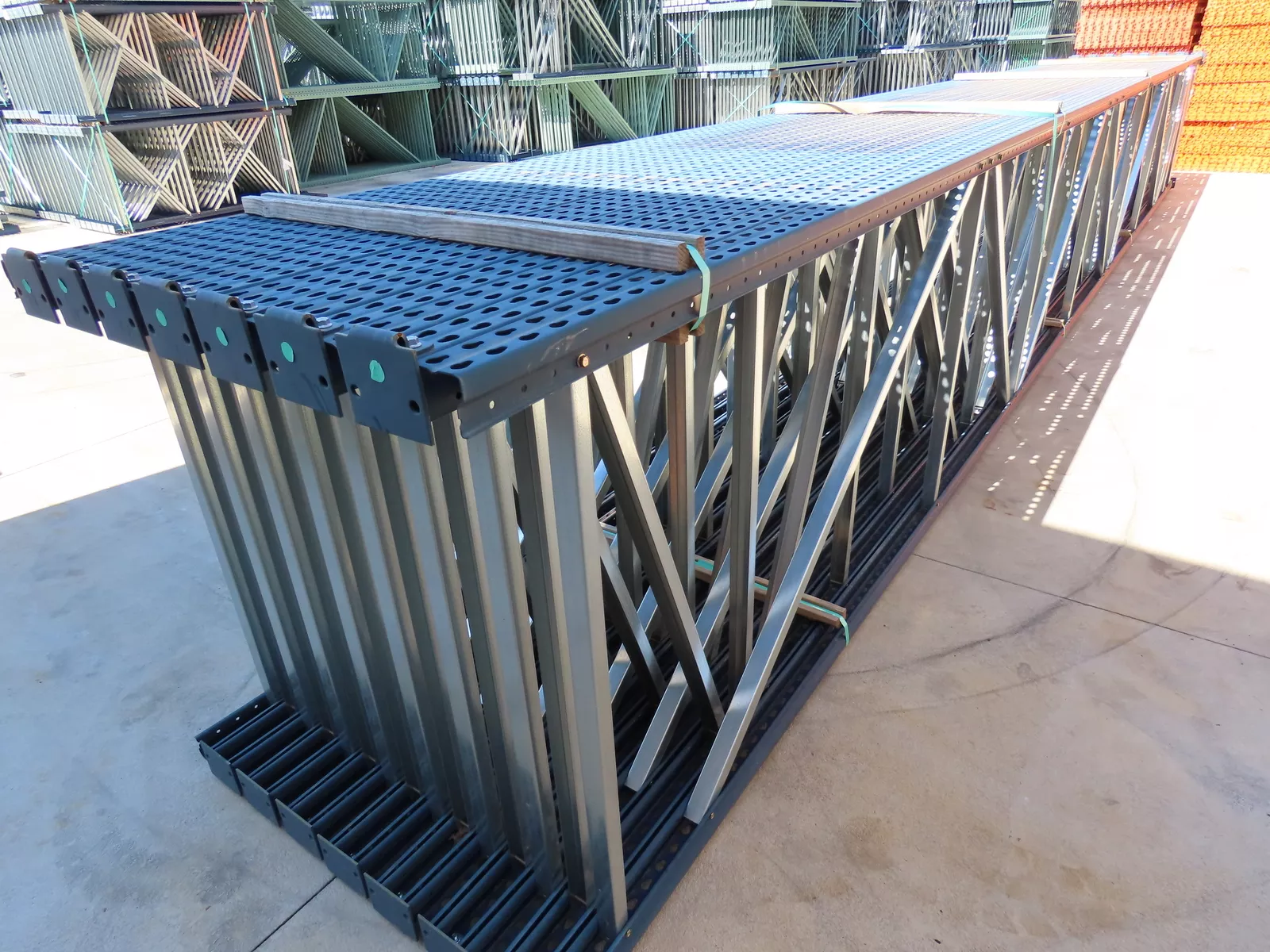
How Do Frozen Bakery Product Storage Leverage Pallet Racking?
Table Of Contents
- How Do Frozen Bakery Product Storage Leverage Pallet Racking?
- How Does Pallet Racking Improve Frozen Bakery Storage Efficiency?
- What Cost Savings Come From Using Pallet Racking In Frozen Storage?
- How Does Pallet Racking Protect Frozen Bakery Products From Damage?
- Can Pallet Racking Support the Weight Of Frozen Bakery Goods Safely?
- How Does Temperature Control Affect Pallet Racking In Frozen Storage?
- What Ethical Practices Ensure Product Safety In Frozen Storage Racks?
- Conclusion
- Other Resources
- Glossary Of Terms
- Other Questions
- Checklist
How Does Pallet Racking Improve Frozen Bakery Storage Efficiency?
When it comes to running a frozen bakery, there’s no room for waste, no space for guesswork. Every inch in that chilly warehouse counts because you’re not just storing bread and pastries—you’re storing time, freshness, and hard-earned money. Pallet racking steps in like a trusty sidekick, turning what could be a cluttered icebox into a well-oiled machine. It’s the kind of straightforward solution that makes those early mornings and long shifts feel a little less relentless.
Think about it: pallet racking organizes your inventory in a smart, stacked way, keeping everything off the floor and easy to reach. No more diving into piles or “finding out what fell behind the freezer” moments. That means less damage to your goods, less spoilage, and fewer last-minute scrambles to meet orders. It’s not just about efficiency; it’s about respect for what you make and how your team works. When things are laid out clearly and access is quick, stress eases, and morale improves. Your crew can focus on the craft instead of the hassle.
There’s something honest and solid about pallet racking—metal frames that hold your bakery’s livelihood steady and safe, no fuss. It’s a no-nonsense structure that delivers real results. Using pallet racking isn’t just smart; it’s the right thing to do from a quality and safety standpoint. Keeping frozen products properly stored reduces contamination risks and keeps your bakery up to code. That responsibility matters for every customer who trusts your brand to deliver fresh, tasty goods on time.
Stories from the floor show how pallet racking turns chaos into order. One spot where dozens of pallets once sat in a jumbled heap becomes a clear, manageable system. Forklifts glide through aisles with purpose, loading and unloading pallets like clockwork. Mistakes decrease, efficiency climbs, and those frozen dough batches come out right every time.
At the end of the day, pallet racking is more than just metal shelves. It’s a tool forged by common sense and hard work—a way to give your frozen bakery storage a backbone. It’s the difference between fighting your space and making it work for you. When you install pallet racking, you’re saying you care about quality, respect your team, and mean business. That’s a win the whole bakery can count on.

How Does Pallet Racking Improve Frozen Bakery Storage Efficiency?
How Does Pallet Racking Improve Frozen Bakery Storage Efficiency?
- Pallet racking maximizes space in frozen bakery warehouses, preserving time, freshness, and money.
- It organizes inventory efficiently, keeping products off the floor and easily accessible, reducing damage and spoilage.
- Clear layout and quick access lower stress and improve team morale, allowing workers to focus on their craft.
- Sturdy metal frames provide safe, reliable storage that supports quality and safety standards.
- Proper storage reduces contamination risks and ensures compliance with bakery regulations.
- Pallet racking transforms disorganized areas into manageable systems, increasing efficiency and reducing errors.
- Installing pallet racking demonstrates commitment to quality, team respect, and operational excellence.

How Does Pallet Racking Improve Frozen Bakery Storage Efficiency?
What Cost Savings Come From Using Pallet Racking In Frozen Storage?
When it comes to frozen storage, every inch of space and every dollar spent counts. Using pallet racking in these chilly warehouses isn’t just some fancy upgrade—it’s a straightforward way to save money that anyone who’s rolled up their sleeves in storage knows matters. The cold never lets up, and neither does the cost of keeping goods frozen. Pallet racking helps slice those expenses right where it counts.
First off, pallet racking puts order and efficiency front and center. You’re stacking smart, not just piling high. That means less time hunting down products lost in a jumble, fewer forklift trips, and smoother day-to-day operations. Every minute saved is money saved—no one’s paying warehouse workers to stand around scratching their heads. The system maximizes vertical space, letting you store more pallets safely without sprawling across your floor like a messy bomb site. That’s real bottom-line savings on rent and refrigeration because the freezer space shrinks while your storage capacity grows.
There’s also the wear and tear factor. Pallet racking keeps products off the floor, away from moisture and ice buildup, reducing damaged goods and spoilage. When you’re dealing with frozen items, every loss stings. Pallet racking pays for itself by cutting down waste and keeping your inventory in shipshape condition. That’s something a person managing a cold storage operation can appreciate—less waste means less waste of all kinds, including hard-earned cash.
From an ethical angle, it’s about responsibility to workers and customers. Proper pallet racking means a safer, cleaner workplace. No more unstable stacks ready to collapse or slippery messes from thawed spills. It’s about looking out for the folks on the floor and maintaining trust with clients who expect products intact and on time. That reliability builds your reputation—it’s the kind of goodwill that’s hard to beat in this line of work.
Folks with years in warehouses know that stepping into a cold storage site with organized pallet racking just feels right—it’s a sign of solid management and respect for the job. It makes a statement: this is a place where things run smooth, and costs don’t run wild. That kind of confidence isn’t just comforting; it drives action—from better decisions on investing in your operation to attracting good crews who want to work where they’re set up to do their best.
Using pallet racking in frozen storage strikes a balance between common sense and smart investment, saving money, time, and hassle. It’s the kind of practical move that, once made, makes you wonder why you didn’t do it sooner.
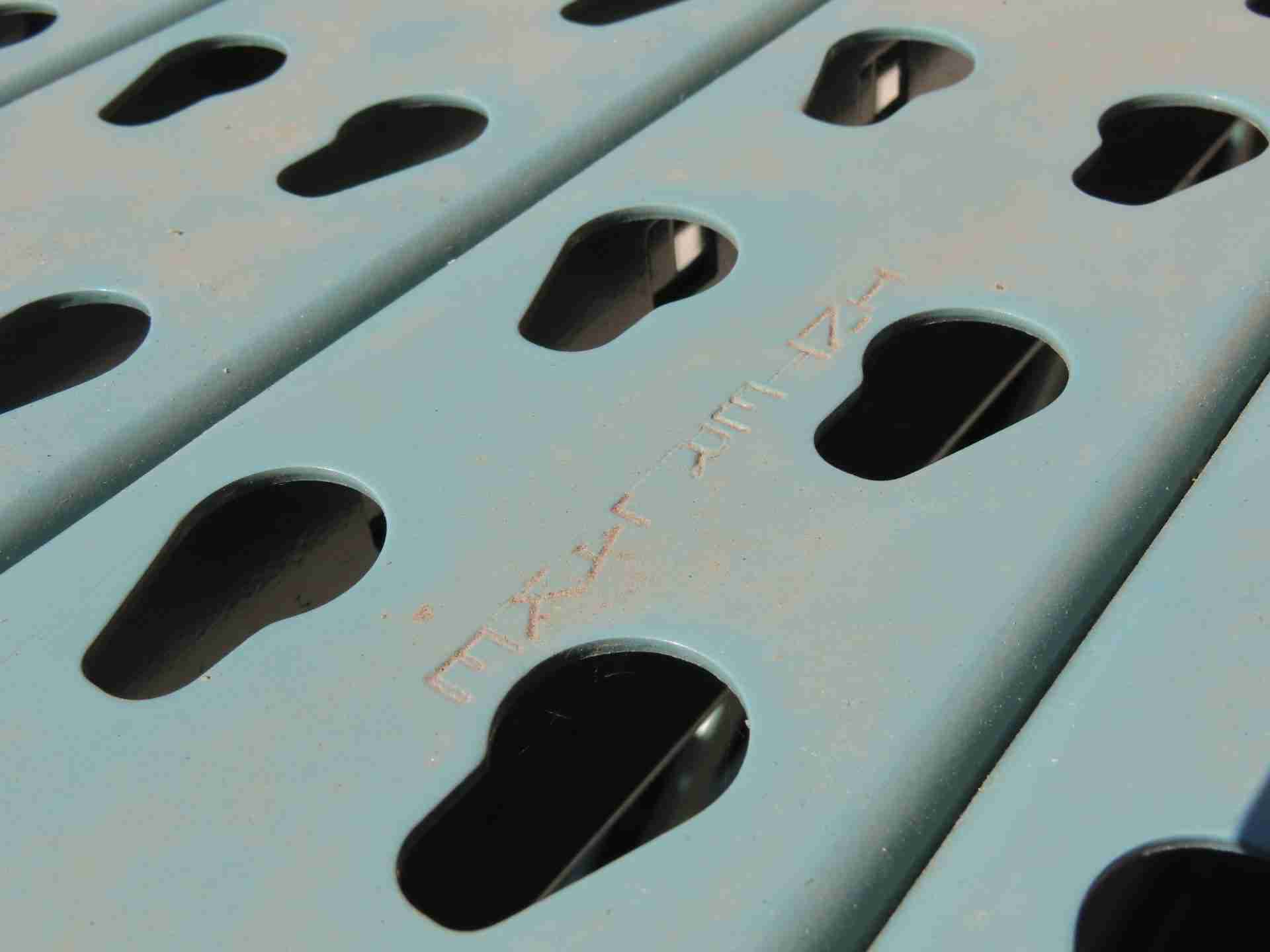
What Cost Savings Come From Using Pallet Racking In Frozen Storage?
What Cost Savings Come From Using Pallet Racking In Frozen Storage?
- Pallet racking optimizes frozen storage by maximizing space and reducing costs related to rent and refrigeration.
- It enhances efficiency by organizing inventory, reducing forklift trips, and saving time in daily operations.
- Keeps products off the floor, reducing damage and spoilage caused by moisture and ice buildup.
- Improves workplace safety by preventing unstable stacks and slippery conditions.
- Builds reputation through reliable storage, ensuring products remain intact and on time.
- Signals strong management and attracts skilled workers by creating a well-organized environment.
- Represents a practical, cost-effective investment that saves money, time, and hassle in frozen storage operations.
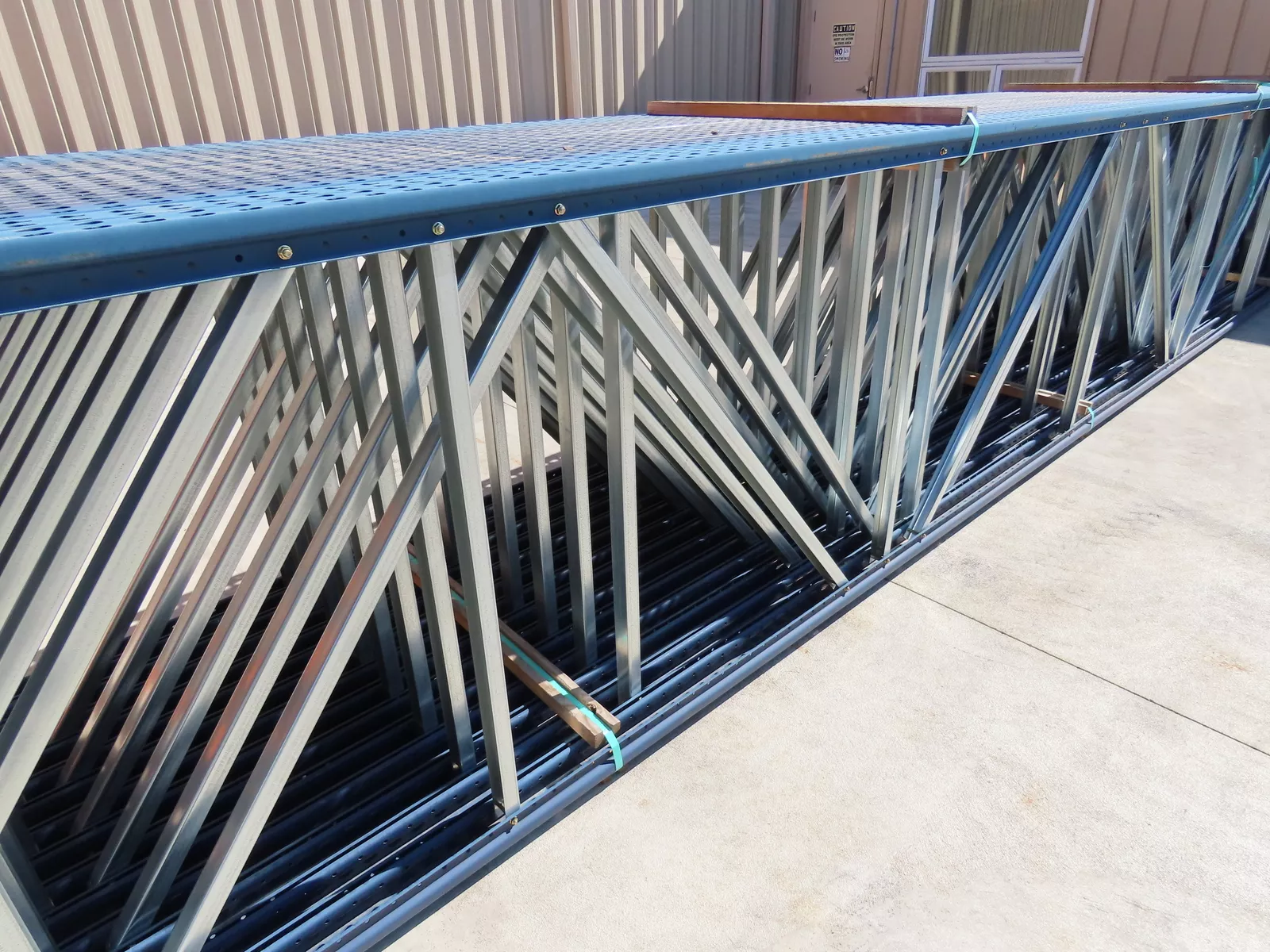
What Cost Savings Come From Using Pallet Racking In Frozen Storage?
How Does Pallet Racking Protect Frozen Bakery Products From Damage?
Nothing stings worse than seeing a shipment of frozen bread or pastries arrive mangled, crushed, or half-thawed. Those products aren’t just goods on a shelf—they’re the fruits of hard work, early mornings, and a promise of fresh goodness to families counting on them. That’s where pallet racking steps in, quietly doing the heavy lifting to keep everything intact and ready to roll out fresh.
At its core, pallet racking is simple, tough, and honest. It’s all about keeping frozen bakery products off the floor, safely stacked, and well-organized. This steel backbone handles the weight without complaint, ensuring pallets don’t get squished under one another or topple like a house of cards. The system lets you store these delicate items securely and access them without fuss, reducing the chances of costly mishaps—like crushed crusts or misshapen loaves—that can ruin a batch before it hits the shelf.
Using pallet racking isn’t just smart business; it’s about respect. Respect for the labor baked into every product and respect for the people who’ll enjoy them. By keeping frozen bakery goods neat and stable, pallet racking minimizes physical damage, prevents temperature fluctuations from product being constantly moved, and cuts down on wasted inventory. You’re feeding communities, after all, not just stacking boxes. That ethical commitment to quality resonates beyond the warehouse walls, building trust with customers who rely on consistent freshness.
Experience shows that the right pallet racking system transforms chaos into order. Instead of scrambling to find products hidden under piles or risking accidents from unstable stacks, workers rely on a straightforward setup where everything has its place. This doesn’t just save time and frustration—it makes sure every frozen bun and dough ball turns out exactly as it should. No guesswork. No corners cut.
Pallet racking is the unsung hero that bridges the gap between the oven and the table. It protects frozen bakery products like a backbone, steady and strong, so the pride and care poured in at the start of the process reach customers undamaged and ready to be enjoyed. Choosing solid pallet racking means choosing peace of mind, smoother operations, and a genuine way to honor the craft behind every frozen loaf.
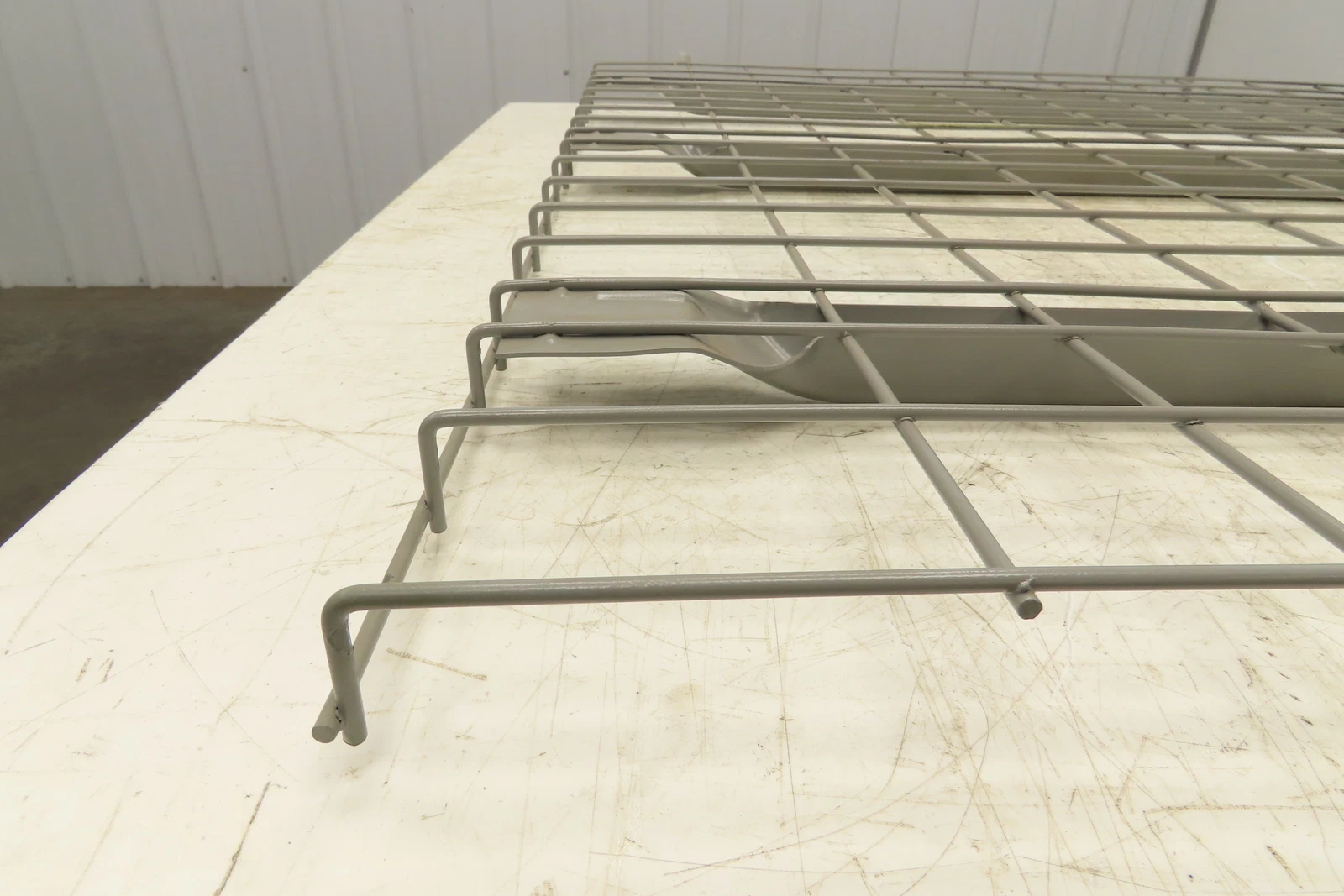
How Does Pallet Racking Protect Frozen Bakery Products From Damage?
How Does Pallet Racking Protect Frozen Bakery Products From Damage?
- Pallet racking protects frozen bakery products from damage, keeping them intact and fresh for customers.
- Its strong steel structure prevents pallets from crushing or toppling, ensuring safe and organized storage.
- Using pallet racking minimizes physical damage, temperature fluctuations, and inventory waste.
- It reflects respect for the labor behind each product and the people relying on fresh bakery goods.
- The system transforms warehouse chaos into order, making products easy to access and reducing accidents.
- Pallet racking ensures consistent product quality, avoiding guesswork and shortcuts in handling frozen goods.
- It serves as a crucial link between production and consumption, supporting smooth operations and honoring craftsmanship.
How Does Pallet Racking Protect Frozen Bakery Products From Damage?
Can Pallet Racking Support the Weight Of Frozen Bakery Goods Safely?
Look, when you’re running a bakery that freezes tons of goods, you know those pallets aren’t just stacks of flour and sugar—they’re stacks of hard work, long hours, and pride baked right in. You need pallet racking that holds up its end without collapsing on your livelihood. Pallet racking isn’t just metal holding boxes; it’s the backbone of your operation, standing strong under the weight of those frozen doughs, breads, and pastries. If it can’t handle the load, you’re not just risking crushed products—you’re risking trust, jobs, and customers counting on you morning and night.
Now, on the straight-down-to-earth facts side, a well-designed pallet racking system can easily support the heavy, dense loads frozen bakery goods bring. These racks are engineered for strength, with steel beams and upright frames tested against tens of thousands of pounds. It’s not guesswork; it’s math and metal, built according to strict safety standards. If you set it up right, with beams locked tight and weight loads evenly spread, those racks will hold steady through the cold, the weight, and the busy hustle of the warehouse.
But it’s more than just specs and numbers—it’s about respect for your product and your people. You want your team to feel confident stacking and retrieving without fear or “what if.” When pallet racking delivers that reliability, it quietly earns the crew’s trust, turning a tricky job into a smooth operation. After all, no one wants to stare at a pile of smashed frozen bread because some flimsy rack gave way. That’s not just inventory lost—that’s hours of human sweat wasted.
From the ethical angle, investing in strong, safe pallet racking shows you care about doing right by your workforce and your customers. It says you’re not cutting corners with safety or quality, that you value every loaf that leaves the freezer. The kind of pallet racking that meets the demands of frozen bakery goods supports more than just weight—it supports your reputation.
At the end of the day, pallet racking that stands up under frozen bakery goods doesn’t just store stuff; it keeps the whole supply chain rolling. It’s the quiet hero behind every timely delivery, every fresh batch ready for the shelves. When you get this part right, you’re not just stacking frozen bread—you’re stacking success, one heavy pallet at a time.
Can Pallet Racking Support the Weight Of Frozen Bakery Goods Safely?
Can Pallet Racking Support the Weight Of Frozen Bakery Goods Safely?
- Pallet racking in frozen bakeries supports not just products but the hard work, pride, and operations behind them.
- These racks are engineered with steel beams and upright frames designed to hold tens of thousands of pounds, meeting strict safety standards.
- Proper setup with locked beams and evenly spread weight ensures stability in cold, heavy, and busy warehouse conditions.
- Reliable pallet racking builds trust and confidence among staff, making handling frozen goods safer and more efficient.
- Strong pallet racking reflects ethical investment in workforce safety and product quality, avoiding shortcuts.
- Supporting frozen bakery goods properly protects inventory, reputation, and the well-being of employees and customers.
- Effective pallet racking is essential for maintaining supply chain continuity and successful bakery operations.
Can Pallet Racking Support the Weight Of Frozen Bakery Goods Safely?
How Does Temperature Control Affect Pallet Racking In Frozen Storage?
Look, when you’re dealing with frozen storage, pallet racking ain’t just some metal shelves holding boxes. It’s the backbone of your operation—a steel spine that keeps everything in line and on time. But here’s the kicker: temperature control changes everything about how that pallet racking behaves. It’s not just cold; it’s bone-chilling cold, and that cold gets right into the metal like it’s part of the fabric.
You’ve got to respect the science behind it. Metals contract in the cold; they shrink. And if your pallet racking wasn’t built or maintained with that in mind, you’re staring down a domino effect of issues—warping, brittleness, even fractures. That’s not just a headache; it’s a liability. Products going bad, workers getting hurt, whole shifts grinding to a halt because a shelf gave way. It’s a black mark on your record you don’t want. So, controlling temperature isn’t just about keeping the goods frozen—it’s about preserving the very structure that holds your entire operation together.
Ethically, you have a duty to your team and your customers. Think about the folks stacking and moving pallets day in, day out. They trust that the racking won’t suddenly fail beneath them. Customers trust that their orders show up intact and safe. When temperature control is spot on, you build that trust brick by brick. It’s not glamorous, but it’s the honest work that makes a business reliable.
From a practical standpoint, consistent temperature saves you money in the long haul. You avoid costly repairs, emergency shutdowns, and premature replacements. Temperature-controlled pallet racking means longer life, fewer surprises, and peace of mind. It’s a slow burn investment with big returns that only the folks in the trenches really appreciate.
You see it every day—the seasoned warehouse foreman eyeballing a rack, nodding subtly because he knows the cold’s doing its damage. But he also knows the right temperature settings and maintenance keep that damage minimal. It’s a quiet understanding born from sweat and shifts, a shared respect for the tools that keep the frozen world moving. It’s the kind of no-nonsense, down-to-earth knowledge that turns hard lessons into smart decisions.
If you want your frozen storage running like a well-oiled machine, take temperature control seriously. Treat pallet racking not just as equipment, but as an essential teammate in a harsh environment. Because when that cold hits, and the shelves start to creak, it’s the differences you make today that keep the whole operation standing tomorrow.

How Does Temperature Control Affect Pallet Racking In Frozen Storage?
How Does Temperature Control Affect Pallet Racking In Frozen Storage?
- Pallet racking in frozen storage is critical, acting as the backbone of operations and must withstand extreme cold.
- Cold temperatures cause metals to contract and shrink, risking warping, brittleness, and fractures if not properly built or maintained.
- Failure to control temperature can lead to product spoilage, worker injuries, operational halts, and serious liability issues.
- There is an ethical responsibility to ensure racking safety for workers and customers, building trust through reliable temperature control.
- Maintaining consistent temperature extends the lifespan of pallet racking, reduces costly repairs, emergency shutdowns, and replacements.
- Experienced warehouse staff recognize the damage cold causes and rely on proper temperature settings and maintenance to minimize risks.
- Temperature control is essential for sustaining frozen storage efficiency and preserving the structural integrity of pallet racking over time.
How Does Temperature Control Affect Pallet Racking In Frozen Storage?
What Ethical Practices Ensure Product Safety In Frozen Storage Racks?
When you’re stacking goods in frozen storage racks, it’s not just about shoving pallets wherever they fit. It’s about respect—respect for the product, the people who’ll use it, and the system keeping it all running smooth. Pallet racking might look like just metal and bolts, but it’s the backbone holding trust. You want to do right by it because when things freeze solid, a small slip can mean a lot more than a dented box.
First off, common sense is king. Rigging up pallet racking without checking load limits is like driving a truck overloaded and hoping the brakes hold. When you don’t honor those weight caps, you’re gambling with product safety and your own team’s well-being. Holding product safely means understanding the physics behind those racks—gravity doesn’t care if you’re in a rush or cutting corners. The racks must be installed and maintained strictly by the book—no shortcuts, no exceptions.
But it’s more than just numbers and standards—there’s a human side here. When folks on the floor entrust their work to these frozen storage racks, they’re trusting you to keep things safe. That builds a kind of quiet bond; it’s the sort of thing you feel in your gut. Knowing the rack won’t collapse, spilling frozen goods everywhere or worse, causing injury, means you’ve done your part. Ethical practice means routine checks, keeping records, and being honest when something’s amiss—not sweeping problems under the rug. When you act like you care, it shows, and it spreads to the team like a good work ethic contagious in a tight crew.
Then there’s accountability—owning the system, owning your part in it. It’s easy to blame the tools or the weather, but real responsibility means making sure the storage conditions and the pallet racking setups align with all safety protocols. It’s about standing behind your work because people’s livelihoods depend on it. That means regular staff training, too. When every hand knows the “why” behind the weight limits and placement rules, there’s a collective pride and fewer mistakes.
In day-to-day terms, ethical practice looks like a quiet vigilance: spotting rust before it eats through, tightening loose bolts before they give, and never buying cheap knockoffs. It’s the long game, respecting the pallet racking not as a cost but as an investment in safety and quality. So next time you’re walking past frozen aisles, remember there’s a whole story of care and grit behind every securely stacked pallet—a story built on trust, sweat, and a commitment to do right by the product and the people who count on it.
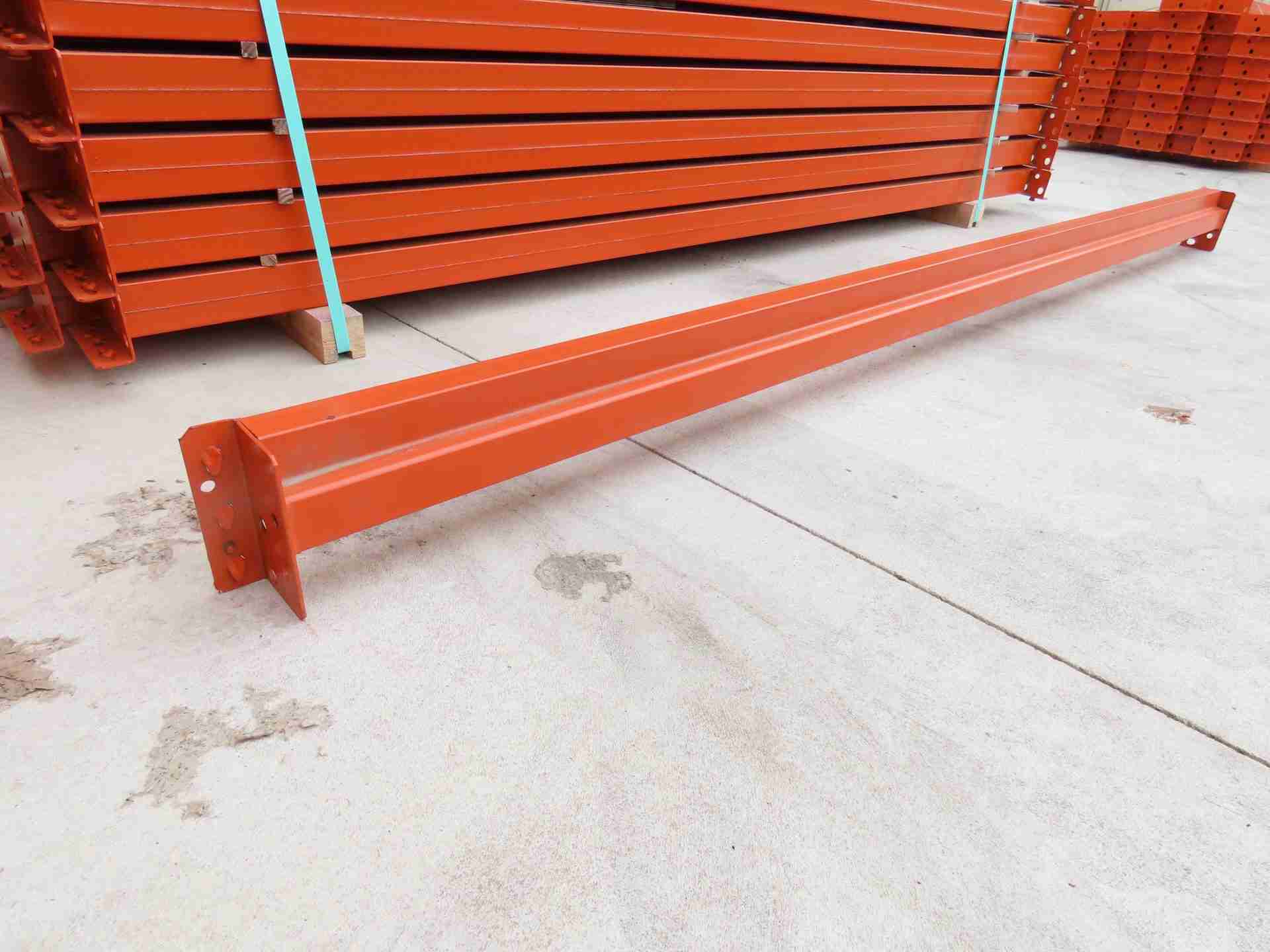
What Ethical Practices Ensure Product Safety In Frozen Storage Racks?
What Ethical Practices Ensure Product Safety In Frozen Storage Racks?
- Stacking goods in frozen storage racks requires respect for the product, users, and the system ensuring smooth operation.
- Pallet racking is essential infrastructure; proper use prevents damage beyond mere dents.
- Observe load limits strictly, as ignoring them risks safety and well-being.
- Installation and maintenance must follow guidelines without shortcuts to ensure rack stability.
- Ethical practice includes routine inspections, honest record-keeping, and transparent problem reporting.
- Accountability involves owning responsibility, aligning setups with safety protocols, and regular staff training.
- Day-to-day care means vigilance against damage, using quality materials, and viewing racks as safety investments.

What Ethical Practices Ensure Product Safety In Frozen Storage Racks?
Conclusion
Pallet racking isn’t just metal shelves—it’s the backbone that keeps frozen bakery products safe, fresh, and ready to roll out. Anyone who’s worked the cold storage aisles knows the difference between chaos and order, between crushed loaves and perfectly stacked pallets. Pallet racking brings that order. It means no more piles of boxes teetering like they’re about to fall, no more wasted products hidden in the back corners, and no more delays hunting down what’s needed. It’s about respect—respect for the product, for the folks who make it, and for the customers who expect fresh goods every time.
This system is tough, built to handle the heavy load of frozen goods without buckling or bending, even in the biting cold where metal contracts and demands extra care. When pallet racks hold steady, the whole operation hums smooth. Work gets done quicker, safer, and with less worry about smashed bread or thawed pastries. It controls waste by keeping things neat and easy to manage, cutting down on spoiled inventory and saving real money on space and energy. That’s common sense talking: don’t waste hard-earned cash or good product because of sloppy stacking or inefficient layouts.
Pallet racking also keeps people safe. A stable warehouse means workers don’t have to guess if the next pallet will hold or collapse. It connects the whole crew in a shared trust, lowering stress on long shifts and helping morale. When safety and efficiency meet, the job feels less like a grind and more like a well-oiled machine—cutting down the frustration and chaos that can wear a crew down.
Ethically, using pallet racking shows you care. It’s about doing right by the food, by the employees, and by the customers who depend on fresh baked goods delivered on time. Regular inspections, proper load limits, and honest upkeep aren’t optional—they’re a duty. Taking shortcuts on safety or quality isn’t just foolish; it’s a betrayal to everyone involved in the process. The simplest, smartest move is to invest in pallet racking that’s up to the task and treat it like a vital team member, not just a piece of steel.
At the end of the day, pallet racking turns a cold, busy warehouse into a place of reliability and pride. It’s where careful craftsmanship meets hard work, where each loaf knows it’s got a safe place to wait before it hits the shelf. That trust, that order, that respect for the product and people—well, that’s the kind of meat-and-potatoes solution that keeps a frozen bakery running strong, day after day, pallet by pallet.
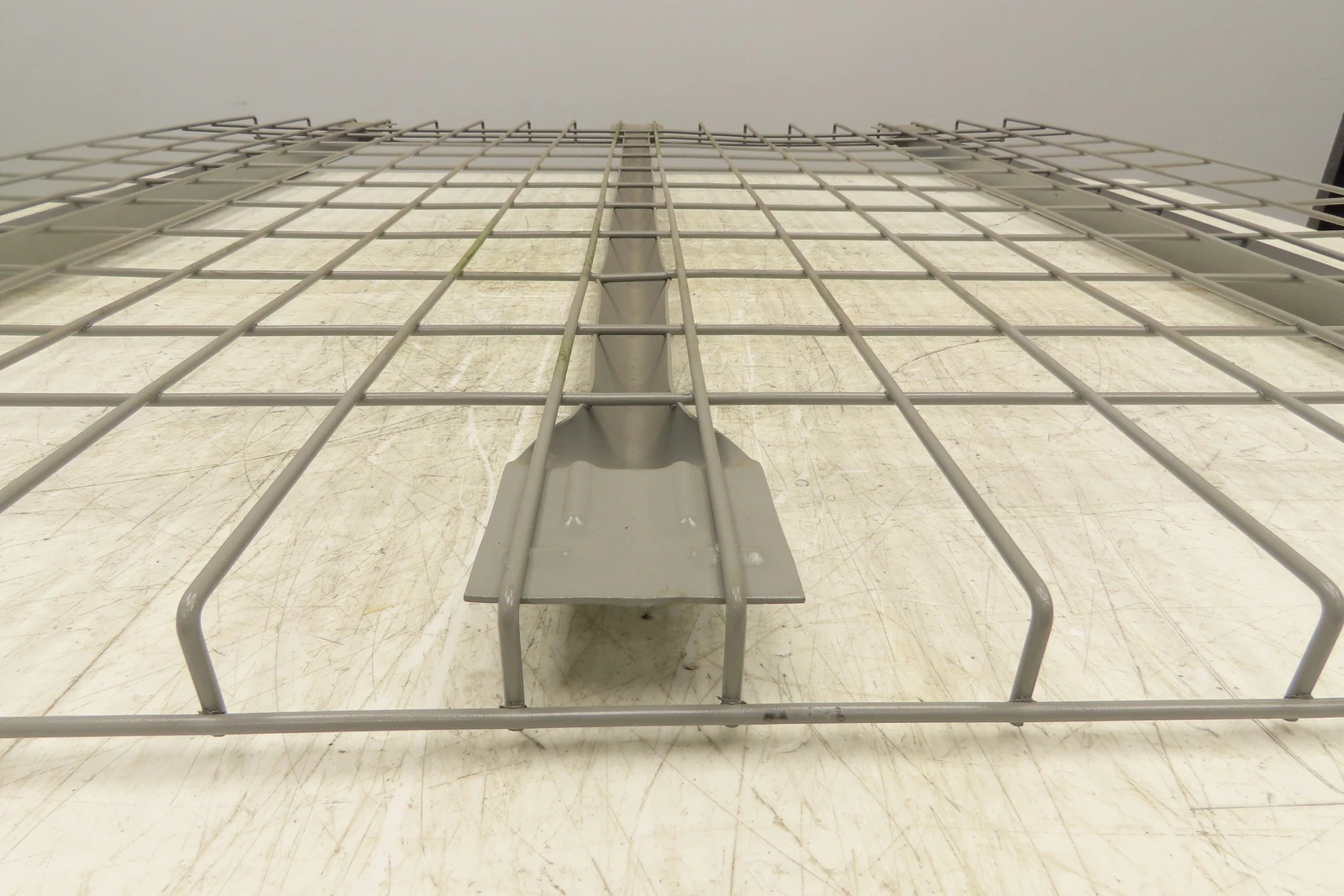
Conclusion
Conclusion:
- Pallet racking organizes frozen bakery products, preventing damage and ensuring easy access.
- It is durable and designed to withstand heavy loads and cold temperatures without bending.
- Efficient pallet racking improves workflow by reducing waste, speeding up tasks, and saving space and energy.
- Stable racking enhances worker safety, lowers stress, and boosts morale during long shifts.
- Maintaining pallet racks with inspections and proper load limits reflects ethical responsibility toward products, employees, and customers.
- Investing in quality pallet racking supports operational reliability and product integrity in cold storage environments.
- Pallet racking transforms a busy warehouse into a dependable system that respects both the goods and the people involved.
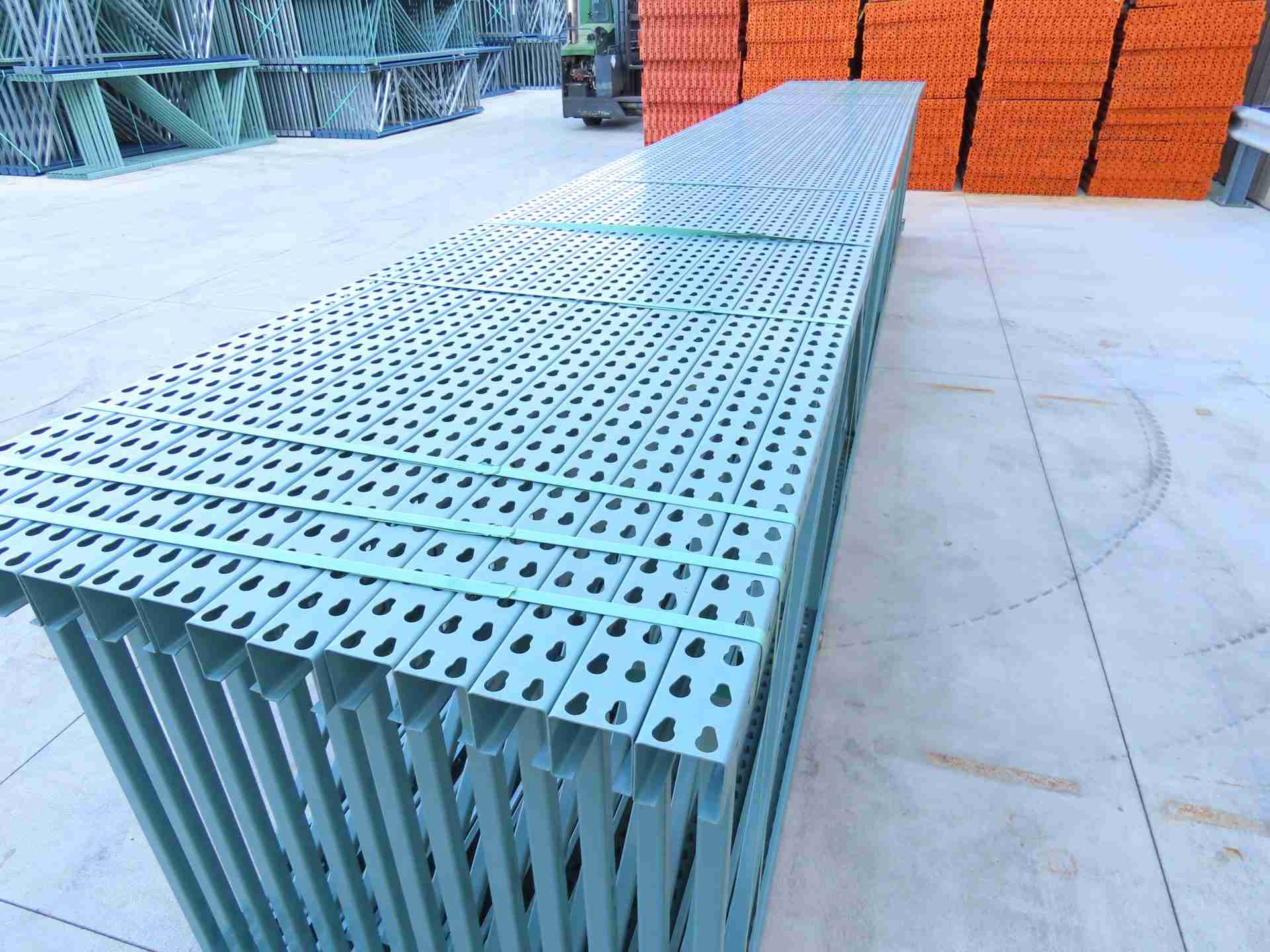
Conclusion
Other Resources
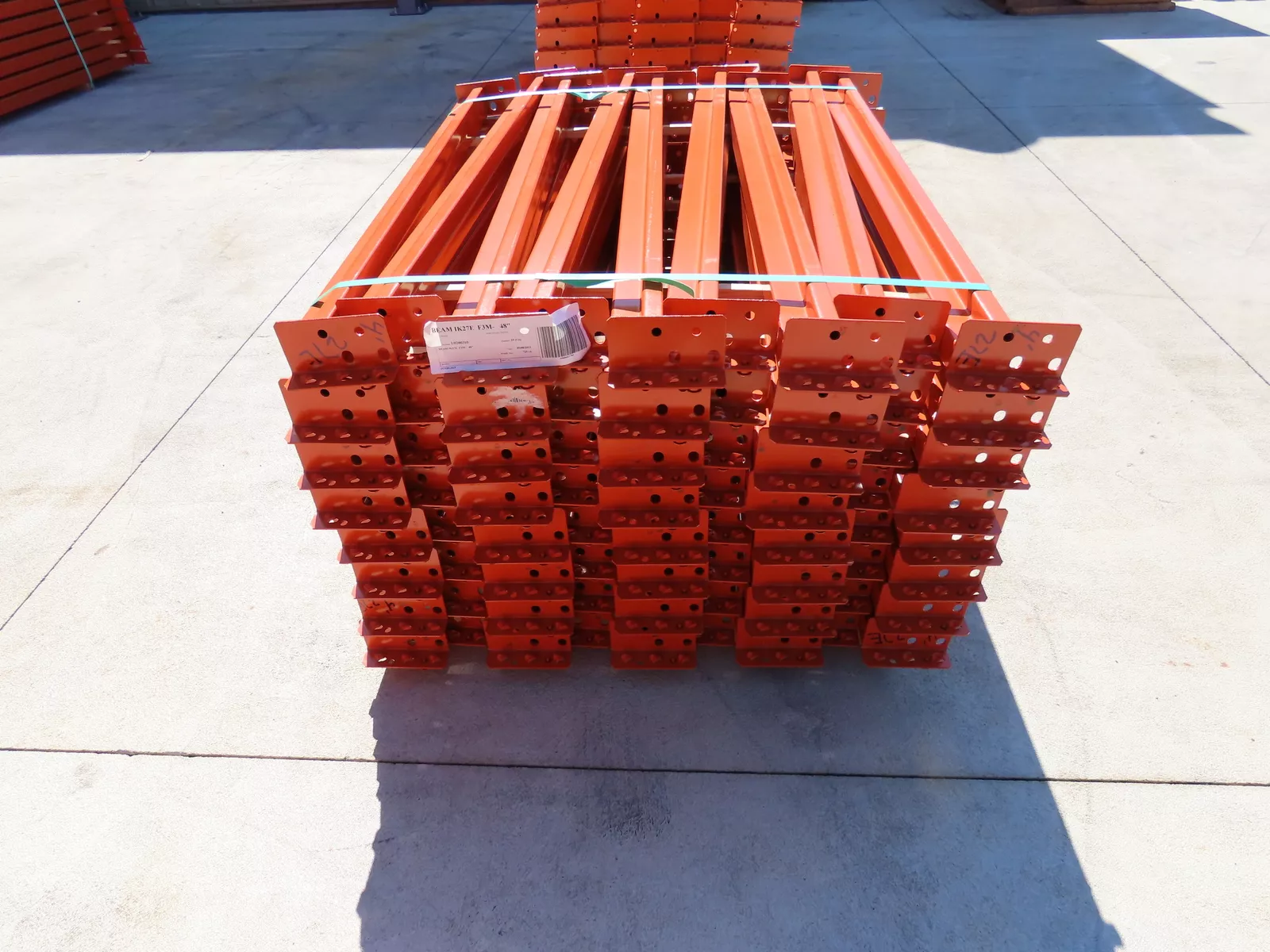
Other Resources
Here is a list of other resources you can review online to learn more:
- Teardrop Uprights
- Teardrop Industrial Shelving Rack
- Crane Manufacturers Association Of America Inc.
- American Surplus
- Selective Rack – Raymond West
- Warehouse Racking Chicago, IL
- Total Warehouse
- Pallet Racking systems in Illinois, Great Lakes
- New Cantilever Racks and Racking Kits
- ASSP
- Selective Racking
- Cantilever Rack Guide: Ordering Cantilever Racking
- What is Selective Racking: Understanding Benefits & Options
- What is Selective Pallet Racking
- Pallet Rack Systems – New and Used Pallet Racking and Shelving Experts
- Logic Material Handling
- American Society of Safety Professionals
- Interlake
- Illinois Pallet Racking – Storage Solutions
- Iowa Illinois Warehouse Racking
Use This Prompt To Get More Resources With Your Favorite Online AI Tool: Please provide me with a list of online articles with their URLs in a bulleted list that I can read regarding How Do Frozen Bakery Product Storage Leverage Pallet Racking?

Other Resources
Glossary Terms
How Do Frozen Bakery Product Storage Leverage Pallet Racking? – Glossary Of Terms
1. Pallet Racking: A storage system designed to hold materials on pallets in horizontal rows with multiple levels.
2. Frozen Bakery Products: Bakery items stored at freezing temperatures to maintain freshness and extend shelf life.
3. Cold Storage: A temperature-controlled environment used for storing perishable goods like frozen bakery products.
4. Temperature Control: The regulation of storage temperature to preserve product quality and safety.
5. FIFO (First In, First Out): An inventory management method where the oldest stock is used or sold first.
6. Inventory Management: The process of ordering, storing, and using a company’s inventory.
7. Load Capacity: The maximum weight a pallet racking system can safely support.
8. Accessibility: The ease with which products stored on racks can be reached and retrieved.
9. Space Optimization: Efficient use of available storage area to maximize capacity.
10. Freezer Warehouse: A facility equipped with refrigeration to store frozen goods.
11. SKU (Stock Keeping Unit): A unique identifier for each distinct product and service that can be purchased.
12. Rack Configuration: The specific arrangement and design of pallet racks to suit storage needs.
13. Cross-docking: The process where products are unloaded from inbound delivery vehicles and loaded directly onto outbound vehicles.
14. Load Stability: The condition ensuring that products stored on pallets remain secure and balanced.
15. Humidity Control: Managing moisture levels in storage areas to prevent product degradation.
16. Defrost Cycle: A scheduled process to remove frost build-up in freezer storage environments.
17. Automated Storage and Retrieval System (AS/RS): Mechanized systems designed for automatically placing and retrieving loads from storage locations.
18. Palletizing: The process of stacking goods on pallets for efficient handling and storage.
19. Ergonomics: Designing warehouse systems to reduce worker strain and improve efficiency.
20. Cold Chain: The temperature-controlled supply chain required to maintain product quality.
21. Racking Height: The vertical measurement of pallet rack systems.
22. Safety Barriers: Protective devices in warehouses to prevent damage or accidents around racks.
23. Load Distribution: Evenly spreading weight across the pallet rack to prevent overloading.
24. Inventory Turnover: The rate at which inventory is sold and replaced.
25. Dock Leveler: Equipment used to bridge the gap between a warehouse dock and a truck for loading.
26. Bulk Storage: The storage method for large quantities of goods without individual packaging.
27. Space Utilization: The extent to which storage areas are effectively used.
28. Pallet Jack: A manual or powered tool used to lift and move pallets.
29. Cycle Counting: A method of auditing inventory by counting a portion of stock at regular intervals.
30. Ambient Temperature Zone: Storage areas maintained at normal room temperatures distinct from freezer zones.
Glossary Of Terms
Other Questions
How Do Frozen Bakery Product Storage Leverage Pallet Racking? – Other Questions
If you wish to explore and discover more, consider looking for answers to these questions:
- What are the specific temperature ratings and material specifications for pallet racking used in frozen storage?
- How do I calculate load capacity and beam spacing for frozen bakery pallets?
- What types of pallet racking systems (selective, drive-in, push-back, pallet flow) work best for frozen bakery products?
- How should racks be anchored and protected against shifting or frost heave in subzero environments?
- What corrosion-resistant coatings or materials are recommended for racks in cold, moist conditions?
- How does thermal contraction of metal affect racking tolerances and assembly procedures?
- What inspection and maintenance schedule is appropriate for racking in frozen warehouses?
- Which safety accessories (row spacers, column protectors, wire decking, safety clips) are essential in frozen storage?
- How does pallet racking design affect airflow and temperature uniformity around frozen products?
- How should rack layout be coordinated with refrigeration units, air curtains, and evaporators to avoid hotspots or frost build-up?
- What are best practices for minimizing condensation and ice accumulation on racks and products during defrost cycles?
- How can pallet racking support FIFO (first-in, first-out) or FEFO (first-expired, first-out) inventory rotation in frozen bakeries?
- What forklift and material-handling equipment modifications are needed for safe racking operations in subzero temperatures?
- How do packaging and pallet quality affect stacked stability and rack safety in frozen storage?
- What training and procedures should staff follow for safe loading, unloading, and stacking on pallet racking in cold rooms?
- What regulatory or food-safety standards (HACCP, local codes, OSHA) apply to racking and storage in frozen food facilities?
- How do you perform a load test or certification for existing racking in a frozen warehouse?
- What are the common failure modes for racks in frozen environments and how are they prevented or mitigated?
- How does using pallet racking influence energy consumption and refrigeration costs?
- What metrics and KPIs should operations track to measure efficiency improvements after installing pallet racking?
- What is the typical ROI timeline for investing in pallet racking for frozen bakery storage?
- How do you plan racking capacity and layout to accommodate seasonal demand fluctuations and growth?
- Can pallet racking be retrofitted into an existing cold storage facility without major downtime?
- What cleaning and sanitation procedures are compatible with pallet racking in frozen food environments?
- How are damaged racks repaired or parts replaced in a cold room setting?
- What insurance or liability considerations apply to pallet racking failures in food storage?
- How should racking be labeled and integrated with barcode/RFID systems for inventory traceability?
- What design considerations help prevent product contamination, pests, or cross-contamination on racking?
- How do emergency procedures (spill response, power loss, rapid thaw) interact with racking layout and access?
- What are the space-efficiency trade-offs between high-density racking systems and ease of access for frozen bakery products?
- How do seismic or wind-load requirements affect pallet racking design for cold storage in different regions?
Other Questions
Checklist
How Do Frozen Bakery Product Storage Leverage Pallet Racking? – A Checklist
General Information
✅______ Facility
✅______ Freezer/Zone
✅______ Date
✅______ Completed by
Rack Design and Capacity
✅______ Engineered drawings and load calculations approved/stamped
✅______ Rack type matches flow needs (selective, drive-in, push-back, pallet flow)
✅______ Beam and frame capacities cover the heaviest pallet, including packaging and ice
✅______ Pallet specification defined and compatible (size, bottom boards, overhang limits)
✅______ Maximum levels per bay set and documented
✅______ Beam deflection within allowable limits under the rated load
✅______ Load plaques posted with maximum bay/level capacities and pallet size
✅______ Seismic requirements addressed; anchors and base plates per engineering
Environment and Temperature
✅______ Rack steel and coatings rated for low temperatures
✅______ Anchors and fasteners suitable for cold environments
✅______ Thermal contraction accounted for in installation (shims and clearances per manufacturer)
✅______ Underfloor heat or frost protection functioning to prevent frost heave
✅______ Floor flatness verified for freezer operations
✅______ Ice and condensation control plan in place (defrost schedules, door discipline, strip or high-speed curtains)
Product Protection and Quality
✅______ FEFO/FIFO process defined (pallet flow lanes or WMS rules with date coding)
✅______ Transverse and longitudinal flue spaces maintained; flue keepers as required
✅______ Backstops or netting installed where push-through risk exists
✅______ Pallet quality standard enforced; damaged pallets removed from service
✅______ Load containment standard applied (wrap, corner boards, straps)
✅______ Allergen segregation, labeling, and mapping enforced
✅______ No unauthorized floor storage; elevated storage where required
Safety and Compliance
✅______ Installation by a qualified crew; torque and plumb verified; as-builts on file
✅______ Rack locations labeled and scannable
✅______ Guarding installed (column protectors, end-of-aisle guards, end barriers)
✅______ Fire protection compliant (sprinkler coverage, flue management, sprinkler clearances)
✅______ Load limit signs visible and legible at each aisle and bay
✅______ Rack inspection program active (daily visual, monthly, and annual professional)
✅______ Damaged components tagged out and replaced with rated like-for-like parts
✅______ Emergency egress aisles marked and unobstructed
Materials Handling and Workflow
✅______ Aisle widths match equipment and turning radius in cold conditions
✅______ Forklifts, batteries, and lubricants rated for freezer use
✅______ Inbound and outbound staging zones defined to minimize door-open time
✅______ Slotting optimized by demand and FEFO to reduce travel
✅______ Clear SOPs for picking and replenishment; operators trained for reach or double-deep, as applicable
✅______ Scanning and WMS locations validated; cycle count cadence set
Cost and Energy Efficiency
✅______ Vertical cube utilization measured and targets set
✅______ Door management (auto-closers, alarms, strip or air curtains) implemented
✅______ Evaporator defrost optimized; ice buildup tracked with KPIs
✅______ Energy use per pallet position monitored
✅______ Lane depth and density balanced with access requirements
Maintenance and Housekeeping
✅______ Weekly checks for rust, ice, loose anchors and bolts, and engaged beam locks
✅______ Floor around uprights clean and dry; no ice ridges or spalling
✅______ Sprinkler pipes and heads clear of ice; required clearances maintained
✅______ Lighting rated for low temperatures; illumination and sensors functional
✅______ Incident and near-miss reports reviewed; corrective actions closed
Workforce and Ethical Practices
✅______ Training completed on load limits, placement rules, FEFO, and damage reporting
✅______ PPE for cold provided and used; warm-up protocols posted
✅______ Documented SOPs accessible; staff acknowledgments current
✅______ Vendor and contractor compliance verified for freezer work
✅______ Traceability and recall procedures tested and documented
Go-Live/Change Control (New Installs or Reconfigurations)
✅______ Permits and inspections passed; engineer sign-off received
✅______ Acceptance testing conducted using the heaviest pallets
✅______ Change log updated; WMS locations remapped
✅______ Stakeholder walk-through completed before operation
Monthly Metrics Review
✅______ Damage rate per 1,000 pallets
✅______ Pick and replenishment productivity
✅______ Inventory accuracy
✅______ Shrink and spoilage in freezer
✅______ Utilization of pallet positions and cube efficiency

Checklist
At RackingWorld, we help guide you through selecting warehouse storage systems and racking.
Be sure to read our other related stories at RackingWorld to learn more about warehouse storage systems.
0 Comments