
Maximizing Space, Efficiency, And Growth: Pallet Racking’s Impact Unveiled
By Tom Seest
At RackingWorld, we help guide you through selecting warehouse storage systems and racking.
Be sure to read our other related stories at RackingWorld to learn more about warehouse storage systems.
How Do Flooring and Tile Distributors Leverage Pallet Racking?
When you step into a flooring or tile distributor’s warehouse, what you see isn’t just piles of boxes or heavy slabs—it’s a puzzle, a daily grind of making sure every piece moves smoothly from stock to job site without a hitch. Pallet racking is the unsung hero of that story. It’s the backbone holding up the whole operation, literally and figuratively. You can’t afford to waste space or time when the margins are tight and customers expect deliveries at the drop of a hat.
Pallet racking lets distributors stack and organize product in a way that cuts down on headaches and mix-ups. Tiles and flooring materials aren’t light or flimsy—handling them wrong can mean cracked corners or scratched surfaces. These racks hold the goods securely, keeping everything off the floor and easy to access without playing Tetris with forklifts. That means fewer injuries, faster loading, and less product damage. When a job calls for specific types or styles of tile, the crew can pull exactly what’s needed without sifting through piles, so the workday doesn’t drag and nothing gets overlooked.
Beyond just practicality, there’s a sense of pride and professionalism that comes with a clean, well-ordered warehouse. Pallet racking systems communicate respect for the product and the people handling it. It’s a quiet nod to the business’s commitment to quality and fairness—treating tiles like they’re the valuable assets they are, not just clunky inventory. That builds trust with contractors, installers, and retailers who know a distributor who respects their stock is a partner who won’t let them down.
Installers and sales teams alike benefit from the efficiency pallet racking provides. It speeds up workflows, meaning fewer delays and happier customers ready to recommend the supplier to their network. The whole ecosystem—the warehouse, the trucks, the retail yards—works better because everything is in its place, ready for the next order without chaos or bottlenecks slowing things down.
In a business where margins can be tight and reputations fragile, pallet racking is more than just metal shelves. It’s a smart, reliable system that supports hard-working folks who move mountains of tile every day. It’s the quiet workhorse that earns respect, saves time and money, and keeps the good folks doing what they do best: providing solid, dependable flooring solutions that turn houses into homes.
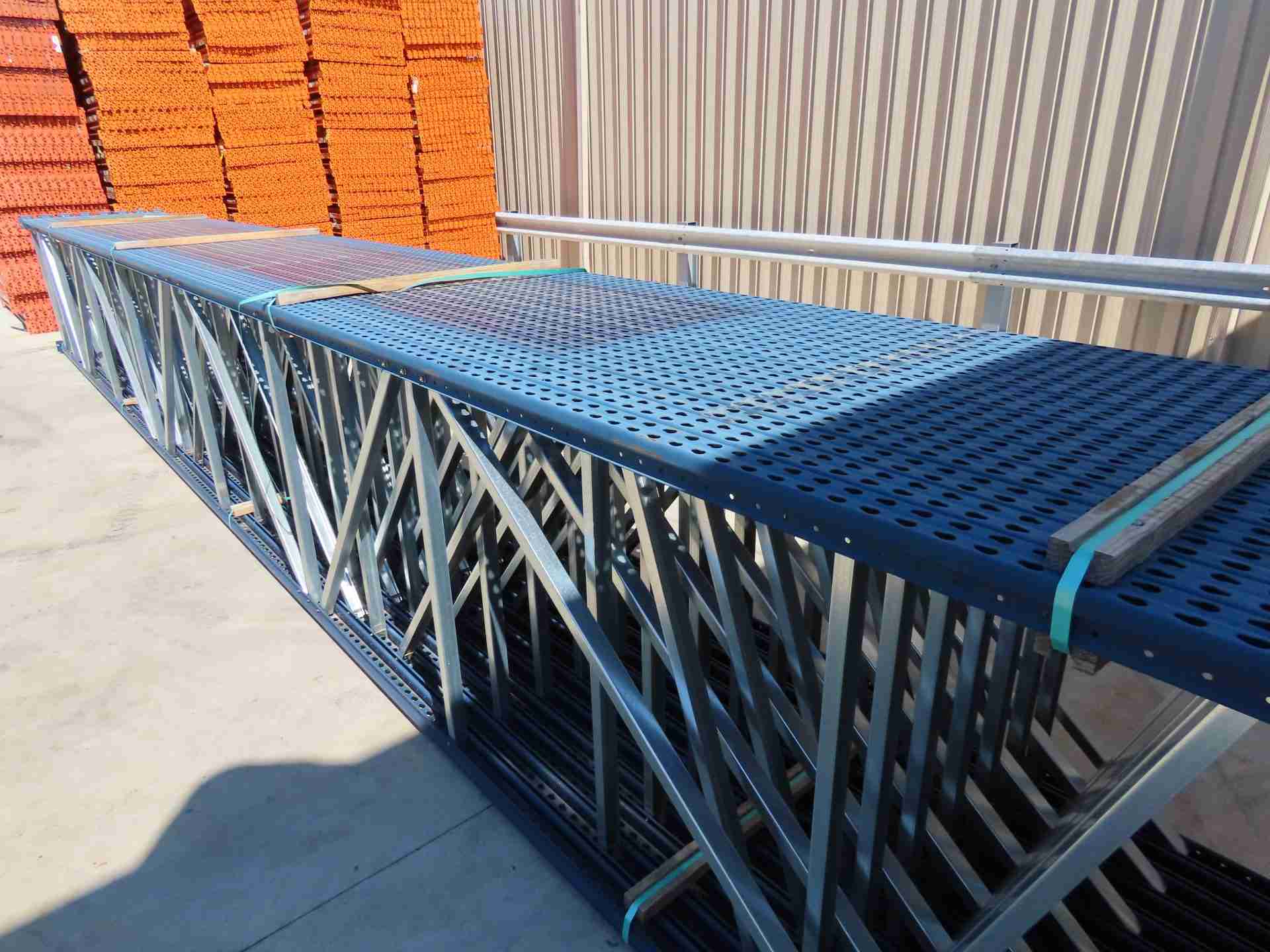
How Do Flooring and Tile Distributors Leverage Pallet Racking?
How Do Flooring and Tile Distributors Leverage Pallet Racking?
- Pallet racking is essential in flooring and tile warehouses, optimizing space and workflow efficiency under tight margins and quick delivery demands.
- It securely holds heavy, fragile materials off the floor, reducing damage, injuries, and forklift complications during handling.
- Organized storage allows crews to quickly locate and retrieve specific products, minimizing delays and overlooked orders.
- A clean, well-ordered warehouse reflects professionalism and respect for both the product and warehouse workers.
- Pallet racking fosters trust with contractors, installers, and retailers by treating inventory as valuable assets.
- Improved workflow efficiency benefits installers and sales teams, leading to timely deliveries and satisfied customers.
- More than storage, pallet racking is a reliable system that saves time and money, supporting the overall flooring supply chain.

How Do Flooring and Tile Distributors Leverage Pallet Racking?
Table Of Contents
- How Do Flooring and Tile Distributors Leverage Pallet Racking?
- How Does Pallet Racking Improve Warehouse Organization?
- Can Pallet Racking Reduce Flooring and Tile Damage?
- How Does Pallet Racking Speed Up Order Fulfillment?
- What Safety Benefits Does Pallet Racking Offer?
- How Does Pallet Racking Maximize Storage Space?
- Can Pallet Racking Lower Operational Costs?
- Conclusion
- Other Resources
- Glossary Of Terms
- Other Questions
- Checklist
How Does Pallet Racking Improve Warehouse Organization?
There’s something downright satisfying about walking into a warehouse where everything’s lined up just right—like rows of Pallet Racking stretching out, holding stacks of gear and goods with no guesswork involved. It’s more than just tidy; it’s the backbone of getting things done without headaches. When you’ve spent years elbow-deep in loading docks and frying sweat off your brow, you realize organization isn’t a luxury—it’s the difference between a smooth shift and a day spent chasing misplaced pallets or wrestling clutter. Pallet Racking puts you in the driver’s seat, turning chaos into calm.
Think about it: those steel racks aren’t just metal beams sitting there. They’re silent partners in the daily grind, shouldering the weight of your operation. Each pallet slot is a space saved, a second earned, a frustration avoided. By stacking vertically instead of scattering crates all over the floor, you clear paths wide enough for forklifts and folks to move without stepping on each other’s toes. That’s common sense work safety at its finest, keeping the crew out of harm’s way and the pace steady. Plus, knowing exactly where each SKU lives cuts down on wasted time hunting tires, tools, or parts hidden in piles. Good Pallet Racking systems respect the value of every minute because in a warehouse, every minute is money.
Beyond the nuts and bolts, there’s an ethical play here for those proud of their work and crew. Providing a space that’s safe, organized, and efficient says you care—that the folks clocking in day after day deserve respect, not a mess that steals their dignity or slows them down. It’s about building a workplace people want to come back to, where pride and purpose beat in sync with productivity.
From a practical standpoint, Pallet Racking adapts to whatever your operation throws at it. Whether you’re dealing in heavy steel coils or fragile glassware, robust racking can be configured and fortified to protect your inventory and stretch your square footage. It’s flexibility molded with steel—solid as the work ethic of the people who depend on it.
At the end of the day, Pallet Racking is more than storage—it’s the quiet hero keeping warehouses humming, crews focused, and business moving. Invest in it, and you’re investing in a system that earns back its weight, every single day.
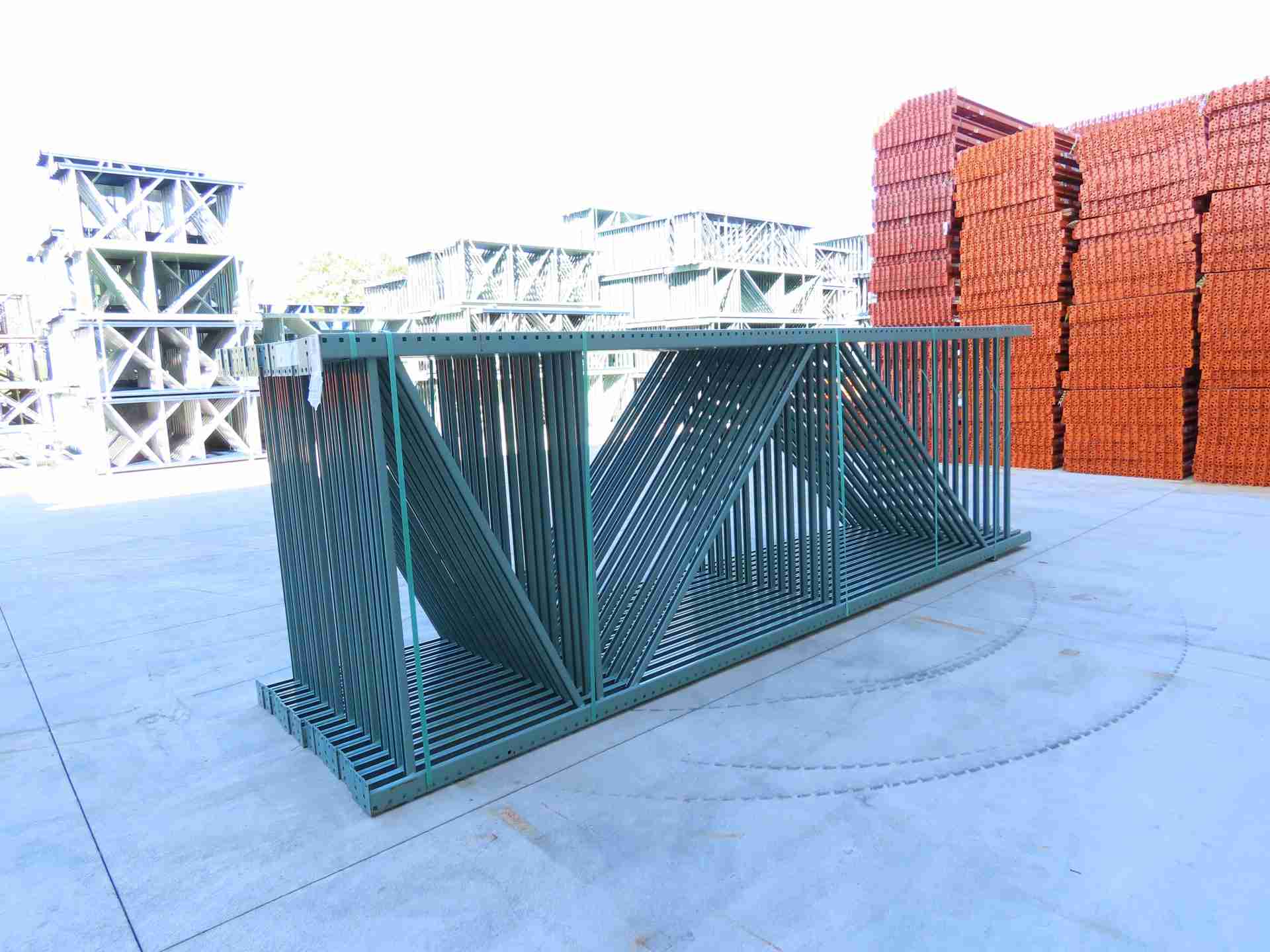
How Does Pallet Racking Improve Warehouse Organization?
How Does Pallet Racking Improve Warehouse Organization?
- Pallet Racking creates organized, efficient warehouse storage, preventing confusion and delays.
- Steel racks save space by stacking vertically, improving safety and workflow for workers and forklifts.
- Clear identification of SKU locations reduces time wasted searching for inventory.
- Maintaining a safe, tidy work environment shows respect for employees and boosts morale.
- Flexible racking systems can be customized to store diverse items, from heavy steel coils to fragile glassware.
- Pallet Racking maximizes warehouse space, protecting inventory and supporting operational efficiency.
- Investing in Pallet Racking supports smooth, productive warehouse operations, delivering consistent value.

How Does Pallet Racking Improve Warehouse Organization?
Can Pallet Racking Reduce Flooring and Tile Damage?
You’ve been around warehouses or workshops long enough to know the floor takes a real beating. Forklifts dropping pallets, heavy boxes dragged across tiles, and forklifts making tight turns that leave marks you can’t scrub out — it adds up. Floors aren’t just pretty surfaces; they’re the backbone of your workspace. When they crack, chip, or wear down, it’s not just an eyesore; it’s a safety hazard and an expense that nobody wants to foot.
That’s where pallet racking steps in like a reliable workhorse. When you stack goods up and out of the way, you reduce clutter on the ground and keep forklifts from pounding around where they don’t belong. Pallet racking organizes your space so everything has its place, cutting down the scatter that turns a good floor into a patchy mess. This isn’t fancy talk — it’s straight-up, boots-on-the-ground wisdom from people who’ve seen floors saved by smart storage.
Floor damage isn’t just a nerdy maintenance problem; it’s a straight-up pain that hits your wallet and slows operations. Replacing or fixing cracked tiles means downtime, and downtime means lost hours and lost dollars. When so much depends on smooth, safe movement, pallet racking isn’t just an add-on — it’s a guardrail. By corralling inventory off the floor and limiting where heavy equipment moves, you defend your tiles and concrete from costly damage.
Think about it: safe floors keep workers confident and focused, not watching their step or dodging potholes. That’s ethics in action — creating a safer, better workplace because you care about the folks pulling overtime. Pallet racking isn’t just practical; it shows respect for your team and your bottom line. When you invest in a solid racking system, you’re investing in a workspace that runs smoother, lasts longer, and looks sharper.
So yeah, pallet racking might seem like just another piece of gear, but it’s more than that. It’s a straightforward fix born from common sense, not a flashy solution. Protect your floors, protect your people, and protect your profits all at once. When the chips are down and the load is heavy, pallet racking proves it’s worth every penny — keeping your flooring solid and your workspace humming.

Can Pallet Racking Reduce Flooring and Tile Damage?
Can Pallet Racking Reduce Flooring and Tile Damage?
- Warehouse floors endure heavy wear from forklifts, pallets, and dragged boxes, leading to cracks, chips, and safety hazards.
- Pallet racking reduces floor clutter by stacking goods off the ground, preventing forklift damage and organizing the workspace.
- Floor damage causes costly downtime for repairs, negatively impacting operations and finances.
- Pallet racking acts as a protective measure by limiting equipment movement and safeguarding tiles and concrete.
- Safe floors improve worker confidence and focus, enhancing workplace safety and ethics.
- Investing in pallet racking benefits the team, operational efficiency, and overall workspace appearance.
- Pallet racking is a practical, cost-effective solution that protects floors, people, and profits simultaneously.
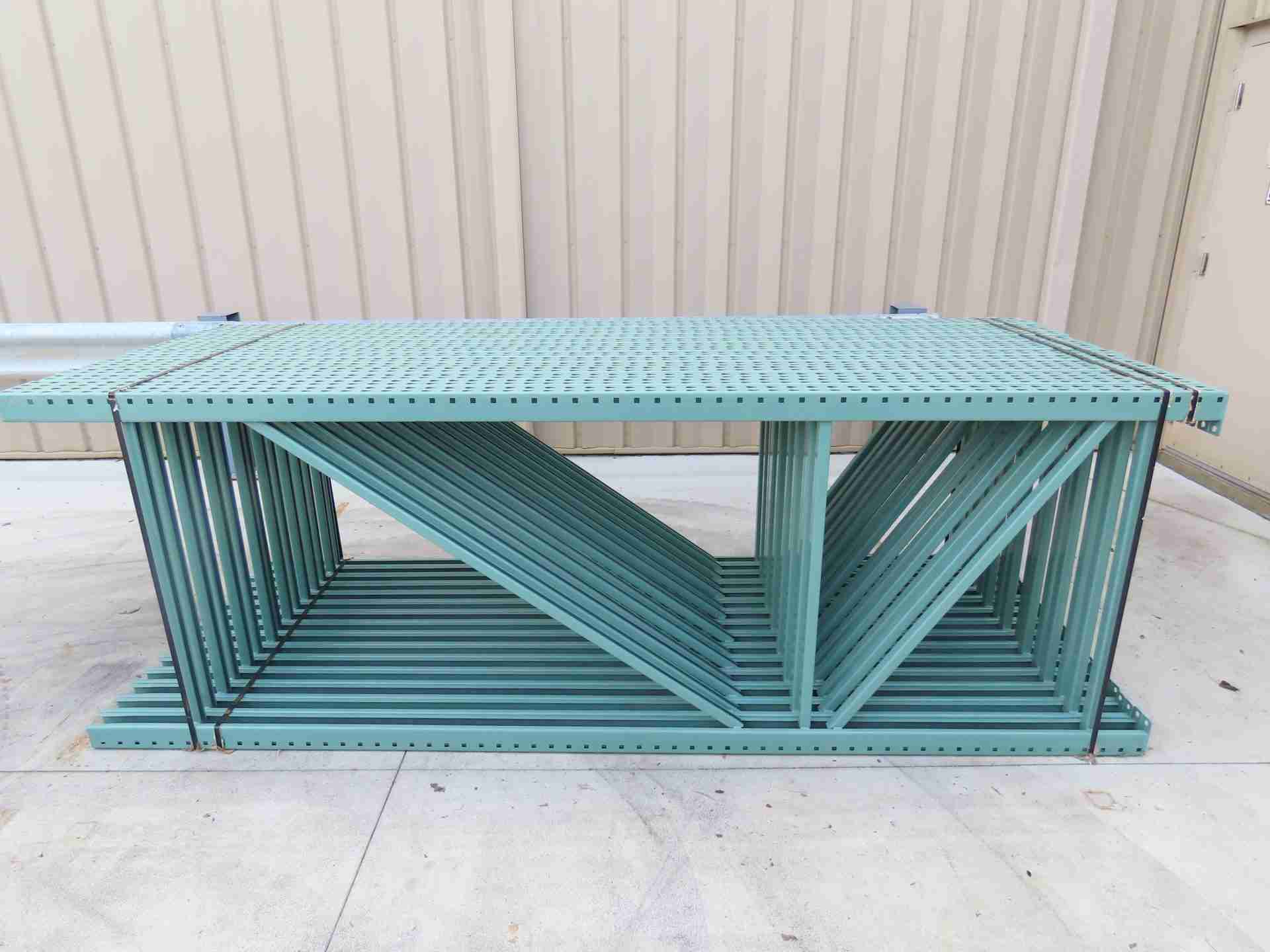
Can Pallet Racking Reduce Flooring and Tile Damage?
How Does Pallet Racking Speed Up Order Fulfillment?
When it comes to getting orders out the door fast, pallet racking isn’t just some fancy warehouse upgrade—it’s the backbone that keeps things moving smooth and steady. If you’ve ever worked in a busy warehouse, you know how chaos can sneak up quick: boxes piled high, spaces cramped, and folks scrambling to find the right stuff. Pallet racking cuts through that mess like a well-worn pair of boots on a rough job site.
First off, pallet racking grabs your attention with how it organizes everything sharp and tidy. No more hunting through piles or stacking pallets haphazardly. Everything has its spot, labeled and lined up just right, so picking an order becomes a straightforward drill rather than a guessing game. That little bit of order? It saves time, cuts mistakes, and keeps the whole team breathing easy instead of stressed out. When the warehouse runs this smooth, it feels less like a rat race and more like a well-practiced rhythm.
But it’s not just about stacking wood and metal neatly. It’s about trust—trust in the system, trust that your team won’t be stuck wasting hours sorting through jumbled inventory. Pallet racking reflects solid, no-nonsense planning that respects the hard work on the floor. It says, “We value your time, and we’ve built a setup that works.” That kind of reliability boosts confidence, backs up every handshake deal and promise to customers that their order will show up right, and on time.
There’s something ethical about doing things right, too. When orders get fulfilled promptly, customers aren’t left hanging, employees aren’t worn down by repeat errors, and the whole supply chain hums in tune. Pallet racking makes that possible by giving the system a sturdy backbone—because behind every pallet is a person counting on that work to keep steady.
Finally, pallet racking connects the dots between people, processes, and purpose. It’s a shared tool that turns a hectic warehouse into a place where everyone knows their role, where work flows and confidence grows. It makes the daily grind more manageable, more human. So next time you see those rows of racks filled with pallets, it’s not just storage. It’s the quiet hero speeding up every order, every delivery, one well-placed pallet at a time.
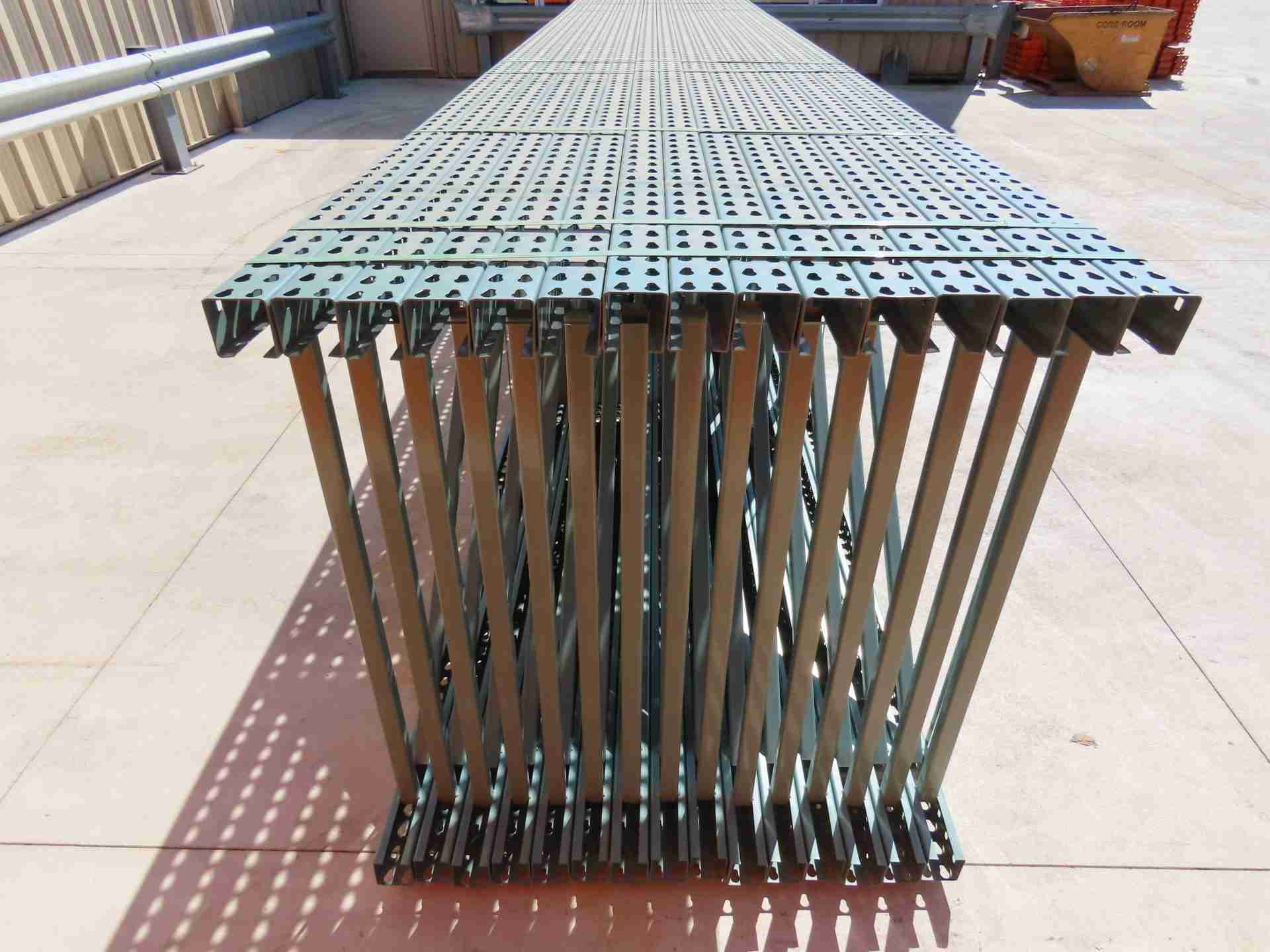
How Does Pallet Racking Speed Up Order Fulfillment?
How Does Pallet Racking Speed Up Order Fulfillment?
- Pallet racking is essential for fast, efficient order fulfillment, providing structure amid warehouse chaos.
- It organizes inventory neatly, eliminating guesswork and reducing errors during order picking.
- This system saves time, lowers stress, and turns warehouse operations into a smooth, rhythmic process.
- Pallet racking builds trust by ensuring reliable, well-planned workflows that respect employees’ efforts.
- It supports ethical operations by enabling prompt order fulfillment and reducing repetitive mistakes.
- The system acts as a backbone connecting people, processes, and purpose to boost team confidence and efficiency.
- Rows of pallet racks serve as the quiet hero that accelerates every order and delivery in the warehouse.

How Does Pallet Racking Speed Up Order Fulfillment?
What Safety Benefits Does Pallet Racking Offer?
You learn a lot about safety when you’ve spent years stacking, moving, and organizing heavy loads in a warehouse or shop floor. There’s nothing like watching a pile of goods teeter and think, “That could’ve been a disaster.” Pallet racking isn’t just some fancy storage system—it’s the backbone that keeps you and your crew from catching a bad break. It’s the difference between a slick, tight operation and a chaotic free-for-all where accidents sneak in when you least expect ‘em.
When you’re dealing with pallets loaded down with equipment, parts, or goods, keeping those loads stable matters. Pallet racking locks everything in place, steady as a rock. No wobbling stacks or sudden slides that could knock someone flat or send forklifts scrambling. It’s not just about preventing busted boxes; it’s about protecting the folks who handle the materials day in and day out. The simple fact is, when loads are properly supported and organized on robust racks, the chance of injury plummets. It’s a practical solution born from hands-on experience, not just rules on a safety sheet.
Ethically, it’s a matter of respect—for the work done, the sweat spilled, and the lives depending on a safe place to do a tough job. Taking shortcuts with storage isn’t worth it. Pallet racking provides a foundation you can count on, giving workers confidence each time they step onto the floor. That trust ripples out through the whole team, building a culture where everyone knows their safety matters. It’s about looking out for your own and your coworkers, creating a space that says, “You’re valued here.”
There’s an undeniable sense of authority that comes with pallet racking systems—it’s tried, tested, and tailored for the real world. This isn’t guesswork; it’s engineered with standards, designed to handle weight and wear like no improvised stack ever could. When the system is in place, inspections become straightforward, procedures cleaner, and hazards easier to spot and fix. It’s a visible commitment to doing things right, not sloppily slapping things together and hoping for the best.
Most importantly, pallet racking offers peace of mind. That gut feeling you get when you know the load won’t shift unexpectedly, when aisles stay clear, and your team can move through the day without worry. It’s the quiet assurance that your workplace respects both the muscle and the mind it takes to keep things running smoothly. Pallet racking connects safety with common sense, making every workday a little less risky and a lot more solid.

What Safety Benefits Does Pallet Racking Offer?
What Safety Benefits Does Pallet Racking Offer?
- Experience in handling heavy loads reveals the essential role of pallet racking in preventing accidents and maintaining order.
- Pallet racking stabilizes loads, preventing wobbling and slides that could cause injuries or equipment damage.
- Properly supported and organized racks significantly reduce the risk of injury to workers.
- Using pallet racking reflects respect for workers’ efforts and emphasizes the importance of a safe work environment.
- These systems are engineered to meet standards, ensuring reliable weight handling and durability compared to improvised storage.
- Pallet racking simplifies inspections, improves procedures, and helps identify hazards more easily.
- It provides peace of mind, fostering a workplace culture that values safety and operational efficiency.
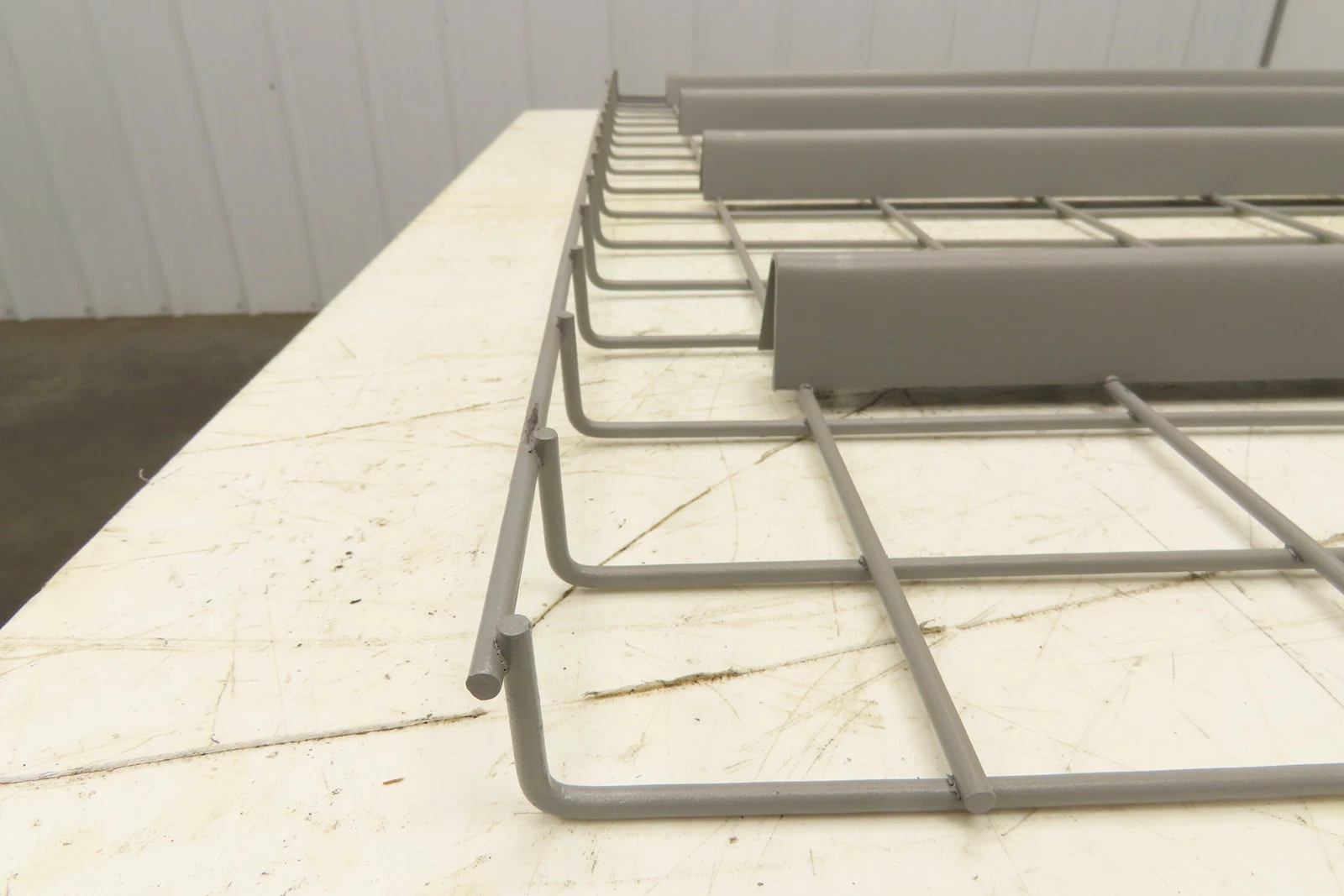
What Safety Benefits Does Pallet Racking Offer?
How Does Pallet Racking Maximize Storage Space?
You walk into a cluttered warehouse — boxes everywhere, aisles tight, forklifts weaving like bumper cars. It’s a mess, and it’s costing time, money, and sanity. Now picture that same space transformed by pallet racking: tall, sturdy metal frames stacking your goods up, not out. Suddenly, there’s room to breathe, to move, to work smarter, not harder.
Pallet racking isn’t just some fancy shelving—it’s the backbone of efficient storage. It takes advantage of every inch, every vertical foot, turning wasted air space into valuable real estate. For anyone who’s sweated through inventory crunch time, you know saving floor space isn’t just neat, it’s survival. More room means fewer errors, faster order picking, and less muscle strain. It’s common sense, plain and simple.
But beyond the practical, pallet racking carries an ethical weight—it shows respect for your team and your operation. When workers have organized, accessible storage, it’s a quieter warehouse. No frantic scrambles to find stock, no dangerous overreaching or stacking that risks injury. That speaks to you as a leader who cares about safety, efficiency, and getting the job done right.
Plus, pallet racking stands the test of time. Built tough to hold heavy loads, it’s a tried-and-true solution that countless businesses rely on day in, day out. That kind of dependability breeds trust. You’re not gambling with your goods; you’re investing in a proven method that delivers. And there’s a quiet pride in seeing your space work for you, not the other way around.
Every business with a warehouse has felt the squeeze, but pallet racking turns that pressure into opportunity. It’s a tool that speaks the language of hard work and smart planning. More than just storage, it’s a way to keep your operation running lean and mean, your team focused, and your bottom line healthier. For anyone tired of fighting chaos, pallet racking offers a simple, solid solution that lets you take control—one shelf, one pallet, one organized step at a time.

How Does Pallet Racking Maximize Storage Space?
How Does Pallet Racking Maximize Storage Space?
- Pallet racking transforms cluttered warehouses by stacking goods vertically, creating more space and improving workflow.
- It maximizes storage efficiency by utilizing vertical air space, saving floor space essential for inventory management.
- Increased space leads to fewer mistakes, faster order picking, and reduced physical strain on workers.
- Pallet racking promotes safety and organization, minimizing frantic searching and reducing injury risks.
- Constructed to support heavy loads, pallet racking is a durable, reliable storage solution used by many businesses.
- It builds trust by protecting goods and offering a proven method for efficient storage management.
- Pallet racking helps businesses run leaner operations, improving focus, efficiency, and overall profitability.
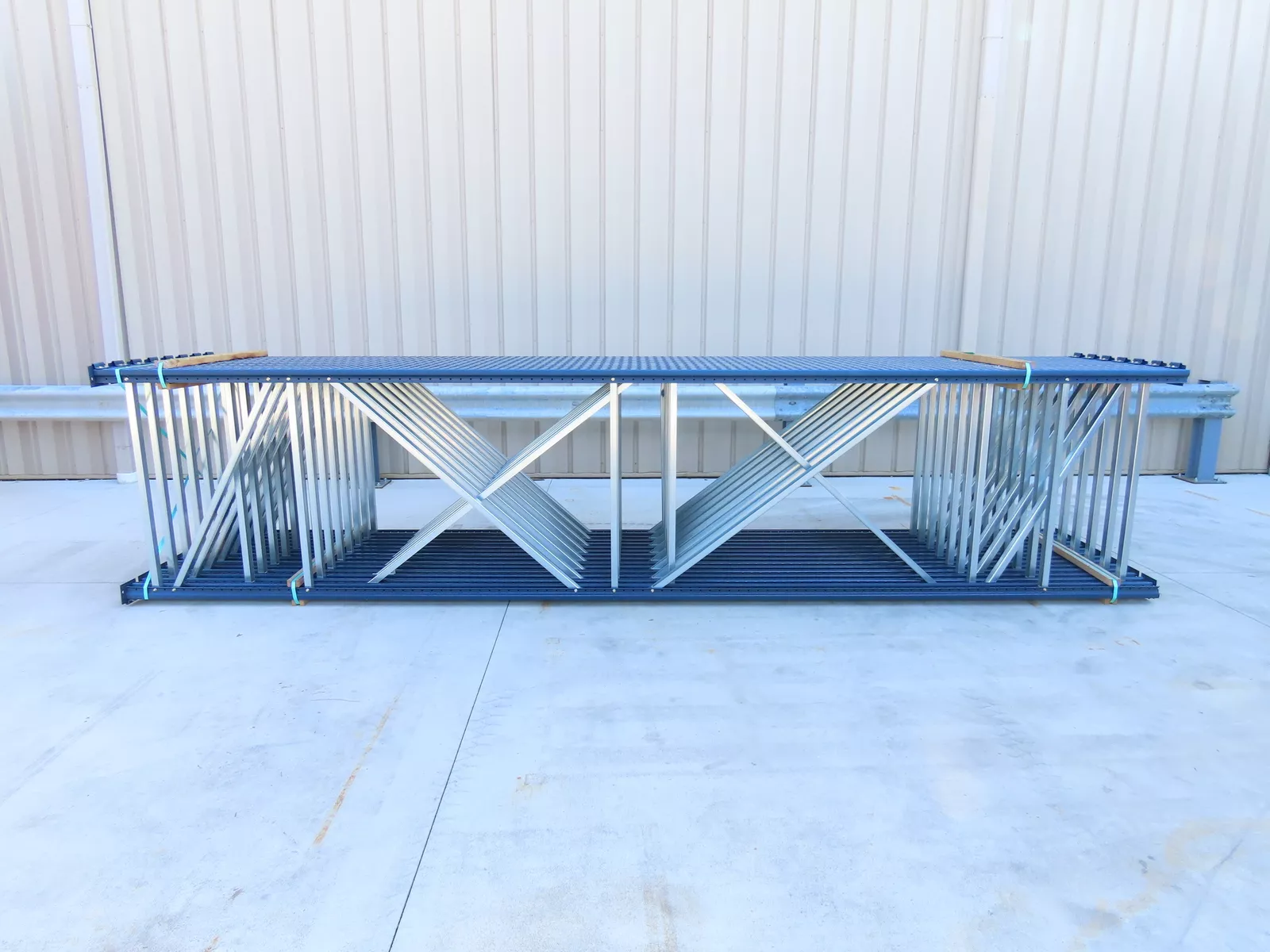
How Does Pallet Racking Maximize Storage Space?
Can Pallet Racking Lower Operational Costs?
Look, when you’re running a warehouse or workshop, every penny counts. You don’t have the luxury to waste space or time. Pallet racking ain’t just some fancy setup that takes up room—it’s a game changer that makes your operation leaner, smarter, and more reliable. Imagine walking into a cluttered shop where forklifts are circling like they’re lost at sea. That’s chaos, and chaos costs you—extra labor hours, damaged goods, and safety mishaps that drain your wallet and patience. Pallet racking organizes everything neat and tight, turning that chaos into clarity. It helps you stack more in less space, so you’re not paying rent on dead air. That’s cold, hard cash saved right there.
From a practical standpoint, pallet racking speeds things up. Your crew knows exactly where to go, what to grab, and how to get it without playing hide and seek with inventory. Faster turnaround means you can process more orders, keep customers happy, and dodge overtime. The less time folks spend hunting for stuff, the less you spend on wages and headaches. Plus, safer, sturdier storage means fewer accidents and less product damage. Nobody wants to replace broken goods or deal with insurance claims because a pile of stuff tumbled over. Investing in pallet racking shows you care—not just about the bottom line but about your team’s safety and pride in their workplace.
There’s something honest and straightforward about being organized. It’s the kind of no-nonsense solution that earns trust and respect from workers and clients alike. When your space is set up smartly, people take notice. They see someone who thinks ahead, who values efficiency, and who isn’t afraid to roll up their sleeves and put systems in place that actually work. This isn’t just about racks of wood or metal; it’s about building a foundation people can depend on. So ask yourself: Can pallet racking lower operational costs? The answer’s clear—because when you get your operation under control, you gain more than just savings. You gain confidence, reliability, and a smoother-running day. That’s the kind of advantage that pays off in dollars and peace of mind.

Can Pallet Racking Lower Operational Costs?
Can Pallet Racking Lower Operational Costs?
- Pallet racking maximizes space efficiency, reducing wasted room and saving money.
- It organizes inventory, turning chaotic storage into clear, manageable setups.
- Improves operational speed by helping workers find and retrieve items quickly.
- Reduces labor costs and overtime by minimizing time spent searching for inventory.
- Enhances safety by providing sturdy storage, lowering accidents and product damage.
- Demonstrates care for employee safety and workplace pride, building trust and respect.
- Leads to lower operational costs, increased reliability, and smoother daily operations.

Can Pallet Racking Lower Operational Costs?
Conclusion
Running a flooring or tile distribution warehouse isn’t for the faint of heart. It’s a relentless dance of heavy slabs and fragile tiles, tight margins, and deadlines that don’t wait. Pallet racking isn’t just some piece of metal—it’s the backbone that keeps the whole show on its feet. It turns cluttered chaos into an organized rhythm where every crate and box has a place. That means fewer bruised goods, less hassle for the crew, and a smoother run from the stockroom to the job site.
Space is always tight, and time is money. Pallet racks help squeeze every inch out of the warehouse, stacking storage upwards instead of sprawling outwards. This isn’t about bells and whistles; it’s cold, hard common sense. A well-organized space is a safer spot, too—wide aisles and clear paths cut down on accidents. When workers know where everything lives, they don’t waste a second chasing missing pieces or playing inventory detective. It’s respect in metal form, showing the crew they’re valued and their time counts.
Damage to floors and products is an enemy nobody wants. Forklifts tearing through tight spots, pallets hitting the ground—the cost adds up fast. Pallet racking keeps everything off the floor and locked tight, cutting down on cracked tiles and costly repairs. Safe floors mean a safer crew, and a safer crew means fewer disruptions. It’s not just practical; it’s ethical. You look out for the people putting in the sweat, making sure they come home sound.
Faster order fulfillment isn’t just a nice bonus—it’s survival in this business. With products stacked neatly and labeled plainly, picking orders turns from a guessing game into a smooth drill. That means fewer mistakes and happier customers who keep coming back. Pallet racking builds trust—not just with clients but among the team—because it means the job can get done right, on time, every time.
Behind all this is a simple truth: pallet racking saves cold cash. Less damage means fewer replacement costs; less wasted time means lower labor bills; safer work means fewer accidents draining money and morale. It’s a straightforward investment that pays back every day by turning disorder into dependable rhythm.
In a tough trade where every minute and square foot counts, pallet racking isn’t just a tool—it’s a quiet champion. It respects the grit, the muscle, and the smarts of the people who keep the floors solid and the orders moving. Put it in, and you build a warehouse that works as hard as the people in it.
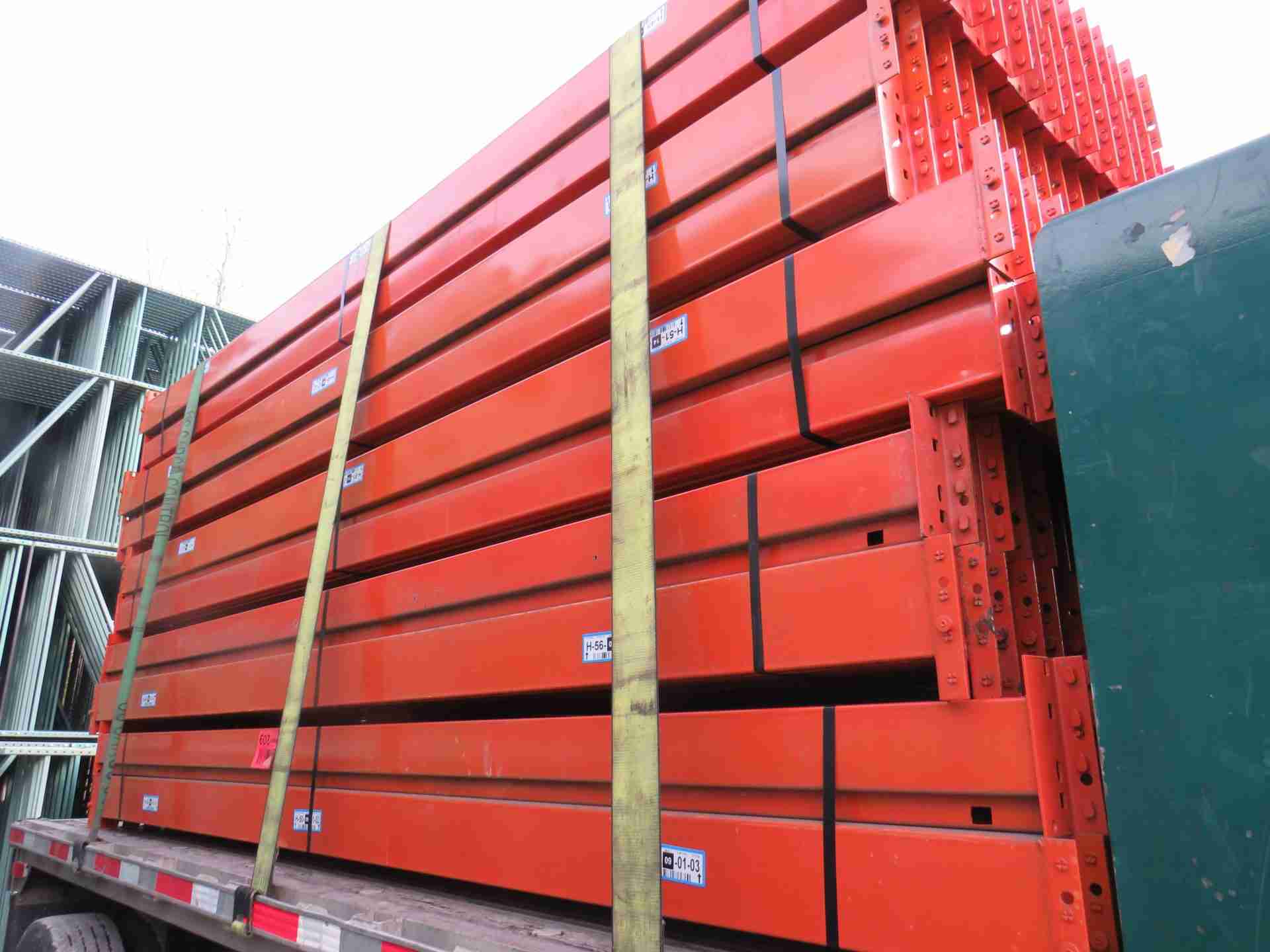
Conclusion
Conclusion:
- Running a flooring or tile distribution warehouse involves handling heavy and fragile items under tight margins and deadlines.
- Pallet racking is essential for organizing space, reducing damage, and streamlining movement from stockroom to job site.
- It maximizes storage by stacking vertically, creating safer and more efficient aisles for workers.
- Pallet racks protect floors and products from damage, reducing costly repairs and enhancing crew safety.
- Organized racks enable faster, more accurate order fulfillment, improving customer satisfaction and team trust.
- Using pallet racking saves money by minimizing damage, reducing labor time, and lowering accident-related costs.
- Pallet racking supports a productive warehouse environment that matches the hard work of the crew and the demands of the trade.
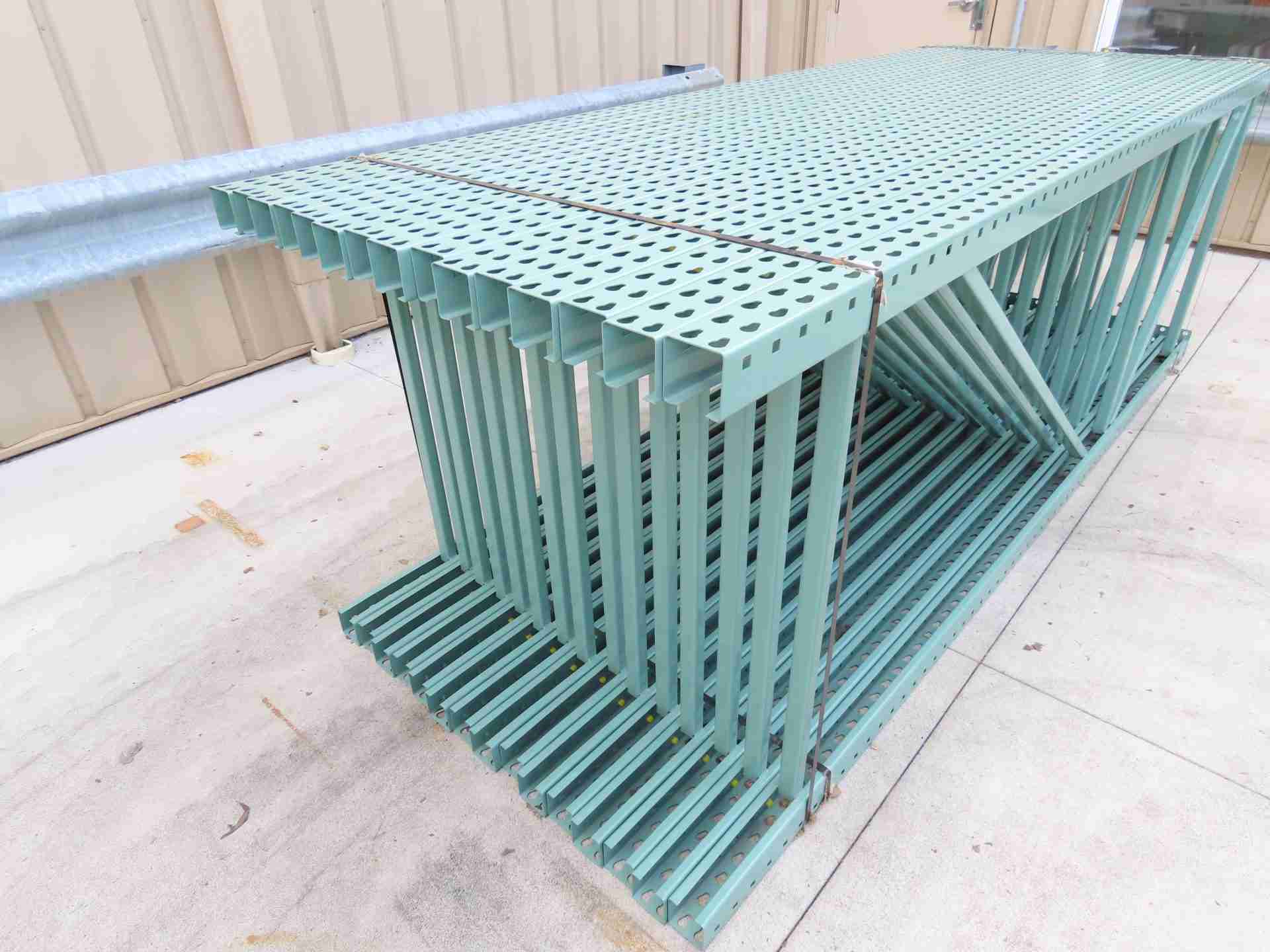
Conclusion
Other Resources
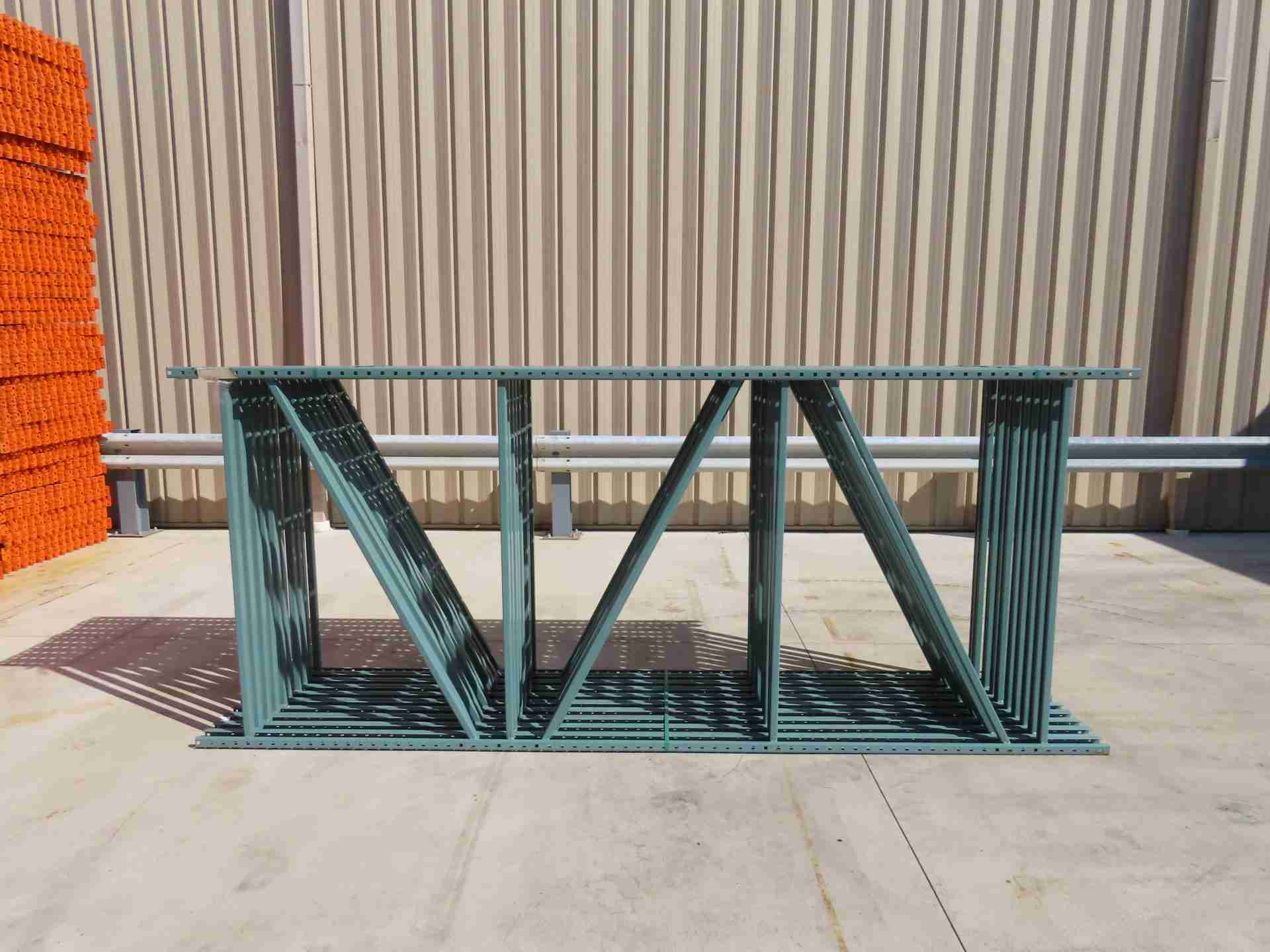
Other Resources
Here is a list of other resources you can review online to learn more:
- Warehouse Racking Chicago, IL
- Teardrop Pallet Rack – Ridg-U-Rak
- Selective Rack – Raymond West
- WERC
- Warehouse Racks, Warehouse Racking in Stock – ULINE
- Illinois Pallet Racking – Storage Solutions
- Rack Manufacturers Institute
- Heavy-Duty Cantilever Storage Racks
- Warehouse Racking Systems: Beginner’s Guide to Rack Systems
- Teardrop Racks – Pallet Rack World
- Pallet Racks, Pallet Racking, Pallet Shelves in Stock – ULINE
- Pallet Racking systems in Illinois, Great Lakes
- IWLA
- Teardrop Industrial Shelving Rack
- Cantilever Racks Chicago
- Selective Racking
- Logic Material Handling
- Racking World
- Illinois Pallet Racking – WPRP
- SEMA
Use This Prompt To Get More Resources With Your Favorite Online AI Tool: Please provide me with a list of online articles with their URLs in a bulleted list that I can read regarding How Do Flooring and Tile Distributors Leverage Pallet Racking?

Other Resources
Glossary Terms
How Do Flooring and Tile Distributors Leverage Pallet Racking? – Glossary Of Terms
1. Pallet Racking: A storage system designed to hold materials on pallets in horizontal rows with multiple levels.
2. Flooring Distributor: A company that supplies flooring materials such as wood, tile, carpet, or vinyl to retailers or contractors.
3. Tile Distributor: A supplier specializing in providing various types of tiles to retailers, contractors, or end users.
4. Inventory Management: The process of ordering, storing, and using a company’s inventory.
5. Warehouse Efficiency: Optimizing space and workflows within a storage facility to improve productivity.
6. Load Capacity: The maximum weight a pallet racking system can safely support.
7. Vertical Storage: Utilizing height within a warehouse to maximize storage space.
8. Space Optimization: Making the best use of available storage area to increase capacity.
9. Picking Process: The method of retrieving products from storage to fulfill orders.
10. Stock Rotation: Managing inventory so older stock is used or sold before newer stock.
11. Accessibility: The ease with which products can be reached in storage.
12. Bulk Storage: Holding large quantities of similar items together in storage.
13. SKU (Stock Keeping Unit): A unique identifier for each product type for inventory tracking.
14. Load Stability: Ensuring pallets remain secure on racks to prevent accidents or damage.
15. Forklift Compatibility: Designing racking systems to allow forklift access for pallet movement.
16. Order Fulfillment: The complete process from receiving an order to delivering the product.
17. Safety Standards: Regulations governing the design and use of pallet racking for worker protection.
18. Warehouse Layout: The physical arrangement of storage areas to optimize flow and space.
19. Just-in-Time Inventory: Inventory system that minimizes stock by receiving goods only as needed.
20. Stock Visibility: The ability to monitor inventory levels easily within the warehouse.
21. Load Distribution: Evenly spreading weight across racks to prevent structural failure.
22. Cross-Docking: A logistics practice to unload materials from incoming trucks and load directly to outbound trucks.
23. Material Handling: The movement, protection, and storage of materials within a warehouse.
24. Modular Racking: Pallet racking systems that can be adjusted or expanded as needed.
25. Lead Time Reduction: Shortening the duration between ordering and receiving inventory.
26. Warehouse Automation: Using technology to improve storage and retrieval processes.
27. Space Utilization Rate: The percentage of warehouse space actively used for storage.
28. Inventory Accuracy: The degree to which inventory records match actual stock.
29. Return on Investment (ROI): Financial gain from investing in pallet racking systems.
30. Bulk Picking: Collecting large quantities of products from storage to fulfill orders efficiently.

Glossary Of Terms
Other Questions
How Do Flooring and Tile Distributors Leverage Pallet Racking? – Other Questions
If you wish to explore and discover more, consider looking for answers to these questions:
- What types of pallet racking systems are best suited for flooring and tile distributors?
- How do cantilever racks compare to traditional pallet racks for storing long tiles and planks?
- What load capacities are required for different tile materials (ceramic, porcelain, stone)?
- How should racks be configured to minimize tile breakage and surface damage?
- What rack accessories (load bars, shelf decking, backstops) are recommended for fragile or heavy tiles?
- How do you calculate the number of pallet positions needed for a given SKU mix and turnover?
- How can pallet racking be laid out to optimize forklift traffic and reduce handling time?
- What are the best aisle widths and traffic patterns for safe, efficient tile handling?
- How does pallet racking integrate with common warehouse equipment (reach trucks, forklifts, pallet jacks)?
- What are the typical costs for purchasing and installing pallet racking, and what drives those costs?
- How do you calculate ROI and payback period for investing in pallet racking?
- What maintenance and inspection schedules should be followed to keep racking safe and compliant?
- What safety features or protections (column guards, rack protectors, row spacers) are essential?
- How do local building codes, seismic regulations, and fire codes affect racking design and placement?
- What clearances are required between racks and sprinklers or fire suppression systems?
- How should pallet racking be anchored to the floor for stability and code compliance?
- What training do warehouse staff need to handle tile on pallet racks safely?
- How can racking reduce order-picking errors and speed up fulfillment processes?
- Which inventory strategies (FIFO, LIFO, zone picking) work best with pallet racking for tiles?
- How can pallet racking be labeled and organized to improve SKU accuracy and picking speed?
- What measures reduce floor damage from forklifts and heavy loads when using pallet racking?
- How does pallet racking help protect tiles from moisture, dust, and temperature fluctuations?
- What pallet types and packaging methods best protect tiles on racks?
- Can modular racking systems be expanded as the business grows, and how easy is reconfiguration?
- How long does it typically take to install a pallet racking system in an existing warehouse?
- What are common pitfalls or mistakes distributors make when implementing pallet racking?
- How should returns, damaged stock, and irregular-sized items be stored on pallet racks?
- How does pallet racking affect insurance premiums and liability exposure?
- What key performance metrics should warehouses track after installing pallet racking?
- How do pallet racking solutions differ for wholesale yards, retail showrooms, and distribution centers?
- Are there specialized racking solutions for oversized stone slabs or natural stone inventory?
- How does racking impact labor requirements and staffing models in a tile distribution operation?
- What are the best practices for combining pallet racking with shelving, mezzanines, or vertical lift modules?
- How do suppliers and manufacturers of pallet racks compare in terms of warranties and certifications?
- What inspection and repair options exist if a rack is damaged in an accident?
- How should a distributor plan rack layout to support faster truck loading and dock efficiency?
- What are the environmental and sustainability considerations when choosing pallet racking materials?
- What case studies or examples show measurable benefits of pallet racking for tile distributors?
- How can pallet racking be integrated with warehouse management systems (WMS) and inventory software?
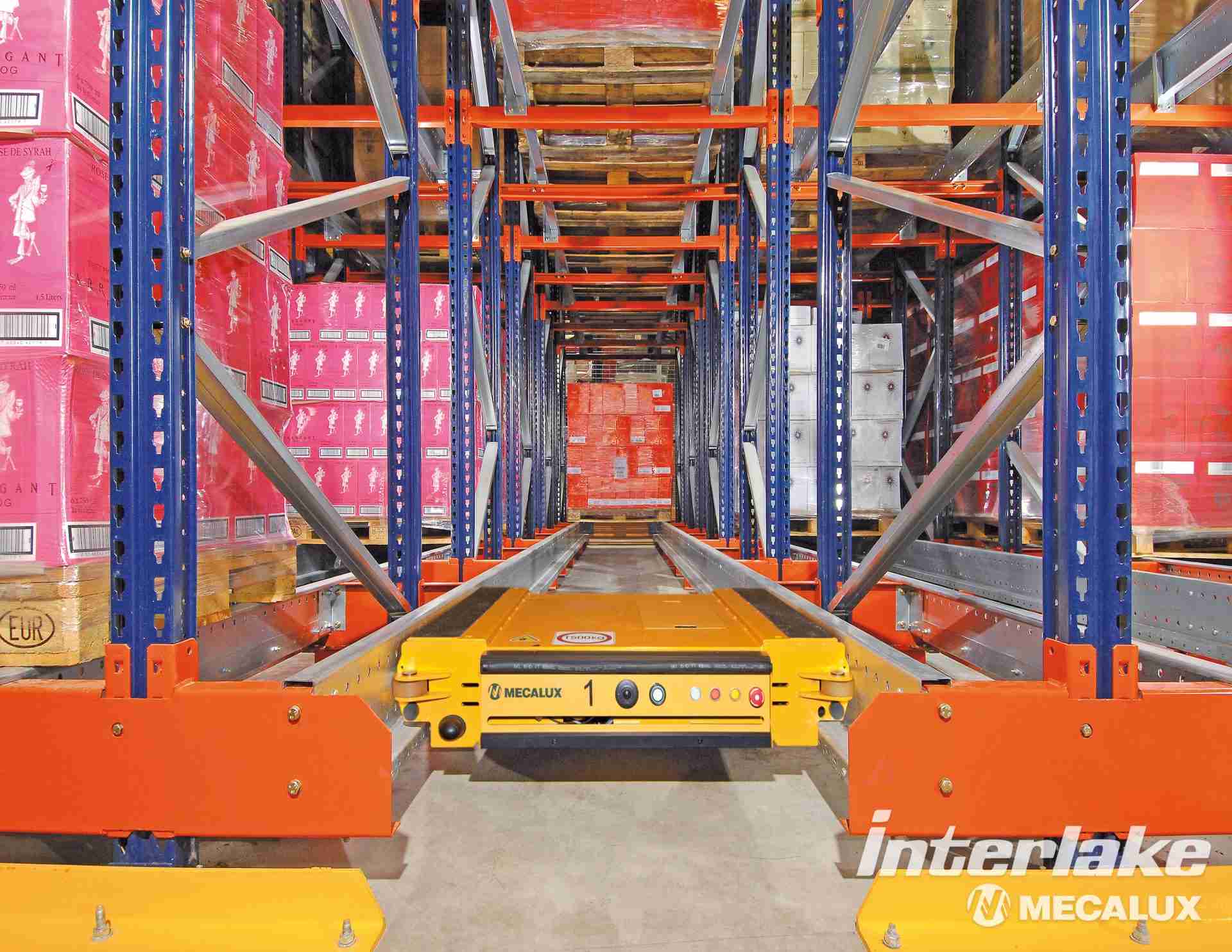
Other Questions
Checklist
How Do Flooring and Tile Distributors Leverage Pallet Racking? – A Checklist
Goals and Scope
✅______ Define objectives (capacity gain, damage reduction, pick speed, safety).
✅______ Document SKU mix (tile sizes, stone, wood/LVT, trims, adhesives, accessories).
✅______ Decide access needs (100% selectivity vs. high-density storage).
Facility and Floor Readiness
✅______ Verify concrete slab thickness and load rating; confirm engineer sign-off if needed.
✅______ Map columns, doors, docks, drains, sprinklers, and egress routes.
✅______ Measure clear height; confirm fire code and sprinkler clearance requirements.
✅______ Plan utilities, lighting, and ventilation for new rack aisles.
Rack Design and Specification
✅______ Select rack types: selective (most common), push-back/drive-in (high-density), pallet flow (fast movers), cantilever/A-frames (long trim or slabs).
✅______ Calculate frame and beam capacities for worst-case pallet weights; include deflection limits.
✅______ Specify decking: wire deck with channels, or solid deck/ply supports for fragile or small cartons.
✅______ Standardize pallet footprint and overhang rules; specify pallet stops as needed.
✅______ Maintain flue spaces with row spacers and pallet centering.
✅______ Add impact protection: end-of-aisle guards, column protectors, and bollards.
✅______ Define anchor type, size, and quantity per base plate and installation pattern.
✅______ Set aisle width based on truck type (sit-down, reach, narrow aisle).
✅______ Post load plaques with maximum bay and level capacities and contact information.
✅______ Create a location labeling schema (aisle-bay-level) compatible with WMS barcodes.
Material Handling and Workflow
✅______ Slot fast movers in the golden zone (waist–shoulder height); place slow movers higher or lower.
✅______ Define inbound, QA, returns, and outbound staging zones with floor markings.
✅______ Establish pallet quality inspection and repair/reject criteria.
✅______ Choose pick methods (full pallet, case pick) and equipment (fork extensions and pads).
✅______ Implement a traffic plan with one-way aisles and intersection mirrors.
✅______ Provide dedicated pedestrian walkways and crossing points.
Safety and Compliance
✅______ Design and installation to RMI/ANSI MH16.1 and local seismic and fire codes.
✅______ Train operators on rack use, speed limits, and safe handling of fragile loads.
✅______ Schedule daily visual checks, monthly documented inspections, and an annual third-party audit.
✅______ Keep aisles and flue spaces clear; enforce housekeeping standards.
✅______ Maintain 18 in. sprinkler clearance; evaluate solid decking or sheeting implications.
✅______ Post emergency egress routes; keep extinguishers and first aid accessible.
✅______ Implement incident reporting: tag, unload, and quarantine damaged rack immediately.
✅______ Lockout/tagout process for rack repairs and reconfiguration.
Product Protection (Flooring and Tile Specific)
✅______ Use edge and corner guards, banding, and stretch wrap to contain tile cartons.
✅______ Distribute weight with dunnage; avoid point loads on wire deck.
✅______ Prohibit unsafe double-stacking of fragile pallets; follow manufacturer limits.
✅______ Use slip sheets or solid decking under small cartons to prevent sagging.
✅______ Control temperature and humidity for wood flooring to prevent warping.
✅______ Segregate adhesives and chemicals with spill containment and ventilation.
✅______ Store large-format stone and slabs on rated A-frames or cantilever with tie-downs.
IT and Inventory Accuracy
✅______ Build rack locations in WMS; print and apply scannable labels.
✅______ Capture lot, shade, and caliber for tile; enable FIFO/FEFO rules.
✅______ Implement real-time scanning for receipts, moves, picks, and cycle counts.
✅______ Establish ABC cycle counting cadence and accuracy thresholds.
Performance and Cost Management
✅______ Baseline KPIs: lines picked per hour, order accuracy, OTIF, damage rate, dock-to-stock time, space utilization, and cost per order.
✅______ Set targets and review cadence; publish dashboards.
✅______ Track rack impacts and repair costs; replace guards proactively.
✅______ Build an ROI model (capacity gains, labor savings, damage reduction, avoided space costs).
Maintenance and Change Control
✅______ Create a preventive maintenance schedule for anchors, beams, guards, and labels.
✅______ Keep critical spare parts (beams, connectors, anchors, guards) on site.
✅______ Maintain as-built drawings, engineering calculations, and vendor contacts.
✅______ Require engineer approval for reconfiguration or additional levels.
Go-Live Readiness
✅______ Complete the punch list and load test initial bays per specification.
✅______ Install signage, floor striping, and traffic and walkway markers.
✅______ Conduct safety and picking dry runs; validate scan flows and location accuracy.
✅______ Train all shifts; certify operators on new equipment and SOPs.
✅______ Post photo standards for correct palletization, wrapping, and rack loading.

Checklist
At RackingWorld, we help guide you through selecting warehouse storage systems and racking.
Be sure to read our other related stories at RackingWorld to learn more about warehouse storage systems.
0 Comments