
Maximizing Space, Safety, And Efficiency In Film Prop Storage Solutions
By Tom Seest
At RackingWorld, we help guide you through selecting warehouse storage systems and racking.
Be sure to read our other related stories at RackingWorld to learn more about warehouse storage systems.
How Do Film and Media Prop Storage Leverage Pallet Racking?
When you’ve spent hours hunting down the perfect prop or set piece, you want it stored right—solid, organized, and easy to get at when the camera rolls again. That’s where pallet racking steps in like the unsung hero of the storage world. It’s not just some fancy industrial setup; it’s the backbone for keeping bulky, awkward, and sometimes fragile film and media props safe and ready for action.
Pallet racking takes the scattershot chaos and corrals it into a system that makes sense. Think about those giant crates, vintage furniture, or oversized set dressings—not exactly easy to stack or shelf in a regular closet. Pallet racking lets you store these heavyweights off the ground and in reachable spots, cutting down the risk of damage and wasted time rummaging through piles. It’s straightforward, no-nonsense efficiency that respects the hard work and budget behind every scene.
Beyond just stacking props, pallet racking brings order to what’s often a mad race against deadlines. When the production’s ticking and every minute counts, knowing exactly where that critical prop is saves headaches and overtime. It’s the kind of practical setup that whispers, “We’ve got this,” even when the chaos is hitting full throttle. There’s a quiet confidence the whole crew feels when the storage’s handled smartly—no last-minute scrambles, no broken gear, just smooth flow.
Ethically, pallet racking supports sustainability by promoting reuse and careful inventory management. Props aren’t disposable; they carry stories and value that deserve respect. Keeping them properly stored reduces wear and tear, which means less waste and more chances to breathe new life into old favorites. It’s common sense that pays off—for the environment, the budget, and the art itself.
Story after story from behind the scenes shows that solid storage choices shape the success of productions big and small. Pallet racking might not get the spotlight, but it earns its place in every prop master’s toolkit. It taps into a simple truth: good tools make good work possible, and when you handle your gear right, the whole set runs smoother. If you’ve been wrestling with cluttered, unsafe storage, embracing pallet racking will feel like finally finding that reliable pair of boots—built tough and ready for the rough ground ahead.
How Do Film and Media Prop Storage Leverage Pallet Racking?
How Do Film and Media Prop Storage Leverage Pallet Racking?
- Pallet racking provides solid, organized, and accessible storage for bulky, awkward, and fragile film and media props.
- It replaces chaotic storage with a system that safely stores heavy items off the ground and within easy reach.
- Enhances efficiency by reducing damage risk and saving time searching for props during tight production schedules.
- Supports smooth workflow and crew confidence by preventing last-minute scrambles and broken gear.
- Promotes sustainability through reuse, careful inventory management, and reduced wear and tear on props.
- Contributes to the success of productions by providing reliable, practical storage solutions behind the scenes.
- Acts as an essential tool for prop masters, enabling better handling of gear and smoother set operation.
How Do Film and Media Prop Storage Leverage Pallet Racking?
Table Of Contents
- How Do Film and Media Prop Storage Leverage Pallet Racking?
- What Emotional Impact Does Organized Prop Storage Create?
- How Can Pallet Racking Optimize Space Efficiency?
- Why Is Secure Storage Critical for Valuable Film Props?
- How Does Pallet Racking Improve Inventory Management?
- What Ethical Concerns Arise In Prop Storage and Handling?
- How Do Industry Leaders Implement Pallet Racking Strategies?
- Conclusion
- Other Resources
- Glossary Of Terms
- Other Questions
- Checklist
What Emotional Impact Does Organized Prop Storage Create?
There’s something about walking into a workspace where everything’s got its place that hits you right in the gut. That kind of order, especially with something as bulky and unwieldy as props, isn’t just about neatness—it’s about respect. Respect for your gear, respect for your crew, and respect for the work itself. When those pallets stack up clean and solid on sturdy pallet racking, it sends a message: this job matters. And when you feel that, it’s easier to take pride in the day-to-day grind, knowing you’re not just throwing things in a corner and hoping for the best.
On a practical level, organized prop storage isn’t just convenient; it’s a lifesaver. No more racing against the clock to find that one elusive piece hidden under a pile of junk. Your brain stops spinning, your stress melts, and you can focus on what really counts—creativity and getting the job done right. Those pallet racking systems aren’t just metal and wood—they’re the backbone of a workspace that runs like a well-oiled machine. It’s the kind of setup that says, “We’ve been around the block, and we know what’s up.” That kind of authority, built from hands-on experience, breeds confidence in the whole team.
There’s also something deeply ethical about taking care of your tools and props. When storage is cluttered, it’s easy for things to get damaged or lost; that’s money wasted and hard-earned work thrown down the drain. Doing the right thing means investing time and effort into proper storage—using pallet racking to keep everything intact and accessible. It’s about being good stewards of resources, making sure every prop is ready to perform its role time and again. This respect for the craft and equipment isn’t just a policy; it’s a shared value that unites everyone on the crew.
And socially? Organized storage fosters camaraderie. When the workspace is clear and accessible, people talk easier, they move freer, and collaboration flows better. It’s a quiet kind of connection, but it’s powerful. Everyone knows where they stand, both literally and figuratively. It’s the simple, grounded common sense of pallet racking done right that turns chaos into calm—and that shift changes more than just the space; it changes the whole mood.
What Emotional Impact Does Organized Prop Storage Create?
What Emotional Impact Does Organized Prop Storage Create?
- Ordered workspace with designated places for bulky props reflects respect for gear, crew, and the work itself.
- Cleanly stacked pallets on sturdy racking communicate the job’s importance and foster pride in daily tasks.
- Organized prop storage saves time, reduces stress, and enables focus on creativity and quality work.
- Pallet racking systems serve as the functional backbone of an efficient, experienced workspace.
- Proper storage protects tools and props from damage or loss, reflecting ethical resource stewardship.
- Shared respect for equipment and craft unites the crew around common values.
- Clear, accessible storage enhances social interaction, collaboration, and creates a calm, confident workplace atmosphere.

What Emotional Impact Does Organized Prop Storage Create?
How Can Pallet Racking Optimize Space Efficiency?
When it comes to making the most out of any workspace, especially warehouses or storerooms, Pallet Racking stands tall—literally and figuratively. You know that feeling when you walk into a place and it’s just cluttered chaos? Shelves stuffed haphazardly, stuff scattered around like somebody let the dogs loose? That’s wasted space screaming at you. Pallet Racking changes the whole game—it’s like turning that cramped mess into a well-oiled machine. It’s not just about stacking stuff high; it’s about stacking smart.
There’s something satisfying about walking into a spot where every pallet has its place, where you can see what’s where without digging around like a raccoon raiding a trash can. Pallet Racking taps into basic human nature—we want order, we want efficiency, and we want to feel like we’ve got control over our surroundings. This sense of control doesn’t just clear your floor space; it clears your head, too. When things have a clear home, work flows smoother. Folks don’t waste time playing hide and seek with inventory. That means less frustration, less burned out employees, and fewer mistakes.
But here’s the solid, no-nonsense truth: Pallet Racking isn’t some fancy gizmo. It’s a practical, proven way to optimize the footprint of your space. By using vertical space wisely, you quadruple what you can store without footing the bill for a bigger building. It’s smart economics—do more with less. That’s the kind of common sense any business owner or warehouse worker can get behind.
Ethically, there’s something right about using space responsibly. Warehouses aren’t just storage units; they’re part of a bigger supply chain that supports communities, families, and livelihoods. When you optimize with Pallet Racking, you’re not just saving square footage—you’re contributing to smoother operations that keep goods moving, jobs steady, and prices fair. It’s a quiet way of doing right by your customers and your workers.
Stories from countless warehouses show how implementing Pallet Racking turned a cluttered nightmare into a well-organized powerhouse. People go from feeling overwhelmed to proud of their space. They gain time, safety, and peace of mind. It’s the kind of change that sticks, because it’s built on solid, practical steps—not pipe dreams.
So, if you want to stop wrestling with your inventory and start mastering your space, Pallet Racking is the tool that earns its keep every day—helping you work smarter, harder, and safer. That’s the kind of upgrade worth investing in, the kind that makes both the heart and ledger happy.

How Can Pallet Racking Optimize Space Efficiency?
How Can Pallet Racking Optimize Space Efficiency?
- Pallet Racking transforms cluttered, inefficient spaces into organized, efficient work areas by stacking smartly rather than just high.
- It provides clear organization, allowing easy visibility and access to inventory, reducing wasted time and employee frustration.
- Using vertical space effectively can quadruple storage capacity without the cost of expanding the building footprint.
- Pallet Racking offers practical, proven economic benefits by maximizing existing space and improving workflow.
- Optimizing warehouse space ethically supports the wider supply chain, helping maintain steady jobs and fair prices.
- Warehouses that adopt Pallet Racking report improved safety, pride in their environment, and peace of mind for workers.
- Pallet Racking is a reliable, everyday tool that enhances work efficiency and is a worthwhile investment for businesses.
How Can Pallet Racking Optimize Space Efficiency?
Why Is Secure Storage Critical for Valuable Film Props?
When you’re dealing with valuable film props, secure storage isn’t just a nice-to-have—it’s the backbone of the whole operation. These aren’t just random objects sitting in a closet; they’re pieces of art, history, and sometimes downright irreplaceable treasures that carry a story, a soul. You’ve got delicate costumes, intricate gadgets, and unique set pieces that could fall apart or vanish with one careless move. That’s where smart, dependable storage like pallet racking comes into play. It keeps everything organized, off the floor, and protected from damage or theft.
Think about it like this: every prop tells a piece of a bigger story. When those props are lost or damaged, the story gets fragmented, and the magic fades. Watching a prop you’ve painstakingly preserved go up in smoke because it wasn’t stored right? It stings worse than a hard day’s work gone sideways. A good pallet racking system doesn’t just stack things high and neat – it respects the space, makes each item easy to find, and keeps the integrity of those precious elements intact.
On the practical side, secure storage is simply smart business. It reduces losses, cuts down on headaches hunting for misplaced items, and saves cash. What’s more, when you treat props like the valuables they are—from careful cataloging to sturdy rack systems—you’re honoring the craft, the crew, and the hours poured into making every scene believable. That respect builds trust with everyone involved, from the production team to the fans who admire the work from afar.
There’s also a real ethical angle here—protecting film props isn’t about hoarding stuff. It’s about stewardship. These items often have deep cultural or emotional significance, and securing them ensures they endure, not just for one project, but for many to come. Setting up proper storage with pallet racking says you’re not just managing inventory—you’re caring for legacies.
You don’t have to be fancy to get it right. Sometimes, down-to-earth, common-sense solutions work best. Pallet racking systems are straightforward, tough, and built to handle the weight—both physical and symbolic—of these film treasures. This simple, reliable approach is what keeps the gears turning and shows that here, the props matter. They’re not just stuff; they’re the foundation for storytelling that moves people. And that deserves nothing less than the best care you can give.
Why Is Secure Storage Critical for Valuable Film Props?
Why Is Secure Storage Critical for Valuable Film Props?
- Film props are valuable, irreplaceable treasures that carry significant artistic, historical, and emotional value.
- Secure storage like pallet racking protects delicate costumes, gadgets, and set pieces from damage, loss, and theft.
- Proper storage preserves the integrity of props, maintaining the continuity and magic of the stories they help tell.
- Organized storage reduces losses, saves money, and makes finding items easier, reflecting smart business practice.
- Treating props with care honors the craft, crew, and effort behind each production, building trust among all stakeholders.
- Protecting props is a form of stewardship, preserving culturally and emotionally significant items for future projects.
- Pallet racking systems provide a simple, durable, and effective way to manage and care for film props responsibly.

Why Is Secure Storage Critical for Valuable Film Props?
How Does Pallet Racking Improve Inventory Management?
If you’ve ever wrestled with a cluttered warehouse, you know that inventory management can feel like herding cats—frustrating, time-consuming, and downright exhausting. Pallet racking steps in like a reliable buddy who’s been down in the trenches and knows the score. It’s not just about stacking stuff higher; it’s about making every inch count without turning your space into a maze. When you set up pallet racking, you’re giving your inventory a proper home—organized, accessible, and visible. That hands-on control turns guesswork into confidence, so you’re not chasing missing parts or double-counting what’s already on the floor.
Think about it: one out-of-place item can slow down the whole operation. Pallet racking shrinks that margin of error, keeping things tidy and predictable. It’s an ethical move too—because when your team can find what they need quickly and work safely without scrambling, you’re respecting their time and well-being. Those racks aren’t just metal bars; they’re a foundation that supports everyone’s hard work, everyday.
From the viewpoint of hard-nosed practicality, pallet racking makes good business sense. It maximizes your space, allowing you to stack safely upward, not outward. That means you can store more inventory without needing a bigger warehouse or shelling out for expensive expansions. That’s cold, clear authority in action: doing more with less, cutting waste, and boosting efficiency. Inventory counts tighten up, stock moves faster, and orders get filled without the usual head-scratching delays. Pallet racking turns a chaotic backroom into a well-oiled machine.
The social side isn’t just about efficiency; it’s building trust inside the team. When everyone knows where things belong and can pull what they need without hunting, it cuts down on friction. No one’s bogged down by confusion or finger-pointing. That simple clarity? It boosts morale, sparks pride, and makes people feel like their work matters. It’s a shared win that keeps folks coming back.
You’ve seen it in action: the place where pallet racking rules is the one that runs smooth; the whole crew knows systems work, and managers sleep better at night. When you invest in pallet racking, you’re investing in a way to respect your space, your people, and your bottom line. It’s not fancy, no flashing lights—but it gets the job done. And sometimes, that’s exactly what you need.
How Does Pallet Racking Improve Inventory Management?
How Does Pallet Racking Improve Inventory Management?
- Inventory management without pallet racking is frustrating, time-consuming, and inefficient, whereas pallet racking organizes, makes inventory accessible, and reduces guesswork.
- Pallet racking minimizes errors by keeping items in place, enhancing tidiness and predictability, which supports team safety and well-being.
- It maximizes storage space by stacking inventory upward safely, avoiding costly warehouse expansions and boosting operational efficiency.
- Improved inventory accuracy speeds up stock movement and order fulfillment, transforming chaotic spaces into efficient workflows.
- Pallet racking fosters team trust by clarifying item locations, reducing confusion, conflicts, and improving morale.
- A well-implemented pallet racking system leads to smoother operations, confident staff, and less managerial stress.
- Investing in pallet racking respects physical space, workforce, and financial resources by providing a practical, dependable storage solution.
How Does Pallet Racking Improve Inventory Management?
What Ethical Concerns Arise In Prop Storage and Handling?
When it comes to storing and handling props, there’s more going on than just stacking things on pallet racking or shuffling crates around a warehouse. It’s about respect—respect for the craft, the people using those props, and the stories they help tell. You don’t just toss around fragile or meaningful objects like they’re cheap junk. Those props carry the weight of creativity, effort, and sometimes even safety risks if handled wrong.
Ethically, it boils down to responsibility. When you hang art or pile gear on pallet racking, you’re not just thinking about space; you’re thinking about trust. Trust that nothing breaks, that nothing gets lost, that the prop you carefully stored today doesn’t end up ruined or unusable tomorrow. That trust comes from treating each piece like it matters, because it does. The last thing anyone wants is to show up for a shoot, a play, or an event and find out key pieces are damaged or missing—especially when those props help paint the picture and set the tone.
Respect also means knowing your limits. It’s about honest, careful handling that reflects the reality of the job. A good grip, steady hands, and the right pallet racking system aren’t just practical; they’re an ethical gesture towards everyone counting on those props. They’re a promise that though the work may be gritty and hands-on, it’s done with care. Forgetting this is a fast track to chaos, lost trust, and weaker stories.
Prop storage and handling aren’t invisible backstage chores. They’re crucial chapters in the story of production, and ethical lapses here ripple out. When people see props ruined or mishandled, it hurts morale and plants doubt. It can even risk safety if someone tries to make do with broken gear. Being ethical means stepping up, owning the responsibility, and making sure every pallet racking unit, every crate, every prop is treated as a piece of the bigger picture.
Solid storage isn’t just about neatness; it’s a tangible way to show you care. It’s saying, “This work matters, and so do the people who make it happen.” That’s the kind of grounded, common-sense respect that turns a messy, complicated backstage into a place where trust grows and everyone feels they’re part of something worth doing right.

What Ethical Concerns Arise In Prop Storage and Handling?
What Ethical Concerns Arise In Prop Storage and Handling?
- Storing and handling props requires respect for the craft, the users, and the stories the props help tell.
- Props must be treated carefully as they embody creativity, effort, and may pose safety risks if mishandled.
- Ethical responsibility involves trust that props will not break, get lost, or become unusable.
- Proper handling and the right storage systems demonstrate care and respect for everyone relying on the props.
- Neglecting ethical handling leads to chaos, lost trust, damaged props, and weaker storytelling.
- Prop storage and handling impact morale, safety, and the overall production process.
- Organized, respectful storage shows care for the work and people involved, fostering trust and commitment.
What Ethical Concerns Arise In Prop Storage and Handling?
How Do Industry Leaders Implement Pallet Racking Strategies?
When it comes to Pallet Racking, industry leaders aren’t just tossing gear into place and hoping for the best. They’ve learned that smart strategies mean the difference between chaos and smooth operation. It’s about making the warehouse work for the people, not the other way around. You’ve got to respect the tools, respect your team, and respect the clock ticking behind every order that needs filling.
These pros start by sizing up their space with cold, clear eyes. They know every inch counts. Pallet Racking isn’t just about stacking stuff high; it’s about stacking it right—easy access, safety first, and room to breathe. They plan for today’s load but build with tomorrow in mind. This awareness saves time and money, cuts back on injuries, and keeps the workday from turning into a wrestling match with pallets and forklifts.
What sets these leaders apart is how they lean on experience combined with solid data. They track what moves, what sits, where bottlenecks form. Pallet Racking is shifted, adjusted, sometimes torn out and redone because they won’t settle for guesswork. They understand the rhythm of their operation, and their racking strategy dances to that beat—flexible, reliable, and built tough.
They bring people into the process, too. Workers are part of the conversation—not just bodies pushing pallets around. When teams see how a better setup protects their backs and speeds their shifts, pride builds. Everyone works smarter, not just harder. That buy-in means fewer mistakes, less downtime, and a culture that values doing the job right.
These leaders hold themselves accountable. They don’t cut corners because they understand what’s riding on those racks—inventory, deadlines, livelihoods. Ethical practice isn’t a checkbox; it’s the backbone of their operations. They set standards and stick to them because shortcuts today lead to disasters tomorrow.
At the end of the day, regular folks running real warehouses make these strategies work. It’s in the calloused hands, the sweat, the steady patience of knowing that pallet racking done right keeps the whole operation moving forward. When you build on that foundation, trust grows—from your crew, your partners, and yourself. That’s how you turn a stack of wood and steel into a powerhouse that delivers day after day.

How Do Industry Leaders Implement Pallet Racking Strategies?
How Do Industry Leaders Implement Pallet Racking Strategies?
- Industry leaders use smart strategies in pallet racking to ensure smooth warehouse operations that prioritize people over just equipment.
- They carefully evaluate space, focusing on efficient, safe stacking with easy access and room for movement, planning for current and future needs.
- Decisions are driven by experience and data, tracking inventory flow and adjusting racking setups to prevent bottlenecks and inefficiencies.
- Employee involvement is key, fostering pride and smarter work habits through setups that improve safety and speed.
- Accountability and ethical practices are fundamental, with leaders setting and maintaining high standards to avoid costly shortcuts.
- Success relies on the hard work and dedication of warehouse workers who implement these strategies daily.
- Building a strong foundation of trust among the team and partners turns pallet racking into a reliable, efficient operation.
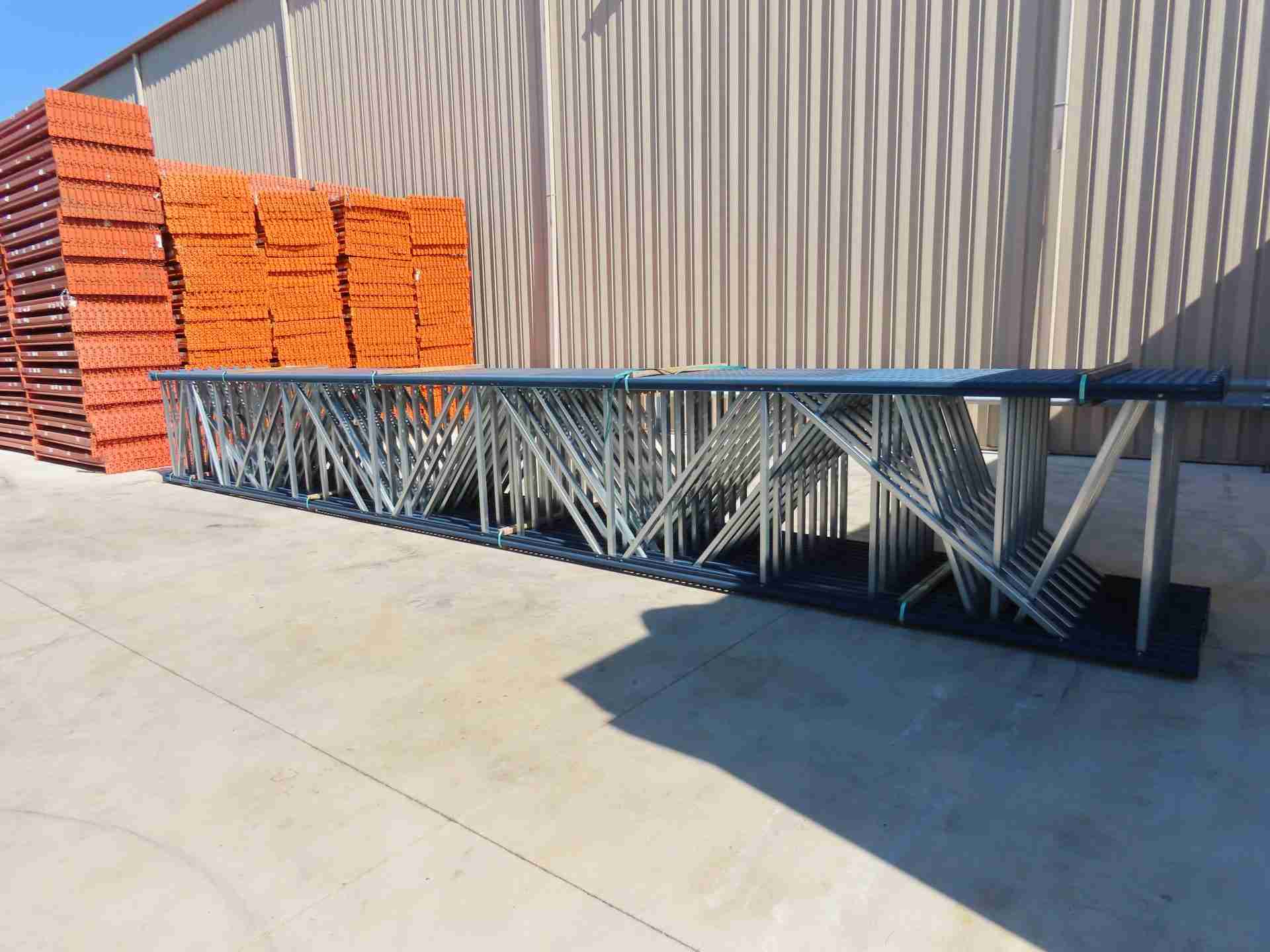
How Do Industry Leaders Implement Pallet Racking Strategies?
Conclusion
Film and media prop storage isn’t glamorous, but it’s the kind of work that keeps the whole show running. Pallet racking may seem like just a bunch of metal beams and shelves, but it’s really the backbone holding together a mountain of bulky, fragile, and sometimes priceless props. When you’ve hunted down that perfect piece, you want it safe, sound, and ready to go—not buried under a mess or tossed on the floor. That’s what pallet racking delivers: straightforward, no-nonsense organization that respects the hard work, the budget, and the chaotic pace of production.
There’s a certain peace of mind that comes with knowing every item has its spot and is easy to find. No more frantic digging or last-minute scrambles; just a smooth, steady flow that lets the team focus on the craft instead of the clutter. It shows respect—respect for the gear, the people handling it, and the stories those props help tell. That respect isn’t just emotional; it’s practical and ethical too. Proper storage cuts down on damage, waste, and lost items, saving money and resources while honoring the work behind every piece. It’s about stewardship—keeping those artifacts safe for countless takes, remounts, and even future productions.
Beyond just protecting the goods, pallet racking maximizes space like nobody’s business. It turns jam-packed, chaotic warehouses into well-oiled machines, stacking smart instead of tall, making every inch count without needing more square footage or breaking the budget. This is plain common sense that boosts efficiency and keeps stress down—a real win for the head and the gut. Folks move easier, talk better, and feel a quiet pride when the place runs right. That kind of setup builds trust in the team and keeps operations safe and sane, day after day.
Handling props isn’t just about storage; it’s about responsibility. Every crate and costume carries weight beyond its size—craft, history, sometimes even safety. Treating these items properly is an ethical commitment that underpins the whole production, preventing costly mistakes and broken trust. It’s where good stewardship meets hard work, turning storage from a backroom chore into a cornerstone of success.
Leaders in the field don’t just slap racks up and hope for the best—they plan, adjust, and listen to their teams. They know that pallet racking done right isn’t flashy but it’s everything: safe, flexible, reliable, and built tough. These systems bear the load of the story, the crew’s sweat, and the ticking clock. When storage works, the whole production runs smoother, morale stays strong, and everyone knows the work matters. That’s not just storage—it’s the quiet hero behind every flawless take.

Conclusion
Conclusion:
- Film and media prop storage relies on pallet racking to organize bulky, fragile, and valuable items effectively.
- Pallet racking provides straightforward, efficient storage that protects props and supports the fast pace of production.
- Proper organization offers peace of mind by ensuring every item is easy to locate, reducing last-minute scrambles.
- Effective storage respects the gear and people involved, minimizing damage, waste, and lost items while saving resources.
- Pallet racking maximizes warehouse space by smart stacking, enhancing efficiency without increasing costs or space.
- Handling props responsibly is an ethical commitment that prevents mistakes and supports successful productions.
- Leaders implement well-planned, flexible pallet racking systems that ensure safety, reliability, and smooth operations.

Conclusion
Other Resources
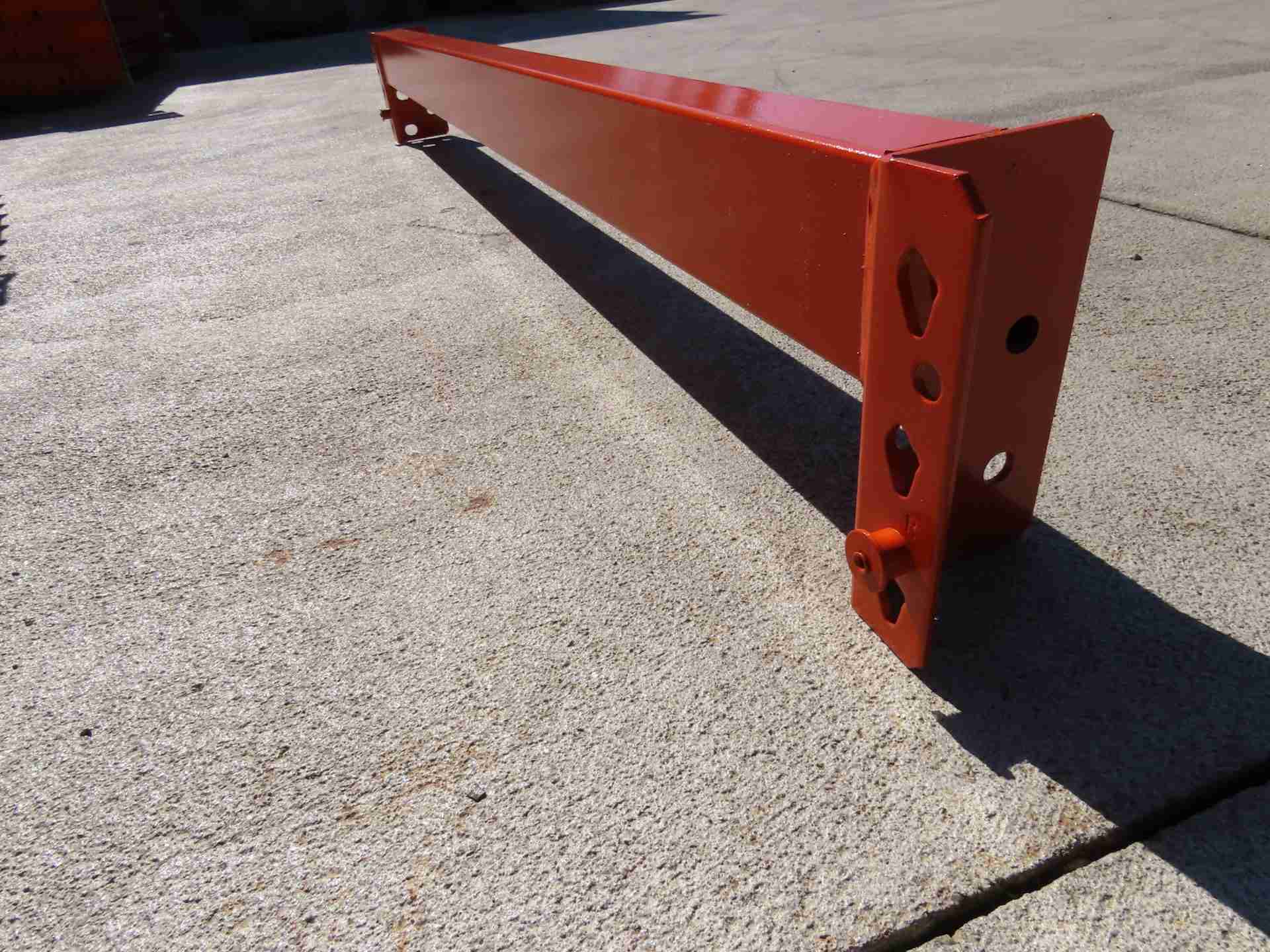
Other Resources
Here is a list of other resources you can review online to learn more:
- International Warehouse Logistics Association
- Used Teardrop Pallet Rack – American Surplus
- Warehouse Automation
- CA Wire
- Rack Manufacturers Institute
- Storage Equipment Manufacturers’ Association
- Teardrop Uprights
- Warehousing and Fulfillment
- Teardrop Racks – Pallet Rack World
- Logic Material Handling
- Crane Manufacturers Association Of America Inc.
- Cantilever Racking Specialists – Get the Right Racks
- Warehouse Racking System: Powerful Guide to Optimise, 2024
- Cantilever Rack Guide: Ordering Cantilever Racking
- WERC
- Pallet Racks, Pallet Racking, Pallet Shelves in Stock – ULINE
- Bradford Systems
- Mustang Material Handling
- Warehousing Education and Research Council: https://www.werc.org/
- Selective Pallet Racking Systems – Container Systems
Use This Prompt To Get More Resources With Your Favorite Online AI Tool: Please provide me with a list of online articles with their URLs in a bulleted list that I can read regarding How Do Film and Media Prop Storage Leverage Pallet Racking?

Other Resources
Glossary Terms
How Do Film and Media Prop Storage Leverage Pallet Racking? – Glossary Of Terms
1. Pallet Racking: A storage system designed to hold materials on pallets in horizontal rows with multiple levels.
2. Prop Storage: The organized holding of objects used in film and media productions.
3. Load Capacity: The maximum weight a pallet racking system can safely support.
4. Upright Frame: Vertical components of pallet racking that support beams and loads.
5. Beam: Horizontal bars connecting upright frames to hold pallets or props.
6. Pallet: A flat transport structure that supports goods in a stable manner while being lifted.
7. Selective Racking: A common pallet racking system allowing direct access to each pallet.
8. Drive-In Racking: A storage system where pallets are stored on rails and forklifts drive into the rack.
9. Forklift: A vehicle used to lift and move pallets within storage facilities.
10. Load Depth: The front-to-back measurement of the stored pallet or props on the racking.
11. Storage Density: The amount of items stored per unit area in a storage system.
12. Accessibility: The ease of reaching and retrieving stored items.
13. Vertical Space Utilization: The efficient use of height in a storage area through stacking.
14. Rack Protection: Measures like guards or barriers to prevent damage to racking structures.
15. Inventory Management: The process of tracking and managing stored props and materials.
16. Static Load: The weight of objects resting stationary on the racking system.
17. Dynamic Load: Loads imposed by movement, such as forklift handling.
18. Safety Compliance: Adherence to regulations ensuring safe storage conditions.
19. Warehouse Organization: The systematic arrangement of items within a storage facility.
20. Crossbeam: Horizontal support within the pallet racking that holds the load.
21. Spacer: An accessory used to maintain consistent distances between stored items.
22. Media Props: Objects specifically used as part of set designs or storytelling in media.
23. Set Dressing: Decorative elements or props used to enhance film or stage scenes.
24. Storage Optimization: Techniques to maximize storage efficiency and accessibility.
25. Load Stability: The steadiness of items stored on racks to prevent shifting or falling.
26. Modular Design: A construction approach that allows flexible assembly and reconfiguration.
27. Pallet Jack: A manual tool to lift and move pallets short distances.
28. Rack Configuration: The arrangement and structure style of pallet racking systems.
29. Space Saving: The reduction of storage footprint by efficient racking solutions.
30. Retrieval Efficiency: The speed and ease with which stored props are accessed.
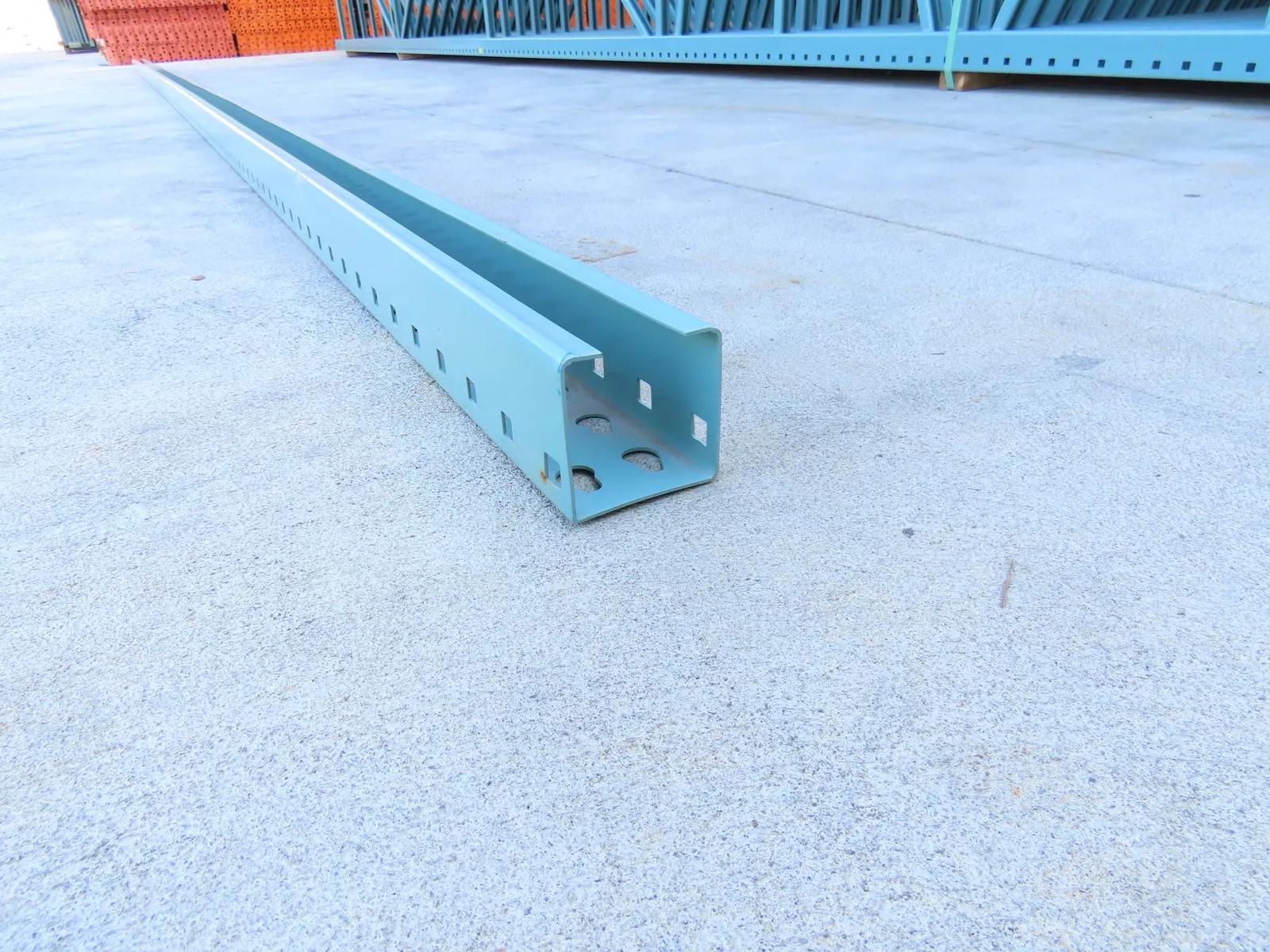
Glossary Of Terms
Other Questions
How Do Film and Media Prop Storage Leverage Pallet Racking? – Other Questions
If you wish to explore and discover more, consider looking for answers to these questions:
- What types of pallet racking systems are best suited for film and media prop storage?
- How do I determine the load capacity needed for different kinds of props?
- How should pallet racking be configured for oversized or irregularly shaped set pieces?
- What racking solutions work best for fragile or antique props that need extra protection?
- How can pallet racking be adapted for costume storage versus hard props?
- What are the recommended pallet sizes, shelving options, and accessories for prop storage?
- How do I calculate space savings and optimize layout using vertical racking?
- What are the aisle width and forklift access considerations for safe retrieval?
- How should heavy items be distributed across racks to avoid overloading or tipping?
- What seismic, wind, or structural considerations apply to pallet racking in different regions?
- How can pallet racking be anchored or secured in temporary studio spaces or on-location warehouses?
- What are the costs for purchasing, installing, and maintaining pallet racking, and what is the typical ROI?
- Are there portable or mobile pallet racking options for traveling productions or pop-up storage?
- How does pallet racking integrate with inventory management systems, barcodes, QR codes, or RFID?
- What software or best practices help track prop condition, location, and chain of custody?
- How should props be cataloged and labeled for fast retrieval during tight production schedules?
- What training and procedures should staff follow for safe loading, unloading, and handling?
- What OSHA or local safety regulations apply to pallet racking and prop storage facilities?
- How often should racks be inspected and maintained, and what common repairs are needed?
- What fire protection, sprinkler, and egress requirements apply to racked prop storage?
- How do climate control, humidity, and light exposure affect different types of props, and how can racking support preservation?
- What pest control and cleaning protocols should be used to protect stored props?
- How should hazardous props, weapons, pyrotechnics, or chemically treated items be stored within pallet racking?
- What insurance implications and coverage options should productions consider for racked prop inventories?
- How can pallet racking support sustainability goals, reuse programs, and circular prop inventories?
- What are the ethical and legal considerations when storing culturally sensitive, historical, or copyrighted items?
- When is it better to rent storage or racking from a prop house versus buying and installing on-site?
- How long does it typically take to design, order, and install a pallet racking system for a studio or warehouse?
- Which vendors, installers, or consultants specialize in racking for film and media industries?
- What are the best practices for moving props between sets, trucks, and racked storage safely and efficiently?
- How can mezzanine systems, cantilever racks, or shelving complement pallet racking for mixed prop types?
- What are common mistakes productions make when implementing pallet racking and how can they be avoided?
- How do you plan for seasonal or project-based inventory fluctuations in a racked storage system?
- What contingency and disaster recovery plans should be in place for racked prop storage (flood, fire, theft)?
- How does lighting, signage, and wayfinding improve retrieval times and reduce errors in racked storage?
- Are there case studies or examples of successful pallet racking implementations in film studios or prop houses?

Other Questions
Checklist
How Do Film and Media Prop Storage Leverage Pallet Racking? – A Checklist
Planning and Design
✅______ Define storage goals (space, access speed, prop protection, growth).
✅______ Classify props by size, weight, fragility, frequency of use, and security level.
✅______ Choose racking types per item: selective; cantilever (long items); drive-in/drive-through (high density); mezzanine (vertical expansion).
✅______ Map zones: high-frequency pick, long-term archive, quarantine/repair, cleaning, and staging.
✅______ Verify floor load capacity and slab condition for planned rack loads and anchors.
✅______ Plan clear travel paths for lifts and carts; set minimum aisle widths per equipment specifications.
✅______ Allocate vertical clearances for sprinklers, lighting, HVAC, and safe lift operations.
✅______ Include future expansion flexibility in layout and hardware selection.
Rack Specification and Setup
✅______ Use rated components with documented load capacities (per level and per bay).
✅______ Match beam levels to standard pallet and prop heights; minimize wasted vertical space.
✅______ Use appropriate decking (wire mesh or solid) based on fire code, load, and prop type.
✅______ Install column guards, row spacers, end-of-aisle protectors, and rack labels.
✅______ Anchor all uprights; confirm plumb and level after installation.
✅______ Document a rack drawing set with capacities, elevations, and inspection points.
Safety and Compliance
✅______ Post load rating signage at each bay.
✅______ Maintain required clearances from sprinklers, egresses, and electrical panels.
✅______ Establish safe lifting protocols for manual handling and powered equipment.
✅______ Provide PPE (gloves, safety shoes, high-visibility) at handling zones.
✅______ Train operators and spotters for forklifts, order pickers, and ladders.
✅______ Set speed limits and traffic rules for mixed pedestrian and equipment aisles.
✅______ Keep fire extinguishers and first-aid kits visible and accessible.
Prop Protection and Handling
✅______ Use protective pallets or trays, edge guards, and tie-downs for fragile or irregular items.
✅______ Bag or box soft goods and costumes with breathable materials and labeling.
✅______ Cushion contact points; avoid pressure on delicate surfaces and finishes.
✅______ Assign special handling notes per item (lift points, orientation, no-stack rules).
✅______ Use cantilever arms for long set pieces; secure with stops or chains.
✅______ Implement a quarantine area for incoming, wet, or damaged items.
Inventory Management
✅______ Create fixed locations (aisle-bay-level) and label all rack positions.
✅______ Tag every prop or pallet with barcode or RFID; include weight and handling notes.
✅______ Maintain a photo catalog linked to locations and condition reports.
✅______ Standardize naming conventions and categories for searchability.
✅______ Enforce check-out/check-in workflows for on-set movement.
✅______ Run cycle counts by zone; reconcile discrepancies promptly.
Security and Access Control
✅______ Restrict access to high-value props with lockable cages or restricted zones.
✅______ Log access to secure areas and high-value shelves.
✅______ Use cameras or monitored systems covering key aisles and doors.
✅______ Separate visitor paths from work zones; escort nonstaff at all times.
Environmental Controls
✅______ Monitor and record temperature and humidity; set thresholds per material type.
✅______ Control dust with covers, housekeeping schedules, and air filtration.
✅______ Keep props off floors; use pallets or dunnage to prevent moisture wicking.
✅______ Protect from UV exposure with covers or filtered lighting where needed.
Ethics and Stewardship
✅______ Treat all props as cultural and creative assets; avoid nonessential handling.
✅______ Prioritize reuse and repair over disposal; document restoration history.
✅______ Flag culturally sensitive or historically significant items for enhanced care.
✅______ Track prop provenance and usage to preserve context and legacy.
Team Training and Culture
✅______ Onboard all crew to the location system, handling rules, and safety practices.
✅______ Share the “why” behind organization to build pride and ownership.
✅______ Post simple SOPs at workstations (lift, pick, pack, return).
✅______ Conduct refresher sessions after any layout or process change.
Maintenance and Inspections
✅______ Daily: clear aisles, remove trip hazards, and check for obvious rack impacts.
✅______ Weekly: inspect beams, uprights, anchors, and guards for damage.
✅______ Monthly: torque-check anchors and bolts; verify labels and signage.
✅______ Quarterly: check rack plumb and level and decking condition.
✅______ After any impact: take the bay out of service, assess, and repair before reuse.
✅______ Annual: conduct third-party rack inspection and document corrective actions.
Performance and Continuous Improvement
✅______ Track KPIs: pick time, space utilization, damage rate, lost-item rate, and incident rate.
✅______ Review layout based on movement data; relocate high-velocity items to golden zones.
✅______ Audit inventory accuracy and process adherence regularly.
✅______ Capture team feedback and implement changes with clear ownership and deadlines.
Go-Live and Documentation
✅______ Maintain a master map of aisles, bays, and zones (digital and posted).
✅______ Archive rack certificates, load charts, and inspection logs.
✅______ Keep emergency contacts, equipment manuals, and Safety Data Sheets (SDS) accessible.
✅______ Establish a change-control process for any rack or layout modifications.
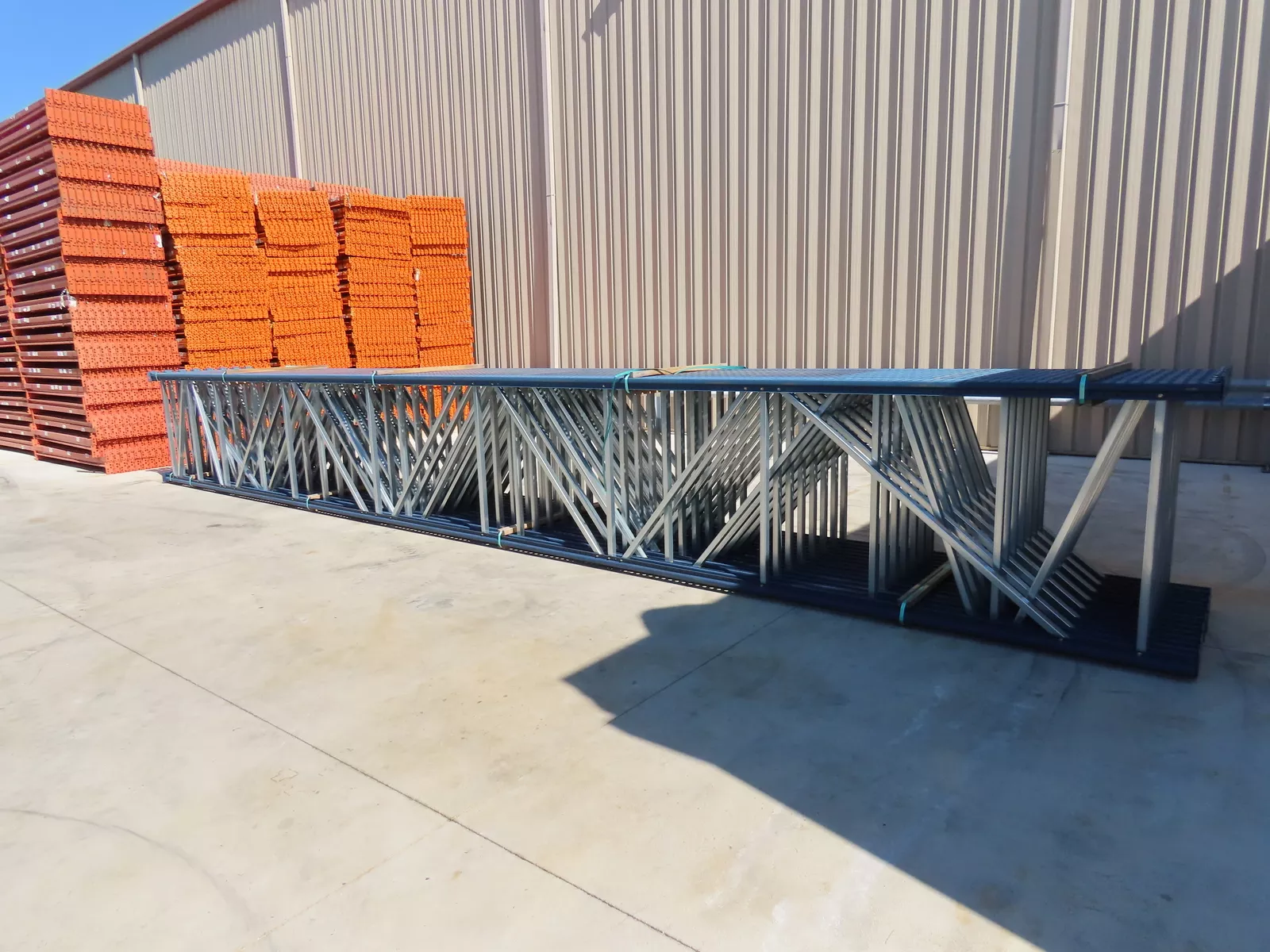
Checklist
At RackingWorld, we help guide you through selecting warehouse storage systems and racking.
Be sure to read our other related stories at RackingWorld to learn more about warehouse storage systems.
0 Comments