
Maximizing Efficiency And Community Strength Through Smart Storage Solutions
By Tom Seest
At RackingWorld, we help guide you through selecting warehouse storage systems and racking.
Be sure to read our other related stories at RackingWorld to learn more about warehouse storage systems.
How Do Farm Supply Cooperatives Leverage Pallet Racking?
When you walk into a farm supply cooperative, you’re stepping into a place where every inch of space counts. Farmers come in with heavy boots, tired hands, and tight schedules, expecting to find exactly what they need without hunting around. That’s where pallet racking comes in—a simple, tough-as-nails solution that transforms clutter into order, chaos into calm. It’s not just metal beams holding up boxes; it’s the backbone of efficiency, a silent partner in the daily grind of feeding communities and keeping farms running.
From the ground up, pallet racking lets co-ops stack more product in less room, keeping everything visible and reachable. Whether it’s bags of seed, rows of fertilizer, or shipments of feed, this system saves space and time. It’s not about fancy gadgets or flash—it’s about good, honest organization that respects the hands-on work agricultural folks do day in and day out. Seeing a pallet racking setup packed tight but still accessible gives you confidence that the co-op is ready, stocked, and reliable. That’s trust you feel in your gut, knowing the resources are there when the season calls.
There’s a bigger picture, too. Pallet racking helps co-ops run lean and green—reducing waste and making sure goods move smoothly from delivery trucks to shelves, then onto eager farmers. That’s ethical stewardship in action; it’s the co-op’s way of staying accountable to its members and the land. Every rung and beam signals a commitment to doing right by the community, by the earth, and by hardworking people who depend on the supply chain’s integrity.
Behind every pallet racking system is experience earned over years watching what works and what doesn’t. It’s a quiet authority, built on trial, error, and elbow grease. These racks are designed to bear weight, resist wear, and keep the flow steady, much like the farmers and co-op members they serve. When those racks stand firm after hot summers and cold winters, holding everything from bags of feed to bulky tools, you know you’re part of something solid and lasting.
Pallet racking isn’t just storage—it’s a lifeline for farm supply co-ops. It’s where respect for space meets respect for people. It’s why a farmer knows they can walk in, grab what they need, and get back to work without fuss. Trust builds in places like this, where practical solutions meet everyday grit. And in the world of farming, that trust is everything.
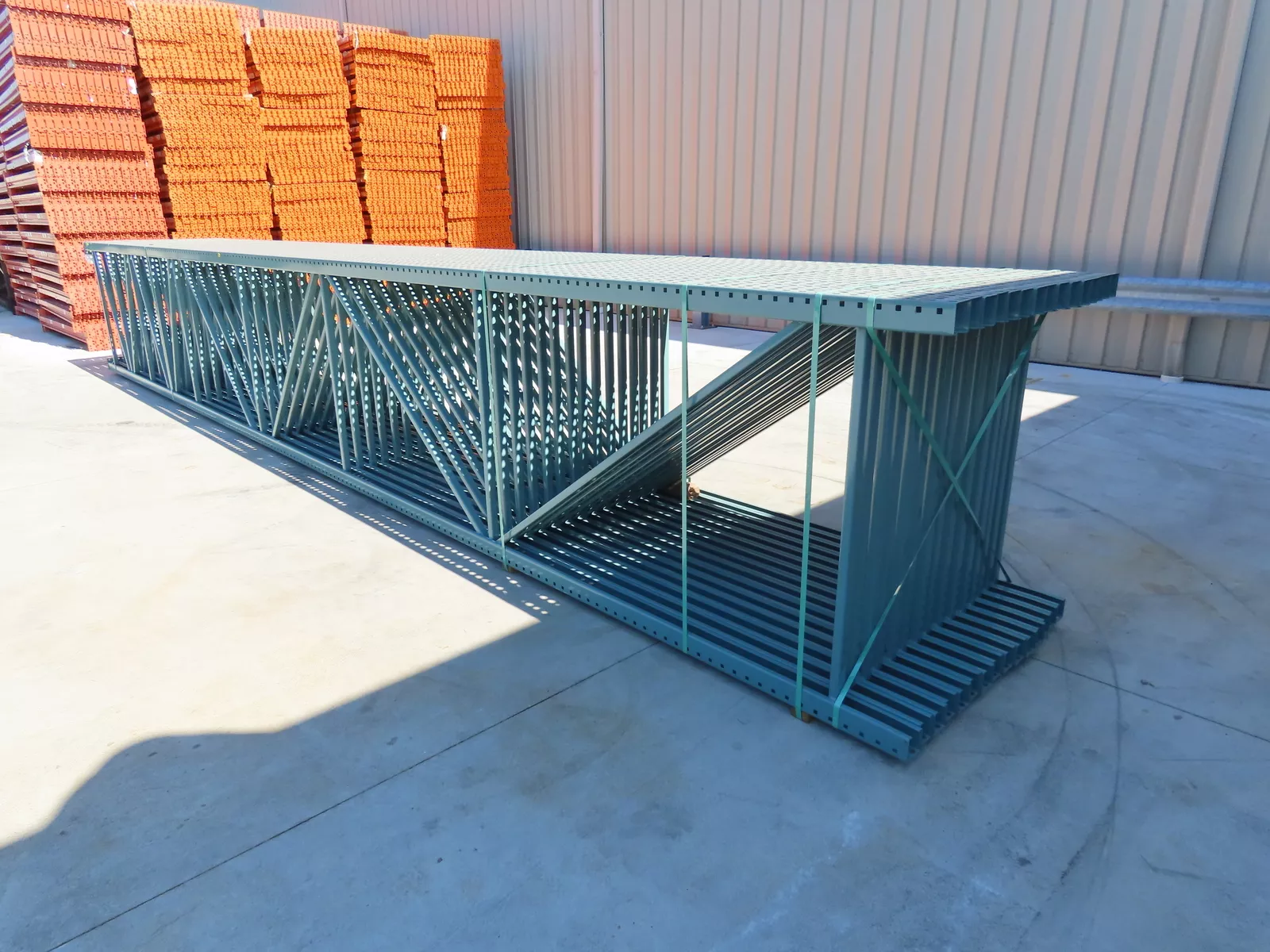
How Do Farm Supply Cooperatives Leverage Pallet Racking?
How Do Farm Supply Cooperatives Leverage Pallet Racking?
- Pallet racking transforms clutter into organized, accessible storage in farm supply co-ops, enhancing efficiency.
- It allows stacking more products in less space while keeping items visible and easy to reach.
- Designed for durability, racks withstand heavy use and harsh conditions, reflecting the hardworking nature of farmers.
- Supports lean and green operations by reducing waste and ensuring smooth movement of goods.
- Represents ethical stewardship and a commitment to the community, land, and supply chain integrity.
- Built on years of experience, these systems are reliable, tough, and essential to daily farm operations.
- Pallet racking fosters trust by enabling farmers to quickly find supplies and return to work without hassle.
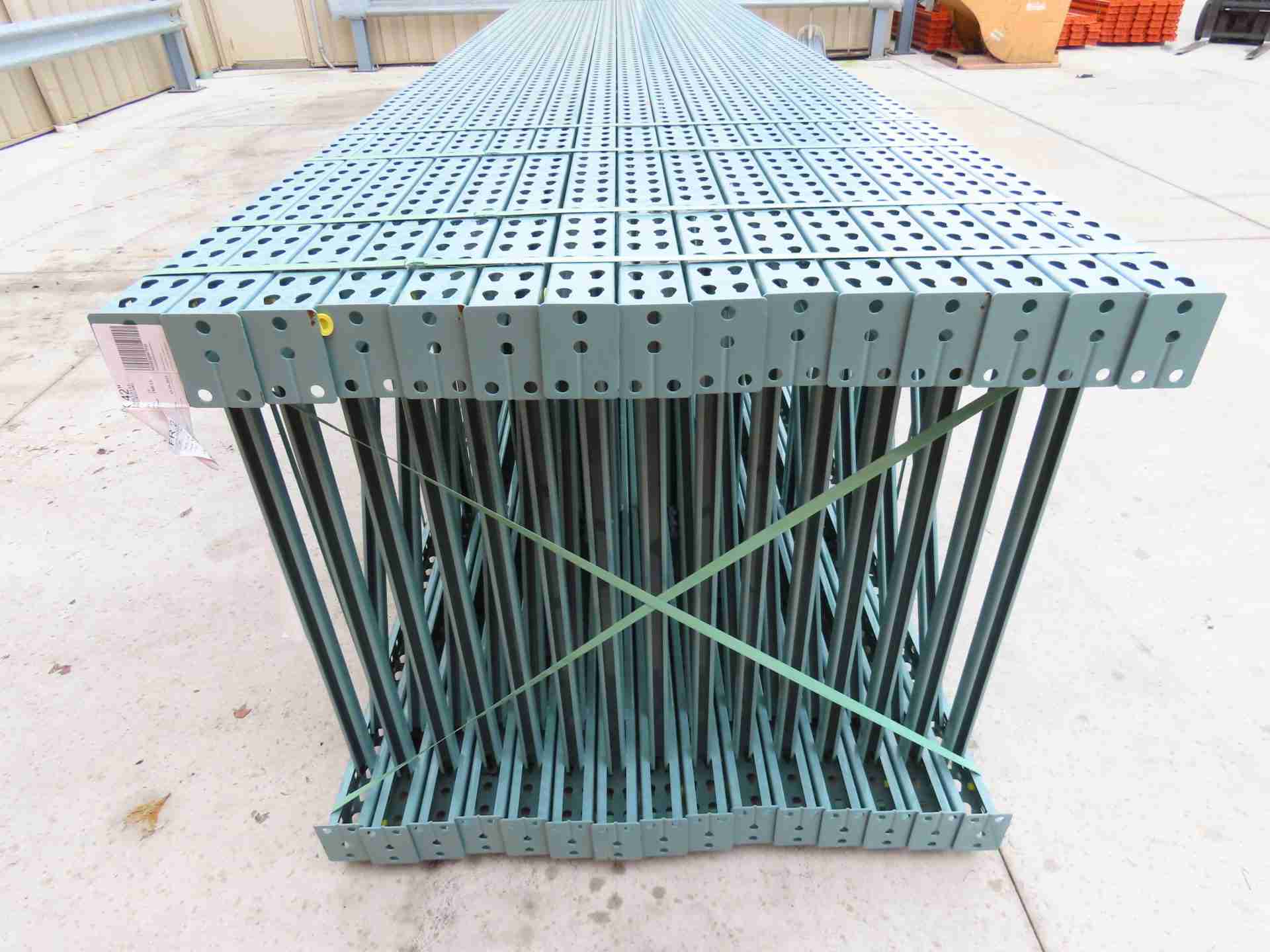
How Do Farm Supply Cooperatives Leverage Pallet Racking?
Table Of Contents
- How Do Farm Supply Cooperatives Leverage Pallet Racking?
- What Benefits Do Farm Cooperatives Gain From Pallet Racking?
- How Does Pallet Racking Improve Farm Supply Storage Efficiency?
- Can Pallet Racking Reduce Product Damage In Cooperatives?
- What Ethical Impacts Arise From Improved Storage Solutions?
- How Do Cooperatives Justify Investing In Pallet Racking?
- What Role Does Pallet Racking Play In Cooperative Supply Chains?
- Conclusion
- Other Resources
- Glossary Of Terms
- Other Questions
- Checklist
What Benefits Do Farm Cooperatives Gain From Pallet Racking?
When you run a farm cooperative, every inch of space, every minute saved, and every dollar stretched means the difference between making it through another season or folding up shop. Pallet racking steps in like a reliable old workhorse—steady, no-nonsense, and built to handle the hard grind. This isn’t just about stacking crates; it’s about turning clutter into order and chaos into a clear path forward.
Emotionally, pallet racking gives folks a sense of control and pride. You walk into that barn or warehouse, and instead of tripping over loose pallets or hunting for the right seed bags, you see rows of neatly stored goods. It’s a small thing, but it feels like respect—respect for your work, your resources, and your crew. That kind of order lowers stress and builds confidence, which every farmer knows is as important as the soil underfoot.
From a practical standpoint, pallet racking maximizes storage space by lifting product off the ground and stacking it safely and accessibly. This means cooperatives can store more together—Bulk feed, tools, harvested crops—everything finds a place without overcrowding. The rational logic here is simple: more organized storage leads to fewer losses, less damage, and faster turnaround when orders come in. Efficiency isn’t flashy, but it’s the backbone of any successful farming operation.
Ethically, investing in pallet racking shows care for the cooperative’s resources and the people who rely on them. It’s a commitment to sustainability by reducing waste and protecting supplies. A cooperative that looks after its gear and product sends a message that it honors hard work and shared responsibility—values every member lives by. This sense of stewardship creates trust among growers and buyers alike.
Authority-wise, pallet racking is industry-tested and time-proven. It meets safety standards, helps avoid workplace injuries, and supports heavy loads without complaint. It’s the kind of solution that won’t let you down when the pressure’s on during harvest or delivery season.
Socially, when a cooperative invests in pallet racking, it invests in its community. It signals that the group aims to elevate everyone’s output and work conditions. Members feel part of something bigger—a collective that improves, grows, and faces challenges shoulder-to-shoulder.
Pallet racking is more than metal beams and shelves; it’s peace of mind, pride, and common-sense planning wrapped into one. It’s a quiet hero in the story of farm cooperatives, making tough days a little easier and good work more visible.
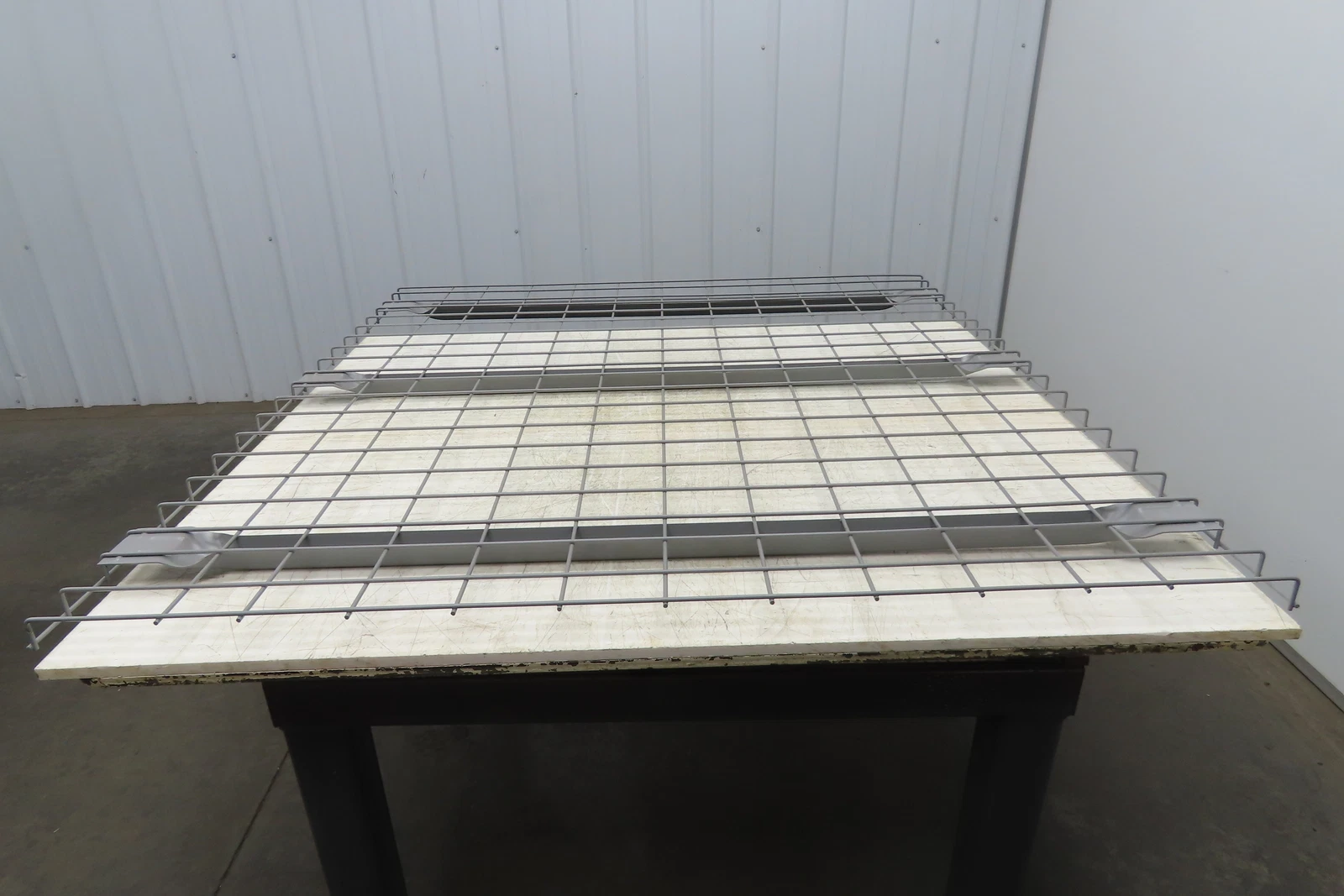
What Benefits Do Farm Cooperatives Gain From Pallet Racking?
What Benefits Do Farm Cooperatives Gain From Pallet Racking?
- Pallet racking optimizes space, saves time, and stretches budgets, crucial for farm cooperative survival.
- It creates order from clutter, providing a clear, organized workspace that boosts pride and reduces stress.
- Practically, it maximizes storage by safely stacking products off the ground, minimizing losses and damage.
- Investing in pallet racking reflects ethical responsibility, promoting sustainability and resource stewardship.
- It meets industry safety standards, preventing injuries and reliably supporting heavy loads during busy seasons.
- Socially, it fosters community spirit by improving work conditions and uniting cooperative members.
- Pallet racking represents peace of mind and practical planning, making demanding work easier and more visible.
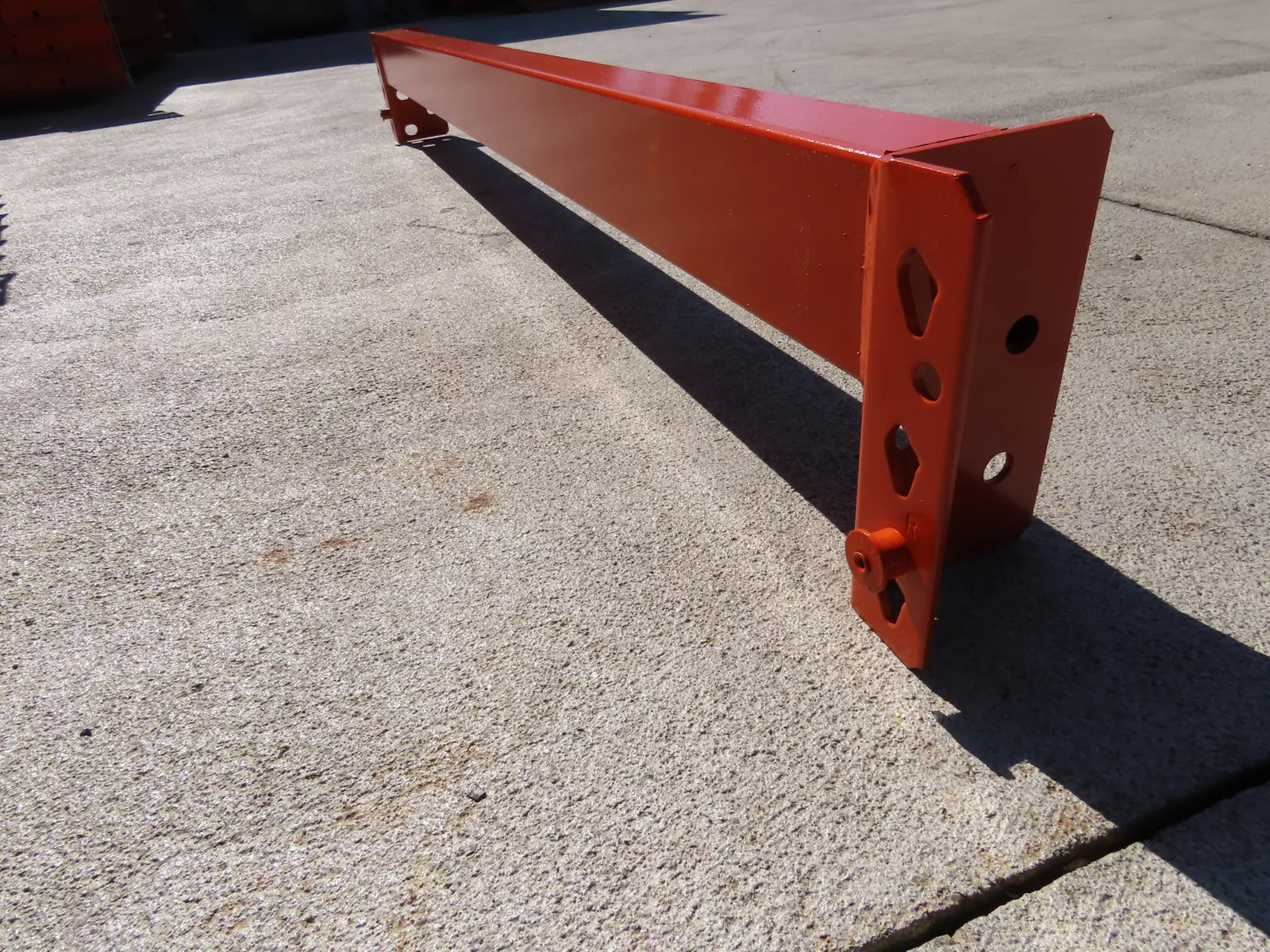
What Benefits Do Farm Cooperatives Gain From Pallet Racking?
How Does Pallet Racking Improve Farm Supply Storage Efficiency?
Getting your farm supplies organized isn’t just about neatness—it’s about saving time, cutting down frustration, and protecting what you’ve worked hard to earn. Pallet racking steps in like a trusty sidekick, turning a chaotic barn or shed into a smart, accessible system you can count on every day. When those feed bags, seed boxes, or tool crates are stacked haphazardly, it’s like digging for treasure without a map—wasting hours, risking damage, and wearing down your patience. Pallet racking flips that script.
Think about the simple act of grabbing what you need off a rack that’s designed to hold it safe and sound. Your supplies aren’t buried or tossed in corners; they’re right where they should be, easy to find and even easier to put back. That hands-on practicality saves trips and trips again, trimming wasted walks and last-minute scrambles. That extra time isn’t small change—it’s hours reclaimed for real work, or simply catching your breath after a long day.
On the rational side, pallet racking maximizes every inch of vertical and horizontal space, squeezing storage capacity without expanding your footprint. That efficiency means less clutter, fewer accidents, and a clearer view of your inventory. You won’t need guesswork or constant recounts; instead, you get straightforward access and an honest handle on what you have and what’s running low. It’s smart stewardship of your farm’s resources, fostering reliability that keeps operations humming.
There’s also an ethical layer here. Protecting your supplies from damage prevents waste—something every farmer knows costs more than money; it’s lost effort, lost time, and sometimes lost faith in the system. Pallet racking helps you respect what goes into production and maintenance, reflecting care for your work and the land. Others in the farming community notice when you run a tight ship, and that builds a reputation grounded in responsibility and professionalism.
From experience, the difference pallet racking makes isn’t just about shelves. It’s about creating a place where the chaos calms, where you feel confident knowing your gear is ready for action. It’s the quiet pride in a job well organized, the reassurance during busy seasons, and the nod from fellow hands who know the grind. Making the switch to pallet racking isn’t just clever—it’s a practical step toward running your farm smoother, smarter, and with a little less hassle. When your supplies line up right, everything else falls into place.
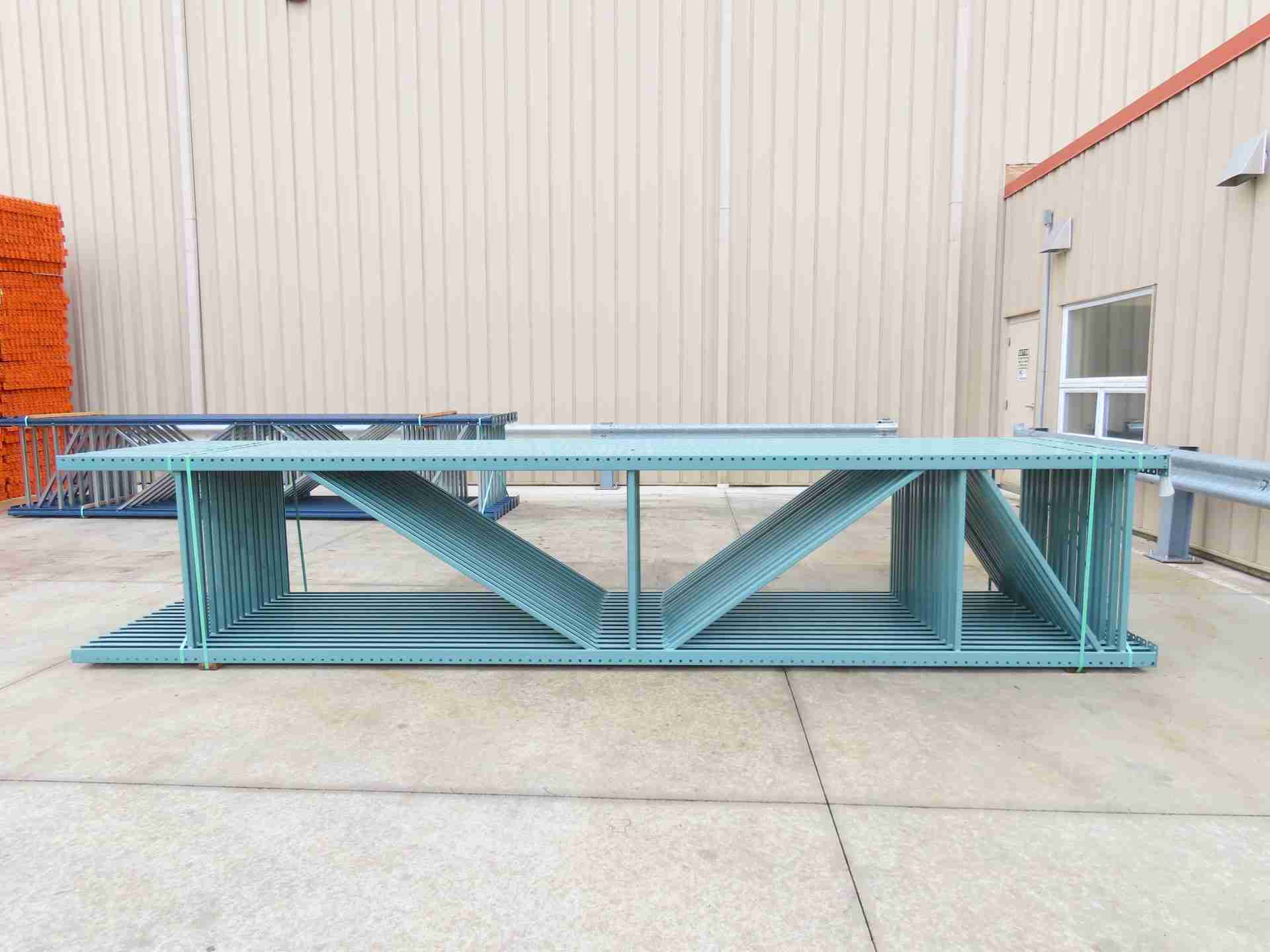
How Does Pallet Racking Improve Farm Supply Storage Efficiency?
How Does Pallet Racking Improve Farm Supply Storage Efficiency?
- Organizing farm supplies with pallet racking saves time, reduces frustration, and protects valuable resources.
- Pallet racking transforms chaotic storage spaces into accessible, well-structured systems for daily use.
- Supplies are easy to locate and return, minimizing wasted trips and last-minute scrambles.
- Maximizes vertical and horizontal storage space, increasing capacity without expanding the footprint.
- Enhances inventory management, reducing clutter, accidents, and guesswork about supplies.
- Protects supplies from damage, preventing waste and reflecting respect for farming efforts and resources.
- Contributes to a professional reputation and creates confidence in equipment readiness, improving overall farm efficiency.
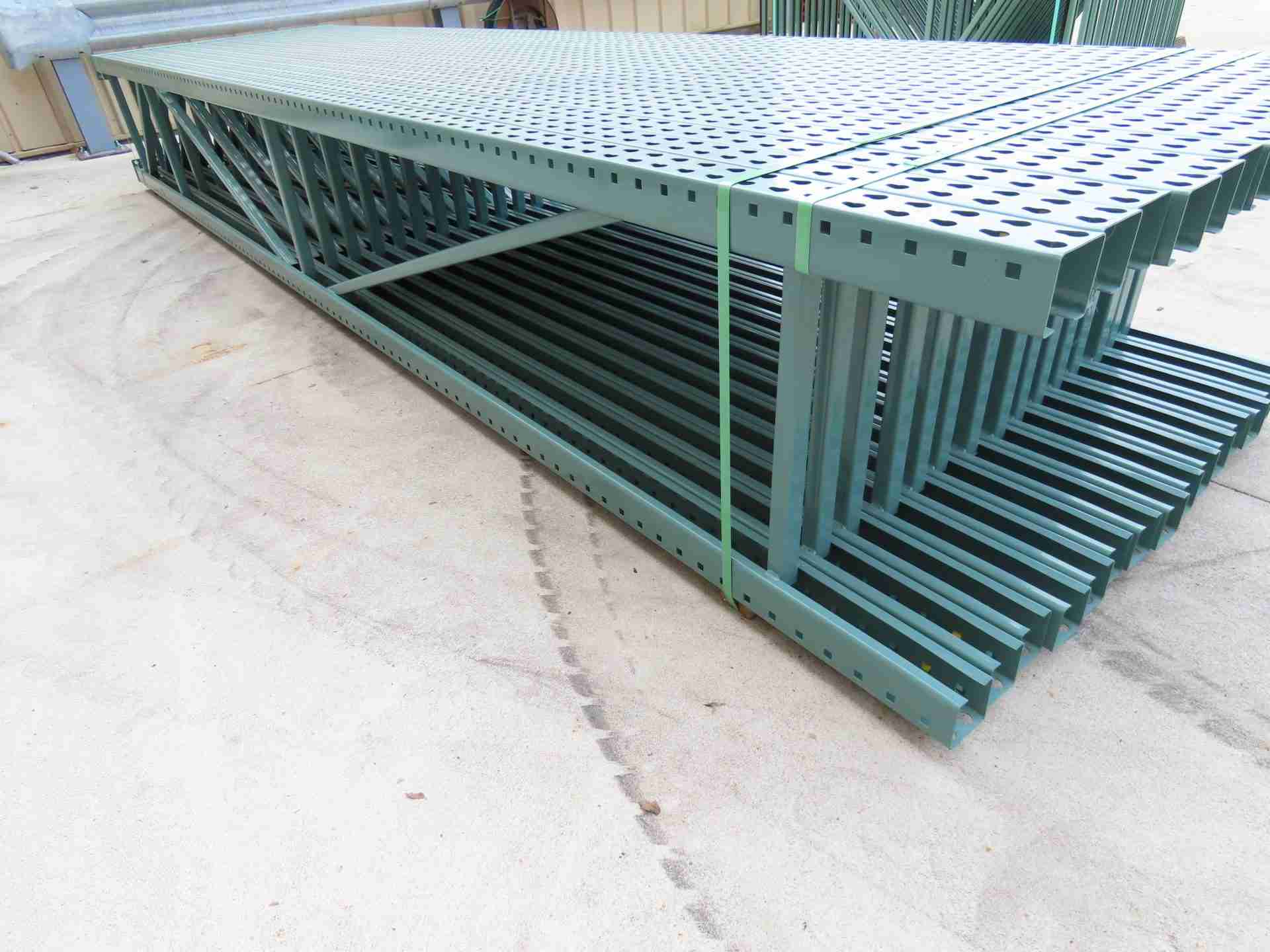
How Does Pallet Racking Improve Farm Supply Storage Efficiency?
Can Pallet Racking Reduce Product Damage In Cooperatives?
You know the kind of cooperatives where everyone’s pitching in, doing their part, counting on each other to keep things running smooth? Those places where a busted product doesn’t just hit the bottom line—it hits the trust and goodwill between neighbors. Pallet racking isn’t just some fancy-sounding warehouse jargon; it’s a straightforward tool that can save a whole lot of headache, sweat, and hard-earned money by keeping products safe and sound.
Picture this: a coop full of bulky boxes, heavy crates, and stacks of goods all jumbled up, leaning, and crashing into each other like a bad game of dominoes. That’s a recipe for damage—broken items, wasted stock, and stories about who’s responsible. Now throw in a solid set of pallet racking. Suddenly, those same goods are neatly organized, easy to reach, and far less likely to take a nosedive. It’s like giving your products their own sturdy home instead of tossing them in a heap. This isn’t just about saving a dime on replacements; it’s honoring the hard work and effort that went into sourcing every single item.
There’s something honest about pallet racking too. It doesn’t promise to fix every problem or do your work for you. What it does do is provide reliable support, plain and simple, so you don’t lose product to careless stacking. That steadiness builds confidence—not just in the goods themselves but in the entire cooperative system, where each person’s effort counts and no one wants to be the one who lets things slip. Using pallet racking turns those good intentions into solid results.
And here’s the kicker—when everyone sees how much easier it is to handle and protect product, cooperation grows naturally. It’s easier to work side-by-side without tripping over each other or worrying what the next bump or drop might cost. More respect, less waste, and a shared sense of pride in how things are done. That’s the real power behind pallet racking in cooperatives: it’s not just about shelves, it’s about keeping the whole team on the same page, protecting what they’ve built together, and moving forward without losing sight of the value in every box and crate.

Can Pallet Racking Reduce Product Damage In Cooperatives?
Can Pallet Racking Reduce Product Damage In Cooperatives?
- Cooperatives rely on mutual effort and trust, where damaged products impact both finances and neighborly goodwill.
- Pallet racking is a simple, effective tool that protects products, saving time, effort, and money by preventing damage.
- Without pallet racking, goods can become disorganized and prone to accidents, leading to loss and disputes over responsibility.
- Pallet racking organizes products neatly, making them accessible and reducing the risk of damage.
- It provides steady, reliable support that preserves product integrity without promising to solve every problem.
- Using pallet racking strengthens confidence in both the goods and the cooperative system, encouraging accountability.
- Improved organization and accessibility foster cooperation, respect, less waste, and shared pride within the team.
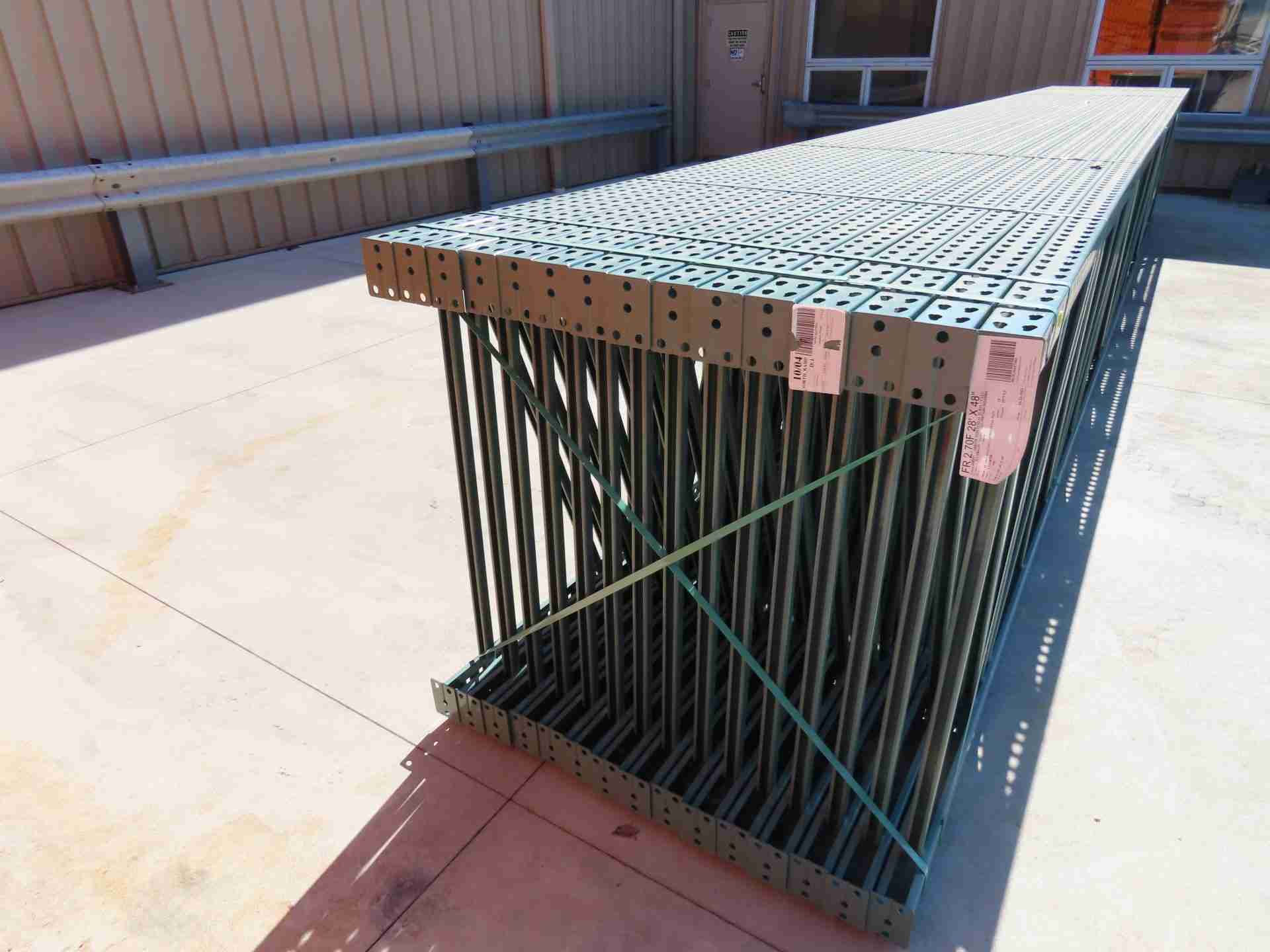
Can Pallet Racking Reduce Product Damage In Cooperatives?
What Ethical Impacts Arise From Improved Storage Solutions?
When you think about better storage solutions like pallet racking, it’s easy to get caught up in the nuts and bolts—the steel beams, the weight limits, the space saved. But underneath all that, there’s a story about people and trust, one that’s often overlooked. These systems don’t just hold goods; they hold responsibility. Every box stacked on those racks represents someone’s work, their safety, their dignity.
From the heart, it hits home. Imagine a worker climbing around pallet racks day after day. If those racks fail or aren’t set up right, it’s not just lost inventory—it’s risking a life. The ethical call is clear: invest in quality and respect for the hands that keep the wheels turning. It’s about more than efficiency; it’s about caring for the people who rely on these structures to come home safe after a long shift.
From the head, the benefits of improved storage solutions make solid sense. When pallet racking is organized and reliable, it reduces accidents, cuts down wasted time, and boosts productivity. But there’s an ethical layer here, too. Good storage practices reduce the chaos that leads to mistakes and injuries. Companies that prioritize this send a message: they value responsibility, not just profit margins. That’s a rational, sound approach that aligns with durability and trustworthiness—qualities that earn respect and loyalty over time.
Ethically speaking, transparency about how storage systems are installed and maintained builds community trust. It’s a promise kept that the business stands behind its work. When organizations share their commitment to safety and smart design openly, it sets a standard for others to follow. This ripple effect strengthens entire industries and uplifts workers who often get overlooked in the bigger picture.
Narrative wisdom comes from everyday folks who’ve seen the wrong way and the right way to handle storage. They know a shoddy pallet rack doesn’t just sag under weight; it erodes morale. When your workplace cares enough to get it right, it shows. It’s a source of pride and belonging for those on the front lines.
At the end of the day, improving storage isn’t just about handling products better—it’s about handling people better. When every pallet is stowed with care and every rack stands firm, the whole operation feels steadier. That’s ethical progress you can see, feel, and count on.
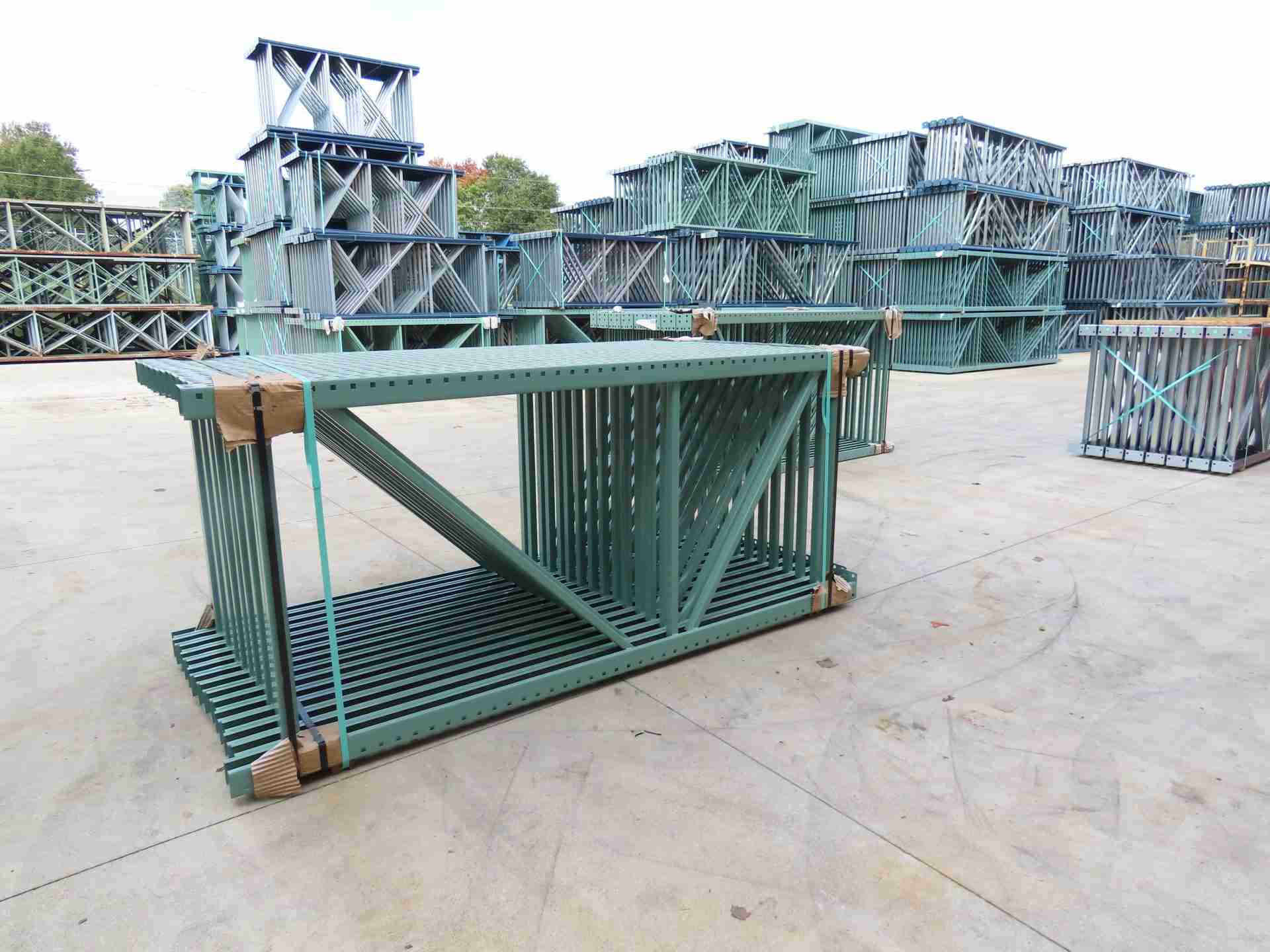
What Ethical Impacts Arise From Improved Storage Solutions?
What Ethical Impacts Arise From Improved Storage Solutions?
- Pallet racking systems embody responsibility, holding not just goods but the safety, work, and dignity of people.
- Poorly set up or failing racks pose serious risks to workers’ lives, making investment in quality an ethical imperative.
- Organized and reliable storage solutions reduce accidents, save time, and increase productivity while reflecting a company’s value of responsibility over profits.
- Transparency in installation and maintenance builds community trust and sets safety standards across industries.
- Sharing commitment to safety and smart design uplifts often overlooked workers and strengthens the industry as a whole.
- Properly maintained storage boosts worker morale by demonstrating care and respect in the workplace.
- Improving storage solutions ultimately means better care for people, ensuring smoother, safer operations and visible ethical progress.

What Ethical Impacts Arise From Improved Storage Solutions?
How Do Cooperatives Justify Investing In Pallet Racking?
Look, when you’re running a cooperative, every dollar spent comes with a whole lot of second-guessing. You want to know the money is going into something solid, something that pays off—not just today, but down the line. That’s where pallet racking steps in, plain and simple. It’s not just metal shelves; it’s the backbone holding your whole operation together. You’ve seen those cramped, cluttered warehouses where folks are ducking between piles like it’s obstacle course season. Investing in pallet racking changes that chaos into order, which isn’t just neat, it’s smarter work.
On an emotional level, it’s about respect—respect for the people doing the heavy lifting day in and day out. When cooperatives put money into good pallet racking, they show they care about safety and ease. It’s one less worry when forklifts can move freely, when pallets aren’t stacked precariously like Jenga towers about to collapse. That peace of mind solidifies trust between workers and leadership—because folks know the group’s looking out for their backs.
Rationally, this investment makes cold, hard sense. Efficient storage means faster turnaround, fewer mistakes, and less damaged inventory. When product flows without a hitch, the whole cooperative runs better, and that means everyone shares in a smoother bottom line. You’re not just buying racks; you’re buying time and fewer headaches. The numbers add up when you factor in reduced downtime, improved space utilization, and increased safety compliance.
Ethically, cooperatives carry a certain weight. They aren’t just businesses chasing profits; they’re communities built on shared work and mutual benefit. Choosing pallet racking reinforces that ethic—it’s an investment that honors both human and material resources. It says, “We’re not cutting corners here; we’re building a workplace worth showing up to.”
Authority comes in when you realize that experts—not some corporate suits tossing buzzwords—recommend pallet racking for its long-term durability and adaptability. It’s tried, tested, and proven in warehouses just like yours across the country. No gimmicks, just heavy-duty steel that’s ready for the long haul.
Storytelling-wise, imagine a cooperative that was swamped with inventory in a maze of clutter. After pallet racking went in, work slowed less, spills happened less, and everyone found their rhythm faster. Those aren’t fairy tales; they’re everyday wins that build camaraderie and pride.
When cooperatives invest in pallet racking, they’re putting their faith in an upgrade that touches every part of their operation—from heart to gut. It’s about doing right by their people and their product, earning trust not by chance, but by choice. The racks aren’t just shelves—they’re a foundation for stronger, smarter, safer workdays.

How Do Cooperatives Justify Investing In Pallet Racking?
How Do Cooperatives Justify Investing In Pallet Racking?
- Pallet racking transforms cluttered, inefficient warehouses into organized, safer workspaces, serving as the operational backbone of cooperatives.
- Investing in pallet racking demonstrates respect for workers by improving safety and ease of movement, fostering trust between employees and leadership.
- Efficient storage from pallet racking leads to faster turnaround, fewer errors, less damaged inventory, and overall smoother cooperative operations.
- The investment aligns with cooperative ethics, honoring shared work and mutual benefit by building a reliable, safe workplace.
- Experts recommend pallet racking for its durability and adaptability, proven effective in similar warehouse environments nationwide.
- Real-world improvements include reduced delays, fewer accidents, and enhanced rhythm in daily operations, boosting camaraderie and pride.
- Pallet racking represents a strategic upgrade that supports stronger, smarter, and safer workdays, reflecting a conscious choice to prioritize people and products.
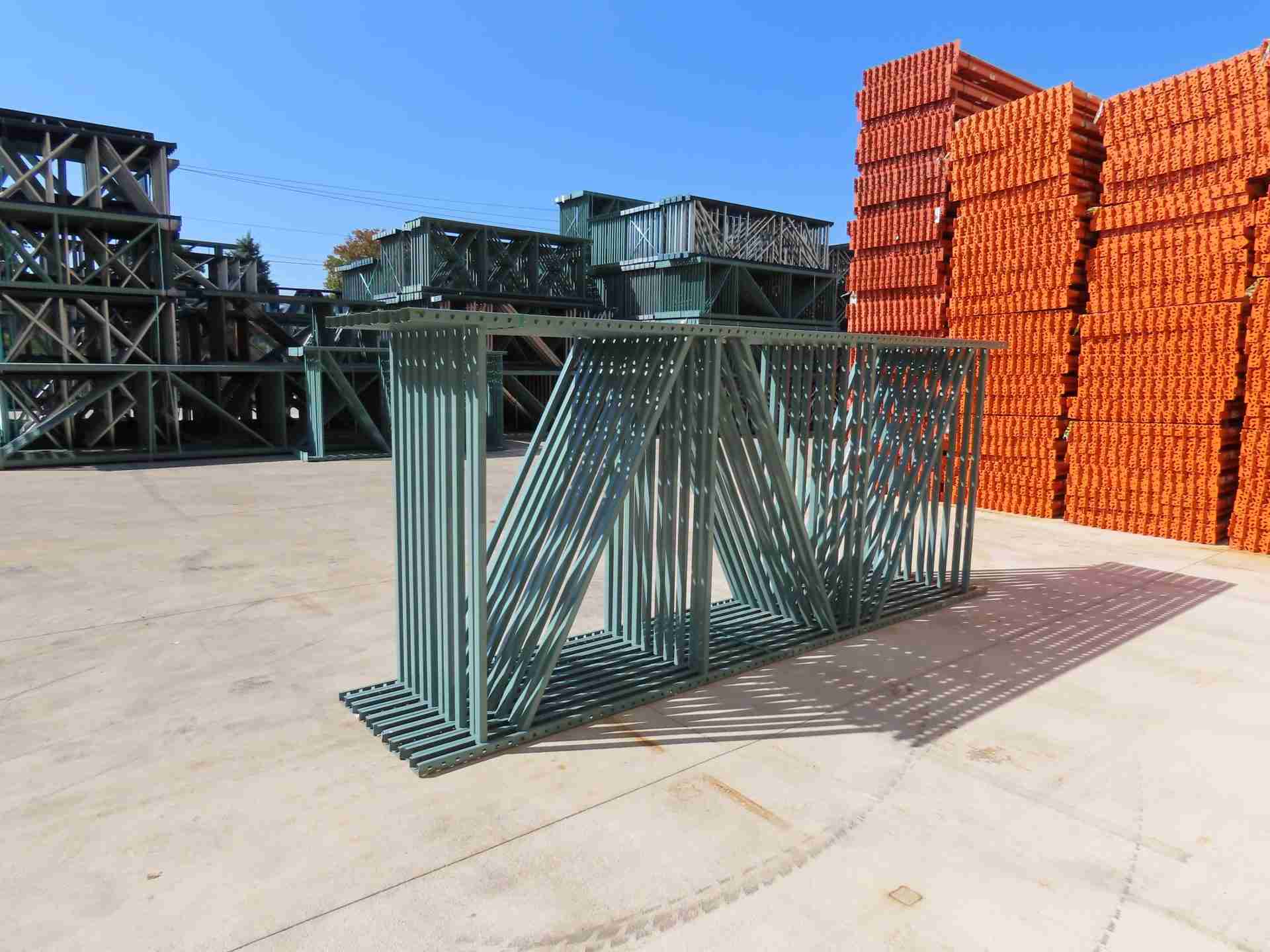
How Do Cooperatives Justify Investing In Pallet Racking?
What Role Does Pallet Racking Play In Cooperative Supply Chains?
Pallet racking is the unsung hero in the rough-and-tumble world of cooperative supply chains. It doesn’t just hold boxes; it holds the promise of every handshake, every deal, every late-night hustle that keeps goods moving and businesses alive. Think about it: without a sturdy, well-planned pallet racking system, warehouses turn into cluttered messes where time and trust slip through the cracks like spilled coffee on a hard floor. Accurate inventory counts become a guessing game, orders get delayed, and partners start doubting each other’s reliability.
When folks lean on each other in a supply chain, they’re stacking more than products on shelves—they’re stacking responsibility, credibility, and respect. Pallet racking makes this real by providing a backbone that’s visible and practical. It organizes the chaos, simplifies the flow of goods, and speeds up handoffs so everyone in the chain—from supplier to retailer—knows exactly where things are and when they’ll arrive. This reliability builds confidence. And confidence is what keeps the whole machine humming without skipping a beat.
There’s also something deeply ethical about pallet racking done right. It reduces waste, minimizes damage, and in today’s world, that means less thrown-out product and fewer trips to the landfill. It’s about stewarding resources—something every hardworking supply chain partner can stand behind. You’re not just storing pallets; you’re housing livelihoods and community well-being. Every box stacked safely is a nod to doing the job right, not cutting corners. That kind of pride steadies the nerves of everyone involved, from the dock hands to the decision-makers.
True, pallet racking isn’t glamorous. It’s just steel beams and bolts, but it tells a story of teamwork and grit. It says, “We got this.” It lowers frustration by chopping down on errors born from poor storage and gives a dog-eared kind of reassurance that money and effort aren’t being wasted. In a cooperative supply chain, that’s worth more than gold. It’s the honest foundation you lean on in a world where things can and often do go sideways. Pallet racking holds more than products—it holds the trust that makes cooperation not just possible but profitable.
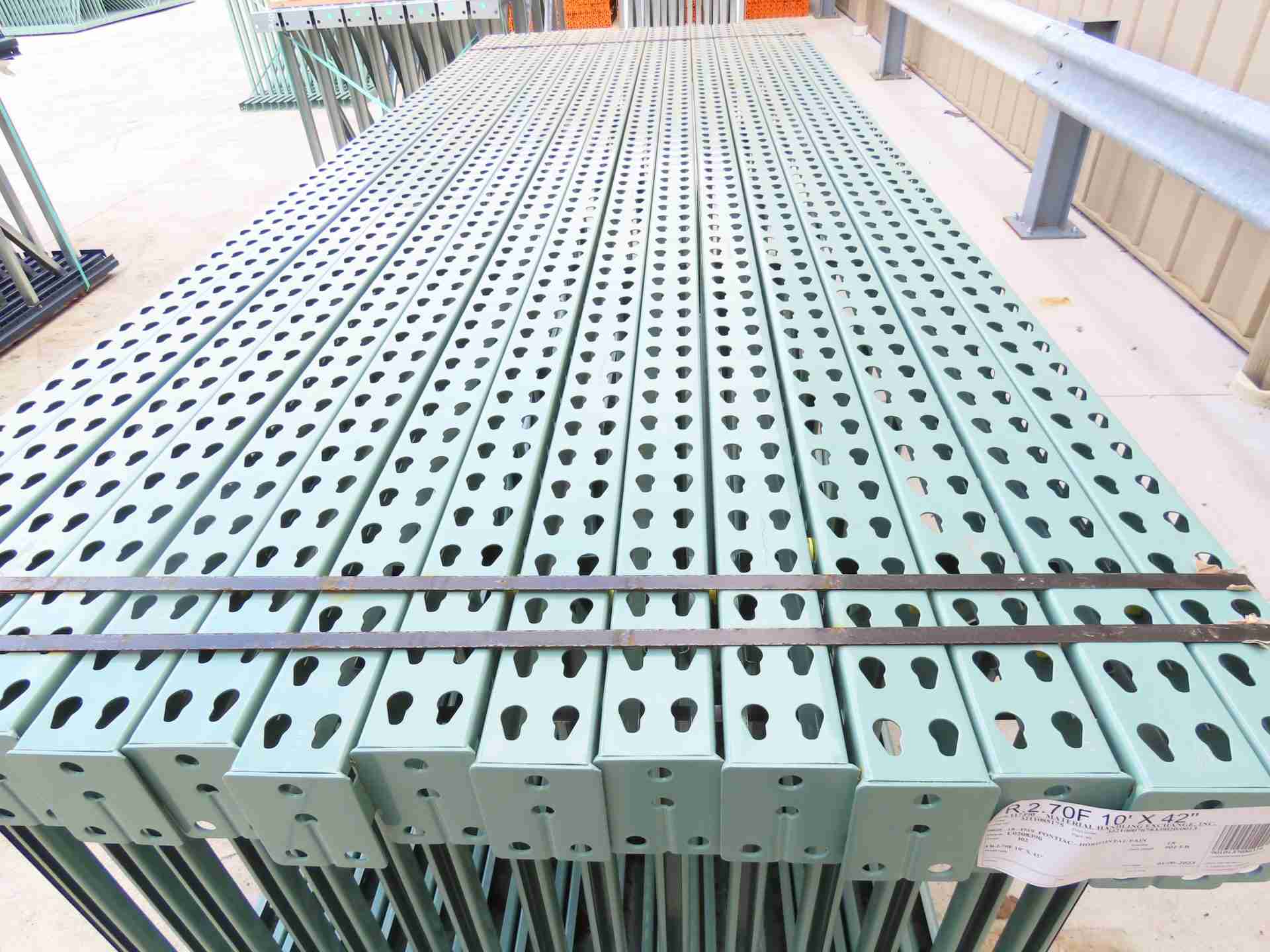
What Role Does Pallet Racking Play In Cooperative Supply Chains?
What Role Does Pallet Racking Play In Cooperative Supply Chains?
- Pallet racking is essential in supply chains, supporting the movement of goods and business operations beyond just storing boxes.
- Without effective pallet racking, warehouses become disorganized, leading to inventory inaccuracies, delayed orders, and reduced trust among partners.
- Pallet racking symbolizes responsibility, credibility, and respect by organizing goods and ensuring smooth, reliable handoffs across the supply chain.
- Proper pallet racking practices reduce waste and damage, promoting resource stewardship and supporting community well-being.
- Each securely stacked pallet represents a commitment to quality and pride in the work, stabilizing confidence from all supply chain participants.
- Though unglamorous, pallet racking reduces errors, lowers frustration, and reassures that resources are used efficiently.
- It forms a trustworthy foundation in cooperative supply chains, holding not just products but the essential trust needed for profitable collaboration.

What Role Does Pallet Racking Play In Cooperative Supply Chains?
Conclusion
When farmers walk into a cooperative, they’re looking for more than just supplies—they’re looking for reliability, respect, and a system that doesn’t waste their time or effort. Pallet racking delivers that in spades. It’s not some fancy-wheeled gadget or a highfalutin piece of tech; it’s tough, straightforward, and built to handle the real world. These rugged racks turn cluttered barns and warehouses into spaces where everything has its place—easy to find, easy to reach, and solid enough to withstand the daily grind. That’s more than convenience; it’s a lifeline to farmers who depend on quick, hassle-free access to feed, seed, and tools when the season’s clock is ticking.
There’s a distinct pride that comes with walking into a neatly organized co-op, where pallet racking shows respect for both the space and the people. It lowers stress, protects precious stock from damage, and trims wasted minutes spent hunting through piles or dodging hazards. That efficiency means the co-op can stretch its resources further, keeping inventories tight and turnover smooth, which saves money and sharpens trust alike. It’s a no-nonsense win on every level.
The ethical side of this story is just as important. Pallet racking isn’t just steel holding shelves; it’s a commitment to stewardship—of the land, the goods, and the folks who wield sweaty hands day after day to keep things moving. Investing in solid storage signals that the cooperative honors more than profits—it honors the shared sweat equity of its members and the safety of workers who climb those racks every day. That kind of respect ripples outward, building stronger community bonds and ethical business practices that stand firm through every season’s ups and downs.
From a practical standpoint, this setup reduces product damage, cuts down on accidents, and keeps the supply chain humming right. Pallet racking is proven, dependable, and built to handle heavy loads while making inventory as visible as day. When a cooperative puts these systems in place, it raises the whole operation—turning scattered chaos into orderly flow, smoothing frustrations, and reinforcing a culture of teamwork. It keeps everyone on the same page, knowing goods are safe, workers are protected, and deadlines are met.
At its core, pallet racking embodies the grit and common sense that keep farming communities alive. It’s more than shelves; it’s a foundation of trust, a nod to hard work, and a practical step toward fairness and efficiency. For cooperatives, investing in pallet racking isn’t just good business—it’s doing right by the heart, the head, and the hands that feed the country.

Conclusion
Conclusion:
- Farmers seek reliability, respect, and efficiency when visiting cooperatives, which pallet racking effectively provides.
- Pallet racking is durable, straightforward, and organizes barns and warehouses for easy access and durability.
- Organized pallet racking reduces stress, protects stock, saves time, and improves resource management within cooperatives.
- It reflects a commitment to ethical stewardship, respecting both the land and the hardworking members of the cooperative.
- The system lowers product damage, minimizes accidents, and keeps the supply chain operating smoothly and visibly.
- Pallet racking fosters teamwork, consistency, and safety, helping cooperatives meet deadlines and maintain order.
- Investing in pallet racking supports the core values of farming communities by promoting trust, hard work, fairness, and efficiency.

Conclusion
Other Resources
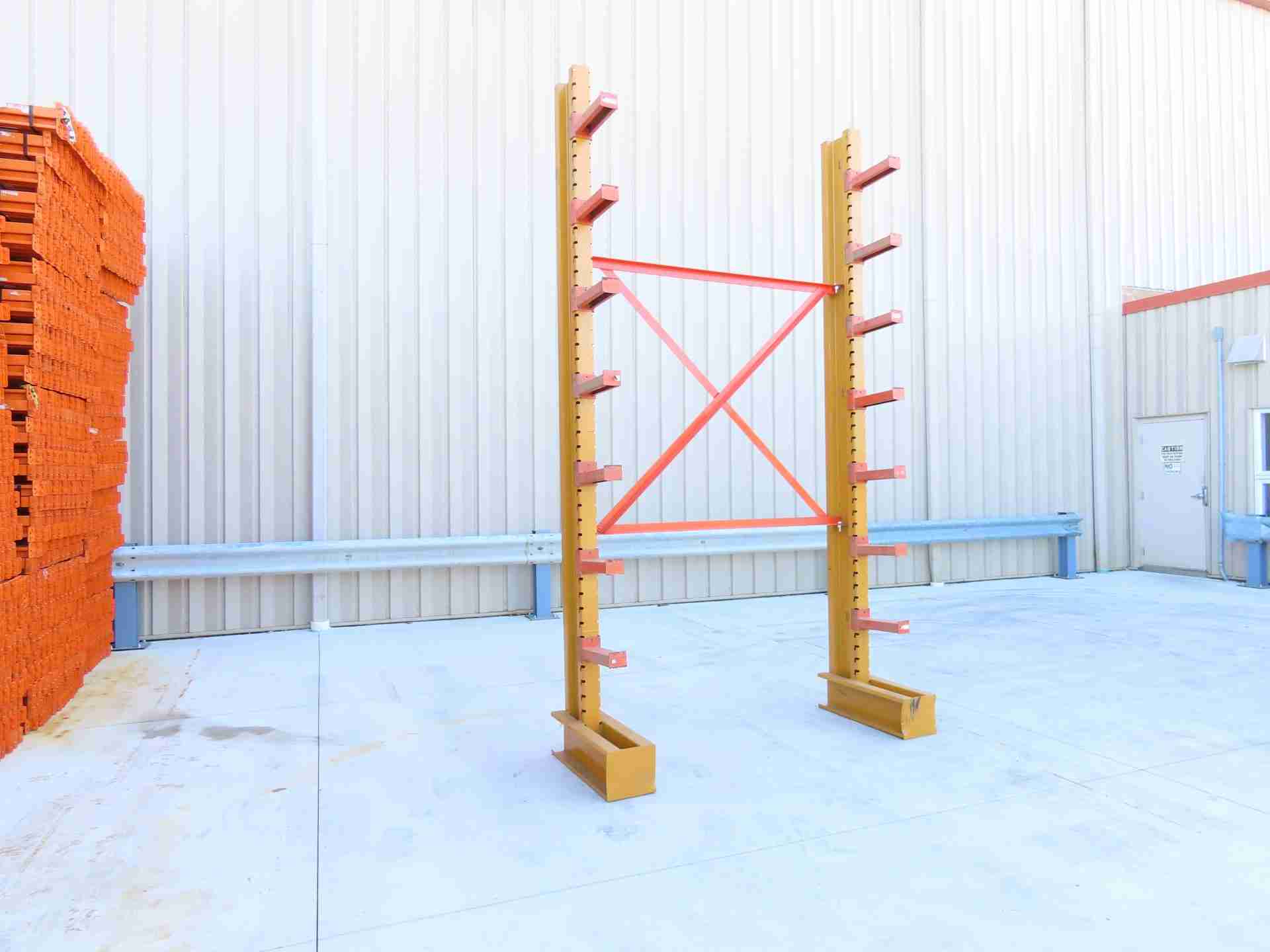
Other Resources
Here is a list of other resources you can review online to learn more:
- Warehouse Racking Systems: Beginner’s Guide to Rack Systems
- Overhead Lifting
- Selective Pallet Racking Systems – Container Systems
- Shipping Boxes, Packaging Materials, Pallet Racking
- Arrow Industrial Sales
- Illinois Pallet Racking – WPRP
- Teardrop Uprights
- Illinois Pallet Racking – Storage Solutions
- Selective Pallet Racking Systems
- Material Handling Industry
- IWLA
- Illinois
- Mustang Material Handling
- The Complete Pallet Rack Guide – Simply Rack
- International Warehouse Logistics Association
- American Surplus
- Cantilever Rack Guide: Ordering Cantilever Racking
- The Ultimate Pallet Racking Guide – Speedrack West
- Intro to Warehouse Racks & Warehouse Racking Systems – ShipBob
Use This Prompt To Get More Resources With Your Favorite Online AI Tool: Please provide me with a list of online articles with their URLs in a bulleted list that I can read regarding How Do Farm Supply Cooperatives Leverage Pallet Racking?

Other Resources
Glossary Terms
How Do Farm Supply Cooperatives Leverage Pallet Racking? – Glossary Of Terms
1. Farm Supply Cooperative: A member-owned organization that provides agricultural products and services to farmers.
2. Pallet Racking: A storage system designed to hold materials on pallets in horizontal rows with multiple levels.
3. Inventory Management: The process of ordering, storing, and using a company’s inventory efficiently.
4. Storage Optimization: The practice of arranging goods to maximize space utilization and accessibility.
5. Material Handling: The movement, protection, storage, and control of materials and products.
6. Load Capacity: The maximum weight a pallet rack or storage structure can safely support.
7. Accessibility: Ease of reaching and retrieving stored items from pallet racks.
8. Space Utilization: Efficient use of storage area to maximize productive capacity.
9. Stock Rotation: The practice of moving older inventory to the front to ensure first-in, first-out usage.
10. Safety Compliance: Adhering to regulations and standards for safe storage practices.
11. Warehouse Efficiency: Optimizing layout and processes to increase productivity in storage areas.
12. Cross-Docking: The practice of unloading goods from inbound vehicles directly to outbound vehicles, minimizing storage time.
13. Supply Chain: The system of organizations, people, activities, and information involved in producing and delivering a product.
14. Load Stability: Securing palletized goods to prevent shifting or collapse during storage or handling.
15. Forklift Compatibility: The suitability of pallet racks for access and operation by forklifts.
16. Cost Reduction: Decreasing expenses through improved storage and inventory methods.
17. Order Fulfillment: The process of receiving, processing, and delivering orders to customers.
18. Shelf Life: The duration that products can be stored safely before usage or sale.
19. Stock Keeping Unit (SKU): A unique identifier for each distinct product or item in inventory.
20. Inventory Turnover: The rate at which inventory is sold and replaced over a period.
21. Modular Racking: Pallet racks designed for easy assembly, disassembly, and reconfiguration.
22. Scalability: The ability to expand or adjust storage capacity as demand changes.
23. Load Distribution: Even spreading of weight across pallet rack beams and supports.
24. Vertical Storage: Using height to increase storage space with pallet racking systems.
25. Picking Efficiency: The speed and accuracy of selecting products from storage for shipment.
26. Structural Integrity: The strength and durability of pallet racks under load conditions.
27. Aisle Width: The clearance space between pallet racks for equipment access and worker movement.
28. Just-In-Time Inventory: Strategy to reduce inventory levels by receiving goods only as needed.
29. Damage Reduction: Minimizing product loss caused by improper storage or handling.
30. Cooperative Member Benefits: Advantages members receive such as lower prices, shared resources, and enhanced logistics through pallet racking systems.

Glossary Of Terms
Other Questions
How Do Farm Supply Cooperatives Leverage Pallet Racking? – Other Questions
If you wish to explore and discover more, consider looking for answers to these questions:
- What types of pallet racking systems are best suited for farm supply cooperatives?
- How much does pallet racking cost to purchase and install for a typical coop warehouse?
- What is the expected return on investment (ROI) and payback period for installing pallet racking?
- How do you determine the right rack layout to maximize space and workflow efficiency?
- What are the weight limits and load ratings co-ops must consider for different products?
- How does pallet racking integrate with existing forklifts, pallet jacks, and material handling equipment?
- What safety standards and regulations apply to pallet racking in agricultural cooperatives?
- How often should pallet racking be inspected and who should perform inspections?
- What maintenance and repair procedures are required to keep racks safe and functional?
- How can pallet racking reduce product damage and spoilage for feed, seed, and chemicals?
- Are there special considerations for storing hazardous or chemical products on pallet racks?
- How do you design pallet racking to handle seasonal inventory fluctuations?
- What fire protection and sprinkler system compatibility issues arise with tall racking?
- How does pallet racking affect insurance premiums and liability for the cooperative?
- What training do staff and members need to use pallet racking safely and efficiently?
- How can cooperatives finance or budget for pallet racking upgrades or expansions?
- Are there grants, tax incentives, or cooperative programs available to help fund storage improvements?
- How scalable are pallet racking systems as a cooperative grows or changes product mix?
- What layout and racking strategies improve pick times and order accuracy?
- How can pallet racking be combined with inventory management software or barcoding systems?
- What are the best practices for labeling and slotting products on pallet racks?
- How do floor loading capacities and building structure affect racking installation?
- What considerations exist for retrofitting racking into older barns or irregular spaces?
- How do environmental factors (moisture, temperature, pests) influence rack selection and storage methods?
- What materials or finishes help racking resist corrosion in farm environments?
- How long do pallet racking systems typically last, and when should they be replaced?
- What are the costs and logistics of relocating or repurposing existing pallet racking?
- How do cooperatives ensure equitable access and member input when investing in racking?
- What metrics should cooperatives track to measure the impact of pallet racking on operations?
- How does improved storage affect worker ergonomics, fatigue, and injury rates?
- What security measures (locks, cameras, access control) are recommended for racked inventory?
- How can pallet racking support sustainability goals and reduce waste across the supply chain?
- Are there case studies or examples of cooperatives that realized significant gains from racking investments?
- What are common installation mistakes and how can they be avoided?
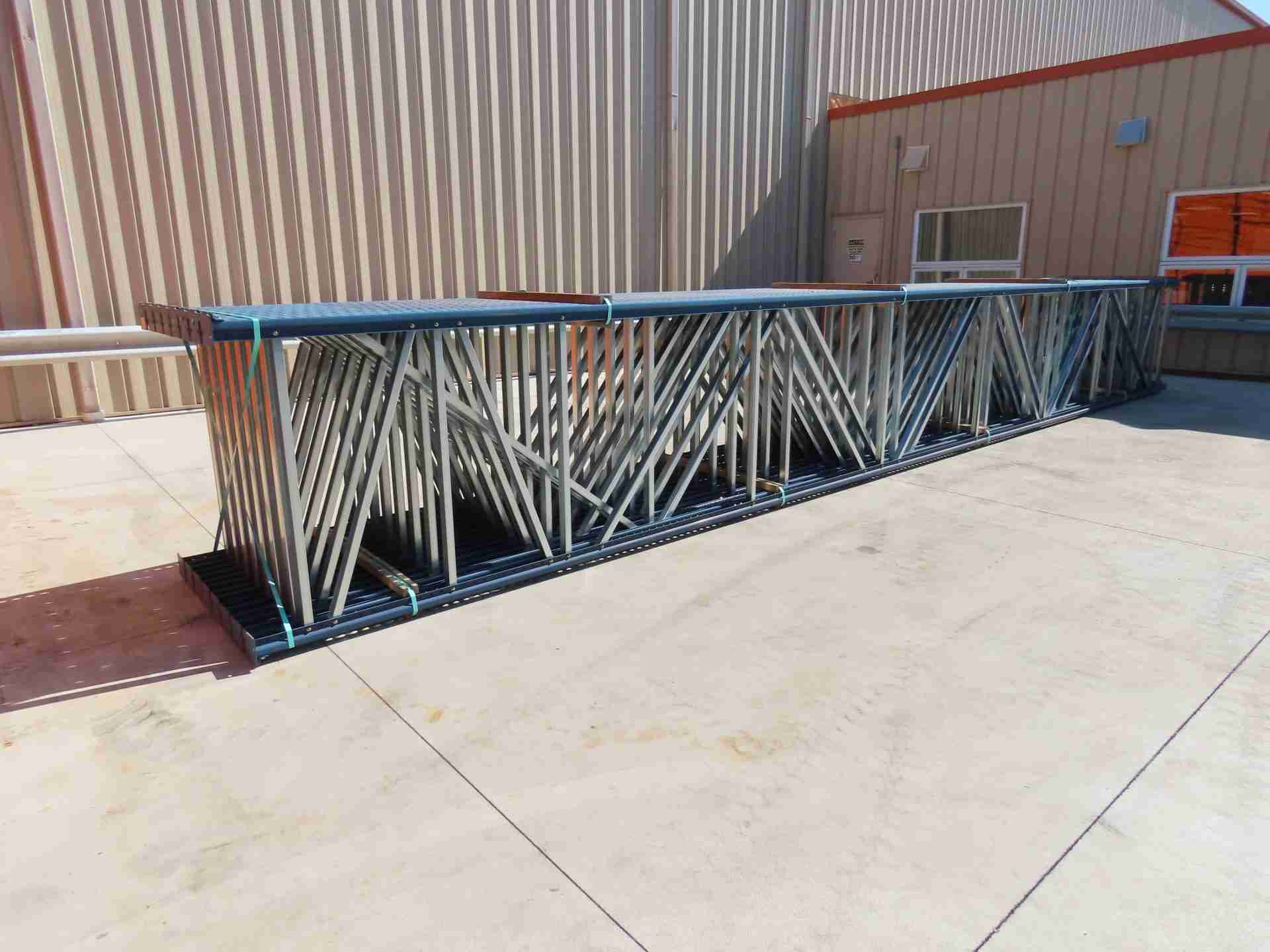
Other Questions
Checklist
How Do Farm Supply Cooperatives Leverage Pallet Racking? – A Checklist
Planning and Goals
✅______ Define objectives (capacity %, pick speed, damage reduction, and service levels)
✅______ Profile SKUs by size, weight, turns, and seasonality
✅______ Choose storage strategies (FIFO or LIFO; bulk, case, or each pick)
Facility and Layout
✅______ Measure clear height, column grid, doors, and dock positions
✅______ Verify floor load capacity and flatness; obtain engineering review if needed
✅______ Plan aisle widths, forklift turning, pedestrian paths, and egress routes
✅______ Confirm sprinkler clearance, ventilation, and lighting for full rack height
✅______ Allocate staging areas for receiving, returns, and cross-docking
Rack Specifications
✅______ Match rack design to pallet types and load dimensions
✅______ Calculate beam and bay capacities; document maximum load per level and per bay
✅______ Select rack type (selective, drive-in, push-back, pallet flow) based on SKU profile
✅______ Specify decking (wire or slat) and finishes for the environment (indoor, outdoor, or corrosive)
✅______ Add accessories (row spacers, backstops, end-of-aisle protection) as needed
Material Handling
✅______ Confirm equipment fits aisles and lift heights (forklifts, reach trucks)
✅______ Standardize pallets and packaging to reduce damage and improve fit
✅______ Define put-away, replenishment, and pick-path standards
Inventory Visibility
✅______ Label aisles, bays, levels, and locations consistently
✅______ Map locations in the inventory system or on a location map
✅______ Set cycle count cadence and min/max by SKU and season
Operations and Flow
✅______ Slot fast-movers near docks; park slow-movers higher or deeper
✅______ Create zones for hazardous, temperature-sensitive, or oversized items
✅______ Establish a quarantine area for returns and damaged goods
Compliance and Documentation
✅______ Secure required permits and approvals before installation
✅______ Post load plaques on each rack run with rated capacities
✅______ File manufacturer specifications, drawings, and inspection records
Damage Reduction
✅______ Install column guards and end-of-aisle protectors at impact points
✅______ Use proper load containment (wrapping, banding, or corner boards) where needed
✅______ Define pallet condition criteria and a rejection process
People and Training
✅______ Train staff on the location system, equipment use, and handling procedures
✅______ Publish SOPs for receiving, put-away, picking, replenishment, and housekeeping
✅______ Post concise visual guides at key workstations
Maintenance and Inspections
✅______ Schedule routine rack inspections with prompt repair workflows
✅______ Keep aisles clear to planned widths; remove debris daily
✅______ Tag and record any damaged components until resolved
Sustainability and Stewardship
✅______ Track damage and waste; implement reduction actions
✅______ Reuse or recycle pallets and packaging where practical
✅______ Optimize lighting and travel paths to reduce energy use
Community and Culture
✅______ Share utilization and service improvements with members
✅______ Collect feedback from staff and members on layout and flow
✅______ Recognize time-saving and waste-reducing improvements
ROI and Metrics
✅______ Establish baselines: space utilization, pick rate, order accuracy, and damage rate
✅______ Set targets and review monthly
✅______ Calculate payback from labor saved, damage avoided, and throughput gains
Seasonal Readiness
✅______ Pre-plan overflow and temporary bays for peak seasons
✅______ Adjust slotting for seasonal SKUs and vendor delivery calendars
Risk and Continuity
✅______ Mark and maintain emergency access routes
✅______ Plan contingencies for equipment downtime and supply disruptions

Checklist
At RackingWorld, we help guide you through selecting warehouse storage systems and racking.
Be sure to read our other related stories at RackingWorld to learn more about warehouse storage systems.
0 Comments