
Maximizing Efficiency And Trust: The Pallet Racking Advantage For Distributors
By Tom Seest
At RackingWorld, we help guide you through selecting warehouse storage systems and racking.
Be sure to read our other related stories at RackingWorld to learn more about warehouse storage systems.
How Do Farm Machinery Parts Distributors Leverage Pallet Racking?
When you’re running a farm machinery parts distribution business, every second counts and every inch of space matters. Pallet racking isn’t just some corporate buzzword or fancy gadget—it’s the backbone that keeps the whole operation humming. Think about it: those heavy, rugged parts don’t just stack themselves in a neat pile. They need a system that’s tough, reliable, and smart enough to keep the workflow moving without a hitch.
At heart, pallet racking gives you peace of mind. You’re not just storing metal cogs, gears, and bearings; you’re storing livelihoods. Farmers depend on those parts to get their equipment back up and running after a breakdown, often against the clock and under pressure. So, when a distributor leverages pallet racking, they’re not just organizing stock—they’re holding up a promise to the folks out there in the fields. That promise to be ready, efficient, and dependable. That’s a kind of trust money can’t buy, but it sure as hell can be lost if things go sideways in the warehouse.
From a head standpoint, pallet racking maximizes every bit of real estate. Space is expensive and finite, so using pallet racking means you can stack parts vertically and safely, turning vertical walls into valuable storage. It streamlines inventory management, reduces retrieval times, and cuts down on costly errors. Efficiency isn’t just a nice-to-have here; it’s survival. With the right setup, parts get where they need to go faster, staff can work smarter, and the bottom line sees it in green—not red.
On the ethical and social side, proper pallet racking demonstrates respect—for your employees who need a safe workplace, for customers counting on timely delivery, and even for the environment by reducing waste and improving operational footprint. No one wants to work in a clutter or hazard zone, and nobody wants parts damaged by careless stacking. Using solid pallet racking systems says, “We care enough to do it right,” and that kind of integrity resonates.
There’s a straightforward story behind every pallet rack in a parts distributor’s warehouse. It’s about grit, muscle, and years of figuring out what works and what doesn’t. It’s about showing up day after day and keeping the parts flying off the shelves and onto trucks bound for farms whose work never stops. Pallet racking might be steel and bolts, but it’s also the silent partner in a labor of love—helping keep the wheels of agriculture turning.
Leveraging pallet racking isn’t just smart business—it’s a trusted, no-nonsense solution rooted in common sense and respect for the grind. It’s the practical muscle behind dependable delivery and lasting relationships.

How Do Farm Machinery Parts Distributors Leverage Pallet Racking?
How Do Farm Machinery Parts Distributors Leverage Pallet Racking?
- Pallet racking is essential for efficiently managing heavy, rugged farm machinery parts, ensuring smooth workflow in distribution.
- It provides peace of mind by safeguarding critical parts that farmers rely on to quickly repair equipment and maintain productivity.
- Maximizes limited warehouse space by enabling safe vertical stacking, improving inventory management, retrieval speed, and reducing errors.
- Supports operational efficiency critical for survival, helping staff work smarter and positively impacting the bottom line.
- Demonstrates respect for employee safety, customer reliability, and environmental responsibility by reducing hazards and waste.
- Represents years of practical experience and dedication to keeping parts moving steadily from warehouse to farms.
- Acts as a trusted, practical solution that underpins dependable delivery and strong, lasting business relationships.
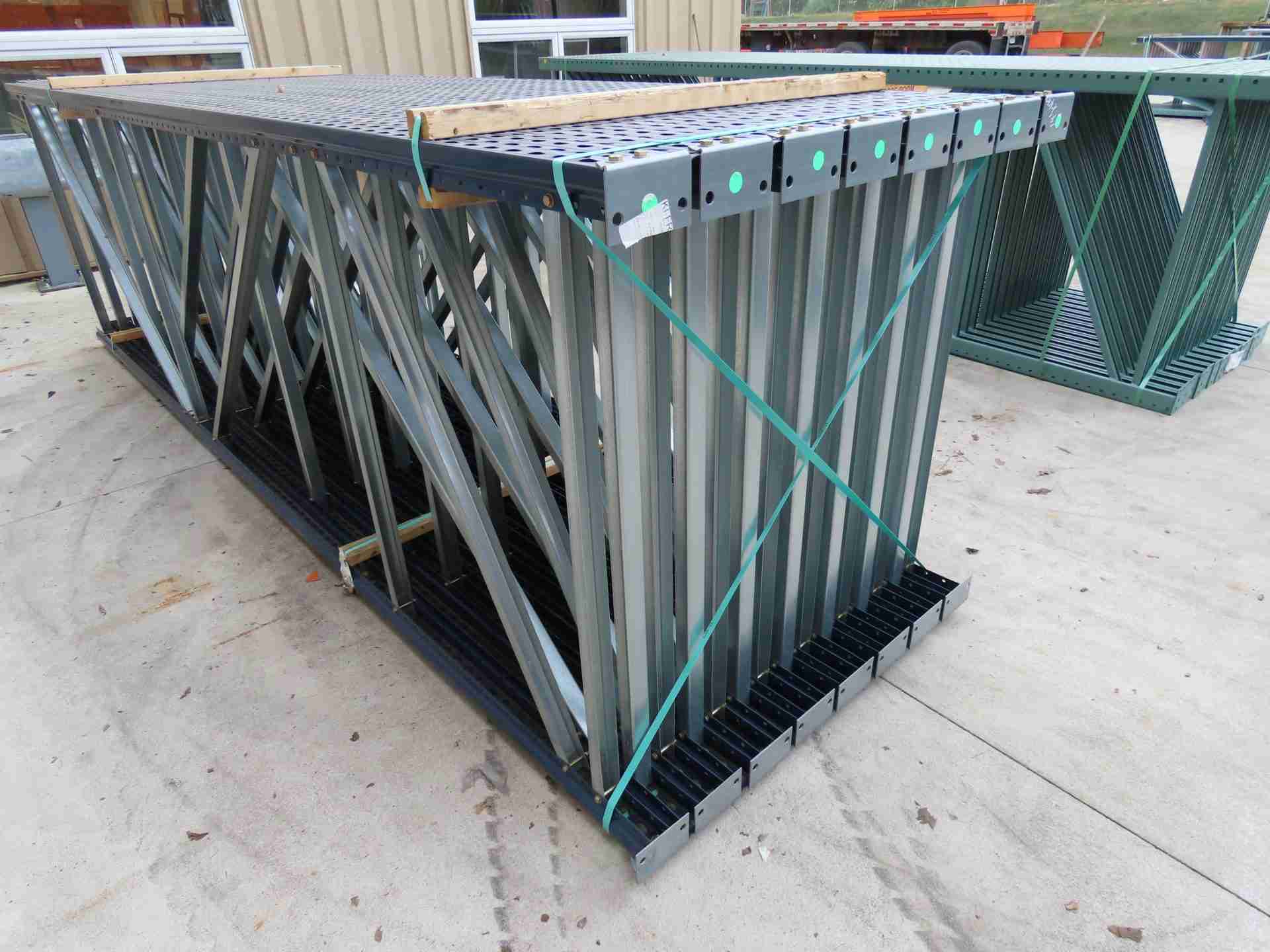
How Do Farm Machinery Parts Distributors Leverage Pallet Racking?
Table Of Contents
- How Do Farm Machinery Parts Distributors Leverage Pallet Racking?
- How Does Pallet Racking Improve Warehouse Efficiency?
- How Can Pallet Racking Reduce Handling Time?
- What Safety Benefits Come From Using Pallet Racking?
- How Does Pallet Racking Impact Inventory Accuracy?
- Why Is Space Optimization Critical for Farm Machinery Parts?
- How Do Distributors Choose the Right Pallet Racking System?
- Conclusion
- Other Resources
- Glossary Of Terms
- Other Questions
- Checklist
How Does Pallet Racking Improve Warehouse Efficiency?
You step into a warehouse without pallet racking, and it’s like trying to fit a full toolbox into your pocket—awkward, cramped, and somehow you always end up crawling around on dirty floors hunting for what you need. Pallet racking changes that story. It’s not just a bunch of metal shelves; it’s the backbone that lets a warehouse breathe, move, and work like it’s got a pulse.
First off, pallet racking takes the chaos and turns it into order. By stacking pallets neatly and securely, it carves out space that would otherwise be lost to heaps of goods scattered all over. That extra room isn’t just square footage; it’s potential. Potential for more inventory, quicker access, and smoother workflow. Workers don’t waste time climbing over pallets or guessing where things are stashed. Efficiency doesn’t just happen by chance—it’s built shelf by shelf with solid pallet racking.
There’s something honest about a good rack system. It respects the investment put into every pallet of goods by keeping them safe and accessible. This means fewer damaged products and less turnover hassle. You protect what your business has earned through hard work, sweat, and luck. That’s not just saving money—it’s honoring the effort it took to get those goods on site. Customers get their orders right, deliveries run on time, and everyone feels like they’re part of a dependable operation. Trust isn’t built on fancy words; it’s built on reliable pallets lined up on racks you can count on.
Looking at it from an experienced hand’s perspective, pallet racking turns a warehouse into a well-oiled machine. It follows the simple logic of “less wasted space, less wasted motion.” Your team moves faster because everything has a spot, everything stays in place, and the whole place feels less like a garage sale and more like a powerhouse. This kind of setup sparks a sense of pride in the crew—knowing their workspace works as hard as they do.
And it’s not just about today. Investing in pallet racking lays down a foundation for growth. As business picks up, that extra space and orderly flow become the difference between scrambling and thriving. Warehouses with solid pallet racking don’t just survive; they pull ahead, move ahead, and stay ahead. It’s common sense with a tough edge—build smart, stay steady, and the job gets done right, every time.
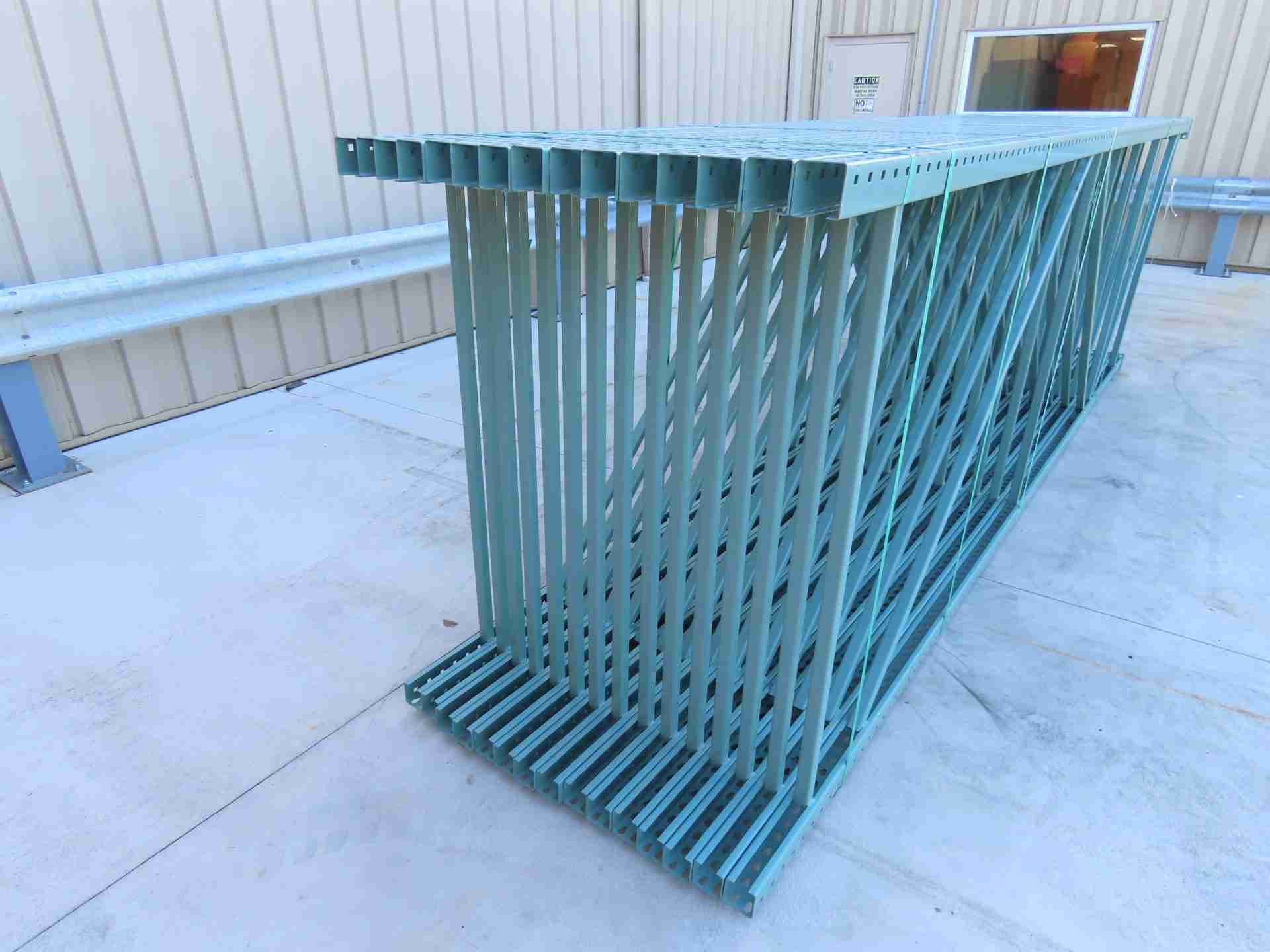
How Does Pallet Racking Improve Warehouse Efficiency?
How Does Pallet Racking Improve Warehouse Efficiency?
- Pallet racking transforms chaotic, cramped warehouses into organized, efficient spaces by neatly stacking pallets and freeing up valuable room.
- It increases potential for more inventory, faster access, and smoother workflow, reducing time wasted searching or climbing over goods.
- A good rack system protects investments by keeping goods safe and accessible, minimizing damage and turnover issues.
- Reliable pallet racking supports timely deliveries and accurate orders, building trust through dependable operations.
- It reduces wasted space and motion, enabling employees to work faster and fostering pride in a well-organized workspace.
- Investing in pallet racking establishes a foundation for growth, helping warehouses adapt and thrive as business increases.
- Effective pallet racking systems ensure warehouses stay competitive by building smart, steady setups that consistently get the job done.
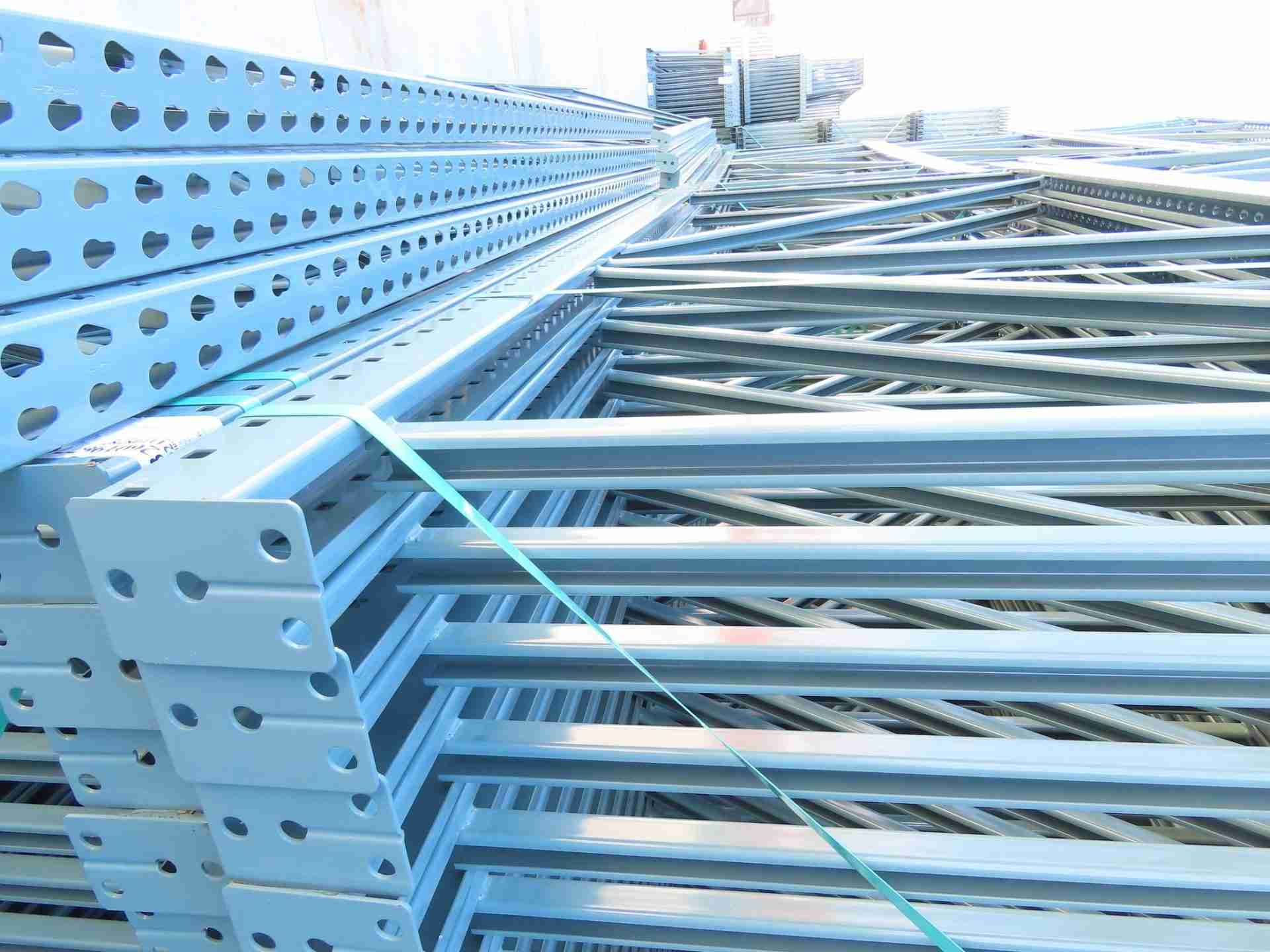
How Does Pallet Racking Improve Warehouse Efficiency?
How Can Pallet Racking Reduce Handling Time?
When it comes to running a warehouse or a busy storage space, every minute counts. Pallet racking isn’t just some fancy option—it’s the backbone that can cut down handling time like nothing else. Think about those days when workers are scrambling, products piled all over, forklifts looping around, and folks just trying to find the right load without wasting energy or time. Pallet racking changes the game because it puts everything where it should be: neat, stacked, and easy to reach.
From the ground up, pallet racking gives you order in the chaos. Instead of shoving pallets on the floor or in cramped corners, racks lift them off the ground and stack them efficiently. That means less bending, less moving stuff around, and fewer moments spent scratching your head trying to figure out where the heck things went. When the inventory is organized and visible, workers can grab what they need fast, load it up, and get moving. That’s less time wasted and fewer mistakes causing delays. You feel the difference in the rhythm of the day—everything flows smoother because the system is solid.
This isn’t just about speed, either. It’s about respect—respect for the workers who should be spending their energy on the job, not hunting for pallets or wrestling with a mess. Investing in pallet racking shows you care about setting them up for success, not making the work harder than it has to be. That kind of ethical approach builds trust on the floor; folks know the company values their time and effort. When the environment respects the people, those people work better, faster, and smarter.
Pallet racking carries a quiet authority, born from years of crunching numbers and testing layouts in warehouses across the country. It’s proven to boost productivity, reduce accidents, and save money by cutting down handling time. It’s a system born of common sense and solid experience—not just some expensive gadget overlay. When you dive into stories from the floor, the ones who’ve used pallet racking swear by it—because it works.
If you’re looking to shrink handling time in your operation, the answer’s right there in the racks. Sharpen that workflow. Give your team a clear path. Watch the clock stop being the enemy and start working for you. Pallet racking isn’t just storage—it’s the quiet engine pushing your warehouse forward.

How Can Pallet Racking Reduce Handling Time?
How Can Pallet Racking Reduce Handling Time?
- Pallet racking is essential for reducing handling time in warehouses by keeping items neat, stacked, and easy to access.
- It organizes inventory off the floor, minimizing bending, moving, and searching, which speeds up workflow and reduces errors.
- Investing in pallet racking shows respect for workers, enabling them to focus on tasks instead of dealing with disorganization.
- This system builds trust by demonstrating that a company values employees’ time and effort.
- Pallet racking is backed by extensive experience and testing, proven to increase productivity, reduce accidents, and save money.
- Users consistently report improved operations and workflow efficiency due to pallet racking.
- Pallet racking functions as the fundamental system that streamlines warehouse operations and drives overall performance.
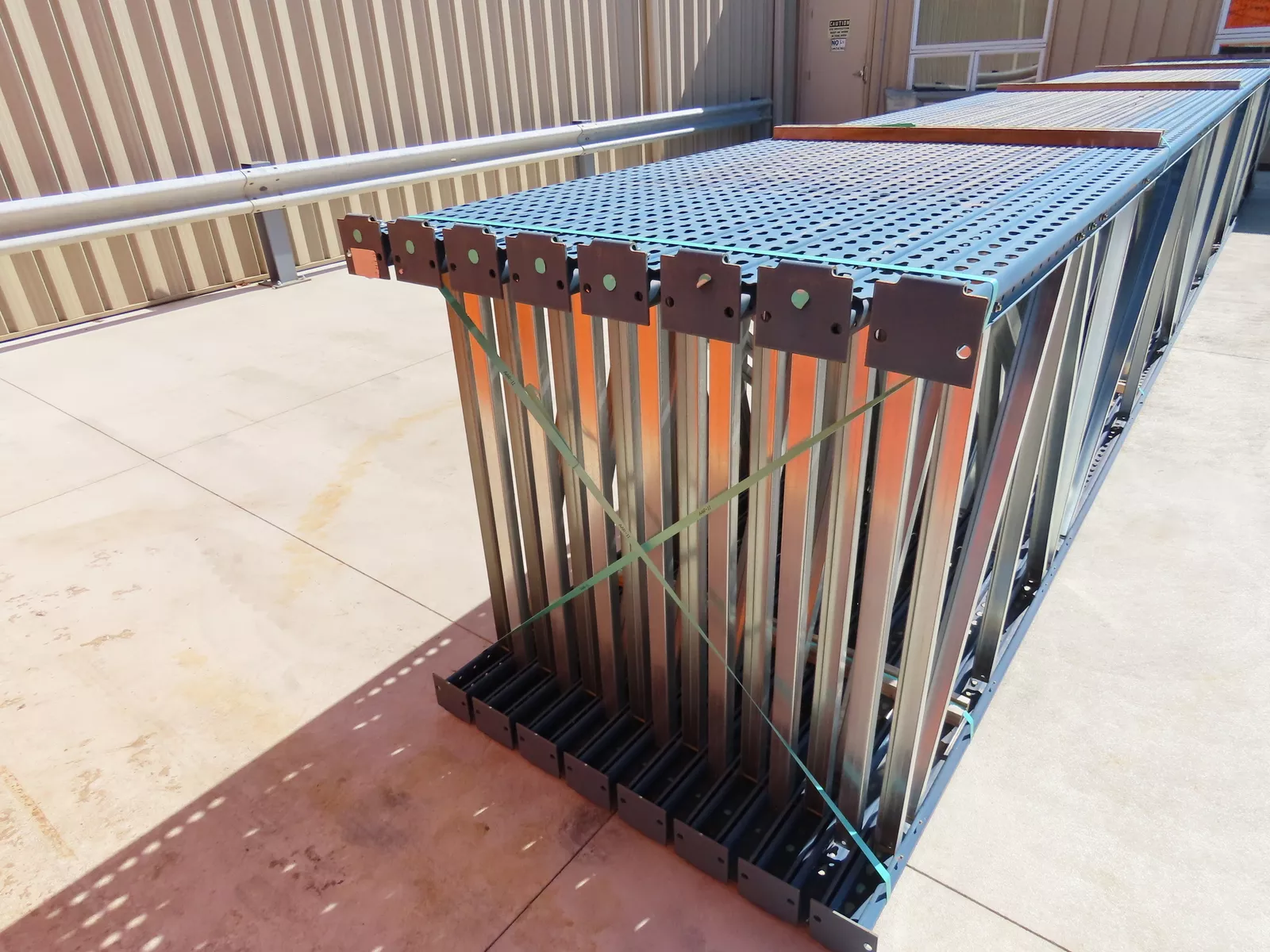
How Can Pallet Racking Reduce Handling Time?
What Safety Benefits Come From Using Pallet Racking?
There’s something steady and reliable about pallet racking that you feel in your bones, especially after years working alongside heavy gear and stacked goods. It’s not just a fancy storage solution—it’s the backbone of a safer workplace, the kind where you don’t have to hold your breath every time someone moves a forklift or climbs a ladder. The heart of it is simple: pallet racking keeps things organized and off the floor, cutting down on those “whoops” moments that lead to spills, trips, and worse. When boxes are neatly cradled on strong steel frames, the risk of falling loads drops way down. That’s more than just good housekeeping; that’s looking out for the folks who show up every day to make the business hum.
Using pallet racking is a no-brainer from a rational standpoint, too. It distributes weight properly, making sure the stacks don’t wobble or tip over. This means less damage to inventory, fewer accidents, and a smoother flow during busy shifts. The math behind it is plain: secure storage equals fewer headaches, lower costs, and a workplace that runs like clockwork. You’re not just throwing things on a shelf—you’re building a reliable system that stands up to the daily grind.
On an ethical level, there’s a responsibility here that doesn’t get talked about enough. Every pallet racking setup is a promise: we’re committed to protecting the people doing the work. It’s about respect for the crew, knowing that safe conditions aren’t fluff but fundamental. Everyone deserves to clock in without worrying if a crate might come crashing down or someone will take a nasty spill. It’s about dignity, plain and simple.
From the standpoint of authority, decades of hands-on use and industry standards back up the benefits of pallet racking. Warehouses and shops that invest in proper racking systems see fewer accidents and keep insurance claims at bay. This isn’t guesswork; it’s tested, proven, and respected practice in the trade. The stories from those who’ve been around the block show this: pallet racking works, and it works well.
On the gut level, you get peace of mind knowing the system beneath your pallets is up to the task. It’s the quiet confidence that comes from building your day on a solid foundation, where safety isn’t just a slogan painted on a wall but a lived reality. When the team sees pallet racking done right, it fosters trust—everyone feels better, works better, and looks out for each other because the company’s done its part.
Pallet racking isn’t just storage; it’s safety made practical, real, and reliable. It’s the kind of solution that lets you get the job done without the worry, letting hard work speak louder than hazards.
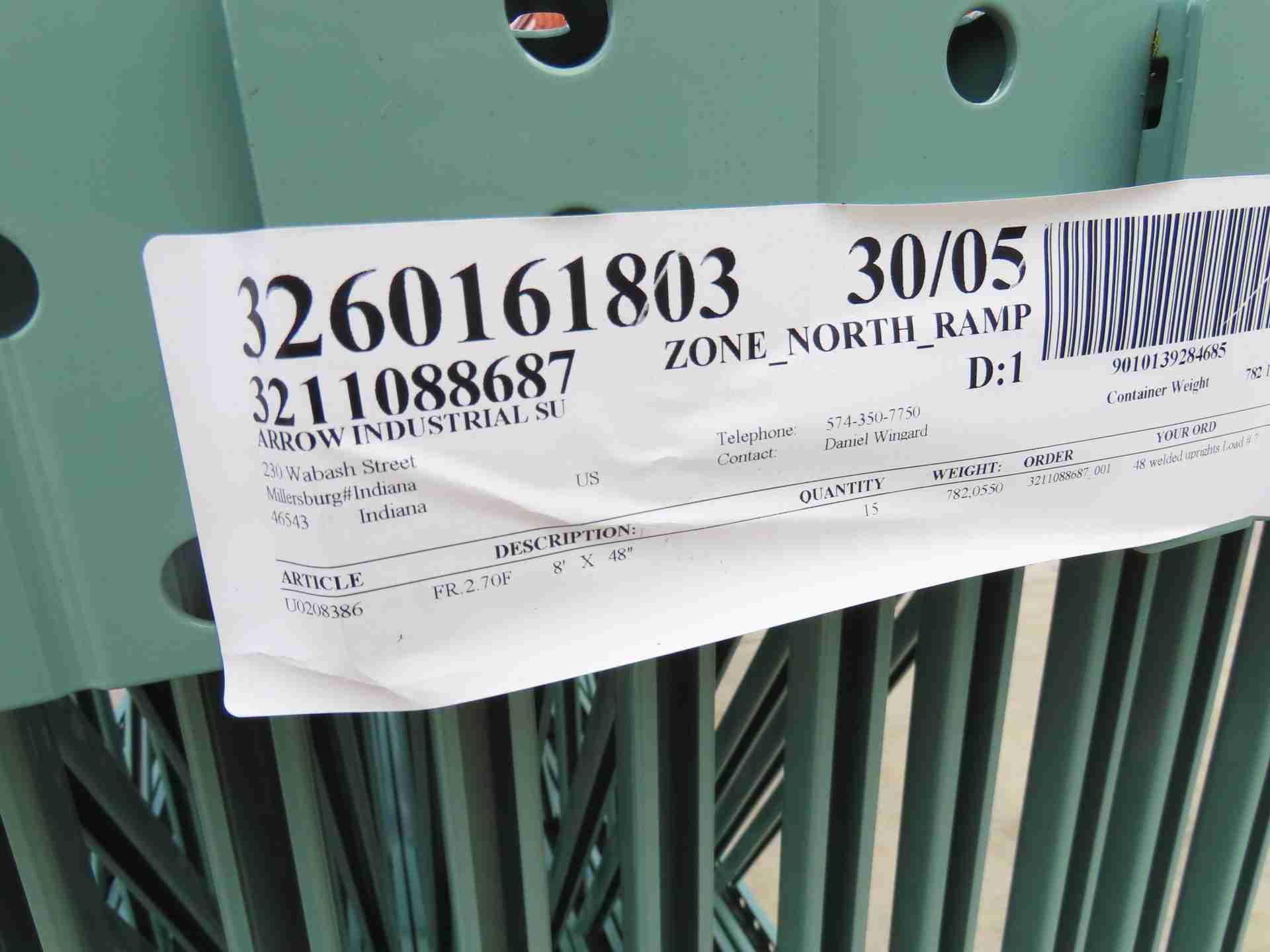
What Safety Benefits Come From Using Pallet Racking?
What Safety Benefits Come From Using Pallet Racking?
- Pallet racking provides a steady, reliable storage system that enhances workplace safety by keeping goods organized and off the floor, reducing spills and trips.
- It properly distributes weight, preventing stacks from wobbling or tipping, which minimizes inventory damage and workplace accidents.
- Using pallet racking lowers operational costs and improves workflow efficiency by maintaining secure storage.
- There is an ethical responsibility inherent in pallet racking to protect workers and ensure safe conditions, reflecting respect and dignity for employees.
- Industry standards and decades of use confirm that pallet racking decreases accidents and insurance claims, proving its effectiveness.
- Pallet racking fosters trust and confidence among workers, as it provides a solid foundation that makes safety a tangible reality.
- It is more than storage—it is a practical, reliable safety solution that supports productive and hazard-free work environments.

What Safety Benefits Come From Using Pallet Racking?
How Does Pallet Racking Impact Inventory Accuracy?
You ever walk into a warehouse and see a mess of boxes stacked willy-nilly, no rhyme or reason? It’s like trying to find a needle in a haystack, except the needle keeps moving, and the haystack smells like old cardboard. Pallet racking steps in like the no-nonsense foreman you wish you had—putting things exactly where they belong and making sure you know what’s what. When your pallets have a home, every single item gets accounted for, cutting down the wild guesswork that so often leads to inventory errors.
From a plain practical standpoint, pallet racking is like the GPS system for your goods. It calls out “here’s your spot” to each pallet, making misplaced stock a thing of the past. No more scrambling around, no more phantom products “disappearing” only to turn up after the next stock count (or worse, after a lost sale). It’s a straightforward system, but straightforward is golden when money’s on the line. Accuracy isn’t just a buzzword—it means fewer headaches, smoother operations, and trust from your suppliers and customers alike.
There’s an ethical flavor to all this, too. When you manage your inventory with respect and care—using pallet racking to prevent mix-ups and lost products—you’re treating every bit of stock like it matters. Because it does. Behind every pallet is hard work, invested capital, and livelihoods depending on it. Fudging on inventory accuracy isn’t just sloppy; it’s a matter of integrity. Doing it right garners respect from your crew and builds a reputation that sticks. People want to work with businesses that keep their house in order.
On the social side, pallet racking creates order that resonates through the whole team. When everyone can find what they need without second-guessing, stress takes a backseat, and morale climbs. It’s hard to overstate how confidence in your system spreads like wildfire—turns a warehouse from chaos into a well-oiled machine. Workers carry pride in their space when it’s neat, efficient, and predictable, and that settles into the culture.
In short, pallet racking isn’t just metal and beams; it’s the backbone of trust, accuracy, and a workplace that gets it done right. When your inventory reflects reality, everybody wins—your bottom line, your people, and your peace of mind. That’s the quiet power of putting things in their place and knowing exactly what you’ve got.
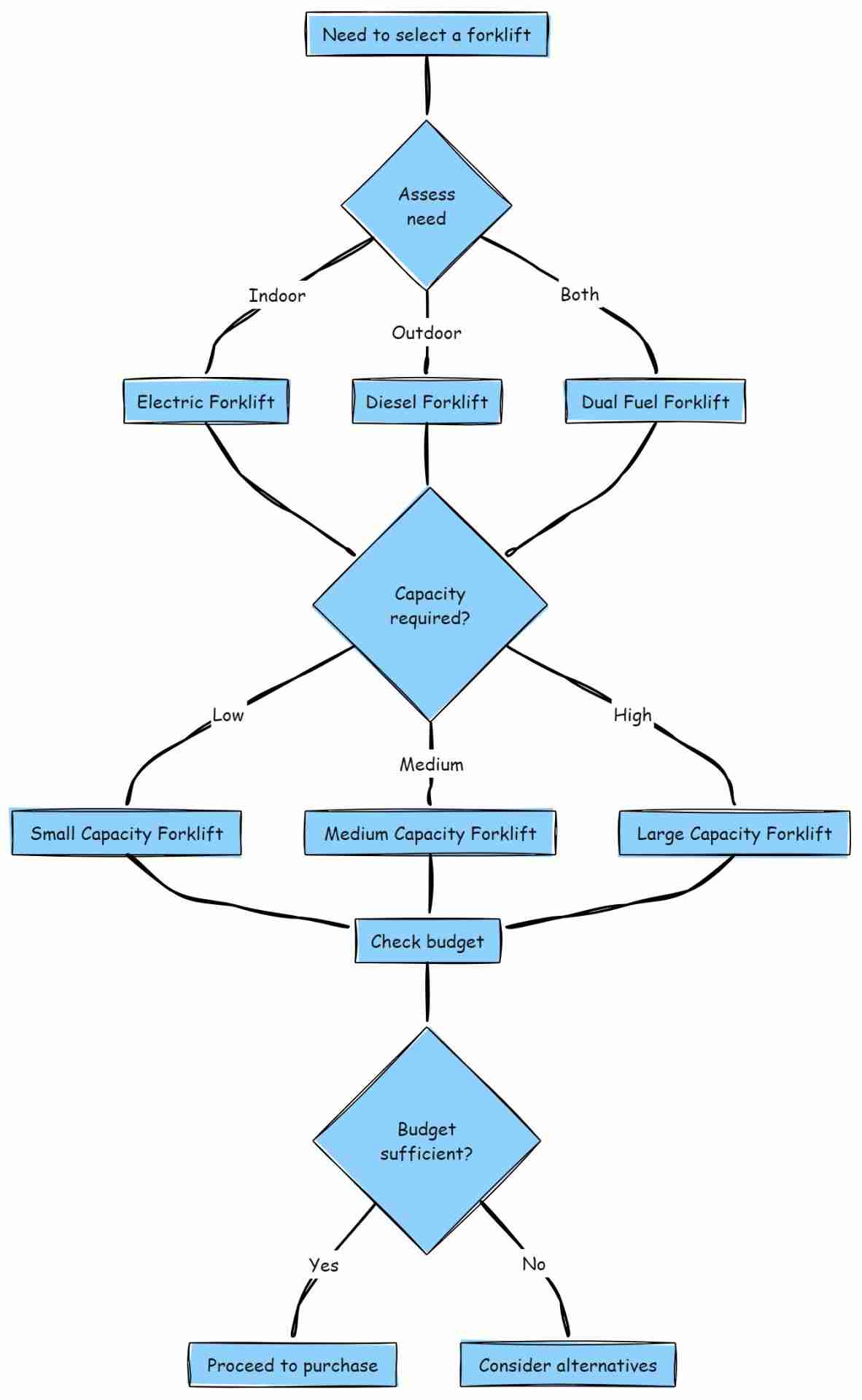
How Does Pallet Racking Impact Inventory Accuracy?
How Does Pallet Racking Impact Inventory Accuracy?
- Pallet racking organizes warehouse stock, eliminating chaotic, disorganized storage and reducing inventory errors.
- It acts like a GPS for goods, assigning specific spots to pallets and preventing misplaced items and phantom stock.
- Improved accuracy leads to smoother operations, fewer problems, and increased trust from suppliers and customers.
- Using pallet racking reflects ethical inventory management, respecting the value of stock, invested capital, and livelihoods.
- Maintaining accurate inventory builds integrity, earns crew respect, and enhances business reputation.
- Organized storage reduces stress and boosts team morale, transforming the warehouse into an efficient, confident work environment.
- Pallet racking is essential for trust, accuracy, and operational success, benefiting financial performance, staff, and overall peace of mind.
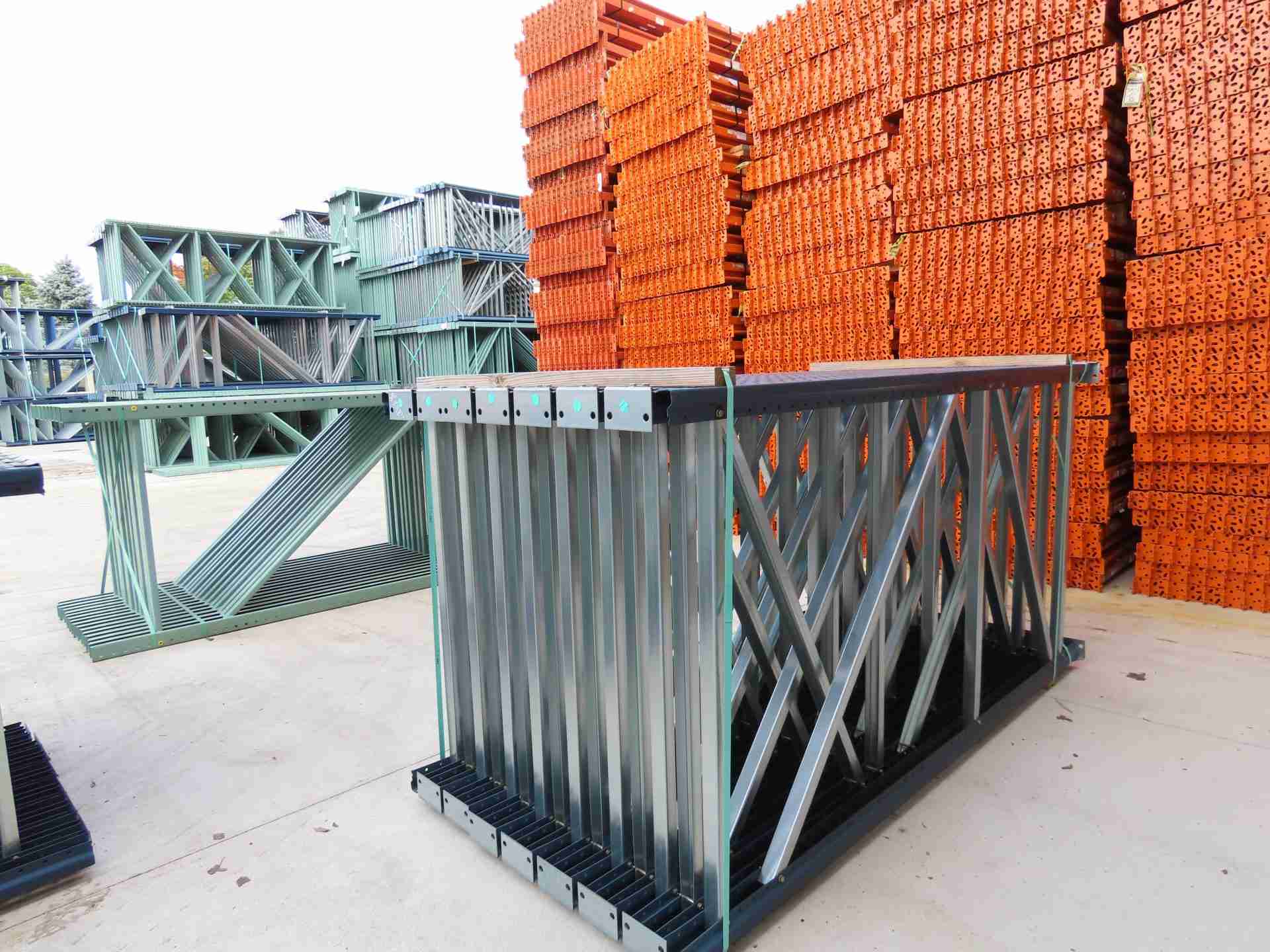
How Does Pallet Racking Impact Inventory Accuracy?
Why Is Space Optimization Critical for Farm Machinery Parts?
You know, when you’re out in the field, every inch of space in your machinery matters. It’s not just about cramming parts in wherever—they’ve got to fit just right. Space optimization for farm machinery parts isn’t some fancy, high-tech talk; it’s plain common sense that separates a smooth day’s work from a long, frustrating one. When parts are designed and arranged to make the best use of space, it means fewer surprises, less downtime, and more hours out there doing what really counts—bringing in the harvest.
Think about a pallet racking system in a warehouse. It’s built to hold heavy loads in a tight space without compromise. That’s what farm machinery parts need to be—a tough, reliable setup that maximizes every inch without making repairs or maintenance a nightmare. When parts are bulky or poorly arranged, you waste valuable time fumbling around, and that hits hard when hours in the field are precious. Optimizing space means tools, spares, and components are right where you need them, easy to get at and less likely to cause headaches when something goes wrong.
There’s something ethical, too, about wasting space—kind of like wasting fuel or time—when you’re working with the land, the changing seasons, and deadlines that don’t care if you’re tired or not. Respecting your equipment means respecting your work and your livelihood. Good design honors that by not asking farmers or mechanics to wrestle with awkward parts or cramped setups daily. Instead, it delivers straightforward access and smarter layouts that feel like they were made with a real understanding of farm life, not just by engineers in a lab.
Farm work isn’t glamorous. It’s sweat, grit, and the satisfaction of seeing the job done right. A machine that’s packed with poorly optimized parts just adds to the grind—it’s the difference between a day spent fixing and a day spent farming. Space optimization isn’t just technical; it’s practical, ethical, and downright essential to keeping everything running smoothly. When you get this right, it builds trust in your gear and confidence in yourself, knowing the tools you depend on were made with hard-earned wisdom and respect for the work ahead.

Why Is Space Optimization Critical for Farm Machinery Parts?
Why Is Space Optimization Critical for Farm Machinery Parts?
- Every inch of space in farm machinery matters for efficient and smooth operation.
- Space optimization is practical common sense that reduces downtime and increases productivity during harvest.
- Farm machinery parts need to be arranged like a pallet racking system—strong, reliable, and space-efficient without complicating maintenance.
- Poorly arranged or bulky parts waste valuable time and hinder fieldwork.
- Optimized space provides easy access to tools, spares, and components, minimizing frustration during repairs.
- Respecting equipment and its design is ethical, reflecting respect for the farmer’s time, work, and livelihood.
- Good space optimization builds trust in machinery and confidence in users, combining practicality and respect for farm life.

Why Is Space Optimization Critical for Farm Machinery Parts?
How Do Distributors Choose the Right Pallet Racking System?
Choosing the right pallet racking system is a bit like picking the right tool for a job you care about—you want something that works hard, doesn’t fail you, and keeps your operation running smooth without wasting a dime. Distributors have been there: faced with piles of inventory and deadlines breathing down their necks, they know the stakes are real. Your pallet racking isn’t just metal and bolts; it’s the backbone of your warehouse. When it’s right, everything flows. When it’s wrong, you’re juggling stock like a circus act—tight on space, slow on orders, and frustrated by the chaos.
The smart ones eye the practical stuff first: how much weight each shelf needs to hold, the size of the pallets in play, and the layout that keeps forklift traffic steady without snarls. They ask themselves, “Is this racking flexible enough to grow when we do? Can it handle shocks from heavy loading or accidental bumps without breaking or bending?” It’s about making every square foot work harder while keeping safety tight—because nobody wants a collapse or a close call that costs time, money, or worse.
Then there’s the human side—raising a hand, sharing experience, and learning from others who’ve been in the trenches. Distributors lean on the folks who have wrestled with the same puzzles, swapping stories about racking systems that stood strong through busy seasons or buckled when corners were cut. Trust builds here, a network of common sense and goodwill that goes beyond specs and brochures. It’s a nod to the trade, to knowing that a good pallet racking system is part of a bigger picture: supporting the people who move mountains of goods every day.
Ethical factors come into play too, because picking durable, well-engineered racking means investing in long-term solutions rather than quick fixes. Respecting employees means giving them a work environment that’s not a safety hazard. Respecting the business means cutting down waste and inefficiency. That connection between how things are built and how people work creates trust that carries through to clients, partners, and the whole supply chain.
The right pallet racking system feels like a quiet partner you count on when the pressure’s on. It’s a decision rooted in experience, shaped by practical needs, and committed to building something that lasts. When distributors settle on that system, they’re not just stacking pallets—they’re stacking confidence, safety, and success into every corner of their warehouse.

How Do Distributors Choose the Right Pallet Racking System?
How Do Distributors Choose the Right Pallet Racking System?
- Choosing the right pallet racking system is crucial for efficient, reliable warehouse operations without wasting resources.
- Practical considerations include weight capacity, pallet size, layout for smooth forklift traffic, flexibility for growth, and durability against impacts.
- Safety is paramount to prevent collapses or accidents that could cause time loss, financial damage, or injury.
- Experience and peer advice help distributors select systems proven to perform well under pressure and heavy use.
- Ethical factors emphasize investing in durable, well-engineered systems to ensure long-term reliability and employee safety.
- A quality racking system reduces waste and inefficiency, fostering trust across employees, clients, and the supply chain.
- The right system supports operational confidence, safety, and success, becoming a dependable partner in warehouse management.
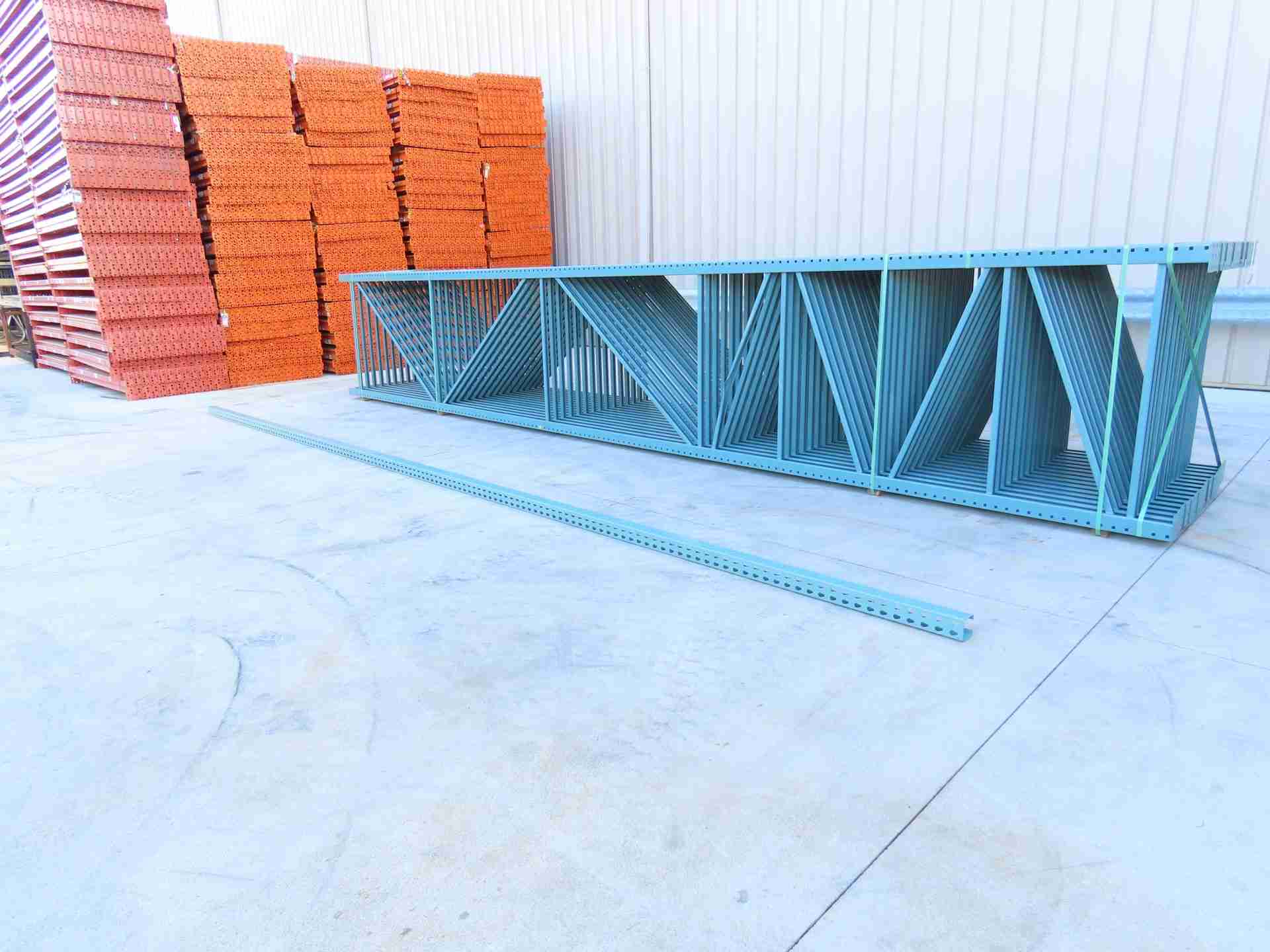
How Do Distributors Choose the Right Pallet Racking System?
Conclusion
Running a farm machinery parts distribution business ain’t a job for the faint of heart. It’s a day-in, day-out grind where every second lost and every inch wasted can knock the whole operation sideways. Pallet racking isn’t just metal shelves thrown together—it’s the unsung hero keeping the gears turning, the sweat on the floor worth every penny. Those racks aren’t just holding parts; they’re holding up a promise. A promise that when a farmer’s machine breaks down, the right part will be there—ready and waiting. And that kind of reliability? That’s trust you can’t slap a price tag on.
From a practical standpoint, pallet racking turns chaos into order. Warehouses without it feel like trying to work out of a cluttered garage—awkward, slow, and downright frustrating. With pallet racking, every piece of inventory has a home—stacked safely, accounted for, and ready to roll. That means fewer mistakes, less wasted time hunting stuff down, and a smoother flow from loading dock to delivery truck. It’s simple common sense, but boy, does it make a difference. Workers don’t just move faster; they work smarter and safer. And safer means fewer accidents, fewer damaged parts, and fewer headaches all around. It’s respect—respect for the folks on the floor busting their backs, respect for customers counting on on-time delivery, and respect for the business that can’t afford sloppy shortcuts.
There’s something plain ethical about getting pallet racking right, too. It’s about dignity—making sure the workplace isn’t a hazard zone, that inventory isn’t tossed haphazardly, and that every pallet is given the care it deserves. It’s a quiet nod to the hard work and money that built the stack in the first place. When a warehouse is clean, organized, and dependable, morale climbs. Folks take pride in their space because it’s clear the company cares enough to do things right. That pride carries into better teamwork, less stress, and a culture that sticks, even when the job’s tough.
Choosing the right pallet racking system isn’t some flashy, once-and-done decision. It’s a pick made by folks who’ve been through the trenches and know what’s on the line—weight capacity, durability, flexible layouts, and yes, safety. It’s about setting up a reliable partner that won’t crack under pressure or shortcuts. When done right, that investment pays off in more efficient workdays, fewer accidents, and a business that doesn’t just survive but thrives.
At the end of the day, pallet racking is the practical muscle in a distribution warehouse—the quiet engine behind dependable delivery, lasting relationships, and a team that knows it’s got a system built on common sense, respect, and hard-earned experience. It’s not just storage; it’s trust made tangible, and that’s what keeps the wheels of agriculture turning strong.

Conclusion
Conclusion:
- Running a farm machinery parts distribution business requires precision and efficiency where pallet racking plays a critical role.
- Pallet racking organizes inventory, turning warehouse chaos into order and enabling faster, smarter, and safer work.
- Proper pallet racking reduces mistakes, saves time, prevents accidents, and protects parts from damage.
- It reflects respect for workers, customers, and the business through a clean, organized, and dependable workplace.
- Choosing the right pallet racking system involves considering weight capacity, durability, layout flexibility, and safety.
- A well-designed pallet racking system improves efficiency, reduces accidents, and supports a thriving business.
- Pallet racking represents trust and reliability, acting as the backbone of dependable delivery and long-lasting relationships in the agriculture industry.

Conclusion
Other Resources

Other Resources
Here is a list of other resources you can review online to learn more:
- WERC
- Intro to Warehouse Racks & Warehouse Racking Systems – ShipBob
- BMH
- Wolter
- Teardrop Pallet Rack – Ridg-U-Rak
- Warehouse Storage Racking in Illinois
- BMH Equipment LLC
- CMMA
- Total Warehouse
- Storage Equipment Manufacturers Association
- Mustang Material Handling
- SEMA
- IIWS Inc. Rack Installation Illinois & Rack Repairs Illinois
- Warehouse Racking System: Powerful Guide to Optimise, 2024
- MHI
- Material Handling Safety
- Warehouse Automation
- Teardrop Uprights
- Logic Material Handling
- Warehouse Racking Layout: The Ultimate Guide – Conger
Use This Prompt To Get More Resources With Your Favorite Online AI Tool: Please provide me with a list of online articles with their URLs in a bulleted list that I can read regarding How Do Farm Machinery Parts Distributors Leverage Pallet Racking?
Other Resources
Glossary Terms
How Do Farm Machinery Parts Distributors Leverage Pallet Racking? – Glossary Of Terms
1. Pallet Racking: A storage system designed to hold materials on pallets in horizontal rows with multiple levels.
2. Farm Machinery Parts: Components used to repair or maintain agricultural equipment.
3. Distributor: A business that supplies goods to retailers or end users.
4. Inventory Management: The process of ordering, storing, and using a company’s inventory.
5. Warehouse Efficiency: The effectiveness of warehouse operations in managing and storing goods.
6. Load Capacity: The maximum weight a pallet racking system can safely support.
7. Space Optimization: Maximizing storage capacity within a warehouse using strategic layout and equipment.
8. Picking Process: The action of selecting and retrieving items from storage for shipment or use.
9. Stock Rotation: Managing inventory to ensure older stock is used before newer stock.
10. Vertical Storage: Utilizing vertical space for storing materials to increase warehouse capacity.
11. Forklift Compatibility: The design aspect that ensures pallet racks can be accessed by forklifts safely.
12. Accessibility: Ease of reaching and retrieving stored items.
13. Safety Compliance: Adherence to laws and guidelines for safe storage and handling of goods.
14. Load Distribution: Even spreading of weight across pallet racking systems to prevent failure.
15. Replenishment: Restocking inventory to maintain supply levels.
16. Modular Design: Pallet racking systems that can be easily customized or expanded.
17. Workflow Optimization: Arranging processes to improve speed and reduce errors.
18. Just-In-Time Inventory: Managing inventory so that parts arrive as needed, reducing storage time.
19. SKU (Stock Keeping Unit): A unique identifier for individual parts or products.
20. Material Handling Equipment: Tools used to move, control, and protect materials, such as pallet jacks or conveyors.
21. Load Stability: The condition ensuring pallets are securely positioned on racks.
22. Storage Density: The amount of inventory stored within a given space.
23. Order Fulfillment: Completing customer orders by picking, packing, and shipping parts.
24. Cross-Docking: A logistics process where incoming parts are directly transferred to outgoing shipments with minimal storage.
25. Cycle Counting: Periodic inventory checks to maintain accuracy.
26. Racking Configuration: The specific arrangement and type of pallet racks used in a warehouse.
27. Lead Time Reduction: Decreasing delay between ordering and receiving parts.
28. Damage Prevention: Measures taken to protect parts and racks from harm during storage or handling.
29. Warehouse Layout: The physical arrangement of storage, aisles, and equipment.
30. Load Bearing Structure: The framework of the pallet rack that supports stored goods.

Glossary Of Terms
Other Questions
How Do Farm Machinery Parts Distributors Leverage Pallet Racking? – Other Questions
If you wish to explore and discover more, consider looking for answers to these questions:
- What types of pallet racking systems are best suited for farm machinery parts?
- How do I calculate required rack load capacities for heavy parts like gears and engines?
- How much vertical space should I use to maximize storage without creating safety risks?
- How do I determine the optimal bay and aisle layout to balance storage density and forklift access?
- How does pallet racking affect forklift aisle widths and traffic flow planning?
- What are best practices for warehouse layout to minimize travel and handling time?
- How can pallet racking be configured to accommodate odd-shaped or oversized parts?
- What racking options exist for small parts versus full-pallet components?
- How do I integrate pallet racking with a warehouse management system (WMS) or barcoding/RFID?
- What picking strategies (FIFO, LIFO, batch picking) work best with pallet racking?
- How does pallet racking enable or limit automation (AS/RS, conveyors, automated guided vehicles)?
- What inspection and maintenance schedules should be followed for pallet racks?
- What are the most common causes of rack damage and how can they be prevented?
- What safety features and accessories (column protectors, rack guards) should be used?
- What training and PPE do staff need to work safely around pallet racking and forklifts?
- What regulatory standards and codes apply to pallet racking in distribution warehouses?
- How do seismic, wind, or other local environmental conditions affect rack design and anchoring?
- How do floor loading and anchoring requirements vary by rack type and site conditions?
- What is the expected lifespan of pallet racking and when should components be replaced?
- How are damaged racks assessed for repair versus replacement?
- What are the cost ranges for different racking systems and installation options?
- How do I calculate ROI and payback period for a pallet racking investment?
- Are there financing, leasing, or tax depreciation options available for racking purchases?
- What warranties, certifications, and manufacturer support should I expect when buying racks?
- Should I buy new or used pallet racking, and what are the trade-offs?
- How long does installation typically take and how can operational downtime be minimized?
- How do I choose a reputable racking vendor or installer?
- How should inventory be labeled, zoned, and organized on racks to improve accuracy?
- What KPIs should I track to measure the impact of pallet racking (picks per hour, order cycle time, inventory accuracy)?
- How can pallet racking support seasonal demand spikes and changes in SKU mix?
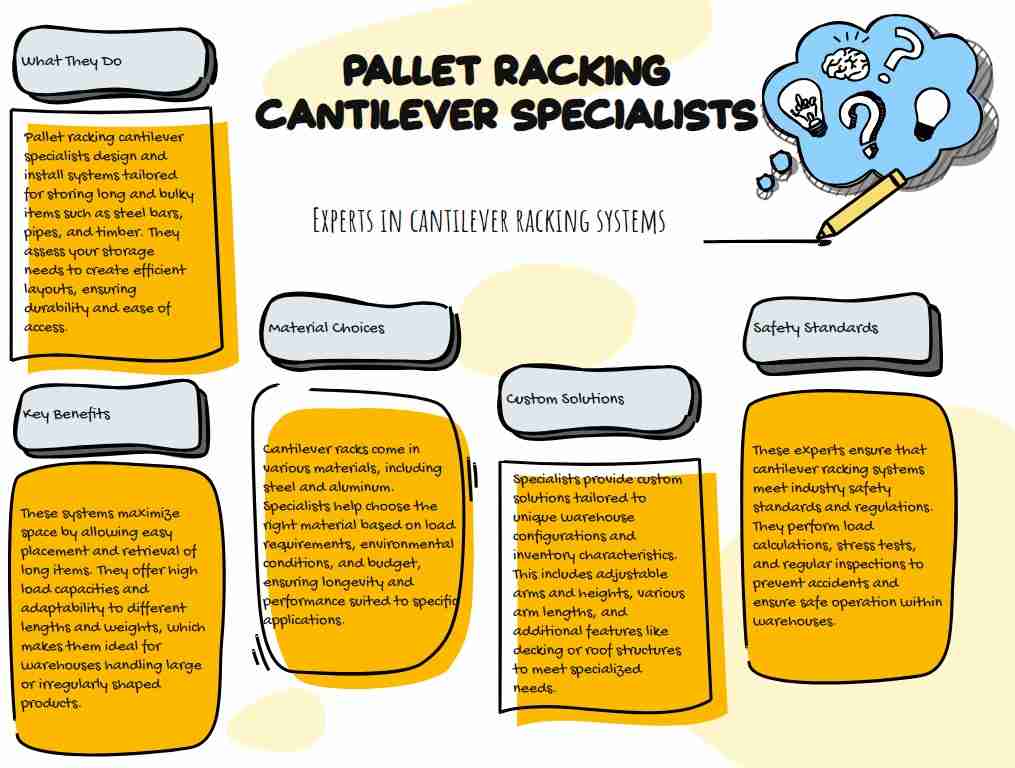
- What solutions exist for combining pallet racking with mezzanines or cantilever racks for long items?
- How can racking be adapted as the business grows or product mix changes?
- What environmental and sustainability considerations apply to racking materials and end-of-life recycling?
- How does pallet racking influence insurance premiums and liability exposure?
- What sample layouts or case studies show measurable efficiency gains for parts distributors?
- How should returns, quarantine, and inspection areas be organized within a racked warehouse?
- What checklist should be used during rack inspections to ensure compliance and safety?

Other Questions
Checklist
How Do Farm Machinery Parts Distributors Leverage Pallet Racking? – A Checklist
Planning and Objectives
✅______ Define storage goals (capacity, SKU count, growth horizon).
✅______ Map material flow: receiving → putaway → picking → packing → shipping.
✅______ Select fulfillment strategy (FIFO or LIFO) based on parts characteristics and warranty.
✅______ Document compliance needs (fire, building, seismic, insurance).
Space and Layout
✅______ Measure clear height, column grid, door heights, and sprinkler obstructions.
✅______ Set aisle widths to truck type (sit-down 12–13 ft; reach 9–10 ft; VNA 6–7 ft).
✅______ Place fast-mover zones near docks and high-velocity pick areas.
✅______ Allocate staging for inbound, outbound, returns, quarantine, and maintenance.
✅______ Include cross-aisles and marked emergency egress.
✅______ Protect flue spaces for sprinklers and ventilation.
Racking Specification
✅______ Choose system type: selective, double-deep, drive-in, push-back, pallet flow; use cantilever for long or awkward items.
✅______ Match frame depth, bay width, and beam levels to pallet size and load profile.
✅______ Verify rated capacities; install load plaques on all aisles.
✅______ Comply with fire and seismic codes; obtain permits if required.
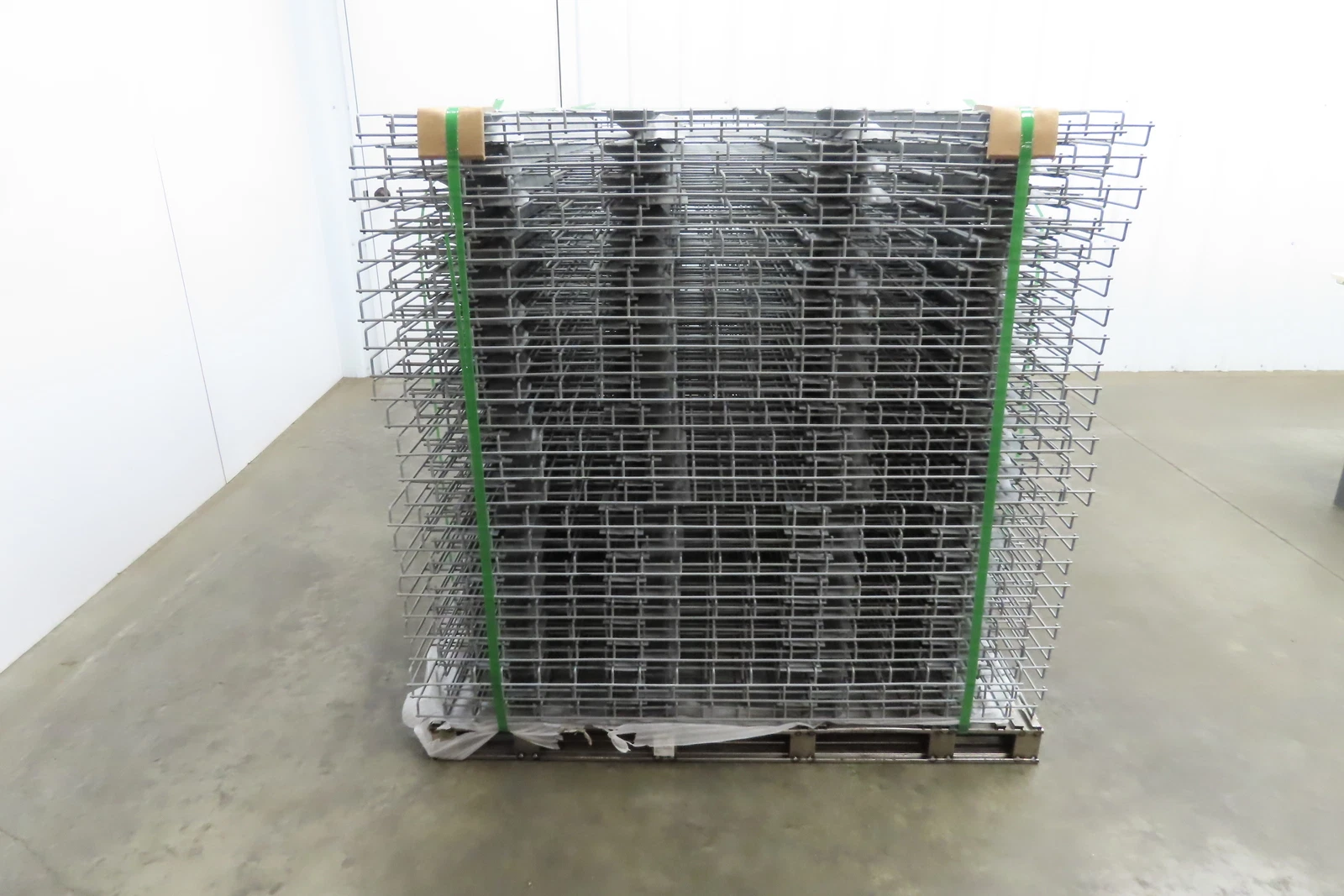
✅______ Specify decking (wire, pallet supports) and back-of-rack safety mesh where needed.
✅______ Install anchors, shims, and row spacers; ensure racks are plumb and level.
Pallets and Loads
✅______ Standardize pallet specifications (size, type, condition); reject damaged pallets.
✅______ Define maximum unit load weight and center-of-gravity limits.
✅______ Prevent unsafe overhang; use engineered overhang only where designed.
✅______ Apply load containment (wrap, strap, and edge guards) appropriate to parts.
Safety and Compliance
✅______ Fit end-of-aisle guards, post protectors, and tunnel beams.
✅______ Post capacity signage, rack IDs, and aisle markers.
✅______ Maintain clear floor markings and traffic lanes; enforce one-way aisles where used.
✅______ Train and certify forklift operators; enforce speed limits and horn-at-intersection rules.
✅______ Implement fall protection for work at height.
✅______ Schedule inspections (daily visual, monthly supervisor, annual professional).
✅______ Record incidents and near misses and complete corrective actions.
Inventory Accuracy and Identification
✅______ Assign WMS locations to every bay, level, and slot; no floating inventory.
✅______ Use durable location labels and LPNs; scan at every movement.
✅______ Separate look-alike SKUs; use visual cues and bin dividers.
✅______ Apply ABC analysis; slot fast movers in golden-zone pick heights.
✅______ Establish cycle count cadence and reconciliation procedures.
Handling Time Reduction
✅______ Optimize pick paths; minimize backtracking; balance zones.
✅______ Use pallet or carton flow for high-volume SKUs.
✅______ Set replenishment triggers to keep pick faces stocked.
✅______ Provide correct trucks and attachments for heavy or irregular parts.
✅______ Stage orders by route, cutoff times, and carrier to reduce dwell.
People and Culture
✅______ Train on SOPs for putaway, picking, and rack safety.
✅______ Apply 5S to keep aisles clear and slots tidy.
✅______ Empower staff to tag and remove damaged racks and pallets and report hazards.
Maintenance and Repairs
✅______ Establish a preventive maintenance (PM) schedule for trucks, chargers, and impact-prone areas.
✅______ Inspect anchors, beams, and uprights after any impact; tag out unsafe bays.
✅______ Replace damaged components with manufacturer-approved parts only.
Performance and Trust Metrics
✅______ Inventory accuracy ≥ 98–99%.
✅______ Order accuracy ≥ 99.5%.
✅______ Dock-to-stock time target (e.g., ≤ 4 hours).
✅______ Pick rate goal by zone (lines per hour).
✅______ Space utilization target (e.g., > 85% of locations used while maintaining flues).
✅______ Damage and incident rates trending down.
✅______ On-time, in-full delivery rate ≥ 95–98%.
✅______ Cost per order and labor productivity tracked weekly.
Scalability and Cost Control
✅______ Plan modular expansion (extra beam levels and bays, knockouts for conveyors).
✅______ Validate ROI including installation, permitting, sprinklers, trucks, and WMS changes.
✅______ Confirm vendor support, lead times, spares availability, and warranties.
Customer and Ethical Considerations
✅______ Prioritize safe working conditions and good ergonomics at pick faces.
✅______ Protect parts from damage and contamination; use appropriate storage for oils and fluids.
✅______ Design for reliability during peak seasons and urgent farm needs.
✅______ Communicate service cutoffs and deliver on lead time promises.
Checklist
At RackingWorld, we help guide you through selecting warehouse storage systems and racking.
Be sure to read our other related stories at RackingWorld to learn more about warehouse storage systems.
0 Comments