
Maximizing Space, Efficiency, And Safety In Event Warehousing Systems
By Tom Seest
At RackingWorld, we help guide you through selecting warehouse storage systems and racking.
Be sure to read our other related stories at RackingWorld to learn more about warehouse storage systems.
How Do Event and Trade Show Equipment Warehouses Leverage Pallet Racking?
When you walk into an event or trade show equipment warehouse, what you see isn’t just rows of gear—it’s the heartbeat of countless events waiting to happen. Pallet Racking systems in these spaces are more than just metal shelves; they’re the unsung heroes holding together the chaos behind the scenes. These racks carry the heavy burden of massive crates, lighting rigs, tents, and sound systems, all stacked up with a practical wisdom born from years in the dirt and on the road. Without them, the whole operation would be a tangled mess of missed deadlines and busted backs.
The beauty of Pallet Racking lies in its simplicity combined with sheer ruggedness. These racks help warehouses squeeze every inch of storage space, turning what could be cluttered chaos into neat, reachable order. This boosts efficiency in ways you feel in your bones—less time hunting down gear, more time loading up trucks and getting on with the job. It makes the men and women on the floor look good because they can find what they need fast, move safely without scrambling, and meet the tight schedules that events demand. It’s good work made easier, and that matters, day in and day out.
Ethically, Pallet Racking contributes to safety—a no-joke priority when you’re dealing with tons of expensive, delicate equipment and hardworking staff. Properly configured racks keep heavy items stable and accessible, cutting down on accidents and damage. It’s about respect—not just for the gear, but for the people who handle it. Warehouses that take pallet racking seriously show they care about their team and their customers, building trust one load and one carefully stacked pallet at a time.
The story behind these racks isn’t just steel and bolts; it’s about real folks who have been through tight setups, last-minute changes, and long days turning chaos into order. It’s the kind of common sense, hands-on thinking that gets worn jeans dirty and leaves you proud at the end of a hard shift. When a warehouse leans on Pallet Racking right, it means events get built on a foundation as solid and dependable as the people loading those racks every day.
So, next time you see gear lined up and ready to roll, remember—Pallet Racking is more than storage. It’s confidence, teamwork, and a well-oiled machine all rolled into one. And in a world where timing and trust make or break a show, that kind of backbone is priceless.

How Do Event and Trade Show Equipment Warehouses Leverage Pallet Racking?
How Do Event and Trade Show Equipment Warehouses Leverage Pallet Racking?
- Pallet Racking systems in event and trade show warehouses are essential for organizing and supporting heavy equipment like crates, lighting rigs, tents, and sound systems.
- The simplicity and ruggedness of Pallet Racking allow warehouses to maximize storage space and maintain order, increasing operational efficiency.
- These racks enable staff to find and move equipment quickly and safely, helping meet tight event schedules.
- Pallet Racking plays a critical role in safety by stabilizing heavy items and reducing accidents and damage.
- The use of proper racks reflects respect for both equipment and the people handling it, fostering trust within teams and with customers.
- The system is backed by practical, hands-on experience that turns chaotic setups into organized, dependable operations.
- Pallet Racking represents teamwork, reliability, and confidence, serving as the foundation for successful event logistics.
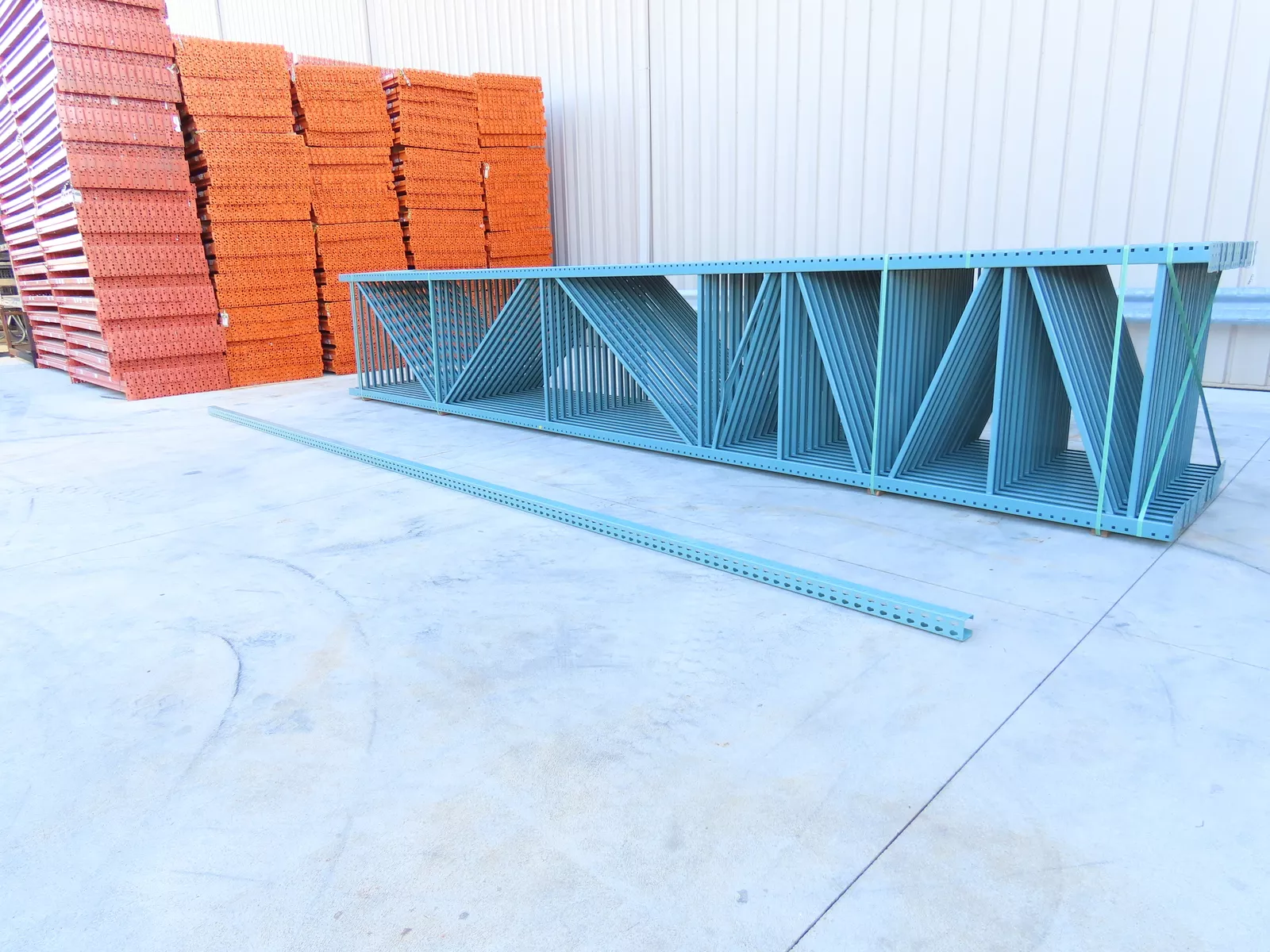
How Do Event and Trade Show Equipment Warehouses Leverage Pallet Racking?
Table Of Contents
- How Do Event and Trade Show Equipment Warehouses Leverage Pallet Racking?
- How Does Pallet Racking Improve Warehouse Space Efficiency?
- How Can Pallet Racking Reduce Equipment Damage Risk?
- What Ethical Benefits Come From Safer Storage Methods?
- How Does Pallet Racking Support Quick Event Setup Times?
- What Cost Savings Does Pallet Racking Create for Warehouse Ops?
- How Can Improved Organization Boost Employee Productivity?
- Conclusion
- Other Resources
- Glossary Of Terms
- Other Questions
- Checklist
How Does Pallet Racking Improve Warehouse Space Efficiency?
Look, when you walk into a warehouse that’s just crammed with boxes stacked wherever they can fit, it feels like chaos waiting to happen. That’s where pallet racking steps in like the unsung hero—the sturdy backbone of any workspace that wants to get its act together. Pallet racking isn’t just some fancy setup; it’s a practical, down-to-earth solution that turns a jumble of goods into a well-organized symphony of storage. It takes a cluttered, overcrowded floor and turns it vertical, making every inch count. You’re not just stashing stuff; you’re maximizing space the smart way.
Racking systems make it simple to see what you’ve got without playing hide-and-seek with inventory. When everything’s lined up on solid racks, the head stuff counts the numbers faster, cuts down on wasted moves, and slashes the time workers spend crawling around searching for pallets. Efficiency isn’t just a buzzword here—it means real savings, fewer headaches, and a safer warehouse where folks aren’t risking trips and bumps trying to dig through piles on the floor. That’s the rational side of things, but it’s also about respect for the people on the ground working these spaces day in and day out.
There’s an ethical angle tucked in too. When a company invests in pallet racking, it shows they care about treating their team well—giving them a workspace that’s organized, predictable, and less likely to cause injuries. It’s about building trust between employer and employee, creating an environment where everybody can do their best without unnecessary risks. Plus, well-kept racks tell customers and partners you mean business, you’re reliable, and you handle your operations with care.
Think about the stories behind every pallet stacked right—each one represents hours of sweat from workers, hard decisions by managers, and a commitment to making the whole operation run smoother. When you see pallet racking in action, you see a slice of that hardworking spirit, a practical system built on common sense and respect for the grind. It’s not flashy, but it gets results—and that’s worth putting your trust in every time.
If a warehouse is the heart of your business, pallet racking is the pulse that keeps it strong and steady, making the most of space, time, and effort with a no-nonsense approach that’s hard to beat.
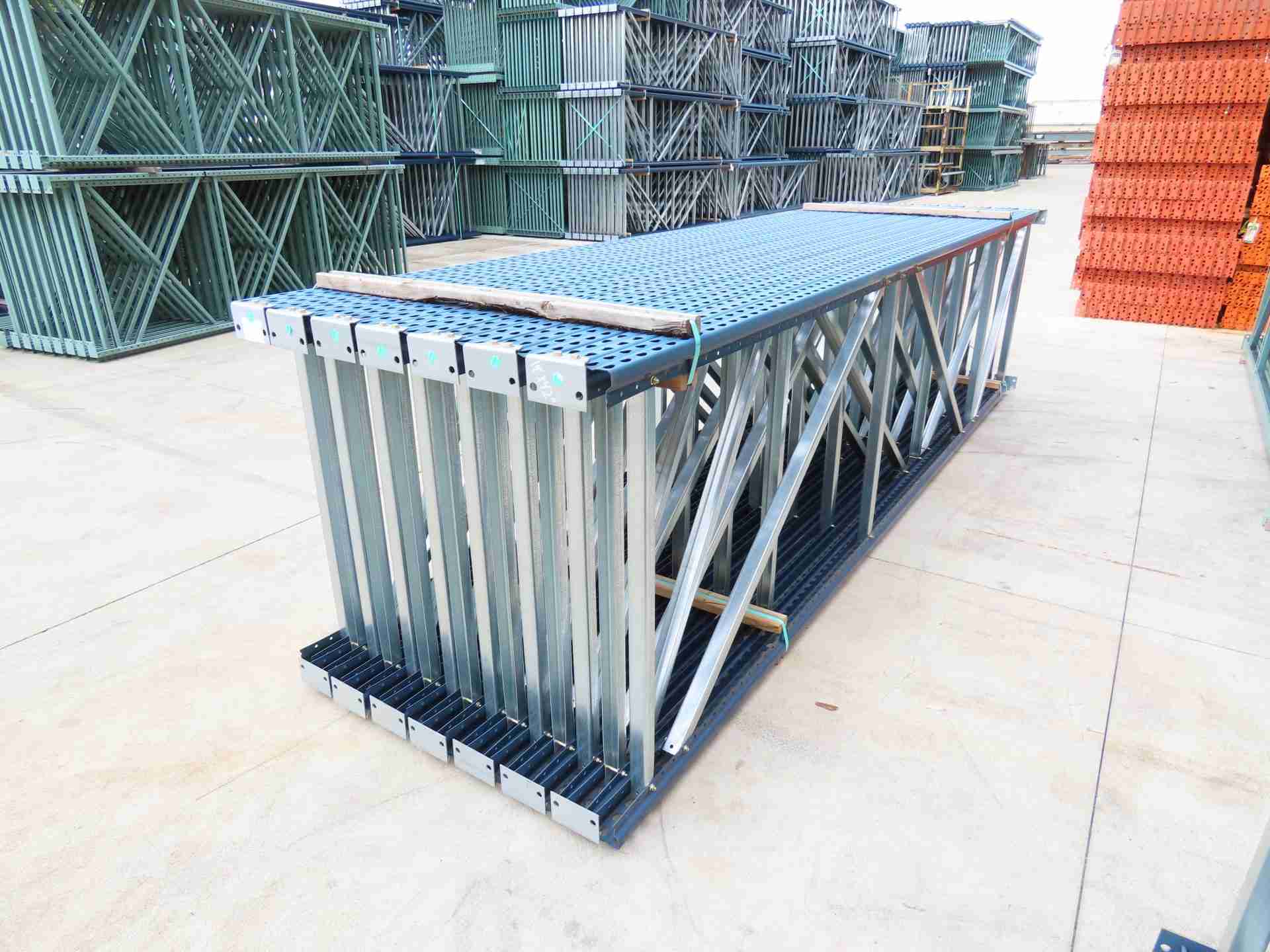
How Does Pallet Racking Improve Warehouse Space Efficiency?
How Does Pallet Racking Improve Warehouse Space Efficiency?
- Pallet racking transforms chaotic, overcrowded warehouse floors into organized vertical storage, maximizing space efficiently.
- Racking systems improve inventory visibility and reduce time workers spend searching for pallets, boosting operational efficiency.
- Enhanced efficiency leads to real cost savings, reduced physical strain, and safer working conditions in warehouses.
- Investing in pallet racking demonstrates care for employee well-being by providing a safe, predictable workspace and minimizing injury risks.
- Well-maintained racks convey professionalism and reliability to customers and partners, reflecting careful operational management.
- Each properly stacked pallet represents labor, smart management, and commitment to smooth, effective warehouse operations.
- Pallet racking acts as the essential support system for warehouses, optimizing space, time, and effort through a practical, dependable approach.
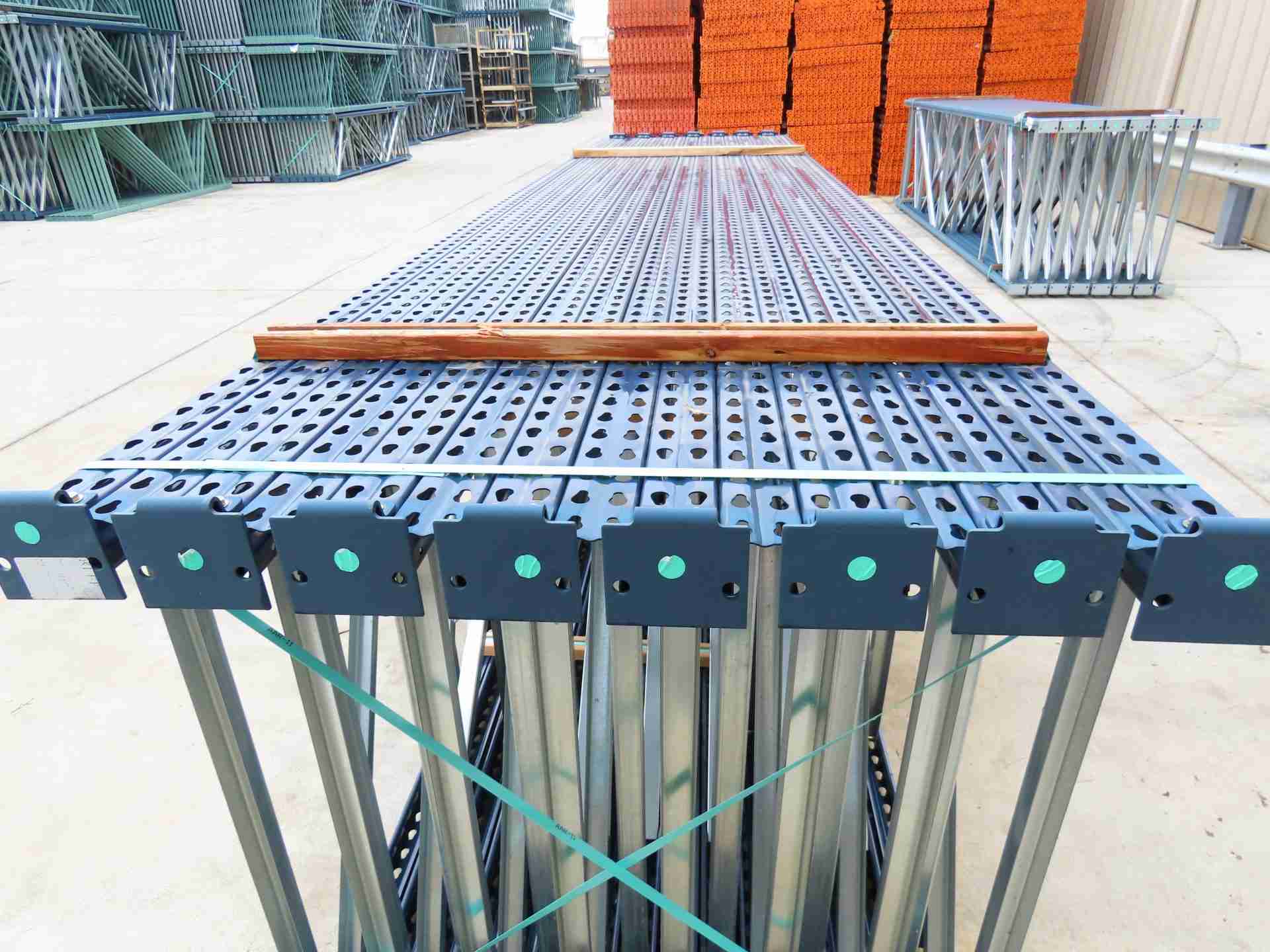
How Does Pallet Racking Improve Warehouse Space Efficiency?
How Can Pallet Racking Reduce Equipment Damage Risk?
Every time a forklift slips or a load tips over, it’s not just a hit to the bottom line — it’s a hit to your peace of mind. Pallet racking isn’t just about stacking boxes; it’s about creating a dependable system that protects the gear you rely on day in and day out. When you set up pallet racking right, you’re building a fortress around your equipment, reducing the risk of costly accidents before they happen.
Think of pallet racking like the guardrails on a busy highway, keeping forklifts on track and pallets from wandering into dangerous spots. That kind of order isn’t just neat—it’s smart. With sturdy pallet racking, forklifts can move pallets in and out with confidence, knowing they won’t accidentally crash into precarious piles or unstable stacks. It cuts down guesswork and chaos, which not only prevents damage but makes the job safer and smoother for everyone involved.
There’s an ethical side to it too. Protecting your equipment means looking out for your workers, your team, and your business. Avoiding damage reduces the stress and risk people face every day on the floor. People want to clock in knowing they won’t be backing up into a pile of fallen pallets or scrambling to fix broken gear that slows the whole operation. When your workspace feels safe and organized, it builds pride and trust among the crew.
From the real-world grind, you know equipment downtime hits like a punch in the gut — orders delayed, backlog piling up, money just slipping through your fingers. Pallet racking helps stop that before it starts by keeping everything where it belongs. When the racks are properly installed and maintained, they hold heavy loads without faltering, standing strong against the daily hustle and bustle. That’s authority you can count on, proven by years of use in warehouses and yards just like yours.
On the social side, using pallet racking shows you’re running a professional outfit. Other businesses, clients, and partners notice when your operation is safe and efficient. It’s a signal you care about quality and responsibility—not just with your products, but with your people and equipment too.
In practical terms, pallet racking turns spaces from sloppy dumping zones into well-oiled machines. It invites everyone in the warehouse to follow a system that works. And when you get the system right—solid racks, clear lanes, trained folks—it’s easier to build habits that keep damage risk low and productivity high. That’s a win all around.
How Can Pallet Racking Reduce Equipment Damage Risk?
How Can Pallet Racking Reduce Equipment Damage Risk?
- Proper pallet racking creates a dependable system that protects equipment and reduces costly accidents.
- It acts like guardrails, keeping forklifts on track and preventing pallets from tipping or crashing.
- Enhances workplace safety, reducing stress and risk for workers while building pride and trust.
- Minimizes equipment downtime, preventing delays, backlogs, and financial losses.
- Properly installed and maintained racks hold heavy loads securely through daily operations.
- Demonstrates professionalism and responsibility, positively impacting clients, partners, and reputation.
- Transforms messy spaces into efficient, organized workflows that boost productivity and reduce damage risk.
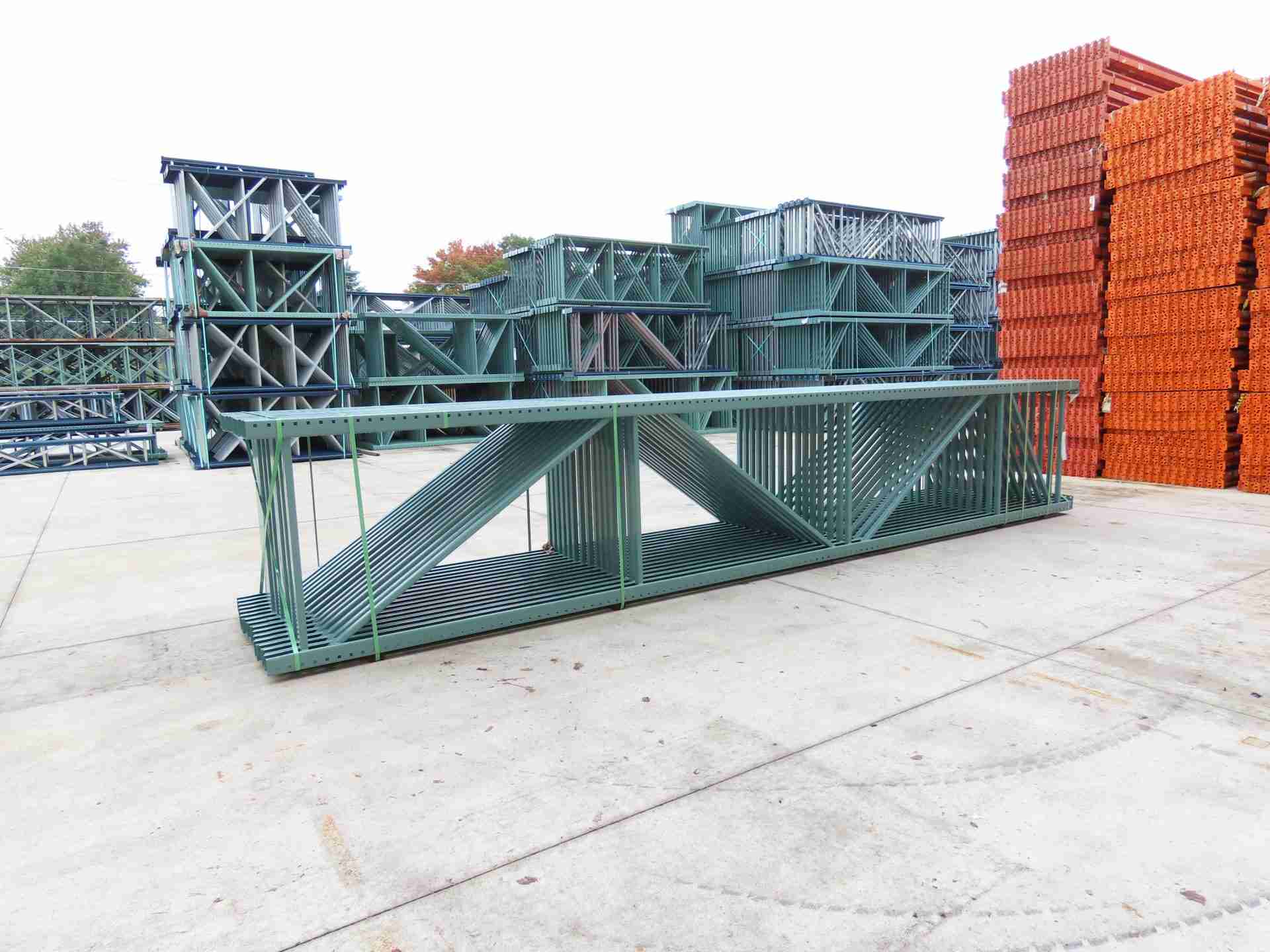
How Can Pallet Racking Reduce Equipment Damage Risk?
What Ethical Benefits Come From Safer Storage Methods?
When we talk about safer storage methods, like proper pallet racking, it’s not just about keeping things tidy—it’s about doing right by the folks who work with this stuff every day. Think about a warehouse floor where heavy crates get stacked high. One wrong move, a wobbly rack, and suddenly you’re looking at an accident that could’ve been avoided. The ethical benefit here is simple: treating people like they matter. Because they do. It’s about showing respect for those hands that move boxes, load trucks, and keep the wheels turning.
From the gut, it just feels right to keep storage organized and secure. Everyone wants to go home in one piece after a day’s work, not worry if some unstable pallet is going to come crashing down. Safer storage isn’t an extra cost or a boring rule to follow; it’s about looking out for each other. When workers see that management invests time and resources into solid pallet racking systems, it builds trust. It tells them, “We’re in this together. Your safety counts.” That trust turns into confidence — confidence that the workplace protects people instead of putting them in harm’s way.
On the head side of things, safer storage methods make plain, practical sense. Proper pallet racking prevents damage to goods, cuts down on workplace injuries, and boosts efficiency. Fewer accidents mean fewer disruptions, and fewer disruptions mean more consistent productivity. Ethical decisions often overlap with smart business. When you prioritize safety, you’re saving money on insurance claims and lost workdays. It’s a straightforward return on investment. The authority on this comes from decades of hands-on experience on countless warehouse floors, where those who skimp on safe storage end up paying the price, and those who don’t earn quieter shifts and steadier paychecks.
This isn’t just a checklist for compliance; it’s a shared commitment. Every crate securely racked connects to a bigger story — of families counting on a paycheck, of communities relying on steady jobs, of a workplace built on respect and care. Safer storage is an ethical anchor, holding up an honest day’s work without risk hanging overhead. It’s the common-sense call that says, “We care about people and the work they do,” plain and simple.
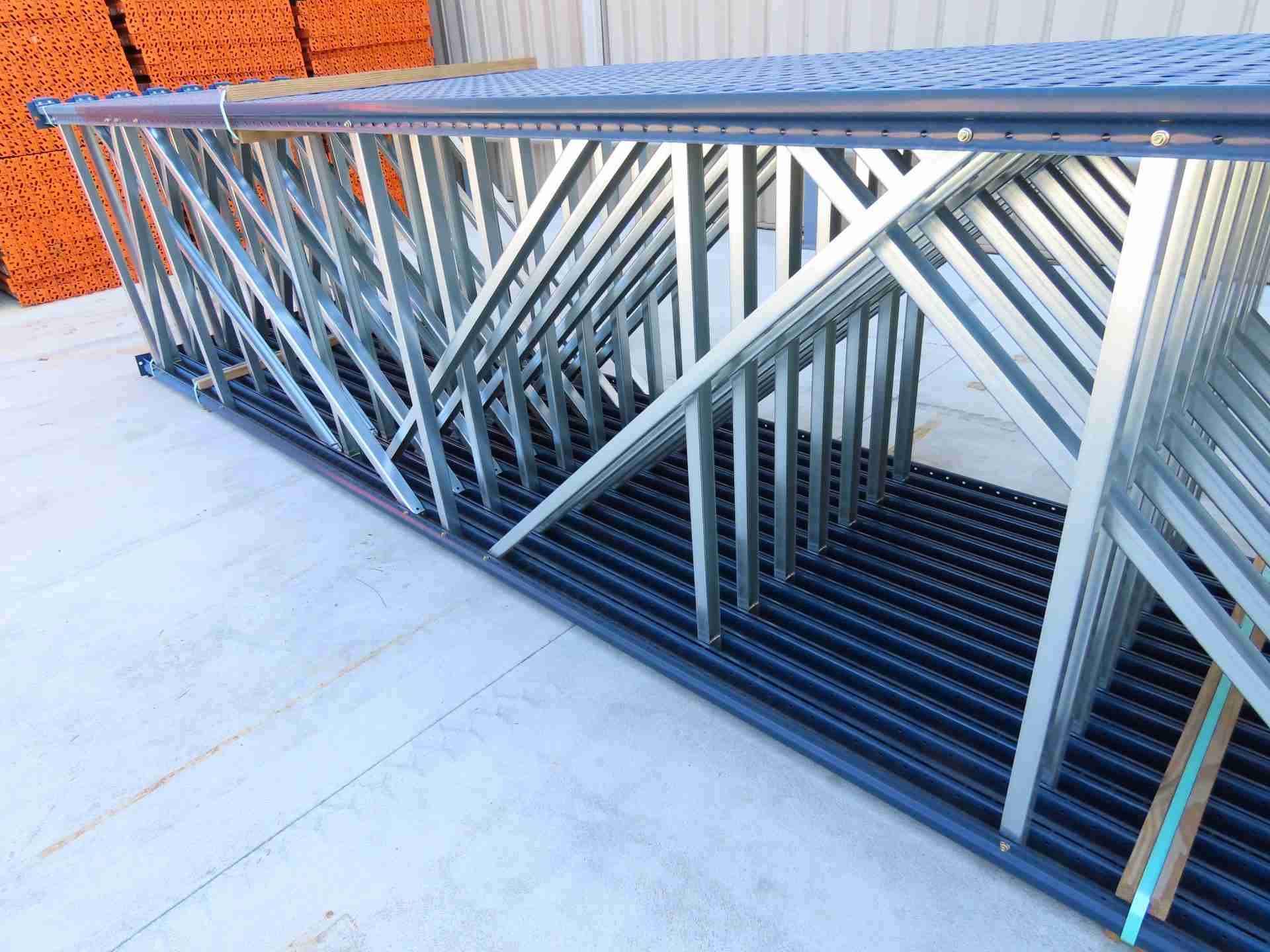
What Ethical Benefits Come From Safer Storage Methods?
What Ethical Benefits Come From Safer Storage Methods?
- Proper pallet racking ensures workplace safety by preventing accidents caused by unstable storage.
- Ethical storage practices demonstrate respect and care for workers who handle and move goods daily.
- Organized and secure storage contributes to workers’ peace of mind and trust in management’s commitment to safety.
- Safer storage methods reduce damage to goods, lower injury rates, and improve overall operational efficiency.
- Prioritizing safety aligns ethical responsibility with financial benefits, such as fewer insurance claims and reduced lost workdays.
- Decades of experience show that proper storage leads to smoother operations and better employee morale.
- Safer storage is a shared commitment reflecting respect for workers, families, and communities dependent on steady employment.
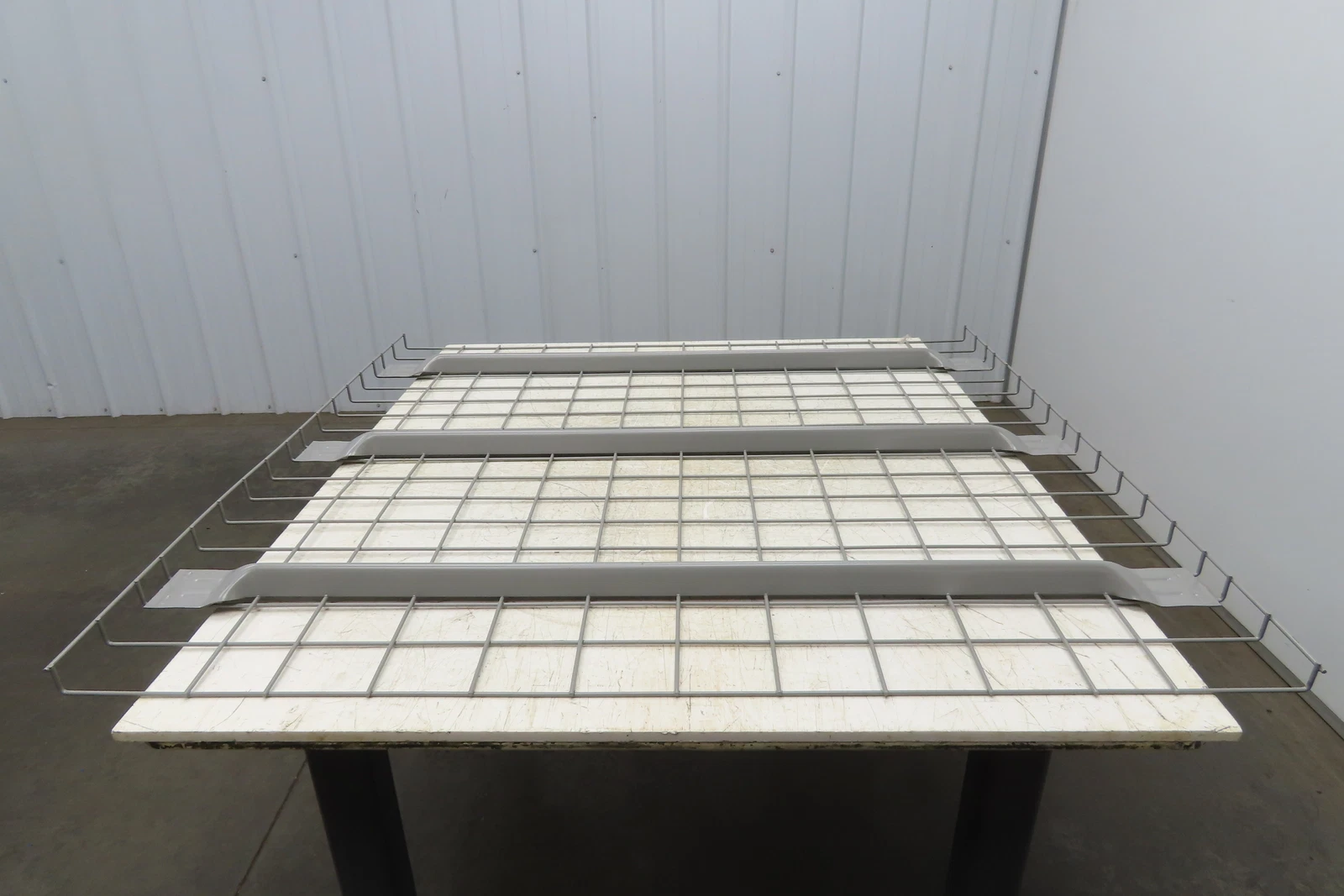
What Ethical Benefits Come From Safer Storage Methods?
How Does Pallet Racking Support Quick Event Setup Times?
When you’re racing against the clock to get an event off the ground, every minute counts. That’s where pallet racking steps in like an unsung hero—quiet, sturdy, and dependable. It’s the kind of backbone you don’t notice unless it’s missing, but the moment it’s in place, everything runs smoother. You’ve got tons of gear, crates, and supplies to juggle, and pallet racking gives you a system to stack, sort, and grab what you need without tearing your hair out. It’s like having a well-organized toolbox that never lets you down.
Now, think about the chaos on setup day. No one’s there to babysit; you just gotta get it done—fast. Pallet racking brings order to that storm. Instead of piles of stuff tossed everywhere, everything has a place. Forklifts and workers glide through aisles instead of tripping over themselves. This means less sweat, less wasted energy, and less waiting around. Quick setup isn’t just about speed; it’s about confidence—the confidence that when you reach for something, it’s right there, ready to roll. That trust alone keeps your team focused and your head clear, turning a nerve-wracking scramble into a controlled, efficient operation.
There’s an ethical spin too—respecting the crew who bust their backs to make the magic happen. Pallet racking cuts down on backaches and accidents, giving folks safer ground to stand on. When workers know their tools and workplace aren’t just slapped together but thoughtfully planned out, it builds a quiet pride. That’s the kind of respect that shows through when the event kicks off flawlessly, thanks to setup that didn’t break anyone or their spirit.
Stories from the floor paint the clearest picture: a warehouse buzzing like a well-oiled machine because everything’s stacked right, a team moving with purpose, and last-minute hiccups handled without panic. Pallet racking isn’t just metal and bolts; it’s the trusty scaffolding of success, holding up more than goods—it holds up confidence, efficiency, and ultimately the whole event. When you lean on it, you’re not just saving time, you’re backing your team, your plan, and your commitment to getting the job done right.

How Does Pallet Racking Support Quick Event Setup Times?
How Does Pallet Racking Support Quick Event Setup Times?
- Pallet racking serves as a quiet, sturdy, and dependable backbone that streamlines event setup by organizing gear, crates, and supplies efficiently.
- It transforms chaotic setup days into orderly operations, providing designated spaces for items and enabling smooth movement of forklifts and workers.
- This system reduces wasted energy, waiting time, and physical strain, fostering quicker and more confident setups.
- Pallet racking enhances workplace safety by minimizing backaches and accidents, showing respect for the hardworking crew.
- Thoughtful planning and organization through pallet racking build pride and respect among workers, contributing to flawless event launches.
- Real-life experiences highlight pallet racking’s role in creating efficient, purposeful teams that handle last-minute challenges calmly.
- Beyond physical support, pallet racking upholds confidence, efficiency, and commitment, ultimately ensuring the success of the entire event.

How Does Pallet Racking Support Quick Event Setup Times?
What Cost Savings Does Pallet Racking Create for Warehouse Ops?
You walk into a cluttered warehouse, boxes stacked every which way, forklifts dodging around like it’s a maze. Now imagine swapping that chaos for a solid pallet racking system—rows of sturdy steel, organized, efficient, and reliable. Pallet racking isn’t just metal shelves; it’s a lifeline for warehouse operations saving cold, hard cash every day.
First off, let’s talk space. When you use pallet racking right, you’re not just stacking higher—you’re stacking smarter. More vertical storage means you’re squeezing out every inch of your warehouse footprint. That’s fewer square feet renting for nothing but air, and more product shelved safely and within reach. It’s simple math: better space utilization means less wasted money on real estate, and more inventory to sell without expanding your building. That’s the kind of efficiency that pegs profits and cuts costs, plain and simple.
Then there’s time—the sneaky thief of every warehouse. Without pallet racking, workers spend minutes hunting down items, twisting through aisles, or juggling unstable stacks. With it, workers grab what they need quickly and safely, cutting down on lost hours and speeding up order turnaround. One less late shipment means happier customers and no costly rush orders. How much is time worth? More than you think, especially when you add up wages and overtime. Pallet racking helps keep your team moving, saving payroll dollars by making every minute count.
Don’t forget safety—your team deserves it, and your balance sheet will thank you. Stacks falling over or aisles cluttered with pallets off the grid? That’s a lawsuit waiting to happen. Pallet racking keeps everything locked in place, reducing accidents and insurance claims. That’s a win-win for workers and managers alike, building trust and a culture where folks feel looked after.
From a practical, hands-in-the-dirt perspective, pallet racking asks you to make an upfront investment that pays off in spades. It’s like fixing a leaky pipe before the basement floods—cost upfront but savings in the long haul. Between squeezing more product in, speeding up flow, and cutting safety risks, pallet racking returns dollars and peace of mind that no amount of makeshift shelving could touch.
Pallet racking isn’t just a business tool. It’s the backbone of a warehouse that runs smoother, safer, and cheaper—helping the whole operation stand tall.

What Cost Savings Does Pallet Racking Create for Warehouse Ops?
What Cost Savings Does Pallet Racking Create for Warehouse Ops?
- Pallet racking transforms chaotic warehouses into organized, efficient spaces, saving money daily.
- It maximizes vertical storage, improving space utilization and reducing costs on real estate without expanding the building.
- Pallet racking speeds up item retrieval, reducing wasted time, order delays, and payroll expenses.
- It enhances safety by securing stacks and improving aisle organization, lowering accident risks and insurance claims.
- Requires an upfront investment that delivers long-term savings and operational efficiency.
- Improves warehouse flow, storage capacity, and reduces safety hazards better than makeshift shelving.
- Serves as a critical foundation for smoother, safer, and more cost-effective warehouse operations.

What Cost Savings Does Pallet Racking Create for Warehouse Ops?
How Can Improved Organization Boost Employee Productivity?
Picture a job site or workshop where tools are scattered, parts are lost in piles, and everyone’s scrambling to find what they need. You don’t need a fancy office to know that chaos wears down folks faster than a ten-hour shift on a hot summer day. When things are organized—say, with clear labeling or a solid pallet racking system—it’s like handing everyone a map in a jungle. Suddenly, the work flows, doors open smoother, and people don’t waste precious minutes hunting for gear. That’s not just efficiency; it’s respect. Respect for people’s time, energy, and the sweat they put into their job.
There’s no dramatic secret here, just plain truth: when tools and materials have a place, and everyone understands where to find them, it cuts down confusion and frustration. This isn’t about bureaucracy or busywork; it’s about giving people the simple dignity of not feeling lost or overwhelmed. Workers can focus on the task at hand instead of battling a maze of clutter. You avoid those moments when someone’s stuck waiting because the right part isn’t around or someone accidentally grabs the wrong one. With pallet racking and smart categorization, productivity doesn’t just rise—it sticks, because it’s built on a foundation everyone can trust.
The ethical side of this is just as important. Nobody should have to feel like a cog in a messy machine. Clean, organized spaces say, “We value your craft and your mind.” It creates a culture where people take ownership, pitch in, and hold each other accountable. When your team knows the workplace is set up to make their job easier, morale climbs too. They see management cares, not just about the bottom line, but about their well-being.
Numbers back this up. Studies have shown workplaces with solid organizational systems reduce downtime and errors, meaning more tasks get finished right and on time. But those stats don’t capture the everyday wins felt in the break room—less stress, fewer headaches, a quicker path from clock-in to clock-out with pride in the work done.
You don’t need to be a corporate wizard or have a warehouse full of gadgets to see the benefits. Just put in the effort to organize, build a pallet racking system that suits your needs, and watch how work turns from a grind into a groove. It’s a simple fix, but one that pays off in trust, confidence, and a crew that’s ready to tackle whatever the day throws their way.

How Can Improved Organization Boost Employee Productivity?
How Can Improved Organization Boost Employee Productivity?
- Disorganized job sites cause frustration, slow work, and drain energy, while organization improves flow and efficiency.
- Clear labeling and pallet racking systems provide structure, reducing time wasted searching for tools and parts.
- Organization cuts confusion and frustration, allowing workers to focus on tasks without feeling overwhelmed.
- Clean, organized workplaces communicate respect for workers and foster ownership, accountability, and collaboration.
- Well-organized environments boost morale by showing management cares about employees’ well-being, not just profits.
- Studies confirm organizational systems reduce downtime and errors, leading to more tasks completed accurately and timely.
- Simple organizational efforts lead to lasting productivity gains, trust, confidence, and a motivated, prepared workforce.
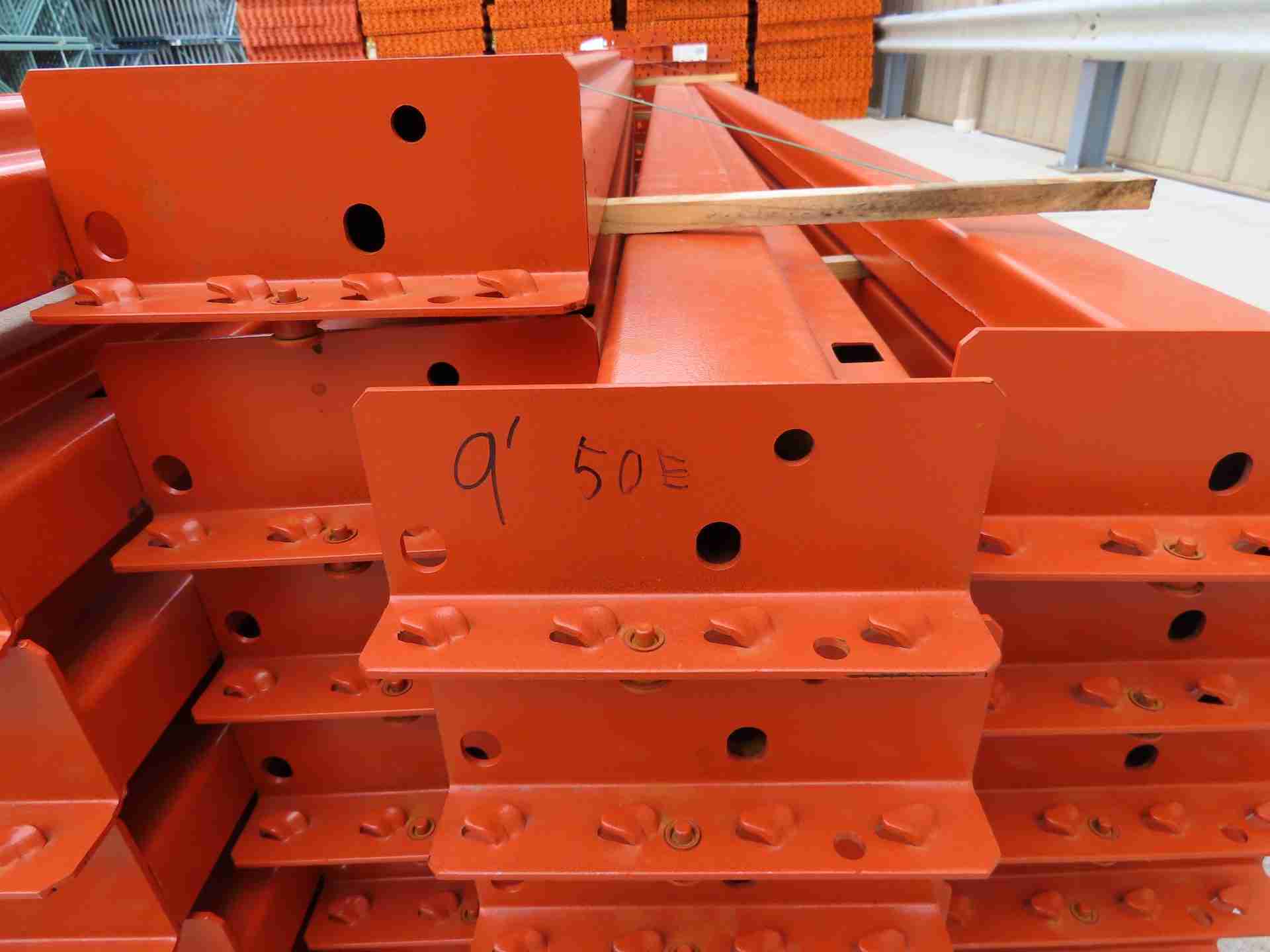
How Can Improved Organization Boost Employee Productivity?
Conclusion
When it comes down to it, pallet racking isn’t just about stacking boxes or cramming gear into a warehouse. It’s the quiet workhorse making sure everything runs smooth when the clock’s ticking, the pressure’s on, and you’ve got a mountain of equipment to load up and roll out. These racks are the backbone of event and trade show warehouses—strong, simple, and downright practical. They turn messy floors into orderly spaces where every crate, tent, and light rig has its spot. That means less time wasted hunting, less muscle strain hauling, and fewer near-misses that can turn a busy day into a costly disaster.
From the ground level, it’s about respect—respect for the folks sweating through long shifts and the gear that keeps the show on the road. By properly stacking heavy loads on solid racks, warehouses protect both their people and their investment. It’s not just common sense; it’s an ethical stance that says, “We value your safety, and we mean business.” When workers know their environment is organized and secure, trust builds. They work smarter, faster, and with less worry about things falling apart or hurting someone. That kind of pride in the workplace turns into smoother setups and shows that kick off on time, every time.
Efficiency is more than a buzzword here—it’s cold, hard savings. Pallet racking stretches every inch of space vertically so warehouses can pack more gear without expanding their footprint. That means less rent eaten up by empty floors and more inventory ready to move. It saves time too; workers navigate clean aisles instead of dodging piles, speeding up loading and unloading. This efficiency isn’t just good for business; it’s good for morale. When you know where everything lives and can grab it without a headache, the whole operation hums along without the usual late-night panics.
The risks without pallet racking are real—forklifts slipping, pallets toppling, equipment getting wrecked. Each accident hits the bottom line and weighs heavy on the team’s spirit. A well-planned racking system is like guardrails on a busy road, keeping everything steady and safe. Bottom line: it cuts damage, reduces injuries, and guards your peace of mind. It’s a smart investment that pays dividends in fewer insurance claims, less downtime, and a safer place to work.
And there’s a social edge too. Running a warehouse that takes storage seriously sends a message to clients and partners—you’re trustworthy, professional, and you’ve got your act together. It shows you value quality, care for your team, and respect the craft behind every event.
In the end, pallet racking is more than metal beams and bolts—it’s a story of grit, grounded wisdom, and looking out for each other. It’s about building a workspace where the gear is ready, the crew moves with confidence, and the show gets done right. That steady backbone of organization and safety is priceless when the stakes are high and the clock is running.

Conclusion
Conclusion:
- Pallet racking is essential for organizing event and trade show warehouses, turning cluttered floors into orderly storage spaces.
- It supports worker safety and equipment protection by properly stacking heavy loads on sturdy racks, fostering trust and efficiency.
- By maximizing vertical space, pallet racking improves efficiency, reduces wasted floor space, and speeds up loading and unloading processes.
- Proper racking systems minimize risks like forklift accidents and equipment damage, reducing injuries and downtime.
- Investing in pallet racking leads to cost savings through fewer insurance claims and less operational disruption.
- Well-maintained storage sends a professional message to clients and partners, demonstrating reliability and respect for quality work.
- Pallet racking represents a foundation of organization, safety, and teamwork crucial for timely and successful event setups.

Conclusion
Other Resources

Other Resources
Here is a list of other resources you can review online to learn more:
- Warehouse Racking Layout: The Ultimate Guide – Conger
- Intro to Warehouse Racks & Warehouse Racking Systems – ShipBob
- Material Handling Safety
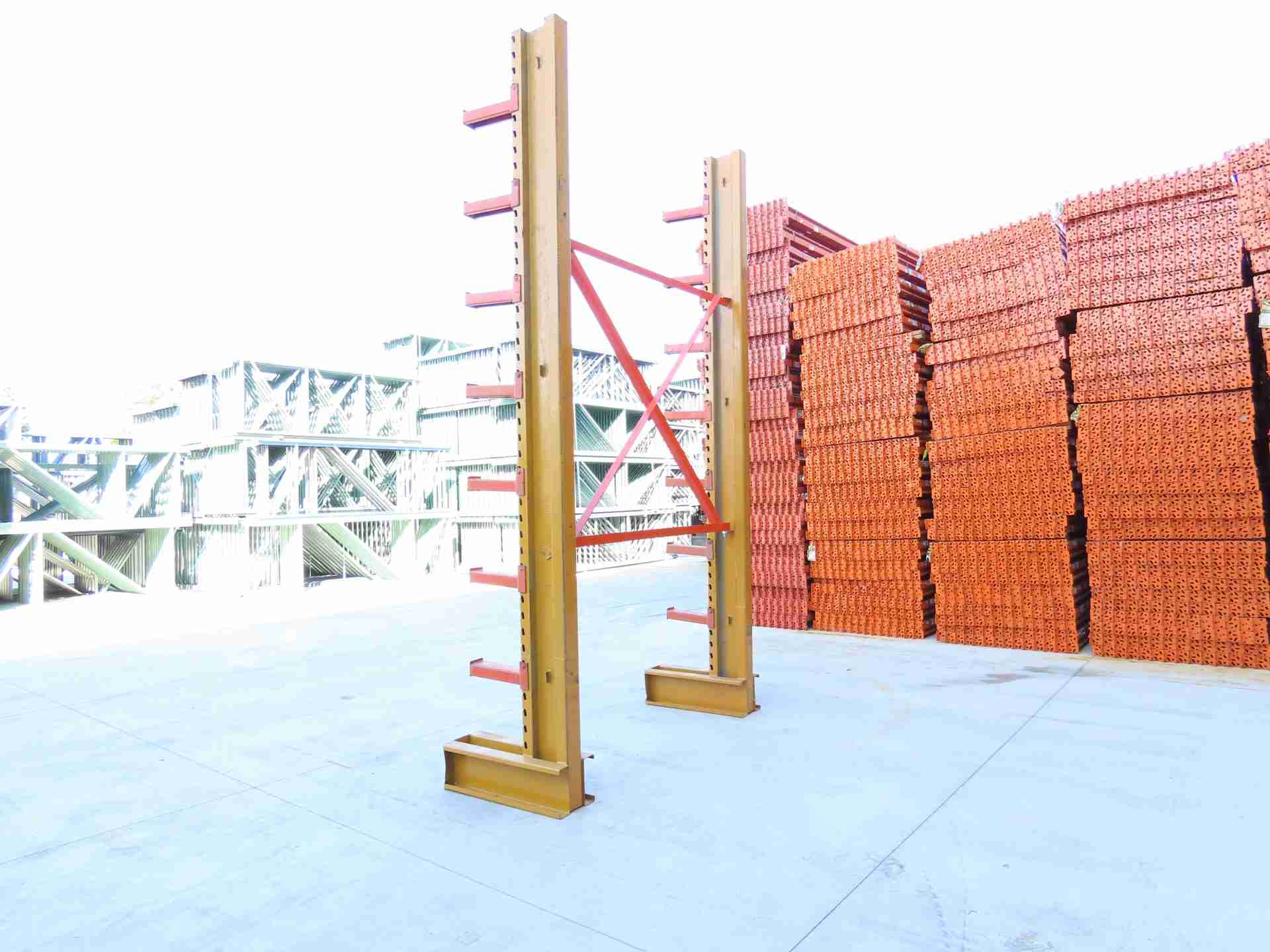
- Cantilever Rack Guide: Ordering Cantilever Racking
- MHI
- The Ultimate Pallet Racking Guide – Speedrack West
- Storage Equipment Manufacturers’ Association
- Teardrop Industrial Shelving Rack
- Bradford Systems
- Cantilever Racks Chicago
- Warehouse Racking System: Powerful Guide to Optimise, 2024
- Teardrop Pallet Rack – Ridg-U-Rak
- ASSP
- Mustang Material Handling
- Chicago Pallet Racking
- Overhead Lifting
- Warehouse Racking Chicago, IL
- Selective Pallet Racking Systems
- Warehousing and Fulfillment
- Pallet Racks, Pallet Racking, Pallet Shelves in Stock – ULINE
Use This Prompt To Get More Resources With Your Favorite Online AI Tool: Please provide me with a list of online articles with their URLs in a bulleted list that I can read regarding How Do Event and Trade Show Equipment Warehouses Leverage Pallet Racking?
Other Resources
Glossary Terms
How Do Event and Trade Show Equipment Warehouses Leverage Pallet Racking? – Glossary Of Terms
1. Pallet Racking: A storage system designed to hold materials on pallets in horizontal rows with multiple levels.
2. Warehouse: A large building where goods are stored before distribution or sale.
3. Event Equipment: Tools, fixtures, and supplies used for setting up and running events or trade shows.
4. Trade Show Booth: A designated area within a trade show where companies showcase their products or services.
5. Inventory Management: The process of ordering, storing, and using a company’s inventory.
6. Space Optimization: The efficient use of storage area to maximize capacity.
7. Load Capacity: The maximum weight that a pallet racking system can safely support.
8. Accessibility: The ease with which stored items can be reached in a warehouse.
9. Forklift: A powered industrial truck used to lift and move materials over short distances.
10. SKU (Stock Keeping Unit): A unique identifier for each distinct product or item in inventory.
11. Vertical Storage: Using height to increase storage capacity in a warehouse.
12. Narrow Aisle Racking: Pallet racking designed to maximize storage in limited aisle space.
13. Unit Load: The quantity of material handled as a single load, often on a pallet.
14. Pick Face: The area of storage that is accessible for picking inventory items.
15. Material Handling Equipment: Tools and machines used to move, store, and control materials.
16. Loading Dock: A platform where goods are loaded and unloaded from trucks.
17. Safety Barriers: Physical guards installed to protect racking structures and workers.
18. Racking Upright: The vertical frame components of pallet racking systems.
19. Beam Level: The horizontal support beams on pallet racks that hold pallets.
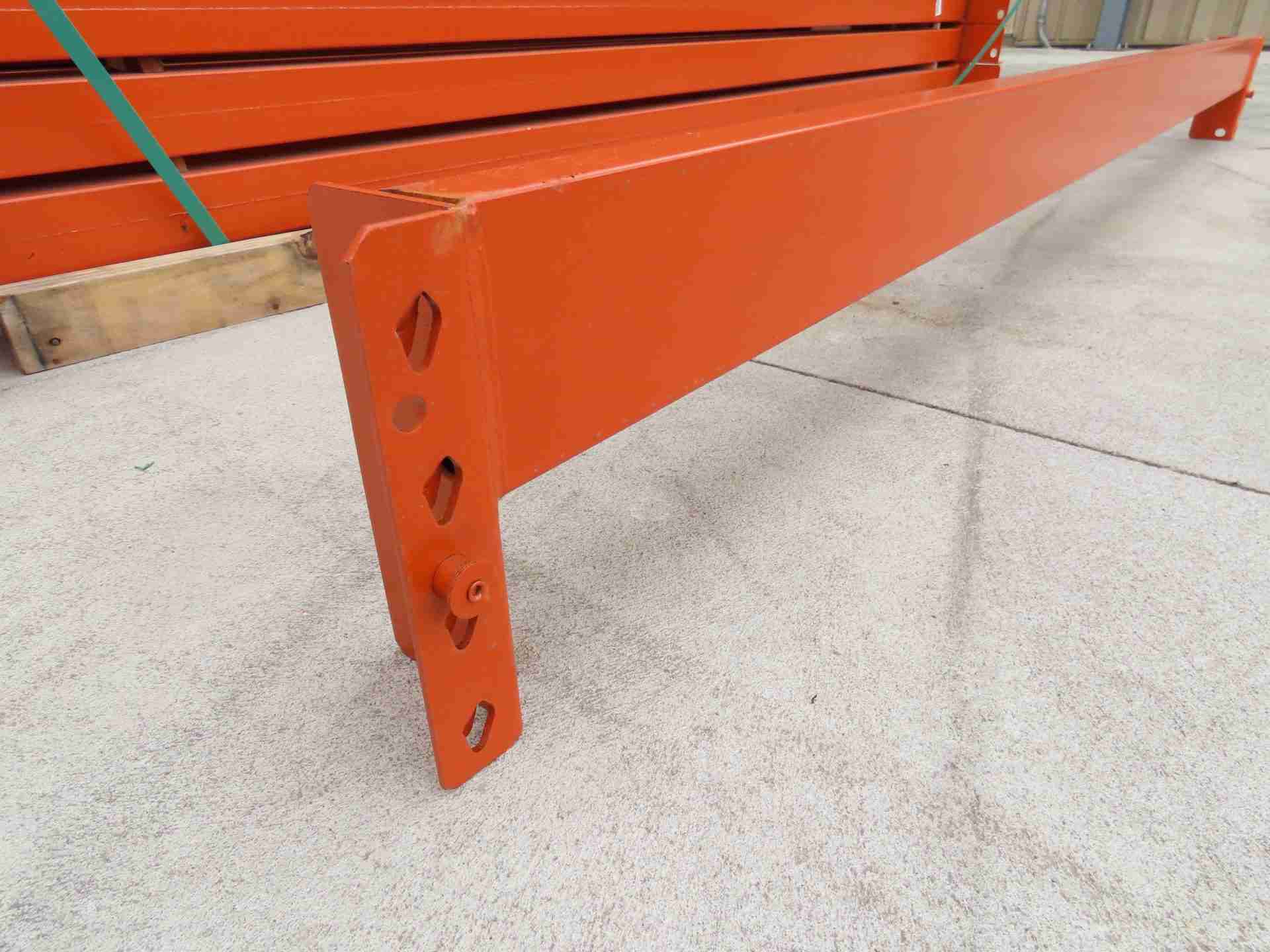
20. Crossbars: Horizontal bars used to support products on pallet racks, especially for smaller items.
21. Drive-in Racking: A storage system where forklifts drive directly into the rack’s bay.
22. Selective Pallet Racking: A common type of racking that allows access to each pallet individually.
23. Load Stability: Ensuring pallets are secure and do not shift during storage.
24. Warehouse Layout: The arrangement of storage areas, aisles, and equipment in a warehouse.
25. Order Fulfillment: The process of picking, packing, and shipping goods to customers.
26. Staging Area: A temporary space for organizing goods before shipment or setup.
27. Inventory Turnover: The rate at which inventory is used or sold and replaced.
28. Modular Racking: Pallet racking systems that can be reconfigured as storage needs change.
29. Rack Inspection: Regular checks performed to ensure pallet racks are safe and functional.
30. Load Distribution: The even spread of weight across a pallet rack to prevent collapse.

Glossary Of Terms
Other Questions
How Do Event and Trade Show Equipment Warehouses Leverage Pallet Racking? – Other Questions
If you wish to explore and discover more, consider looking for answers to these questions:
- What types of pallet racking systems are best suited for event and trade show equipment (selective, drive-in, push-back, pallet flow, mobile)?
- How do I calculate required load capacity per beam and per upright for heavy equipment like lighting rigs and trusses?
- What are the recommended pallet sizes and load configurations for irregularly shaped event gear?
- How should aisle widths be determined to balance storage density with safe forklift access?
- What rack accessories (decking, pallet supports, row spacers, column guards) are essential for event warehouses?
- How often should pallet racking be inspected and what are the key inspection checklist items?
- What are the common causes of pallet rack failure and how can they be prevented?
- What are the installation requirements and typical lead times for new pallet racking systems?
- What are the costs (initial and ongoing) of installing and maintaining pallet racking, and what ROI timeline can be expected?
- How do pallet racking choices affect workflow and pick-pack/dispatch times during event load‑outs?
- Which layout strategies (zoning, dedicated staging areas) optimize quick event setup and teardown?
- How can racking be integrated with inventory systems (WMS, barcode scanners, RFID) for faster retrieval?
- What training do staff and forklift operators need for safe rack use and material handling?
- What local codes, OSHA standards, or fire-safety regulations apply to pallet racking in event warehouses?
- How should pallet racking be designed to accommodate sprinkler systems and fire suppression?
- What seismic or wind-bracing considerations apply in earthquake-prone or high-wind regions?
- How can fragile or sensitive equipment (electronics, lighting instruments) be stored safely on pallet racks?
- What methods exist for securing irregular loads to prevent shifting during storage and retrieval?
- When is it better to retrofit existing shelving versus replacing with a new racking system?
- What options exist for temporary or portable racking for seasonal peaks or pop-up storage needs?
- Should a warehouse rent racking or buy it outright, and what are the pros and cons of each?
- How do rack protective measures (end-of-aisle guards, bollards) reduce damage from forklifts?
- What inspection and repair procedures are recommended after a forklift collision with racking?
- How do different racking systems impact insurance premiums and liability exposure?
- What metrics should warehouses track to measure space utilization and racking efficiency?
- How can pallet racking support different picking strategies (FIFO, LIFO, batch picking) used by event logistics?
- What are best practices for labeling, signage, and visual management on pallet racks?
- How should racking be configured to support staging areas and pre-load zones for trucks?
- What are the delivery, anchoring, and floor-preparation requirements for installing pallet racks?
- How long do typical pallet racking systems last and what warranty/support should vendors provide?
- Which vendors or manufacturers specialize in racking for event and trade show equipment?
- How can racking designs minimize damage and wear to expensive road‑case gear and soft goods?
- What environmental controls (humidity, temperature) are needed and how does racking affect them?
- How to plan for future growth and modular expansion when choosing a racking system?
- What are the costs and procedures for relocating or reconfiguring racking when changing warehouse layouts?
- How do pallet racking strategies differ between small local rental houses and large national event logistics firms?
- What case studies or real-world examples show measurable benefits from implementing pallet racking in event warehouses?
- How can sustainability and recyclability be factored into racking material and end-of-life decisions?
Other Questions
Checklist
How Do Event and Trade Show Equipment Warehouses Leverage Pallet Racking? – A Checklist
Strategy & Space Planning
✅______ Storage goals defined by gear type (rigging, lighting, AV, tents, road cases).
✅______ Velocity analysis completed; fast movers slotted near docks.
✅______ Clear height, sprinklers, lights, and HVAC obstructions mapped.
✅______ 12–24-month growth forecast incorporated into layout.
✅______ Scaled layout showing aisles, staging, charging, repair, and quarantine areas.
Rack Selection & Engineering
✅______ Appropriate rack types chosen (selective, pushback, pallet flow, drive-in, cantilever).
✅______ Beam length, upright depth, and bay spacing match pallet and case dimensions.
✅______ Load ratings engineered; seismic, fire, and building codes met.
✅______ Decking specified (wire, solid, or specialty) per gear and fire code.
✅______ Rack protection specified (end guards, post protectors, rack backs, netting).
Installation & Anchoring
✅______ Slab condition verified; anchors specified and torque tested.
✅______ Racks plumb, level, and shimmed; beam locks installed on all beams.
✅______ Row spacers and wall ties installed where required.
✅______ Sprinkler and egress clearances maintained.
✅______ Commissioning punch list completed and signed off.
Load Management
✅______ Safe load plaques posted on every rack row.
✅______ Pallet standards defined; damaged pallets removed from service.
✅______ Maximum pallet height, weight, and overhang limits posted.
✅______ Heaviest and most stable items stored on lower levels.
✅______ Mixed-load rules documented and enforced.
Aisle Design & Traffic Flow
✅______ Aisle widths sized to equipment turning radii and mast height.
✅______ One-way traffic and yield points marked.
✅______ Staging lanes at docks labeled in load-out sequence.
✅______ Pedestrian walkways painted and protected.
✅______ Charging and maintenance zones isolated from storage and fire exits.
Safety & Compliance
✅______ Racking meets OSHA and local fire and building codes.
✅______ Flue spaces maintained (transverse and longitudinal).
✅______ Guardrails and fall protection on mezzanines and elevated work areas.
✅______ Exits, extinguishers, alarms, and panels unobstructed.
✅______ Near-miss and incident reporting system active.
Organization & Labeling
✅______ Location schema (aisle–bay–level–position) implemented and visible.
✅______ Scannable labels or RFID tags on locations and assets.
✅______ Color coding for fast movers, restricted, and fragile items.
✅______ Quarantine/repair and returns lanes clearly marked.
✅______ Small parts binned with map and replenishment rules.
Inventory Control
✅______ Cycle counts scheduled by velocity and criticality.
✅______ Serialized asset check-in and check-out defined and enforced.
✅______ Par levels and Kanban set for consumables (straps, cables, hardware).
✅______ Dead stock identified for redeploy, sell, or scrap.
✅______ System-to-physical reconciliation cadence established.
Damage Prevention
✅______ Rack backs or netting installed where drop risk exists.
✅______ End-of-aisle and corner guards installed and inspected.
✅______ Pallet stop beams used where appropriate.
✅______ Standard pallet building and wrap procedures posted.
✅______ Clear mast height limits and safe lift rules posted at aisle entries.
Picking, Kitting, and Load-Out
✅______ Standard event kits prebuilt, labeled, and stored together.
✅______ Optimized pick paths reduce travel and congestion.
✅______ Staging sized for peak outbound volume with time windows.
✅______ Load sequencing aligned to routes and setup order.
✅______ Pretrip completeness and damage checks performed.
Training & Culture
✅______ Certified training for forklifts and order pickers is current.
✅______ New-hire onboarding covers racking rules, PPE, and traffic flow.
✅______ Regular toolbox talks reinforce safe loading and flue spaces.
✅______ Leadership floor walks with documented feedback.
✅______ Recognition for safety, accuracy, and 5S participation.
Maintenance & Inspection
✅______ Monthly rack inspections documented with photos.
✅______ Damaged components tagged out and replaced promptly.
✅______ Anchors, fasteners, and beam locks checked quarterly.
✅______ Floor markings and signage maintained.
✅______ Annual third-party rack audit completed.
Cost & KPI Tracking
✅______ Space utilization (vertical and floor) measured.
✅______ Pick rate, dock-to-dock time, and on-time dispatch tracked.
✅______ Gear and rack damage rate trended and investigated.
✅______ Injury and incident costs and insurance claims reviewed.
✅______ ROI tracked for racking and layout changes.
Event Readiness & Speed
✅______ High-turn gear stored at golden-zone heights.
✅______ Cross-docking workflow defined for rush events.
✅______ Rapid rekit process after returns to restore readiness.
✅______ SLA for last-minute pulls and change orders posted.
✅______ Post-event reviews drive slotting and process updates.
Documentation & Change Control
✅______ As-built rack drawings and load calculations on file and accessible.
✅______ Change requests reviewed by a competent person or engineer.
✅______ Vendor manuals, anchor specs, and certifications retained.
✅______ Inspection and repair logs centralized and retained.
✅______ Master location list kept current.
Emergency Preparedness
✅______ Evacuation routes posted and drilled.
✅______ Spill kits and first-aid stations stocked and signed.
✅______ Severe-weather and earthquake securing procedures defined.
✅______ Fire load assessments for stored materials completed.
✅______ Backup lighting and power for critical zones tested.
Sustainability & Housekeeping
✅______ Clean-as-you-go policy enforced; aisles kept clear.
✅______ Reusable dunnage and protective packaging standardized.
✅______ Waste and recycling stations placed logically.
✅______ Energy-efficient lighting and clear sightlines maintained.
✅______ Dust and noise controls in place for health and equipment care.
Vendor & Equipment Management
✅______ PM schedules for lifts, dock levelers, and attachments are current.
✅______ Spare rack components and vendor contacts on file.
✅______ Installers and service providers vetted and insured.
✅______ Service SLAs and response times defined.
✅______ Proper tools for safe rack repairs available and controlled.
Completion Snapshot
✅______ Items complete ____ / ____
✅______ Top three corrective actions: 1) ____ 2) ____ 3) ____
Checklist
At RackingWorld, we help guide you through selecting warehouse storage systems and racking.
Be sure to read our other related stories at RackingWorld to learn more about warehouse storage systems.
0 Comments