
Maximizing Efficiency And Safety: The Smart Choice For Drywall Distribution
By Tom Seest
At RackingWorld, we help guide you through selecting warehouse storage systems and racking.
Be sure to read our other related stories at RackingWorld to learn more about warehouse storage systems.
How Do Drywall and Gypsum Distributors Leverage Pallet Racking?
When you’re hauling around stacks of drywall or gypsum sheets, you quickly learn that space is king—and chaos is the enemy. Distributors who’ve been in the game for a while know that pallet racking isn’t just some fancy storage setup; it’s the backbone that keeps the whole operation from turning into a muddy, lumbering mess. It’s about respect for the materials, respect for the crew, and respect for the clock. You can’t afford to waste time digging through piles or losing product underfoot.
Pallet racking does what any good gearhead appreciates: it organizes, protects, and maximizes. Those heavy sheets of drywall? They don’t just lie around waiting to get scuffed or broken. They’re stacked neat and tall, easy to reach, and safe from the random bump or bumpkin. You don’t gamble with fragile stock when you’ve got pallets locked into sturdy racks built for the weight and size. It’s common sense, and the people who run warehouses know it well. The racks turn a chaotic warehouse floor into a well-oiled machine where every piece has its place.
It’s not just about keeping the drywall looking sharp; there’s an ethical side too. Distributors have a responsibility to their customers, ensuring materials arrive on time and in good shape. Pallet racking supports that promise. When a contractor calls in needing more gypsum today, the last thing they want is a warehouse crawling with clutter or workers fumbling around, causing delays. Good pallet racking setup means faster pick times, fewer mistakes, and less risk of injury—a win for the business, employees, and clients alike. It’s about doing right by folks who rely on the materials to build homes, offices, and community landmarks.
The authority in this comes down to experience: warehouses with smart pallet racking systems consistently outperform those without. It’s one thing to pack boxes; it’s another to optimize flow, safety, and storage efficiency. The racks say to everyone who steps inside, “This place means business.” And when customers see that kind of professionalism, trust builds quietly but firmly. They know they’re dealing with someone who respects the product and the people behind the scenes.
Pallet racking isn’t glamorous, but it connects the dots. It links hard work with reliability, turns everyday inventory management into a respectable craft, and above all, helps drywall and gypsum distributors deliver on their word. For those who’ve sweated it out in dusty warehouses, it’s a no-nonsense truth: the right racks make all the difference.

How Do Drywall and Gypsum Distributors Leverage Pallet Racking?
How Do Drywall and Gypsum Distributors Leverage Pallet Racking?
- Pallet racking is essential for organizing and maximizing space when storing drywall and gypsum sheets, preventing chaos and damage.
- It protects heavy, fragile sheets by stacking them securely, making them easy to access and reducing risk of damage.
- Effective pallet racking supports timely delivery and maintains the quality of materials, fulfilling distributors’ responsibility to customers.
- A well-organized racking system reduces picking time, errors, and workplace injuries, benefiting businesses, employees, and clients.
- Experienced warehouses with smart pallet racking outperform others by optimizing flow, safety, and storage efficiency.
- Professional pallet racking builds trust with customers by demonstrating respect for products and operational standards.
- Pallet racking transforms inventory management into a reliable, efficient process that is fundamental to successful drywall distribution.
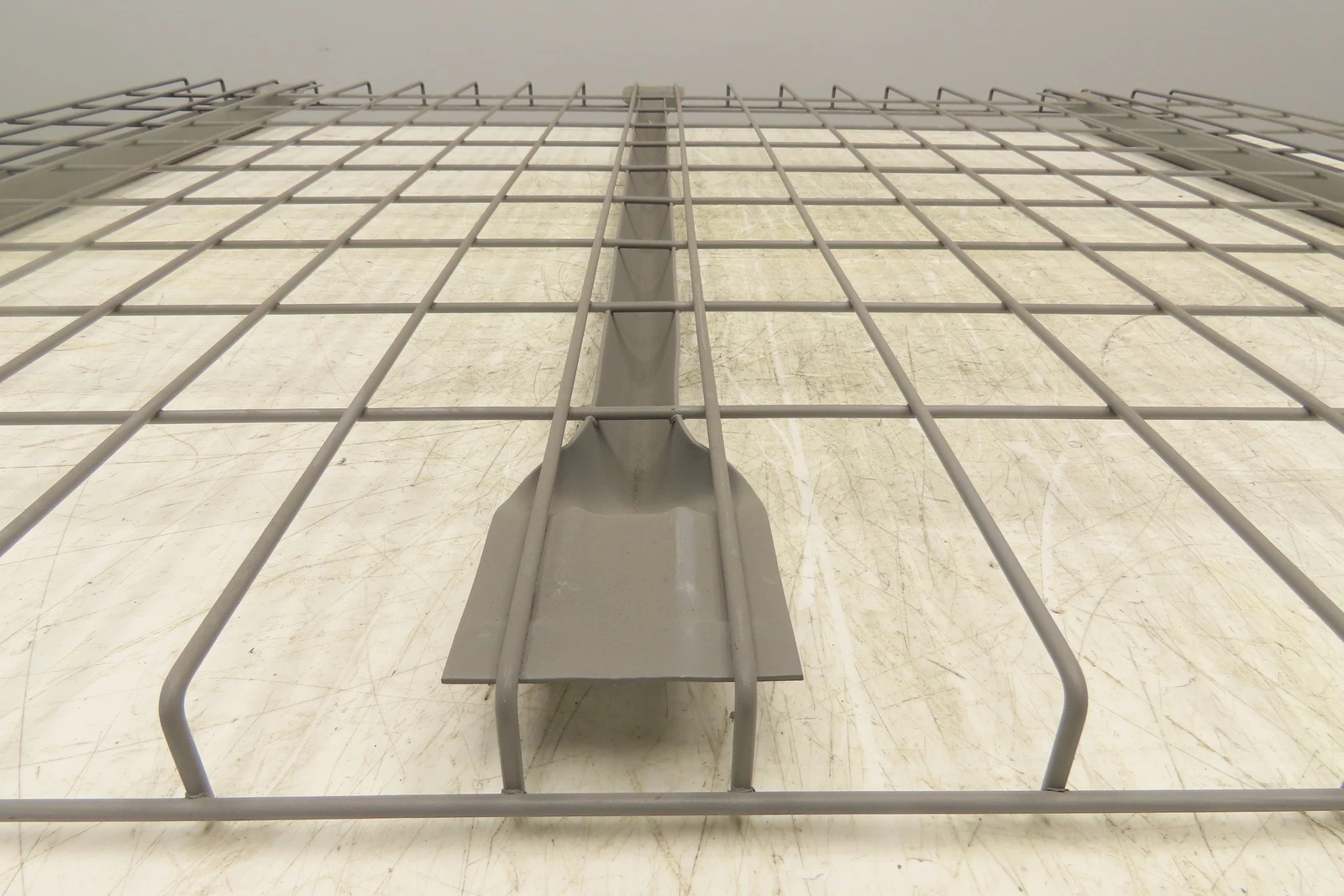
How Do Drywall and Gypsum Distributors Leverage Pallet Racking?
Table Of Contents
- How Do Drywall and Gypsum Distributors Leverage Pallet Racking?
- How Does Pallet Racking Improve Drywall Storage Efficiency?
- What Safety Risks Exist Without Proper Pallet Racking?
- How Can Pallet Racking Reduce Drywall Handling Costs?
- Why Is Organized Storage Critical for Gypsum Distributors?
- How Does Pallet Racking Affect Loading and Unloading Times?
- What Ethical Practices Are Involved In Warehouse Storage?
- Conclusion
- Other Resources
- Glossary Of Terms
- Other Questions
- Checklist
How Does Pallet Racking Improve Drywall Storage Efficiency?
When you’ve been around dusty job sites and cluttered warehouses long enough, you learn that drywall isn’t just another stack of boards. It’s fragile, bulky, and a pain in the neck if it’s not stored right. That’s where pallet racking steps in—like a trusty workhorse that keeps your drywall safe, accessible, and ready to roll. Imagine walking into a storage space that’s neat, where every sheet of drywall sits exactly where it should, no tipping hazards or wasted steps. That’s the kind of efficiency pallet racking brings – it’s practical, straightforward, and downright smart.
Pallet racking isn’t just putting drywall on a shelf; it’s putting your mind at ease. When drywall panels are loaded on pallets and slid onto sturdy racks, they stay straight and solid, reducing damage from bending or accidental knocks. That means less waste, fewer trips back to suppliers, and a good day’s work without frustration. Hands-on folks know materials need respect—pallet racking gives drywall the proper home it deserves, showing you care about the work and the product you handle every day.
From a no-nonsense standpoint, pallet racking speeds up the entire workflow. Instead of rummaging through piles or stacking drywall awkwardly where it can fall or make a mess, everything has its place. You can grab what you need, when you need it, saving time and effort. That efficiency trickles down to better job site momentum and lower labor costs. It’s plain business sense boosted by real-world experience.
There’s also a sense of pride in a well-organized space that pallet racking makes possible. It reflects a crew that takes their craft seriously, treats materials right, and runs a tight ship. That kind of professionalism earns respect—from your co-workers, foremen, and even clients who see how smooth and controlled your operation runs.
Ethically, pallet racking means waste reduction, fewer replacements, and safer handling—which fits the bill for responsible job management. Keeping drywall intact means less landfill, fewer deliveries, and a leaner footprint. It’s the kind of efficiency that feels right—not just because it makes cents, but because it’s simply the responsible thing to do.
So, roadside or warehouse, wherever drywall stacks up, pallet racking turns disorder into organized muscle. It’s a down-to-earth solution that rewards you with more time, less damage, and a job site that runs like clockwork. That’s the kind of improvement anyone who’s spent hours wrestling drywall can get behind.
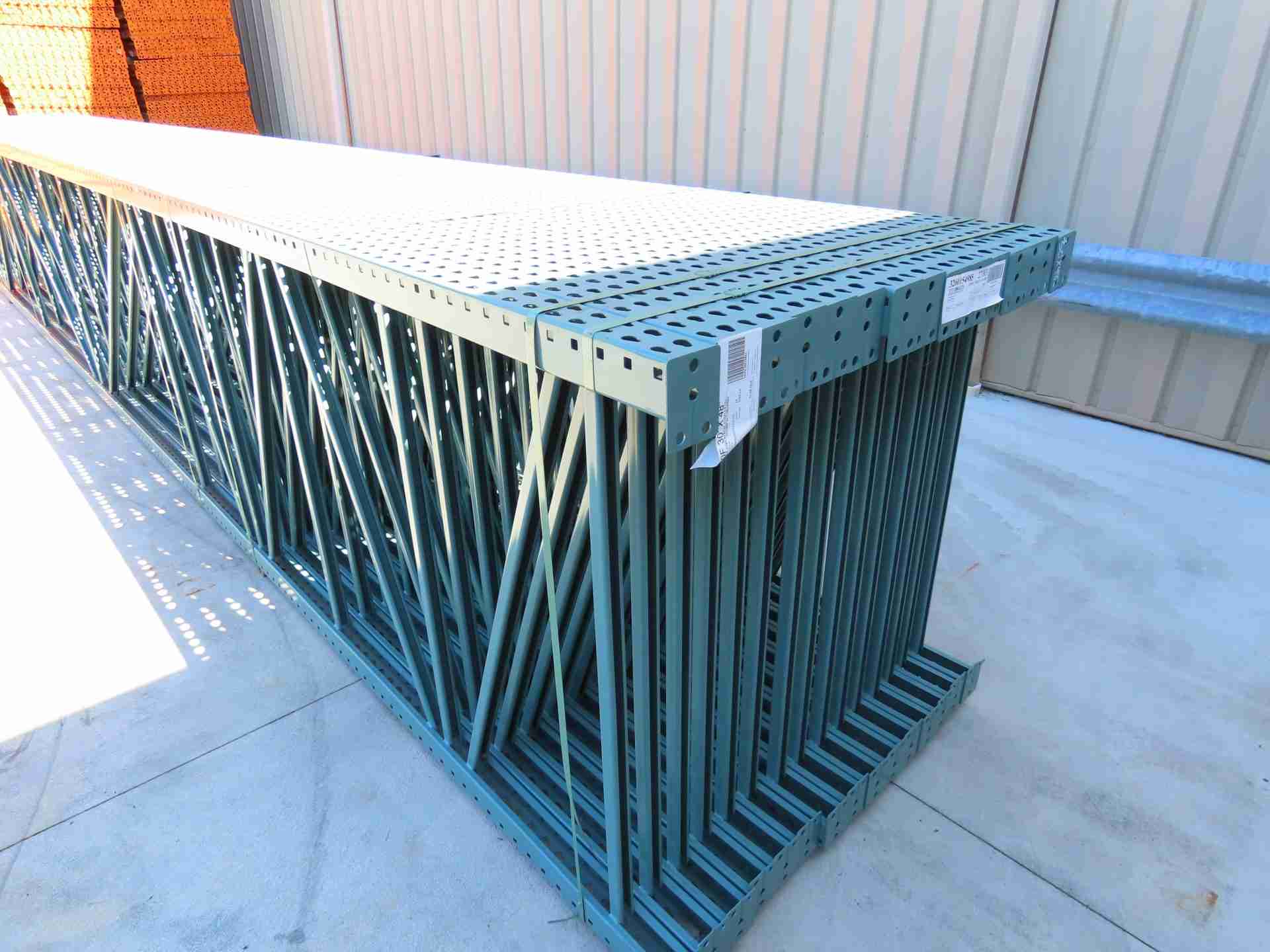
How Does Pallet Racking Improve Drywall Storage Efficiency?
How Does Pallet Racking Improve Drywall Storage Efficiency?
- Drywall is fragile and bulky, requiring proper storage to avoid damage and inefficiency.
- Pallet racking provides a sturdy, organized system that keeps drywall safe, straight, and accessible.
- This system reduces waste and frustration by preventing damage and minimizing trips to suppliers.
- Pallet racking speeds up workflow by giving each drywall sheet a designated place, saving time and effort.
- Using pallet racks promotes professionalism and pride, reflecting well-organized and respectful crews.
- It supports ethical job management by reducing waste, replacements, and environmental impact.
- Pallet racking transforms disorder into efficient, reliable storage that benefits job site momentum and cost savings.

How Does Pallet Racking Improve Drywall Storage Efficiency?
What Safety Risks Exist Without Proper Pallet Racking?
You don’t have to spend long in a warehouse to see how chaos sneaks in when pallet racking isn’t done right. It’s more than just clutter—without solid pallet racking, you’re asking for trouble. Imagine stacks of goods piled haphazardly like a Jenga tower ready to topple. One wrong move, one careless nudge, and suddenly you’re dealing with a cascade of heavy boxes crashing down, risking injury to anyone nearby. That ain’t just a headache—it’s a hazard that puts folks’ well-being on the line every single day.
It’s easy to underestimate how crucial pallet racking is until something goes wrong. From a practical standpoint, proper pallet racking means sturdy, secure rows that keep everything organized, accessible, and stable. Without it, forklifts and workers have to navigate hazards that slow productivity and hike stress levels. Organization isn’t just about neatness—it’s about safety and efficiency working hand in hand.
The ethical side hits home when you consider the people behind those pallets. The employees who clock in every day deserve a workplace that doesn’t put their health or lives at risk because corners were cut or mistakes made on pallet racking. It’s a simple promise to put people first—a basic respect that shouldn’t be overlooked in any business. When pallet racking goes sideways, it’s not just a financial loss; it’s trust broken and livelihoods threatened.
Workplaces that ignore the importance of proper pallet racking aren’t just gambling on equipment or stock. They’re rolling the dice with human lives. From the first-hand accounts of warehouses where poorly installed racks gave way to serious accidents, the lesson is clear: safety isn’t a checkbox—it’s the foundation. Investing time, effort, and know-how into pallet racking systems creates a safer environment everyone can feel good about walking into.
Getting pallet racking right isn’t rocket science. It’s common sense mixed with real-world experience. When you factor in the weight of those pallets, the traffic from forklifts, and the wear-and-tear over time, it’s obvious why shoddy setups spell trouble down the road. The choice is yours: a workplace where safety is built-in or a place holding its breath, hoping nothing bad happens. Every pallet racking decision is a chance to lean into responsibility, care, and respect—for your people and your operation.

What Safety Risks Exist Without Proper Pallet Racking?
What Safety Risks Exist Without Proper Pallet Racking?
- Poor pallet racking leads to chaotic, unstable storage, risking dangerous collapses and injuries.
- Proper pallet racking ensures organized, secure, and accessible storage, enhancing safety and productivity.
- Employees deserve a safe workplace that prioritizes their health over shortcuts or cost-cutting.
- Failing to maintain proper pallet racking damages trust and threatens livelihoods beyond financial loss.
- Ignoring pallet racking safety is a risk to human lives, not just equipment or inventory.
- Investing time and expertise in pallet racking creates a safer, more reliable work environment.
- Pallet racking is common sense combined with experience; each decision reflects responsibility toward safety and care.
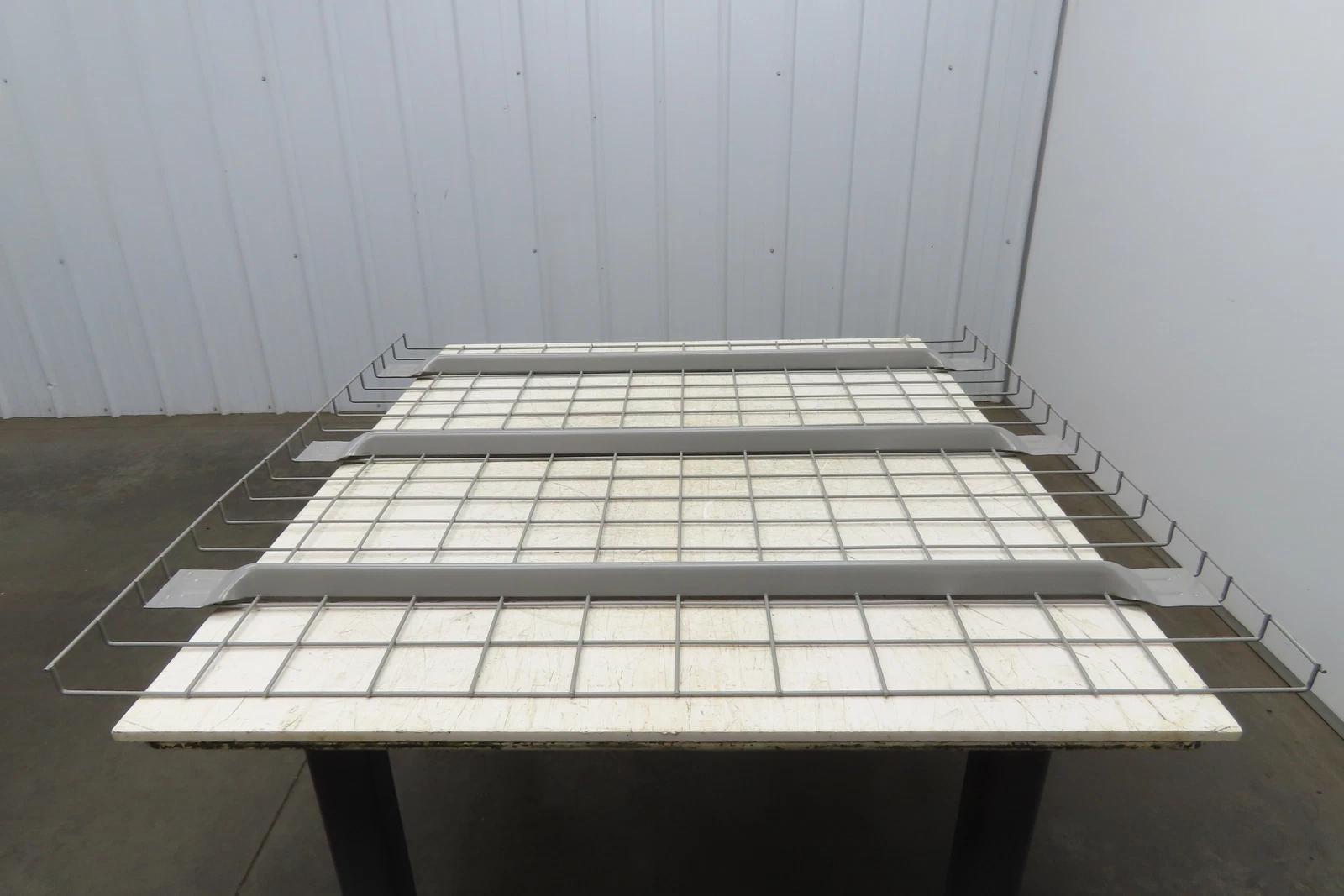
What Safety Risks Exist Without Proper Pallet Racking?
How Can Pallet Racking Reduce Drywall Handling Costs?
When it comes to hauling around drywall sheets day in and day out, the last thing you want is a headache brought on by poor storage and handling. Pallet racking steps in like a dependable workhorse, cutting down the sweat and mishaps that usually bloat those drywall handling costs. Think of it like giving your warehouse a solid backbone—no more piles of drywall stacked sloppily on the floor, no more hunting for that one sheet buried under a mess.
Here’s the real deal: Pallet racking organizes your drywall neatly, keeping those fragile sheets off the ground where they’re prone to damage. Damaged drywall means wasted money, and nobody’s got time or cash to throw away. So by protecting your stock with proper pallet racking, you’re saving dollars that come right out of your bottom line—and that hits home just as hard as any good paycheck.
The folks working these jobs aren’t just muscles moving drywall; they’re the backbone of every project. When they can grab sheets easily and safely from pallet racks, it’s not just quicker—it’s less strain, fewer injuries, and less wear and tear on the crew. That’s the kind of smart work environment that earns respect and keeps the team tight. A safer, smoother operation translates to fewer slowdowns and happier souls at quitting time. There’s pride in that.
On a bigger scale, investing in pallet racking shows you mean business. It signals to your crew, clients, and suppliers that you value efficiency, safety, and quality. That’s how trust builds—through solid systems that run like clockwork. When drywall is stored right, orders get filled faster, jobs finish on time, and everybody’s confidence grows.
Picture the scene: instead of scrambling around a dusty floor, your team rolls up with a forklift or a steady pair of hands, pulling drywall straight from the rack. No fuss, no fuss, no scrap, no mess. Pallet racking cuts handling time, reduces breakage, and lowers insurance risks—three big wins any boss can appreciate.
So yeah, investing in pallet racking isn’t just about gear; it’s about making your job simpler, honoring the work your crew does, and keeping those drywall handling expenses in check. When the right tools are in place, the job just flows better—and that’s something everybody can rally behind.

How Can Pallet Racking Reduce Drywall Handling Costs?
How Can Pallet Racking Reduce Drywall Handling Costs?
- Pallet racking provides organized, efficient storage for drywall, preventing damage and reducing handling costs.
- Keeping drywall off the floor protects fragile sheets, minimizing waste and saving money.
- Easy access to drywall on pallet racks reduces worker strain, injuries, and wear and tear on the crew.
- Pallet racking fosters a safer, smoother work environment that improves team morale and productivity.
- Investing in pallet racking signals commitment to efficiency, safety, and quality to crews, clients, and suppliers.
- Proper storage enables faster order fulfillment, on-time job completion, and greater confidence among stakeholders.
- Using pallet racks cuts handling time, lowers breakage and insurance risks, simplifying operations and reducing expenses.

How Can Pallet Racking Reduce Drywall Handling Costs?
Why Is Organized Storage Critical for Gypsum Distributors?
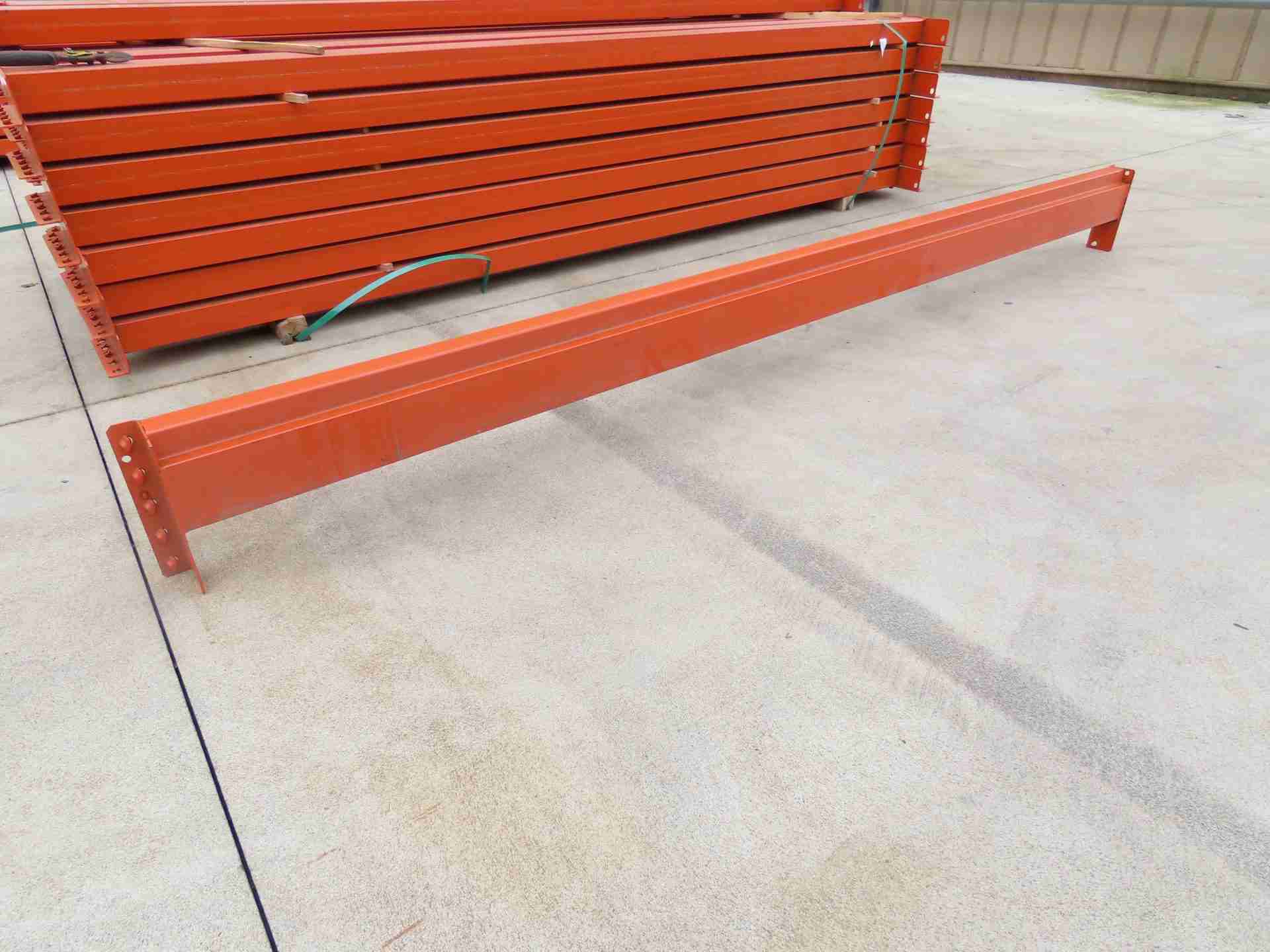
When you’re hauling gypsum sheets, the last thing you want is a messy warehouse slowing you down or worse, wrecking your product. Organized storage isn’t just about keeping things neat—it’s about respect for your work, your customers, and the folks who rely on you every day. Pallet racking, for instance, isn’t just metal bars stacked up; it’s the backbone that holds your whole operation steady. It’s what keeps those heavy gypsum boards off the ground, safe from damage, and easy to grab when the next job calls.
There’s a kind of pride that comes with walking into a clean, well-ordered storage area. It signals that you care—about quality, about efficiency, and about doing your job right. When pallets are racked properly, you can find exactly what you need without tearing your hair out. Time saved means jobs get done faster, customers stay happy, and the whole chain keeps rolling. It’s the practical heart beating behind every successful delivery.
Beyond that, organized storage is an ethical move. Gypsum distributors who treat their inventory right prevent waste and avoid accidents. Damaged goods aren’t just a hit to the wallet; they break trust with customers depending on reliable materials. Stacking pallets with care, following safety rules, and using proper racking systems honors the people who handle those materials every day and the builders counting on flawless supplies.
Experienced hands know this from the ground up. You learn pretty quick that a cluttered warehouse invites mistakes, injuries, and lost time. That’s why you respect the pallet racking system; it’s a simple but powerful tool born from years of trial and error and plain hard work. It’s the kind of solution that feels right because it’s been proven by the folks who sweat the details. Not fancy, but effective and steady.
When gypsum distributors commit to organized storage, they’re stepping up to a bigger role in their communities. They show they’re reliable partners who get it—getting the right material to the right place without cutting corners. That builds respect, keeps crews safe, and ultimately forms the backbone of a job well done. If you want a smooth-running business that stands the test of time, organized storage isn’t optional; it’s the foundation.
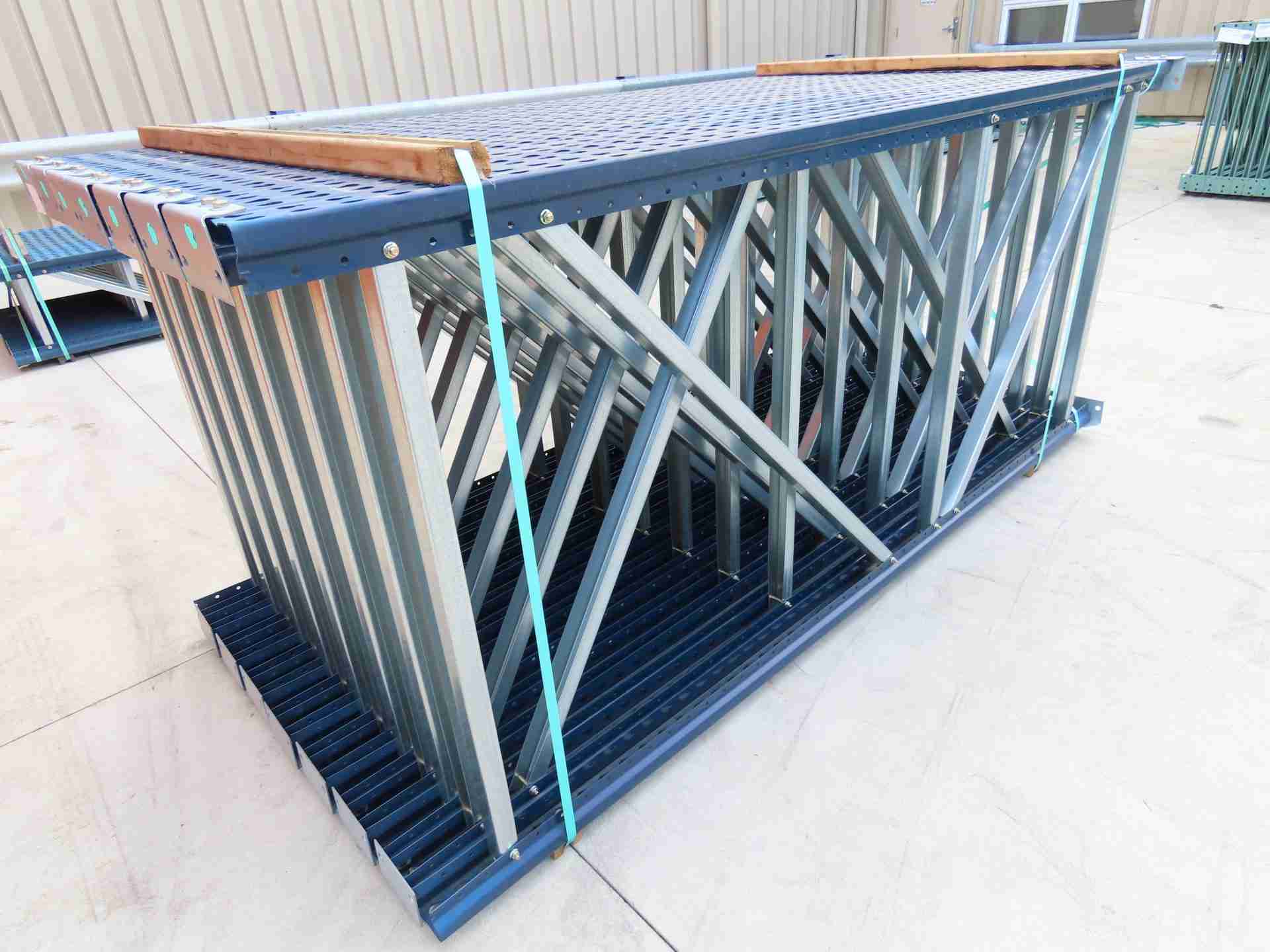
Why Is Organized Storage Critical for Gypsum Distributors?
Why Is Organized Storage Critical for Gypsum Distributors?
- Organized storage is essential for protecting gypsum sheets from damage and maintaining efficient warehouse operations.
- Pallet racking supports operations by keeping gypsum boards off the ground, safe, and easy to access.
- A clean, well-ordered storage area reflects care for quality, efficiency, and professionalism.
- Properly racked pallets save time, speed up job completion, and ensure customer satisfaction.
- Organized storage is an ethical practice that prevents waste, avoids accidents, and preserves customer trust.
- Experienced workers recognize that clutter invites mistakes, injuries, and delays, making pallet racking a trusted, effective solution.
- Committed gypsum distributors build reliability, safety, and community trust, establishing organized storage as a foundational business practice.
Why Is Organized Storage Critical for Gypsum Distributors?
How Does Pallet Racking Affect Loading and Unloading Times?
Imagine walking into a warehouse where everything’s stacked haphazardly, like a kid’s messy room after a long day. Now picture stepping into one where pallet racking lines up like a well-oiled machine, crates and boxes sitting pretty, easy to grab. That difference isn’t just about looks—it hits you in the gut because it’s the kind of organization that saves your back, your patience, and your clock.
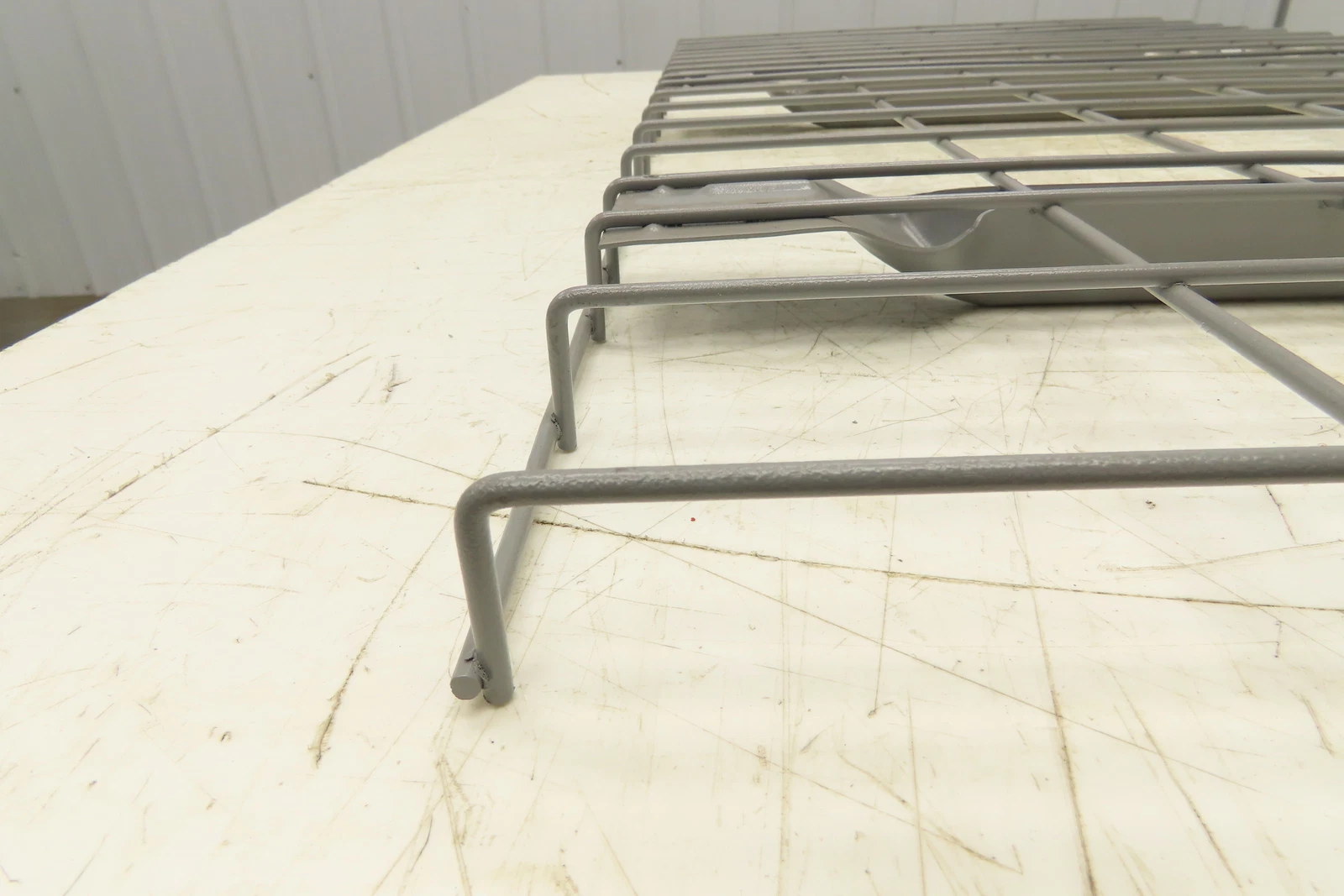
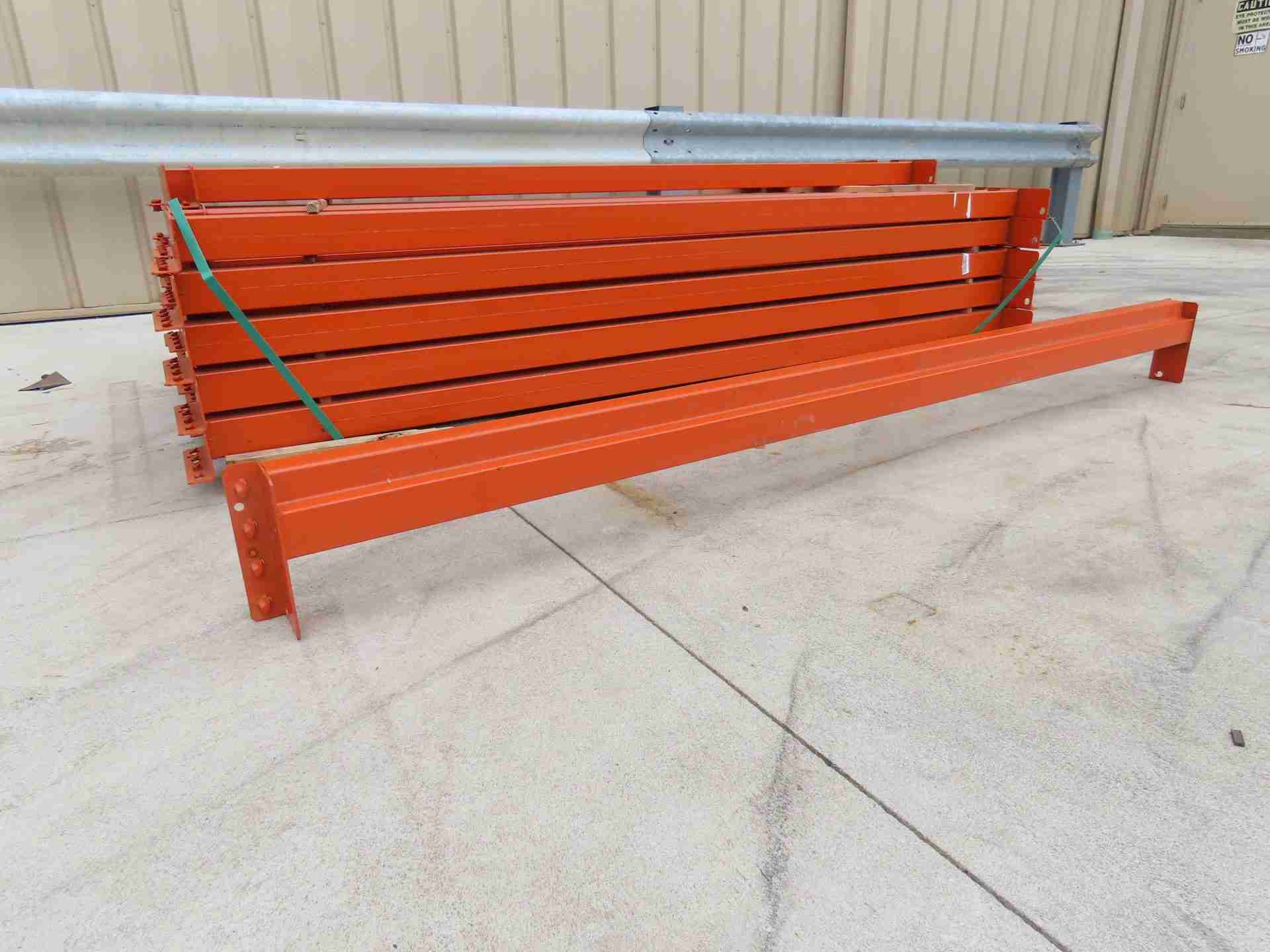
Pallet racking changes the game in loading and unloading. When you’ve got a solid system, forklift drivers don’t waste precious minutes hunting for that one pallet or squeezing through chaos. Everything’s in its place, making each lift and drop smooth like clockwork. That’s rational sense—less time fumbling means more jobs done, more money saved, and no boss breathing down your neck about delays. It’s the kind of setup that respects hard work instead of rubbing you raw with needless hassle.
But there’s more to it than speed and efficiency. Pallet racking demands a commitment to safety and respect for the folks on the floor. No one wants to juggle heavy loads in tight, unsafe spaces. It’s about building an environment where the crew feels looked after, where every loading dock isn’t a stress test but a part of the day that feels manageable and fair. Ethical decisions like investing in proper racking show that a company values its people, not just profits.
The hard truth from years of hands-on work is that loading and unloading times stretch out like chewing taffy when you’re dealing with chaos. Pallet racking tightens that up, making your daily grind less of a gamble. It creates a rhythm, a flow that even grizzled veterans respect because it keeps everyone safer and on track. Workers notice—it lifts morale when their tools and materials are within easy reach, helping them finish their shifts with a genuine sense of accomplishment rather than frustration.
This is no corporate spiel. It’s the kind of straightforward wisdom forged on loading docks, where every minute wasted eats into hard-earned wages and every neat stack saves a scrape or a headache. Investing in pallet racking isn’t just good business—it’s a practical step toward respecting the grind and the folks behind it, turning everyday work into something a little less tough and a lot more doable.
How Does Pallet Racking Affect Loading and Unloading Times?
How Does Pallet Racking Affect Loading and Unloading Times?
- Pallet racking transforms chaotic warehouses into organized spaces, improving efficiency and saving time, effort, and patience.
- A solid pallet racking system streamlines loading and unloading, reducing wasted minutes for forklift drivers and increasing productivity.
- Efficient organization means more jobs completed, cost savings, and fewer delays, respecting workers’ efforts.
- Proper pallet racking prioritizes safety by reducing the risks of handling heavy loads in cramped, unsafe conditions.
- Investing in pallet racking reflects a company’s commitment to valuing and protecting its workforce, not just profits.
- The system creates a consistent workflow that experienced workers appreciate, improving morale and reducing frustration.
- Overall, pallet racking is a practical and ethical investment that makes daily warehouse work more manageable and less stressful.
How Does Pallet Racking Affect Loading and Unloading Times?
What Ethical Practices Are Involved In Warehouse Storage?
When you step into a warehouse, what you see isn’t just rows of shelves or stacks of pallet racking—it’s the backbone of countless livelihoods and businesses depending on those goods arriving safe, sound, and on time. Ethical practices in warehouse storage go far beyond just keeping things neat; it’s about responsibility, respect, and doing right by the folks downstream who rely on what’s stored.
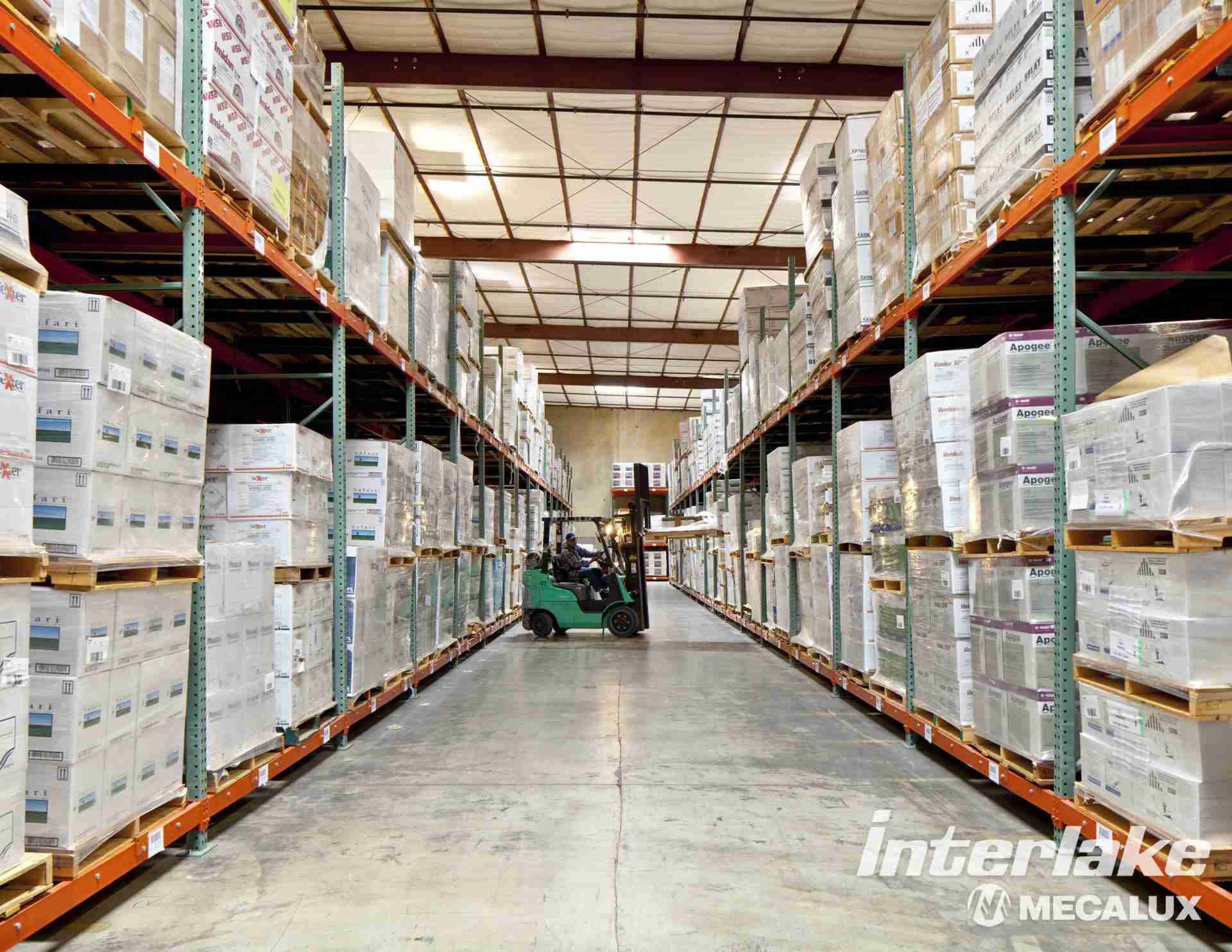
First off, safety is the bedrock. Pallet racking that’s properly installed and maintained isn’t just a rule on a checklist—it’s a commitment to keep every worker’s hands and feet intact. The people stacking, moving, and managing those pallets need to trust that the equipment won’t give way or cause harm. That’s respect for human life wrapped up in steel beams and bolts. Cutting corners here isn’t just bad business; it’s a breach of trust with every employee who clocks in.
Next, honesty and transparency in inventory management matter. Tracking what’s in storage, where it is, and its condition isn’t some double-secret spreadsheet game. It’s about honoring customers’ faith and avoiding waste or mix-ups. No one wants spoiled goods or misplaced products costing time and money. Doing the right thing means keeping records straight and handling every product as if it were your own family’s.
There’s also a wider social responsibility stitched into this work. Warehouses connect farms, factories, and shops—each a community of people aiming to provide for their families. When storage is done ethically, it supports economies and keeps relationships intact. It’s a ripple effect: careful handling of goods means trust in trade, steady jobs, and respect for the environment by reducing waste.
Experience teaches you quickly that ethics in warehouse storage aren’t flashy policies but everyday actions: checking pallet racking for wear, training crews well, speaking up when something’s off, and maintaining honest communication. These grounded common-sense moves build confidence and reliability—things that money can’t buy.
Treating warehouse storage with integrity says you’re not just moving stuff around; you’re holding a promise to every hand that built the product and every hand that’ll use it. It’s about working with heart, head, and gut. When you keep that promise, trust follows—steady as a well-loaded pallet racking system holding strong through a long day’s work.

What Ethical Practices Are Involved In Warehouse Storage?
What Ethical Practices Are Involved In Warehouse Storage?
- Warehouse storage is the backbone of livelihoods and businesses, requiring responsibility and respect for those downstream.
- Safety is fundamental, with properly installed and maintained pallet racking protecting workers and reflecting respect for human life.
- Honesty and transparency in inventory management ensure customer trust, prevent waste, and avoid costly errors.
- Ethical storage supports broader social responsibilities by sustaining communities, economies, and environmental respect.
- Ethics in warehousing involve everyday actions like equipment checks, crew training, speaking up, and honest communication.
- Integrity in storage represents a promise to all involved, emphasizing care for products and trust in the supply chain.
- Maintaining this ethical commitment builds confidence and reliability beyond what money can buy.
What Ethical Practices Are Involved In Warehouse Storage?
Conclusion
Drywall and gypsum distributors know the freight they handle isn’t just bulky lumber stacked up haphazardly—it’s fragile, heavy, and crucial to jobs that shape homes and businesses. Pallet racking isn’t just some fancy storage gadget; it’s the backbone that keeps things running smooth, safe, and efficient. When your warehouse turns chaos into order—stacking drywall neat and tall, making gypsum easy to grab—you’re not just saving space, you’re protecting your product, your crew, and your reputation.
There’s an honest, no-nonsense wisdom here: clutter wastes time and money, and worse, it invites injury. A shaky pile of drywall is a hazard waiting to topple. Proper pallet racking turns that risk into a locked-in, steady setup. It respects the labor that moves these sheets daily and values the folks working behind the scenes. That respect shows up in fewer damaged goods, faster pick times, and a smoother flow from warehouse to job site. When drywalls are stored right, deliveries come on time, crews keep safe, and jobs wrap without scrambling.
Anyone who’s been down in a dusty warehouse knows that organized storage isn’t just about neatness—it’s about pride and responsibility. A tidy, efficient racking system reflects a crew that cares, a boss who values safety, and a business that means business. It’s an ethical stance as much as a practical one: less waste means less landfill, fewer returns, and a healthier bottom line. It’s about keeping promises to customers and honoring the hard work of everyone from loaders to builders.
Loading and unloading move from backbreaking guesswork to smooth rhythm with pallet racking in place. The forklift driver spends less time hunting for pallets and more time moving them. Workers avoid dangerous juggling acts with heavy sheets, cutting down injuries and frustration alike. That kind of setup lifts morale because it respects the grind—it doesn’t make good people do dumb things just to get the job done.
At its best, pallet racking tells everyone who walks in the door that this warehouse runs tight, sharp, and steady. It’s not glamorous, but it’s the quiet muscle behind every job well done. Investing in good racking isn’t just spending on gear—it’s weaving safety, efficiency, and integrity into the daily hustle. When done right, it keeps the shelves full, the crews safer, the trucks rolling on time, and the trust solid between all the hands that build, deliver, and rely on these materials. That’s a foundation worth building on.
Conclusion
Conclusion:
- Drywall and gypsum freight is fragile, heavy, and essential to construction projects, requiring careful handling and storage.
- Pallet racking provides a stable, organized system that maximizes space, protects products, and enhances workplace safety.
- Disorganized storage wastes time and money, while proper racking reduces damage, speeds up picking, and improves workflow.
- An efficient racking system reflects pride, responsibility, and a commitment to safety and environmental responsibility.
- Pallet racking simplifies loading and unloading, reducing physical strain and injury risk for workers.
- Investing in quality racking supports operational efficiency, timely deliveries, and trust among all parties involved.
- Well-maintained pallet racking demonstrates professionalism and is fundamental to successful warehouse management.

Conclusion
Other Resources
Other Resources
Here is a list of other resources you can review online to learn more:
- Arrow Industrial Sales
- RMI
- Warehouse Racking Layout: The Ultimate Guide – Conger
- Wolter
- Warehouse Racking System: Powerful Guide to Optimise, 2024
- WERC
- CMMA
- BMH Equipment LLC
- Warehouse Racking Systems: Beginner’s Guide to Rack Systems
- Used Teardrop Pallet Rack – American Surplus
- Chicago Pallet Racking
- Teardrop Uprights
- Pallet Racking systems in Illinois and Great Lakes
- Teardrop Industrial Shelving Rack
- Illinois Pallet Racking – Storage Solutions
- Used Pallet Rack for Sale in Illinois – American Surplus
- Warehousing and Fulfillment
- Warehouse Automation
- BMH
Use This Prompt To Get More Resources With Your Favorite Online AI Tool: Please provide me with a list of online articles with their URLs in a bulleted list that I can read regarding How Do Drywall and Gypsum Distributors Leverage Pallet Racking?

Other Resources
Glossary Terms
How Do Drywall and Gypsum Distributors Leverage Pallet Racking? – Glossary Of Terms
1. Pallet Racking: A storage system designed to hold materials on pallets in horizontal rows with multiple levels.
2. Drywall: A panel made of gypsum plaster pressed between two thick sheets of paper, used in interior walls and ceilings.
3. Gypsum: A soft sulfate mineral used as the core material in drywall panels.
4. Distributor: A company or individual that supplies products, such as drywall and gypsum, to retailers or contractors.
5. Inventory Management: The process of ordering, storing, and using a company’s goods to meet customer demand.
6. Load Capacity: The maximum weight that a pallet rack or shelf can safely support.
7. Warehouse Efficiency: The optimization of space, labor, and time in storing and handling products.
8. Pallet: A flat transport structure that supports goods in a stable manner while being lifted or moved.
9. Vertical Storage: Utilizing height in a warehouse to increase storage space with racks or shelving.
10. Space Optimization: Maximizing the use of warehouse area to store the greatest amount of product safely.
11. Order Picking: The process of retrieving products from storage to fulfill customer orders.
12. Accessibility: The ease with which stored items can be reached and handled.
13. Load Stability: Ensuring that items on pallets and racks are securely balanced to prevent tipping or collapsing.
14. Material Handling Equipment: Tools and machinery used to move, store, control, and protect materials.
15. Forklift: A battery-powered or engine-powered vehicle used to lift and move pallets.
16. Shelf Life: The length of time that drywall or gypsum products remain usable in storage.
17. Structural Integrity: The strength and durability of the pallet rack system under load conditions.
18. Safety Standards: Regulations and guidelines designed to prevent accidents in warehouses.
19. Bulk Storage: Storing large quantities of similar products together on pallets or racks.
20. Inventory Turnover: The rate at which inventory is sold and replaced over a period.
21. Just-in-Time (JIT): An inventory strategy to increase efficiency by receiving goods only as needed.
22. FIFO (First In, First Out): An inventory method where oldest stock is used first.
23. LIFO (Last In, First Out): An inventory method where newest stock is used first.
24. Load Bearing Beam: The horizontal component of pallet racking that supports pallet loads.
25. Upright Frame: The vertical support structure in pallet racking systems.
26. Cross Bracing: Diagonal supports that provide stability to pallet racks.
27. Aisle Width: The clearance space between pallet racks for equipment and personnel movement.
28. Tilt Pallets: Pallets designed to angle drywall sheets for easier access and retrieval.
29. Space Utilization: The effectiveness of warehouse layout in storing inventory relative to available space.
30. Cycle Counting: The periodic verification of inventory quantities in specific locations within a warehouse.
Glossary Of Terms
Other Questions
How Do Drywall and Gypsum Distributors Leverage Pallet Racking? – Other Questions
If you wish to explore and discover more, consider looking for answers to these questions:
- What types of pallet racking systems are best suited for storing drywall and gypsum sheets?
- What are the recommended load capacities per shelf and per pallet for standard drywall panels?
- How do I calculate safe weight limits and required safety factors for racking used with drywall?
- What rack dimensions and clearances are optimal for different drywall sheet sizes and thicknesses?
- Which pallet types and configurations work best to support drywall without bending or sagging?
- How should drywall be oriented and secured on pallets to prevent shifting and damage?
- What are the common installation mistakes to avoid when setting up pallet racking for drywall?
- What inspection and maintenance schedule should be followed to keep pallet racking safe and compliant?
- Which safety regulations, building codes, and OSHA standards apply to pallet racking for drywall?
- How does pallet racking interact with fire protection systems and sprinkler coverage?
- What training programs or certifications should forklift operators and warehouse staff have for handling drywall?
- How can pallet racking reduce handling time and what metrics should be used to measure those gains?
- How much can distributors expect to save on damage, labor, and insurance after installing proper racking?
- What is the typical ROI timeline for investing in pallet racking for drywall distribution?
- What financing, leasing, or phased-installation options exist to spread the cost of racking upgrades?
- How should a warehouse layout be optimized (aisle widths, rack orientation, staging areas) for efficient loading and unloading?
- How can pallet racking be integrated with inventory management systems or WMS for faster picking and accuracy?
- What are best practices for storing mixed SKUs, different gypsum products, or specialty panels on the same racking system?
- How do you protect racks from forklift impacts and minimize rack damage (guards, bollards, rebar, training)?
- What measures reduce product damage during forklift loading, transport, and unloading from racking?
- How should returns, damaged goods, or off-spec panels be handled and stored within a racked warehouse?
- What environmental or sustainability benefits come from reduced waste due to better racking and storage?
- How do you store moisture-sensitive or coated gypsum products differently from standard drywall?
- What emergency procedures and response plans should be in place for rack failure or pallet collapse?
- How do insurance requirements or premiums change when upgrading to properly installed pallet racking?
- How can an existing warehouse be retrofitted with pallet racking without major downtime?
- How do you choose a reputable racking supplier and certified installer for drywall distribution needs?
- What personal protective equipment (PPE) and ergonomic practices are recommended for workers handling drywall?
- What benchmarks or KPIs should distributors track to evaluate the performance of pallet racking systems?

Other Questions
Checklist
How Do Drywall and Gypsum Distributors Leverage Pallet Racking? – A Checklist
Planning and Material Profile
✅______ Primary sheet sizes and thicknesses documented (e.g., 4×8, 4×12; 1/2 in., 5/8 in.)
✅______ Maximum pallet weight verified for heaviest SKUs (lb and kg)
✅______ Standard pallet specification set (stringer or block) with acceptance and rejection criteria
✅______ Edge and corner protection requirements defined for drywall and gypsum
✅______ Annual and peak throughput forecasted (receipts, picks, shipments)
✅______ Required service levels and lead times defined by customer segment
Rack Design and Engineering
✅______ Rack type selected (heavy-duty selective; double-deep or drive-in only if velocity supports)
✅______ Beam length and section sized to limit deflection under full load
✅______ Full pallet support specified (wire deck and support bars or solid decking) to prevent sheet sag
✅______ Upright capacity exceeds worst-case bay load with safety factor
✅______ Row spacers and backstops specified; flue spaces maintained per code
✅______ Seismic and wind design reviewed; PE-stamped drawings on file
Building, Slab, and Fire Protection
✅______ Floor slab capacity and FF/FL levelness verified for rack and forklift loads
✅______ Anchor type and spacing per manufacturer; pull tests completed
✅______ Sprinkler clearance and flue continuity compliant
✅______ Commodity classification and fire code review completed
✅______ Lighting levels adequate at pick faces and intersections
Layout and Flow
✅______ Aisle widths set for forklift class and turning radius
✅______ Fast-movers slotted near docks; heavy SKUs at lower beam levels
✅______ Dedicated inbound, outbound, and returns staging zones
✅______ Clear travel paths; mirrors and signage at intersections
✅______ Ground storage minimized; no pallets in travel lanes
✅______ Location IDs mapped with a logical zone/aisle/bay/level scheme
Safety and Guarding
✅______ Load plaques posted with maximum beam and bay capacities
✅______ Beam locks and safety pins installed on all beams
✅______ End-of-aisle and post protectors installed in impact zones
✅______ Rack backing or netting used where fall protection is needed
✅______ Column guards and floor barriers installed as required
✅______ Out-of-service tagging for damaged rack enforced
Loading and Unloading SOPs
✅______ Standardized receiving, putaway, and picking procedures documented
✅______ One-touch handling from dock to rack when possible
✅______ Dock-to-stock time target set and tracked
✅______ Staging height and stack stability rules enforced
✅______ Spotter protocol at docks and blind spots
✅______ No manual tilting of sheet pallets; use proper equipment
Material Handling Equipment and Training
✅______ Forklift class and fork length or extensions matched to load and rack
✅______ Pre-shift equipment inspections logged
✅______ Speed limits, horn use, and right-of-way rules enforced
✅______ Operator certifications current; refresher schedule set
✅______ Ergonomics and team-lift rules for any manual handling
✅______ PPE requirements posted and available
Inventory Control and Labeling
✅______ Barcodes or RFID on pallets and locations
✅______ FEFO and age control for moisture-sensitive products
✅______ Cycle count calendar; discrepancies resolved promptly
✅______ Damage tagging and quarantine process defined
✅______ Pick path optimized to reduce travel and touches
✅______ ASN and POD integrated with WMS/ERP
Product Protection and Environment
✅______ Moisture and humidity controls; roof and leak inspections routine
✅______ Pallets fully supported; no overhang risking edge crush
✅______ Corner and edge guards and wrap applied to spec
✅______ Temperature and dust controls where required
✅______ Packaging integrity checked at receiving; rework if needed
✅______ Waste drywall and gypsum recycling stream defined
Maintenance and Inspections
✅______ Monthly rack inspections documented; annual third-party audit
✅______ Beam and upright damage criteria posted with go/no-go limits
✅______ Anchor torque checks scheduled; missing hardware replaced
✅______ Decking and support bars present and secure
✅______ Floor spalls and cracks repaired; trip hazards removed
Housekeeping and 5S
✅______ 5S standards posted (sort, set, shine, standardize, sustain)
✅______ Aisles and flue spaces free of debris and obstructions
✅______ Only sound pallets in use; broken pallets removed promptly
✅______ Strapping/banding and tool stations at docks and pick zones
✅______ Visual controls for bay fullness and empty-slot signaling
Ethics and Responsibility
✅______ Safety prioritized over speed in KPIs and SOPs
✅______ Transparent inventory and substitution practices
✅______ Incident and near-miss reporting without retaliation
✅______ Clear communication standards for delays and damage with customers
✅______ Environmental policy to minimize waste and transport miles
KPIs and Continuous Improvement
✅______ Damage rate (percent of sheets/pallets) tracked and reviewed
✅______ Pick rate (lines per hour) and travel time per order monitored
✅______ Dock-to-stock and order cycle time targets met
✅______ Lost-time injury and near-miss trends analyzed
✅______ Quarterly kaizen on layout, slotting, and process waste
✅______ Cost per handled pallet or sheet reported
Pre-Go-Live and Change Control
✅______ Permits and inspections completed before use
✅______ As-built drawings and load certifications stored and accessible
✅______ Commissioning check: plumb and level, anchors, locks, signage
✅______ Staff trained on new layout and SOPs prior to go-live
✅______ Change control for re-slotting and reconfiguration in place
Emergency Preparedness
✅______ Egress paths marked; exits unobstructed
✅______ Fire extinguishers and first-aid kits accessible and inspected
✅______ Spill and water intrusion plan specific to gypsum materials
✅______ Emergency drills conducted; roles assigned
✅______ Post-incident recovery plan for rack strikes established

Checklist
At RackingWorld, we help guide you through selecting warehouse storage systems and racking.
Be sure to read our other related stories at RackingWorld to learn more about warehouse storage systems.
0 Comments