
Maximizing Efficiency And Safety: The Hidden Power Of Pallet Racking In Diagnostics
By Tom Seest
At RackingWorld, we help guide you through selecting warehouse storage systems and racking.
Be sure to read our other related stories at RackingWorld to learn more about warehouse storage systems.
How Do Diagnostic Kit Producers Leverage Pallet Racking?
When diagnostic kit producers think about pallet racking, they’re not just seeing rows of metal shelves. They’re seeing the backbone of reliability, the silent partner in the race against time and error. Picture a warehouse where every second counts, where a misplaced box could mean delays in getting life-saving tests into doctors’ hands. Pallet racking isn’t just storage — it’s the trust they build with clinics and patients who count on those kits working right the first time.
From the ground up, pallet racking shapes the daily grind of those who make the magic happen. It’s about clear aisles, easy access, and a system that says, “We’ve got this.” No frantic fumbling, no risking damage to sensitive materials. Just straightforward, smart organization that lets workers move with confidence. When you know exactly where every batch sits, and it’s shielded from harm, that’s not just efficiency — that’s peace of mind. Because in this business, every second saved can be a matter of health.
Now, here’s where the ethical side kicks in. Diagnostic kit producers carry a big responsibility, and pallet racking helps them honor it. It’s about maintaining product integrity without cutting corners, keeping kits clean and intact, respecting the trust patients place in science and care. It’s no small thing to safeguard something that can influence lives. Proper pallet racking shows a commitment to doing right, standing behind the product long before it hits a lab bench.
At the same time, pallet racking tells a story about community—both inside the warehouse and beyond. Workers sharing know-how, leaning on systems that simplify tough days. A company that invests in smart racking shows respect for its people’s hands-on knowledge, valuing their experience rather than slapping on complicated solutions. And out there, when kits arrive on time and intact, it’s proof of teamwork that extends to the whole healthcare ecosystem.
Pallet racking is the unsung hero of diagnostic kit production. It’s not glamorous, but it’s steady. It keeps the goods flowing, protects what matters, and stands firm behind every test that might change a life. When a producer nails their pallet racking setup, they’re not just storing products—they’re reinforcing trust, building confidence, and making sure their work means something every single day.

How Do Diagnostic Kit Producers Leverage Pallet Racking?
How Do Diagnostic Kit Producers Leverage Pallet Racking?
- Pallet racking is crucial for diagnostic kit producers, serving as a backbone of reliability that ensures timely and error-free delivery.
- It provides clear aisles and easy access, enabling efficient, confident movement of sensitive materials without damage or delay.
- Accurate organization and protection of batches create efficiency and peace of mind, critical when every second can impact health outcomes.
- Pallet racking supports ethical responsibility by maintaining product integrity, keeping kits clean and intact for patient safety.
- It reflects a commitment to quality and trust, standing behind the product long before it reaches the lab or patient.
- The system fosters a collaborative community by valuing workers’ expertise and simplifying their tasks, enhancing overall workflow.
- As an unsung hero, pallet racking keeps production steady, protects vital products, and reinforces trust throughout the healthcare supply chain.

How Do Diagnostic Kit Producers Leverage Pallet Racking?
Table Of Contents
- How Do Diagnostic Kit Producers Leverage Pallet Racking?
- How Does Pallet Racking Improve Warehouse Efficiency?
- How Can Pallet Racking Reduce Product Damage Risks?
- What Safety Standards Apply to Pallet Racking Systems?
- How Does Pallet Racking Support Faster Order Fulfillment?
- Can Pallet Racking Optimize Space for Diagnostic Kit Storage?
- How Do Producers Balance Cost and Quality In Pallet Racking?
- Conclusion
- Other Resources
- Glossary Of Terms
- Other Questions
- Checklist
How Does Pallet Racking Improve Warehouse Efficiency?
When you step onto a warehouse floor stacked with pallet racking, you’re not just looking at metal beams and shelves — you’re seeing hours saved, backs spared, and work done right. Pallet racking isn’t some fancy, flashy gadget; it’s the hard-working backbone that keeps the place moving smooth. Anyone who’s wrestled with a cluttered storage room knows the feeling: wasted time hunting down stuff, cramped aisles, and the constant risk of bumping into something or someone. Pallet racking cuts through that mess, plain and simple.
Think about it like this: pallets stacked haphazardly on the floor is chaos waiting to happen. But organize those pallets on sturdy racks, and suddenly every product has a home. Workers don’t waste minutes—or sometimes hours—searching for the right item. Instead, they move faster, pick smarter, and get shipments out the door pronto. This isn’t guesswork; it’s logistics 101, proven time and again by warehouses that lean on pallet racking to stay competitive.
The sense of order pallet racking brings is more than just neatness—it’s an ethical thing, too. When you give a worker a safer, clearer workspace, you’re saying you value their well-being. It may sound simple, but reducing clutter lowers accidents and prevents injuries. That’s good for everyone, and it speaks volumes about how a company treats its crew. It’s the kind of common-sense care that builds loyalty and trust—two things no warehouse can afford to overlook.
Beyond safety and speed, pallet racking means using every square inch of space like it’s a treasure. Instead of sprawling out, you can stack up and store smart. More goods, less hassle, all corralled in a way that makes sense on paper and on the ground. When the boss sees those racks packed tight but accessible, they’re seeing real dollars saved in rent, labor, and lost inventory.
The story of pallet racking is really a story of respect—respect for the work, the workers, and the goods that keep a business running. It’s about rolling up your sleeves and doing the job right. Warehouses that invest in pallet racking invest in their own future, creating a workflow that’s lean, safe, and built to last. Talk to any seasoned hand in the warehouse, and they’ll tell you: pallet racking makes the difference between a day spent battling chaos and a day spent getting things done. That’s efficiency you can feel in your bones.
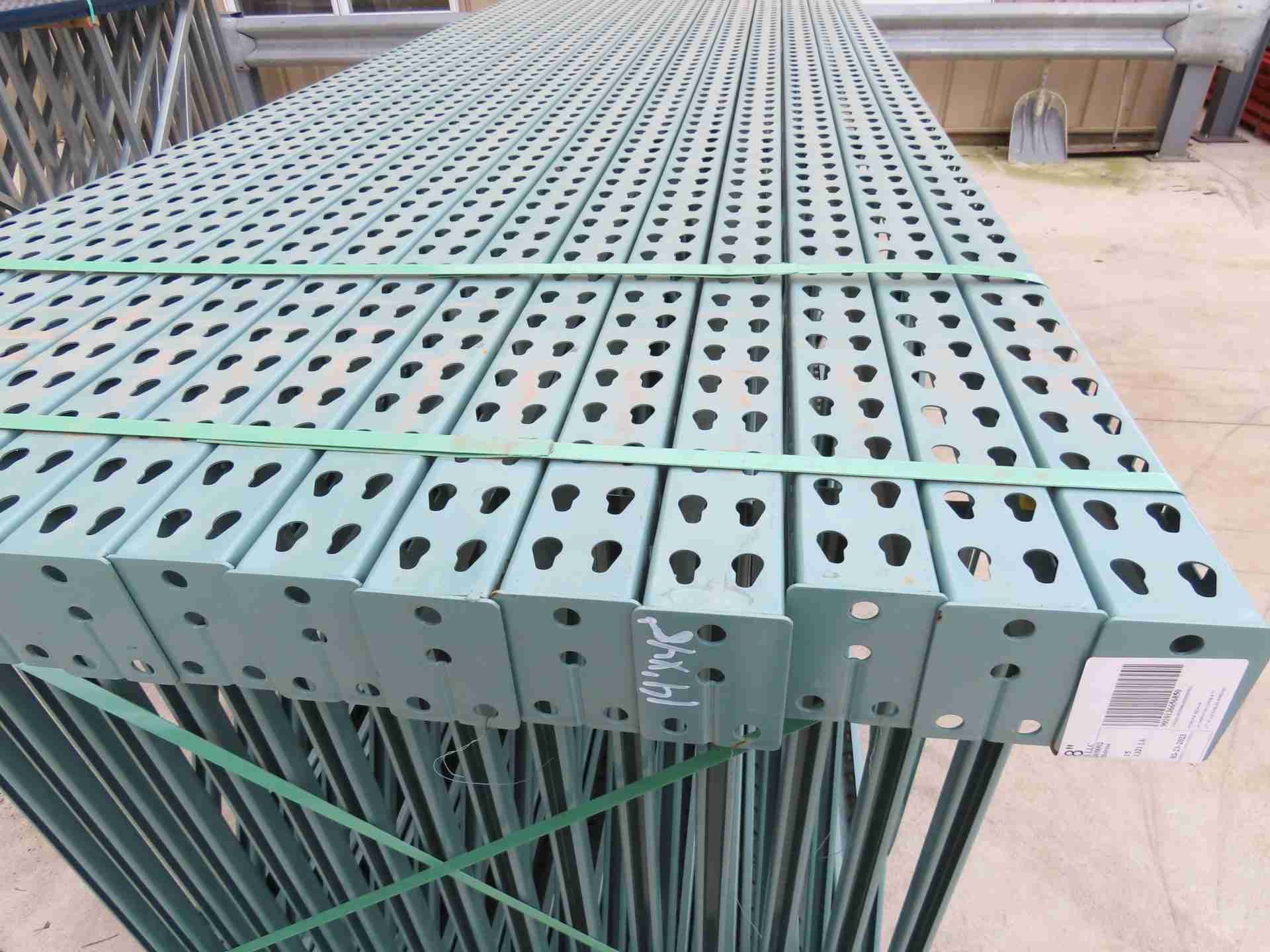
How Does Pallet Racking Improve Warehouse Efficiency?
How Does Pallet Racking Improve Warehouse Efficiency?
- Pallet racking transforms cluttered warehouse floors into organized, efficient spaces, saving time and effort.
- Properly stacked pallets on sturdy racks prevent chaos, enabling workers to find items quickly and improve workflow.
- It enhances worker safety by reducing clutter, lowering accident risks, and demonstrating care for employee well-being.
- Pallet racking maximizes storage space, allowing warehouses to store more goods in an accessible and efficient manner.
- Efficient use of pallet racks leads to cost savings in rent, labor, and reduced inventory loss.
- Investing in pallet racking reflects respect for work, workers, and inventory, contributing to a sustainable business future.
- Experienced warehouse workers recognize pallet racking as key to shifting from chaos to productive, streamlined operations.
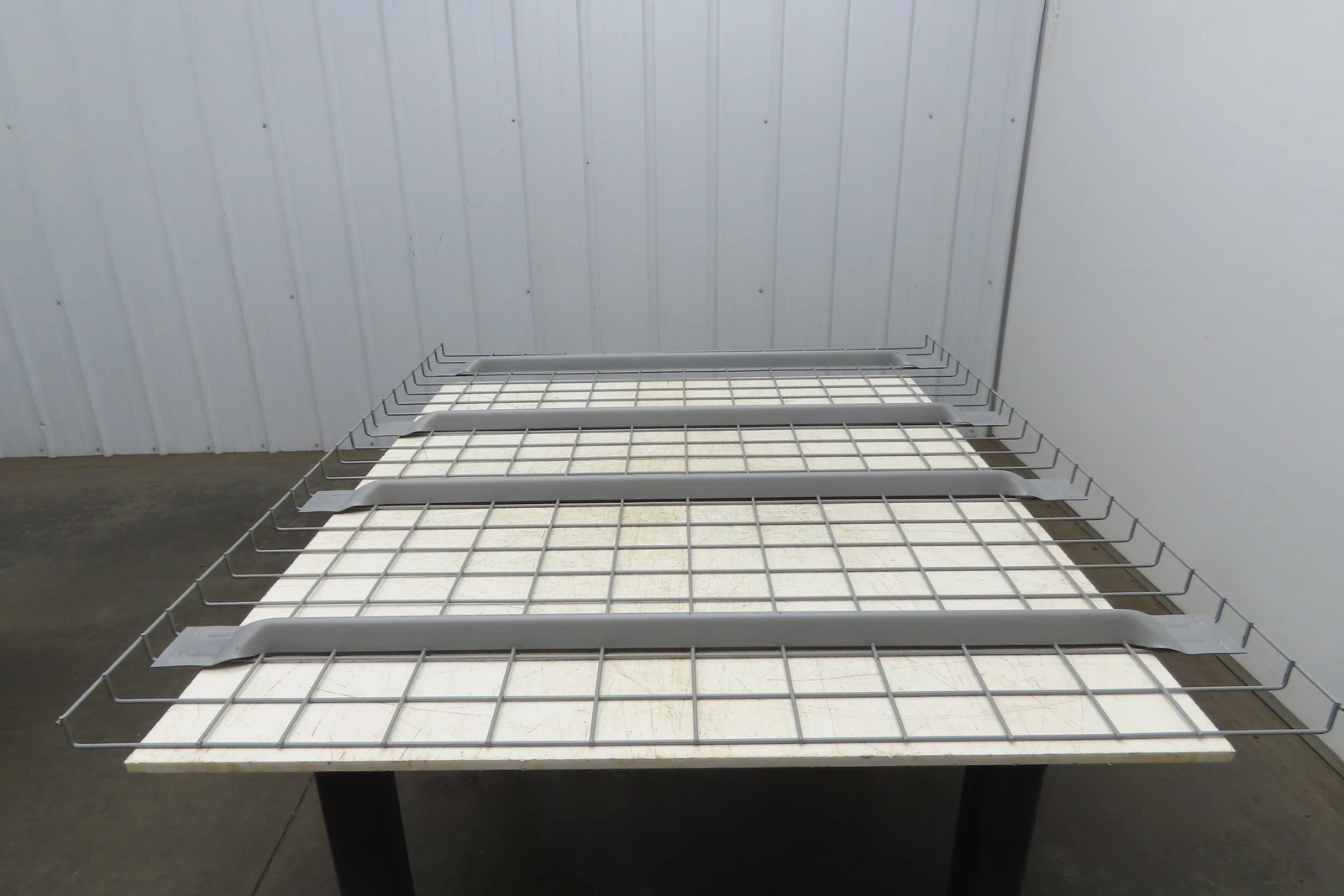
How Does Pallet Racking Improve Warehouse Efficiency?
How Can Pallet Racking Reduce Product Damage Risks?
When you’ve been around warehouse floors or loading docks, you know the drill: every dent or broken box isn’t just a hit on the bottom line, it’s a headache, a hassle, and sometimes, a hard lesson learned. Pallet racking isn’t some fancy, over-engineered gizmo—it’s a straightforward, workhorse solution that cuts down the bruises your products take along the way. Think of it as a sturdy backbone for your stock, keeping everything where it belongs, neat and steady.
Damage happens when goods get tossed around, stacked haphazardly, or crushed under their own weight. Pallet racking steps in here like a reliable foreman, making sure each pallet has its spot, supported properly, and easy to reach without wrestling, dropping, or risking collapse. It’s not just protecting the products—it’s protecting your peace of mind and saving you a pile of wasted time and torque wrench frustration fixing problems that should never have occurred.
There’s a plain truth in using pallet racking: less damage means less waste. It’s better for your customers, better for your wallet, and better for the folks doing the heavy lifting every day. Imagine the difference when you don’t have to open a shipment and see smashed cartons or sad, misshapen boxes. It’s that simple setup of racks—engineered to hold, to support, and to organize—that turns chaos into order.
From the standpoint of ethics, it’s about responsibility. The products you handle aren’t just stockpiled goods; they’re promises made to customers, livelihoods tied to delivery, and respect paid to the work behind every package. Using pallet racking well shows you care about these connections—it’s not just business, it’s standing by your word.
You can hear it in the hum of an efficient warehouse: smooth forklift rides, workers moving with confidence, knowing everything’s where it should be, safe and sound. Pallet racking builds that environment. It’s a tried-and-true way to reduce the risk of damage that’s as solid as the steel beams holding it up. When the setup is right, you feel it in your gut—it just makes sense.
So if you want to see product damage risks drop off, put your faith in the straightforward muscle of pallet racking. It’s not flashy, it doesn’t boast, but it delivers results that count where it matters most—on the floor, in the truck, and all the way to the customer’s hands.

How Can Pallet Racking Reduce Product Damage Risks?
How Can Pallet Racking Reduce Product Damage Risks?
- Pallet racking is a reliable, straightforward solution that protects products from damage on warehouse floors and loading docks.
- It prevents damage caused by tossing, stacking haphazardly, or crushing by providing proper support and organization for each pallet.
- Using pallet racking reduces waste, protects products, saves time, and minimizes repair frustrations.
- It benefits customers, improves efficiency, and supports workers by keeping inventory neat and accessible.
- Employing pallet racking reflects ethical responsibility, honoring commitments to customers and respect for the work behind each package.
- An efficient warehouse environment—with smooth forklift operations and confident workers—is built around effective pallet racking systems.
- Pallet racking delivers consistent, practical results in reducing product damage from storage to delivery.

How Can Pallet Racking Reduce Product Damage Risks?
What Safety Standards Apply to Pallet Racking Systems?
When it comes to pallet racking, we’re not just stacking wood and metal; we’re building the backbone of a workplace where folks clock in every day to earn a living and go home safe. It’s tempting to think, “It’s just racks,” but the truth is, the integrity of those racks carries real weight—in both the physical and human sense. Safety standards for pallet racking systems aren’t red tape; they’re the product of hard-earned lessons learned through wear, tear, and sometimes costly mistakes. These standards are the rules that keep those giant shelves from turning into hazards that break equipment, disrupt workflow, or worse, cause injuries.
The backbone of these guidelines starts with understanding the limits—max load capacity, proper spacing, and the correct anchoring. It doesn’t matter how tough or shiny the metal looks if you ignore these basics; the whole thing can become a disaster waiting to happen. That’s why thorough inspections and adherence to standards like those from OSHA and industry-specific codes are essential. This isn’t just about ticking boxes—it’s about protecting the people who place each pallet with care, day in and day out.
From a cold, rational standpoint, pallet racking safety standards minimize downtime, reduce costly repairs, and keep inventory secure. When racks are engineered and maintained to spec, the flow of goods is steady and smooth. It prevents the chain reaction where one fallen pallet sends shockwaves through the entire operation. On a gut level, it’s about peace of mind—knowing you’ve done right by the crew, by the company, and by the customers waiting on those shipments.
There’s an ethical charge here, too. Overlooking safety in pallet racking isn’t just careless; it’s a breach of trust. The folks working with these systems put their lives on the line. When you follow established safety standards, you’re not just complying with regulations—you’re showing respect for their wellbeing. That respect fosters a workplace culture where everyone looks out for each other, knowing they can rely on the system to do its job.
Pallet racking isn’t just a warehouse fixture; it’s a silent partner in every successful shift. When everyone plays by the rules, it’s like a well-oiled machine—steady, predictable, and resilient. Putting safety first earns trust from workers and supervisors alike. It’s the kind of confidence you see in a nod, a steady hand placing that next pallet, knowing the racks will hold strong. And when the racks hold, everything else falls into place.

What Safety Standards Apply to Pallet Racking Systems?
What Safety Standards Apply to Pallet Racking Systems?
- Pallet racking forms the essential structure of workplaces, prioritizing safety for workers daily handling materials.
- Safety standards are critical, derived from past experiences to prevent equipment damage, workflow disruption, and injuries.
- Key guidelines focus on max load capacity, proper spacing, and secure anchoring to avoid potential disasters.
- Compliance with OSHA and industry codes through thorough inspections protects workers beyond mere regulatory requirements.
- Properly maintained racks reduce downtime, costly repairs, and ensure smooth goods flow, preventing chain-reaction failures.
- Following safety standards is an ethical responsibility, respecting workers’ lives and fostering a supportive workplace culture.
- Pallet racking reliability builds trust and confidence among workers and supervisors, contributing to overall operational success.
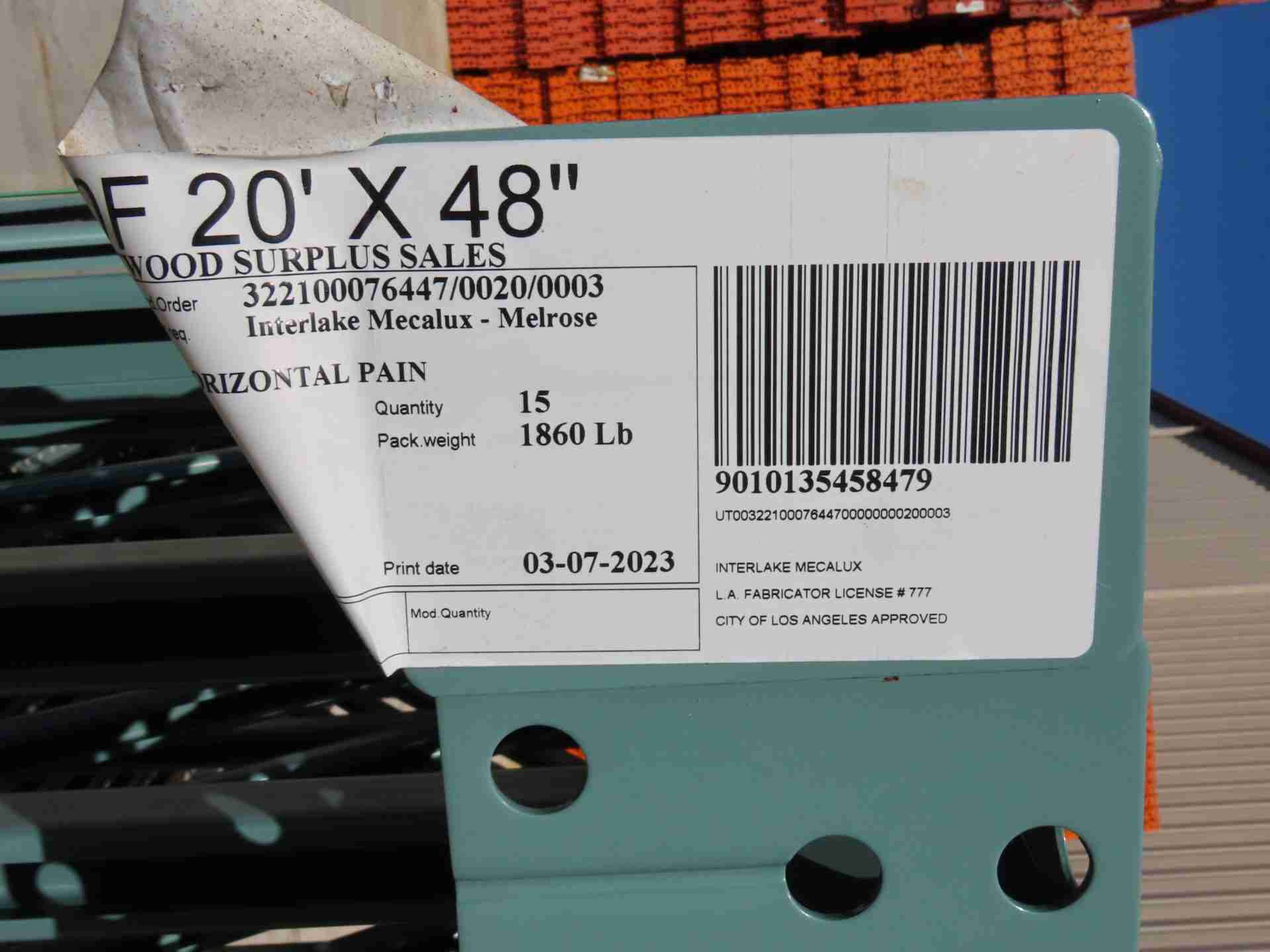
What Safety Standards Apply to Pallet Racking Systems?
How Does Pallet Racking Support Faster Order Fulfillment?
When it comes to keeping a warehouse humming and orders moving out the door fast, pallet racking is the unsung hero you don’t always see but absolutely feel when it’s missing. You know the drill—time’s ticking, customers are waiting, and every minute lost hunting for stuff eats into your bottom line and your peace of mind. Pallet racking cuts through that chaos like a well-worn path through the woods, putting everything right where your hands expect it, easy to reach and ready to roll.
There’s something satisfying about a warehouse where each pallet has its own spot, neat and lined up like soldiers ready for action. It’s not just about stacking boxes; it’s about making order out of disorder so you can trust what you see. When you walk through rows of pallet racking, you don’t just see inventory—you see a system that respects your hustle and honors your time. That mental clarity lets you work smarter, not harder. You stop chasing shadows and start moving with confidence.
And let’s not forget, this ain’t just about speed for speed’s sake. Faster order fulfillment means happier customers and less stress at the end of the day. Everyone wins. You’re not just meeting deadlines—you’re building trust with folks relying on you to keep their shelves stocked or get their business running smooth. That’s the kind of solid, dependable reputation any worker or boss wants to stake their name on. Pallet racking is the backbone that carries that weight without breaking a sweat.
The simple good sense of pallet racking shows in its strength, durability, and flexibility. It adapts to whatever goods you got—big, bulky, oddly shaped—making sure nothing gets lost or crushed. It’s a rugged, straightforward solution that respects the grind. No fluff, no fancy gimmicks—just honest, reliable support that sticks around for the long haul.
So every time you see a warehouse running like a well-oiled machine, remember pallet racking’s playing a quiet but crucial role. It’s the kind of groundwork that lets folks come home tired but satisfied, knowing the job done right means more than just moving boxes—it means keeping promises. That’s worth getting behind.

How Does Pallet Racking Support Faster Order Fulfillment?
How Does Pallet Racking Support Faster Order Fulfillment?
- Pallet racking is essential for efficient warehouse operations, minimizing time lost searching for items and improving order fulfillment speed.
- It organizes inventory neatly, creating a reliable system that enhances mental clarity and enables workers to operate confidently.
- Faster fulfillment leads to happier customers, reduced stress, and builds trust with clients relying on timely deliveries.
- Pallet racking offers strength, durability, and flexibility, accommodating various sizes and shapes of goods without damage.
- It provides a rugged, straightforward solution that supports long-term warehouse needs without unnecessary complexity.
- A well-organized pallet racking system contributes to a smoothly running warehouse, boosting worker satisfaction and efficiency.
- The presence of pallet racking represents reliable groundwork that ensures jobs are done right and promises are kept.

How Does Pallet Racking Support Faster Order Fulfillment?
Can Pallet Racking Optimize Space for Diagnostic Kit Storage?
When it comes to storing diagnostic kits, space isn’t just a convenience—it’s a lifeline. You don’t want hastily piled boxes or cluttered corners slowing down crucial work. Pallet racking steps in as the no-nonsense, hard-working hero here. It’s straightforward, sturdy, and does exactly what it says on the tin: optimizes every inch of vertical space so you can pack more into less room without turning the place into a maze.
Picture a warehouse or storage room where diagnostic kits are stacked willy-nilly, kits getting lost or damaged, people tripping over boxes trying to find what they need. It’s frustrating, inefficient, and can lead to mistakes that ripple out to real-world consequences—delayed tests, precious time wasted, even lives on the line. Pallet racking cuts through that mess by giving each kit a secure, accessible spot, making organization less of a headache. This isn’t about fancy gadgets; it’s about sensible, proven solutions that respect the value of the kits and the urgency they represent.
From a practical standpoint, pallet racking maximizes storage capacity, offering clear, easy access to inventory so workers spend less time hunting and more time moving the job forward. It’s built tough—steel frames that hold up under weight and constant use, not fragile shelves that buckle under pressure. That reliability pays off in safety and peace of mind, ensuring kits stay intact and ready to roll when needed.
There’s a deeper ethical call in all this too: storing diagnostic kits the right way isn’t just good business, it’s a responsibility. These kits are vital tools in healthcare, and treating their storage with care means honoring the people who depend on them. It’s about more than space efficiency; it’s about putting human lives front and center with every shelf and pallet.
Experience tells a story here—companies that make the switch to pallet racking often see smoother operations, fewer errors, and a workforce that feels the difference. It builds trust, confidence, and a sense of pride in doing things right. At the end of the day, pallet racking is the grounded, commonsense way to keep diagnostic kits safe, usable, and exactly where they need to be, ready for whatever comes next.
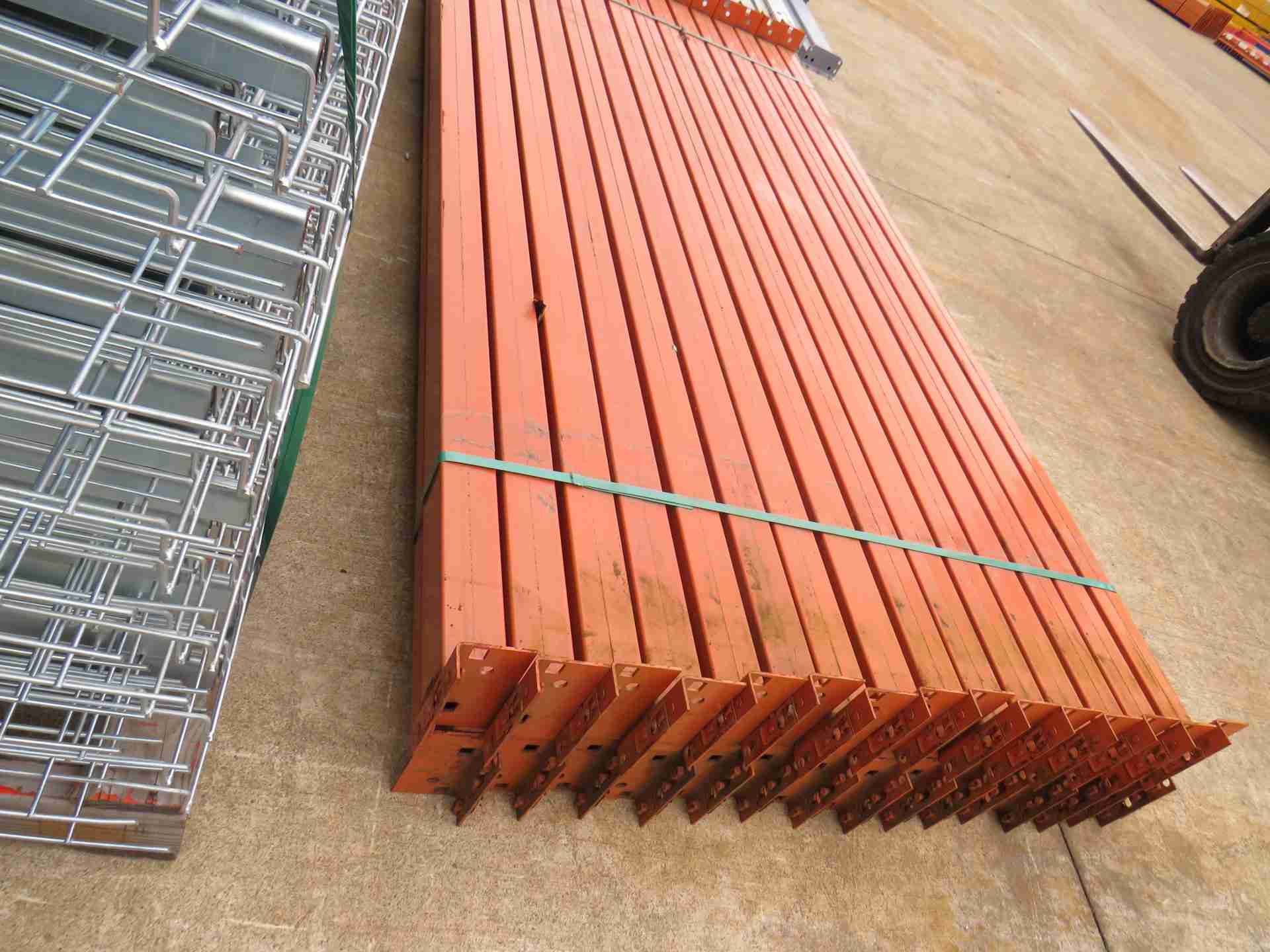
Can Pallet Racking Optimize Space for Diagnostic Kit Storage?
Can Pallet Racking Optimize Space for Diagnostic Kit Storage?
- Space is critical for storing diagnostic kits to prevent delays and errors in healthcare operations.
- Pallet racking optimizes vertical space efficiently, avoiding clutter and disorganization.
- Improper storage leads to lost or damaged kits, safety hazards, and inefficiencies.
- Pallet racking provides secure, accessible storage spots, simplifying organization without complex technology.
- Its sturdy steel construction ensures durability, safety, and reliability under heavy use.
- Proper storage of diagnostic kits is an ethical responsibility that supports patient care.
- Switching to pallet racking improves workflow, reduces errors, and fosters workforce confidence and pride.

Can Pallet Racking Optimize Space for Diagnostic Kit Storage?
How Do Producers Balance Cost and Quality In Pallet Racking?
Balancing cost and quality in pallet racking ain’t just a numbers game — it’s about grit, smarts, and doing right by folks who rely on those racks day in and day out. Producers walk a fine line, juggling the need to keep prices down without skimping on the stuff that holds everything together. When you’re talking pallet racking, it’s not just steel and bolts; it’s about trust. Trust that the rack won’t wobble under a heap of goods, trust that it’ll stand up to years of hard use, and trust that it won’t put people or inventory at risk.
You don’t build a good pallet racking system on cheap cuts or corner shortcuts. The folks making them know quality means sourcing solid materials—steel that can handle punishing weight, parts that fit right and stay put, coatings that won’t peel or rust before their time. Skipping on this only saves a buck today but costs big in the long haul with breakdowns, replacements, and safety hazards. That’s why smart producers lean on time-tested designs and tough specs that meet or beat industry standards. It’s about doing what’s right, not just chasing the cheapest bid.
But here’s the thing: quality doesn’t have to mean breaking the bank. The real pros have learned how to trim fat without losing muscle — smarter engineering, efficient manufacturing, and streamlined supply chains pass savings on, without selling out reliability. They listen close to what customers need, blending custom fixes with proven solutions. It’s that hands-on know-how and honest sweat behind the scenes that turn a pile of raw steel into pallet racking you can depend on.
A good pallet racking story isn’t one of flash and hype but steady, quiet work. It’s about producers who respect the weight their product carries—not just inventory but peace of mind. When you’re juggling cost and quality, you’re balancing lives and livelihoods. That’s something all of us who roll up our sleeves to get the job done can relate to. Because at the end of the day, quality pallet racking isn’t a luxury — it’s the backbone holding your whole operation together. Getting that balance right? That’s the kind of work that earns respect and keeps the wheels turning.
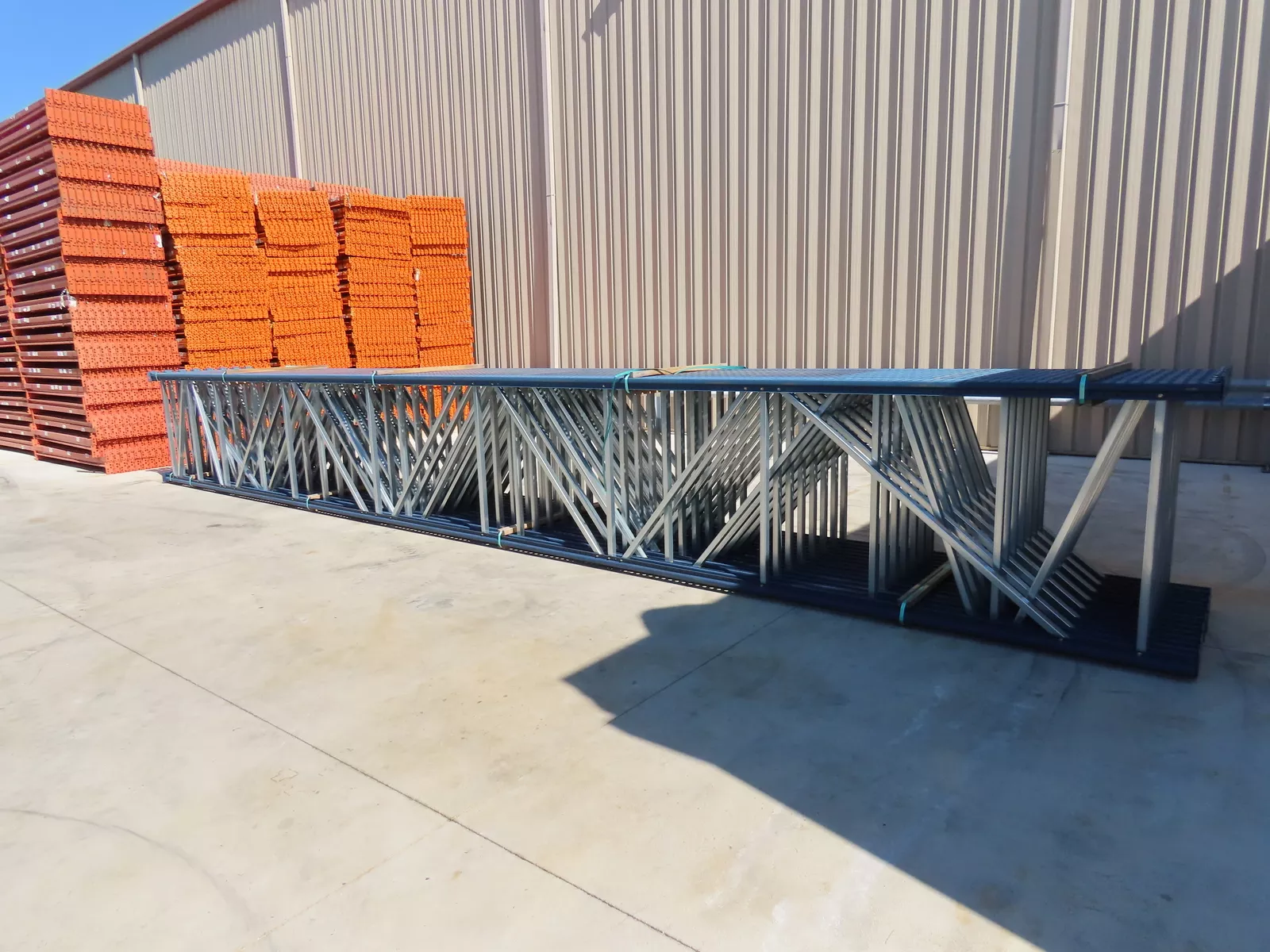
How Do Producers Balance Cost and Quality In Pallet Racking?
How Do Producers Balance Cost and Quality In Pallet Racking?
- Balancing cost and quality in pallet racking involves careful decision-making to maintain safety and reliability for daily use.
- Quality pallet racking requires sourcing strong materials like durable steel, well-fitting parts, and long-lasting coatings to avoid future breakdowns and hazards.
- Cutting corners on materials may save money upfront but leads to higher costs over time through replacements and safety issues.
- Smart producers rely on proven designs and meet or exceed industry standards rather than simply choosing the cheapest options.
- Efficiency in engineering, manufacturing, and supply chains helps reduce costs without compromising on strength or dependability.
- Customer needs drive a mix of custom solutions and tested approaches, backed by experienced craftsmanship and attention to detail.
- Quality pallet racking supports both operational stability and peace of mind, representing a critical balance between cost and reliability.
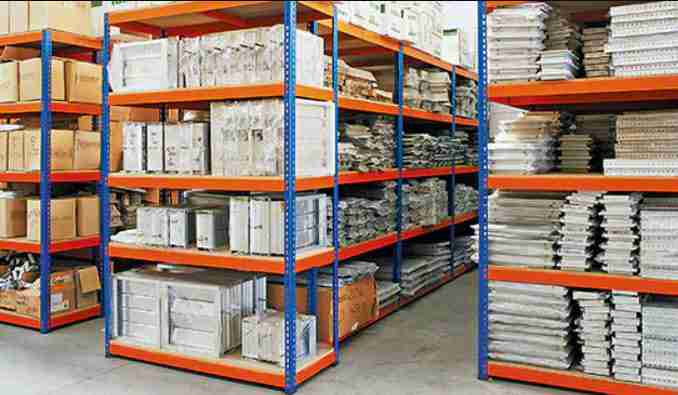
How Do Producers Balance Cost and Quality In Pallet Racking?
Conclusion
Pallet racking might not grab headlines, but for diagnostic kit producers, it’s the quiet backbone holding everything together. When every second counts and precision matters, this straightforward system turns chaos into order, keeping products safe, workers steady, and deliveries on time. Picture a warehouse without it: cluttered floors, crates piled like a gamble, people scrambling for the right box, risking damage and delay. Pallet racking slices through that mess with a simple promise—every item in its place, easy to find, safe from harm. That promise is more than efficiency; it’s the trust built with every doctor, clinic, and patient relying on those kits to work exactly when and how they should.
It’s not just about saving time or space, either. Pallet racking respects the people on the floor—the hands that lift, move, and load. Clear aisles mean fewer accidents and less backbreaking hassle, showing a company’s care for its workers’ safety and wellbeing. When the work environment values these things, the whole crew feels it—loyalty and pride grow out of simple common sense and respect. That’s the kind of real-world ethic that can’t be faked with fancy technology or buzzwords.
On the product side, less damage means fewer headaches and less waste—both good for business and, more importantly, good for customers who depend on intact, reliable diagnostic kits. These aren’t just boxes on a shelf; they’re promises kept, lives affected, futures on the line. Pallet racking stands as a silent guardian, preventing crushed cartons and missed deadlines, turning a storage challenge into a system you can trust.
Safety standards wrap around pallet racking like a coat of armor forged from hard lessons learned the tough way: from wrecked equipment, halted work, and sometimes worse. Following those rules isn’t red tape; it’s respect for the folks who show up day after day, trusting that the racks won’t buckle under pressure. Keeping systems inspected and up to code means steady workflows, fewer accidents, and peace of mind that no one’s walking into a trap. It’s a simple truth: when you get safety right, everything else falls into place. Workers move with confidence, bosses nod in approval, and the whole operation hums along, reliable and tough.
Pallet racking also drives speed and accuracy. When every pallet has a neat, clear spot, you don’t lose time chasing inventory or fumbling in dark corners. Faster order fulfillment isn’t just about quickness; it’s about respect for customers and the chain of care everyone depends on. A well-racked warehouse means fewer mistakes, less stress, and plenty of hard-won trust. It’s the groundwork that makes the job less about chaos and more about getting it done right.
Space, too, is precious real estate—especially when you’re storing delicate diagnostic kits where every inch counts. Pallet racking stacks vertical, clears clutter, and keeps everything within reach without crowding or risk. It’s practical, tough, and honest, built to hold strong through constant use and heavy loads. This is responsibility in steel form, honoring the real human lives behind every kit.
Balancing cost and quality in pallet racking may seem like a tightrope walk, but good producers know it’s about grit, know-how, and respect. Cheap shortcuts break down fast and cost more in pain and money down the road. The smart ones use solid materials, smart engineering, and honest craftsmanship to deliver racks that hold steady and last. They trim waste without sacrificing strength because they get that what’s at stake isn’t just inventory—it’s livelihoods, safety, and trust.
In the end, pallet racking is the unsung workhorse that keeps diagnostic kit production running smooth and steady. It’s not glamorous or flashy, but it’s the kind of no-nonsense backbone every grit-and-grind operation needs—protecting the product, the people, and the promise made every time a box leaves the warehouse. It’s about showing up, doing right by the job, and making sure what you build holds firm when it counts the most.
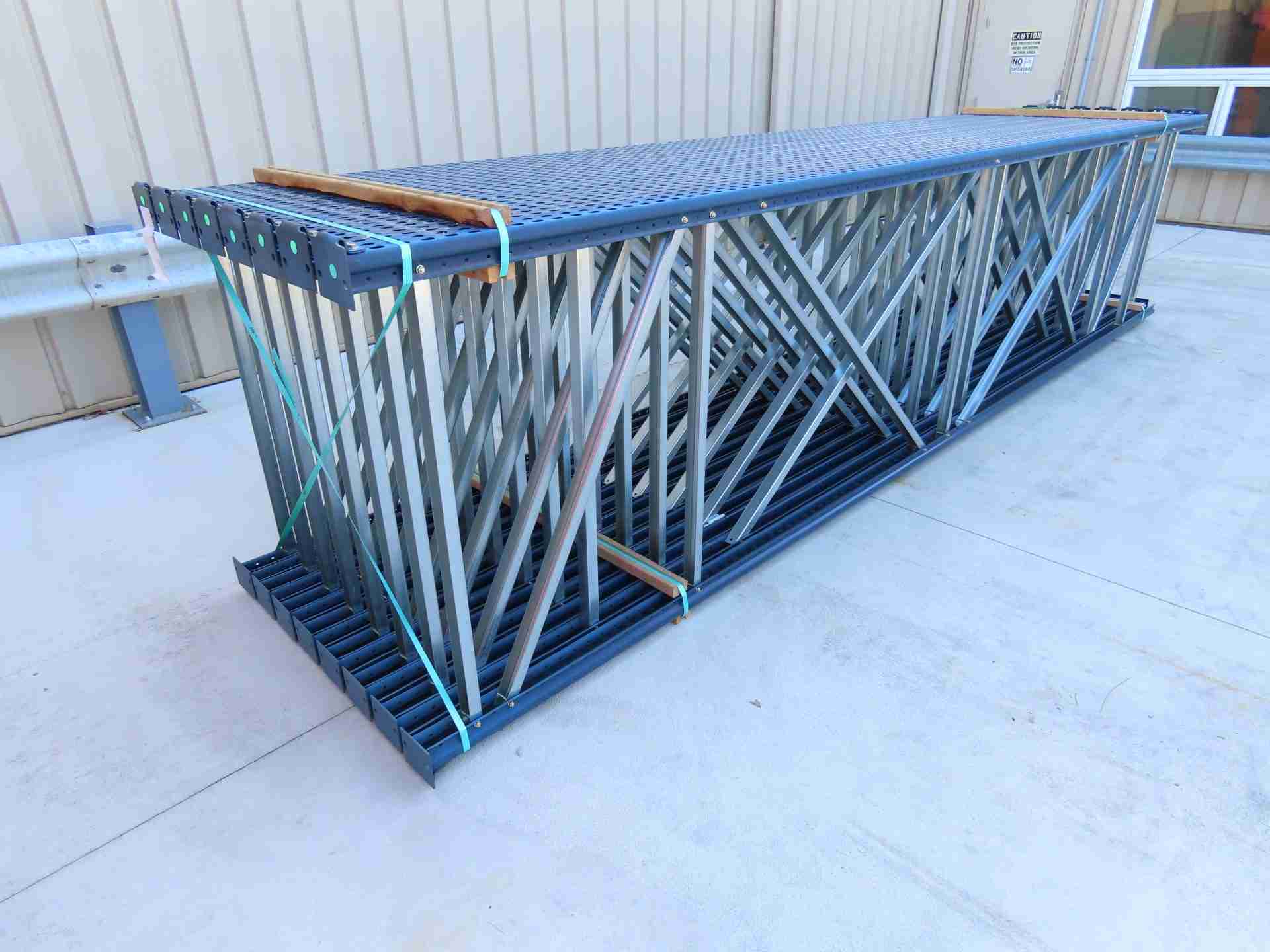
Conclusion
Conclusion:
- Pallet racking organizes diagnostic kit warehouses efficiently, ensuring products are safe, workers remain steady, and deliveries stay on schedule.
- It protects workers by creating clear aisles, reducing accidents and physical strain, and fostering respect and loyalty among staff.
- By minimizing product damage, pallet racking reduces waste and supports reliable delivery of critical diagnostic kits to customers.
- Strict adherence to safety standards prevents accidents and equipment damage, maintaining steady workflows and peace of mind.
- Pallet racking enhances speed and accuracy in order fulfillment by providing clear, designated storage locations for inventory.
- It maximizes space utilization by stacking vertically and keeping items accessible without overcrowding or risk.
- Quality pallet racking balances cost and durability, using solid materials and engineering to ensure lasting performance and protect livelihoods and trust.

Conclusion
Other Resources

Other Resources
Here is a list of other resources you can review online to learn more:
- Selective Rack – Raymond West
- SEMA
- NSC
- International Warehouse Logistics Association
- Warehouse Racking System: Powerful Guide to Optimise, 2024
- What is Selective Pallet Racking
- BMH Equipment LLC
- American Surplus
- MHI
- American Society of Safety Professionals
- IWLA
- Pallet Racking systems in Illinois and Great Lakes
- Warehouse Racks, Warehouse Racking in Stock – ULINE
- Logic Material Handling
- Storage Equipment Manufacturers Association
- Warehouse Racking Chicago, IL
- BMH
- WERC
- Selective Pallet Racking Systems
- The Ultimate Pallet Racking Guide – Speedrack West
Use This Prompt To Get More Resources With Your Favorite Online AI Tool: Please provide me with a list of online articles with their URLs in a bulleted list that I can read regarding How Do Diagnostic Kit Producers Leverage Pallet Racking?
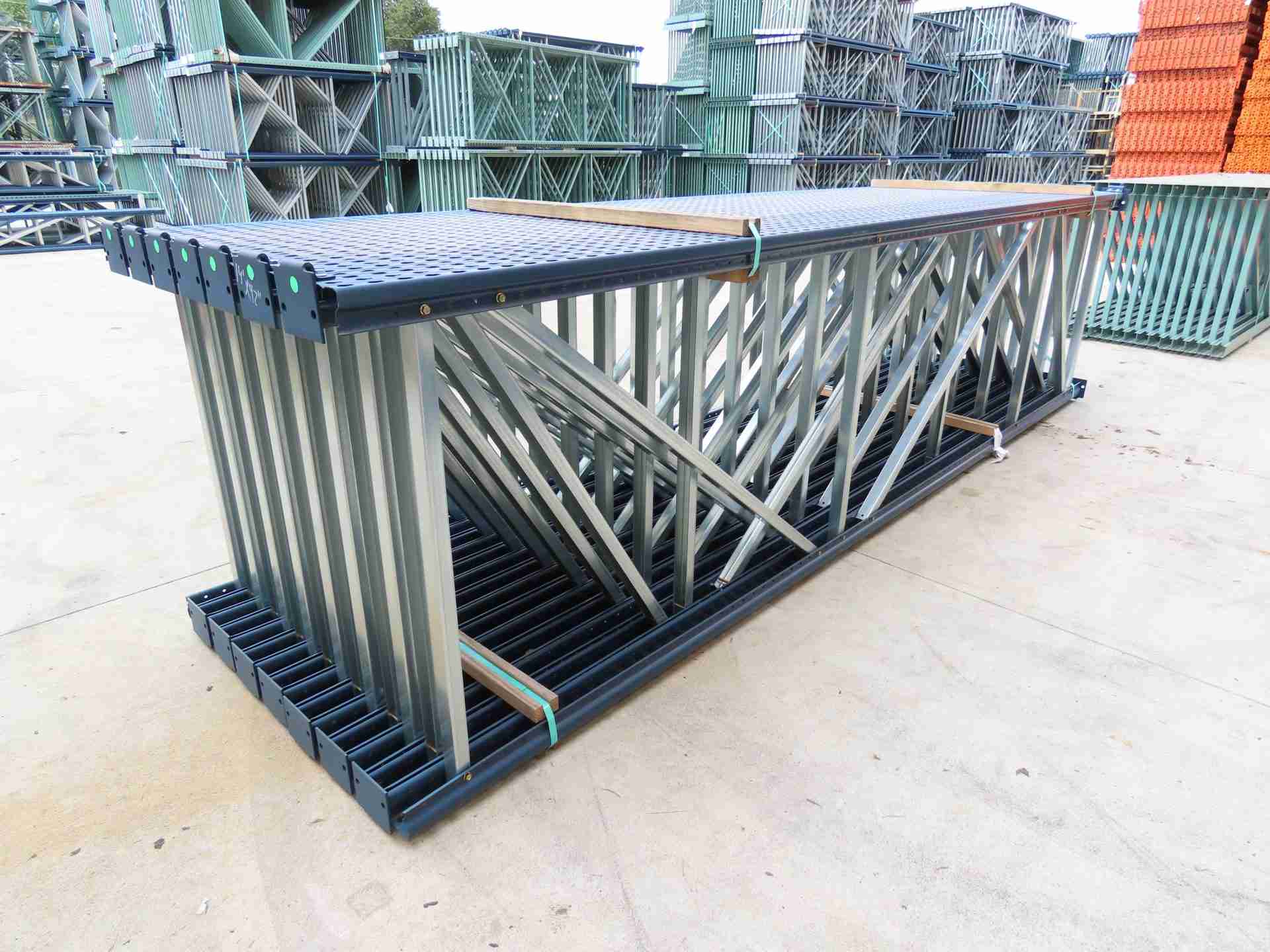
Other Resources
Glossary Terms
How Do Diagnostic Kit Producers Leverage Pallet Racking? – Glossary Of Terms
1. Pallet Racking: A storage system used to hold pallets in warehouses, enabling efficient use of vertical space.
2. Diagnostic Kit Producer: A manufacturer specializing in the production of medical or laboratory testing kits.
3. Warehouse Efficiency: The optimization of storage and retrieval processes within a warehouse.
4. Inventory Management: The supervision of stock quantities and locations to ensure availability and reduce waste.
5. Space Utilization: The effective use of available storage area to maximize capacity.
6. Load Capacity: The maximum weight that pallet racking can safely support.
7. Order Fulfillment: The process of picking, packing, and shipping products to customers.
8. Just-in-Time Inventory: A system where materials are received only as they are needed in the production process.
9. SKU (Stock Keeping Unit): A unique identifier for each product or item in inventory.
10. Accessibility: The ease with which stored items can be reached and retrieved.
11. Vertical Storage: Using multi-level racks to store pallets at different heights.
12. Safety Compliance: Adherence to regulations governing the safe use of storage equipment.
13. FIFO (First In, First Out): An inventory method where older stock is used before newer stock.
14. Pallet Jack: A manual or powered tool used to move pallets within a warehouse.
15. Pick Path Optimization: Designing routes to minimize travel time when retrieving items.
16. Load Stability: The secure placement of pallets to prevent shifting or collapse.
17. Warehouse Layout: The physical design and organization of storage and operational areas.
18. Automation Integration: The incorporation of automated systems such as conveyors or robots with pallet racking.
19. Inventory Turnover: The rate at which inventory is sold and replaced over time.
20. Cross Docking: The practice of unloading goods directly from inbound to outbound transportation with minimal storage.
21. Storage Density: The amount of inventory stored per unit of warehouse space.
22. Pallet Dimensions: The standardized size of pallets used in storage and transport.
23. Load Distribution: Spreading weight evenly across pallet racking to prevent damage.
24. Rack Inspection: Regular checks to ensure structural integrity and safety of the racking system.
25. Cycle Counting: Periodic counting of inventory to maintain accuracy.
26. Warehouse Management System (WMS): Software that controls and manages warehouse operations.
27. Lead Time Reduction: Shortening the time between order placement and delivery.
28. Ergonomics: Designing workspaces and equipment to reduce physical strain on workers.
29. Inventory Accuracy: The consistency between recorded and actual inventory levels.
30. Supply Chain Coordination: Aligning all parts of the supply chain for efficient production and distribution.
Glossary Of Terms
Other Questions
How Do Diagnostic Kit Producers Leverage Pallet Racking? – Other Questions
If you wish to explore and discover more, consider looking for answers to these questions:
- What specific temperature, humidity, and light conditions are required for storing different types of diagnostic kits?
- Which regulatory standards (FDA, ISO 13485, cGMP, OSHA) directly affect pallet racking for diagnostic kit storage?
- How should pallet racking be modified for temperature-controlled or cold-chain storage?
- What environmental monitoring and alarm systems are recommended for racked storage of sensitive kits?
- How do you design pallet racking to prevent cross-contamination between different products or batches?
- What are the best labeling, barcoding, or RFID practices for tracking kits stored on racks?
- How can pallet racking systems be integrated with warehouse management systems (WMS) and ERP?
- What picking strategies (FIFO, LIFO, FEFO) work best for diagnostic kits and how does racking support them?
- Which racking types (selective, drive-in, pallet flow, push-back) are most appropriate for diagnostic kit producers?
- How can pallet racking be configured to speed up order fulfillment and improve picking accuracy?
- What are the recommended load capacities and safety margins for racks storing diagnostic materials?
- How frequently should pallet racking be inspected and what should those inspections include?
- What maintenance and repair procedures are required to ensure racking safety and longevity?
- How should racks be anchored and braced to meet seismic or local building-code requirements?
- What fire protection and sprinkler considerations apply when installing pallet racking?
- How do you manage expired inventory, quarantines, and product recalls within a racked storage system?
- What employee training and certifications are needed for safe operation around pallet racking?
- How do forklift types and traffic patterns influence racking layout and aisle widths?
- What are the total cost of ownership and ROI metrics for investing in higher-quality racking?
- How can producers balance upfront cost with long-term reliability and safety when selecting racks?
- What customization options are available for racks to accommodate odd-sized or fragile diagnostic kits?
- How can pallet racking support automation, robotics, or automated storage and retrieval systems (ASRS)?
- What load-securing and pallet-stability best practices reduce damage during storage and retrieval?
- How do lighting, aisle marking, and signage work with racking to improve safety and efficiency?
- What documentation and recordkeeping are required to demonstrate compliance for racked storage?
- How should racking be cleaned and sanitized in facilities handling sterile or sensitive products?
- What are common failure modes for pallet racking and how can they be prevented?
- How scalable is a racking solution for surges in demand or seasonal inventory changes?
- What insurance, liability, or warranty considerations apply to pallet racking in diagnostic storage?
- Are there industry case studies or performance benchmarks showing efficiency gains from racking?
- How do packaging, pallet quality, and stacking patterns interact with racking design to prevent damage?
- What role do mezzanines, shelving, and bulk storage play alongside pallet racking in optimizing space?
- How can suppliers and producers collaborate to ensure racking specifications meet product-handling needs?
- What sustainability, recycling, or end-of-life disposal options exist for pallet racking materials?
- How should contingency planning (power loss, equipment failure, evacuation) account for racked inventory?
Other Questions
Checklist
How Do Diagnostic Kit Producers Leverage Pallet Racking? – A Checklist
Strategy & Layout
✅______ Defined storage strategy (FIFO/FEFO, aligned with kit shelf life)
✅______ Slotting by demand, sensitivity, and compatibility
✅______ Aisle widths matched to equipment and load dimensions
✅______ Clear, unobstructed travel paths and one-way flow where appropriate
✅______ Dedicated zones for receiving, putaway, picking, staging, and quarantine
Racking Specification & Installation
✅______ Rack type selected for load and throughput (selective, double-deep, pallet flow, push-back, drive-in)
✅______ Documented load calculations for beams and uprights
✅______ Proper beam elevations and pallet clearances (top, side, rear)
✅______ Anchoring verified; floor condition and slab capacity confirmed
✅______ Plumbness, leveling, shims, and row spacers within tolerance
✅______ Rack protection installed (column guards; end-of-aisle protection; rack backs/netting as needed)
✅______ Pallet/rack compatibility confirmed (stringer direction, deck type, fork entry)
Safety & Compliance
✅______ Load ratings and safety signage posted and visible
✅______ Compliance with OSHA and applicable local, seismic, and fire codes
✅______ Formal rack inspection program (routine visual inspections and periodic engineered reviews)
✅______ Defect tagging, damage log, and repair-or-replace workflow in place
✅______ Housekeeping enforced: clear aisles, no overhangs, no leaning pallets
✅______ Pedestrian/forklift separation, marked walkways, and speed limits
✅______ Fall protection for elevated work and safe lift operation enforced
Inventory Integrity & Damage Prevention
✅______ Standard pallet specifications and inbound pallet quality checks
✅______ Mesh decking, pallet support bars, or corner/edge protection as needed
✅______ Unitization standards (wrapping or banding) prevent load shift and crush
✅______ Environmental controls maintained (cleanliness; temperature and humidity where required)
✅______ Lot/batch traceability at the location level
✅______ Quarantine/hold areas segregated and clearly labeled
Space Optimization
✅______ Vertical space maximized with safe clearances to sprinklers and lights
✅______ Density options evaluated appropriately (double-deep; pallet flow for FIFO; carton flow for small items)
✅______ Reslotting cadence based on demand and seasonality
✅______ Dead stock identified and relocated or dispositioned
Order Fulfillment Performance
✅______ Location IDs standardized; labels and barcodes readable at distance
✅______ Fast movers placed in the golden zone; ergonomic pick heights observed
✅______ Replenishment triggers set; staging lanes sized and labeled
✅______ KPIs tracked: accuracy, pick rate, dock-to-stock, order cycle time
People, Training, and Culture
✅______ Operator training on rack use, load limits, and safe handling
✅______ Current certifications for forklifts and pallet jacks
✅______ SOPs posted for receiving, putaway, picking, replenishment, and damage handling
✅______ Incident and near-miss reporting with corrective actions
Maintenance & Change Control
✅______ Preventive maintenance schedule for racks, decking, and guards
✅______ No field modifications without engineering review and approval
✅______ Spare components on hand (beams, safety pins, connectors)
✅______ Annual third-party or engineering audit documented
Cost–Quality Balance
✅______ Qualified suppliers; material grades and coatings meet specifications
✅______ Total cost of ownership evaluated (durability, lead time, support)
✅______ Standardized components across sites to reduce cost and complexity
✅______ Continuous improvement using KPI and damage data
Readiness to Scale
✅______ Modular layouts allow expansion and reconfiguration with minimal downtime
✅______ WMS/ERP integrated for location control and traceability
✅______ Surge and reverse logistics plans tested and ready

Checklist
At RackingWorld, we help guide you through selecting warehouse storage systems and racking.
Be sure to read our other related stories at RackingWorld to learn more about warehouse storage systems.
0 Comments