
Maximizing Space, Safety, And Efficiency In Decking And Fencing Yards
By Tom Seest
At RackingWorld, we help guide you through selecting warehouse storage systems and racking.
Be sure to read our other related stories at RackingWorld to learn more about warehouse storage systems.
How Do Decking and Fencing Material Yards Leverage Cantilever Racking?
When you step into a decking or fencing material yard, you don’t just see wood piled high — you see a system built for muscle and smarts. Cantilever racking is the unsung workhorse that keeps everything stacked neat, safe, and ready to roll. It’s the backbone that turns chaos into order and sweat into efficiency. Pallet racking has its place too, but when it comes to long, tricky lumber and bulky fencing supplies, cantilever’s the straight shooter.
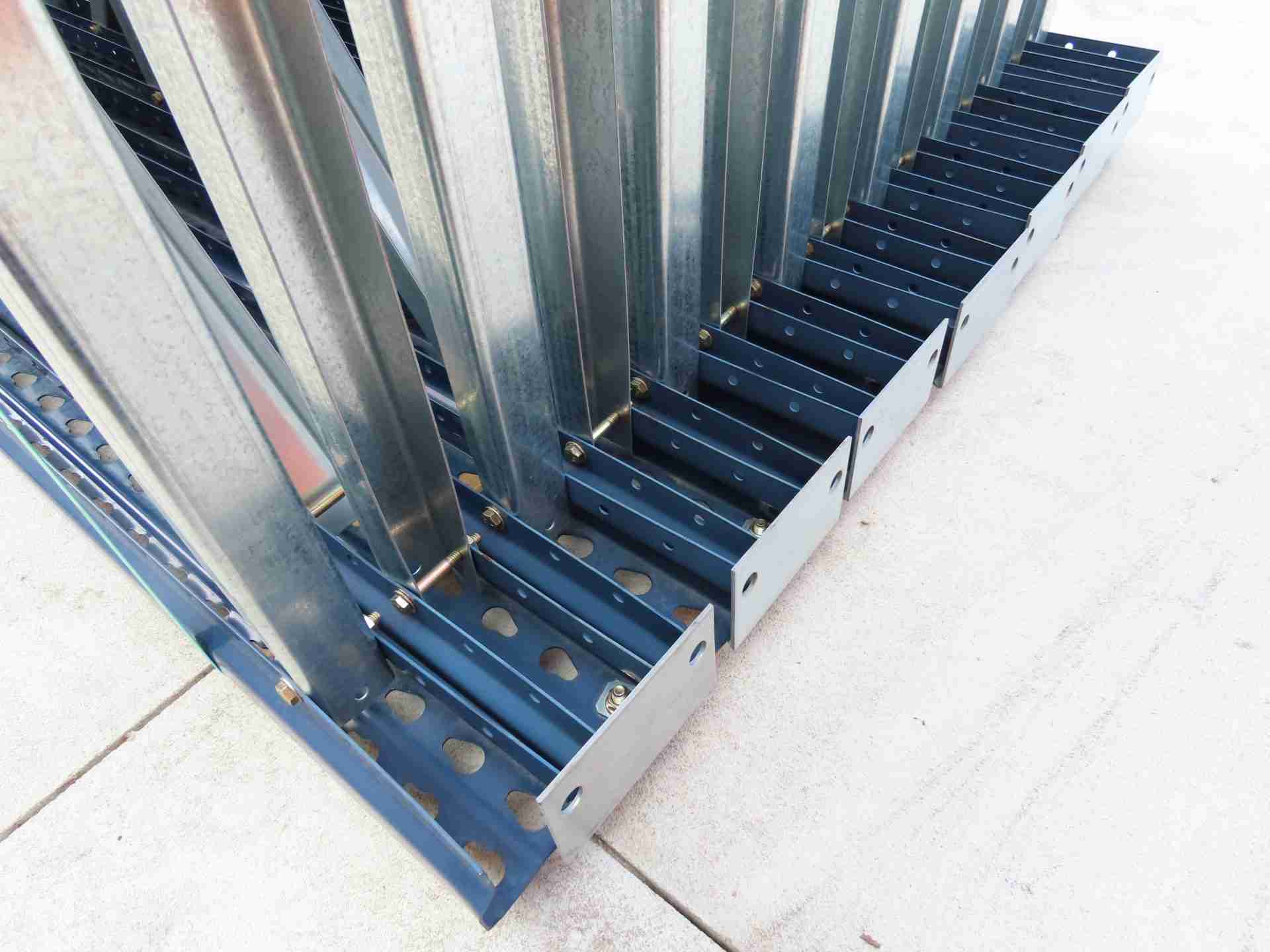
The beauty of cantilever racking is in its simple, straightforward design. No side supports to get in the way of loading or unloading those long planks. You want to grab that 12-foot board without wrestling a complex maze of metal? Cantilever’s open arms make it possible. For yards dealing with everything from cedar decking to chain link and post spikes, it’s a material-handling game changer. It keeps goods off the ground, dry, and easily accessible, saving time and cutting down on waste — and that means hard-earned dollars stay in your pocket.
There’s an honest, blue-collar grit in knowing your materials are stored right. It speaks to pride in your work, respect for the craft, and looking out for the crew. When deck builders and fence installers show up with the right stuff in hand, it’s more than luck — it’s planning, preparation, and a racking system built tough for the job. No fumbling, no broken boards, just the right piece, every time. That reliability earns trust on the job site, and trust builds lasting relationships.
Cantilever racking isn’t just practical; it’s ethical stewardship of your inventory, minimizing waste and downtime. It’s a testament to knowing your business and your folks who do the hard work. And in yards where space is money and safety isn’t an afterthought, this racking keeps everything tight and tidy — a quiet authority in storage design that respects the workers and the materials equally.
For any decking or fencing yard wanting to run lean and mean, cantilever racking offers a firm foundation — not just for lumber, but for business and reputation. It’s the kind of tool you don’t just use; you rely on. And that’s a story worth telling every time the truck pulls out loaded right and ready.
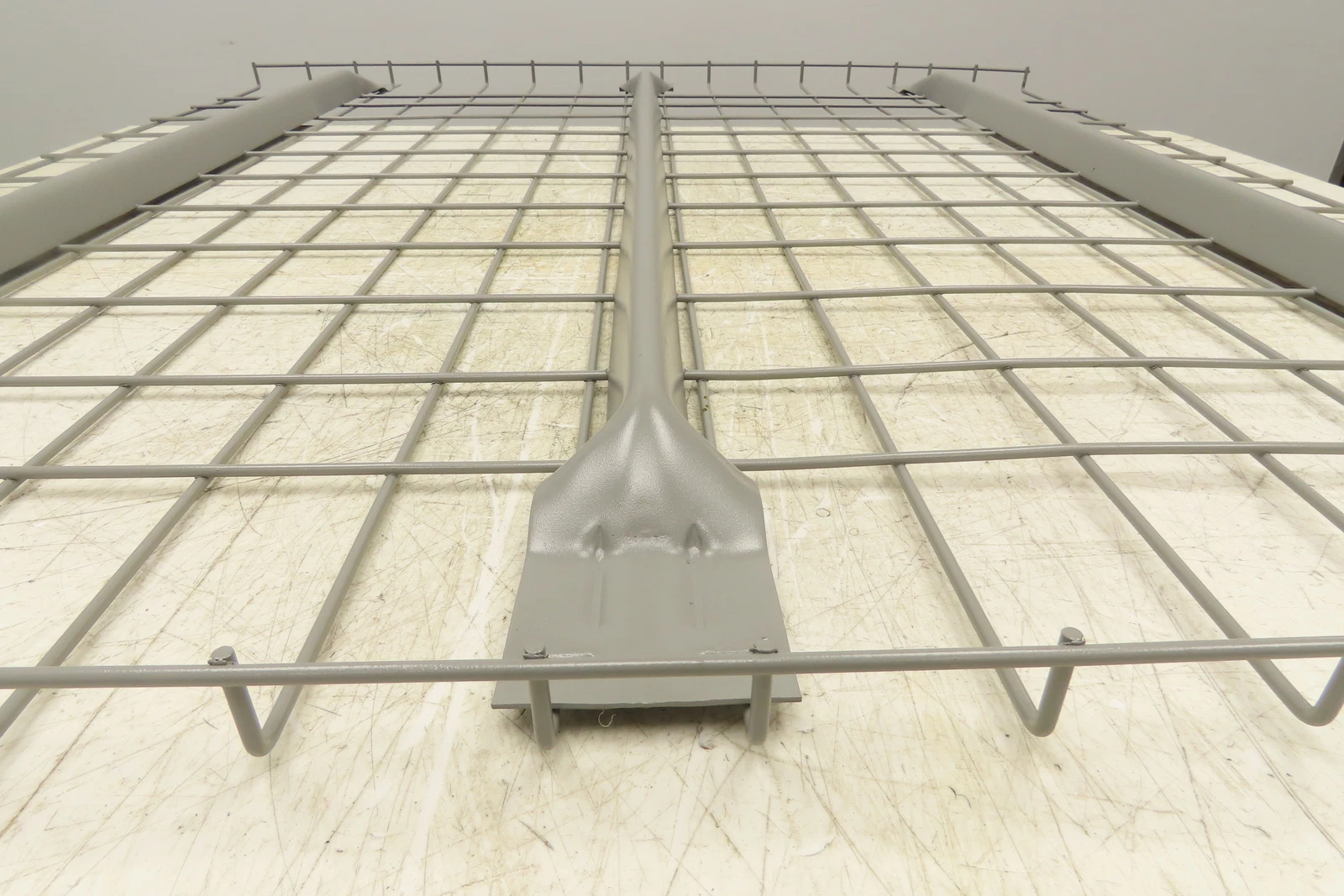
How Do Decking and Fencing Material Yards Leverage Cantilever Racking?
How Do Decking and Fencing Material Yards Leverage Cantilever Racking?
- Cantilever racking organizes decking and fencing materials efficiently, keeping them neat, safe, and accessible.
- Its simple design without side supports allows easy loading and unloading of long and bulky items like lumber and fencing supplies.
- It keeps materials off the ground and dry, reducing waste and saving time, which helps lower costs.
- Proper storage reflects pride in workmanship, respect for the craft, and care for the crew’s safety and efficiency.
- Reliable cantilever systems prevent damage and delays, fostering trust and strong relationships on job sites.
- It serves as ethical inventory stewardship by minimizing waste and downtime while maintaining organized, safe yards.
- Cantilever racking supports running a lean, efficient business by providing a dependable foundation for materials and reputation.

How Do Decking and Fencing Material Yards Leverage Cantilever Racking?
Table Of Contents
- How Do Decking and Fencing Material Yards Leverage Cantilever Racking?
- What Emotional Value Does Cantilever Racking Add to My Yard?
- How Does Cantilever Racking Improve Storage Efficiency?
- Can Cantilever Racking Reduce Damage to Decking Materials?
- What Ethical Sourcing Options Exist for Cantilever Racks?
- Does Cantilever Racking Enhance Workplace Safety Standards?
- How Do Experts Recommend Installing Cantilever Racking?
- Conclusion
- Other Resources
- Glossary Of Terms
- Other Questions
- Checklist
What Emotional Value Does Cantilever Racking Add to My Yard?
Look, when you’re standing out in the yard after a long day, surrounded by piles of stuff that refuse to behave, there’s a quiet kind of satisfaction that comes with seeing order where there was chaos. Cantilever racking isn’t just metal beams bolted together—it’s the backbone of a yard where everything has its place. It’s like giving your space a good, firm handshake and saying, “I’ve got this.” That feeling? You can’t buy it, but you sure can build it with something simple and strong.
From the head’s perspective, cantilever racking is a no-brainer. Unlike pallet racking that holds your pallets like a strong but conventional handshake, cantilever racking handles long, awkward materials—pipes, lumber, tubes—with ease. It’s designed to carry those large, unwieldy loads safely and efficiently, cutting down on wasted time hunting for the right piece or wrestling gear out of a tangled mess. The money you save from better organization and faster jobs? That’s cold, hard common sense. It’s investing in less headache and more productivity, plain and simple.
But it’s not just about the dollars and cents or neat lines of steel. There’s something ethical in showing respect for your tools, your materials, even your crew. When you’ve got sturdy cantilever racking, you’re protecting your investments. You’re preventing damage and accidents. That’s taking care of business the right way—because cutting corners costs lives and reputation. It speaks volumes about your standards without you having to say a word.
Authority comes quietly here. You know a yard with well-maintained cantilever racking isn’t just lucky; it’s run by someone who knows what they’re doing. It signals professionalism in a world full of “good enough.” It says you take pride in your work and expect the same from everyone else. That kind of silent leadership earns respect, and in this line of work, that respect is currency.
Most of all, this setup connects you to others who value real work and real results. When your yard runs smooth, the whole team feels it. The shared nod over a tidy row of steel beams is a small but powerful badge of honor. It’s a daily reminder that you’re part of a community that builds—not just structures, but trust.
So, cantilever racking isn’t just about stacking up materials; it’s about stacking up confidence, care, and a sense of belonging. It transforms your yard from a headache into a point of pride. And that’s a feeling worth more than any pallet racking could offer.

What Emotional Value Does Cantilever Racking Add to My Yard?
What Emotional Value Does Cantilever Racking Add to My Yard?
- Cantilever racking brings order and reliability to a chaotic yard, serving as a strong, simple backbone for storage.
- Designed for long, awkward materials like pipes and lumber, it improves safety and efficiency compared to conventional pallet racking.
- Enhances productivity by reducing time wasted searching for materials and preventing damage and accidents.
- Represents respect for tools, materials, and crew, reflecting high standards and ethical business practices.
- Signals professionalism and silent leadership, earning respect within the industry.
- Fosters a sense of community and shared pride among team members through organized, efficient workspace.
- Transforms the yard into a point of pride by stacking confidence, care, and belonging beyond just materials.
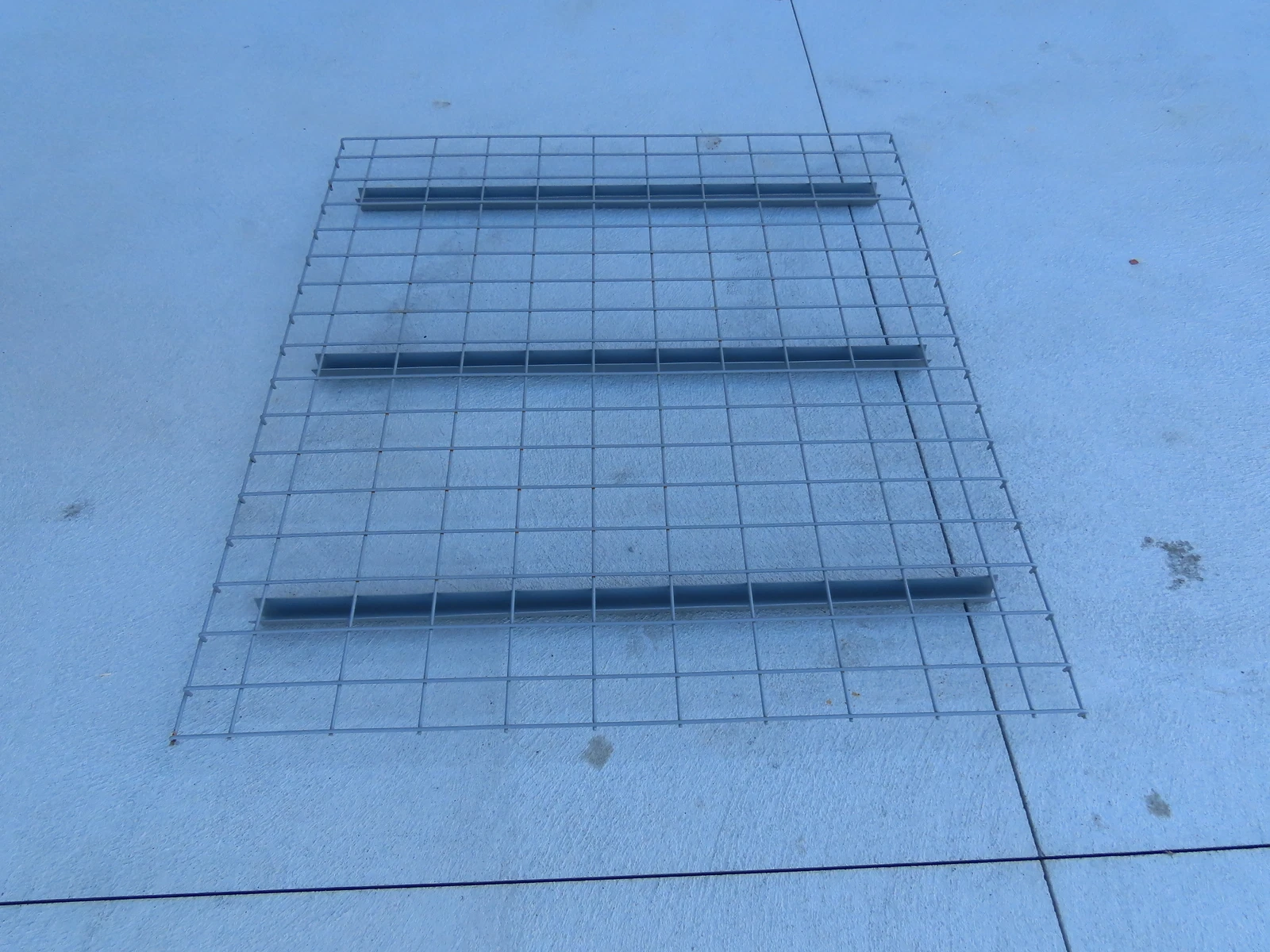
What Emotional Value Does Cantilever Racking Add to My Yard?
How Does Cantilever Racking Improve Storage Efficiency?
Think about the grind in a warehouse or workshop where every square foot counts and time ain’t a luxury you have. You’re juggling heavy, awkward loads—pipes, lumber, steel bars—and no matter how you slice it, Pallet Racking just won’t cut the mustard for those long, bulky items. That’s where cantilever racking steps in like the unsung hero of storage. It’s not just some fancy setup; it’s a practical answer to a problem that’s been nagging at operators and managers day in and day out.
Cantilever racking strips away the nonsense with arms sticking out instead of partitions in the way. This open-sided design is a game-changer, letting you slide materials straight on or off without the hassle of squeezing between uprights. That means faster loading, less fumbling around, and fewer headaches. When you’re up against deadlines and the clock’s ticking, that kind of efficiency isn’t just nice—it’s essential.
Now, there’s a kind of beauty in getting more bang for your buck, too. Cantilever racks use vertical space smartly, stacking heavy, long stuff securely, making it easier to spot what needs grabbing. That saves time wasted digging through clutter and cuts down trips back and forth. With better visibility and access, teams get the job done smoother and safer—since fewer accidents happen when everything’s organized and out in the open.
There’s more hanging on this than just convenience; it’s about treating the people who work those floors right. Good storage racking shows you respect their grind—no one wants to wrestle with inconvenient setups or risk injury because of clunky equipment. Cantilever racking boosts morale by turning chaos into order, making hard work a bit easier and safer. When your crew can trust that the right gear’s right where it should be, productivity feels less like a pain and more like a mission accomplished.
From an ethical standpoint, investing in a system that protects both the stock and the workforce is a no-brainer. It’s about responsibility—doing the right thing by your team while keeping operations lean and efficient. The kind of authority cantilever racking commands isn’t just in its steel beams; it’s earned every day by showing up solid, reliable, and ready to handle the job.
Put simply, cantilever racking isn’t just a storage solution—it’s the kind of hard-working ally that knows what’s at stake and gets stuff done without fuss. If you want to turn your space into a well-oiled machine, keep the clutter off the floor, and let your team move faster and safer, this is where you start.
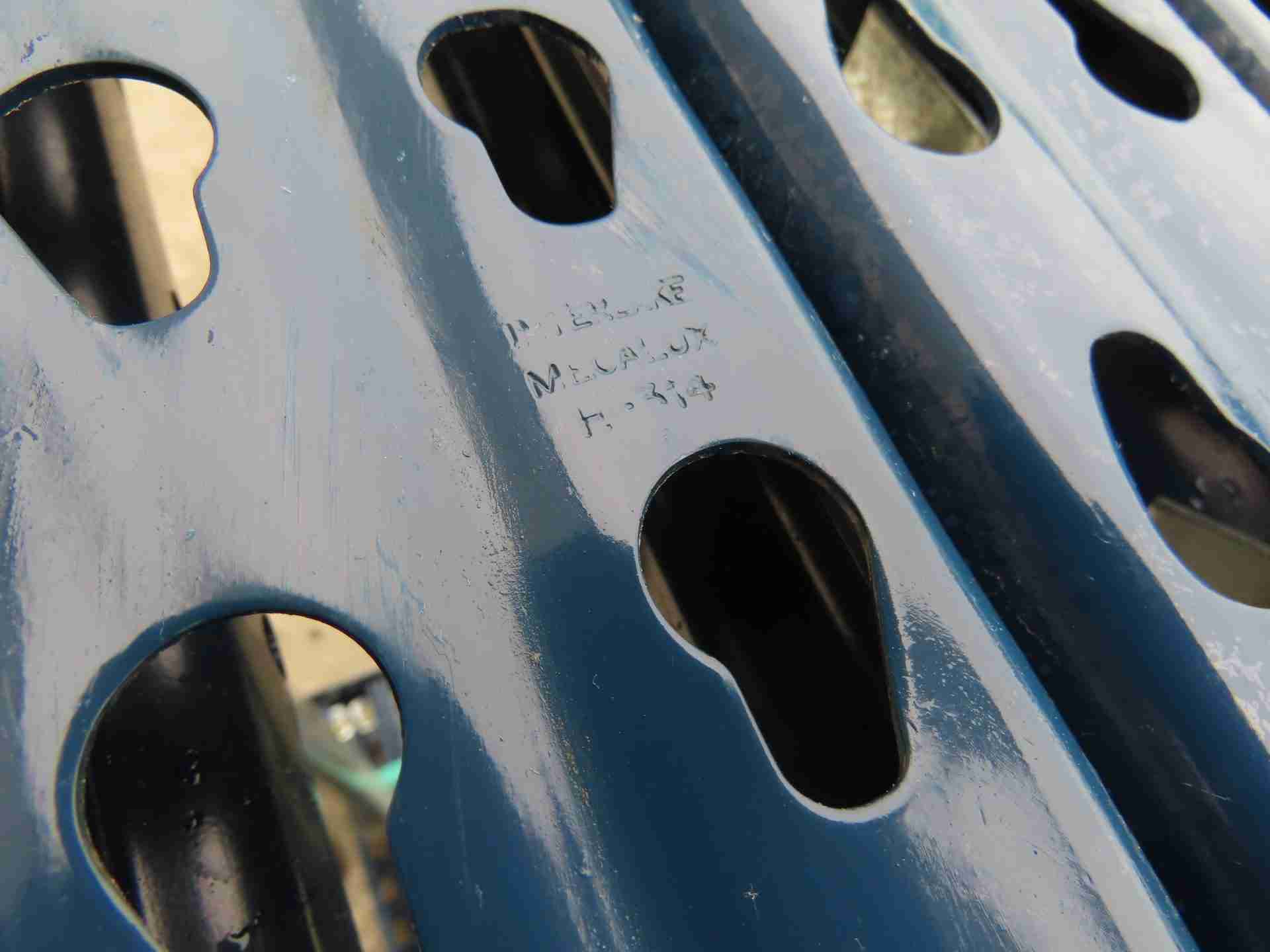
How Does Cantilever Racking Improve Storage Efficiency?
How Does Cantilever Racking Improve Storage Efficiency?
- Cantilever racking is ideal for storing long, bulky items like pipes, lumber, and steel bars, outperforming traditional pallet racking.
- Its open-sided design with projecting arms allows for easy loading and unloading without obstruction, improving efficiency.
- Vertical space is used effectively to securely stack heavy items, enhancing visibility and reducing time spent searching and moving materials.
- Better organization and access reduce accidents, making the workspace safer for employees.
- Cantilever racking improves worker morale by creating an orderly environment and minimizing physical strain and injury risks.
- Investing in cantilever racking reflects ethical responsibility by protecting both stock and workforce while maintaining operational efficiency.
- It serves as a reliable, practical storage ally that helps optimize space, streamline workflow, and boost overall productivity.
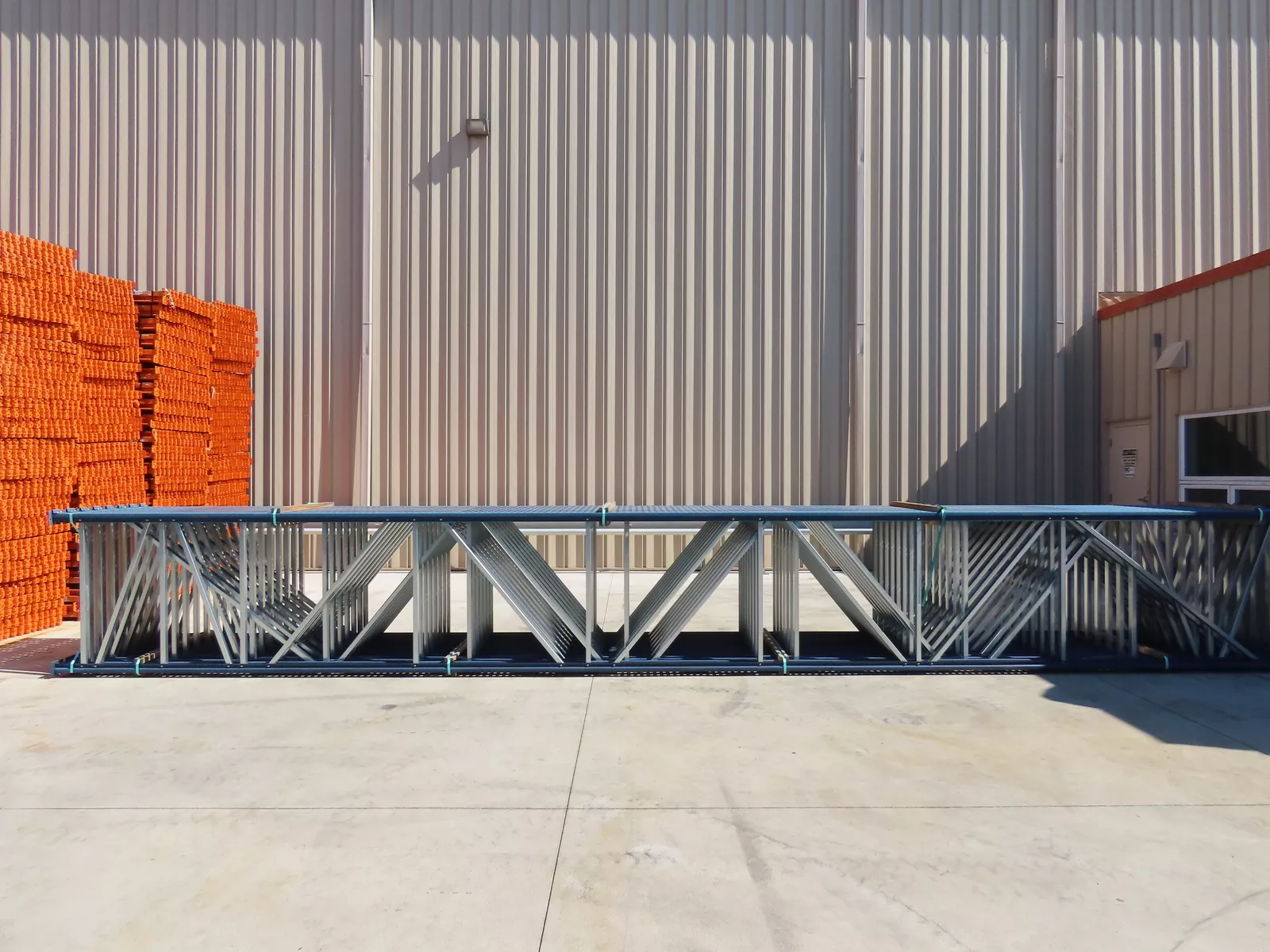
How Does Cantilever Racking Improve Storage Efficiency?
Can Cantilever Racking Reduce Damage to Decking Materials?
If you’ve spent any time working around warehouses, you know decking materials aren’t just stuff piled up—they’re the backbone of countless jobs, the raw materials that keep the gears turning. So when those boards and sheets get dinged, scratched, or worse, it hits where it hurts: your bottom line, your schedule, and your pride in doing a good day’s work. That’s where cantilever racking steps in, and it’s worth paying attention.
Unlike traditional pallet racking that shoves everything onto beams and decks, cantilever racking offers a different kind of support—a system with open arms ready to cradle long, bulky materials without stressing them with tight corners or crossbeams in the way. That means decking materials can sit snug and secure, avoiding the bruises and scrapes that come from shifting loads or improperly spaced bars. Seen any decking warped from bad storage? Sure you have. And it’s never just a minor fuss; it’s lost hours, wasted materials, and a gnawing ache for better solutions.
Think about it in simple terms: you’re stacking planks or sheets of plywood on a frame designed to accommodate their shape instead of forcing them to fit into a box of beams. That’s not just smart; it’s respectful. Respect for your materials, sure, but also for the work put into acquiring them and the craft that depends on them. When your decking arrives intact and ready, you save headaches, avoid reorders, and keep your projects on track. That’s good business sense and plain common decency.
From an authority standpoint, countless warehouses and workshops swear by cantilever racking for storing lumber, steel, and other awkward loads. It’s time-tested, proven, and practical—built for the grind, not just for show. This isn’t fancy talk; it’s the kind of solution born from fields, factories, and flooring yards where the value of material is measured in sweat and skill.
On the ethical front, reducing material damage through better racking methods means less waste and fewer replacements eating into budgets and resources. It’s not just about saving money but making responsible choices that respect the environment and the people who rely on a steady flow of quality goods.
If you care about what you handle every day—the decking that stands between you and a finished job—using cantilever racking isn’t just a nice-to-have; it’s a practical step that speaks volumes about your commitment to quality, efficiency, and doing right by what you work with. It connects the dots from smart storage to less damage and more dependable outcomes. That’s something worth building on.
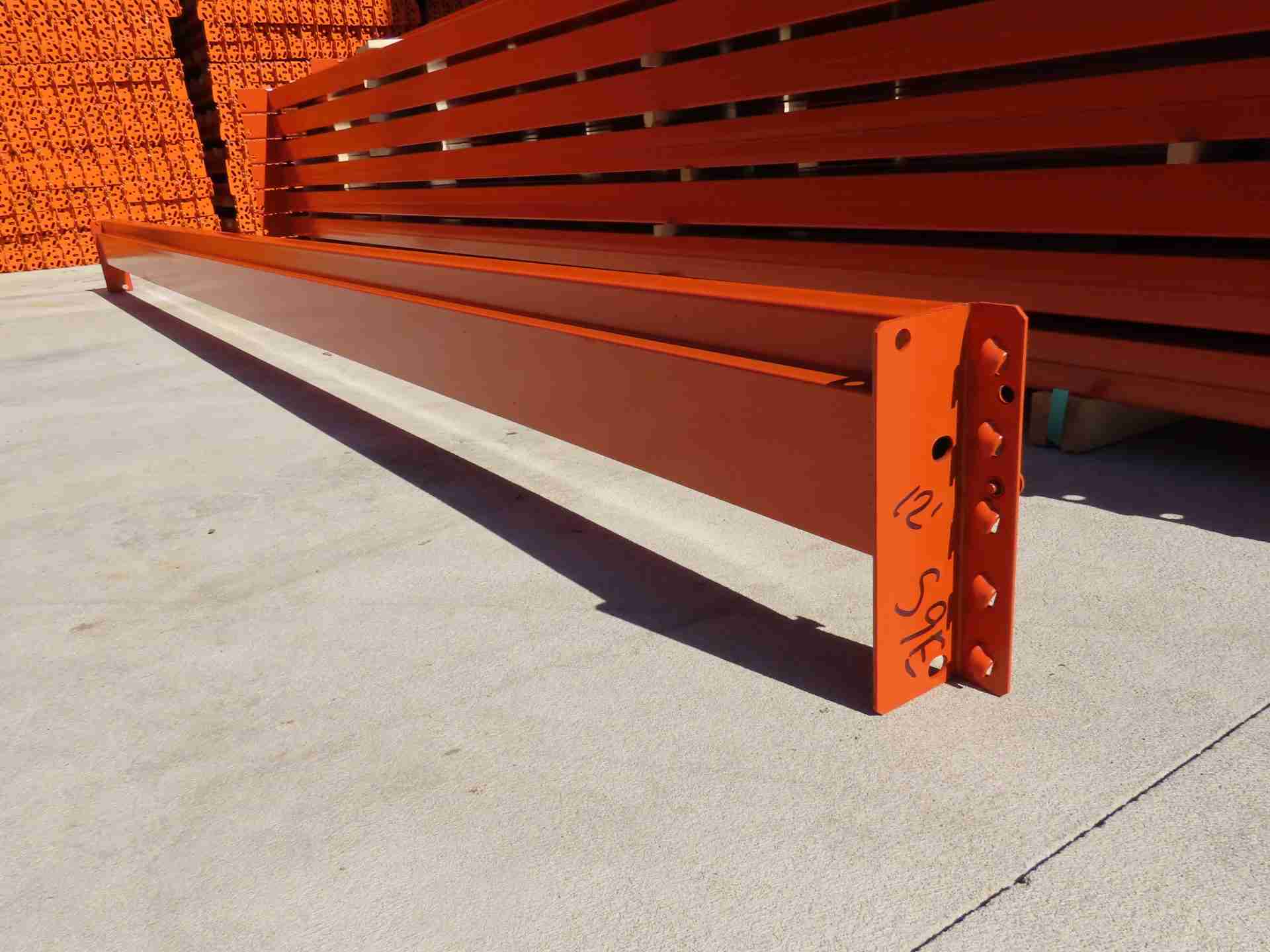
Can Cantilever Racking Reduce Damage to Decking Materials?
Can Cantilever Racking Reduce Damage to Decking Materials?
- Decking materials are essential to many jobs, and damage to them negatively impacts costs, schedules, and work quality.
- Cantilever racking provides open, supportive storage designed for long, bulky materials, reducing damage from tight corners and improper spacing.
- Properly designed racking respects the shape and integrity of decking materials, preventing warping and scrapes that waste time and resources.
- Using cantilever racking saves reordering costs, prevents project delays, and demonstrates good business and ethical practices.
- Many warehouses and workshops trust cantilever racking for storing lumber, steel, and awkward materials due to its proven durability and practicality.
- Reducing material damage lowers waste, conserves resources, and supports responsible environmental and budgetary decisions.
- Adopting cantilever racking reflects a commitment to quality, efficiency, and respect for the materials and work involved.

Can Cantilever Racking Reduce Damage to Decking Materials?
What Ethical Sourcing Options Exist for Cantilever Racks?
When it comes to choosing cantilever racks, thinking about ethical sourcing might feel like an extra knot in an already tangled rope. But here’s the honest truth: where and how your rack is made matters, not just for your bottom line but for the folks who build it and the world we all share. You want a sturdy place to stack your lumber, pipes, or awkward gear, sure. But you also want to know the metal holding up that load wasn’t born out of sweatshops, unsafe factories, or careless destruction. That’s where ethical sourcing steps in.
Ethical sourcing for cantilever racks means making sure the steel and components come from suppliers who play it straight—no shortcuts on worker safety, fair wages, or environmental damage. This isn’t just feel-good fluff; it’s a smart, long-game move. If your pallet racking breaks down because the metal’s shoddy or the supplier cut corners, you’re out money, trust, and maybe worse—your people’s safety. Knowing your cantilever rack comes from an ethical source means you’re banking on quality that holds up under pressure, both physical and moral.
Plus, there’s something downright satisfying in telling your crew that your gear is made the right way. It builds pride and loyalty. It’s a fresh break from the old “I don’t really know where this came from” story. When your business stands for doing things the right way, it builds trust—not just with your workers, but with your customers, your neighbors, and even your competition. In an age when folks can sniff out shortcuts faster than a hound on a trail, that trust is gold.
Finding ethical sourcing options for cantilever racks takes a bit of legwork. Look for suppliers who are transparent about their manufacturing processes. Ask about their environmental practices and labor standards. The good ones will have certifications to back it up, or better yet, a story about how they treat a weld or a cut steel beam with care, respect, and a real sense of responsibility. It’s about partnerships, not just transactions.
At the end of the day, your pallet racking is more than just steel stacked on steel. It’s the backbone of your operation, the silent workhorse that holds your inventory steady. Choosing ethical sourcing shows you’re building your business on a foundation of integrity—not just cheap shortcuts. That’s the kind of foundation that stands tall through hard seasons, just like the cantilever racks themselves.
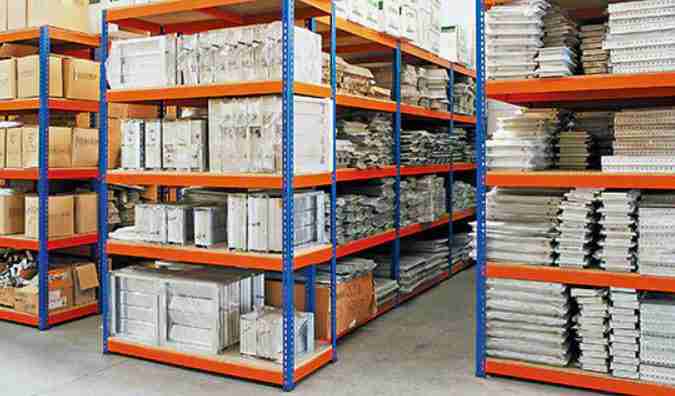
What Ethical Sourcing Options Exist for Cantilever Racks?
What Ethical Sourcing Options Exist for Cantilever Racks?
- Ethical sourcing matters for cantilever racks not only for cost but also for worker welfare and environmental impact.
- It ensures steel and components come from suppliers committed to worker safety, fair wages, and eco-friendly practices.
- Using ethically sourced racks prevents issues related to poor quality, unsafe conditions, and potential financial and reputational loss.
- Ethical sourcing fosters pride and loyalty among workers and builds trust with customers, neighbors, and competitors.
- Finding ethical suppliers requires research into their manufacturing transparency, labor standards, and environmental certifications.
- Ethical sourcing emphasizes partnerships based on responsibility and respect, not just transactions.
- Choosing ethically sourced cantilever racks builds a business foundation of integrity that endures challenges, much like the racks themselves.
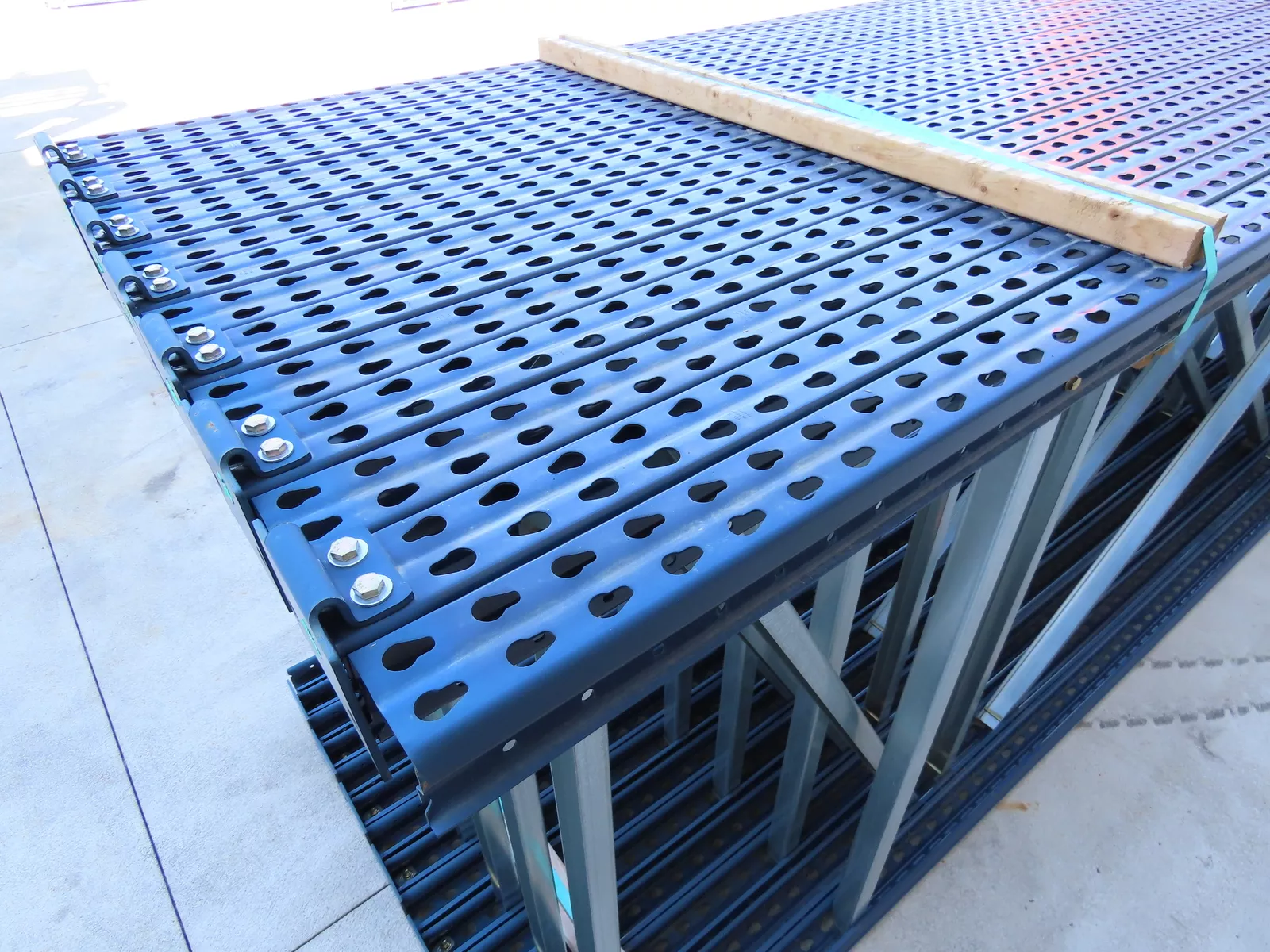
What Ethical Sourcing Options Exist for Cantilever Racks?
Does Cantilever Racking Enhance Workplace Safety Standards?
When you think about a busy warehouse floor, the last thing anyone wants is an accident waiting to happen. Pallet racking has been a reliable backbone for storage for decades, but cantilever racking steps it up a notch, especially when dealing with those long, awkward loads that don’t fit neatly into standard racks. The truth is, cantilever racking isn’t just about stacking it high; it’s about stacking it smart—giving workers safer, easier access and reducing the kind of hazards that come with wrestling oversized materials.
Picture this: a forklift operator navigating tight aisles littered with bulky, uneven items. Traditional pallet racking might force them into tight spots or risky maneuvers. Cantilever racks, with their open arms and flexible configuration, clear that cluttered path. They don’t box you in or create blind spots where accidents lurk. That’s a clear win for anyone clocking in day after day, putting safety first without slowing down the hustle.
But safety isn’t just about physical layout; it’s about trust. Supervisors want to sleep better at night knowing their team isn’t taking unnecessary gambles with their well-being. Cantilever racking provides a sturdy, stable system designed from the ground up to handle long goods—think pipes, lumber, sheet metal—without tip-overs or sagging shelves that become silent safety threats. When those arms are properly anchored and loaded right, the rack doesn’t just hold weight; it holds confidence that every job will end with everyone heading home in one piece.
There’s also something to be said about the culture it builds. When workers see management investing in better storage solutions that cut down on strain, awkward lifts, and cluttered aisles, it sends a clear message: your safety matters. That respect goes a long way, boosting morale and teamwork, making safety a shared value rather than a tired rule on a poster.
Cantilever racking isn’t a flashy upgrade—it’s a straightforward fix grounded in common sense and hands-on experience. It’s about creating a workspace where safety rides shotgun with productivity, where every piece of metal or lumber is stored with care and every worker feels like their well-being is more than just a checkbox. If your place still leans on old pallet racking for those tricky loads, you might be skipping a chance to make the floor safer, smarter, and a little easier to face each day.

Does Cantilever Racking Enhance Workplace Safety Standards?
Does Cantilever Racking Enhance Workplace Safety Standards?
- Cantilever racking improves warehouse safety and accessibility, especially for long, awkward loads that don’t fit standard pallet racks.
- Its open-arm design and flexible configuration reduce hazards and prevent tight spaces and blind spots for forklift operators.
- Designed for stability, cantilever racks safely hold long goods like pipes, lumber, and sheet metal without risk of tip-overs or sagging.
- Properly anchored and loaded cantilever racks increase confidence in workplace safety and reduce accident risks.
- Investing in cantilever racking fosters a safety-focused culture, boosting worker morale and promoting teamwork.
- It is a practical, experience-based solution that balances safety with productivity on busy warehouse floors.
- Replacing old pallet racking with cantilever systems creates a safer, smarter, and more efficient work environment.
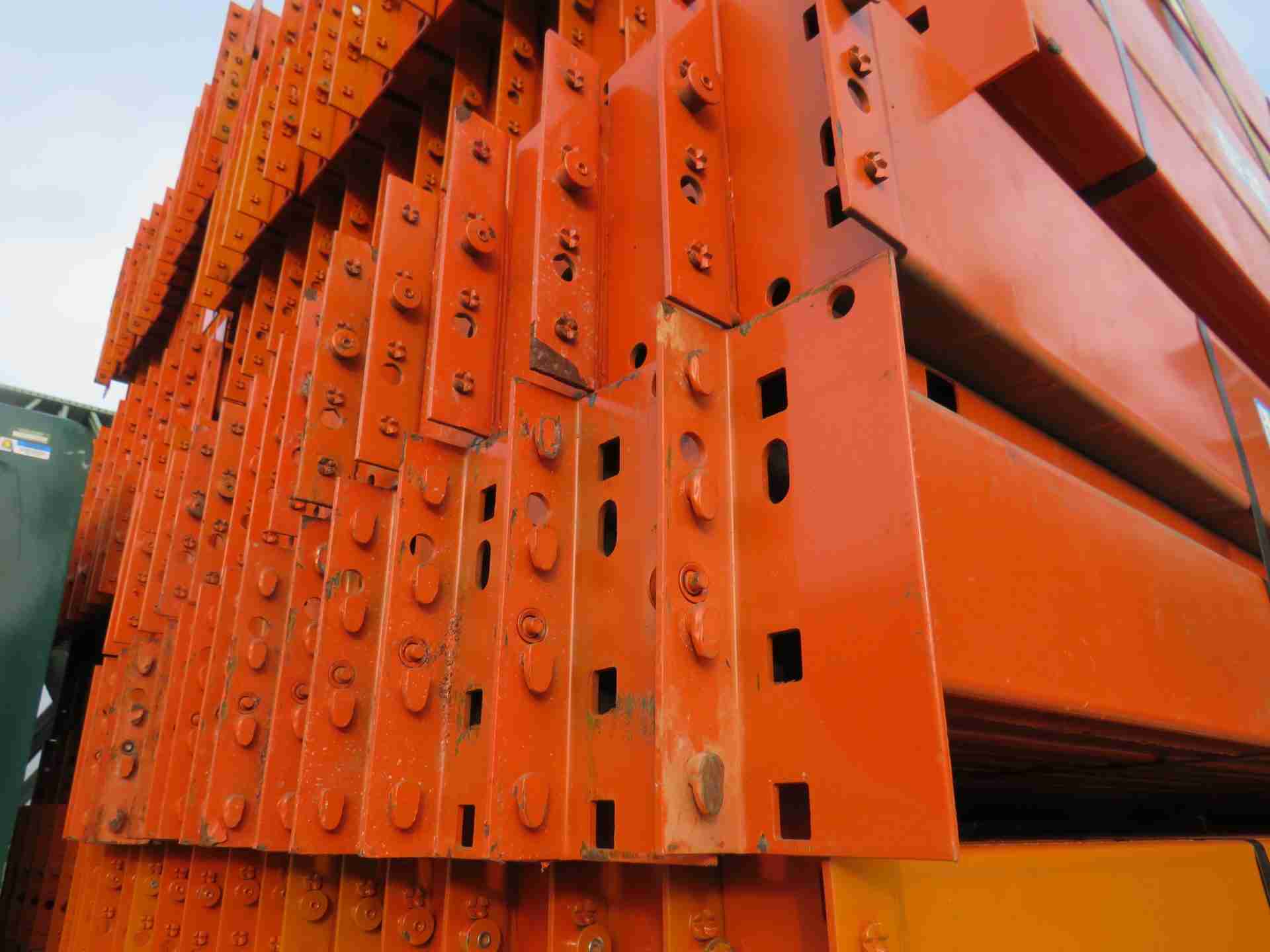
Does Cantilever Racking Enhance Workplace Safety Standards?
How Do Experts Recommend Installing Cantilever Racking?
When it comes to setting up cantilever racking, experts don’t just toss a manual your way and walk off. They roll up their sleeves, dig into the job with practical wisdom shaped by years of hands-on grit. Because this isn’t about fancy showpieces; it’s about building something that stands firm under real-world hustle.
First off, think of cantilever racking like the backbone for your bulky stuff — lumber, pipes, or anything long and unwieldy that pallet racking just can’t handle. Experts stress the importance of laying a solid foundation. That means starting with a level, sturdy concrete floor and anchoring those uprights tight and true. It’s not just a “good idea”; it’s the difference between a rack that holds steady and one that becomes a wobbly hazard.
Then, there’s the art of spacing—arms need to be set to suit your load size, not just eyeballed. Too wide, and your gear teeters; too tight, and you’re wasting space and risking damage. Experienced folks measure twice, adjust once—knowing well where physics meets practicality. They also recommend securing braces and cross beams with care, so the whole rig operates like a well-oiled machine, not a rickety assemblage.
Beyond the nuts and bolts, installing cantilever racking taps into a respect for the flow of work. The experts think through how stuff moves—what comes in, what goes out, how often—and factor that into sizing and layout. It’s not just about stacking heavy things; it’s about making daily life easier and safer. That thoughtfulness shows — you see it when teams move without hesitation and accidents stay miles away.
This kind of setup catches fire from more than brute force; it’s grounded in experience, respect for the job, and a no-nonsense ethic. It demands patience and attention, qualities that might seem slow but pay off like a good paycheck. You build trust with your gear because you built the gear right.
Put simply, the experts blend common sense with solid standards, treating cantilever racking as more than metal on metal — it’s the unsung hero of smooth operations. Get it right, and your storage won’t just work; it’ll work for you. And when the job’s done, that confidence sticks with you, making all the difference when the next big load shows up.
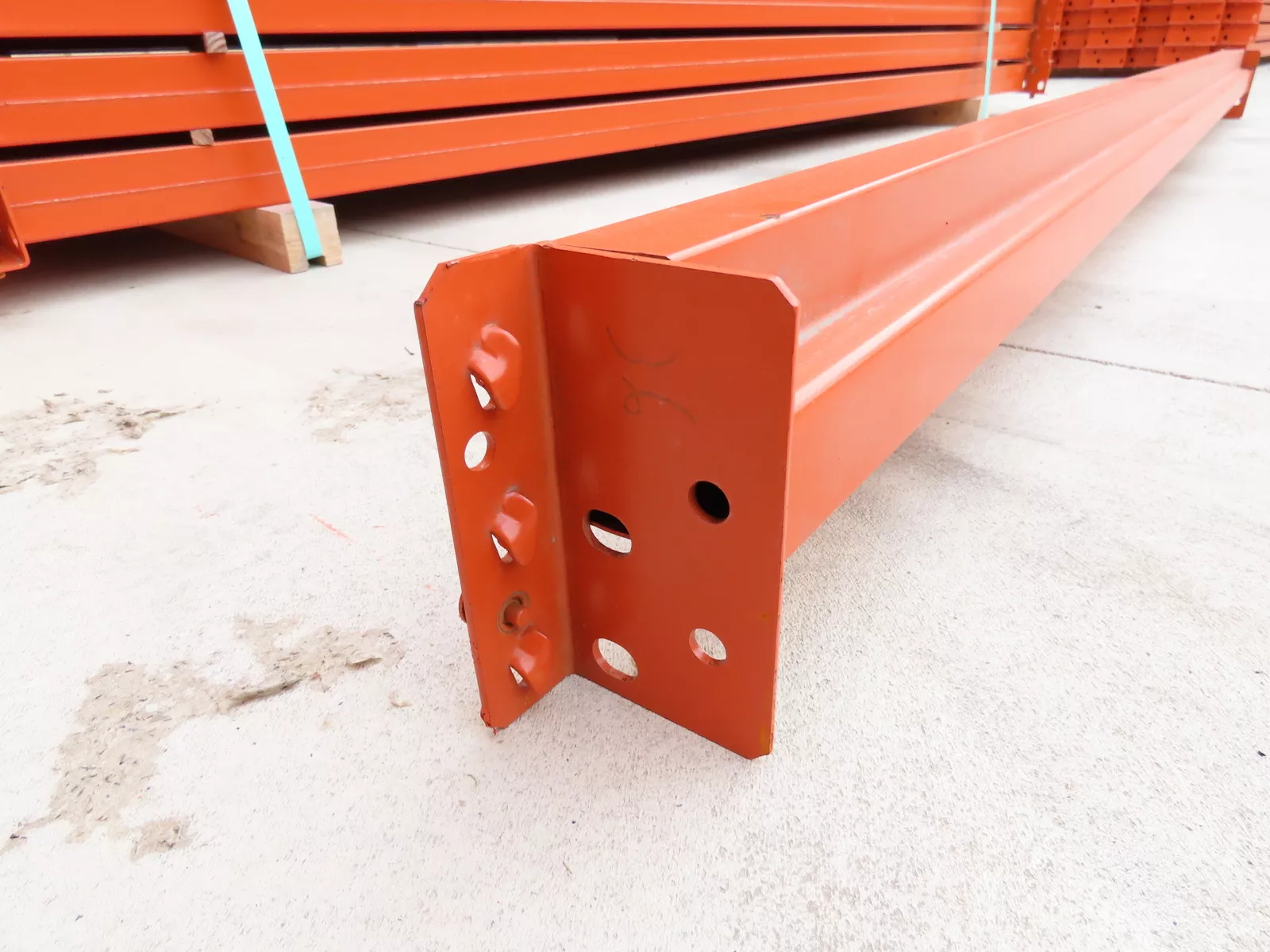
How Do Experts Recommend Installing Cantilever Racking?
How Do Experts Recommend Installing Cantilever Racking?
- Cantilever racking setup requires hands-on expertise and practical experience, not just following manuals.
- It serves as essential storage for bulky, long items like lumber and pipes that pallet racking cannot accommodate.
- A solid foundation with a level concrete floor and securely anchored uprights is critical for stability and safety.
- Proper spacing of arms is essential—measured to fit load sizes precisely to prevent instability or wasted space.
- Braces and cross beams must be carefully secured to ensure the entire structure functions smoothly and safely.
- Installation considers workflow—how items move in and out—optimizing sizing and layout for efficiency and safety.
- Successful cantilever racking combines experience, patience, and standards, resulting in reliable storage that supports smooth operations and builds user confidence.
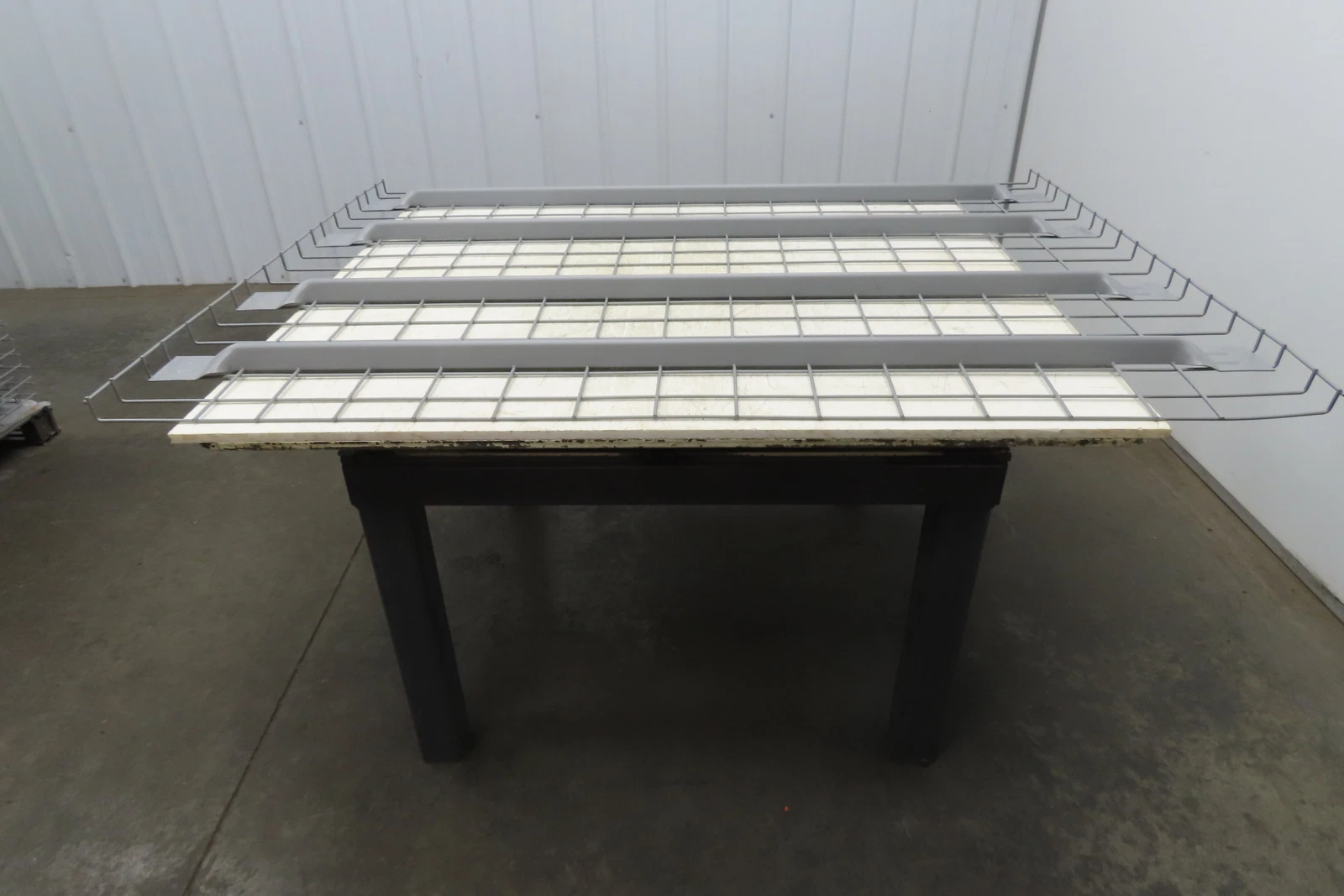
How Do Experts Recommend Installing Cantilever Racking?
Conclusion
Cantilever racking is the quiet powerhouse behind every decking and fencing yard that runs smooth and sharp. It turns lumber and fencing materials from a jumbled mess into a well-oiled machine, giving every board, pipe, and bulky piece a place to rest—dry, safe, and ready to roll. It’s a simple, no-frills solution built for the kind of long, unwieldy materials that pallet racks just can’t handle without turning a worker’s day into a wrestling match. There’s something honest about it: steel arms outstretched like open hands ready to hold the load without fuss or fight.
This isn’t just about space or saving a few bucks—though it does both with flair—it’s about respect. Respect for your materials, your workers, and the craft itself. Damaged boards and warped sheets aren’t just money down the drain; they’re a slap in the face to the pride and sweat poured into every project. Cantilever racks cradle these materials right, sparing them from scratches or warping and keeping the workflow tight and steady. That reliability on site builds trust—between crews, suppliers, and customers—turning a job well done into a solid reputation.
Safety rides shotgun here too. Open aisles, less fumbling with awkward loads, and sturdy arms anchored firm mean fewer near-misses and lingered worries about what might topple or trip someone up. When your team sees you’ve invested in better ways to handle the grind, it sends a clear message: their well-being counts. That kind of care boosts morale and builds a culture where safety and productivity aren’t at odds but work hand in hand.
Digging deeper, choosing ethically sourced racks carries weight beyond the yard’s fence lines. Knowing the steel was made in places that respect workers and the environment adds a layer of integrity—making the whole operation not just tougher but cleaner and steadier by principle. In an industry where shortcuts can mean disaster, standing on a foundation of honest steel is more than smart business—it’s doing right by everyone involved.
Installing cantilever racking calls for hands-on know-how: solid, level floors, arms spaced just so, braces secured like they mean business. It’s craftsmanship in itself, blending common sense with careful planning so every piece fits and functions without a hiccup. When it’s done right, the rack isn’t just a metal frame—it becomes the backbone holding up your work, your team, and your pride.
At the end of the day, cantilever racking isn’t just metal in a yard. It’s the steady hand turning chaos into order, the trusted partner making tough jobs easier, safer, and fairer. It’s about respect for hard work, commitment to quality, and building something that lasts—not only the lumber but the legacy too.

Conclusion
Conclusion:
- Cantilever racking efficiently organizes long, unwieldy materials like lumber and fencing, providing a dry, safe, and accessible storage solution.
- It protects materials from damage such as scratches and warping, preserving their quality and maintaining workflow efficiency.
- Designed for safety, it features open aisles and sturdy arms, reducing accidents and demonstrating care for workers’ well-being.
- Choosing ethically sourced steel adds environmental and social integrity to operations, supporting responsible industry practices.
- Proper installation requires precise planning and craftsmanship to ensure the system functions reliably and supports the worksite’s needs.
- Cantilever racking builds trust among crews, suppliers, and customers by contributing to a smooth, dependable work environment.
- It represents respect for materials, workers, and the craft, turning chaotic storage into organized, sustainable operations that uphold quality and legacy.
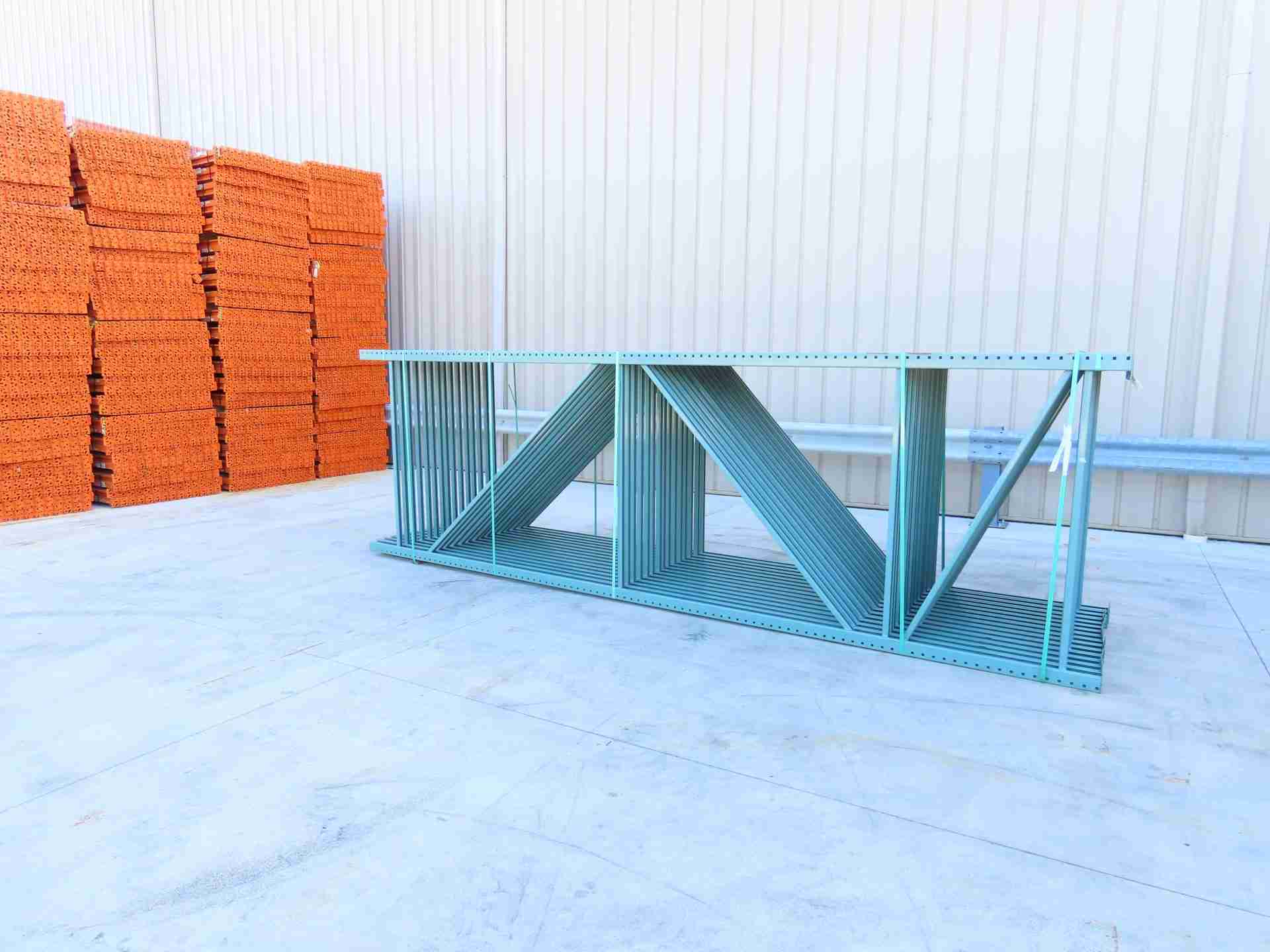
Conclusion
Other Resources

Other Resources
Here is a list of other resources you can review online to learn more:
- Chicago Pallet Racking
- What is Selective Racking: Understanding Benefits & Options
- Warehouse Storage Racking in Illinois
- Iowa Illinois Warehouse Racking
- Cantilever Rack Configuration & Installation: A Comprehensive Guide – BMH
- BMH
- Illinois Pallet Racking – WPRP
- Arrow Industrial Sales
- ASSP
- Selective Racking
- Selective Racking
- SEMA
- Illinois
- What is Selective Pallet Racking
- Material Handling Safety
- Pallet Racks, Pallet Racking, Pallet Shelves in Stock – ULINE
- National Safety Council
- The Complete Pallet Rack Guide – Simply Rack
- Intro to Warehouse Racks & Warehouse Racking Systems – ShipBob
- IIWS Inc. Rack Installation Illinois & Rack Repairs Illinois
Use This Prompt To Get More Resources With Your Favorite Online AI Tool: Please provide me with a list of online articles with their URLs in a bulleted list that I can read regarding How Do Decking and Fencing Material Yards Leverage Cantilever Racking?
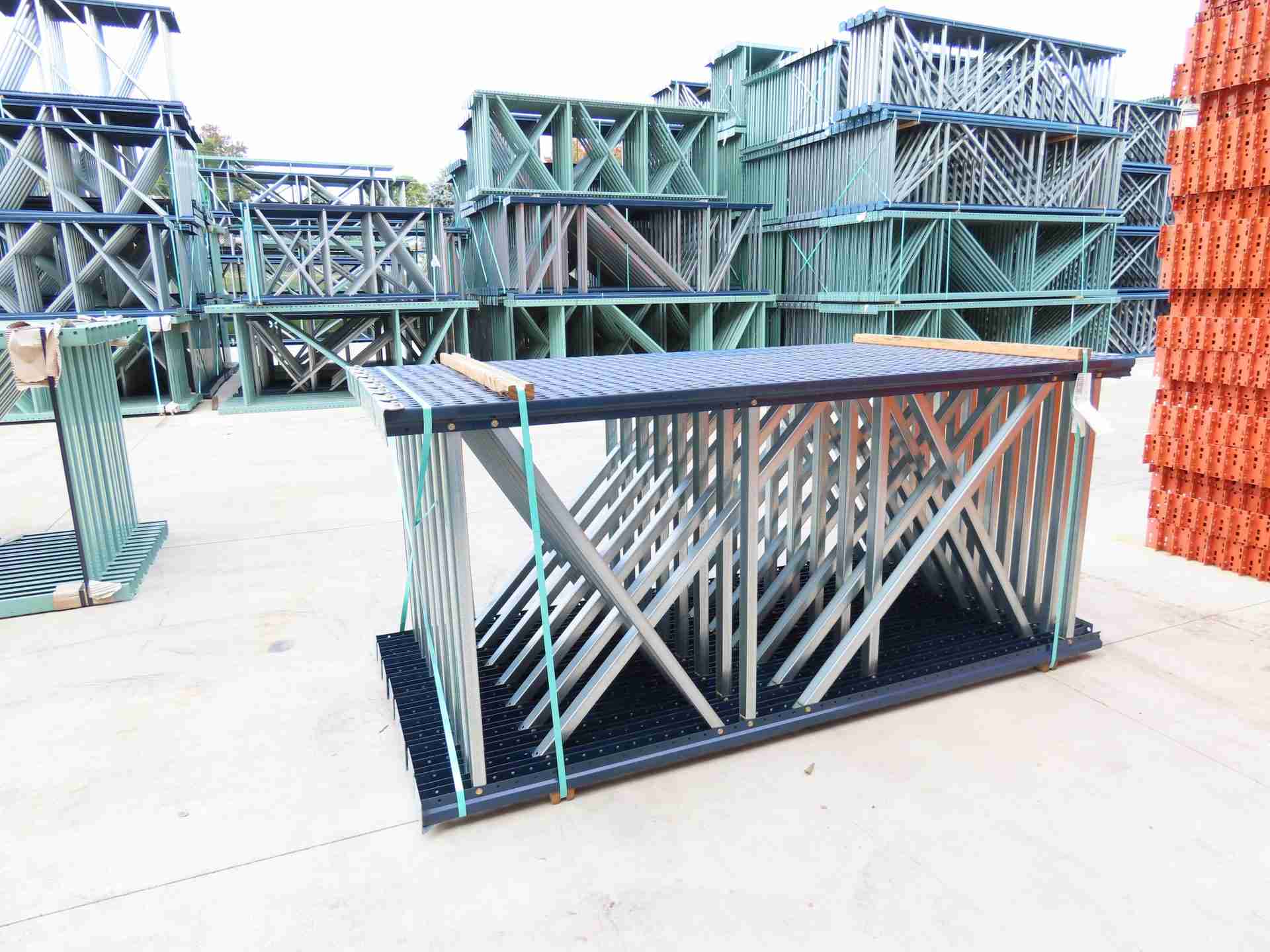
Other Resources
Glossary Terms
How Do Decking and Fencing Material Yards Leverage Cantilever Racking? – Glossary Of Terms
1. Cantilever Racking: A storage system with arms extending from a central column used to store long, bulky items such as decking and fencing materials.
2. Decking Material: Lumber or composite boards used to build outdoor flooring surfaces.
3. Fencing Material: Components like posts, rails, and panels used in the construction of fences.
4. Material Yard: An outdoor or indoor space where building materials are stored and organized.
5. Load Capacity: The maximum weight that a cantilever racking arm can safely support.
6. Upright Column: The vertical support structure in cantilever racking systems.
7. Arm Length: The horizontal extension from the upright used to hold materials in cantilever racking.
8. Adjustable Arms: Cantilever racking arms that can be repositioned to accommodate materials of different sizes.
9. Bulk Storage: The practice of storing large quantities of materials in one place.
10. Palletize: To place materials on pallets for easier handling and storage.
11. Accessibility: The ease with which materials can be retrieved from storage.
12. Inventory Management: The system used to track stock levels and material location.
13. Space Optimization: Maximizing the available area for storing materials efficiently.
14. Vertical Storage: Using height to increase storage capacity in a material yard.
15. Load Distribution: The even placement of weight across racking systems to ensure safety.
16. Weather Resistance: The ability of storage solutions to withstand outdoor environmental conditions.
17. Flooring Deck: The surface made from decking materials, supported by a framework.
18. Structural Integrity: The strength and durability of materials and storage systems.
19. Material Handling: The movement and organization of materials within the yard.
20. Safety Clearance: The required space around racking systems to prevent accidents.
21. Forklift Access: Design considerations to allow forklifts to load and unload materials safely.
22. Long-Length Storage: Storage solutions specifically designed to hold lengthy materials.
23. Heavy-Duty Racking: Racking systems designed to hold very heavy loads typically found in material yards.
24. Rust-Proof Coating: Protective finishes applied to metal racking to prevent corrosion.
25. End Caps: Protective covers on the ends of cantilever arms to prevent material damage.
26. Load Testing: Procedures to verify the weight-bearing capacity of racking systems.
27. Modular Design: Racking systems designed for easy customization and expansion.
28. Aisle Width: The space between racking rows for safe and efficient movement.
29. Material Sorting: Organizing materials by type, size, or project to streamline workflow.
30. Stock Rotation: The process of managing material use to prevent degradation or obsolescence.
Glossary Of Terms
Other Questions
How Do Decking and Fencing Material Yards Leverage Cantilever Racking? – Other Questions
If you wish to explore and discover more, consider looking for answers to these questions:
- What load capacities and arm lengths are appropriate for the types and sizes of decking and fencing materials I store?
- How do I calculate the number of bays and tiers needed to meet my inventory volume and turnover?
- Can cantilever racking be used outdoors, and what weatherproofing or coatings are required?
- What foundation or floor requirements and anchor types are needed for safe installation?
- How do I determine safe stack heights for different materials to avoid sagging or tipping?
- What are the recommended arm spacing and support configurations for plywood, 2x lumber, posts, and rolls of fencing?
- Which forklifts or material-handling equipment are best suited for loading and unloading cantilever racks?
- How do I design aisle widths and layout to optimize traffic flow and forklift safety?
- What are the common causes of cantilever rack failure and how can they be prevented?
- What inspection and maintenance schedule should I follow, and what should be included in an inspection checklist?
- Are there specific OSHA or local regulations that apply to cantilever racking in decking and fencing yards?
- How does cantilever racking compare to alternative systems (pallet racking, bulk stacking, horizontal storage) in cost and efficiency?
- What is the typical ROI period for investing in cantilever racking for a decking or fencing yard?
- How do I choose between single-sided and double-sided cantilever racks for my site?
- What anchoring and bracing solutions are required in seismic or high-wind regions?
- How can cantilever racking reduce material damage, and what padding or separators should be used for delicate stock?
- What accessories (end stops, column protectors, dividers, labels) improve safety and organization?
- How do I secure and store long or irregularly shaped items to prevent overhang and hazards?
- Can cantilever racks be retrofitted into existing racking systems or yard layouts, and what are the constraints?
- What are best practices for stacking bundled lumber or bundled fencing on cantilever racks?
- How does cantilever racking integrate with inventory management systems, barcoding, and picking workflows?
- What training should staff receive for safe loading, unloading, and inspection of cantilever racks?
- What warranties, certifications, or load-test documentation should reputable suppliers provide?
- How do I verify ethical sourcing claims for racks and steel suppliers—what documentation or audits are meaningful?
- What surface treatments, galvanizing options, or paints best prevent corrosion in coastal or humid environments?
- How much does delivery, installation, and site prep typically add to the cost of cantilever racking?
- Are used cantilever racks a safe and economical option, and what should I inspect before buying used equipment?
- How do insurance requirements or premiums change after installing professional cantilever racking?
- What permits or engineering approvals are commonly required for large rack installations?
- How long does a professional installation typically take, and what business disruption should I plan for?
- What are the lifecycle costs of cantilever racking, including maintenance, parts replacement, and resale value?
- How can I design the racking layout to accommodate seasonal inventory peaks and varying product dimensions?
- What emergency procedures and load-removal strategies should be in place if a rack is damaged?
- How do I choose between welded vs. bolted cantilever components for strength, repairability, and cost?
- What environmental and recycling options exist for racks at end-of-life or for damaged steel components?
- Can cantilever racking support mixed loads (lumber, metal posts, rolls of mesh) safely on the same arms?
- What case studies or examples show measurable improvements in productivity and safety after installing cantilever racks in similar yards?

Other Questions
Checklist
How Do Decking and Fencing Material Yards Leverage Cantilever Racking? – A Checklist
Checklist Details
✅______ Yard __________
✅______ Date __________
✅______ Reviewer __________
✅______ Next review __________
Objectives and Fit
✅______ Primary materials defined: lumber lengths, fencing fabric, posts, tubes, sheets
✅______ Rationale for cantilever vs. pallet racking documented
✅______ Target outcomes set: space utilization %, pick time, damage rate, throughput
Layout and Space Use
✅______ Scaled site plan with rack footprint, aisles, and travel paths
✅______ Aisle width matched to handling equipment and load lengths
✅______ Vertical clearance verified for loads, sprinklers, doors, and utilities
✅______ Inbound and outbound flow mapped; staging zones identified
✅______ Indoor or outdoor placement set; drainage and weather exposure addressed
Rack Specification
✅______ Upright, base, and arm capacities sized to worst-case loads
✅______ Arm type selected—straight or inclined—per product
✅______ Arm length and spacing matched to product lengths and deflection limits
✅______ Column centers and base dimensions finalized for stability and reach
✅______ End stops or pins, dividers, saddles, or cradles specified
✅______ Finish chosen for environment: galvanized, powder coat, or hot-dip
✅______ Corrosion and UV considerations documented for outdoor use
Procurement and Ethical Sourcing
✅______ Supplier transparency on material origin and manufacturing
✅______ Applicable certifications reviewed: ISO 9001, EPDs, and HPDs
✅______ Steel grade and MTRs available; quality controls described
✅______ Warranty terms and spare parts availability confirmed
Floor and Foundations
✅______ Slab thickness and load capacity verified for point loads
✅______ Floor levelness and flatness checked
✅______ Anchor type, size, pattern, and embedment specified
✅______ Site-specific wind and seismic criteria applied where applicable
Installation
✅______ Layout snapped; columns plumbed and aligned within tolerance
✅______ Bracing installed per drawings; connections verified
✅______ Anchors installed and torqued; records captured
✅______ Arm elevations set consistently across bays
✅______ As-built drawings and deviations documented
Identification and Organization
✅______ Bays, levels, and arms labeled; location schema defined
✅______ SKUs grouped by length, species, grade, and diameter
✅______ Visual cues in place: length markers, color coding, and signage
✅______ Putaway and slotting rules documented by demand, size, and weight
Load Handling and Access
✅______ Handling equipment selected for load length and weight, including fork type and attachments
✅______ Clearances maintained for loading, unloading, and turning
✅______ Staging areas sized for peak volume
✅______ Dunnage, edge protection, and strapping materials available
Material Care and Damage Reduction
✅______ Materials stored off the ground; covers, tarps, or roof used as needed
✅______ Arm spacing prevents sag and warp for lumber and sheets
✅______ Contact surfaces protected for finished goods using pads or saddles
✅______ Housekeeping plan keeps lanes and rack bases clear
Operations and Efficiency
✅______ Standard work defined for receiving, putaway, picking, and dispatch
✅______ Peak-season overflow plan and re-slotting triggers set
✅______ Cycle count and inventory check cadence established
✅______ KPIs tracked: pick time, space utilization, damage rate, order accuracy, and turns
Inspection and Upkeep
✅______ Routine rack inspections scheduled, e.g., monthly or quarterly
✅______ Fastener and anchor checks scheduled; torque records kept
✅______ Damaged components tagged, quarantined, and replaced
✅______ Finish touch-ups and corrosion control planned
Documentation
✅______ Engineering calculations, drawings, and load tables on file
✅______ Load ratings posted at point of use
✅______ Installation, maintenance, and inspection records maintained
✅______ Supplier manuals and parts lists stored and accessible
Team Alignment
✅______ Roles defined for receiving, storage, and dispatch
✅______ Onboarding includes rack use, load placement, and equipment access
✅______ Feedback loop in place to improve layout, slotting, and flow
Review and Improvement
✅______ Post-installation review completed against objectives
✅______ Opportunities logged: layout tweaks, accessory additions, and re-slotting
✅______ Budget and timeline set for upgrades and replacements
Notes
✅______ Notes: _________________________________________________
✅______ _________________________________________________________

Checklist
At RackingWorld, we help guide you through selecting warehouse storage systems and racking.
Be sure to read our other related stories at RackingWorld to learn more about warehouse storage systems.
0 Comments