
Maximize Efficiency And Security: Transform Data Center Storage Today
By Tom Seest
At RackingWorld, we help guide you through selecting warehouse storage systems and racking.
Be sure to read our other related stories at RackingWorld to learn more about warehouse storage systems.
How Do Data Center Equipment Storage Leverage Pallet Racking?
When it comes to storing data center equipment, Pallet Racking isn’t just some fancy warehouse gimmick—it’s the backbone that keeps everything in line and running smooth. Think of it like the unsung hero behind the scenes, handling crates, servers, and all that tech gear with steady, no-nonsense reliability. You don’t want your expensive hardware stacked like a house of cards; you want it secure, organized, and ready for action at a moment’s notice. That’s exactly where Pallet Racking comes in.
From the heart, it’s about peace of mind. You’ve invested in the lifeblood of your operation—the servers, the switches, the power units. Knowing they’re resting safely on strong steel racks means you can sleep a little easier at night. No wobbly piles, no crushed boxes, no frantic last-minute hunts through disorder. That stability, that order, breeds confidence. It’s about respect for your gear because you know every piece matters, and every downtime dollar counts.
Head wise, Pallet Racking is pure logic. It maximizes vertical space—turning unused air into valuable real estate—without turning your storage area into a maze. Efficient layout means quicker access and smarter inventory rotation. When you need to pull a specific piece of equipment or expand, it’s a straightforward grab or reconfigure, no heavy lifting or guesswork required. It’s practical, durable, and built to handle heavy loads without bending or breaking. The strength and adaptability of these racks save you time and headaches, which adds up to serious cost savings over time.
Ethically and socially, it’s about doing the right thing by your team and your business. Pallet Racking creates safer workplaces by preventing accidents caused by unstable stacks or cluttered floors. It shows you care—not just about your gear—but about the folks who build, maintain, and rely on the data center daily. Safe, organized storage respects everyone’s effort and well-being. You’re setting a standard that boosts morale and reflects good stewardship over your resources.
Storytelling comes in when you remember the last job that went sideways, the scramble caused by poorly stored equipment. Pallet Racking was the difference-maker on the next project—the quiet confidence in knowing your gear was exactly where it should be, ready to roll. It binds all these elements together: heart, head, and gut. It’s not just metal bars; it’s a straightforward solution grounded in real-world experience, plain talk, and smart planning. Choosing Pallet Racking for your data center equipment storage isn’t just smart—it’s the handshake of trust that says you mean business.

How Do Data Center Equipment Storage Leverage Pallet Racking?
How Do Data Center Equipment Storage Leverage Pallet Racking?
- Pallet Racking provides secure, organized storage for data center equipment, preventing unstable stacking and ensuring readiness.
- Offers peace of mind by safely supporting valuable servers, switches, and power units, reducing risk of damage and downtime.
- Maximizes vertical space efficiently, allowing for quick access and easy inventory rotation without clutter or confusion.
- Durable and strong design handles heavy loads without bending, saving time and reducing maintenance costs.
- Enhances workplace safety by preventing accidents from unstable stacks and cluttered floors, showing care for staff well-being.
- Improves operational confidence and morale by promoting organized, respectful storage practices.
- Represents a practical, reliable solution grounded in experience and thoughtful planning, symbolizing trust and professionalism.

How Do Data Center Equipment Storage Leverage Pallet Racking?
Table Of Contents
- How Do Data Center Equipment Storage Leverage Pallet Racking?
- What Emotional Relief Does Pallet Racking Bring to Data Centers?
- How Does Pallet Racking Improve Space Efficiency In Storage?
- Can Pallet Racking Reduce Equipment Damage Risks Effectively?
- What Ethical Standards Guide Pallet Racking In Data Centers?
- How Does Authority Endorse Pallet Racking for Secure Storage?
- What Stories Highlight Pallet Racking Success In Data Centers?
- Conclusion
- Other Resources
- Glossary Of Terms
- Other Questions
- Checklist
What Emotional Relief Does Pallet Racking Bring to Data Centers?
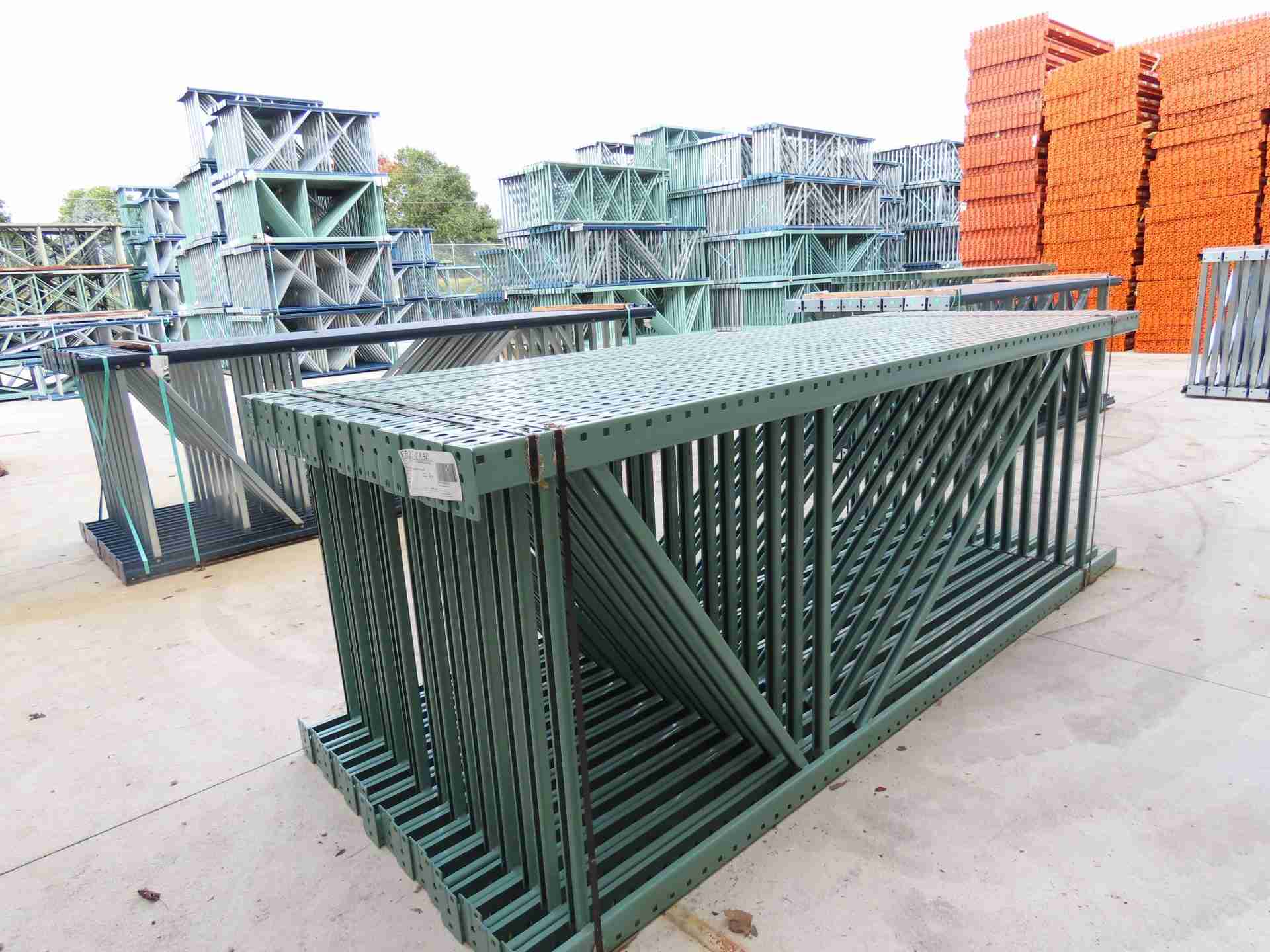
There’s something about a well-organized space that just settles the nerves. Walk into a data center cluttered with cables, boxes, and gear tossed about like a storm hit it, and you feel that knot in your gut tighten right away. Now picture those same walls lined with sturdy pallet racking, everything stacked neat and sturdy, off the floor and ready for action. That’s the kind of order that brings real peace of mind. You don’t need to be a tech wizard to know when things are in their place, your head feels sharper and your shoulders drop just a bit lower. Pallet racking isn’t just about metal beams and storage — it’s the small victory of control over chaos.
On a practical level, pallet racking takes the pressure off. It means all your servers, components, and tools have a designated home, cutting down on the frantic searches when a system hiccup hits. That saves time, cuts stress, and keeps the hard-working folks in the data center focused on what matters — keeping systems running, uptime steady, and clients satisfied. It’s the kind of sensible solution that doesn’t just look good on paper; it works day in and day out. When you’ve got a well-thought-out pallet racking system, it’s like having an extra set of hands that don’t get tired or distracted.
Beyond the nuts and bolts, there’s an ethical angle too. Keeping equipment properly stored and maintained means fewer accidents, less wear and tear, and less waste. That’s good for business and better for the folks on the floor. It shows respect for the craft and the people who keep the data center humming. Pallet racking quietly shoulders part of that responsibility, supporting not just gear but the well-being of everyone who counts on it.
The story here isn’t just about racks; it’s about a shift in mentality. From scrambling in the dark to a place where everything clicks — where trust builds because systems and people are both supported. Pallet racking turns a data center into a space that’s not just functional but dependable and reassuring. When you invest in that kind of foundation, you’re betting on confidence, calm, and the daily grind done right. It’s how you keep everything running, and yourself sane, in a world that doesn’t wait around.

What Emotional Relief Does Pallet Racking Bring to Data Centers?
What Emotional Relief Does Pallet Racking Bring to Data Centers?
- Well-organized spaces, like data centers with pallet racking, reduce stress and create a sense of order and calm.
- Pallet racking provides designated storage for servers, components, and tools, minimizing frantic searches and saving time.
- It helps maintain system uptime and client satisfaction by allowing staff to focus on essential tasks.
- A well-designed pallet racking system acts like an efficient, tireless extra set of hands.
- Proper storage reduces accidents, wear and tear, and waste, benefiting both business and workers.
- Pallet racking reflects respect for the craft and supports the well-being of data center personnel.
- It represents a shift to a dependable, reassuring environment that fosters trust, confidence, and operational calm.
What Emotional Relief Does Pallet Racking Bring to Data Centers?
How Does Pallet Racking Improve Space Efficiency In Storage?
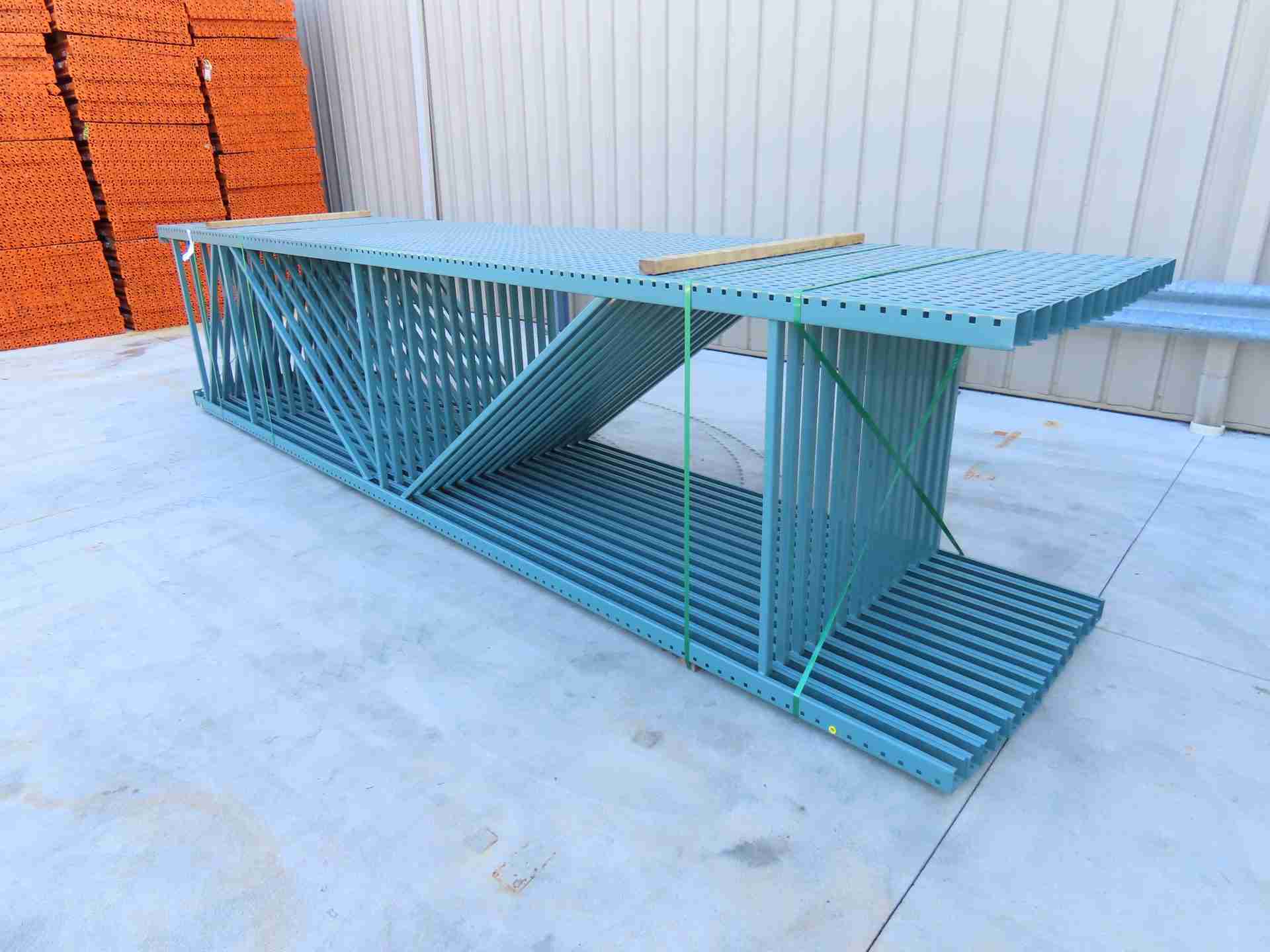
When you’re staring down a warehouse that looks more like a junkyard than a neat, organized workhorse, pallet racking is the tool that turns chaos into order. Picture this: before pallet racking, you’re stacking boxes haphazardly, wasting every inch of vertical space because you’re scared to pile too high—because, let’s be honest, nobody wants a heap of falling crates waiting to slam on their toes. Pallet racking steps in like a no-nonsense foreman, giving you sturdy, reliable shelving that stacks goods safely upward and outward. It’s the difference between shoving crates in any old corner and building a solid, accessible structure that respects every square foot.
This isn’t just about neatness. It’s about making your space work smarter, not harder. By using pallet racking, you reclaim lost square footage, though it’s really about the vertical. Warehouses and storage facilities fight a losing battle if they only think horizontally. Pallet racking invites you to think three-dimensionally—instead of laying goods flat across the floor, you build up with rank after rank of clearly labeled, easy-to-grab inventory. This frees up room, speeds up operations, and cuts the time your team spends hunting for stuff. The rational mind appreciates that this isn’t fluff—it’s profitability, efficiency, and safety rolled into one.
There’s something ethical, too, about using pallet racking. It’s respect—for your workers, for your clients, and for your bottom line. Messy floors invite injuries, costly mistakes, and stress that trickles down to everyone involved. Pallet racking creates a safer, clearer environment. That tells your team you care about their well-being, even when the deadlines are tight and the hours long.
Beyond the nuts and bolts, pallet racking has earned its stripes through decades of hands-on use in industries that don’t have time for frills or fancy footwork. Its authority comes from proven reliability. It’s the silent partner in countless success stories about turning cramped spaces into production powerhouses. Those who’ve been around the block know: invest in good pallet racking, and you’re not just buying metal— you’re investing in peace of mind, stability, and smart growth.
And there’s a social side to this, too. When your warehouse runs like a well-oiled machine, your customers notice. Delivery times improve, order accuracy climbs, and everyone feels the boost. It fosters trust beyond the shop floor because good organization spills over into everything you do. So, if you’re ready to quit settling for scrambled stacks and wasted space, pallet racking isn’t just an option—it’s the solution that makes sense, from your gut to the spreadsheet.
How Does Pallet Racking Improve Space Efficiency In Storage?
How Does Pallet Racking Improve Space Efficiency In Storage?
- Pallet racking transforms disorganized warehouses into orderly, efficient storage spaces by enabling safe vertical stacking of goods.
- It maximizes space utilization, encouraging three-dimensional thinking to reclaim lost square footage and improve inventory accessibility.
- Pallet racking enhances operational efficiency by speeding up processes and reducing time spent searching for items.
- It promotes safety and respect for workers by creating a clear, injury-reducing environment and reducing stress.
- Proven over decades, pallet racking is a reliable investment that supports stability, peace of mind, and smart business growth.
- Improved warehouse organization leads to better customer outcomes like faster deliveries and higher order accuracy.
- Pallet racking fosters trust and professionalism, impacting both internal operations and customer relations positively.

How Does Pallet Racking Improve Space Efficiency In Storage?
Can Pallet Racking Reduce Equipment Damage Risks Effectively?
You’ve been there—watching forklifts inching around in tight spaces, the clatter of crates, the sigh when something gets nicked or worse. Equipment damage isn’t just a dent in the budget; it’s headaches, downtime, and a trust hit that nobody wants. Pallet racking steps into that chaotic scene like a steady hand, cutting through the clutter and making order out of the usual mess.
From a straight-up, common-sense point of view, pallet racking sets clear lines and boundaries. When your gear has a dedicated spot, the chance of accidents shrinks because everyone knows where to put their load and how to navigate the aisles. This isn’t guesswork—it’s proven practice. Warehouses using pallet racking regularly report fewer trolley collisions, less dropped cargo, and a serious drop in scrapes and bruises on valuable machines. When things are organized and predictable, equipment wears less and lasts longer. That’s good for your wallet and good for your people.
But it’s more than just numbers and savings—there’s a trust that builds when the work environment feels safe and reliable. Pallet racking sends a message: we respect the tools of the trade and take care of them like they matter. When workers see that care, it sticks. It changes the way they maneuver, handle, and think about equipment. That kind of ethical approach isn’t just right—it fuels pride and sharpens focus on the floor. Less damage reflects a culture that values its team and its work.
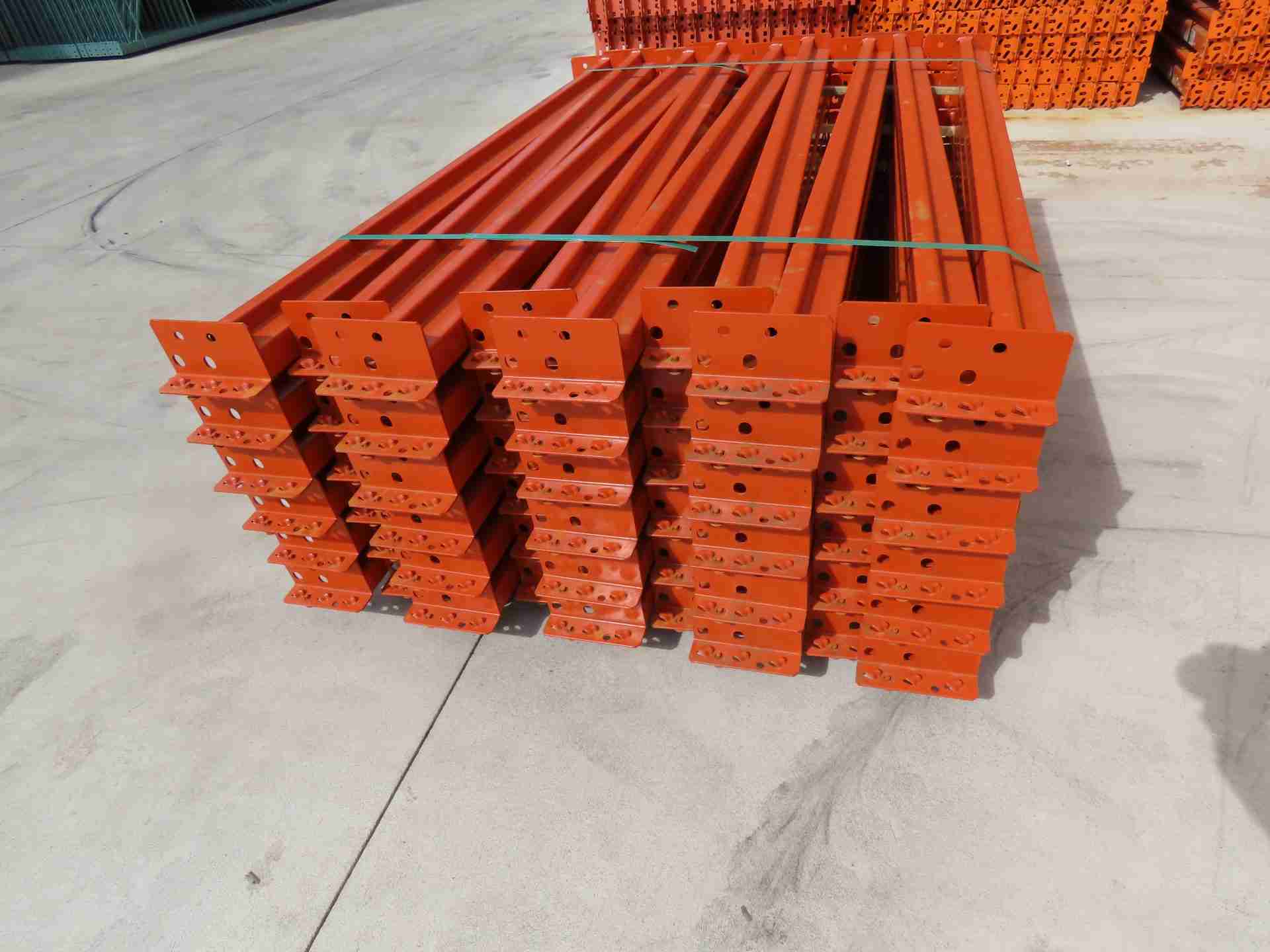
The blueprint of pallet racking is simple and smart. It’s designed tough, standing up to the bumps and scrapes that happen every day. You’re not guessing if your gear will be safe anymore—it’s engineered protection that makes sense because it was made by folks who get the grind and respect the tools that keep everything moving.
In other words, installing pallet racking doesn’t just reduce equipment damage risks—it changes the game. It turns a risky, messy workspace into a reliable, smooth-running operation. That’s a win you can see, feel, and count on. When you invest in pallet racking, you’re not just buying shelves; you’re buying peace of mind and respect for the work and workers who keep everything running.

Can Pallet Racking Reduce Equipment Damage Risks Effectively?
Can Pallet Racking Reduce Equipment Damage Risks Effectively?
- Pallet racking organizes warehouse spaces, reducing equipment damage, downtime, and trust issues.
- It creates clear lines and boundaries, lowering accident risks by providing dedicated storage and easier navigation.
- Warehouses with pallet racking report fewer collisions, dropped cargo, and machine scrapes, extending equipment life.
- Pallet racking fosters a safe, respectful work environment that influences worker behavior and builds pride.
- Its durable design withstands daily impacts, offering engineered protection for valuable tools and equipment.
- Installing pallet racking transforms chaotic, risky workspaces into smooth-running, reliable operations.
- Investing in pallet racking provides peace of mind and demonstrates respect for both work and workers.
Can Pallet Racking Reduce Equipment Damage Risks Effectively?
What Ethical Standards Guide Pallet Racking In Data Centers?
When it comes to pallet racking in data centers, this isn’t just about stacking steel and bolts; it’s about holding up the very guts of our digital world. Folks who build and maintain these racks understand it’s more than a job—it’s a responsibility. Every shelf, every beam, every load carries a weight that stretches beyond the physical. It’s the weight of trust: trust that data stays safe, systems stay online, and businesses don’t grind to a halt.
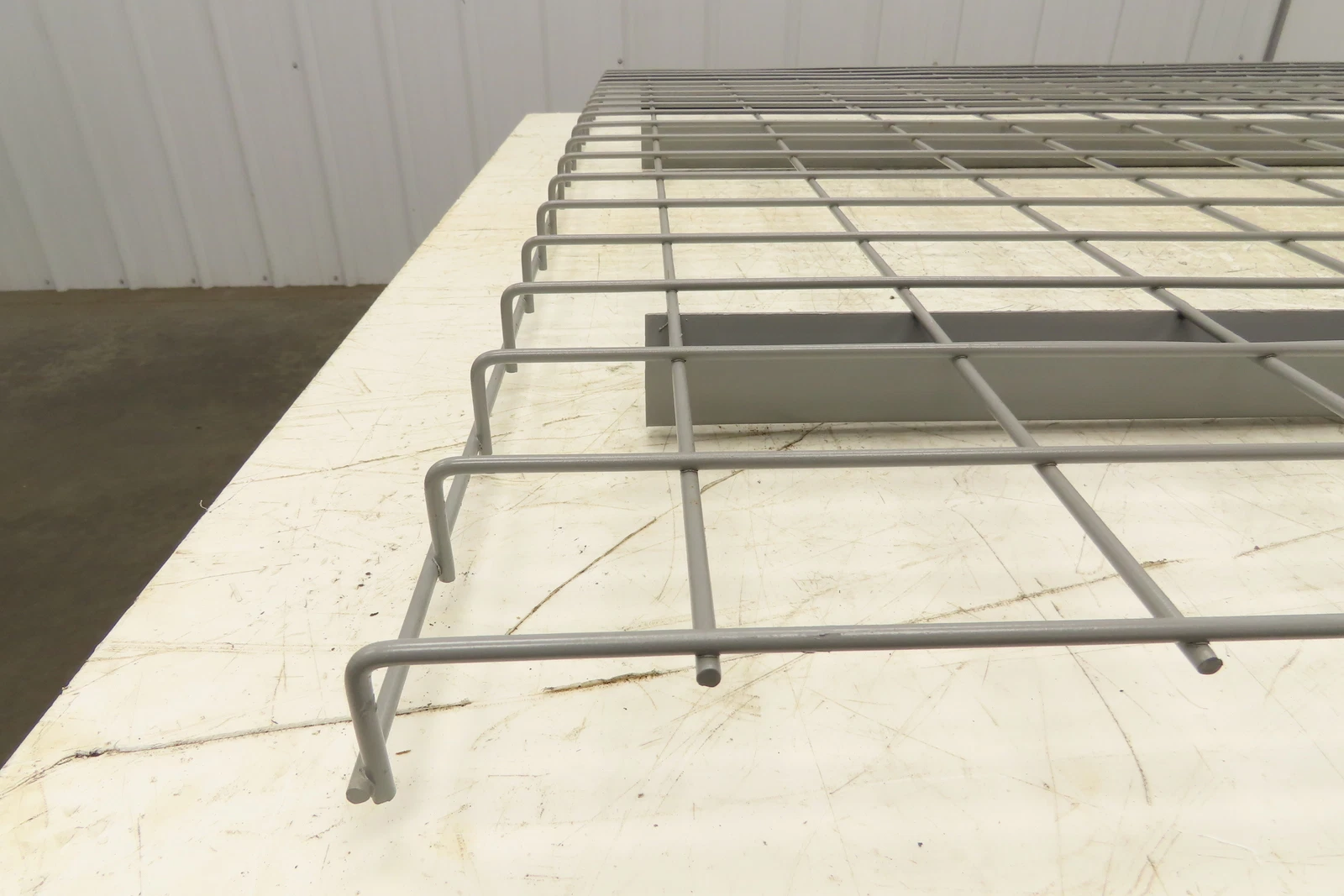
The ethical standards guiding pallet racking are straightforward but made tough by the stakes. Safety tops the list—no cutting corners, no guessing games. A rack failing in a data center isn’t just about replacing some boxes; it can mean losing critical info, downtime that costs millions, and worse, putting people in harm’s way. Good pallet racking calls for sturdy materials, proper load calculations, and the right installation practices. It’s about respect for the unseen lives depending on those racks.
Common sense walks hand in hand with clear-cut rules. The hands-on pros know you measure twice, check the specs thrice, and think ahead to potential risks nobody wants staring back at ‘em after the fact. This isn’t a place for shortcuts or fancy shortcuts. Ethical pallet racking means owning the craft, owning the mistakes, and refusing to let someone else pay the price for a rushed job.
There’s an unspoken code among folks who do this work: you build it right, or don’t build it at all. That code is written in sweat and experience—knowing what happens when a rack gives out and owning the ripple effect it causes. These racks don’t just sit there; they support the pulse of our connected world. To cut corners is to gamble with entire networks, jobs, and reputations.
At the end of the day, pallet racking in data centers is about trustworthiness and integrity—earning it through hard work and careful attention. When you see a rack standing solid and true, know that someone somewhere took the time and cared enough to do it right, not just quick. That’s what ethical standards look like in this blue-collar corner of tech: plain, honest, and powerful enough to carry the weight of the world.

What Ethical Standards Guide Pallet Racking In Data Centers?
What Ethical Standards Guide Pallet Racking In Data Centers?
- Pallet racking in data centers supports critical digital infrastructure, carrying the weight of trust in data safety and system uptime.
- Ethical standards prioritize safety, demanding no shortcuts, with failures risking data loss, costly downtime, and potential harm.
- Quality pallet racking requires sturdy materials, accurate load calculations, and proper installation respecting users’ reliance on the system.
- Pro workers combine common sense with strict rules: double-checking measurements and anticipating risks to prevent failures.
- There is an unspoken code among professionals to build racks correctly or not at all, understanding the serious consequences of failure.
- Racks are vital to maintaining networks, jobs, and reputations; cutting corners is equivalent to risking these high stakes.
- Trustworthiness and integrity in pallet racking come from dedication, careful attention, and doing the job right rather than fast.
What Ethical Standards Guide Pallet Racking In Data Centers?
How Does Authority Endorse Pallet Racking for Secure Storage?
When it comes to keeping your goods safe and sound, the folks who set the rules don’t just throw around endorsements willy-nilly. Authority backs pallet racking because it works—plain and simple. They’ve seen the wreckage of flimsy shelving, the headaches of busted inventory, and the real cost of lost time and money when stuff falls through the cracks. Pallet racking isn’t just some fancy storage fad; it’s the backbone that holds up warehouses, factories, and storerooms day in and day out.
Think about it: these structures get a stamp of approval only after standing up to rigorous tests and standards that measure weight, durability, and safety. The people in the know—engineers, inspectors, and safety pros—agree that pallet racking is the honest, no-nonsense way to maximize space while keeping everything stable and secure. Their endorsement isn’t just paperwork; it’s the result of tough regulations aimed at preventing accidents and losses. That’s authority coming from a place of responsibility, not buzzwords.
You know the feeling when you walk into a clean, well-organized warehouse and everything is where it should be? That’s pallet racking at work. It’s a system built to support both the physical weight of the goods and the peace of mind of the people handling them. No one wants to worry about shelves toppling over or having to sift through a mess to find what they need. It’s about respect—for the product, for the worker, and for the business.
On an ethical level, it makes sense to trust pallet racking. It helps prevent injuries, protects inventory, and promotes a culture where safety isn’t an afterthought but a priority. When everyone from the floor crew to management buys into this, it’s clear that pallet racking embodies more than just storage; it represents a commitment to doing business the right way.
Authorities endorse pallet racking because it delivers results backed by experience and testing, not just by promises. If you’re serious about secure storage, it’s the reliable partner you call on—built tough, backed by consensus, and proven over time. That’s a kind of confidence money can’t buy but you can rely on every single shift.
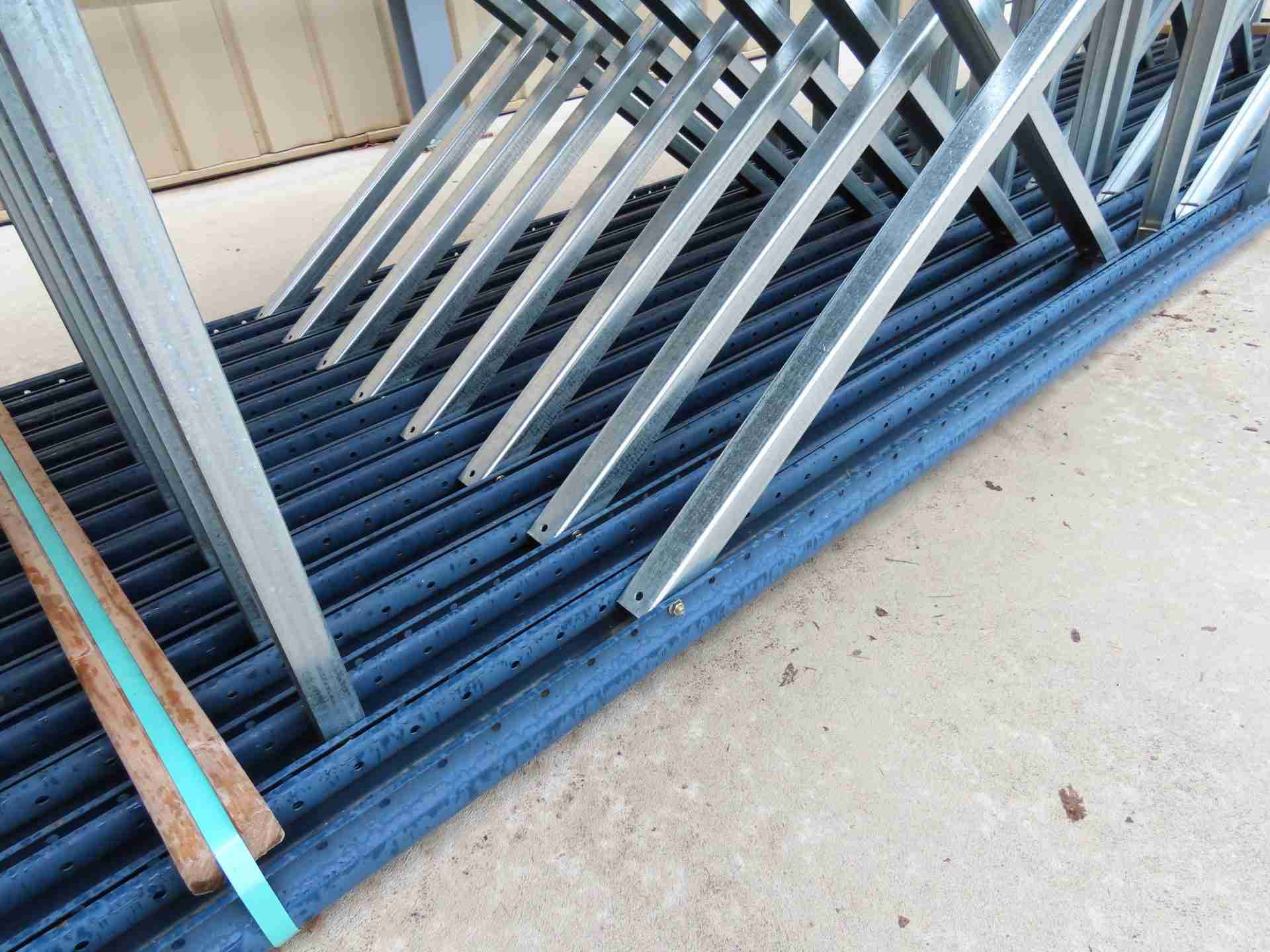
How Does Authority Endorse Pallet Racking for Secure Storage?
How Does Authority Endorse Pallet Racking for Secure Storage?
- Authorities endorse pallet racking because it has proven effectiveness in protecting goods and preventing losses.
- Pallet racking is rigorously tested for weight capacity, durability, and safety before receiving approvals.
- Engineers, inspectors, and safety professionals agree it maximizes space while maintaining stability and security.
- Pallet racking creates organized, safe environments that support both inventory and workers’ peace of mind.
- It promotes ethical practices by preventing injuries, protecting inventory, and prioritizing safety culture.
- The endorsement comes from strict regulations designed to avoid accidents and financial losses.
- Pallet racking represents a reliable, time-tested storage solution trusted across warehouses and industries.

How Does Authority Endorse Pallet Racking for Secure Storage?
What Stories Highlight Pallet Racking Success In Data Centers?
When you walk into a data center humming with racks stacked sky-high, what you’re really seeing is a story of grit and smart thinking. Pallet racking might not grab headlines or flash bright lights, but it’s the backbone holding everything steady behind the scenes. Think about those long nights when teams race against the clock to get gear in place, and pallets have to slide in like clockwork without a hitch. That kind of reliability isn’t luck—it’s built on dependable pallet racking systems that don’t quit halfway through the job.
Here’s the thing: data centers thrive on precision. Every second counts, and every cable or server stacked on those racks needs a firm, safe spot. Pallet racking isn’t just metal shelves; it’s a promise that your investment is secured from wobble, spill, or mishap. When your infrastructure supports everything from vital healthcare records to streaming your favorite shows, stability isn’t optional—it’s an ethical commitment. Getting the racking right means fewer accidents, less downtime, and smoother operations. That trust translates into cleaner audits, better compliance, and peace of mind for everyone involved.
The real proof of pallet racking success lies in stories told on the floor—work crews swapping tales over coffee about how one good rack saved their day after an unexpected load hit or a power outage forced rapid gear shuffling. These aren’t macho tall tales, but grounded lessons learned the hard way, reminding us that sturdy foundations don’t come from shortcuts. When those racks hold firm under pressure, they earn respect not just from engineers, but from every worker who depends on them.
There’s a quiet confidence that comes from knowing your racking system won’t buckle during that crucial upgrade or emergency swap. It pulls the team together, sparking a sense of shared mission. Pallet racking might not get cheers, but it’s the unsung hero keeping data centers lean, safe, and ready. Investing in the right system means betting on reliability and respect for the craft—because at the end of the day, everyone wants their work to stand tall without a wobble. That’s the kind of success worth stacking your future on.

What Stories Highlight Pallet Racking Success In Data Centers?
What Stories Highlight Pallet Racking Success In Data Centers?
- Pallet racking is the essential backbone of data centers, ensuring stability and reliability behind the scenes.
- Reliable pallet racking systems enable smooth, precise operations during high-pressure installations and urgent tasks.
- Data centers depend on pallet racking to securely hold critical equipment, preventing accidents and downtime.
- Properly installed racking supports compliance, cleaner audits, and overall peace of mind.
- Real-world success stories highlight how sturdy racking systems withstand unexpected challenges and maintain safety.
- A dependable racking system fosters team confidence and unity during upgrades or emergencies.
- Investing in quality pallet racking represents a commitment to long-term reliability and operational excellence.
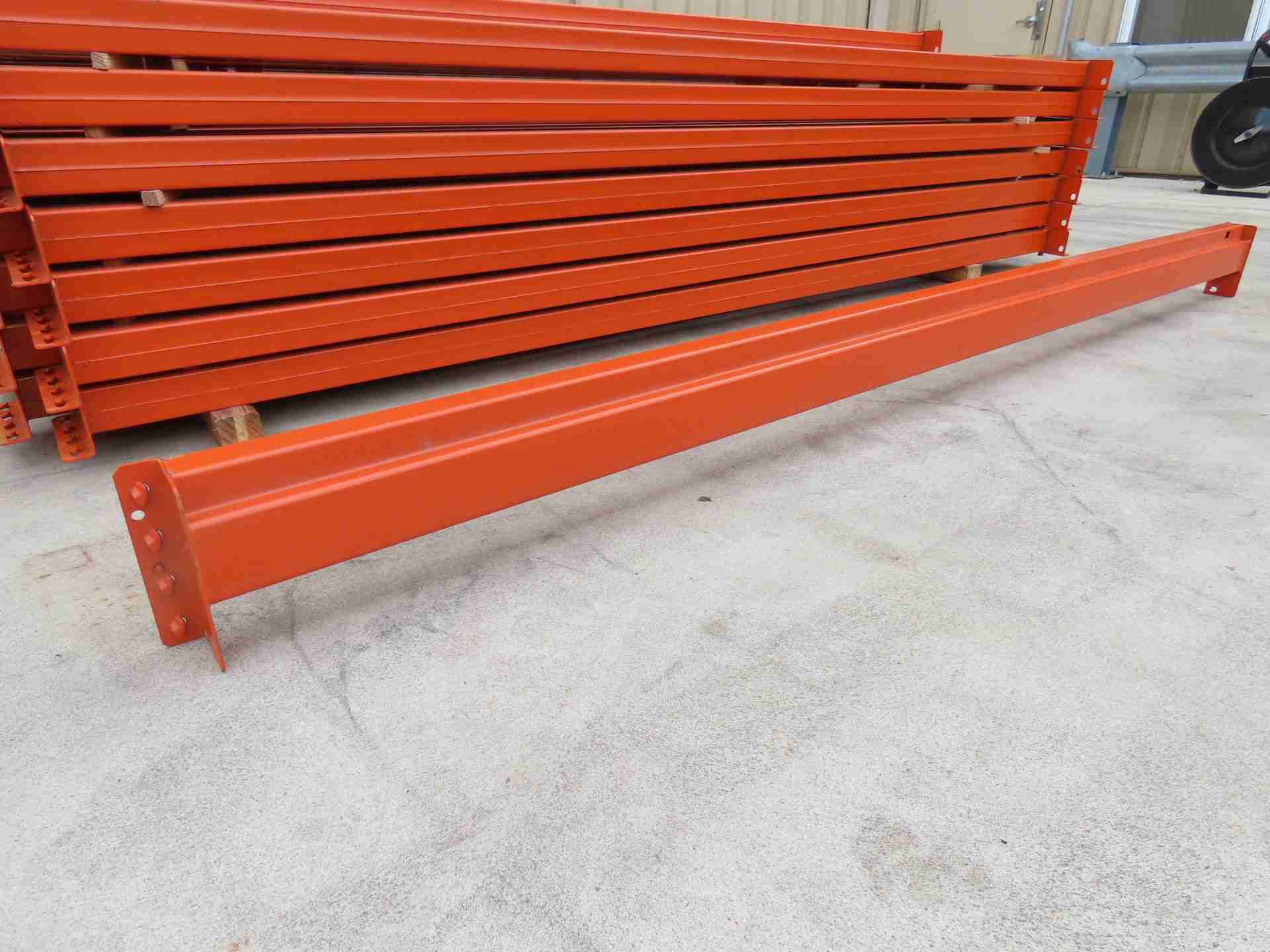
What Stories Highlight Pallet Racking Success In Data Centers?
Conclusion
When it comes down to it, pallet racking isn’t just some dusty storage idea—it’s the hands-on, get-it-done backbone that keeps data centers running smooth and steady. You’ve got expensive, sensitive gear that can’t just be tossed around or piled up like last week’s junk. Pallet racking respects that by turning messy chaos into solid order. It’s about peace of mind—knowing your servers and equipment aren’t on the brink of collapse but resting safe and sound, ready to go when duty calls. That steady support eases the knot in your gut after long days and tough deadlines, letting you focus on the real work without the nagging worry of fragile stacking or lost parts.
It’s also a no-brainer kind of solution. Using vertical space wisely means you don’t waste precious square footage, and you keep things within reach without turning your storage area into a maze. Pallet racks are built tough, ready for the heavy loads and rough handling that come naturally in busy operations. That durability saves you time, money, and headaches—because when your storage works, your whole operation does. Beyond that, pallet racking is a way to show genuine care for the people who keep the data center humming. Safety isn’t some afterthought; it’s baked in. Fewer accidents, less clutter, and a better-organized workspace mean the folks on the floor can focus on keeping systems live instead of dodging hazards.
There’s an ethical muscle behind it too—doing right by your gear and your crew. This isn’t just metal on metal; it’s respect for the craft and the trust that what’s stored today powers the world tomorrow. When your racks stand solid, they tell a story of pride, responsibility, and getting the job done the right way—no shortcuts, no guesswork. That’s a badge workers wear, and it turns a jobsite into a team.
The authority behind pallet racking isn’t just talk; it’s proven through tough standards, tests, and real-world demand. Experts and safety pros back it because it works where it counts—bearing weight, preventing accidents, and keeping everything in its place. That trust pays off with fewer mishaps, smoother workflows, and a reputation for reliability that spills over from the warehouse onto every client and customer.
Finally, the stories from the floor are where this all comes alive—tales of last-minute scrambles made manageable, of gear protected when everything else is spinning out, and of teams that lean on their racks like a trusted partner. Pallet racking may not be glamorous, but it’s the quiet hero that turns a pile of parts into a well-oiled machine. In a world that demands uptime and reliability, investing in solid pallet racking isn’t just smart—it’s essential. It’s the sturdy handshake that says you’re serious about your gear, your people, and the work that never quits.

Conclusion
Conclusion:
- Pallet racking provides essential, organized support for expensive and sensitive data center equipment, ensuring stable and safe storage.
- It maximizes vertical space efficiently, avoiding wasted square footage and maintaining easy access without clutter.
- Built for durability, pallet racks handle heavy loads and rough handling, saving time, money, and operational headaches.
- Safety is integral to pallet racking, reducing accidents and creating a better-organized workspace for workers.
- Pallet racking embodies respect and responsibility towards both equipment and personnel, fostering team pride and reliability.
- Its effectiveness is validated by standards, testing, and expert endorsement, leading to fewer mishaps and smoother workflows.
- Real-world usage stories highlight pallet racking as a dependable, essential solution that supports uptime and operational success.
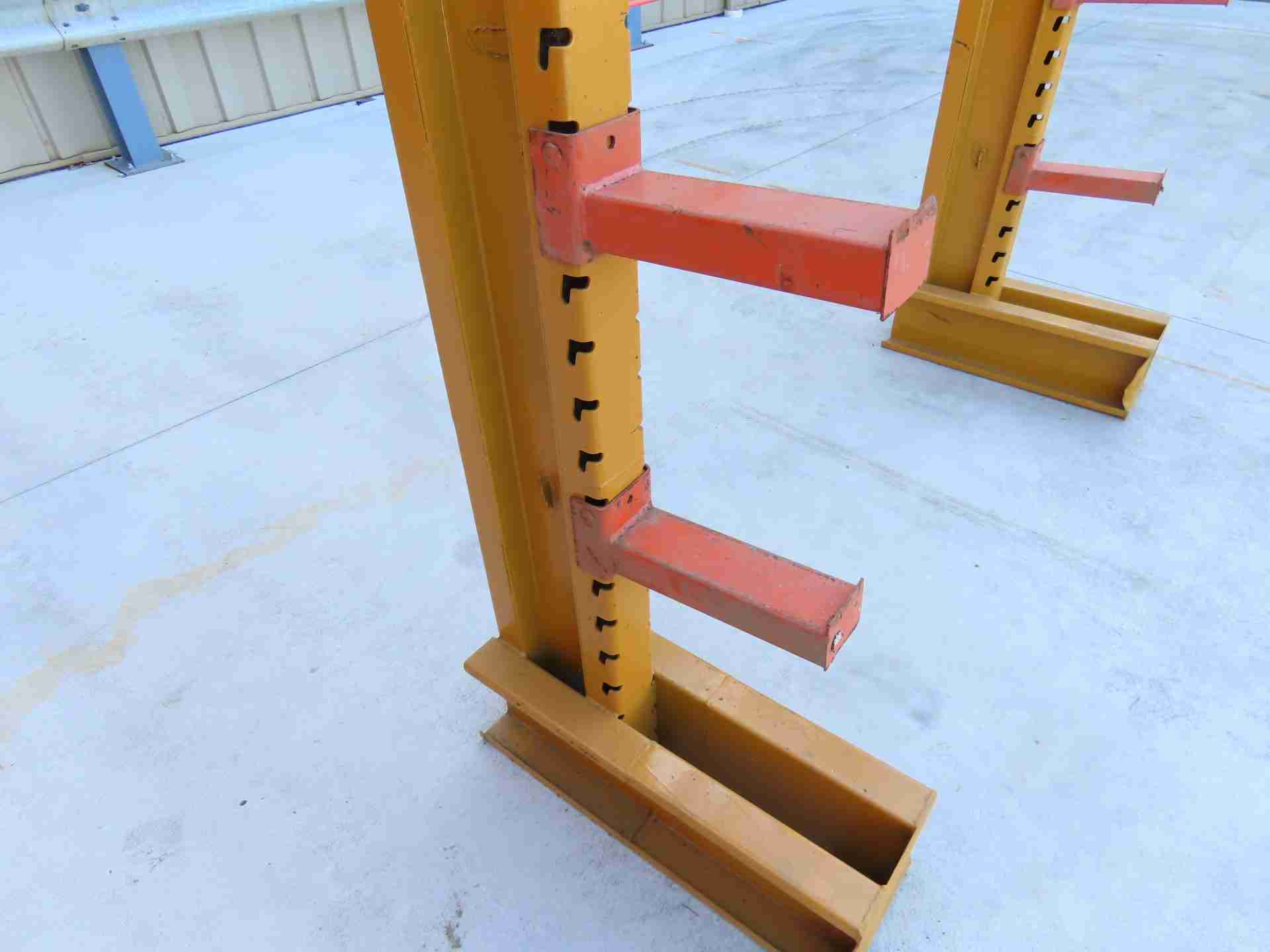
Conclusion
Other Resources

Other Resources
Here is a list of other resources you can review online to learn more:
- International Warehouse Logistics Association
- Cantilever Racks Chicago
- Warehouse Racks, Warehouse Racking in Stock – ULINE
- CA Wire
- Interlake
- Pallet Racking systems in Illinois and Great Lakes
- Pallet Racking systems in Illinois, Great Lakes
- IWLA
- Selective Pallet Racking Systems – Container Systems
- American Surplus
- BMH
- New Cantilever Racks and Racking Kits
- What is Selective Racking: Understanding Benefits & Options
- What is Selective Pallet Racking
- Teardrop Industrial Shelving Rack
- Selective Racking
- Heavy-Duty Cantilever Storage Racks
- What is Cantilever Racking? – AK Material Handling Systems
- SEMA
- Used Teardrop Pallet Rack – American Surplus
Use This Prompt To Get More Resources With Your Favorite Online AI Tool: Please provide me with a list of online articles with their URLs in a bulleted list that I can read regarding How Do Data Center Equipment Storage Leverage Pallet Racking?
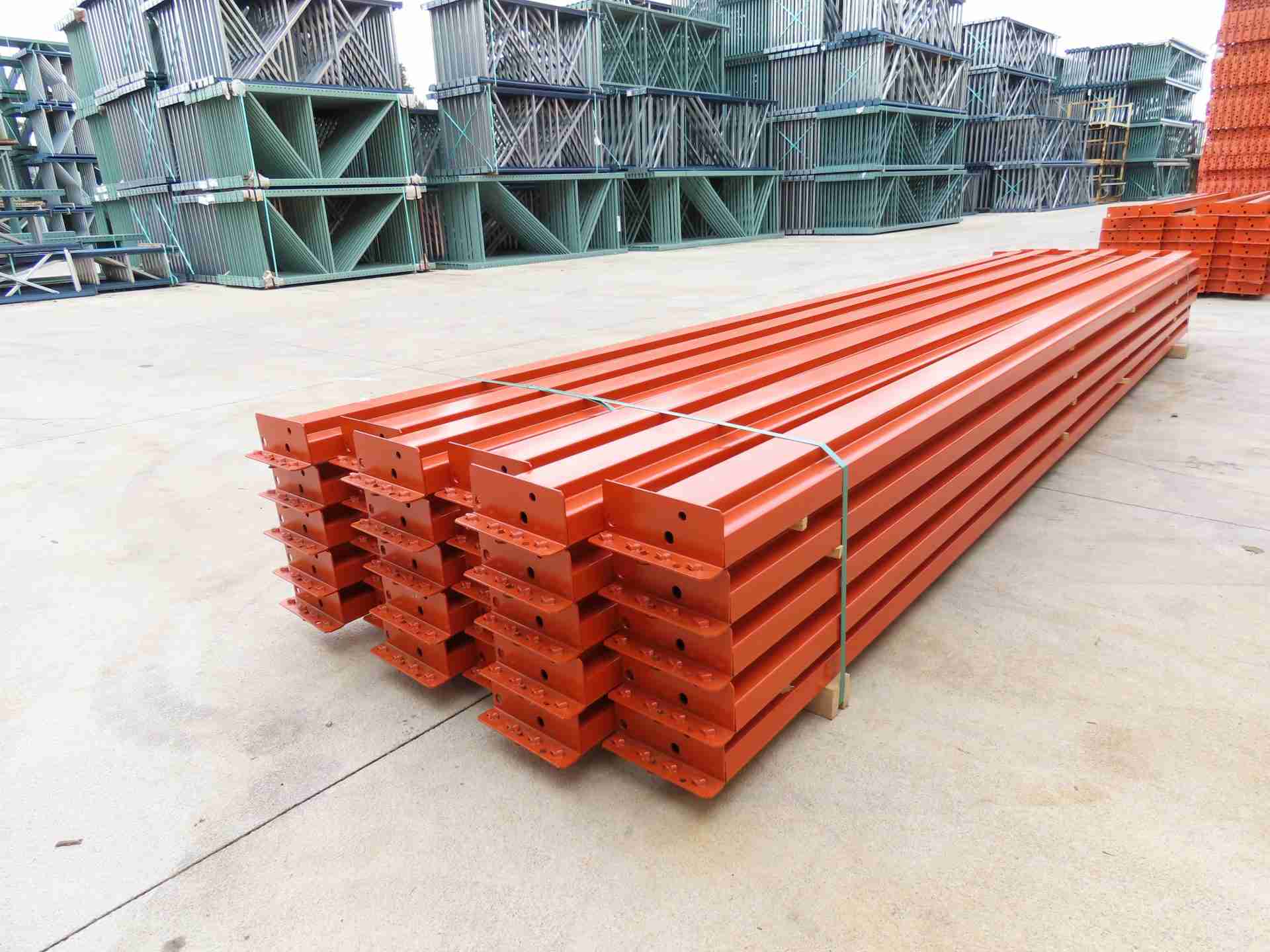
Other Resources
Glossary Terms
How Do Data Center Equipment Storage Leverage Pallet Racking? – Glossary Of Terms
1. Pallet Racking: A storage system designed to hold materials on pallets in horizontal rows with multiple levels.
2. Data Center Equipment: Hardware components such as servers, switches, storage devices, and networking gear used in data centers.
3. Storage Optimization: The process of maximizing space utilization for storing equipment efficiently.
4. Load Capacity: The maximum weight a pallet racking system can safely support.
5. Rack Uprights: The vertical frames supporting the pallet racking structure.
6. Load Beams: Horizontal bars that hold pallets on the rack uprights.
7. Pallet: A flat transport structure that supports goods in storage or transit.
8. Space Utilization: The effective use of available storage space within a data center.
9. Vertical Storage: The technique of using height to store more equipment in less floor area.
10. Accessibility: The ease with which stored equipment can be retrieved or relocated.
11. Inventory Management: Tracking and controlling stored data center equipment.
12. Safety Compliance: Adhering to regulations and standards for secure storage.
13. Weight Distribution: Evenly spreading load across the pallet racking system to prevent failure.
14. Material Handling: The movement, protection, storage, and control of equipment within the data center.
15. Rack Configuration: The arrangement of pallet racks tailored to storage needs.
16. Aisle Width: The space between rack rows to allow movement and equipment handling.
17. Load Stability: Measures to keep stored pallets secure and balanced on racks.
18. Seismic Bracing: Structural support to protect racks during earthquakes.
19. Rack Protection: Guards or barriers to prevent damage from impacts.
20. Modular Design: Rack systems built from interchangeable components for flexibility.
21. Equipment Lifecycle: The duration from deployment to decommissioning of data center hardware.
22. Inventory Turnover: The rate at which stored equipment moves in and out of storage.
23. Cold Aisle Containment: A technique to manage airflow by isolating cold aisles.
24. Hot Aisle Containment: A method to separate hot air exhaust areas from cold air intake zones.
25. Rack Labeling: Identification tags used to organize and locate stored equipment.
26. Load Testing: Verifying rack capacity and integrity under simulated loads.
27. Environmental Monitoring: Tracking temperature, humidity, and conditions affecting stored equipment.
28. Scalability: Ability to expand storage capacity using pallet racking systems.
29. Floor Load Rating: The maximum weight the data center floor can support beneath racks.
30. Return on Investment (ROI): Financial benefits gained from efficient pallet racking storage solutions.

Glossary Of Terms
Other Questions
How Do Data Center Equipment Storage Leverage Pallet Racking? – Other Questions
If you wish to explore and discover more, consider looking for answers to these questions:
- What types of pallet racking are best suited for data center equipment storage?
- How does pallet racking differ from traditional server racks and cabinet systems?
- Can pallet racking safely store rack-mounted servers and sensitive electronics?
- What are the recommended load ratings and safety factors for racks holding data center gear?
- How are load capacities calculated and verified for pallet racking in a data center environment?
- What fire codes and suppression system requirements apply to pallet racking in data centers?
- How does pallet racking impact airflow and cooling strategies in a data center or storage room?
- Are there humidity and ESD (electrostatic discharge) control considerations when using pallet racks for electronics?
- What seismic or structural bracing is required in earthquake-prone regions?
- How do pallet racking layouts affect aisle width, forklift or pallet jack access, and safe handling?
- What protective accessories (e.g., beam guards, column protectors, safety clips) are recommended?
- How often should pallet racking be inspected and what are common inspection checklists?
- What maintenance and repair procedures preserve rack integrity and safety?
- How can pallet racking be configured for quick equipment retrieval during urgent maintenance or rollbacks?
- What inventory management methods (barcode, RFID, CMMS integration) work best with pallet racking?
- How does using pallet racking affect insurance, liability, and asset valuation for stored equipment?
- What are the upfront and lifecycle costs (purchase, installation, maintenance) and expected ROI?
- How scalable and modular are pallet racking systems for growing data center needs?
- Can existing warehouses or storage rooms be retrofitted to pallet racking for data center use?
- What vendor selection criteria and certifications should buyers look for?
- Are there industry standards and certifications (ANSI/RMI, ISO, NFPA, local building codes) to follow?
- How long does installation typically take and what are common logistical challenges?
- Are there space-efficiency metrics or case-study numbers showing capacity gains from pallet racking?
- How do pallet racking and raised-floor data center designs interact or conflict?
- What measures prevent theft, tampering, or unauthorized access to pallet-stored equipment?
- How should fragile or partially unpacked electronic equipment be protected on pallets?
- What are best practices for weight distribution and palletization of uneven or odd-shaped equipment?
- How do pallet racking systems integrate with cable management and staging areas?
- What emergency procedures and evacuation considerations apply where pallet racking stores critical gear?
- How do environmental sustainability and end‑of‑life disposal practices apply to pallet racking materials?
- Can pallet racking accommodate temporary staging for large deployment projects or migrations?
- What training and certifications should staff have to operate around pallet racking safely?
- How do warranty, warranty claims, and liability work for damaged racks or failed installations?
- What case studies or quantifiable success stories exist for data centers using pallet racking?
- How do pallet racking choices affect compliance with data center tier levels or audit requirements?
- Are there hybrid solutions combining pallet racking with traditional server cabinet systems?
- What are common mistakes organizations make when implementing pallet racking in data center contexts?
- How do climate control, smoke detection, and early-warning systems need to change when using pallet racking?
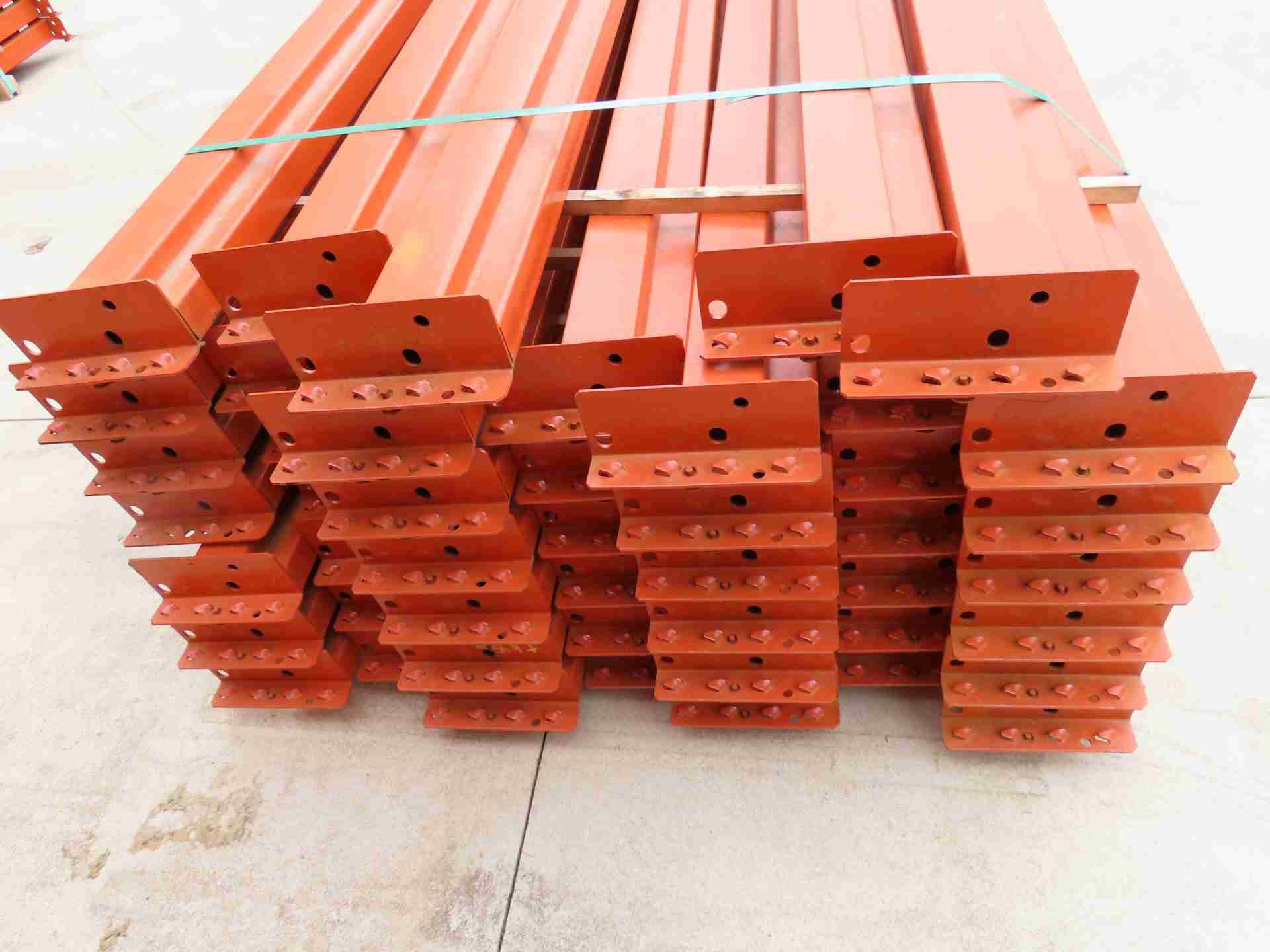
Other Questions
Checklist
How Do Data Center Equipment Storage Leverage Pallet Racking? – A Checklist
Objectives and Scope
✅______ Define storage purpose (staging, long-term, returns [RMA], spares, decommissioned gear)
✅______ Identify equipment types, dimensions, weights, fragility, and ESD sensitivity
✅______ Set service-level targets (retrieval time, throughput, peak demand)
✅______ Establish budget, timeline, and ownership for design, installation, and maintenance
Facility and Floor Readiness
✅______ Verify slab load capacity, flatness, and condition against rack loads (including point loads)
✅______ Confirm the location is appropriate (avoid raised-floor areas unless engineered accordingly)
✅______ Map utilities and clearances (sprinklers, electrical, doors, egress routes)
✅______ Plan a clean, dust-controlled environment suitable for IT hardware
✅______ Validate HVAC capacity for added storage density and traffic
Rack Design and Compliance
✅______ Select rack type (selective, double-deep, push-back, pallet flow) based on access and rotation needs
✅______ Calculate beam levels and upright capacities with load distribution and deflection limits
✅______ Specify decking (wire mesh or solid) and backstops/mesh panels to prevent push-through
✅______ Engineer anchoring, shimming, and seismic bracing per site conditions
✅______ Post load plaques with maximum bay and beam capacities and configuration diagrams
✅______ Adhere to applicable standards (RMI/ANSI MH16.x, EN 15620/15635, NFPA fire codes, and local building codes)
Space and Layout Optimization
✅______ Use vertical space effectively while maintaining required clearances and flue spaces
✅______ Set aisle widths to match equipment and vehicles (pallet jacks, reach trucks, forklifts)
✅______ Separate fast movers from slow movers; position high-use SKUs at optimal heights
✅______ Allocate staging, inbound QC, outbound prep, and returns zones
✅______ Implement clear location numbering (aisle/bay/level/position) and signage
Safety and Risk Reduction
✅______ Install column guards, end-of-aisle protectors, and rack-end barriers
✅______ Maintain flue spaces and sprinkler clearances per code; avoid obstructing heads
✅______ Use quality pallets in good condition; standardize pallet size and overhang limits
✅______ Strap, corner-protect, and wrap loads; use shock, tilt, and ESD indicators for sensitive gear
✅______ Control traffic with marked lanes, mirrors, speed limits, and right-of-way rules
✅______ Provide spill kits and housekeeping plans to keep aisles and floors clear
IT Equipment Handling and Protection
✅______ Use antistatic packaging, covers, and handling procedures for ESD-sensitive equipment
✅______ Store heavy items low; keep the center of gravity stable and within beam length
✅______ Prohibit mixed loads on pallets that compromise stability
✅______ Keep cables, rails, and accessories kitted and labeled with the parent asset
✅______ Define quarantine areas for damaged or suspect loads
Operations and Workflow
✅______ Document receiving, QC, put-away, pick, pack, and dispatch SOPs
✅______ Choose picking method (pallet, case, piece) and tools (RF scanners, carts, lifts)
✅______ Implement inventory tracking with barcodes or RFID tied to rack locations
✅______ Schedule cycle counts and reconciliation cadence
✅______ Set reorder points for spares and consumables
Security and Access Control
✅______ Restrict access with cages, badges, and camera coverage of storage zones
✅______ Separate high-value or sensitive assets; use tamper seals where appropriate
✅______ Maintain chain-of-custody logs for movement of critical hardware and media
✅______ Ensure lighting levels support safe handling and accurate verification
Training and Readiness
✅______ Certify operators for equipment (forklifts, reach trucks, order pickers)
✅______ Train staff on rack capacities, load placement, and emergency procedures
✅______ Conduct ESD awareness and handling training for all personnel
✅______ Post visual work instructions at receiving, staging, and packing areas
Inspection and Maintenance
✅______ Perform pre-go-live rack inspection and sign-off by a qualified professional
✅______ Establish routine inspections for damage, loosened anchors, and beam deflection
✅______ Keep a defect log and tag-out criteria for compromised bays
✅______ Service material-handling equipment per manufacturer schedules
Change Control and Continuous Improvement
✅______ Require engineering review for any reconfiguration or beam-level changes
✅______ Track incidents and near misses; implement corrective actions
✅______ Review KPIs (space utilization, pick time, damage rate, incident rate) quarterly
✅______ Update SOPs and training after process or layout changes
Go-Live Verification
✅______ All signage, load plaques, and safety markings are installed and visible
✅______ Inventory locations validated in WMS/CMDB and tested with sample picks
✅______ Emergency egress routes and fire equipment are unobstructed and labeled
✅______ Final walkthrough completed; stakeholders approve operational handover
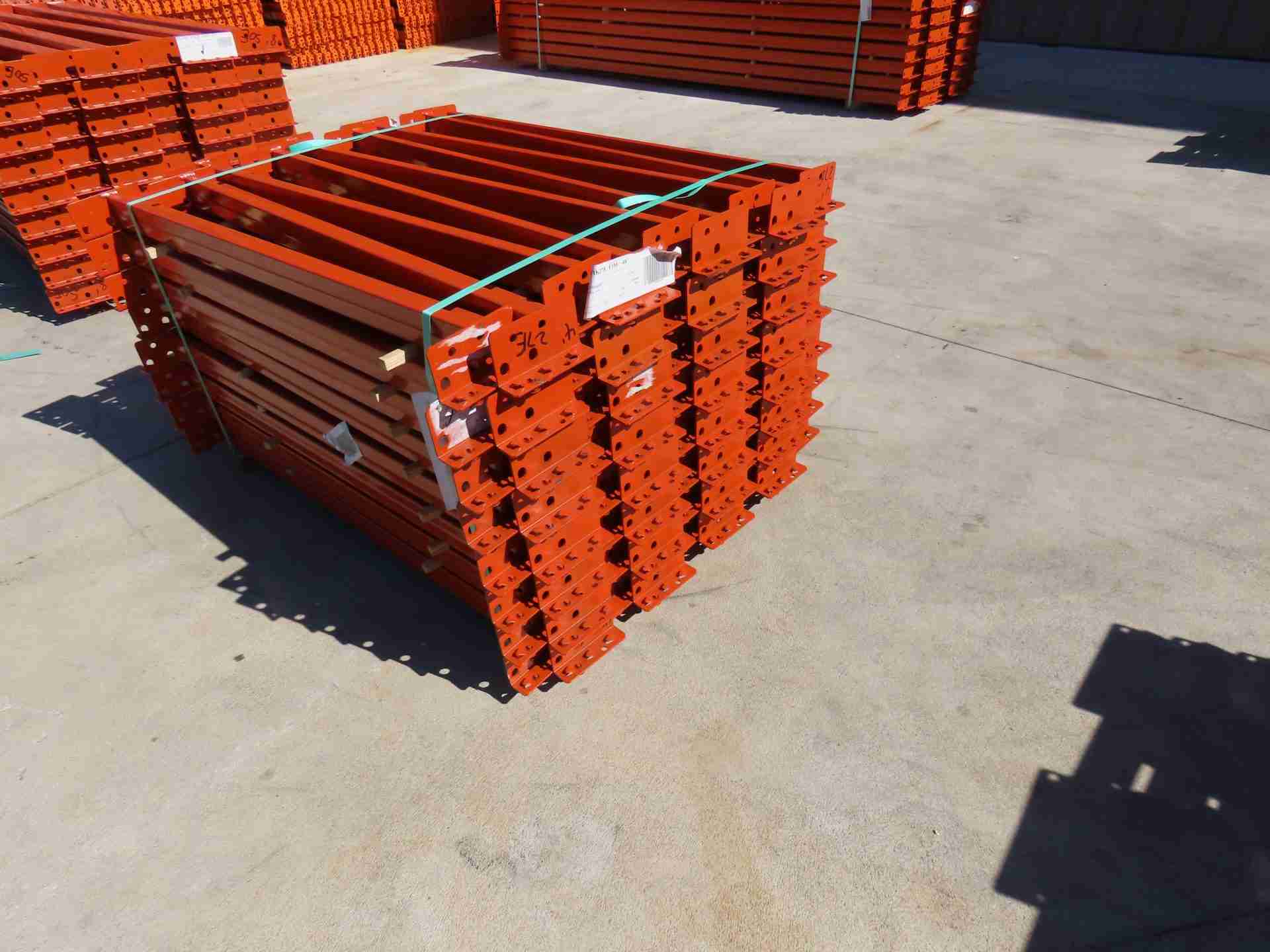
Checklist
At RackingWorld, we help guide you through selecting warehouse storage systems and racking.
Be sure to read our other related stories at RackingWorld to learn more about warehouse storage systems.
0 Comments