
Maximizing Efficiency And Care: The Backbone Of Dairy Supply Storage
By Tom Seest
At RackingWorld, we help guide you through selecting warehouse storage systems and racking.
Be sure to read our other related stories at RackingWorld to learn more about warehouse storage systems.
How Do Dairy Farm Supply Centers Leverage Pallet Racking?
In the gritty, early-morning world of dairy farm supply centers, pallet racking isn’t just some fancy storage setup—it’s the backbone that keeps everything moving. Picture the load of feed bags, chemicals, crates of bottles, and equipment all stacked high and tucked away neatly on these racks. It’s a simple idea, but when you see how much chaos it can prevent, it’s clear why every center leans on pallet racking like it’s a trusted workhorse.
For those who’ve spent long days in the thick of it, nothing beats the relief of knowing that each pallet has its proper place, easy to grab when it’s needed. That’s where the head comes in—rationally, pallet racking maximizes space, reduces clutter, and speeds up the workflow. Dairy farmers and supply centers handle a ton of bulky, heavy items that don’t pack down well. Being able to stack vertically, safely and accessibly, means more product fits into less space, saving money and trips back and forth. It’s practical, plain and simple.
But there’s more than just efficiency at play. Behind those neatly arranged rows of pallets lies a deeper sense of responsibility. These racks hold products crucial to the livelihood of farms and, by extension, communities. Enjoying fresh milk and cheese starts with this supply chain, and the way the goods are stored reflects the ethics of care and respect for the farmers’ hard work. When a supply center uses pallet racking effectively, it signals a commitment to quality, safety, and reliability, standing firm as a pillar in the larger agricultural system.
This isn’t just theory; it’s a tried-and-true method discovered through hands-on experience and a hearty dose of trial and error. Workers know that a well-maintained pallet rack isn’t a nice-to-have, but a must-have. It reduces accidents, cuts downtime, and stops headaches before they start. There’s pride in mastering a system that protects their backs and keeps shelves stocked, so the farm runs smoothly. It’s the kind of trust and confidence built not in boardrooms but in the aisles, under fluorescent lights, with dirt on your boots.
So, when a dairy farm supply center leverages pallet racking, it’s more than just stacking boxes. It’s about creating order from the daily grind, supporting hands that feed many, and building a dependable rhythm that keeps the wheels turning. It invites everyone involved—farmers, workers, and customers alike—to count on a system that honors hard work and practical wisdom every step of the way.
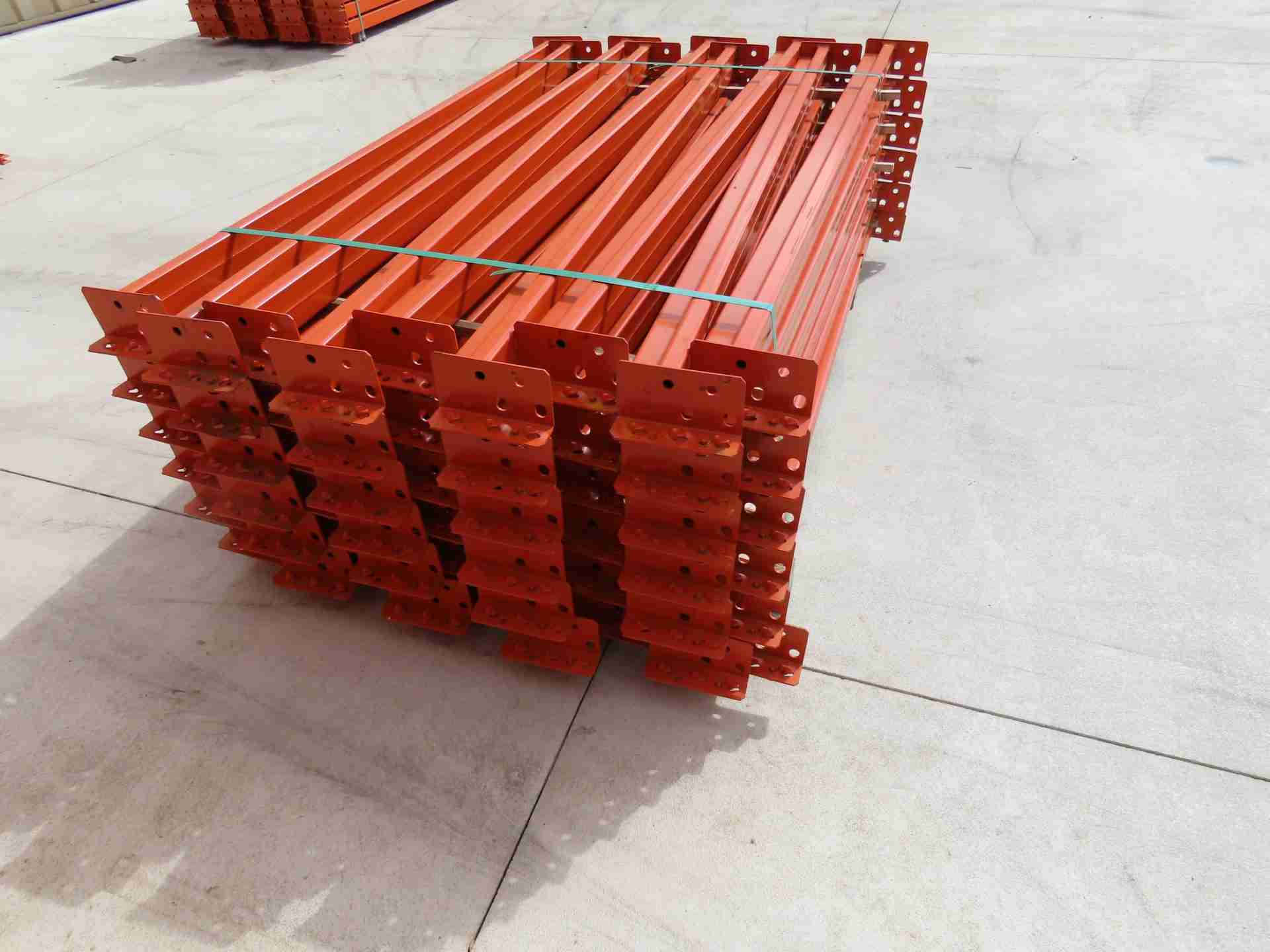
How Do Dairy Farm Supply Centers Leverage Pallet Racking?
How Do Dairy Farm Supply Centers Leverage Pallet Racking?
- Pallet racking is essential in dairy farm supply centers, organizing heavy, bulky items like feed, chemicals, and equipment efficiently.
- It maximizes vertical space, reduces clutter, and speeds up workflow, saving money and labor by fitting more product into less space.
- Pallet racks support the livelihood of farms and communities by ensuring safe, orderly storage of crucial farm supplies.
- Effective use of pallet racking reflects a commitment to quality, safety, and reliability within the agricultural supply chain.
- The system is proven through hands-on experience, reducing accidents, minimizing downtime, and preventing operational issues.
- Workers take pride in maintaining pallet racks, which protect their safety and keep the supply center running smoothly.
- Pallet racking creates order from daily operations, supporting farmers, workers, and customers in a dependable, respectful system.
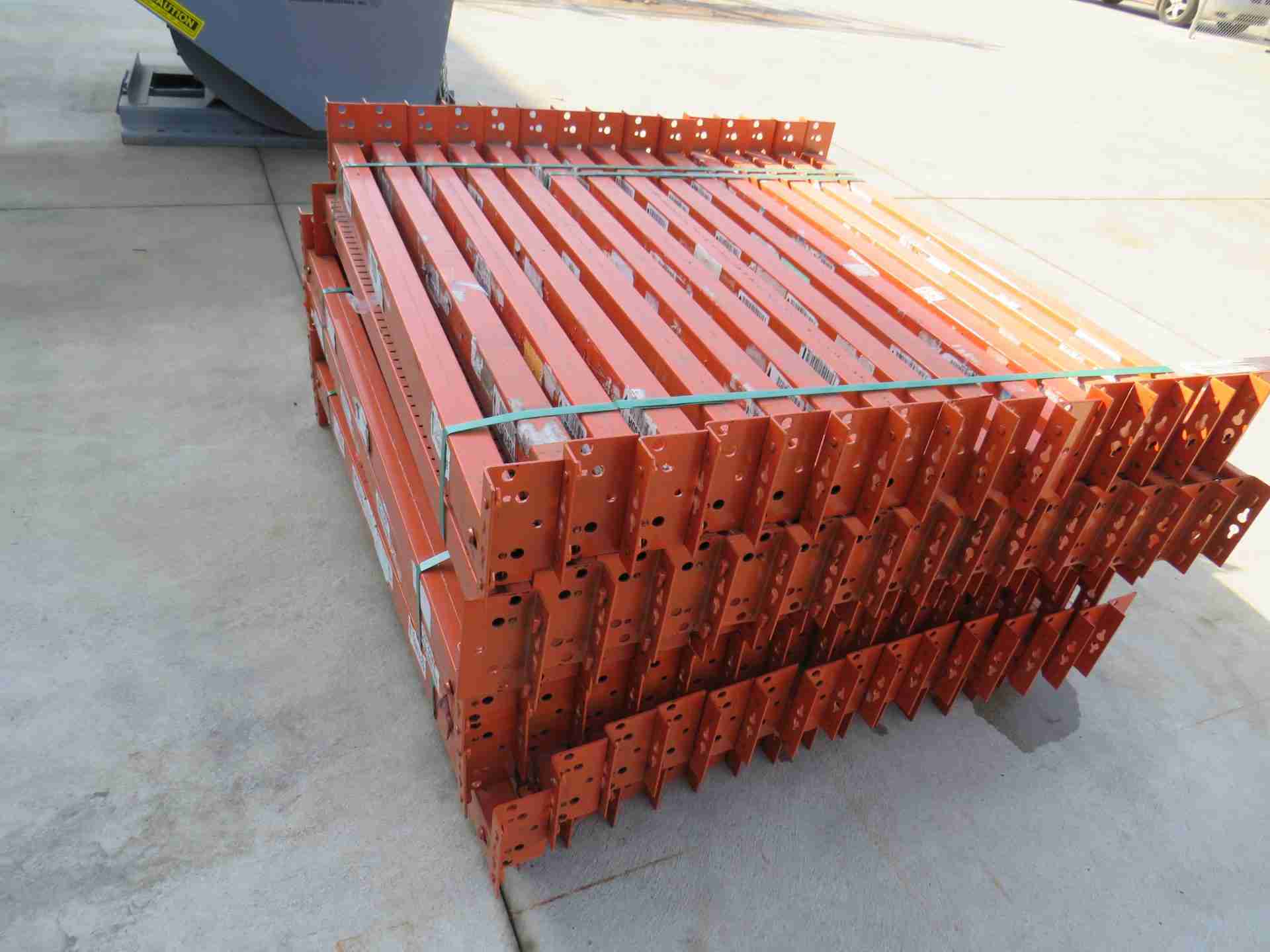
How Do Dairy Farm Supply Centers Leverage Pallet Racking?
Table Of Contents
- How Do Dairy Farm Supply Centers Leverage Pallet Racking?
- How Does Pallet Racking Improve Dairy Supply Center Efficiency?
- What Safety Benefits Does Pallet Racking Offer Workers?
- How Can Pallet Racking Reduce Product Damage Risks?
- Does Pallet Racking Maximize Limited Storage Space Effectively?
- What Ethical Standards Guide Pallet Racking Use In Dairy Farms?
- How Do Supply Centers Balance Cost with Pallet Racking Benefits?
- Conclusion
- Other Resources
- Glossary Of Terms
- Other Questions
- Checklist
How Does Pallet Racking Improve Dairy Supply Center Efficiency?
When you walk into a dairy supply center that’s running smooth as a well-oiled tractor, chances are good there’s a solid pallet racking system holding down the fort. Pallet racking isn’t just a stack of metal shelves—it’s the backbone keeping everything flowing on time, fresh, and ready to roll out the door. If you’ve ever wrestled with cluttered aisles, misplaced stock, or bottlenecks during peak hours, you know that efficiency isn’t something that just happens. Pallet racking tames the chaos and puts control back in your hands.
Think about the cold, early mornings when every minute counts. Pallet racking organizes crates, boxes, and bulk items in a way that saves you steps, time, and sweat. Instead of fumbling around or digging through piles, workers can find exactly what they need quick enough to keep the assembly line humming and trucks rolling out on schedule. That’s not just a convenience—that’s the heart of keeping dairy fresh and customers satisfied day in, day out.
On a practical level, pallet racking cranks up capacity without gobbling up more floor space. That means you stack smarter, not just higher, which cuts down on clutter and amps up safety. And when safety’s tight, morale stays high—no one wants to work where hazards cause headaches or accidents. Reliable pallet racking respects both the product and the people handling it, creating a respect-driven workplace atmosphere that’s crucial for long-term success.
Ethically, having a system in place that keeps perishable items stored properly and easily accessible is just the right thing to do. Dairy products demand careful handling to prevent spoilage and waste, and pallet racking helps meet those demands responsibly. Running a dairy supply center is about honoring commitment—to quality, customers, and the team—while doing your part to cut down on unnecessary loss or harm.
There’s a reason you see pallet racking in every well-run warehouse from coast to coast— it’s tried, tested, and true. The logic is simple: organized storage equals efficient operations, and efficiency means the whole supply chain hums smoother, from farm to fridge. It’s a straightforward fix for tight spaces and tight schedules that makes anyone who’s been knee-deep in this grind nod along with a knowing grin.
When you invest in quality pallet racking, you’re not just buying shelves; you’re locking in peace of mind, respect for your team’s hustle, and a steady path to getting fresh dairy where it belongs—on the shelves and in your customers’ hands. It’s one of those no-nonsense upgrades that pays off every single day, the kind of tool that makes hard work a little easier and a lot smarter.

How Does Pallet Racking Improve Dairy Supply Center Efficiency?
How Does Pallet Racking Improve Dairy Supply Center Efficiency?
- Pallet racking is essential for efficient, organized storage in dairy supply centers, preventing clutter and stock misplacement.
- It saves time and effort by enabling workers to quickly locate items, supporting timely operations and product freshness.
- Pallet racking increases storage capacity without using extra floor space, reducing clutter and enhancing safety.
- Improved safety from organized storage boosts worker morale and creates a respectful, productive workplace environment.
- Proper storage of perishable dairy products minimizes spoilage and waste, fulfilling ethical and quality commitments.
- Widely used and proven, pallet racking supports smoother supply chain operations from production to retail.
- Investing in quality pallet racking ensures reliability, respect for labor, and consistent delivery of fresh dairy to customers.

How Does Pallet Racking Improve Dairy Supply Center Efficiency?
What Safety Benefits Does Pallet Racking Offer Workers?
Listen, when you’re on the floor stacking boxes or loading pallets, safety ain’t just some corporate buzzword—it’s the difference between clocking out with all your fingers and toes, or ending up in the ER. Pallet Racking steps in like a sturdy backbone, holding everything in place so nothing comes crashing down on you or the crew. It’s built tough, designed to keep the weight evenly spread out, which means those heavy loads don’t suddenly shift or topple over when you’re least expecting it.
You get peace of mind knowing your stuff isn’t just piled up willy-nilly. That means less chance of slips, trips, and nasty surprises. The racks create clear, organized spaces, trimming clutter that otherwise turns a warehouse into a hazard maze. No one has to guess where things go or scramble over uneven piles—everything has a proper spot. It’s the kind of setup that respects the grind and keeps folks safe while they’re hustling through their shift.
Here’s the honest truth: workers can get hurt when materials aren’t stored right, and that’s not just bad for the body, it’s bad for the whole team. Pallet Racking isn’t just metal and bolts; it’s a commitment to showing the crew you care enough to give them a safer place to work. It’s about trust—the kind earned by putting solid gear in place that protects people every hour of the day, not just when supervisors are watching.
For anyone who’s had a close call, the reassurance of a well-constructed racking system feels like a lifeline. It’s a silent safety net that’s always there, ready to catch a wobble or hold back the weight so no one takes the fall. And when everyone’s protected, it boosts morale, builds teamwork, and keeps the day’s work humming along without the shadow of accidents.
Pallet Racking is more than storage—it’s peace of mind stamped into steel. It gives workers the confidence to do their jobs without fear, knowing the gear around them is designed to shield, support, and stand firm come what may. That’s the kind of common-sense safety that speaks to the heart, backs itself up with solid facts, and earns respect the old-fashioned way: through reliability and plain, hard work.

What Safety Benefits Does Pallet Racking Offer Workers?
What Safety Benefits Does Pallet Racking Offer Workers?
- Pallet racking ensures safety by securely holding heavy loads and preventing sudden shifts or collapses.
- It organizes warehouse spaces, reducing clutter and minimizing risks of slips, trips, and accidents.
- Proper storage protects workers physically and supports overall team well-being and efficiency.
- Pallet racking represents a commitment to worker safety and trust beyond supervisor oversight.
- The system acts as a silent safety net, preventing injuries and providing reassurance after close calls.
- Safe and reliable storage boosts morale, teamwork, and uninterrupted workflow.
- It offers peace of mind through durable construction, supporting workers in confidence and protection.

What Safety Benefits Does Pallet Racking Offer Workers?
How Can Pallet Racking Reduce Product Damage Risks?
You ever walk into a warehouse and see boxes stacked haphazardly, leaning like they’re about to tumble down? That’s a recipe for disaster — product damage, lost time, and wasted money. Pallet racking isn’t just some metal shelves slapped together; it’s the backbone of a solid operation, built to keep everything safe and organized. When you put your goods on proper pallet racking, you’re doing more than just clearing floor space. You’re protecting your investment, your reputation, and the hard work of everyone involved.
Here’s the thing about pallet racking: it’s like the unsung hero for product safety. By giving each pallet its own dedicated spot, it keeps heavy loads from crushing each other, cuts down on accidental knocks from forklifts, and prevents that domino effect of spilled goods and damaged boxes. I’ve seen warehouses where pallet racking meant the difference between hundreds of dollars in lost stock and smooth sailing through a busy shipping week. It works because it forces order and respect for the product — no more guessing which pile is safe to touch, no more frantic last-minute scrambling to find something buried under a heap.
Using pallet racking is also an ethical choice. It’s about doing right by your customers and your team. When products arrive damaged, it’s not just a financial hit — it’s a trust hit. Your customers expect quality, and your team deserves to work in a place where damage risks are kept low. That’s good business and good conscience rolled into one sturdy rack. Investing in pallet racking shows you’re serious about quality control, and it speaks volumes about how you value every package that leaves your doors.
From a common-sense standpoint, pallet racking lets you see what you’ve got — no guessing games or wasted trips digging through piles. That visibility means fewer mistakes and safer handling. And when the crew feels confident no one’s gonna lose their lunch trying to navigate a mess, productivity climbs right alongside safety. It’s a solid system born from hands-on experience that knows accidents happen — but that doesn’t mean you have to invite ‘em in.
Pallet racking isn’t just another warehouse expense; it’s the guardrail that keeps your product intact and your operation running like a well-oiled machine. When you anchor your stock where it belongs, you minimize damage, build trust, and create a workplace everyone can count on. That’s the kind of setup that turns workdays from stressful to steady — and that’s something everyone can get behind.

How Can Pallet Racking Reduce Product Damage Risks?
How Can Pallet Racking Reduce Product Damage Risks?
- Pallet racking organizes warehouse goods safely, preventing product damage, lost time, and wasted money.
- It provides each pallet a dedicated spot, reducing heavy load crushing, forklift accidents, and product spills.
- Pallet racking enforces order, preventing frantic searching and minimizing handling errors.
- Using pallet racking is an ethical business choice that protects customer trust and ensures safer working conditions.
- It enhances visibility of inventory, reducing mistakes and enabling safer, more efficient handling.
- Pallet racking boosts productivity by creating a safer, more organized work environment.
- It functions as a critical infrastructure element that protects products, builds trust, and stabilizes warehouse operations.
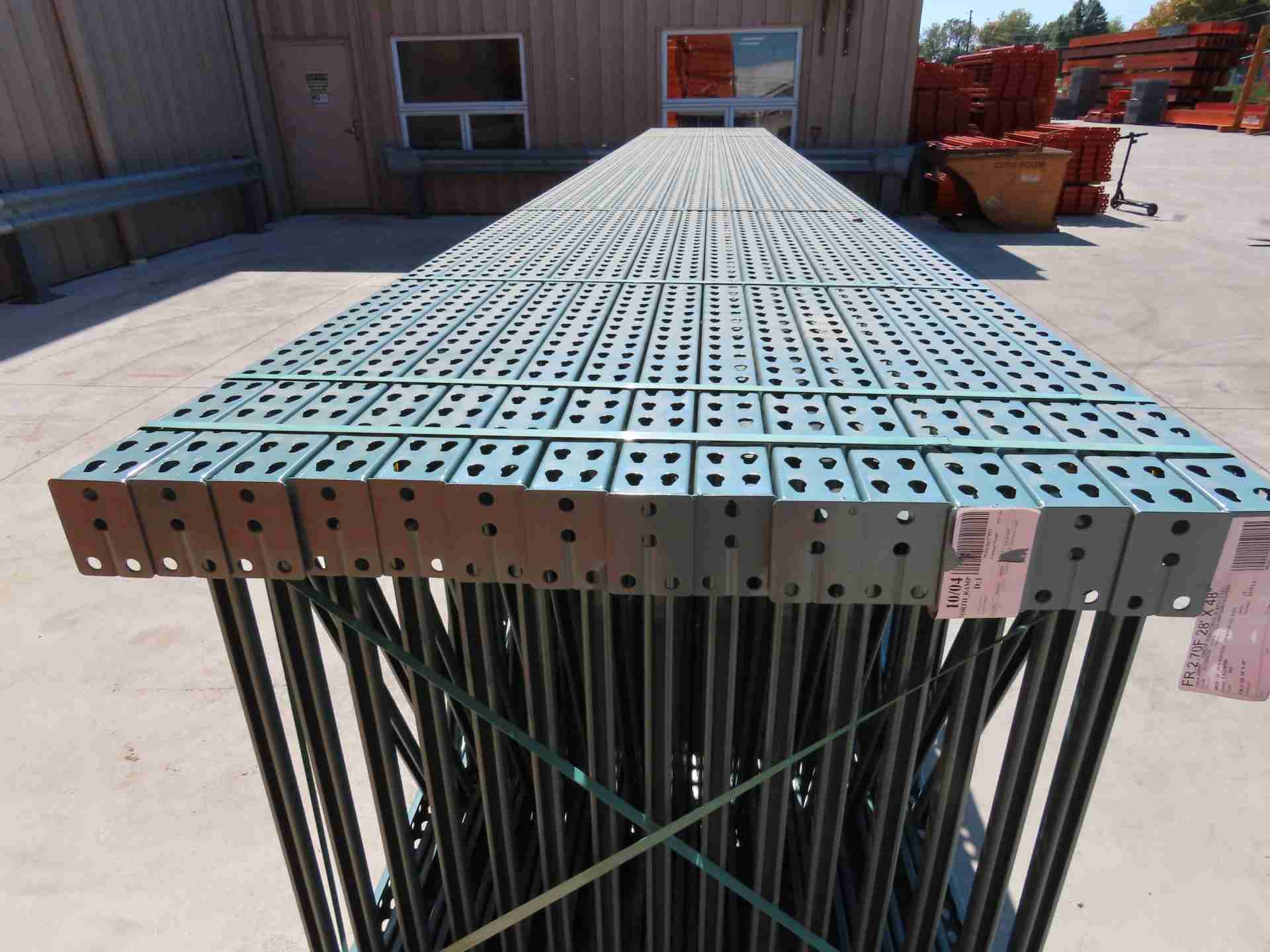
How Can Pallet Racking Reduce Product Damage Risks?
Does Pallet Racking Maximize Limited Storage Space Effectively?
When you’re staring down the walls of a cramped warehouse or a cluttered stockroom, the question isn’t just about stuffing every box onto every shelf—it’s about making space work smart. Pallet racking isn’t fancy, but that’s exactly why it’s a game changer for squeezing the most out of limited storage space. It’s the backbone for anyone who’s had to wrestle a forklift around tight corners or dig through piles of inventory on the floor, wasting time and patience.
Here’s the straight talk: pallet racking maximizes storage in a way that respects the hard work that goes into your day. It lifts your goods up off the ground and into neat, accessible rows, giving you order where there used to be chaos. This isn’t just about fitting more stuff—it’s about keeping everything in sight and within easy reach. When pallets are stacked haphazardly, it’s a headache waiting to happen. But with pallet racking, what’s stored is what’s manageable, safe, and accounted for. That peace of mind isn’t a small thing; it’s what lets you focus on running your business instead of playing hide and seek with your stock.
From a practical standpoint, pallet racking respects the rules of physics and good management. It optimizes vertical space, turning wasted air above your head into usable storage. Instead of sprawling out in every direction, your inventory goes up—not out—keeping floors uncluttered, reducing hazards, and speeding up workflow. That’s straight-up common sense: more product in less footprint, less time hunting, more time moving goods out the door. Efficiency like this pays off in sweat saved and deadlines met.
There’s also a moral dimension here. Properly using pallet racking isn’t just about stacking boxes but about caring for your team. Safer storage means fewer accidents and less strain on the folks who handle the goods day in and day out. And keeping things organized? That fosters respect for the workspace, turning a mess into a place people feel good showing up to. It’s not just a rack; it’s an unspoken promise that your business values safety and order.
Pallet racking offers a tidy solution to a messy problem—one built on real experience, practical know-how, and respect for the people behind the scenes. It’s the unsung hero that lets businesses take control of chaos and turn their limited space into a powerhouse of productivity. That’s why, when space is tight, pallet racking isn’t just the smart choice—it’s the trusted choice.
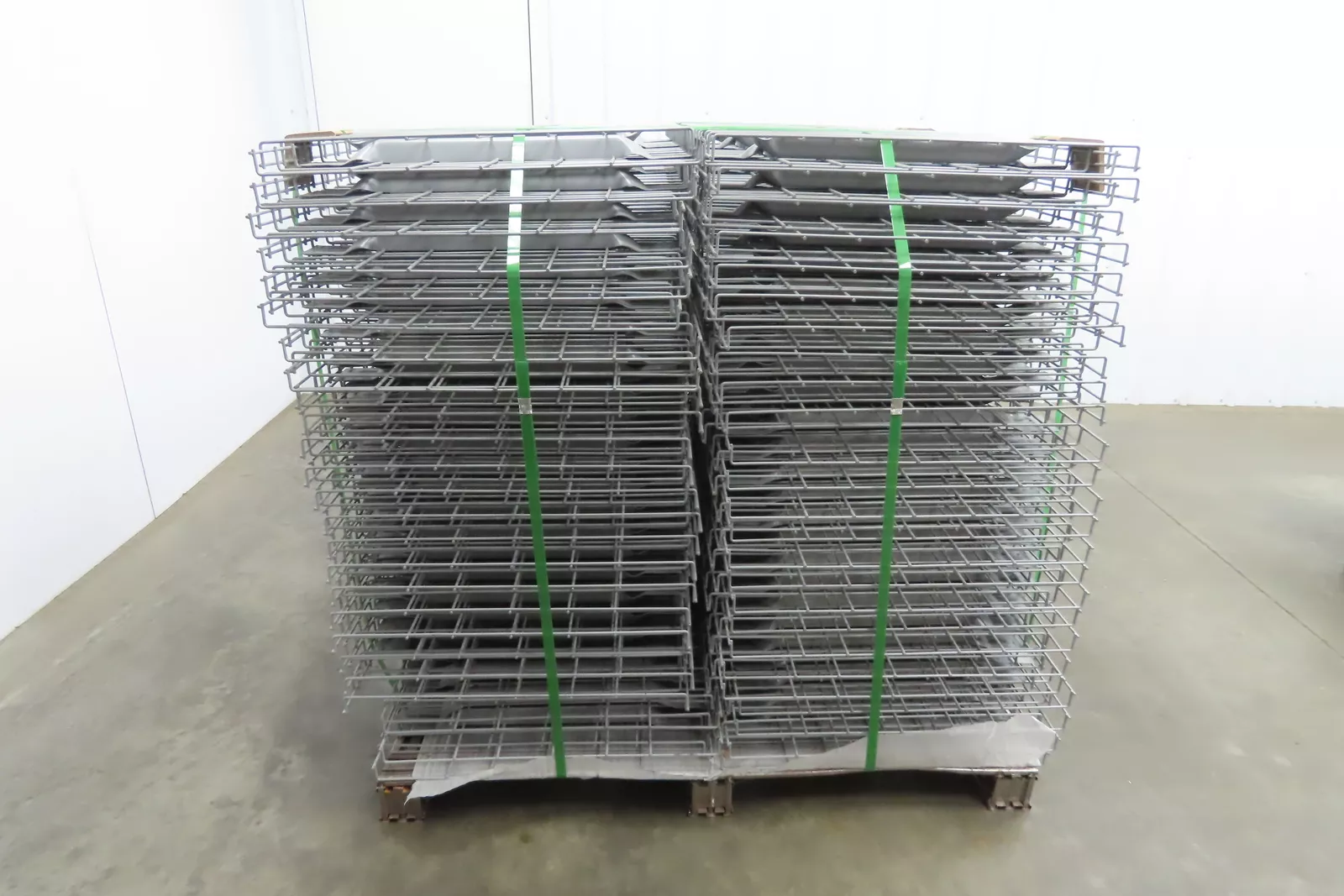
Does Pallet Racking Maximize Limited Storage Space Effectively?
Does Pallet Racking Maximize Limited Storage Space Effectively?
- Pallet racking maximizes limited storage space by organizing goods into neat, accessible rows off the ground.
- It improves visibility and accessibility, reducing time wasted searching through cluttered inventory.
- Optimizes vertical space, turning unused overhead air into effective storage and keeping floors clear and safe.
- Enhances workflow efficiency by allowing more product storage in less footprint and speeding up goods movement.
- Promotes safety and reduces strain for workers handling goods, minimizing accidents and injuries.
- Fosters workplace organization and respect, creating a more pleasant and professional environment.
- Represents a practical, experienced solution that transforms chaotic stockrooms into productive, well-managed spaces.
Does Pallet Racking Maximize Limited Storage Space Effectively?
What Ethical Standards Guide Pallet Racking Use In Dairy Farms?
When it comes to pallet racking in dairy farms, it’s not just about stacking crates or bags of feed—it’s about respect. Respect for the hard work that keeps thousands of cows fed and healthy every day. It’s about building something that stands solid through the seasons, like the folks who work those barns. You know, pallet racking isn’t just metal and bolts; it’s a backbone for the farm’s daily rhythm. Using it right means protecting the stockpile, yes, but also the people who rely on it—from the tractor driver hauling loads to the dairyman checking on the herd.
Ethically, it’s straightforward: safety comes first. Not just the checkbox safety that keeps the inspectors happy but the seat-of-the-pants kind you feel in your gut before you even walk under the racking. Overloading a shelf to save a trip, ignoring signs of wear and tear, or shoddy installation all break that trust. The racks need to be honest, reliable, and strong—just like the farmhands who lean on them. It’s common sense coupled with plain responsibility: don’t put profit or convenience ahead of the people and animals depending on those supplies. When pallet racking fails, it’s not just equipment that takes a hit—it’s livelihoods, safety, and sometimes health.
There’s also a social contract in farm communities. Word gets around fast when someone cuts corners on equipment standards. Using proper pallet racking, maintaining it well, and training everyone who touches it creates a culture of care. That culture keeps the whole operation running smooth, builds pride in the barn, and helps pass the farm on intact to the next generation. It’s not just about having the right racks; it’s about honoring the work and the people behind the milk you pour on your morning cereal.
Dairy farms stand on trust—not just between farmers and cows but between everyone who makes things run. Ethical use of pallet racking reflects that trust in steel and sweat. It’s about doing the right thing when no one’s watching because you know that’s what keeps the whole farm—and the people in it—standing strong. And that’s the kind of grit no machine can replace.
What Ethical Standards Guide Pallet Racking Use In Dairy Farms?
What Ethical Standards Guide Pallet Racking Use In Dairy Farms?
- Pallet racking in dairy farms symbolizes respect for the hard work that sustains the herd and farm operations.
- It serves as a durable backbone for daily farm activities, protecting both stock and people relying on it.
- Safety is paramount, requiring honest, strong, and well-maintained racks beyond mere regulatory compliance.
- Overloading, neglect, or poor installation compromise trust, safety, and the well-being of workers and animals.
- A social contract in farm communities enforces standards, promoting a culture of care and pride in the farm.
- Proper use and maintenance of pallet racking help ensure the farm’s smooth operation and its legacy for future generations.
- Ethical pallet racking reflects deep trust and responsibility, embodying values essential to the farm’s strength and endurance.
What Ethical Standards Guide Pallet Racking Use In Dairy Farms?
How Do Supply Centers Balance Cost with Pallet Racking Benefits?
Look, every supply center knows the pinch of balancing costs against the benefits of pallet racking. It’s not just about throwing up shelves and calling it a day. You want storage that’s tough, reliable, and makes your whole operation hum without draining your wallet dry. It’s hard work, and it takes more than a spreadsheet number to figure out what’s worth it.
Pallet racking isn’t just metal beams holding up crates; it’s the backbone of keeping things moving on time and safe. When you invest in good pallet racking, you’re investing in space—more of it, smarter use of it, and safer handling. That’s a win on your head: more efficient layouts mean faster order picking, fewer accidents, and less downtime. Numbers don’t lie, and those efficiency gains pay for themselves quicker than you think. So from a straight-up cost-benefit angle, pallet racking stands tall.
But it’s not just dollars and cents; it’s about the folks working the floor. A sturdy, well-organized racking system means your team can move without stress, knowing the gear won’t give way under pressure. When workers feel safe, they perform better, and that trust goes a long way to holding a crew together through the long grind. There’s an ethical angle here—investing in the right pallet racking means valuing your workforce, not cutting corners that could trip someone up. Making that choice right aligns with being a responsible employer.
Look around any decent supply center, and you’ll see what thoughtful pallet racking does—it creates order out of chaos, a place for everything and everything in its place. That’s more than just good business sense; it’s about pride in your operation. It shows you care enough to do it right, to plan for the long haul instead of quick fixes. People respect that. Clients see it, workers feel it, and vendors take note.
So balancing costs with pallet racking benefits isn’t just a budget line item. It’s about smart choices that protect your people, your time, and your bottom line. Being mindful of upfront costs while eyeing the bigger picture turns what seems like an expense into a powerful tool that keeps your supply center running smooth and strong. It’s a straightforward truth from anyone who’s put hands to work in this business: invest right, and pallet racking pays off.

How Do Supply Centers Balance Cost with Pallet Racking Benefits?
How Do Supply Centers Balance Cost with Pallet Racking Benefits?
- Balancing costs and benefits of pallet racking is essential for tough, reliable, and cost-effective storage solutions.
- Pallet racking optimizes space, improves layout efficiency, accelerates order picking, reduces accidents, and minimizes downtime.
- Investing in quality pallet racking enhances workforce safety, boosting morale and performance.
- Proper racking reflects ethical responsibility by valuing employees and avoiding shortcuts that compromise safety.
- Thoughtful pallet racking brings order to operations, demonstrating pride and long-term planning.
- Efficient racking systems earn respect from clients, workers, and vendors alike.
- Viewing pallet racking as a smart investment protects people, time, and profits, making it a powerful operational tool.
How Do Supply Centers Balance Cost with Pallet Racking Benefits?
Conclusion
At the heart of every dairy farm supply center beats a simple truth: order saves more than just space—it saves time, safety, and trust. Pallet racking isn’t some shiny gadget; it’s the hard-working backbone that turns chaos into calm, stacks heavy loads without complaint, and keeps the entire supply chain humming from barn to breakfast table. Folks who’ve spent long mornings wrestling with clutter know the relief of seeing every feed bag, bottle crate, and tool fit snugly where it belongs—easy to find, safe to handle, and ready when duty calls. That’s pure common sense, born from grit and hands-on know-how.
Efficiency is the name of the game, and pallet racking nails it. By stretching storage vertically and tidying aisles, it saves steps and sweat, cutting down clutter while cranking up capacity. This isn’t just about squeezing more into a tight spot; it’s about respect—for the product, the people loading and unloading it, and the wider community counting on fresh dairy delivered without fail. Solid racks mean fewer accidents, less downtime, and a workplace where folks feel valued and safe. When workers trust the gear around them, they work smarter, faster, and with less worry gnawing at the back of their minds.
But pallet racking also shields the bottom line by protecting product integrity. Messy piles invite damage, losses, and bad customer calls; neat, sturdy racks guard against crushed cartons and toppled boxes. That’s not just good business—it’s the ethical backbone of a supply center that honors the sweat and steam behind every shipment. When you roll out quality control backed by racks that hold firm, you’re standing tall on trustworthiness and reliability, building a reputation that customers and workers alike respect.
Space’s tight? Pallet racking turns that challenge into an advantage, lifting storage upward instead of sprawling outward and leaving floors clear and safe. That kind of smart use of space lets operations flow smoother, cuts hazards, and keeps the rhythm steady. It’s a gritty, no-frills solution sharpened by years of doing, not just talking—bringing order where disorder once ruled and making the daily hustle a little less of a grind.
At its core, pallet racking is about more than metal and bolts. It’s about a promise: to safeguard the livelihoods tied up in those feed bags and crates, to keep workers’ backs and fingers intact, and to honor an unspoken code of responsibility that holds the whole farm supply chain together. Choosing the right racks, maintaining them well, and training the crew isn’t just good sense; it’s the ethical bedrock of a hardworking community that depends on every link holding strong.
Balancing cost and benefit isn’t just a spreadsheet game here—it’s about investing in reliability that pays off in trust, safety, and steady workflow. Good pallet racking turns dollars into confidence, downtime into uptime, and chaos into order that everyone—from tractor drivers to customers pouring milk at the kitchen table—can count on. It’s a tough, honest upgrade that respects the sweat behind every shipment and the people who make it happen. When the job’s done right, you don’t just stack pallets; you stack stability, respect, and the kind of grit that keeps the farm running strong through every season.
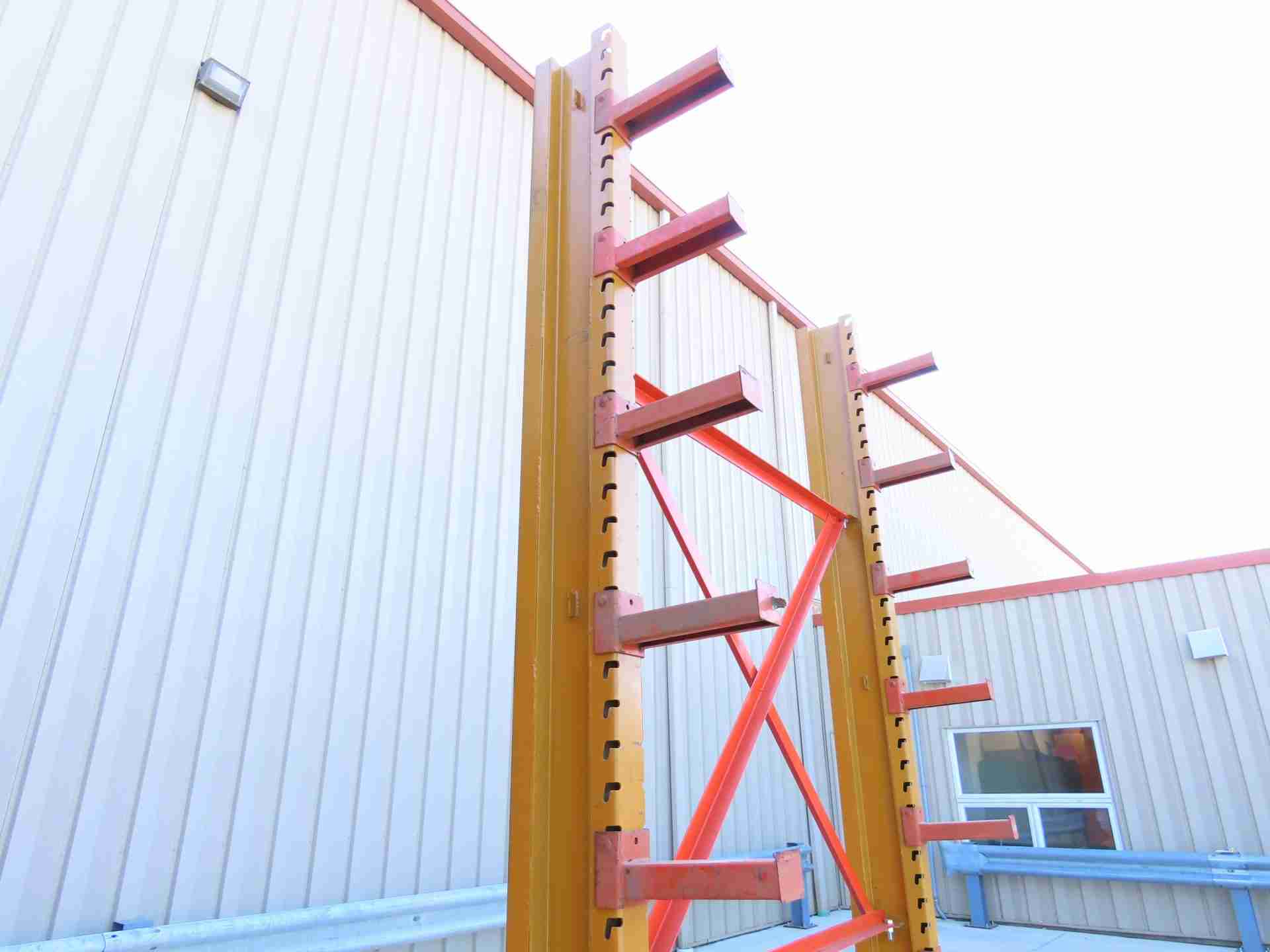
Conclusion
Conclusion:
- Pallet racking is essential in dairy farm supply centers, transforming disorder into order by organizing heavy loads efficiently and safely.
- It maximizes vertical storage, reduces clutter, and improves efficiency by saving time and physical effort during loading and unloading.
- Pallet racks enhance workplace safety, reducing accidents and downtime while fostering trust and confidence among workers.
- Properly organized racks protect products from damage, preserving their integrity and maintaining customer trust and satisfaction.
- Using vertical space smartly keeps floors clear, improving workflow and minimizing hazards in tight storage areas.
- Pallet racking represents a commitment to worker well-being, product care, and the responsibility that supports the entire farm supply chain.
- Investing in reliable pallet racking balances cost with benefits, turning operational stability into a foundation of trust and continuous productivity.
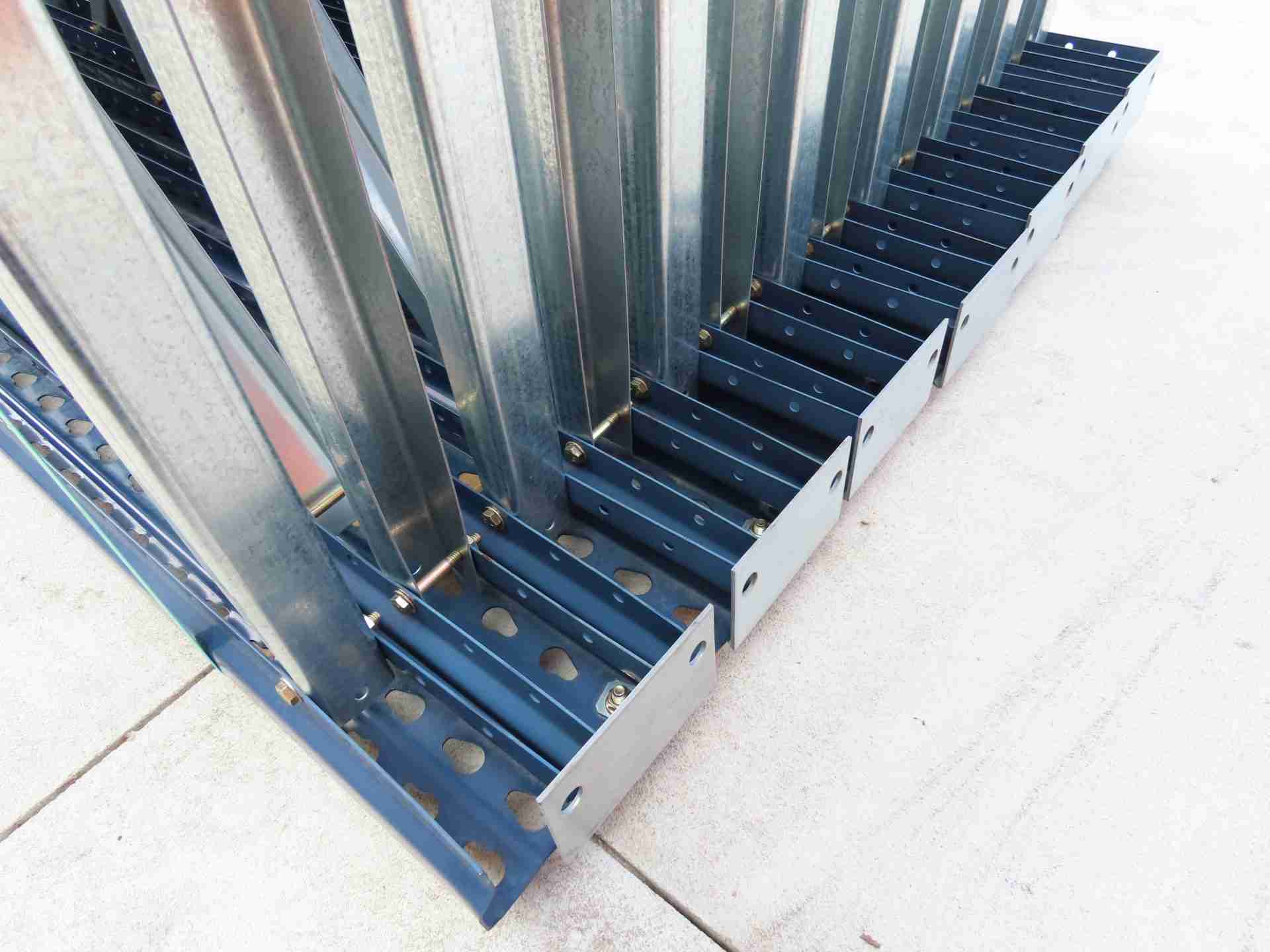
Conclusion
Other Resources
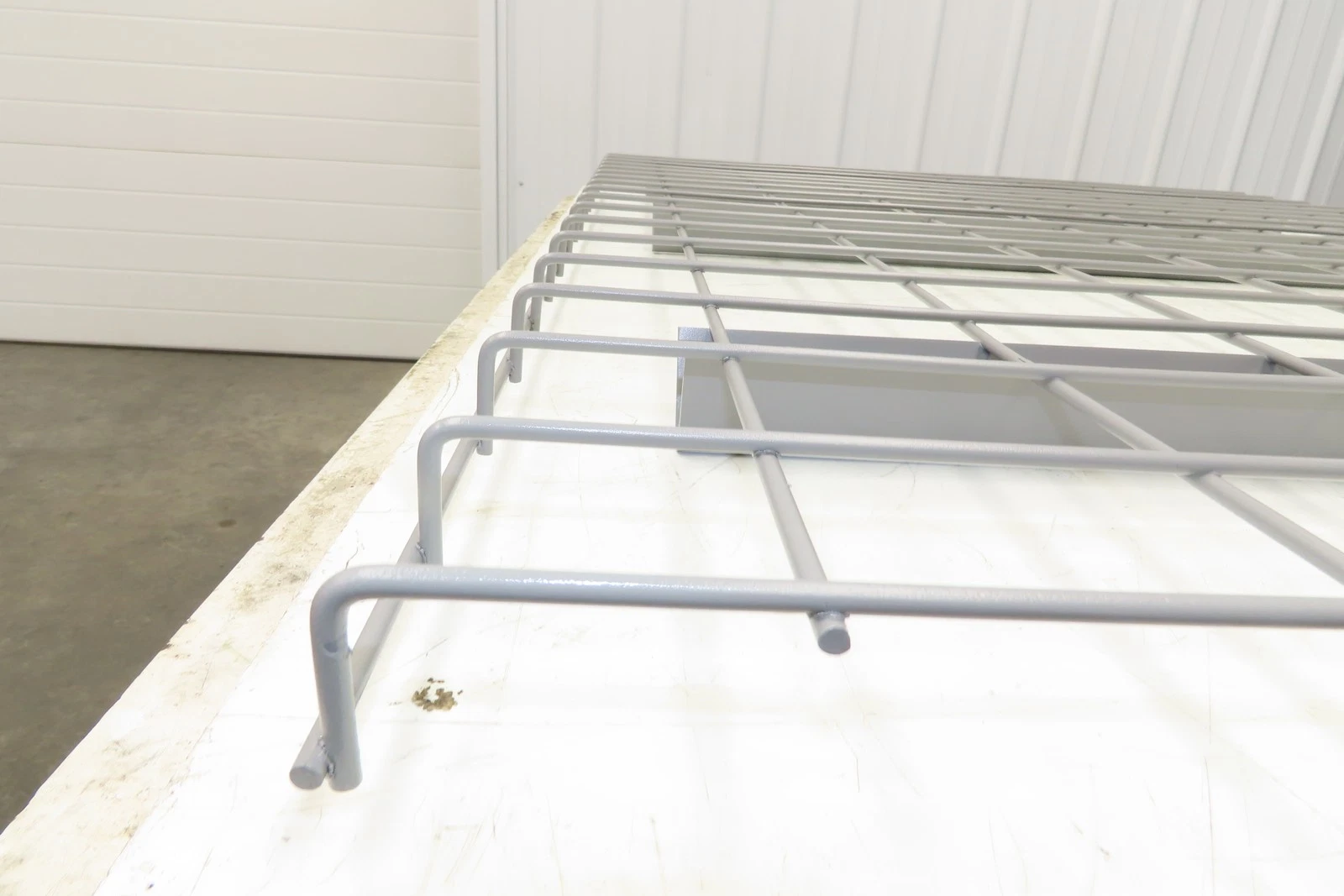
Other Resources
Here is a list of other resources you can review online to learn more:
- Warehouse Automation
- Illinois Pallet Racking – WPRP
- International Warehouse Logistics Association
- Warehouse Storage Racks
- Selective Pallet Racking Systems – Container Systems
- Interlake
- Heavy-Duty Cantilever Storage Racks
- Teardrop Racks – Pallet Rack World
- Warehouse Storage Racking in Illinois
- Warehouse Racking Layout: The Ultimate Guide – Conger
- Selective Pallet Racking Systems
- Mustang Material Handling
- What is Selective Racking: Understanding Benefits & Options
- Teardrop Industrial Shelving Rack
- Material Handling Industry
- Illinois Pallet Racking – Storage Solutions
- Selective Racking
- Pallet Racking systems in Illinois and Great Lakes
- Cantilever Racks Chicago
- BMH
Use This Prompt To Get More Resources With Your Favorite Online AI Tool: Please provide me with a list of online articles with their URLs in a bulleted list that I can read regarding How Do Dairy Farm Supply Centers Leverage Pallet Racking?

Other Resources
Glossary Terms
How Do Dairy Farm Supply Centers Leverage Pallet Racking? – Glossary Of Terms
1. Pallet Racking: A storage system designed to hold materials on pallets in horizontal rows with multiple levels.
2. Dairy Farm Supply Center: A facility that stores and distributes products and equipment needed for dairy farming.
3. Inventory Management: The process of overseeing and controlling stock levels and storage.
4. Space Optimization: Efficient use of available storage area to maximize capacity.
5. Load Capacity: The maximum weight a pallet racking system can safely hold.
6. Forklift Accessibility: The ease with which forklifts can move pallets within racking systems.
7. Material Handling: The movement, protection, storage, and control of materials throughout the supply chain.
8. Selective Racking: A common pallet racking system allowing direct access to each pallet.
9. Drive-In Racking: A pallet storage system where forklifts enter racking lanes to place or retrieve pallets.
10. Double-Deep Racking: A pallet racking configuration that stores pallets two positions deep.
11. Pallet Flow Racking: A system using inclined rails that allow pallets to move by gravity for FIFO stock rotation.
12. FIFO (First In, First Out): Inventory method where oldest stock is used first.
13. LIFO (Last In, First Out): Inventory method where newest stock is used first.
14. Safety Barriers: Protective features in pallet racking to prevent damage from forklifts or other equipment.
15. Load Distribution: Even allocation of weight within pallet racking to ensure stability.
16. Storage Density: Amount of product stored per unit area or volume.
17. Stock Rotation: Systematic method of moving stock to avoid spoilage or obsolescence.
18. Accessibility: The ease of reaching and retrieving stored items.
19. Modular Systems: Racking components that can be reconfigured or expanded as needed.
20. Automated Storage and Retrieval Systems (ASRS): Mechanized systems integrated with pallet racks for efficient handling.
21. Seasonal Demand: Variations in supply needs linked to specific times of year.
22. Cold Storage Racking: Pallet racking designed for refrigerated environments.
23. Structural Integrity: Strength and stability of racking to support loads safely.
24. Compliance Standards: Regulations governing racking design, installation, and safety.
25. Aisle Width: The space between racking rows necessary for forklift movement.
26. Operational Efficiency: The effectiveness of supply center activities to save time and costs.
27. Stock Keeping Unit (SKU): A distinct product or item stored in inventory.
28. Pallet Jack: A manual or powered tool used to move pallets within the facility.
29. Inventory Turnover: The rate at which stock is used and replaced over time.
30. Ergonomics: Design considerations to enhance worker safety and ease of material handling.

Glossary Of Terms
Other Questions
How Do Dairy Farm Supply Centers Leverage Pallet Racking? – Other Questions
If you wish to explore and discover more, consider looking for answers to these questions:
- What types of pallet racking systems (selective, drive-in, push-back, pallet flow, etc.) are best suited for dairy supply centers?
- How do different pallet racking designs affect retrieval speed and order-picking efficiency?
- What are the typical load capacities and weight limits per beam and per bay for dairy supplies?
- How should pallet racking be configured to support cold storage or refrigerated areas?
- What spacing and aisle widths are recommended for safe forklift operation in dairy warehouses?
- Which materials and coatings resist corrosion and moisture common in dairy environments?
- How often should pallet racks be inspected and what are the key inspection checkpoints?
- What maintenance and repair practices extend the lifespan of pallet racking?
- What safety accessories (guards, column protectors, netting) are recommended to prevent accidents?
- How should hazardous materials and chemicals be segregated and stored on pallet racks?
- What regulatory standards and codes (local, national, industry) govern pallet racking installation and use?
- How do pallet racking choices impact inventory management strategies like FIFO and LIFO?
- How can rack layout be optimized for seasonal inventory fluctuations common in dairy supply?
- What training should workers receive for safe stacking, loading, and forklift interaction with racks?
- How do you calculate return on investment (ROI) and payback period for pallet racking upgrades?
- What are the pros and cons of buying new racks versus sourcing used or refurbished systems?
- How can pallet racking be integrated with warehouse management systems (WMS) and barcode/RFID tracking?
- What measures prevent cross-contamination and pest issues when storing feed, packaging, and food-contact items?
- How do pallet types and their condition affect racking performance and stored-product safety?
- What load-signage and labeling practices ensure safe loading and compliance with capacity limits?
- How do you plan for emergency scenarios such as rack collapse, fire, or spill containment?
- What inspection records, documentation, and compliance proof should supply centers keep?
- How do seismic or extreme-weather considerations change racking design and anchoring requirements?
- What are common early signs of rack damage and when should a bay be taken out of service?
- How much does professional installation typically cost and how long does installation take?
- Which vendors or manufacturers specialize in dairy-industry racking solutions and what should you ask them?
- What warranties, liability coverage, and insurance considerations apply to pallet racking systems?
- How can centers retrofit older facilities to accommodate modern pallet racking without major construction?
- What are best practices for storing mixed SKUs, heavy items, and fragile packaging on the same racks?
- How can pallet racking support automation (conveyors, AS/RS, automated forklifts) in the future?
- What are the environmental impacts of racking choices and are there sustainable material options?
- How should racks be adapted for chemical spill containment and safe handling of potentially hazardous products?
- What cost-saving strategies (layout optimization, slotting, consolidation) maximize benefits while minimizing spend?
- How does pallet racking influence pickup/delivery workflows and loading-dock efficiency?
- What certification or third-party audit options validate rack safety and operational best practices?
- How do temperature, humidity, and condensation in dairy environments affect rack integrity and stored goods?

Other Questions
Checklist
How Do Dairy Farm Supply Centers Leverage Pallet Racking? – A Checklist
Plan and Inventory
✅______ Define top product categories (feed, chemicals, packaging, parts) and volumes
✅______ Map weights, dimensions, and pallet types (wood, plastic, returnable)
✅______ Identify temperature zones (ambient, coolers, freezers) and humidity exposure
✅______ Set rotation policy per item (FIFO or FEFO) and shelf-life requirements
✅______ Segregate hazardous chemicals from food and feed per regulations
Layout and Flow
✅______ Draw current-to-future-state material flow from receiving to shipping
✅______ Size aisles to equipment turning radius and load dimensions
✅______ Establish clear pick, replenish, staging, and returns zones
✅______ Mark one-way traffic aisles where needed to reduce conflicts
✅______ Provide a dedicated quarantine/hold area for nonconforming goods
Rack Specification
✅______ Verify floor slab capacity and condition for anchoring and point loads
✅______ Select rack type (selective, drive-in, pushback, pallet flow) to match the SKU profile
✅______ Choose corrosion-resistant finishes for washdown and cold environments
✅______ Specify beam levels to fit load heights with safe clearances
✅______ Confirm load ratings with the manufacturer; obtain stamped drawings if required
✅______ Select decking (wire mesh or grating) compatible with fire code and product
✅______ Include row spacers, column protectors, and end-of-aisle guards
✅______ Plan flue spaces (transverse and longitudinal) and sprinkler clearances
Installation and Commissioning
✅______ Use qualified installers; anchor every base plate per specification
✅______ Install beam locks and safety pins on all beams
✅______ Label each bay with maximum unit load and total bay capacity
✅______ Verify plumb, level, and torque settings; document with a punch list
✅______ Conduct an initial load test with representative pallets
Space Utilization
✅______ Set top beam elevations to maximize vertical cube while meeting codes
✅______ Eliminate floor stacking except in defined bulk areas
✅______ Allocate fast movers to the golden zone (waist to shoulder height)
✅______ Use vertical guards or netting where product fall protection is needed
Safety and Worker Protection
✅______ Maintain clear egress and marked pedestrian walkways
✅______ Post and enforce PPE and equipment operating rules
✅______ Keep aisles and rack bases free of clutter and spills
✅______ Implement speed limits and horn/stop rules at intersections
✅______ Protect rack ends and doorways with barriers or bollards
Product Protection and Quality
✅______ Inspect pallets for broken boards or stringers before racking
✅______ Control pallet overhang within rack manufacturer limits
✅______ Use slip sheets and edge protection for fragile packaging
✅______ Separate chemicals, fuels, and corrosives with secondary containment
✅______ Monitor temperature and humidity for perishable items; log readings
✅______ Apply lot and date labels for traceability and rotation
Operations and Organization
✅______ Define replenishment triggers and pick paths to reduce travel
✅______ Use location labels and signage that match the WMS and bin map
✅______ Standardize unit loads (height, wrap pattern, and label face) for handling
✅______ Schedule off-peak receiving to avoid dock congestion
✅______ Implement 5S routines for all rack aisles and work areas
Training and Compliance
✅______ Train operators on rack capacities, load placement, and exceptions
✅______ Certify forklift and pallet jack operators; refresh annually
✅______ Brief all staff on chemical segregation and spill response
✅______ Post emergency contacts, SDS access, and evacuation maps
✅______ Audit compliance with local fire and building codes and NFPA guidance
Inspection and Maintenance
✅______ Perform daily walk-throughs to spot damage or blocked flues
✅______ Conduct monthly detailed rack inspections; tag and log findings
✅______ Take damaged components out of service and repair with OEM parts
✅______ Retorque anchors and verify plumb annually or after impacts
✅______ Clean decking and remove debris to maintain airflow and sanitation
Cost and Performance
✅______ Track picks per hour, travel time, and dock-to-stock cycle
✅______ Measure shrink and damage rate per 1,000 pallets handled
✅______ Monitor incident and near-miss rates and corrective actions
✅______ Calculate space savings and labor reduction vs. baseline
✅______ Review total cost of ownership (racks, protection, maintenance)
Continuous Improvement
✅______ Reslot SKUs quarterly based on velocity and seasonality
✅______ Pilot pallet flow or pushback in high-velocity lanes where justified
✅______ Update SOPs after incidents, audits, or layout changes
✅______ Engage floor staff for improvement ideas; implement quick wins
✅______ Revalidate capacity and clearances when product dimensions change

Checklist
At RackingWorld, we help guide you through selecting warehouse storage systems and racking.
Be sure to read our other related stories at RackingWorld to learn more about warehouse storage systems.
0 Comments