
Maximizing Efficiency And Trust: Copper Wholesalers’ Smart Storage Solution
By Tom Seest
At RackingWorld, we help guide you through selecting warehouse storage systems and racking.
Be sure to read our other related stories at RackingWorld to learn more about warehouse storage systems.
How Do Copper Tubing Wholesalers Leverage Cantilever Racking?
Copper tubing isn’t just metal coils stuffed in a corner. It’s the lifeblood of plumbing, HVAC, and countless jobs that keep homes warm and businesses running. For wholesalers, handling this heavy, awkward stock day in and day out isn’t just a job—it’s a craft tempered by grit and know-how. That’s where cantilever racking steps in, a simple yet powerful tool that brings order to the chaos and muscle to the warehouse floor.
Think about it. Copper tubing comes in long lengths, tough to stack on regular pallet racking without risking damage or messing up your workflow. Cantilever racks, on the other hand, are like the rugged backbone built for this exact challenge—arms stretched out to hold pipes and bars neatly, within easy reach, leaving no room for wasted space or wasted time. It’s practical, straightforward, and it just works, which earns respect and trust from the crew who handles this stuff daily.
Using cantilever racking isn’t just smart for saving space; it’s ethical in how it protects valuable materials from dents and kinks. Damaged tubing doesn’t just hurt the bottom line; it slows down customers’ projects, disappoints hardworking tradespeople counting on quality parts, and chips away at the wholesaler’s reputation. Keeping copper tubing crisp and ready to roll means everyone from the warehouse crew to the end-user can count on the job done right the first time. That’s responsibility no one wants to fumble.
The real story here is about connection—between the wholesaler, the warehouse, and the customer in the field. Cantilever racking bridges this gap by making inventory visible and accessible. When workers can quickly grab exactly what’s needed without wrestling with piles or climbing over pallet racking stacked high with boxes, it lights a fire of efficiency and morale. It’s not just about storage; it’s about respect for the work and the people behind it.
In a world where margins tighten and expectations rise, those who embrace smart storage solutions like cantilever racking gain more than a neat warehouse—they build a foundation of trust and confidence that pays dividends. It’s the difference between falling behind and leading the pack, between chaos and control, all by simply giving copper tubing the proper home it deserves.

How Do Copper Tubing Wholesalers Leverage Cantilever Racking?
How Do Copper Tubing Wholesalers Leverage Cantilever Racking?
- Copper tubing is essential to plumbing, HVAC, and many industries, requiring careful handling by skilled wholesalers.
- Cantilever racking effectively organizes long, heavy copper tubing that is difficult to store on traditional pallet racks.
- These racks maximize space and improve workflow by keeping tubing accessible and neatly arranged.
- Cantilever racking protects copper tubing from damage like dents and kinks, preserving material quality and preventing project delays.
- Maintaining tubing quality supports the wholesaler’s reputation and ensures tradespeople receive reliable parts.
- Cantilever racking enhances connection and efficiency between wholesalers, warehouse staff, and customers by making inventory visible and easy to access.
- Using smart storage solutions like cantilever racking helps businesses stay competitive by building trust, control, and operational efficiency.

How Do Copper Tubing Wholesalers Leverage Cantilever Racking?
Table Of Contents
- How Do Copper Tubing Wholesalers Leverage Cantilever Racking?
- How Does Cantilever Racking Improve Copper Tubing Storage?
- What Cost Savings Come From Using Cantilever Racking?
- How Does Better Organization Affect Workflow Efficiency?
- Can Cantilever Racks Reduce Damage to Copper Tubing?
- What Safety Benefits Does Cantilever Racking Provide?
- How Do Wholesalers Optimize Space with Cantilever Racks?
- Conclusion
- Other Resources
- Glossary Of Terms
- Other Questions
- Checklist
How Does Cantilever Racking Improve Copper Tubing Storage?
Look, anyone who’s worked around metal or copper tubing knows the frustration of wrestling with bulky, awkward stuff that never seems to want to sit still. Pallet racking has been the go-to for years, stacking loads like a champ, but when it comes to long lengths of copper tubing, it’s like trying to shove a square peg in a round hole. That’s where cantilever racking steps in and makes the whole operation smarter, safer, and frankly, a lot less of a headache.
Cantilever racks aren’t just another storage option; they’re designed with a kind of simple genius that speaks directly to the folks who have to handle copper tubing day in, day out. Instead of boxed-in arms restricting movement, these racks provide open-ended support arms where the tubing lays flat and easy to grab. This means no more wrestling with awkward bundles or risking bent, kinked tubing — you’re protecting your material’s integrity, which saves money and preserves the quality your work depends on.
Using cantilever racking taps right into common sense and respect for the job. It shows you’re not just looking for the cheapest fix, but a reliable system that values both the material and the people handling it. It’s about doing right by your crew and your inventory. And when workers feel their tools and material are cared for, morale improves. There’s a quiet dignity in that—knowing you’ve got a setup that won’t grind you down or slow you up.
From a practical standpoint, cantilever racking also maximizes space. Those long arms reach out into clear, accessible zones that traditional pallet racking can’t touch without tangling things up. You see everything at a glance, grab just what you need, and put it back without the usual hassle. It’s the kind of efficiency that keeps projects moving and deadlines in reach.
Then there’s the ethical part — safety. Copper tubing isn’t light, and stored poorly, it becomes a hazard. Cantilever racks reduce the risk of tipping piles or crushed fingers. This setup respects the hands that do the work, not putting them in harm’s way just because the storage isn’t fit for purpose.
So, when you switch from pallet racking to cantilever for your copper tubing, you’re making a choice that’s smart with your money, your workers’ well-being, and your job’s success. It’s the kind of practical upgrade that feels right, because it really is right — proven on the ground, in the trenches, day after day.

How Does Cantilever Racking Improve Copper Tubing Storage?
How Does Cantilever Racking Improve Copper Tubing Storage?
- Cantilever racking provides a smarter, safer solution for storing long copper tubing compared to traditional pallet racking.
- Open-ended support arms allow tubing to lay flat and be easily accessed, preventing damage like bends or kinks.
- Using cantilever racks shows respect for both the material quality and the workers handling it, improving morale.
- These racks maximize storage space and create clear, accessible zones free of clutter.
- Visibility and ease of access reduce handling time and keep projects on schedule.
- Enhanced safety by minimizing risks such as tipping piles and crushed fingers during storage and retrieval.
- Choosing cantilever racking is a practical, cost-effective upgrade that benefits money, worker well-being, and job success.
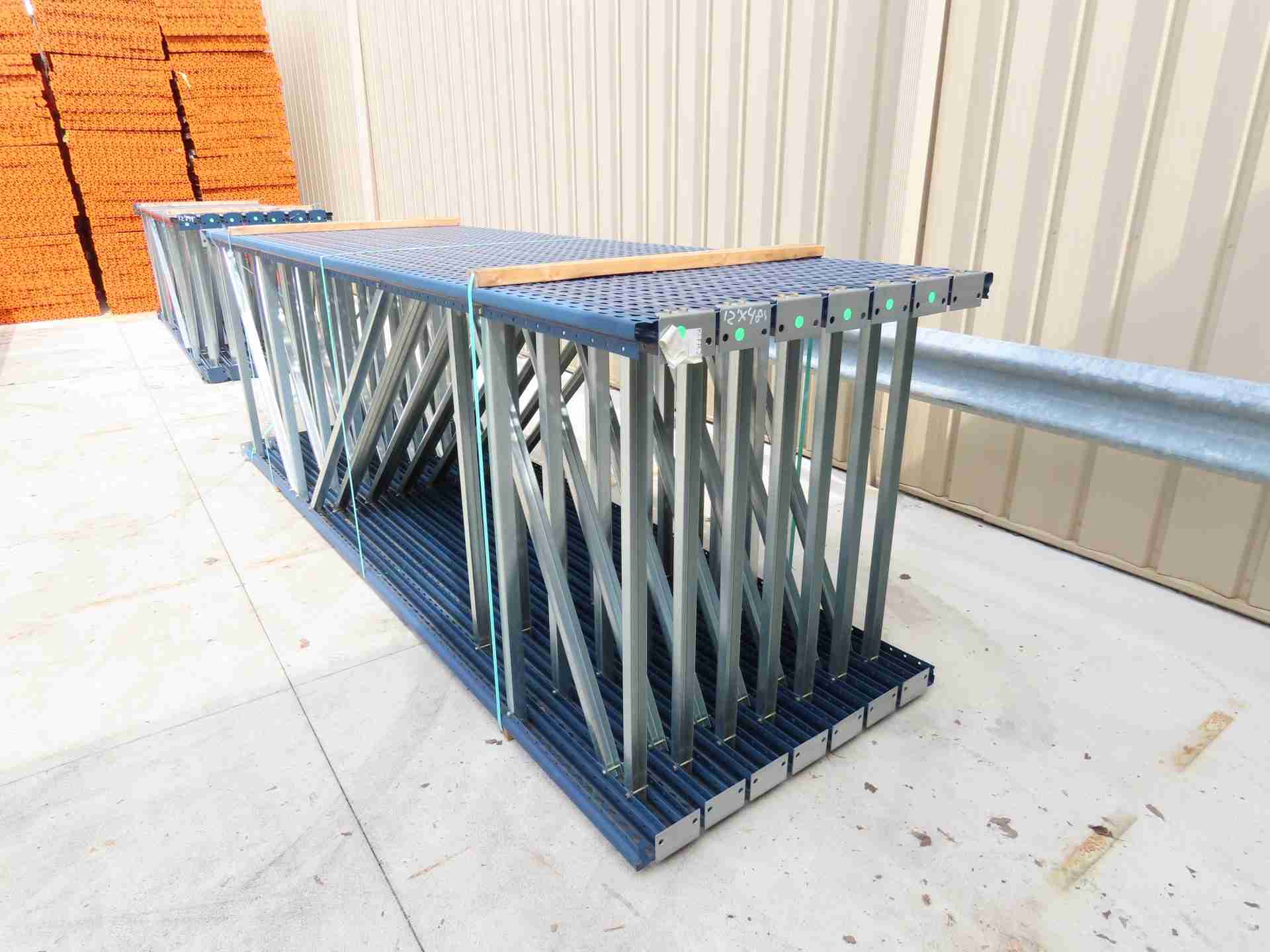
How Does Cantilever Racking Improve Copper Tubing Storage?
What Cost Savings Come From Using Cantilever Racking?
When it comes to saving money in the trenches of a busy warehouse or workshop, cantilever racking isn’t just a fancy alternative—it’s a practical, down-to-earth solution that cuts costs where it counts. Imagine the hassle of fitting awkward, long items onto bulky pallet racking that wasn’t built for the job. You end up wasting space, time, and sometimes, a fair bit of your sanity wrestling with the wrong gear. Cantilever racking, with its open arms and straightforward design, lets you slide in lumber, pipes, or steel bars with ease, making every inch of your space work harder for you. That’s dollars saved on square footage alone.
From a head standpoint, the math is solid. Cantilever systems reduce the need for multiple storage setups, trimming down the overall footprint. You don’t just get a neat organizational upgrade; you cut down on expensive warehouse expansions or costly moves to bigger facilities. Less space means lower rent, fewer heating and cooling bills, and minimized facility maintenance costs. And because retrieving and storing items is faster and more efficient on cantilever racks, you shave hours off labor costs. Time literally is money, and this system frees up your crew to focus on getting the job done rather than fighting with storage.
On the ethical plane, there’s something to be said for investing in durability and longevity. Cantilever racking is built tough, meant to withstand the rough and tumble of everyday use without buckling or bending. You’re not constantly replacing cheap, flimsy racks, which means less waste going into landfills and a smarter use of resources. That kind of reliability is good for the planet, your budget, and your peace of mind.
Having hands-on experience with both pallet racking and cantilever systems, it’s clear this isn’t just about shelving—it’s about respect for the work and the people doing it. When you’ve been elbow-deep in stock and tools, you recognize that well-organized, easy-to-access storage reduces frustration and boosts morale. Workers aren’t wasting sweat and time struggling with gear that doesn’t fit—everyone wins. That trust you build in your equipment turns into trust in the whole process, making work smoother and safer.
In the social world of a warehouse or shop floor, installing cantilever racking sends a message that you value efficiency and smart investment. It’s a practical move that says you’re serious about cutting costs without cutting corners. That kind of savvy decision-making inspires confidence—among customers, partners, and your own team.
So, when weighing costs, remember: cantilever racking isn’t just another rack. It’s a proven, no-nonsense way to save money, save time, and save your sanity. The numbers back it up, and so do the worn hands and tired backs of those who’ve been there. It’s storage that works as hard as you do. Pallet racking has its place, sure, but when you need something lean, mean, and built to handle what the job throws at it, cantilever racking has your back—and your budget.
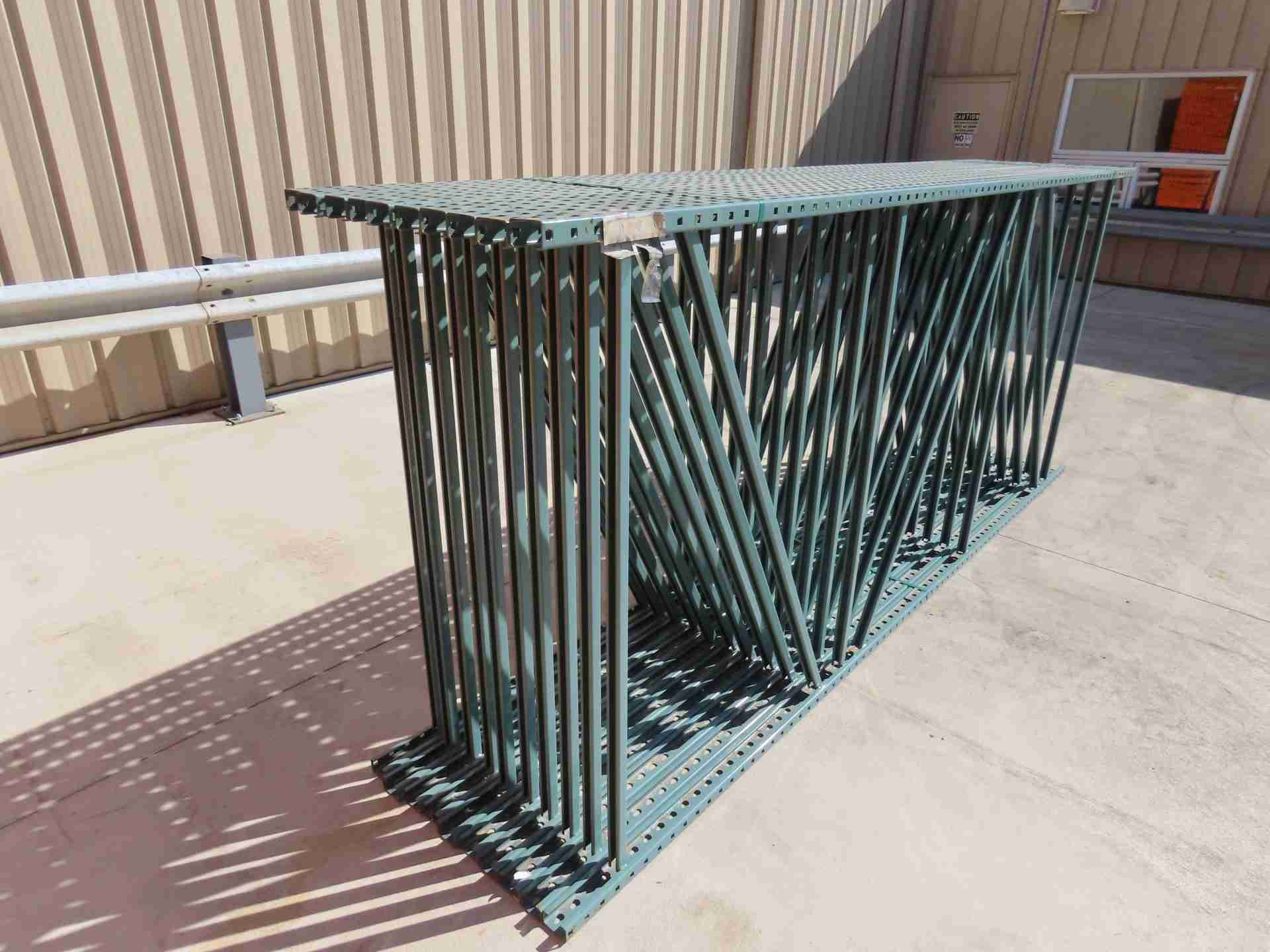
What Cost Savings Come From Using Cantilever Racking?
What Cost Savings Come From Using Cantilever Racking?
- Cantilever racking provides a practical, space-saving solution for storing long, awkward items unlike bulky pallet racking.
- It reduces the need for multiple storage setups, lowering warehouse footprint and associated costs like rent, utilities, and maintenance.
- Faster retrieval and storage on cantilever racks cut labor time and expenses, improving overall efficiency.
- Durable construction minimizes replacement frequency, reducing waste and promoting better resource use.
- Well-organized, accessible storage reduces worker frustration and boosts morale by simplifying material handling.
- Using cantilever racking signals a commitment to efficiency and smart investment, inspiring confidence among stakeholders.
- Cantilever racking is a reliable, cost-effective alternative to pallet racking that supports both budget and operational needs.
What Cost Savings Come From Using Cantilever Racking?
How Does Better Organization Affect Workflow Efficiency?
You ever walk into a workspace where everything’s just a mess? Boxes piled high, tools scattered like a tornado hit, and no clue where anything’s supposed to go? That chaos doesn’t just slow you down—it wears you out. Better organization, plain and simple, gives your workflow the kind of smooth, steady rhythm that feels good in your bones. When you set up pallet racking right and keep things in their proper order, it’s like giving your whole crew a chance to breathe easier and work smarter.
There’s something almost satisfying about a tidy spot. You walk in, see exactly where that forklift needs to go, where that next shipment sits, and you don’t waste time guessing or digging. That’s efficiency talking—saving you precious minutes, cutting down frustration, and making everyone feel like they’re part of a well-oiled machine. When people aren’t stumbling over clutter or scratching their heads, they focus more, move faster, and pull together better. It’s real teamwork, built on trust and a shared goal.
Now, don’t mistake this for just neat freak stuff. It’s about respect—respect for the work itself, for the people doing it, and for the safety and well-being of the whole crew. Proper pallet racking doesn’t just keep goods safe; it protects backs, fingers, and keeps accidents off the clock. That’s the kind of ethical responsibility every workplace needs to embrace. When people see leadership caring enough to invest in good systems, trust grows. Everyone wants to be part of a place that values their health and time.
From a hands-on perspective, this isn’t rocket science. It’s about common sense and a little elbow grease. Think about your last day hauling pallets around with no rhyme or reason—how much energy got wasted? Organizing your stockroom or warehouse sparks a chain reaction. Things move smoother. Orders ship on time. Customers stay happy because you’re not scrambling last minute. The satisfaction that comes from knowing you’re “on it” isn’t just pride—it’s confidence. You’re in control.
So yeah, better organization means faster work, fewer headaches, and a workplace where people don’t dread what’s waiting around the corner. It’s about making the hard parts easier and the routine parts feel worth it. Pallet racking might look like just metal shelves, but when used right, it’s the backbone for a strong workflow that helps everyone get through the day with a little more ease and a lot more grit.
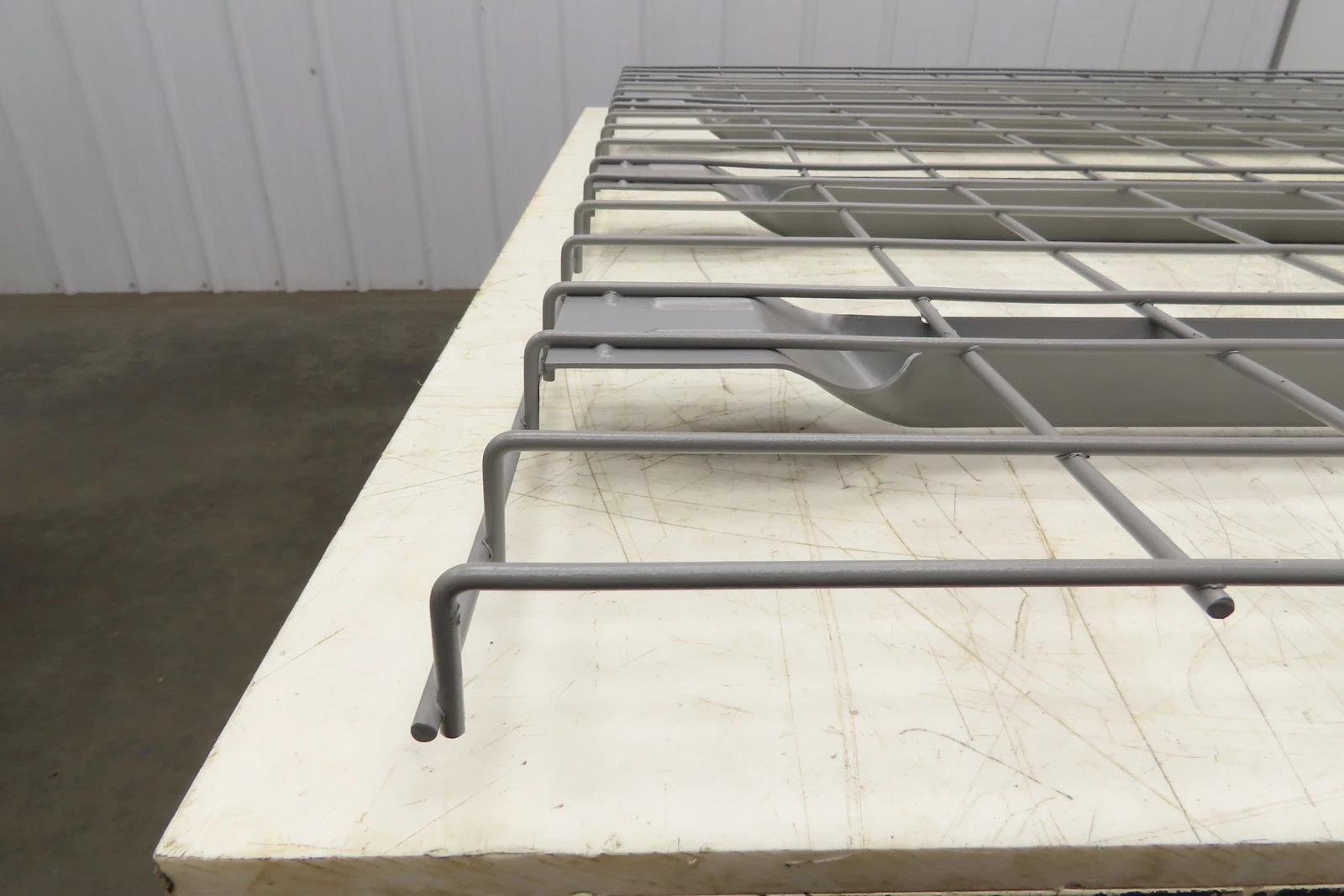
How Does Better Organization Affect Workflow Efficiency?
How Does Better Organization Affect Workflow Efficiency?
- Disorganized workspaces slow down productivity and exhaust workers, while proper pallet racking creates a smooth, efficient workflow.
- A tidy, well-organized area saves time, reduces frustration, and fosters teamwork by making tasks clearer and easier.
- Organization reflects respect for the work, employees, safety, and ethical responsibility, protecting both goods and workers.
- Leadership investment in good systems builds trust and shows that employee health and time are valued.
- Effective organization requires common sense and effort but leads to smoother operations and timely shipments.
- Well-managed spaces boost confidence by enabling control over the workflow and reducing wasted energy.
- Pallet racking, when used properly, serves as the backbone of a strong workflow, making daily tasks easier and more manageable.
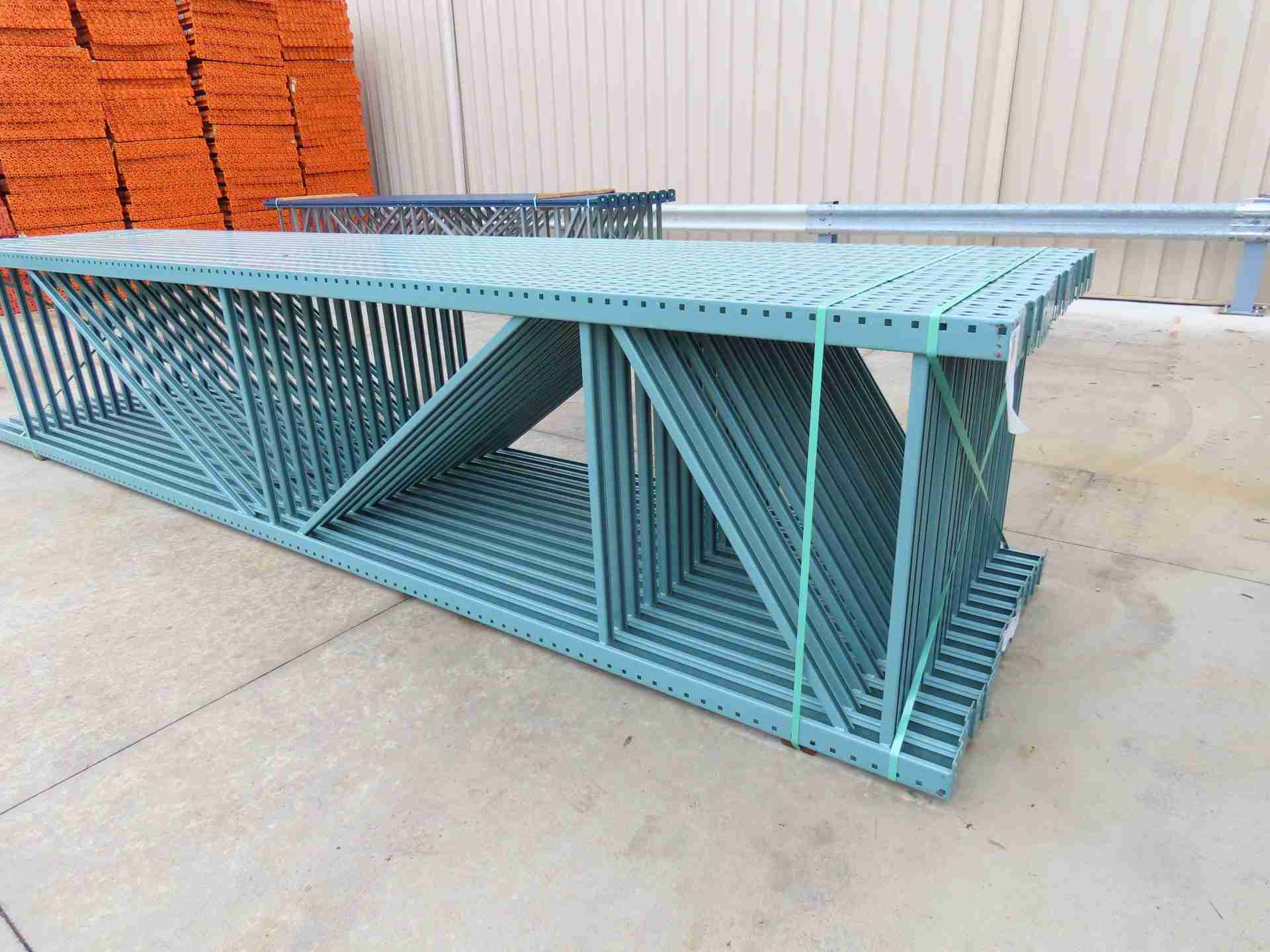
How Does Better Organization Affect Workflow Efficiency?
Can Cantilever Racks Reduce Damage to Copper Tubing?
You spend hours, sometimes days, handling copper tubing—bending, cutting, fitting—making sure everything lines up just right. Then, after all that hard work, you stack it on some janky pallet racking that’s meant for boxes or pallets, not delicate lengths of metal. Before you know it, tubes get bent, dented, scratched—damage that runs up your costs, slows down your job, and tests your patience. That’s where cantilever racks come in, and they might just be the unsung hero in saving your copper.
Look, pallet racking is great for a lot of things, but copper tubing isn’t one of them. When those long tubes rest on horizontal beams designed for crates and heavy loads, they don’t get the support they need. You end up with pressure points, uneven weight distribution, and all kinds of potential kinks or damage that turn your smooth copper into a mess. Cantilever racks flip that script by offering open arms specifically built to cradle long materials like pipes and tubing. This gentle support means less warping and fewer wasted pieces.
Don’t just take it from sales brochures—anyone who’s worked on a shop floor knows that the right storage makes a night-and-day difference. Using cantilever racks isn’t just a nice-to-have; it’s simply the practical choice to protect your investment. Copper isn’t cheap, and throwing away bent tubing is like throwing money straight in the trash. Protecting your stock with racks designed for the job means saving cash and cutting down on headaches—two things every builder and shop owner can get behind.
There’s an ethical side to this, too. Treating your materials with care isn’t just about saving bucks; it’s about respect for your craft and everyone who depends on the quality of your work. Scrimping on storage feels like shortchanging yourself and your crew. When you invest in cantilever racks, you’re making a commitment to doing the job right, every time, setting a standard that speaks louder than words.
Stories from the shop floor back this up. One warehouse switched over to cantilever racks, and they saw damaged copper drop so low it barely registered. Workers finally stopped fumbling and stressing over cracked tubes, and jobs finished faster. That peace of mind? Priceless. And that’s the bottom line—if you care about your copper, your work, and your wallet, upgrading from pallet racking to cantilever racks isn’t just smart. It’s damn near essential.
Can Cantilever Racks Reduce Damage to Copper Tubing?
Can Cantilever Racks Reduce Damage to Copper Tubing?
- Handling copper tubing involves careful bending, cutting, and fitting, but stacking it on pallet racking causes damage like bends, dents, and scratches.
- Pallet racking, designed for boxes and pallets, fails to support long copper tubes properly, leading to pressure points and uneven weight distribution that damages the material.
- Cantilever racks offer open arms specifically designed to cradle long materials, reducing warping and waste by providing gentle, even support.
- Proper storage with cantilever racks protects the investment in costly copper tubing, saving money and reducing job delays and frustrations.
- Using cantilever racks reflects respect for the craft and commitment to quality work, avoiding the pitfalls of inadequate storage.
- Real-world examples show that switching to cantilever racks significantly decreases copper damage, improves worker confidence, and speeds up job completion.
- Upgrading from pallet racking to cantilever racks is essential for protecting copper, improving workflow, and safeguarding financial resources.
Can Cantilever Racks Reduce Damage to Copper Tubing?
What Safety Benefits Does Cantilever Racking Provide?
When you’ve spent your days in warehouses, garages, or shop floors, you learn quick that safety isn’t just about rules written on a whiteboard—it’s about real folks staying whole and getting home after the shift. Cantilever racking jumps in here as a no-nonsense solution that protects workers and gear the way a good handshake and steady boots do—solid, reliable, and trustworthy.
Picture pallet racking systems that stack and store your goods. They’re useful, sure, but when you’re dealing with oddly shaped or long items—think lumber, pipes, or metal bars—the traditional pallets can get you in trouble. That’s where cantilever racking shines: its open-front design means you don’t have to wrestle those awkward loads into tight spots, reducing the chances of accidents caused by overreaching or knocking stuff over. It’s like the difference between trying to jam a square peg into a round hole and having the right tool for the job.
The beauty of cantilever racking isn’t just in ease but in the peace of mind it offers. It keeps heavy, unwieldy items secure, off the floor, and away from foot traffic—helping to slash trip hazards and accidental collisions. Safer floors mean safer steps, and safer steps mean folks can focus on the work, not dodging danger. It respects the human element; the fact that people get tired, distracted, or hurried, and helps catch potential mishaps before they spiral into costly injuries or downtime.
From an ethical standpoint, investing in cantilever racking is a statement: you care about the crew and the community they carry home to every night. You’re not just stacking stuff—you’re preserving hard-earned livelihoods. That’s the kind of responsibility that earns respect around these parts and from the supply chain too. It’s the practical, moral choice—a nod to doing what’s right over cutting corners.
The construction of cantilever racks themselves speaks volumes. Engineered for strength and durability, they stand tall and steady under tough loads, backed by designs refined through real-world use. They withstand the bumps, scrapes, and shifts of busy operations without buckling under pressure. This isn’t some fancy gadget; it’s proven hardware made to earn its keep and protect what matters most.
When a team sees their workspace upgraded with cantilever racking, it changes the culture. It shows the boss has skin in the game and understands what’s at stake. That builds trust, pride, and a shared commitment to keeping standards high. Everyone knows that when safety is built into the foundation, the whole operation runs smoother and with less worry.
In a nutshell, cantilever racking isn’t just another storage option. It’s a safety net woven from experience, commonsense design, and a genuine respect for people’s well-being. When it’s in place, you can lean on it—literally and figuratively—with confidence, knowing you did right by the crew and the work.
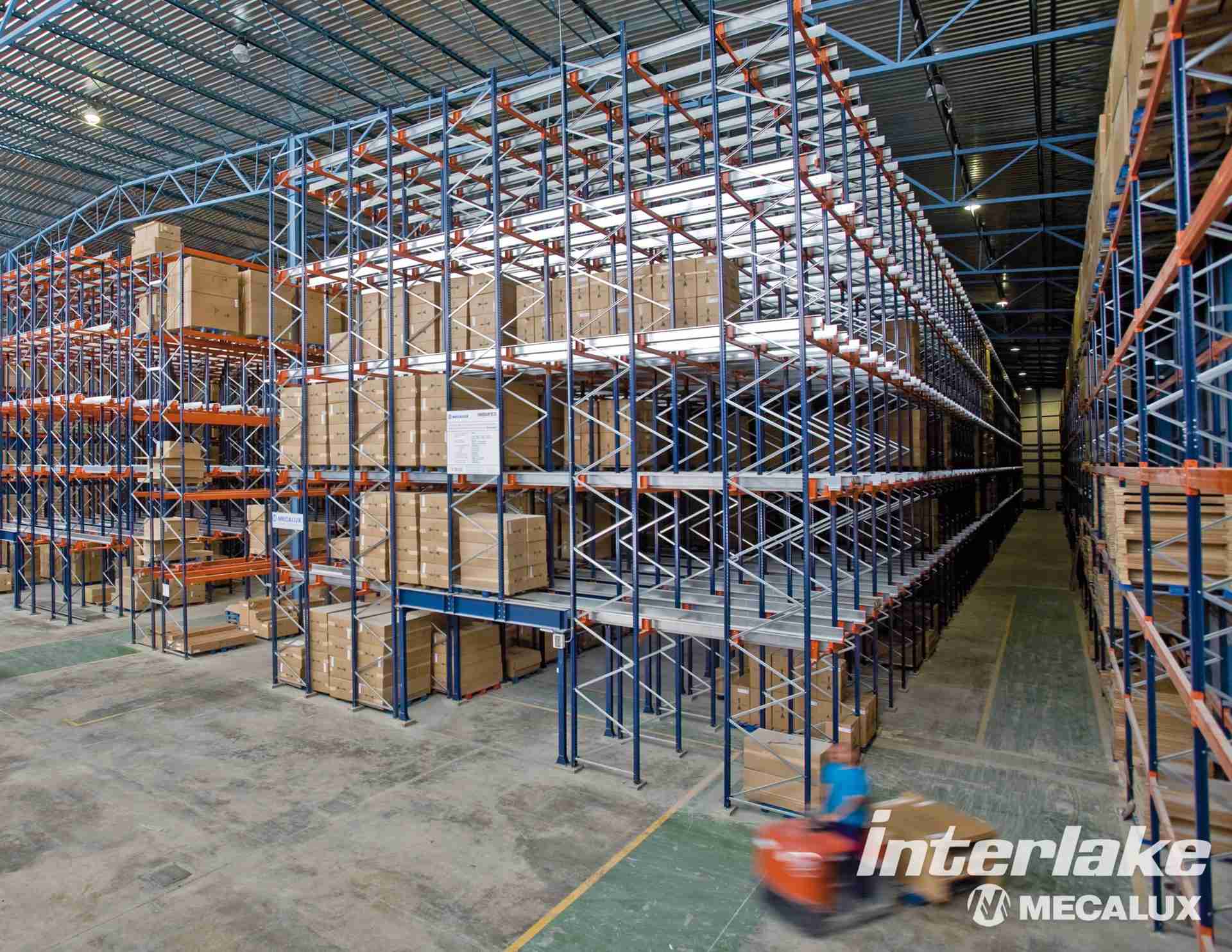
What Safety Benefits Does Cantilever Racking Provide?
What Safety Benefits Does Cantilever Racking Provide?
- Cantilever racking provides a reliable, practical safety solution that protects workers and equipment in industrial settings.
- Its open-front design is ideal for storing long or awkward items like lumber, pipes, and metal bars, reducing accidents from difficult loading.
- Keeps heavy items off the floor and away from foot traffic, minimizing trip hazards and collisions for a safer workspace.
- Reflects ethical responsibility by safeguarding workers’ well-being and supporting their livelihoods, strengthening respect within the supply chain.
- Engineered for strength and durability, cantilever racks withstand tough conditions without compromising stability.
- Upgrading to cantilever racking positively affects workplace culture by demonstrating management’s commitment to safety and quality.
- Acts as a dependable safety net based on practical design and respect for people, ensuring confidence in both storage and worker protection.

What Safety Benefits Does Cantilever Racking Provide?
How Do Wholesalers Optimize Space with Cantilever Racks?
When you’re running a wholesale operation, every inch of space counts. You can’t afford to let your warehouse turn into a maze of cluttered shelves or wasted corners. That’s where cantilever racks come into play—simple, tough, and downright practical. Unlike traditional pallet racking, which can feel a bit like boxing yourself in, cantilever racks open up your storage game. They let you stack long, odd-shaped items without struggling to fit them into confined spaces or deal with bulky uprights getting in the way.
Picture this: you’ve got pipes, lumber, or steel bars piling up, and the usual pallet racking just can’t cut it. Cantilever racks step in like a trusty workhorse, giving you open arms to stack and retrieve heavy or awkward goods with ease. No wasted space thanks to adjustable arms, so your inventory is stored efficiently—right where you need it, in plain sight and easy reach. It’s smart, no-nonsense design that helps you move stock faster, keep things organized, and avoid headaches when it comes time to load or unload.
From an ethical standpoint, optimizing warehouse space is about respect—respect for your team, your inventory, and your bottom line. Crowded, cramped warehouses wear people down and slow things up. A clean, well-organized space built around cantilever racking says you care about safety and efficiency. It fosters pride on the floor and cuts down on accidents. That kind of environment keeps your crew motivated and your operations humming smoothly.
This isn’t some fancy newfangled idea thrown around in a boardroom; it’s proven, grounded in the trenches of countless warehouses. People who’ve locked horns with pallet racking and cluttered spaces appreciate the straightforward solution cantilever racks offer. It’s a practical remodel that transforms chaos into clarity. Wholesalers trust this approach because it leverages the physics of storage and the realities of inventory management—you’re not just stacking goods, you’re shaping your workflow around real-world needs.
Optimizing space with cantilever racks is more than just shelving—it’s about giving your business room to breathe and grow. When the job’s done right, it shows. Inventory moves smoother, workers stay safer, and the warehouse feels less like a storage unit and more like a well-oiled machine. That’s a win worth stacking on.

How Do Wholesalers Optimize Space with Cantilever Racks?
How Do Wholesalers Optimize Space with Cantilever Racks?
- Cantilever racks maximize warehouse space by accommodating long, odd-shaped items without bulky uprights obstructing storage.
- They offer adjustable arms for efficient inventory storage, making heavy or awkward goods easy to stack and retrieve.
- Using cantilever racks improves organization, speeds up stock movement, and simplifies loading and unloading processes.
- Optimizing space with these racks promotes respect for workers, inventory, and business efficiency by creating safer, less cramped work environments.
- The design reduces accidents, boosts worker morale, and keeps warehouse operations running smoothly.
- Cantilever racks are a proven, practical solution favored by wholesalers for addressing the limitations of traditional pallet racking.
- Effective space optimization with cantilever racks transforms warehouses into efficient, well-functioning environments that support business growth.
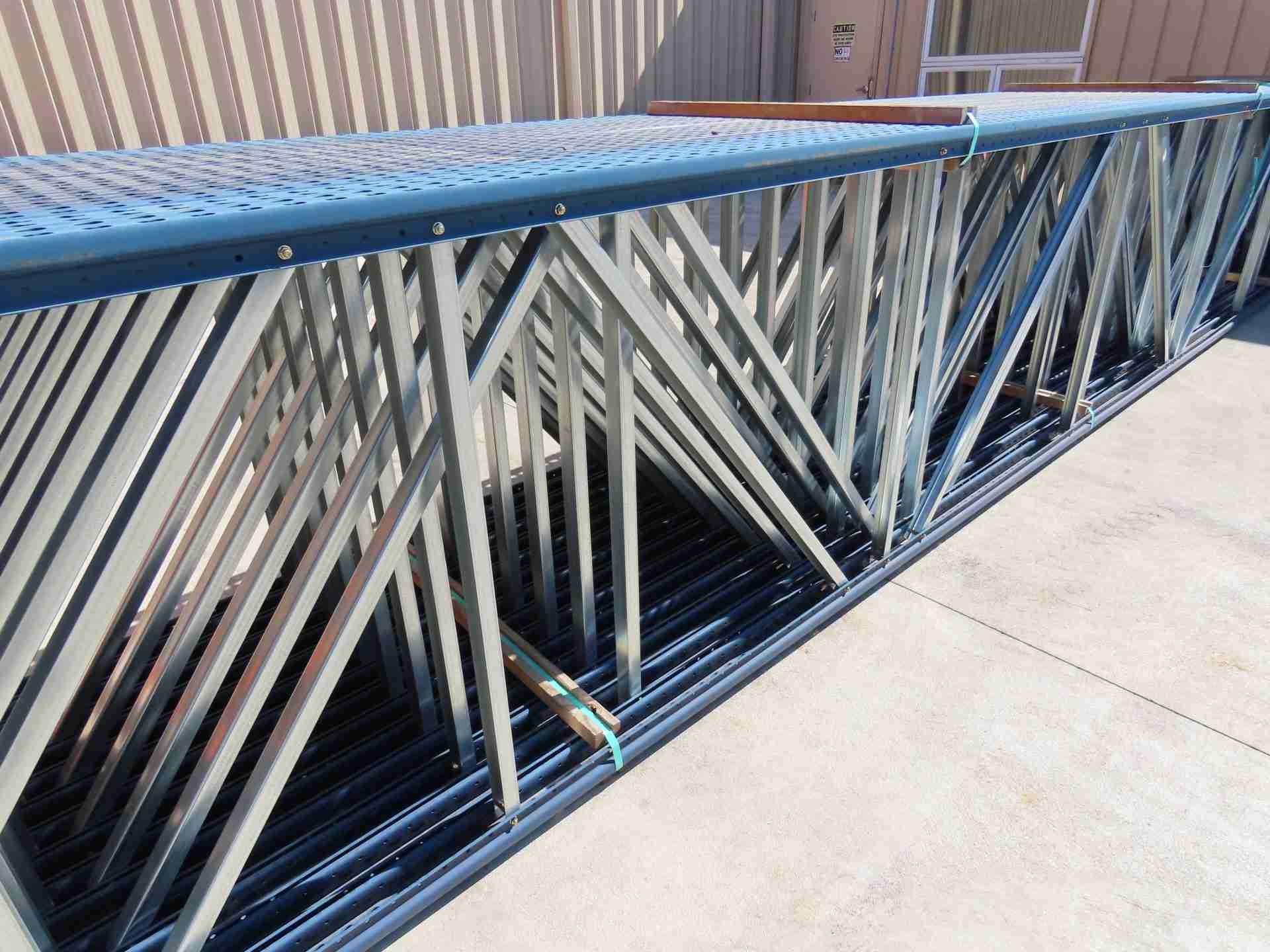
How Do Wholesalers Optimize Space with Cantilever Racks?
Conclusion
Copper tubing wholesalers know all too well the rough-and-tumble reality of handling long, heavy coils day after day. It’s not just about stacking metal; it’s about respect—for the material, the workers, and the entire chain that depends on flawless parts. Cantilever racking stands out not as some fancy gadget, but as a straightforward, muscle-built solution designed exactly for this kind of tough job. Unlike traditional pallet racking, which tries to squeeze long pipes and tubing into spaces they don’t fit, cantilever racks cradle these awkward lengths with open arms, making the stuff easy to see, grab, and store without bending or damaging it. That simple design change cuts costs by saving copper from dents and kinks, which otherwise turn valuable stock into trash—and lose customers’ trust in the process.
This method isn’t just smart for the bottom line; it’s ethical. Keeping materials in shape isn’t about penny-pinching; it’s about honoring the work that tradespeople pour into each project and upholding a wholesaler’s reputation for reliability. When copper stays crisp and ready, the job gets done right the first time, and everyone involved—from the warehouse hands to the contractors in the field—knows they’re working with respect and care.
Cantilever racking also transforms a warehouse from a cluttered maze into a clean, efficient battleground. Workers don’t waste time wrestling with bulky, poorly fitting storage; they see at a glance where everything lives and can move fast without risking injury or back-breaking labor. That smoothness in workflow boosts morale because when the gear works for you and not against you, the day doesn’t feel like a grind. It’s about common sense and dignity on the job, showing folks that their time and safety matter.
Space itself gets a whole lot smarter with cantilever racks. They stretch out arms to hold long items neatly, freeing up floor space and cutting the need for costly warehouse expansions. That means leaner overhead and a tidier footprint, which keeps operations nimble and wallets happier. Plus, these racks are built tough to last, so you’re not stuck replacing flimsy shelves every season, which adds up to less waste and more peace of mind.
Most importantly, safety improves. Cantilever racking reduces hazards by keeping heavy, awkward loads off the floor and easy to handle. Workers aren’t scrambling over piles or risking crushed fingers wrestling with gear that doesn’t fit. It’s a straightforward way to protect the folks putting in the sweat and keep accidents off the clock.
At the end of the day, choosing cantilever racking isn’t just a storage upgrade; it’s a statement—respecting your crew, your product, and your customers. It’s about turning a messy, costly challenge into a lean, trustworthy system that every person in the supply chain can count on. When things run smoother, safer, and smarter, the whole operation feels the difference—and that’s the kind of solid foundation every copper wholesaler deserves.
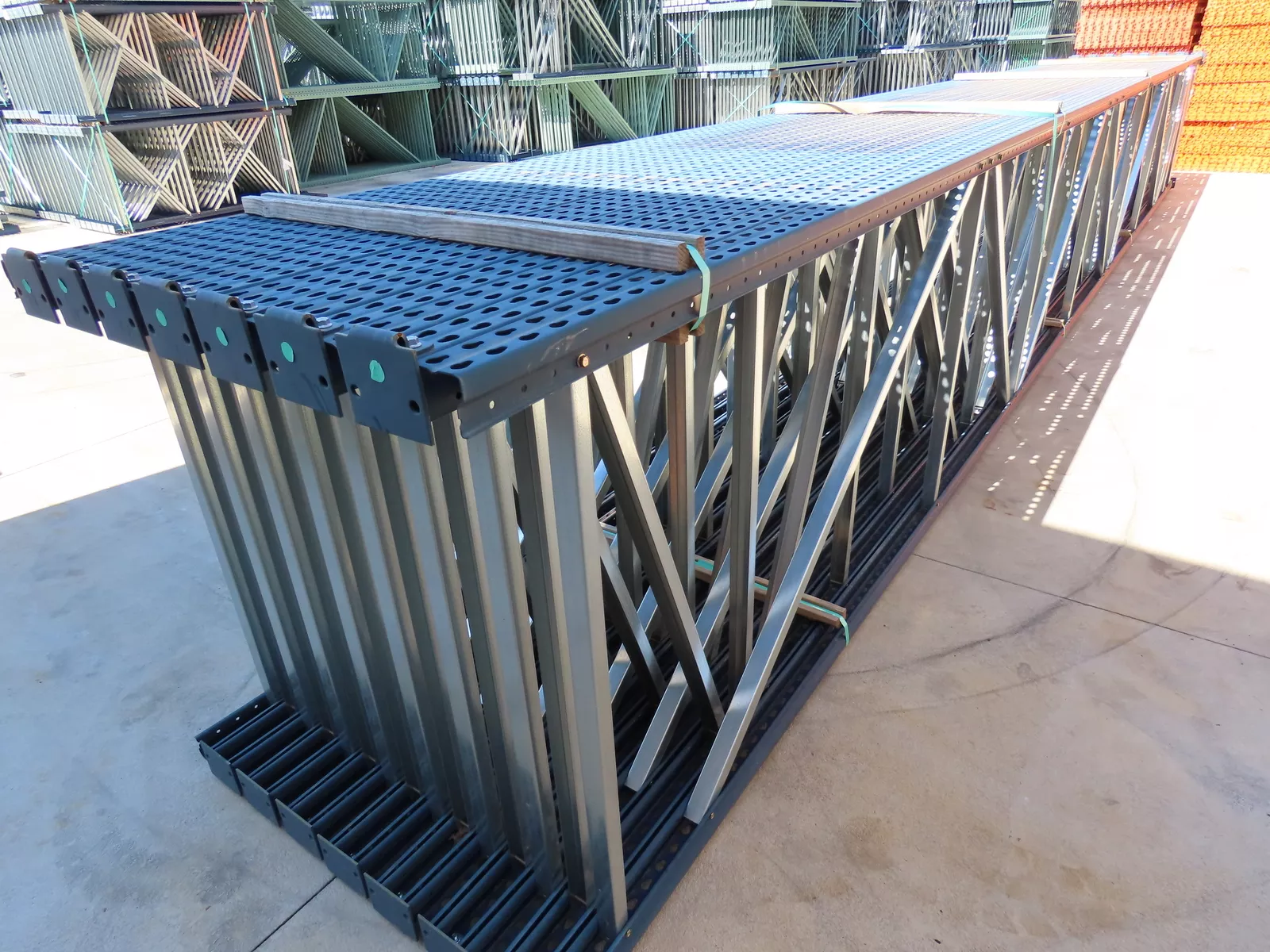
Conclusion
Conclusion:
- Copper tubing wholesalers face challenges handling heavy, long coils, requiring durable and respectful storage solutions.
- Cantilever racking offers a simple, robust alternative to traditional pallet racking by accommodating long pipes without bending or damage.
- This design reduces costs by preventing dents and kinks, preserving the quality and reputation of the product.
- Cantilever racks improve workflow efficiency by providing easy access and clear visibility, boosting worker morale and safety.
- They optimize warehouse space by neatly storing long items and reducing the need for costly expansions.
- The racks are durable, minimizing replacement needs and contributing to operational sustainability and peace of mind.
- Overall, cantilever racking promotes respect for workers, materials, and customers, creating a safer, smarter, and more reliable supply chain system.
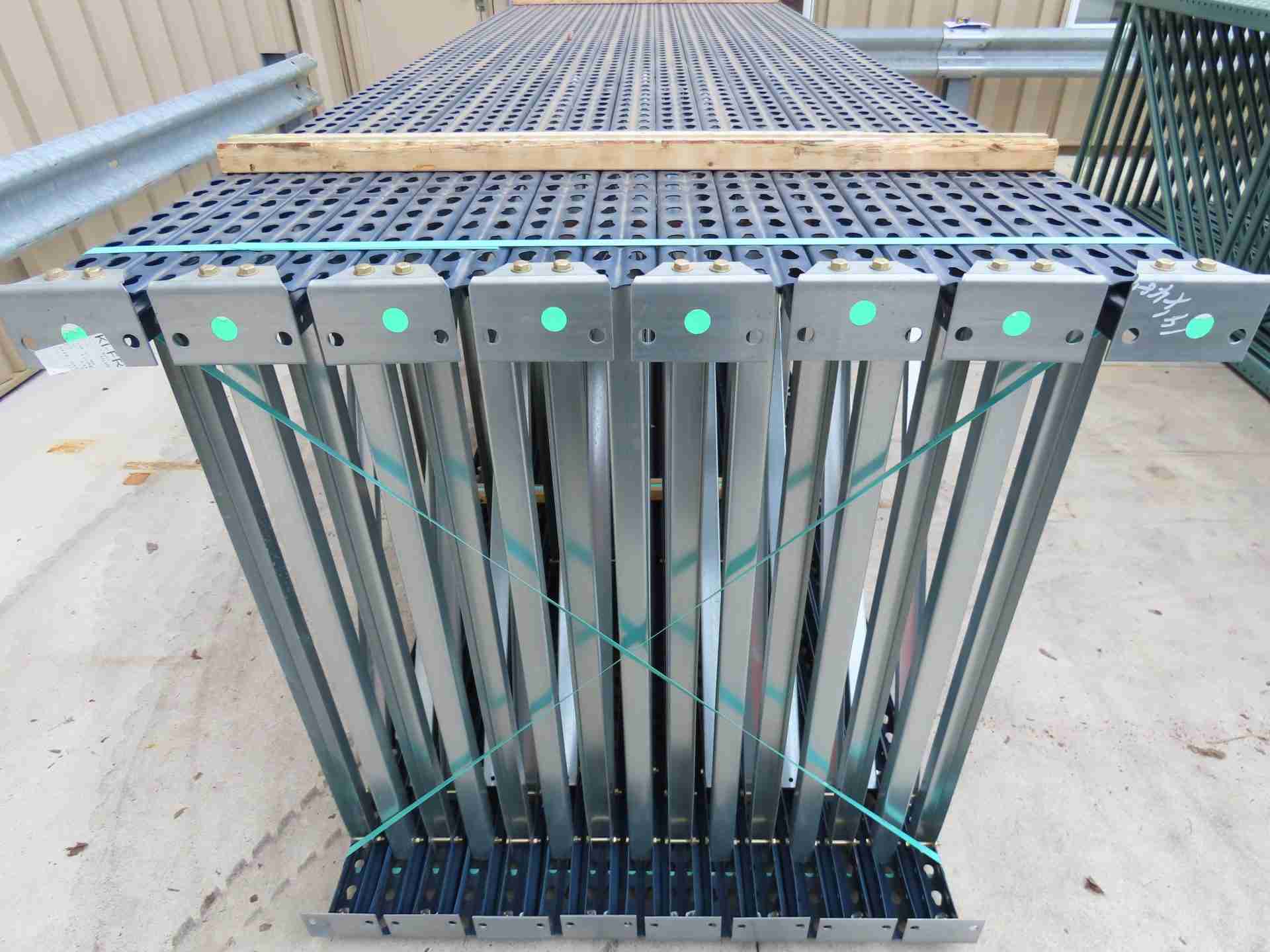
Conclusion
Other Resources
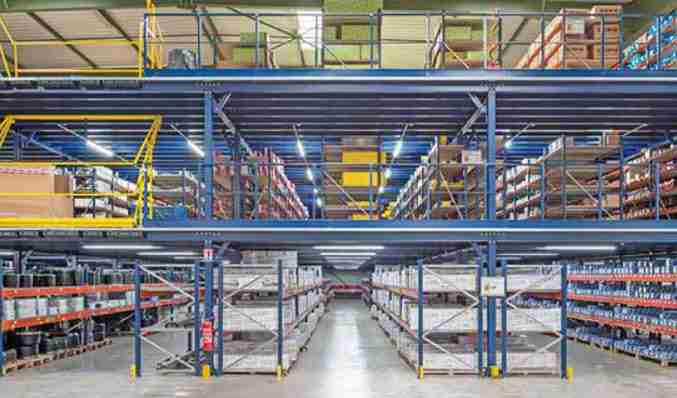
Other Resources
Here is a list of other resources you can review online to learn more:
- Warehouse Racking System: Powerful Guide to Optimise, 2024
- Cantilever Racks Chicago
- Warehouse Racking Chicago, IL
- IWLA
- Used Pallet Rack for Sale in Illinois – American Surplus
- Selective Racking
- What is Cantilever Racking? – AK Material Handling Systems
- Iowa Illinois Warehouse Racking
- American Surplus
- Illinois Pallet Racking – WPRP
- Selective Pallet Racking Systems
- Teardrop Pallet Rack – Ridg-U-Rak
- Teardrop Industrial Shelving Rack
- What is Selective Pallet Racking
- Cantilever Rack Guide: Ordering Cantilever Racking
- Selective Rack – Raymond West
- Overhead Lifting
- Arrow Industrial Sales
- Logic Material Handling
- Pallet Racking 101: A Comprehensive Guide & Options Explained
Use This Prompt To Get More Resources With Your Favorite Online AI Tool: Please provide me with a list of online articles with their URLs in a bulleted list that I can read regarding How Do Copper Tubing Wholesalers Leverage Cantilever Racking?

Other Resources
Glossary Terms
How Do Copper Tubing Wholesalers Leverage Cantilever Racking? – Glossary Of Terms
1. Copper Tubing: Hollow cylindrical pipes made of copper, used primarily for plumbing, HVAC, and refrigeration applications.
2. Wholesalers: Businesses that purchase goods in large quantities from manufacturers and sell them to retailers or other commercial users.
3. Cantilever Racking: A storage system featuring horizontal arms extending from vertical columns, designed for holding long or bulky items.
4. Inventory Management: The process of overseeing and controlling stock items to ensure optimal supply levels.
5. Storage Efficiency: The effective utilization of available storage space to maximize capacity and accessibility.
6. Load Capacity: The maximum weight that a shelving or racking system can safely support.
7. Accessibility: The ease with which stored items can be reached or retrieved from storage systems.
8. Space Optimization: The practice of arranging storage to use the smallest footprint while maximizing capacity.
9. Material Handling: The movement, protection, storage, and control of materials throughout processing and distribution.
10. Stock Rotation: The system of organizing inventory to use older stock before newer stock, reducing waste and obsolescence.
11. Vertical Storage: Utilizing height to store goods rather than only floor space, often via racking systems.
12. Bulk Storage: Holding large quantities of similar items in a single storage area or system.
13. Load Distribution: The even spread of weight across a storage system to prevent damage or collapse.
14. Structural Integrity: The ability of a rack or shelving system to hold its shape and support loads without failure.
15. Warehouse Layout: The planned arrangement of storage racks, aisles, and workspaces within a warehouse.
16. Picking Efficiency: The speed and ease with which items are selected from inventory for orders.
17. Ergonomics: Designing storage systems to reduce physical strain and improve worker safety.
18. Custom Racking: Storage systems designed specifically to fit unique inventory needs or warehouse layouts.
19. Modularity: The ability to add, remove, or reconfigure parts of the racking system as needed.
20. Heavy-Duty Racking: Racking systems built to support particularly heavy or bulky materials.
21. Load Arm: The horizontal beam of a cantilever rack supporting the stored items.
22. Upright Column: Vertical supports in a cantilever racking system anchoring the load arms.
23. Warehouse Throughput: The volume of goods processed through a warehouse over a given period.
24. Order Fulfillment: The process of receiving, processing, and delivering customer orders.
25. JIT Inventory: Just-In-Time inventory management focusing on minimizing stock and reducing storage time.
26. Safety Standards: Regulations and guidelines ensuring safe design and operation of storage systems.
27. Inventory Turnover: The rate at which inventory is sold and replaced over a period.
28. Space Utilization Ratio: The percentage of storage space actively used versus total available.
29. Automated Storage: Use of machines or computer-controlled systems to store and retrieve inventory.
30. Return on Investment (ROI): The measure of profitability relative to the costs of implementing storage solutions like cantilever racking.
Glossary Of Terms
Other Questions
How Do Copper Tubing Wholesalers Leverage Cantilever Racking? – Other Questions
If you wish to explore and discover more, consider looking for answers to these questions:
- What is the load capacity per arm and per bay for cantilever racking when storing copper tubing?
- How do I calculate the required number of arms and bay lengths for my tubing inventory?
- What are the standard sizes and configurations of cantilever racks available for copper tubing?
- How much does cantilever racking cost (per bay or per linear foot) and what are typical price ranges?
- What is the expected ROI and payback period after installing cantilever racking?
- Are there financing or leasing options for purchasing cantilever racks?
- How long does installation typically take and what site preparations are required?
- Can cantilever racks be retrofitted into an existing warehouse layout without major renovations?
- What floor or foundation requirements and anchor bolt specifications are needed?
- What safety standards, codes, or certifications (OSHA, local building codes) apply to cantilever racking?
- How should cantilever racking be anchored in seismic or high-wind regions?
- What inspection and maintenance routines should be followed to keep racks safe and functional?
- How do cantilever racks compare to pallet racking and specialized pipe racks in terms of capacity and cost?
- Can cantilever racking accommodate both straight lengths and coiled copper tubing?
- What accessories (arm pads, dividers, end stops, protective coatings) are recommended to prevent tubing damage?
- How does cantilever racking affect picking ergonomics and what equipment (forklifts, booms) is best for loading/unloading?
- What training or SOPs should be implemented for safe handling and storage on cantilever racks?
- How should inventory be organized, labeled, and tracked on cantilever systems for fast picking?
- Can cantilever racks be integrated with warehouse management systems (WMS) and existing inventory workflows?
- What are common failure modes for cantilever racks and how are they prevented or mitigated?
- How do environmental factors (humidity, temperature, outdoor exposure) affect stored copper and rack materials?
- Are there corrosion-resistant finishes or materials for cantilever racks used in humid or corrosive environments?
- What warranty terms and expected service life come with commercial cantilever racking systems?
- Is it cost‑effective to buy used cantilever racks, and what should be inspected before purchase?
- How modular and expandable are cantilever systems for future growth or changing inventory types?
- What are the best layout practices to maximize aisle width, forklift access, and throughput with cantilever racks?
- How does cantilever racking impact insurance premiums, liability, and compliance for wholesalers?
- What load testing and certification should be performed after installation and periodically thereafter?
- How do you handle mixed-material storage (copper, steel, PVC) on the same cantilever system safely?
- What are the recommended spacing and contact points to avoid creating pressure points that dent tubing?
- How should damaged tubing be identified, quarantined, and documented to minimize downstream issues?
- What are real-world case studies or metrics showing time and cost savings after switching to cantilever racking?
- How do cantilever racks perform in cold storage or refrigerated environments?
- What sustainable or recyclable rack options exist and how do they affect lifecycle cost and environmental impact?
- How should emergency access routes and fire protection considerations be handled around cantilever racking?
- What are recommended procedures for stacking, overhanging, or cantilevering very long tubing beyond arm length?
- How can theft or unauthorized removal of tubing be minimized when using open-front cantilever racks?
Other Questions
Checklist
How Do Copper Tubing Wholesalers Leverage Cantilever Racking? – A Checklist
Scope and Inventory
✅______ Catalog copper tubing SKUs by length, diameter, weight, and bundling method
✅______ Define maximum bundle weight and typical pick quantities
✅______ Measure longest stock length and heaviest bundle
✅______ Confirm indoor/outdoor storage requirements (corrosion and weather protection)
Rack Design and Specification
✅______ Select cantilever type (single- or double-sided) based on aisle width and access
✅______ Verify upright, base, and arm capacities exceed maximum load plus safety factor
✅______ Choose arm length to fully support bundles with 10–25% maximum overhang
✅______ Set arm spacing to prevent sagging or kinks based on tubing stiffness and diameter
✅______ Specify arm end stops or lips to prevent roll-off where needed
✅______ Select surface finish (galvanized or powder coat) suitable for the environment
✅______ Plan for modular adjustability (arm heights and add-on bays)
Layout and Space Optimization
✅______ Map current floor plan; identify dead space and travel paths
✅______ Set clear aisle widths matched to lift equipment turning radius
✅______ Zone by length and diameter for first-reach access to fast movers
✅______ Use vertical cube to maximize arm levels within safe reach and clearances
✅______ Place heavy or long items at ergonomic heights to reduce strain
✅______ Provide staging zones for receiving, cutting, and outbound
Safety and Compliance
✅______ Engineer-stamped design for load ratings and seismic/wind, as applicable
✅______ Anchor bases per manufacturer specifications and slab capacity
✅______ Install column and base guards in high-traffic areas
✅______ Apply load signage (per bay and per arm) and safety labels
✅______ Add end stops or retention chains where fall risk exists
✅______ Maintain clear egress, fire code compliance, and sprinkler clearances
✅______ Implement lockout/tagout for installation and repairs
Equipment Compatibility
✅______ Match rack depth and height to forklifts, side loaders, or cranes used
✅______ Validate fork tine length versus arm length and load depth
✅______ Confirm mast height for top-arm access with a safety margin
✅______ Provide suitable spreader bars or clamps for bundle handling
Damage Prevention
✅______ Use protective arm pads or dunnage for soft metal surfaces
✅______ Standardize bundle strapping and banding protection (corner guards)
✅______ Define lift points and handling SOPs to avoid pressure points
✅______ Separate mixed diameters to prevent point loading and abrasion
✅______ Set maximum stack height per tubing specifications and weight
Workflow and Organization
✅______ Implement clear bin/arm labeling and location IDs
✅______ Slot fast-moving SKUs at optimal heights and near docks and cutting
✅______ Define FIFO/FEFO rules, if applicable, for coatings and age
✅______ Create standardized putaway and pick paths to reduce travel
✅______ Provide visual cues (color zones) for sizes and grades
Cost and ROI
✅______ Baseline current damage rate (units and dollars) and labor time per pick
✅______ Estimate footprint reduction and deferred expansion costs
✅______ Calculate labor savings from reduced travel and handling
✅______ Include lifecycle costs (maintenance and reconfiguration) in ROI
✅______ Track payback period target (e.g., 18–24 months or less)
Installation and Commissioning
✅______ Verify slab condition, levelness, and expansion joints
✅______ Assemble per manufacturer torque specifications and sequence
✅______ Conduct load tests on representative bays before full load
✅______ Complete third-party inspection if required
✅______ Document as-built layout and capacities
Operations and Training
✅______ Train operators on new SOPs, load limits, and safe handling
✅______ Certify lift drivers for side loading and long-load movement
✅______ Introduce spotter protocol for long-load maneuvers
✅______ Post quick-reference guides at rack ends and docks
Inspection and Maintenance
✅______ Schedule daily visual checks for damage, loose hardware, and overloading
✅______ Perform quarterly torque checks and alignment verification
✅______ Replace bent or damaged arms and guards immediately
✅______ Keep arms and decks free of debris and oil to prevent slips or roll-offs
✅______ Maintain updated inspection logs and corrective actions
KPIs and Continuous Improvement
✅______ Damage rate to copper tubing: target ≤ 0.5%
✅______ Average pick time per bundle: target ____ minutes
✅______ Labor hours per order line: target ____ hours
✅______ Space utilization (cube): target ≥ 85%
✅______ Record near-miss and incident rates; implement countermeasures
✅______ Review slotting quarterly based on demand patterns
Customer Trust and Quality
✅______ Document chain of custody from receipt to shipment
✅______ Include handling standards on supplier and customer purchase orders
✅______ Conduct outbound QC for dents, kinks, and contamination
✅______ Share performance improvements (damage reduction and OTIF) with customers
Documentation
✅______ Maintain drawings, load charts, and certifications on file
✅______ Update SOPs and training records after any layout changes
✅______ Archive warranty and parts lists for rapid replacement
Go-Live Readiness
✅______ All signage installed and readable
✅______ All aisles and egress paths marked and clear
✅______ Operators trained and certified
✅______ KPIs set, baseline captured, and dashboard live
✅______ First audit scheduled within 30 days of go-live
Checklist
At RackingWorld, we help guide you through selecting warehouse storage systems and racking.
Be sure to read our other related stories at RackingWorld to learn more about warehouse storage systems.
0 Comments