
Maximize Efficiency And Safety In Aggregate Storage With Smart Pallet Racking
By Tom Seest
At RackingWorld, we help guide you through selecting warehouse storage systems and racking.
Be sure to read our other related stories at RackingWorld to learn more about warehouse storage systems.
How Do Construction Aggregate Storage Leverage Pallet Racking?
When it comes to storing construction aggregate, you want a solution that works as hard as you do — no bells and whistles, just solid performance. That’s where pallet racking comes into play. It’s the kind of straightforward, no-nonsense system that turns a dusty heap of gravel or crushed stone into something you can actually organize and control. You’ve seen worksites where aggregate sits piled up in a corner, turning into a mess and a headache. Pallet racking changes that story by giving you a footprint that’s not just tidy but smart.
From the hands-on guy stacking bags or moving wheelbarrows full of sand, pallet racking means less bending down, less scrambling, less wasted time. It keeps your aggregates off the ground and off your shoulders, making loading and unloading smoother. Imagine this: instead of hunting through a jumbled pile, you know exactly where a specific type of aggregate is stored. It’s rational, efficient, and cuts down on mistakes that cost time and money. Your team can move quicker, work safer, and waste less product — all good for the bottom line and morale on site.
There’s a quiet, ethical side to this too. Taking care of your materials shows respect for your craft and for the people who work hard every day. Proper storage protects the quality of your aggregate so you’re not sending out half-dirty loads or mixing materials accidentally. It’s like showing up reliable in front of clients and crews alike, building trust one pallet at a time. When things are lined up and running smooth, everyone can see you mean business — not just in talk but in how you handle the dirt and grit that keep everything moving forward.
Pallet racking has been around for a long time because it works. It’s a proven tool that’s been trusted in warehouses and now finds its place in the rough-and-tumble world of construction. That sense of dependability makes it easy to recommend. If you’ve ever stood with a gravel shovel in your hands, cursing at a heap that won’t behave, you know why this matters. It’s not fancy; it’s smart, steady, and reliable. When you choose pallet racking for your aggregate, you’re making a down-to-earth decision that pays off in grit, grind, and good work.
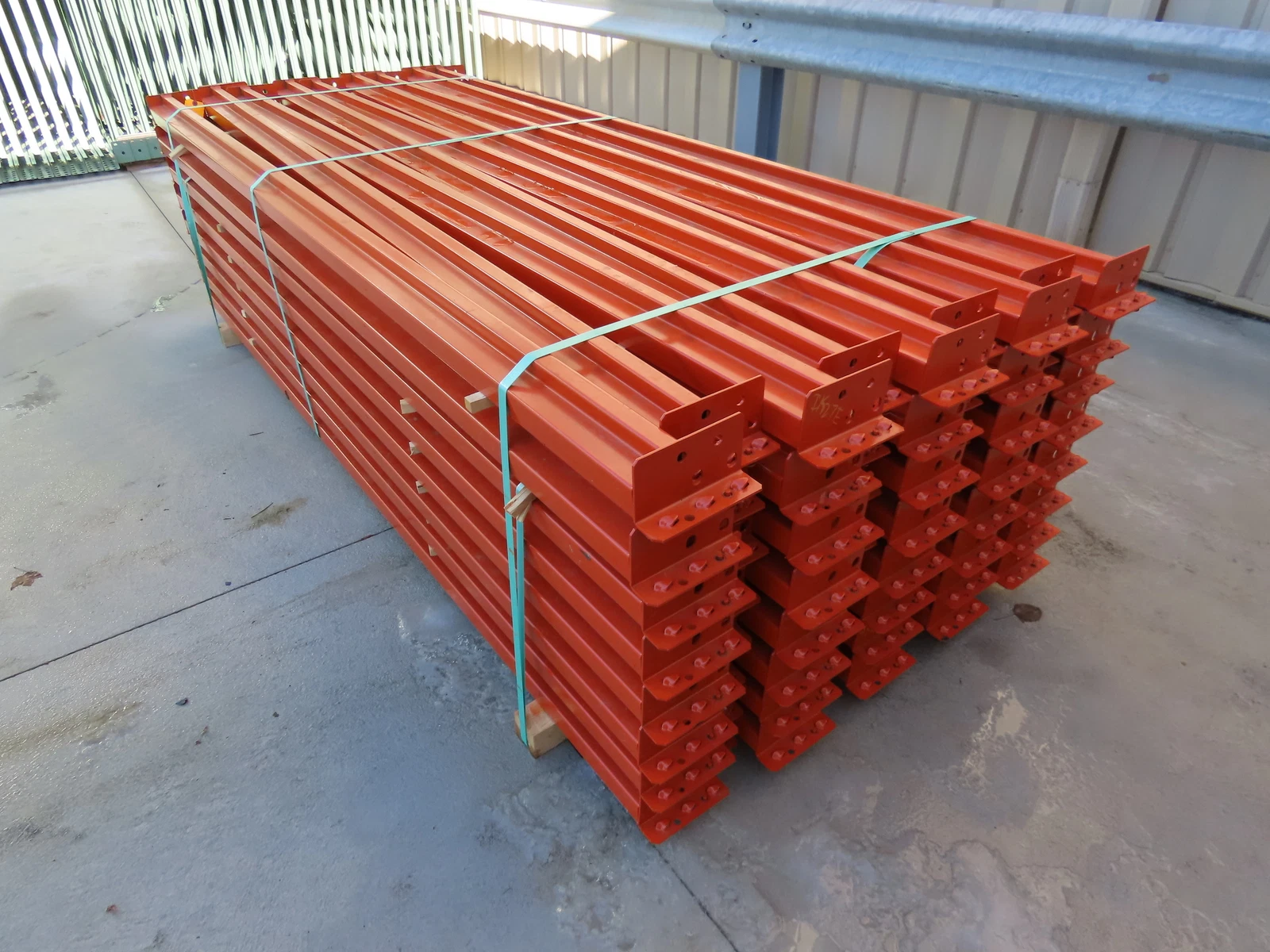
How Do Construction Aggregate Storage Leverage Pallet Racking?
How Do Construction Aggregate Storage Leverage Pallet Racking?
- Pallet racking provides a straightforward, efficient solution for organizing construction aggregates like gravel and crushed stone.
- It keeps materials off the ground, reducing bending, scrambling, and wasted time during loading and unloading.
- Organized storage allows easy identification of specific aggregate types, improving efficiency and reducing costly mistakes.
- Proper storage protects material quality, preventing contamination and maintaining trust with clients and crews.
- Pallet racking contributes to safer, faster, and more productive work environments, boosting team morale and profitability.
- It is a proven, dependable system with a long history of successful use in warehouses and construction sites.
- Choosing pallet racking is a practical, no-nonsense decision that supports reliable, high-quality work on site.

How Do Construction Aggregate Storage Leverage Pallet Racking?
Table Of Contents
- How Do Construction Aggregate Storage Leverage Pallet Racking?
- What Challenges Arise In Storing Construction Aggregates Efficiently?
- How Does Pallet Racking Improve Space Utilization In Storage?
- Can Pallet Racking Reduce the Risk Of Aggregate Contamination?
- What Materials Best Suit Pallet Racking for Heavy Aggregates?
- How Does Pallet Racking Enhance Site Safety with Aggregate Storage?
- What Is the Cost-Benefit Of Pallet Racking In Aggregate Storage?
- Conclusion
- Other Resources
- Glossary Of Terms
- Other Questions
- Checklist
What Challenges Arise In Storing Construction Aggregates Efficiently?
Storing construction aggregates sounds simple enough—rocks, gravel, sand—just pile ’em up and call it a day, right? But anyone who’s spent a minute in the dirt knows it’s never that easy. The challenges pile up faster than a dump truck load when you don’t have the right setup. Keeping materials dry, accessible, and safe feels like wrestling an octopus with one hand tied behind your back. You want efficiency, but the ground shifts, the weather doesn’t care about your schedule, and space is always tight. That’s where smart solutions come in, like using pallet racking systems to keep things organized and off the bare ground. It’s not fancy, but it’s the difference between scrambling for that last bag of gravel and smooth sailing on the job.
Now, think about the wear and tear on equipment and folks. When aggregates aren’t stored right, you get dust everywhere, clogging machines, wasting time cleaning, and risking injury when stuff spills or shifts unexpectedly. It’s a matter of respect—respect for the material, the crew, the clock. Keeping piles controlled and materials correctly stored means fewer headaches, less waste, and a safer site. That’s not just good business; it’s the right thing to do. Team members trust you when they know you’ve thought through the lay of the land and care about their day-to-day work.
On a practical level, using structured storage like pallet racking takes a load off—from spills and mix-ups to standing water and contamination. It’s a straightforward fix grounded in common sense. You establish a flow: unload, store, and retrieve with minimal fuss or risk. And when the job’s done right, it shows. Clients see the order, the efficiency, the pride in how the worksite looks and runs. It builds your reputation, one handful of gravel at a time.
This isn’t just about bricks and mortar; it’s about how you run your operation with grit and foresight. When your aggregates are stored efficiently, you’re not just managing materials—you’re managing trust, safety, and momentum. So invest in that simple pallet racking or whatever container system fits your needs, because the payoff isn’t just neat piles—it’s peace of mind and the steady hum of a job well done.

What Challenges Arise In Storing Construction Aggregates Efficiently?
What Challenges Arise In Storing Construction Aggregates Efficiently?
- Storing construction aggregates like rocks, gravel, and sand requires careful planning to keep materials dry, accessible, and safe despite challenges like shifting ground and weather.
- Using pallet racking systems helps organize materials off the ground, preventing chaos and enabling smoother operation on the job site.
- Improper storage leads to dust, equipment clogging, wasted cleaning time, and safety risks from spills or shifting materials.
- Properly stored aggregates show respect for materials, workers, and schedules, resulting in fewer headaches, less waste, and a safer site environment.
- Structured storage solutions reduce risks of spills, contamination, and mix-ups, creating an efficient flow from unloading to retrieval.
- Well-managed aggregate storage enhances worksite appearance, operational efficiency, and builds a reputation for professionalism and pride in workmanship.
- Storing aggregates efficiently is about managing trust, safety, and momentum, delivering peace of mind and steady progress through simple but effective storage investments.
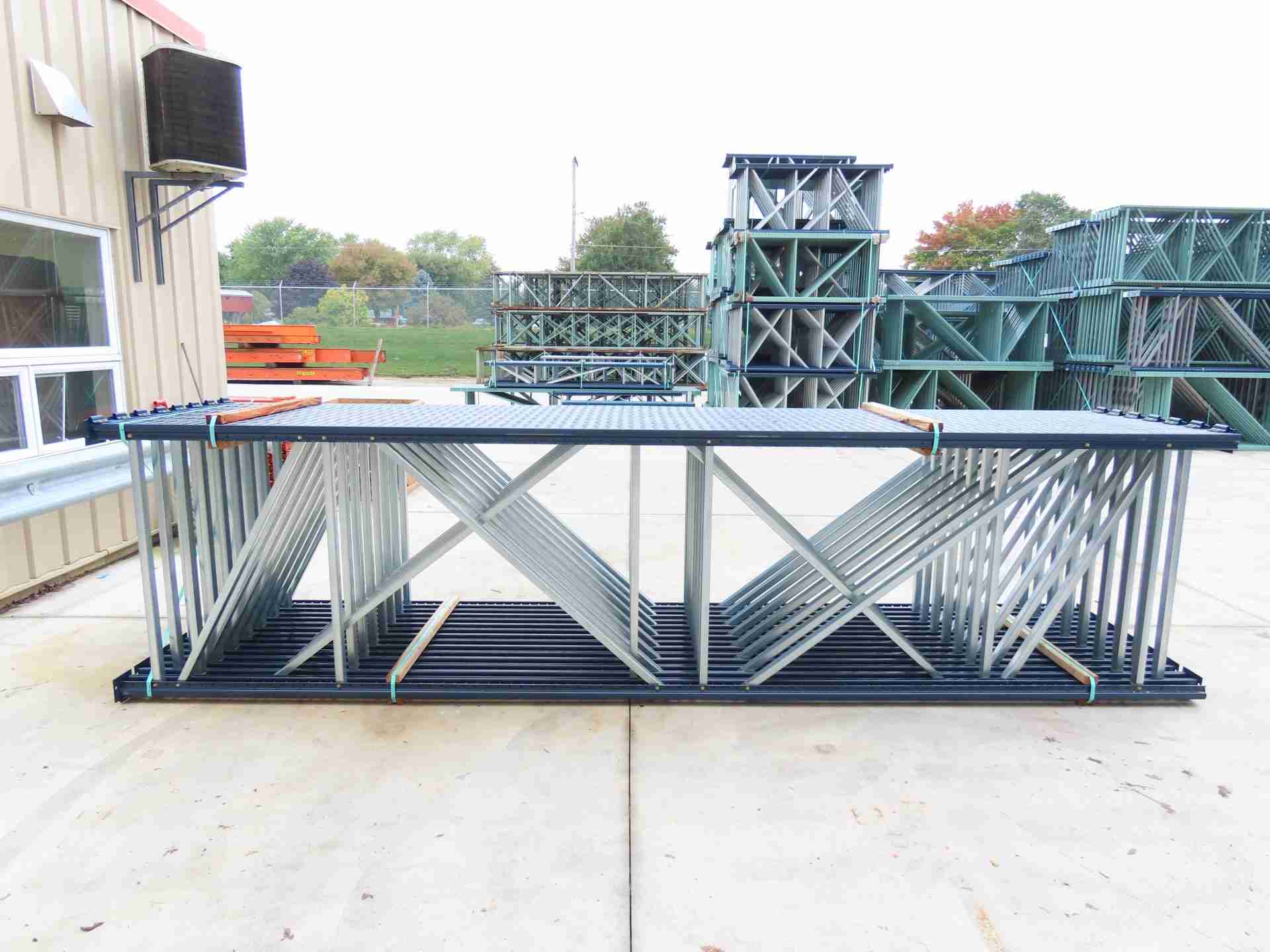
What Challenges Arise In Storing Construction Aggregates Efficiently?
How Does Pallet Racking Improve Space Utilization In Storage?
Look, when you’ve got a warehouse or a shop floor that’s bursting at the seams, the last thing you want is to be tripping over boxes or wasting precious square footage. Pallet Racking isn’t just some fancy shelf—it’s the backbone of making every inch count. It’s the kind of solution that speaks straight to the gut of anyone who’s ever had to deal with cluttered storage: it’s practical, reliable, and downright makes the job easier.
From a no-nonsense, common-sense angle, Pallet Racking pulls double duty by stacking your goods vertically, not just laying them out flat. That means you can store more on the same footprint, freeing up space to move, work, and grow. It’s like turning your warehouse into a high-rise instead of a bungalow—same land, way more room. This speaks to the head, the logic of it is clear: better space use equals less scrambling and better order.
But this isn’t just about efficiency. There’s a real emotional heft too. Imagine walking through your tidy, organized space where everything has its place—a place for every pallet, and every pallet in its place. It’s a small thing, but it cuts down stress, frustration, and the nagging feeling that things might fall apart anytime. When your storage system works like a well-oiled machine, it feels good—like you’re on top of things, not buried under them.
Ethically, Pallet Racking shows respect for the investment you’ve made—your products, your time, your workforce. It’s not just shoving stuff in a corner—it’s caring for your materials so they stay safe and intact. That’s responsible stewardship right there, making sure what you’ve got doesn’t get damaged turning into lost money and headaches. Plus, it’s safer for folks on the floor, which is something no one can put a price on.
From an authority perspective, bunches of companies, from small shops to massive distribution centers, trust Pallet Racking because it works. It’s a tried-and-true system that’s been tested over years of hard use. When seasoned managers and warehouse crews swear by it, you know it’s more than just hype—it’s a solid tool you can count on.
Taking control of your storage with Pallet Racking isn’t just a smart move; it’s a step toward a better, smoother-running business. It invites you to join the ranks of hands-on folks who’ve seen the difference firsthand and know what works. When the floor’s clear, the pallets are stacked right, and the space feels right—well, you can’t help but feel like you’re ahead of the game.
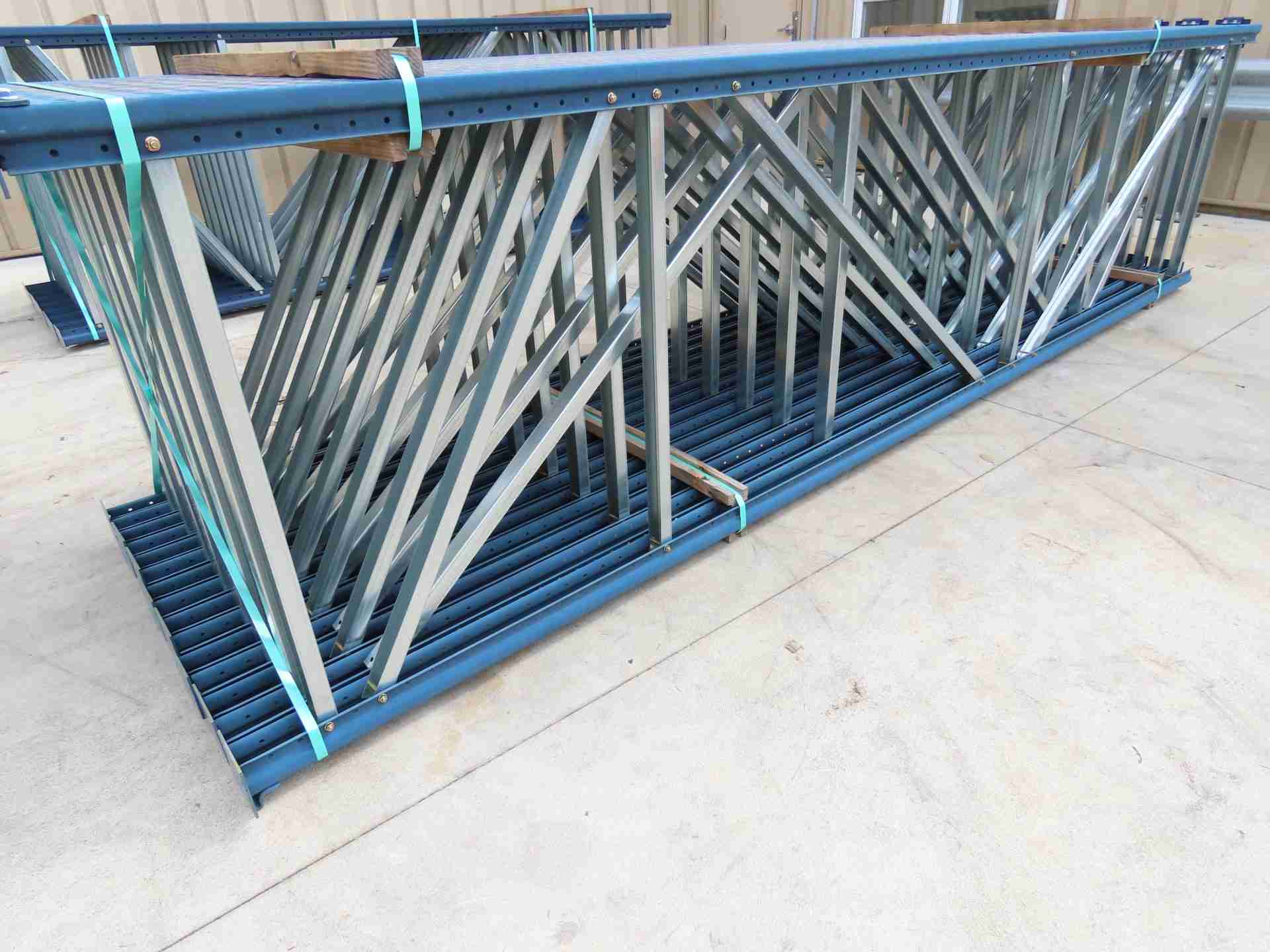
How Does Pallet Racking Improve Space Utilization In Storage?
How Does Pallet Racking Improve Space Utilization In Storage?
- Pallet Racking maximizes warehouse and shop floor space by efficiently using vertical storage, reducing clutter and wasted square footage.
- It allows storing more goods on the same footprint, freeing space for movement, work, and growth, enhancing operational efficiency.
- Organized storage reduces stress and frustration by ensuring everything has a designated place, creating a well-ordered environment.
- Pallet Racking protects investments by keeping products safe and intact, demonstrating responsible handling of materials.
- It improves workplace safety by minimizing hazards on the floor, benefiting the workforce significantly.
- Trusted by a wide range of businesses from small shops to large distribution centers due to its proven reliability and effectiveness.
- Implementing Pallet Racking fosters smoother, more controlled operations and a sense of being ahead in managing storage challenges.

How Does Pallet Racking Improve Space Utilization In Storage?
Can Pallet Racking Reduce the Risk Of Aggregate Contamination?
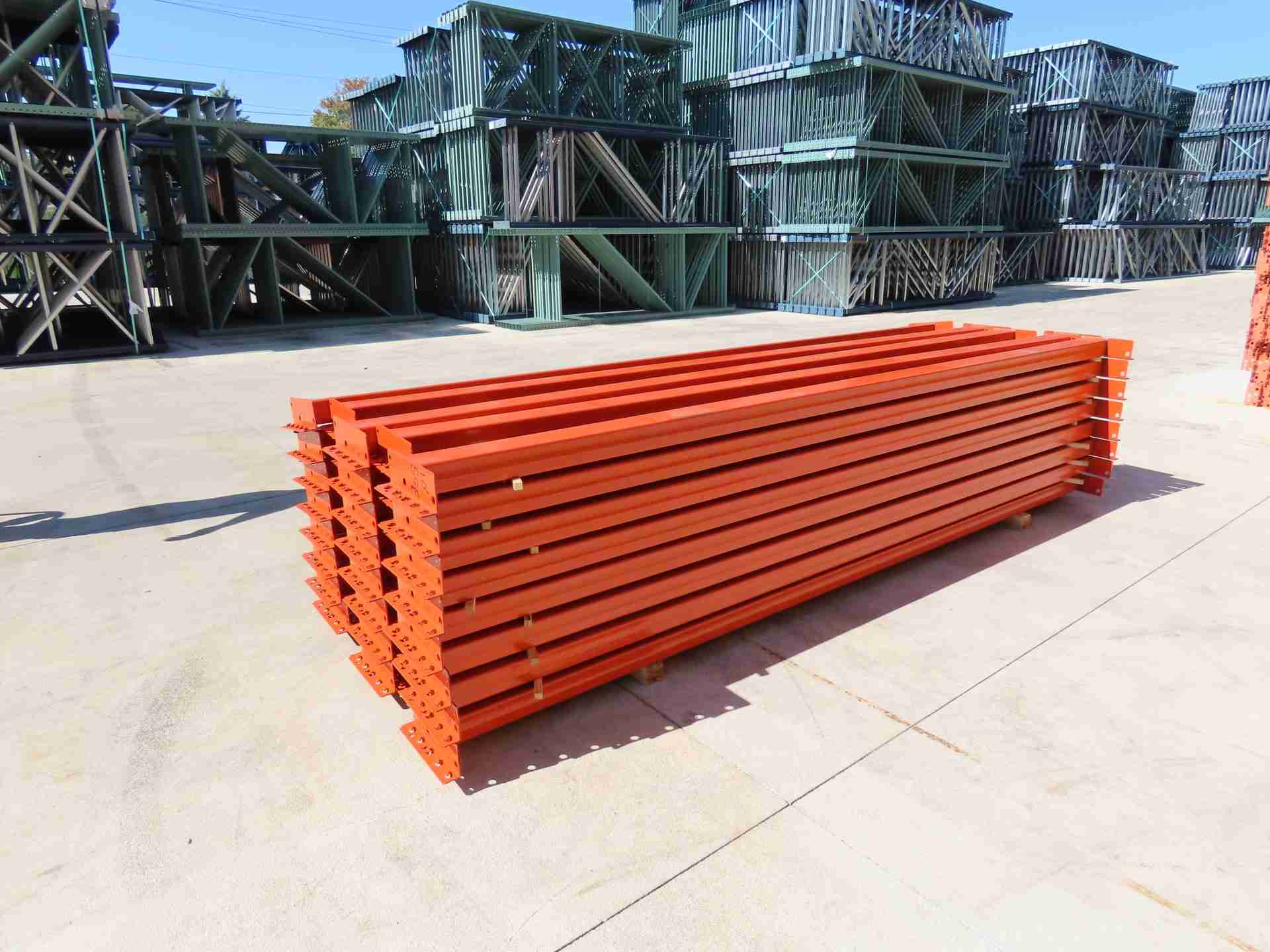
When you’re knee-deep in a jobsite, dealing with piles of gravel, sand, or crushed stone, the last thing you want is to worry about contamination. You know how quickly things get messy—dust flying, rain turning dirt into mud, tools and materials mixed together like a jumbled puzzle. That’s where pallet racking steps up like a trusted workhorse. It’s not just some fancy storage idea; it’s a straightforward, no-nonsense way to keep your aggregates clean and cut down on cross-contamination that can mess with the quality of your mix.
Think about it—when your pallets are stacked on the ground or thrown haphazardly, the dirt, moisture, and debris don’t just hang around; they soak into your aggregates. That’s wasted material, weakened mixes, and a whole lot of frustration later. Pallet racking lifts those materials off the floor, keeping them solidly separated and protected. It’s a smart move that respects the integrity of the product you and your crew depend on every day.
From an ethical standpoint, handling materials responsibly matters. You’re providing clients with quality, safe jobs that stand the test of time. Using pallet racking is a straightforward way to uphold that promise—it’s about doing the job right, not taking shortcuts. This isn’t just a line item on a budget sheet; it’s a commitment to craftsmanship and respect for the work at hand.
There’s wisdom in this approach that comes from years on the shop floor. It’s easy to overlook, but knowing your aggregates are stored properly lets you sleep a bit easier at night. It’s like having a good set of tools—you trust they’ll be ready when you need them. Pallet racking earns that trust by preventing contamination that’s invisible until it bites you on the backside with weak concrete or costly delays.
Pallet racking isn’t just about neat piles; it’s about control, pride in your work, and cutting down waste. When the job’s done right from the ground up, that’s when everyone knows you’re serious. So, next time you’re setting up storage for aggregates, think about what pallet racking does for your bottom line—and your peace of mind. It’s an investment that pays off in solid results and fewer headaches down the road.
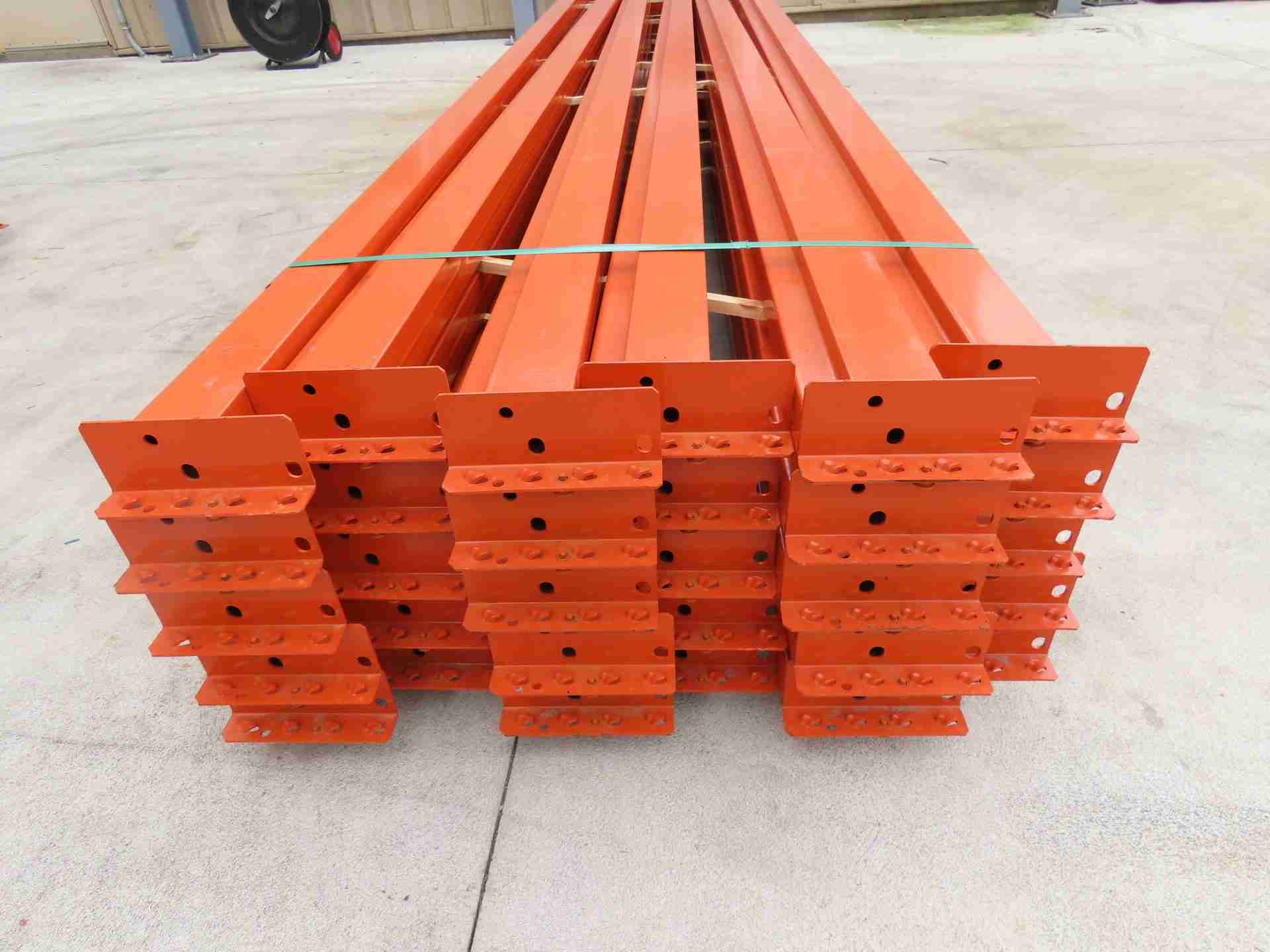
Can Pallet Racking Reduce the Risk Of Aggregate Contamination?
Can Pallet Racking Reduce the Risk Of Aggregate Contamination?
- Pallet racking helps prevent contamination of aggregates like gravel, sand, and crushed stone on job sites.
- Storing pallets off the ground protects materials from dirt, moisture, and debris, preserving mix quality.
- Proper storage reduces waste, weak mixes, and frustration caused by contaminated materials.
- Using pallet racking reflects ethical responsibility by ensuring quality and safety in construction work.
- It demonstrates commitment to craftsmanship and doing jobs correctly without shortcuts.
- Proper aggregate storage builds trust and prevents hidden issues like weak concrete and costly delays.
- Pallet racking contributes to efficiency, pride in work, and improved bottom-line results.
Can Pallet Racking Reduce the Risk Of Aggregate Contamination?
What Materials Best Suit Pallet Racking for Heavy Aggregates?
When you’re dealing with heavy aggregates, the last thing you want is pallet racking that bends, breaks, or lets you down right when the workload is heaviest. Choosing the right materials for pallet racking isn’t just about ticking boxes on a spec sheet—it’s about knowing the grind every day, feeling the weight on your shoulders, and trusting your gear won’t quit on you halfway through the job.
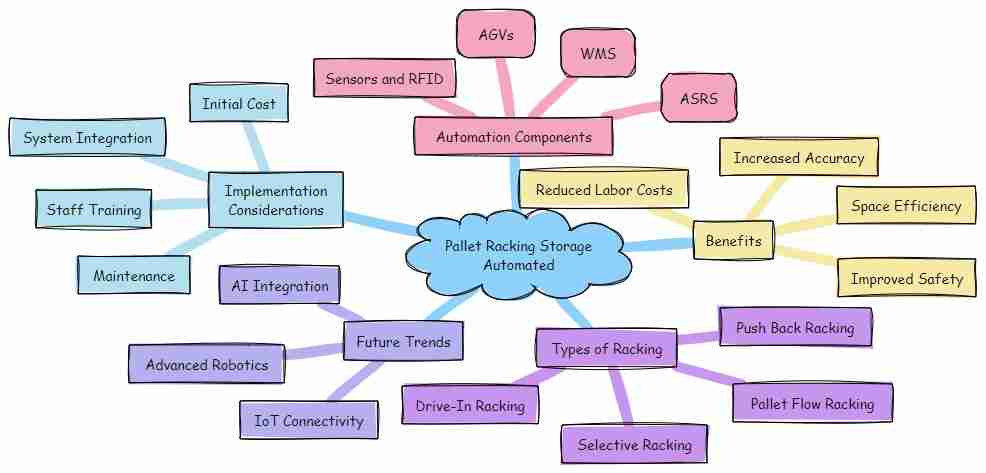
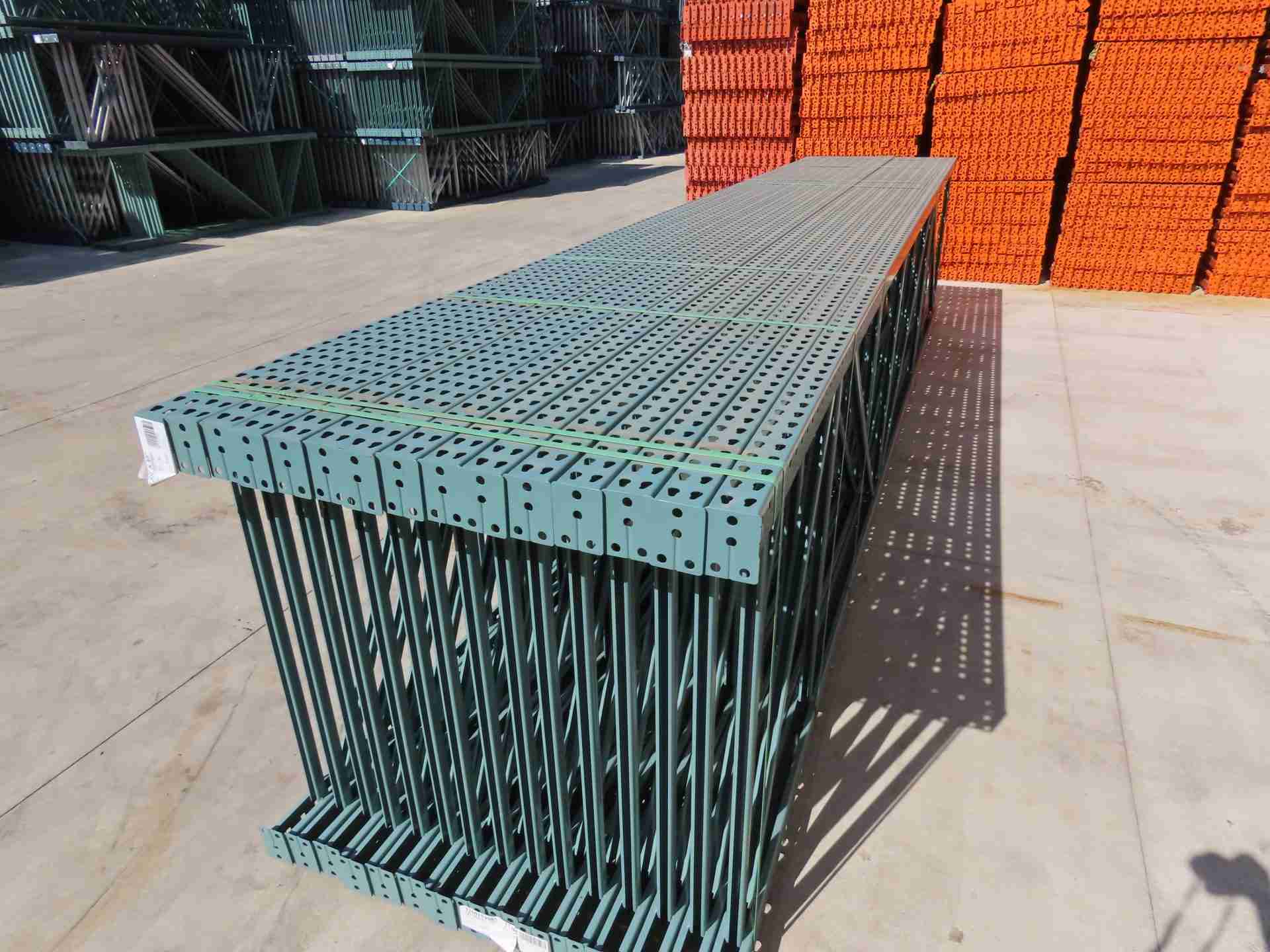
Steel is the heavyweight champ for a reason. It’s the backbone of pallet racking when you’re stacking tons of stone, sand, or gravel. Thick-gauge, high-strength steel frames can handle the abuse and last for years without sagging or warping. You don’t want that wobble in your racks—it’s more than a little unsettling; it’s dangerous. The rust-resistant coatings or galvanization on steel racks keep them looking tough and working strong no matter if the warehouse is damp or dusty. You’re investing not just money but peace of mind when you go with solid steel.
Wood might look easy on the eyes and feel friendly underfoot, but when it comes to heavy aggregates, it’s a soft touch. Wood tends to bow and chip under serious weight, and it isn’t built to last in gritty, heavy-use environments. You need pallet racking materials that don’t flinch under pressure. Steel’s sheer strength speaks to a no-nonsense ethic: it won’t cut corners just to save a buck.
Aluminum racks might seem tempting because they’re lighter, but they don’t bring the muscle you need. Tough jobs demand tough materials—and aluminum simply doesn’t have the grit or durability for the daily grind of heavy aggregate storage. It’s like trying to haul a load with a half-empty tank—you want full strength every time.
Choosing the right pallet racking materials also respects the people who lean on them. Your crew works hard, and they deserve equipment that won’t put them at risk or slow down production. Using premium steel racks shows you value safety and efficiency—both cornerstones of a good, honest operation. It’s about building trust with your team and your business.
When your pallet racking holds up under the weight of heavy aggregates, it tells a story of reliability, grit, and smart choices. It’s a simple truth: the right material combined with solid design keeps your operation humming and your workdays a little less brutal. Pallet racking isn’t just storage—it’s the foundation of getting the job done right, day in and day out.
What Materials Best Suit Pallet Racking for Heavy Aggregates?
What Materials Best Suit Pallet Racking for Heavy Aggregates?
- Heavy aggregates demand pallet racking that won’t bend, break, or fail under pressure.
- Steel is the preferred material due to its thick-gauge, high-strength frames that resist sagging and warping over time.
- Rust-resistant coatings on steel racks ensure durability in damp or dusty warehouse environments.
- Wood is unsuitable for heavy loads as it bows, chips, and lacks longevity in tough conditions.
- Aluminum racks are lightweight but lack the necessary strength and durability for heavy aggregate storage.
- Choosing premium steel racks enhances safety and efficiency, supporting the workforce and production.
- Reliable pallet racking with the right materials and design ensures smooth operations and long-term job success.
What Materials Best Suit Pallet Racking for Heavy Aggregates?
How Does Pallet Racking Enhance Site Safety with Aggregate Storage?
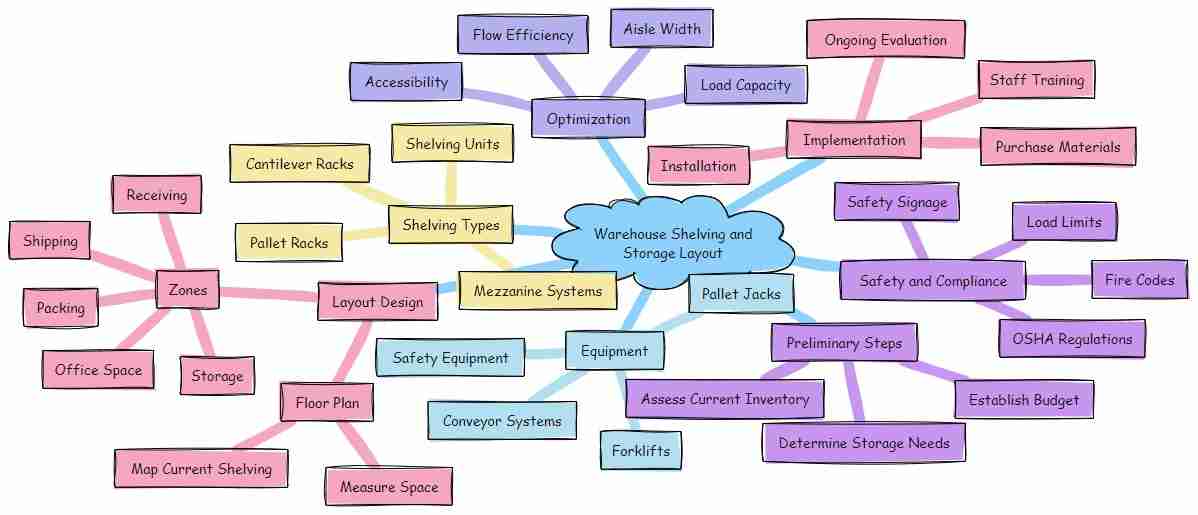
When you’re knee-deep in aggregate storage, the last thing you want is chaos or accidents lurking around every crate and pile. Pallet racking steps in like the quiet workhorse of your site, turning what could be a recipe for disaster into a smooth-running, safe operation. It’s not just about stacking stuff higher—it’s about stacking it smarter, making sure every bag, every sack, every chunk of aggregate sits exactly where it should without threatening the folks on the floor.
Think about the everyday grind: trucks rolling in, forklifts navigating tight aisles, hands busy loading and unloading. Without pallet racking, you’re looking at heaps of aggregate that can shift, topple, or block emergency exits. That’s where pallet racking earns its keep, offering sturdy, organized levels that keep heavy loads secure. It’s the difference between a workspace that feels like a minefield and one you can trust your crew to move through confidently.
There’s a real human side to this too. Every time someone walks into a site that’s tidy, orderly, and safe, it sends a message: “We care about you.” That’s the kind of workplace that not only protects but also respects people. It’s good for morale, because nobody wants to clock in worrying about being crushed under a careless pile. Pallet racking isn’t just steel and bolts—it’s a promise that safety isn’t an afterthought but a priority built into the very bones of the operation.
From a cold, hard facts perspective, pallet racking maximizes visibility and accessibility. When aggregate is stored properly, it reduces the chance of accidents caused by reaching or twisting in awkward spots. It lessens physical strain, cuts down on spills and breakage, and keeps pathways clear for quick exits if something goes wrong. Safety inspections become easier, and compliance with industry standards isn’t just a box checked; it’s an everyday reality.
This isn’t rocket science—it’s good, old-fashioned common sense wrapped in a robust framework. Sites with pallet racking aren’t just safer; they’re smarter. They show the kind of care and attention that spreads from the warehouse floor to the folks who count on a steady paycheck, weekend family time, and the confidence that they’ll make it home in one piece. Pallet racking does more than hold aggregate—it holds your team’s trust, sweat equity, and peace of mind.
How Does Pallet Racking Enhance Site Safety with Aggregate Storage?
How Does Pallet Racking Enhance Site Safety with Aggregate Storage?
- Pallet racking transforms aggregate storage from chaotic and hazardous to organized and safe by stacking materials smarter, not just higher.
- It provides sturdy, secure levels that prevent aggregate piles from shifting, toppling, or blocking emergency exits during busy operations.
- A tidy, orderly site with pallet racking promotes a workplace culture that values and respects employee safety, boosting morale.
- Proper storage with pallet racking enhances visibility and accessibility, reducing physical strain and minimizing accidents caused by awkward movements.
- Clear pathways enabled by pallet racking facilitate quick exits and simplify safety inspections, ensuring ongoing compliance with industry standards.
- The system embodies practical common sense, improving both safety and operational efficiency on site.
- Pallet racking supports not only the physical load of aggregate but also the trust, wellbeing, and confidence of the workforce.
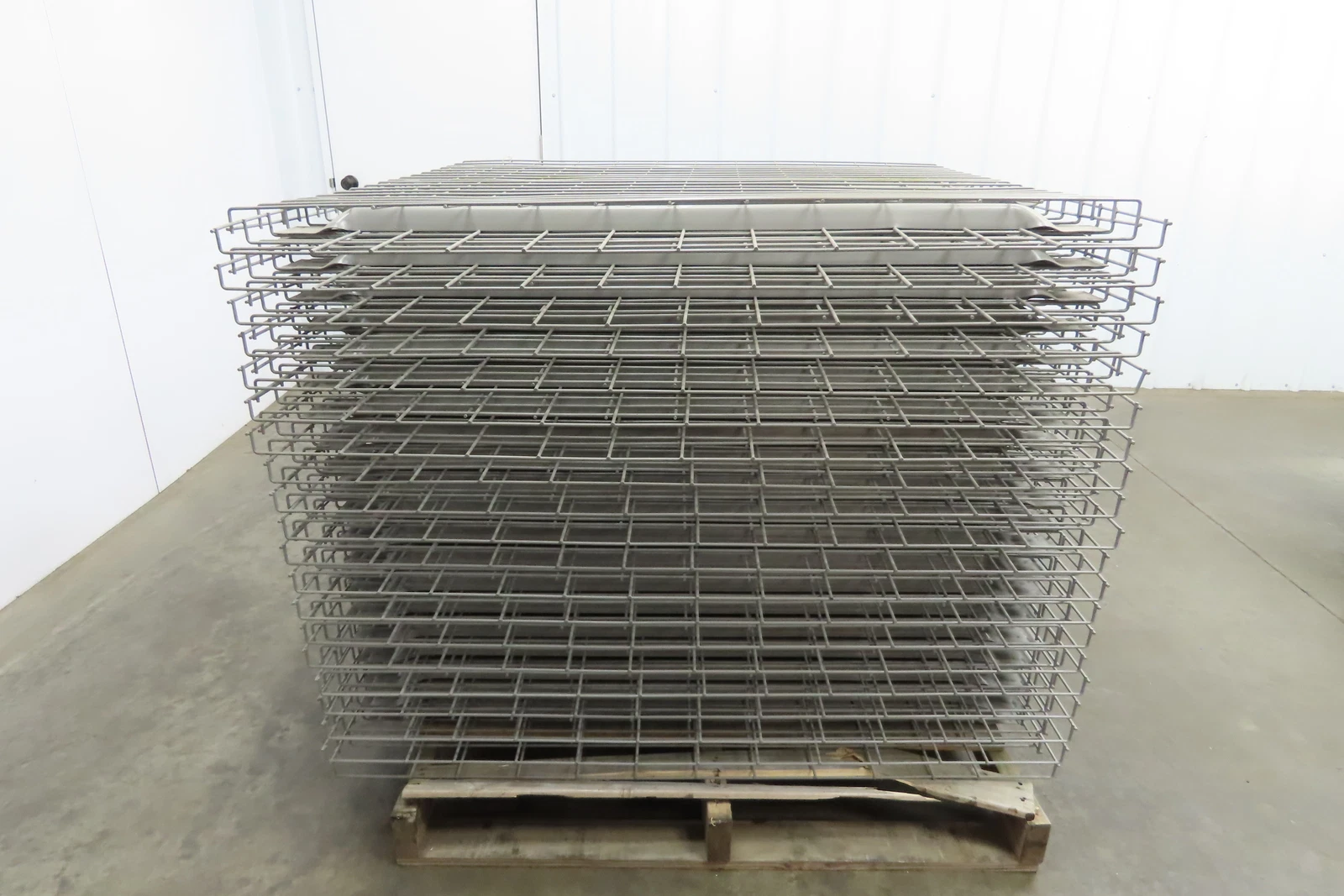
How Does Pallet Racking Enhance Site Safety with Aggregate Storage?
What Is the Cost-Benefit Of Pallet Racking In Aggregate Storage?
When you run a yard full of heavy stuff like gravel, sand, or crushed rock, space isn’t just a luxury—it’s pure gold. Pallet racking might sound like fancy warehouse talk, but at its core, it’s about making the most of every square foot without turning your place into a cluttered mess. The real cost-benefit here isn’t just dollars; it’s sweat, time, and peace of mind.
On the surface, you’ll see upfront costs—steel beams, installation, maybe even some downtime shifting things around. That’s the obvious hit to the wallet. But dig deeper, and the benefits stack up like a well-organized pallet rack. First off, better storage equals easier access. When you’re not scrambling through heaps of aggregate to find one load, every minute saved on site turns into more work done and less grief suffered. That’s money in the bank, plain and simple.
Then there’s safety—the kind that keeps your crew’s fingers and backs intact. Pallet racking tames the wild piles, reducing spill risk and the chance of nasty accidents. A safer yard means fewer interruptions, fewer insurance headaches, and a smoother running operation. It’s ethical too. Taking care of the folks who actually do the heavy lifting isn’t just good HR—it’s the right thing to do.
But beyond head and heart, there’s the gut feeling every site manager knows: chaos in storage means trouble downstream. When loads settle haphazardly, you waste material, damage product, and scramble to keep up with orders. Pallet racking forces organization, and that translates to confidence. You know where your stuff is, how much you’ve got, and that when a truck shows up, it’s ready to roll out without a hitch.
Stories from yards that embraced pallet racking often speak to a turning point—a shift from “just getting by” to running like a well-oiled machine. It’s a quiet kind of pride, watching the space transform from a jumbled heap into a clear, efficient system. When your crew respects the setup, when the flow improves, it changes the whole vibe.
So, weigh the upfront costs against time saved, safety improved, and product protected. Pallet racking isn’t just shelving. It’s a tool that works hard for you, every day, turning clutter into order, and headaches into habits you don’t have to worry about. That’s value you can count on, built from the ground up and proven in the dirt.
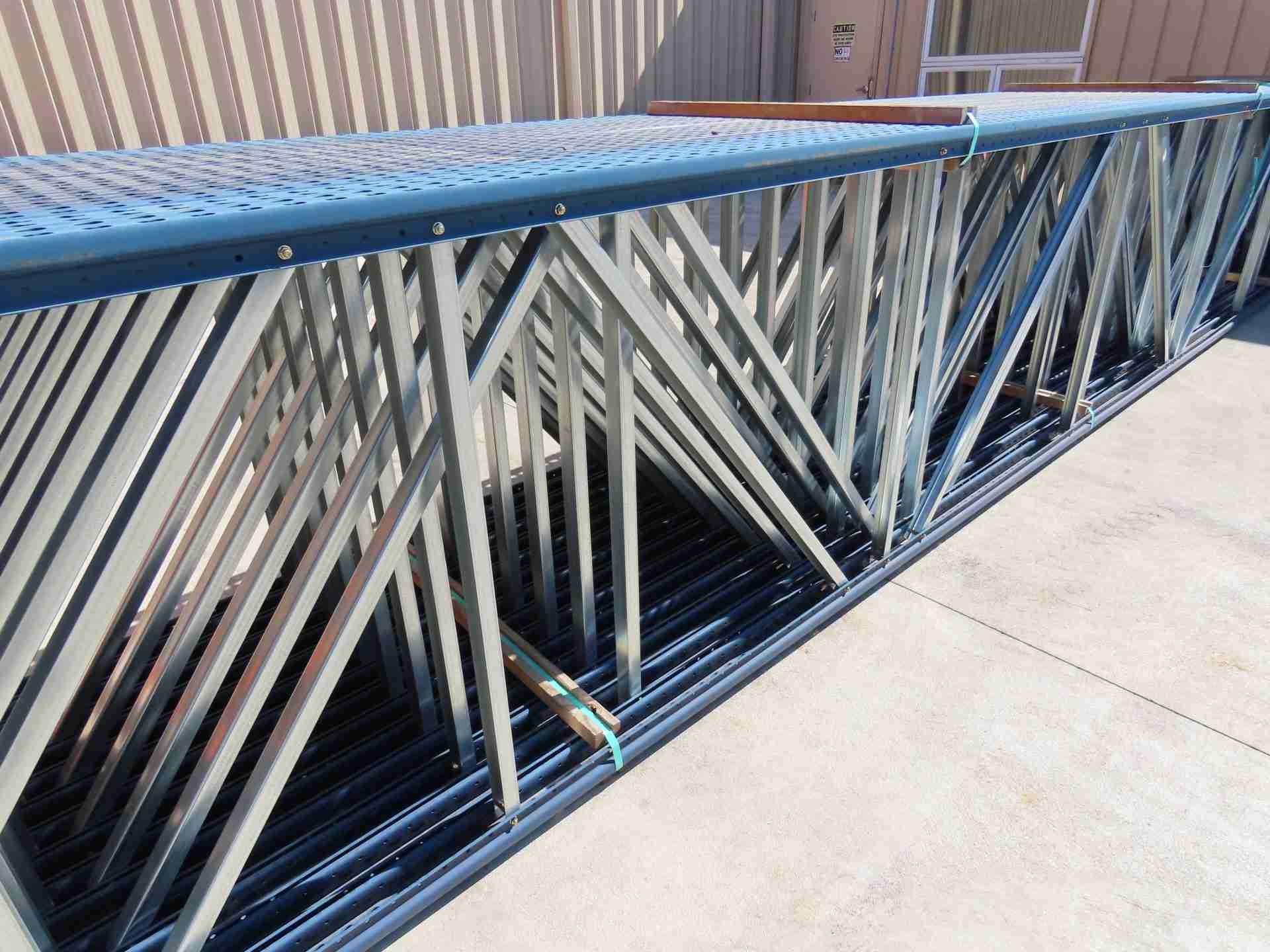
What Is the Cost-Benefit Of Pallet Racking In Aggregate Storage?
What Is the Cost-Benefit Of Pallet Racking In Aggregate Storage?
- Space is extremely valuable in yards handling heavy materials like gravel, sand, or crushed rock; pallet racking maximizes every square foot without clutter.
- Upfront costs include steel beams, installation, and potential downtime, but long-term benefits outweigh these initial expenses.
- Improved storage leads to easier access, saving time on site and increasing overall productivity.
- Pallet racking enhances safety by reducing spill risks and accidents, leading to fewer interruptions and insurance issues.
- Organized storage prevents material waste, product damage, and order delays, fostering operational confidence.
- Yards adopting pallet racking often experience a significant improvement in efficiency and crew morale.
- Pallet racking transforms clutter into order, providing consistent value through time savings, safety, and product protection.

What Is the Cost-Benefit Of Pallet Racking In Aggregate Storage?
Conclusion
Construction aggregate storage might sound simple—just pile it up and move on—but anyone who’s worked the job knows it’s a mess waiting to happen without the right system. Pallet racking cuts through the chaos like a trusted tool, turning heaps of gravel, sand, and stone into a neat, manageable setup. It’s not glamorous; it’s common-sense smarts layered on plain hard work. Keeping materials off the ground and organized on sturdy racks saves backs from bending, cuts down wasted time hunting through piles, and stops costly mix-ups. When your crew knows exactly where everything is, they move faster and safer, and that builds more than efficiency—it earns respect.
There’s an ethical streak here, too. Taking care of your materials means you’re taking care of your people and your reputation. Proper storage protects the quality of what you haul out, so your work stands the test of time and your clients see you as someone who knows their business. When your site’s orderly and materials stored right, it sends a message loud and clear: you show up ready to work, not just talk shop.
Pallet racking also makes the most out of your space, stacking vertically where you otherwise couldn’t, turning your yard or warehouse into a high-rise of productivity. That kind of smart use of space cuts clutter, keeps your gear and walkways clear, and lowers stress for everyone on site. It’s built on solid steel made to stand up to heavy loads day after day, without bowing or failing when the job gets tough. Nothing fancy, just tough as nails—and that’s exactly what you need in this business.
On safety, pallet racking is a quiet guardian. It tames those heavy piles so they don’t topple over, keeps aisles open, and reduces the chances of injuries that wreck schedules and spirits alike. When your storage works for you, your crew knows someone’s got their back. That trust is priceless—it keeps fingers intact and morale high.
Financially, sure, pallet racking costs upfront. But what you get back in saved time, less waste, fewer accidents, and better order makes it pay off fast. It’s not just dollars and cents; it’s smoother workdays and a crew that’s not fighting the mess. It’s about turning your yard into a well-oiled machine instead of a dusty battlefield.
In the end, pallet racking for aggregate storage is about grit and grind, respect and reliability. It’s a practical choice that honors the sweat you put in every day and helps get the job done right. When your materials are stacked smart, your team works safer, and your site runs smoother—that’s when you know you’ve made the right call.

Conclusion
Conclusion:
- Pallet racking organizes construction aggregates like gravel, sand, and stone into neat, manageable setups, preventing messy piles.
- It keeps materials off the ground, reduces wasted time, prevents costly mix-ups, and improves efficiency and safety on site.
- Proper storage protects material quality, supports reputation, and conveys professionalism and readiness to clients.
- Stacking vertically maximizes storage space, reduces clutter, keeps walkways clear, and lowers stress for workers.
- Pallet racking is made of sturdy steel designed to withstand heavy loads and tough work conditions.
- It enhances safety by preventing toppling piles, maintaining open aisles, and reducing injury risks.
- Although it requires initial investment, pallet racking saves time, reduces waste and accidents, and creates a smoother workflow.
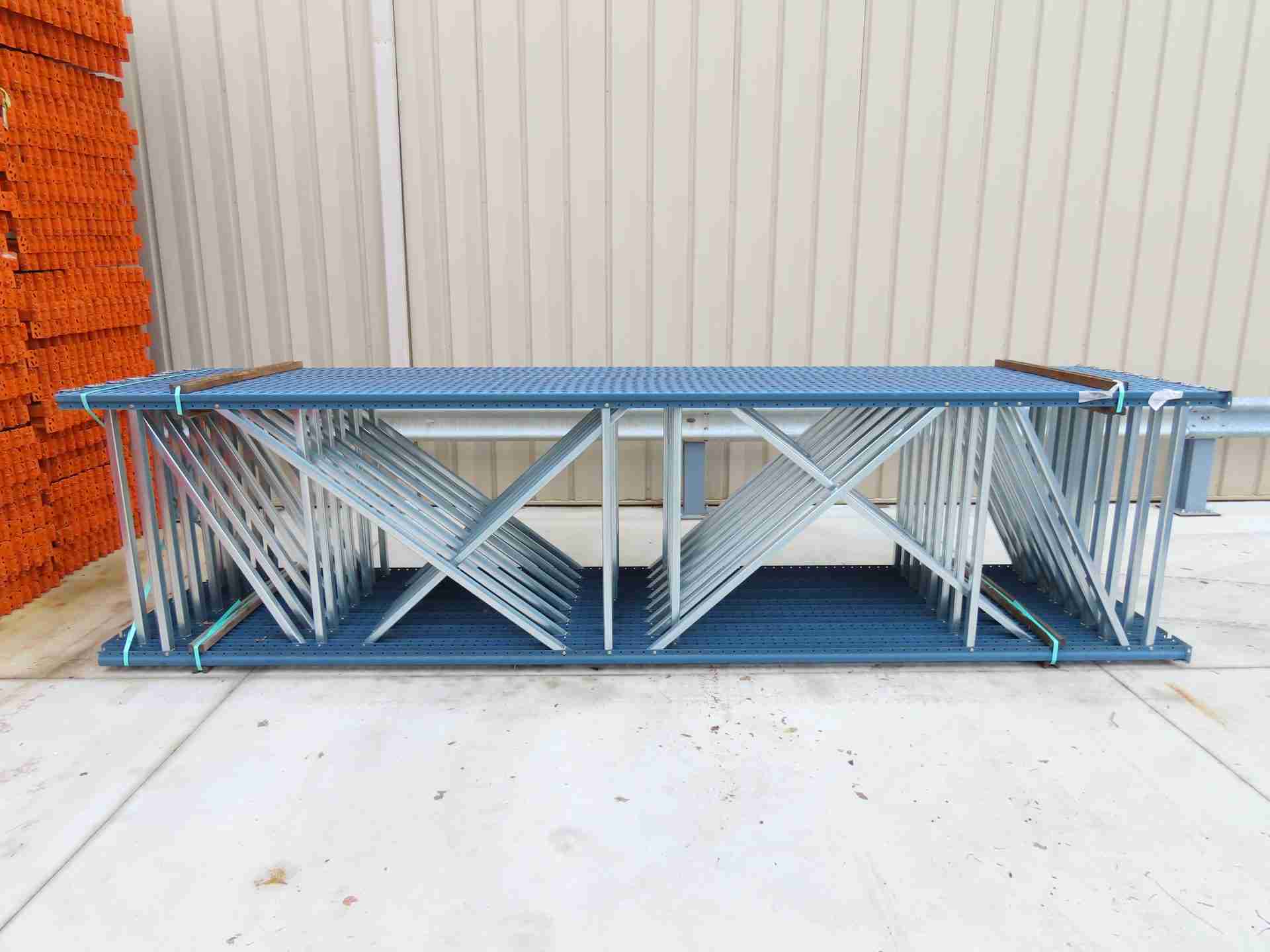
Conclusion
Other Resources

Other Resources
Here is a list of other resources you can review online to learn more:
- Warehouse Racks, Warehouse Racking in Stock – ULINE
- Interlake Mecalux
- Interlake Mecalux
- American Society of Safety Professionals
- Illinois Pallet Racking – WPRP
- Pallet Racking systems in Illinois and Great Lakes
- Material Handling Safety
- Pallet Racking 101: A Comprehensive Guide & Options Explained
- NSC
- Chicago Pallet Racking
- Selective Rack – Raymond West
- Rack Manufacturers Institute
- Arrow Industrial Sales
- RMI
- Overhead Lifting
- American Surplus
- IIWS Inc. Rack Installation Illinois & Rack Repairs Illinois
- The Ultimate Pallet Racking Guide – Speedrack West
- BMH Equipment LLC
Use This Prompt To Get More Resources With Your Favorite Online AI Tool: Please provide me with a list of online articles with their URLs in a bulleted list that I can read regarding How Do Construction Aggregate Storage Leverage Pallet Racking?
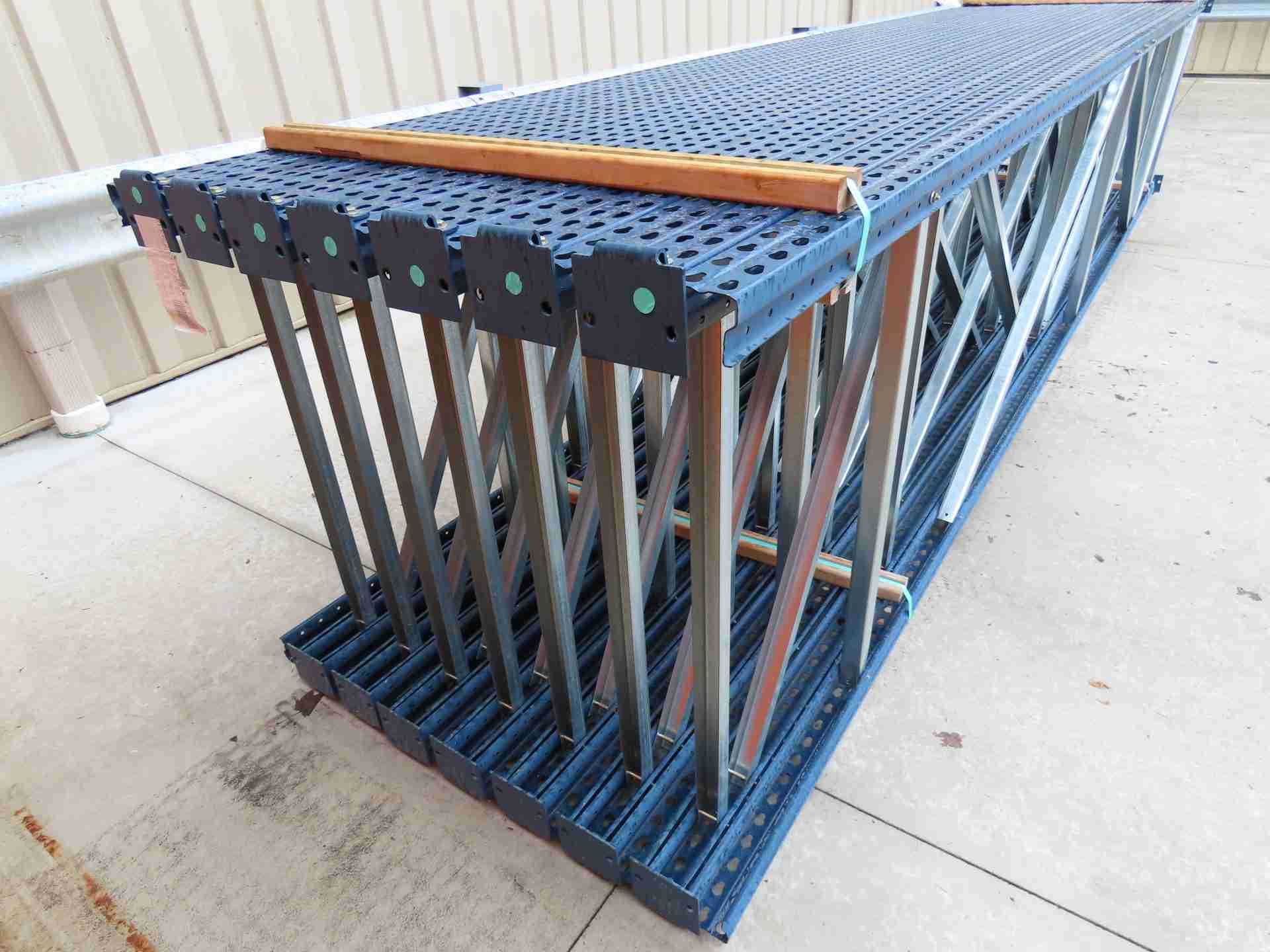
Other Resources
Glossary Terms
How Do Construction Aggregate Storage Leverage Pallet Racking? – Glossary Of Terms
1. Aggregate: A material composed of sand, gravel, crushed stone, or slag used in construction.
2. Pallet Racking: A storage system designed to hold materials on pallets in horizontal rows with multiple levels.
3. Storage Efficiency: The optimization of space usage within a storage area.
4. Load Capacity: The maximum weight that a pallet rack or storage system can safely hold.
5. Accessibility: The ease with which stored materials can be retrieved or stored.
6. Inventory Management: The process of ordering, storing, and using a company’s inventory.
7. Material Handling: The movement, protection, storage, and control of materials throughout manufacturing, warehousing, distribution, and disposal.
8. Space Utilization: The effective use of space to maximize storage potential.
9. Pallet: A flat transport structure that supports goods in a stable fashion while being lifted by a forklift.
10. Forklift: A powered industrial truck used to lift and move materials over short distances.
11. Vertical Storage: Utilizing height to store materials in multiple levels or tiers.
12. Horizontal Storage: Storing materials side-by-side across the floor or shelf space.
13. Structural Integrity: The property of a storage system to withstand imposed loads without failure.
14. Load Distribution: The way weight is spread across a racking system.
15. Safety Compliance: Adhering to regulations and standards to ensure safe storage and handling.
16. Inventory Turnover: The frequency with which inventory is used or sold and replaced.
17. Damage Prevention: Measures taken to avoid harm to materials during storage or handling.
18. Space Optimization: Techniques to maximize storage capacity within a given space.
19. Accessibility Improvement: Enhancing the ability to reach or retrieve stored materials efficiently.
20. Shelf Life: The length of time materials remain usable while stored.
21. Density Storage: Arranging goods to store the greatest amount of material per unit area.
22. Aisle Width: The space between pallet racks to allow movement and access.
23. Load Stability: The ability of stored materials to remain secure without shifting or falling.
24. Inventory Visibility: The degree to which stored materials can be easily identified and tracked.
25. Storage Flexibility: The ability to adjust storage configurations to accommodate different materials or volumes.
26. Modular Design: A storage system made of interchangeable components for easy customization.
27. Material Segregation: Separating different types of materials to prevent contamination or damage.
28. Workflow Efficiency: Streamlining the movement and handling of materials to reduce time and costs.
29. Environmental Protection: Measures to protect stored materials from environmental factors like moisture or temperature.
30. Cost Efficiency: Minimizing expenses related to storage through optimized systems and processes.

Glossary Of Terms
Other Questions
How Do Construction Aggregate Storage Leverage Pallet Racking? – Other Questions
If you wish to explore and discover more, consider looking for answers to these questions:
- What are the load-bearing capacities required for pallet racking holding various aggregate types?
- How do you calculate safe weight per pallet and per rack level for heavy aggregates?
- What rack configurations (single-deep, double-deep, selective, drive-in) work best for aggregate storage?
- How should pallet racking be anchored to different floor types (concrete, compacted soil, gravel)?
- What foundation or flooring preparation is needed before installing heavy-duty racking outdoors?
- How do weather conditions (rain, freeze-thaw, wind) affect outdoor pallet racking and stored aggregates?
- What corrosion protection (galvanizing, coatings) is recommended for racks in damp or coastal environments?
- How can pallet racking be adapted for bulk loose aggregate versus bagged materials?
- What pallet types and deck materials are best suited for sand, gravel, and crushed stone?
- How do you prevent cross-contamination between different aggregate grades on racking?
- What dust control measures should be used with racked aggregate storage?
- What drainage or spill containment is required under racked aggregate to manage runoff and contamination?
- How do racking systems integrate with forklifts, loaders, and other handling equipment?
- What aisle widths and traffic patterns optimize safety and efficiency with pallet racking?
- Are there recommended signage, labeling, and inventory systems for racked aggregate yards?
- How often should pallet racking used for aggregates be inspected and load-tested?
- What are common rack damage signs to watch for, and how are repairs handled?
- What OSHA or local regulatory standards apply to pallet racking in construction aggregate storage?
- How do insurance requirements change when installing high-density pallet racking for heavy materials?
- What training and certifications should operators have to safely handle aggregates on racks?
- How does pallet racking compare cost-wise to alternative storage (silos, bins, bunkers, bulk piles)?
- What is the typical ROI timeline after installing pallet racking for aggregates?
- How much does installation and maintenance of heavy-duty pallet racking typically cost?
- Can existing racking be retrofitted or reinforced for heavier aggregate loads?
- What modular or portable racking options exist for temporary or seasonal sites?
- How does pallet racking affect inventory accuracy and stock rotation for aggregates?
- What are best practices for stacking height and tier spacing with unstable or shifting materials?
- How do you secure racked aggregate to prevent shifting, spills, or pallet collapse?
- What anti-slip, anti-sag, or mesh decking solutions are recommended for loose aggregates?
- How should racking be designed for mixed storage of aggregates and other construction materials?
- What environmental permitting or runoff controls are necessary when storing aggregates on racks?
- How are contaminants (soil, organics, oils) prevented from reaching racked aggregates?
- What cleaning and housekeeping routines work best around pallet racking with dusty materials?
- How does racking perform in seismic zones or high-wind areas, and what reinforcements are needed?
- What load distribution methods reduce point loads and prolong rack life under heavy aggregates?
- How do you choose between powder-coated, painted, or hot-dip galvanized racks for longevity?
- What supplier selection criteria and warranty terms should buyers prioritize?
- Are there case studies or real-world examples showing productivity gains after switching to pallet racking?
- How can racking support recycling or segregation of reclaimed aggregates?
- What safety accessories (guardrails, column protectors, netting) are required for aggregate racking?
- How does racking impact ergonomics and injury rates among manual handling staff?
- What permits or inspections are typically required before operating a racked aggregate yard?
- How should racking layout be planned to support future expansion or changing product mixes?

Other Questions
Checklist
How Do Construction Aggregate Storage Leverage Pallet Racking? – A Checklist
Planning and Assessment
✅______ Identify all aggregate types and volumes; define segregation needs
✅______ Map the current footprint; confirm ceiling height and usable vertical space
✅______ Verify concrete floor condition, flatness, and load rating for point loads
✅______ Define handling methods (forklift, pallet jack, telehandler, wheelbarrow)
✅______ Choose pallet or container format (bags, super sacks, bins, totes) and dimensions
✅______ Establish target retrieval times, throughput, and peak demand periods
Racking Selection and Design
✅______ Specify heavy-duty steel racks with certified load ratings per level and bay
✅______ Select a corrosion-resistant finish (galvanized or powder-coated) for dusty or damp areas
✅______ Choose appropriate beam length and upright depth for pallet or container size
✅______ Use wire mesh or solid steel decking rated for intended loads (including fines)
✅______ Include backstops or rack netting to prevent product push-through
✅______ Add row spacers, column protectors, and end-of-aisle guards
✅______ Plan future expansion with modular, compatible components
Space Utilization and Layout
✅______ Maximize vertical storage within code; maintain required overhead clearances
✅______ Set aisle widths to match equipment turning radius and load dimensions
✅______ Define one-way traffic flow and dedicated staging and receiving zones
✅______ Allocate quarantine and return areas for damaged or suspect materials
✅______ Separate incompatible materials to prevent cross-mixing
✅______ Provide clear access to emergency exits and equipment
Contamination and Moisture Control
✅______ Store aggregates off the ground; keep pallets and totes elevated
✅______ Use covers, lids, or canopies when weather exposure is possible
✅______ Implement drainage to prevent standing water near racks
✅______ Use liners or drip trays for fines and moisture-sensitive materials
✅______ Color-code zones and pallets by material type
✅______ Establish a housekeeping schedule for dust removal around racks
✅______ Keep cleaning tools dedicated by material to avoid cross-contamination
Safety and Compliance
✅______ Post load plaques with beam-level and bay capacities
✅______ Anchor racks per manufacturer specifications; include seismic and wind provisions if required
✅______ Maintain sprinkler and egress clearances as per local code
✅______ Keep aisles free of debris; mark walkways and forklift lanes
✅______ Prohibit climbing on racks; define safe loading and unloading procedures
✅______ Remove damaged pallets or containers from service immediately
✅______ Conduct pre-use checks of lifting equipment before each shift
Operations and Flow
✅______ Standardize receiving: Inspect, label, and put away directly to assigned locations
✅______ Define FIFO/FEFO rules where material age impacts quality
✅______ Use bin locations and visible signage for quick identification
✅______ Stage outbound orders in designated, labeled zones
✅______ Document changeovers and material swaps to prevent mix-ups
✅______ Track dwell time to identify slow movers and re-slot as needed
Inventory and Labeling
✅______ Assign SKU and location IDs to each aggregate type and size
✅______ Use durable, weather-resistant labels and placards
✅______ Perform cycle counts on a defined cadence
✅______ Record adjustments with cause codes (shrink, spill, damage)
✅______ Maintain min/max levels and reorder points
Training and Roles
✅______ Train operators on rack loading limits and proper placement
✅______ Certify forklift and telehandler operators for site-specific conditions
✅______ Instruct staff on contamination control and housekeeping standards
✅______ Assign responsibility for daily, weekly, and monthly inspections
Inspection and Maintenance
✅______ Daily: Check for spills, obstructions, loose debris, and visible rack damage
✅______ Weekly: Inspect beams, uprights, anchors, decking, and guards
✅______ Monthly: Torque-check anchors and beam locks as required
✅______ After impact: Remove the bay from service and assess before reuse
✅______ Annually: Conduct a professional rack inspection and capacity review
✅______ Keep maintenance and inspection logs accessible
Weather and Environment
✅______ Protect outdoor racks with rated covers or shelters
✅______ Account for snow, wind, and UV exposure in rack and cover selection
✅______ Manage runoff to avoid erosion around rack bases
✅______ Control dust with approved methods compatible with stored materials
Quality and Sampling
✅______ Sample incoming materials to verify cleanliness and specifications
✅______ Isolate suspect lots until tested and approved
✅______ Document nonconformances and corrective actions
Cost-Benefit and KPIs
✅______ Baseline retrieval time, damage rate, and material loss before implementation
✅______ Track incident rate, productivity per labor hour, and space utilization after go-live
✅______ Calculate ROI including reduced waste, fewer injuries, and time saved
✅______ Review slotting and layout quarterly for continuous improvement
Documentation and Procurement
✅______ Retain rack drawings, load calculations, and manufacturer documentation
✅______ Verify component compatibility across suppliers
✅______ Keep spare beam locks, labels, and guards on hand for quick repairs
Expansion and Future-Proofing
✅______ Reserve capacity (space and load) for growth
✅______ Design modular bays that can be added without disrupting operations
✅______ Periodically reassess product mix and reconfigure as needed
Checklist
At RackingWorld, we help guide you through selecting warehouse storage systems and racking.
Be sure to read our other related stories at RackingWorld to learn more about warehouse storage systems.
0 Comments