
Maximizing Efficiency And Safety: The Smart Move In Concrete Storage
By Tom Seest
At RackingWorld, we help guide you through selecting warehouse storage systems and racking.
Be sure to read our other related stories at RackingWorld to learn more about warehouse storage systems.
How Do Concrete Formwork and Precast Suppliers Leverage Cantilever Racking?
When you’re moving heavy concrete formwork and precast pieces around day in and day out, the last thing you want is to wrestle with storage systems that make your work tougher. That’s where cantilever racking comes in, a simple but tough solution that’s earned its place the hard way on job sites and warehouse floors alike. It’s not just about stacking materials; it’s about respect for the sweat behind every piece, the countless hours it takes to get concrete forms right, and the trust you put in your gear to keep things safe and sound.
Concrete formwork and precast suppliers lean on cantilever racking because it’s built for the real world—not just a blueprint on paper. Unlike traditional pallet racking, cantilever racks don’t box you in with tight columns and corners. Their open-arm design gives you room to store long, bulky items without fighting with awkward spaces or risking damage. When your pieces are heavy or wonky-shaped, knowing that a rack is built to handle that weight without bending or buckling gives you the confidence to move fast and work sharp. You know that gear’s got your back before you even lift a finger.
This isn’t just practical—it’s ethical. When you store concrete forms and precast pieces properly, you’re protecting not only the products but the people who handle them every day. Injuries from unstable piles or damaged materials do real harm, and a smart racking system reduces that risk, showing you value both your crew and your craft. When your storage setup helps keep the workplace safer, that responsibility feeds into pride and professionalism that radiates through every project.
On top of that, cantilever racking lets you keep your operation running smooth. Time’s money, and no one can afford wasted minutes hunting for the right form or pulling a piece out only to find it blocked or crammed wrong. The clarity and ease of access cantilever racks provide mean faster stock rotation and less guesswork. Every minute saved stacking or fetching adds up across weeks, months, and years.
Suppliers who get this know they’re not just moving concrete parts; they’re part of a bigger story. They keep builds standing tall and streets safe, setting the foundation for communities. Choosing cantilever racks is about respecting that mission—getting the work done solid, keeping the crew sound, and treating materials the way they deserve. It’s plain common sense, the kind of no-nonsense choice that feels right in the guts and settles your mind at the end of a long day. When your storage system works as hard as you do, it’s a partnership built on grit, trust, and a steady hand.

How Do Concrete Formwork and Precast Suppliers Leverage Cantilever Racking?
How Do Concrete Formwork and Precast Suppliers Leverage Cantilever Racking?
- Cantilever racking offers a durable, user-friendly storage solution for heavy concrete formwork and precast pieces, simplifying job site and warehouse operations.
- Its open-arm design accommodates long, bulky, and heavy items without the restrictions of traditional pallet racking, preventing damage and easing handling.
- Proper storage with cantilever racks enhances safety by reducing the risk of injuries from unstable or damaged materials, demonstrating care for workers and products.
- The racks improve operational efficiency by providing clear, easy access to materials, minimizing time wasted searching or rearranging stock.
- Using cantilever racking supports faster stock rotation and reduces guesswork, saving significant time over the course of projects.
- Suppliers relying on cantilever racks contribute to the larger mission of building strong, safe structures and fostering community resilience.
- Choosing cantilever racking reflects a commitment to professionalism, reliability, and respect for both the work and the workforce involved.
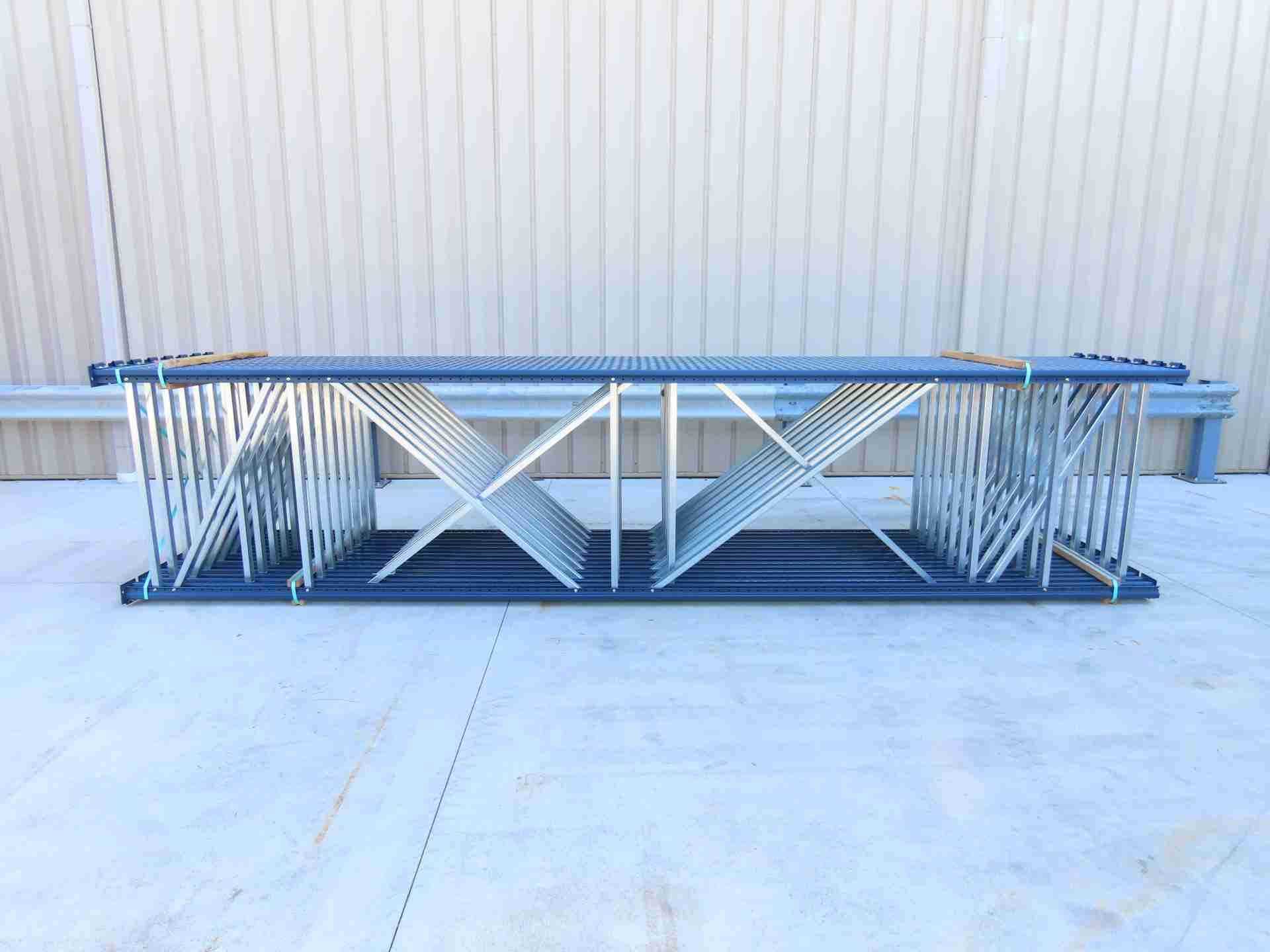
How Do Concrete Formwork and Precast Suppliers Leverage Cantilever Racking?
Table Of Contents
- How Do Concrete Formwork and Precast Suppliers Leverage Cantilever Racking?
- How Can Cantilever Racking Improve Storage Efficiency?
- What Cost Savings Come From Using Cantilever Racking?
- How Does Cantilever Racking Enhance Workplace Safety?
- In What Ways Does Cantilever Racking Protect Heavy Materials?
- How Do Suppliers Optimize Space with Cantilever Systems?
- What Are the Ethical Benefits Of Safer Material Handling?
- Conclusion
- Other Resources
- Glossary Of Terms
- Other Questions
- Checklist
How Can Cantilever Racking Improve Storage Efficiency?
When it comes to making the most out of your storage space, cantilever racking is one of those no-nonsense solutions that just works. You know the feeling of walking into a cluttered warehouse, tripping over awkward stacks of lumber, pipes, or other long items that just don’t fit right on your average pallet racking? That’s exactly where cantilever racks shine—they’re built to handle those heavy, bulky loads that don’t play by the usual rules. No more wrestling with pallets that won’t stack or squeezing oddly shaped materials into spaces they weren’t meant for.
From a practical standpoint, cantilever racking frees up floor space and keeps everything within easy reach. Because the design has no front columns, loading and unloading long items becomes a breeze. This not only speeds up work but cuts down on accidents—a big deal when you’re juggling heavy materials. There’s a kind of quiet reliability in a rack system that feels solid and straightforward, the kind that stands up to day-in, day-out use without making you wonder if it’s going to fail.
Ethically, it’s about respecting the people on the warehouse floor. When you provide tools that make their job safer and easier, you’re investing in their well-being. Efficient storage isn’t just about squeezing in more stuff—it’s about creating a workspace where folks can move confidently, without worrying about unstable piles or awkward lifts. That kind of responsibility goes a long way, especially in industries where physical work takes its toll.
In terms of authority, cantilever racking has built a solid reputation across sectors—from construction to manufacturing. It’s the shelf system you find wherever heavy, irregularly shaped, or long items need storing. That collective nod from every hardworking crew that’s used it? That’s trust earned through performance. If you want to be smart with your warehouse real estate, you spoil yourself with a system that’s proven over time, not some flashy, untested gimmick.
Storytelling-wise, think of that moment you finally get a warehouse organized, material flowing smoothly, and everyone knowing exactly where to find what they need. It’s a small victory that feels big because it turns chaos into order. Cantilever racking is often that quiet hero behind the scenes, making everyday tough jobs just a little bit easier.
Whether you’re looking to make the best use of your shelf space or keep your crew safer, cantilever racking answers the call. It’s practical, trustworthy, and built for the work that matters—helping you work smarter, not harder. If you’re done with the puzzle and frustration of bending pallet racking to fit things that simply won’t, it’s time to give cantilever a solid look. Your back—and your bottom line—will thank you.

How Can Cantilever Racking Improve Storage Efficiency?
How Can Cantilever Racking Improve Storage Efficiency?
- Cantilever racking efficiently stores heavy, bulky, and irregularly shaped items that don’t fit on standard pallet racks.
- The design lacks front columns, allowing easy loading/unloading, freeing floor space, and improving safety by reducing accidents.
- It provides a reliable, durable storage system built for daily use without failure concerns.
- Supports worker well-being by creating safer, more accessible workspaces and reducing physical strain.
- Widely trusted across industries like construction and manufacturing due to proven performance and durability.
- Transforms disorganized warehouses into orderly, efficient spaces, enhancing workflow and material accessibility.
- Offers a practical, no-nonsense solution that improves storage efficiency and workplace safety, benefiting both workers and business bottom lines.
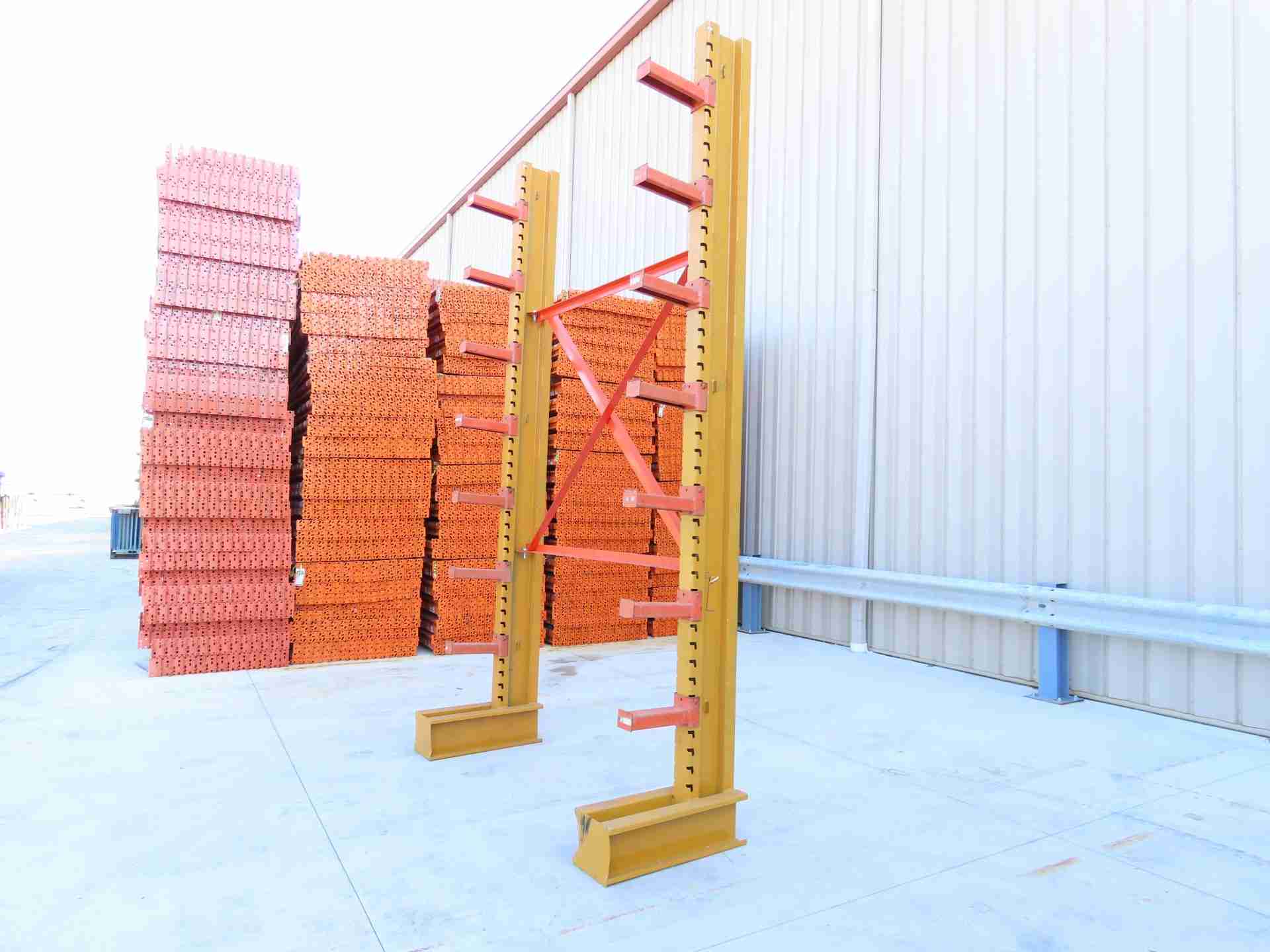
How Can Cantilever Racking Improve Storage Efficiency?
What Cost Savings Come From Using Cantilever Racking?
You’re not just tossing steel around when you pick cantilever racking; you’re making a smart call that digs deep into your bottom line. Think about it — traditional pallet racking systems can get the job done, sure, but cantilever racking takes the muscle and trims the fat. The simplicity of its design means fewer parts, less maintenance, and less time fiddling with finicky beams. That saves cash straight-up, because every minute your workers aren’t wrestling with complicated setups, they’re moving product and keeping your operation humming.
On the floor, space is king, and cantilever racking knows how to use it better. Long, bulky items like pipes, lumber, or metal bars slide right in without hitting the sides or ends of pallets. This isn’t just a convenience—it means you’re making the most of every available inch. When you maximize storage density, you don’t have to lease more warehouse space or forklift around extra aisles. That’s a serious chunk of overhead saved month after month.
When you’ve been in the trenches, you learn that time is money in a way no accountant ever can fully explain. Quick loading and unloading with cantilever racking slashes downtime and keeps work moving. Your team isn’t wasting energy or patience fighting awkward pallets stacked too high or too deep. Less hassle means fewer injuries and lost workdays, which is good for the company and good for morale. Workers feel respected when their tools and space are solid and straightforward.
Ethically, making smart choices about your storage setup says something about your business values. Investing in reliable, sturdy cantilever racking means you’re building a safer place for your crew—that’s a kind of integrity that payroll numbers can’t capture but every employee recognizes. There’s a solid sense of trust baked into that kind of reliability.
And here’s the kicker in the story: this isn’t pie-in-the-sky theory. Tales from the floor show businesses switching over from pallet racking to cantilever and finding that the upfront cost is quickly recovered through all the savings—less wasted space, fewer damaged goods, less time lost. It’s an honest trade that rewards those willing to see beyond the obvious. That’s where smart money goes, and smart money builds business.
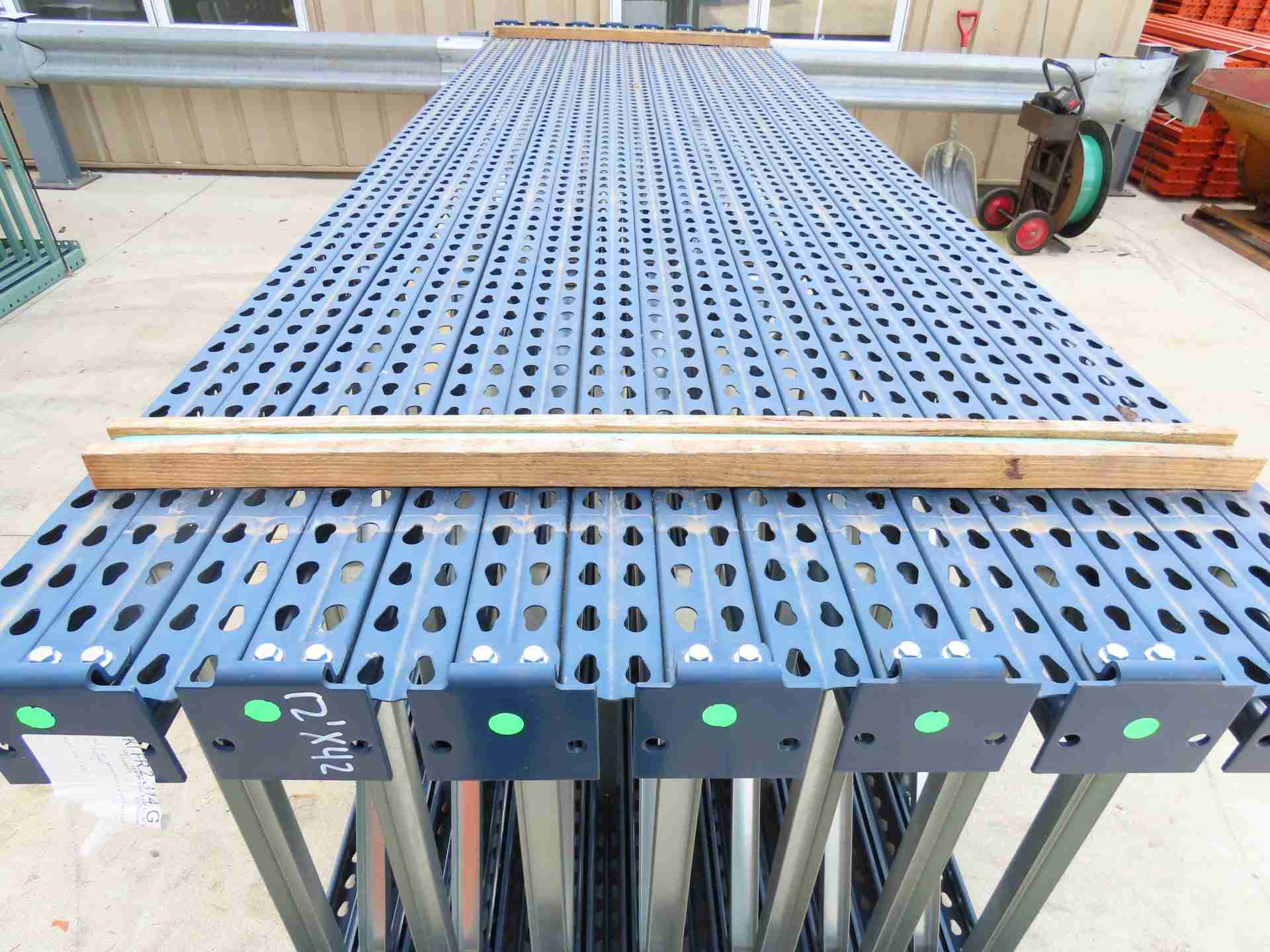
What Cost Savings Come From Using Cantilever Racking?
What Cost Savings Come From Using Cantilever Racking?
- Cantilever racking features a simple design with fewer parts, resulting in less maintenance and reduced setup time compared to traditional pallet racking.
- Its design accommodates long, bulky items like pipes and lumber, maximizing storage space and reducing the need for additional warehouse space.
- Quick loading and unloading reduce downtime, improving workflow and minimizing worker fatigue and frustration.
- Improved ergonomics and ease of use lower injury rates and lost workdays, contributing to better employee morale.
- Investing in cantilever racking reflects business integrity by prioritizing crew safety and reliability.
- Businesses switching from pallet to cantilever racking recover upfront costs quickly through savings on space, damaged goods, and time.
- Overall, cantilever racking offers a cost-effective, efficient, and ethical storage solution that supports long-term business growth.

What Cost Savings Come From Using Cantilever Racking?
How Does Cantilever Racking Enhance Workplace Safety?
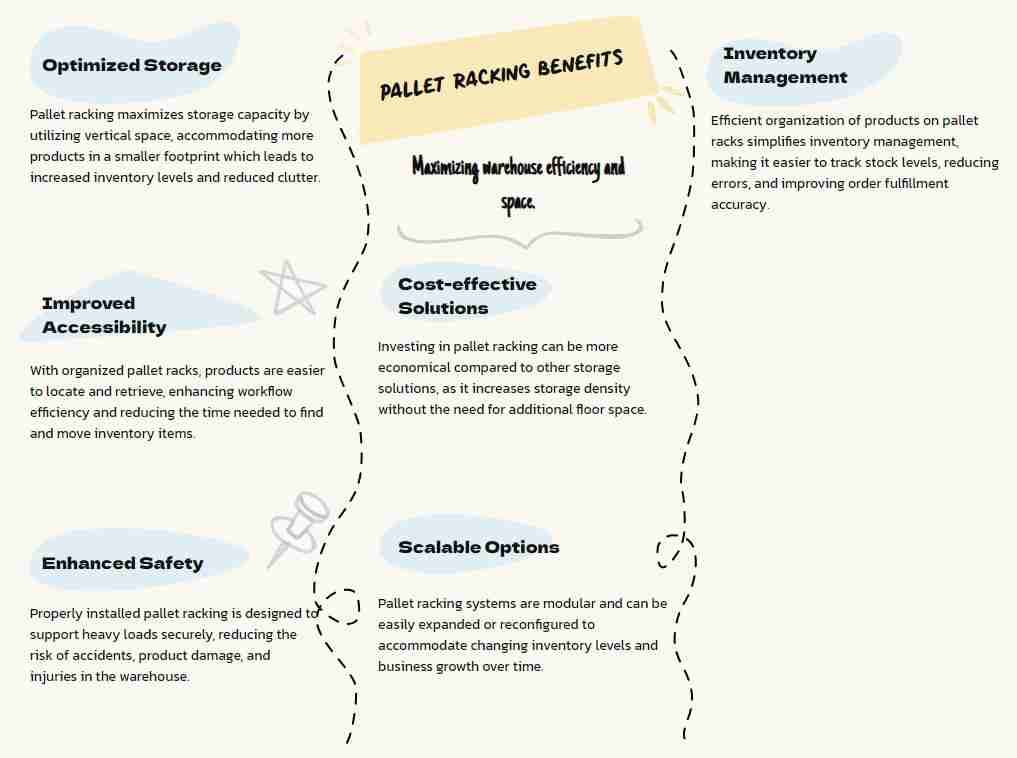
When you’re working in a busy warehouse or workshop, safety isn’t just a box you check—it’s the lifeline that keeps everyone heading home to their families at the end of the day. Cantilever racking steps in here like an old reliable teammate, designed to handle those long, bulky loads that pallet racking just wasn’t made for. Imagine trying to shove a long piece of pipe or timber into a tight space stacked random-like on pallet racking—you’re asking for trouble. Those awkward loads can shift, fall, or squeeze workers into risky spots. Cantilever racking changes the game by giving you clean, open arms where these heavy, awkward items rest securely and visibly. That means less bending, reaching, or wrestling with materials, cutting the chance for injuries faster than a safety briefing could.
Rationally speaking, cantilever racking’s design simplifies organization and access. With no front columns cluttering the aisle, it’s easier to spot when something’s out of place or dangerously stacked. Forklifts and workers can move through the space without guessing where that sneaky piece of stock might be hiding. This straightforward visibility isn’t just a neat perk; it’s a critical safety feature that prevents accidents before they even start. Ethically, employers have a duty to provide a workspace that respects the physical well-being of their crew. Installing cantilever racking shows a commitment to that responsibility—it’s the kind of investment that says, “We care enough not to cut corners,” and that speaks volumes to every person clocking in.
Experience shows that taking shortcuts on storage often leads to a long night in the ER or worse. But cantilever racking, when properly set up, holds heavy, odd-sized loads steady and accessible, reducing the physical strain on workers. This isn’t just theory—it’s practical wisdom gathered from floors where the work gets done. The trust workers place in their storage systems builds confidence, a quiet assurance that the gear they handle won’t let them down. When safety becomes a shared culture, productivity and morale climb right alongside it.
At the end of the day, cantilever racking isn’t just about space—it’s about creating a safer, smarter workplace where hands-on workers can get the job done without unnecessary risk. It turns storage from a hazardous puzzle into a straightforward, reliable system—exactly what any hardworking team deserves. Pallet racking has its place, sure, but when it comes to safety with the long, heavy stuff, cantilever racking earns its keep every single time.
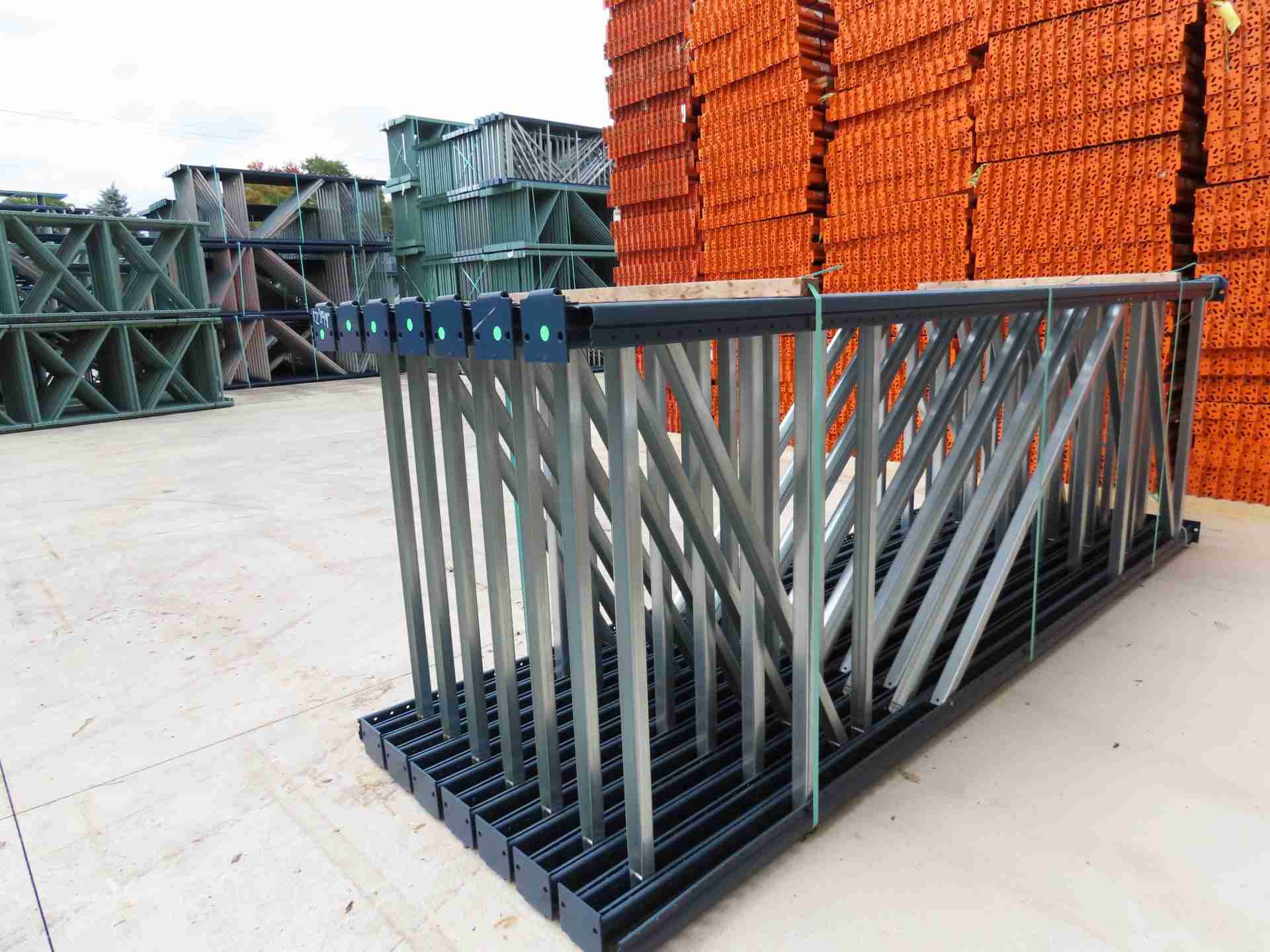
How Does Cantilever Racking Enhance Workplace Safety?
How Does Cantilever Racking Enhance Workplace Safety?
- Cantilever racking is designed for long, bulky loads that pallet racking cannot safely handle, reducing risks of shifting or falling materials.
- Its open-arm design improves visibility and accessibility, allowing safer handling and easier organization without front columns obstructing aisles.
- Enhanced visibility helps workers and forklifts navigate spaces safely, preventing accidents before they occur.
- Employers demonstrate commitment to worker safety and well-being by investing in cantilever racking systems.
- Properly installed cantilever racking reduces physical strain on workers and stabilizes odd-sized loads effectively.
- Reliable storage builds worker confidence and fosters a safety culture that boosts productivity and morale.
- Cantilever racking transforms storage into a safer, smarter system, outmatching pallet racking for handling long, heavy items.
How Does Cantilever Racking Enhance Workplace Safety?
In What Ways Does Cantilever Racking Protect Heavy Materials?
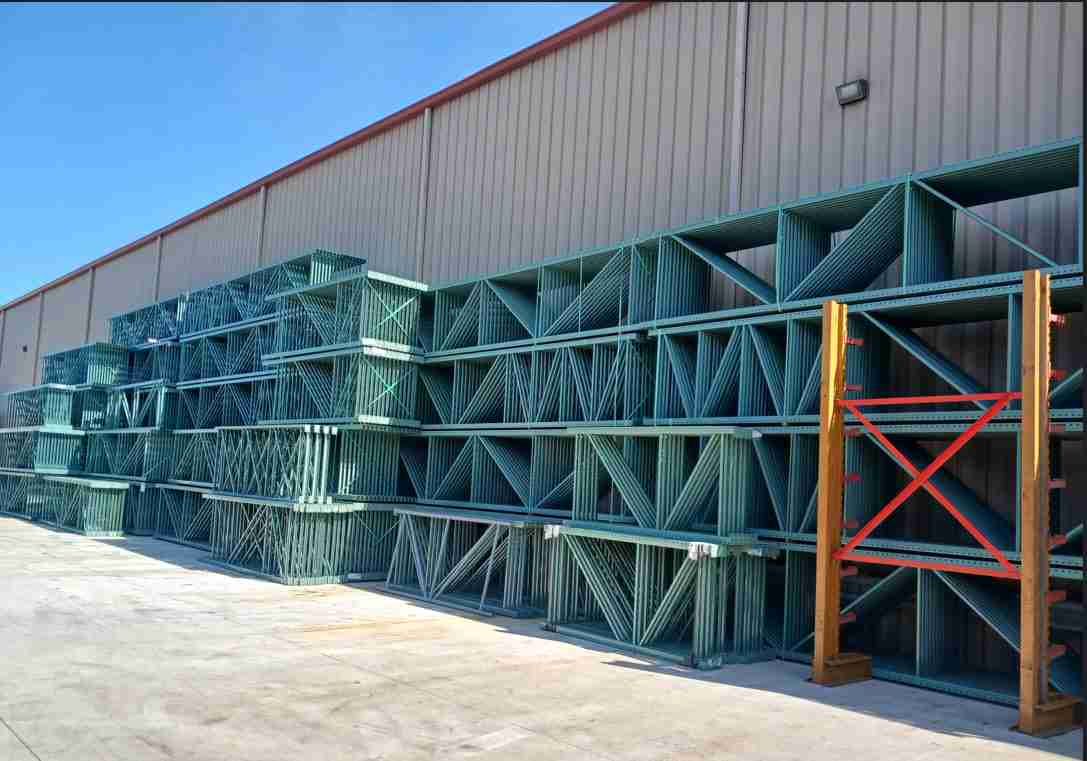
When you’re dealing with heavy materials, every ounce of effort counts. The last thing anyone wants is to see a load shift, fall, or get damaged after all the sweat that went into moving it. That’s where cantilever racking steps in like a trusty workhorse. This isn’t just some fancy shelf; it’s a straightforward, tough-as-nails system built to handle bulky, heavy stuff without compromise. Unlike typical pallet racking, which can feel like wrestling with a puzzle trying to fit awkward lengths, cantilever arms give you clear, open access. That means loading and unloading heavy beams, pipes, or lumber doesn’t turn into a game of Jenga with your back against the wall. The design spreads weight evenly and keeps materials from drooping or sliding, protecting both the goods and the folks handling them.
There’s a real peace of mind that comes from knowing your materials sit securely, not teetering on a thin edge or risking damage every time the forklift rolls through. This kind of reliability straight from steel to storage means fewer lost days fixing or replacing goods and fewer sweat-soaked worries about costly mistakes. It builds trust—not just in the rack itself, but in the whole operation. The ethics of good storage aren’t flashy, but they matter. Keeping heavy materials safe isn’t just about protecting product; it’s about respecting the effort every worker puts in and the investment on the line. When a cantilever system holds up, it speaks volumes about commitment to doing the job right, showing integrity that every crew and boss can stand behind.
Stories from those who’ve put their faith in cantilever racks often circle back to this simple truth: it works in real life, not just on paper. Whether it’s the warehouse that finally stopped wrestling with pallet racking limits, or the crew that stopped fearing every loaded day, these racks build confidence because they’re designed to handle the raw, gritty demands of heavy-duty storage. They’re the backbone for keeping the workflow steady, the goods intact, and the people safe. When your materials are secure on cantilever racking, your workday is less about firefighting and more about moving steadily forward—no drama, no surprises, just solid performance that earns respect and gets the job done.
In What Ways Does Cantilever Racking Protect Heavy Materials?
In What Ways Does Cantilever Racking Protect Heavy Materials?
- Cantilever racking is a durable, simple system designed for storing bulky, heavy materials securely.
- It offers clear, open access, making loading and unloading beams, pipes, or lumber easier than with traditional pallet racking.
- The design evenly distributes weight, preventing materials from sagging, sliding, or getting damaged.
- This reliable storage solution reduces damaged goods, downtime, and costly mistakes, building trust in warehouse operations.
- Safe storage reflects respect for workers’ efforts and company investment, demonstrating commitment and integrity.
- User experiences confirm that cantilever racks perform well in real-life heavy-duty storage situations, not just in theory.
- Secure materials on cantilever racks help maintain steady workflow, protect goods and workers, and ensure consistent, drama-free performance.
In What Ways Does Cantilever Racking Protect Heavy Materials?
How Do Suppliers Optimize Space with Cantilever Systems?
When it comes to making the most out of every square inch in a warehouse or workshop, cantilever systems are the unsung heroes. They take that jumble of awkward, oversized, or oddly shaped materials—things that just don’t play nice on traditional pallet racking—and give you a way to stack, store, and grab without a headache. You know the kind of stuff: long pipes, lumber, sheets, or anything else that’s more trouble to store than it’s worth. Cantilever arms reach out like strong, steady hands holding onto those long items, keeping them off the floor and out of the way, but still easy to get to.
There’s something about clearing a space that just hits you right in the gut. You walk into a cluttered shop where materials are scattered like leaves in the wind, feeling that knot of frustration. Then you slap in a decent cantilever system, and suddenly, there’s order where there wasn’t any. It’s not just about neatness—it’s knowing every item has its place, making the daily grind smoother, faster, safer. You’re not fighting with stacks down in the corner; you’re reaching out and pulling what you need in one smooth move. It’s common sense wrapped in a friendly, hardworking design.
Beyond that, using cantilever systems shows you care—not just about efficiency, but about the people on the floor. A well-organized space cuts back on injuries, frustration, and lost time. That’s an ethical choice, plain and simple. When the work environment respects the load and the labor, everyone wins. And suppliers who bring this solution know it’s not about pushing fancy tech but about offering straightforward, honest value. They stand by their products because they’ve seen the difference it makes firsthand.
The math doesn’t lie either. Compared to pallet racking, which eats up a ton of room with bulky shelves, cantilever systems squeeze storage toward the sides and vertical edges. You get more usable space, less wasted volume, and better flow in the aisles. It’s like turning a cramped, chaotic basement into a workshop that breathes, where nothing is buried or forgotten. That efficiency saves money, time, and morale.
At the end of the day, optimizing space with cantilever systems is a bit like fixing a stubborn old engine: it’s practical, reliable, and it just makes everything run better. You’re not chasing the latest gimmick; you’re investing in a tool that’s been proven to work in the toughest, grittiest environments. That’s the kind of solution you can trust to keep your operation moving forward, every day, no matter what you stack on those arms.
How Do Suppliers Optimize Space with Cantilever Systems?
How Do Suppliers Optimize Space with Cantilever Systems?
- Cantilever systems efficiently store oversized or awkward materials like long pipes and lumber that don’t fit well on traditional pallet racks.
- They create organized, accessible storage, reducing clutter and making daily tasks smoother, faster, and safer.
- Using cantilever racks improves workplace safety and morale by minimizing injuries, frustration, and lost time.
- These systems prioritize practical value and reliability over complex technology, with suppliers backing their proven effectiveness.
- Cantilever storage maximizes usable space by pushing storage to sides and vertical edges, improving aisle flow and reducing wasted volume.
- This efficient storage method saves money, time, and boosts morale by transforming chaotic spaces into breathable, orderly workshops.
- Overall, cantilever systems are practical, reliable tools that enhance operational efficiency in demanding industrial environments.
How Do Suppliers Optimize Space with Cantilever Systems?
What Are the Ethical Benefits Of Safer Material Handling?
When you think about pallet racking and moving loads around a warehouse or shop floor, it’s not just about getting the job done fast. It’s about doing it right—protecting the folks who sweat it out day in and day out. Safer material handling isn’t just some corporate line; it’s a real, down-to-earth commitment to keeping every worker whole and sound. Because at the end of the day, nobody wants to come home with a busted back or a twisted ankle from a job that should’ve been straightforward.
There’s a quiet dignity in a workplace where material handling practices respect the human being behind the tasks. When you install and maintain pallet racking properly, or use the right equipment for the load, you’re not just ticking boxes—you’re standing up for people’s health and well-being. Every safe lift, every secure stack is an unspoken promise: “We care enough to do this the right way.” It’s about more than safety gear or protocols; it’s about a culture that says human lives aren’t expendable.
From a practical standpoint, safer handling cuts down on the hassle of accidents—those painful slowdowns and physical harm that always hit hardest where it hurts most: the family, the paycheck, the pride in a job well done. Fewer injuries mean folks spend less time nursing wounds and more time focused on their craft. It’s just common sense: a safe worker is a confident, productive worker. And that reliability—knowing your team has your back—builds trust you can’t fake.
Ethically, it’s a no-brainer. You owe it to the people who move mountains with forklifts and hands to choose safety over shortcuts. It’s about fairness, respect, and responsibility. When someone’s footing depends on stable pallet racking or clear pathways, cutting corners isn’t just careless—it’s a breach of trust. That trust is the backbone of any team or business that hopes to last beyond a paycheck.
At the end of the workday, safer material handling means more than just empty shelves stacked neatly on pallet racking—it means knowing every person stood a better chance of going home in one piece. That’s a standard worth aiming for, and it’s why making material handling safer isn’t just smart—it’s the right thing to do.
What Are the Ethical Benefits Of Safer Material Handling?
What Are the Ethical Benefits Of Safer Material Handling?
- Safer material handling prioritizes protecting workers over just completing tasks quickly.
- Proper installation and maintenance of pallet racking demonstrate respect for worker health and well-being.
- Safe practices create a culture that values human lives beyond compliance and protocols.
- Reducing accidents minimizes downtime and physical harm, benefiting families, paychecks, and job pride.
- Fewer injuries lead to more productive and confident workers, fostering trustworthy teamwork.
- Ethical responsibility demands choosing safety over shortcuts to maintain fairness and trust.
- The ultimate goal of safer material handling is ensuring every worker returns home unharmed.

What Are the Ethical Benefits Of Safer Material Handling?
Conclusion
When you’ve spent your days hauling heavy, awkward concrete forms and precast pieces, you know storage isn’t just about stacking steel—it’s about respect. Respect for the sweat poured into every piece, the hands that handle them, and the need for gear that works as hard as you do. Cantilever racking isn’t some fancy add-on; it’s the solid backbone that lets suppliers store those long, bulky items without turning it into a daily wrestling match. The open arms of cantilever racks give you room to breathe, reach, and move without the tight squeeze of traditional pallet racking holding you hostage.
This system isn’t just smart; it’s ethical. When you keep materials secure and accessible, you’re looking out for the folks on the floor. Fewer toppled piles, less backbreaking awkward lifting, and a safer ride for heavy loads means less downtime, fewer injuries, and a crew that trusts their workplace to protect them. That kind of reliability doesn’t just come from steel beams—it comes from understanding the cost of cutting corners on safety and the dignity that comes from a well-run job site.
From a practical angle, cantilever racking clears out the chaos. When every beam, pipe, or form has its spot—easy to find and easy to grab—you slice wasted time short. The crew isn’t hunting or twisting themselves into knots trying to pull a piece from a jammed pallet. Time saved stacking and fetching stacks up, turning into real money in the bank. Plus, less clutter means the whole operation keeps moving without costly slowdowns or work stoppages.
The financial side makes just as much sense. Cantilever racks pack your storage tight, giving you more usable space and cutting the need to lease bigger warehouses or add aisles. With fewer parts to maintain and a setup that doesn’t fiddle around, you lower upkeep costs and downtime. Stories from the floor show these systems pay for themselves fast—less damage, faster workflows, and happier crews. It’s not guesswork; it’s the kind of no-nonsense decision that keeps business running solid.
And at the end of the day, cantilever racking is about more than stacked steel. It’s about creating a workplace where grit meets brains, where safety and efficiency go hand in hand, and where respect for the craft and the crew drives every call. Choosing this system means you’re not just putting away concrete parts—you’re investing in a safer, smarter operation that honors the work, the workers, and the long haul ahead. That’s common sense you can feel in your bones, a choice that settles you down after a hard day’s grind knowing the gear you trust has your back.
Conclusion
Conclusion:
- Cantilever racking provides respectful storage for heavy, bulky concrete forms and precast pieces, prioritizing ease of access and handling.
- The open design eliminates the cramped conditions of traditional pallet racking, improving movement and reducing strain.
- This system enhances workplace safety by securing materials, reducing injuries, and minimizing downtime.
- Cantilever racks organize materials efficiently, cutting wasted time and improving workflow on job sites.
- They maximize storage space, reducing the need for larger warehouses or additional aisles and lowering maintenance costs.
- The system delivers fast return on investment through less damage, quicker operations, and increased crew satisfaction.
- Cantilever racking supports a work environment that balances safety, efficiency, and respect for the craft and workers.
Conclusion
Other Resources

Other Resources
Here is a list of other resources you can review online to learn more:
- Shipping Boxes, Packaging Materials, Pallet Racking
- Warehouse Storage Racks
- Selective Racking
- IIWS Inc. Rack Installation Illinois & Rack Repairs Illinois
- Bradford Systems
- American Surplus
- The Complete Pallet Rack Guide – Simply Rack
- Pallet Racking 101: A Comprehensive Guide & Options Explained
- Warehousing Education and Research Council: https://www.werc.org/
- Illinois Pallet Racking – Storage Solutions
- Wolter
- Warehouse Racks, Warehouse Racking in Stock – ULINE
- Cantilever Rack Configuration & Installation: A Comprehensive Guide – BMH
- Intro to Warehouse Racks & Warehouse Racking Systems – ShipBob
- RMI
- Warehouse Racking Systems: Beginner’s Guide to Rack Systems
- Warehouse Racking System: Powerful Guide to Optimise, 2024
- Arrow Industrial Sales
- Chicago Pallet Racking
- ASSP
Use This Prompt To Get More Resources With Your Favorite Online AI Tool: Please provide me with a list of online articles with their URLs in a bulleted list that I can read regarding How Do Concrete Formwork and Precast Suppliers Leverage Cantilever Racking?
Other Resources
Glossary Terms
How Do Concrete Formwork and Precast Suppliers Leverage Cantilever Racking? – Glossary Of Terms
1. Cantilever Racking: A storage system designed to hold long, bulky items like formwork materials and precast molds using horizontal arms extending from vertical columns.
2. Concrete Formwork: Temporary or permanent molds into which concrete is poured to shape structural components.
3. Precast Concrete: Concrete elements cast and cured in a controlled environment before being transported to the construction site.
4. Storage Optimization: Techniques used to maximize available space and improve material organization.
5. Vertical Columns: Upright structural supports in cantilever racking that carry the load of stored items.
6. Horizontal Arms: Cantilevered extensions from vertical columns that hold loads.
7. Load Capacity: The maximum weight a cantilever rack or storage system can safely support.
8. Accessibility: Ease with which stored materials can be retrieved or placed onto racking.
9. Space Efficiency: The effective utilization of available warehouse or yard space for storage.
10. Inventory Management: The process of tracking and controlling stored materials to ensure availability and minimize waste.
11. Heavy-Duty Storage: Storage systems designed to support large weights typically associated with construction materials.
12. Modular Design: A racking system constructed from interchangeable components for flexibility and scalability.
13. Material Handling: The movement, protection, storage, and control of materials throughout the supply chain.
14. Safety Compliance: Adherence to regulations and standards ensuring the safe use of storage equipment.
15. Load Distribution: The way weight is spread across the racking structure to prevent failure.
16. Durable Construction: Racks built from strong materials to withstand harsh environments and heavy loads.
17. Space Saving: Reducing the footprint of stored materials to free up more operational area.
18. Efficient Retrieval: Speed and ease with which materials are accessed from storage.
19. Formwork Panels: Individual panels used in concrete formwork systems stored on racks.
20. Precast Molds: Forms used to shape precast concrete elements, requiring organized storage.
21. Warehouse Management: Coordination of storage, movement, and tracking of goods in a warehouse.
22. Load Arm Adjustment: The capability to modify the length or height of cantilever arms to accommodate different sizes.
23. Forklift Compatibility: Suitability of racking systems to allow material handling equipment access.
24. Cross Bracing: Structural components that add stability to racking frameworks.
25. Corrosion Resistance: The ability of racking materials to withstand rust and environmental damage.
26. Quick Installation: The process or design that allows rapid assembly and setup of racking systems.
27. Space Allocation: Designating specific areas for different types of materials within storage.
28. Turnaround Time: Duration required to retrieve, utilize, and restock formwork or precast items.
29. Load Stability: The assurance that stored items remain secure and balanced on racks.
30. Customizable Storage: Tailoring rack configurations to meet specific storage needs of formwork and precast suppliers.
Glossary Of Terms
Other Questions
How Do Concrete Formwork and Precast Suppliers Leverage Cantilever Racking? – Other Questions
If you wish to explore and discover more, consider looking for answers to these questions:
- What weight capacities do cantilever racks offer for different arm lengths and configurations?
- How do you calculate load capacity per arm and per column for cantilever racking?
- What are the recommended anchoring and foundation requirements for cantilever systems?
- How do cantilever racks perform in seismic or high-wind regions?
- What are the typical material and finish options (e.g., galvanized, painted) for outdoor use?
- How do you protect cantilever racking from corrosion or chemical exposure common on construction sites?
- What are the differences in cost between cantilever and pallet racking for long-item storage?
- What is the expected payback period or ROI after switching to cantilever racking?
- How much space can you realistically save by switching to cantilever systems?
- What are typical upfront and ongoing maintenance costs for cantilever racking?
- How often should cantilever racks be inspected and what should inspections cover?
- What safety features (end stops, straps, arm guards) are available to prevent loads from sliding or falling?
- How do cantilever systems integrate with forklifts, telehandlers, and cranes used for heavy precast pieces?
- What training do workers need to safely load, unload, and handle materials on cantilever racks?
- How do you determine the best arm spacing and heights for varied lengths of precast and formwork?
- Can cantilever racks be customized for irregular or tapered precast pieces?
- How are long, fragile, or high-value items secured during storage and transport on the rack?
- What are the best practices for stacking and orienting different types of concrete forms to prevent damage?
- How do you manage stock rotation and inventory control for long items stored on cantilever racks?
- Are there modular or mobile cantilever options for temporary job-site storage?
- How easy is it to expand or reconfigure a cantilever system as needs change?
- What lead times should suppliers expect for custom cantilever racking orders?
- What warranty and support options do manufacturers typically offer?
- How do cantilever racks compare to alternatives (pallet racking, horizontal storage, mezzanines) for specific use cases?
- What are the insurance and liability implications of storage choices—do insurers favor cantilever systems?
- How do you account for floor load capacities and distribution when planning rack layout?
- What are common installation pitfalls and how can they be avoided?
- How should damaged arms or columns be repaired or replaced to maintain safety and compliance?
- What regulatory or code standards (OSHA, local building codes, EN, AS/NZS) apply to cantilever racking?
- How do you document and demonstrate compliance during audits or inspections?
- What accessories (dividers, chocks, padding) improve protection for precast and formed concrete?
- How can cantilever systems be combined with protective covers or shelters for outdoor storage?
- What are the best practices for lighting, signage, and aisle widths around cantilever storage areas?
- Are there case studies or real-world examples showing efficiency or safety gains with cantilever racks?
- How do you choose a reputable cantilever racking supplier or installer?
- What maintenance schedule should be followed for components like bolts, welds, and baseplates?
- How does the use of cantilever racking affect workflows, loading rates, and labor requirements?
- What environmental or sustainability considerations exist for racking materials and end-of-life disposal?
- How are temperature extremes or freeze/thaw cycles handled when storing concrete elements outdoors?

Other Questions
Checklist
How Do Concrete Formwork and Precast Suppliers Leverage Cantilever Racking? – A Checklist
Planning & Objectives
✅______ Defined primary goals (safety, space gains, throughput, damage reduction)
✅______ Identified materials to store (formwork panels, H20 beams, shores, precast panels, rebar, pipe)
✅______ Documented longest, heaviest, and most frequently handled items
✅______ Chosen service environment (indoor, outdoor, mixed) and durability needs
✅______ Selected single- or double-sided racks by aisle layout and access needs
✅______ Assigned project owner, timeline, and budget
Inventory & Load Profiling
✅______ Recorded weight per piece and typical bundle weights
✅______ Measured length, depth, and height of each SKU/bundle
✅______ Defined minimum and maximum arm spacing needed for support
✅______ Noted load rigidity (rigid or flexible) and required dunnage
✅______ Set allowable deflection and overhang limits for forms and precast edges
✅______ Grouped SKUs by turnover rate to inform slotting
Site & Floor Readiness
✅______ Verified slab thickness and capacity for point loads and rack anchors
✅______ Checked drainage and base for outdoor yards (settlement, frost, mud)
✅______ Confirmed clear ceiling height, sprinkler obstructions, and lighting
✅______ Planned protected travel paths for long loads and forklifts/side-loaders
✅______ Assessed wind, snow, and corrosion exposure for outdoor installations
✅______ Scheduled floor repairs or reinforcement if required
Design & Specification
✅______ Engineered rack to ANSI/RMI MH16.3 (or local equivalent) with stamped calculations
✅______ Specified column height, arm length, base length, and arm pitch per loads
✅______ Set arm and bay capacities with safety factors and listed per-level limits
✅______ Selected arm types (straight, inclined, with lips or stops) as needed
✅______ Included bracing pattern and tie-backs appropriate to height and loads
✅______ Chose finish (paint, powder coat, hot-dip galvanized) for the environment
Safety & Compliance
✅______ Obtained permits and code approvals (building, seismic, fire)
✅______ Ensured seismic design and anchors meet site requirements
✅______ Maintained fire code and sprinkler clearances (top of load and aisles)
✅______ Posted capacity plaques and loading diagrams at each rack run
✅______ Installed column and base guards, end stops, and impact protection
✅______ Established lockout/tagout and hot work procedures for repairs
Material Protection
✅______ Installed non-marring arm pads or timber capping where needed
✅______ Standardized dunnage thickness and placement to prevent edge crush
✅______ Added removable pins or lips to prevent roll-off of round stock
✅______ Segregated steel hardware from aluminum form surfaces to avoid damage
✅______ Provided covers or canopies for weather-sensitive forms and precast
✅______ Established rules for stacking height and overhang control
Space Optimization & Layout
✅______ Modeled aisle width for the longest loads and chosen equipment
✅______ Optimized rack heights and level count to maximize cubic utilization
✅______ Slotted fast movers at ergonomic levels and slow movers higher or lower
✅______ Grouped like lengths and profiles to minimize rehandling
✅______ Designed clear end-of-aisle turning and staging zones
✅______ Allocated overflow and quarantine locations to avoid blocking prime bays
Equipment & Handling
✅______ Matched equipment to loads (forklift class, side-loader, crane, booms)
✅______ Specified long-load forks, fork positioners, or spreader bars as needed
✅______ Verified fork extension and attachment ratings for intended loads
✅______ Set standard approach and load placement procedures per bay
✅______ Assigned dedicated staging for inbound and outbound materials
✅______ Provided edge and strap protection and rated slings for bundles
Installation & Commissioning
✅______ Verified anchor locations, torque, and embedment per drawings
✅______ Checked rack plumbness, level, and brace connections
✅______ Confirmed arm spacing and stop hardware at each level
✅______ Conducted a punch list and corrected deficiencies before loading
✅______ Loaded test bays progressively and inspected for deflection or instability
✅______ Captured as-builts and the maintenance manual from the vendor
Operations & Training
✅______ Trained operators on rack limits, placement, and retrieval sequences
✅______ Implemented 5S housekeeping to keep aisles and bases clear
✅______ Labeled locations with barcodes/IDs and length/color coding
✅______ Standardized dunnage patterns and bundle strapping for each SKU
✅______ Set FIFO/LIFO rules for forms and precast as appropriate
✅______ Established incident and near-miss reporting tied to corrective action
Inspection & Maintenance
✅______ Daily walkarounds for obvious damage, misloads, debris, and overhangs
✅______ Monthly inspections for bent arms or columns, cracked welds, and loose bolts
✅______ Quarterly torque checks on anchors and critical fasteners
✅______ Annual qualified inspection and engineering review after impacts or changes
✅______ Corrosion checks and touch-ups; schedule re-galvanizing if needed
✅______ Immediate tagout of damaged components with documented repair
Cost & ROI Tracking
✅______ Baseline space utilization before install (sq ft and cubic)
✅______ Measured travel and retrieval time pre- and post-implementation
✅______ Tracked load damage rates and write-offs pre- and post-implementation
✅______ Calculated rent or yard expansion avoided by higher density
✅______ Monitored labor hours per ton or linear ft handled
✅______ Reviewed payback and TCO against plan quarterly
Quality & Workflow
✅______ Defined standard rack locations for each project or form set
✅______ Implemented kitting zones for form packages and precast picks
✅______ Added visual boards for open orders and rack allocations
✅______ Synced ERP/WMS locations to the rack map for accuracy
✅______ Audited location accuracy and cycle counts regularly
✅______ Established change control for rack reconfiguration
Environmental & Yard Conditions
✅______ Managed stormwater and dust in outdoor storage lanes
✅______ Planned snow and ice removal that will not impact rack stability
✅______ Used corrosion-resistant fasteners and protective coatings
✅______ Protected racks from vehicle splash and road salt
✅______ Controlled vegetation and ground settlement at bases
✅______ Scheduled seasonal inspections for wind and weather effects
People & Culture
✅______ Reinforced safe loading as a core value in toolbox talks
✅______ Recognized teams for zero-damage and zero-incident streaks
✅______ Collected operator feedback to refine slotting and layout
✅______ Rotated high-strain tasks to reduce fatigue and overuse injuries
✅______ Posted clear, multilingual signage where needed
✅______ Integrated lessons learned into ongoing training programs

Checklist
At RackingWorld, we help guide you through selecting warehouse storage systems and racking.
Be sure to read our other related stories at RackingWorld to learn more about warehouse storage systems.
0 Comments