
Unlock Efficiency, Safety, And Trust: The Power Of Pallet Racking In Cold Chain 3Pl
By Tom Seest
At RackingWorld, we help guide you through selecting warehouse storage systems and racking.
Be sure to read our other related stories at RackingWorld to learn more about warehouse storage systems.
How Do Cold Chain 3Pl Services Leverage Pallet Racking?
When you’re running a cold chain 3PL operation, every inch of space and every minute counts. Pallet racking isn’t just metal shelves stacked up in a warehouse—it’s the backbone holding everything together, the unsung hero that keeps perishables fresh and customers satisfied. You get it wrong, and suddenly what should be crisp veggies, frozen meals, or lifesaving vaccines turn into a wasted load that nobody can afford.
There’s a straightforward, no-nonsense logic to pallet racking in this game: maximize space without losing control. When goods have to stay at exact temperatures, they can’t be haphazardly tossed around like yesterday’s leftovers. Neat, accessible, and sturdy pallet racking means workers spend less time fumbling and more time moving product efficiently. That’s not just common sense; it’s cold chain survival. Hitting those tight delivery windows while keeping your product intact isn’t luck—it’s setup. Pallet racking gives you that edge.
But it’s more than just dollars and cents. There’s an ethical reality here, too. These aren’t just boxes on shelves; these are products that feed families, stock pharmacies, and keep communities healthy. When the system fails, people suffer. Pallet racking systems designed right show respect for the product and the people relying on it. It’s a quiet commitment to quality and care that runs all the way from loading dock to dinner plate.
You can feel the difference in a warehouse humming with well-organized pallet racking. Teams move smoothly, confident that what they handle is secure and accounted for. Authority on this floor isn’t about barking orders—it’s about knowing the system will hold up when the pressure’s on. That confidence spreads from the floor to the customer, building trust in a chain where trust means everything.
Storytelling isn’t just for the coffee shop; this is a narrative built into every pallet lifted, every rack secured. It’s a testament to grit, good planning, and respect for the process. The humble pallet racking system stands tall not just as cold storage hardware but as the quiet partner in a mission where timing, care, and reliability make all the difference. If you want to keep the cold chain cold, you lean on pallet racking. Plain and simple.
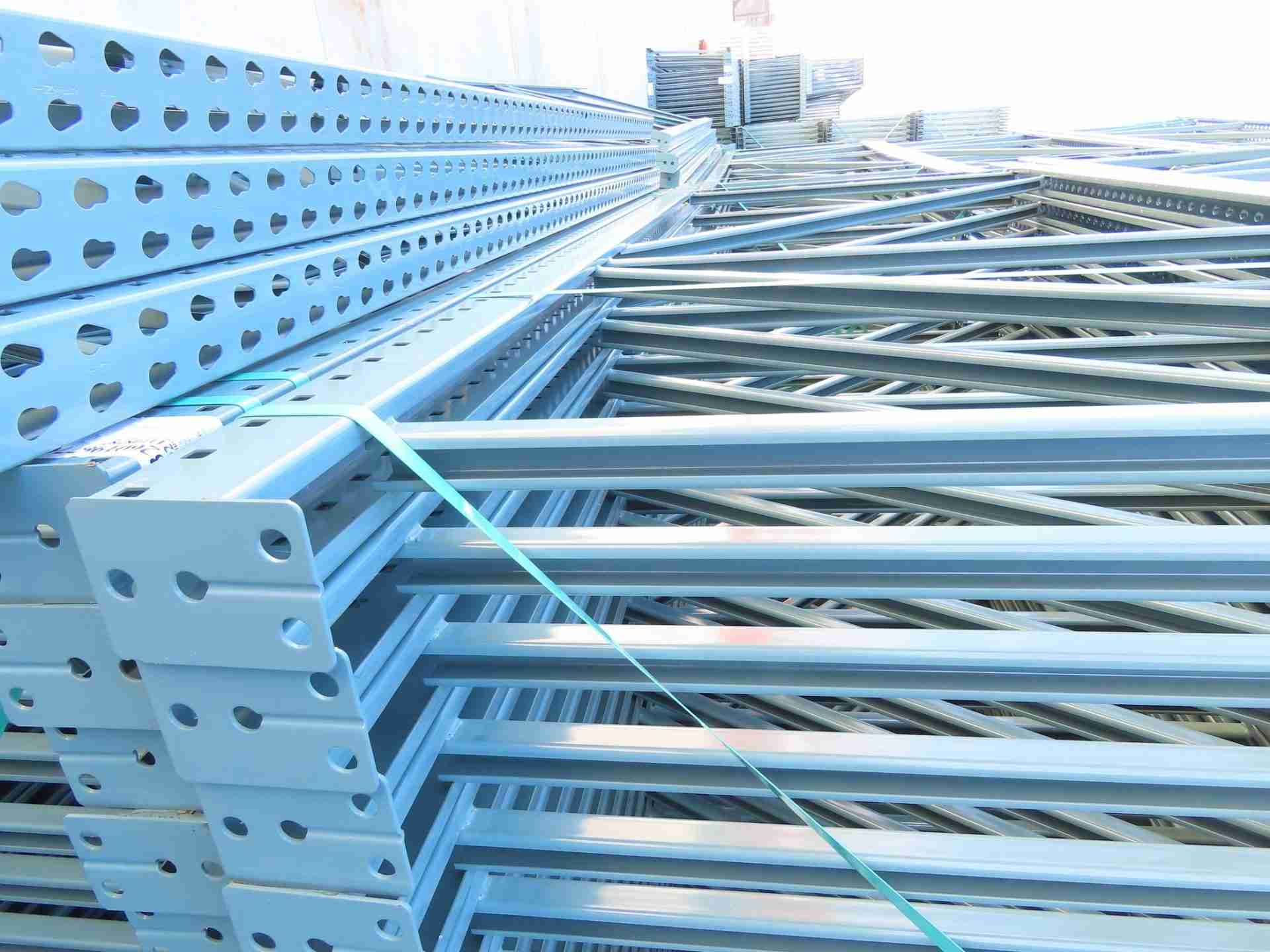
How Do Cold Chain 3Pl Services Leverage Pallet Racking?
How Do Cold Chain 3Pl Services Leverage Pallet Racking?
- Pallet racking is essential in cold chain 3PL operations, ensuring perishables remain fresh and customers satisfied.
- Efficient pallet racking maximizes space without sacrificing control or product integrity.
- Properly designed racking supports exact temperature requirements and speeds up product handling.
- It plays a critical ethical role by protecting products that feed families and support healthcare.
- Well-organized pallet racking boosts warehouse efficiency and builds team confidence.
- Reliable racking systems foster trust throughout the supply chain, from warehouse to customer.
- The pallet racking system is a vital, dependable partner in maintaining cold chain timing, care, and quality.

How Do Cold Chain 3Pl Services Leverage Pallet Racking?
Table Of Contents
- How Do Cold Chain 3Pl Services Leverage Pallet Racking?
- How Does Pallet Racking Improve Cold Chain 3Pl Efficiency?
- Can Pallet Racking Ensure Product Safety In Cold Storage?
- How Do Cold Chain 3Pls Reduce Costs Using Pallet Racking?
- What Risks Do Pallet Racks Help Mitigate In Cold Environments?
- How Does Pallet Racking Impact Order Accuracy In Cold Chain?
- Can Pallet Racking Boost Space Utilization for Cold Storage?
- Conclusion
- Other Resources
- Glossary Of Terms
- Other Questions
- Checklist
How Does Pallet Racking Improve Cold Chain 3Pl Efficiency?
When you’re running a cold chain 3PL operation, every minute counts, and every mistake eats into your bottom line. Pallet racking isn’t just a fancy place to stack stuff—it’s the backbone that keeps the whole show running smooth. Think about it: cold storage costs money by the second, and you can’t afford to waste space or time fumbling around looking for pallets. Pallet racking organizes your inventory like a well-oiled machine, cutting down on the chaos and saving you serious headaches.
On the floor, it’s easy to overlook how this setup boosts efficiency, but when pallets are stacked just right, forklifts move faster, workers spend less energy searching, and loading docks see fewer bottlenecks. That’s cold air staying put, products staying fresh, and customers never left waiting. It’s about keeping the trust of clients who rely on you to deliver goods just as they need them—on time and in perfect condition. When you know your pallet racking system is up to the task, you can sleep better knowing you’re doing the job right.
There’s something honest and downright practical about using pallet racking that speaks to anyone who’s ever rolled up their sleeves on a warehouse floor. It respects the sweat and muscle that goes into this line of work. It’s built tough, designed to handle weight and wear, and laid out so that everyone knows where everything goes—no guesswork, no shortcuts. That kind of reliability? It builds pride, trust, and a sense of community among the crew.
And here’s the ethical side: reducing wasted energy means a smaller carbon footprint. Good pallet racking isn’t just good business; it’s good stewardship. By making sure every inch of your cold storage counts, you’re cutting down on unnecessary refrigeration costs, lowering emissions, and doing your part to take care of the planet while still turning a profit. It’s a win-win that feels right.
Pallet racking helps cold chain 3PLs punch above their weight. It’s about respect—for your workers, your product, your customers, and your world. When your operation runs smoother because of a smart, sturdy rack system, you’re not just saving time or money—you’re building something that lasts. That’s the kind of confidence every boss wants and every team deserves.
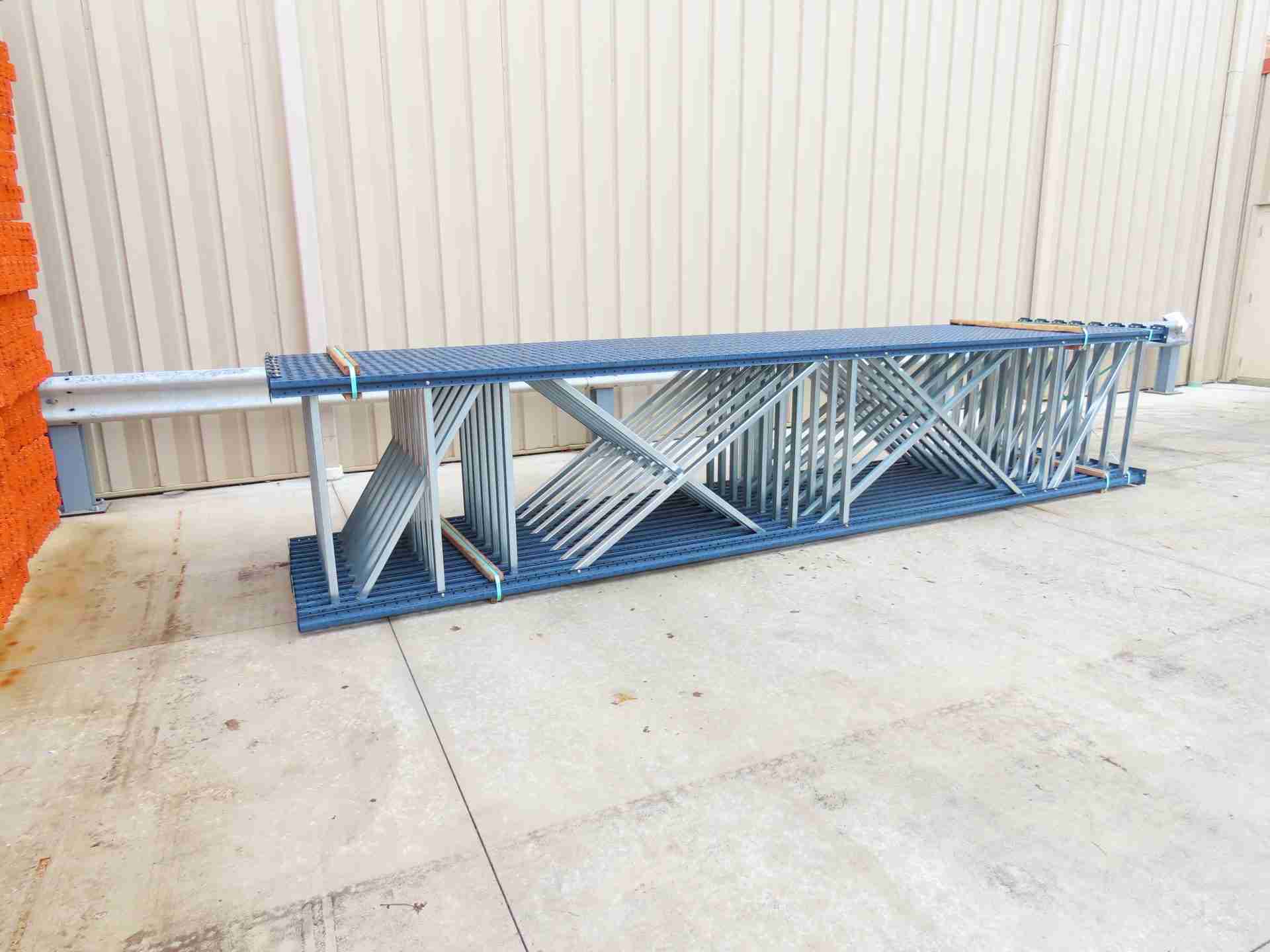
How Does Pallet Racking Improve Cold Chain 3Pl Efficiency?
How Does Pallet Racking Improve Cold Chain 3Pl Efficiency?
- Every minute and mistake in cold chain 3PL operations impacts costs, making efficient pallet racking essential.
- Pallet racking organizes inventory efficiently, minimizing wasted space and reducing time spent searching for pallets.
- Proper pallet stacking speeds up forklift movement, conserves energy for workers, and reduces loading dock bottlenecks.
- Effective pallet racking helps maintain product freshness, customer satisfaction, and reliable on-time delivery.
- Durable, well-designed racks respect worker effort, provide clear organization, and foster pride and trust among staff.
- Efficient pallet racking reduces energy waste, lowers refrigeration costs and emissions, supporting environmental responsibility.
- A smart pallet racking system improves overall operation efficiency, saving time and money, and building lasting confidence and reliability.

How Does Pallet Racking Improve Cold Chain 3Pl Efficiency?
Can Pallet Racking Ensure Product Safety In Cold Storage?
When you’re dealing with cold storage, you know it’s not just about keeping stuff chilled—it’s about keeping it safe. Pallet racking steps into this scene like the quiet workhorse it is, holding up more than just pallets—it holds trust. You’ve seen warehouses packed tight, crates stacked high, and every inch counts. Pallet racking isn’t fancy, but it’s dependable. It keeps products off the cold floor where moisture can sneak in and damage goods. It keeps things organized so they’re easy to find, cutting down on handling errors that can lead straight to spoiled stock or accidents. That’s common sense, plain and simple.
Think about the ripple effect when a pallet shifts or boxes smash. It’s not just lost inventory; it’s hours of wasted work, maybe a safety hit, and a hit to the company’s reputation. Pallet racking is the unsung hero preventing that kind of chaos. Built with tough materials designed to hold weight without bending or breaking, it’s engineered for the cold’s harsh conditions—no shortcuts or guesswork there. The sturdy framework supports heavy loads and keeps everything stable, letting workers do their jobs without looking over their shoulders.
Beyond the nuts and bolts, there’s a bigger picture. When product safety is on lockdown, shoppers get what they expect—fresh, intact, and safe goods. That’s an ethical bottom line that resonates from the warehouse crew to the customers putting food on their tables. No one wants to be the cause of a lost batch or a safety incident; pallet racking keeps that from happening quietly but reliably.
From cold storage floors buzzing with forklifts to the hands that pack and ship products, pallet racking holds the line. It’s a simple piece of the puzzle that earns its keep every single day, saving headaches and lives alike. If you want to get serious about protecting products in cold storage, you lean on pallet racking—solid, trustworthy, and built for the grind. It’s not flashy, but it’s practical—the kind of solution that makes a difference you can count on.
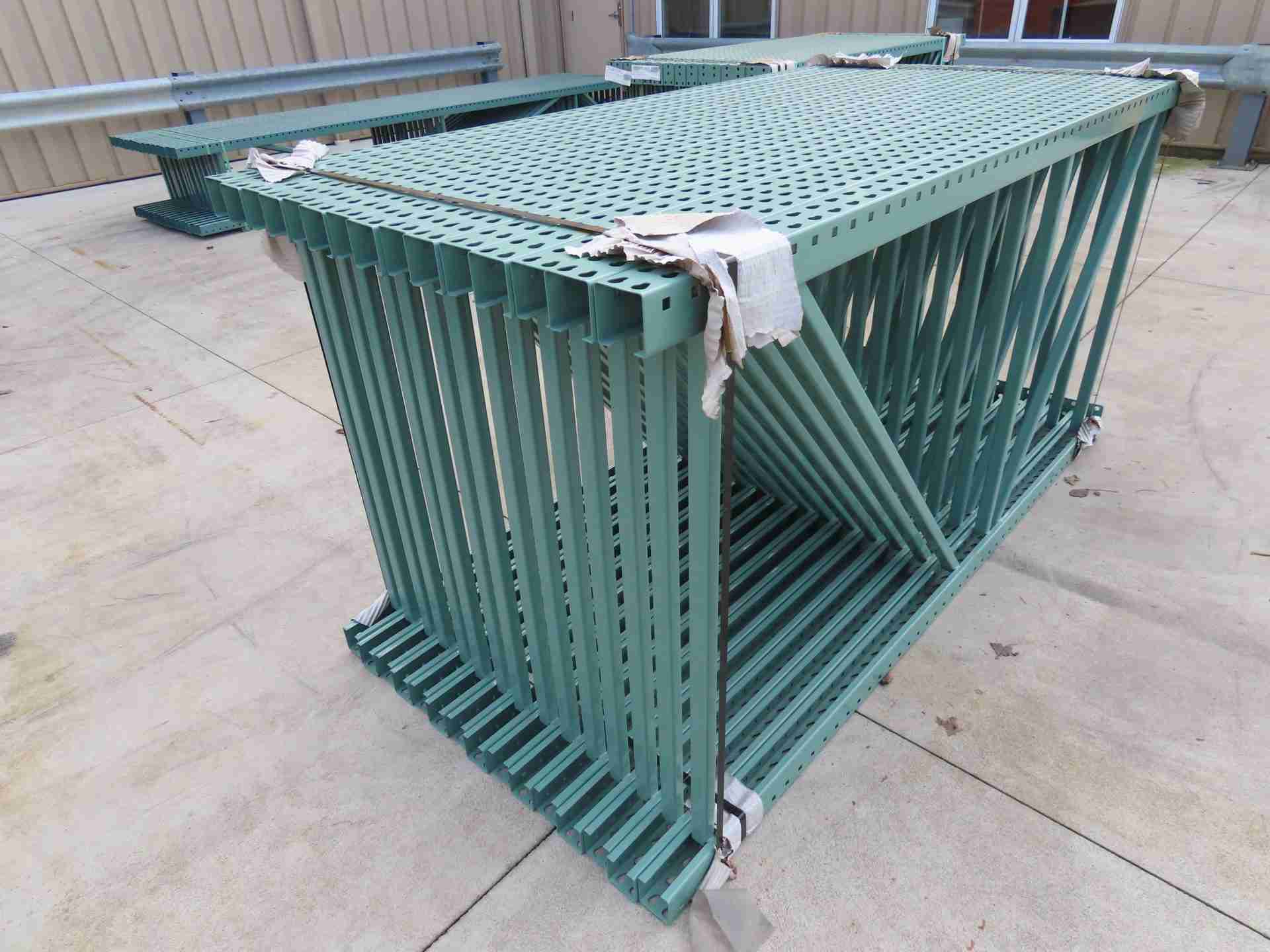
Can Pallet Racking Ensure Product Safety In Cold Storage?
Can Pallet Racking Ensure Product Safety In Cold Storage?
- Pallet racking in cold storage is essential for product safety, not just temperature control.
- It prevents damage by keeping products off cold floors where moisture could cause harm.
- Organizes goods to reduce handling errors that might lead to spoilage or accidents.
- Prevents chaos and losses caused by shifting pallets or smashed boxes, protecting inventory and reputation.
- Constructed from durable materials designed to withstand heavy loads and harsh cold conditions.
- Ensures product safety, delivering fresh and intact goods to customers and supporting ethical standards.
- A practical, reliable solution that supports efficient warehouse operations and worker safety daily.

Can Pallet Racking Ensure Product Safety In Cold Storage?
How Do Cold Chain 3Pls Reduce Costs Using Pallet Racking?
How Do Cold Chain 3PLs Reduce Costs Using Pallet Racking?
When you’re running a cold chain 3PL, every inch of space and every wasted minute adds up to real money. Pallet racking isn’t just metal beams and shelves—it’s the backbone of efficiency that keeps costs down and clients happy. Picture a warehouse where pallets are stacked just right, not jumbled or wasted in the back corner. That’s where pallet racking shows its grit. It turns chaos into order, giving you more storage volume vertically, freeing up floor space so forklifts can move faster without bumping into each other like clumsy dance partners.
It’s simple on paper, but the savings run deep. When you optimize storage with pallet racking, you reduce the need for extra warehouse space—an expensive beast to tame when you factor in climate control for cold storage. Less space means less energy wasted cooling empty corners and fewer dollars thrown at rent or property taxes. This keeps the wallets of both 3PL providers and their customers healthier, which builds trust. Nobody wants to pay more just to store frozen goods. The right setup says you care about the bottom line and treat your client’s products like gold.
On the ethical side, good pallet racking isn’t just about saving cash; it’s about protecting product integrity. Cold chain failures cost lives and livelihoods, especially with food and medicine. When everything is stored neatly and accessibly on pallet racking, damage drops, spoilage rates fall, and safety stays front and center. That’s an honest, no-frills way to serve communities relying on timely deliveries of perishable essentials. It’s respect in motion.
Trust builds when your 3PL knocks these efficiency goals out of the park. When pallet racking gets engineered smartly—designed tough for cold environments, easy to audit, and flexible enough for seasonal swings—you earn a reputation that spreads by word of mouth, plain and simple. You’re not just a warehouse; you’re a partner who knows how to squeeze every penny without cutting corners.
It boils down to everyday grit and smart setups. Pallet racking helps cold chain 3PLs put their money where their mouth is—saving costs while delivering peace of mind. When the racks go in smart, everyone’s better off: lower expenses, safer product, and clients who know you’re running the joint right. It’s common sense that pays off.
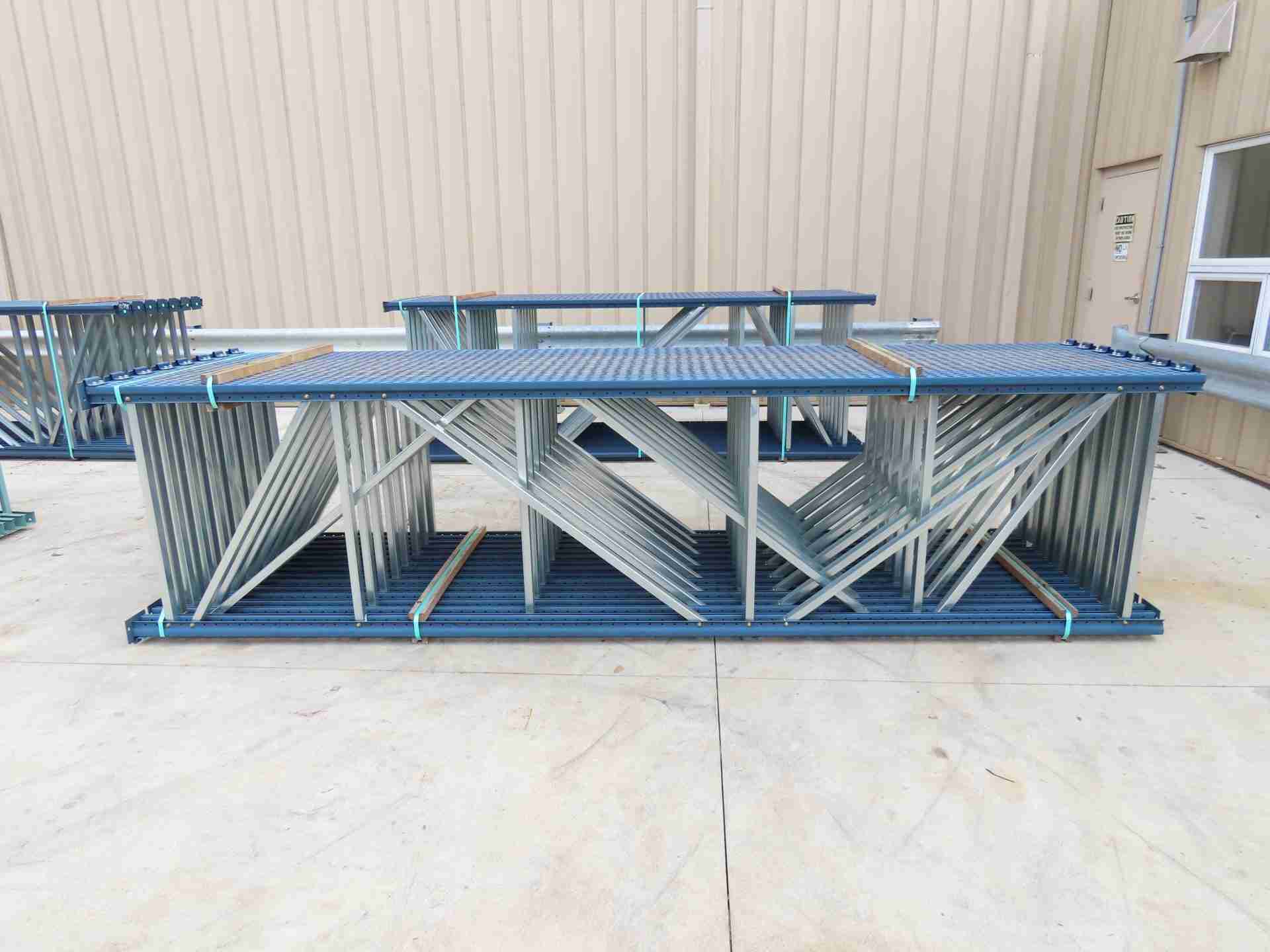
How Do Cold Chain 3Pls Reduce Costs Using Pallet Racking?
How Do Cold Chain 3Pls Reduce Costs Using Pallet Racking?
- Pallet racking maximizes vertical storage volume and frees floor space, improving forklift movement and warehouse efficiency.
- Optimizing storage reduces the need for extra warehouse space, lowering costs related to climate control, rent, and property taxes.
- Cost savings benefit both 3PL providers and customers, building trust by minimizing storage expenses for frozen goods.
- Proper pallet racking protects product integrity, reducing damage, spoilage, and ensuring safety of perishable items like food and medicine.
- Smartly engineered pallet racking systems are designed for cold environments, easy auditing, and seasonal flexibility.
- Effective pallet racking enhances a 3PL’s reputation as a reliable partner focused on cost efficiency without compromising quality.
- Investing in pallet racking leads to lower expenses, safer products, and greater client confidence through smart warehouse management.
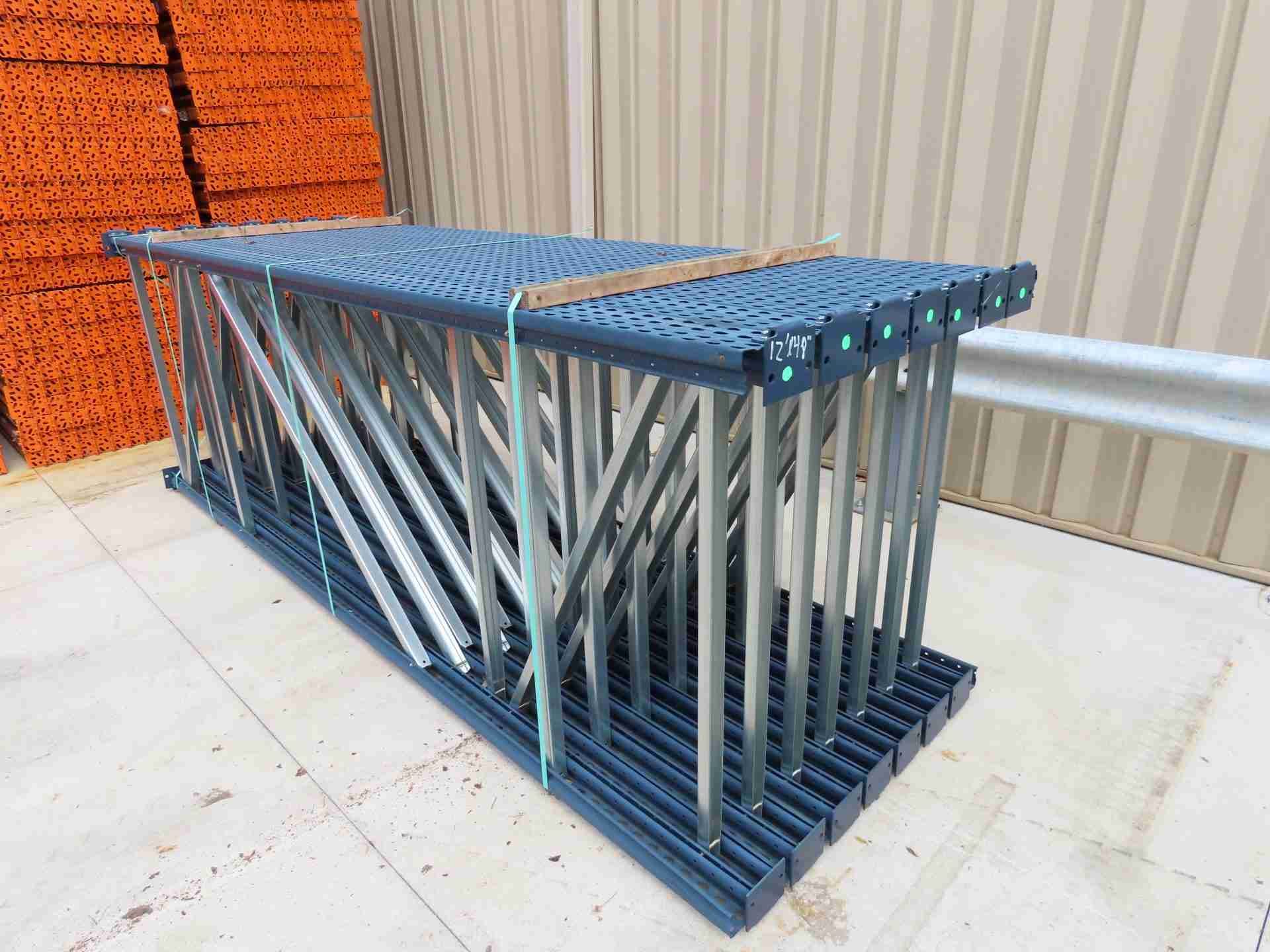
How Do Cold Chain 3Pls Reduce Costs Using Pallet Racking?
What Risks Do Pallet Racks Help Mitigate In Cold Environments?
When you’re working in a cold warehouse or storage facility, the last thing you want is a pile of pallets toppling over or products getting damaged because someone cut corners on storage. Pallet racking isn’t just some fancy setup—it’s the backbone that keeps everything upright, organized, and safe when temperatures drop and everything gets a little more unforgiving.
Cold environments bring their own set of headaches. Metal shelves can become brittle, floors can get slick with frost, and workers bundled in heavy gear have less nimble hands and feet. Without sturdy pallet racking, you’re staring down the barrel of risks like crushed inventory, serious injuries from falling loads, and mounting downtime while things get cleaned up or replaced. That’s not just lost products or time—it’s the trust you build with your customers and your crew, chipped away every time something goes sideways.
Pallet racking helps fight all that by creating a dependable structure that holds everything where it belongs, even when the cold makes things slippery and unpredictable. It’s built tough enough to handle heavy loads without bending or breaking, and designed to keep pallets stacked high without turning your warehouse into a hazard zone. This isn’t about being fancy—it’s about solid, proven gear that works because it’s been put to the test time and again in those rough conditions.
There’s a human side here too. When pallet racks do their job, workers feel safer and more confident. They don’t have to hold their breath every time they drive a forklift or grab a box off the shelf. That peace of mind means fewer accidents and a smoother workflow, which keeps morale steady and the job running. It’s a simple thing—knowing your equipment won’t fail when you rely on it—yet that reliability protects lives and livelihoods alike.
Bottom line: pallet racking in cold environments isn’t just a rack. It’s the system that guards your gear, your team, and your reputation. It’s the quiet, no-nonsense workhorse that makes sure cold weather doesn’t turn work into a gamble. And in this business, where every ounce of safety and efficiency counts, that’s worth its weight in steel.

What Risks Do Pallet Racks Help Mitigate In Cold Environments?
What Risks Do Pallet Racks Help Mitigate In Cold Environments?
- Pallet racking is essential in cold warehouses to keep pallets upright, organized, and safe despite harsh conditions.
- Cold environments cause metal shelves to become brittle, floors to get slick, and workers to have reduced dexterity, increasing risks.
- Without sturdy pallet racking, risks include crushed inventory, serious injuries, and operational downtime.
- Pallet racks provide a dependable, heavy-load-resistant structure that prevents warehouse hazards from stacked pallets.
- Reliable pallet racking improves worker safety and confidence, reducing accidents and maintaining smooth workflow.
- This equipment has been proven effective in tough, cold conditions, emphasizing functionality over aesthetics.
- Pallet racking protects goods, employees, and company reputation, ensuring safety and efficiency in cold storage operations.
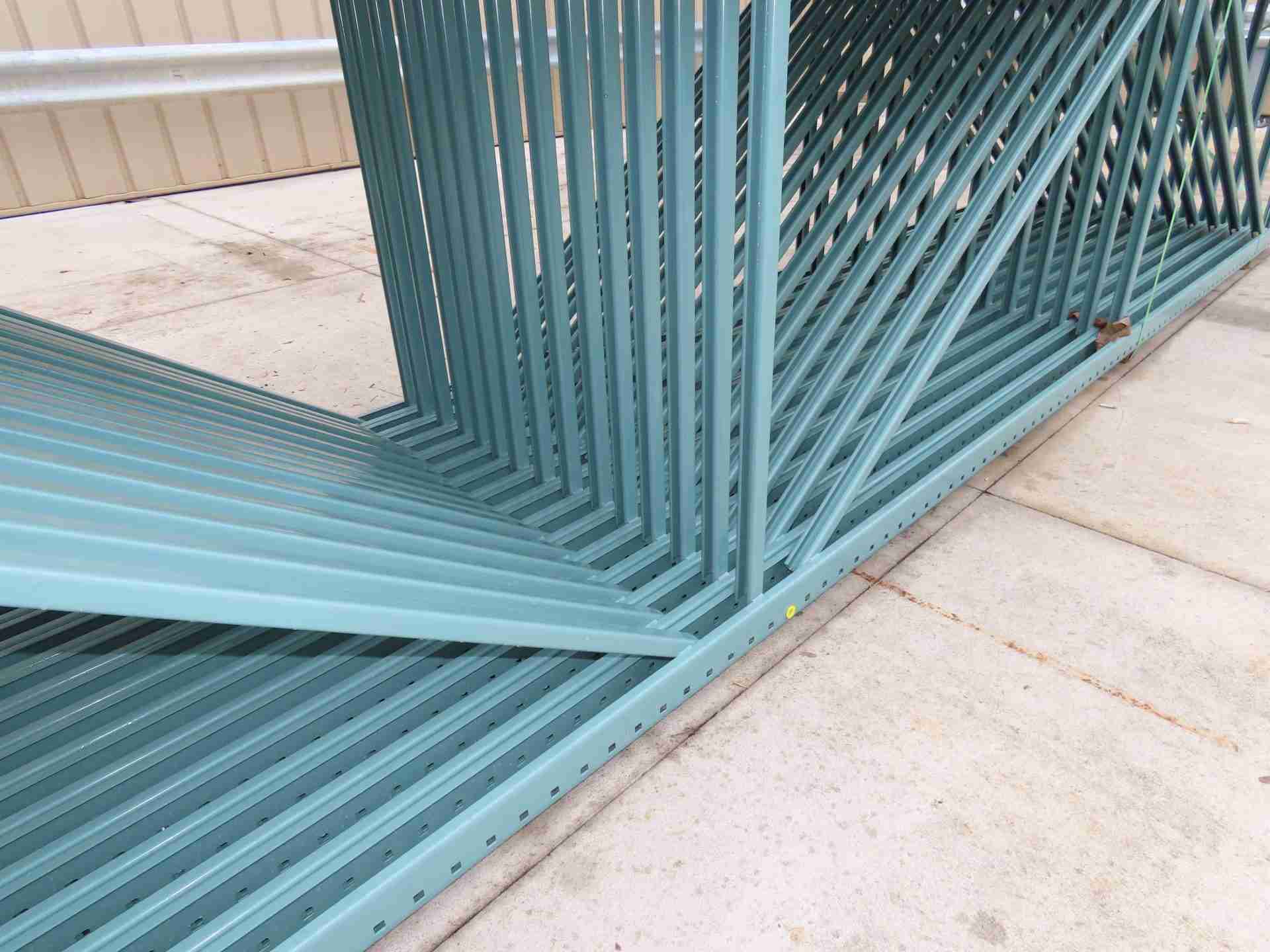
What Risks Do Pallet Racks Help Mitigate In Cold Environments?
How Does Pallet Racking Impact Order Accuracy In Cold Chain?
When you’re running a cold chain operation, every second counts, and every package matters. Pallet racking isn’t just some metal skeleton holding stuff up; it’s the backbone that keeps your orders straight and your customers happy. Think about a busy warehouse in the dead of winter or sweltering summer. The temperature’s biting, gloves are on, and workers move fast—but the system’s only as good as the structure behind it. Pallet racking organizes your inventory so the right items get to the right place without a hitch. That means fewer mix-ups, less wasted time, and fewer frozen goods thrown out because someone grabbed the wrong pallet.
There’s a real emotional weight to it, too. Imagine a small food supplier trying to keep fresh produce and frozen meats flowing to stores and kitchens that depend on them. A missed or wrong order isn’t just a minor error—it can mean a family’s dinner is delayed, or worse, compromised. Pallet racking, done right, sets up a clear, logical flow that workers can trust and rely on in fast-moving, pressure-packed cold environments. It keeps people safe from confusion and helps the whole team feel confident they’re doing their best work.
From a practical standpoint, pallet racking cuts down on human error by creating a system that’s easy to follow. Each bin, each row, each level has a purpose—and when workers know where everything is supposed to be, they’re less likely to guess or second-guess. That kind of precision isn’t just good business; it’s smart management. The ethical side shows up here, too. Shipping the right frozen goods swiftly and intact isn’t just about profits—it’s about respect: for customers, for workers, and for the hard-earned reputation your company builds every day.
Authority lies in experience. The folks who’ve spent years on warehouse floors swear by solid pallet racking systems. It turns chaos into order and saves more than just headaches—it saves trust. When your supply chain’s chilly heart beats steady through a rugged pallet racking system, your whole operation hums along smoothly. That’s the real magic. It’s not fancy tech, just cold, hard common sense built on strong racks holding more than pallets—they hold your business’s reliability, one order at a time.
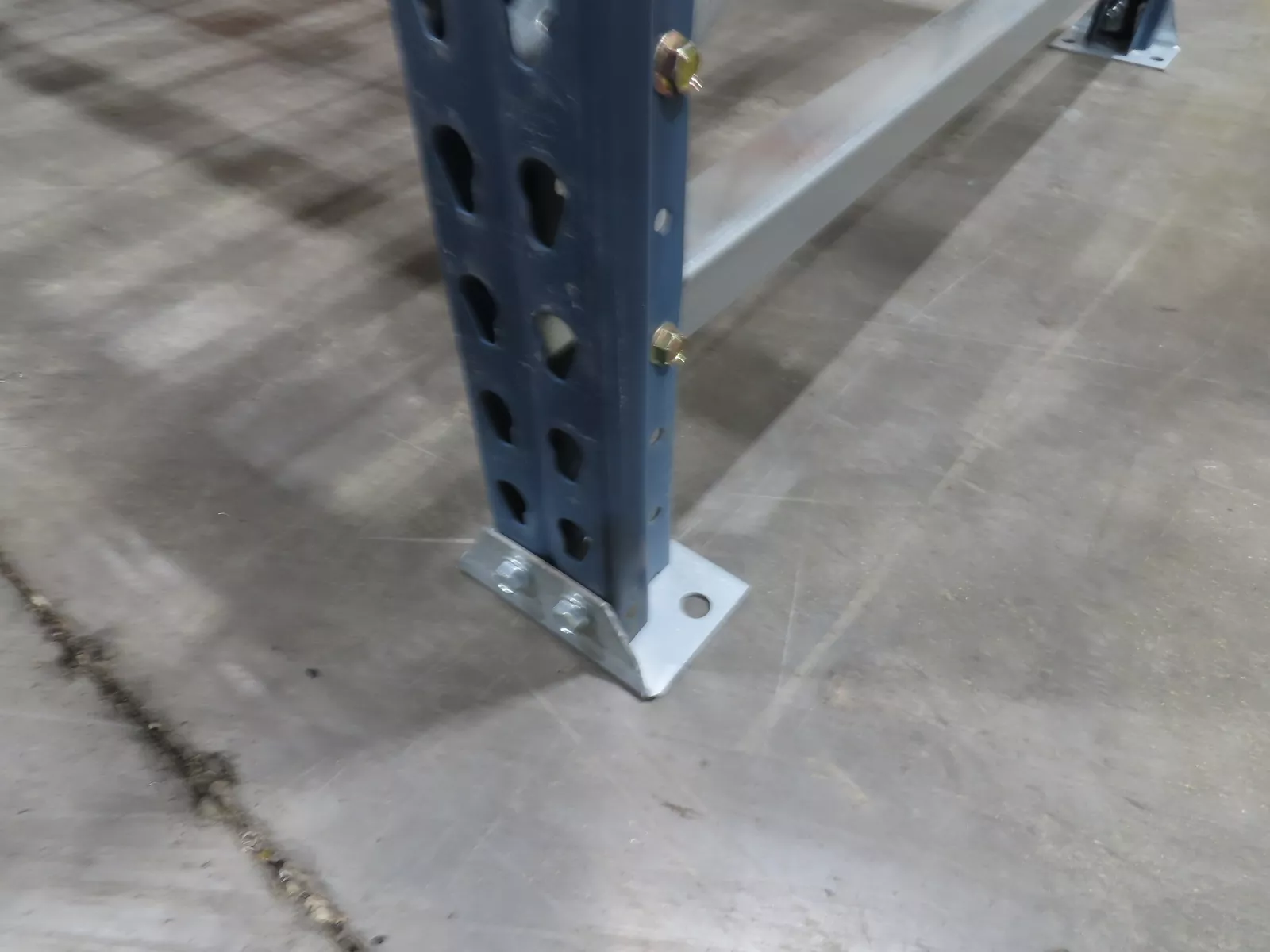
How Does Pallet Racking Impact Order Accuracy In Cold Chain?
How Does Pallet Racking Impact Order Accuracy In Cold Chain?
- In cold chain operations, pallet racking is essential for organizing inventory and ensuring timely, accurate order fulfillment.
- Proper pallet racking reduces errors, saves time, and prevents waste of frozen goods caused by mix-ups.
- It supports workers in fast-paced, temperature-challenging environments by providing a clear, logical flow of goods.
- Accurate pallet racking impacts more than logistics, affecting customers’ meals and the reputation of food suppliers.
- The system minimizes human error by designating specific locations for each item, enhancing precision and management efficiency.
- It reflects ethical responsibility by respecting customers, workers, and the company’s trustworthiness.
- Experienced warehouse professionals endorse pallet racking as a practical, reliable foundation that maintains supply chain stability and business credibility.
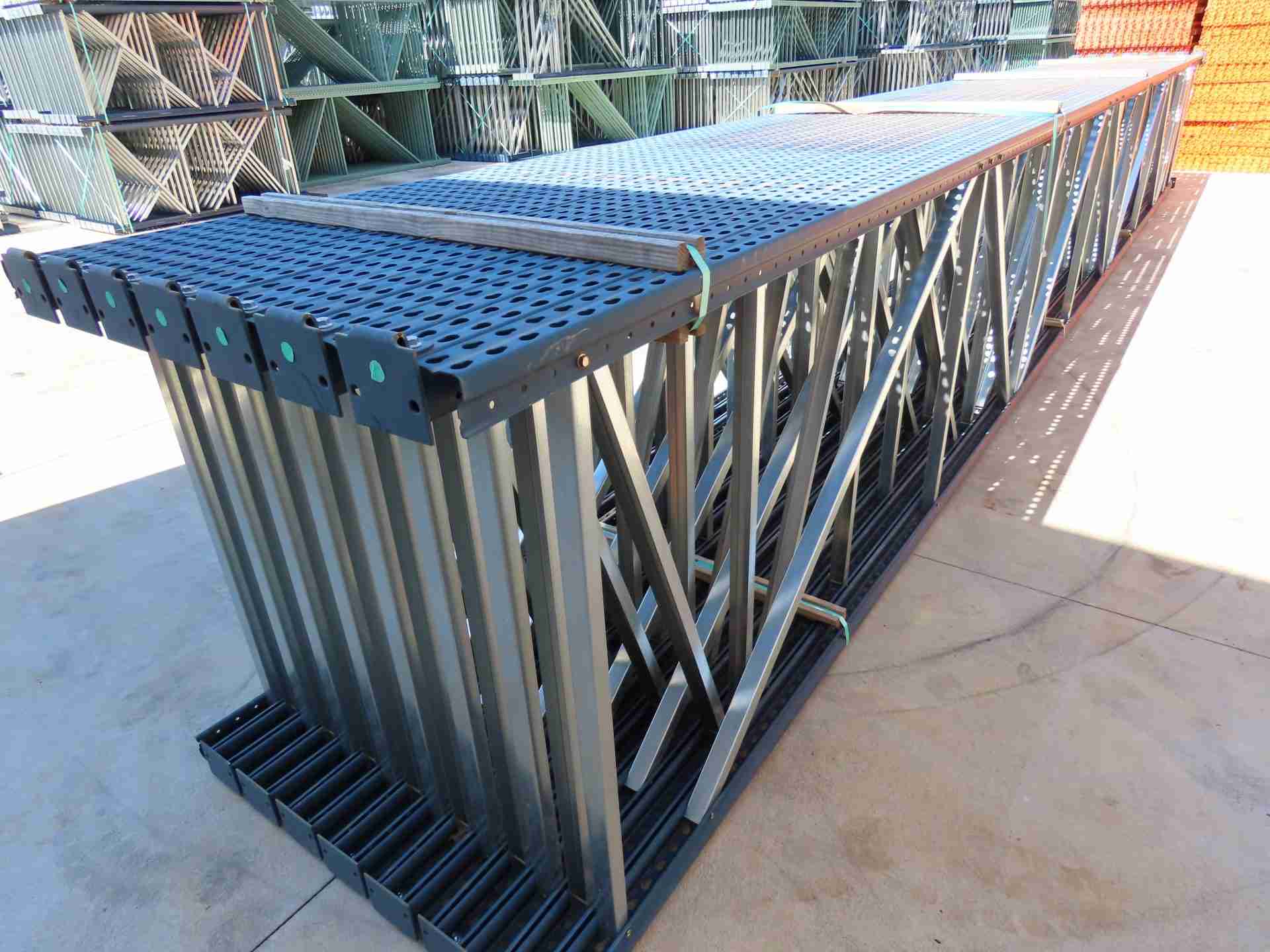
How Does Pallet Racking Impact Order Accuracy In Cold Chain?
Can Pallet Racking Boost Space Utilization for Cold Storage?
When you’re working in cold storage, every inch of space feels like gold. You don’t just want to fill up a room—you want to use it smart, like a well-oiled machine humming along, no wasted footsteps, no lost product buried in a cluttered corner. That’s where pallet racking steps in, not just as some fancy setup, but as the grit-and-grind solution that makes cold storage more than just a frozen warehouse—it makes it a space that works for you.
Think about it: pallet racking isn’t just metal bars and beams stacked up. It’s the backbone of efficiency, turning sprawling, empty cold rooms into organized tiers of ready-to-go inventory. You’ve seen spots with piles tossed in there, making it tough to find the right pallet or squeezing your workflow into tight squeezes. Pallet racking chops that mess up, pushing back chaos and squeezing every possible pallet into a neat row-up that’s easy to access. Instead of clumsy stacking on the floor, it elevates your cold storage game—literally—adding vertical space that feels like a breath of fresh air even when the freezer’s humming.
From a practical standpoint, pallet racking drastically improves workflow. Forklifts can move faster, operators see what’s where in a glance, and time isn’t wasted digging through piles. That’s not just a productivity bump—it’s less time freezing your hands off and more time hitting schedules, getting shipments out on time, and keeping customers happy. There’s a tangible satisfaction knowing your cold storage isn’t a mess but a well-manicured tool that answers your daily hustle.
Ethically, it’s about respect for the product and the effort behind it. When food or supplies are stored properly—organized, off the floor, easy to inspect—it lessens waste. Nothing goes forgotten or wasted under a heap. That’s doing right by the resources and the people who rely on you, whether that’s a local grocery store stocking shelves or a bigger supply chain backing hospitals.
It’s no secret in the trade—companies that invest in pallet racking see results. They earn trust from clients because their cold storage operates predictably, safely, and efficiently. That’s not just bragging rights. It’s the quiet reputation that builds from doing things right day after day.
So whether you’re sweating it in the cold aisles or running the show behind the scenes, pallet racking is the low-key hero turning cold storage from a pain in the neck into a solid, dependable asset. If you want to boost space utilization without overcomplicating things, this is where clear-headed planning meets good old-fashioned elbow grease—and it pays off every time.

Can Pallet Racking Boost Space Utilization for Cold Storage?
Can Pallet Racking Boost Space Utilization for Cold Storage?
- Pallet racking maximizes cold storage space by organizing inventory efficiently and reducing wasted steps.
- It transforms empty cold rooms into accessible, vertical tiers of ready-to-go pallets, replacing cluttered floor stacking.
- Workflow improves significantly with faster forklift movement and easier product visibility, saving time and boosting productivity.
- Proper storage with pallet racking reduces product waste by keeping items off the floor and easy to inspect.
- Investing in pallet racking builds trust with clients by ensuring predictable, safe, and efficient cold storage operations.
- Pallet racking serves as a practical, dependable solution making cold storage an effective, well-managed asset.
- It combines smart planning and hard work to enhance space utilization without unnecessary complexity.
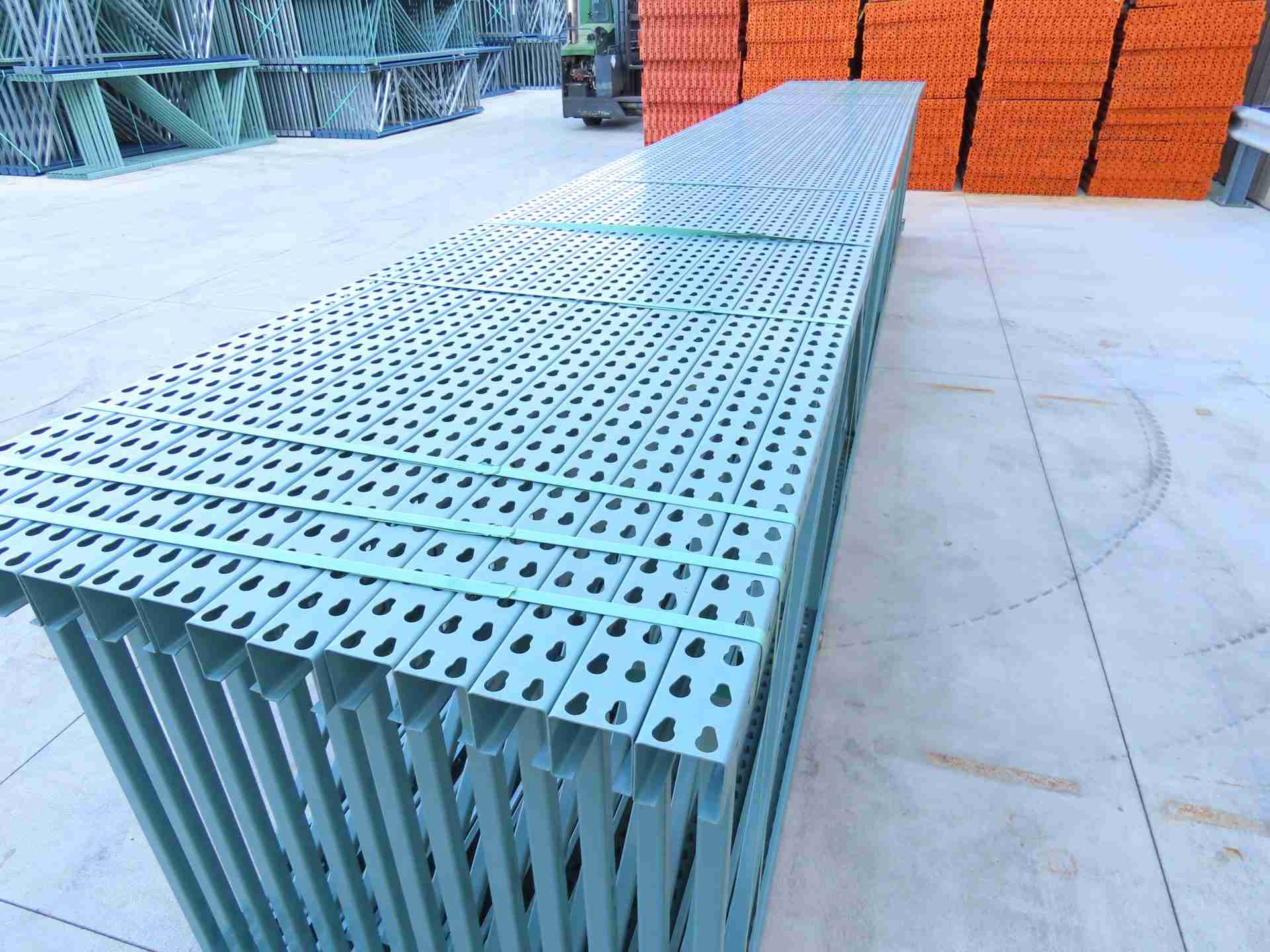
Can Pallet Racking Boost Space Utilization for Cold Storage?
Conclusion
Running a cold chain 3PL operation is no place for guesswork or wasted effort. Pallet racking stands at the heart of this world—not just as heavy-duty shelves, but as the rugged backbone that keeps the whole system ticking. It’s about making every inch count, every minute work, and every pallet find its rightful place without chaos. When you lean on good pallet racking, you’re not just stacking boxes; you’re safeguarding meals, medicines, and lives. That’s a responsibility that hits where it hurts—in the gut, on the head, and in the heart.
The cold chain is all about timing and precision. Pallet racking shrinks the mess, cutting down the seconds lost hunting through piles and letting forklifts glide through clear aisles. Efficiency isn’t fancy; it’s just smart design powered by grit. Workers move with confidence because the setup respects their hard work and risk—keeping products off cold floors and out of harm’s way. That grounded sense of order does more than save time; it snuffs out mistakes, cuts spoilage, and keeps customers coming back because they trust the goods they’re getting won’t fail them.
Beyond the practical wins lies an ethical edge: this isn’t just a warehouse, it’s a lifeline. When products—whether fresh food or vital vaccines—arrive intact and on time, it means families eat, medicines save lives, and communities thrive. Pallet racking shows respect not just for the product, but for the people behind it all: the workers who load and unload, the customers who rely on supply, and the planet we all share. Smart racking systems reduce wasted energy, chop refrigeration costs, and shrink carbon footprints. That’s good business that does good in the world, a quiet nod to responsibility in a tough industry.
Safety can’t be an afterthought here. Cold, slippery floors and heavy loads don’t mix well with anything less than tough, stable racks. When the racking does its job right, workers breathe easier, accidents drop, and the whole operation hums steady. That kind of reliability builds trust from the loading dock to the store shelves—and there’s no shortcut to that.
Order accuracy is another win pallet racking delivers in spades. In freezing conditions, the last thing anyone needs is confusion. Clear organization means fewer mistakes, less waste, and customers getting exactly what they ordered—hot meals and critical supplies delivered on the button. This kind of system isn’t high-tech wizardry; it’s plain, solid common sense earned through years on the floor.
And let’s not forget space—the cold storage dollar is a tough one to stretch. Pallet racking lifts storage vertically and cuts back on wasted floor space, meaning fewer spots bleed precious cold air or stay empty and costly to run. That’s bottom-line savings passed along to customers with a clear message: you run a tight ship, you respect your product, and you value the trust placed in you.
At the end of the day, pallet racking in cold chain 3PL is the unglamorous hero. It’s steel and sweat, planning and pride, grit and grit alone turning freezing warehouses from trouble spots into well-oiled machines. Depend on it, and you’re not just moving pallets—you’re moving a promise. Solid, steady, and straight-up dependable.

Conclusion
Conclusion:
- Pallet racking is the essential backbone of cold chain 3PL operations, ensuring organized, efficient storage and handling of critical products.
- It optimizes space and time by providing clear aisles and reducing search time, allowing forklifts and workers to operate smoothly and confidently.
- Beyond logistics, pallet racking supports ethical responsibilities, preserving food, medicine, and lives while reducing energy use and environmental impact.
- Durable, stable racking enhances safety by preventing accidents on slippery floors and handling heavy loads reliably.
- Order accuracy is improved through clear organization, minimizing mistakes and waste in freezing conditions.
- Vertical storage maximizes cold storage efficiency, cutting wasted floor space and lowering refrigeration costs for better overall savings.
- Pallet racking transforms cold warehouses into dependable, well-managed operations, delivering not just pallets but a promise of trust and reliability.
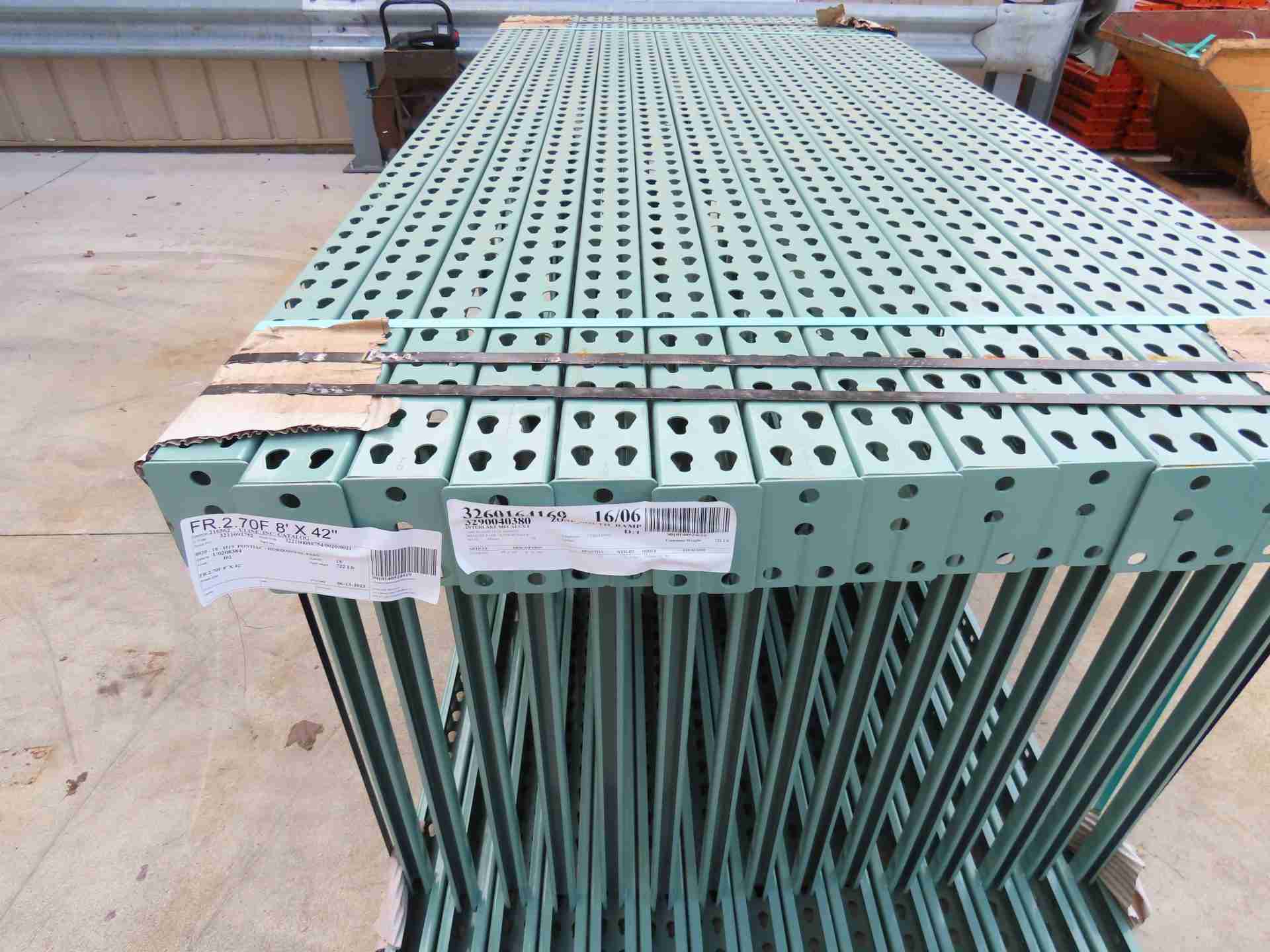
Conclusion
Other Resources
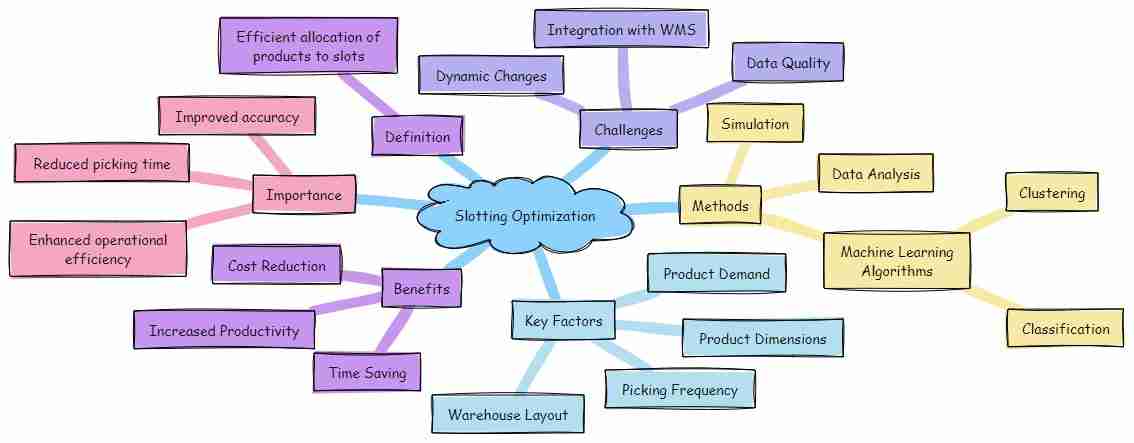
Other Resources
Here is a list of other resources you can review online to learn more:
- Interlake Mecalux
- Teardrop Uprights
- WERC
- Teardrop Industrial Shelving Rack
- Teardrop Racks – Pallet Rack World
- What is Selective Racking: Understanding Benefits & Options
- Selective Racking
- IWLA
- BMH Equipment LLC
- International Warehouse Logistics Association
- Bradford Systems
- Interlake Mecalux
- ASSP
- Selective Racking
- Warehouse Automation
- Selective Pallet Racking Systems
- Teardrop Industrial Shelving Rack
- Used Teardrop Pallet Rack – American Surplus
- Pallet Racking systems in Illinois and Great Lakes
Use This Prompt To Get More Resources With Your Favorite Online AI Tool: Please provide me with a list of online articles with their URLs in a bulleted list that I can read regarding How Do Cold Chain 3Pl Services Leverage Pallet Racking?
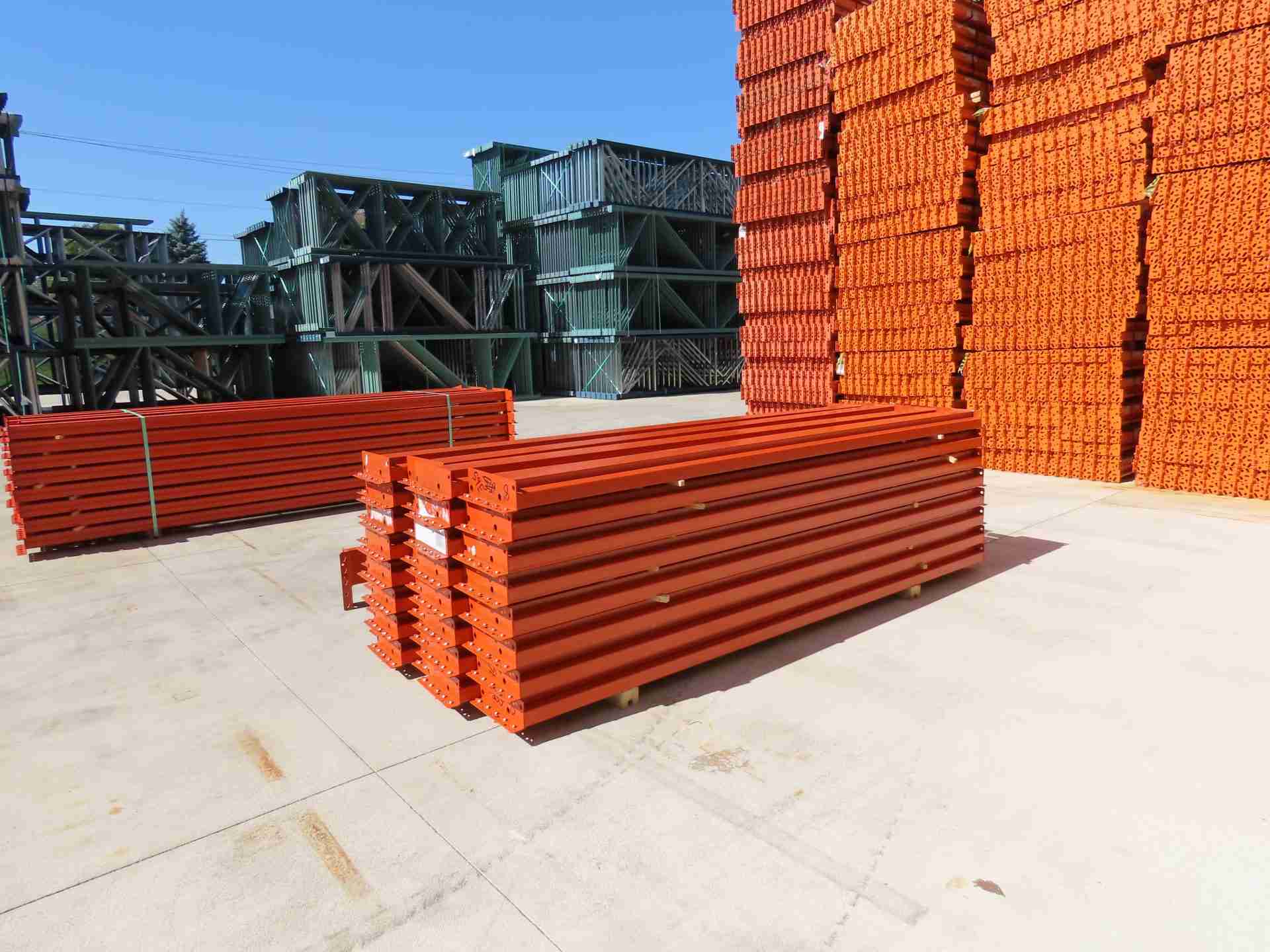
Other Resources
Glossary Terms
How Do Cold Chain 3Pl Services Leverage Pallet Racking? – Glossary Of Terms
1. Cold Chain: A temperature-controlled supply chain essential for preserving the quality and safety of perishable products.
2. 3PL (Third-Party Logistics): A service provider that manages logistics operations on behalf of a company, including storage, transportation, and distribution.
3. Pallet Racking: A storage system designed to hold palletized goods in warehouses for efficient space utilization and retrieval.
4. Refrigerated Warehouse: A facility equipped with temperature control systems to store perishable goods under specific cold conditions.
5. Temperature Control: Maintaining required temperature ranges throughout storage and transportation to prevent spoilage.
6. Inventory Management: The process of tracking and managing stock levels within the cold chain environment.
7. Space Optimization: Efficient use of warehouse space through systems like pallet racking to maximize storage capacity.
8. Load Stability: Securing pallets to prevent shifting or damage during storage or transport in refrigerated environments.
9. FIFO (First-In-First-Out): Inventory management principle ensuring older stock is used before newer stock to maintain freshness.
10. Cold Storage: Storage facilities or areas maintained at low temperatures to preserve perishable goods.
11. Cross-Docking: Transfer of products directly from inbound to outbound transport without long-term storage, often used in cold chains.
12. Frozen Goods: Products stored at sub-zero temperatures to maintain freshness over extended periods.
13. Perishable Products: Items that require strict temperature control due to limited shelf life, such as food or pharmaceuticals.
14. Automated Storage and Retrieval Systems (AS/RS): Technology integrated with pallet racking to automate the handling of pallets in cold storage.
15. Humidity Control: Regulation of moisture levels in cold storage to prevent product spoilage or degradation.
16. Energy Efficiency: Measures and technologies implemented in refrigerated warehouses to reduce energy consumption.
17. Compliance Standards: Regulatory requirements for handling, storage, and transportation within cold chains.
18. Temperature Monitoring: Use of sensors and devices to continuously track temperature conditions throughout storage and transport.
19. Pallet Configuration: The arrangement and stacking of products on pallets to optimize storage and handling.
20. Cold Chain Visibility: Real-time tracking and data access to monitor location and condition of temperature-sensitive goods.
21. Warehouse Management System (WMS): Software that supports the organization, tracking, and optimization of warehouse operations.
22. Load Capacity: The maximum weight or volume that a pallet rack or pallet can safely support.
23. Insulation: Materials used in cold storage to maintain low temperatures and reduce energy loss.
24. Material Handling Equipment: Tools and machines, such as forklifts, used to move pallets on and off racking systems.
25. Temperature Zoning: Designation of specific areas within a warehouse to maintain different temperature requirements.
26. Safety Compliance: Adherence to safety protocols to protect workers and maintain product integrity in cold storage.
27. Pallet Tagging: Labeling pallets with information like batch number, temperature requirements, and expiration dates for easy identification.
28. Cold Chain Disruption: Any break in the controlled temperature process that risks product quality.
29. Load Distribution: Even spreading of pallet weight on racks to ensure stability and safety.
30. Demand Forecasting: Predicting product demand to optimize storage space and inventory turnover in cold chain operations.
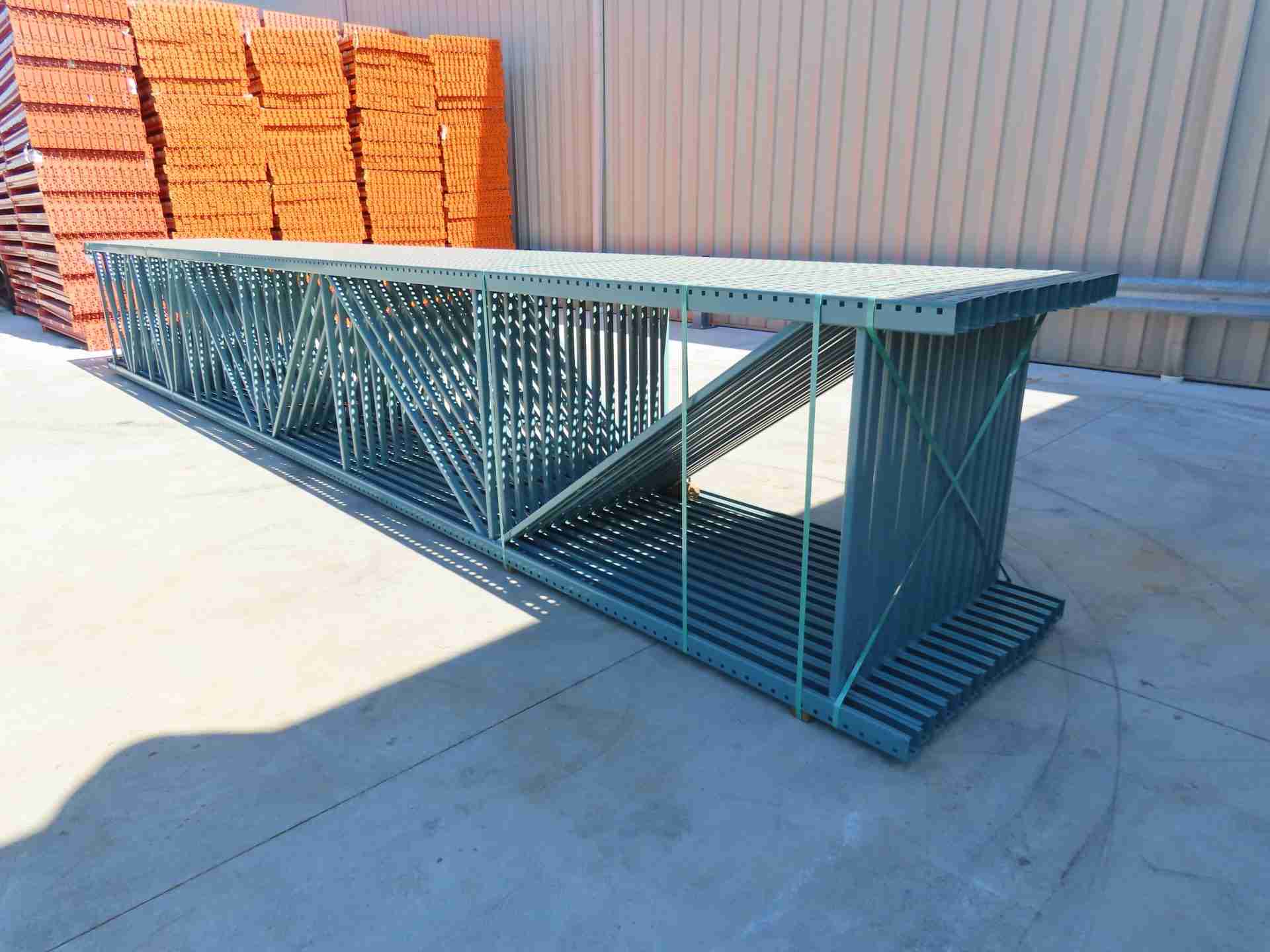
Glossary Of Terms
Other Questions
How Do Cold Chain 3Pl Services Leverage Pallet Racking? – Other Questions
If you wish to explore and discover more, consider looking for answers to these questions:
- What types of pallet racking systems are best suited for cold chain 3PL facilities (selective, drive-in, push-back, pallet flow, etc.)?
- How do different racking types affect airflow and temperature uniformity in refrigerated spaces?
- What materials and coatings are recommended for pallet racks in subzero or high-humidity environments to prevent corrosion?
- How do you calculate required load capacities and safety factors for racks storing perishable goods?
- What are the installation considerations for pallet racking inside freezers and refrigerated rooms?
- How frequently should pallet racking be inspected and by whom?
- What are the most common forms of rack damage in cold storage and how are they repaired?
- How does pallet racking design influence energy consumption and refrigeration costs?
- What layout strategies maximize space utilization while maintaining safe forklift access (aisle width, bay depth, etc.)?
- How do pallet racking choices impact picking methods and order fulfillment speed?
- Which racking systems are best for first-in, first-out (FIFO) vs last-in, first-out (LIFO) inventory rotation?
- How do you integrate pallet racking with warehouse management systems (WMS), barcode scanning, and RFID?
- Are there specific OSHA, FDA, USDA, or local regulations that govern pallet racking in cold storage?
- What fire safety and sprinkler system considerations are required for racked cold storage?
- How do seismic and structural codes affect racking design in cold chain warehouses?
- What are the costs and ROI of different pallet racking configurations for cold chain 3PLs?
- How do you plan for seasonal demand swings using modular or scalable racking?
- What are best practices for labeling, zone mapping, and visual cues on pallet racking in low-visibility cold rooms?
- How does racking design affect cleaning, sanitation, and HACCP compliance?
- What worker training and certification are needed for operating forklifts around tall, densely racked systems in cold environments?
- How do cold temperatures affect the mechanical properties of rack components and fasteners over time?
- What anti-condensation and drip-control measures are needed around pallet racks to protect products?
- How do you manage defrost cycles and maintenance schedules to avoid disrupting racked inventory?
- Which forklift types and attachments are optimal for narrow-aisle or very high pallet racking in cold storage?
- What clearances and safety barriers are necessary to prevent collisions and protect rack integrity?
- How do you determine floor load capacity and column loading when installing heavy pallet racking?
- When is it better to retrofit existing racking versus replacing it for cold storage use?
- How do automated systems (AS/RS), conveyors, or robotics integrate with pallet racking in refrigerated environments?
- What are the pros and cons of dynamic racking systems (e.g., pallet flow) in cold chain operations?
- How do racking layouts support cross-docking, consolidation, and mixed-temperature workflows?
- What metrics should 3PLs track to measure the impact of racking on throughput, accuracy, and costs?
- How does pallet racking influence order accuracy and what controls reduce picking errors?
- What insurance and liability considerations relate specifically to pallet racking failures in cold storage?
- How do you ensure traceability and audit readiness with racked inventory in regulated cold chains (pharma, food)?
- What are recommended preventive maintenance schedules and spare-part inventories for rack systems?
- How long do pallet racking systems typically last in cold storage, and what drives lifecycle replacement?
- How do you select reputable racking vendors and what questions should you ask during procurement?
- What are the environmental impacts of racking choices and are there recyclable or lower-carbon options?
- How do pallet dimensions, load patterns, and pallet quality affect racking design and safety?
- What emergency procedures should be in place for rack collapse, leaks, or temperature excursions involving racked inventory?
- How do you balance dense storage with accessibility needs for inspections, quality checks, and recalls?
- What case studies or real-world examples show measurable benefits from upgrading pallet racking in cold chain 3PLs?

Other Questions
Checklist
How Do Cold Chain 3Pl Services Leverage Pallet Racking? – A Checklist
Strategy and System Selection
✅______ Rack type aligns with SKU profiles and rotation (e.g., selective for access, flow/FIFO for perishables, drive-in/double-deep for density)
✅______ Beam levels adjustable for changing pack heights and seasonal demand
✅______ Clear policy for FIFO/FEFO by category (food, pharma, other perishables)
✅______ Dedicated zones for frozen, chilled, ambient buffer, and QA/quarantine
✅______ Slotting strategy prioritizes velocity and temperature sensitivity
✅______ Expansion and reconfiguration plan documented
Rack Specifications for Cold Environments
✅______ Materials and coatings rated for low temperatures (galvanized or powder-coated, as appropriate)
✅______ Manufacturer load ratings posted and visible on every bay
✅______ Beam locks, safety clips, and anchors installed and verified
✅______ Row spacers, pallet stops, and backstops used to prevent push-through
✅______ Decking suitable for cold (wire mesh with adequate load capacity and airflow)
✅______ Corrosion risk assessed; compatible hardware and anchors selected
Layout, Space, and Aisles
✅______ Aisle widths matched to truck type and turning radius (no bottlenecks)
✅______ Vertical clearance maximized within code limits and equipment reach
✅______ Consistent transverse and longitudinal flue spaces maintained
✅______ End-of-aisle guards and column protectors installed
✅______ Staging areas sized to prevent congestion at docks and in aisles
✅______ High-velocity SKUs positioned for shortest paths
Temperature, Airflow, and Building Interface
✅______ Racks placed to avoid blocking evaporators and airflow
✅______ Minimum wall and ceiling clearances maintained to prevent icing
✅______ Product kept off floors using pallets or decking to reduce moisture transfer
✅______ Door and dock traffic patterns minimize heat gain and air loss
✅______ Temperature mapping validates uniform conditions across rack levels
✅______ Drainage and defrost water managed to prevent slick surfaces
Safety and Compliance
✅______ Routine rack inspections scheduled and logged (uprights, beams, anchors)
✅______ Damaged components tagged “Do Not Use” and removed promptly
✅______ Load distribution standards enforced (no overhang or point loading beyond spec)
✅______ Pallet quality standard defined and audited before putaway
✅______ Emergency egress and fire-protection clearances preserved
✅______ PPE and forklift protocols adapted for cold environments
Product Protection and Risk Mitigation
✅______ Back netting or mesh installed where fall risk exists
✅______ Stop bars used on single-deep bays near walkways
✅______ Pallet wrap/strap policies prevent shifting during moves
✅______ Moisture controls in place (condensation and ice prevention)
✅______ Segregation for allergens, pharma, and high-risk items
✅______ Spill containment and cleanup kits placed and accessible
Inventory Control and Order Accuracy
✅______ Location labeling standardized with scan-friendly IDs and check digits
✅______ WMS-directed putaway and picks tied to rack locations
✅______ Cycle counting prioritized by velocity and risk zones
✅______ FEFO/FIFO enforced via system allocation and physical flow
✅______ Scan verification at pick, pack, and ship to reduce mis-picks
✅______ Exception process for short-dated, damaged, or temperature-excursion items
Operations and Throughput
✅______ Defined one-way travel paths reduce cross-traffic in aisles
✅______ Dock-to-stock times tracked; fast lanes for urgent perishables
✅______ Cross-dock lanes marked and protected from storage traffic
✅______ Peak-season overflow plan (temporary beams or slots, labor, shifts)
✅______ Battery charging and maintenance areas placed away from cold traffic pinch points
✅______ Clear SOPs for slot resets and releveling beams
Cost and Sustainability
✅______ Cube utilization tracked (pallets per bay, bays per zone)
✅______ Energy per pallet stored and moved measured and reviewed
✅______ Racking density choices balanced against travel time and labor
✅______ Door dwell and infiltration minimized with process controls
✅______ Preventive maintenance reduces unplanned downtime and waste
✅______ Reusable packaging and pallet standards reduce damage and spoilage
Training and Culture
✅______ Operator training covers rack capacities, load building, and cold-specific hazards
✅______ Refresher training after any incident or layout change
✅______ Simple reporting channel for rack damage and near-misses
✅______ Visual standards posted at aisles for loading and clearance
✅______ New-hire walkthroughs include temperature and airflow do’s and don’ts
✅______ Accountability leads audit of racks and locations each shift
KPIs and Continuous Improvement
✅______ Order accuracy, mis-pick rate, and rework tracked by zone
✅______ Spoilage and shrink tied to specific rack locations and workflows
✅______ Travel time and picks per hour monitored by aisle and type
✅______ Incident and damage trends reviewed monthly with actions
✅______ Temperature excursions correlated with layout and load patterns
✅______ Quarterly layout and slotting review with data-driven changes

Checklist
At RackingWorld, we help guide you through selecting warehouse storage systems and racking.
Be sure to read our other related stories at RackingWorld to learn more about warehouse storage systems.
0 Comments